
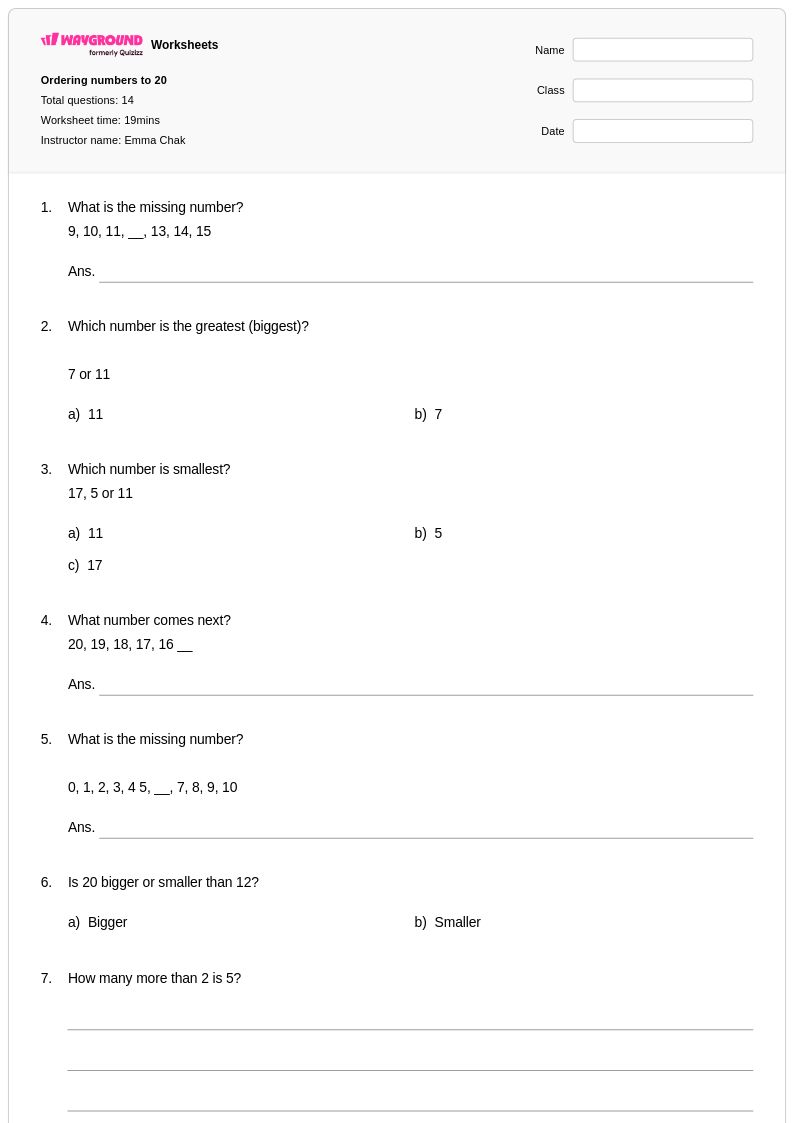
14 Hỏi
KG
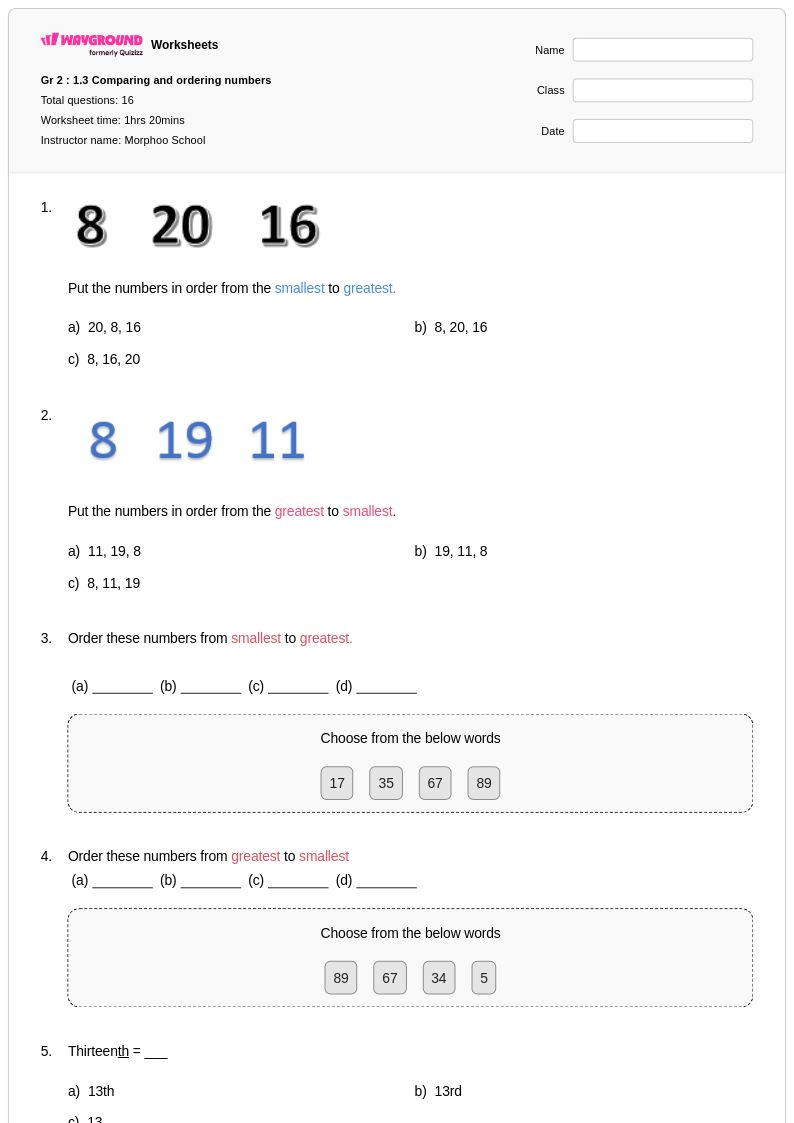
16 Hỏi
2nd
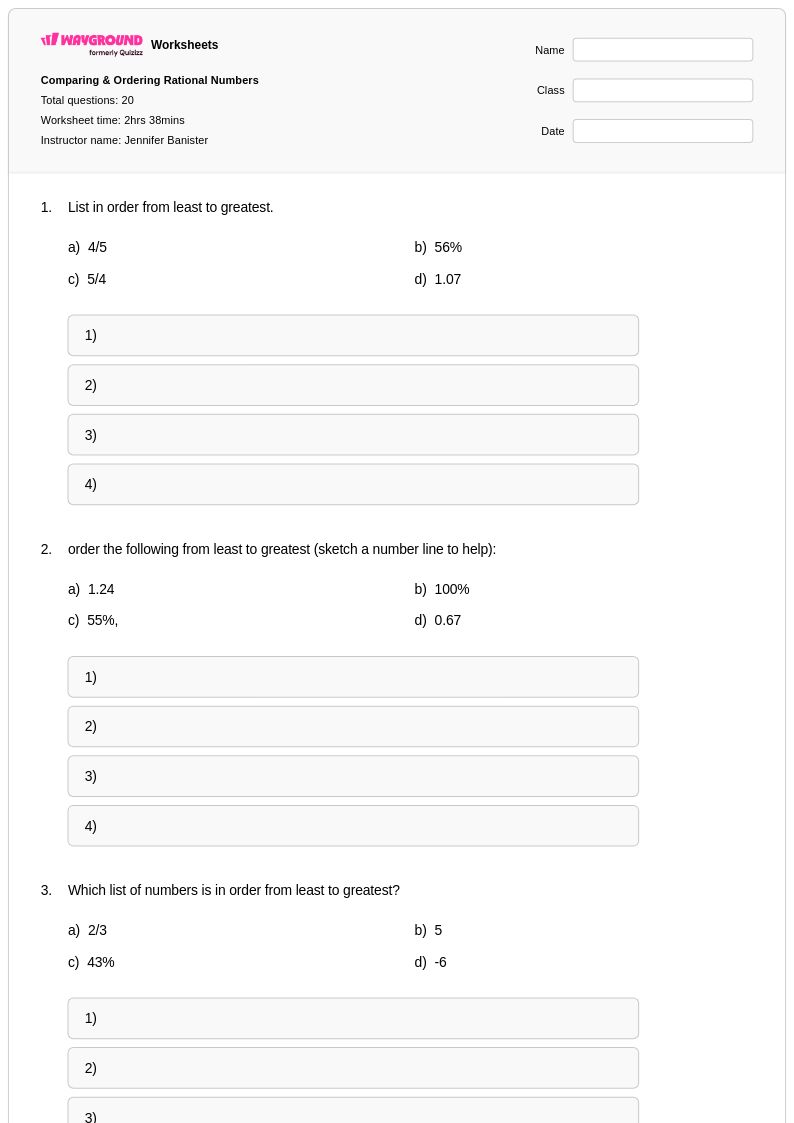
20 Hỏi
6th - 8th
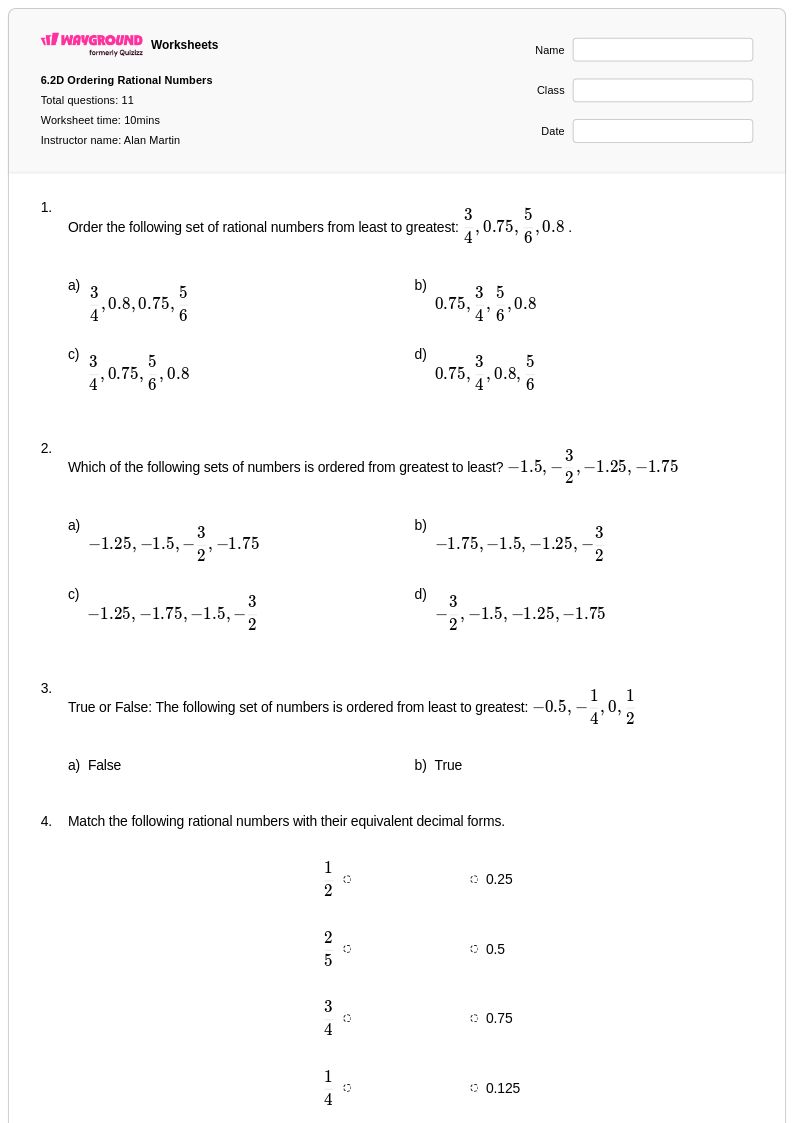
11 Hỏi
6th
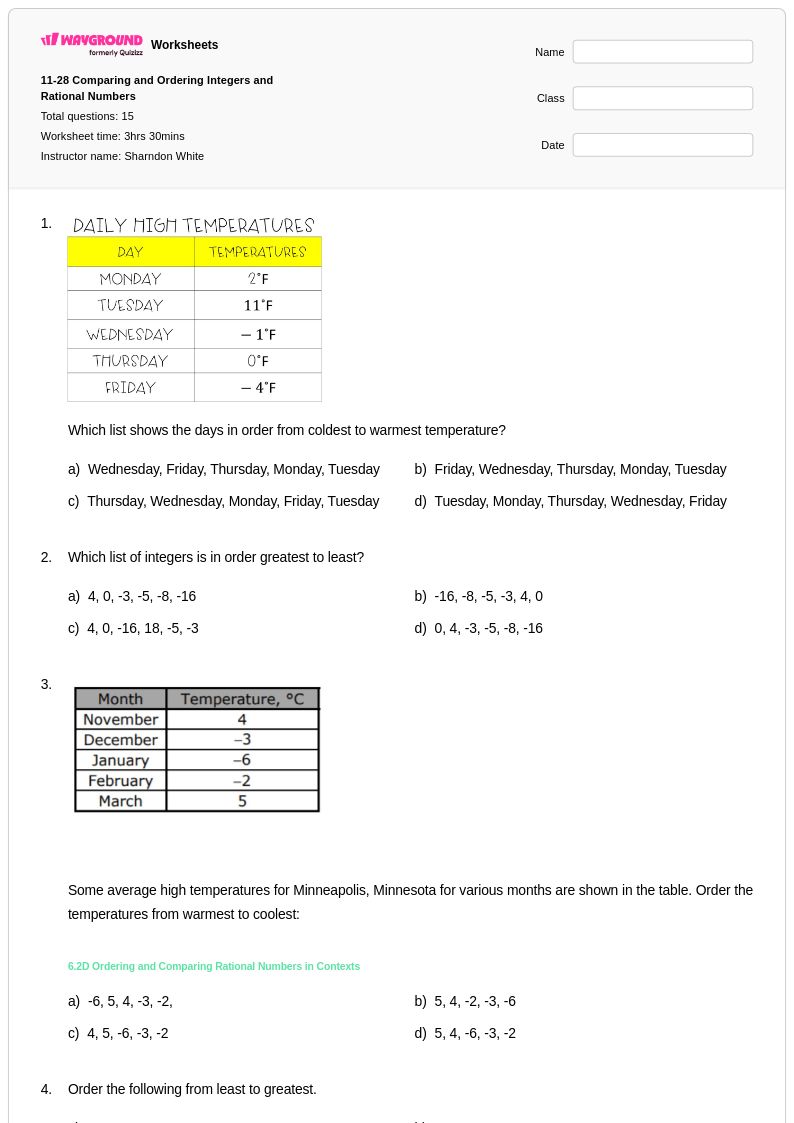
15 Hỏi
6th
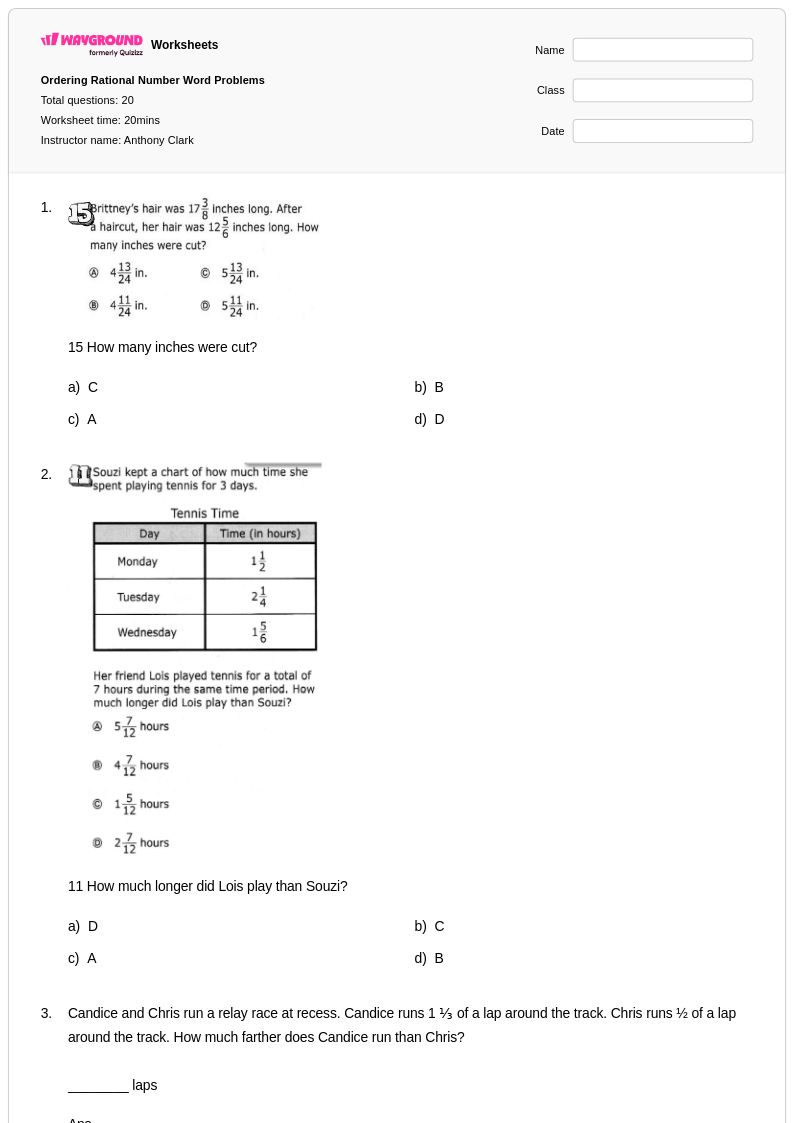
20 Hỏi
6th - Uni
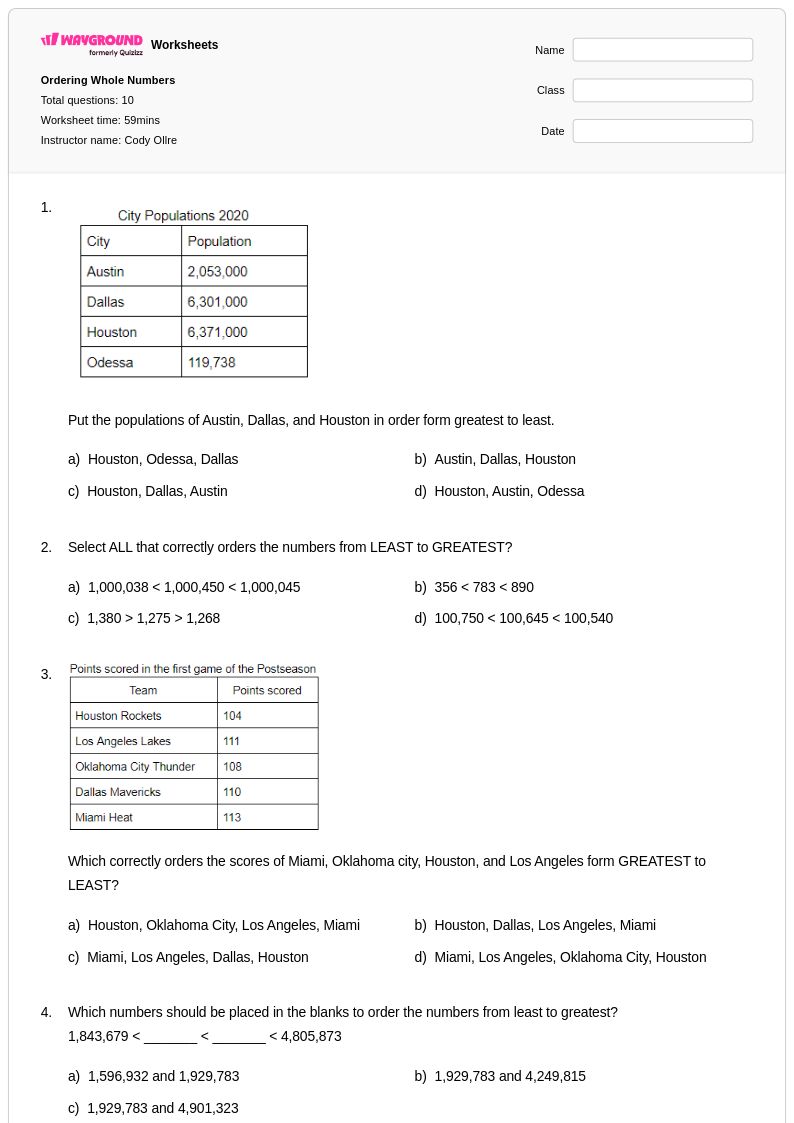
10 Hỏi
4th
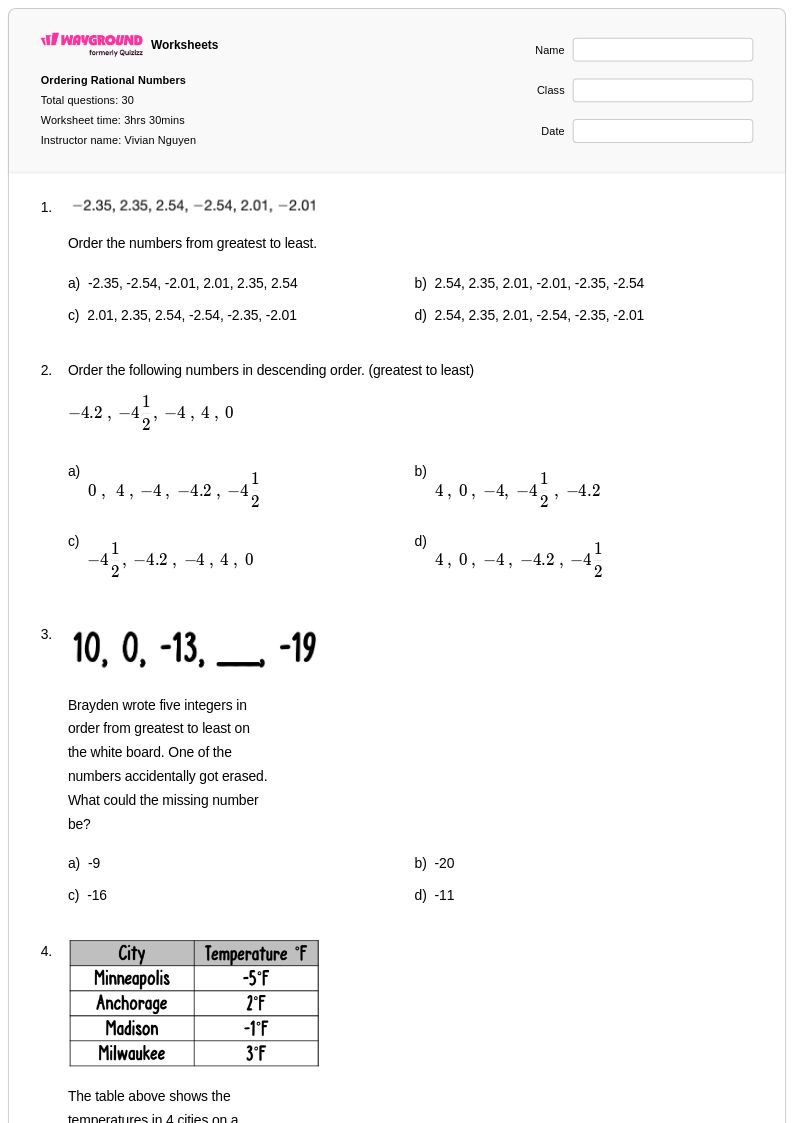
30 Hỏi
6th
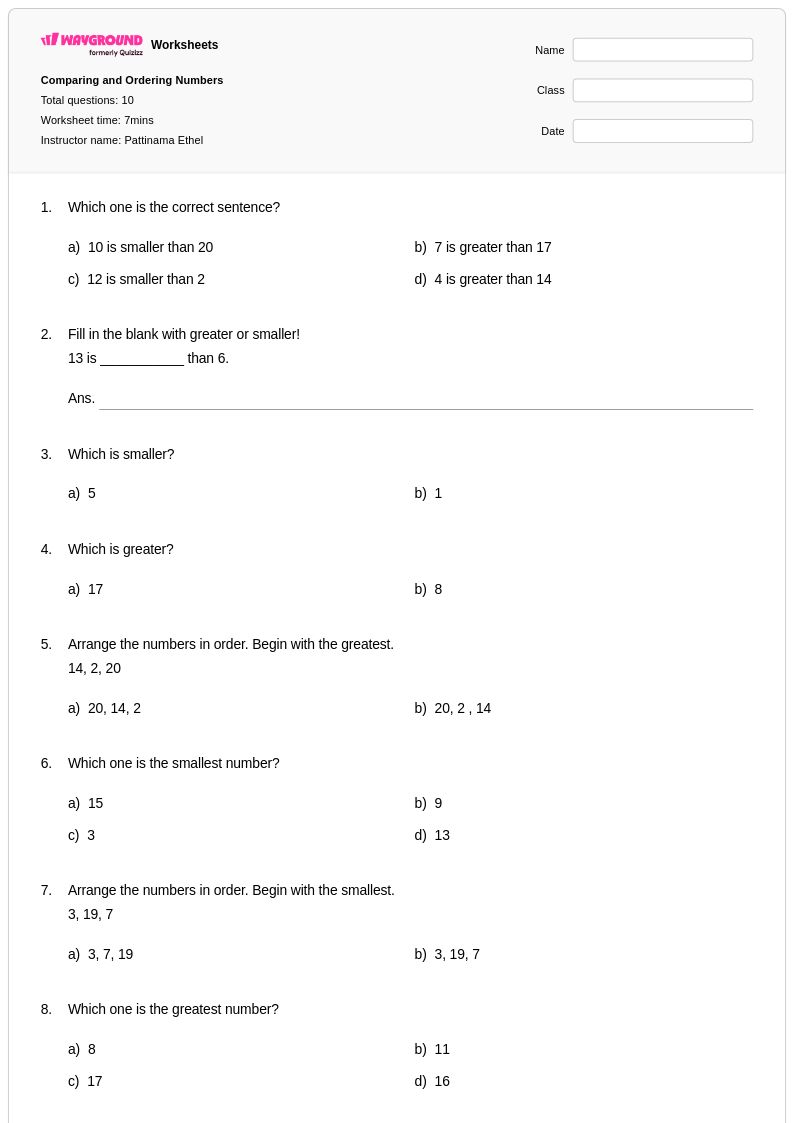
10 Hỏi
1st
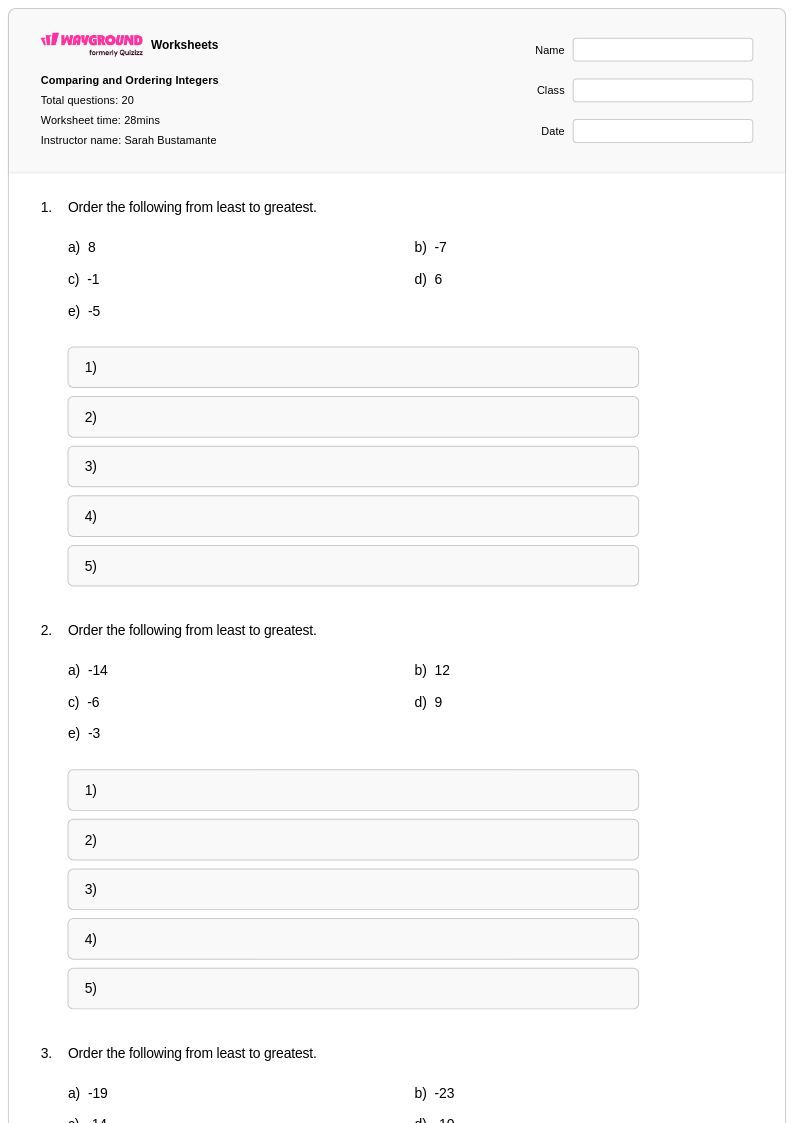
20 Hỏi
6th
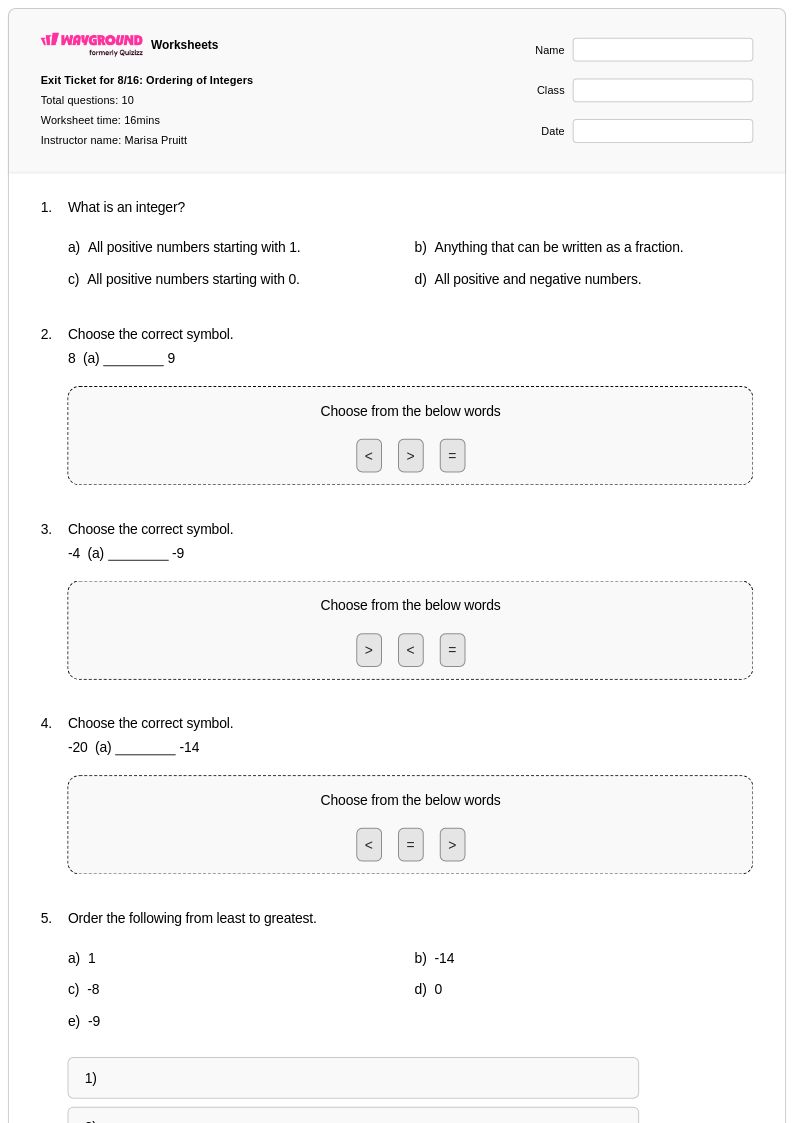
10 Hỏi
6th - 8th
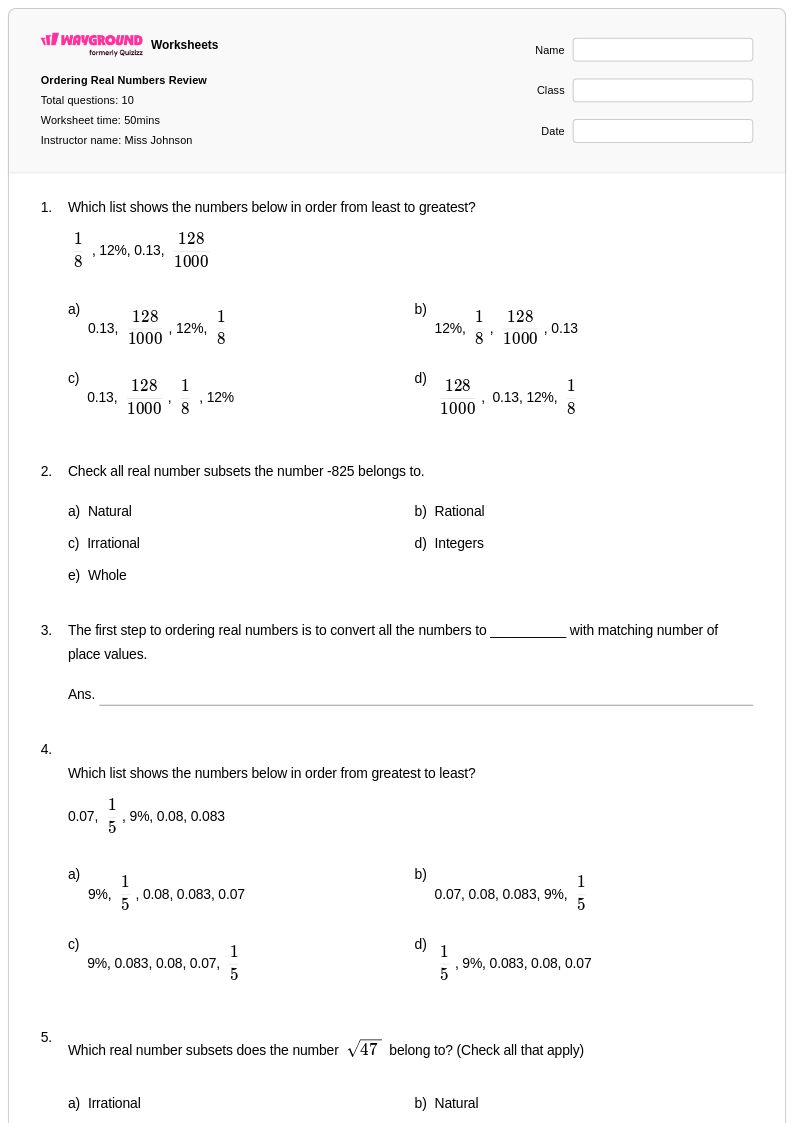
10 Hỏi
8th
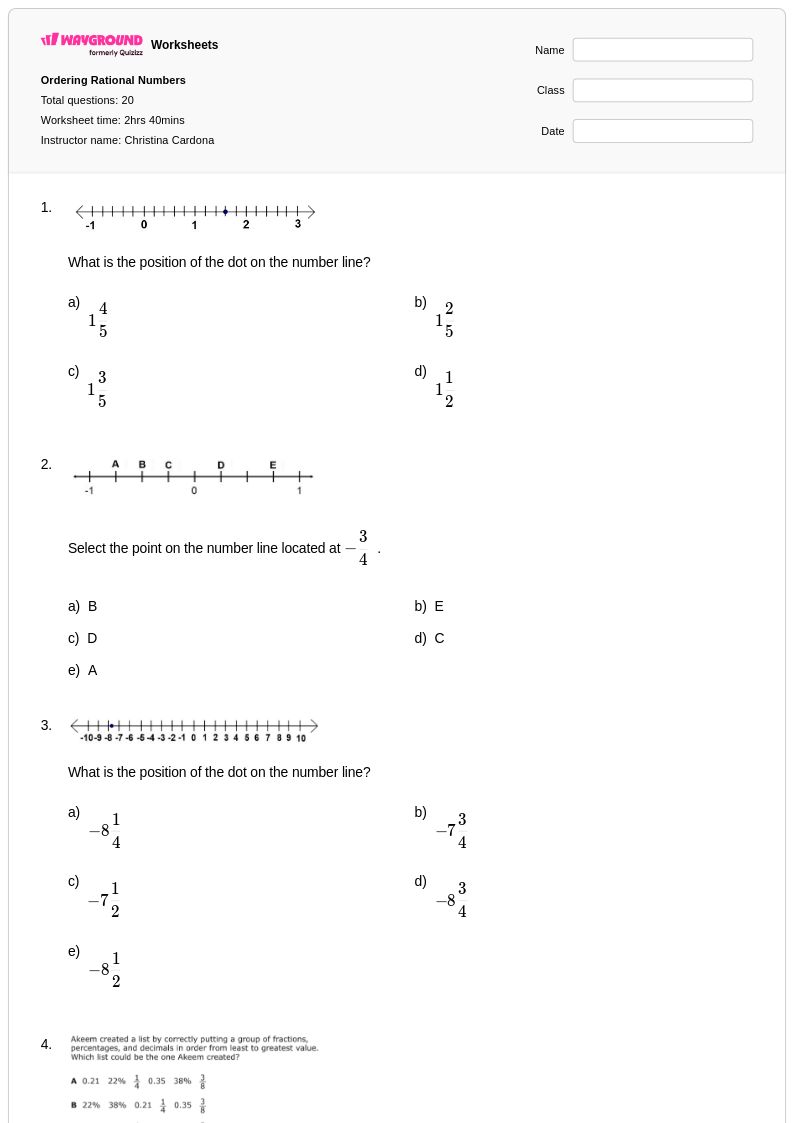
20 Hỏi
6th
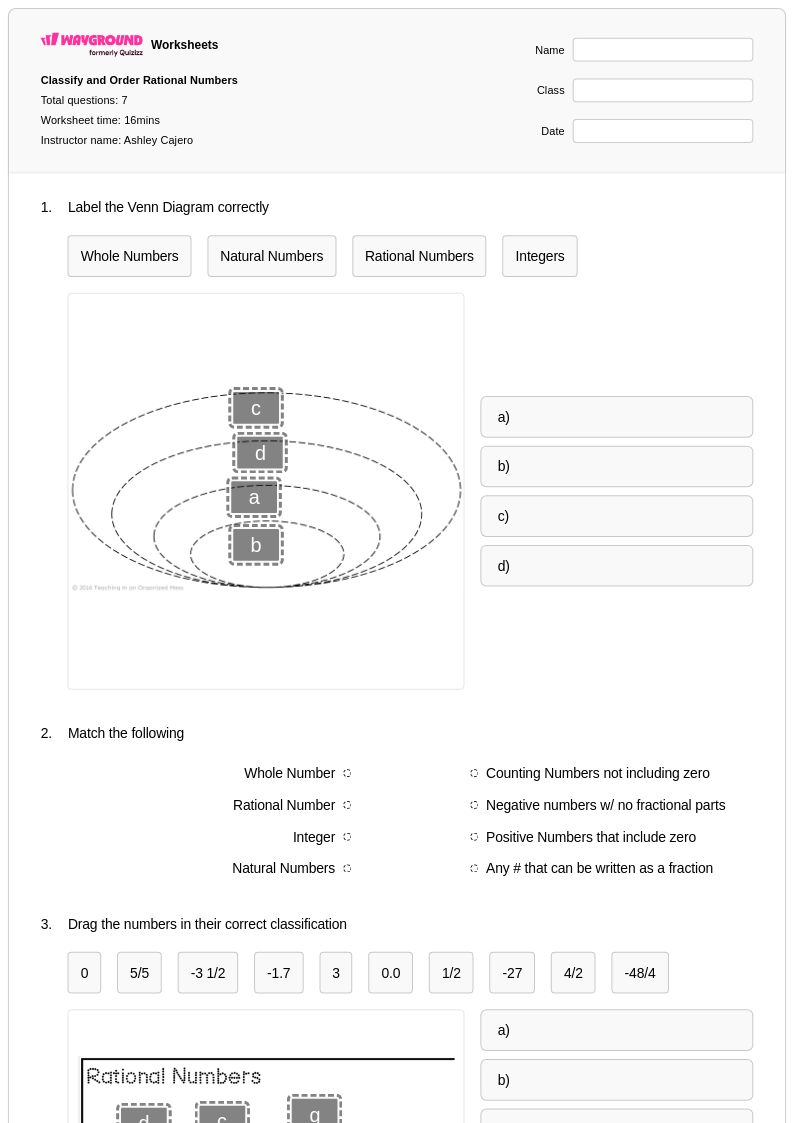
7 Hỏi
6th
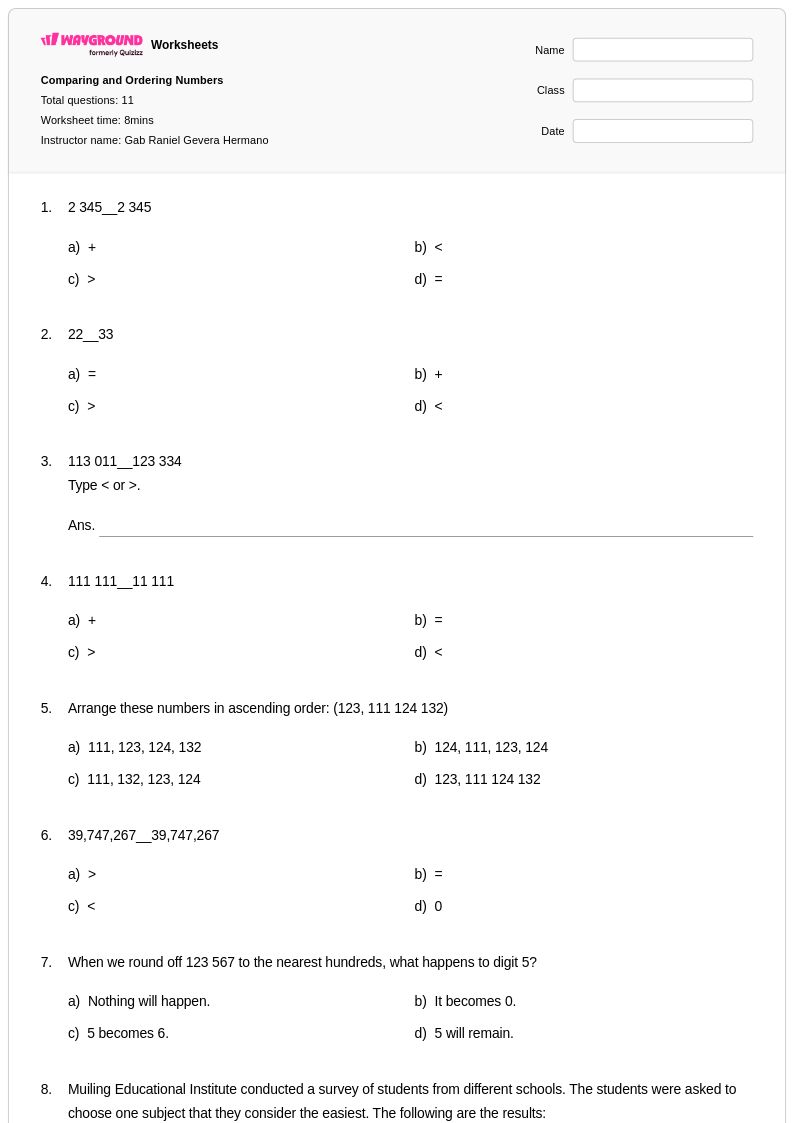
11 Hỏi
4th
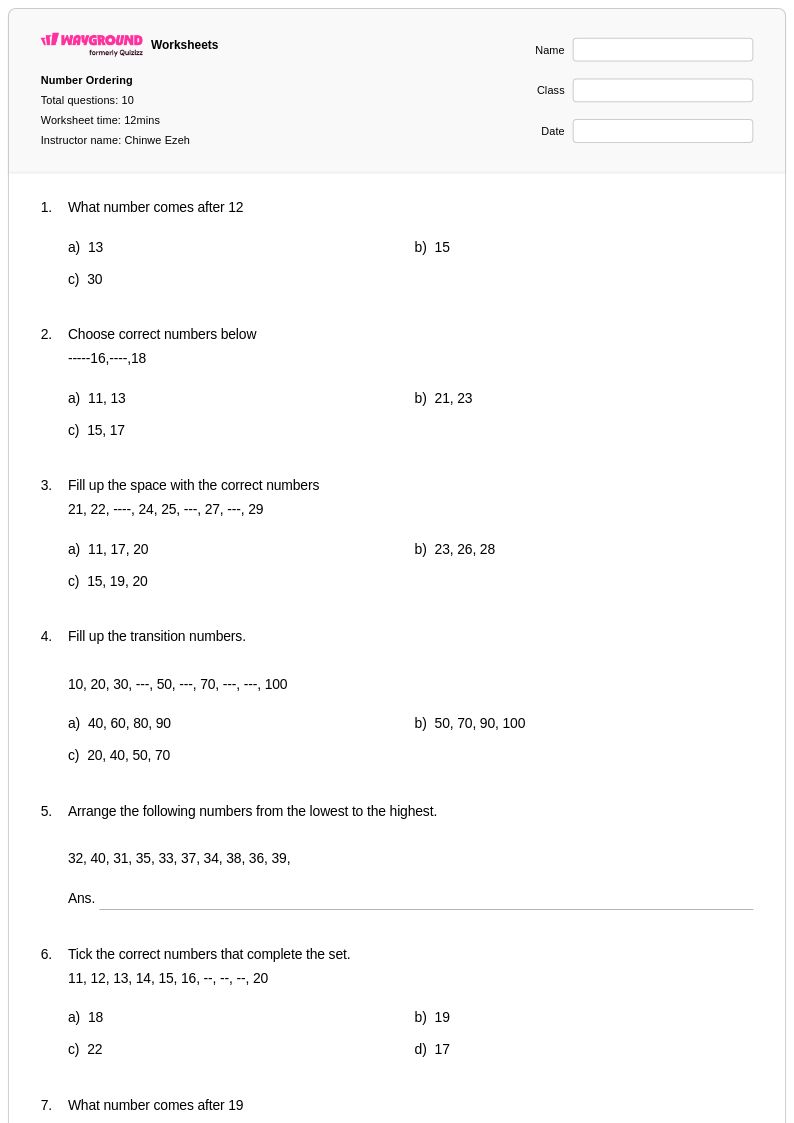
10 Hỏi
KG - 1st
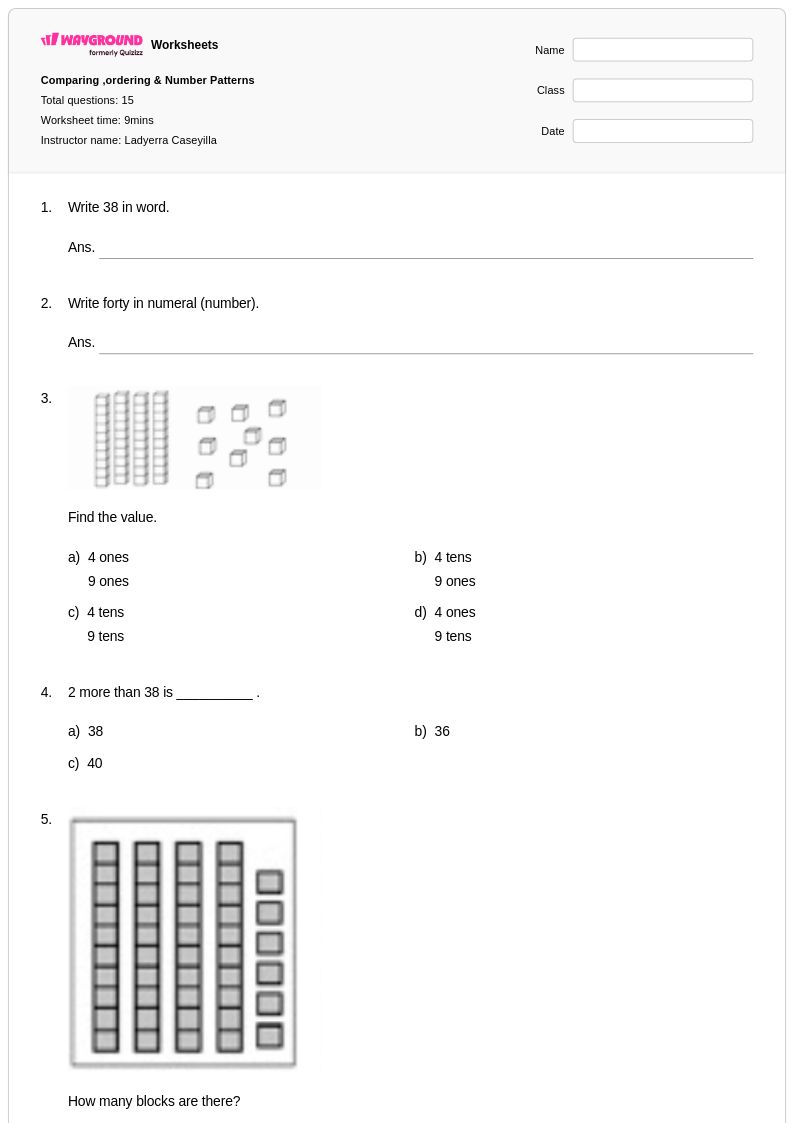
15 Hỏi
1st
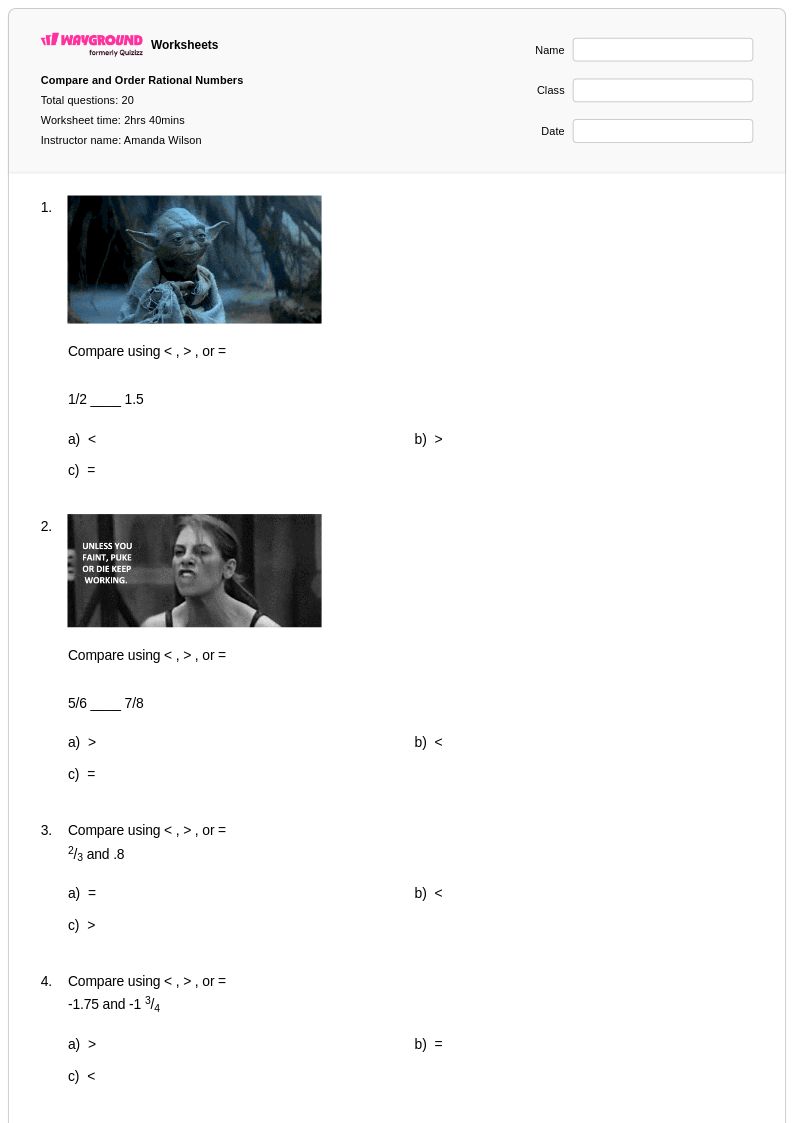
20 Hỏi
6th
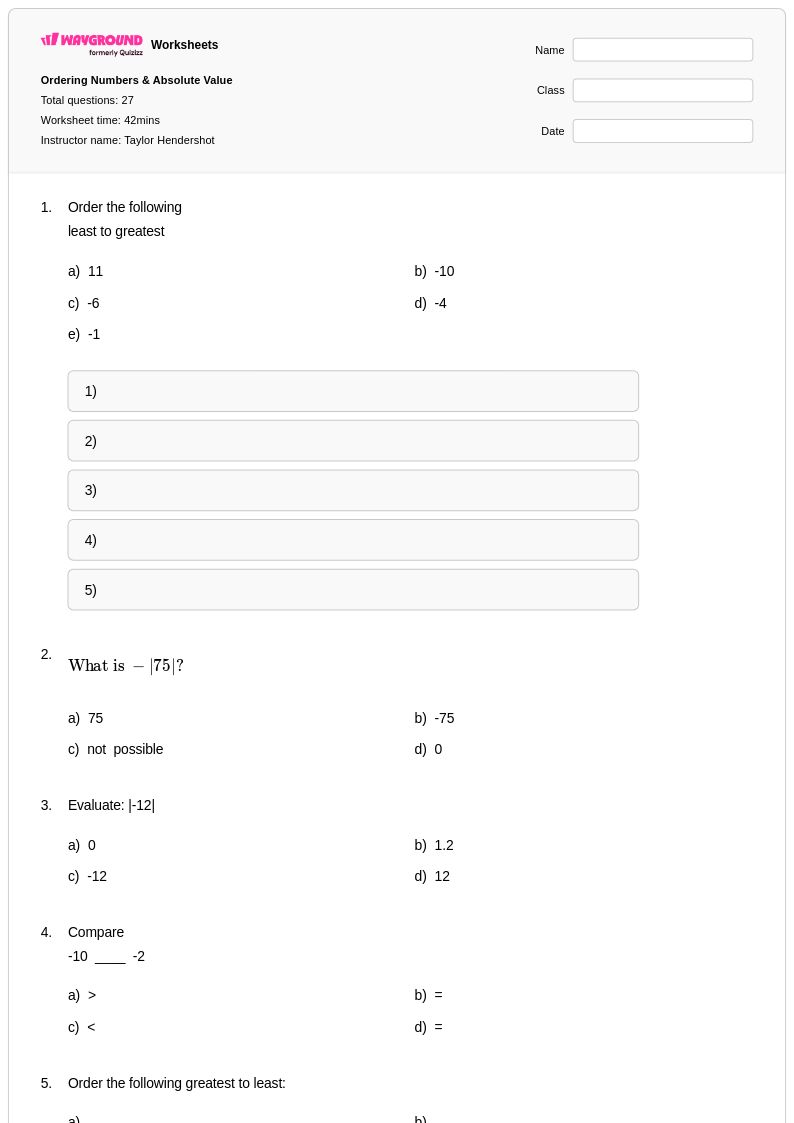
27 Hỏi
6th
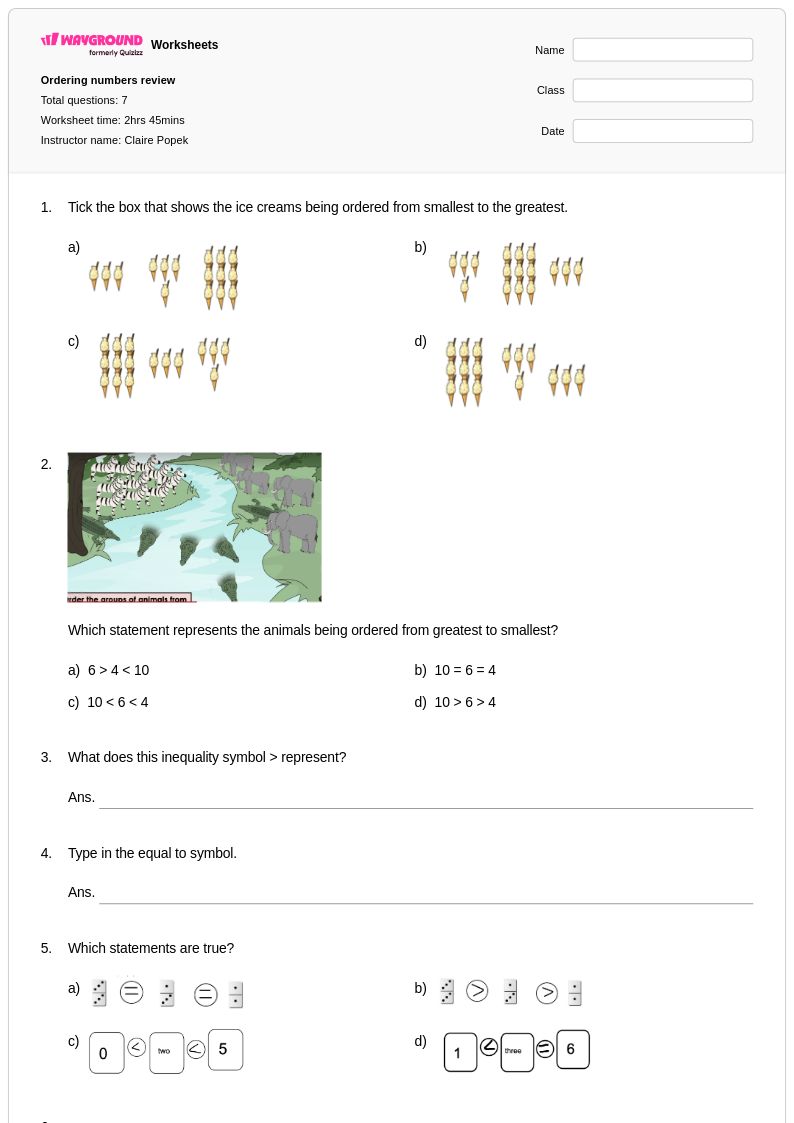
7 Hỏi
1st
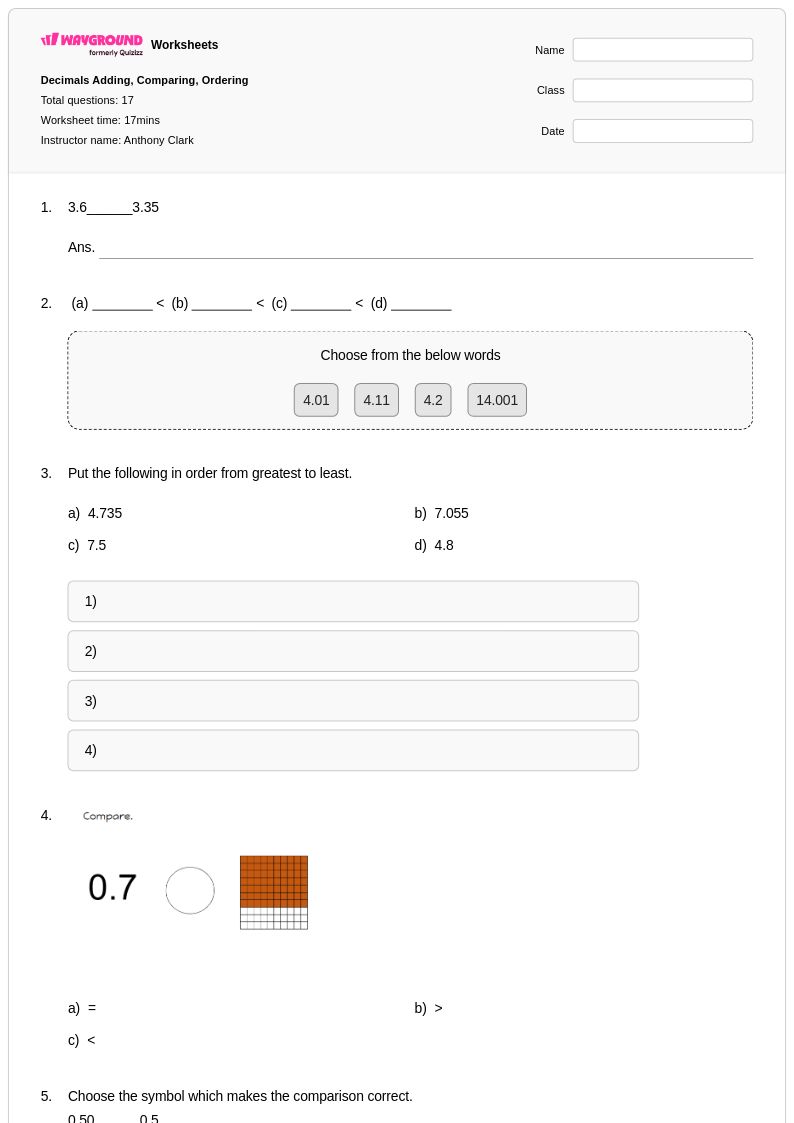
17 Hỏi
5th - Uni
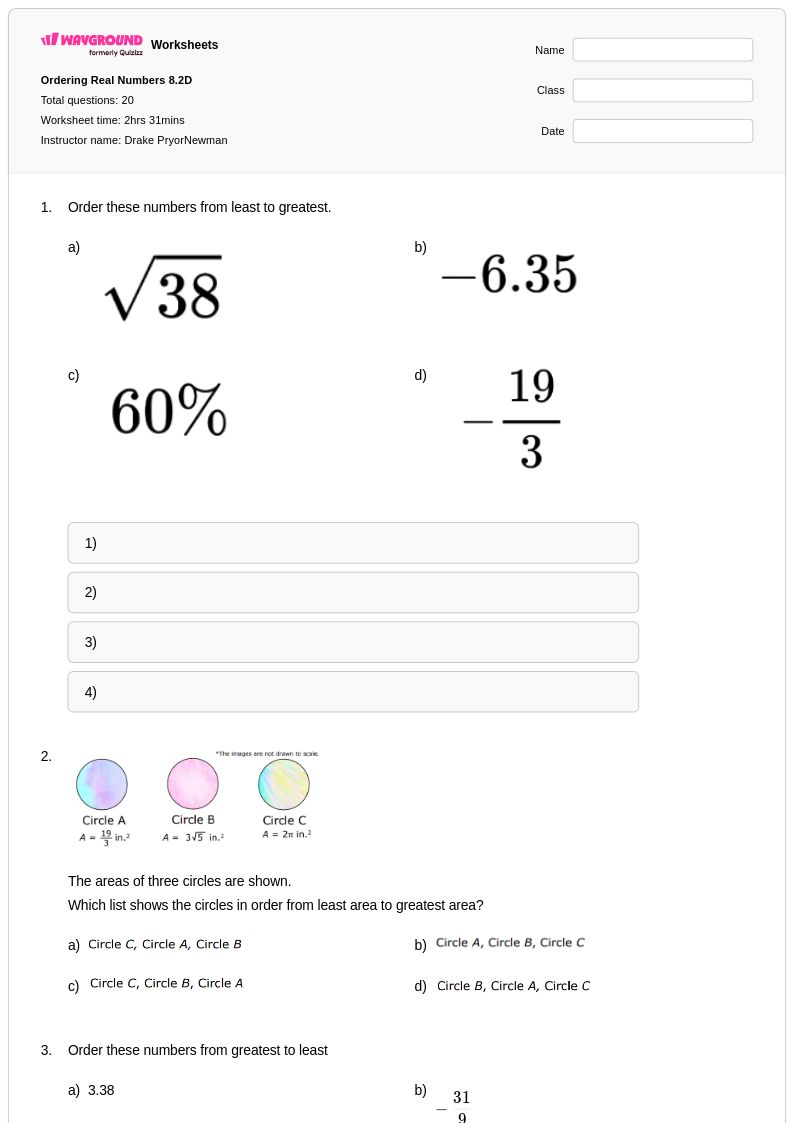
20 Hỏi
8th
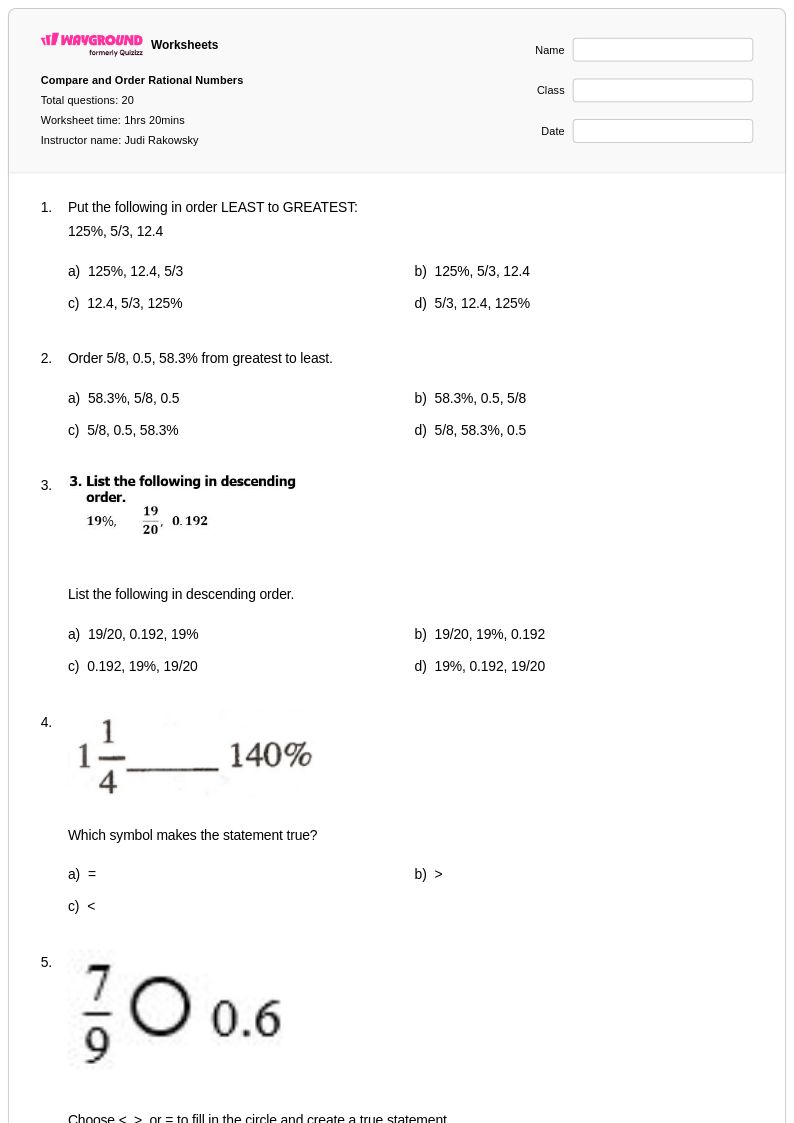
20 Hỏi
7th
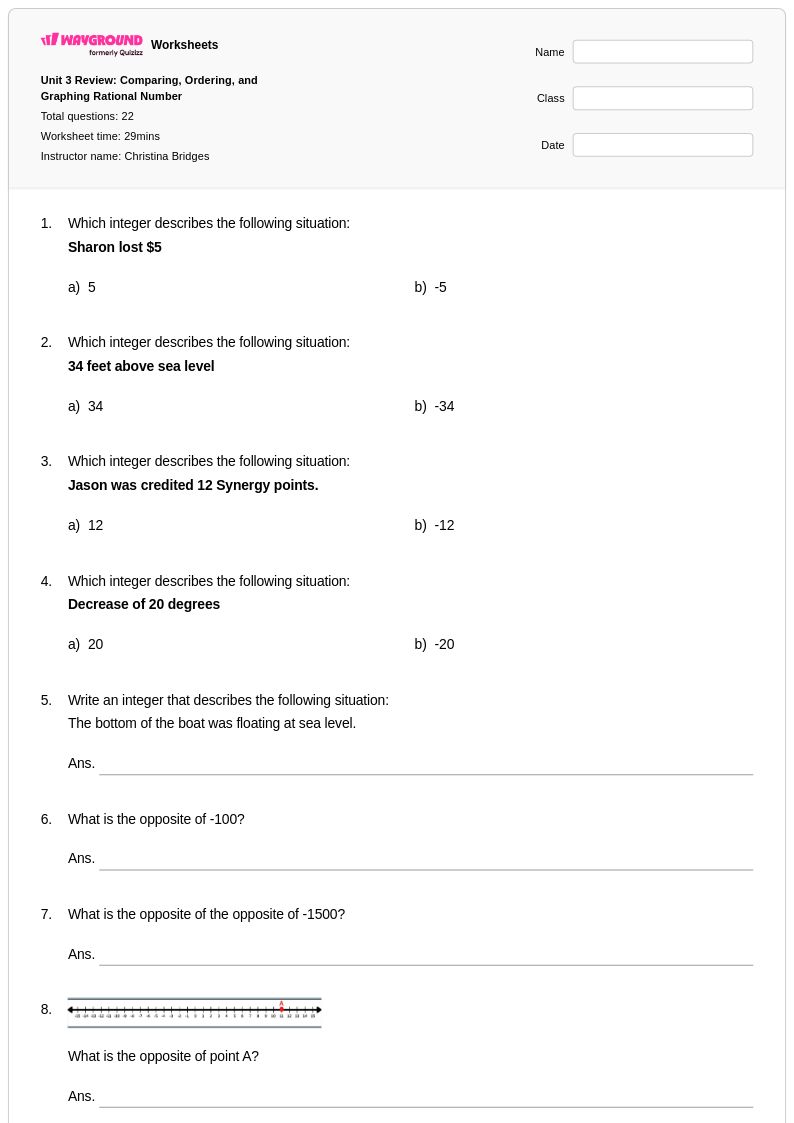
22 Hỏi
6th
Khám phá Ordering Numbers 11-20 Bảng tính theo cấp độ
Khám phá các bảng tính chủ đề khác cho kindergarten
Explore printable Ordering Numbers 11-20 worksheets for Kindergarten
Ordering numbers 11-20 worksheets for kindergarten students provide essential foundational practice in number sequence and numerical relationships within the second decade. These comprehensive printables focus on helping young learners understand the logical progression of numbers beyond the basic 1-10 range, strengthening critical pre-math skills including number recognition, counting sequences, and comparative reasoning. Through carefully structured practice problems, students develop confidence in arranging numbers from least to greatest, identifying missing numbers in sequences, and understanding positional relationships within the 11-20 number range. Each worksheet collection includes detailed answer keys and free pdf formats that support both classroom instruction and independent practice, ensuring kindergarten students master this crucial stepping stone toward more advanced mathematical concepts.
Wayground (formerly Quizizz) empowers educators with millions of teacher-created ordering numbers 11-20 resources specifically designed for kindergarten learners. The platform's robust search and filtering capabilities allow teachers to quickly locate worksheets that align with specific learning standards and individual student needs, while built-in differentiation tools enable seamless customization for varying skill levels within the classroom. These versatile resources are available in both printable and digital pdf formats, supporting flexible lesson planning whether for whole-group instruction, small-group remediation, or enrichment activities. Teachers can efficiently adapt these ordering numbers worksheets to target specific learning gaps, reinforce classroom lessons, or provide additional skill practice, making it simple to ensure every kindergarten student develops strong number sequencing abilities within the 11-20 range.
FAQs
What grade do students learn to order numbers 11-20?
What's the best way to introduce ordering teen numbers in kindergarten?
What activities help kindergarteners practice ordering numbers 11-20?
What mistakes do kindergarteners make with teen numbers?
How can I use this Wayground worksheet in my kindergarten class?
Is ordering numbers 11-20 a kindergarten math standard?