Free Printable Reconciliation Worksheets for Year 7
Enhance Year 7 students' understanding of reconciliation through our comprehensive collection of free social studies worksheets, featuring engaging printables, practice problems, and complete answer keys in convenient PDF format.
Explore printable Reconciliation worksheets for Year 7
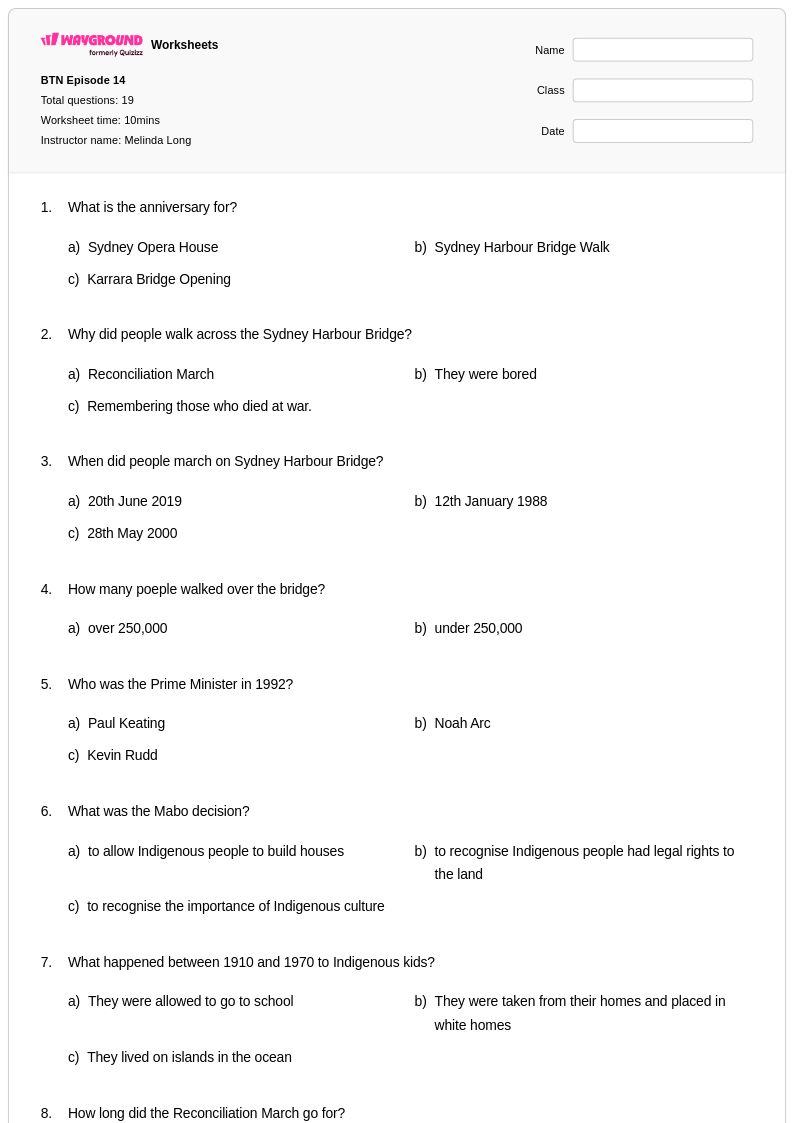
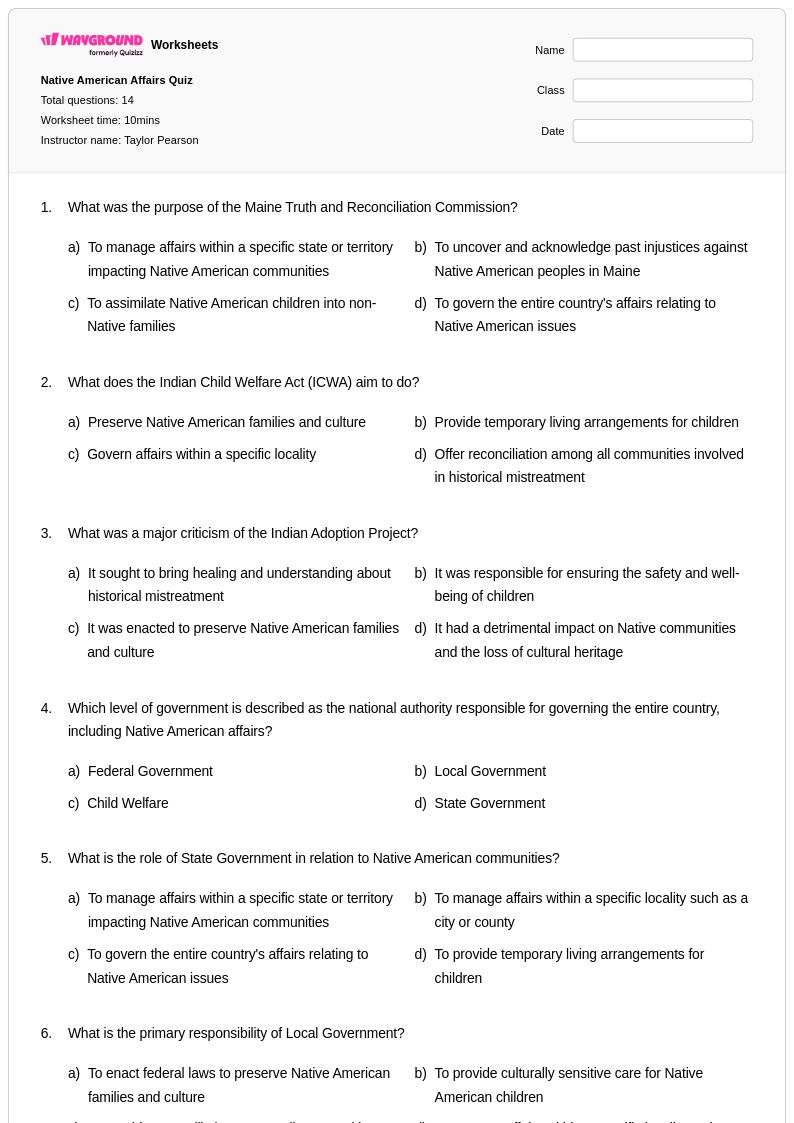
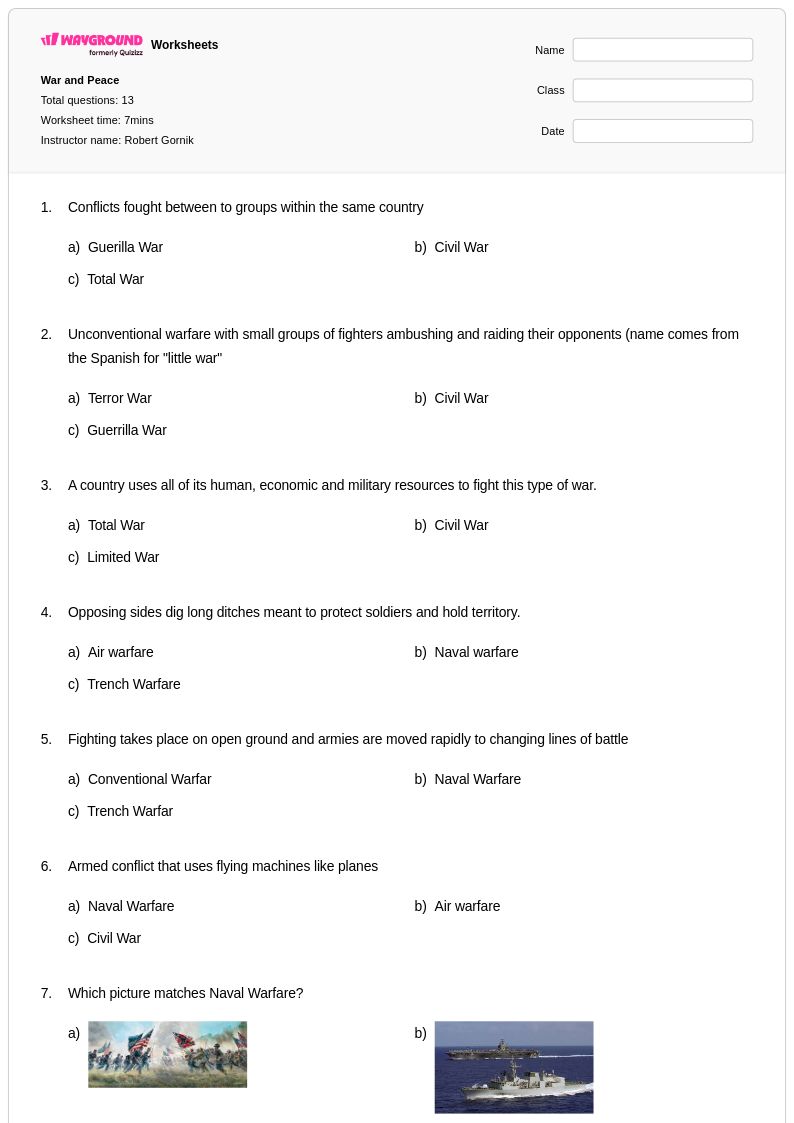
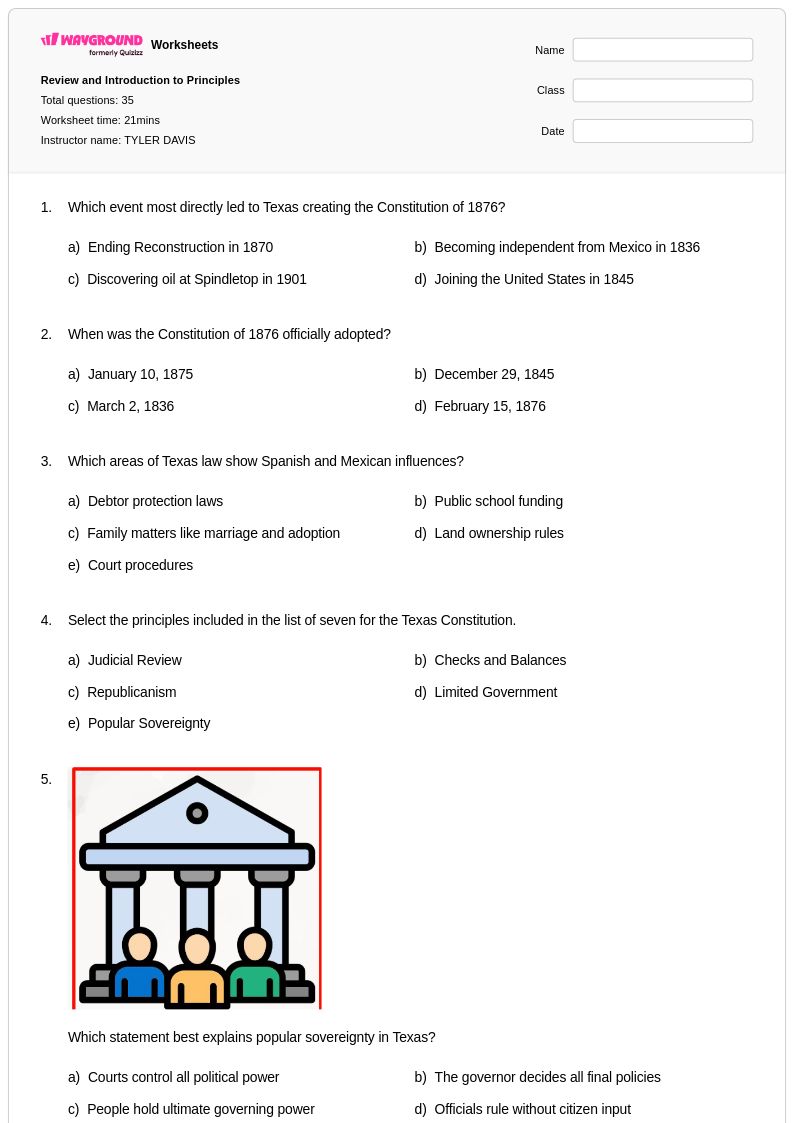
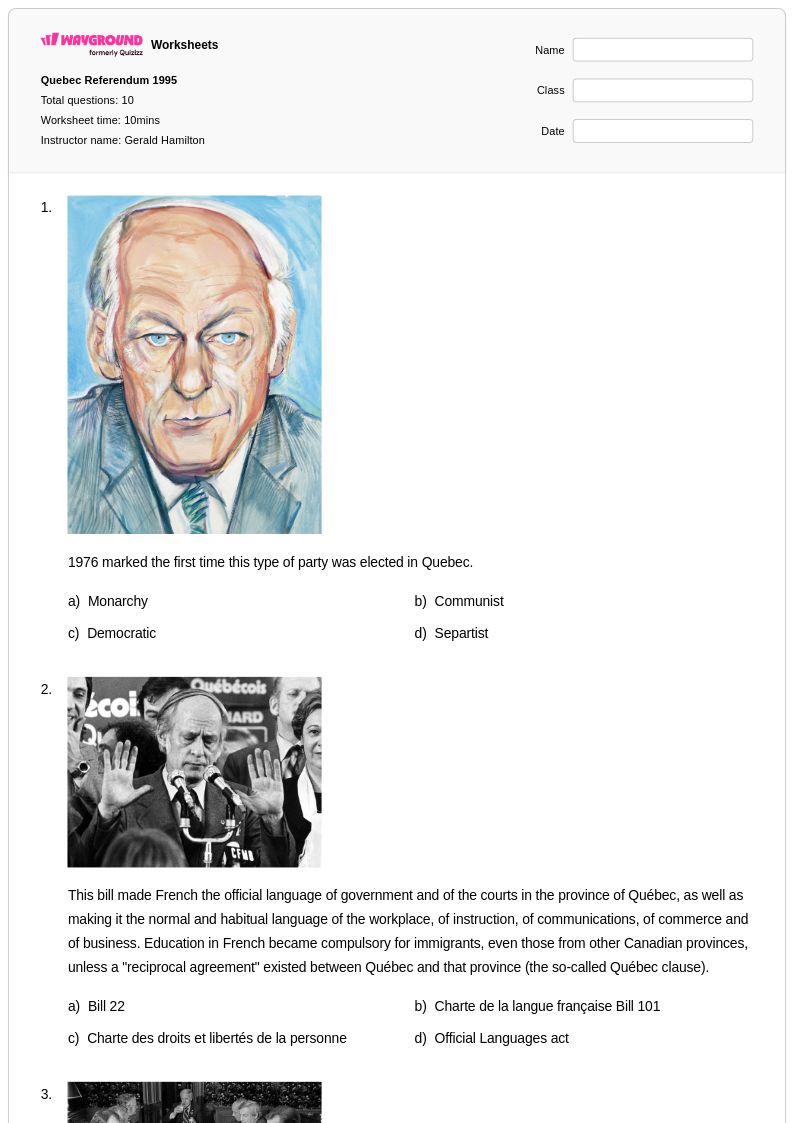
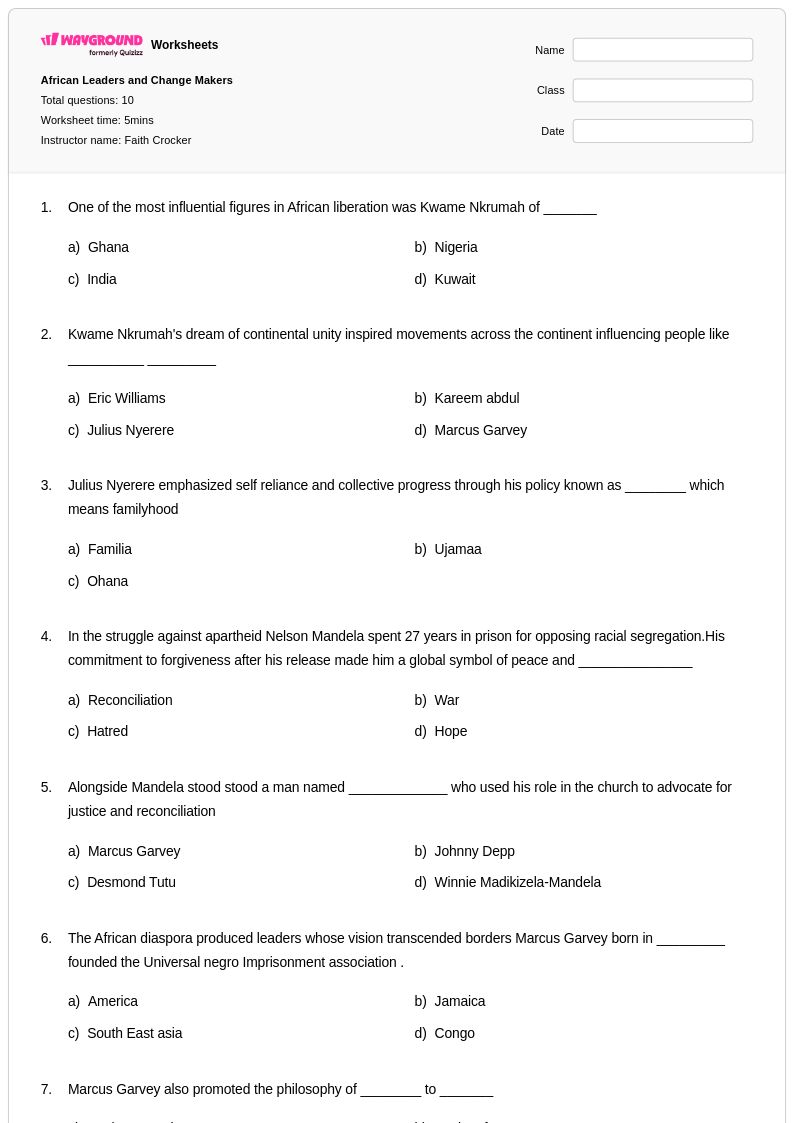
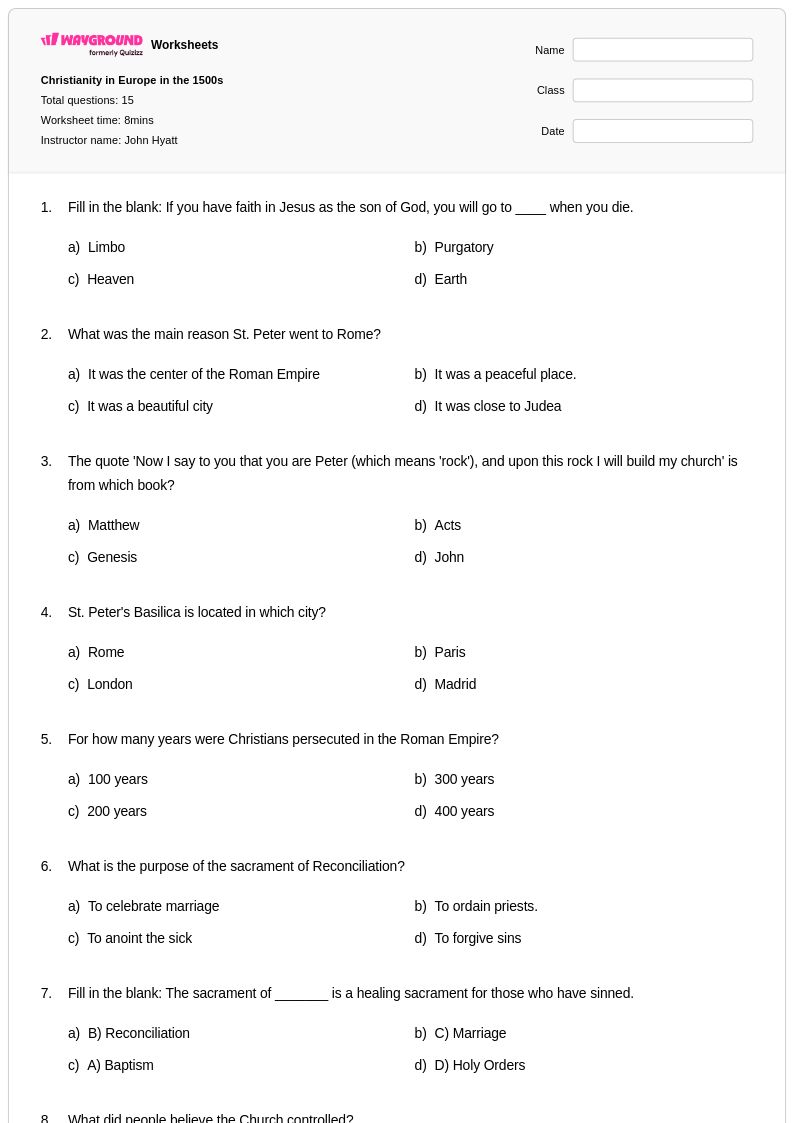
Reconciliation worksheets for Year 7 students available through Wayground (formerly Quizizz) provide comprehensive educational resources that help middle school learners understand the complex process of healing relationships and resolving conflicts in both historical and contemporary contexts. These carefully designed printables focus on developing critical social skills including empathy, perspective-taking, conflict resolution, and understanding multiple viewpoints in social situations. Students engage with practice problems that explore real-world scenarios involving reconciliation between individuals, communities, and nations, while building essential communication and problem-solving abilities. Each worksheet collection includes detailed answer key materials and free pdf resources that guide students through examining case studies of successful reconciliation efforts, analyzing the steps involved in making amends, and reflecting on the importance of forgiveness and understanding in social relationships.
Wayground (formerly Quizizz) supports educators with an extensive library of millions of teacher-created reconciliation worksheets specifically aligned with Year 7 social studies standards and social-emotional learning objectives. The platform's robust search and filtering capabilities enable teachers to quickly locate age-appropriate materials that match their specific curriculum needs, whether focusing on historical reconciliation movements, peer conflict resolution, or community healing processes. Advanced differentiation tools allow educators to customize content difficulty levels and modify worksheets to accommodate diverse learning styles and abilities within their classrooms. These versatile resources are available in both printable and digital pdf formats, making them ideal for classroom instruction, homework assignments, remediation support, and enrichment activities that deepen students' understanding of reconciliation as a vital social skill for building stronger communities and relationships.
FAQs
How do I teach reconciliation and conflict resolution in the classroom?
Teaching reconciliation begins with helping students distinguish between conflict and harm, then building a vocabulary for feelings, accountability, and repair. Structured activities like perspective-taking scenarios, role-play, and guided reflection exercises work well because they give students a concrete process to follow rather than expecting intuitive conflict resolution. Pairing these activities with real-world examples, including peer relationships, community situations, and historical reconciliation efforts, helps students see the concept as practical and transferable.
What exercises help students practice reconciliation and relationship repair skills?
Effective practice for reconciliation skills includes scenario-based worksheets where students analyze a conflict, identify each party's perspective, and map out steps toward resolution. Reflective writing prompts asking students to consider how they would feel in another person's position build empathy, while guided practice problems around apology, forgiveness, and trust rebuilding reinforce the behavioral components of reconciliation. These structured activities help students move beyond abstract understanding toward skills they can apply in real interpersonal situations.
What misconceptions do students commonly have about reconciliation and forgiveness?
A common misconception is that reconciliation and forgiveness are the same thing, or that forgiving someone means excusing harmful behavior. Students also frequently assume reconciliation requires both parties to agree equally, when in practice it often involves uneven acknowledgment and gradual trust repair. Another error pattern is conflating resolution with simply ending a conflict rather than addressing its underlying causes, which can lead students to propose surface-level fixes that don't reflect genuine relationship repair.
How can I use reconciliation worksheets to support students with different learning needs?
Reconciliation worksheets on Wayground are available in both printable PDF formats for traditional classroom use and digital formats for technology-integrated environments, including the option to host them as a quiz on Wayground. For students who need additional support, Wayground's accommodation tools allow teachers to enable Read Aloud so questions and prompts are read to students audibly, or reduce answer choices to lower cognitive load for students working through complex social scenarios. Extended time settings can also be applied per student, ensuring that reflective exercises don't feel rushed for learners who need more processing time. These settings are saved and reusable across future sessions without notifying other students.
How do reconciliation worksheets connect to social studies and SEL standards?
Reconciliation worksheets bridge social-emotional learning competencies, particularly relationship skills and responsible decision-making, with social studies content around community, history, and civic responsibility. Many reconciliation frameworks in education connect directly to SEL standards around empathy, perspective-taking, and constructive conflict resolution, making these materials useful for both dedicated SEL instruction and content-area integration. Teachers can use them within units on historical reconciliation events, restorative justice practices, or peer mediation programs.
How do I facilitate a class discussion around reconciliation without it becoming personal or uncomfortable for students?
Using fictional or historical scenarios rather than real classroom conflicts helps students engage with reconciliation concepts analytically before applying them personally. Establishing clear discussion norms around confidentiality and respect before the lesson reduces the risk of students feeling exposed, and framing questions around what a character or historical figure could have done differently keeps reflection externally anchored. Worksheet-based activities that allow individual written reflection before group discussion give students time to process before sharing.