
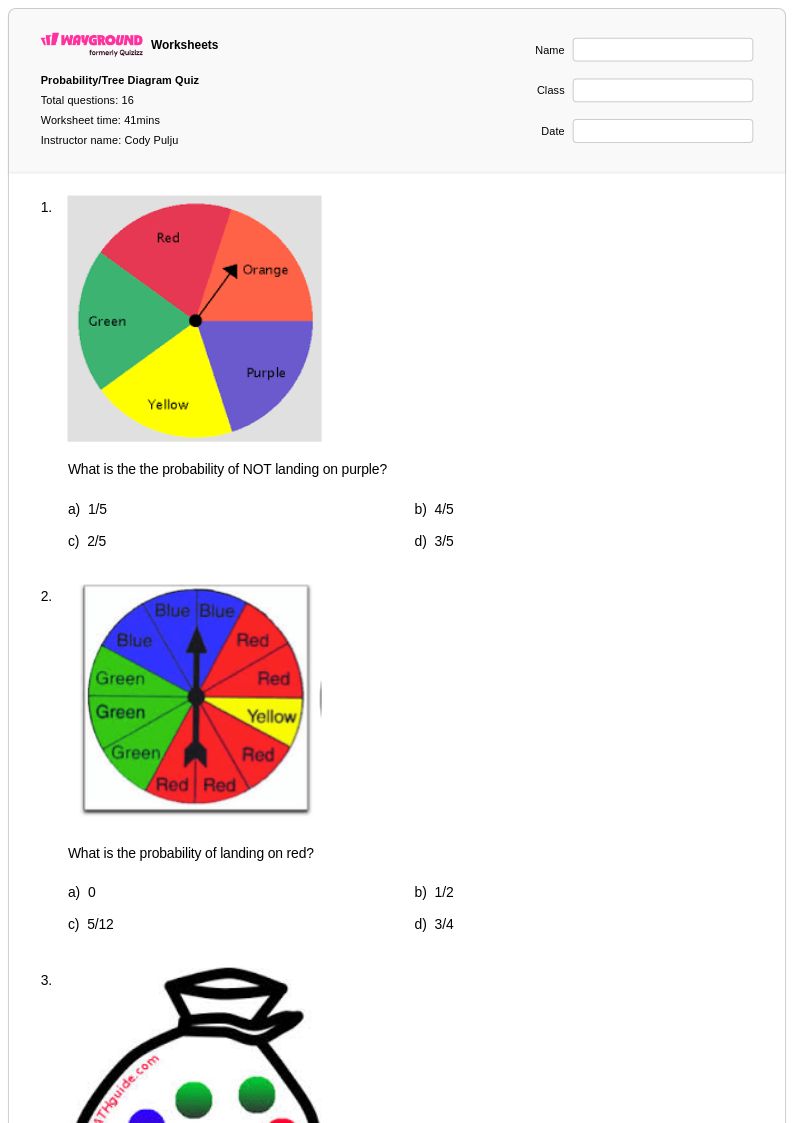
16 Q
6th - 8th
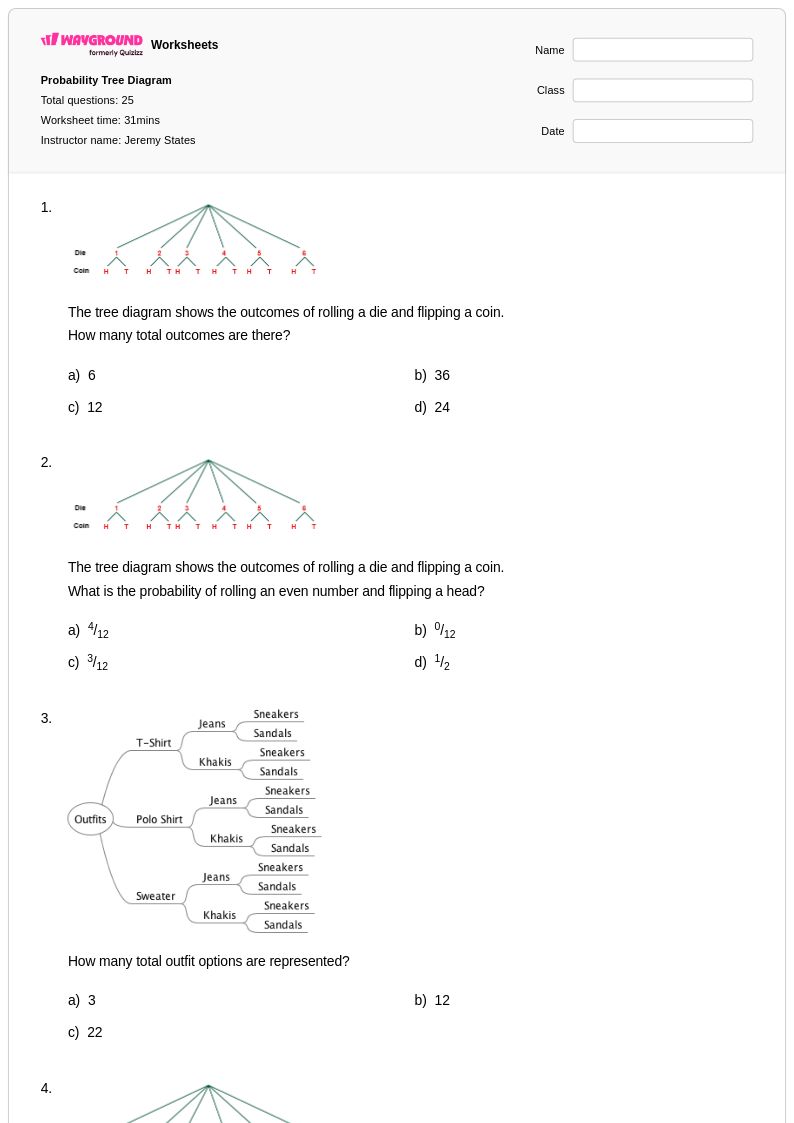
25 Q
4th - 7th
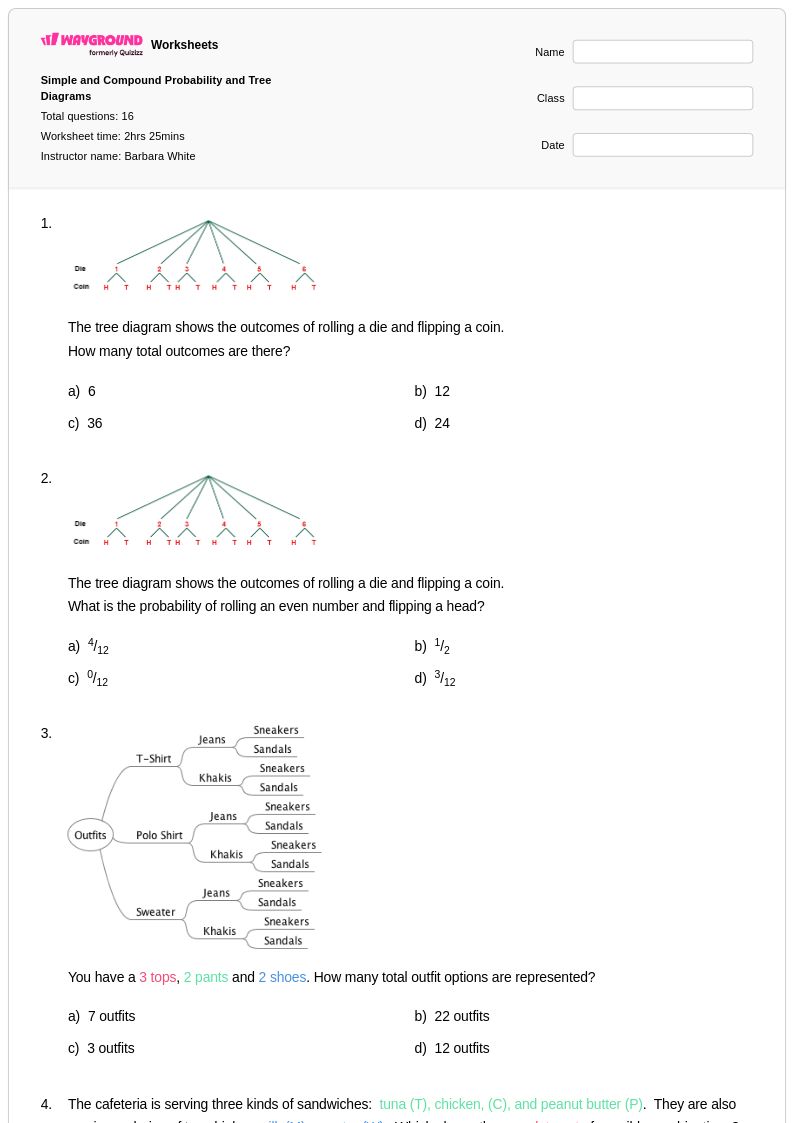
16 Q
6th
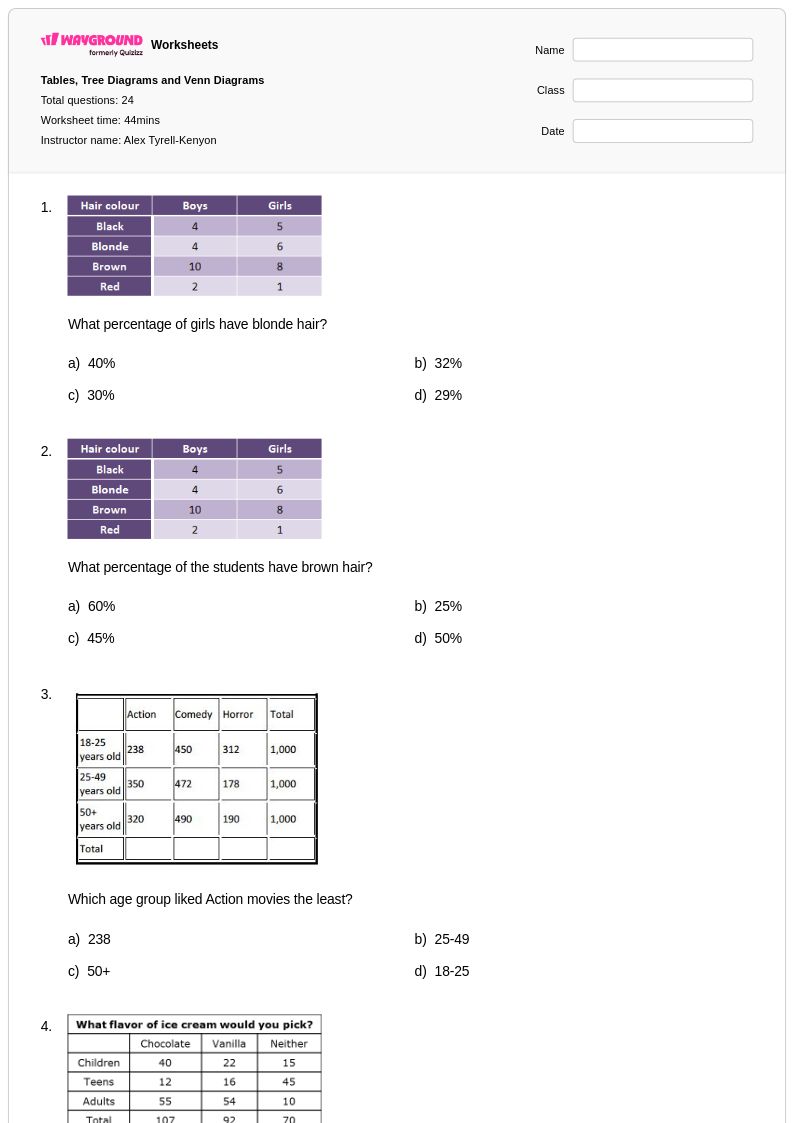
24 Q
6th - 10th
11 Q
6th
15 Q
5th - 9th
43 Q
6th - 8th
29 Q
6th - 8th
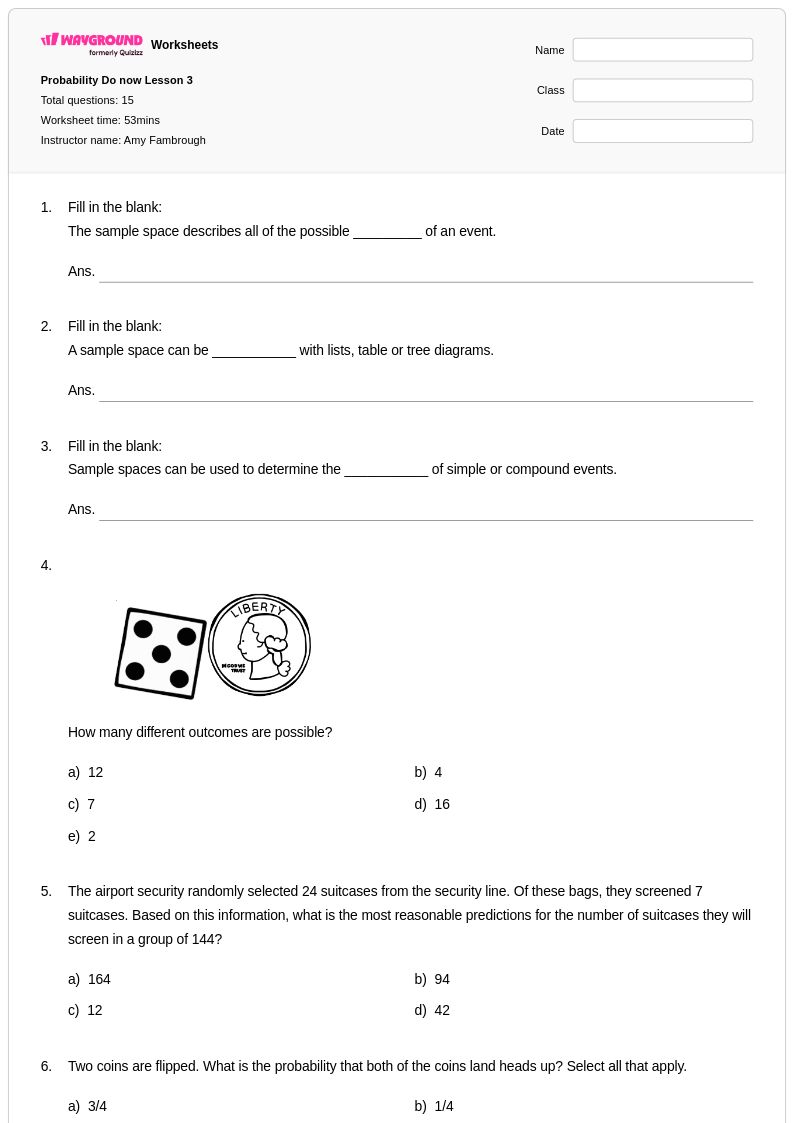
15 Q
6th - 7th
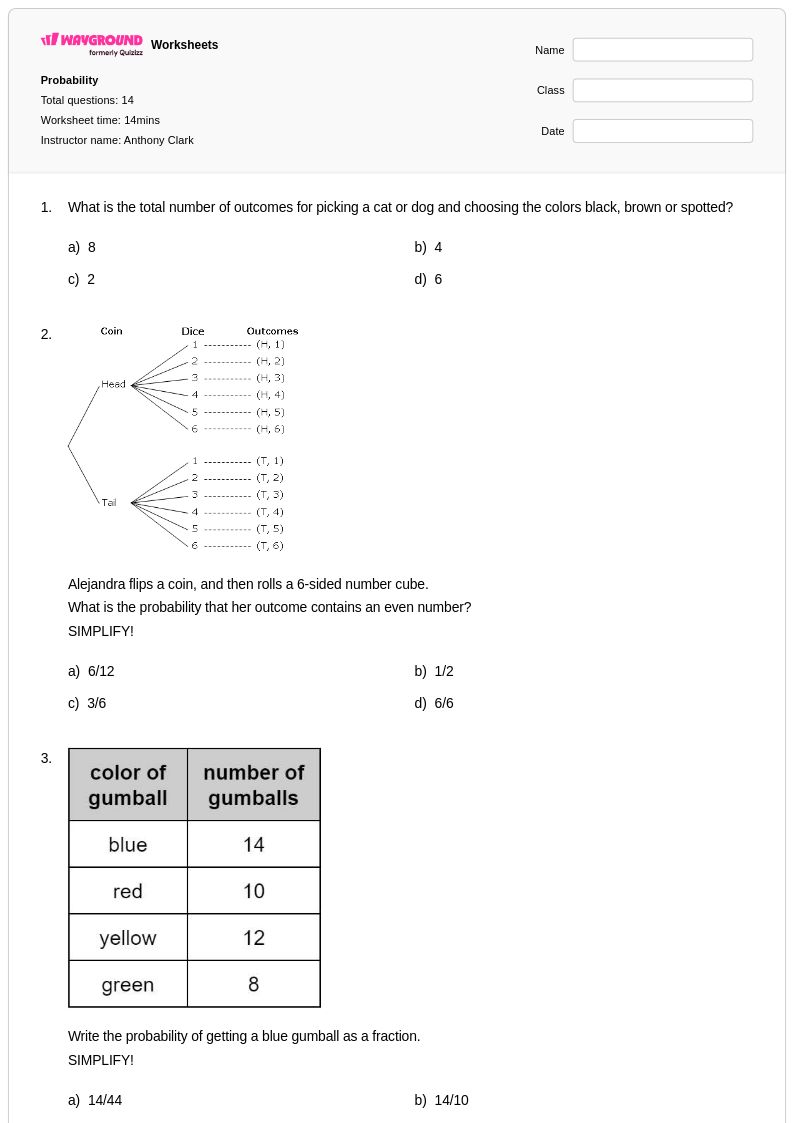
14 Q
5th - Uni
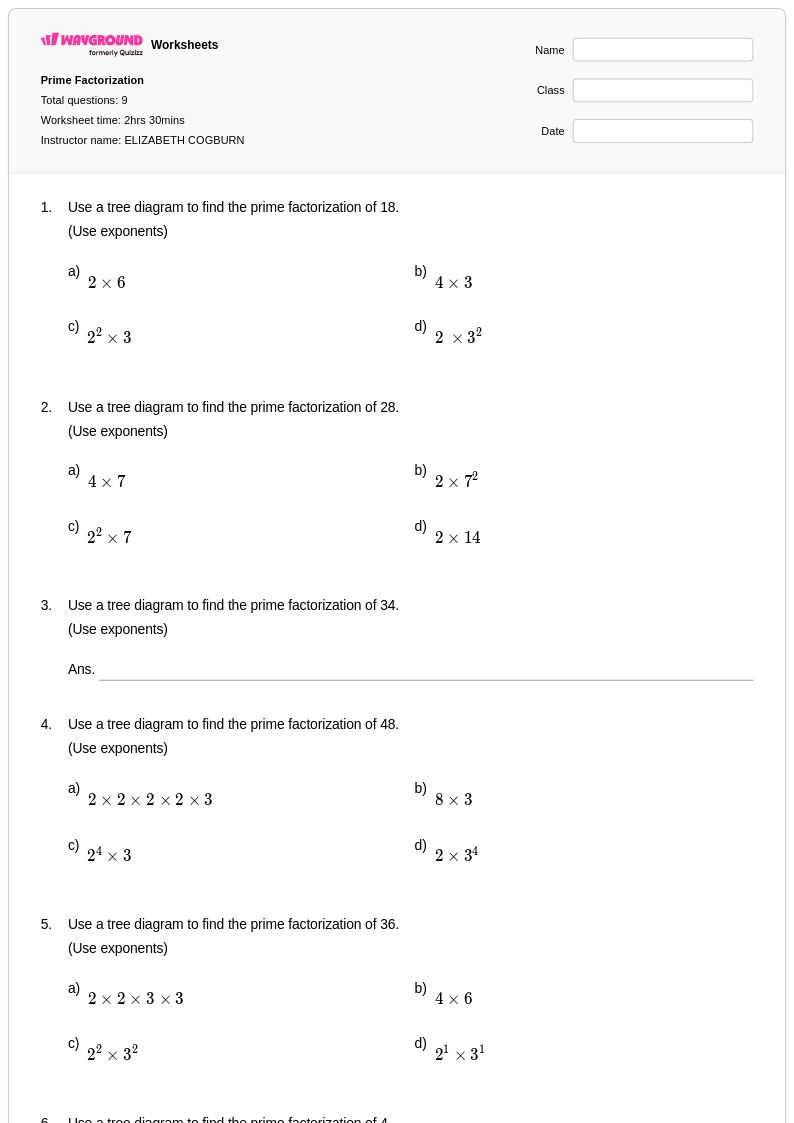
9 Q
6th
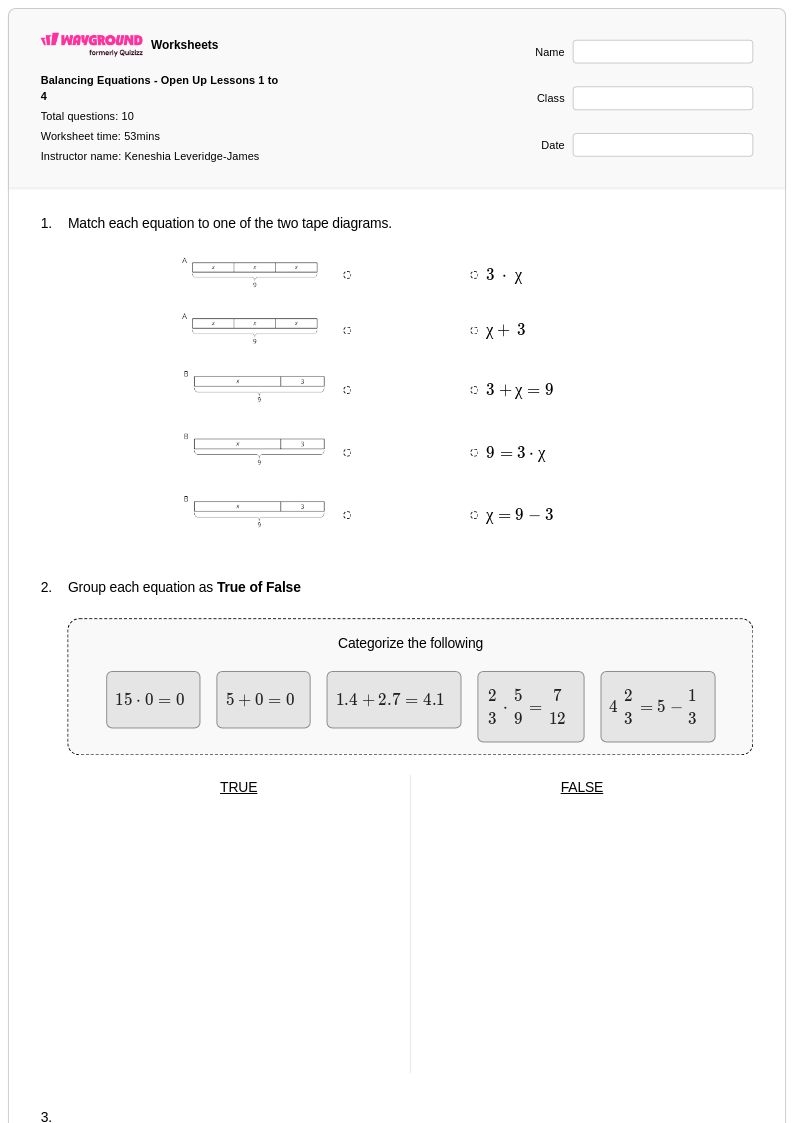
10 Q
6th
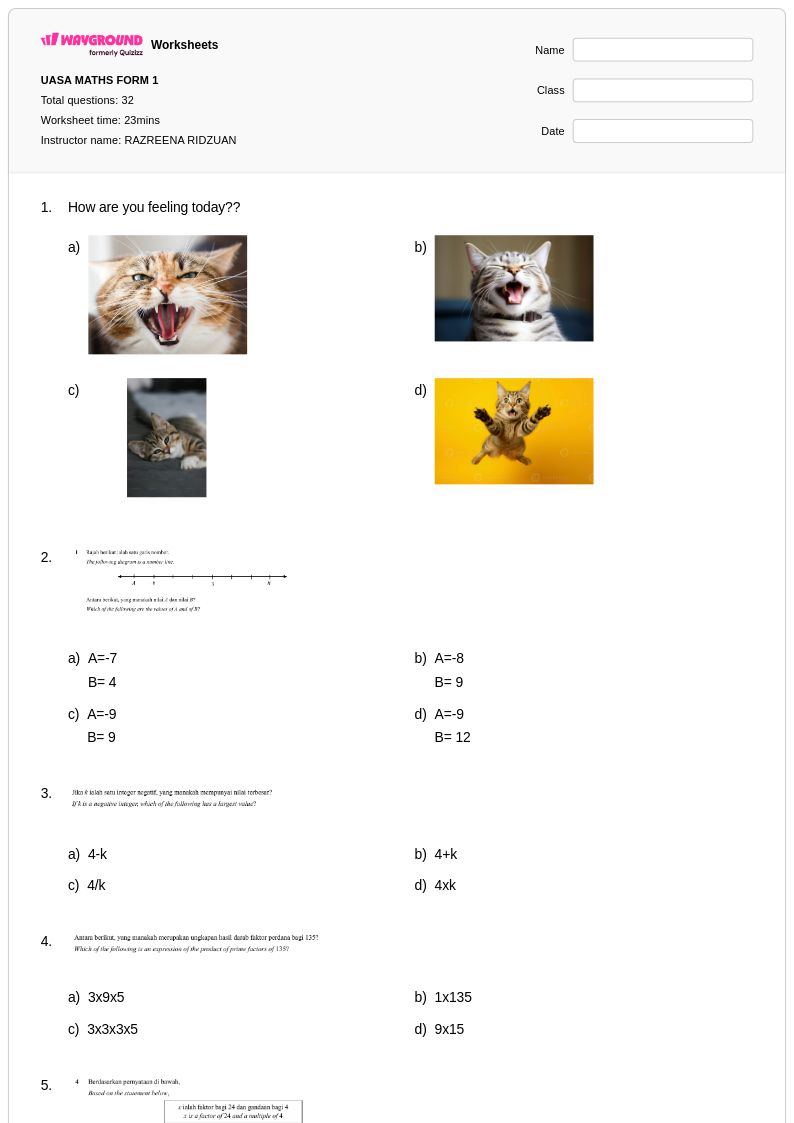
32 Q
6th - 8th
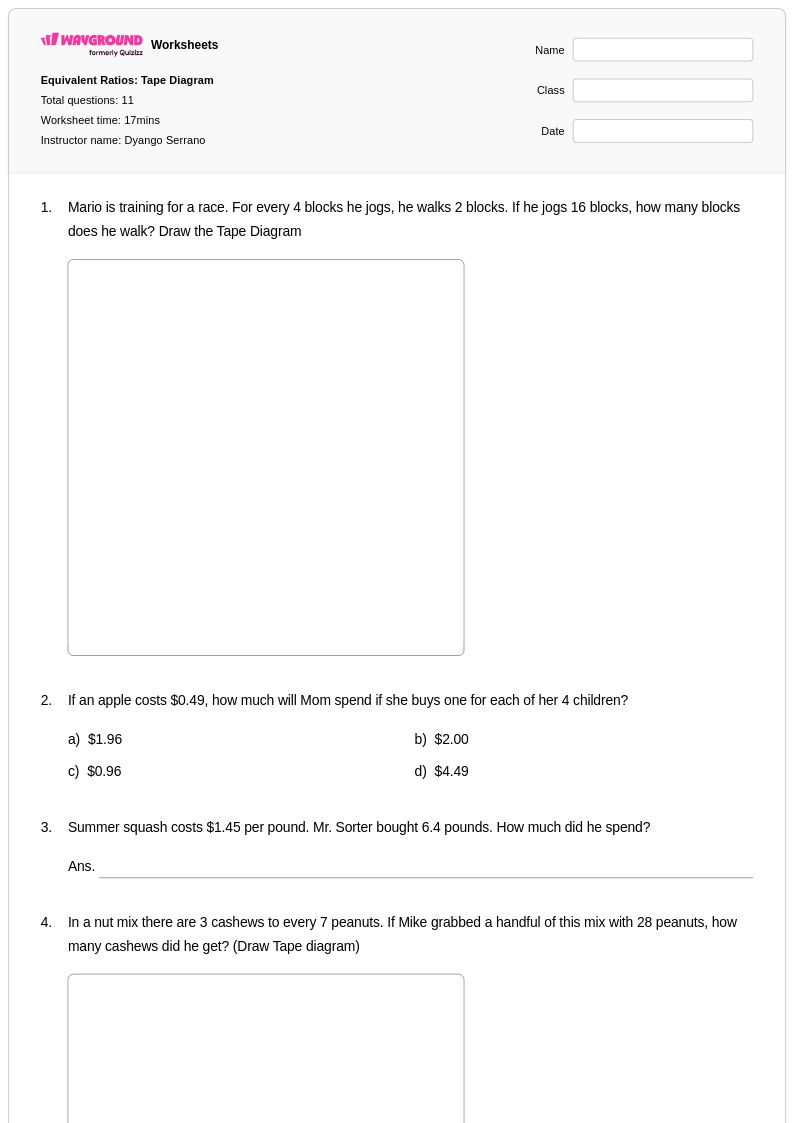
11 Q
6th
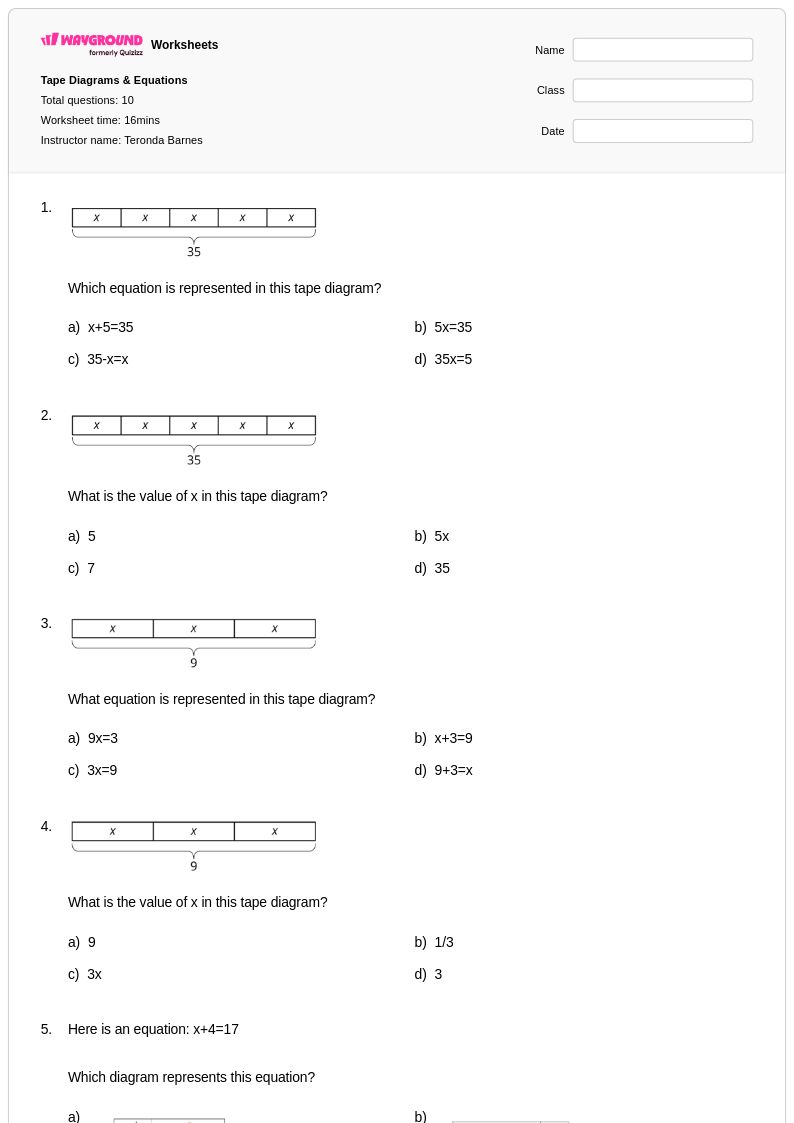
10 Q
6th
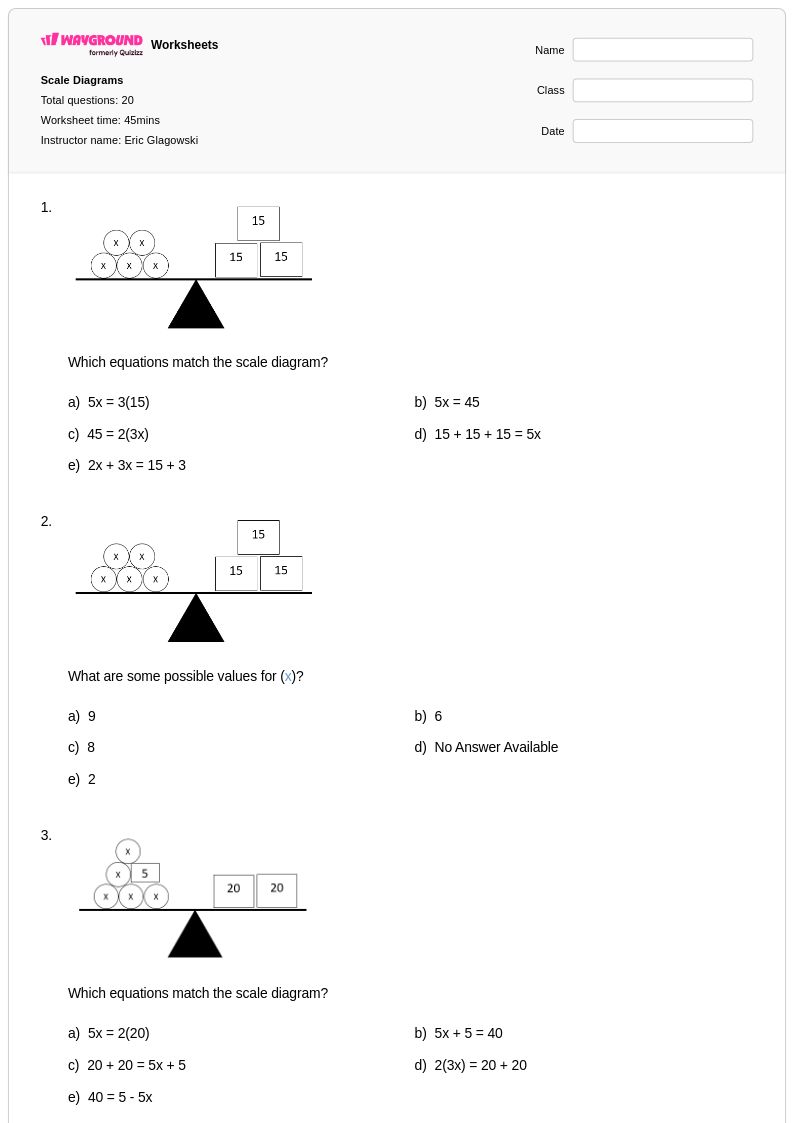
20 Q
6th
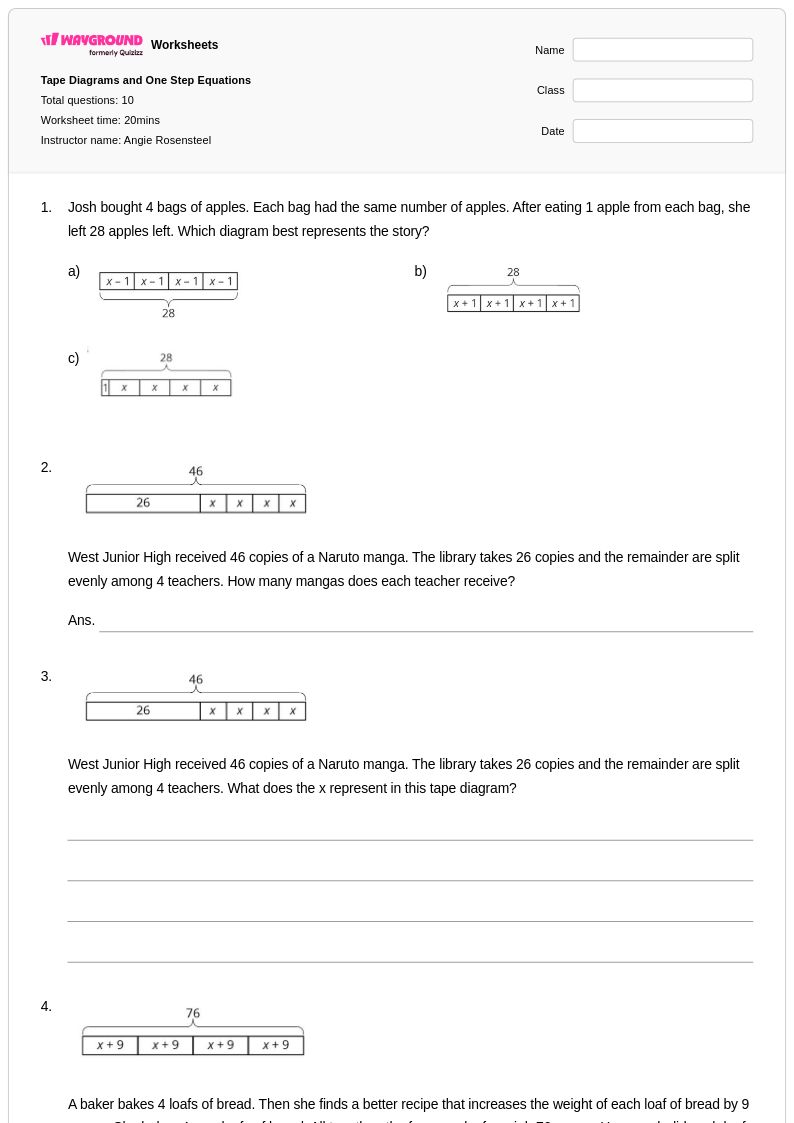
10 Q
6th - 8th
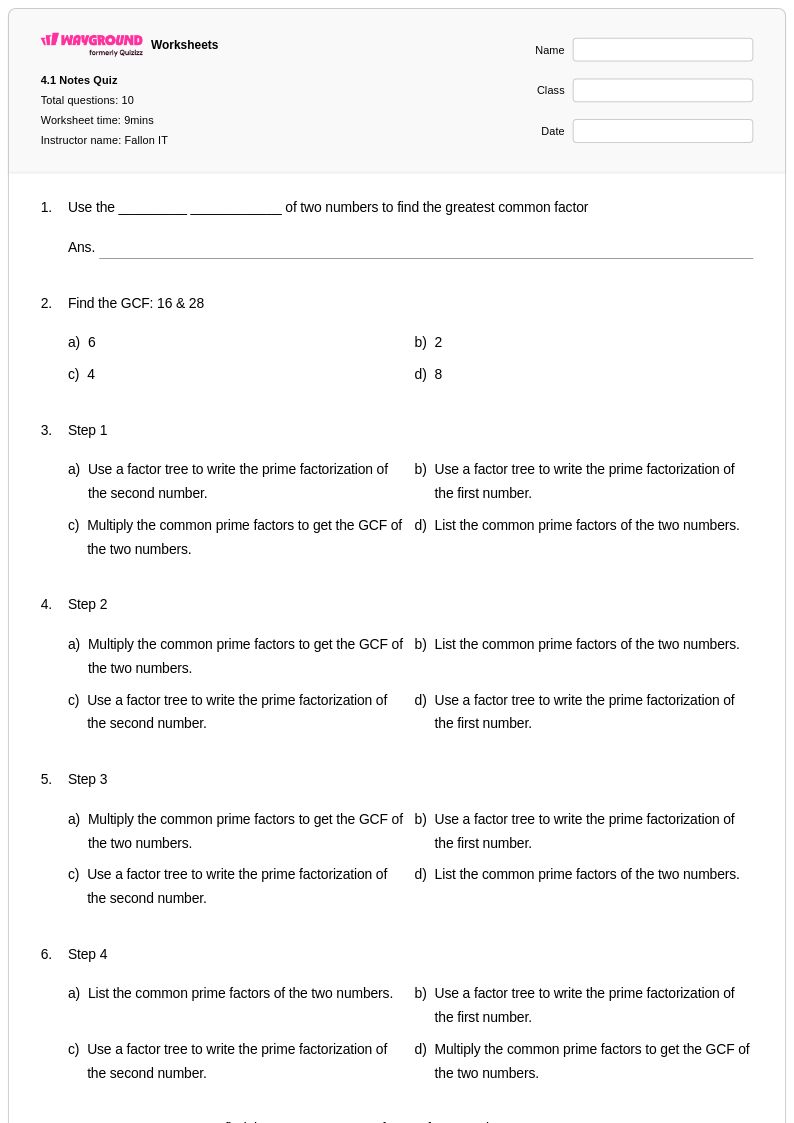
10 Q
6th
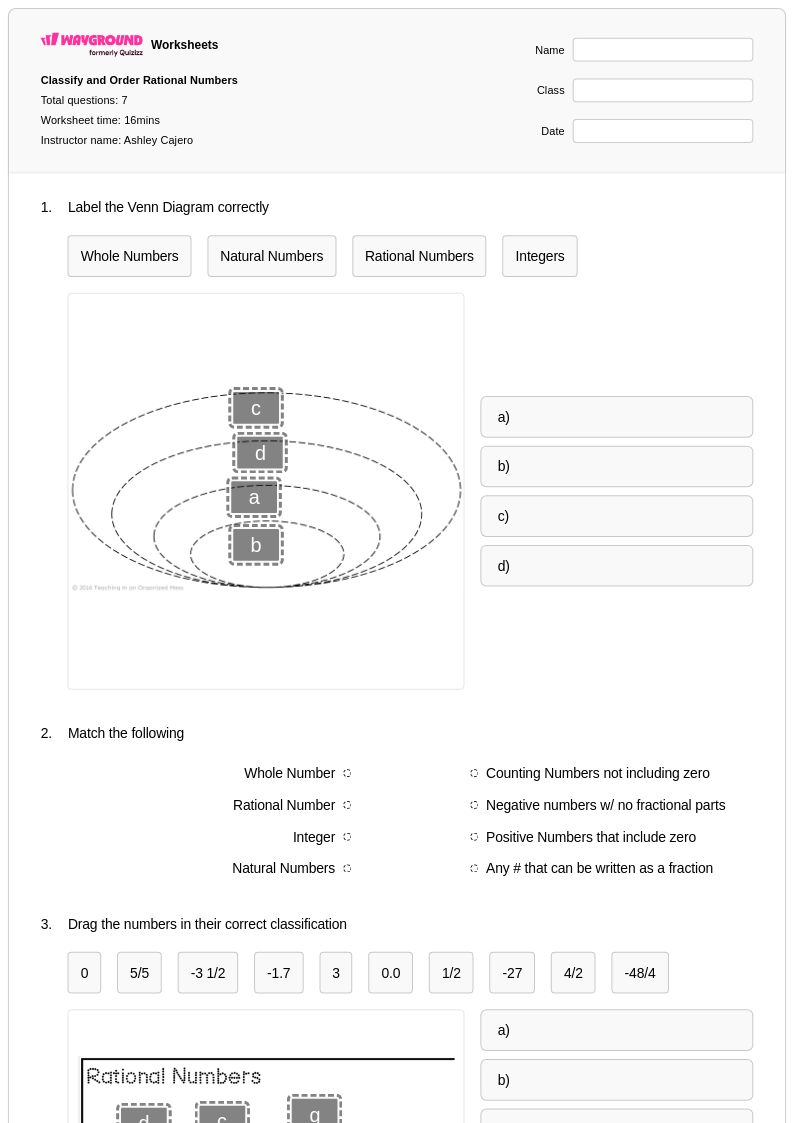
7 Q
6th
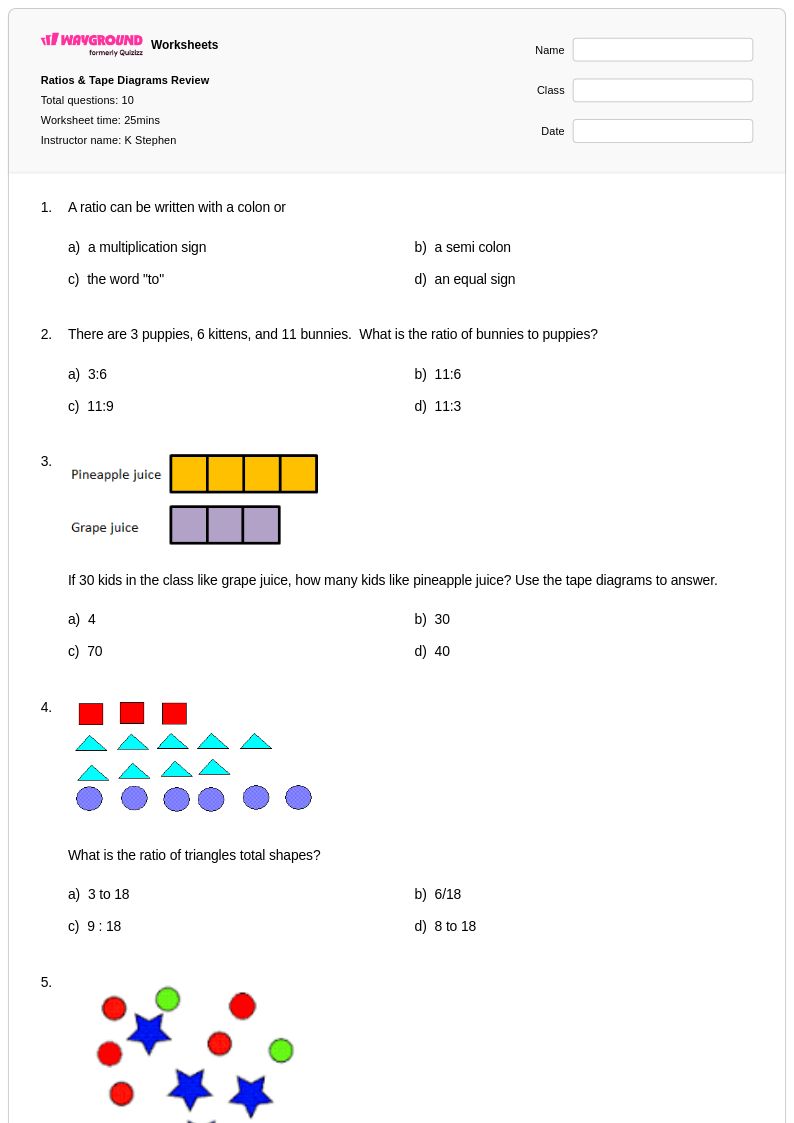
10 Q
6th
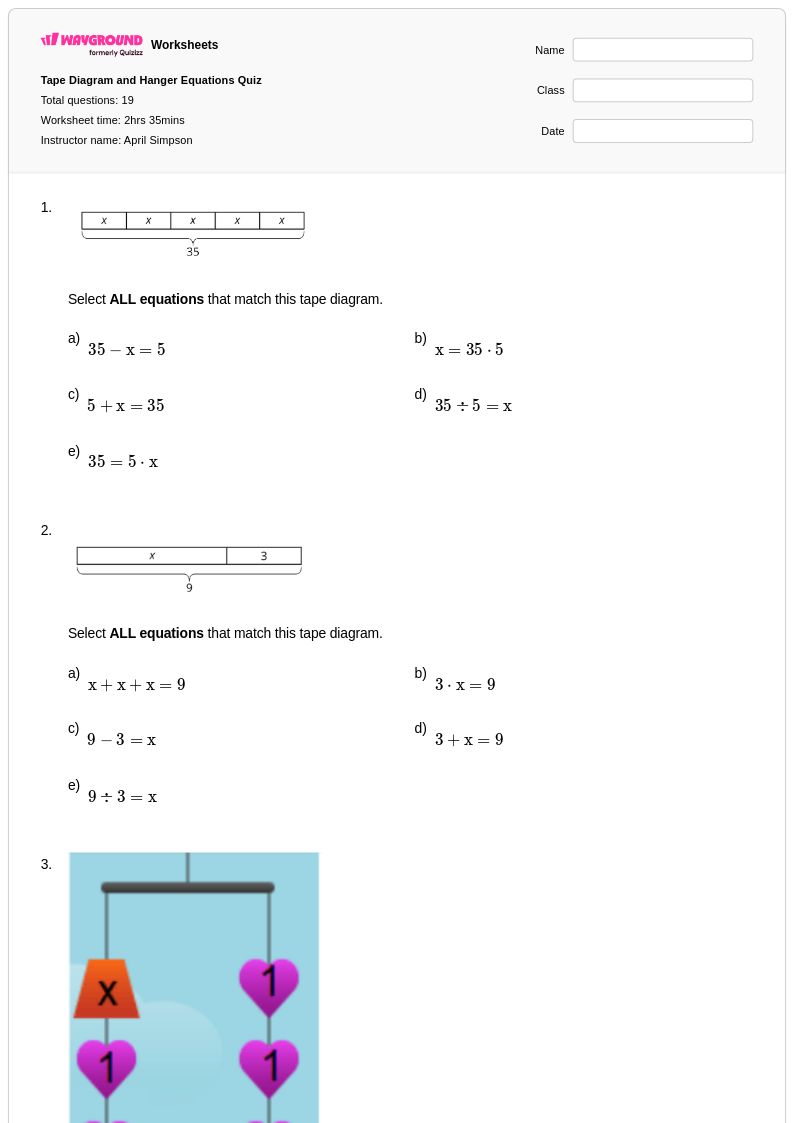
19 Q
6th
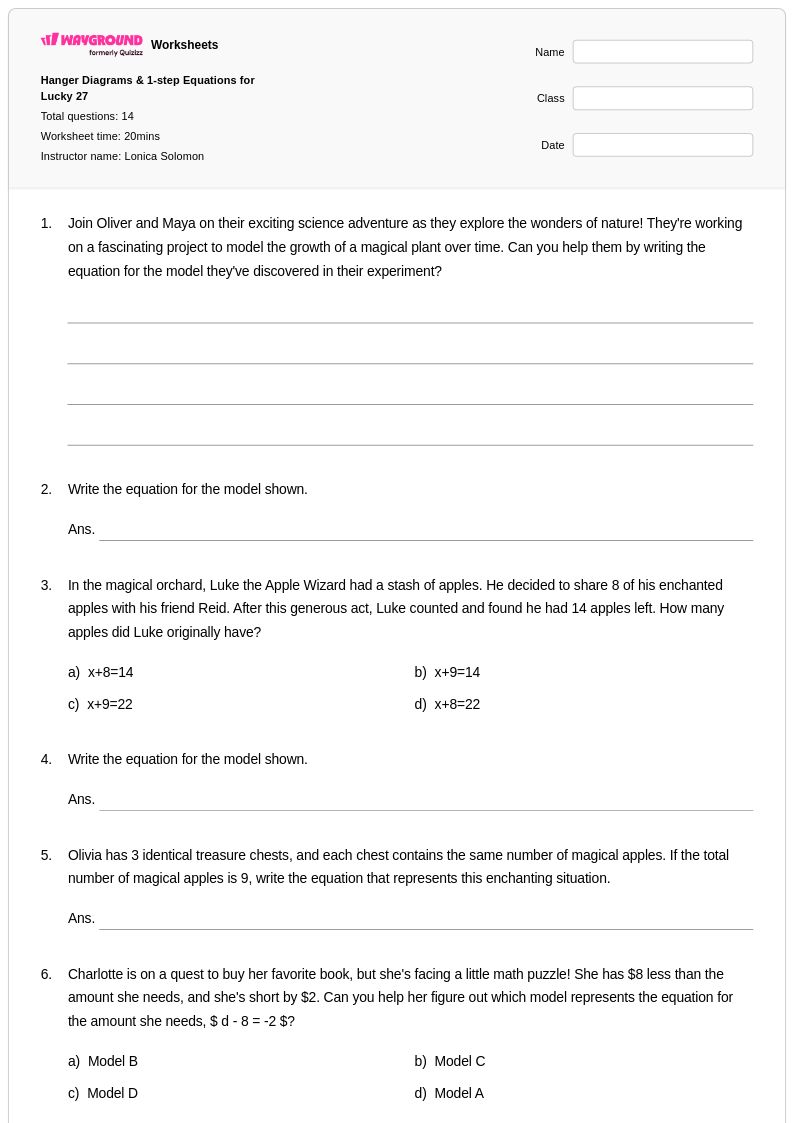
14 Q
6th
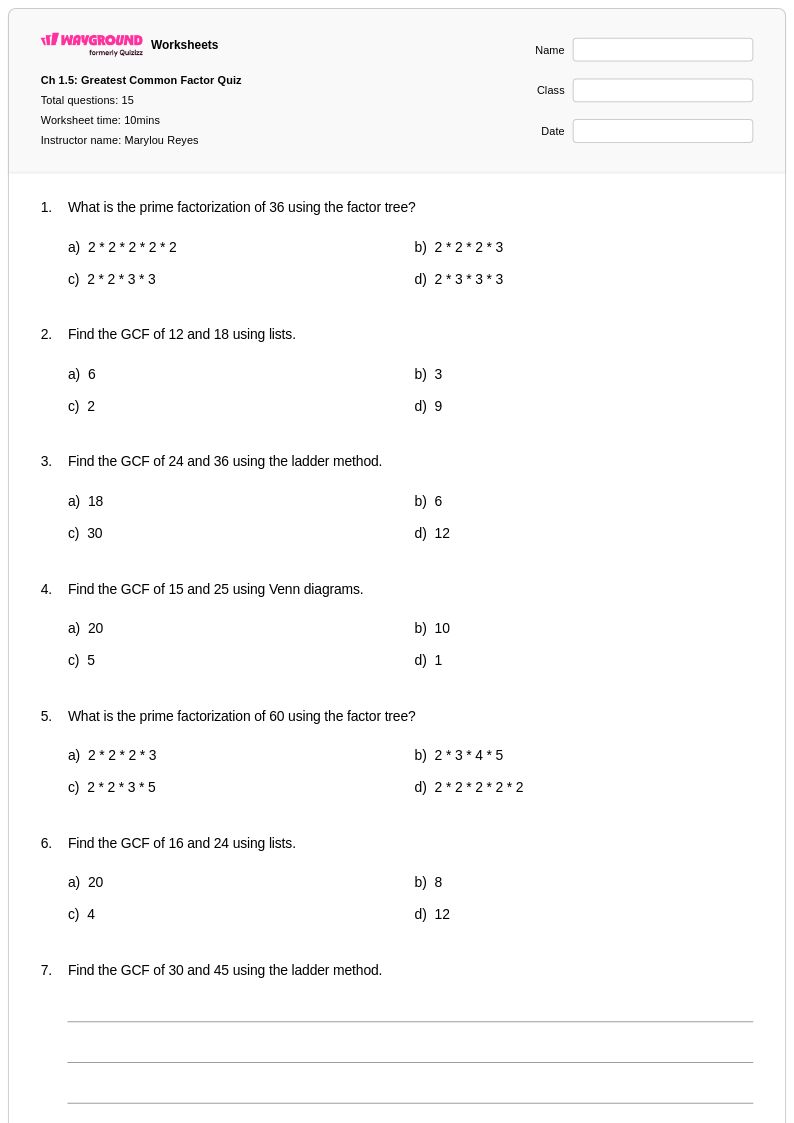
15 Q
6th
Explore Other Subject Worksheets for year 6
Explore printable Tree Diagrams worksheets for Year 6
Tree diagrams serve as a fundamental visual tool for Year 6 students beginning their exploration of probability concepts, helping them systematically organize and calculate outcomes for multi-step events. Wayground's comprehensive collection of tree diagram worksheets provides structured practice problems that guide students through the process of mapping sequential events, from simple two-stage scenarios like flipping coins to more complex situations involving multiple variables. These printable resources strengthen critical thinking skills by teaching students to break down compound probability problems into manageable components, with each worksheet including detailed answer keys that allow for independent practice and self-assessment. The free pdf formats ensure accessibility for both classroom instruction and home study, enabling students to develop confidence in organizing data visually and understanding the multiplicative nature of independent events.
Wayground's extensive library, featuring millions of teacher-created resources, offers educators powerful tools to enhance their Year 6 probability instruction through carefully curated tree diagram materials. The platform's advanced search and filtering capabilities allow teachers to quickly locate worksheets that align with specific learning objectives and state standards, while differentiation tools enable customization for varying skill levels within the classroom. Teachers can seamlessly transition between printable pdf versions for traditional practice and digital formats for interactive learning experiences, supporting diverse instructional approaches from initial concept introduction through remediation and enrichment activities. This flexibility in worksheet delivery, combined with comprehensive answer keys and progress tracking features, empowers educators to provide targeted skill practice that builds students' foundational understanding of probability visualization and systematic problem-solving strategies.