Free Printable Vowel Diphthongs Worksheets for Year 3
Strengthen Year 3 students' reading skills with Wayground's free vowel diphthongs worksheets and printables, featuring engaging practice problems and comprehensive answer keys to master these essential phonics concepts.
Explore printable Vowel Diphthongs worksheets for Year 3
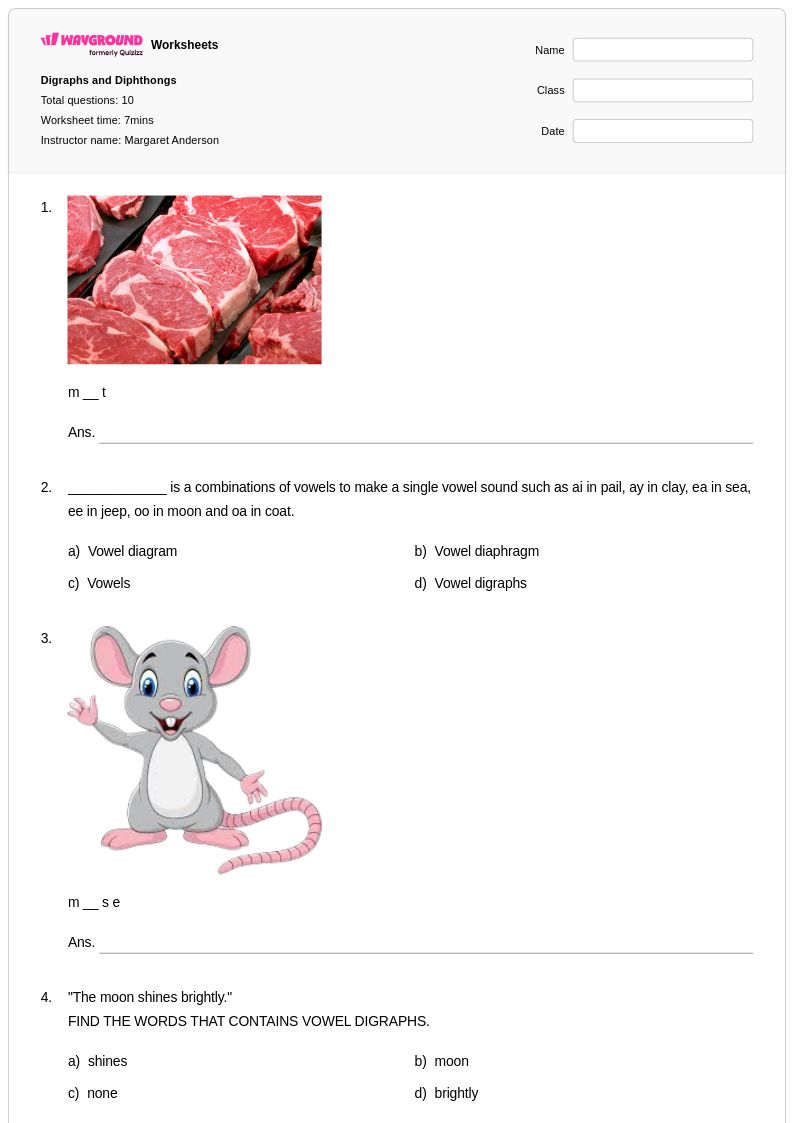
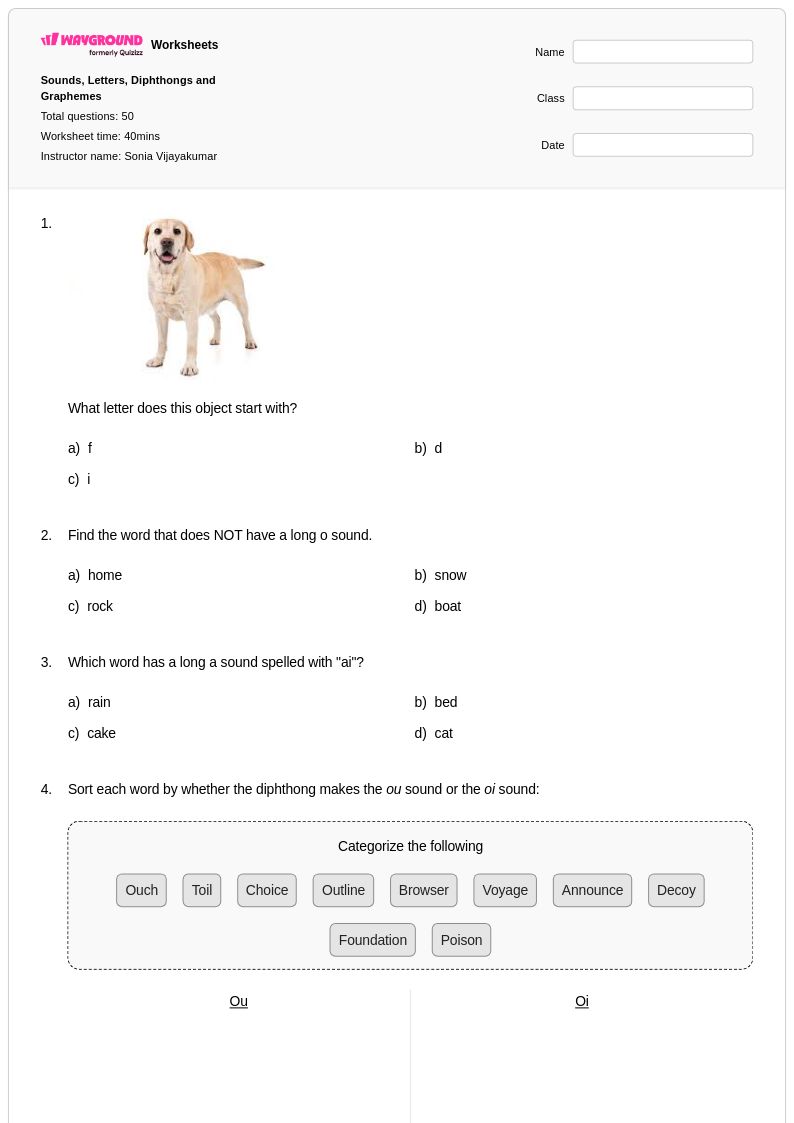
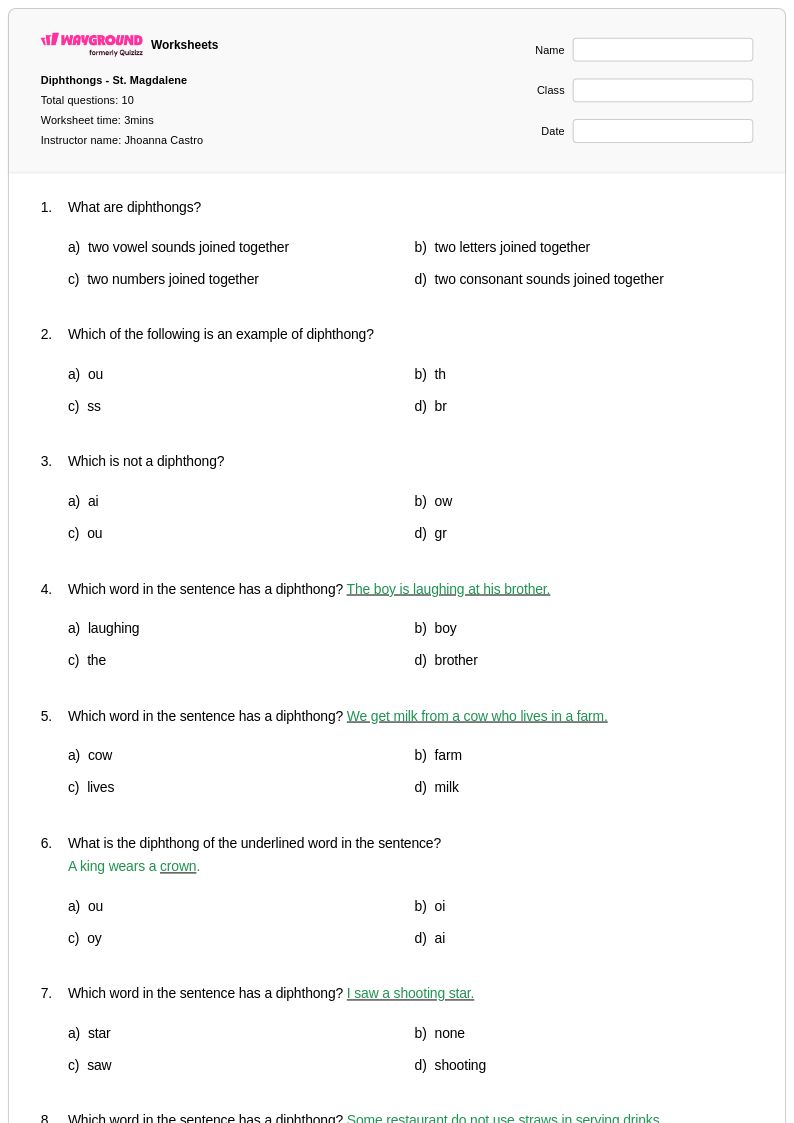
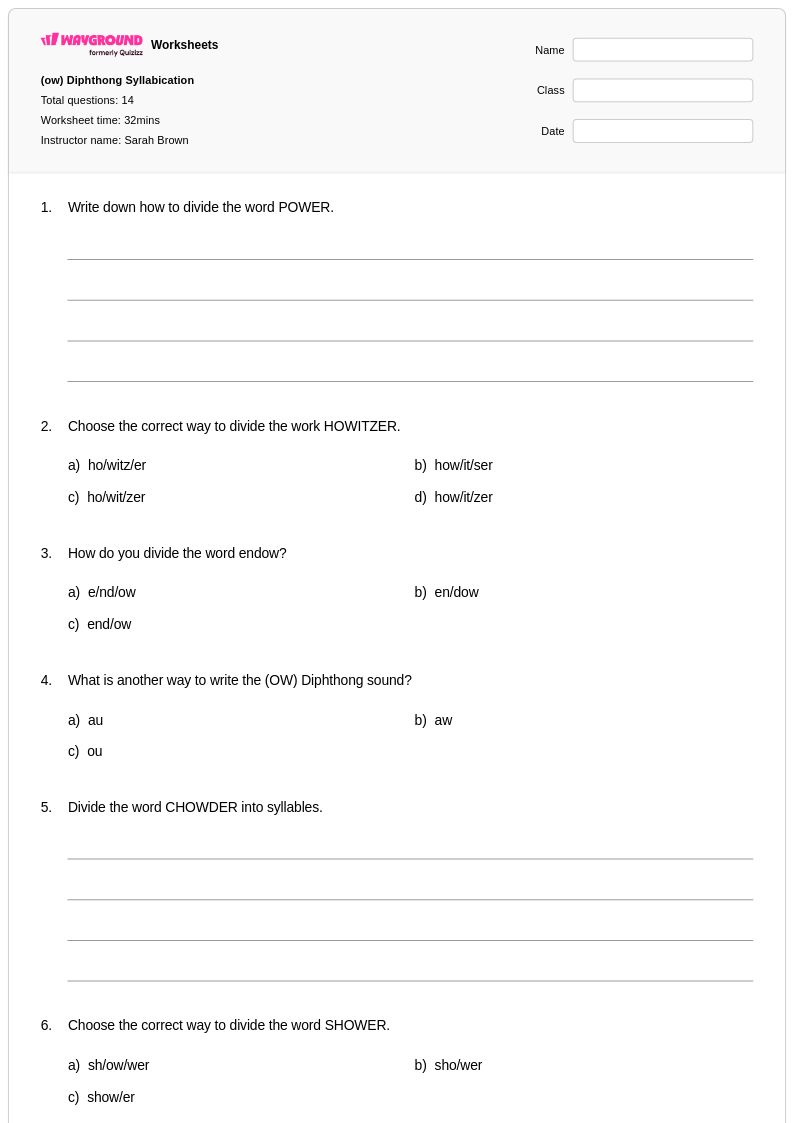
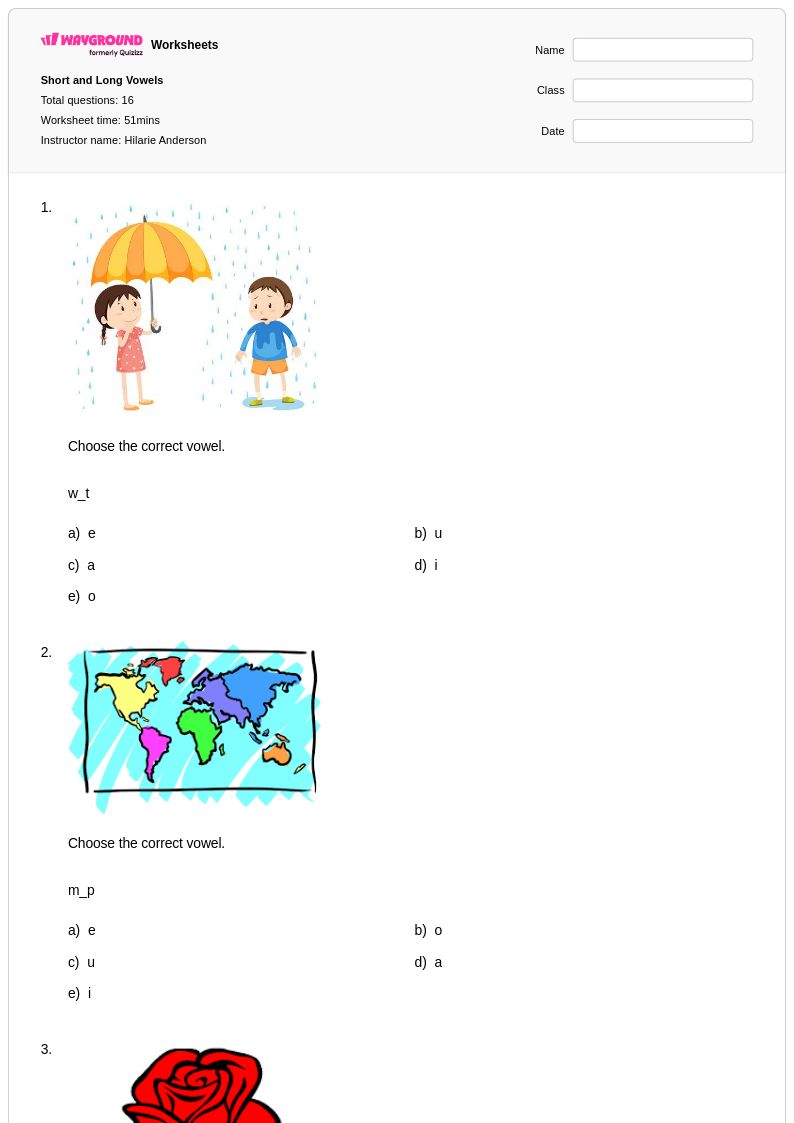
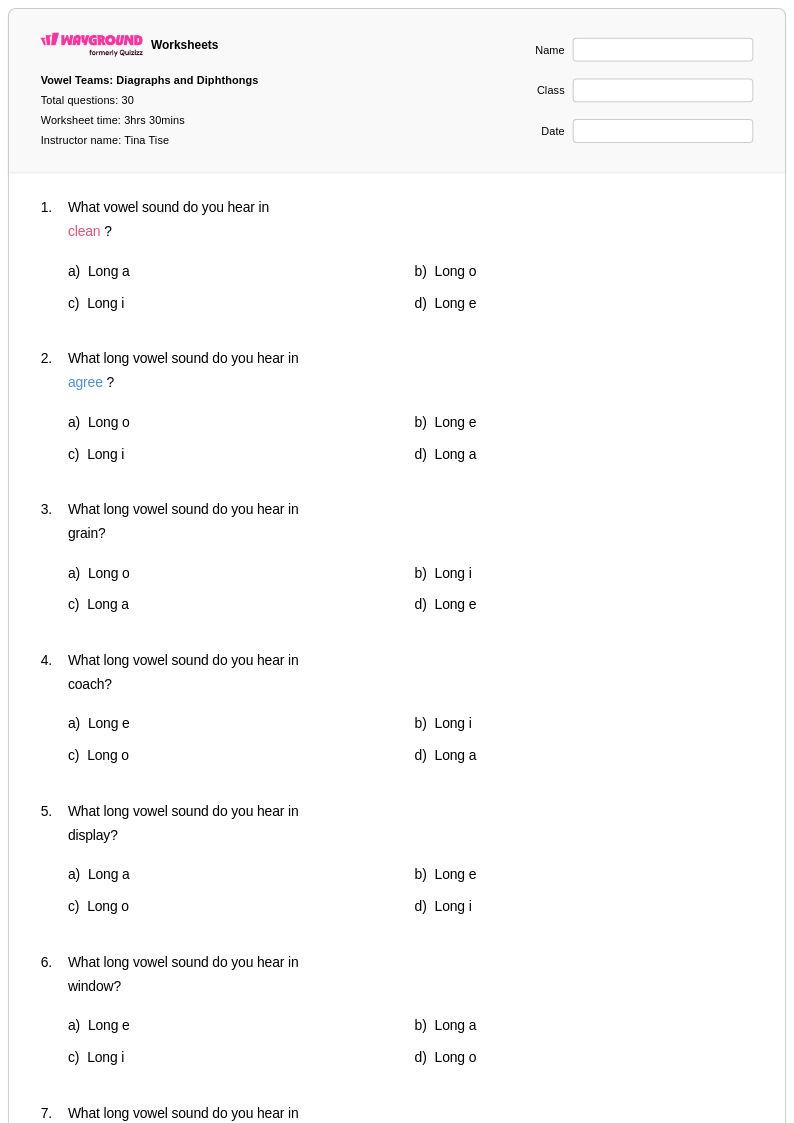
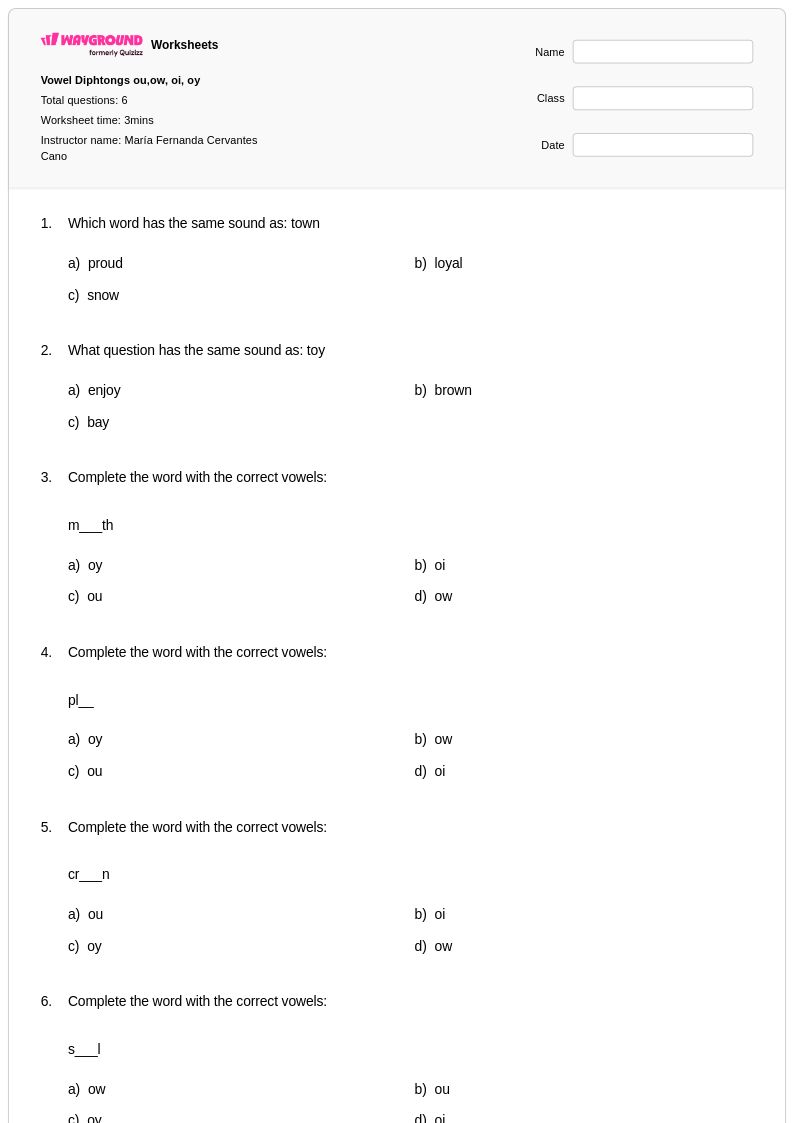
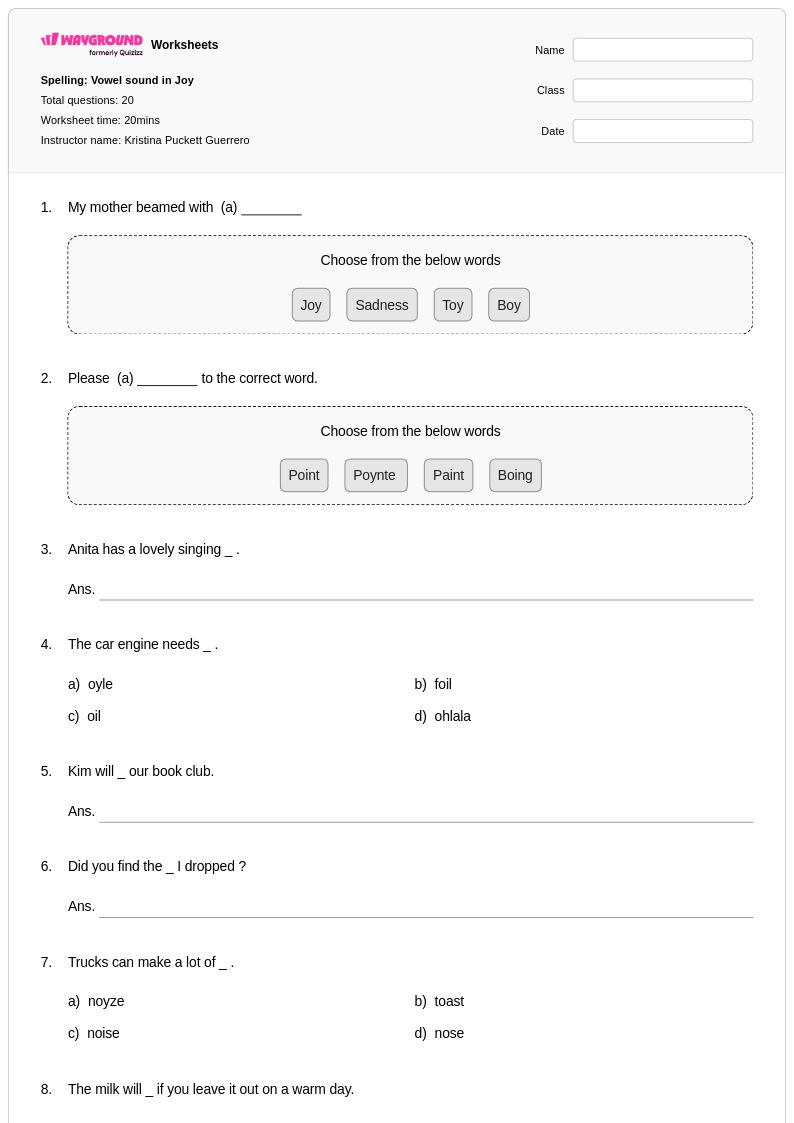
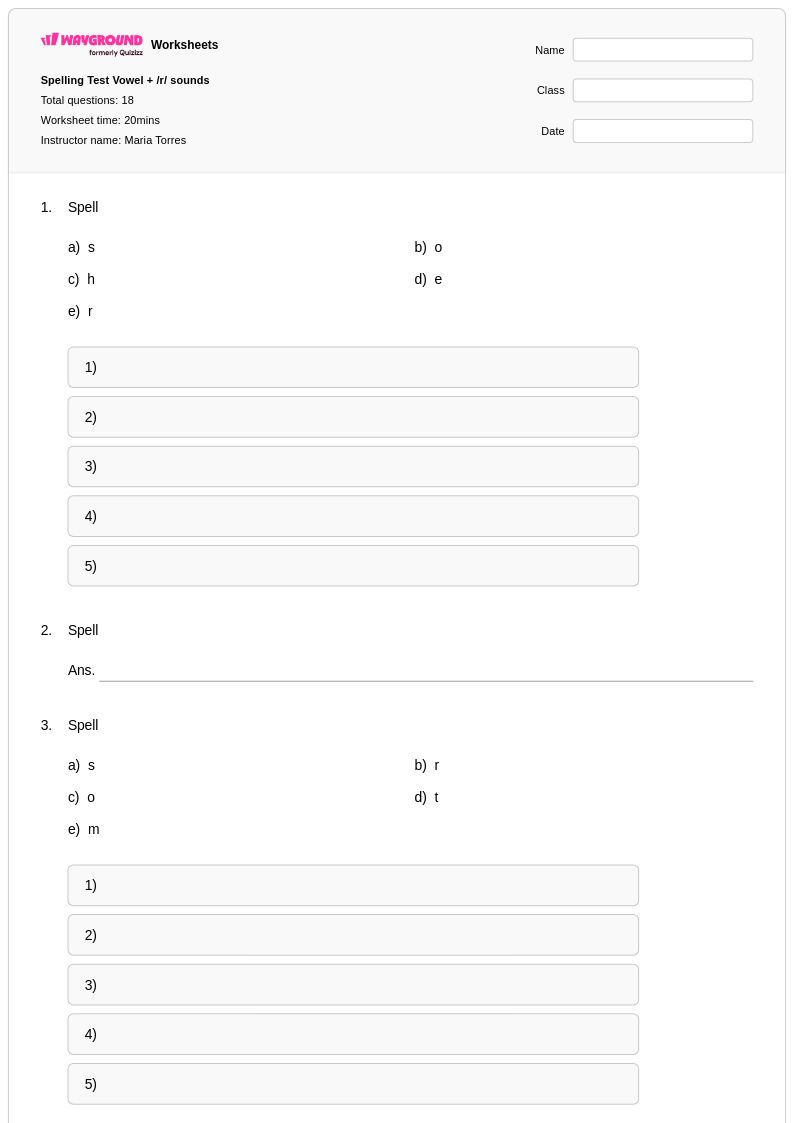
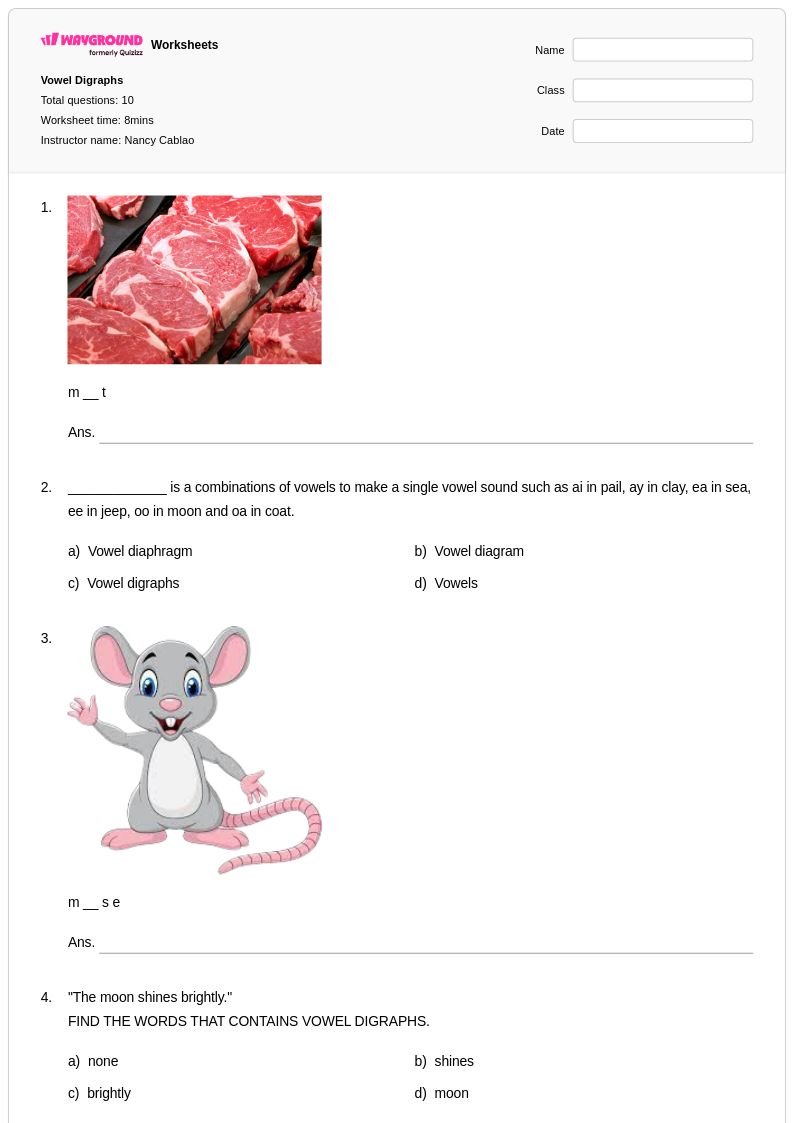
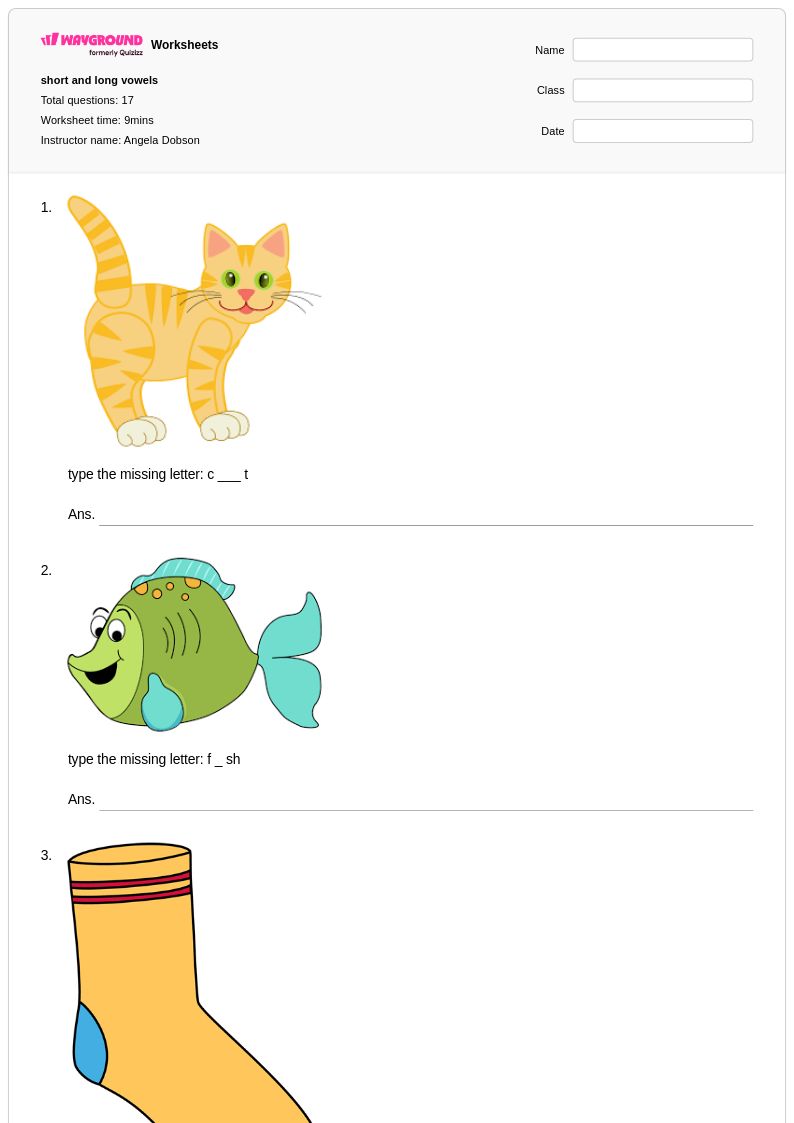
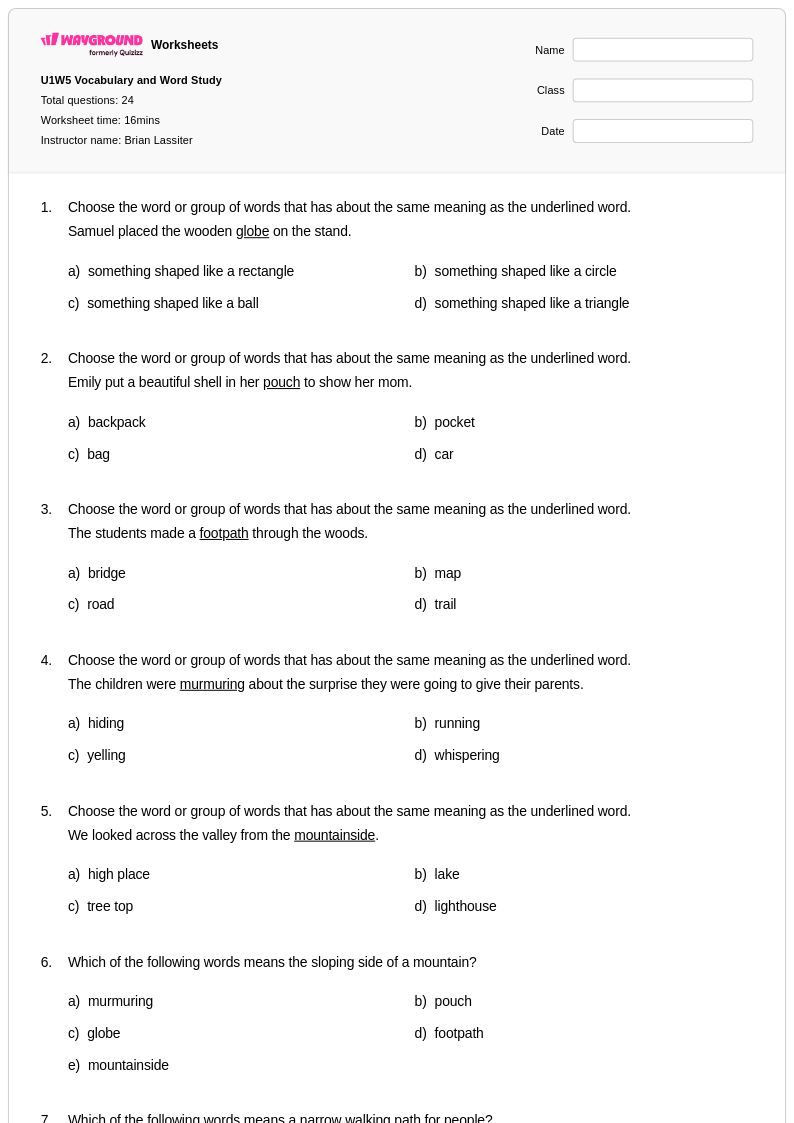
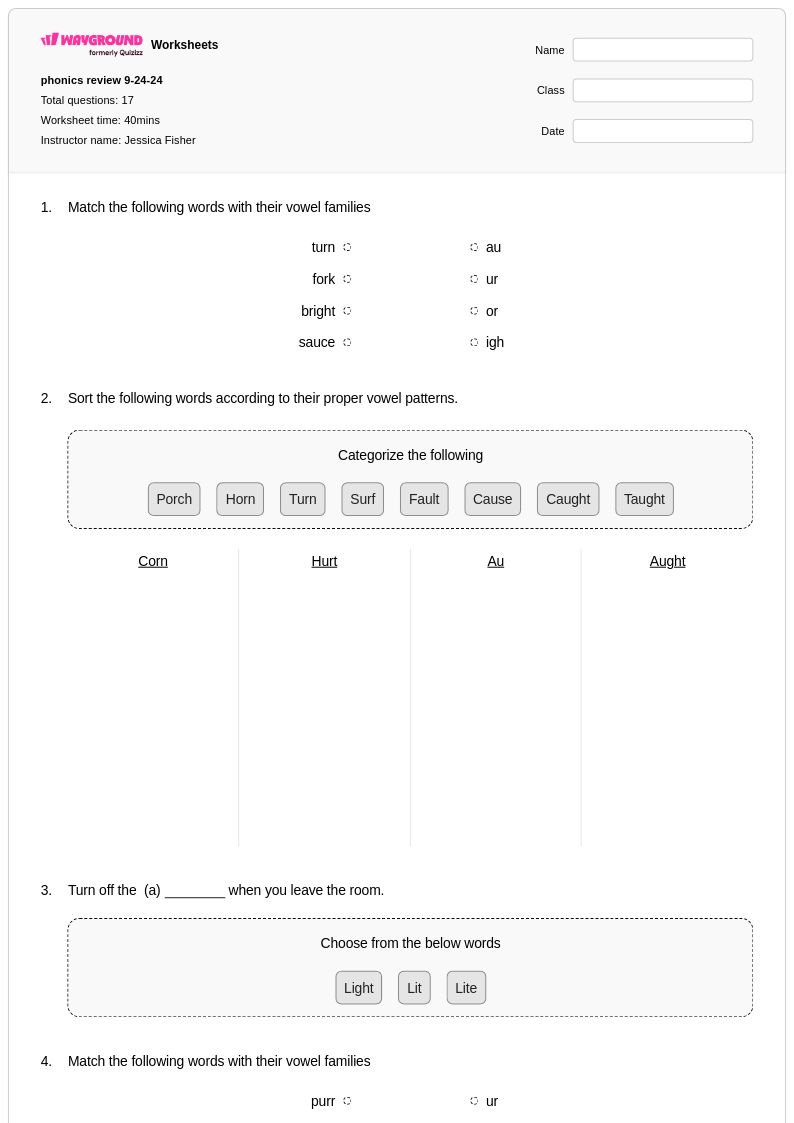
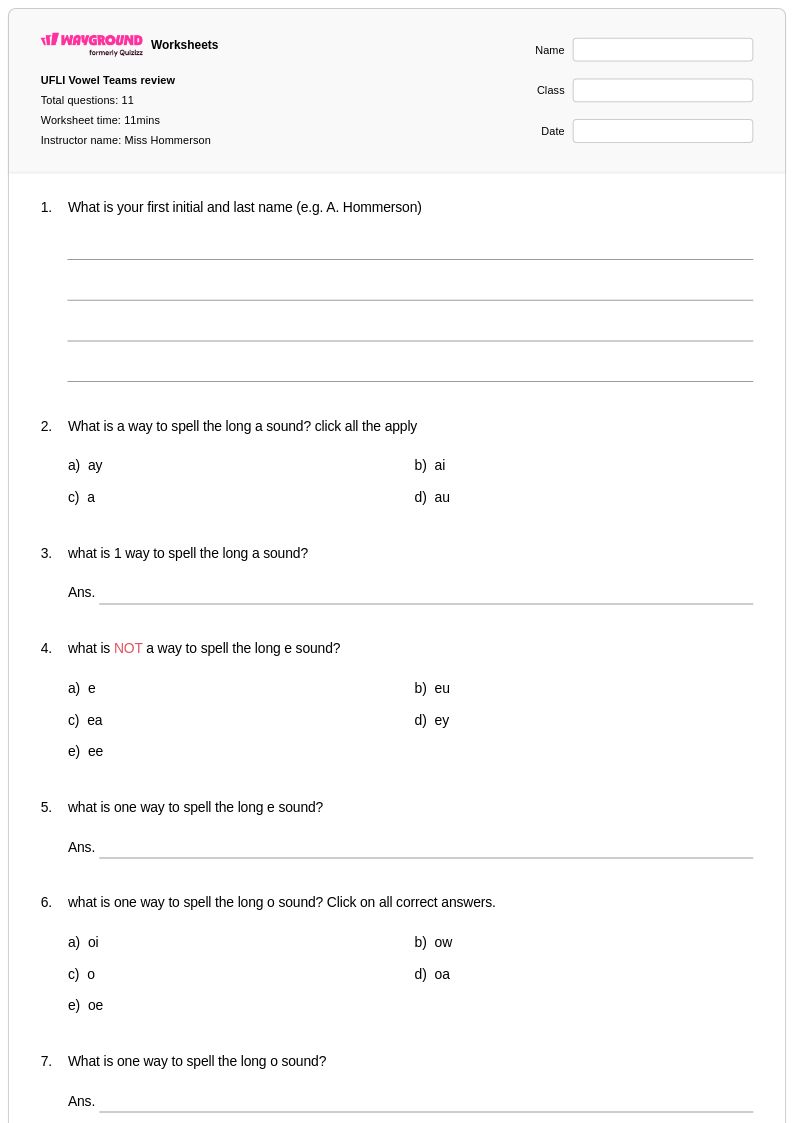
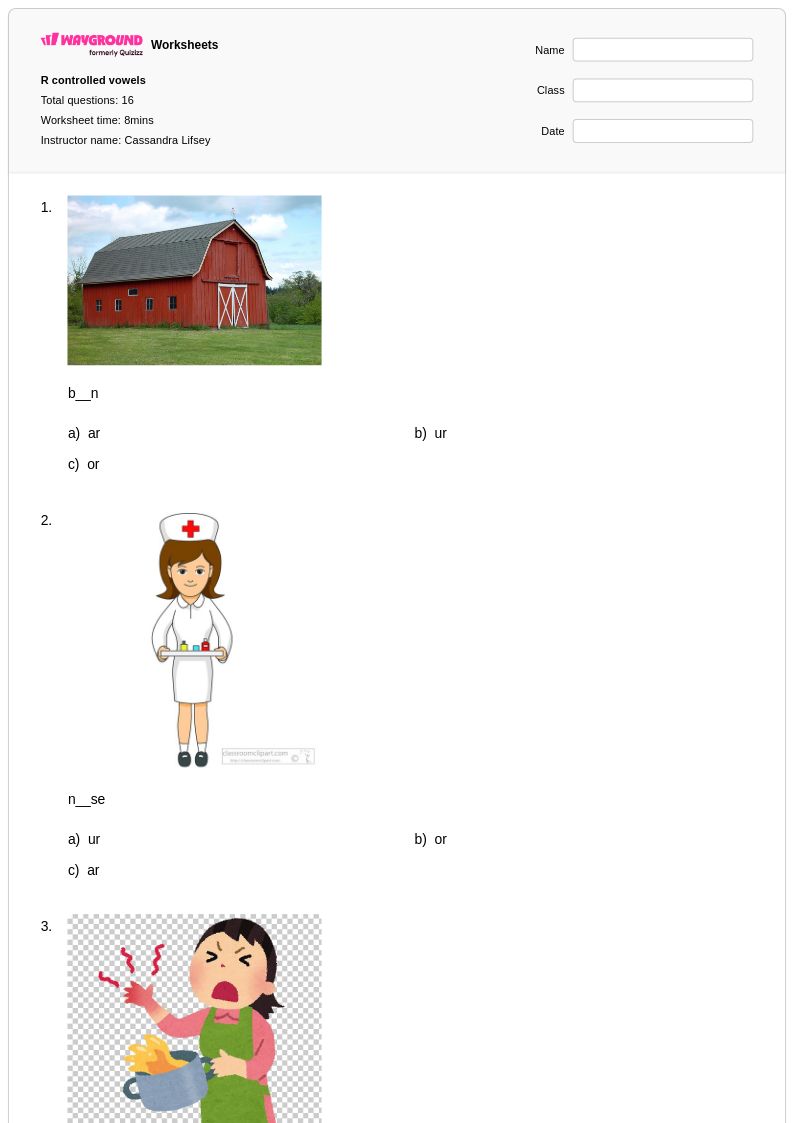
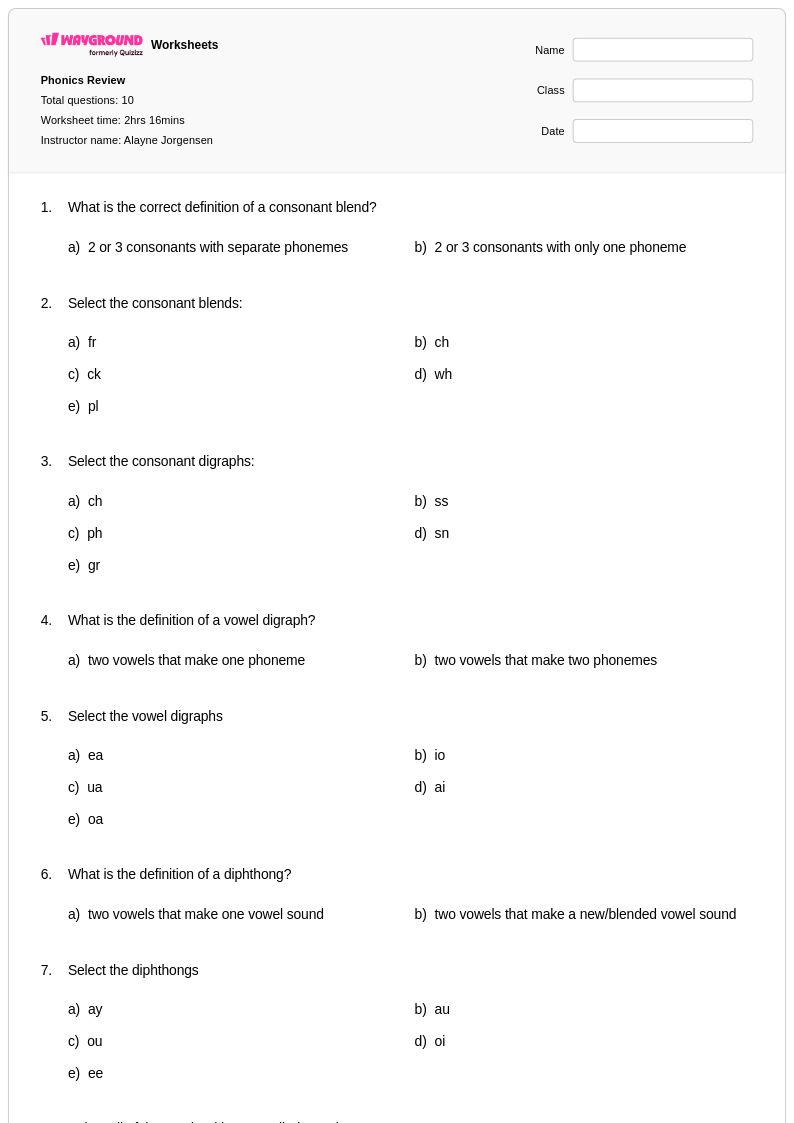
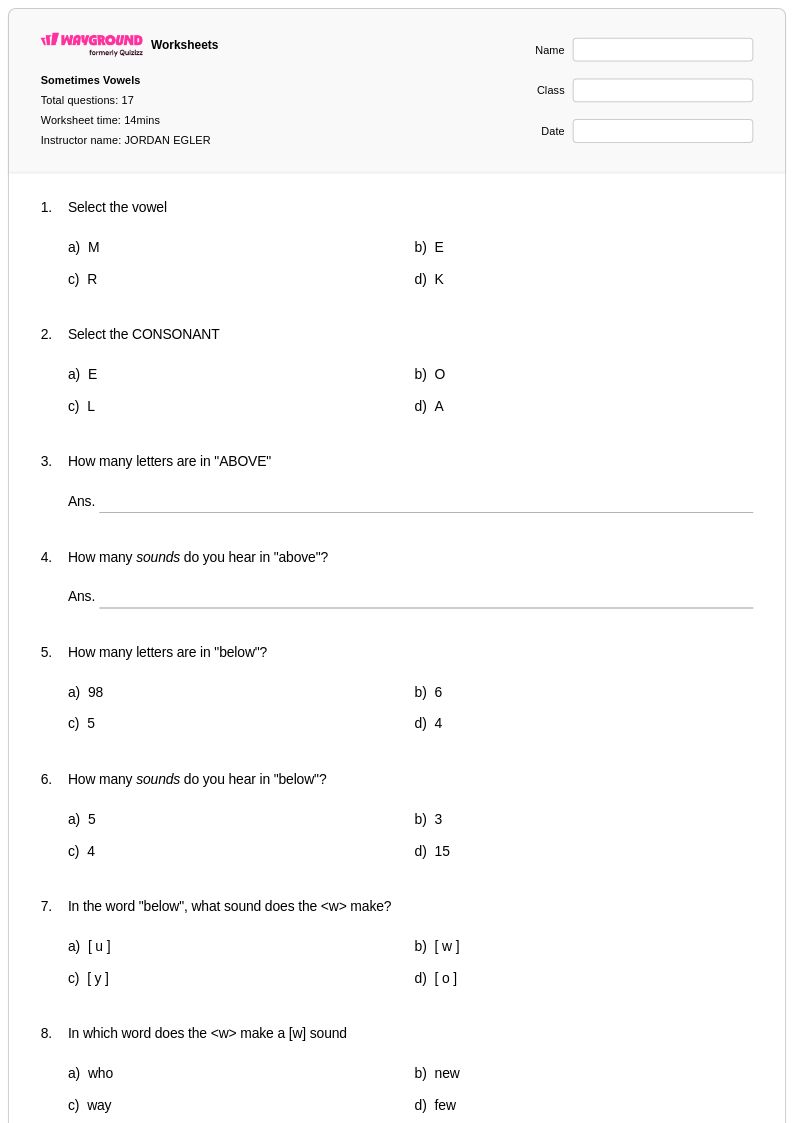
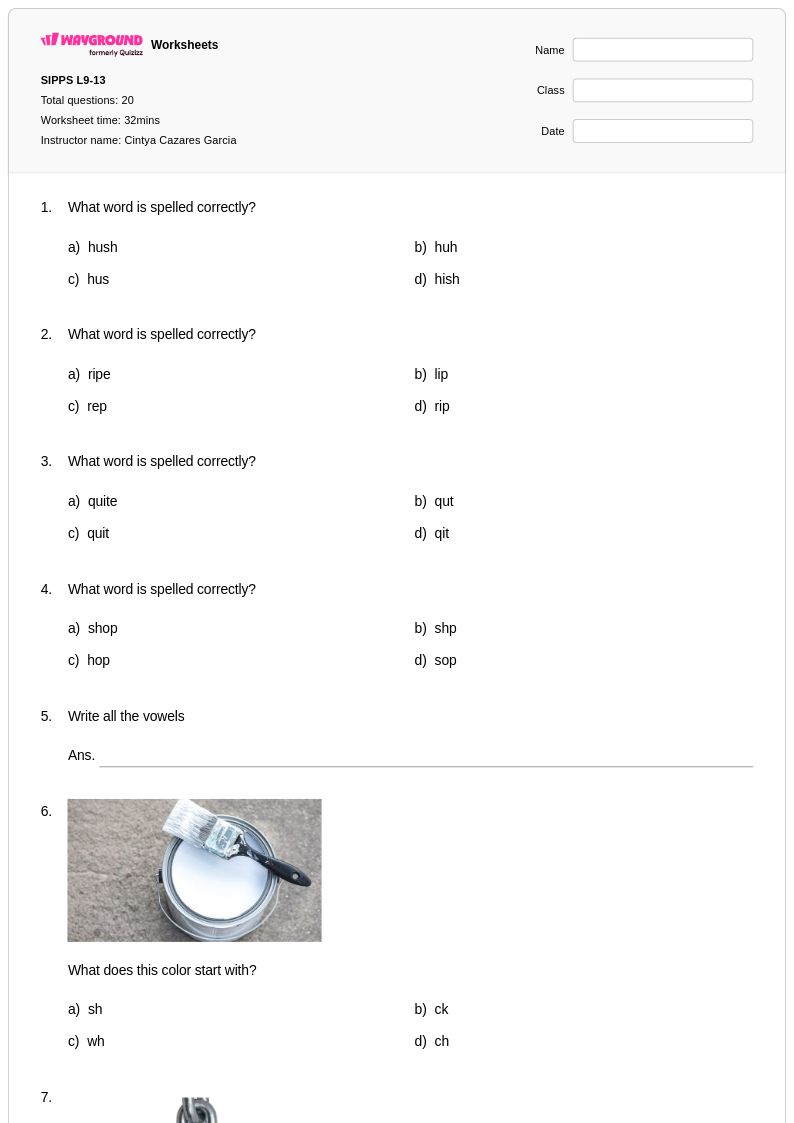
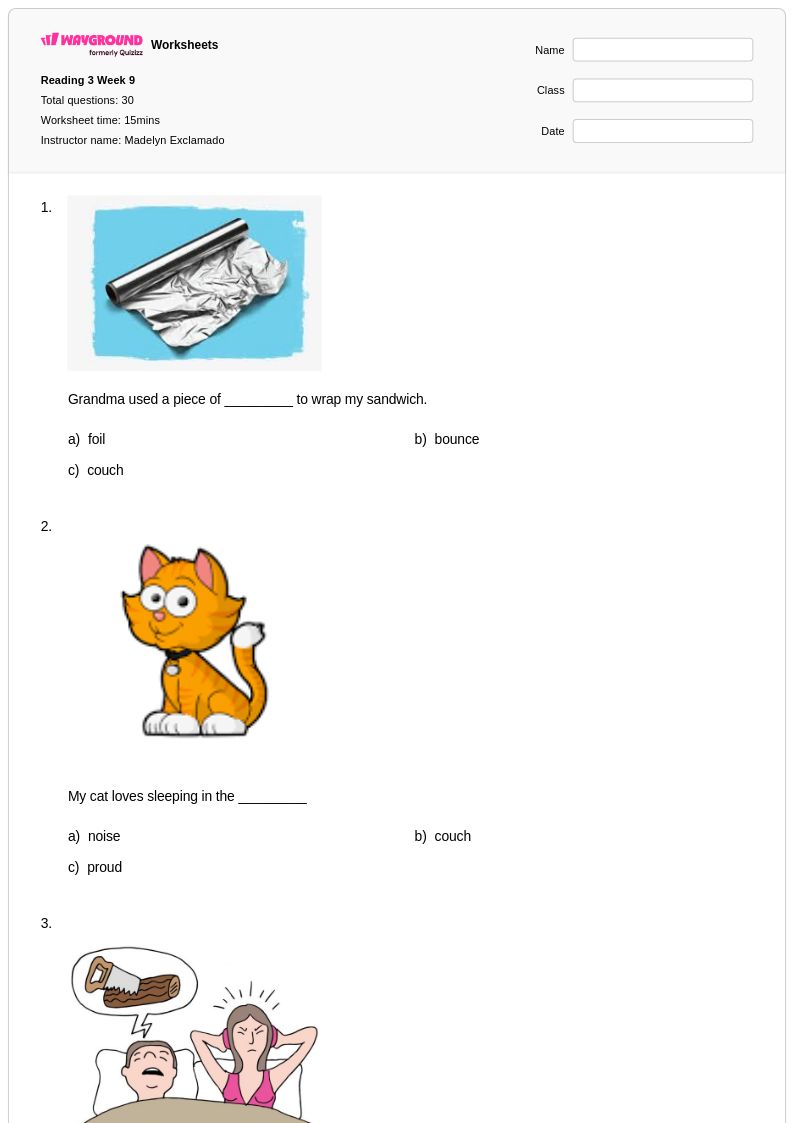
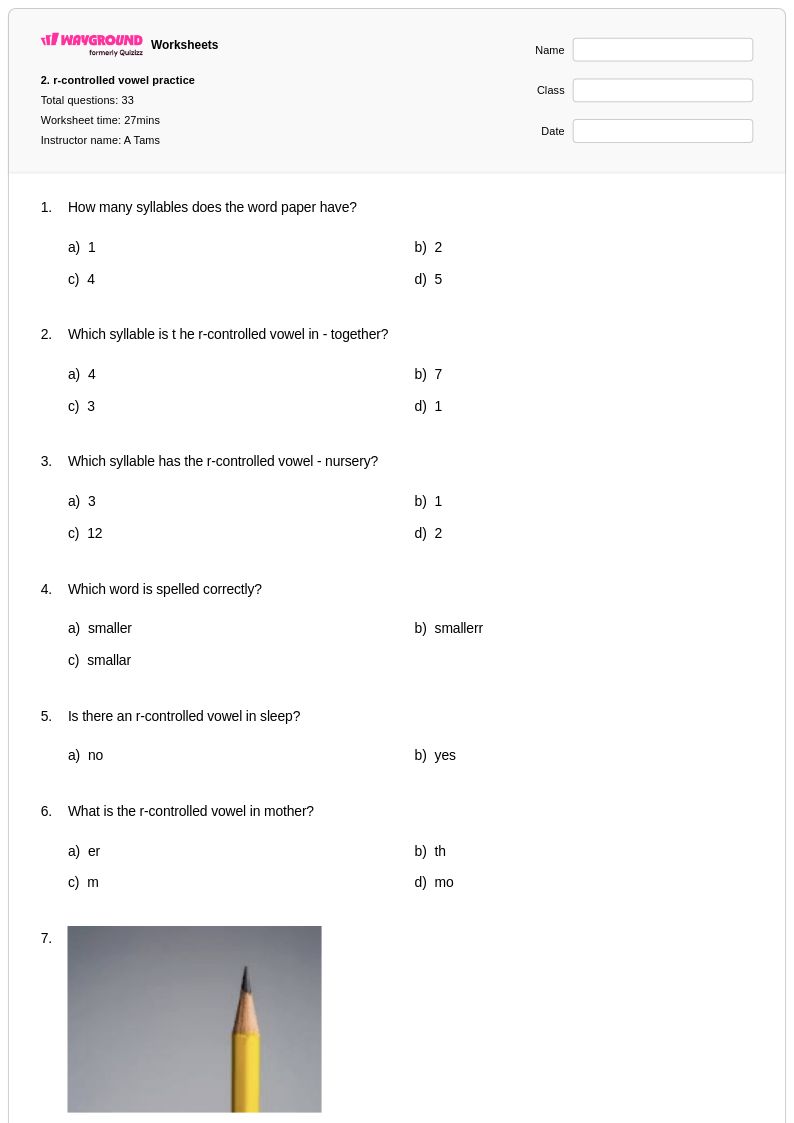
Vowel diphthongs represent a crucial phonetic concept for Year 3 students, where two vowel sounds blend together within a single syllable to create distinct pronunciation patterns. Wayground's comprehensive collection of vowel diphthong worksheets provides targeted practice with common combinations such as "oi" in "coin," "ou" in "house," "aw" in "draw," and "oy" in "toy," helping students recognize these sound patterns in both reading and spelling contexts. These expertly designed printables strengthen phonemic awareness, decoding skills, and spelling accuracy through systematic practice problems that progress from simple word identification to complex sentence application. Each worksheet comes with a detailed answer key, making assessment straightforward for educators while providing immediate feedback opportunities for students working independently. The free pdf format ensures easy access and distribution, supporting both classroom instruction and home practice sessions that reinforce these essential phonics foundations.
Wayground's extensive library, built from millions of teacher-created resources, offers educators unparalleled support for vowel diphthong instruction through advanced search and filtering capabilities that quickly locate grade-appropriate materials. Teachers can seamlessly customize these worksheets to match their students' specific needs, whether providing remediation for struggling readers or enrichment challenges for advanced learners, with both printable and digital formats accommodating diverse classroom environments. The platform's alignment with educational standards ensures that vowel diphthong practice connects meaningfully to broader literacy objectives, while differentiation tools allow instructors to modify content difficulty and presentation style. This flexibility proves invaluable for lesson planning, targeted skill practice, and progress monitoring, as educators can efficiently adapt resources to support individual learning paths while maintaining consistent focus on these critical phonetic building blocks that bridge simple vowel sounds and more complex reading fluency.
FAQs
How do I teach vowel diphthongs to early readers?
Start by building on students' existing knowledge of individual vowel sounds before introducing the concept that two vowel sounds can blend within a single syllable. Use auditory discrimination activities where students listen for the "gliding" quality of diphthong sounds like "oi" in "coin" or "ou" in "house" before connecting those sounds to their spellings. Gradually progress from isolated sound recognition to reading and spelling diphthongs in single-syllable words, then in multisyllabic words, so students develop both decoding and encoding skills systematically.
What are the most common vowel diphthongs students need to learn?
The most frequently taught vowel diphthongs in phonics instruction include "oi" and "oy" (as in "coin" and "boy"), "ou" and "ow" (as in "house" and "cow"), "au" and "aw" (as in "haul" and "saw"), and "ew" (as in "grew"). Students also encounter "ay" in words like "play" as part of broader vowel team instruction. Mastery of these patterns significantly strengthens decoding ability and spelling accuracy across a wide range of high-frequency and content words.
What exercises help students practice vowel diphthongs?
Effective practice exercises include word sorting activities where students group words by their diphthong spelling pattern, fill-in-the-blank sentences that require selecting the correct diphthong, and picture-word matching tasks that reinforce sound-symbol correspondence. Moving from recognition to application, students benefit from activities that require them to write original sentences or identify diphthongs within connected text, which builds both spelling accuracy and reading fluency.
What mistakes do students commonly make with vowel diphthongs?
One of the most frequent errors is confusing diphthongs that share similar sounds but use different spellings, such as mixing up "oi" and "oy" or "ou" and "ow," without understanding that spelling choice is often position-based (e.g., "oy" typically appears at the end of a word). Students also commonly omit one of the vowels when spelling diphthong words, writing "hose" instead of "house" or "con" instead of "coin." Targeted practice with minimal pairs and explicit spelling rule instruction helps address these persistent error patterns.
How can I use vowel diphthong worksheets in my classroom?
Vowel diphthong worksheets on Wayground are available as printable PDFs for traditional classroom use and in digital formats for technology-integrated learning environments, including the option to host them as a quiz directly on Wayground. Printable versions work well for independent seatwork, small group instruction, or homework reinforcement, while digital formats support remote learning, centers rotations, or one-to-one device settings. Both formats include comprehensive answer keys, making it straightforward to check student work or provide immediate feedback.
How do I differentiate vowel diphthong instruction for struggling readers?
For struggling readers, begin with just one or two diphthong patterns at a time rather than introducing the full set simultaneously, and provide ample repetition before moving on. Wayground's platform supports individual student accommodations including Read Aloud, which allows questions and content to be read to students who need audio support, and Reduced Answer Choices, which lowers cognitive load for students who are still building confidence with these patterns. Extended time settings can also be applied per student so that pacing expectations are appropriate without affecting the rest of the class.