
20 Q
2nd - Uni
11 Q
3rd - Uni
10 Q
3rd - Uni
20 Q
2nd - Uni
20 Q
3rd - Uni
15 Q
3rd - Uni
11 Q
4th - 6th
20 Q
1st - Uni
20 Q
1st - Uni
10 Q
3rd - 4th
6 Q
3rd - 5th
10 Q
3rd - 6th
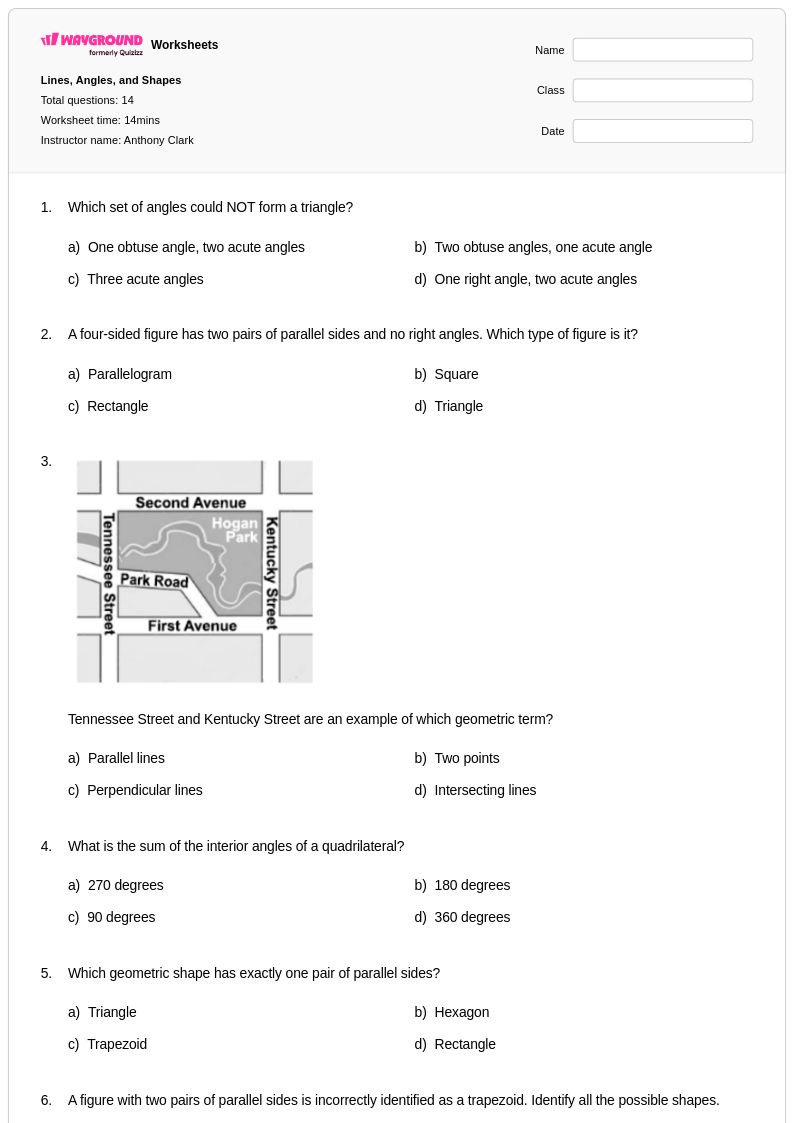
14 Q
4th - Uni
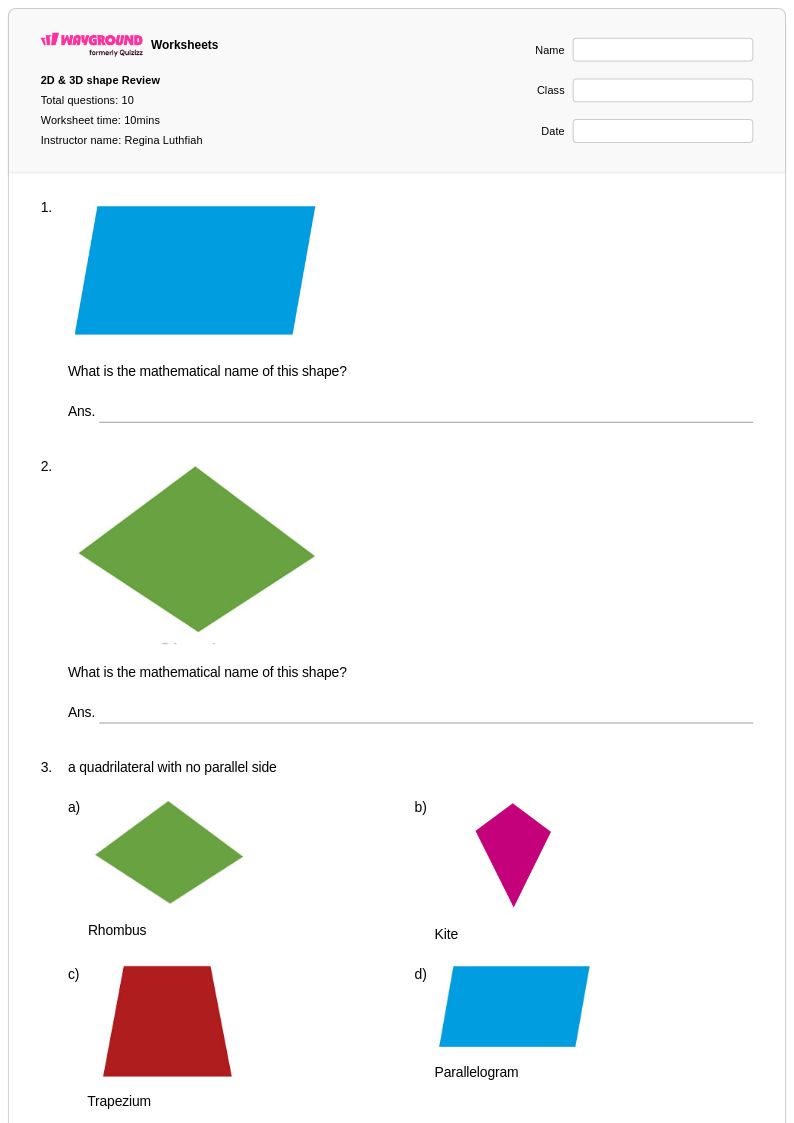
10 Q
4th
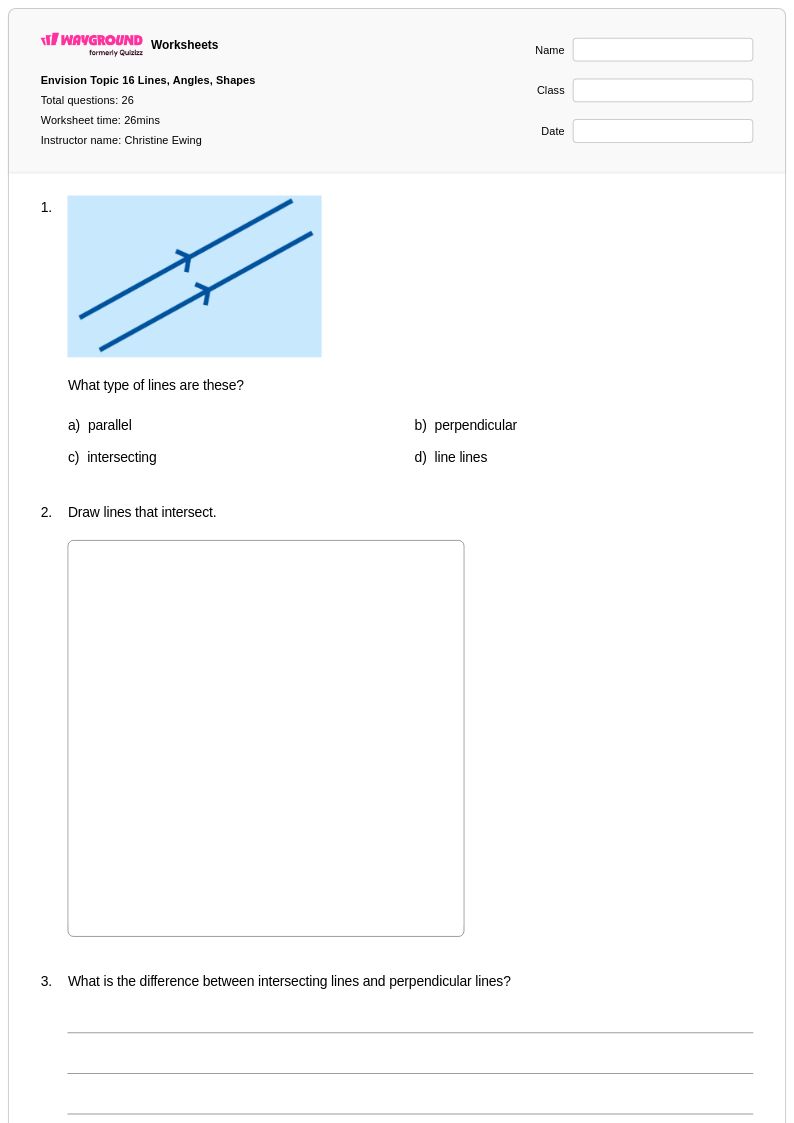
26 Q
4th
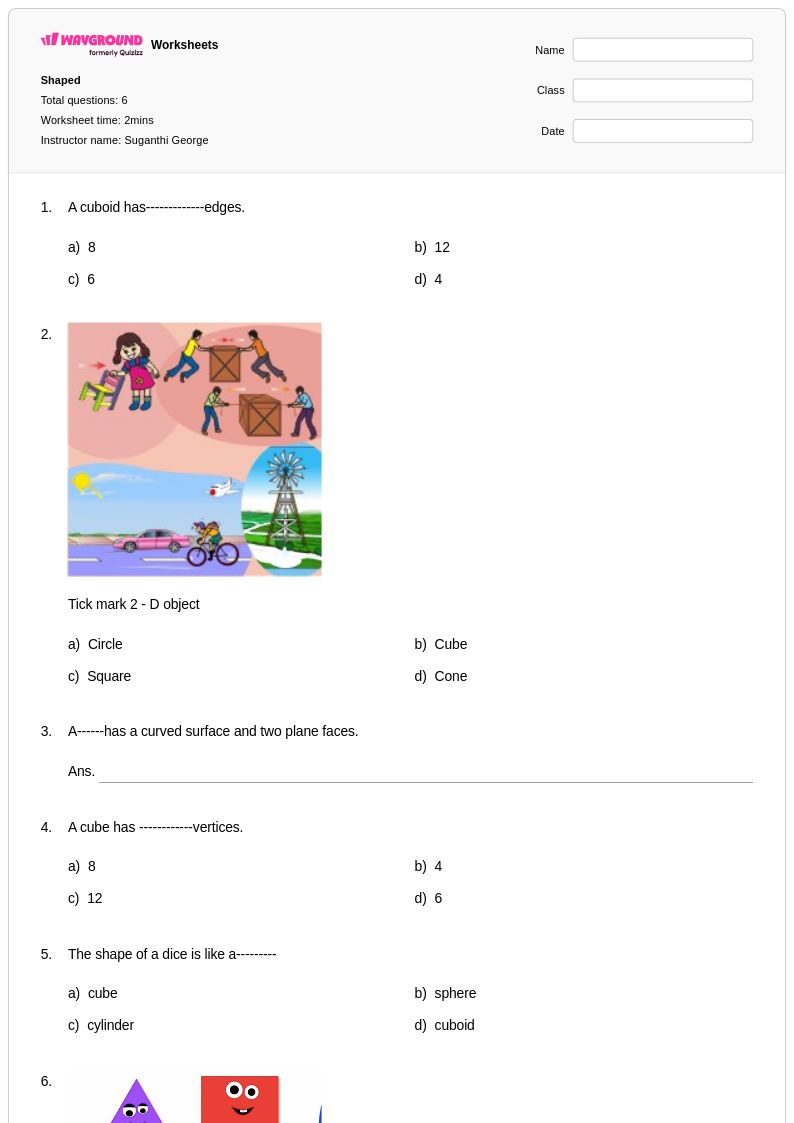
6 Q
4th
20 Q
3rd - Uni
20 Q
1st - Uni
20 Q
4th
10 Q
4th
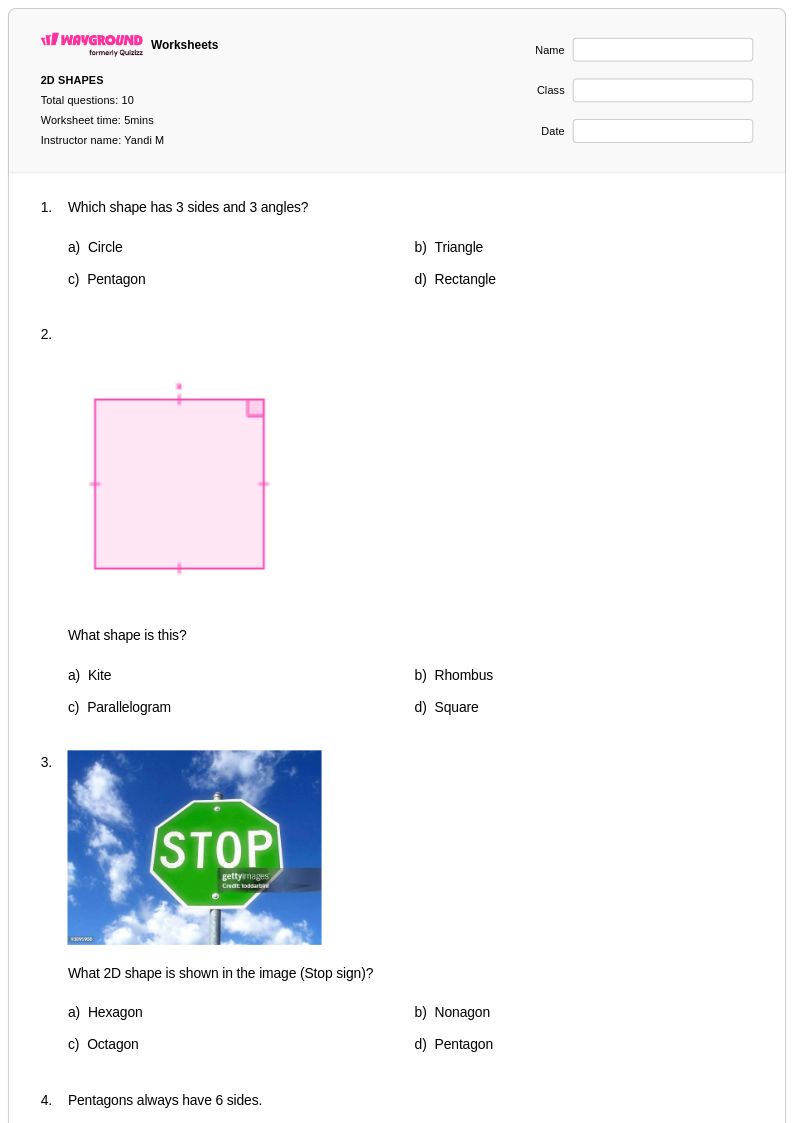
10 Q
1st - Uni
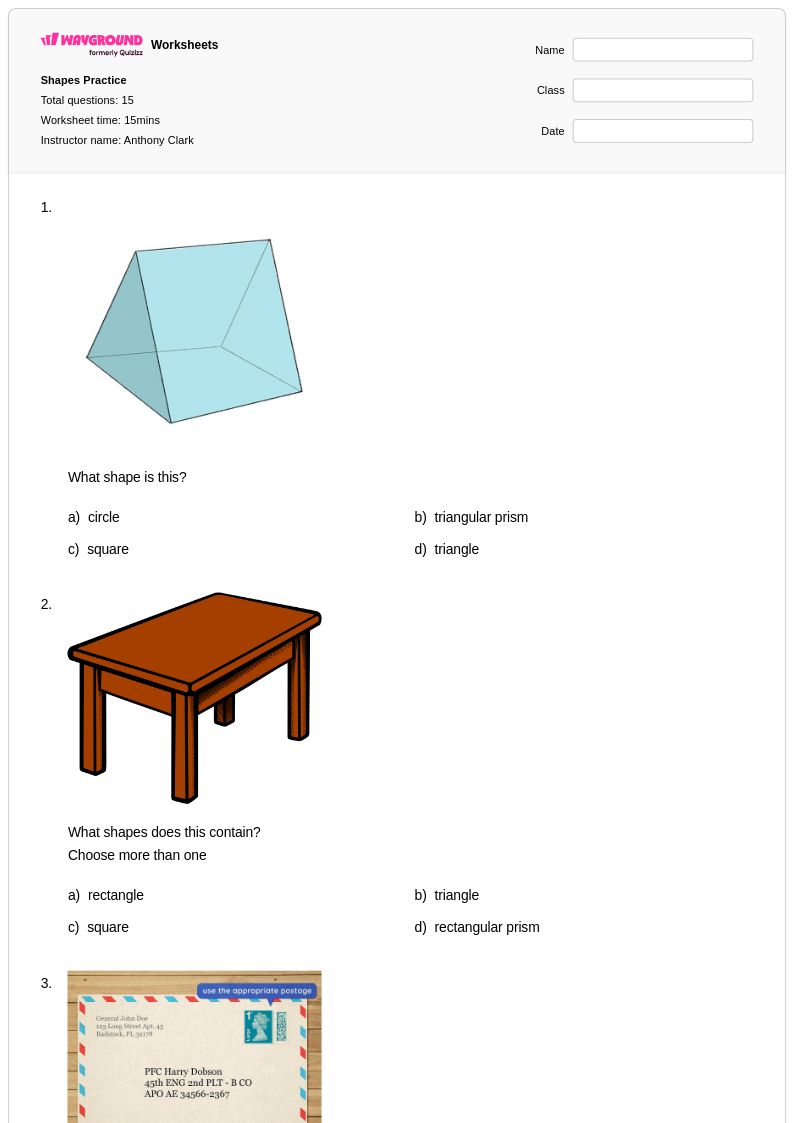
15 Q
1st - Uni
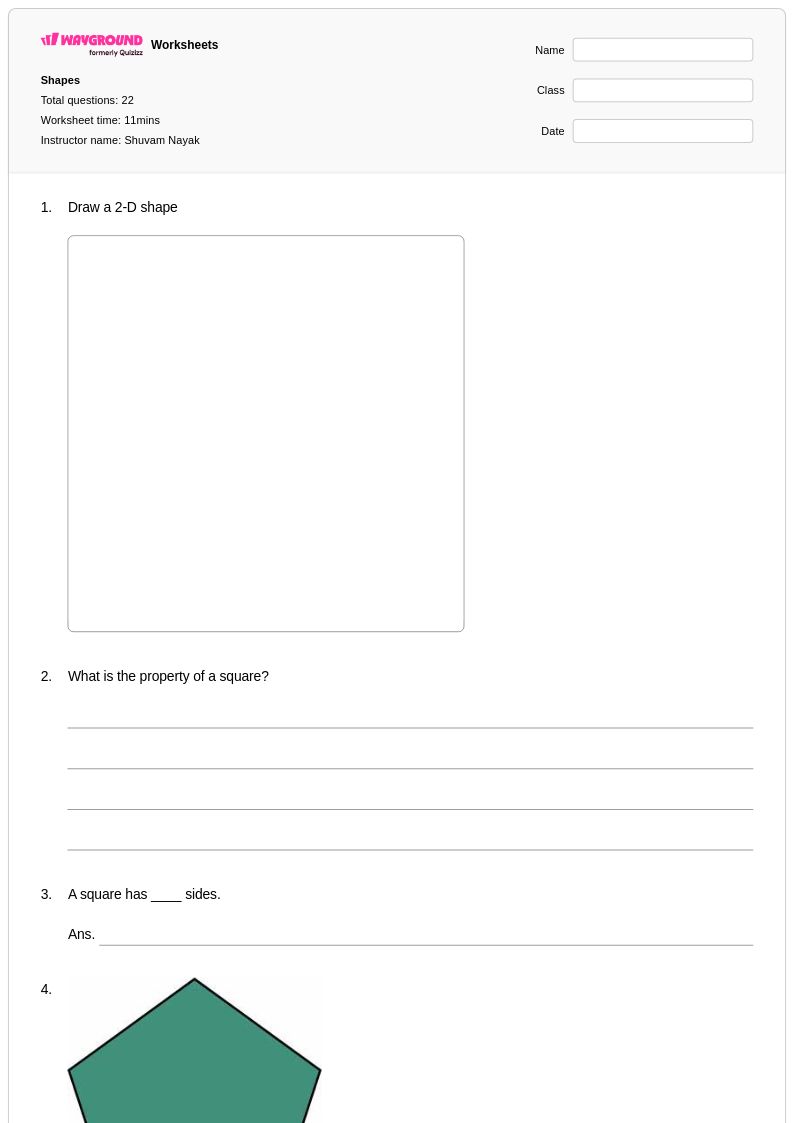
22 Q
1st - 5th
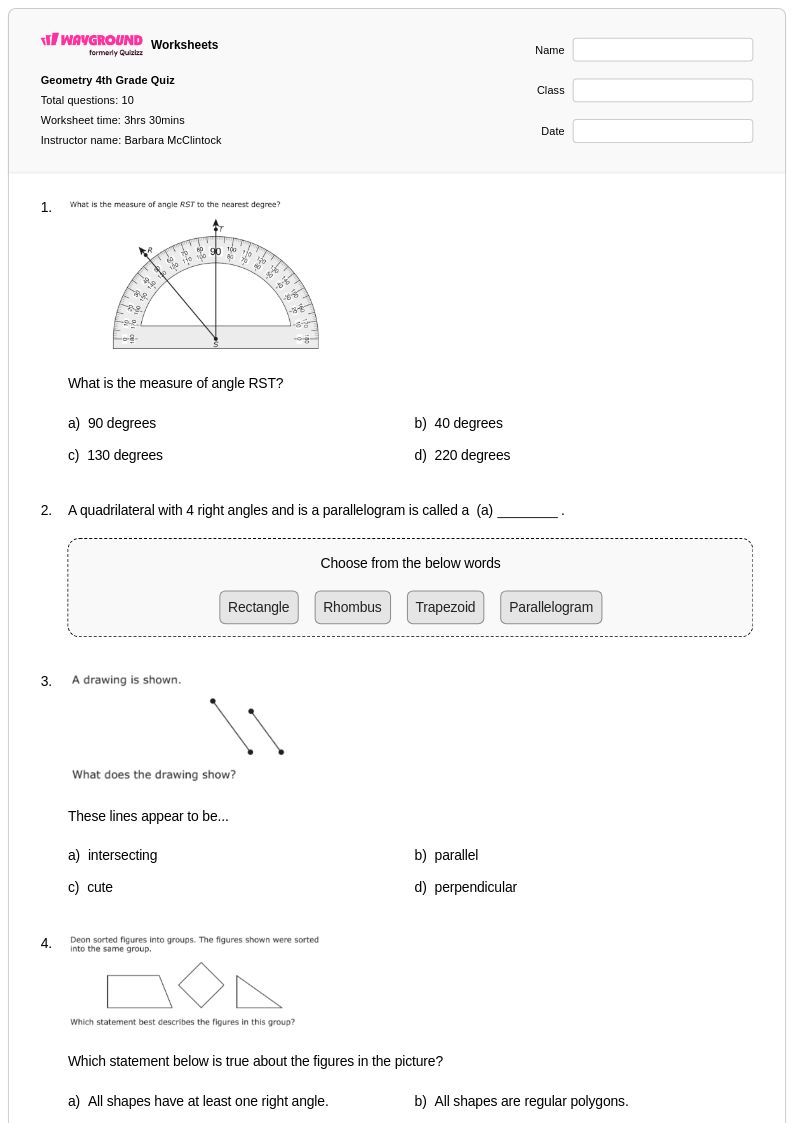
10 Q
4th
Explore Other Subject Worksheets for class 4
Explore printable Combining Shapes worksheets for Class 4
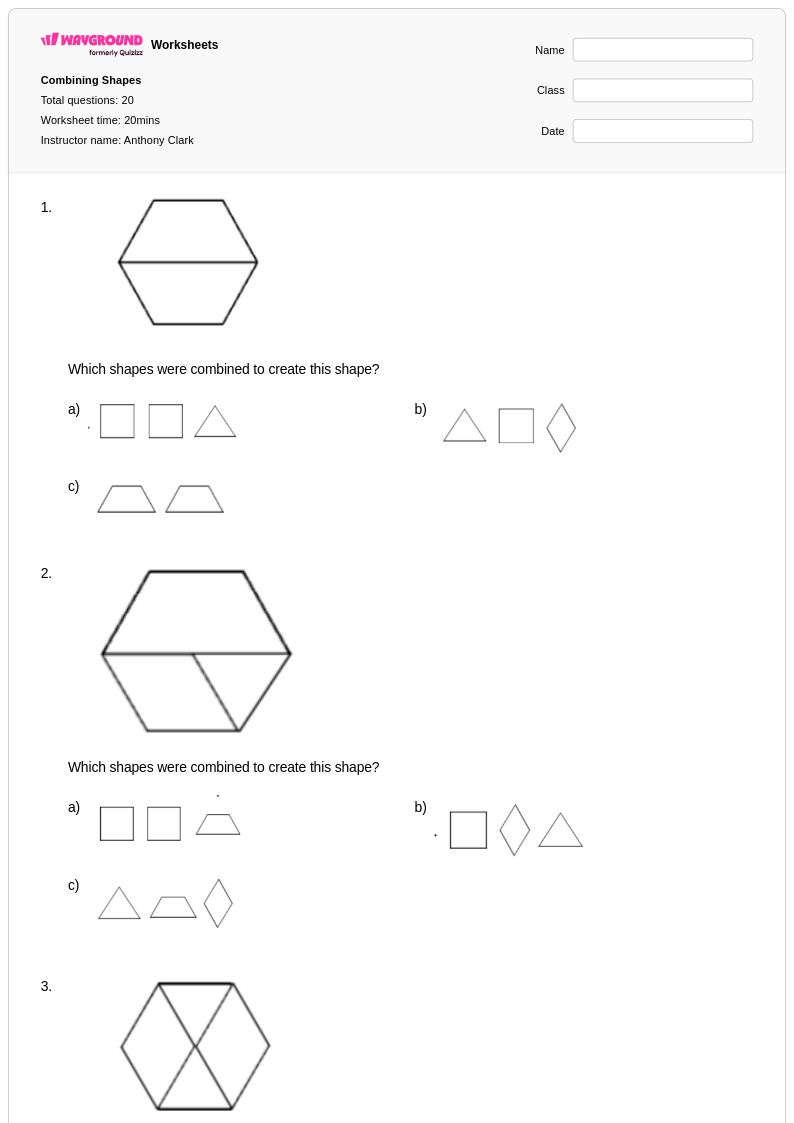
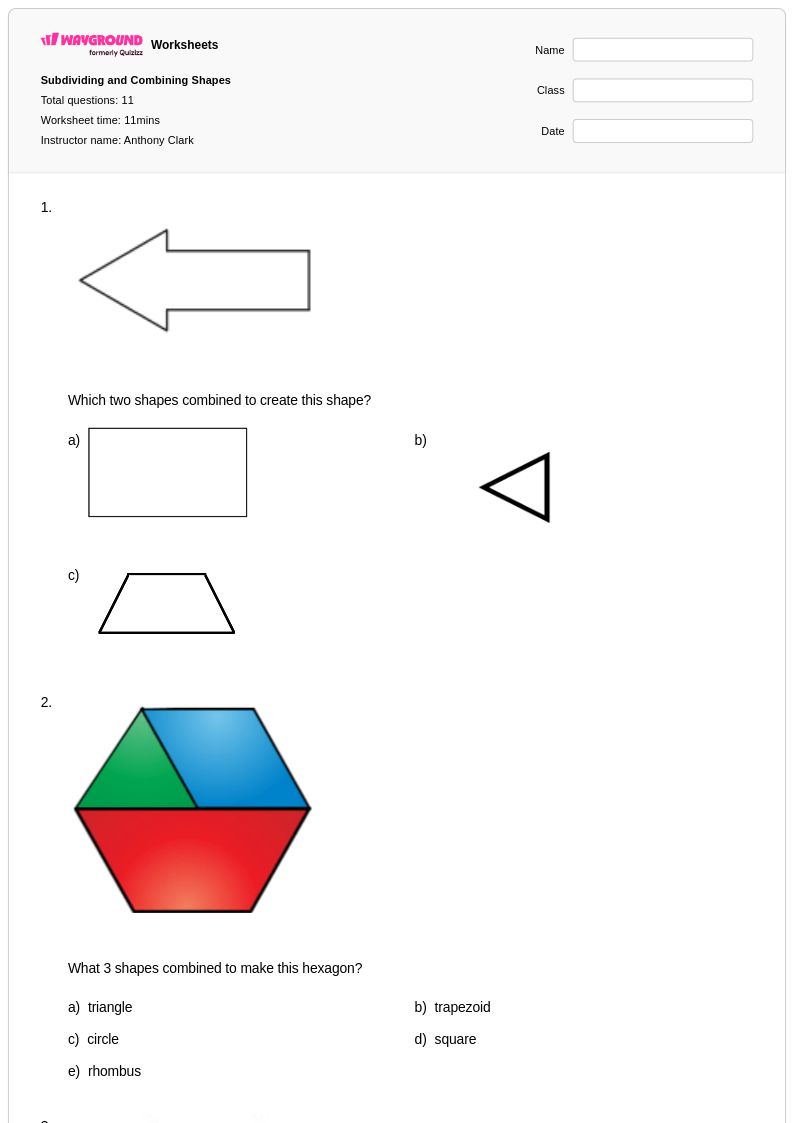
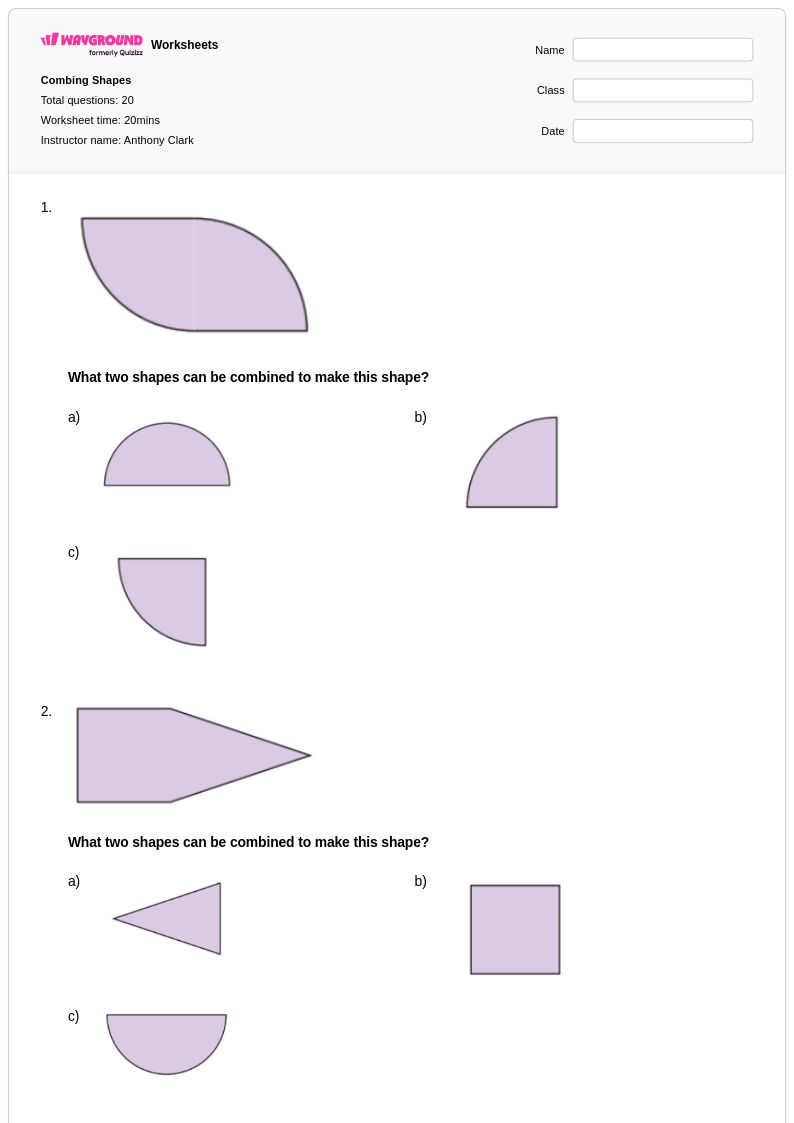
Combining shapes worksheets for Class 4 through Wayground offer students essential practice in understanding how geometric figures can be joined, overlapped, and arranged to create new forms. These comprehensive printables strengthen critical spatial reasoning skills as students learn to identify component shapes within complex figures, calculate combined areas and perimeters, and visualize how basic polygons and circles interact when merged. Each worksheet includes carefully structured practice problems that progress from simple two-shape combinations to more challenging multi-shape configurations, with complete answer keys provided to support independent learning and self-assessment. The free pdf resources emphasize hands-on problem-solving approaches that help fourth-grade students develop foundational geometric thinking skills essential for advanced mathematical concepts.
Wayground's extensive collection of combining shapes worksheets empowers teachers with access to millions of educator-created resources specifically designed to meet diverse classroom needs and learning objectives. The platform's robust search and filtering capabilities allow instructors to quickly locate materials aligned with specific mathematical standards while offering powerful differentiation tools to accommodate varying skill levels within Class 4 classrooms. Teachers can seamlessly customize existing worksheets or create entirely new materials, with flexible options for both printable pdf formats and interactive digital presentations that enhance student engagement. These comprehensive resources prove invaluable for lesson planning, targeted remediation sessions, enrichment activities for advanced learners, and consistent skill practice that reinforces geometric concepts throughout the academic year.
FAQs
How do I teach combining shapes to fourth graders?
What exercises help Grade 4 students practice combining shapes?
What mistakes do students make when finding the area or perimeter of combined shapes?
How can I use a combining shapes worksheet in class?
How does combining shapes fit into the Grade 4 Common Core geometry curriculum?
How can I differentiate a combining shapes worksheet for mixed-ability fourth graders?
What grade do students learn to combine shapes?