Free Printable Dot Patterns Worksheets for Kindergarten
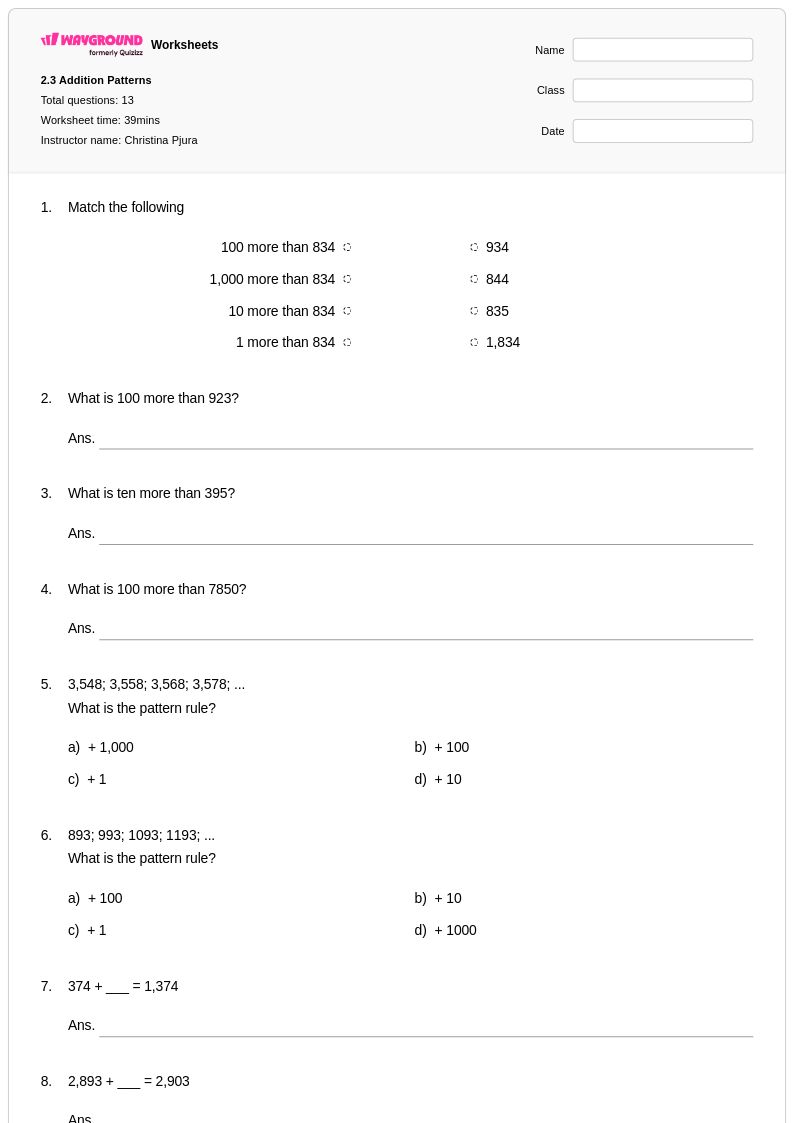
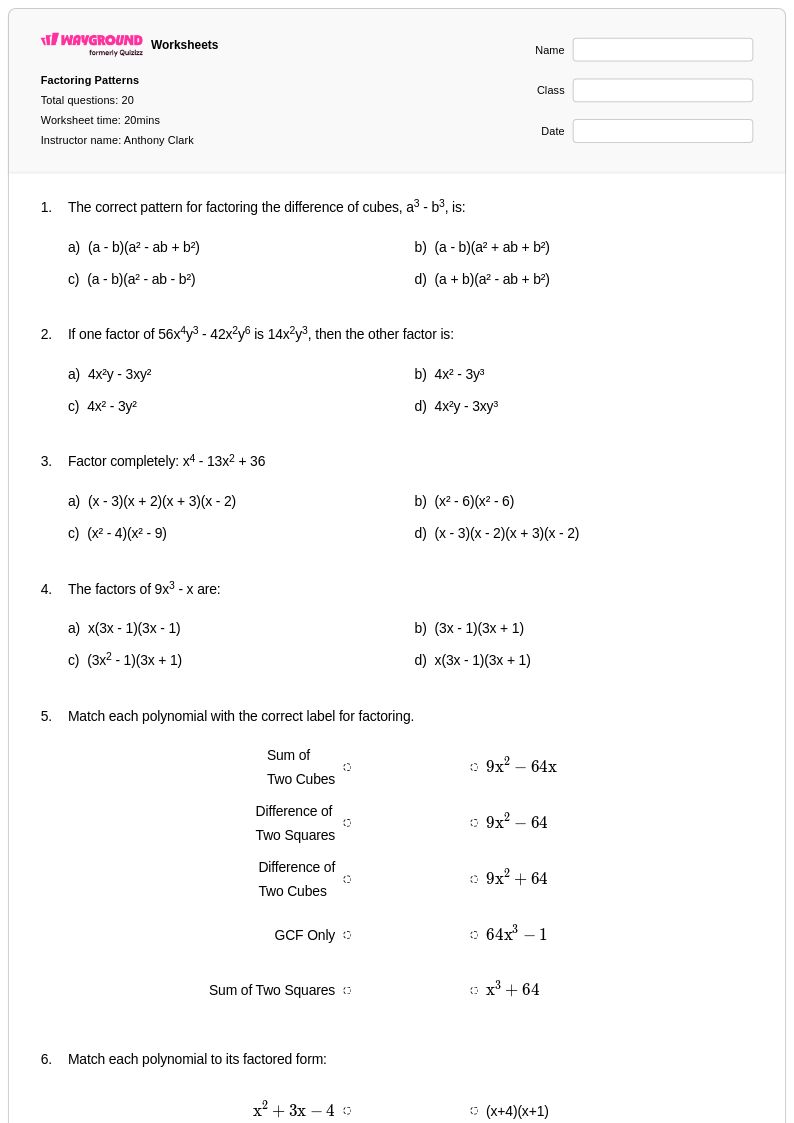
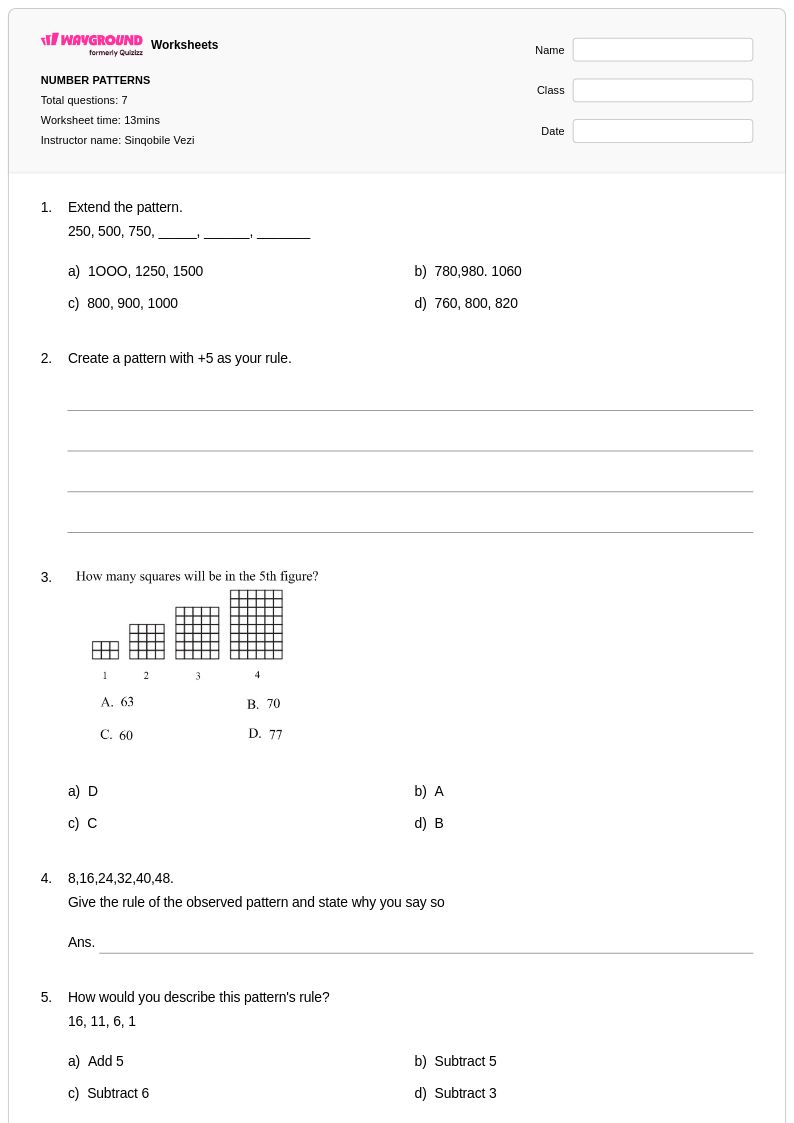
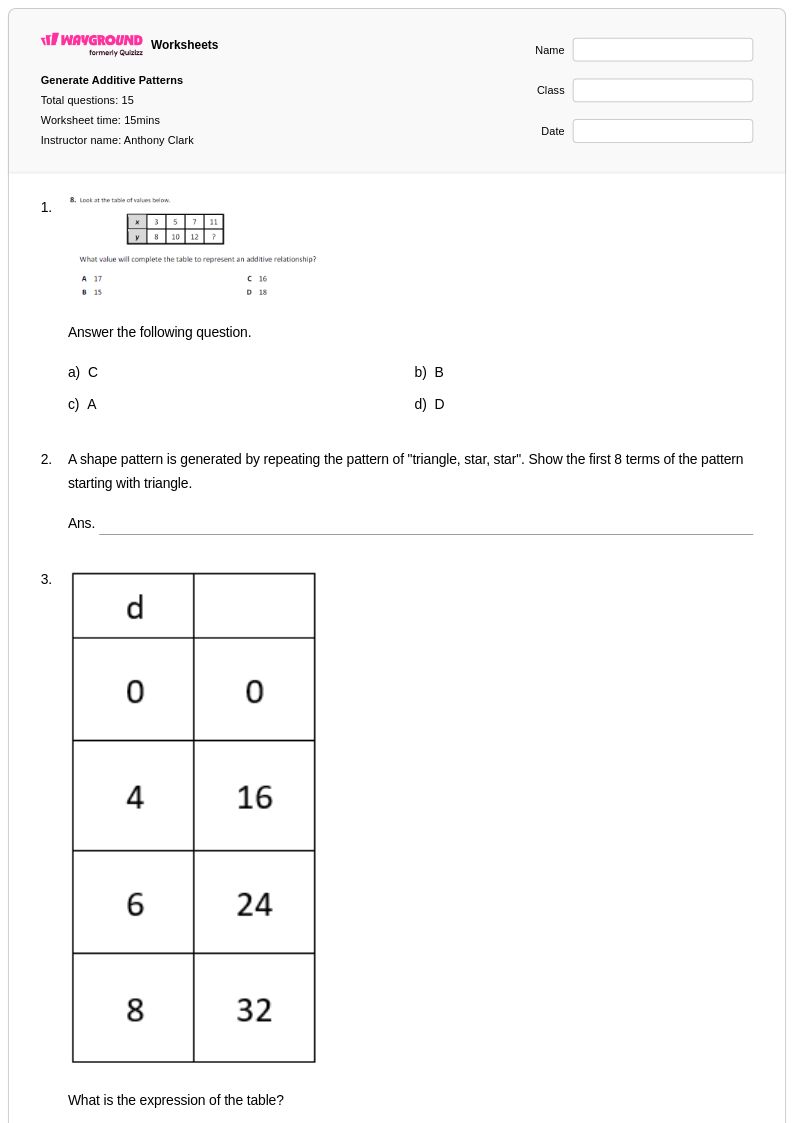
Explore free kindergarten dot patterns worksheets and printables from Wayground that help young learners develop essential number sense skills through engaging visual practice problems with complete answer keys.
Explore printable Dot Patterns worksheets for Kindergarten
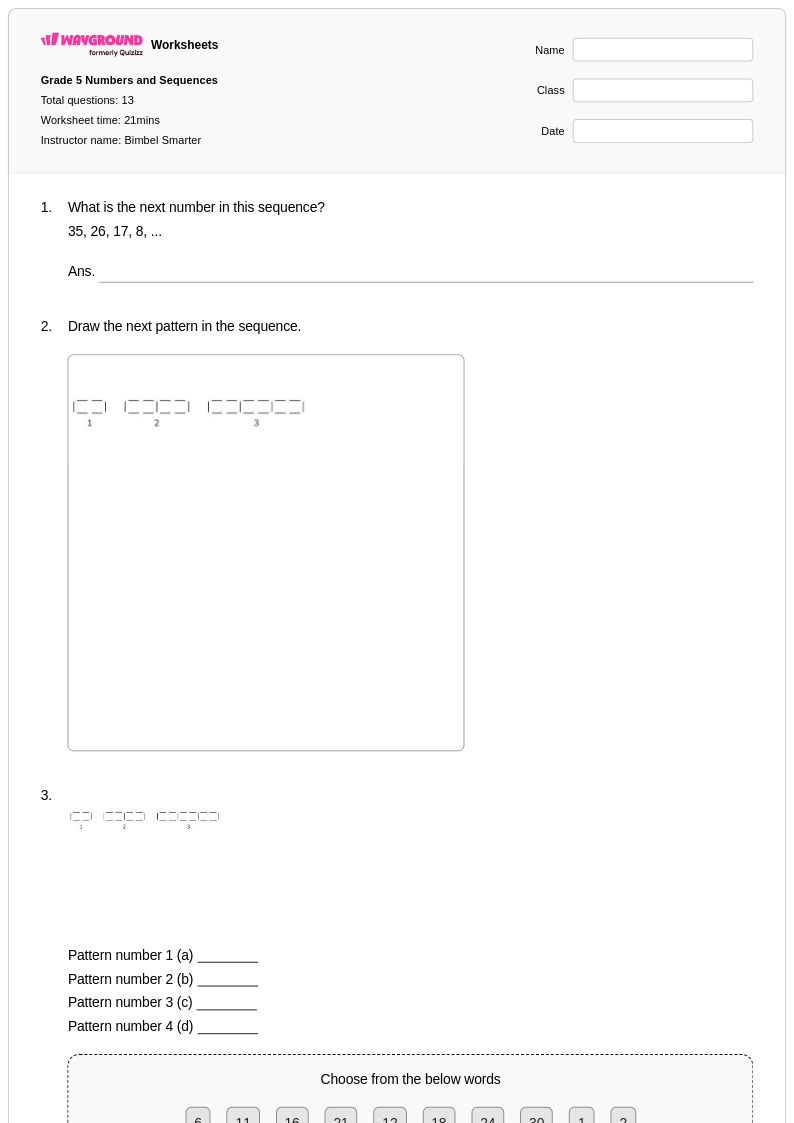
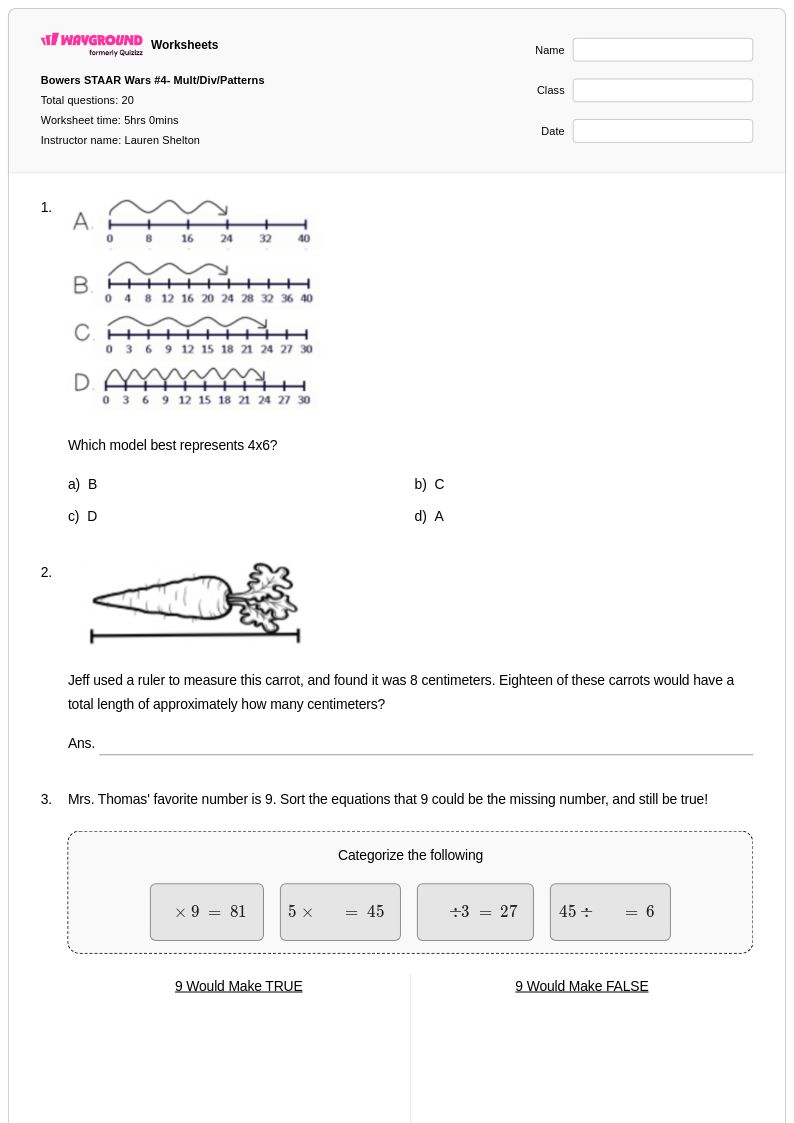
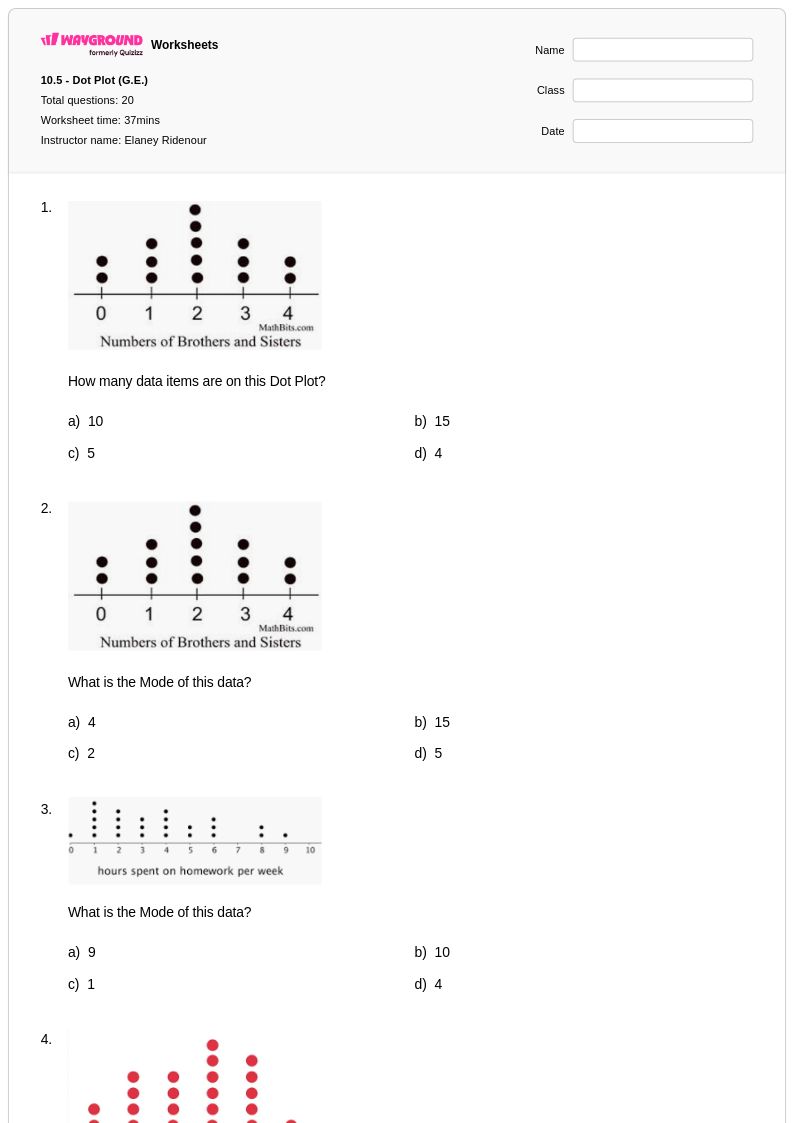
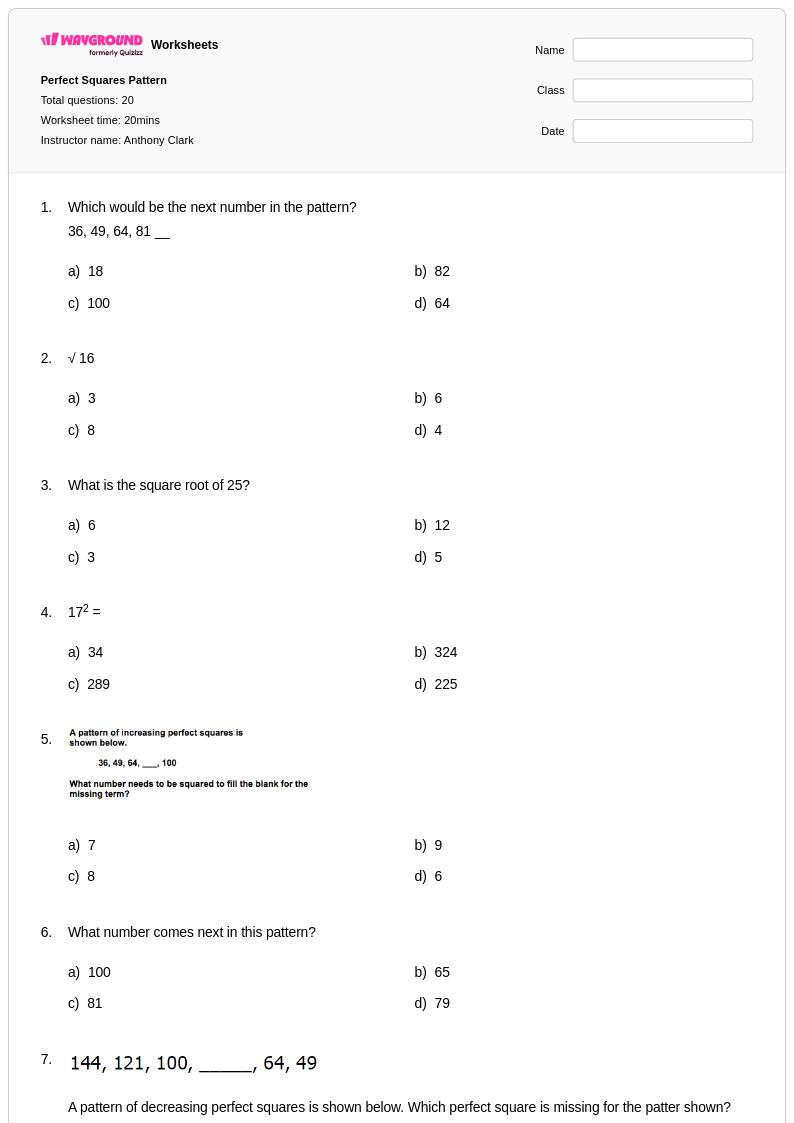
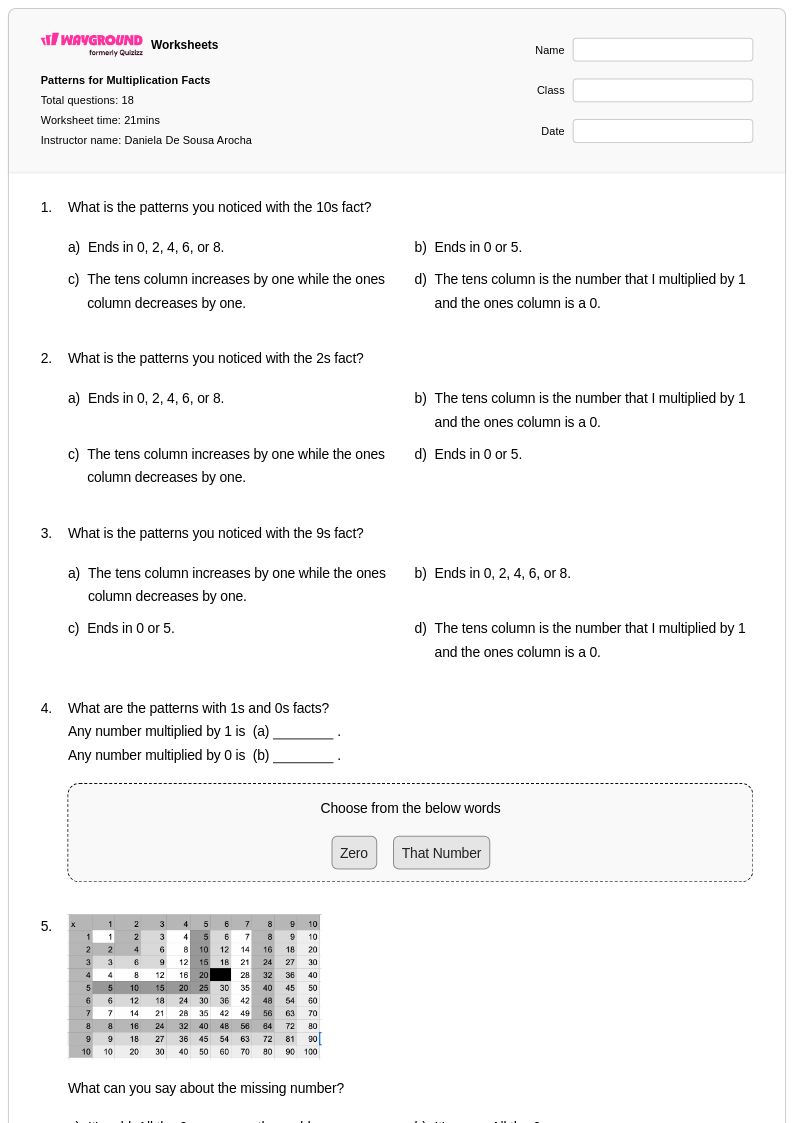
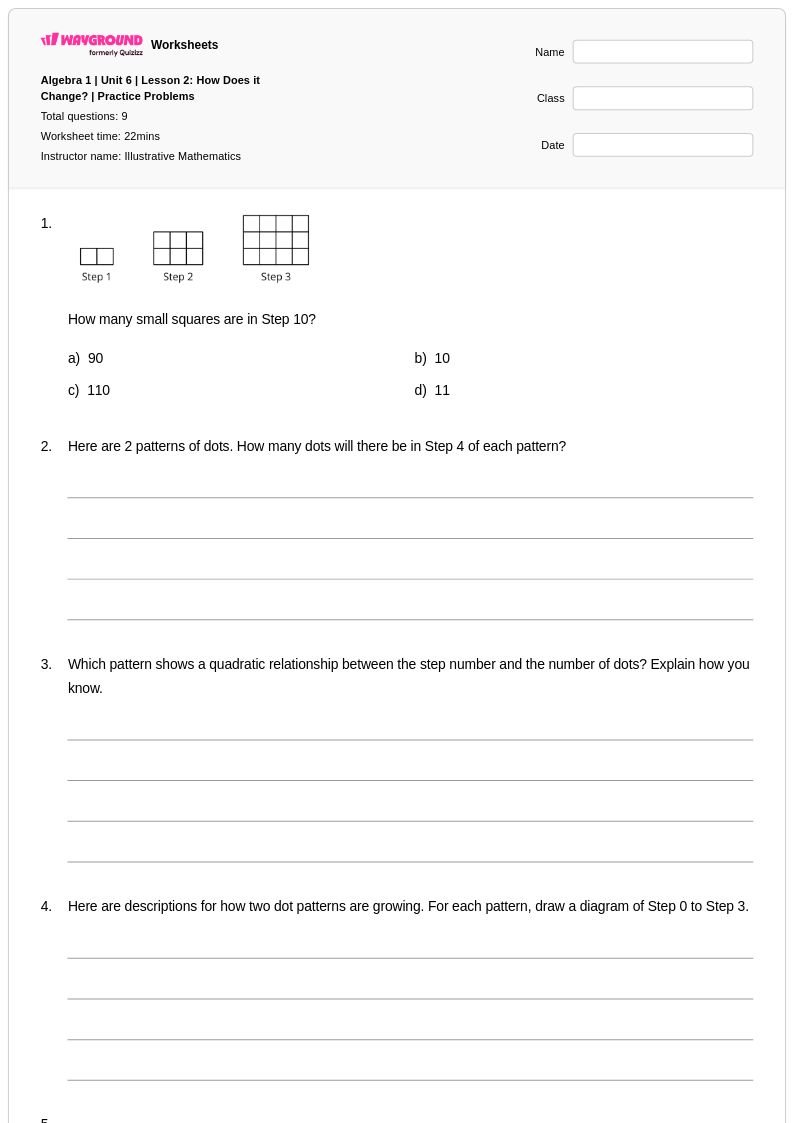
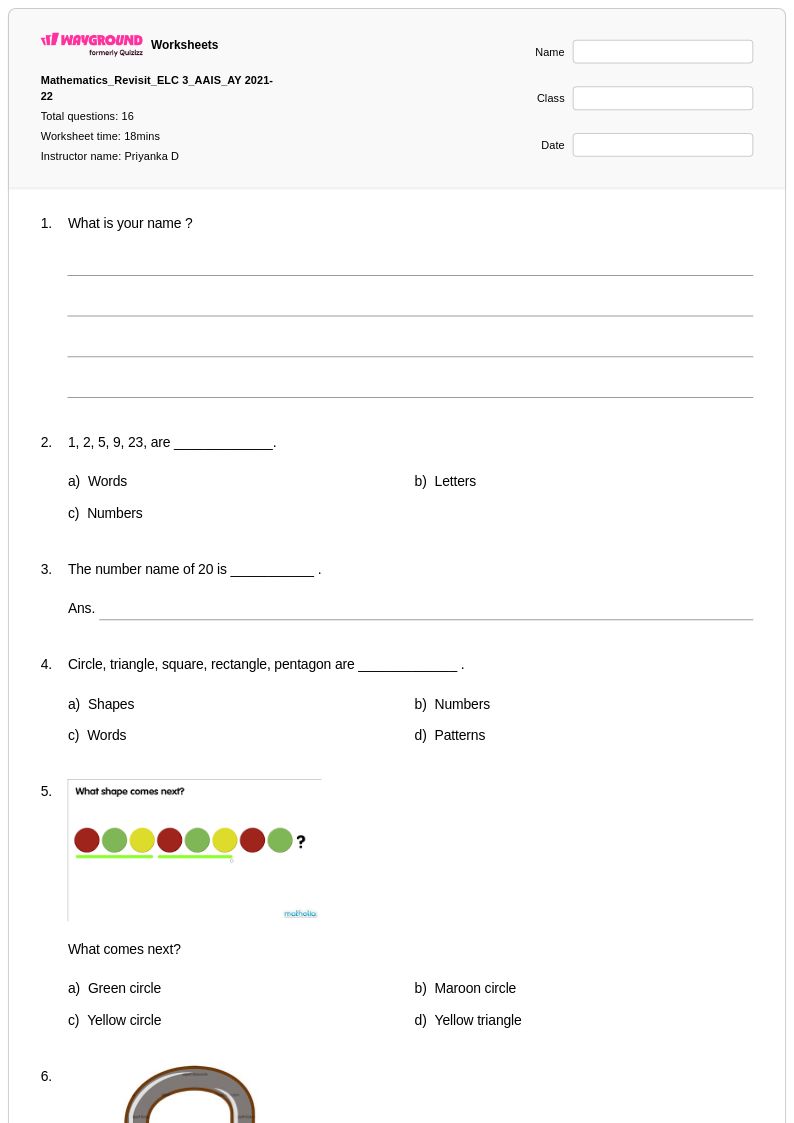
Dot patterns worksheets for kindergarten students available through Wayground (formerly Quizizz) provide essential foundational practice in visual number recognition and early mathematical reasoning. These carefully designed printables help young learners develop critical number sense skills by engaging them in activities that require identifying, creating, and interpreting various dot arrangements. Students work with subitizing exercises where they instantly recognize small quantities without counting, practice matching numerals to corresponding dot patterns, and complete sequences using visual representations. The comprehensive collection includes free pdf resources with complete answer keys, ensuring teachers have everything needed to support students as they build confidence in recognizing number relationships through concrete visual patterns and practice problems that make abstract mathematical concepts accessible.
Wayground (formerly Quizizz) empowers educators with millions of teacher-created dot pattern resources specifically designed for kindergarten mathematics instruction, featuring robust search and filtering capabilities that allow teachers to quickly locate materials aligned with curriculum standards and individual student needs. The platform's differentiation tools enable instructors to customize worksheets for various learning levels within the same classroom, while the availability of both printable pdf formats and interactive digital versions provides maximum flexibility for lesson planning and implementation. Teachers can seamlessly integrate these resources into their remediation programs for students needing additional support, enrichment activities for advanced learners, or regular skill practice sessions, with the comprehensive collection ensuring that educators have access to high-quality materials that effectively develop young students' understanding of dot patterns and their connection to number sense concepts.
FAQs
How do I teach dot patterns to kindergarteners?
Kindergarteners learn dot patterns best through repeated exposure to the same small arrangements — dice faces, finger patterns, and simple clusters of 1–5. Show an arrangement briefly (flash it for 2–3 seconds), then ask 'How many?' before revealing the answer. That brief exposure forces recognition rather than counting. Once students are solid on quantities up to 5, introduce arrangements that show the same number two different ways to build flexibility.
What dot pattern activities are most effective for kindergarten practice?
Three types of tasks do the most work at this level: subitizing flash cards or quick-look exercises, numeral-matching (connect the dot card to the written number), and simple fill-in tasks where students draw dots to complete a pattern. Worksheets that mix all three in one session give students practice recognizing, labeling, and producing quantities — not just passively identifying them.
What misconceptions do kindergarteners have about dot patterns?
Many kindergarteners believe that arrangement matters for quantity — they'll say a spread-out cluster of 4 dots is 'more' than a tight cluster of 4. This is a conservation issue, not a counting issue, and it shows up frequently on matching tasks. A second misconception: students who can count dots correctly still may not connect the dot pattern to the written numeral, treating them as unrelated symbols. Worksheets that pair both representations side by side help close that gap.
How do I use these kindergarten dot pattern worksheets?
The worksheets are printable PDFs, each with a complete answer key — ready to use as a morning warm-up, math center, or take-home practice with no prep beyond printing. For schools focused on reducing screen time in early grades, paper-based dot pattern practice is a natural fit. You can also host the same content as a digital quiz on Wayground if you're running a device-based session.
What grade level are dot patterns taught?
Dot pattern work is primarily a kindergarten skill, with roots in pre-K and extension into first grade. Kindergarten is where subitizing and numeral-matching are formally developed; by first grade, students apply the same visual reasoning to ten frames and number bonds. Students who enter kindergarten without prior exposure may need dot pattern practice as a starting point regardless of age.
How can I support kindergarteners with different readiness levels during dot pattern practice?
For students who are still developing visual discrimination, Wayground's Read Aloud feature can narrate prompts so the task doesn't stall on reading. For students who find multiple-choice matching overwhelming, Reduced Answer Choices narrows the options. On the print side, you can generate a version of the worksheet with larger font and wider spacing for students who need more visual breathing room — all from the same base worksheet.