
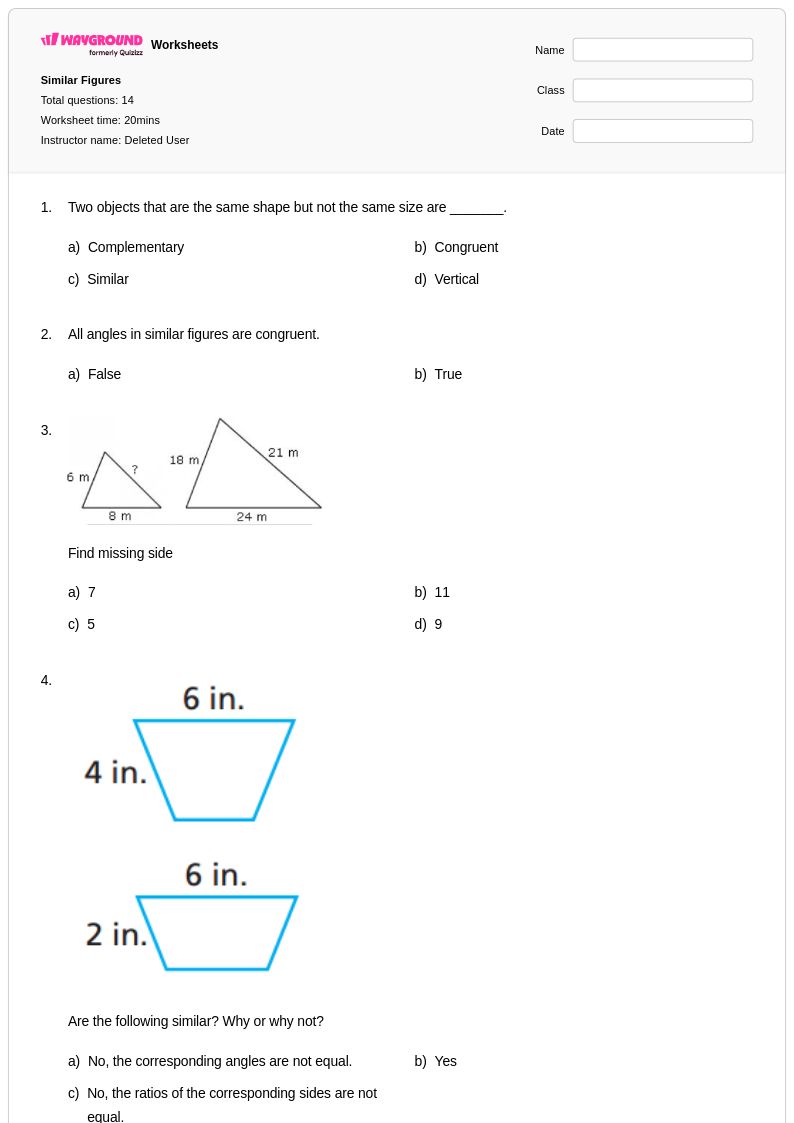
14Q
KG - Uni
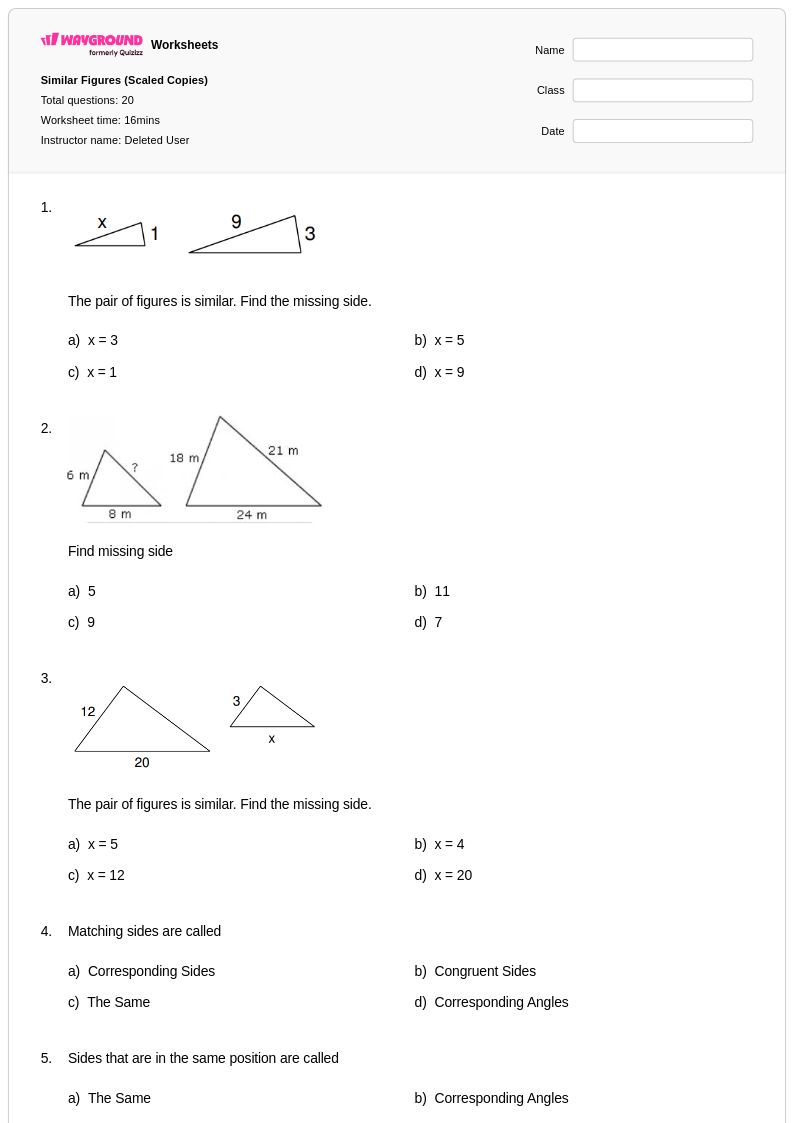
20Q
3rd - 7th
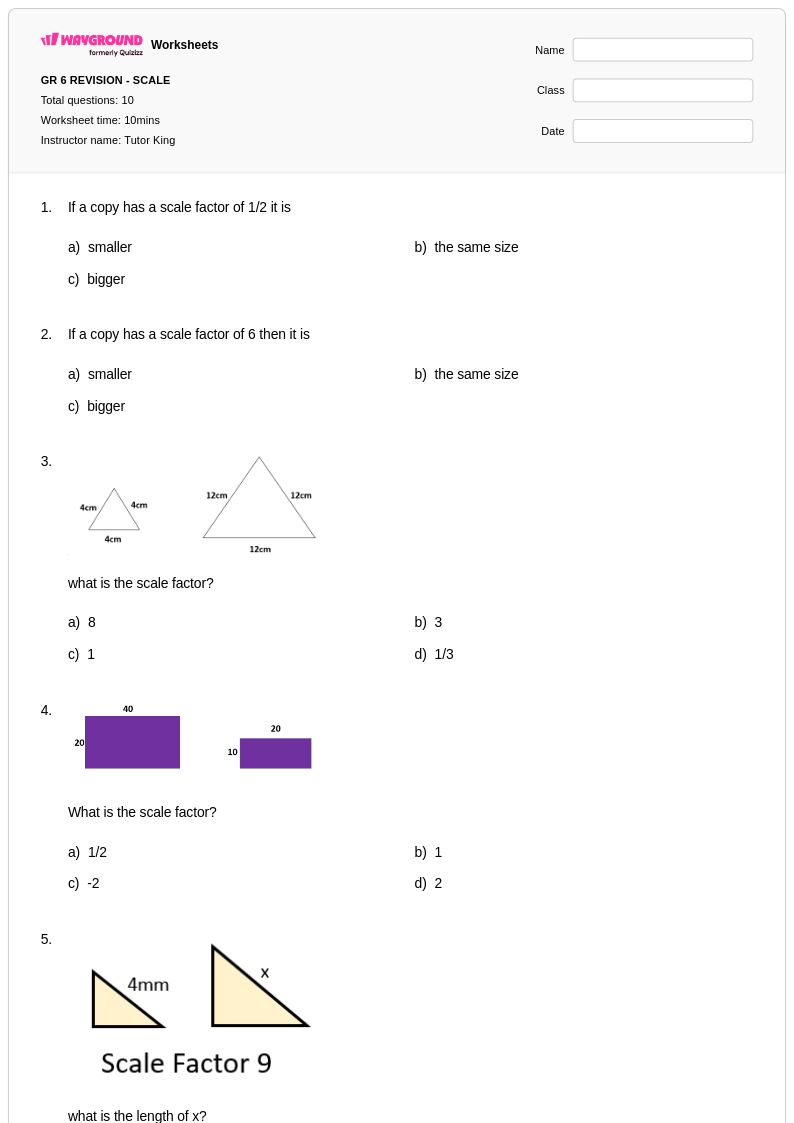
10Q
3rd
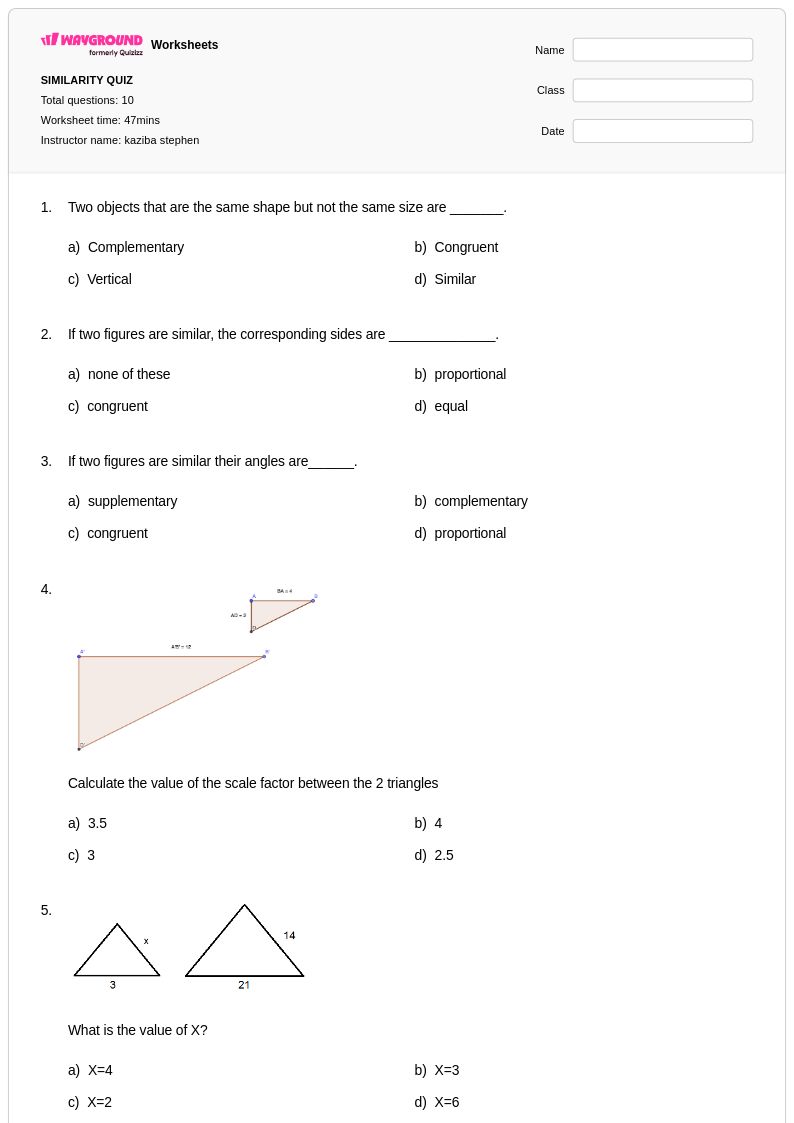
10Q
1st - 5th
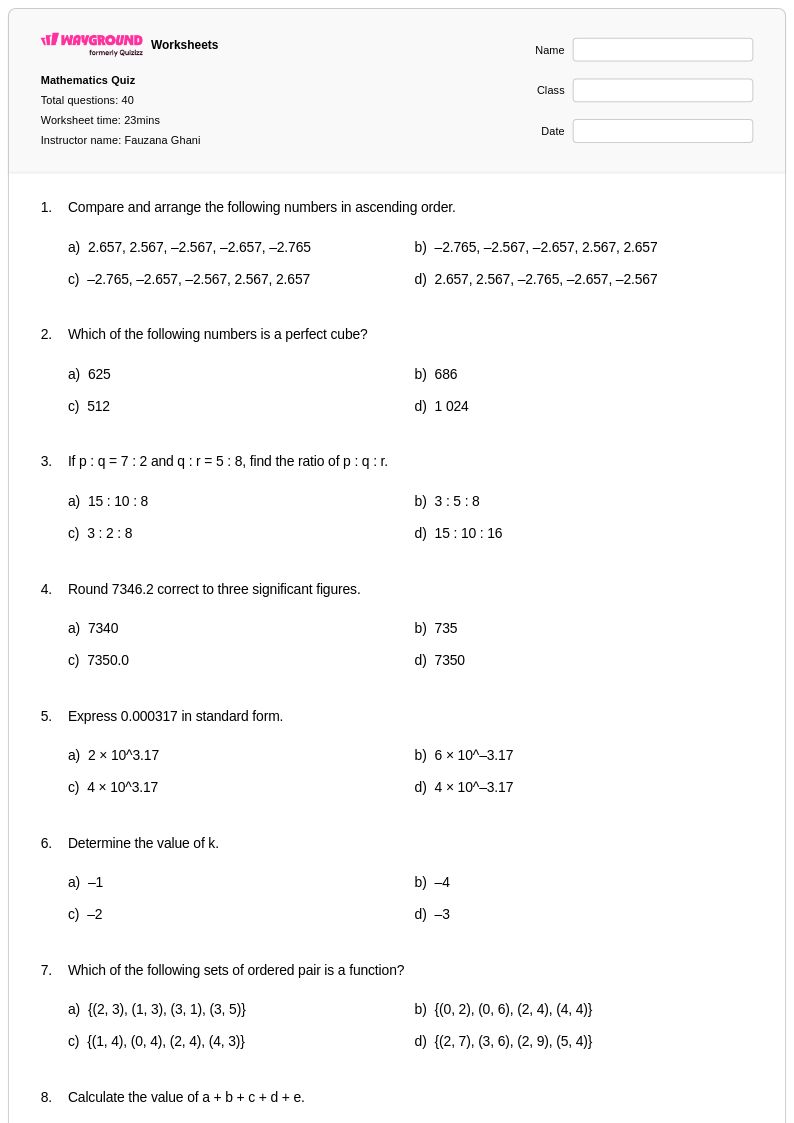
40Q
3rd
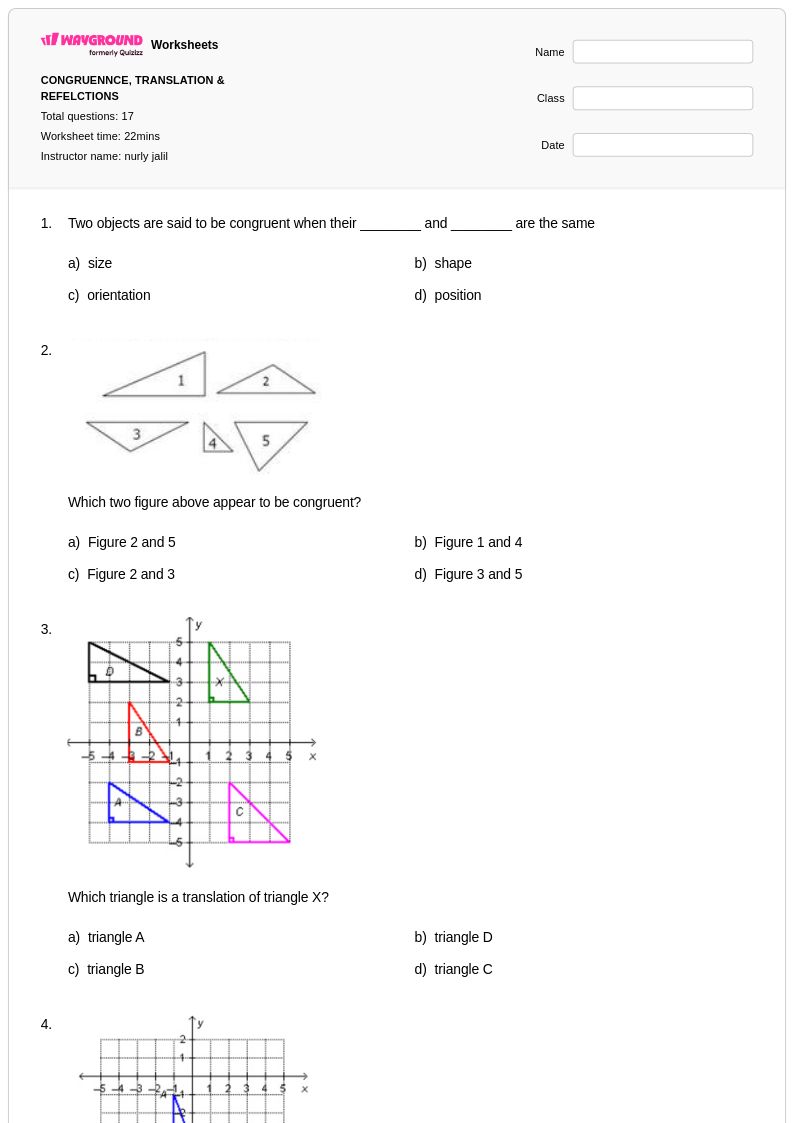
17Q
3rd - 9th

16Q
3rd
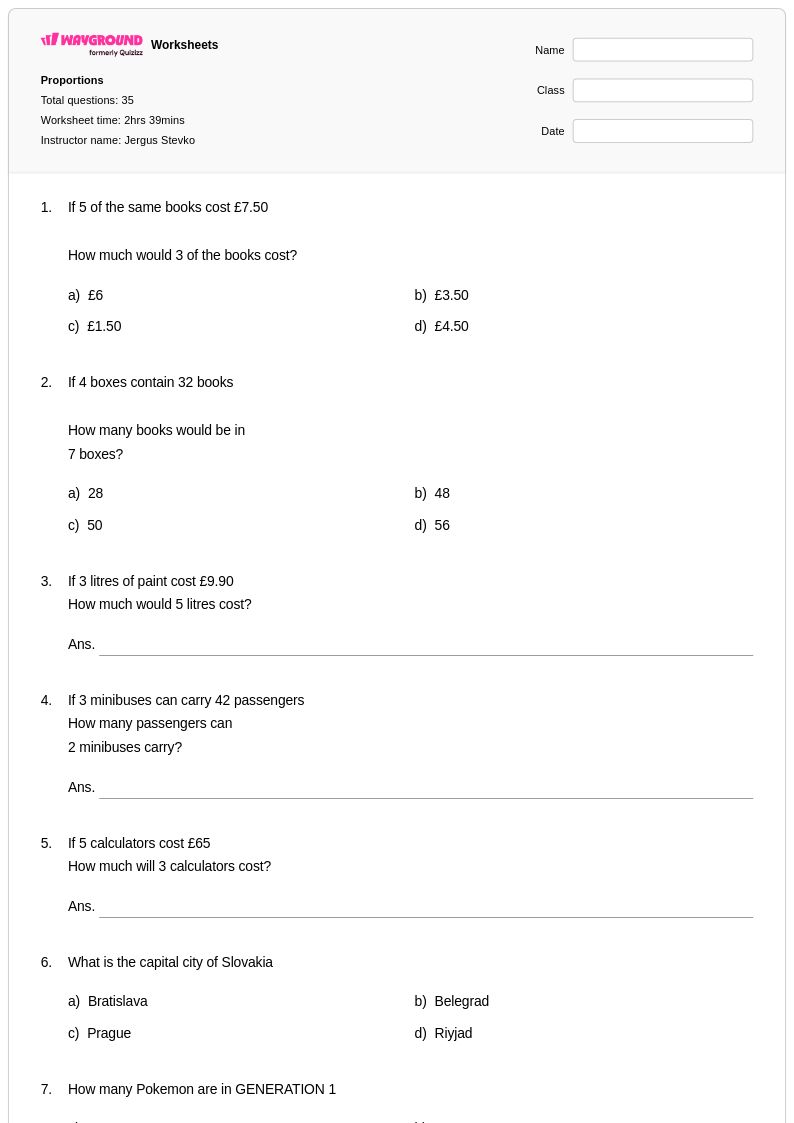
35Q
2nd - 11th
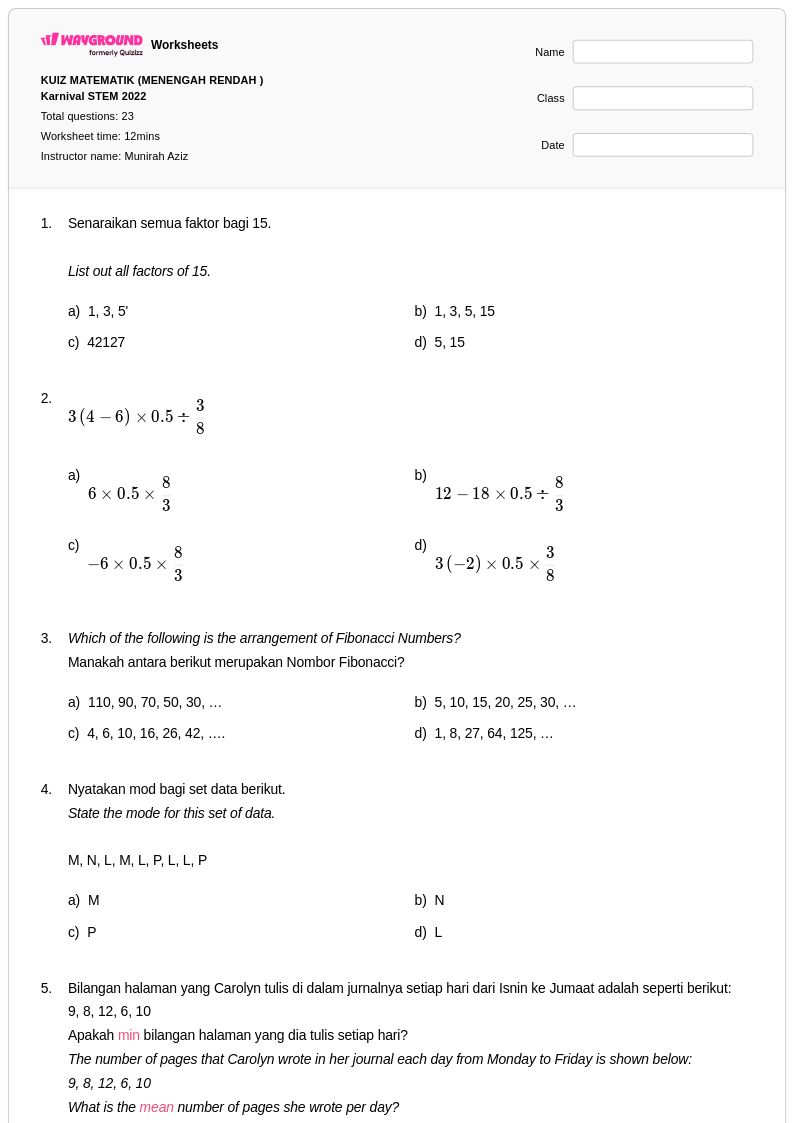
23Q
2nd - 3rd
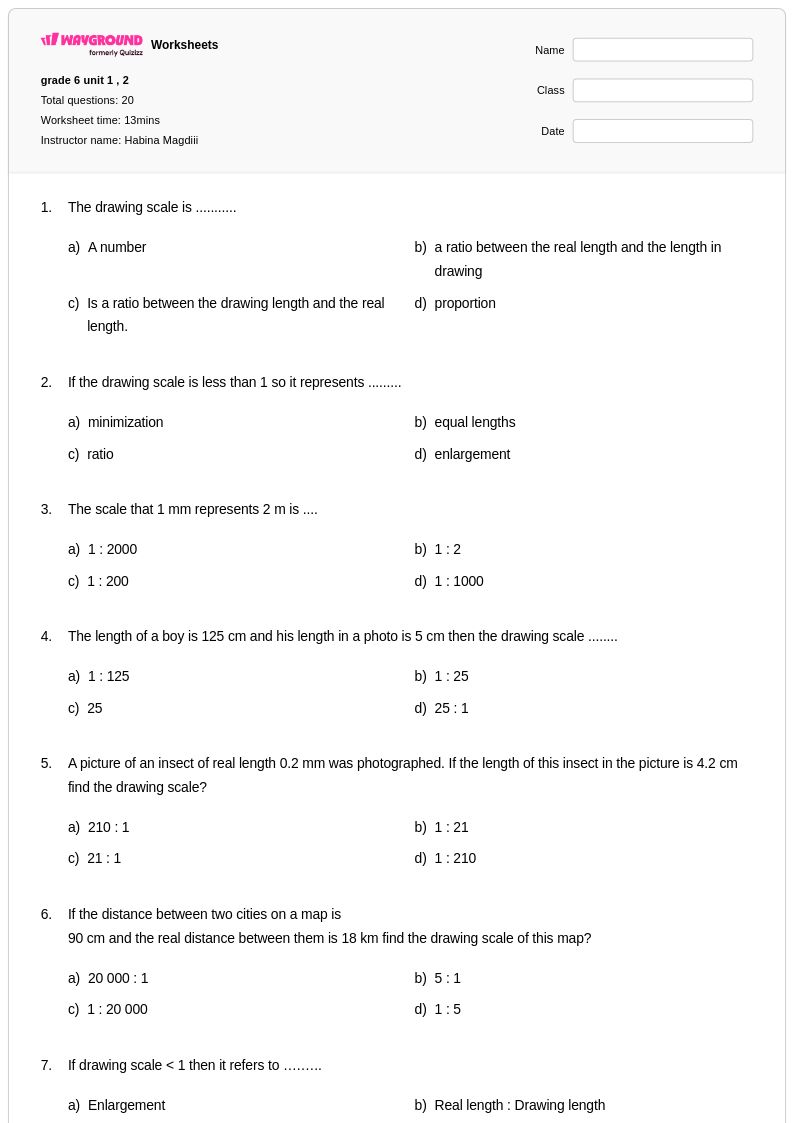
20Q
3rd
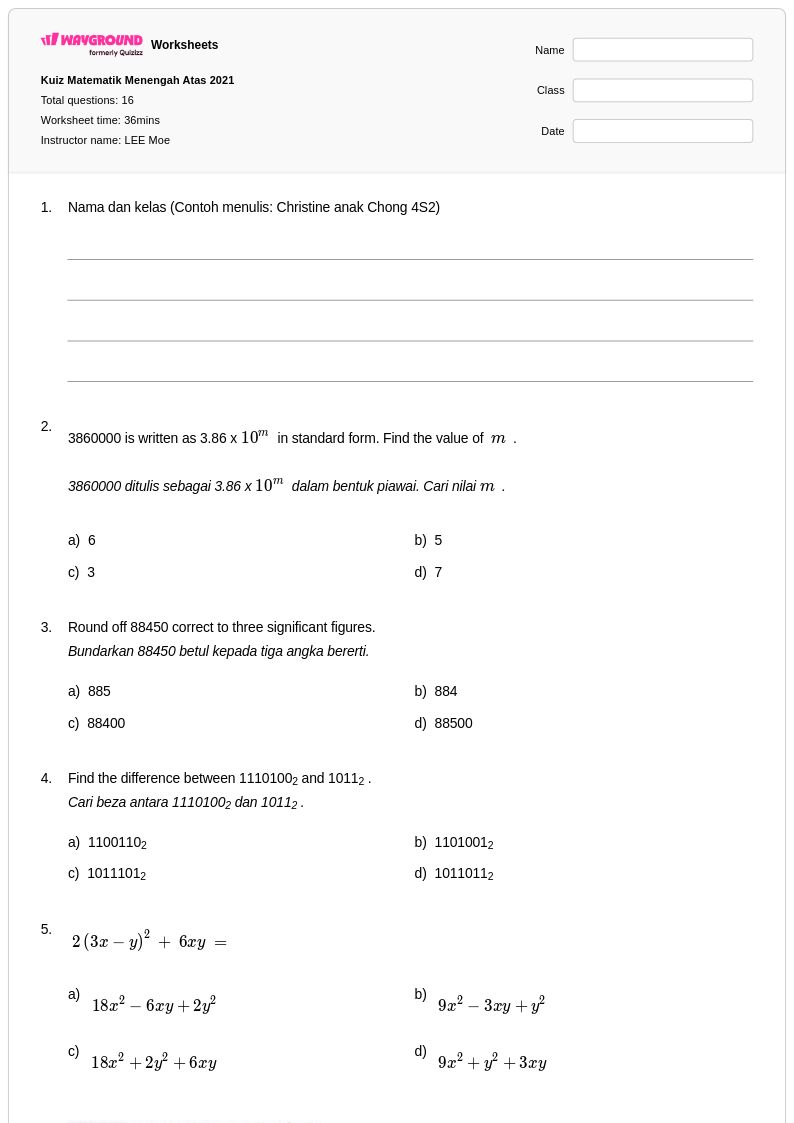
16Q
1st - 9th
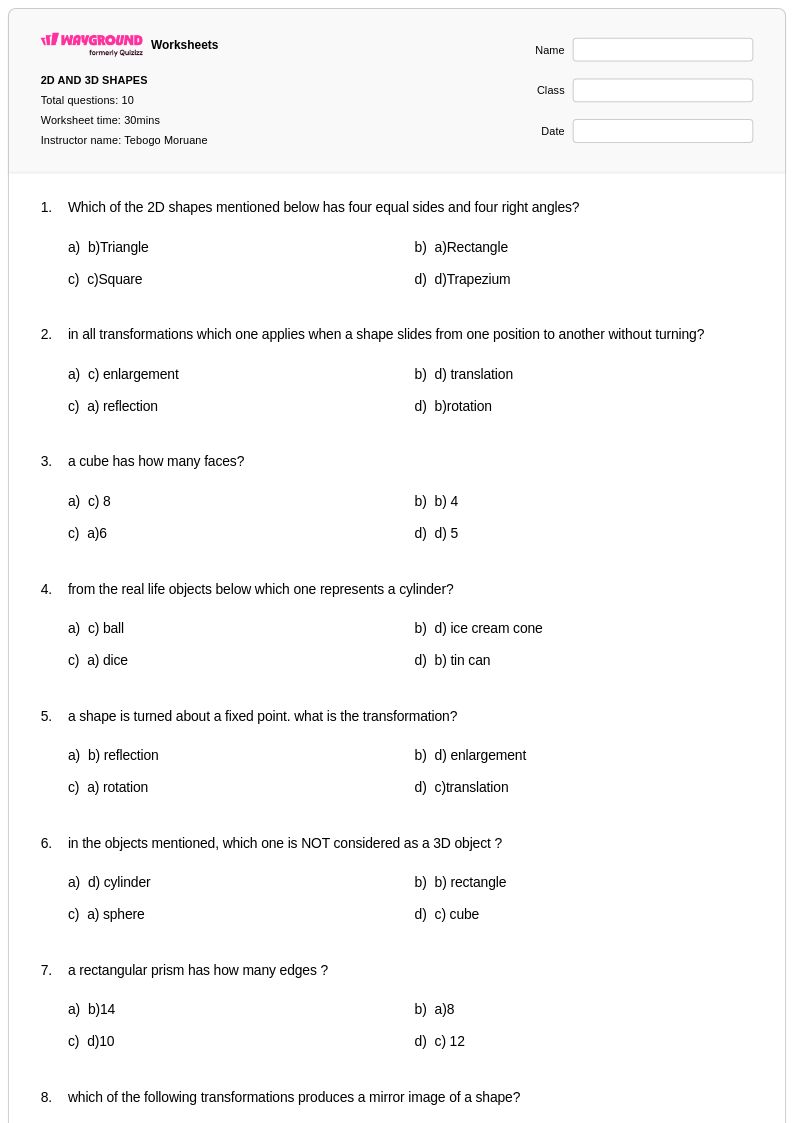
10Q
1st - 5th
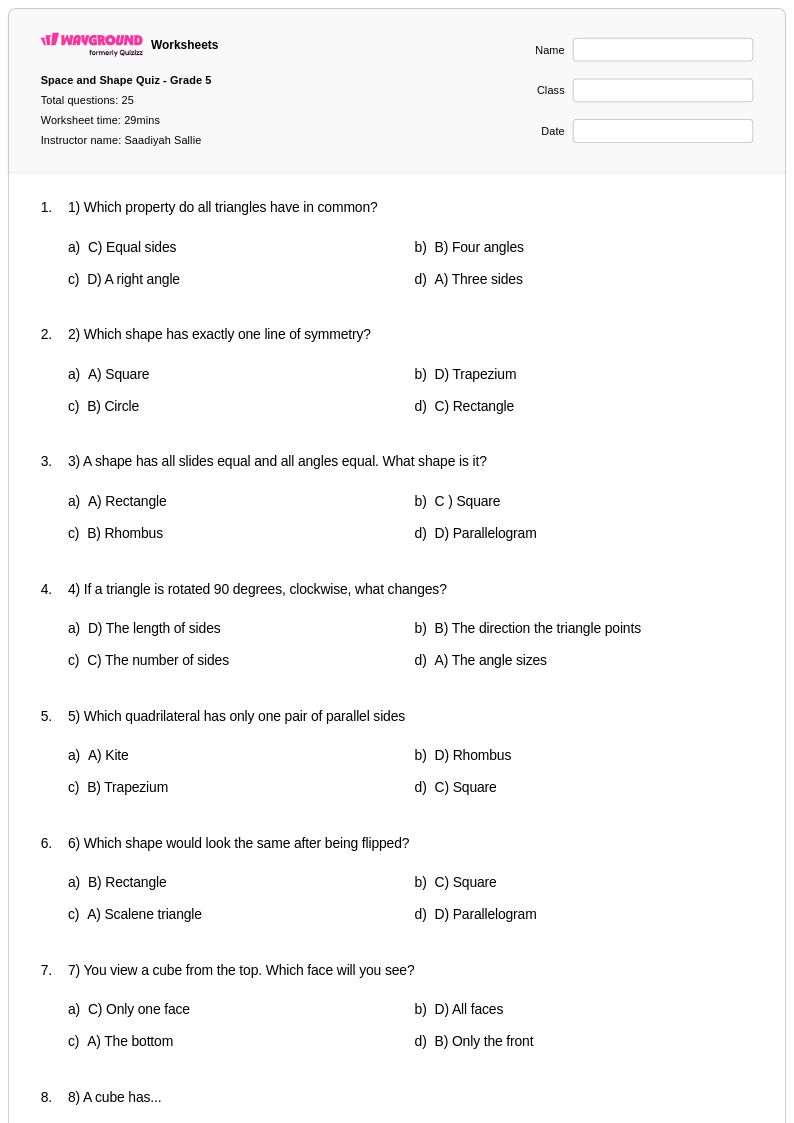
25Q
1st - 5th
10Q
1st - 5th
20Q
1st - 5th
10Q
3rd - 5th
24Q
KG - 5th
10Q
1st - 5th
14Q
3rd
10Q
1st - Uni
45Q
2nd - 12th
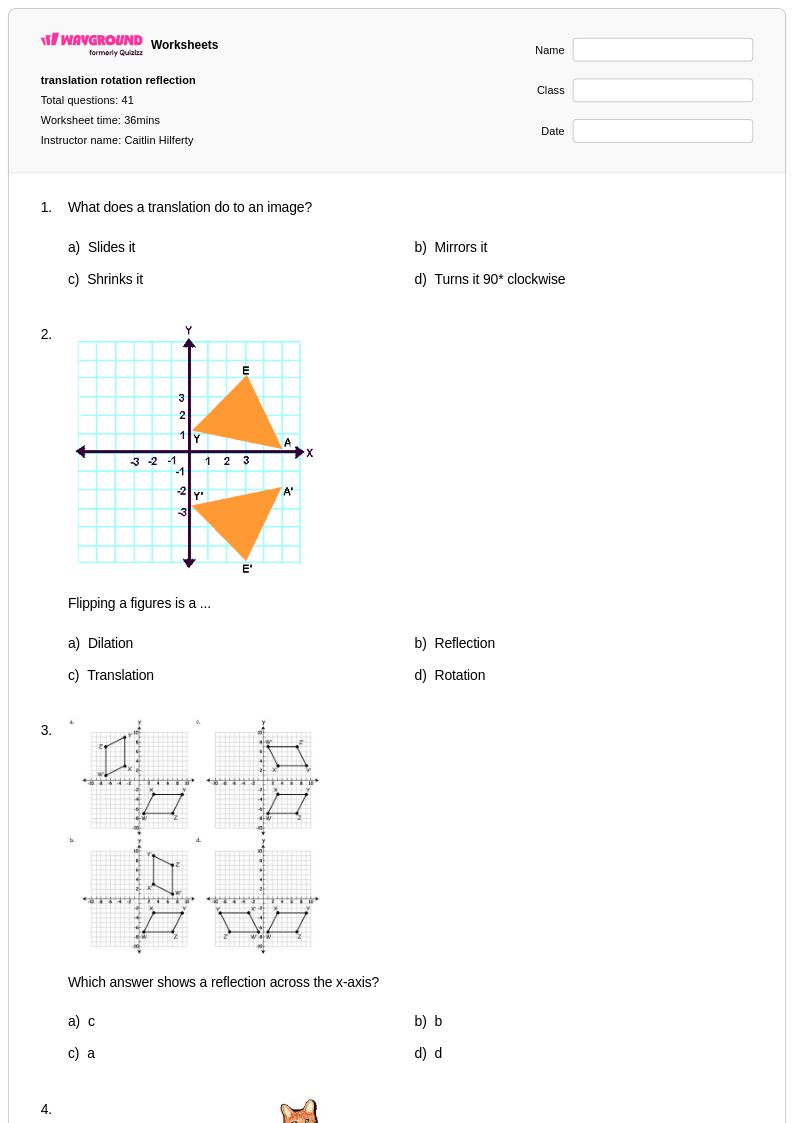
41Q
3rd - 5th
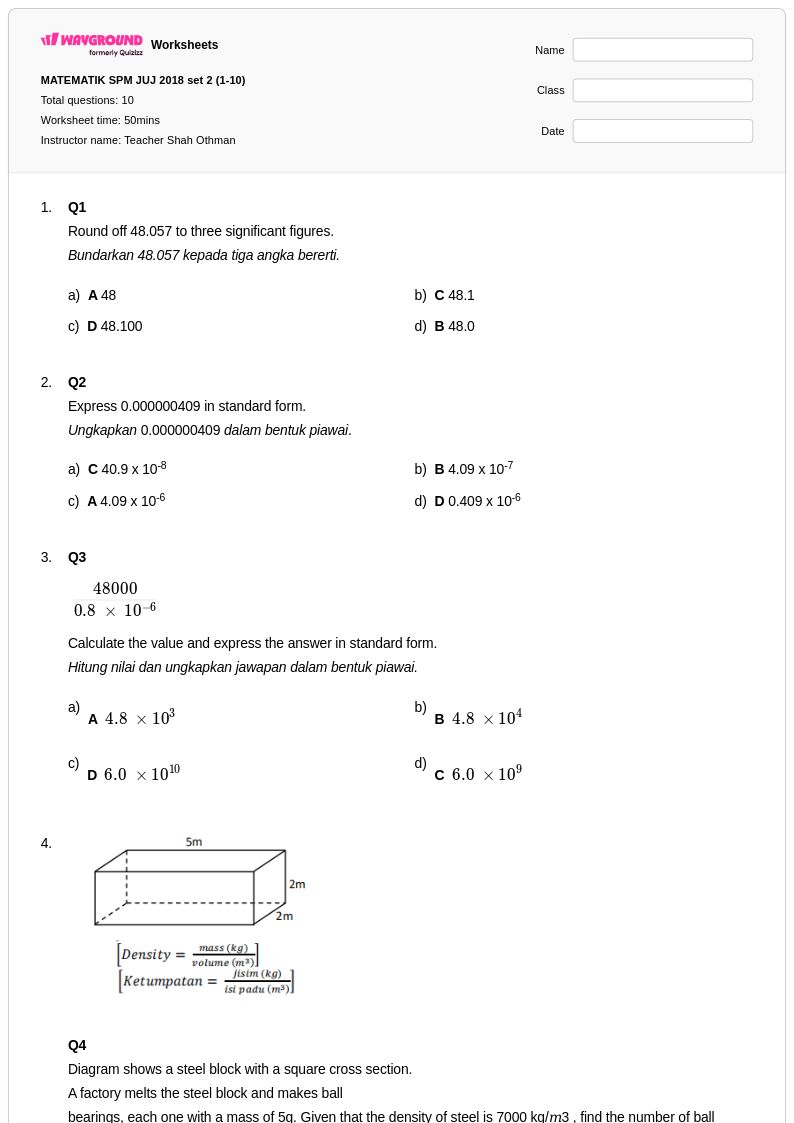
10Q
1st - 12th
Explore otras hojas de trabajo de materias para class 3
Explore printable Enlargement worksheets for Class 3
Class 3 enlargement worksheets available through Wayground (formerly Quizizz) provide young learners with essential practice in understanding how shapes can be made bigger while maintaining their proportional relationships. These carefully designed printables introduce students to the foundational concept that enlarged shapes retain their original form but increase in size, helping third graders develop crucial spatial reasoning and geometric thinking skills. Each worksheet focuses on visual recognition of enlarged shapes, comparing original figures to their larger versions, and identifying the key characteristics that remain constant during the enlargement process. The practice problems guide students through systematic observation of geometric transformations, while comprehensive answer keys support both independent learning and teacher-guided instruction. These free pdf resources strengthen students' ability to visualize mathematical relationships and build confidence in geometric reasoning.
Wayground (formerly Quizizz) empowers educators with access to millions of teacher-created enlargement worksheet collections specifically designed for Class 3 mathematics instruction. The platform's robust search and filtering capabilities enable teachers to quickly locate materials that align with specific curriculum standards and match their students' diverse learning needs. Advanced differentiation tools allow educators to customize worksheets for varying ability levels, ensuring that both struggling learners and advanced students receive appropriate challenge and support. Available in both printable pdf format and interactive digital versions, these resources provide maximum flexibility for classroom implementation, homework assignments, and individualized practice sessions. Teachers can seamlessly integrate these worksheets into their lesson planning for skill introduction, targeted remediation, and enrichment activities, while the extensive library ensures consistent access to high-quality materials that support comprehensive geometry instruction throughout the academic year.
FAQs
How do I introduce enlargement to Grade 3 students?
What do Grade 3 enlargement worksheets actually practice?
What misconceptions do third graders have about enlargement?
How do I use these Grade 3 enlargement worksheets in my classroom?
How can I support diverse learners in Grade 3 with enlargement activities?