
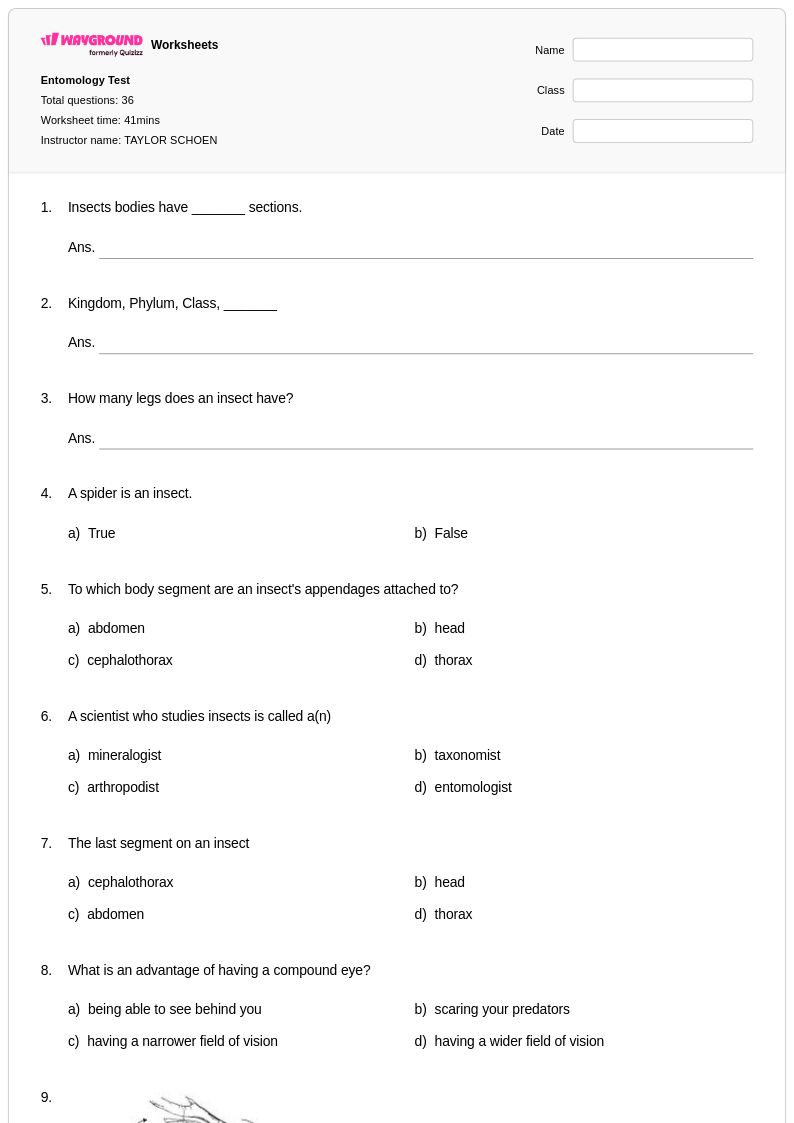
36 Q
7th - 12th
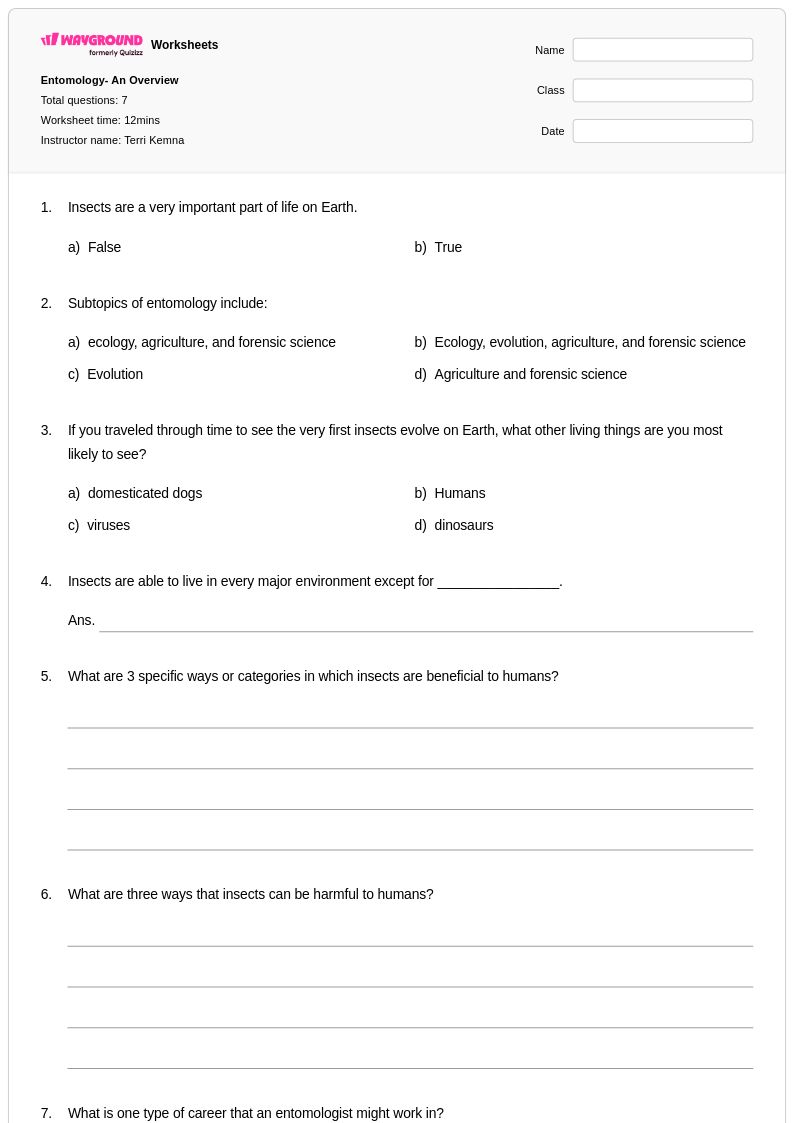
7 Q
7th - 12th
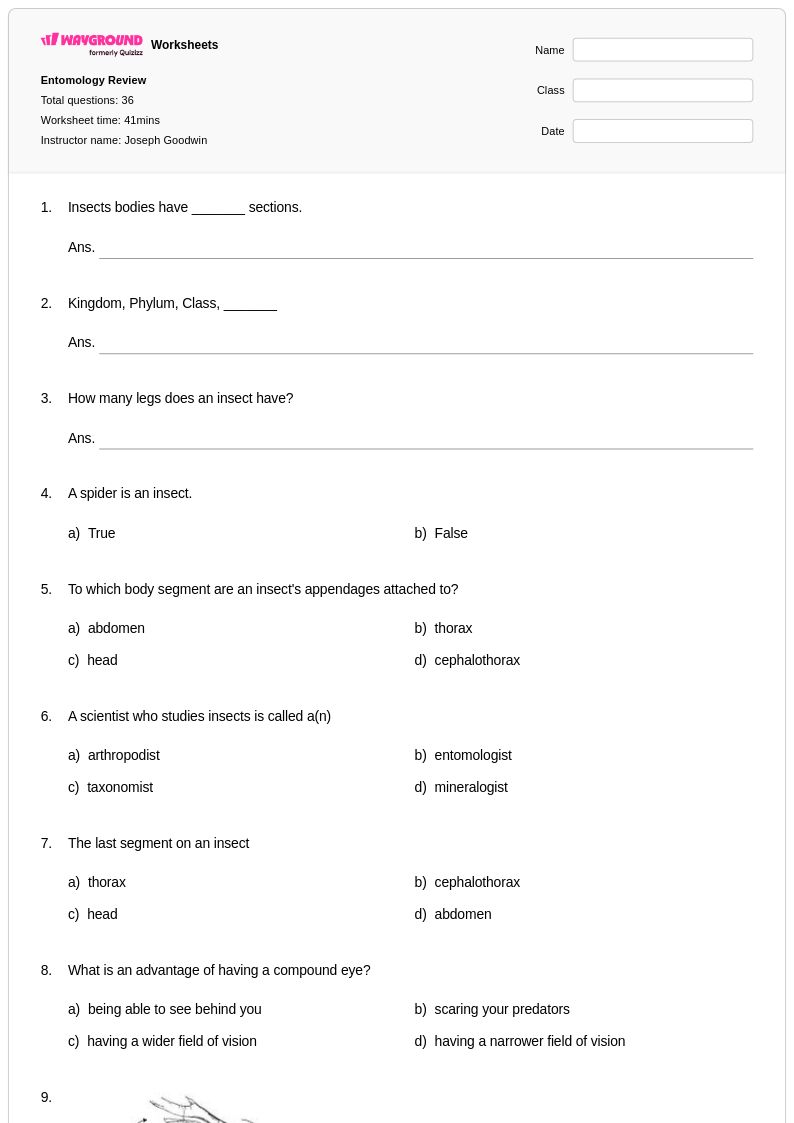
36 Q
6th - 8th
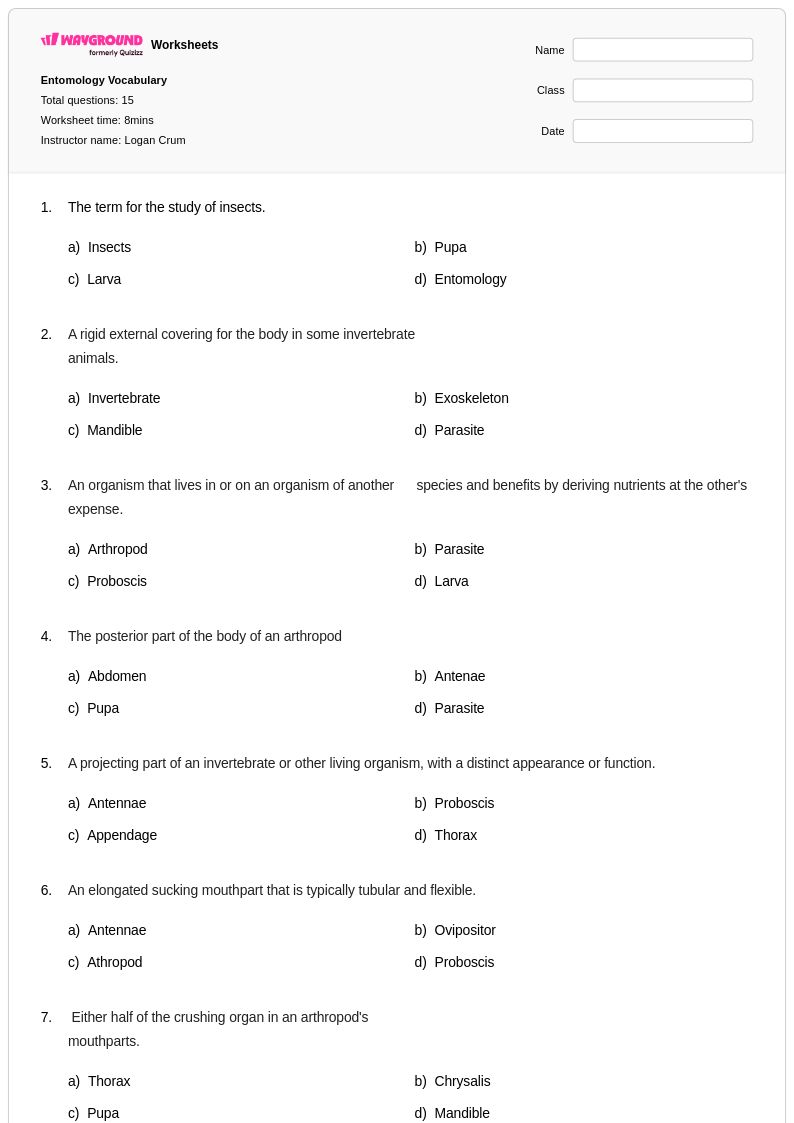
15 Q
7th
12 Q
7th
8 Q
7th - 8th
25 Q
2nd - Uni
23 Q
6th - 7th
14 Q
7th
5 Q
7th
21 Q
7th
14 Q
7th
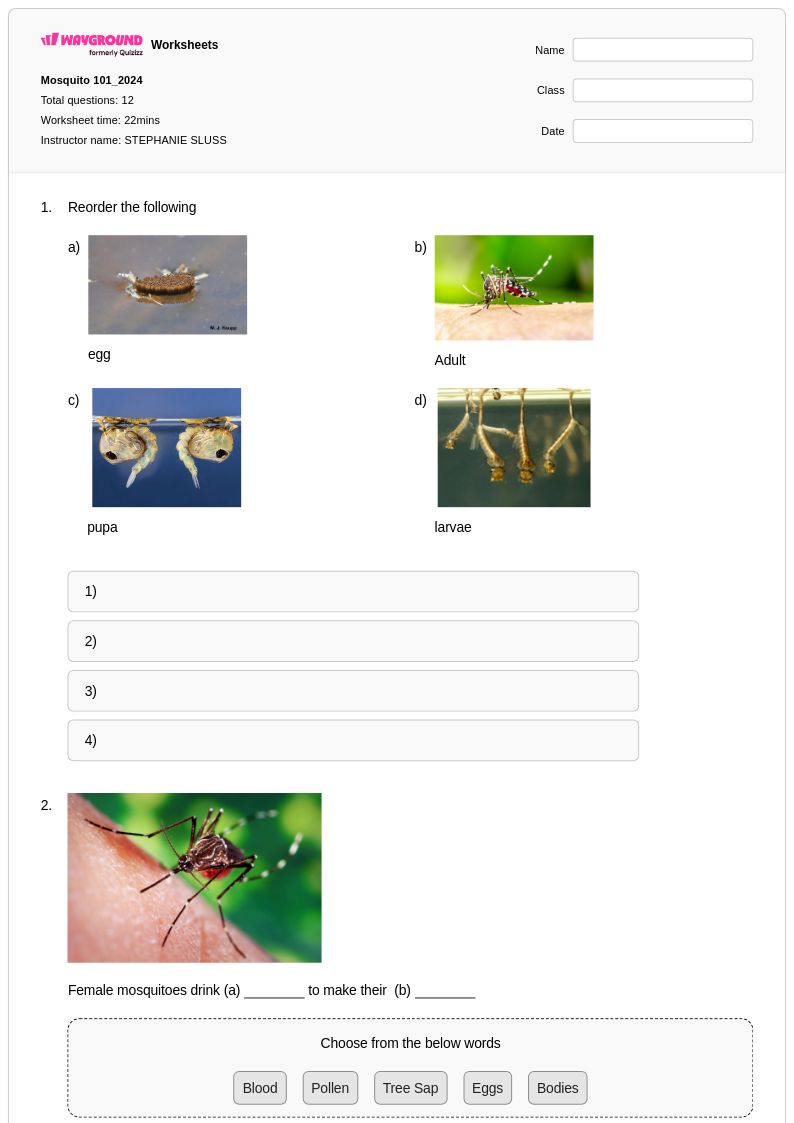
12 Q
6th - 8th
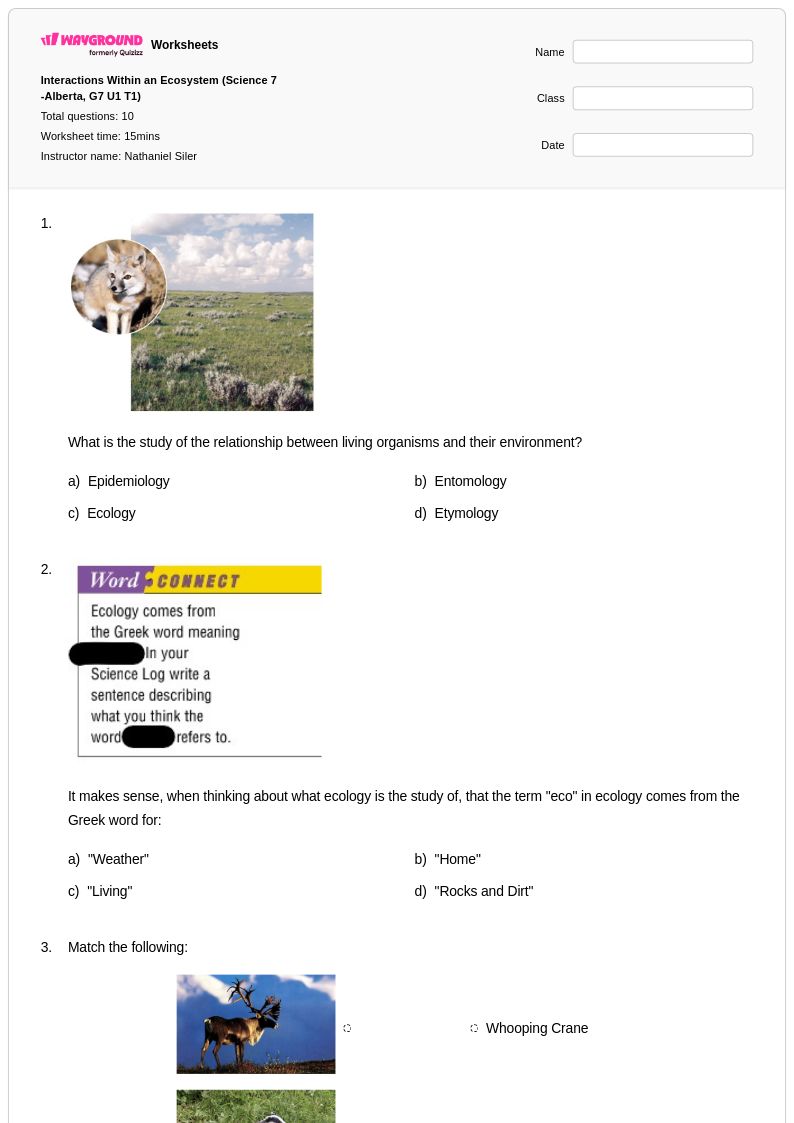
10 Q
6th - 8th
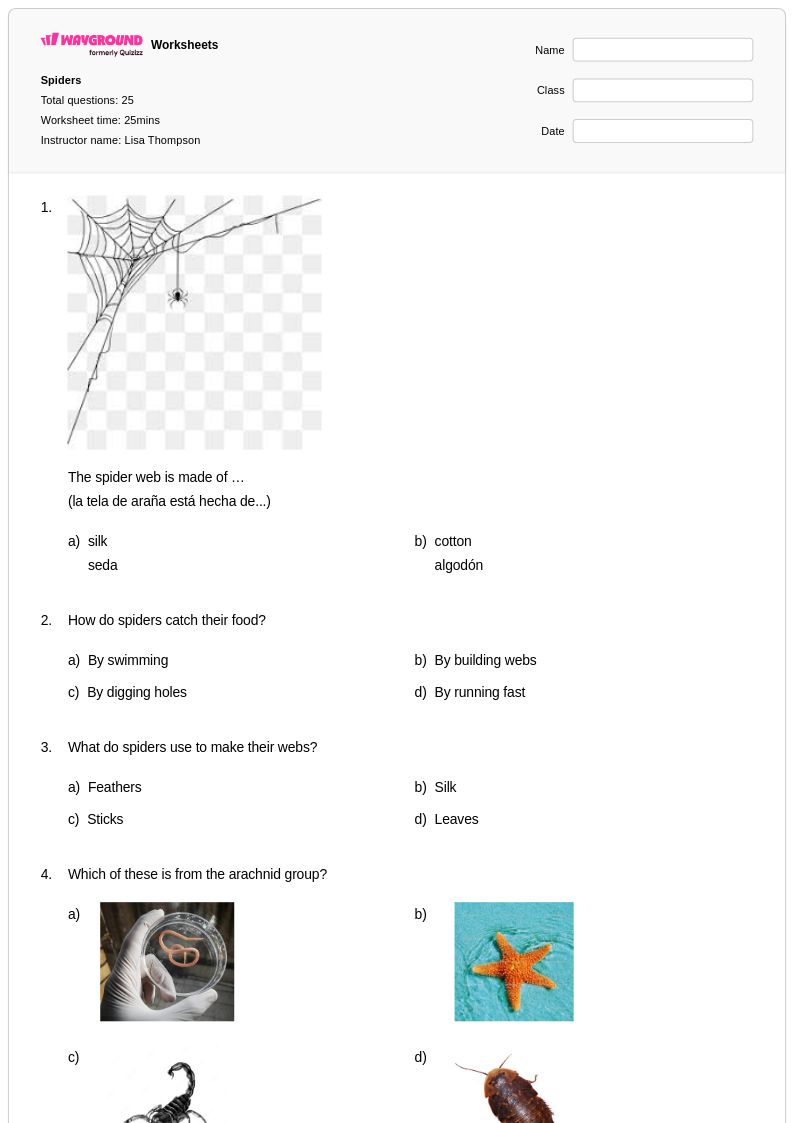
25 Q
2nd - Uni
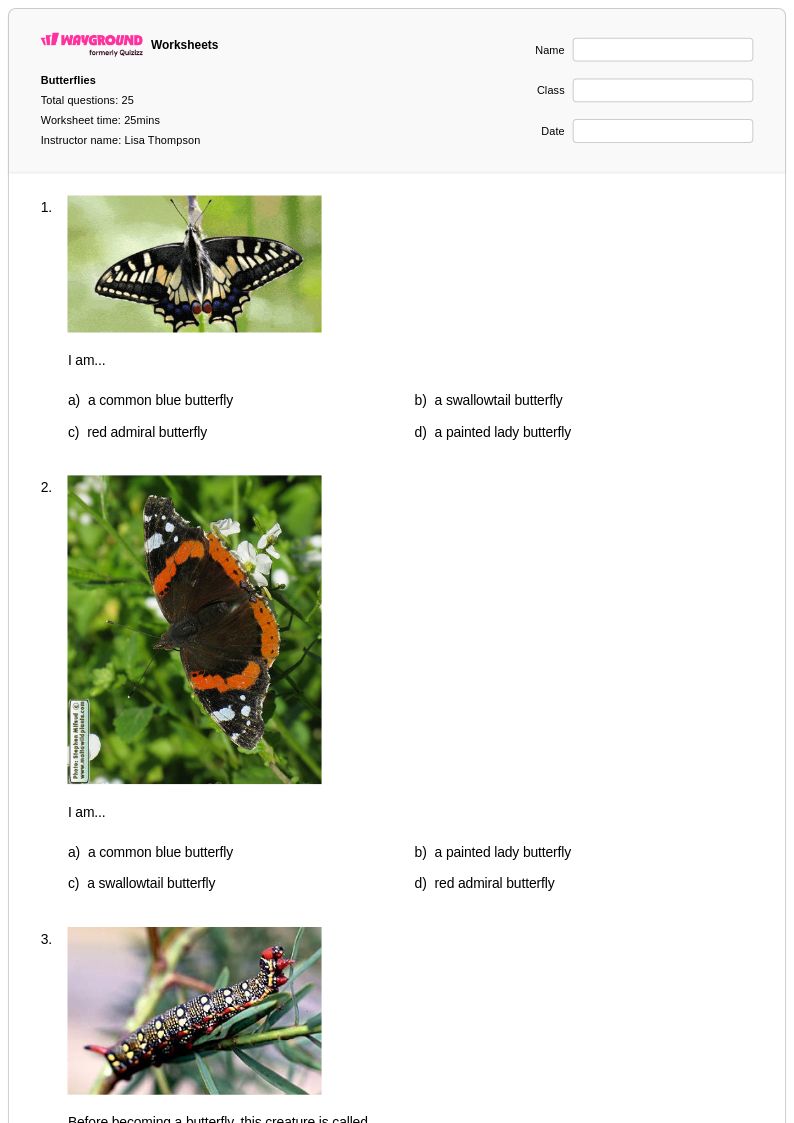
25 Q
3rd - Uni
25 Q
7th
20 Q
7th
10 Q
1st - PD
20 Q
6th - 8th
27 Q
7th
15 Q
6th - Uni
10 Q
6th - 8th
Explore Other Subject Worksheets for class 7
Explore printable Entomology worksheets for Class 7
Entomology worksheets for Class 7 students available through Wayground provide comprehensive coverage of insect biology, classification, and ecological relationships that form the foundation of this fascinating branch of zoology. These educational resources strengthen critical scientific skills including observation techniques, taxonomic identification, life cycle analysis, and understanding of insect anatomy and physiology. Students engage with practice problems that challenge them to classify insects using dichotomous keys, analyze metamorphosis patterns, and explore the vital roles insects play in ecosystems as pollinators, decomposers, and food web components. The collection includes detailed answer keys that support independent learning and self-assessment, while printable pdf formats ensure accessibility for both classroom instruction and homework assignments. Free resources cover essential entomological concepts from basic insect body structures to complex behavioral adaptations, helping seventh graders develop the scientific literacy needed for advanced biological studies.
Wayground's extensive library of teacher-created entomology worksheets draws from millions of educational resources developed by experienced educators who understand the unique challenges of teaching insect biology to middle school students. The platform's robust search and filtering capabilities enable teachers to quickly locate materials that align with specific curriculum standards and learning objectives, while differentiation tools allow for seamless adaptation of content to meet diverse student needs. Flexible customization options empower educators to modify existing worksheets or combine multiple resources to create comprehensive lesson packages that address varying skill levels within their classrooms. Available in both printable and digital formats including downloadable pdfs, these resources support versatile instructional approaches whether used for initial concept introduction, targeted skill practice, remediation for struggling learners, or enrichment activities for advanced students, ultimately streamlining lesson planning while ensuring thorough coverage of entomological principles essential for Class 7 science education.
FAQs
How do I teach entomology in the classroom?
What topics should entomology worksheets cover?
What mistakes do students commonly make when classifying insects?
How can I use entomology worksheets to practice insect identification?
How do I use Wayground's entomology worksheets in my class?
How can I differentiate entomology instruction for students at different skill levels?