Free Printable Turkey Anatomy Worksheets for Class 7
Explore Class 7 turkey anatomy with Wayground's free biology worksheets and printables, featuring detailed practice problems and answer keys to help students master avian body systems and structures.
Explore printable Turkey Anatomy worksheets for Class 7
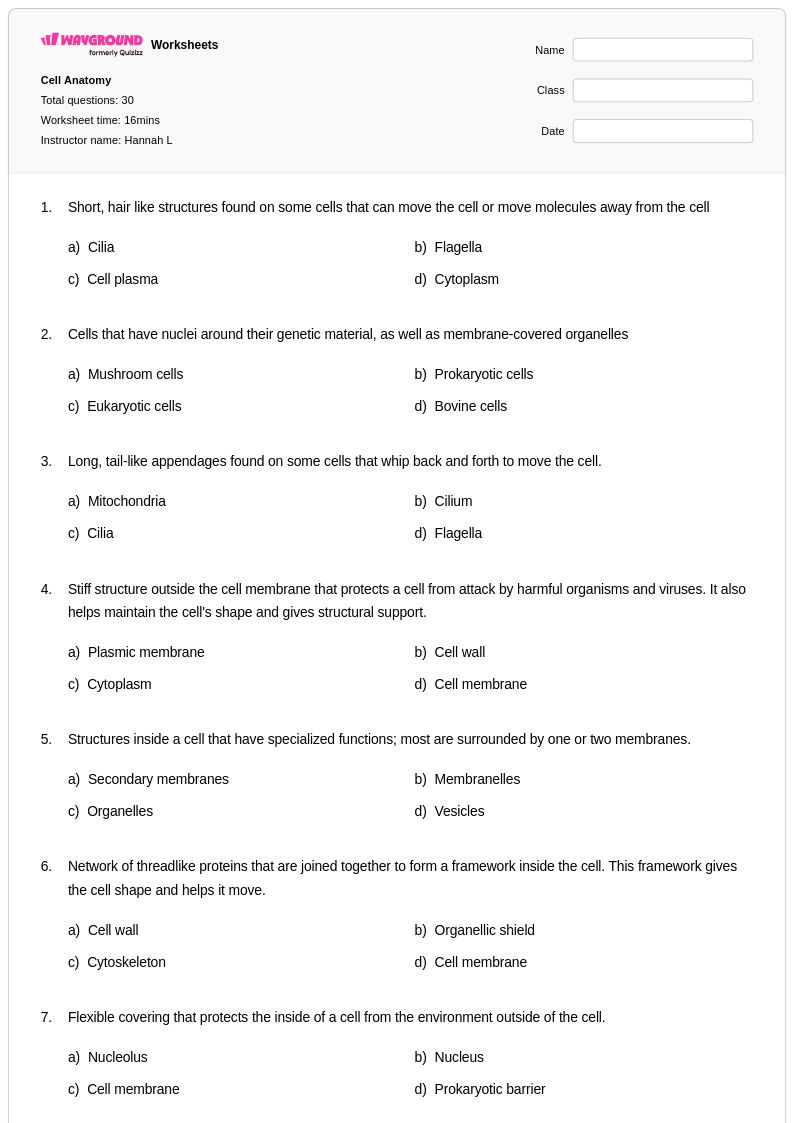
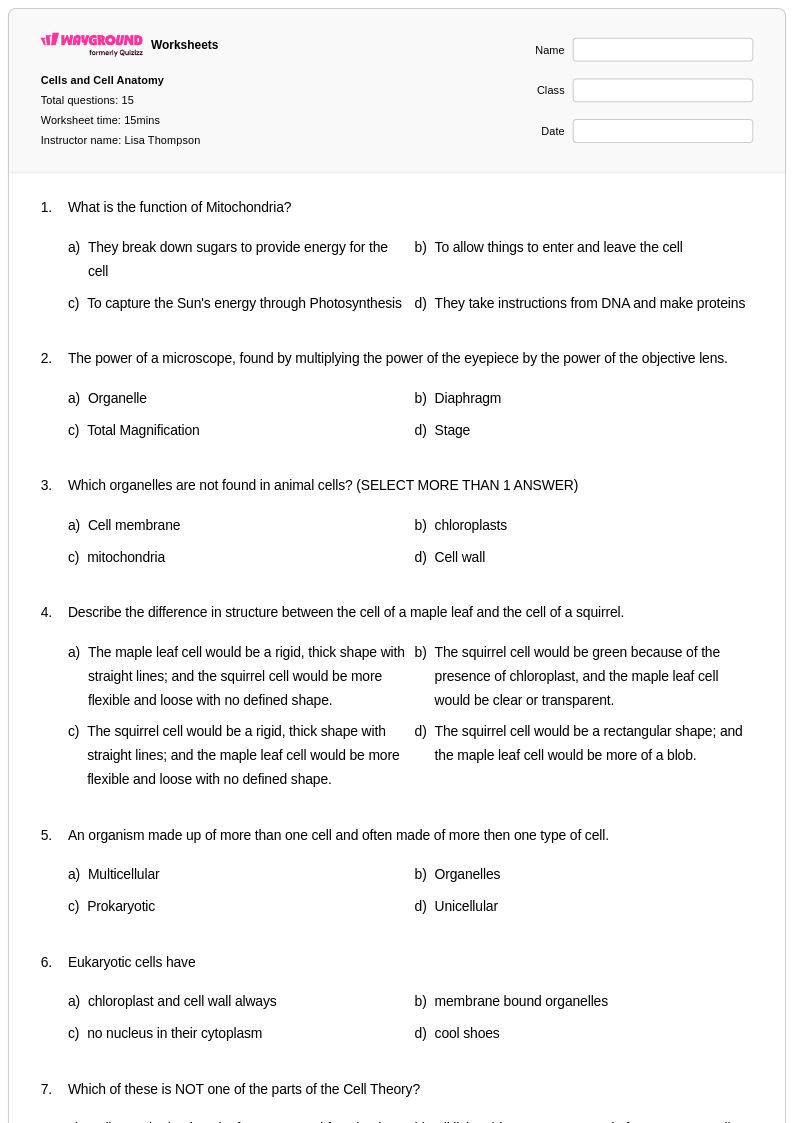
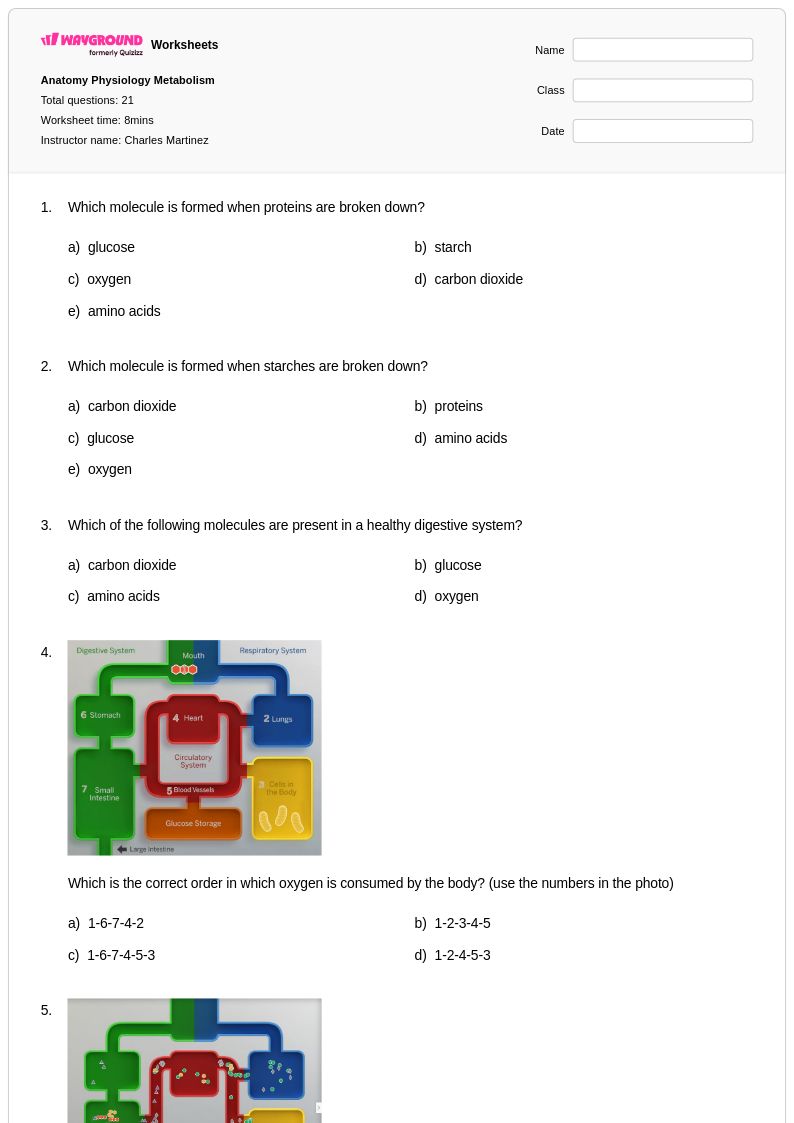
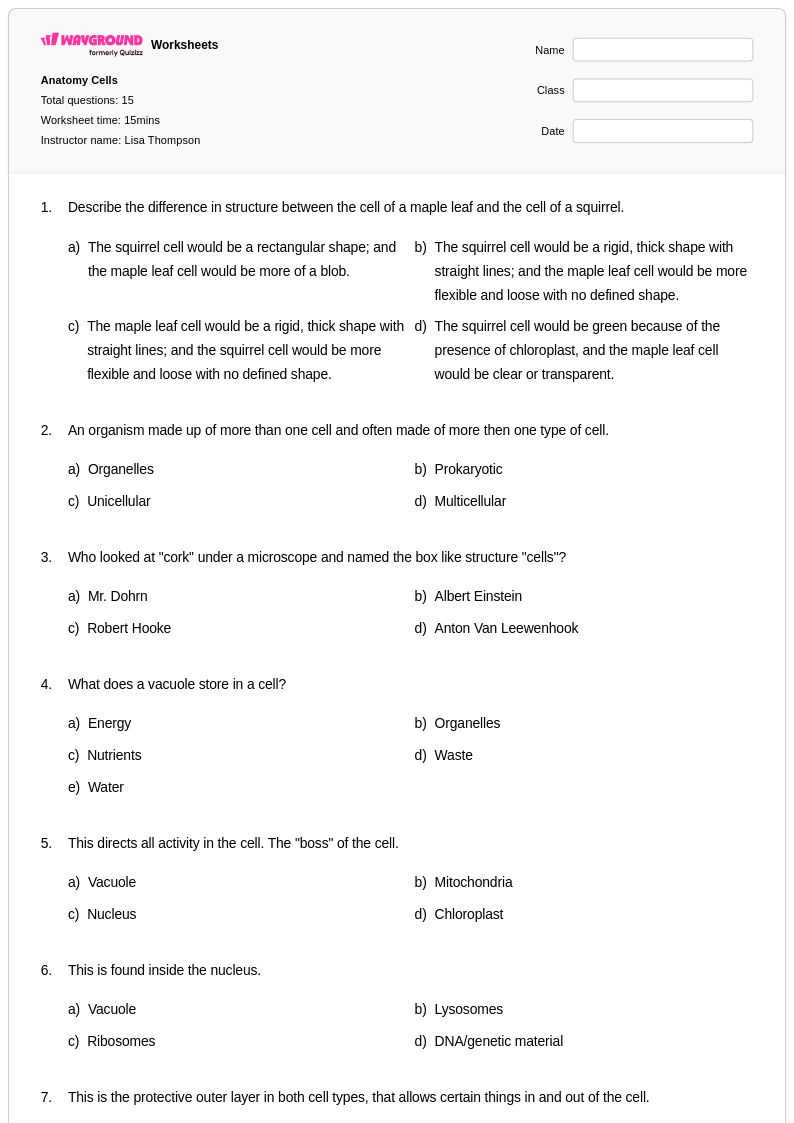
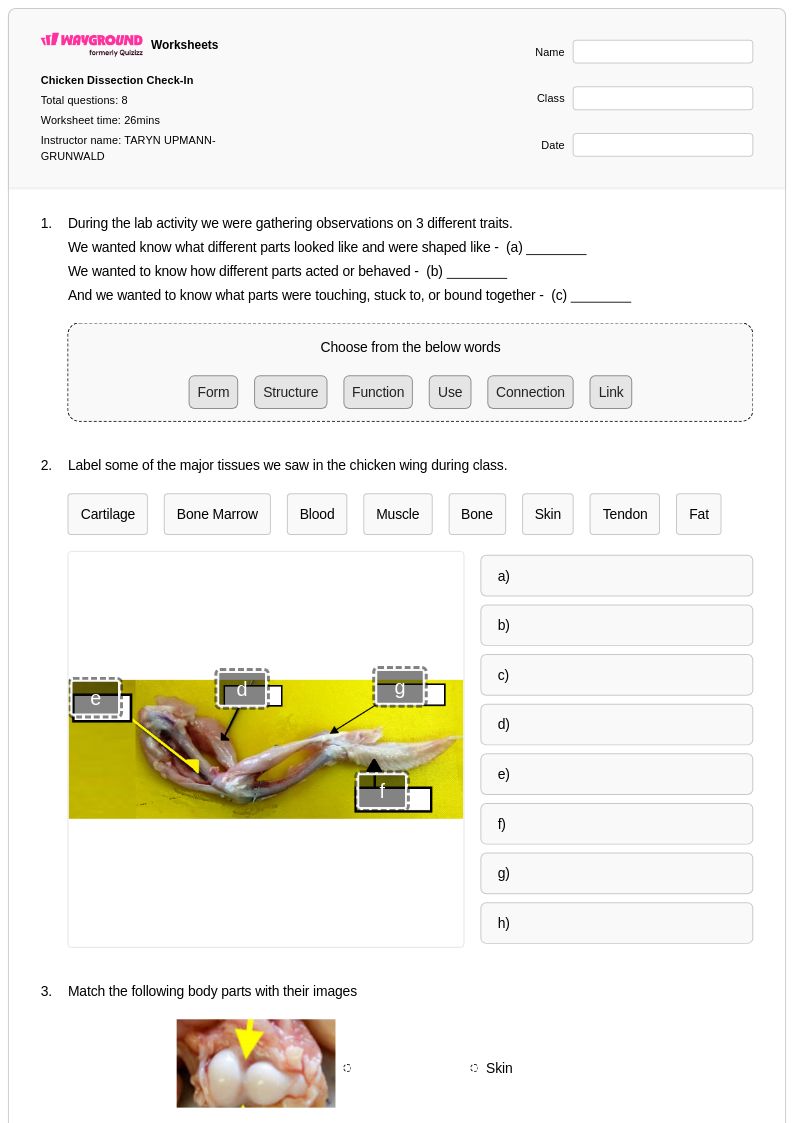
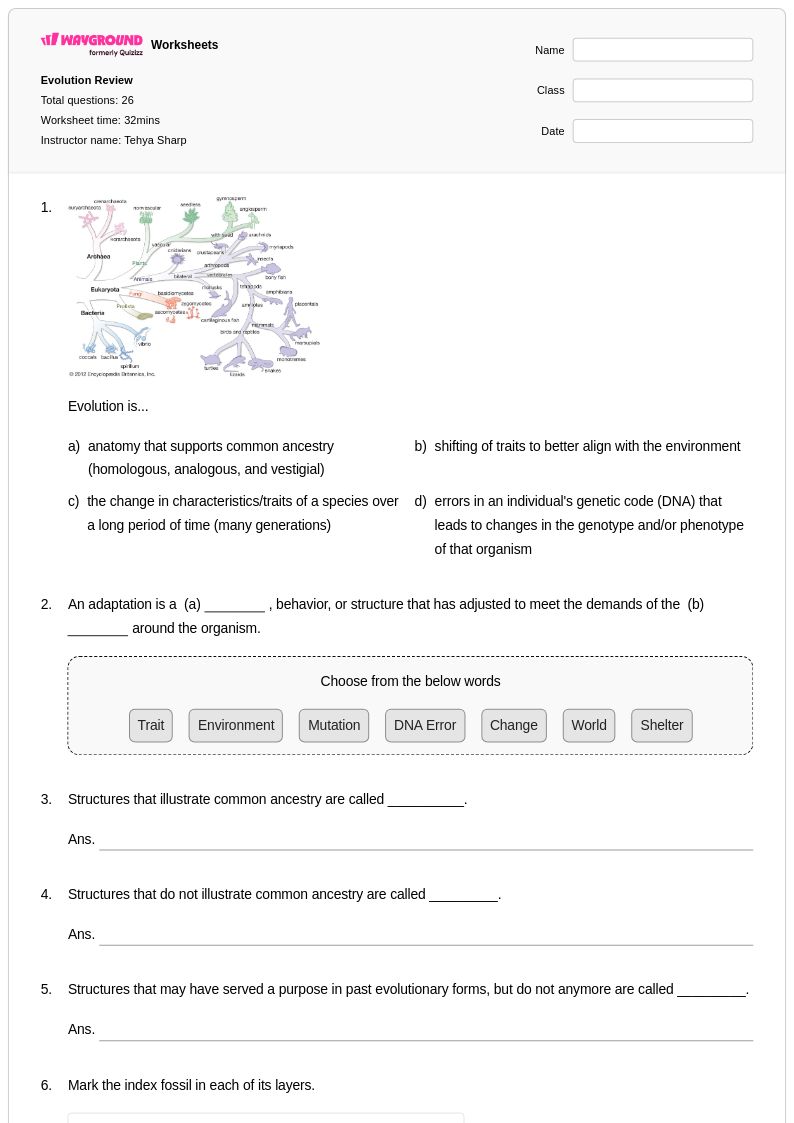
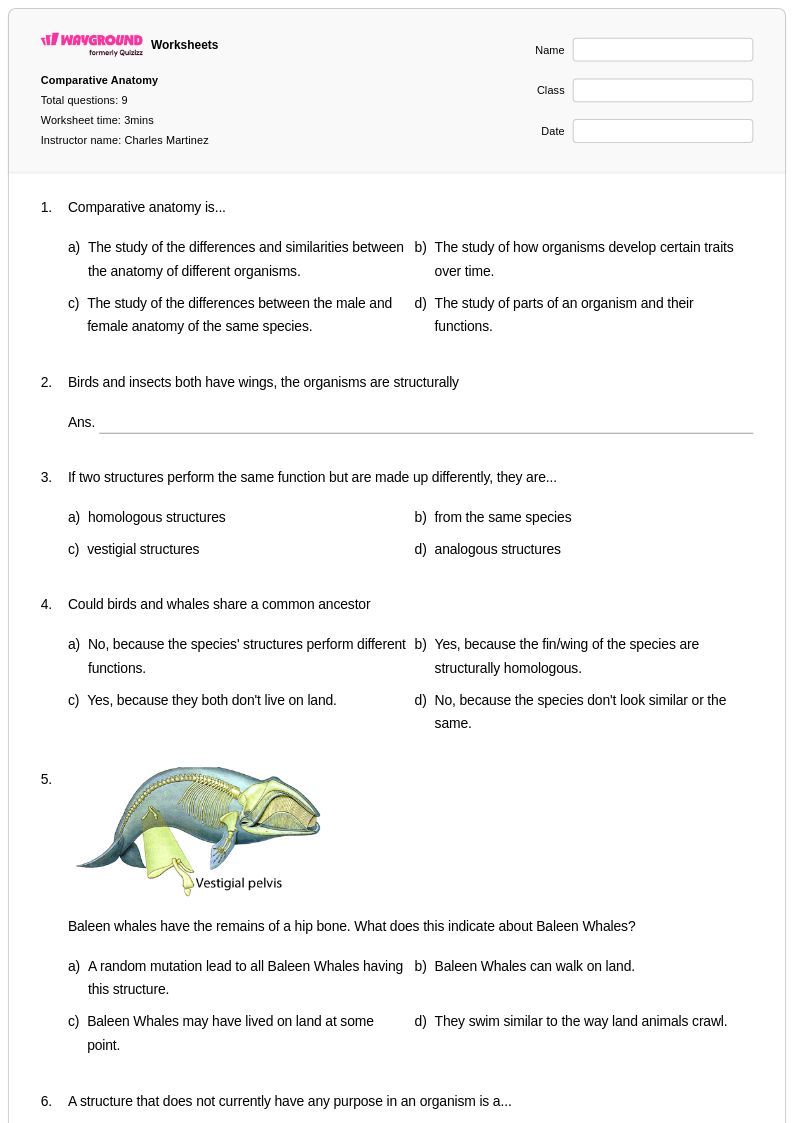
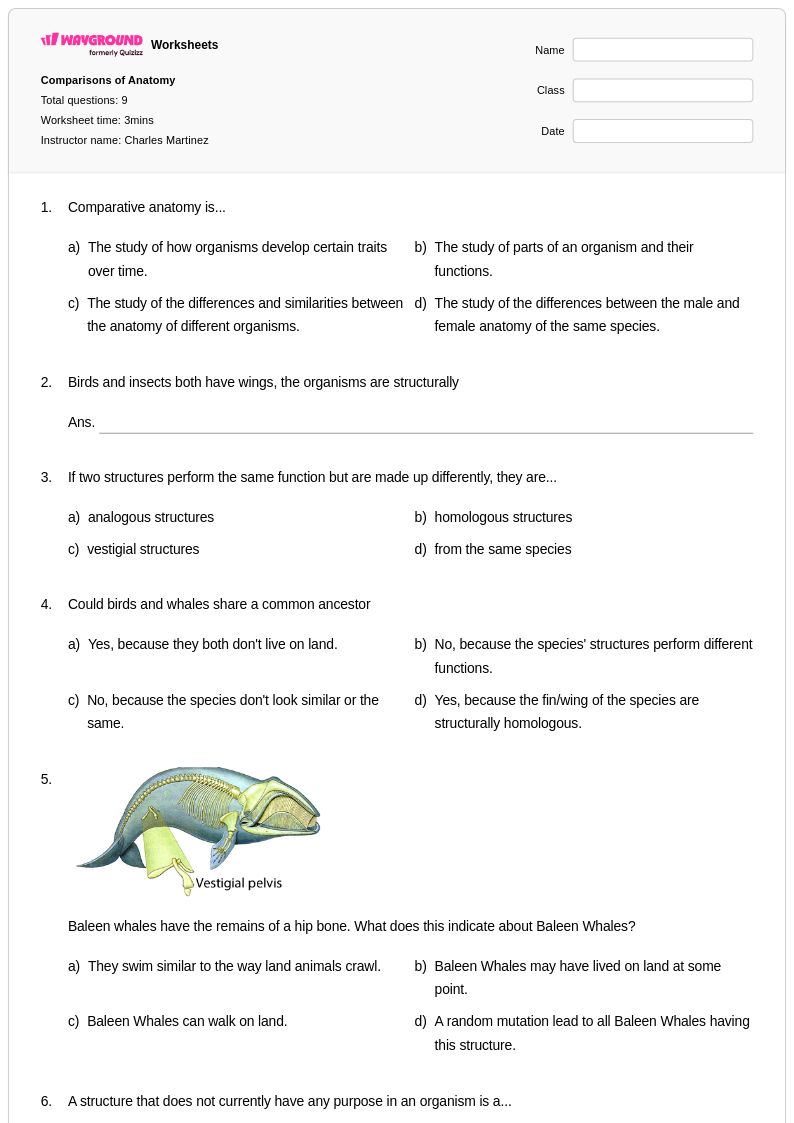
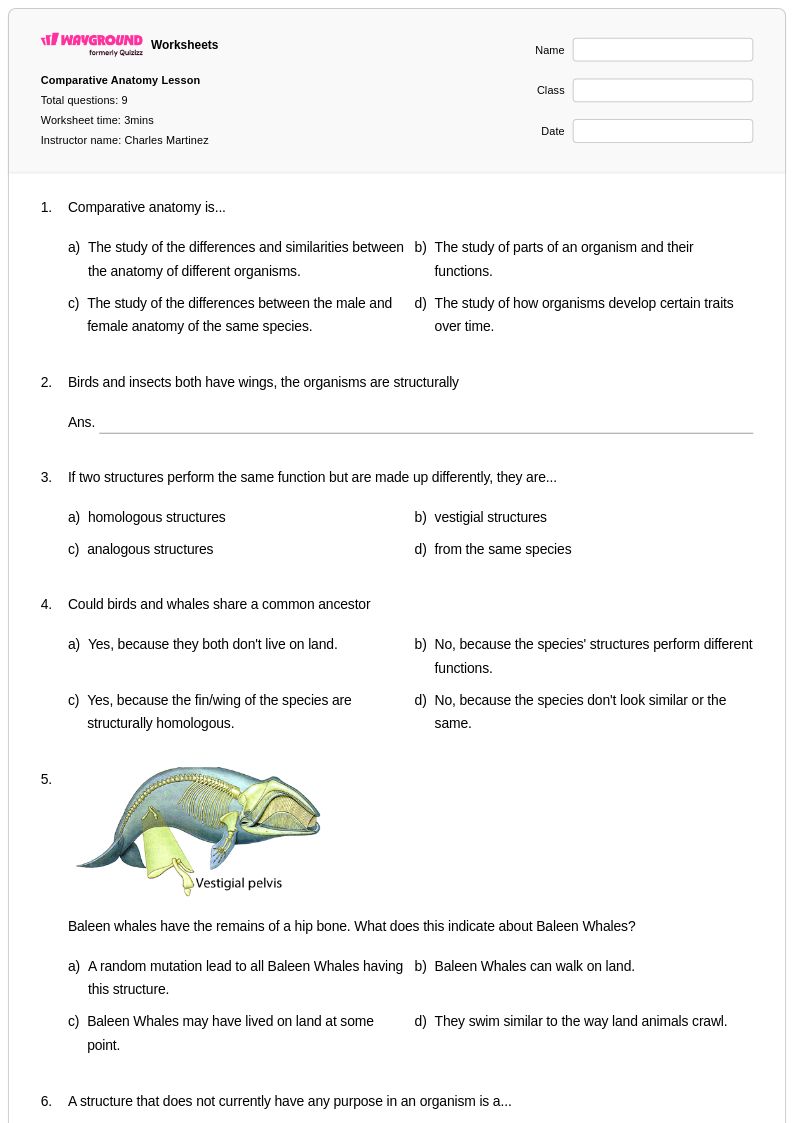
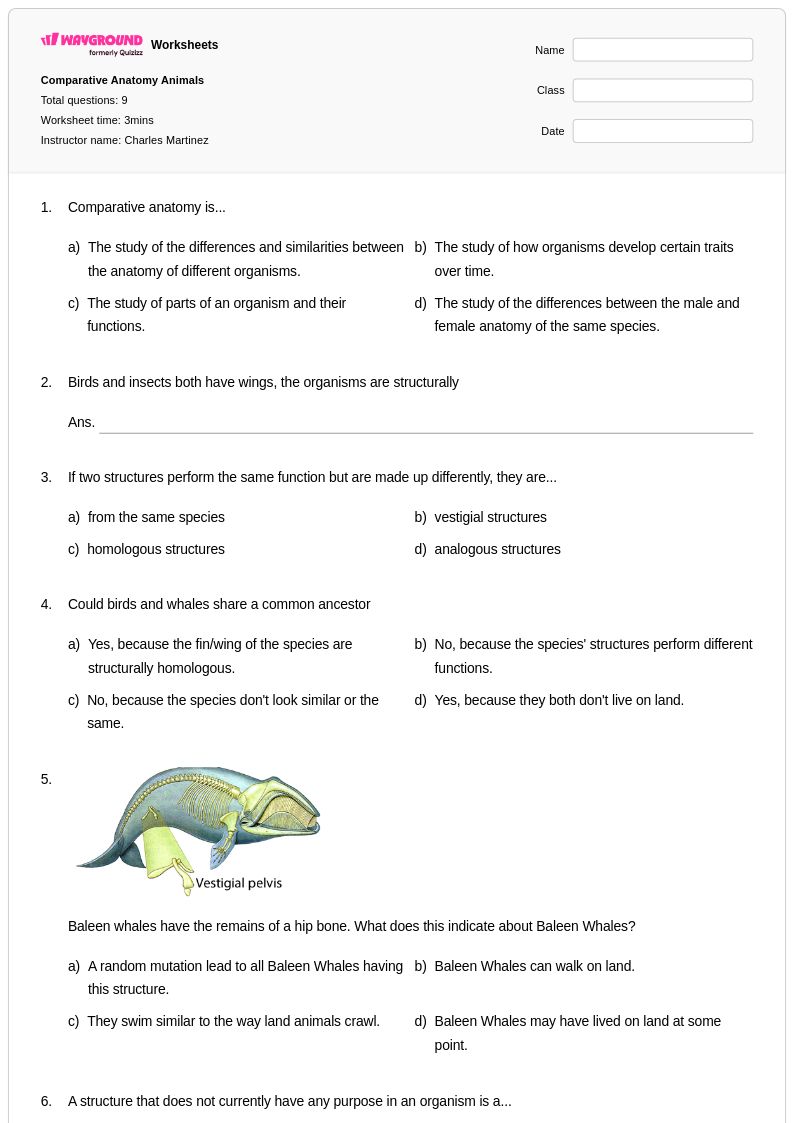
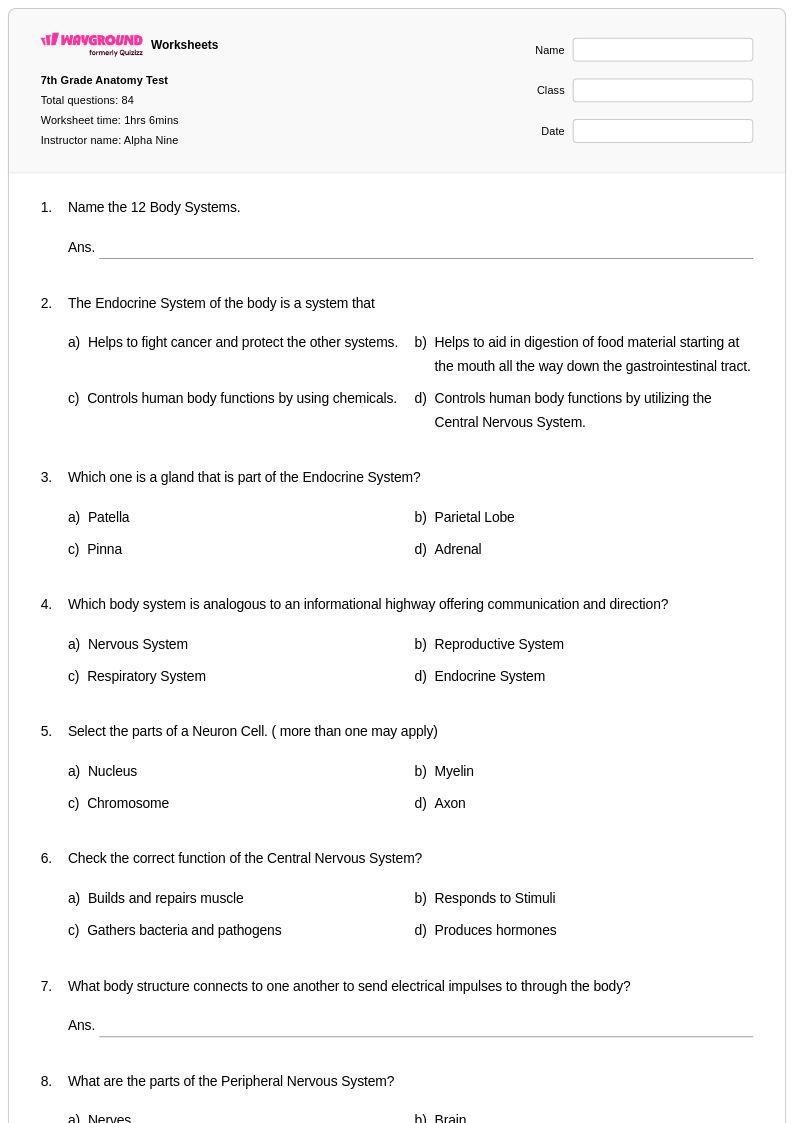
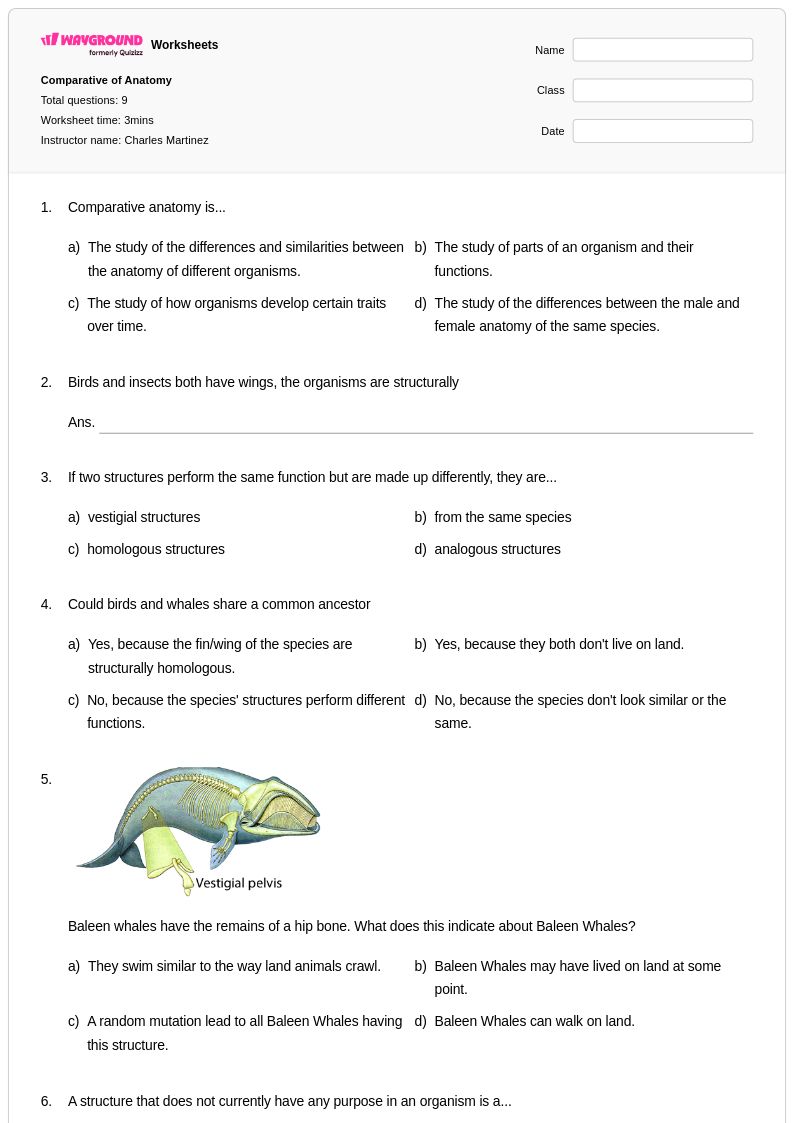
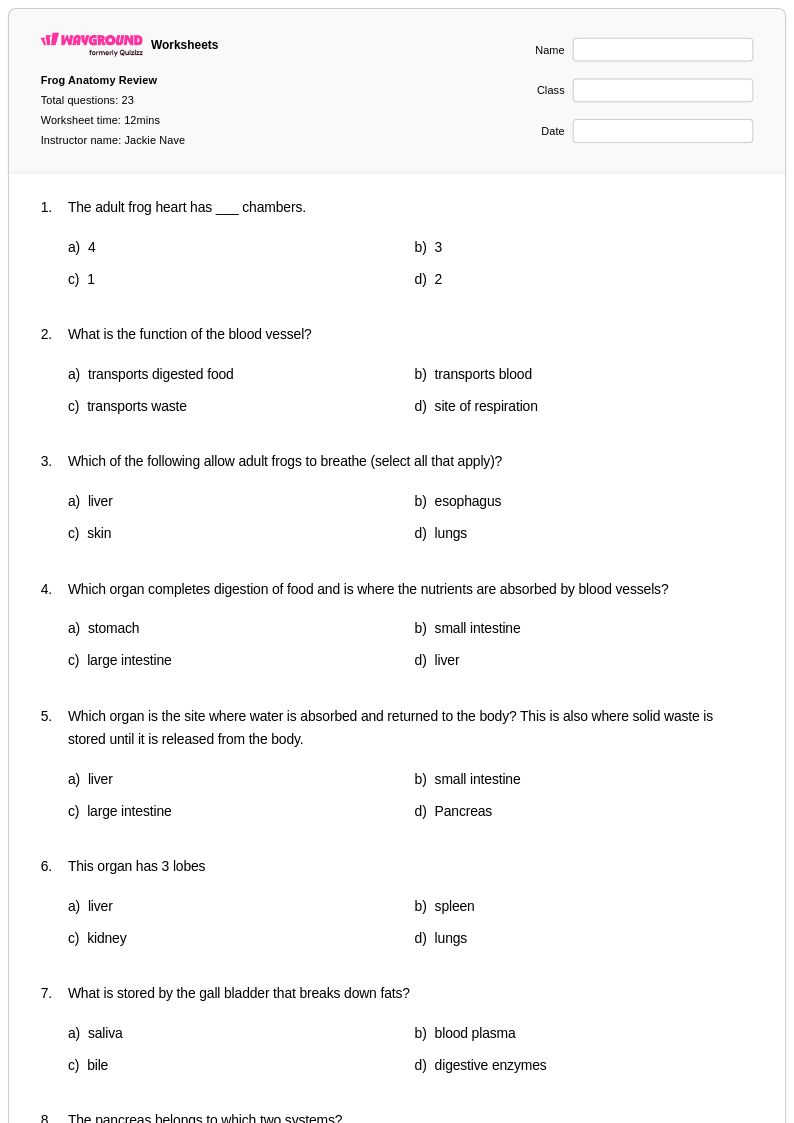
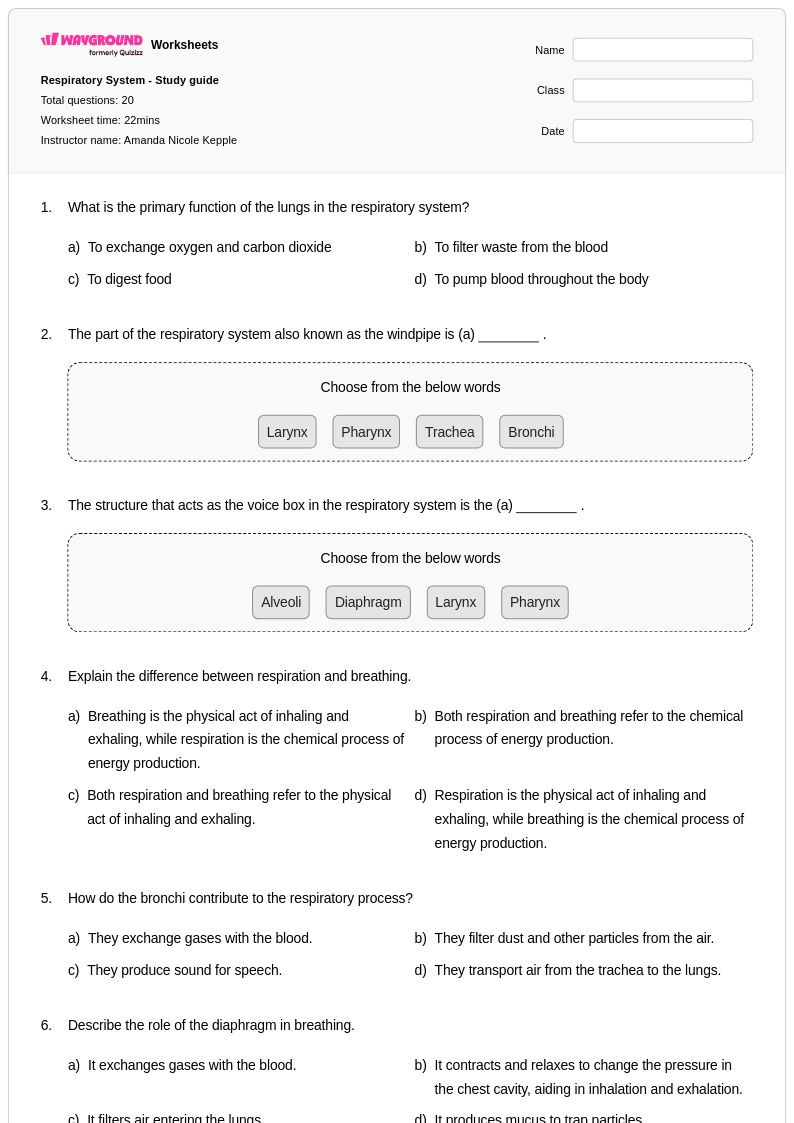
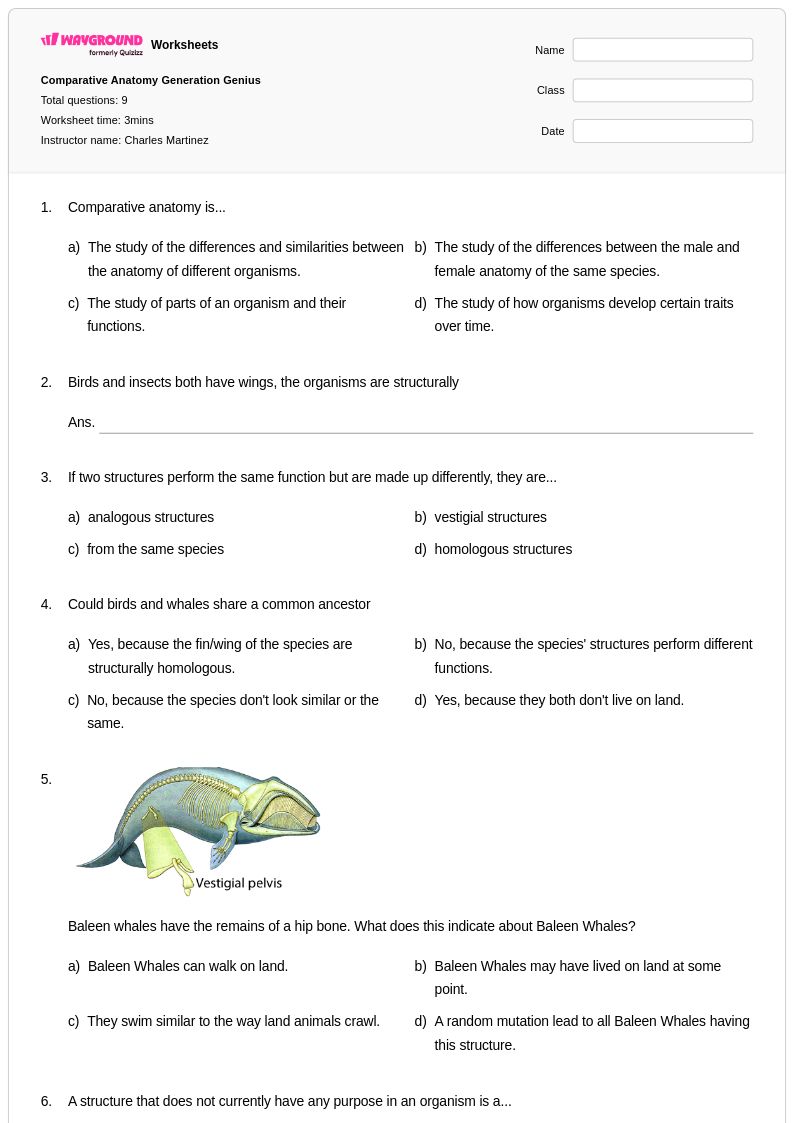
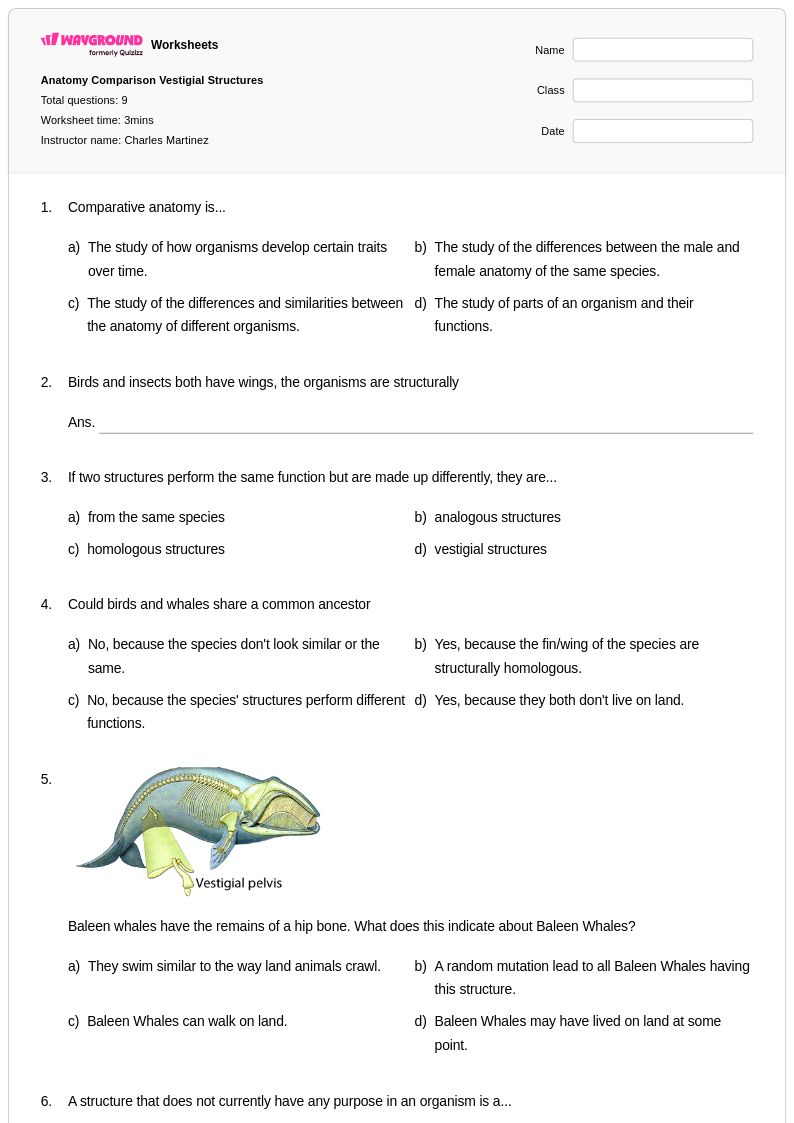
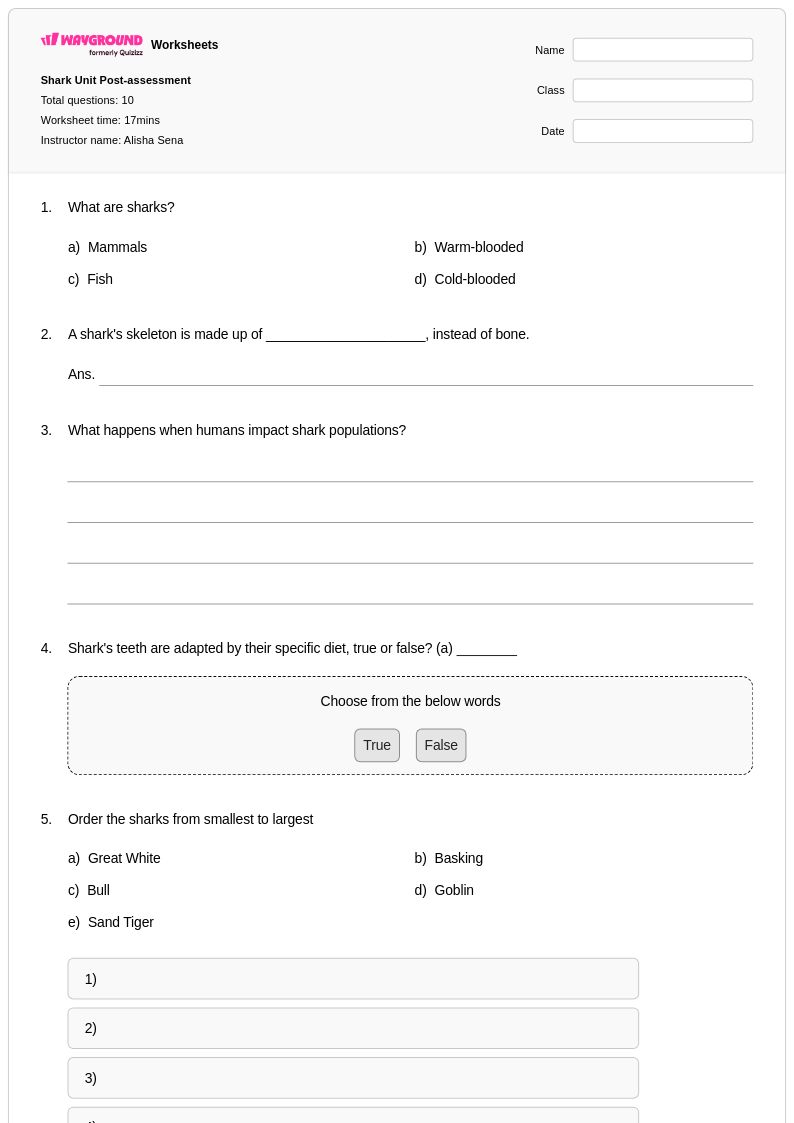
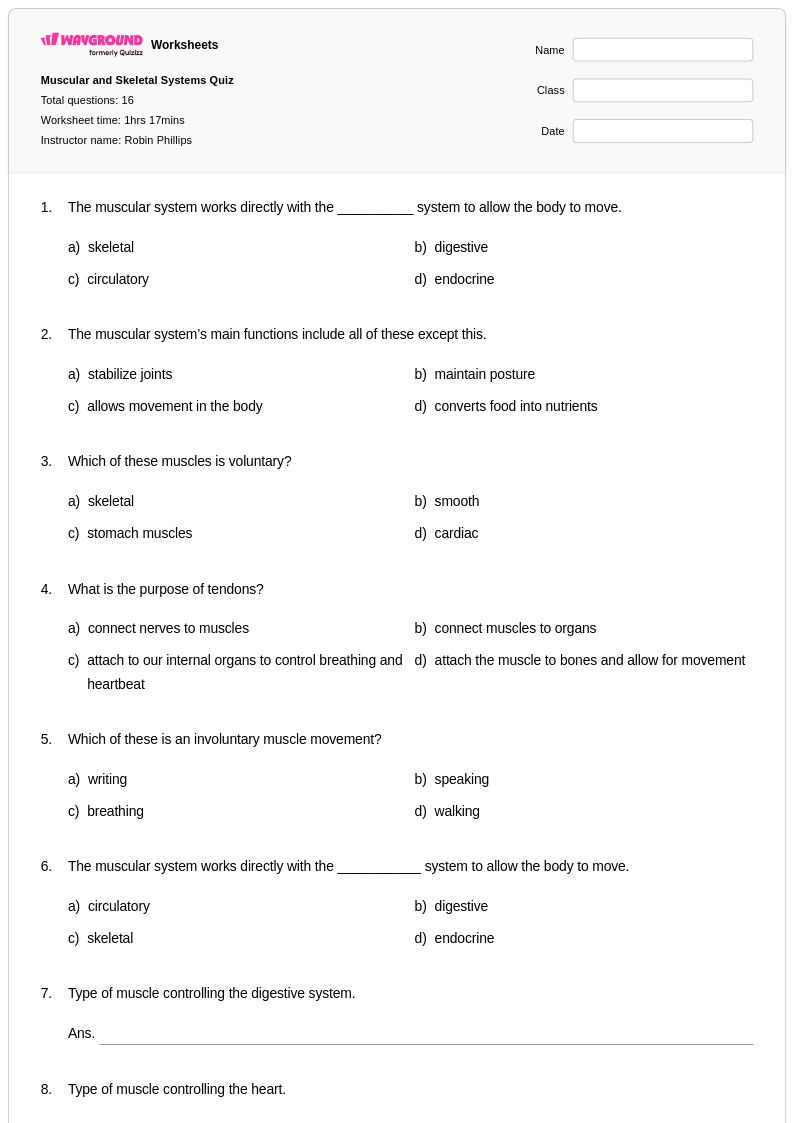
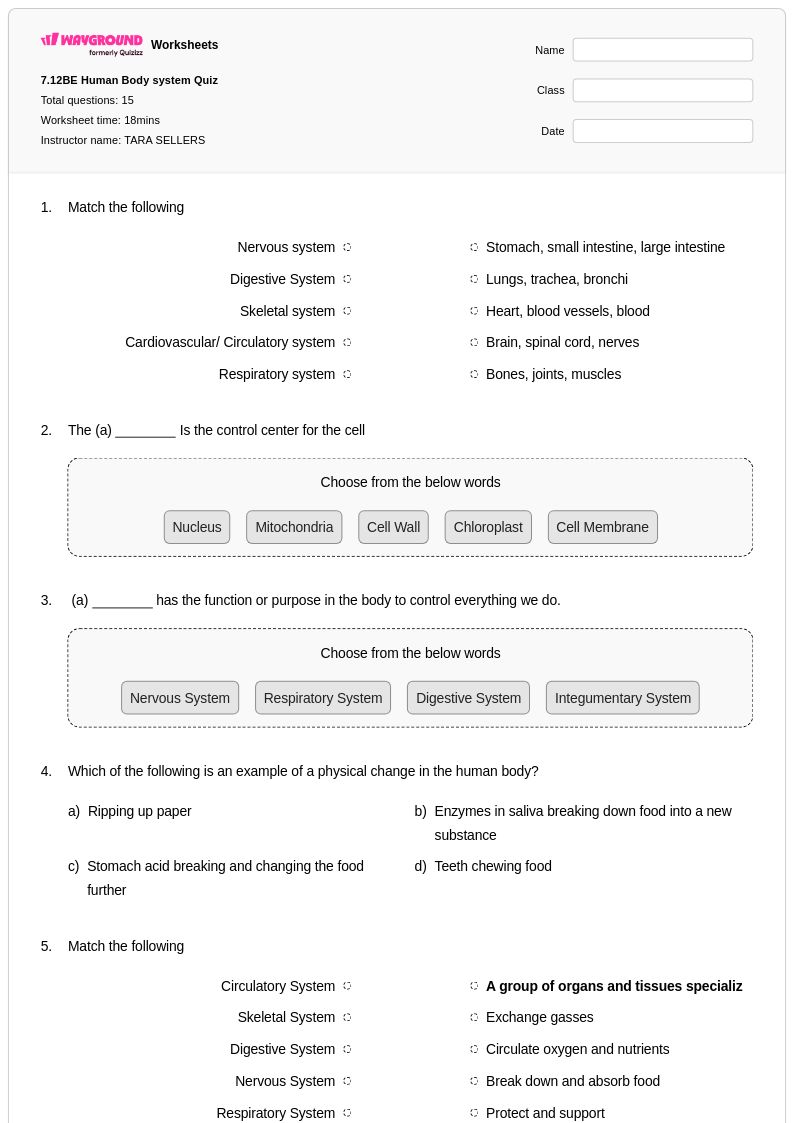
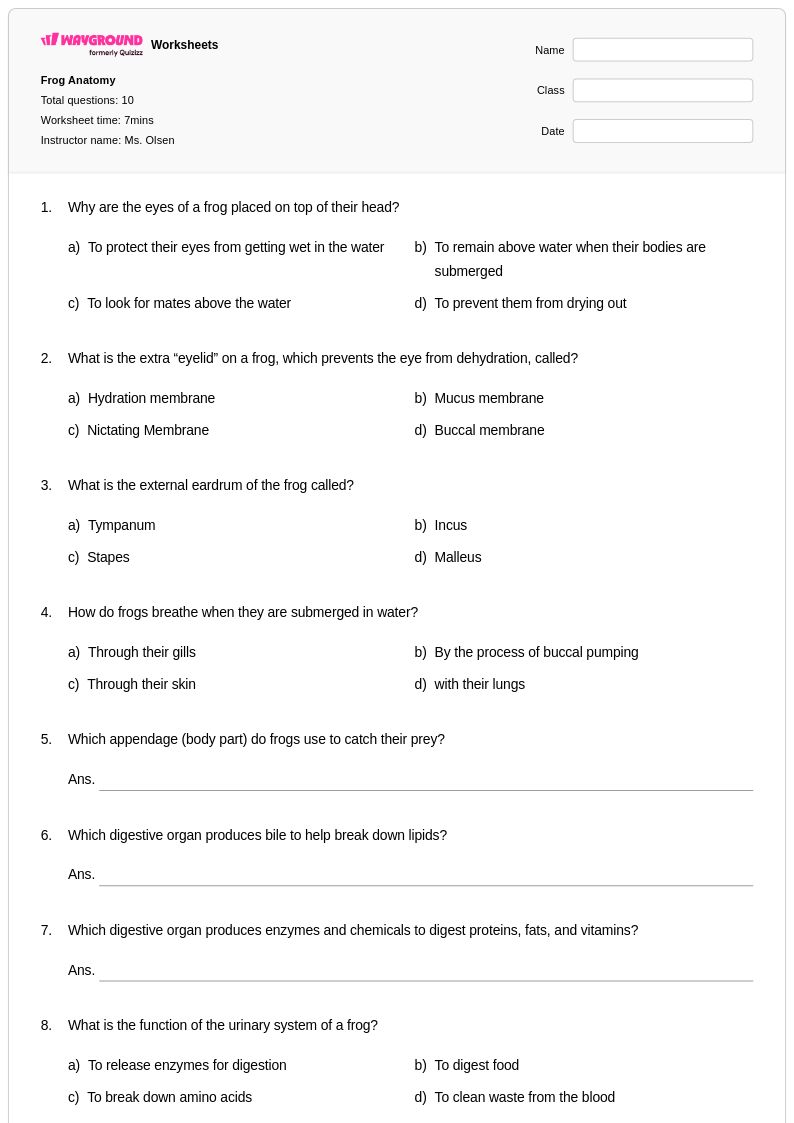
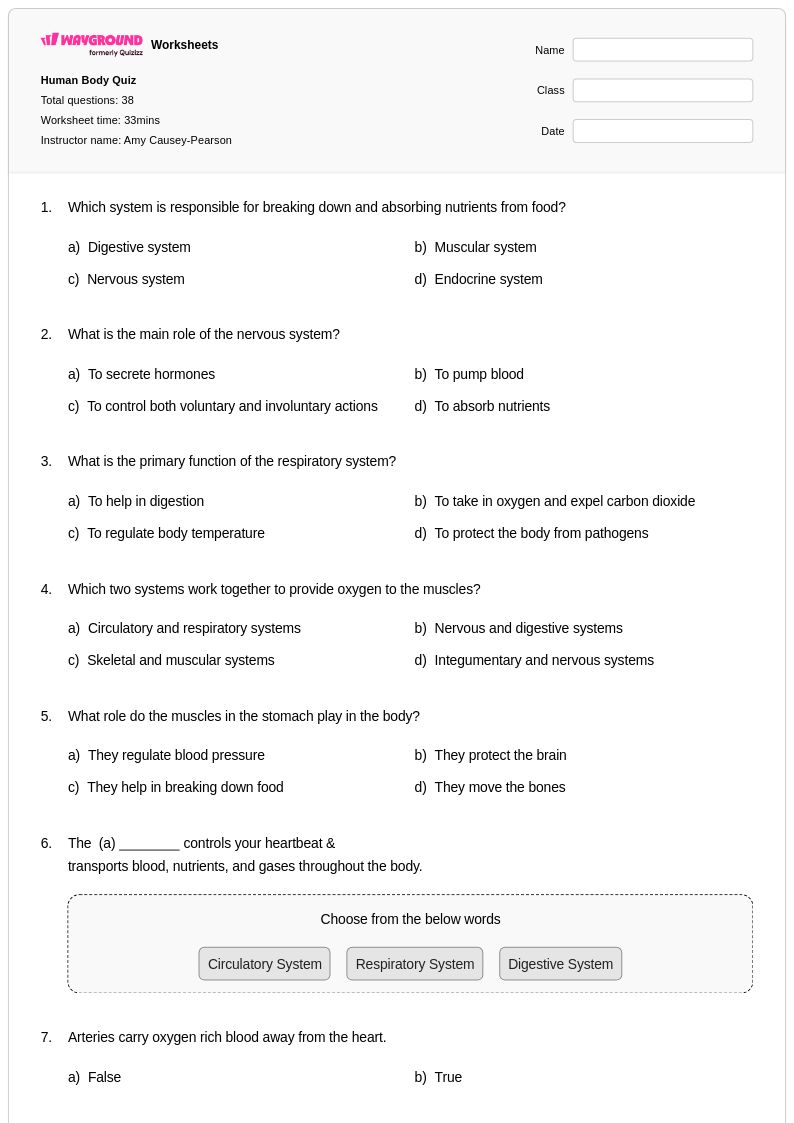
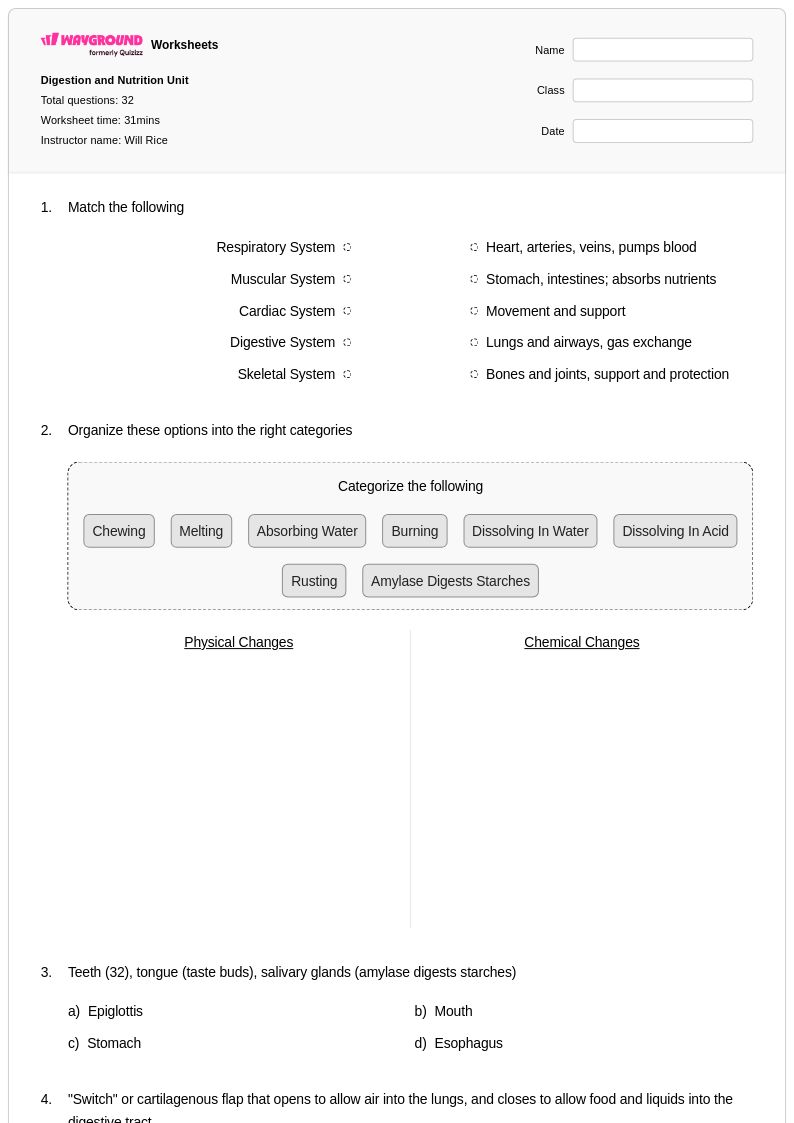
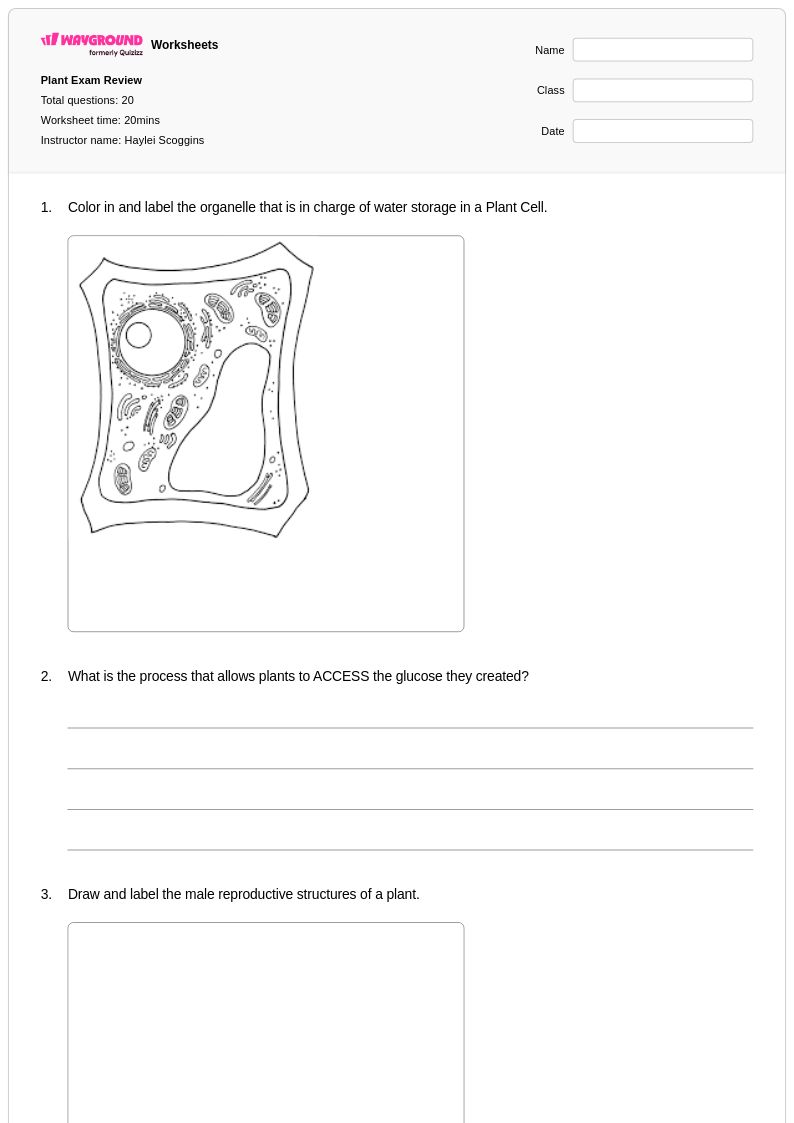
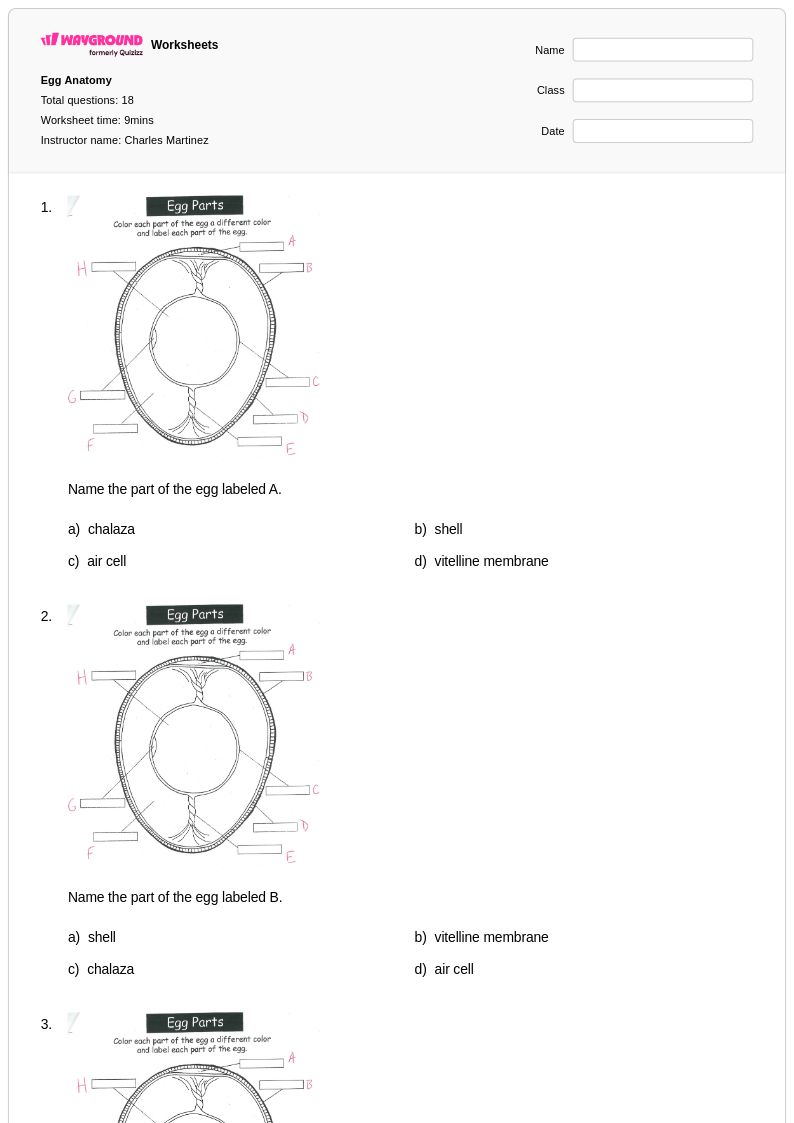
Turkey anatomy worksheets for Class 7 biology provide students with comprehensive opportunities to explore the detailed internal and external structures of these fascinating birds. These educational resources guide seventh-grade learners through systematic examination of turkey skeletal systems, muscular organization, digestive processes, and reproductive anatomy while strengthening essential scientific observation and analytical skills. The collection includes detailed diagrams with labeling exercises, comparative anatomy activities, and practice problems that challenge students to identify key anatomical features and understand their biological functions. Each worksheet comes with a complete answer key and is available as free printable pdf resources, making them accessible for both classroom instruction and independent study sessions.
Wayground, formerly Quizizz, empowers educators with an extensive library of millions of teacher-created turkey anatomy worksheets specifically designed for Class 7 biology instruction. The platform's robust search and filtering capabilities allow teachers to quickly locate resources that align with curriculum standards and match their students' specific learning needs. These comprehensive worksheet collections support effective lesson planning through customizable content that can be adapted for remediation, enrichment, or targeted skill practice, with materials available in both printable pdf format and interactive digital versions. Teachers can leverage the platform's differentiation tools to modify worksheets according to individual student abilities, ensuring that every seventh-grader can successfully engage with complex anatomical concepts while building foundational knowledge in biological systems and scientific methodology.
FAQs
How do I teach turkey anatomy to students?
Teaching turkey anatomy is most effective when students move from external structures to internal systems in a logical sequence. Start with surface features like the wattles, snood, and caruncles before progressing to skeletal structures, the digestive tract, and respiratory anatomy. Using labeled diagrams alongside hands-on observation or dissection activities reinforces anatomical vocabulary and helps students connect terminology to physical structures. Comparing turkey anatomy to other birds or vertebrates also builds broader comparative anatomy understanding.
What exercises help students practice turkey anatomy?
Labeling diagrams is one of the most effective exercises for reinforcing turkey anatomy, as it requires students to recall and accurately place terms like crop, gizzard, wattles, and snood without passive recognition. Sequencing activities that ask students to trace food through the digestive tract or air through the respiratory system add procedural understanding on top of vocabulary. Matching exercises and fill-in-the-blank practice problems work well for formative check-ins or homework assignments.
What mistakes do students commonly make when learning turkey anatomy?
Students frequently confuse the crop and gizzard because both are digestive organs, but they serve distinct functions: the crop stores food temporarily while the gizzard mechanically grinds it. Another common error is mixing up the wattles, snood, and caruncles, which are all external fleshy structures but differ in location and appearance. Students also tend to apply mammalian anatomy assumptions to turkeys, which can lead to errors when identifying avian-specific respiratory or reproductive structures.
How can I use turkey anatomy worksheets in my classroom?
Turkey anatomy worksheets on Wayground are available as printable PDFs, making them easy to distribute for in-class activities, lab work, or homework, and they are also available in digital formats for technology-integrated classrooms. Each worksheet includes a complete answer key, so students can self-check after independent practice or teachers can use them for quick grading. You can also host the worksheets as a quiz directly on Wayground, allowing you to track student performance and identify gaps in anatomical understanding.
How do turkey anatomy worksheets support students who are struggling with the content?
For students who find anatomical vocabulary or diagram work challenging, breaking tasks into smaller components, such as focusing on one body system at a time, reduces cognitive overload. On Wayground, teachers can apply accommodations like Read Aloud for students who need questions read to them, reduced answer choices to lower difficulty on labeling or matching tasks, and extended time for students who need more processing time. These settings can be configured per student and reused across sessions without disrupting the rest of the class.
How does turkey anatomy connect to broader science curriculum standards?
Turkey anatomy fits naturally within life science units covering vertebrate body systems, comparative anatomy, and animal physiology. Studying structures like the gizzard and air sacs gives students concrete examples of organ adaptation, which supports standards related to structure and function in living organisms. It also serves as an accessible entry point into avian biology before students encounter more complex vertebrate anatomy topics later in their science education.