
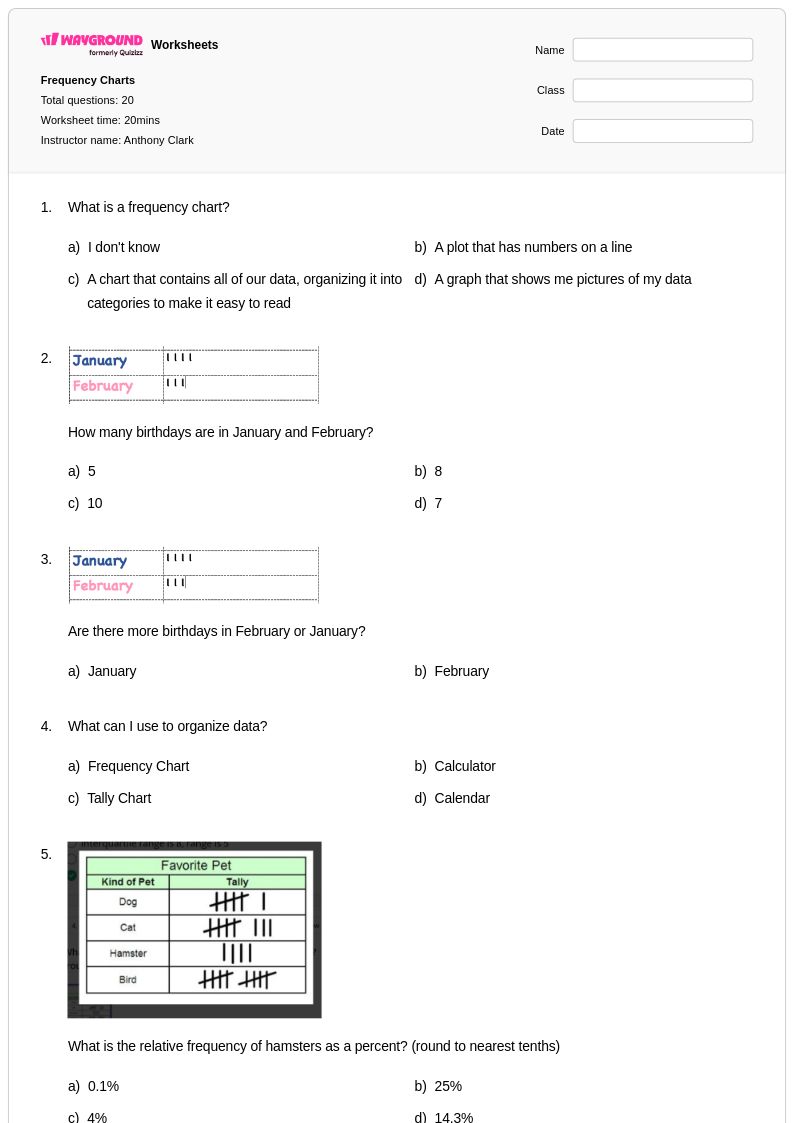
20 Q
3rd - Uni
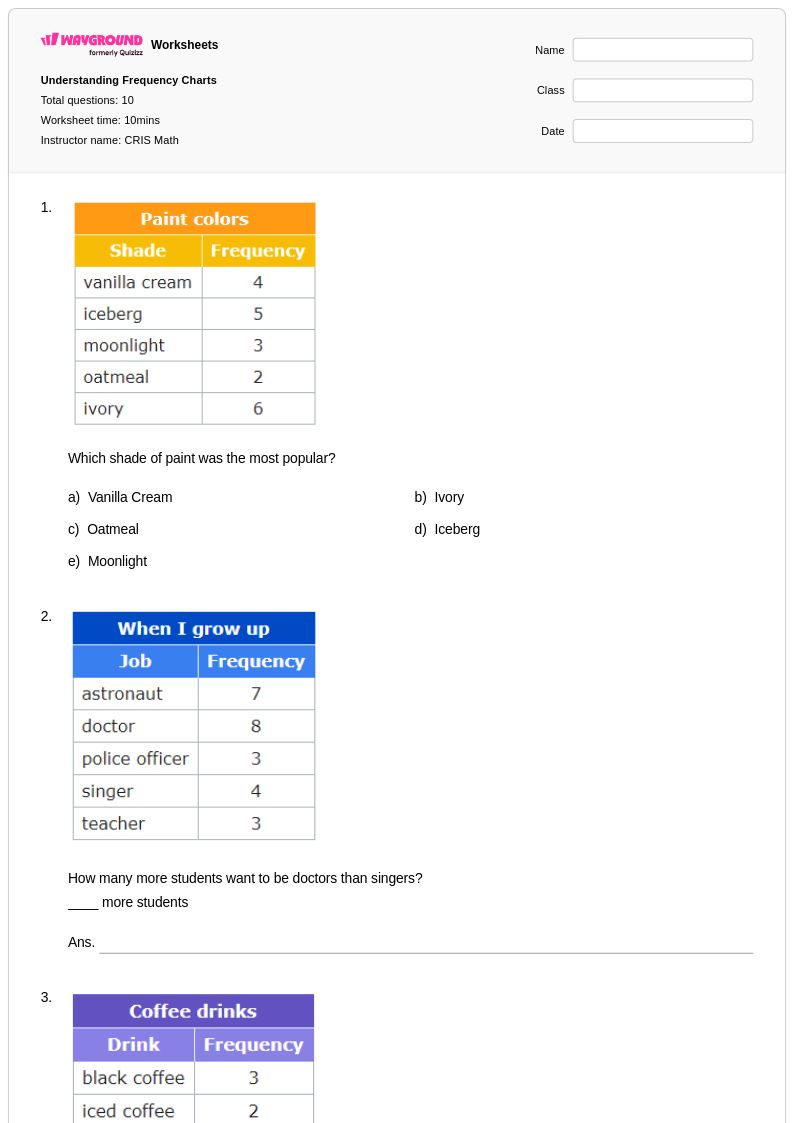
10 Q
5th
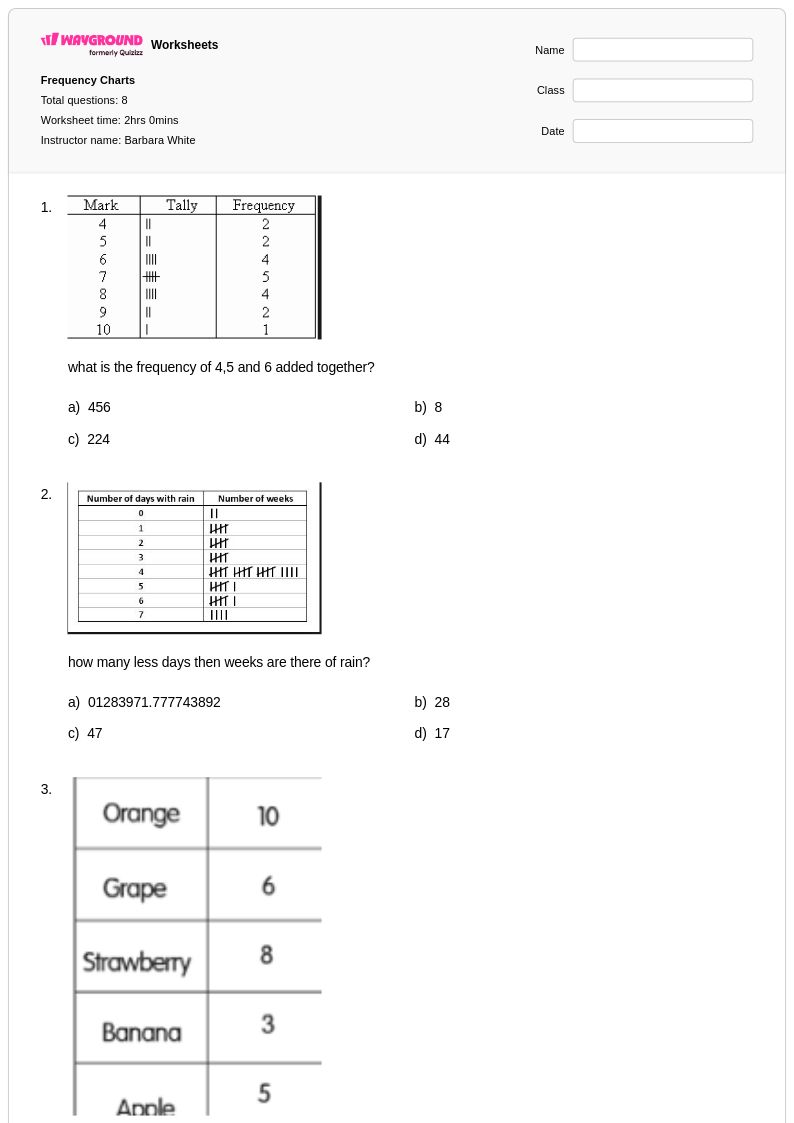
8 Q
5th - 7th
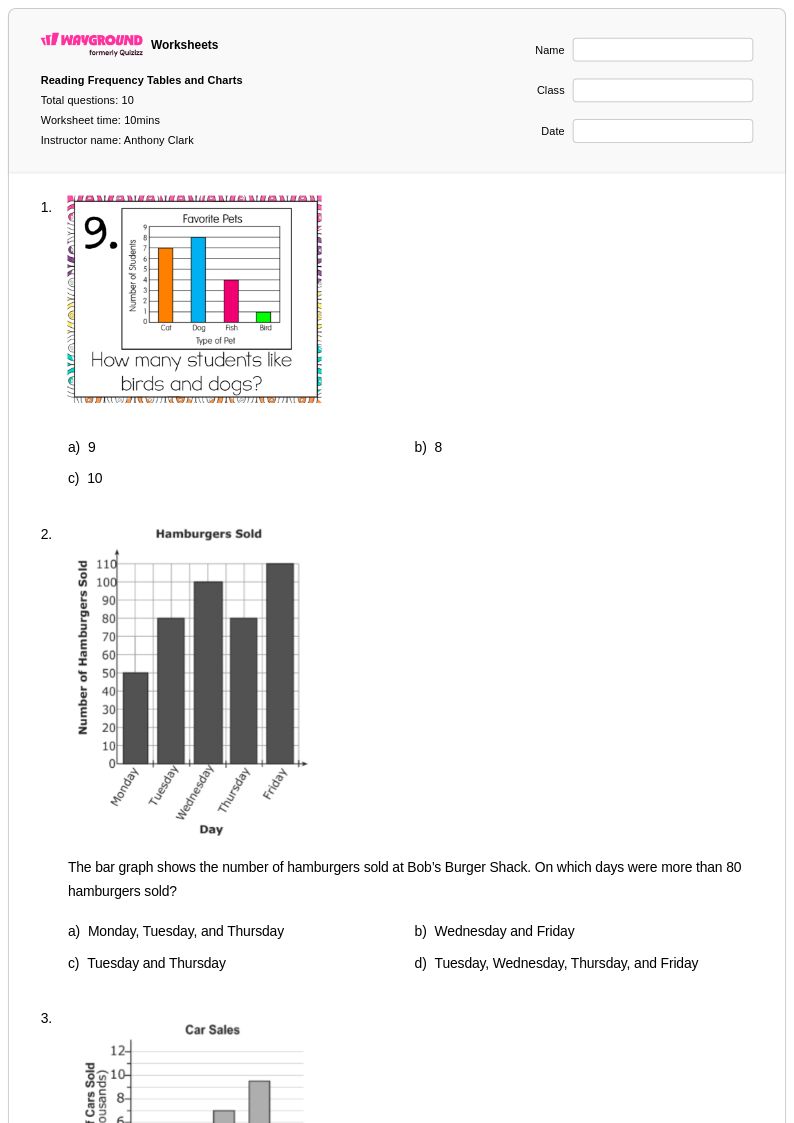
10 Q
5th - Uni
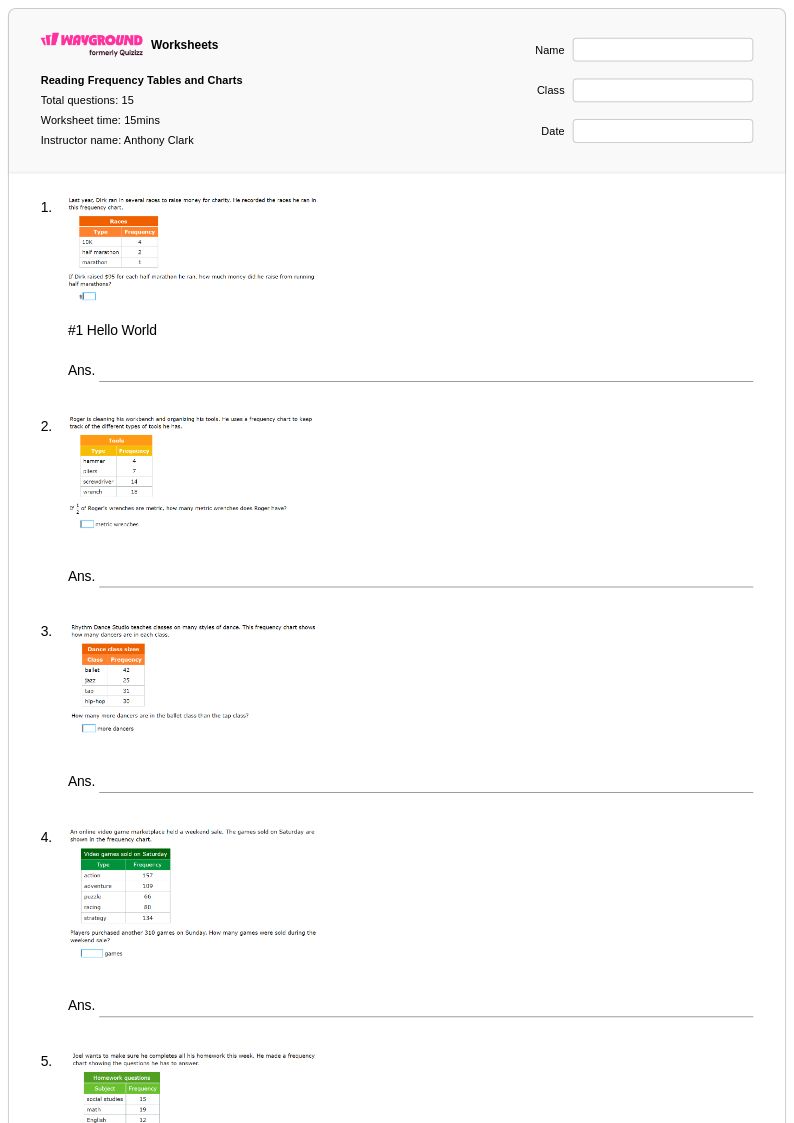
15 Q
5th - Uni
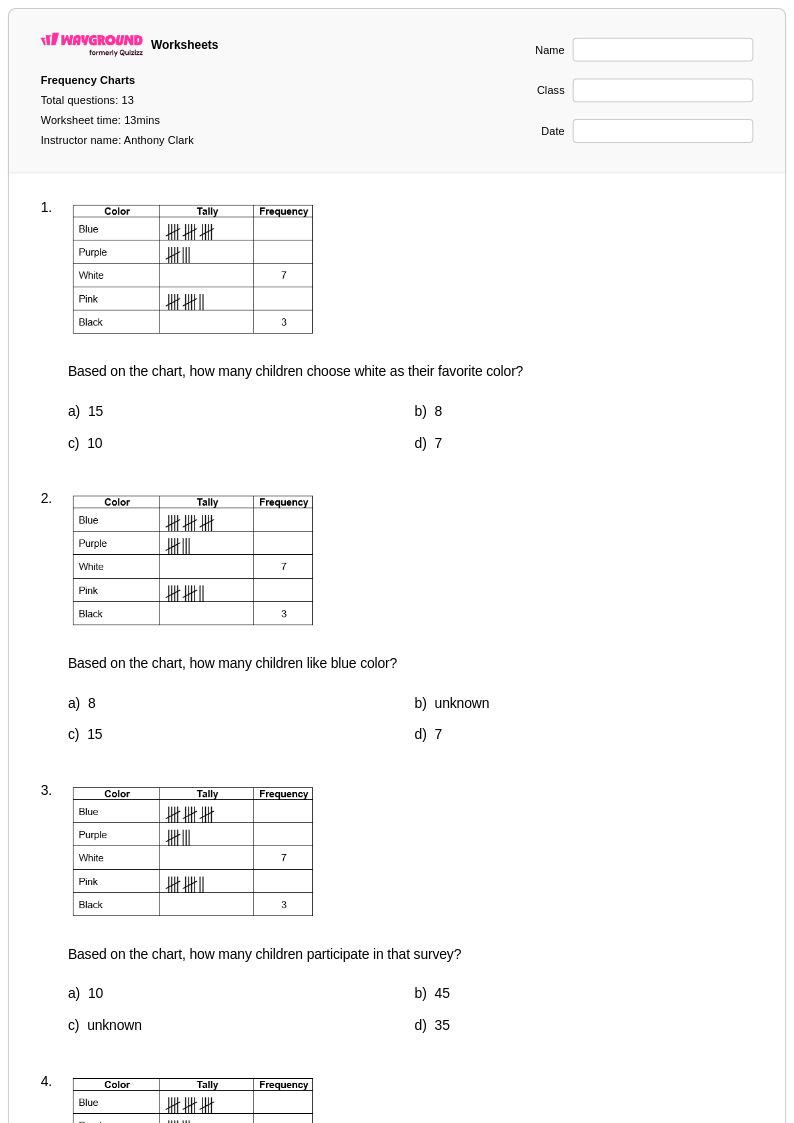
13 Q
3rd - Uni
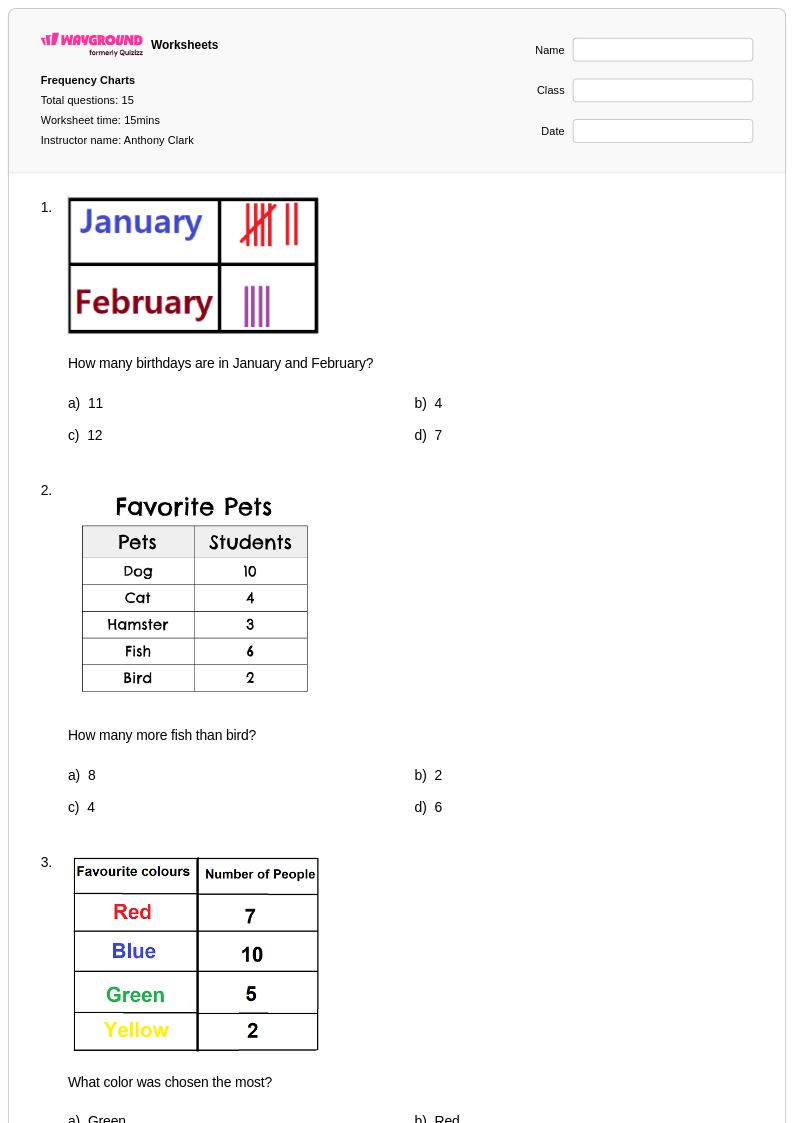
15 Q
3rd - Uni
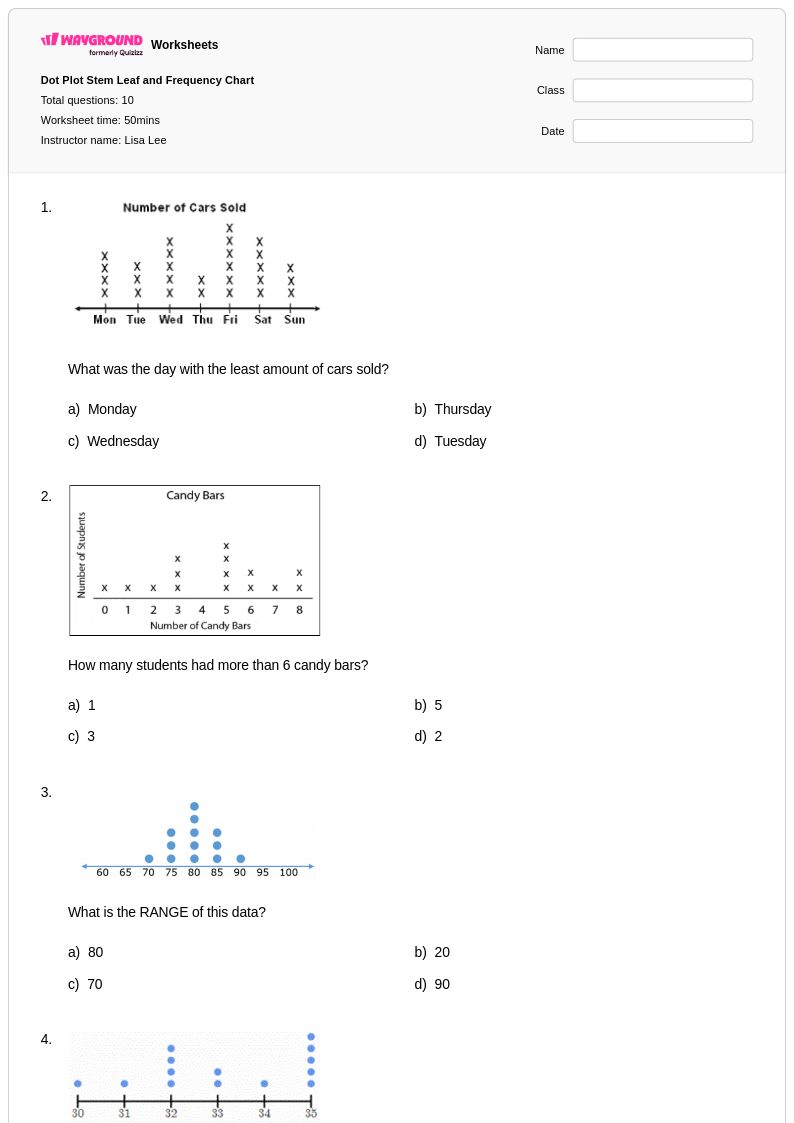
10 Q
4th - 5th
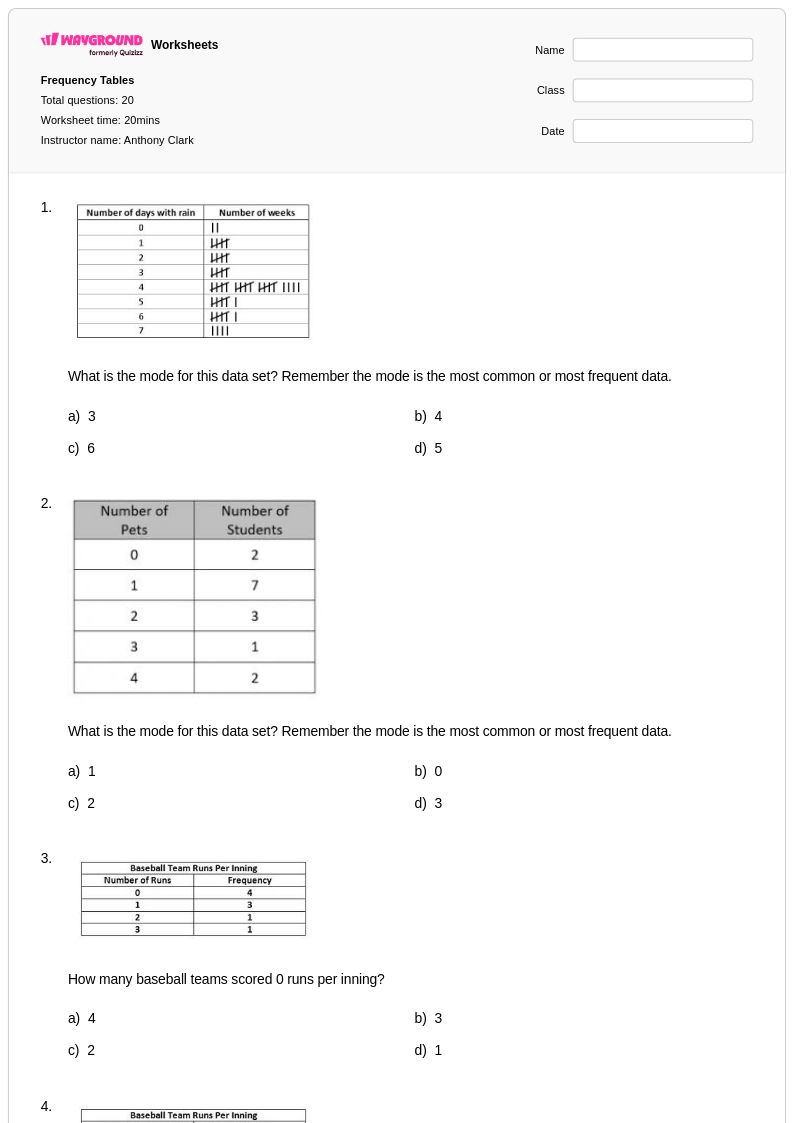
20 Q
5th - Uni
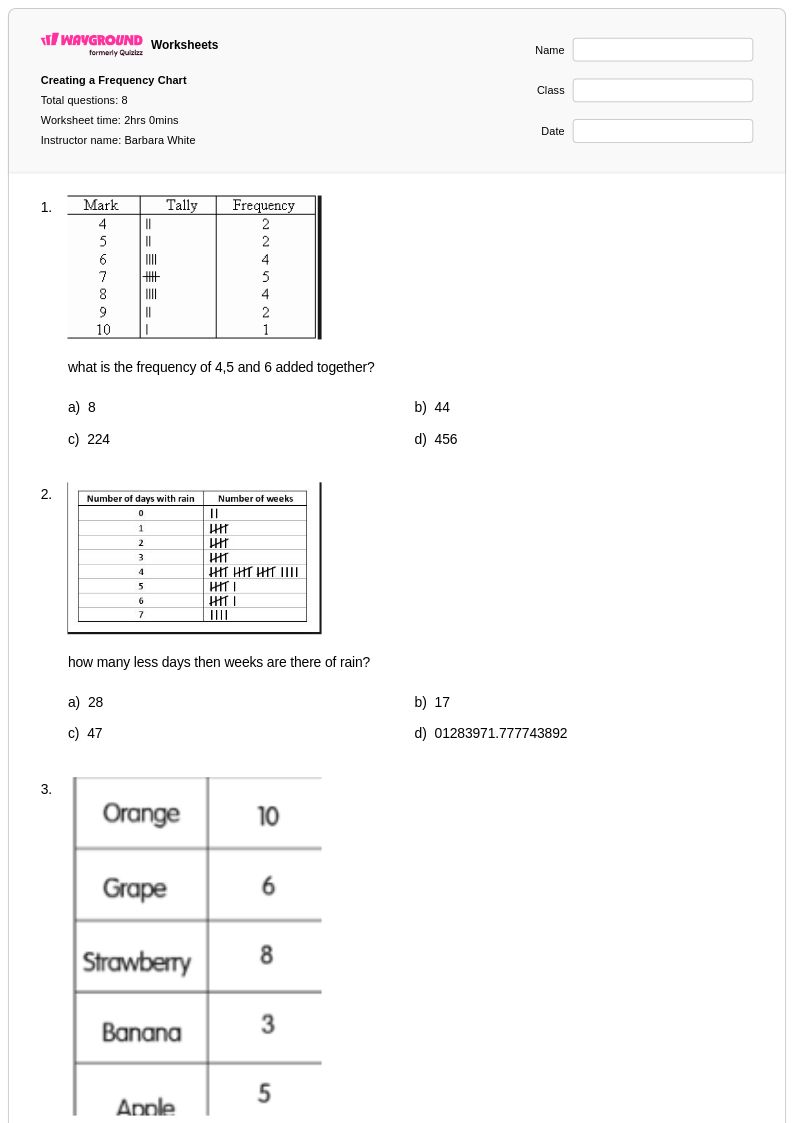
8 Q
5th - 7th
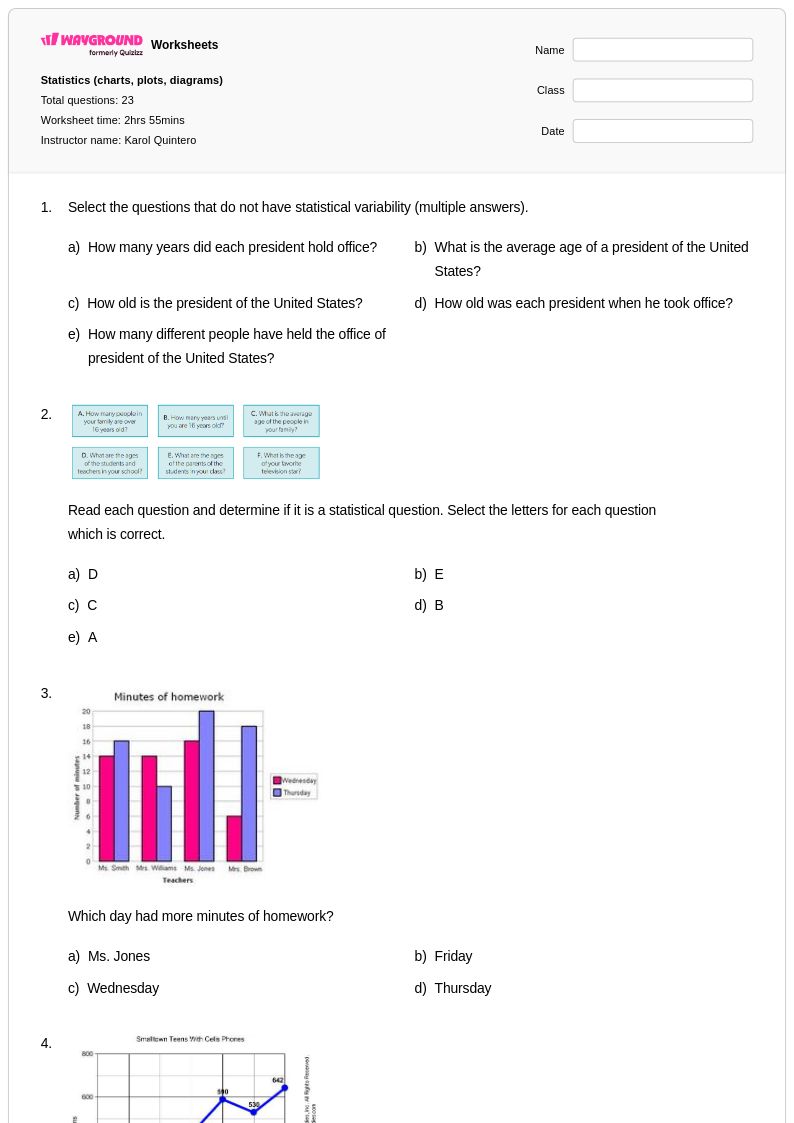
23 Q
5th - 7th
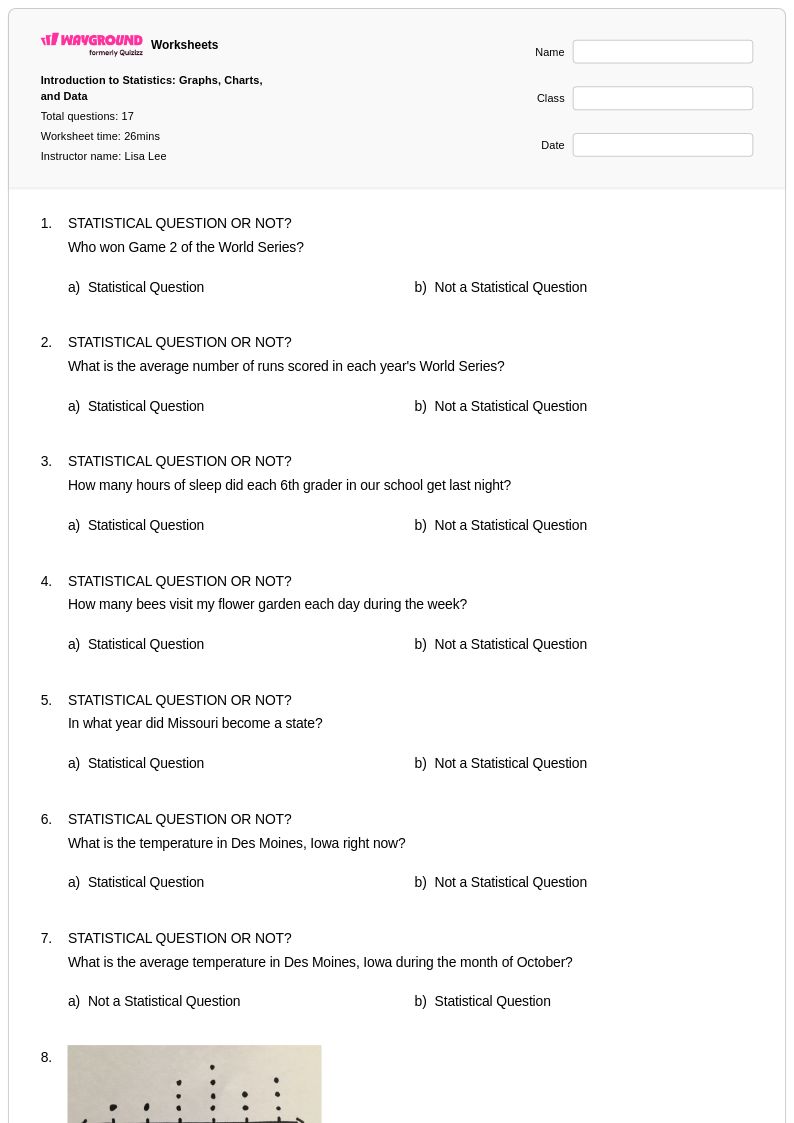
17 Q
5th - 6th
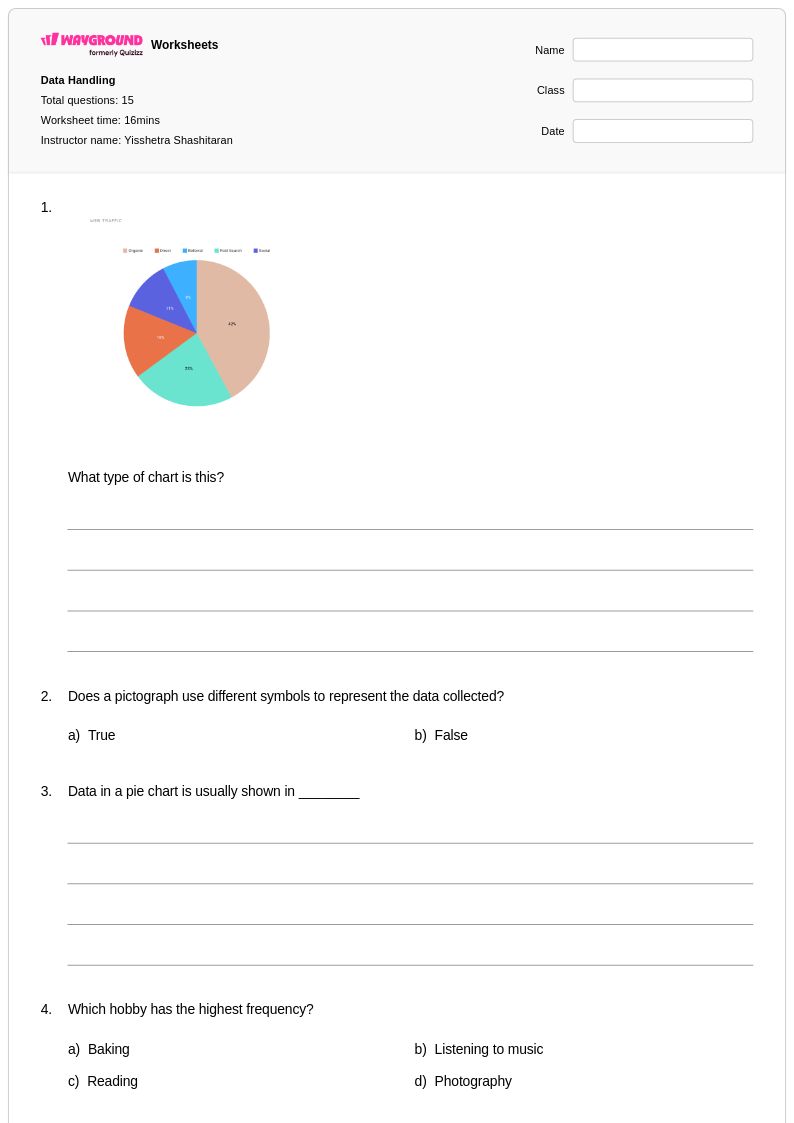
15 Q
1st - 12th
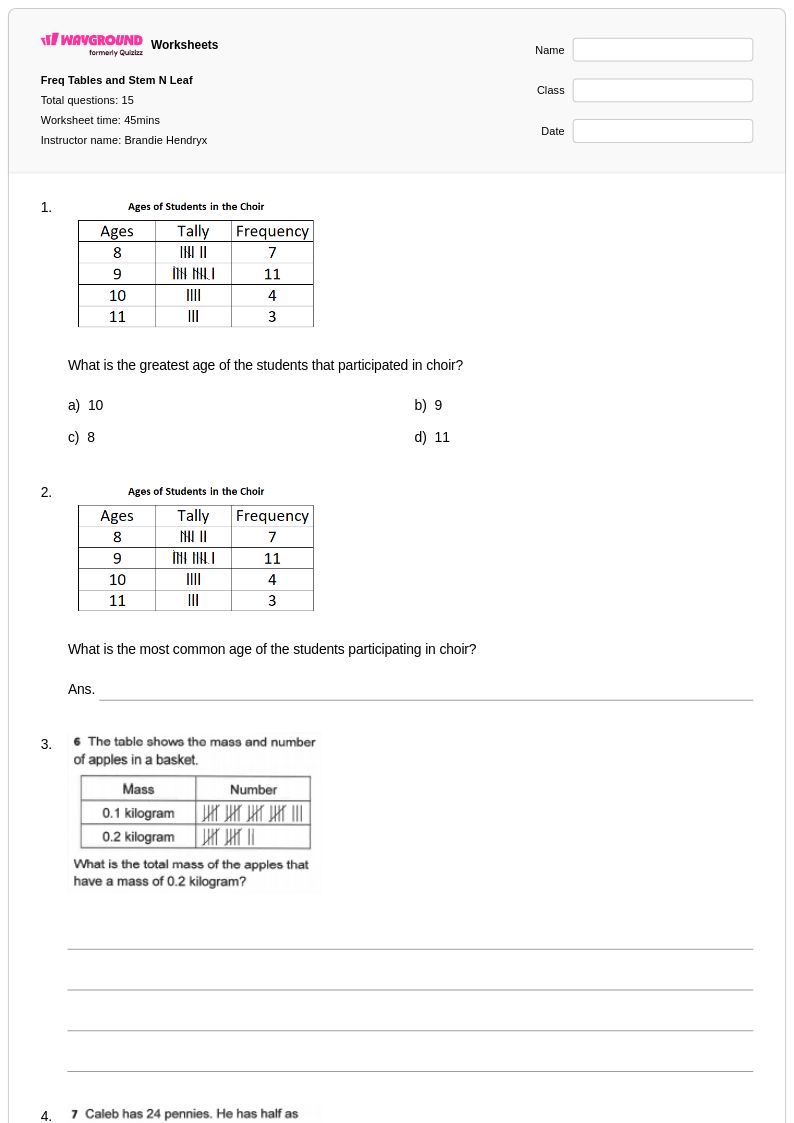
15 Q
5th
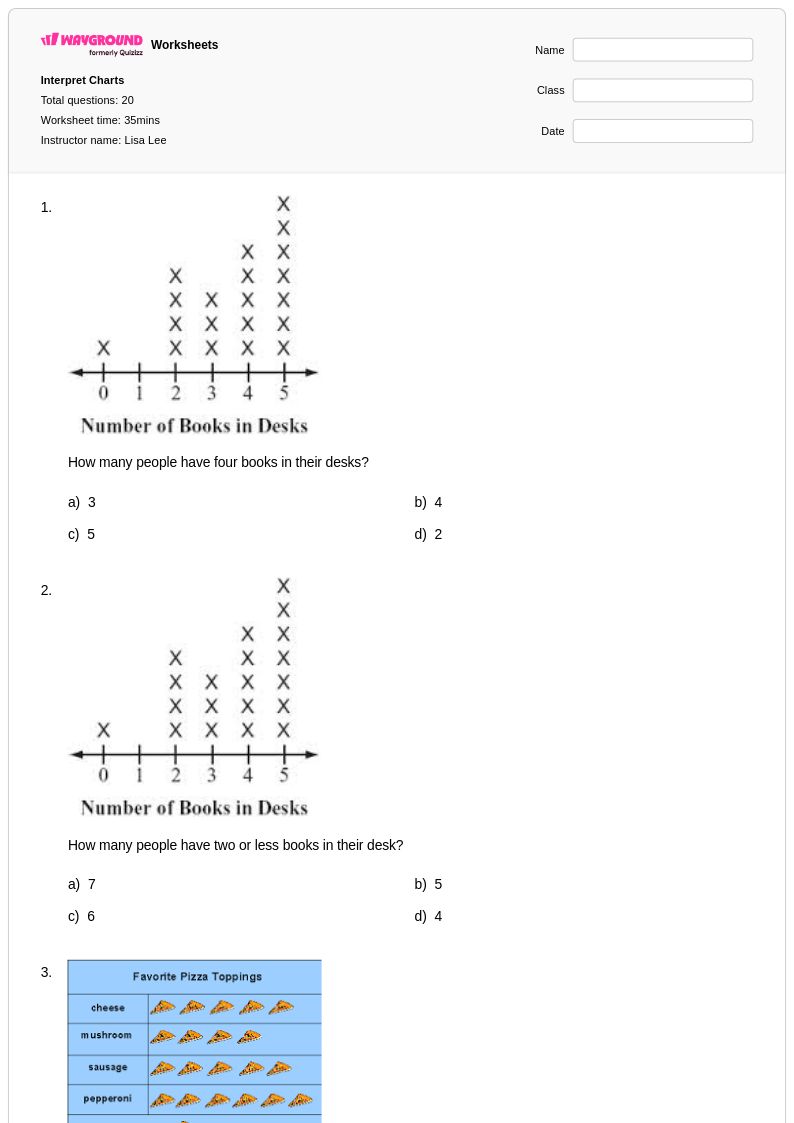
20 Q
5th - 12th
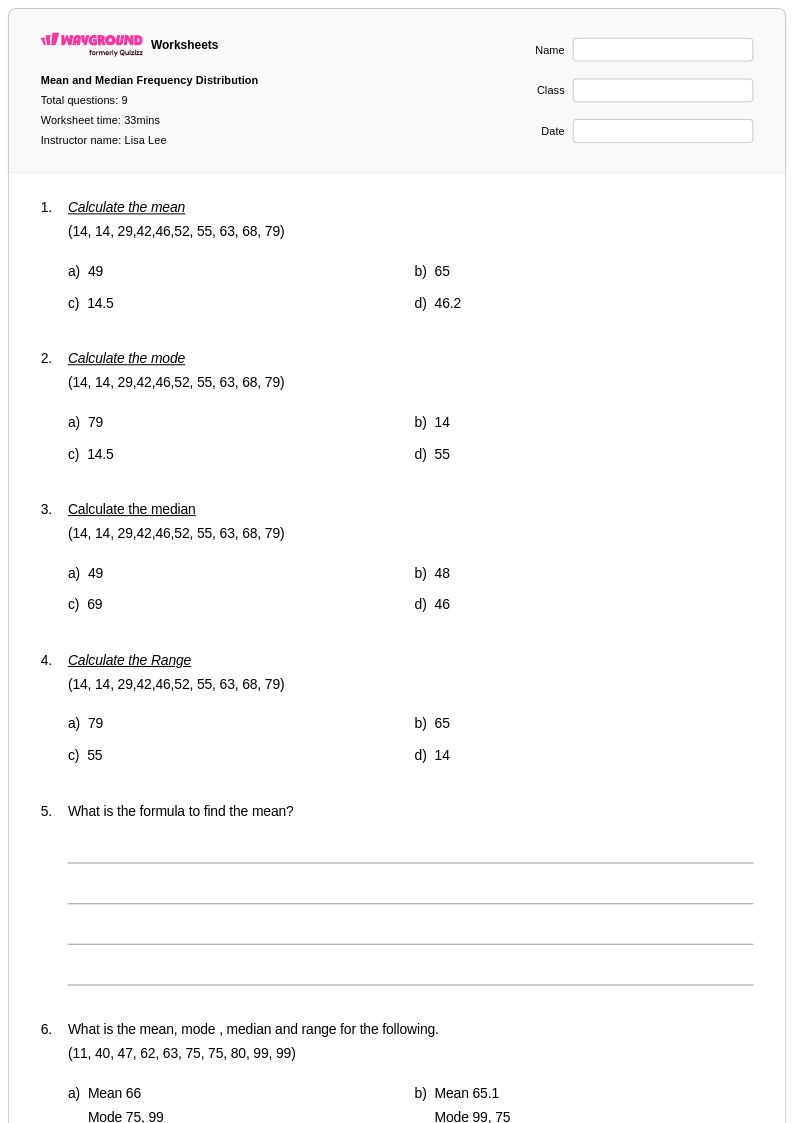
9 Q
5th
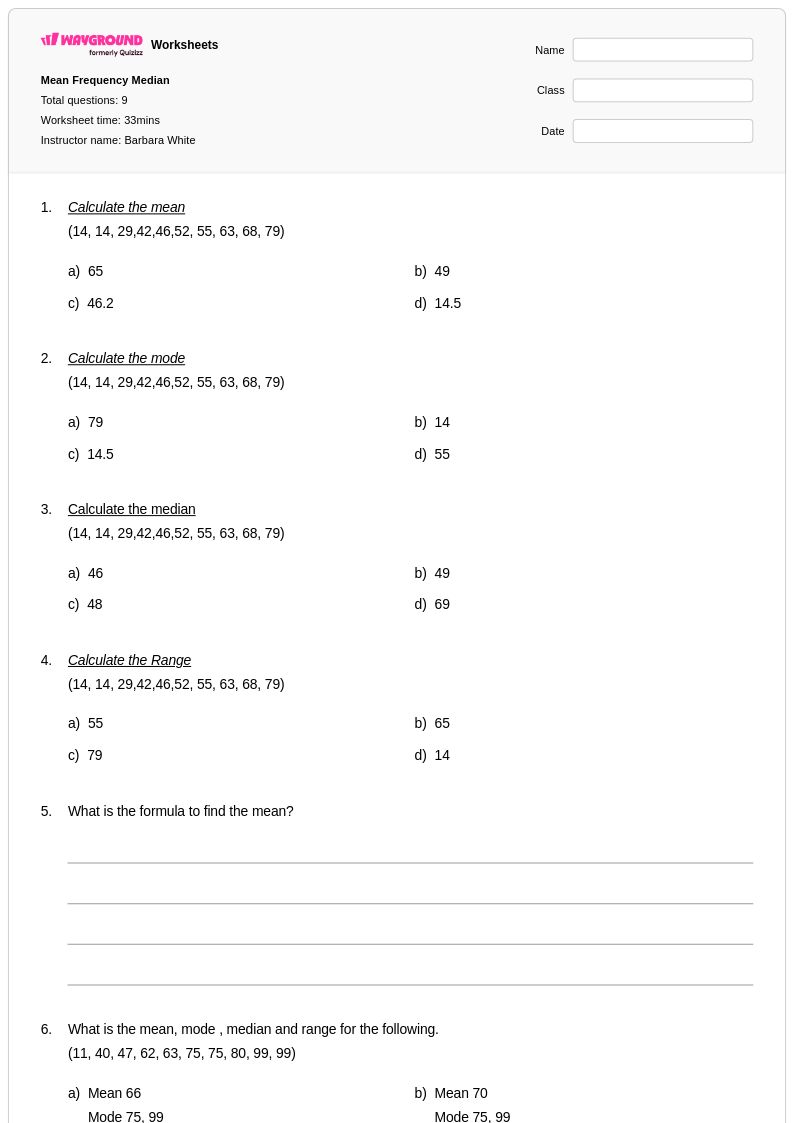
9 Q
5th
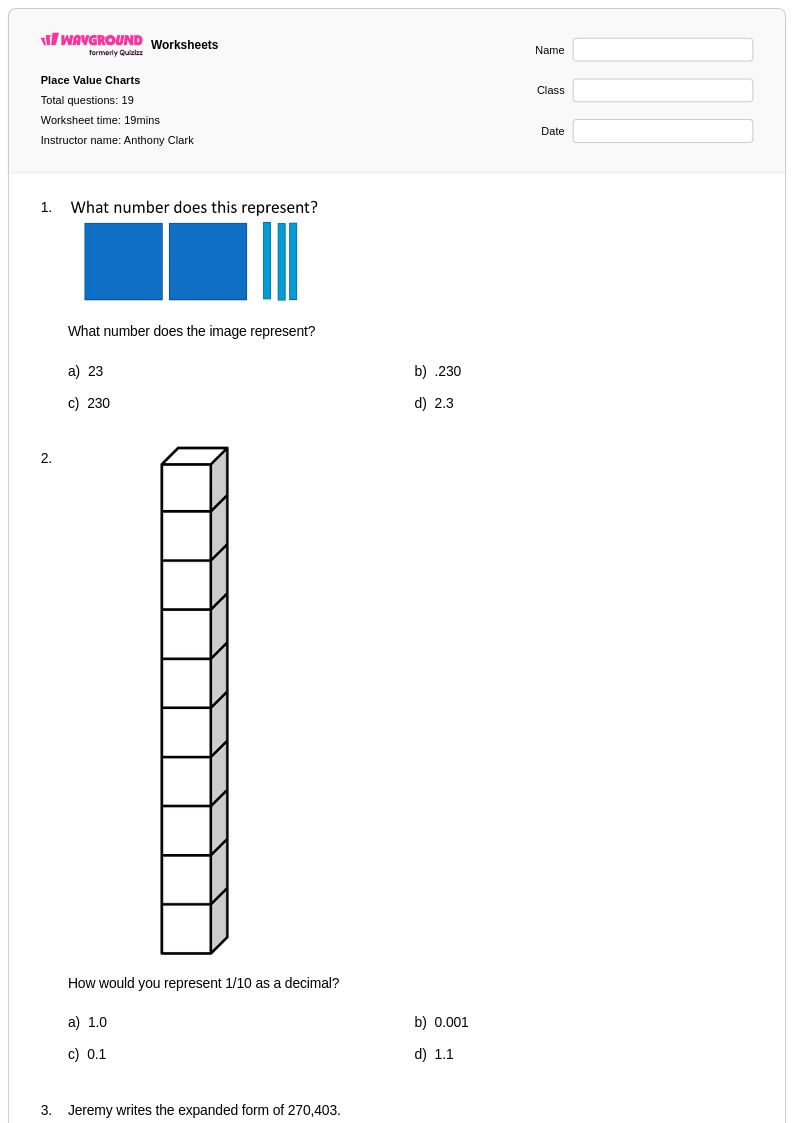
19 Q
4th - Uni
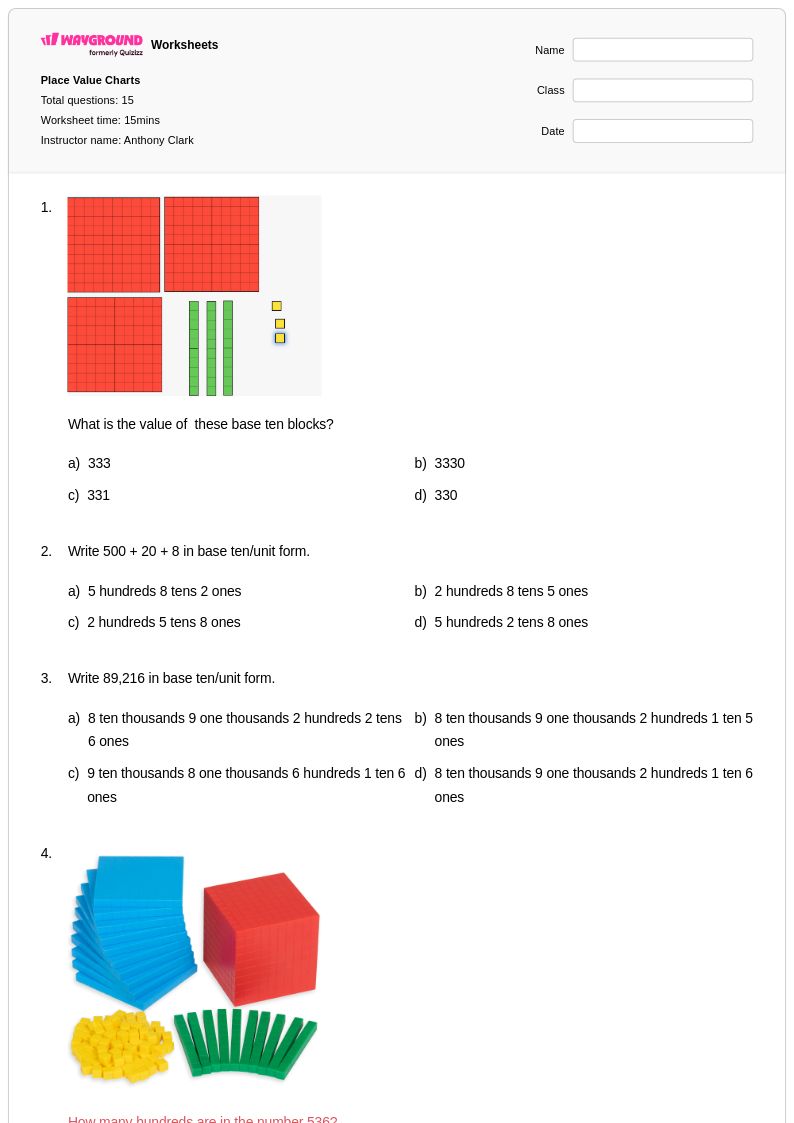
15 Q
4th - Uni
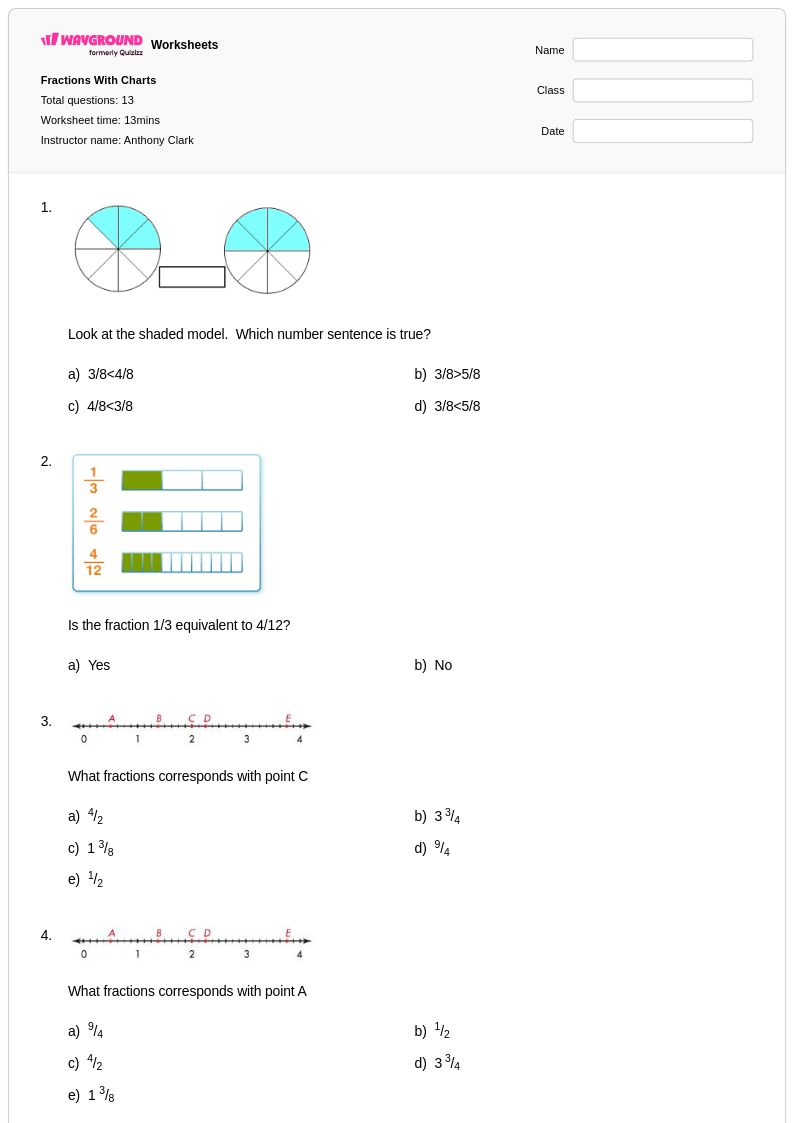
13 Q
4th - Uni
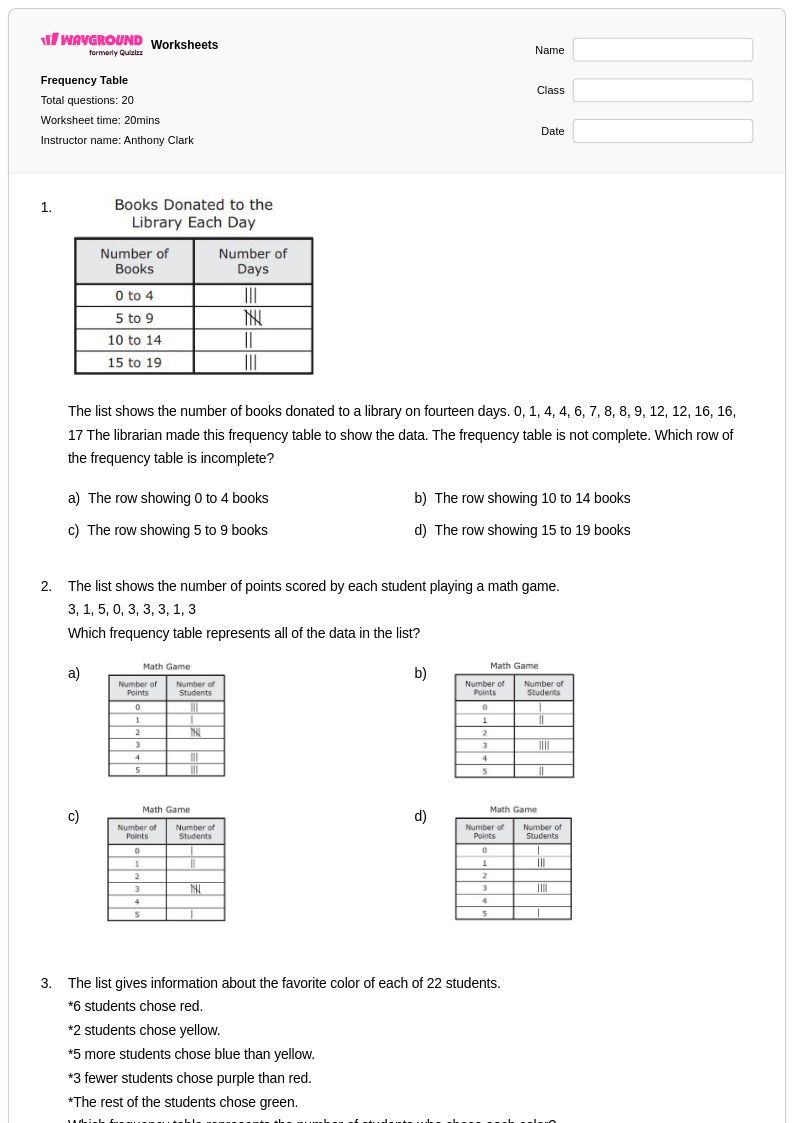
20 Q
4th - Uni
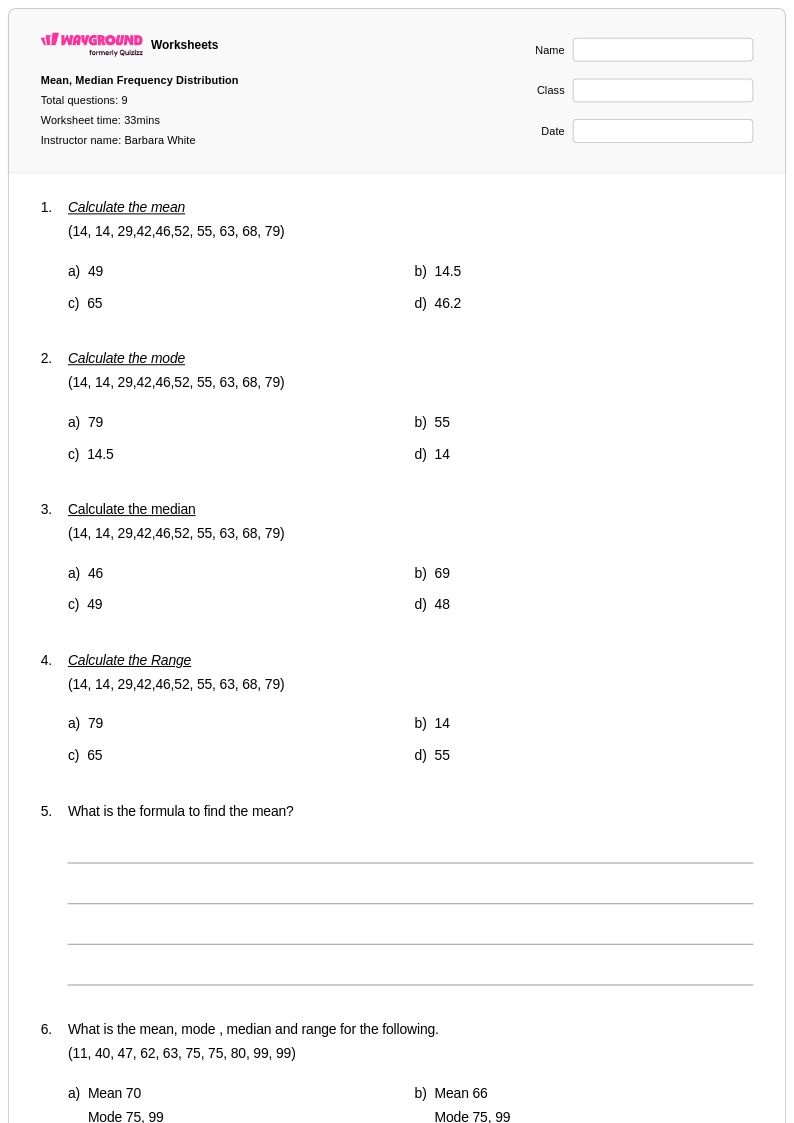
9 Q
5th
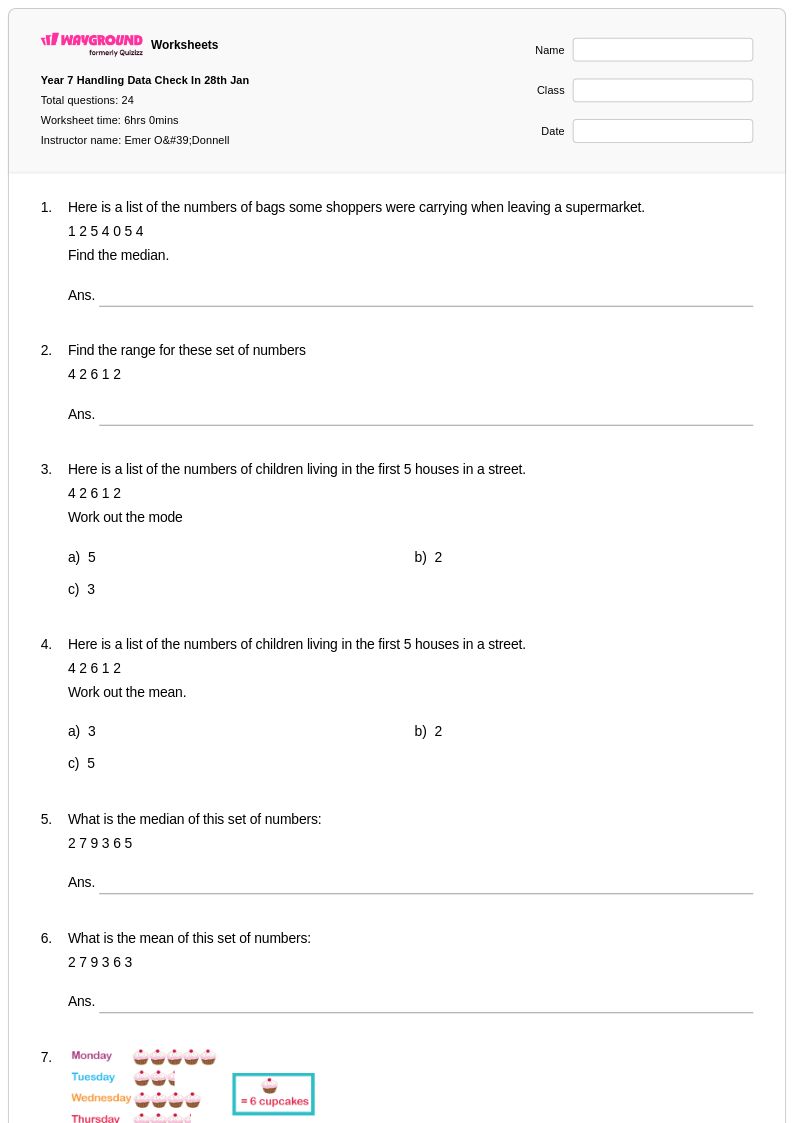
24 Q
5th - 8th
Explore Other Subject Worksheets for class 5
Explore printable Frequency Charts worksheets for Class 5
Class 5 frequency charts worksheets available through Wayground (formerly Quizizz) provide essential practice for students developing data analysis and interpretation skills. These comprehensive worksheets focus on teaching students how to organize, read, and create frequency charts that display how often specific data values appear in a dataset. Students work through practice problems that strengthen their ability to collect tally marks, convert tallies to numerical frequencies, and interpret the resulting data patterns. Each worksheet includes an answer key to support independent learning and self-assessment, while the free printables offer educators convenient pdf resources for both classroom instruction and homework assignments that reinforce these fundamental statistical concepts.
Wayground (formerly Quizizz) supports mathematics teachers with millions of teacher-created frequency chart resources that streamline lesson planning and differentiated instruction. The platform's robust search and filtering capabilities allow educators to quickly locate worksheets aligned with specific learning standards and skill levels, ensuring appropriate challenge levels for diverse learners. Teachers can customize these printable and digital pdf materials to address individual student needs, whether for remediation of basic data organization concepts or enrichment activities involving complex frequency analysis. This flexible collection enables educators to provide targeted skill practice that helps students master the interpretation of frequency charts while building confidence in their data analysis abilities across various mathematical contexts.
FAQs
What do 5th graders do with frequency charts?
How can I extend frequency chart concepts for 5th graders?
What skills does this 5th-grade frequency chart worksheet reinforce?
What analytical errors do 5th graders make with frequency charts?
How do frequency charts support 5th-grade Common Core standards?
How can I use this worksheet for different classroom needs?
How can I differentiate this worksheet for my 5th-grade class?