
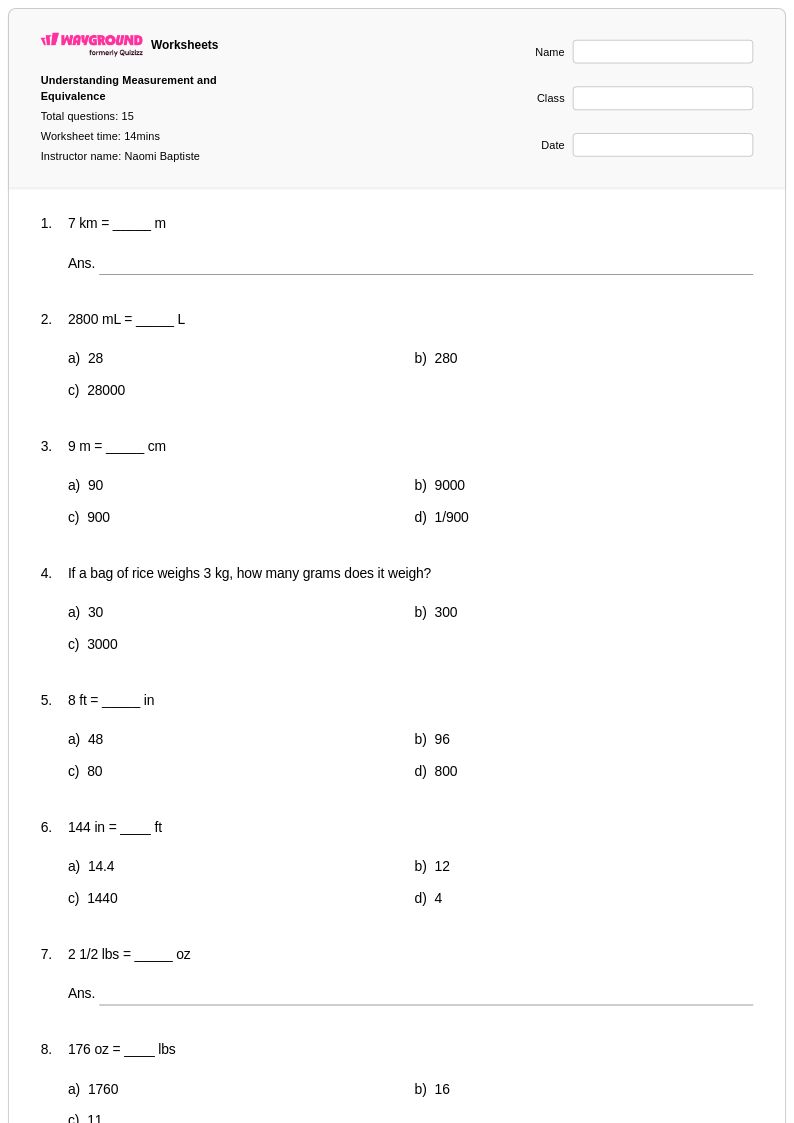
15 Q
4th
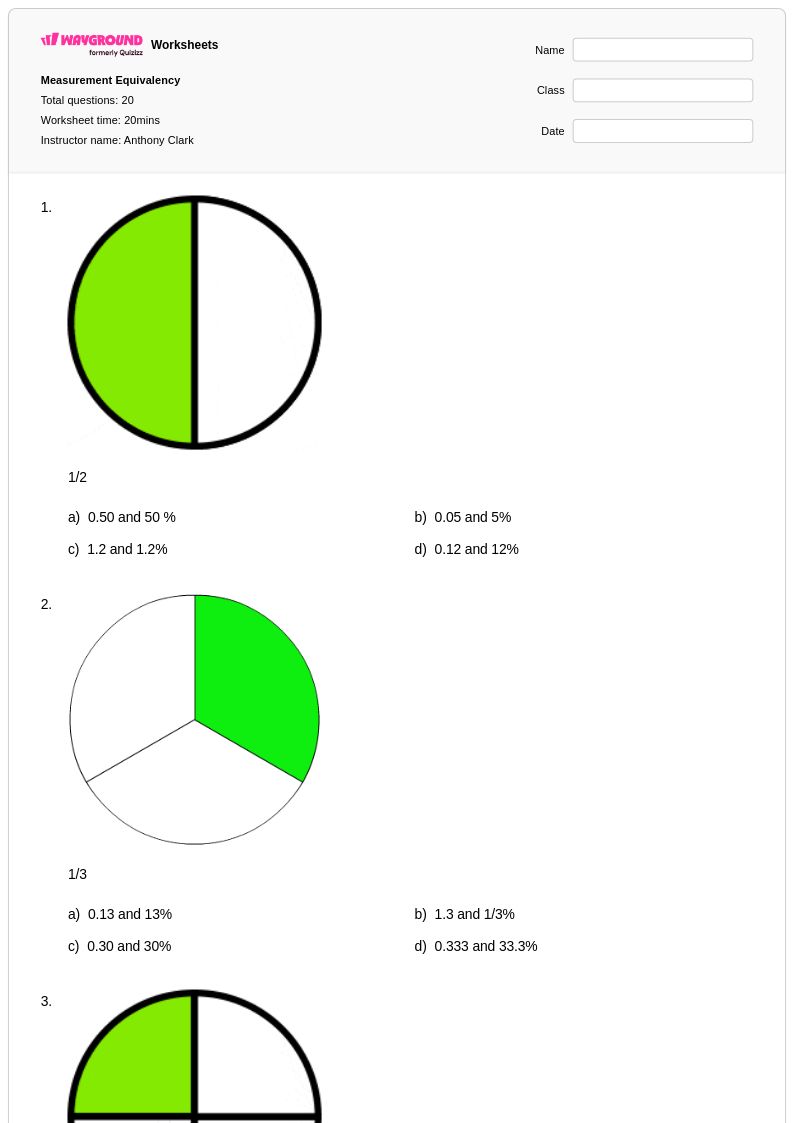
20 Q
6th - Uni
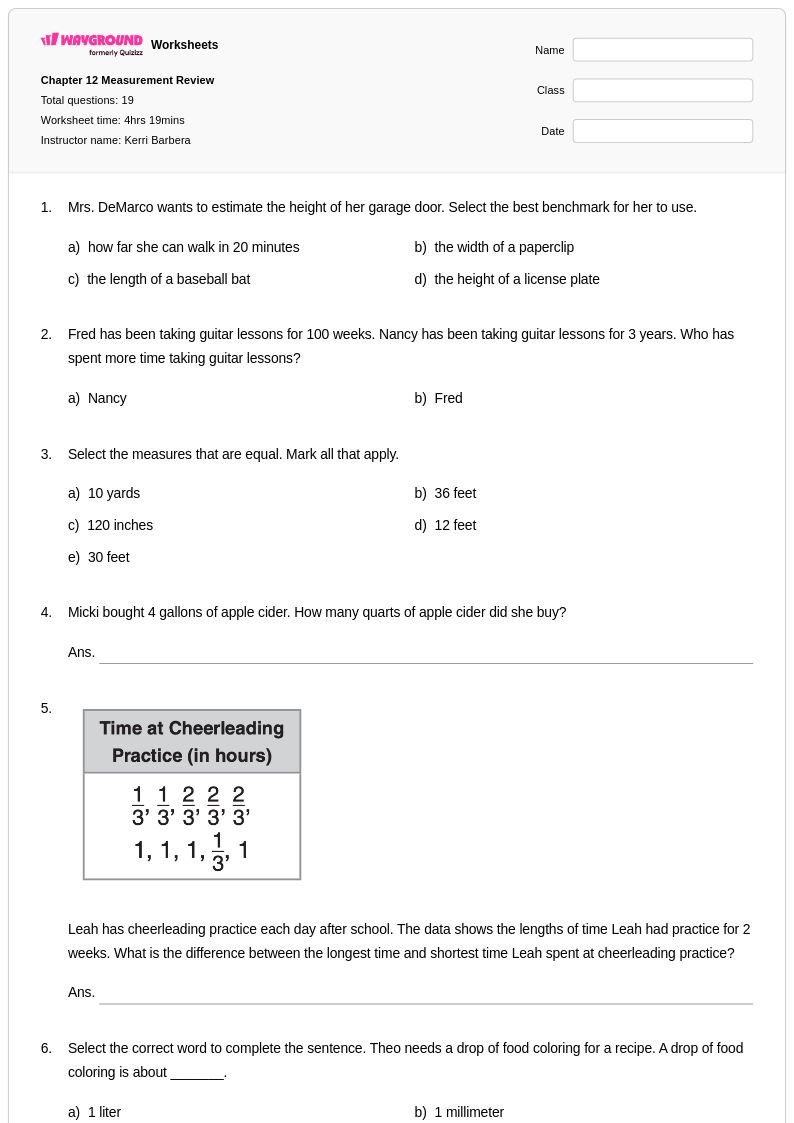
19 Q
4th
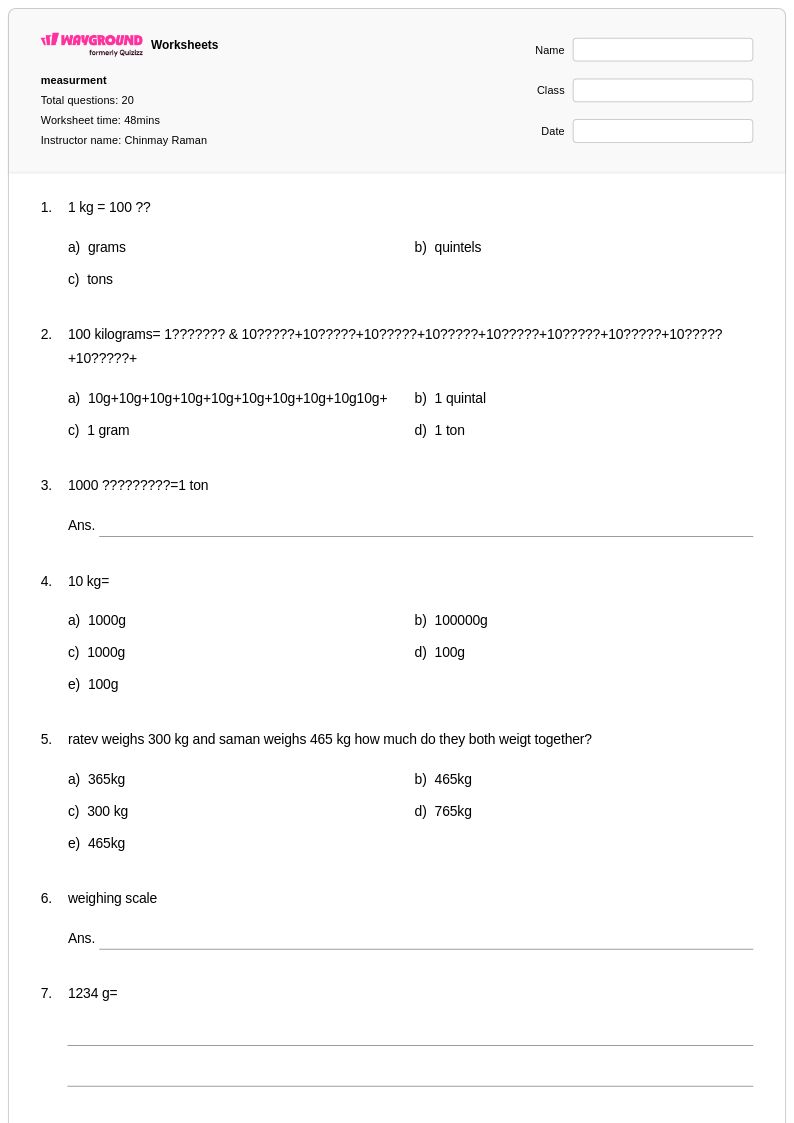
20 Q
1st - Uni
15 Q
3rd - 6th
16 Q
1st - 4th
11 Q
3rd
10 Q
2nd
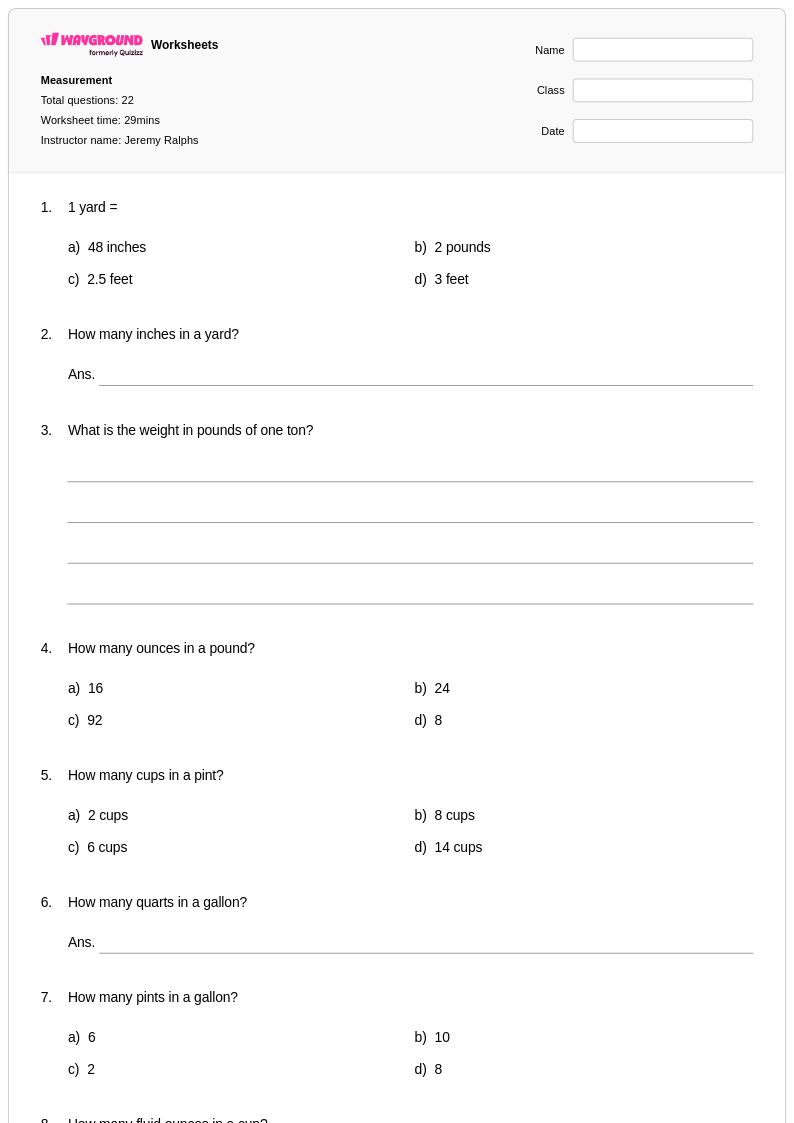
22 Q
4th
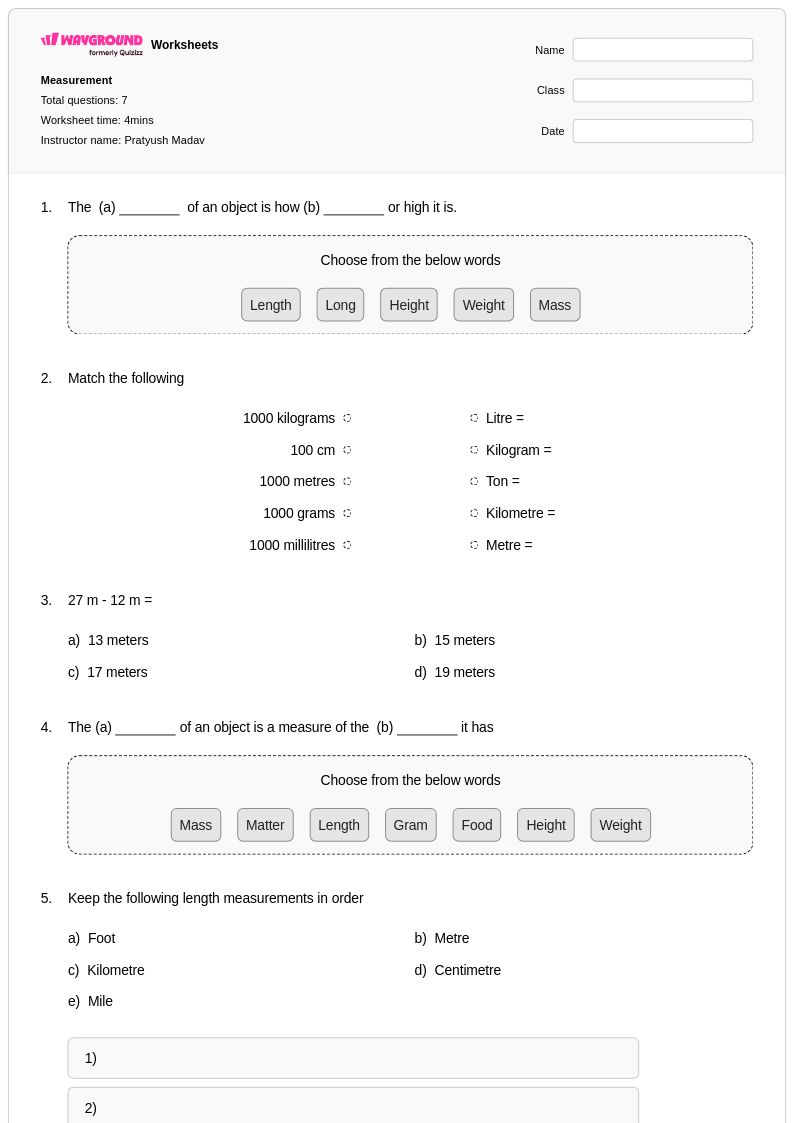
7 Q
3rd
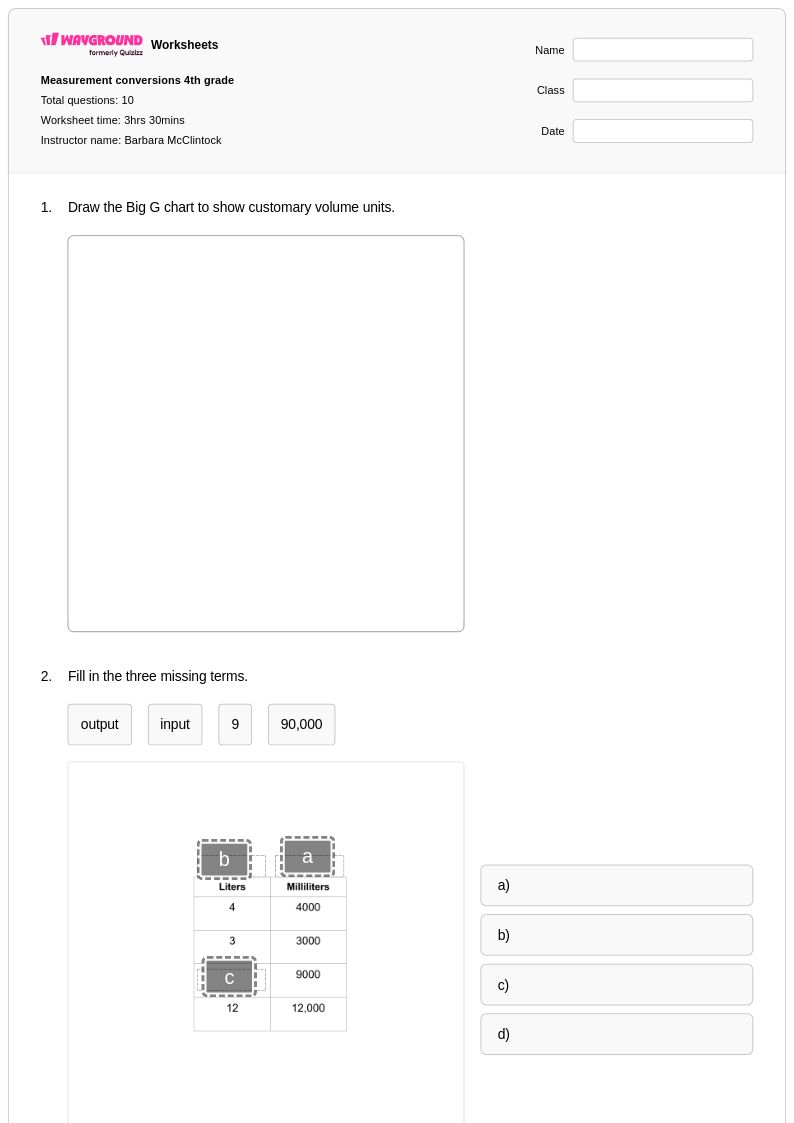
10 Q
4th
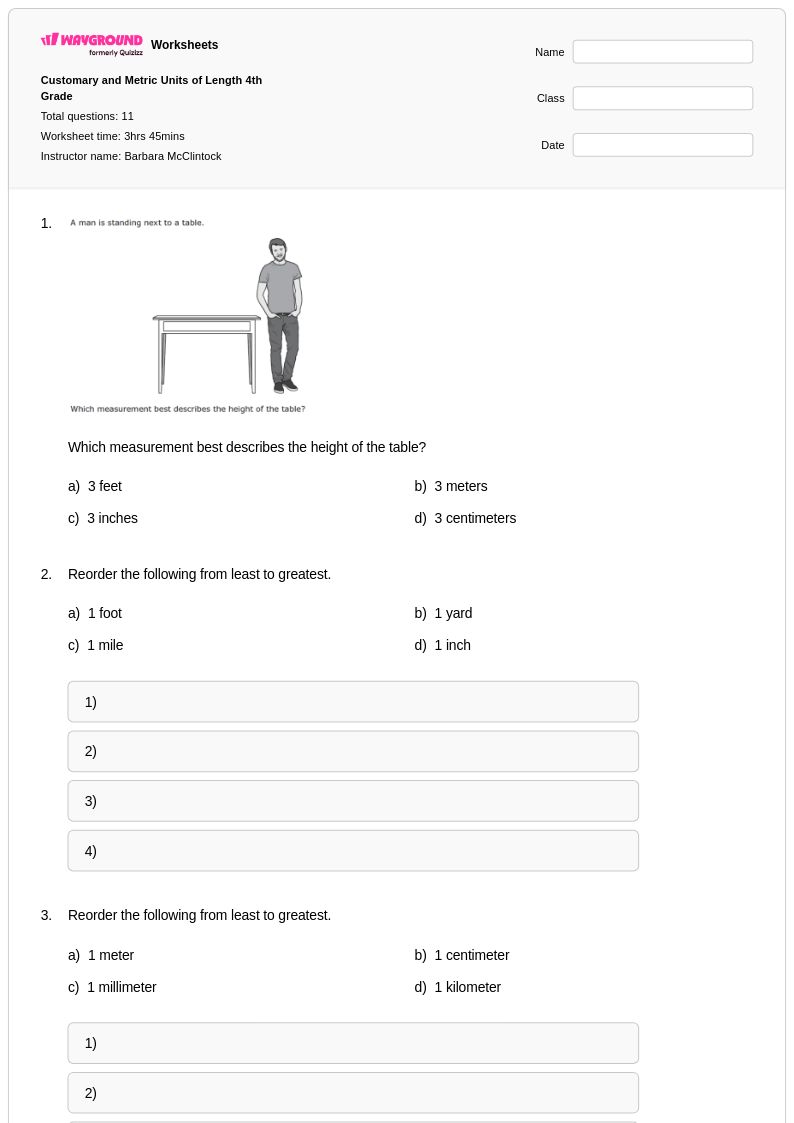
11 Q
4th
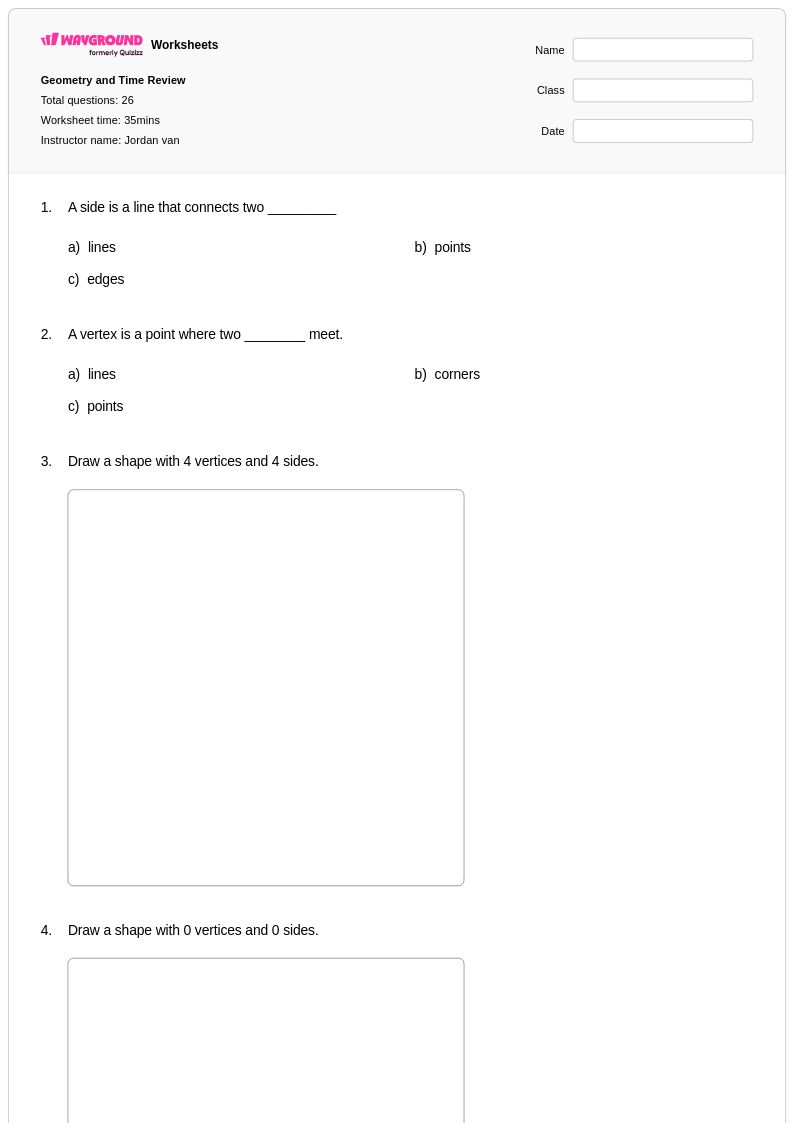
26 Q
1st
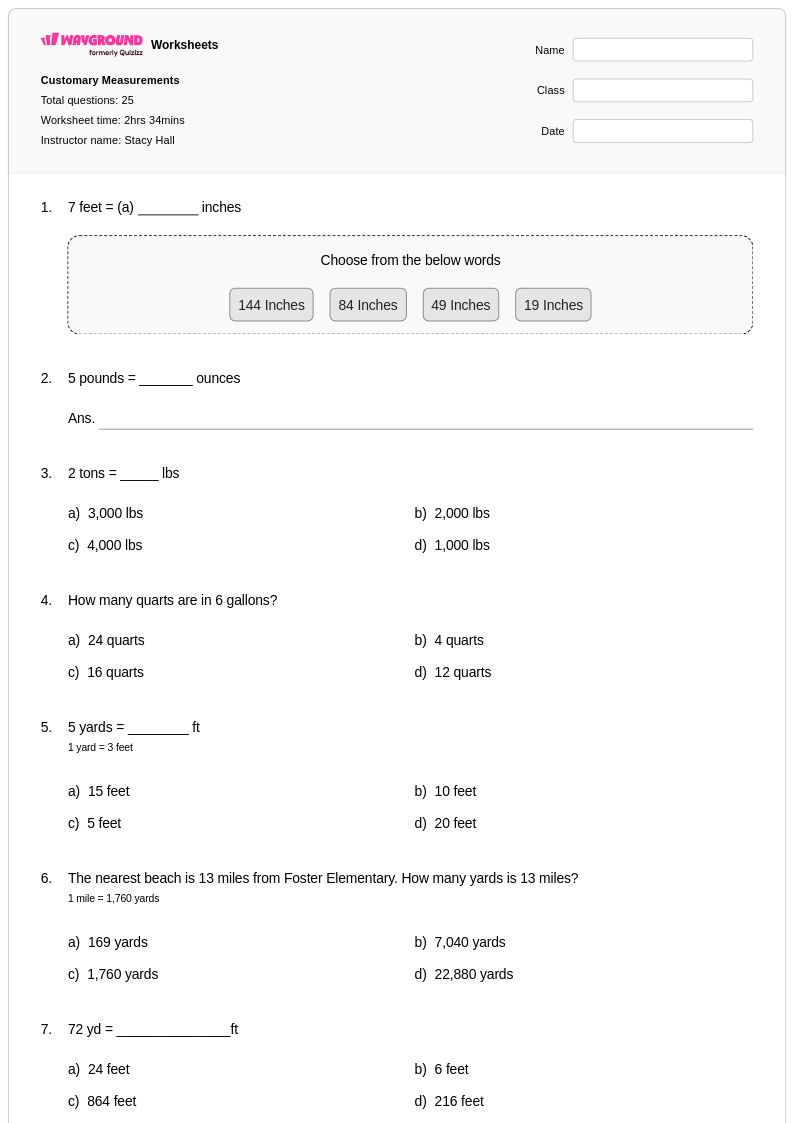
25 Q
4th
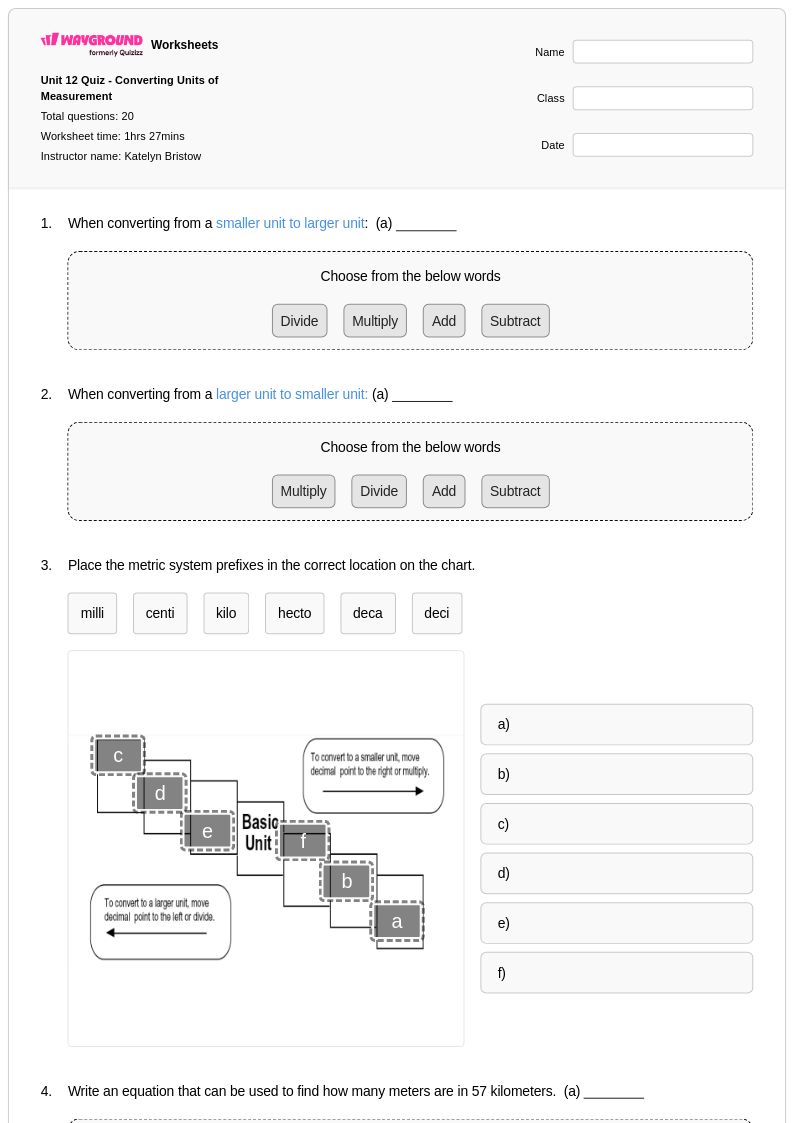
20 Q
5th

18 Q
5th - Uni
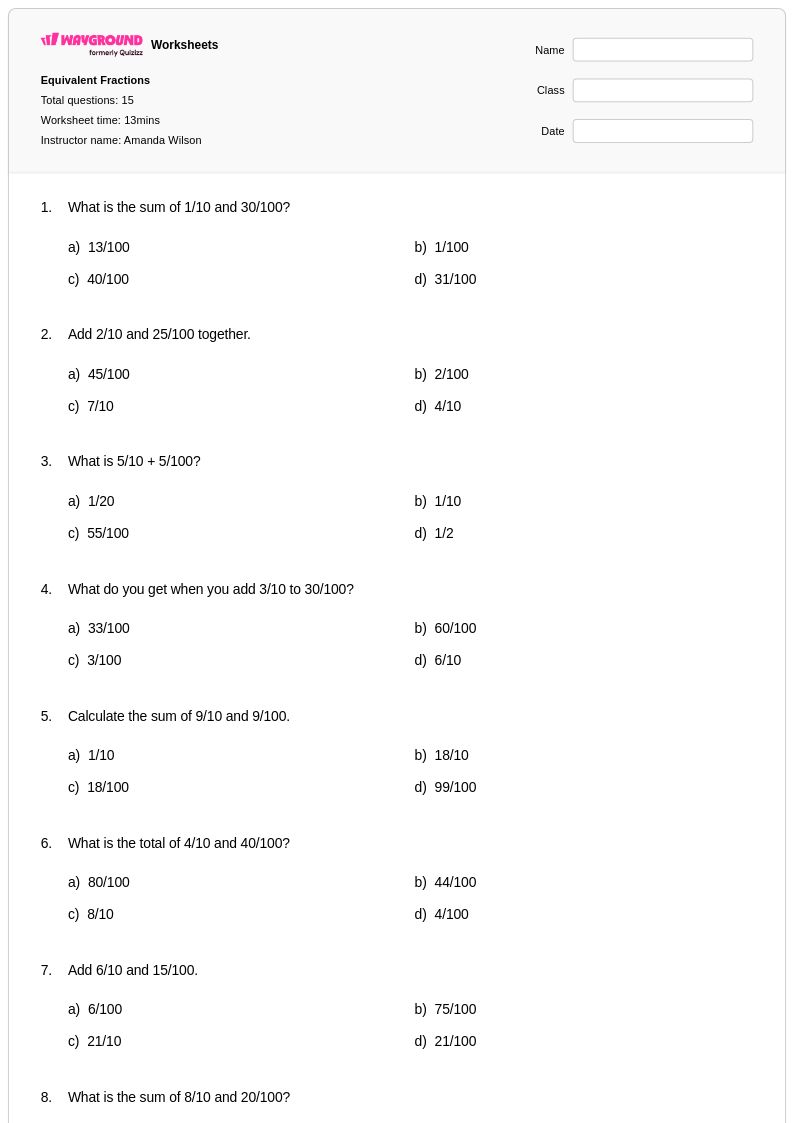
15 Q
4th
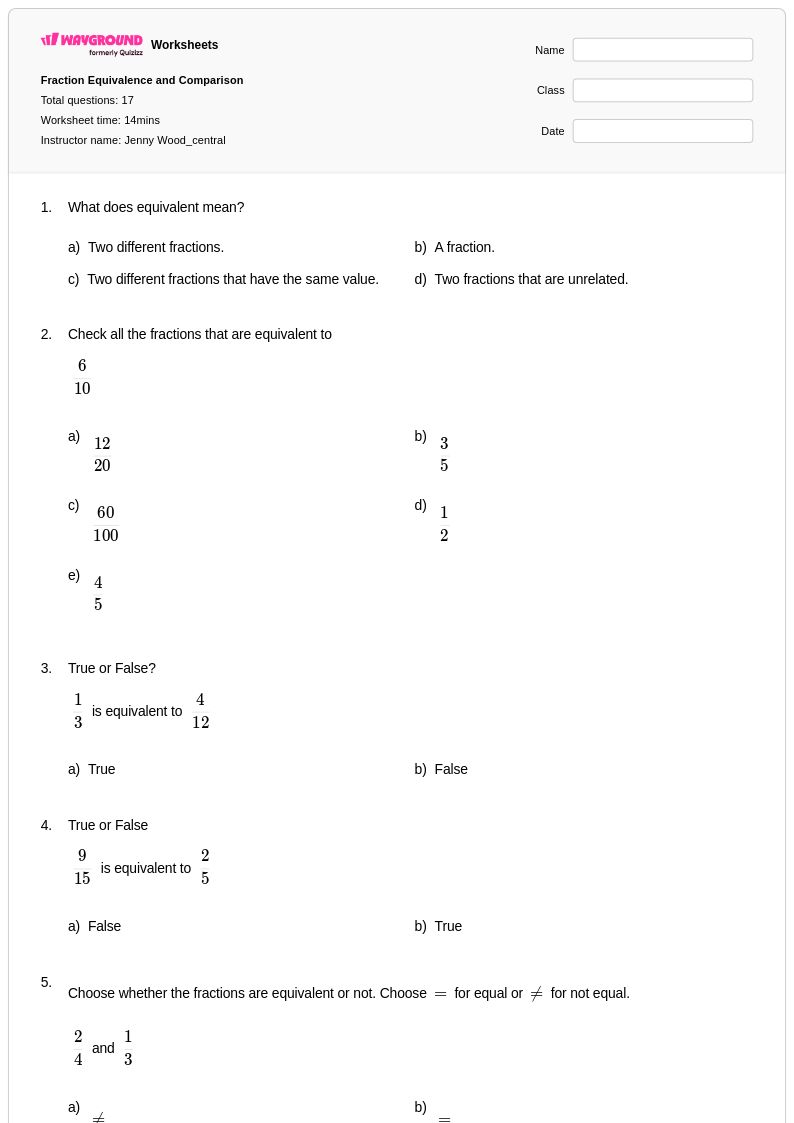
17 Q
4th
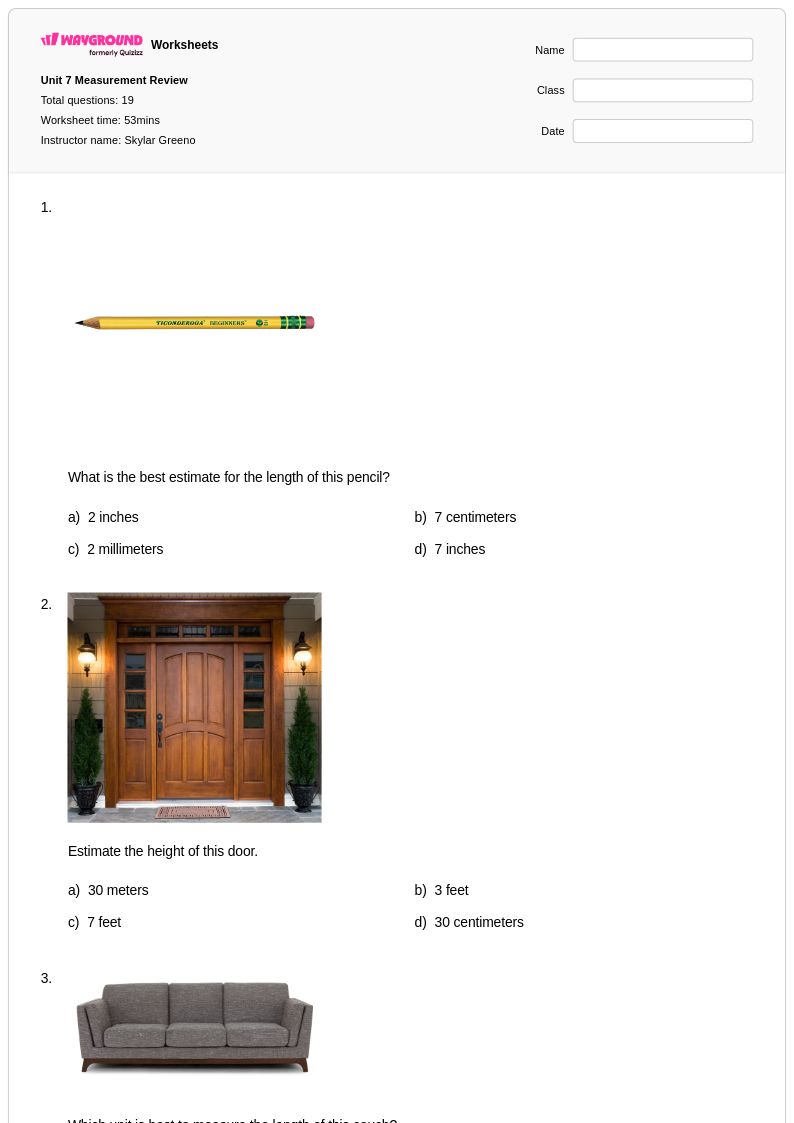
19 Q
4th
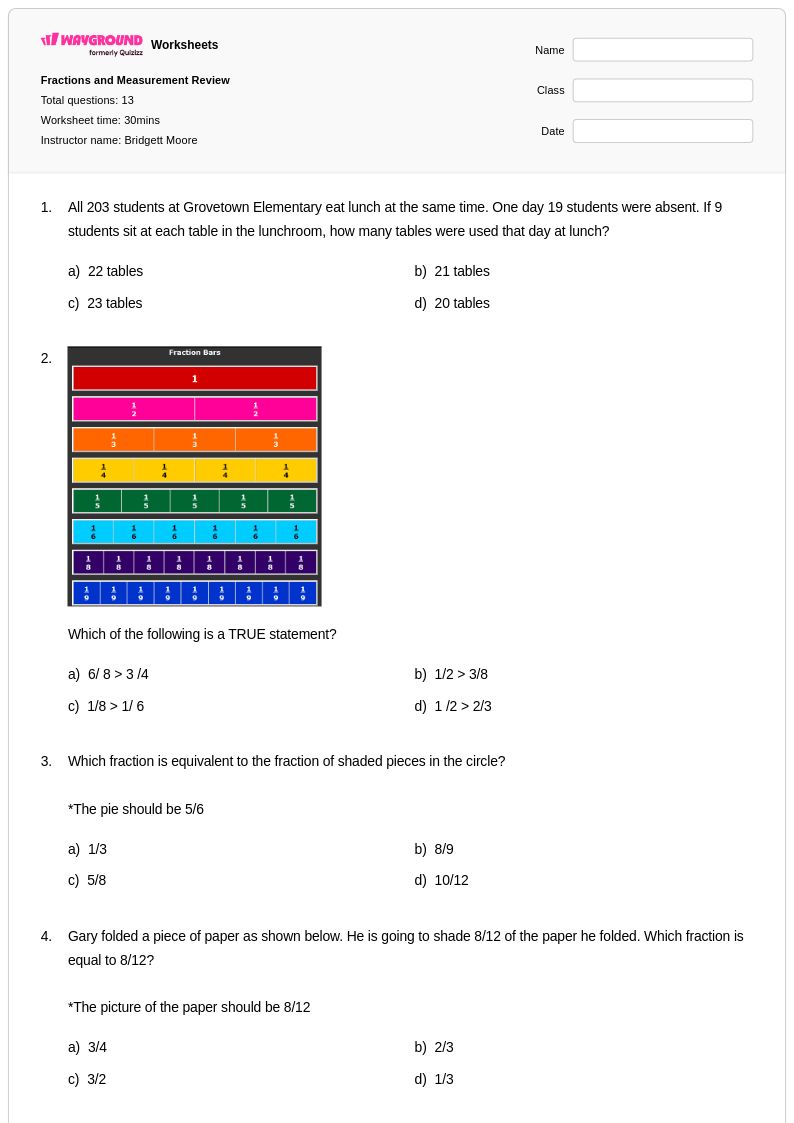
13 Q
4th
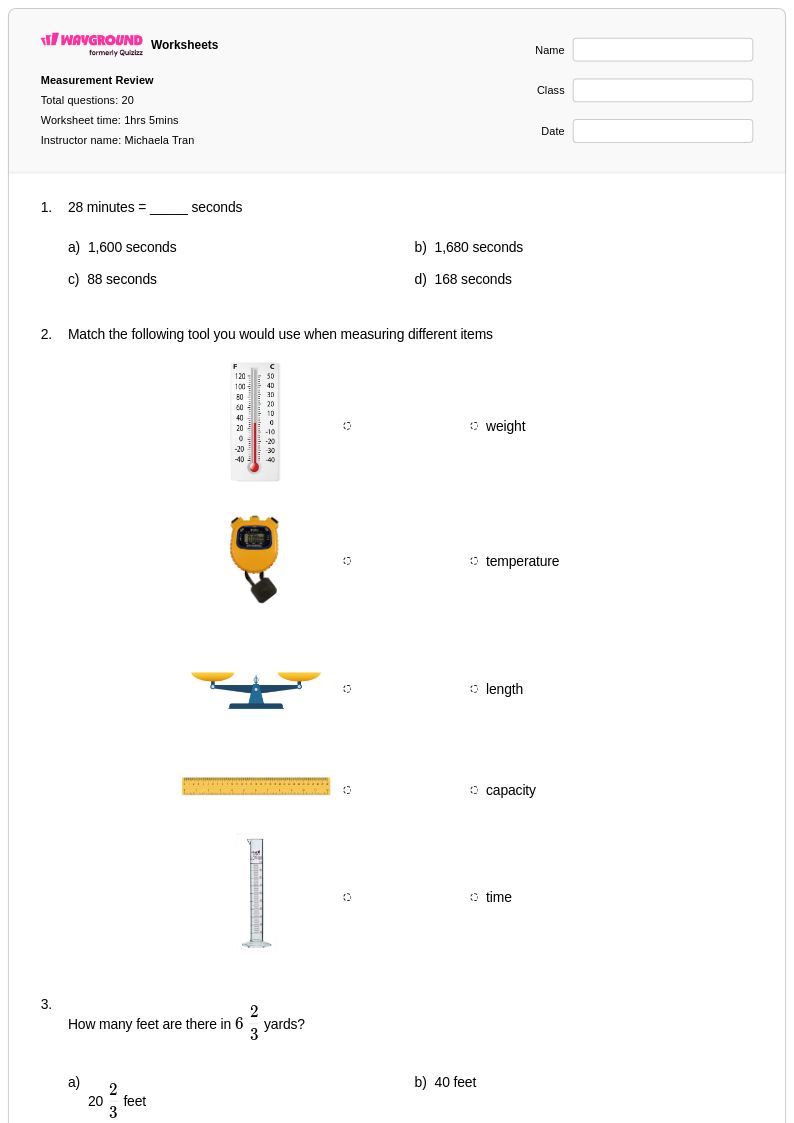
20 Q
4th
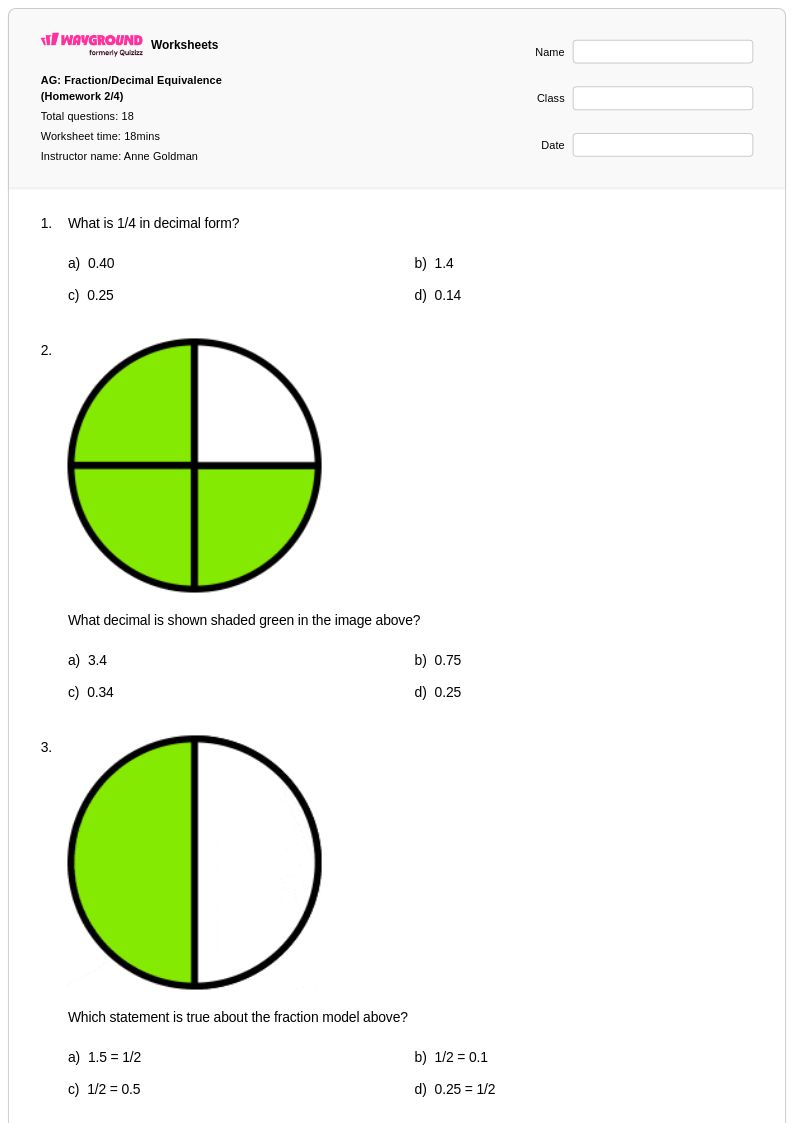
18 Q
5th
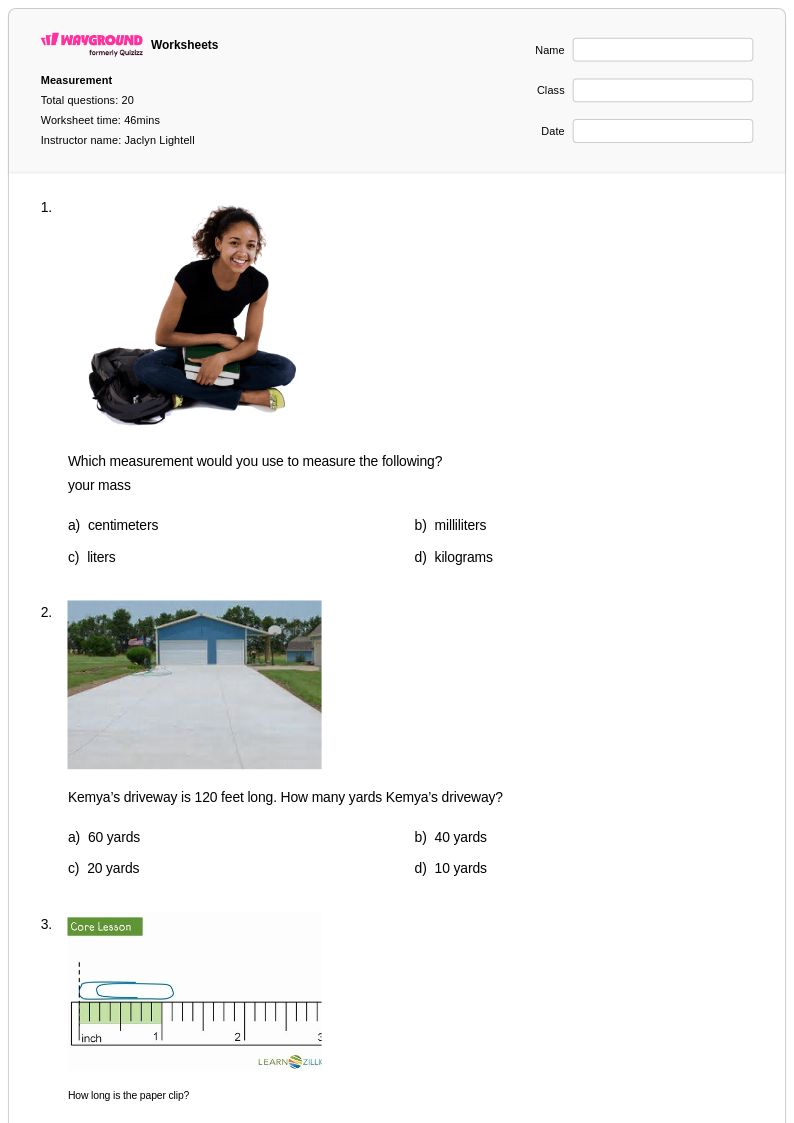
20 Q
5th
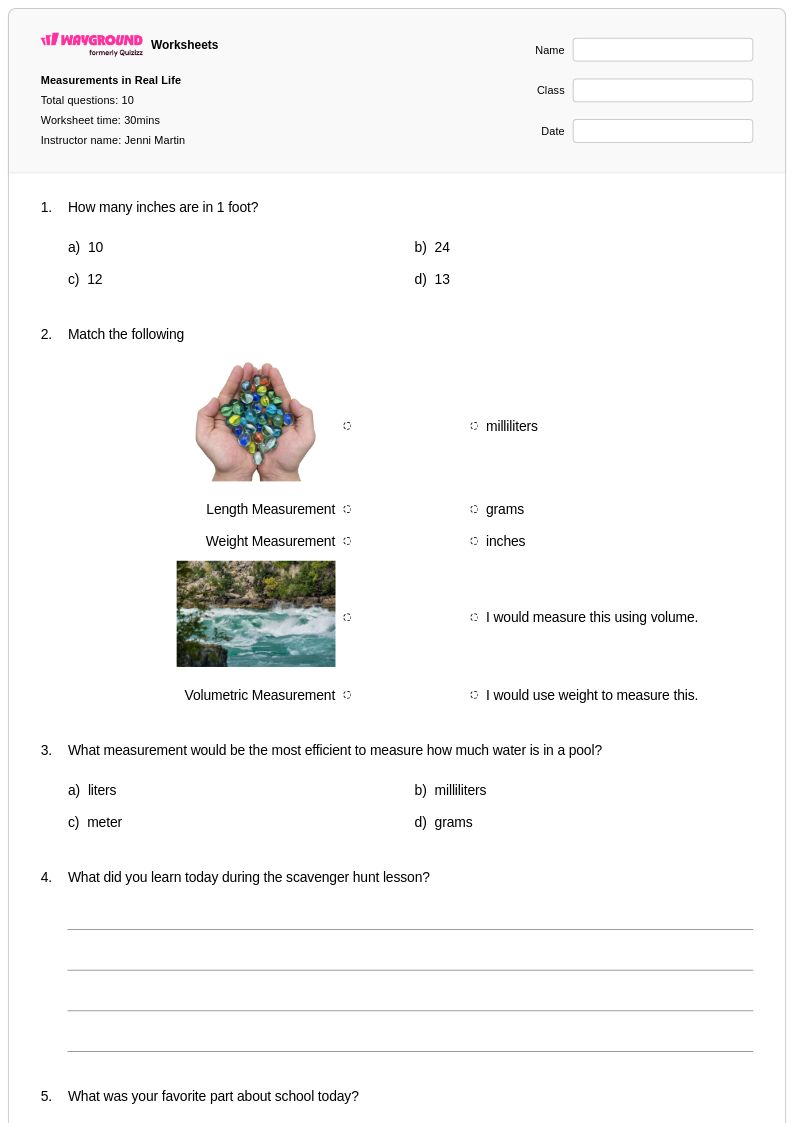
10 Q
3rd - 4th
Explore Measurement and Equivalence Worksheets by Grades
Explore Other Subject Worksheets for kindergarten
Explore printable Measurement and Equivalence worksheets for Kindergarten
Measurement and equivalence worksheets for kindergarten students through Wayground provide foundational practice in comparing sizes, lengths, weights, and capacities using developmentally appropriate activities. These carefully designed printables help young learners develop critical thinking skills as they determine which objects are bigger or smaller, longer or shorter, heavier or lighter, and hold more or less. The free pdf resources feature engaging visual exercises where students compare everyday objects, use non-standard units of measurement, and begin to understand the concept of equivalence through hands-on practice problems. Each worksheet includes a comprehensive answer key to support accurate assessment and provides teachers with reliable tools for measuring student progress in these essential mathematical concepts.
Wayground's extensive collection of measurement and equivalence worksheets draws from millions of teacher-created resources specifically designed to meet kindergarten learning standards and developmental needs. The platform's advanced search and filtering capabilities allow educators to quickly locate materials that align with their curriculum requirements, while differentiation tools enable teachers to customize content for varying ability levels within their classrooms. These versatile resources are available in both printable pdf format and interactive digital versions, making them ideal for traditional classroom instruction, homework assignments, remediation sessions, and enrichment activities. Teachers can seamlessly integrate these materials into their lesson planning to provide targeted skill practice, assess student understanding, and ensure that all learners develop a strong foundation in measurement concepts and comparative reasoning.
FAQs
What do kindergarteners learn about measurement?
How do I introduce measurement concepts to kindergarteners?
What kinds of activities help kindergarteners practice measurement?
What are common misconceptions for kindergarteners learning measurement?
How can I use these kindergarten measurement worksheets?
Is this topic aligned with kindergarten math standards?