
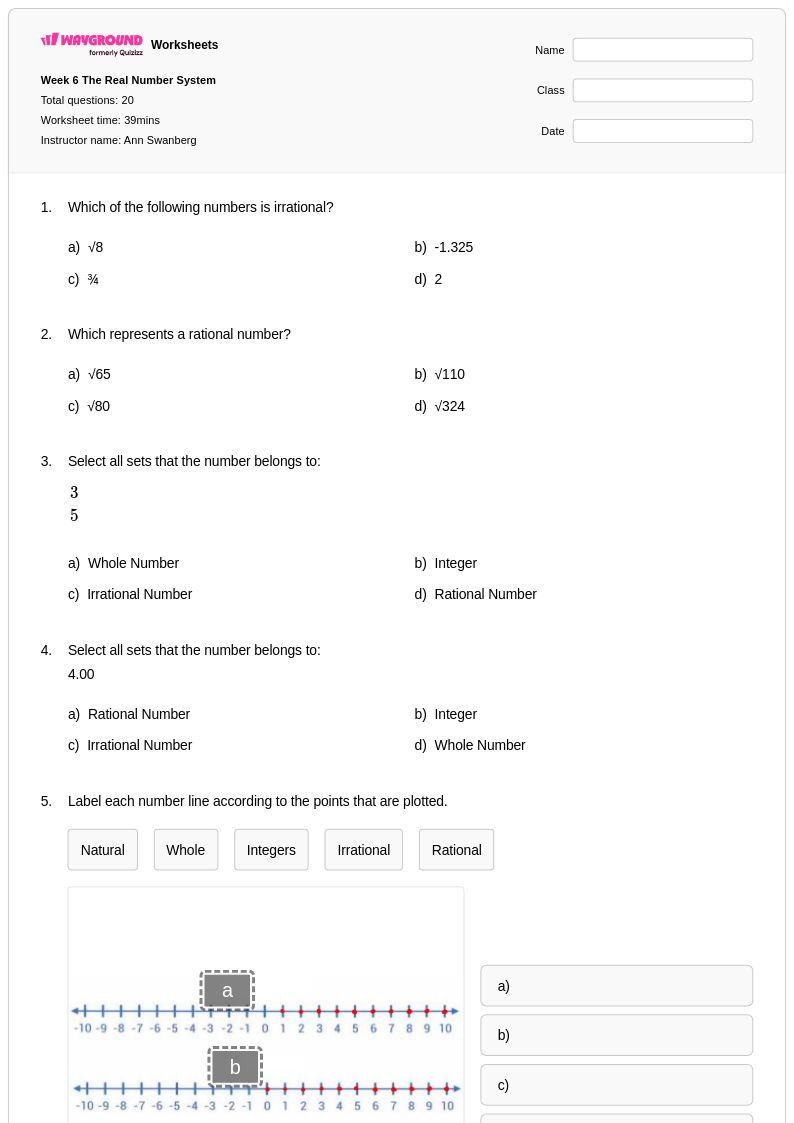
20 Q
8th
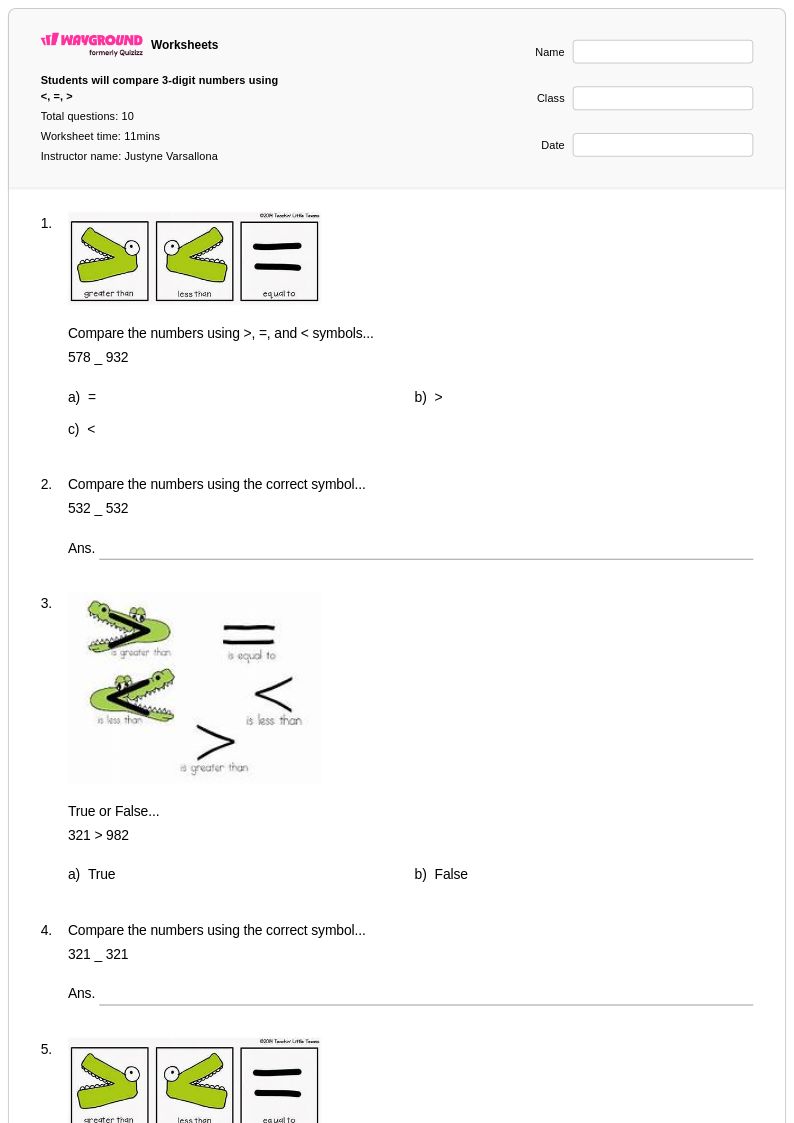
10 Q
2nd
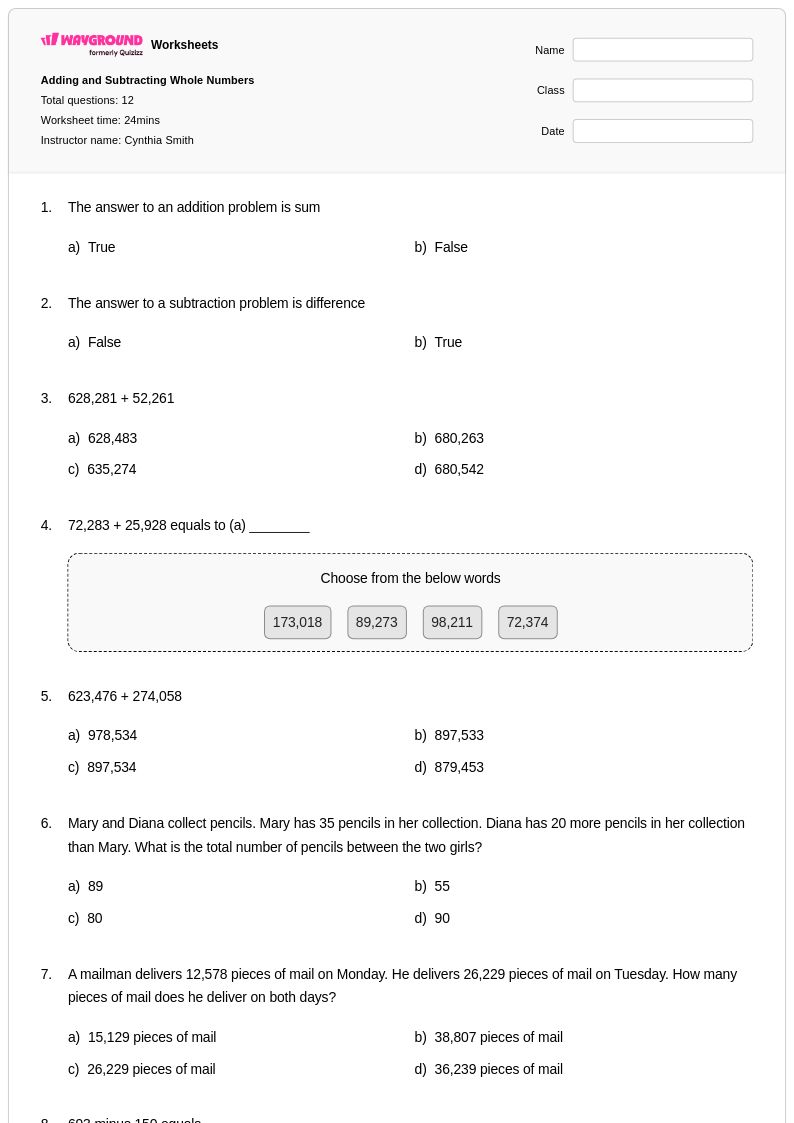
12 Q
5th
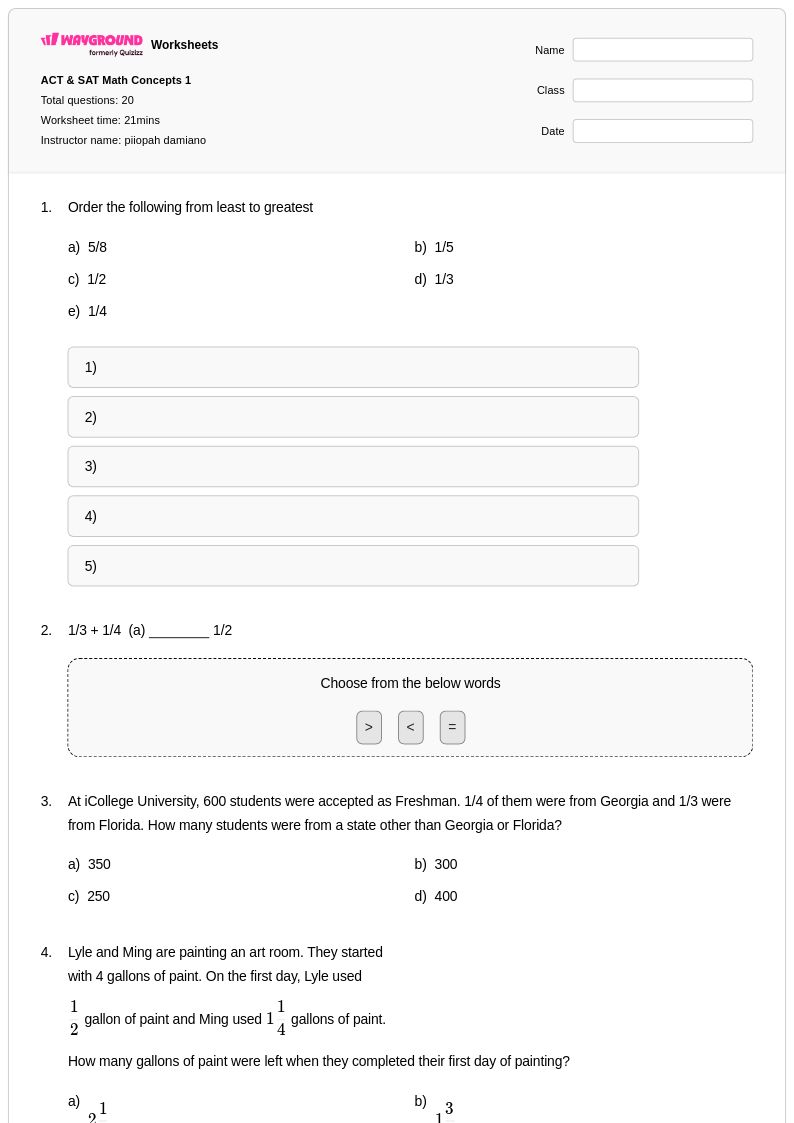
20 Q
11th
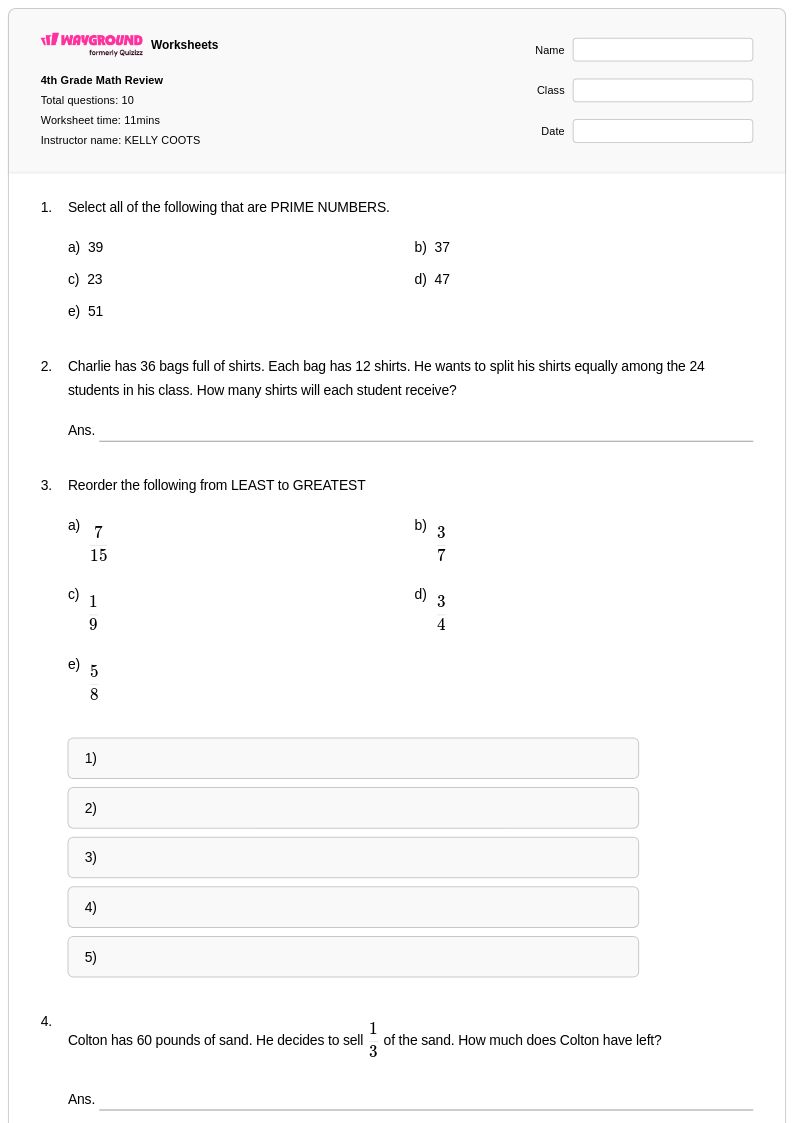
10 Q
5th
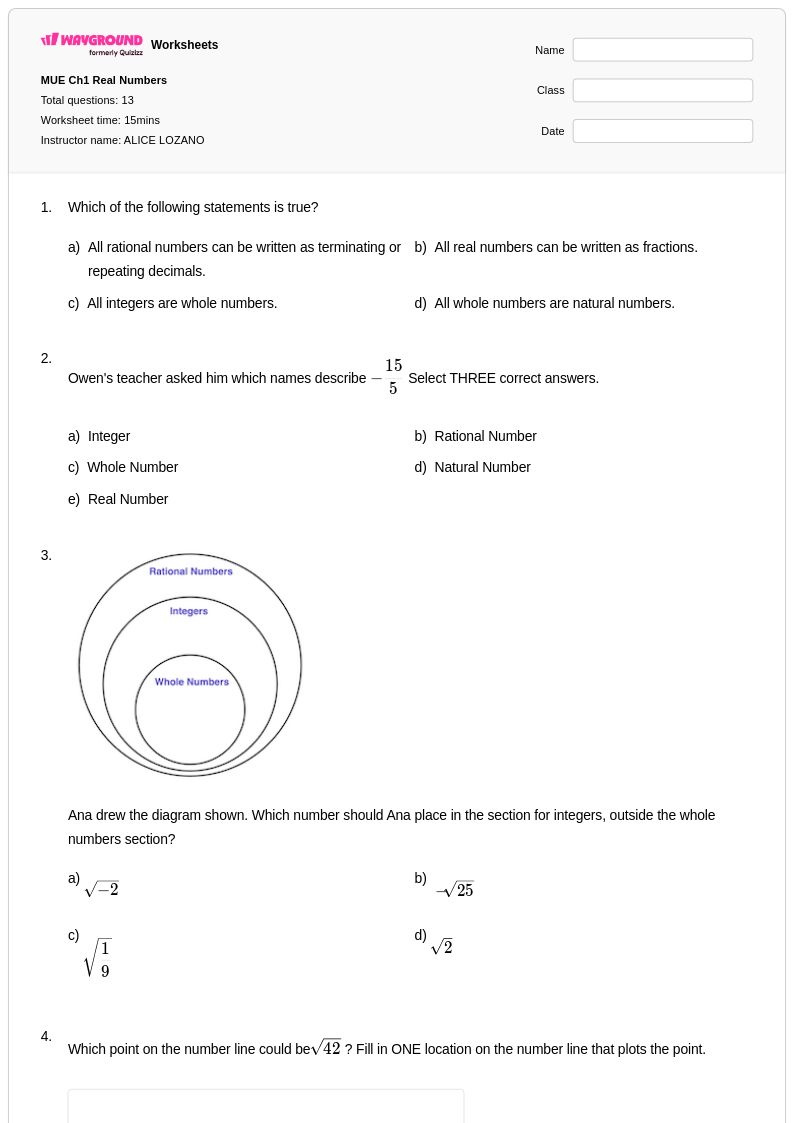
13 Q
8th
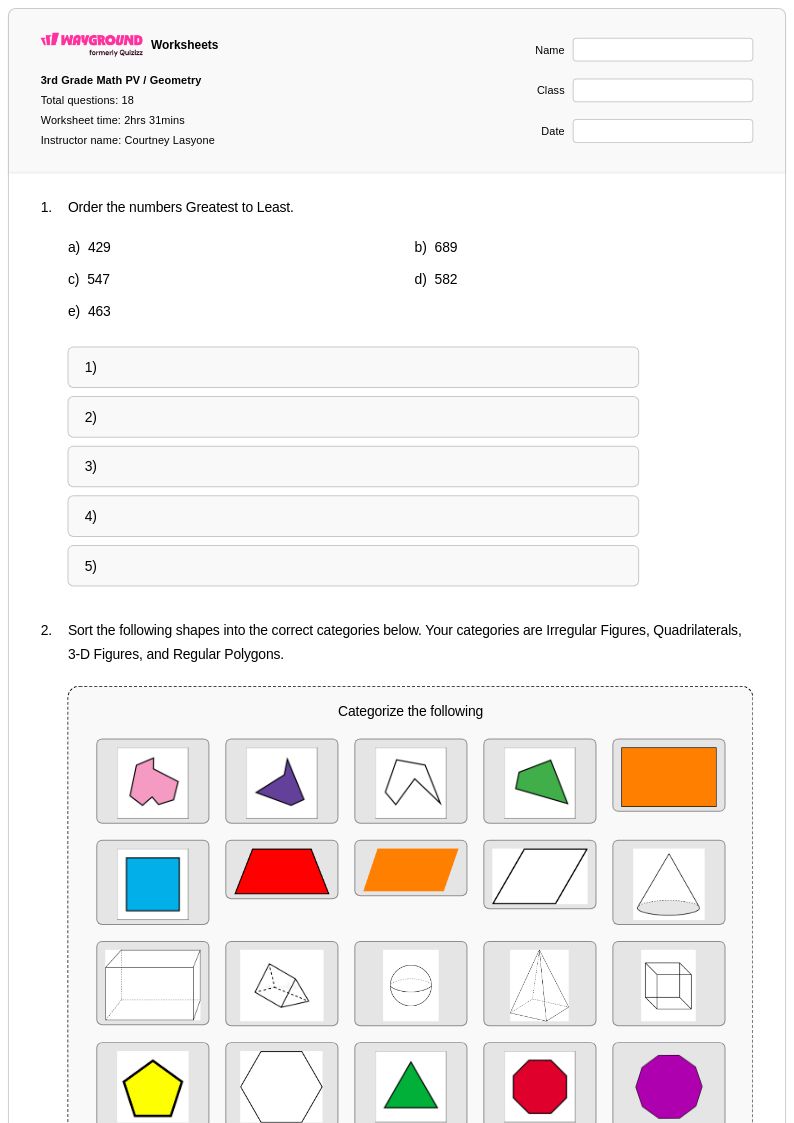
18 Q
3rd
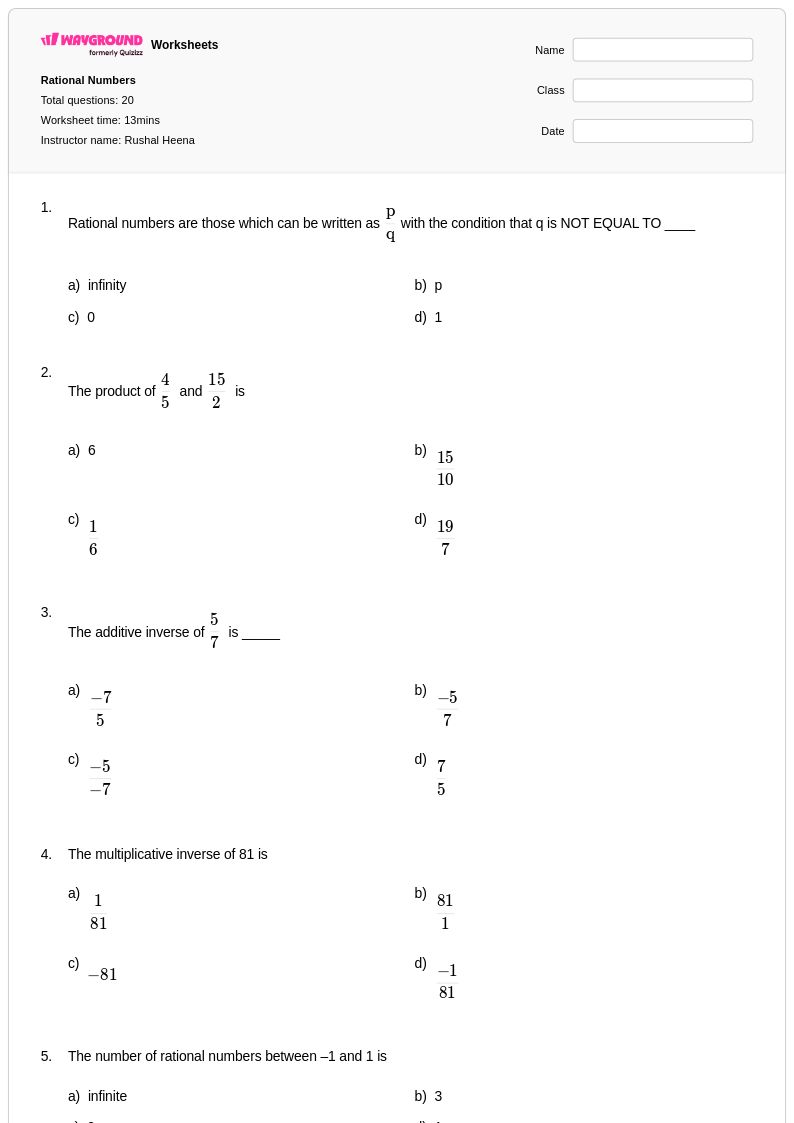
20 Q
8th
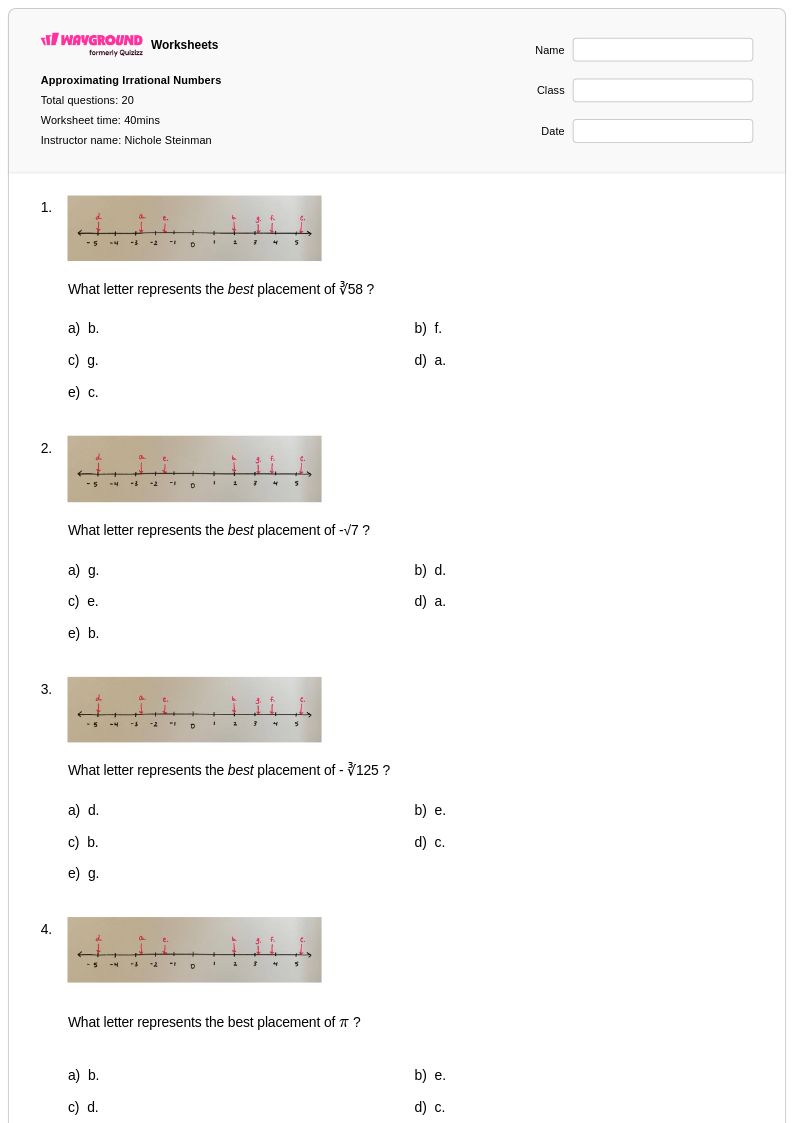
20 Q
8th
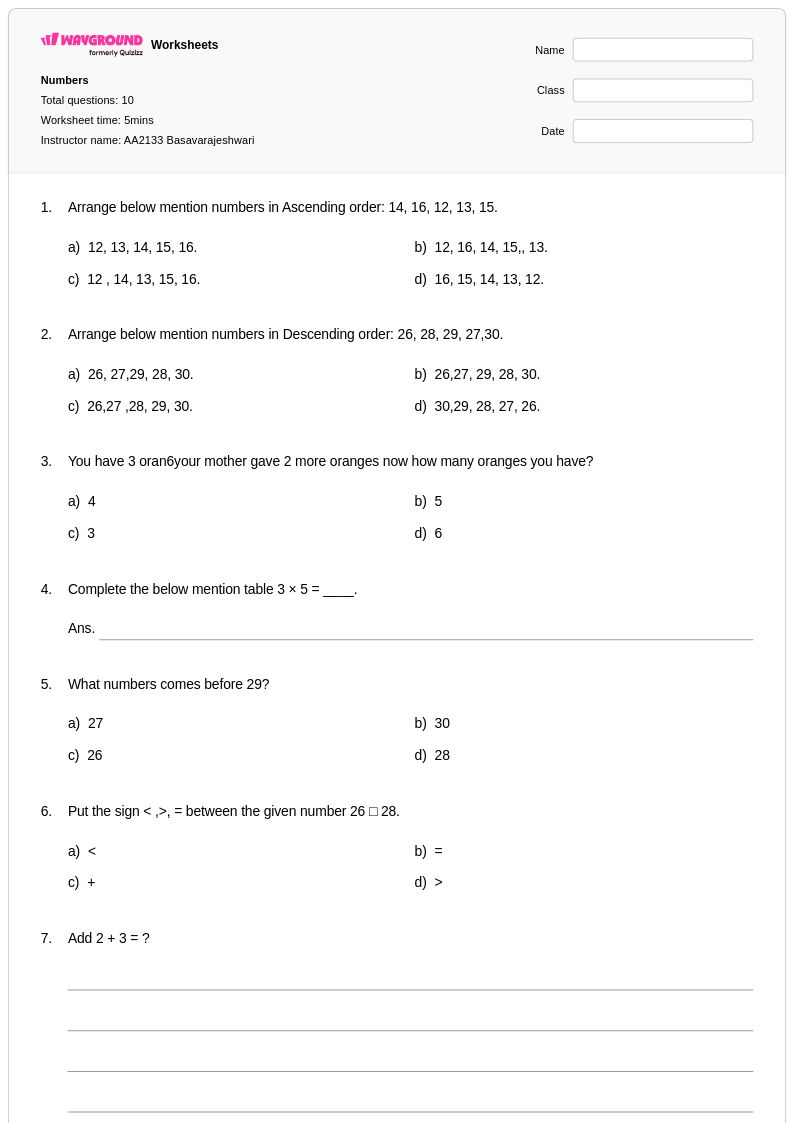
10 Q
1st
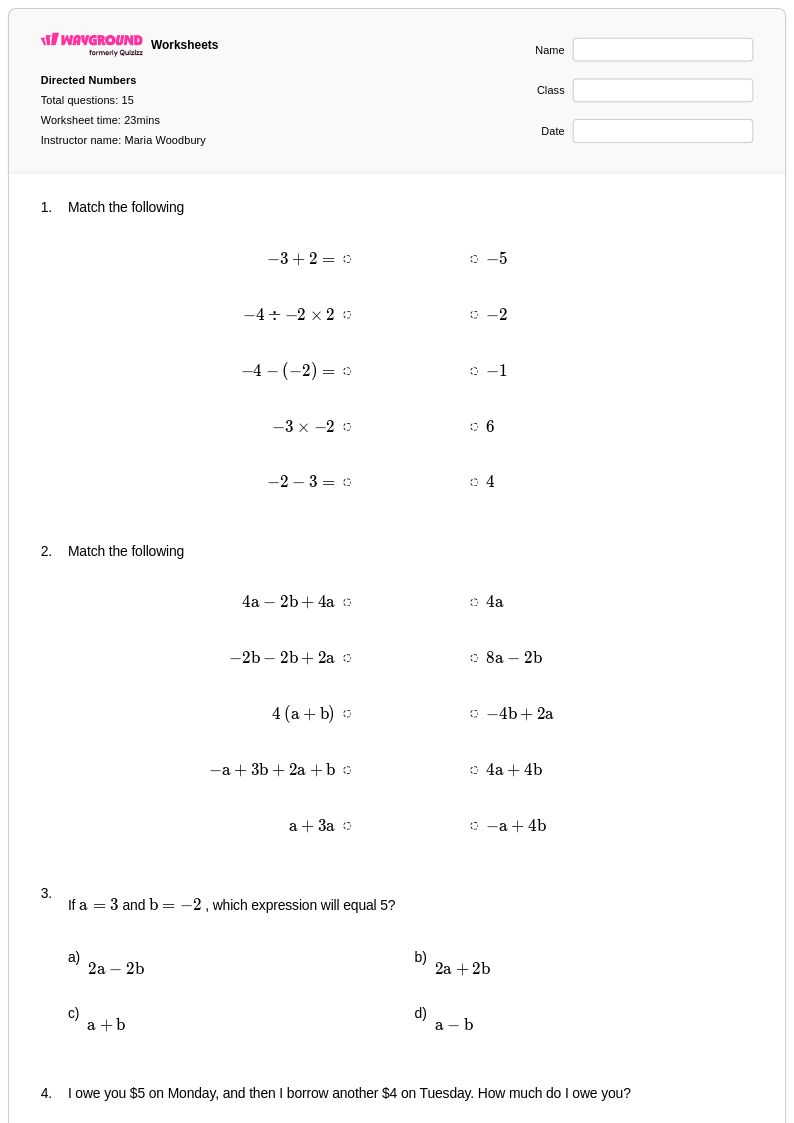
15 Q
7th
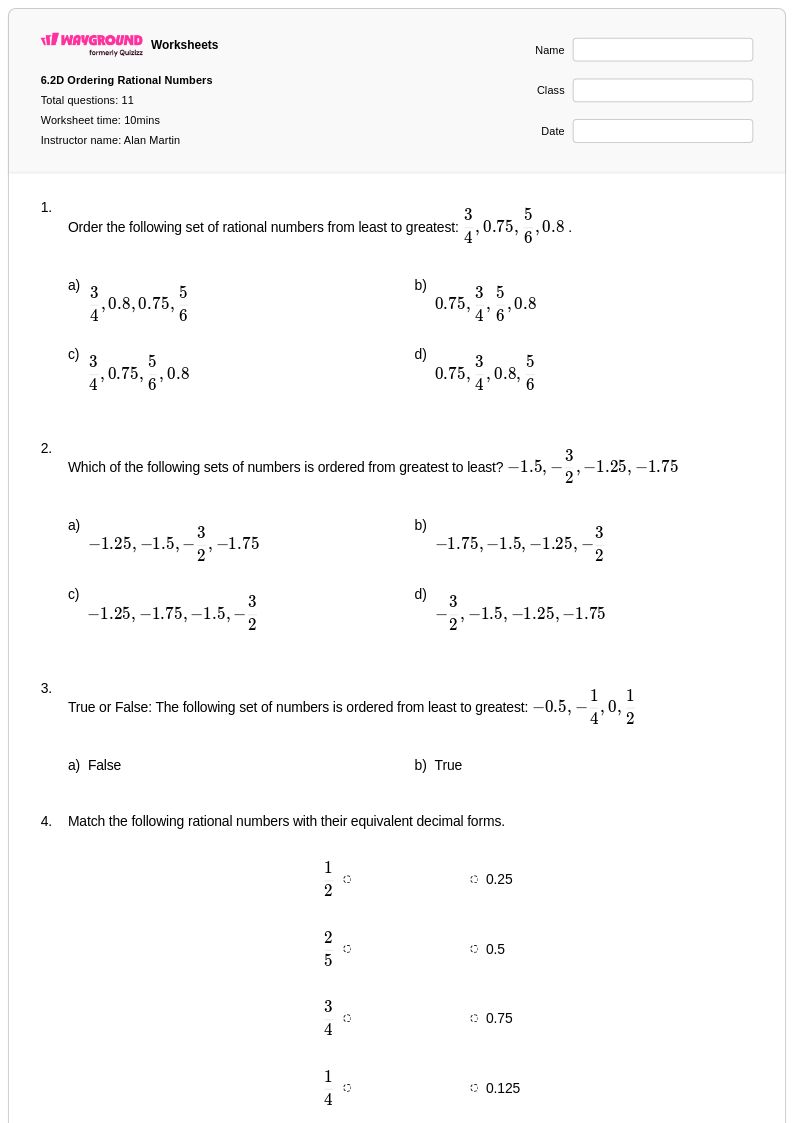
11 Q
6th
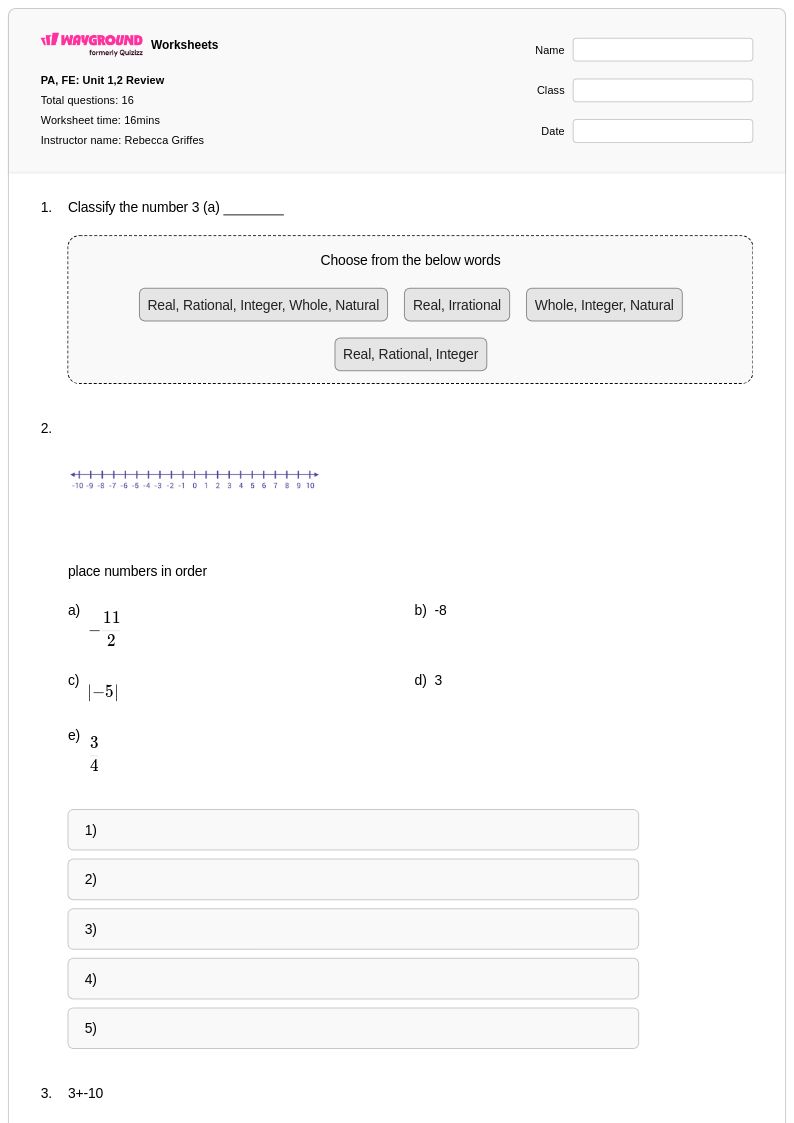
16 Q
9th - 12th
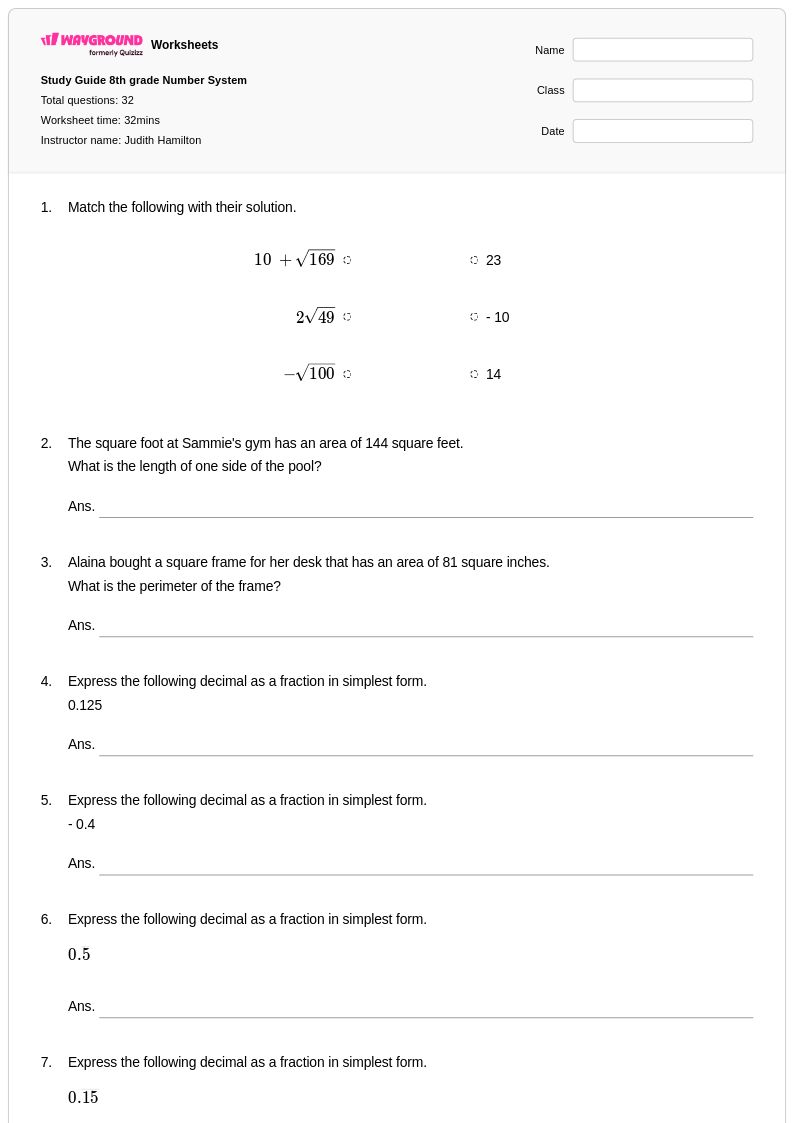
32 Q
8th
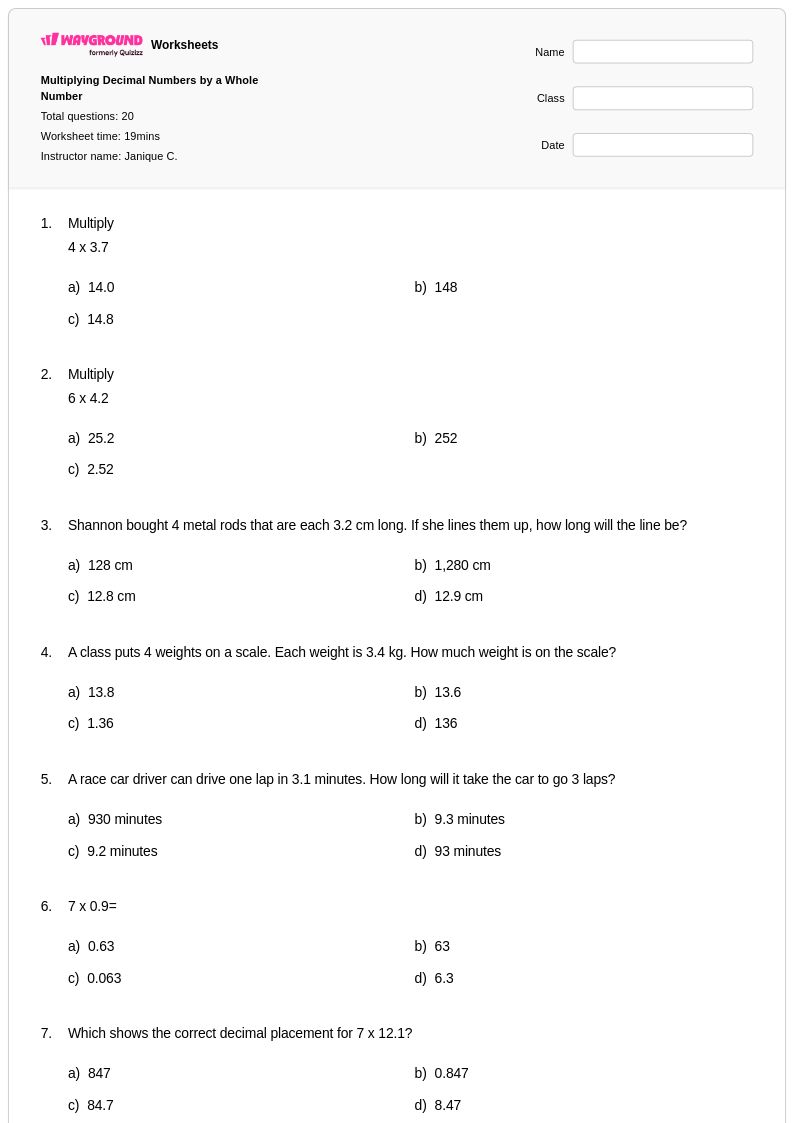
20 Q
6th
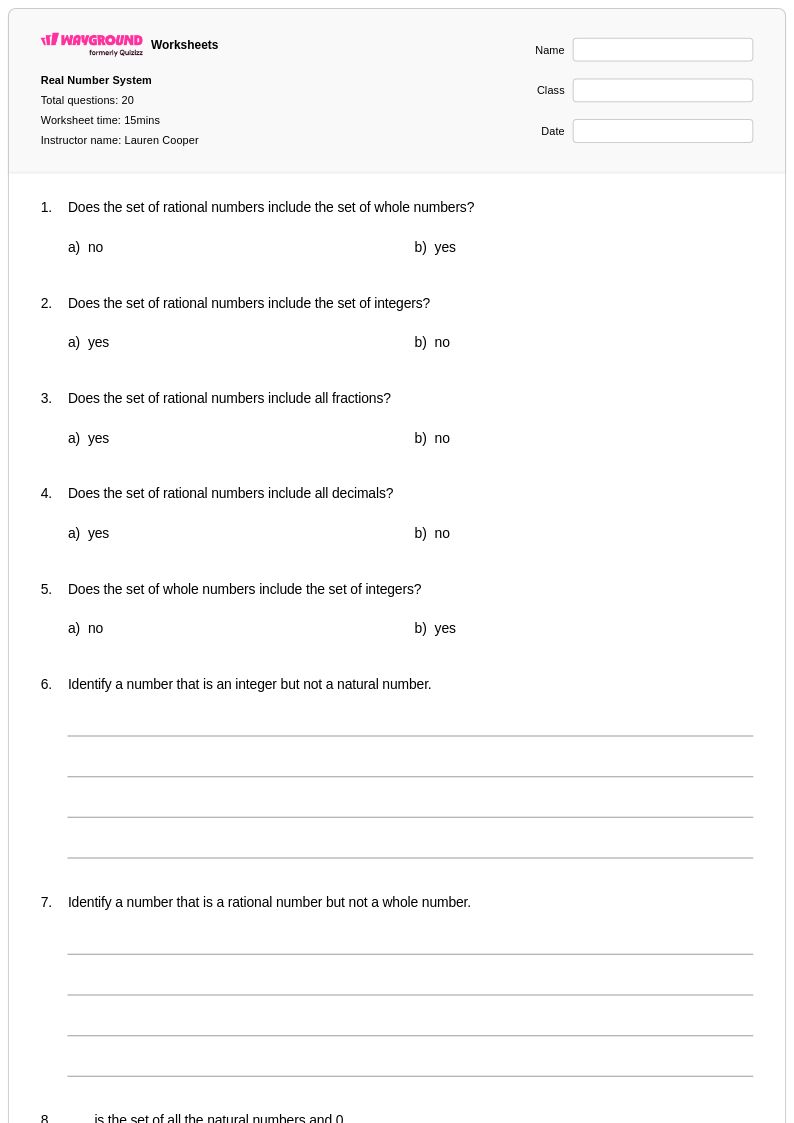
20 Q
8th
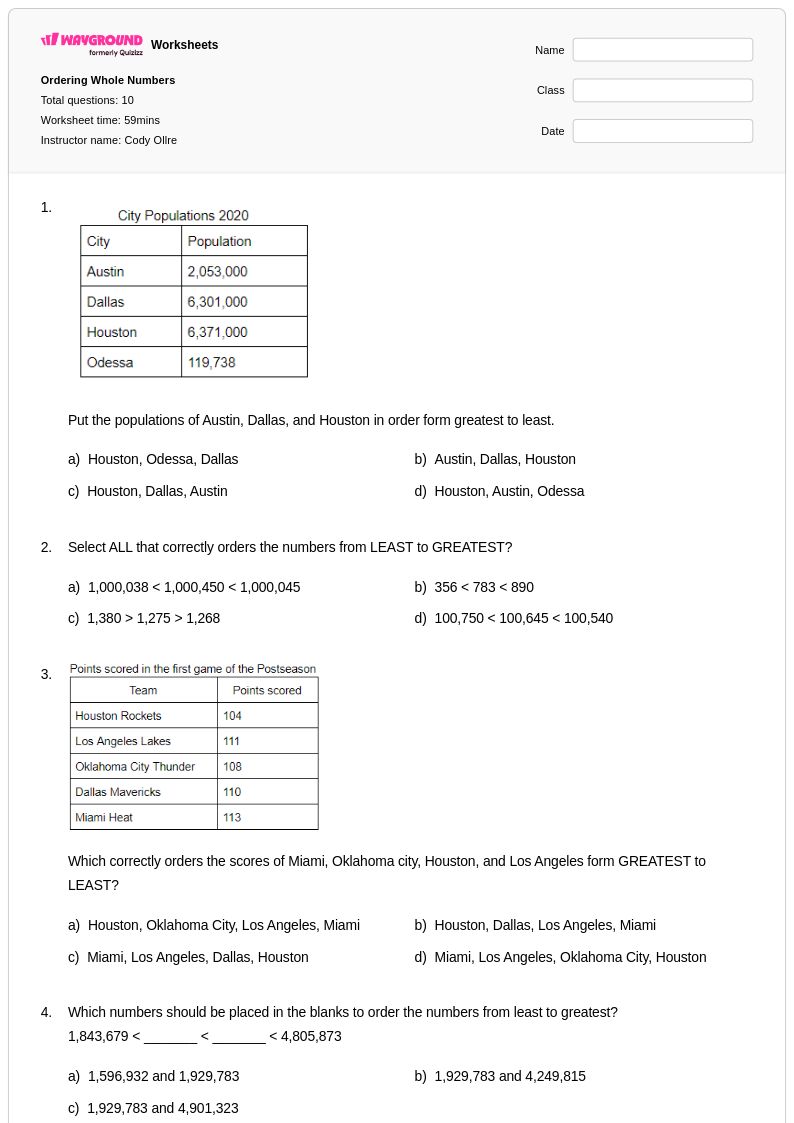
10 Q
4th
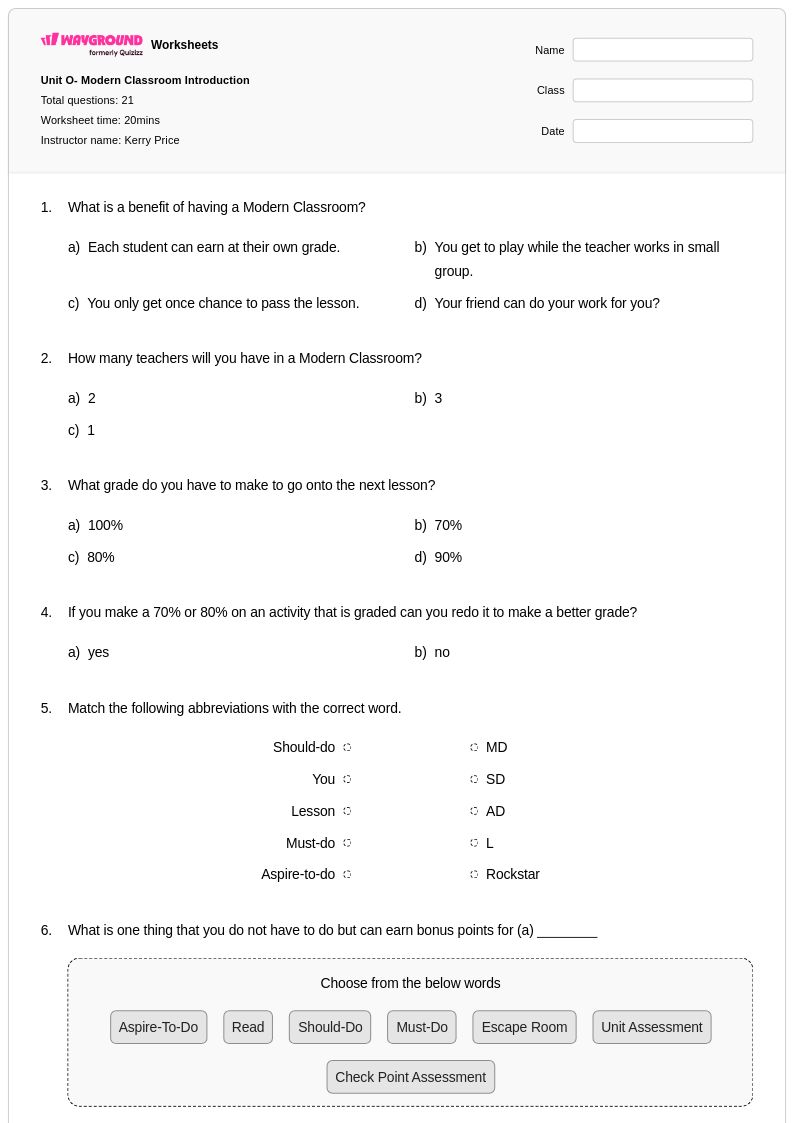
21 Q
4th
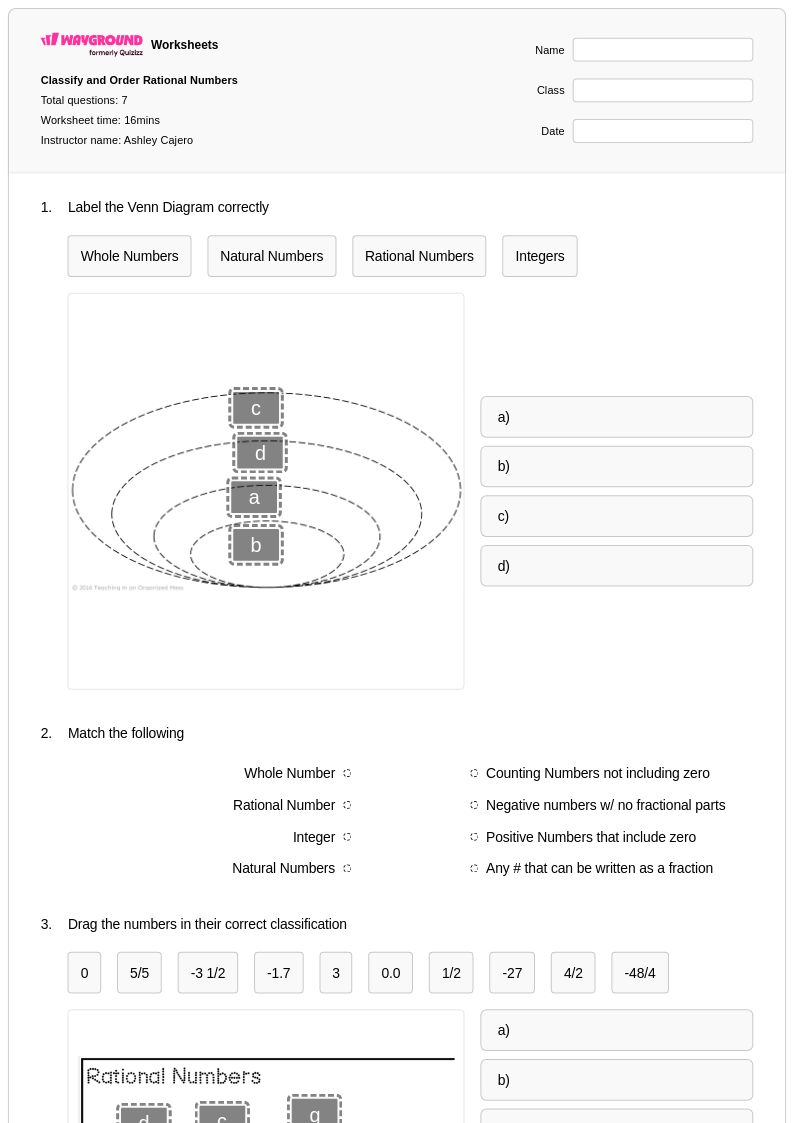
7 Q
6th
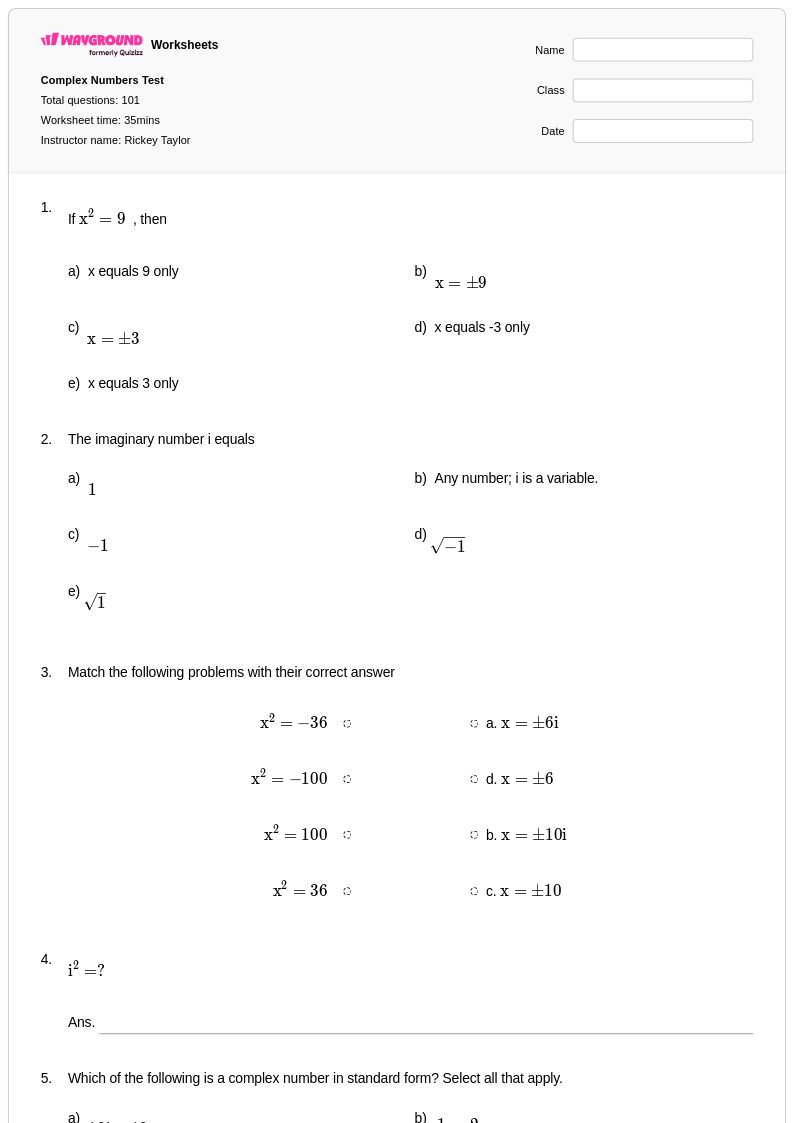
101 Q
12th
99 Q
8th
20 Q
6th
13 Q
8th
10 Q
6th - 8th
Explore Partner Numbers Worksheets by Grades
Explore Other Subject Worksheets for kindergarten
Explore printable Partner Numbers worksheets for Kindergarten
Partner numbers worksheets for kindergarten students available through Wayground (formerly Quizizz) provide foundational practice in understanding number relationships and decomposition within early number sense development. These educational resources help young learners discover how numbers can be broken apart and combined in different ways, such as recognizing that 5 can be made from 2 + 3, 4 + 1, or 5 + 0. The worksheets strengthen critical mathematical thinking skills including visual number representation, basic addition and subtraction concepts, and part-whole relationships that form the cornerstone of algebraic reasoning. Each printable resource includes comprehensive practice problems designed to reinforce these essential concepts, with answer keys provided to support both independent learning and guided instruction in pdf format for convenient classroom or home use.
Wayground (formerly Quizizz) empowers educators with access to millions of teacher-created partner numbers worksheets specifically designed for kindergarten mathematics instruction. The platform's robust search and filtering capabilities allow teachers to quickly locate resources aligned with specific learning standards and curriculum requirements, while differentiation tools enable customization based on individual student needs and learning levels. These comprehensive worksheet collections are available in both printable pdf formats and interactive digital versions, providing flexibility for various instructional approaches including whole group lessons, small group remediation, and independent skill practice. Teachers can efficiently plan engaging mathematics activities that support conceptual understanding while using the platform's organizational features to track student progress and identify areas requiring additional enrichment or targeted intervention in number sense development.
FAQs
How should I introduce partner numbers in kindergarten?
What are good practice activities for kindergarteners learning partner numbers?
What are common challenges for kindergarteners with this topic?
How can I use this kindergarten worksheet?
How do partner numbers align with kindergarten math standards?
How can I accommodate different learners with this worksheet?