
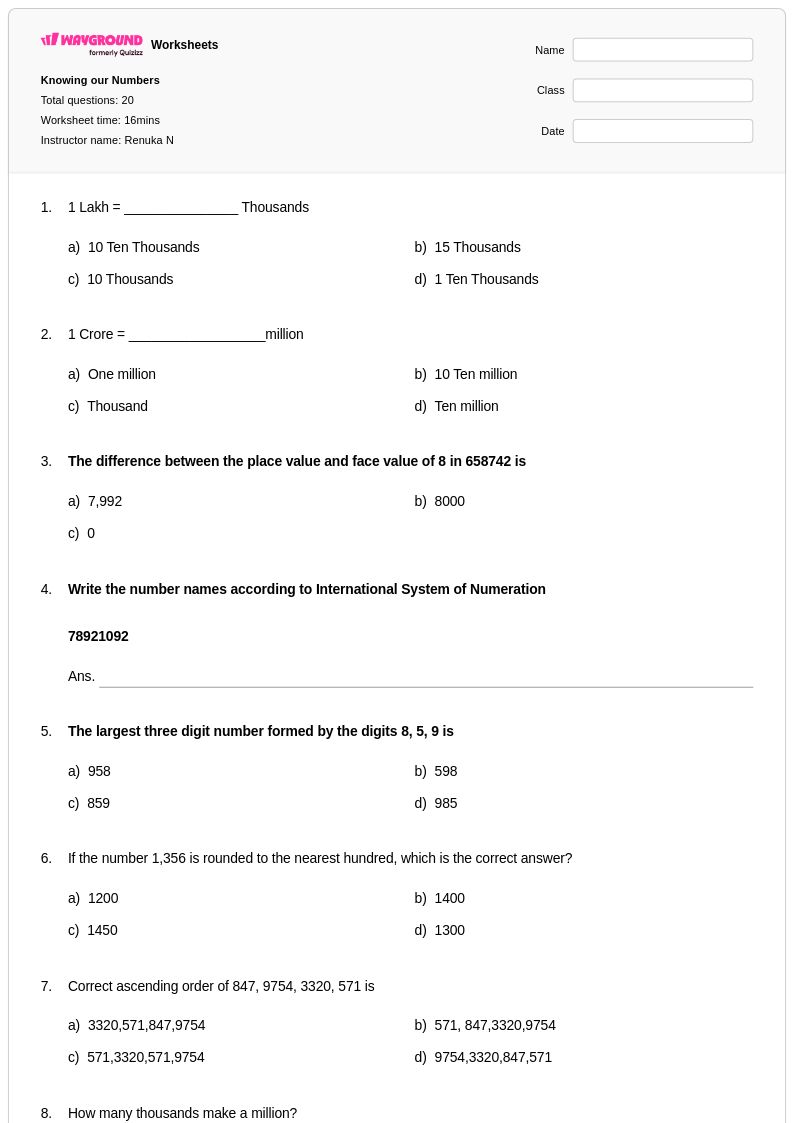
20Q
6th
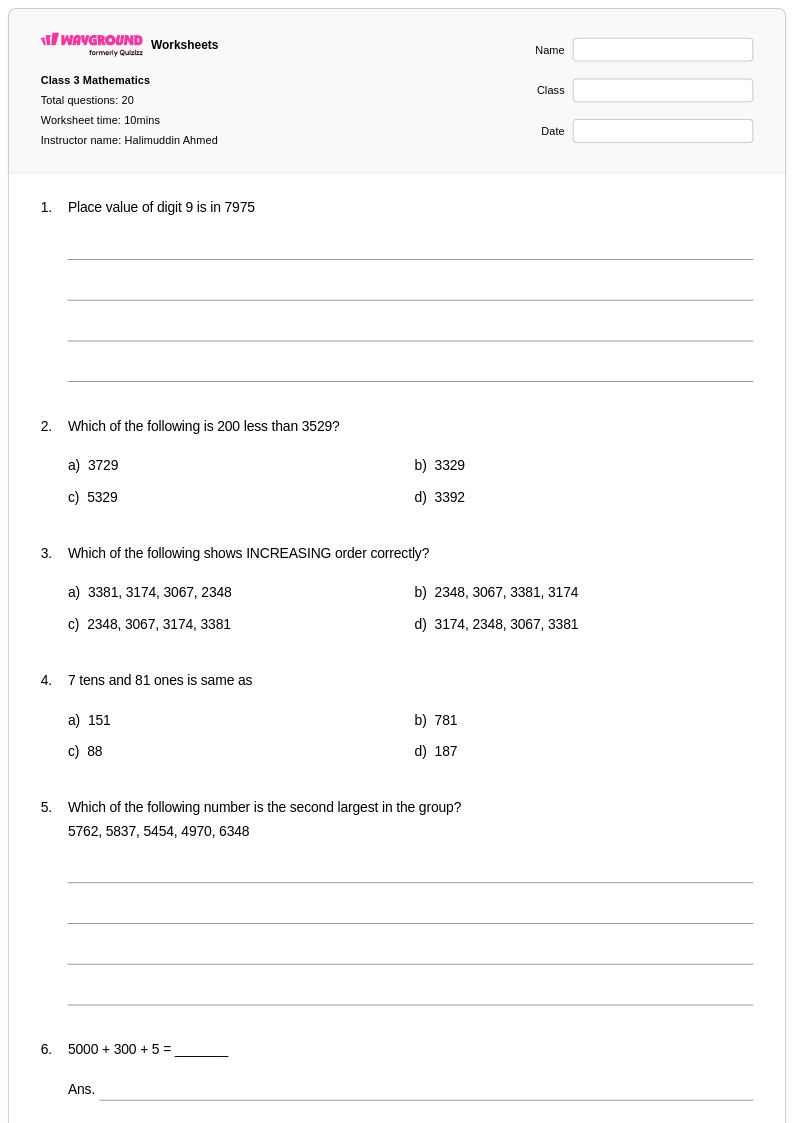
20Q
3rd
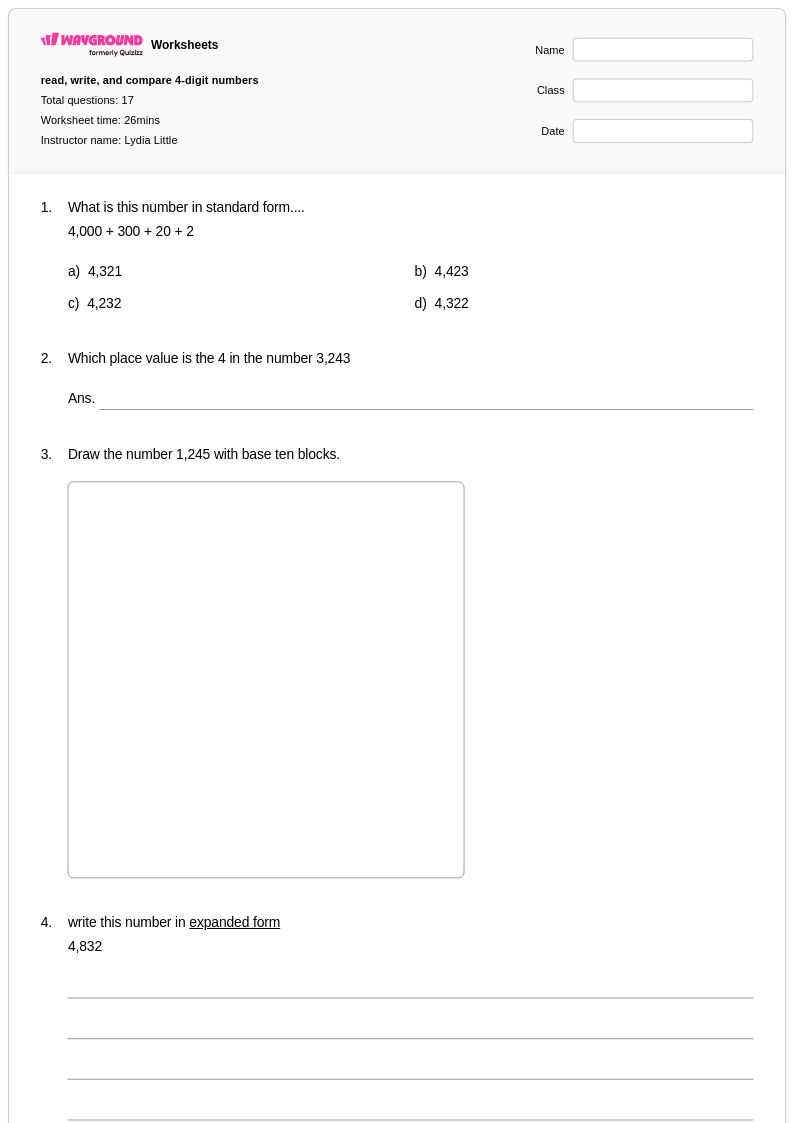
17Q
3rd
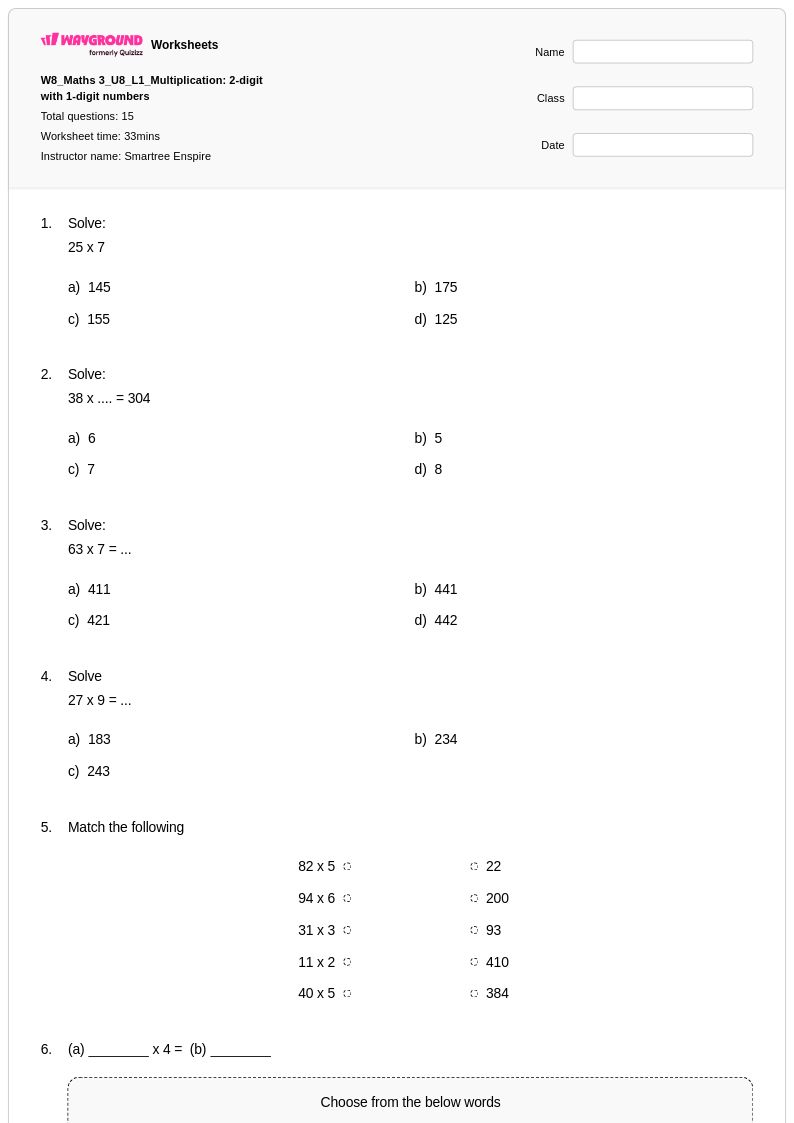
15Q
3rd
18Q
4th
20Q
4th
10Q
3rd
25Q
3rd
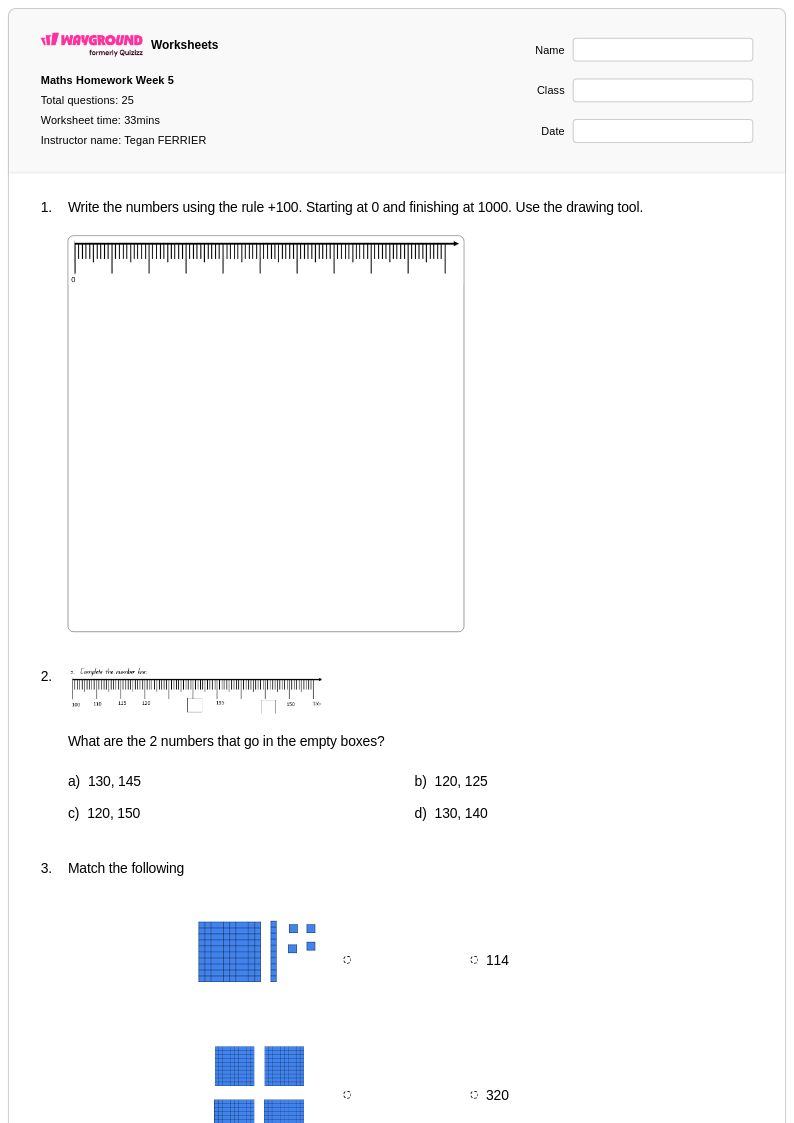
25Q
2nd
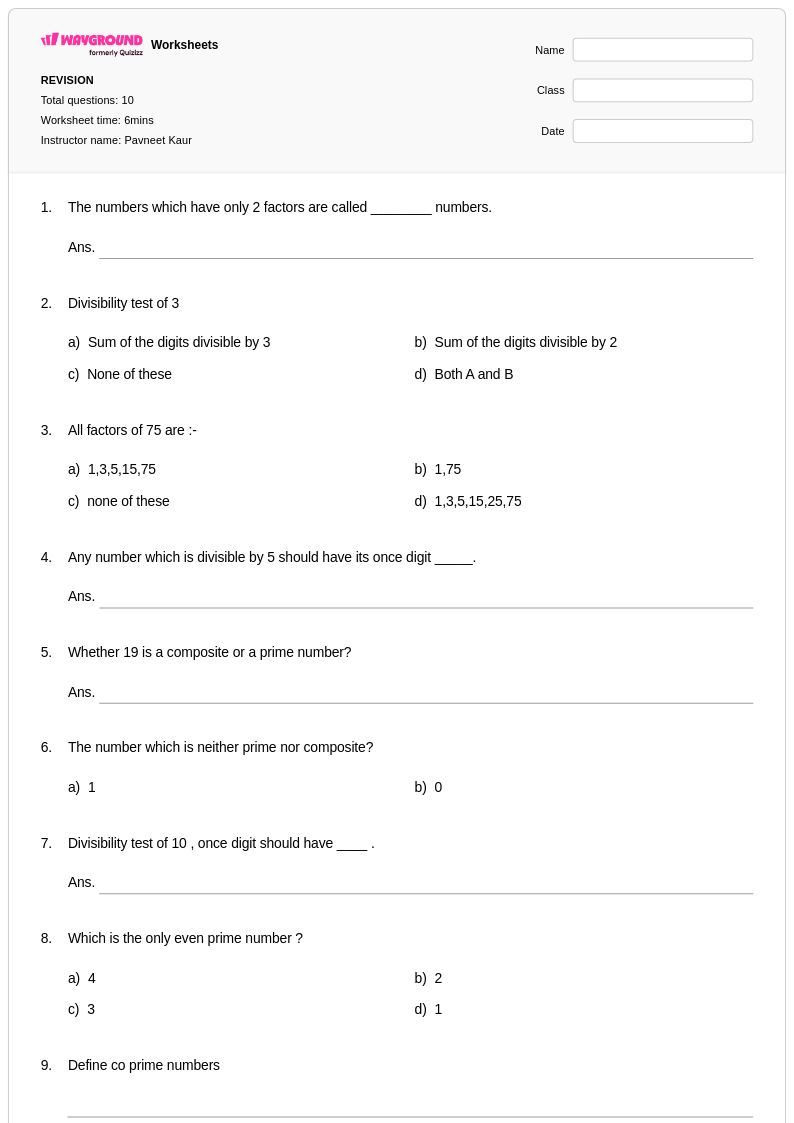
10Q
4th
15Q
KG - Uni
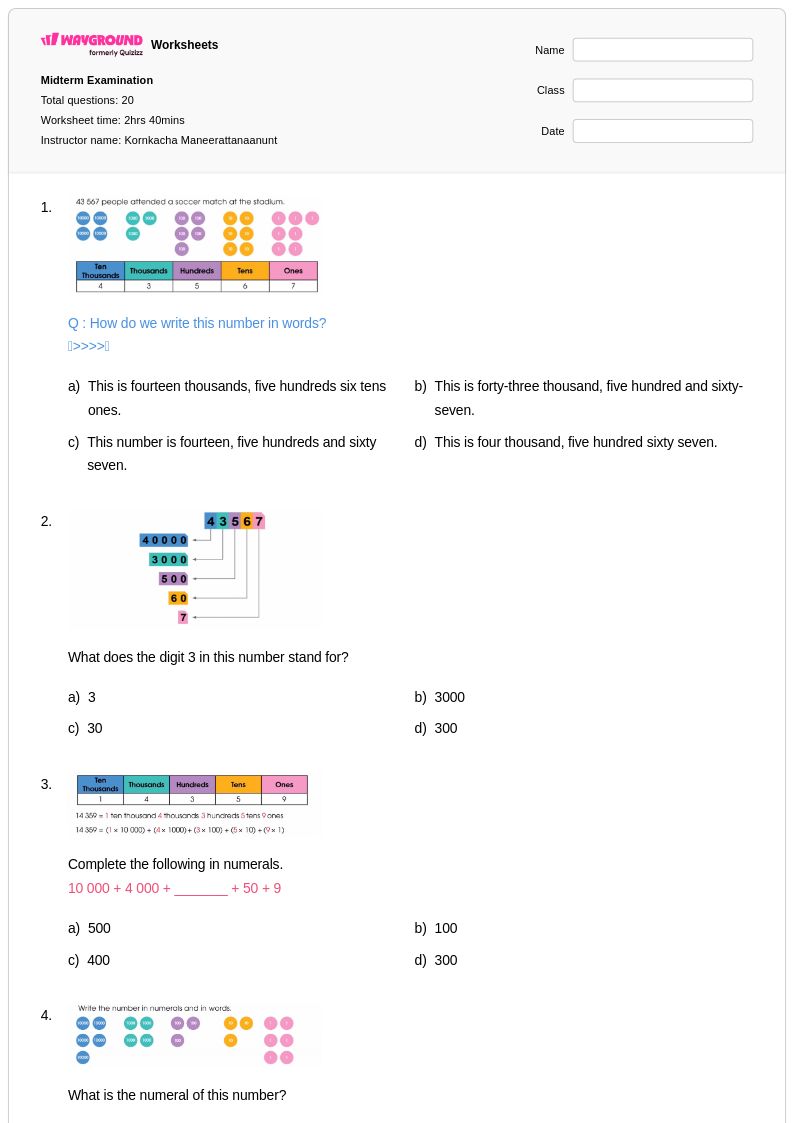
20Q
4th
15Q
5th
15Q
9th - 12th
11Q
3rd
20Q
1st
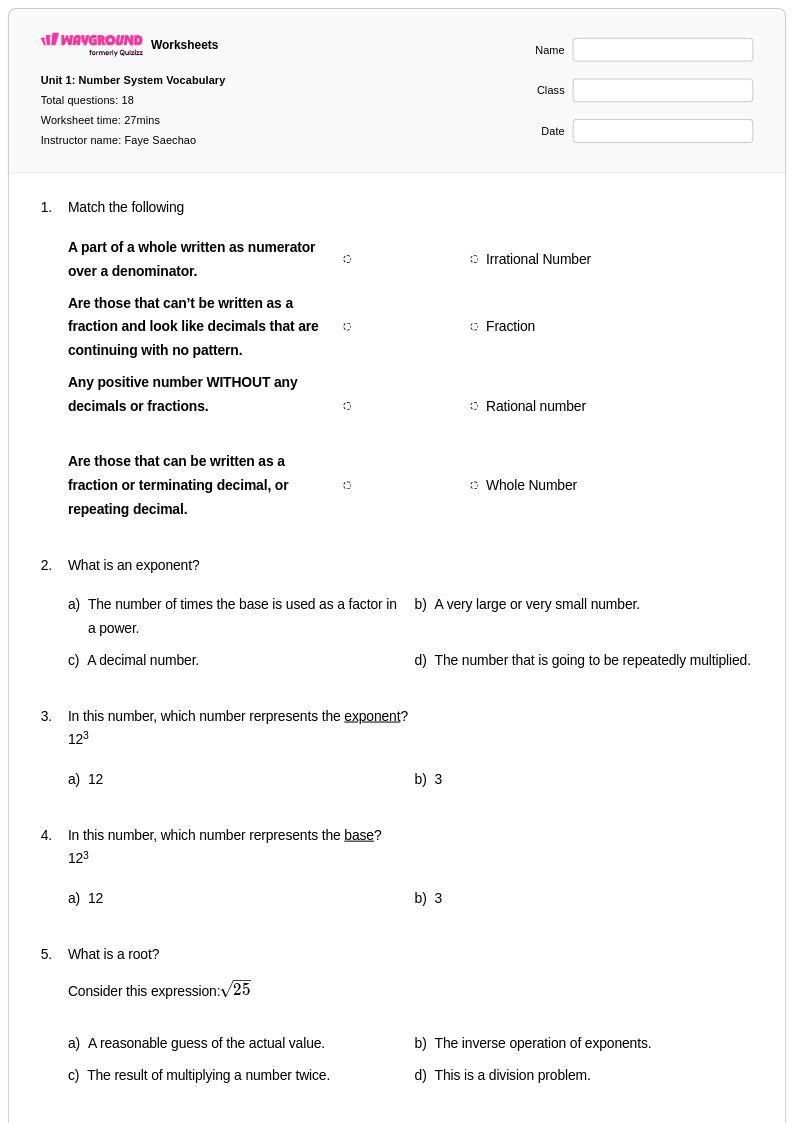
18Q
8th
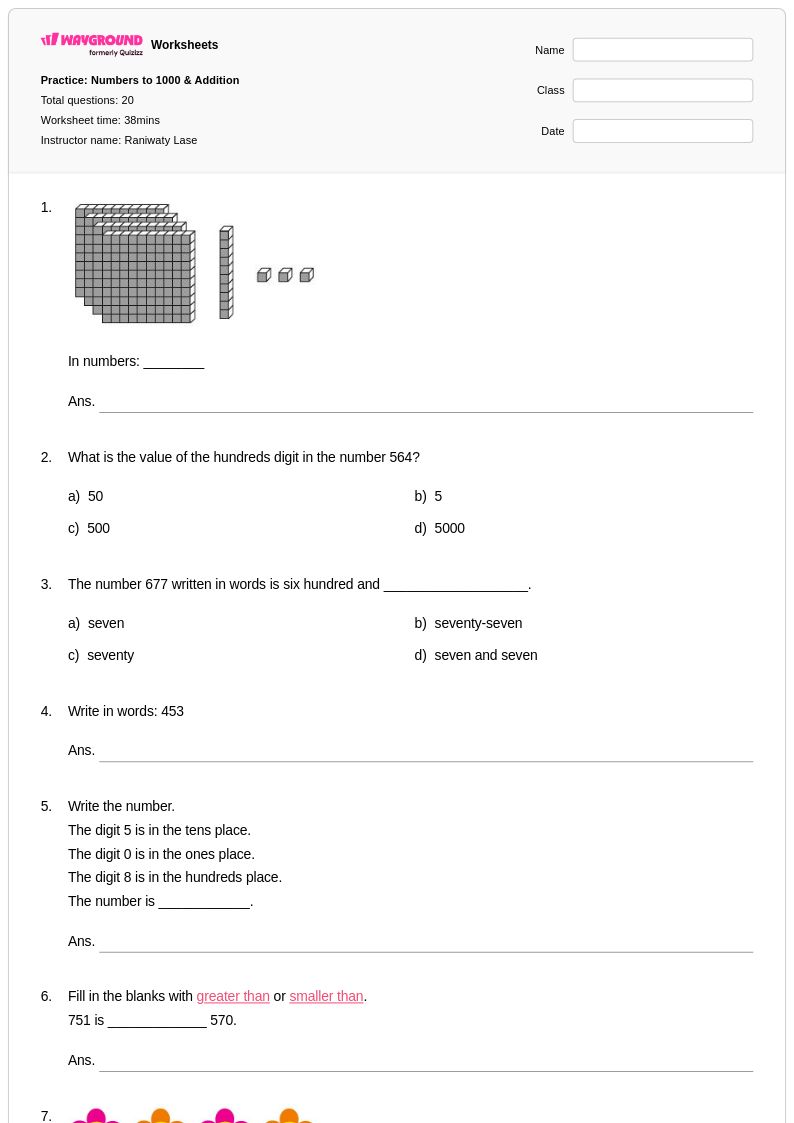
20Q
2nd
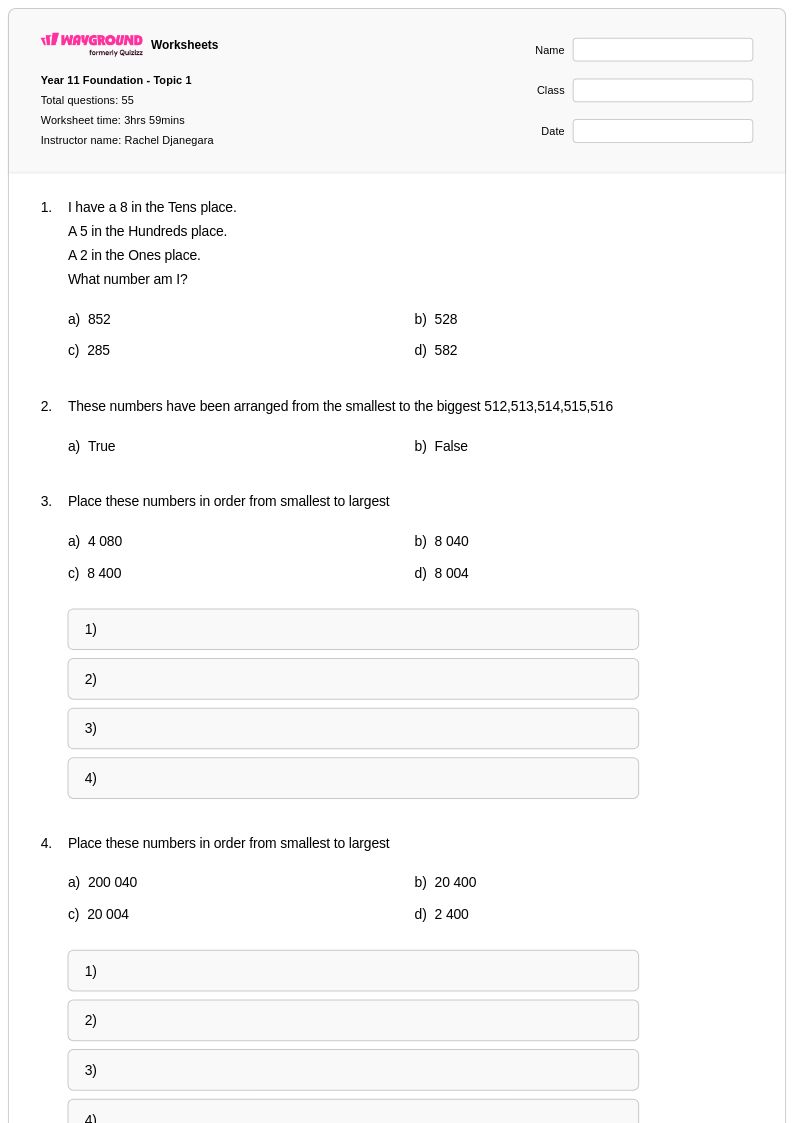
55Q
11th
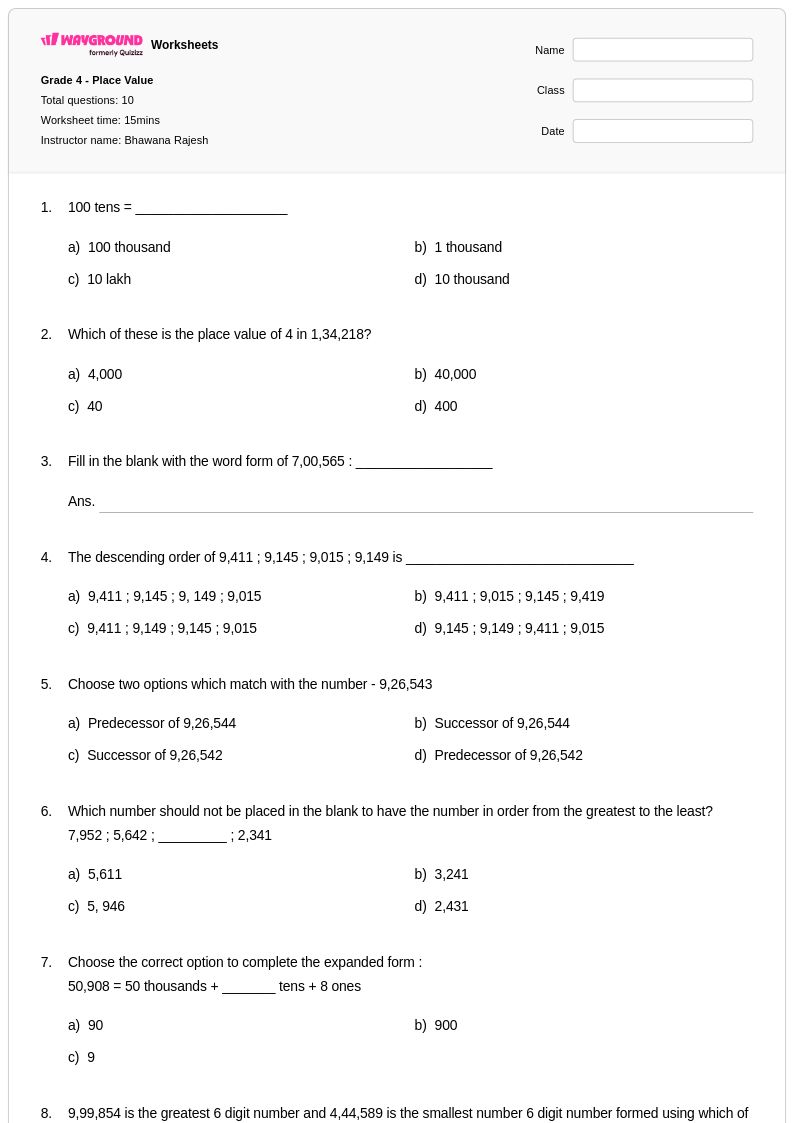
10Q
4th
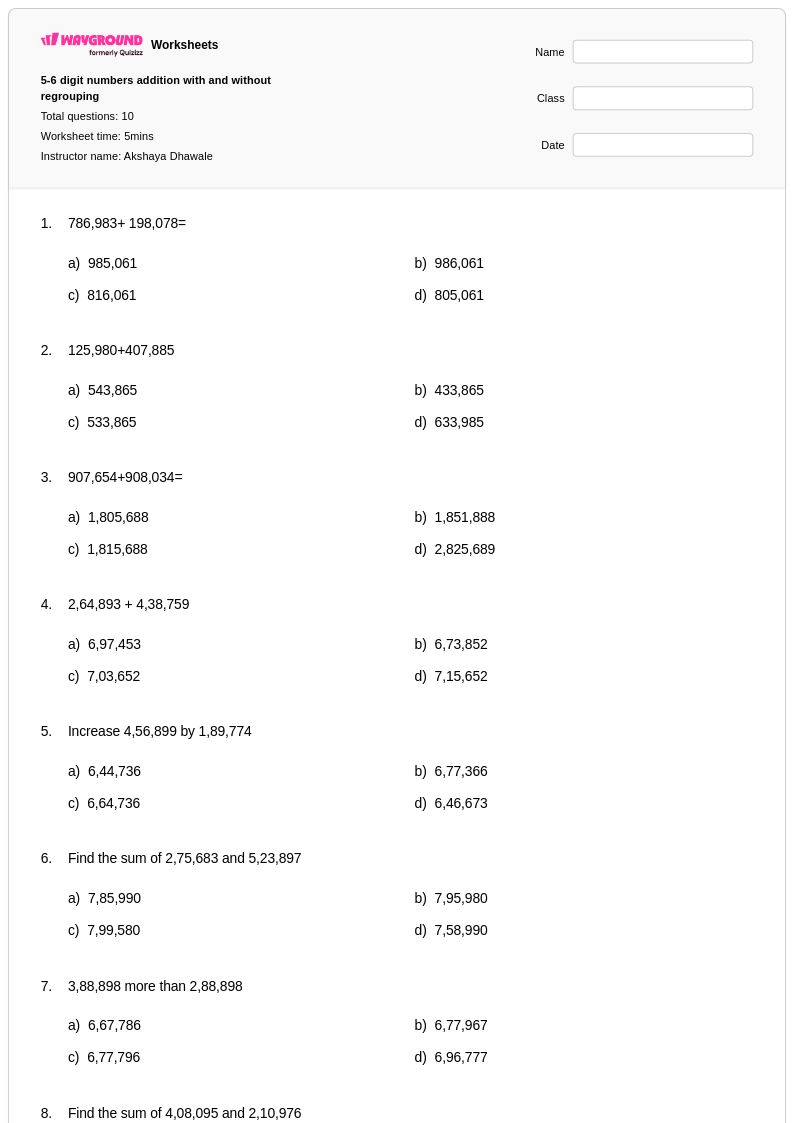
10Q
4th
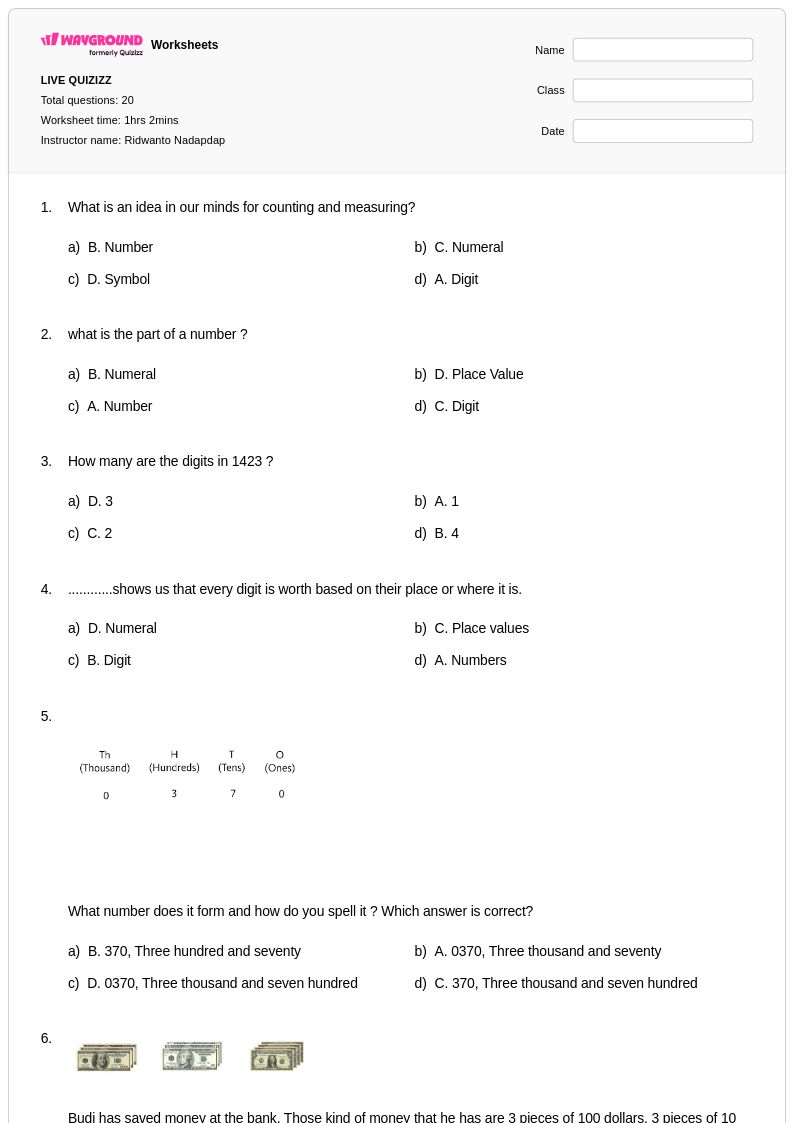
20Q
3rd
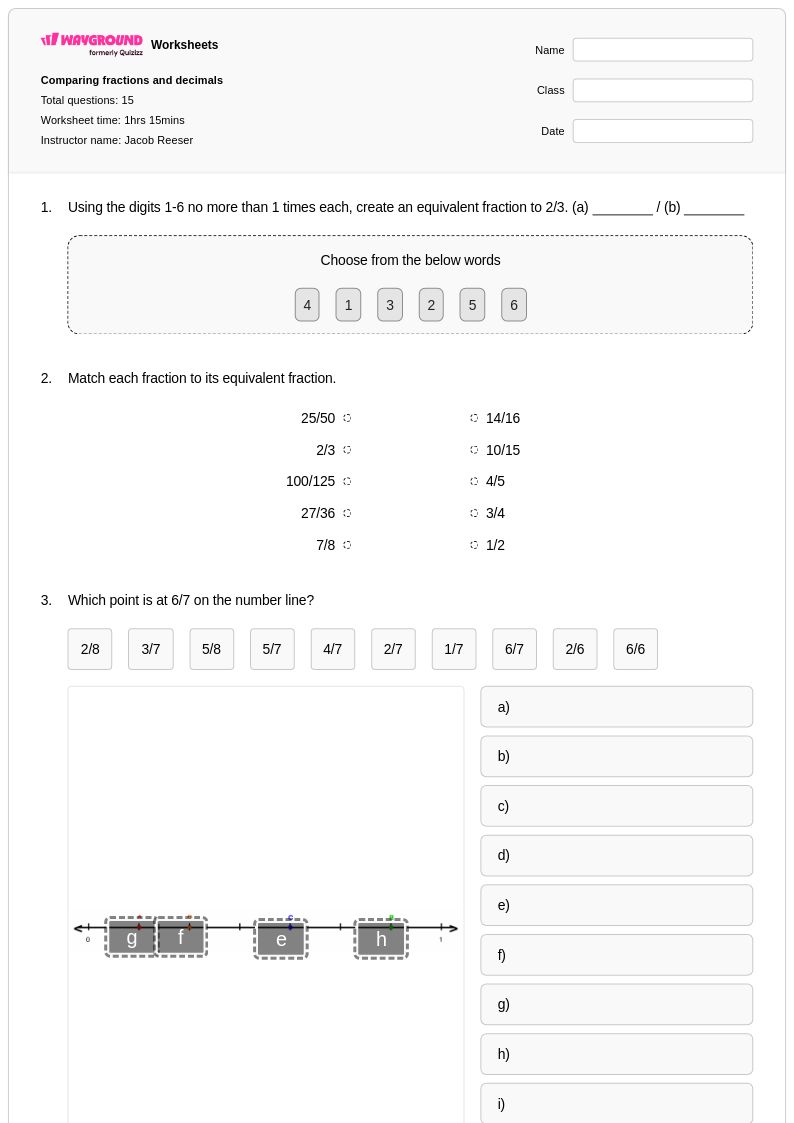
15Q
5th
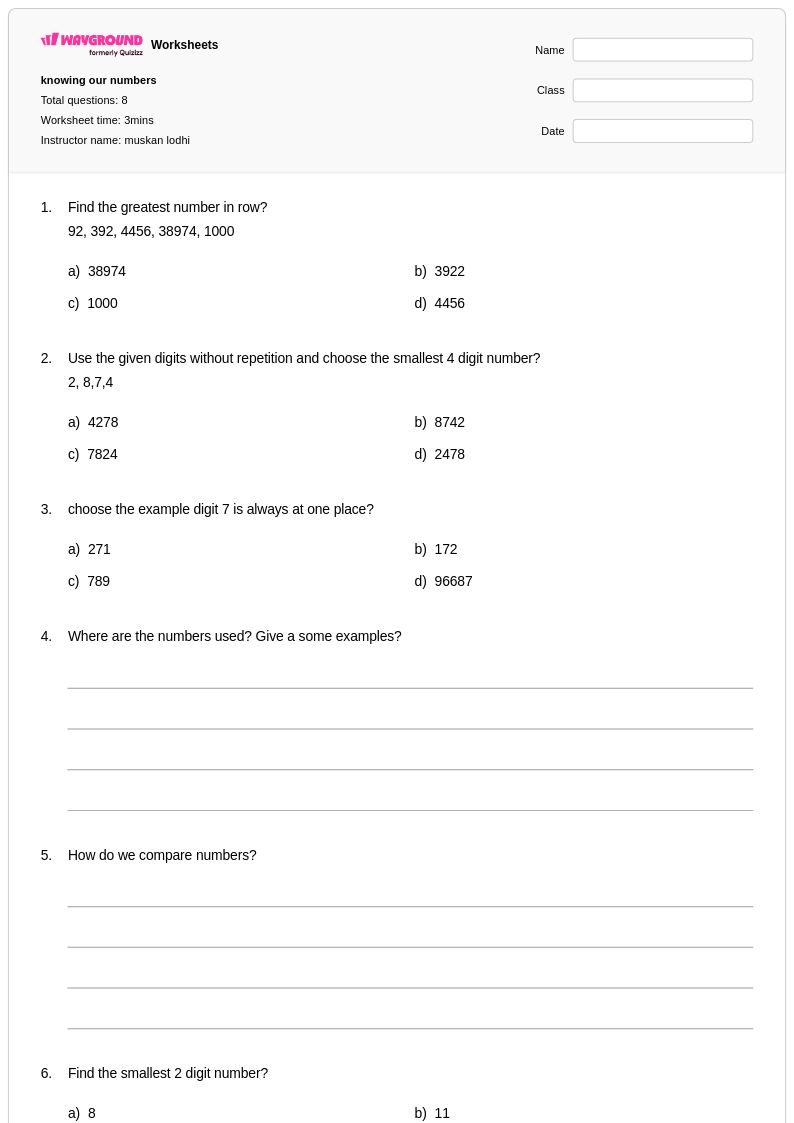
8Q
6th
Explorar Patterns in Three-digit Numbers hojas de trabajo por grados
Explore otras hojas de trabajo de materias para kindergarten
Explore printable Patterns in Three-digit Numbers worksheets for Kindergarten
Patterns in three-digit numbers for kindergarten students represent an essential foundation for developing early mathematical reasoning and number sense skills. Wayground's comprehensive collection of worksheets focuses on helping young learners recognize, identify, and extend simple patterns using three-digit numbers through age-appropriate visual representations and guided practice problems. These carefully designed printables strengthen critical thinking abilities while introducing students to the systematic nature of our number system, building confidence with larger numbers that may initially seem intimidating. Each worksheet includes a complete answer key and is available as a free pdf download, making it easy for educators to provide consistent practice opportunities that reinforce pattern recognition skills essential for future mathematical success.
Wayground, formerly Quizizz, empowers kindergarten teachers with access to millions of educator-created resources specifically designed to support early mathematics instruction in three-digit number patterns. The platform's robust search and filtering capabilities allow teachers to quickly locate materials that align with developmental standards and accommodate diverse learning needs within their classrooms. These versatile worksheet collections offer flexible customization options and are available in both printable pdf format and interactive digital versions, enabling seamless integration into various instructional settings. Teachers can effectively utilize these resources for targeted skill practice, individualized remediation, and enrichment activities, while the differentiation tools help ensure that all students can engage meaningfully with pattern-based learning experiences regardless of their current mathematical proficiency level.
FAQs
Are three-digit number patterns a standard topic for Kindergarten?
How can I introduce three-digit numbers to kindergarteners without overwhelming them?
What types of pattern activities are appropriate for this age group?
What does mastery of this concept look like in a kindergartener?
How can I use this worksheet for enrichment in my kindergarten class?
How does this topic relate to Kindergarten math standards?