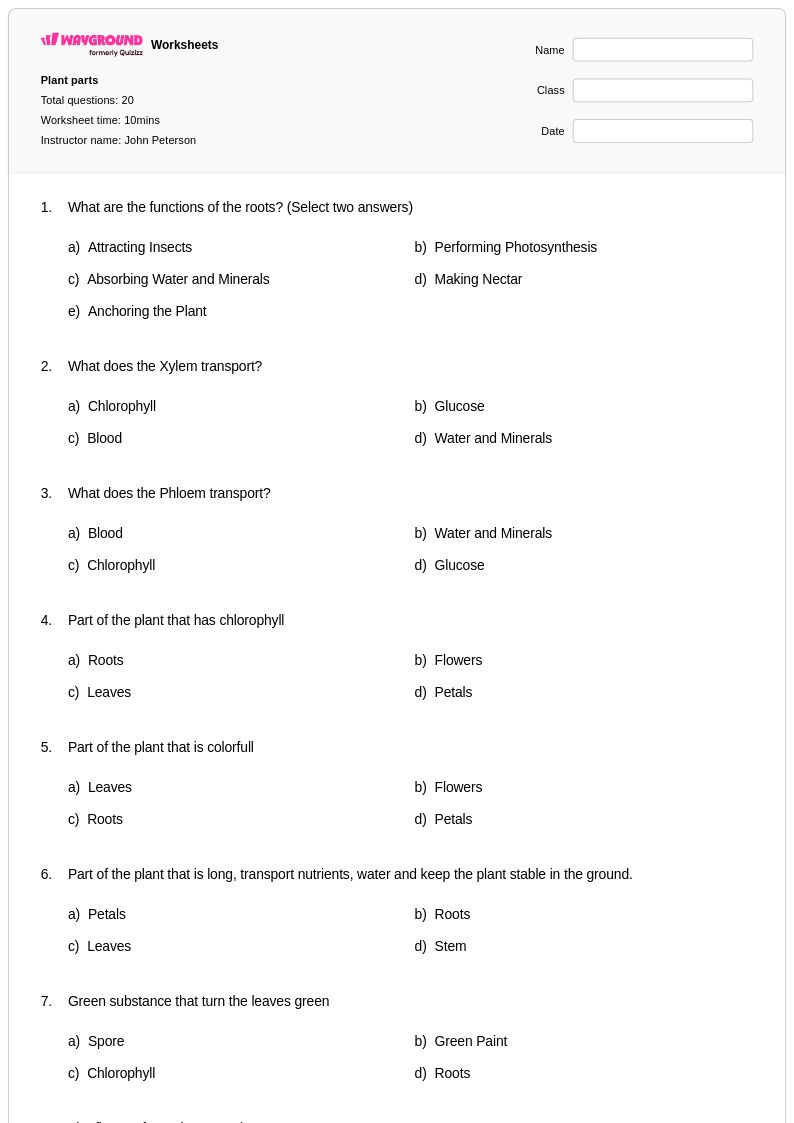
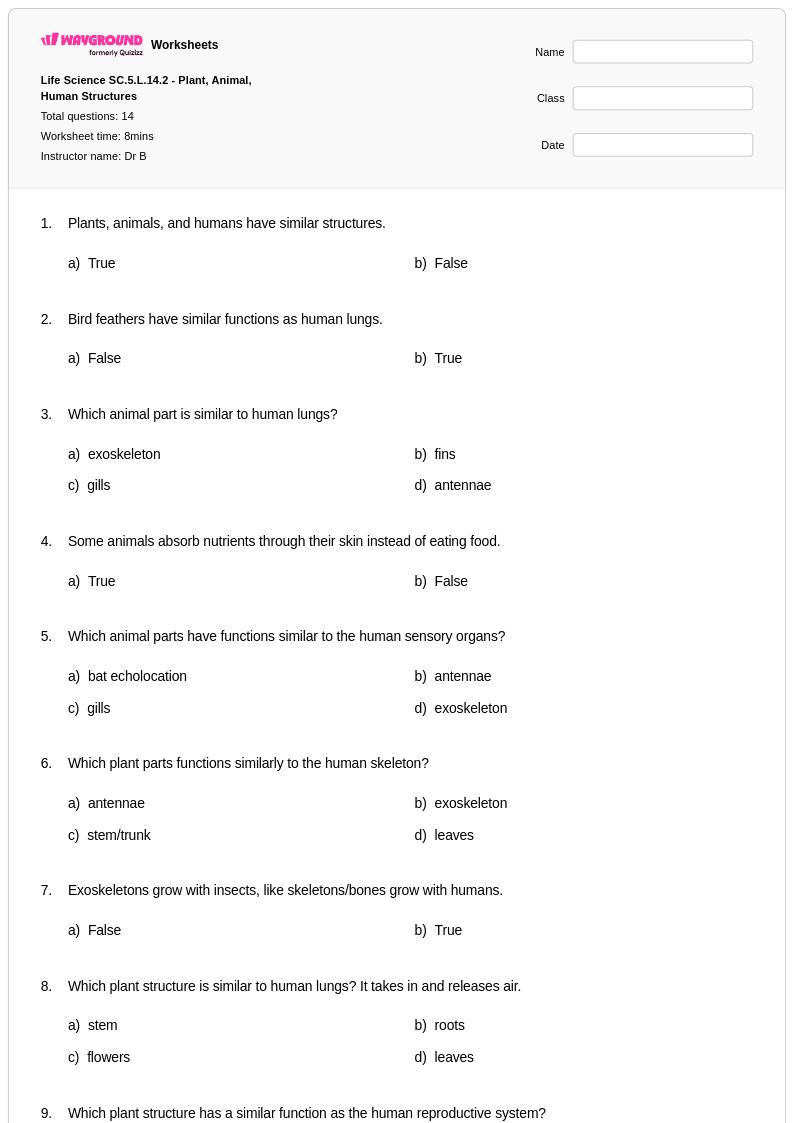
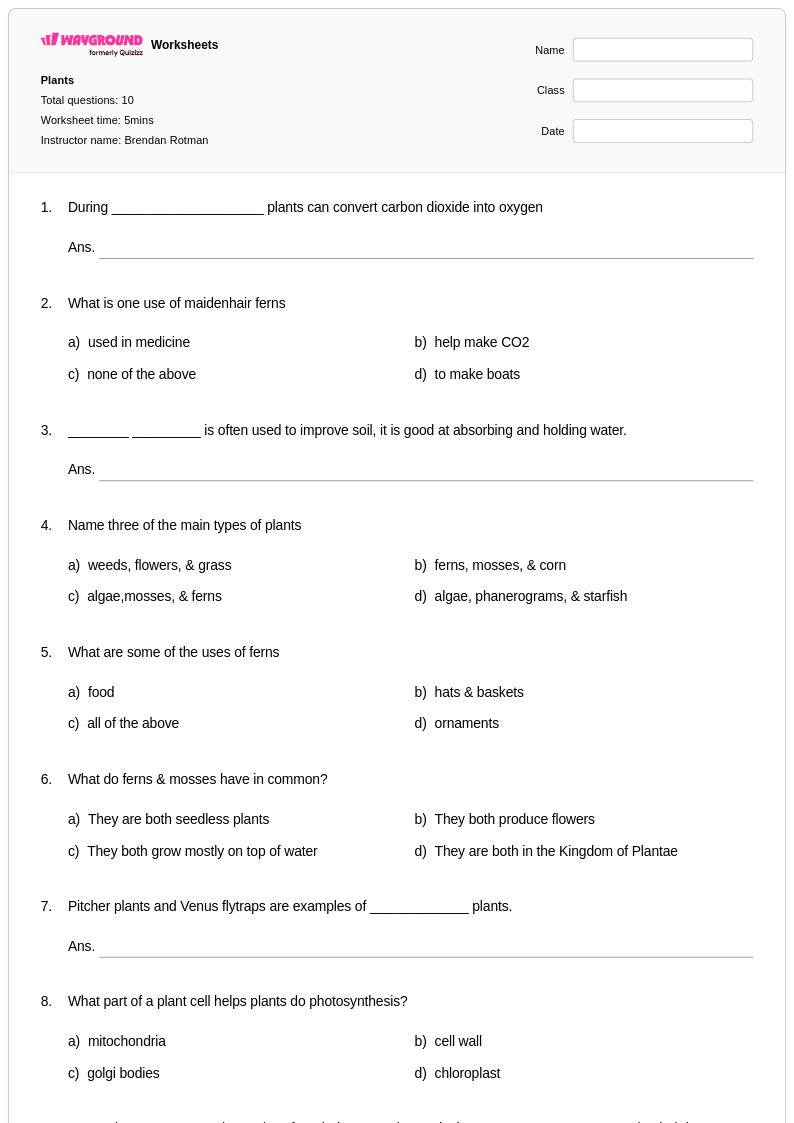
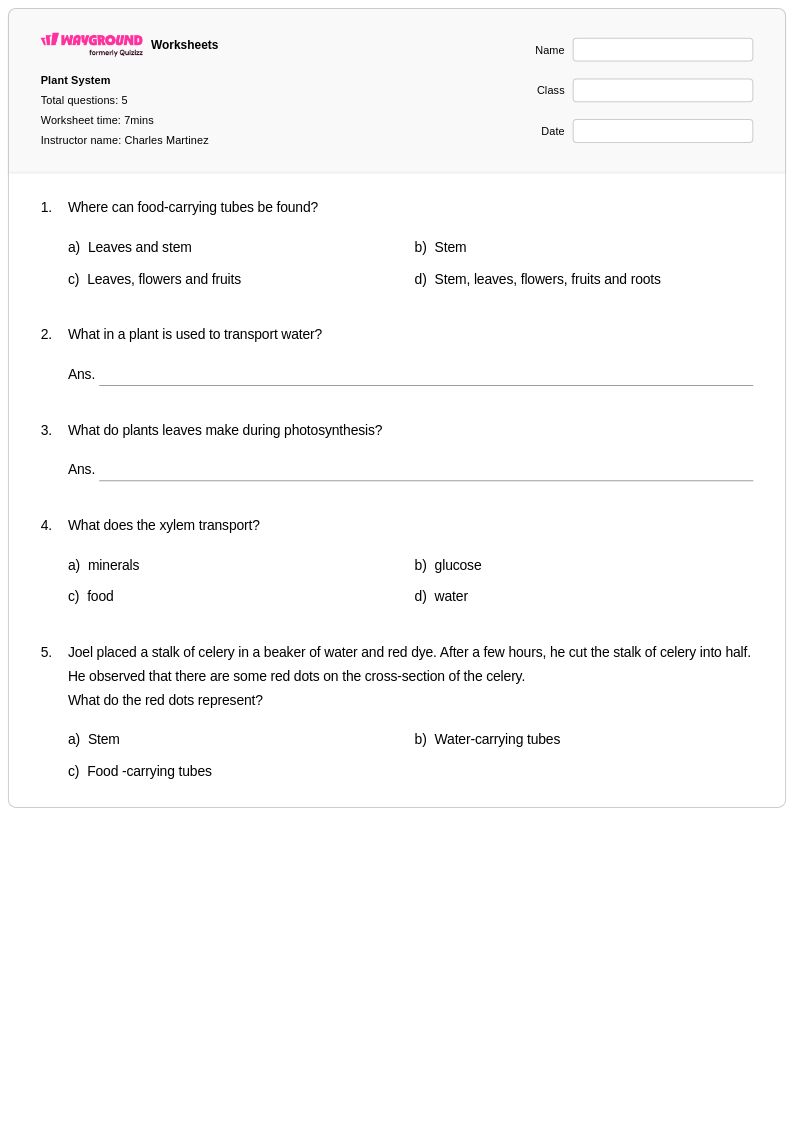
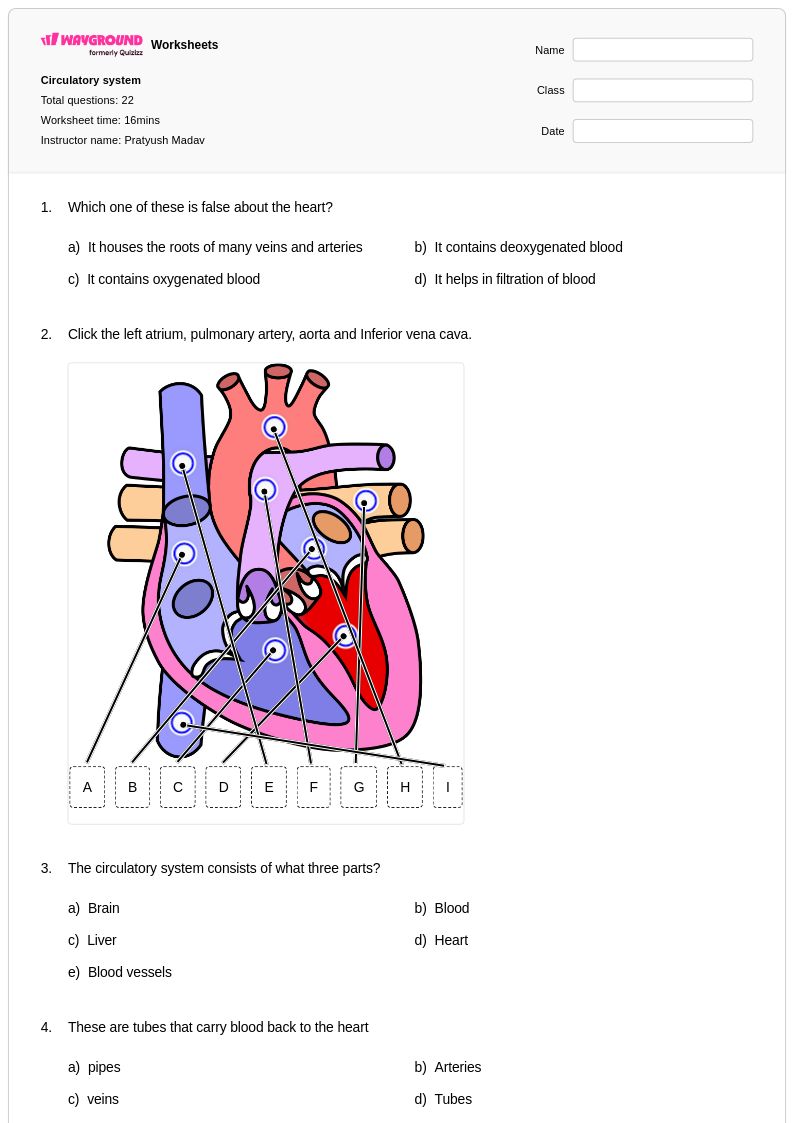
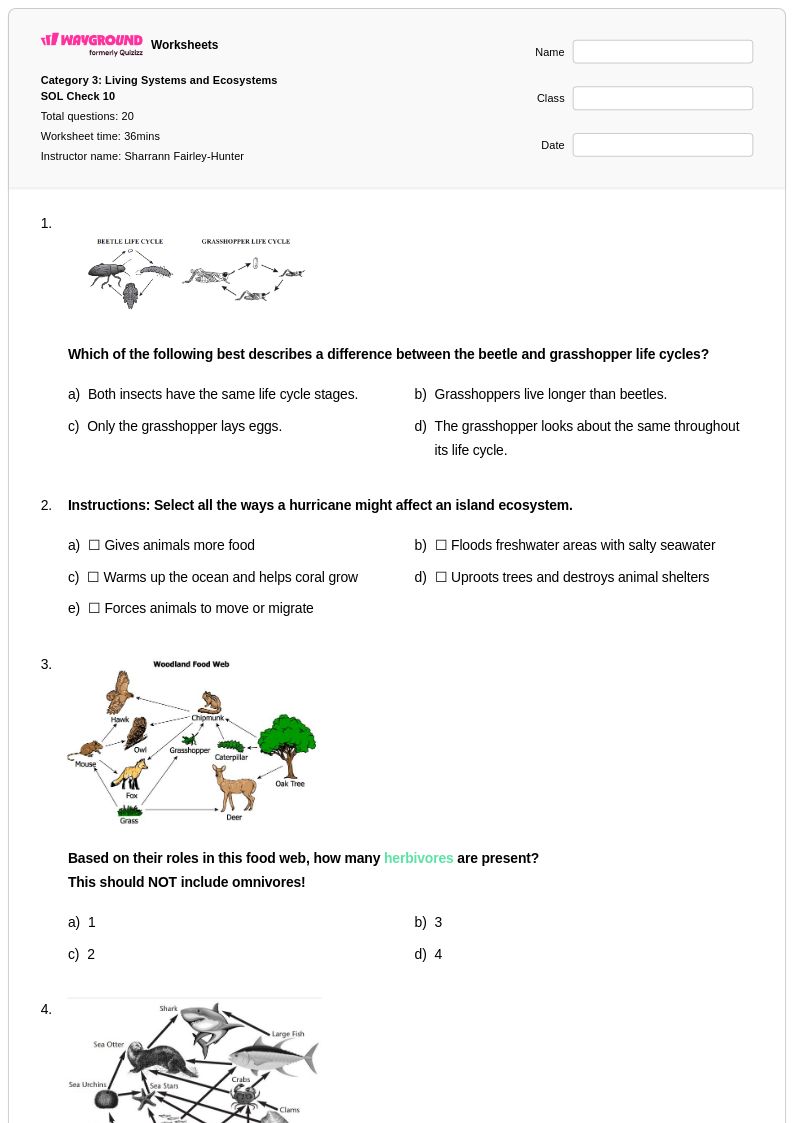
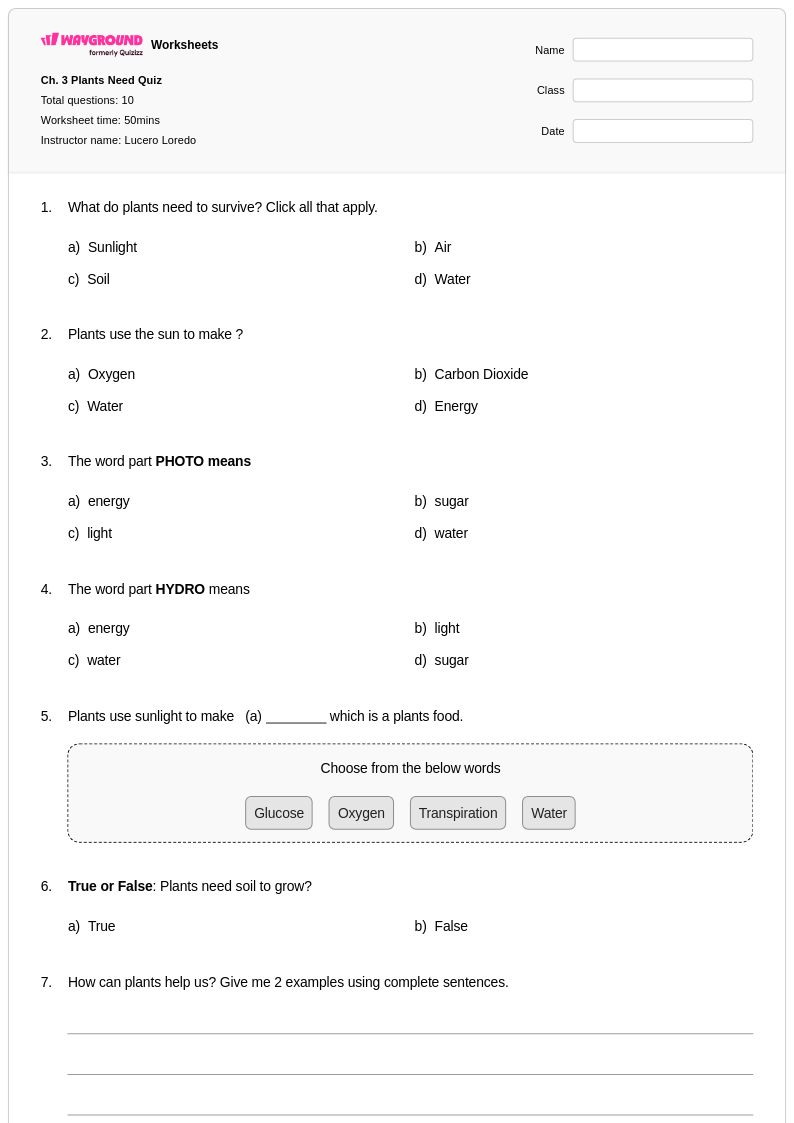
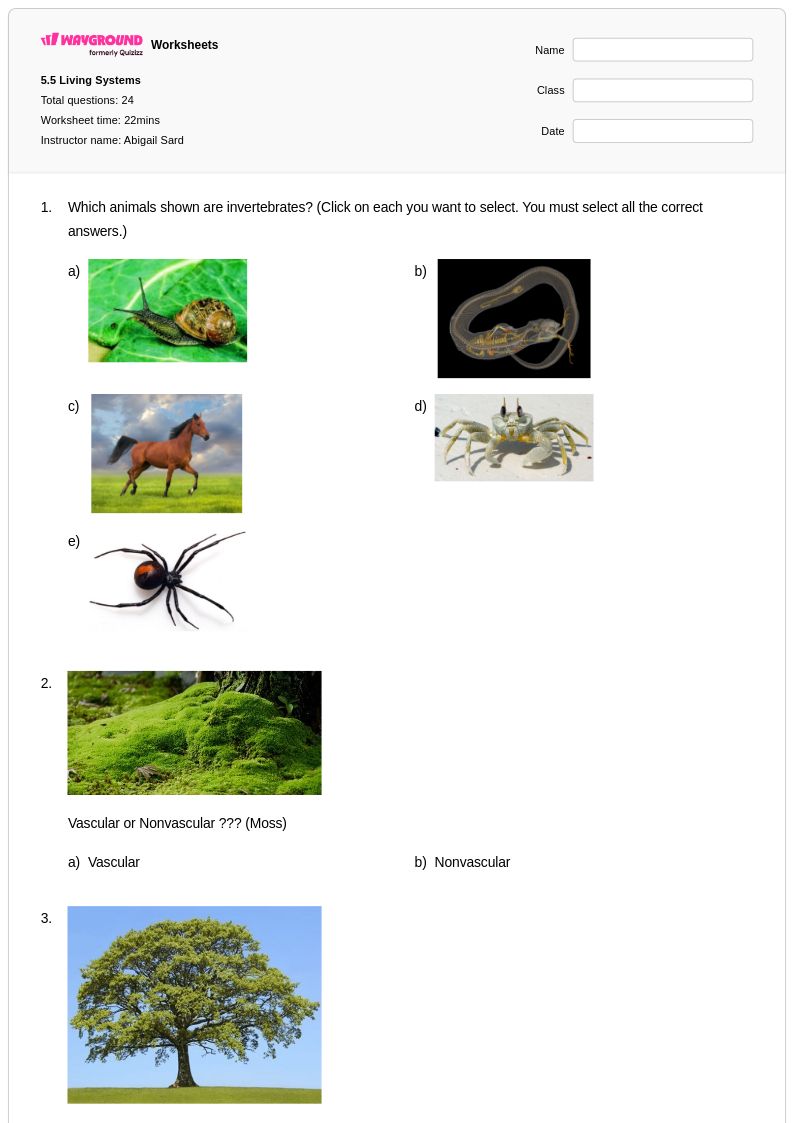
Free Printable Plant Systems Worksheets for Class 5
Explore free Class 5 plant systems worksheets and printables that help students master how plants transport water, nutrients, and food through roots, stems, and leaves with engaging practice problems and answer keys.
Explore printable Plant Systems worksheets for Class 5
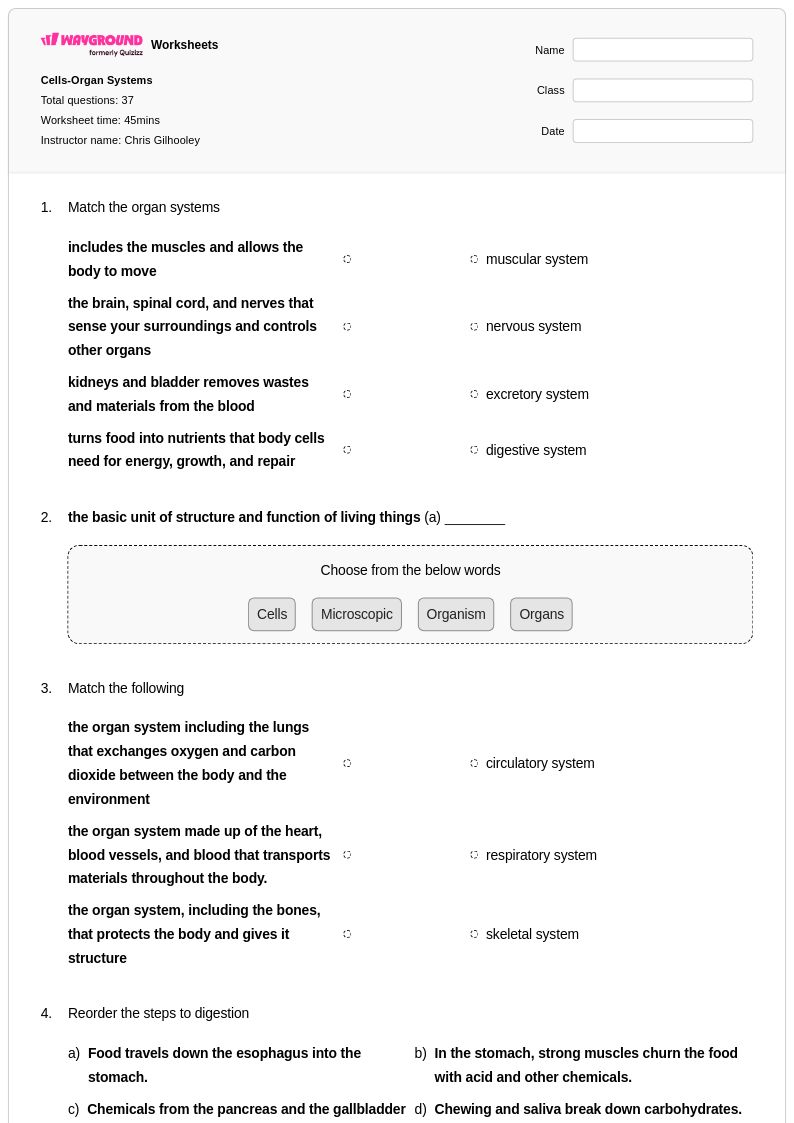
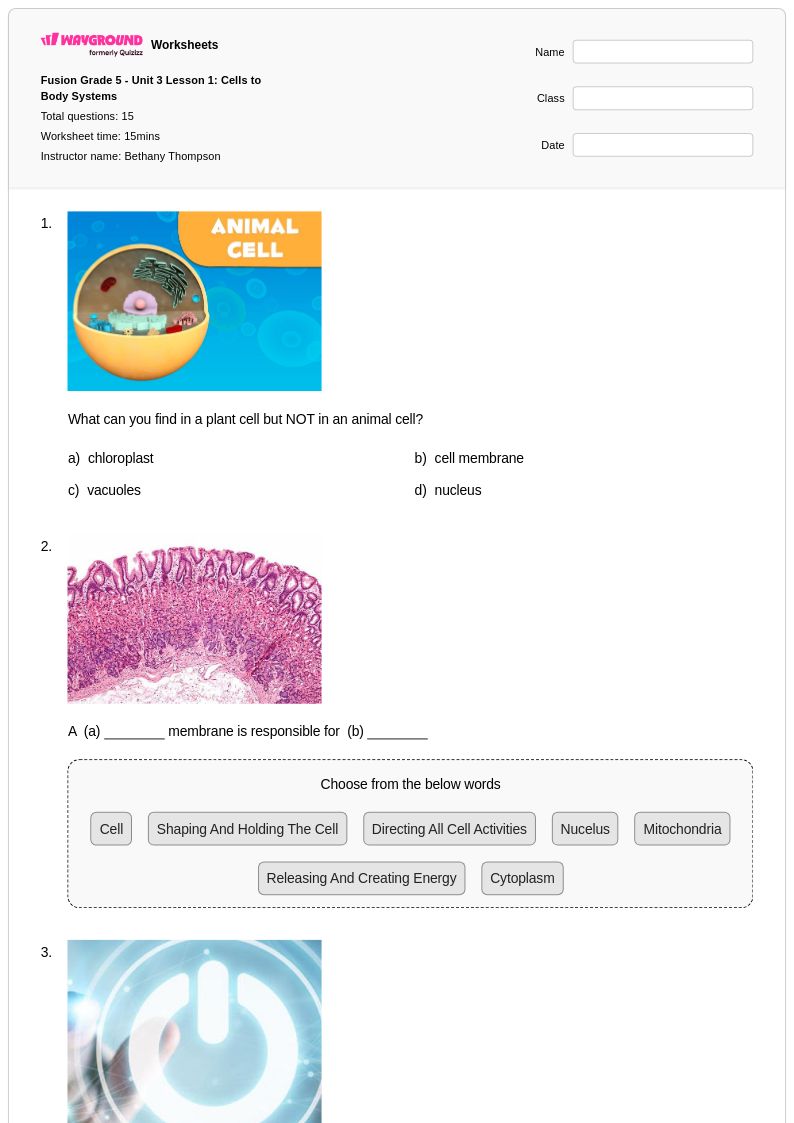
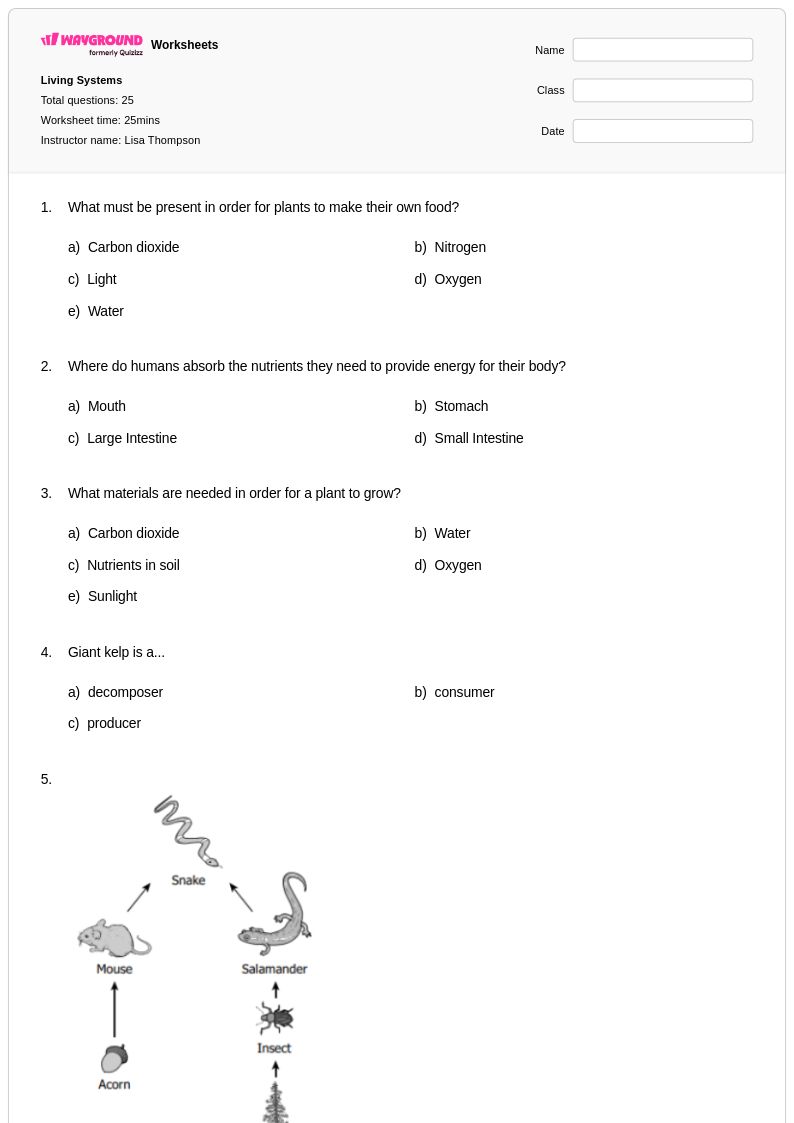
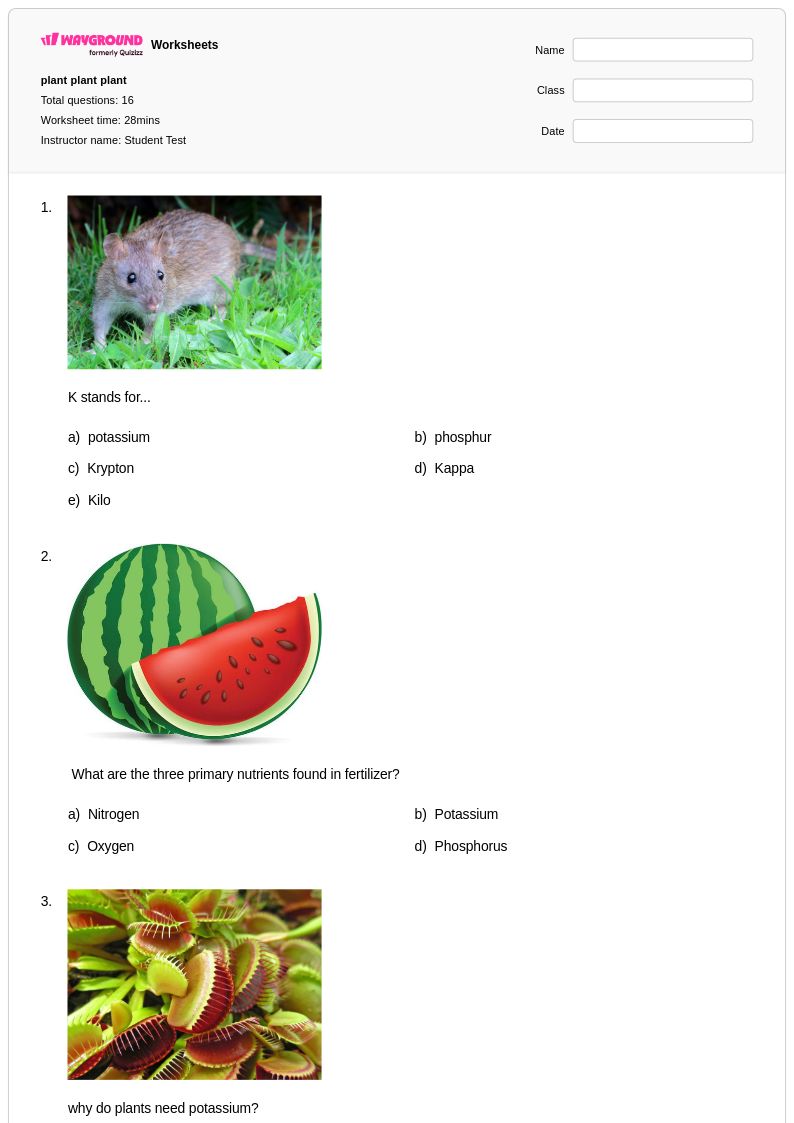
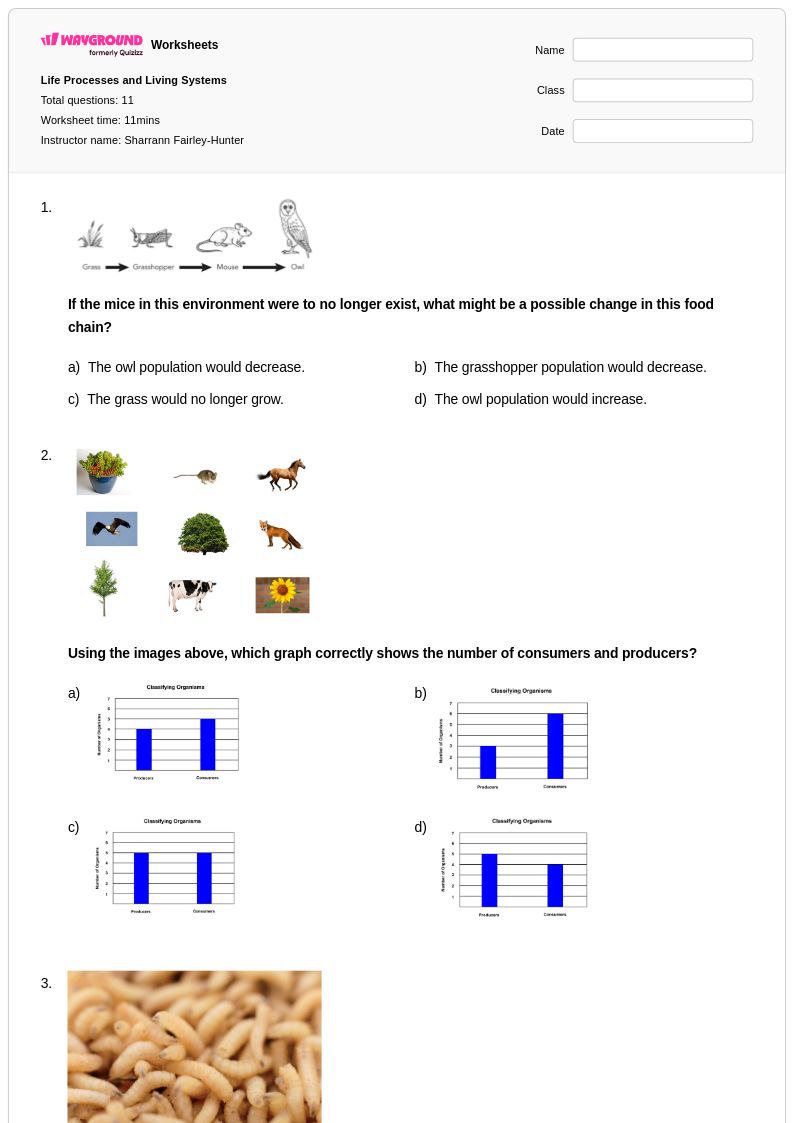
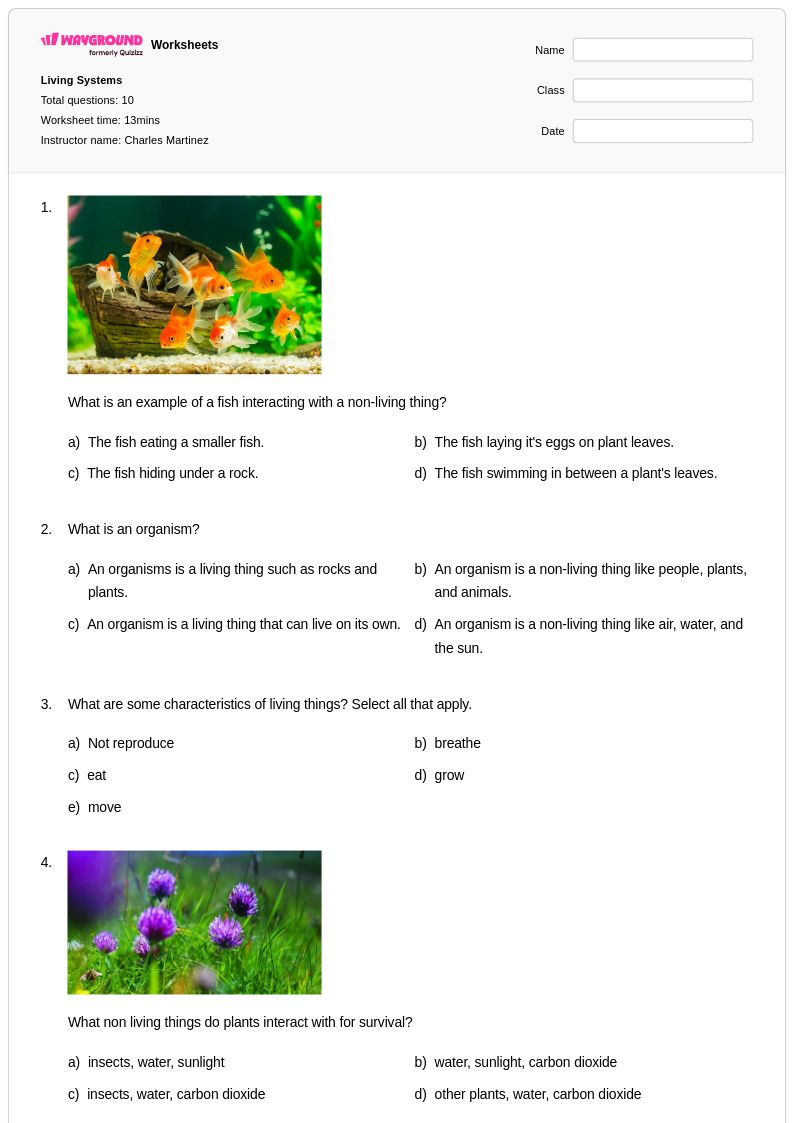
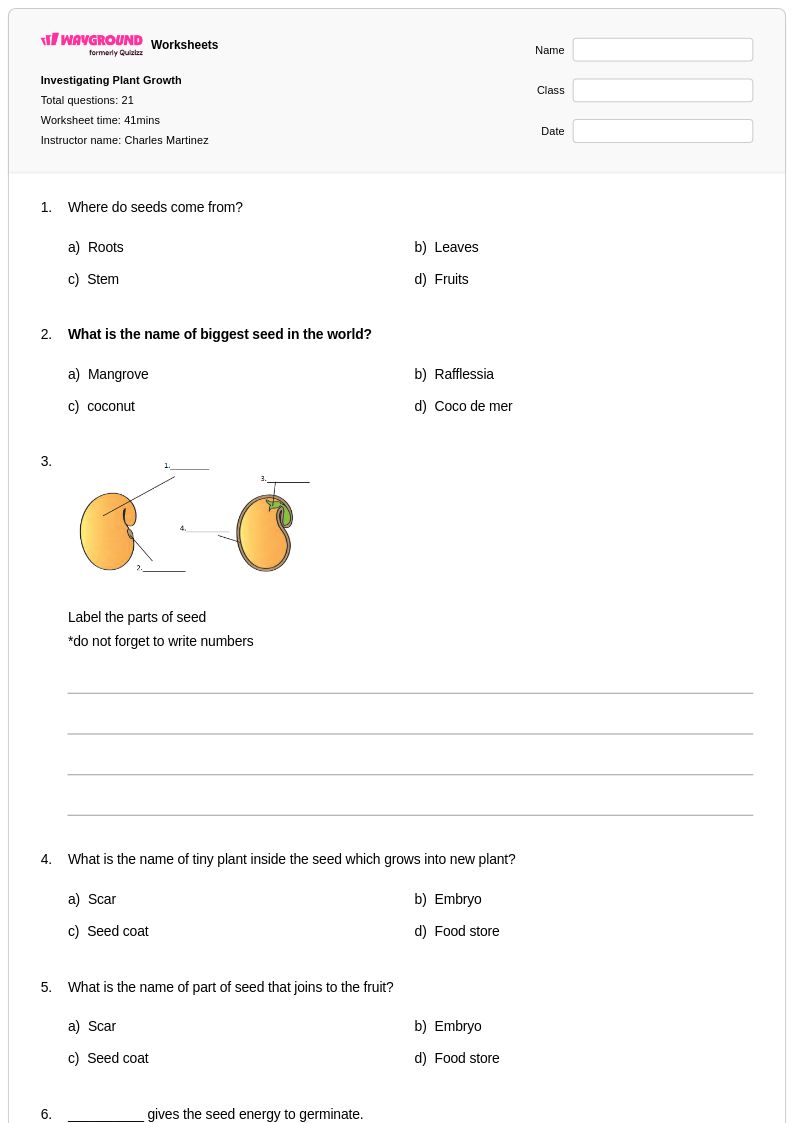
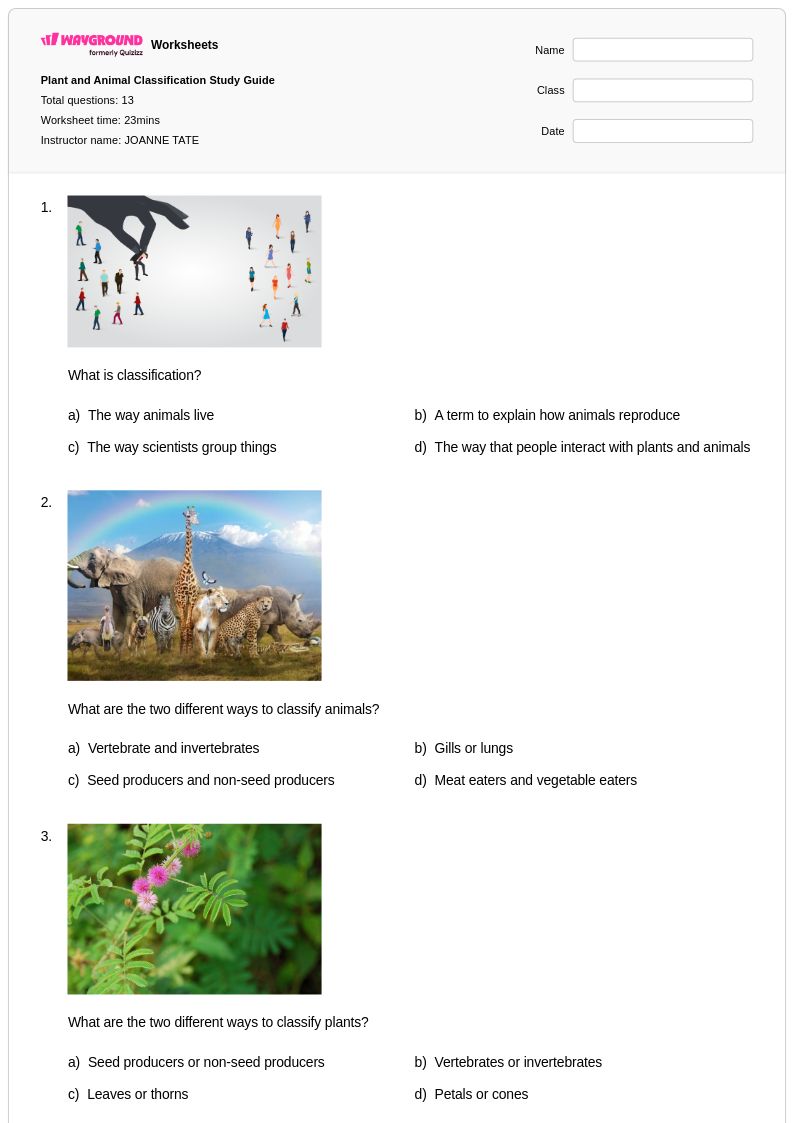
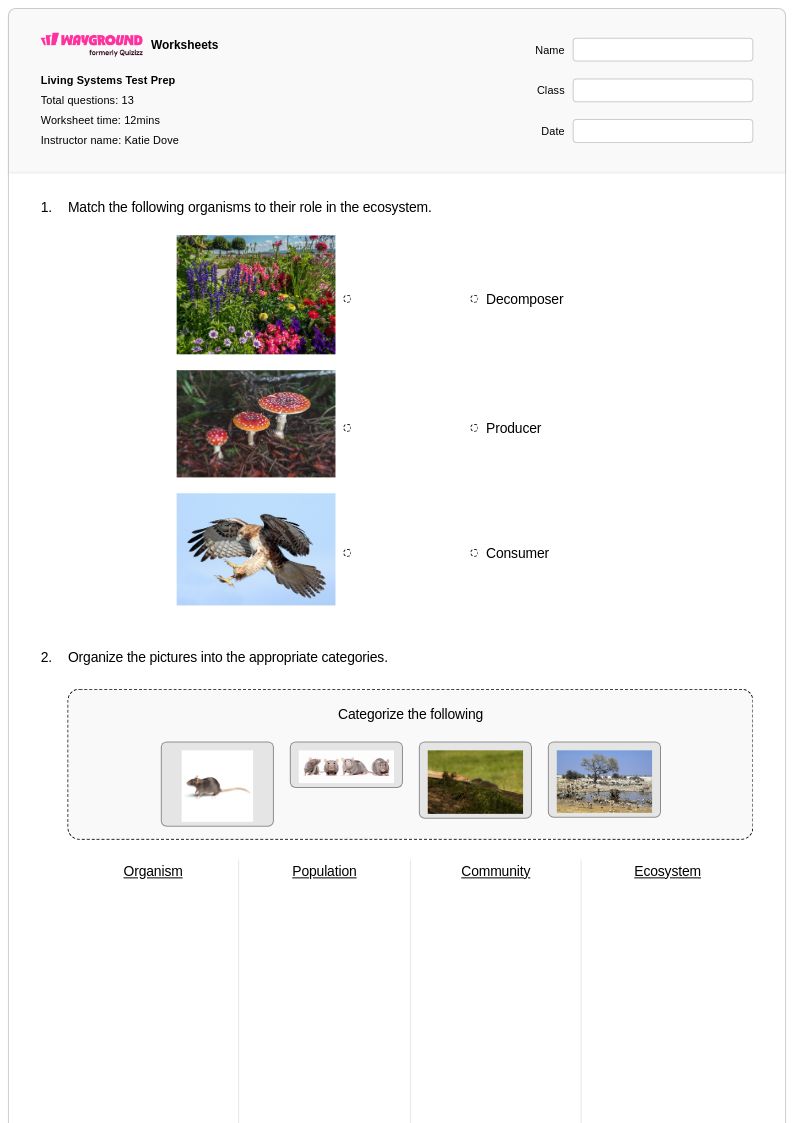
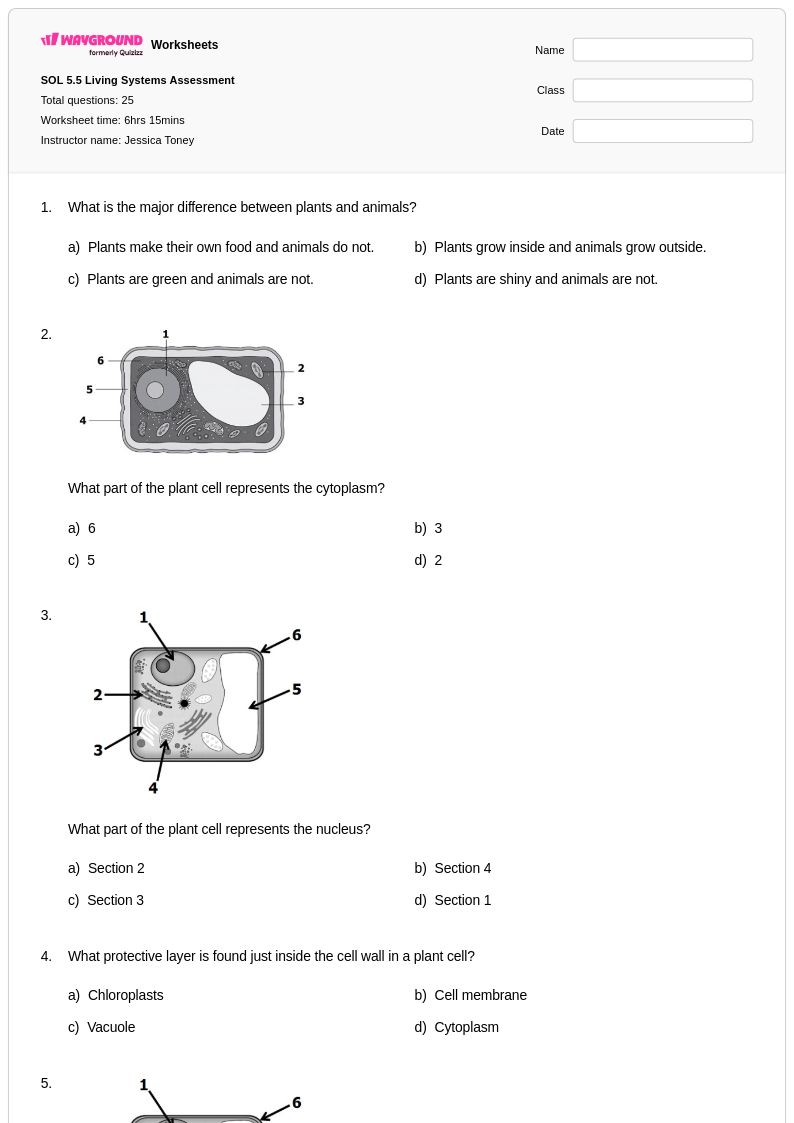
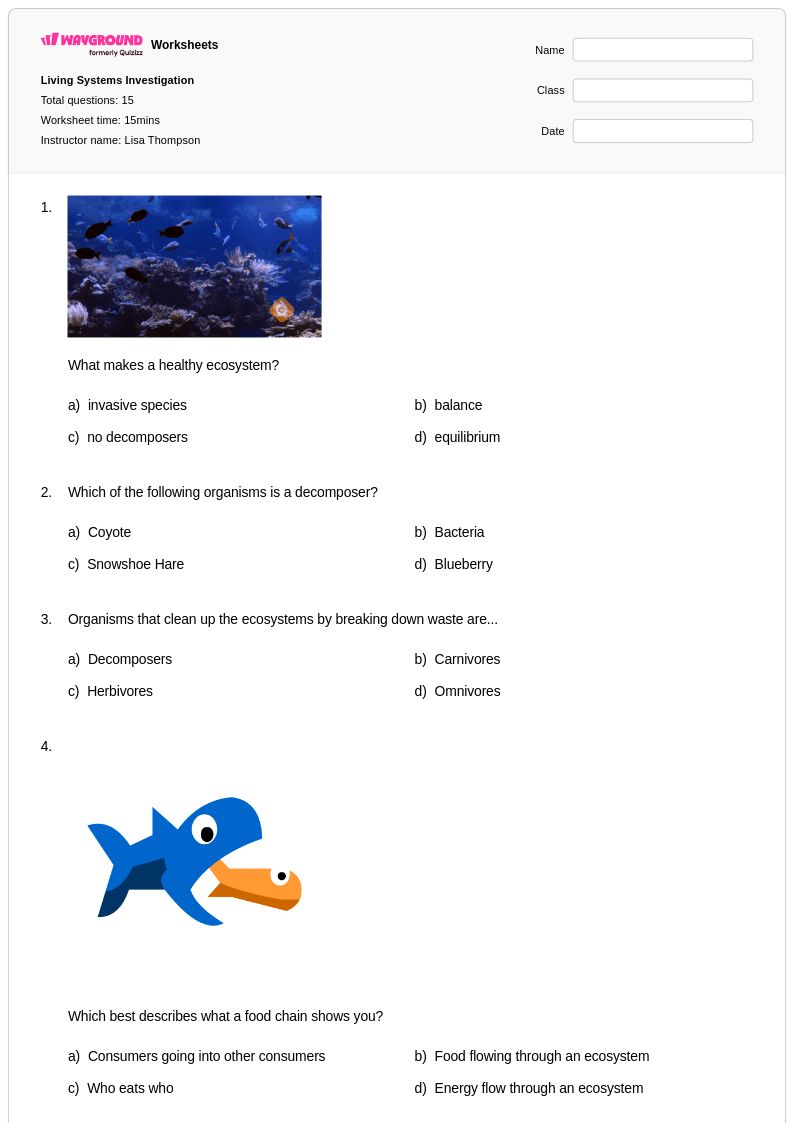
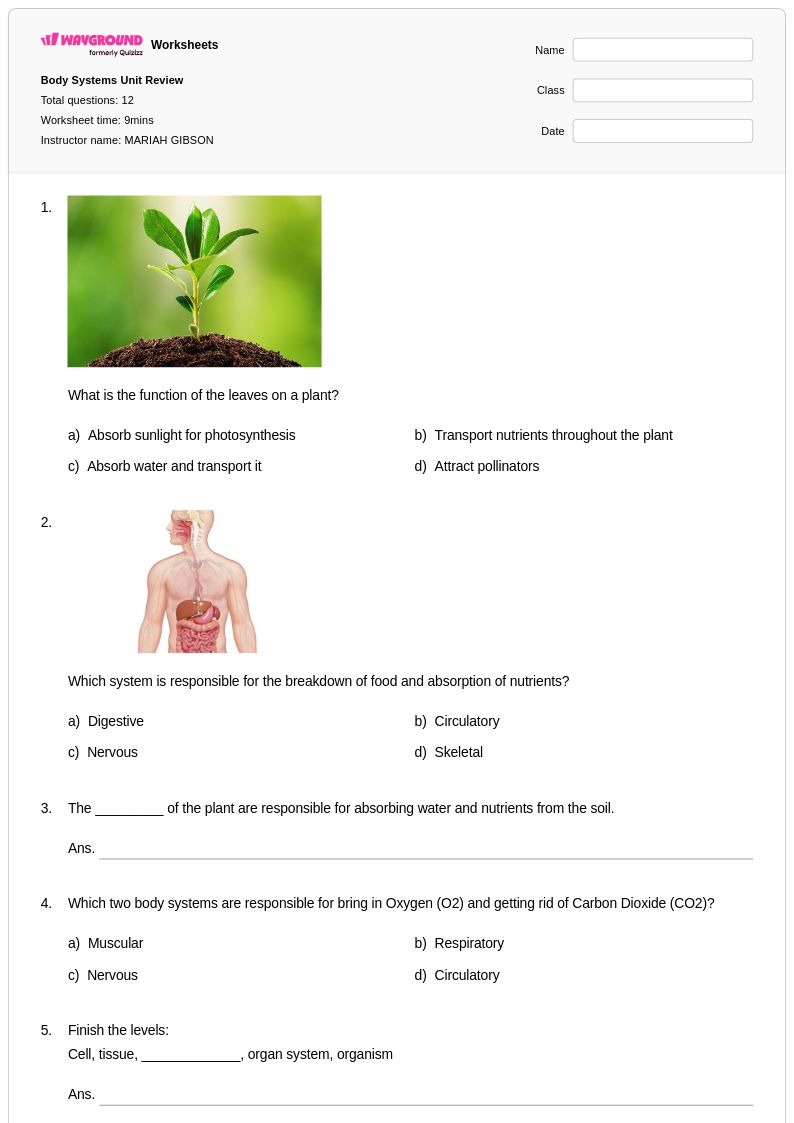
Plant systems worksheets for Class 5 students available through Wayground (formerly Quizizz) provide comprehensive coverage of how plants obtain nutrients, transport materials, and carry out essential life processes. These educational resources strengthen students' understanding of root systems that anchor plants and absorb water and minerals, stem structures that provide support and transport substances throughout the plant, and leaf functions including photosynthesis and gas exchange. The collection includes practice problems that challenge students to identify plant parts, trace the movement of water and nutrients through vascular tissue, and explain how different plant systems work together to maintain life. Each worksheet comes with a detailed answer key, and teachers can access these materials as free printables in convenient PDF format, making them ideal for both classroom instruction and independent study.
Wayground (formerly Quizizz) empowers educators with millions of teacher-created plant systems resources that can be easily discovered through robust search and filtering capabilities aligned to curriculum standards. The platform's differentiation tools allow teachers to customize worksheets based on individual student needs, providing multiple difficulty levels and learning approaches within the same topic area. These flexible materials are available in both printable and digital formats, including downloadable PDFs that can be used offline or integrated into existing lesson plans. Teachers utilize these comprehensive collections for daily instruction, targeted remediation for struggling learners, enrichment activities for advanced students, and systematic skill practice that builds scientific literacy. The extensive library ensures educators have access to high-quality, standards-aligned content that supports effective planning and delivers engaging plant systems instruction for Class 5 classrooms.
FAQs
How do I teach plant systems to middle or high school students?
Effective plant systems instruction connects molecular processes to visible, whole-organism functions. Start with plant structures (roots, stems, leaves) and build toward how xylem and phloem transport water and nutrients, then layer in photosynthesis, cellular respiration, and transpiration as interconnected processes. Using diagrams, experimental data interpretation, and structured practice problems helps students move from memorization to genuine conceptual understanding.
What exercises help students practice plant systems concepts?
Structured practice problems that require students to analyze plant adaptations, interpret transpiration or photosynthesis experiments, and explain vascular tissue function are particularly effective. Worksheets that connect stomatal regulation to water loss, or hormone responses to tropisms, push students to apply concepts rather than recall isolated facts. Varied problem sets reinforce the relationship between plant structure and function across different contexts.
What mistakes do students commonly make when learning about plant systems?
A frequent misconception is that photosynthesis and cellular respiration are opposites that cancel each other out, rather than distinct processes that can occur simultaneously in plant cells. Students also commonly confuse xylem and phloem functions, mixing up which tissue transports water versus sugars. Another common error is treating stomata as structures that only allow gas exchange, without connecting stomatal opening and closing to transpiration and water regulation.
How do I explain the difference between xylem and phloem to students?
Xylem transports water and dissolved minerals upward from roots to leaves through dead, hollow cells, driven primarily by transpiration pull. Phloem transports sugars and other organic compounds produced during photosynthesis throughout the plant, moving in multiple directions through living sieve tube cells. A useful classroom anchor is the mnemonic: xylem carries water (both start with vowel-consonant patterns students can distinguish), while phloem carries food produced by the plant.
How can I use plant systems worksheets to support students at different skill levels?
Plant systems worksheets that include step-by-step solutions and detailed answer keys allow struggling students to self-correct and identify where their reasoning broke down, while advanced students can use the same materials to check deeper analytical work. On Wayground, teachers can apply accommodations such as read aloud, extended time, and reduced answer choices to individual students, so a single worksheet assignment can serve the full range of learners in a class without requiring separate materials.
Are plant systems worksheets available as printable PDFs or digital formats?
Plant systems worksheets on Wayground are available in both printable PDF formats for traditional classroom use and digital formats for technology-integrated or hybrid learning environments. Teachers can also host the worksheets as a quiz directly on Wayground, enabling real-time student responses and automated grading. All worksheets include complete answer keys, making them practical for independent practice, homework, or in-class assessment.