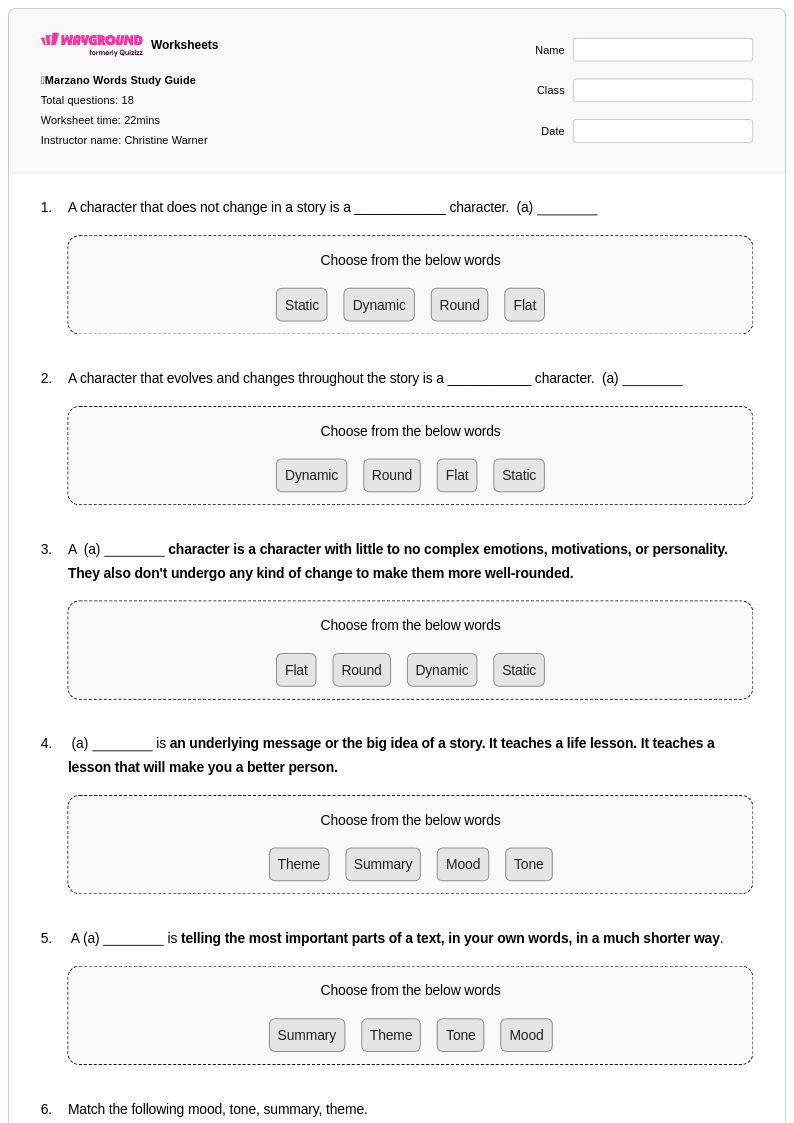
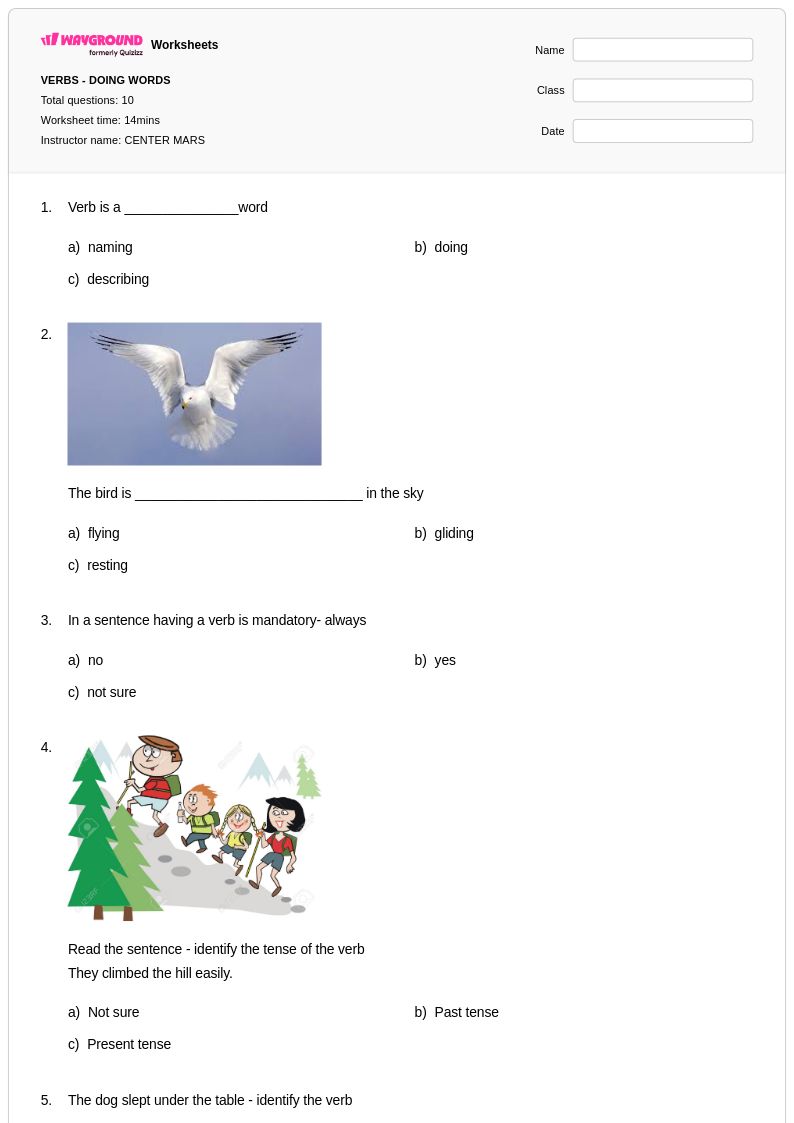
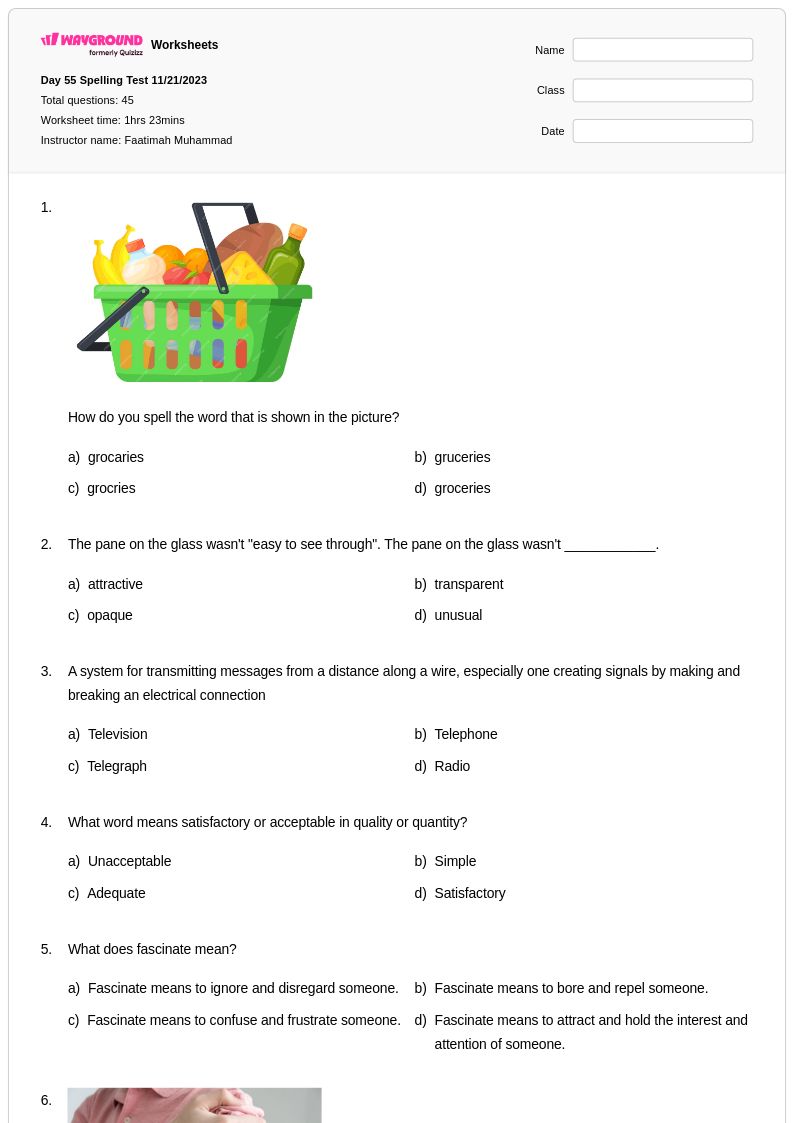
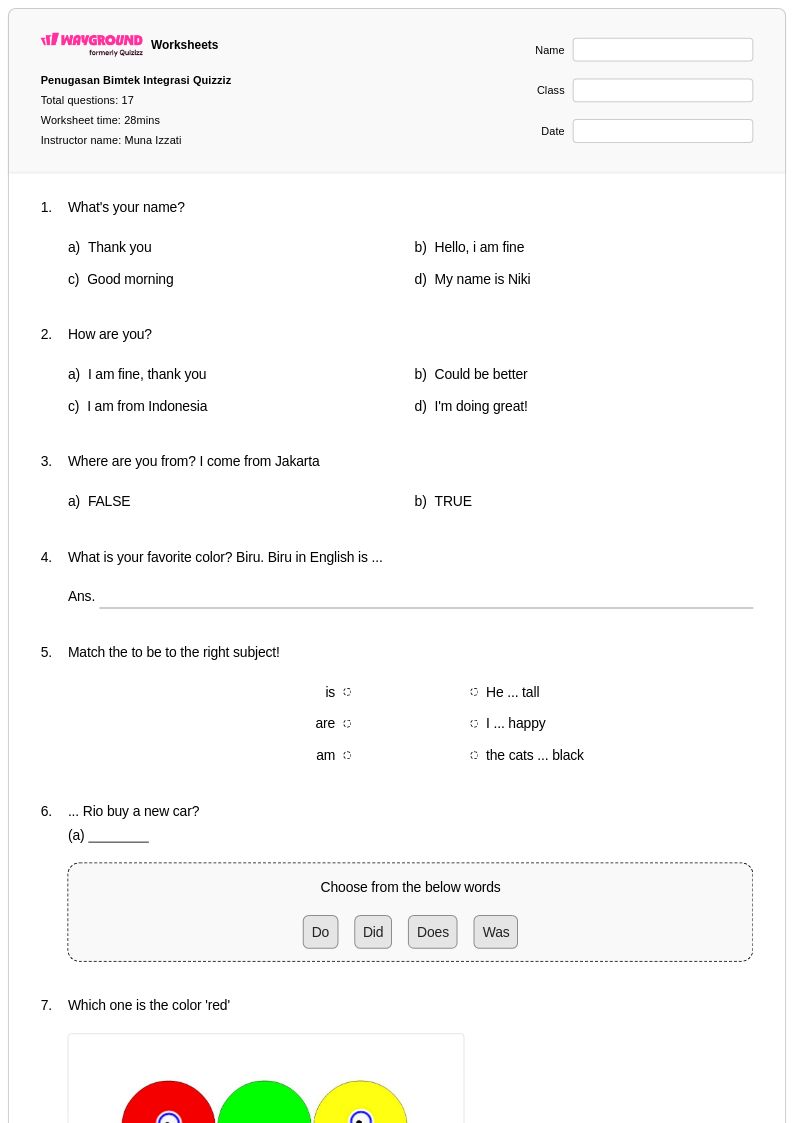
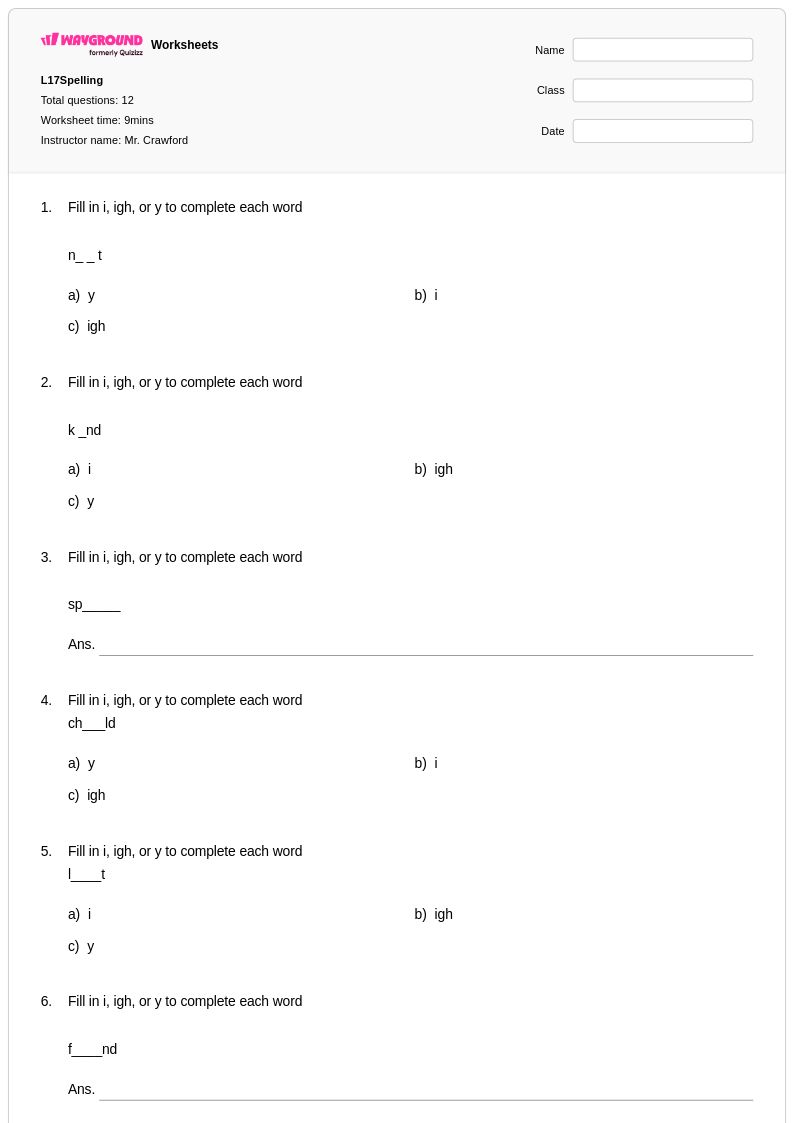
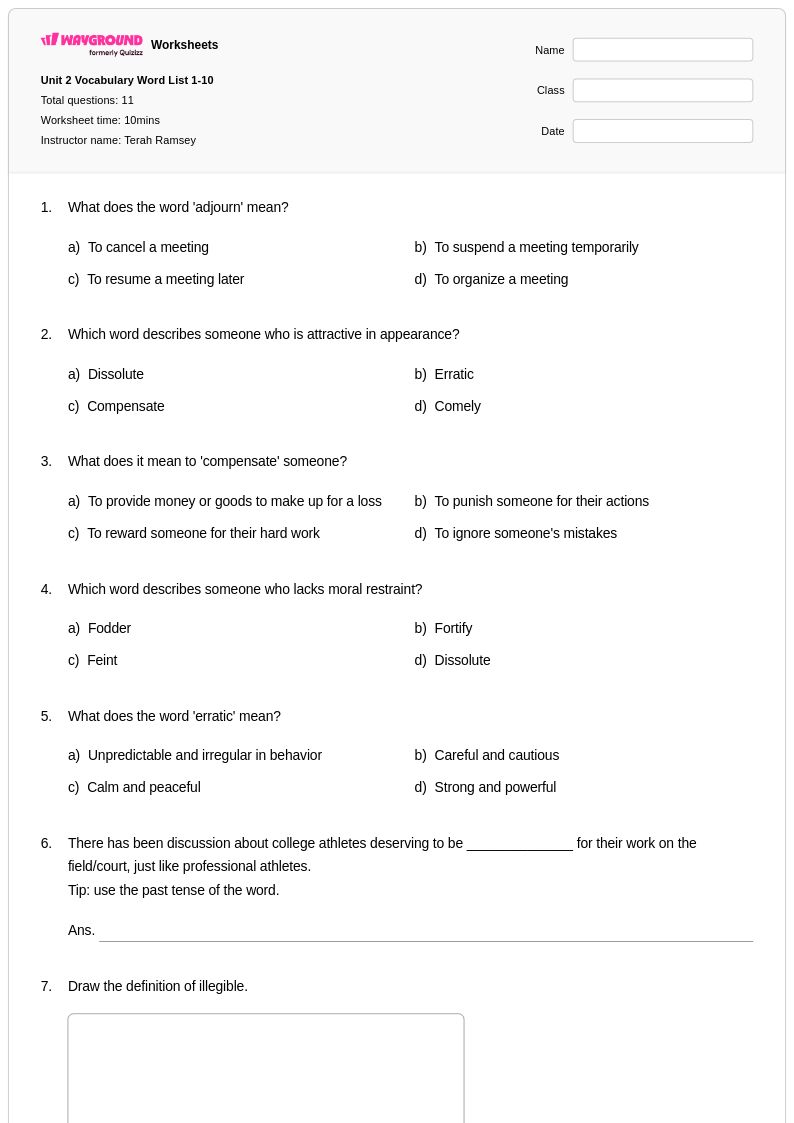
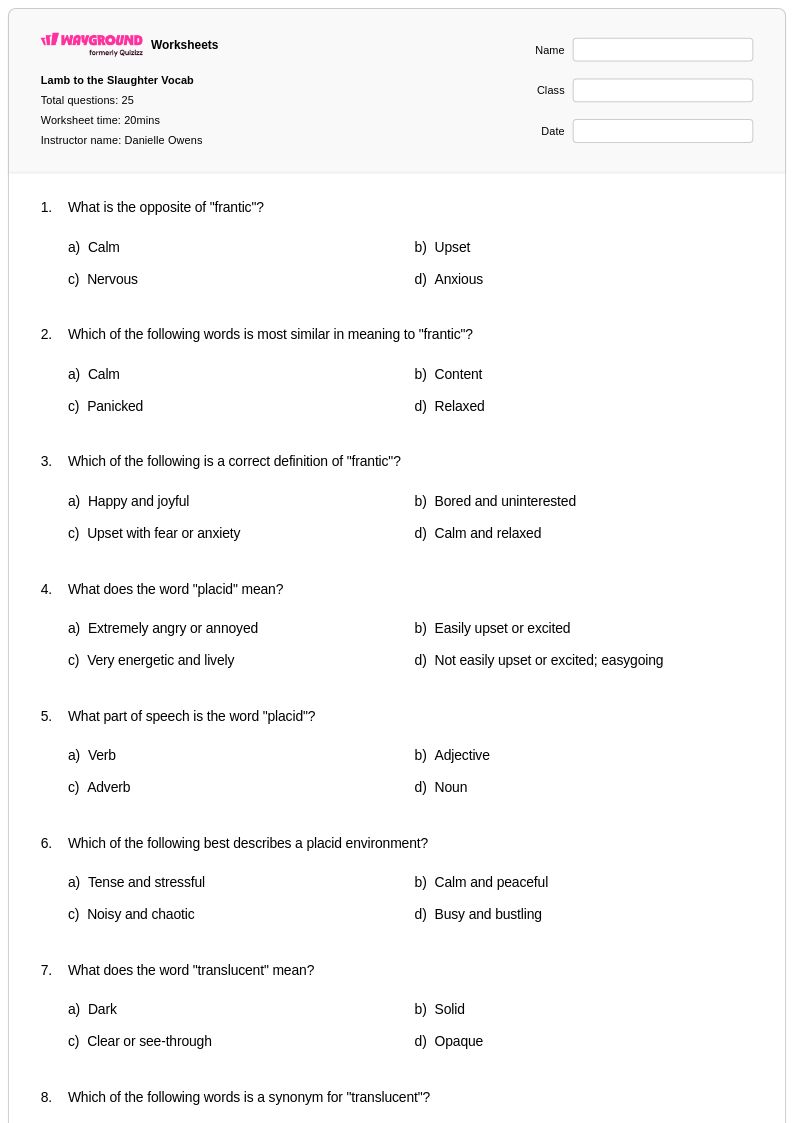
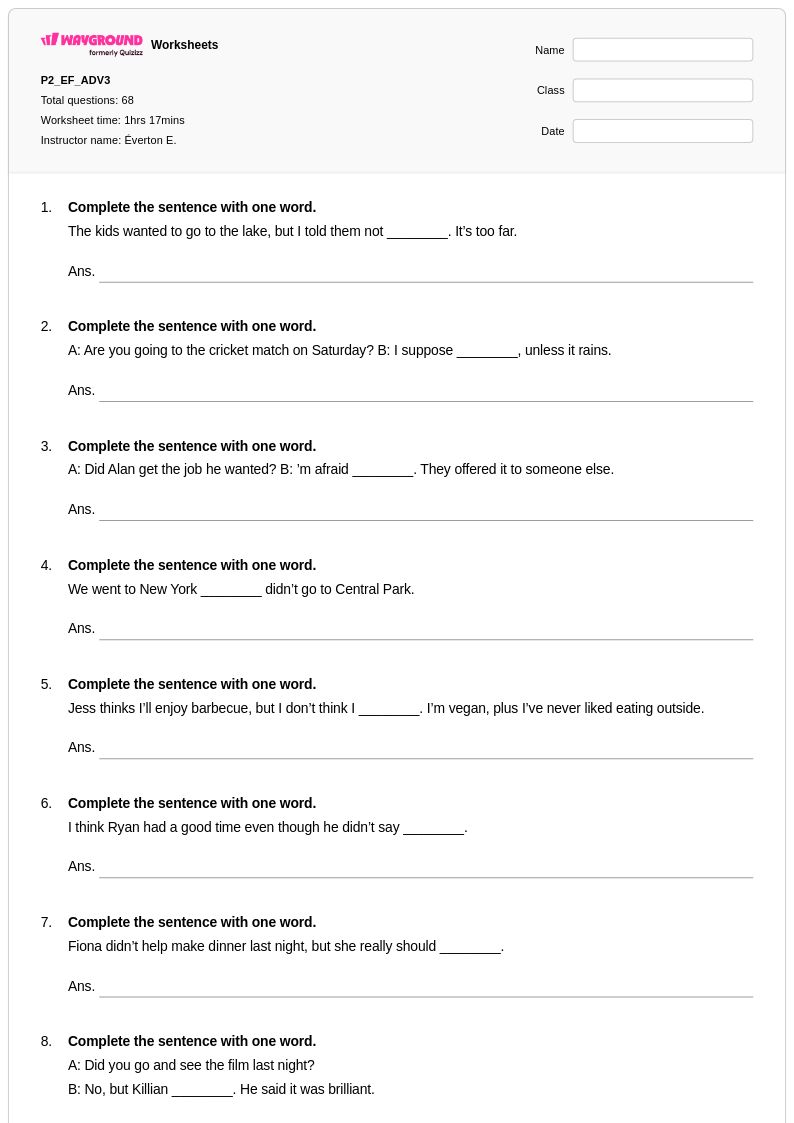
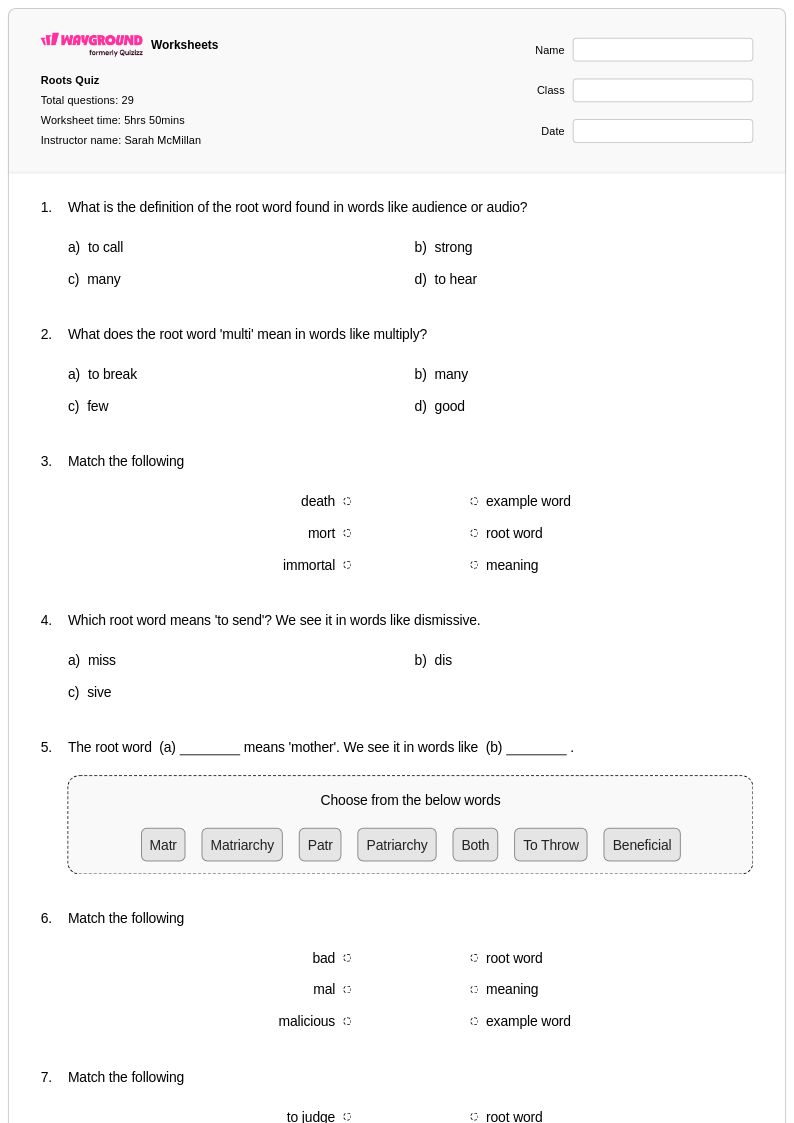
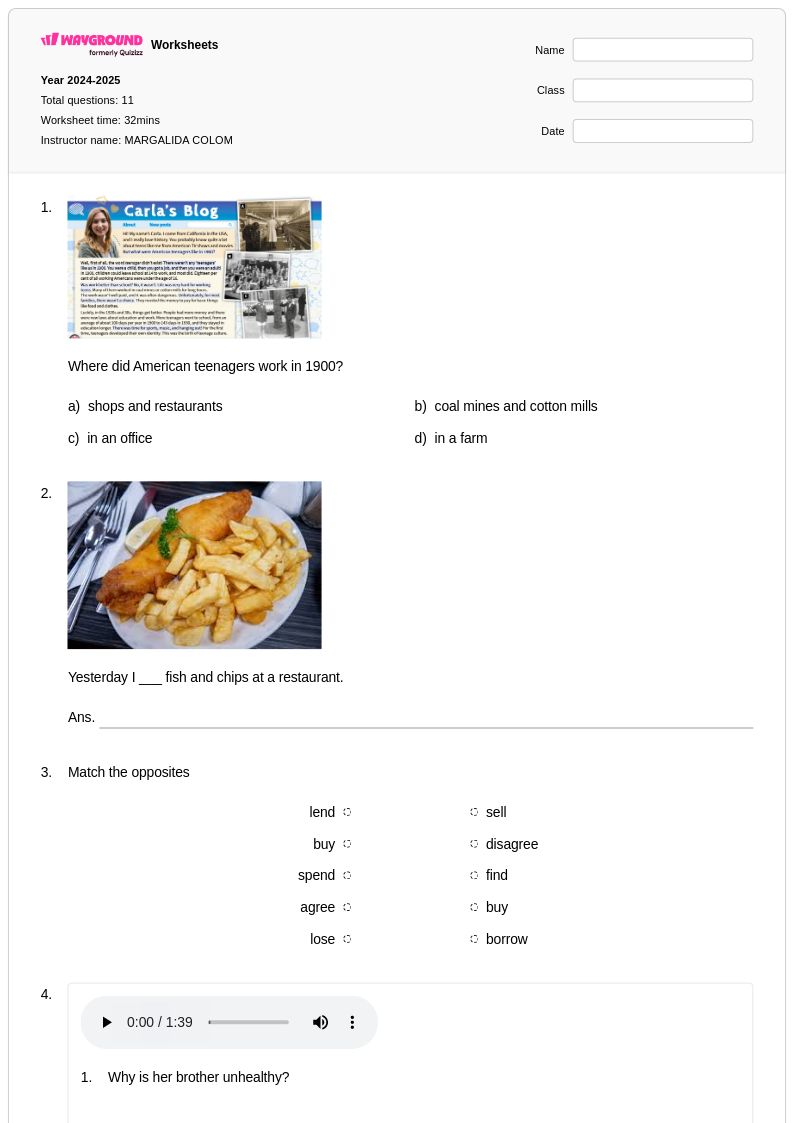
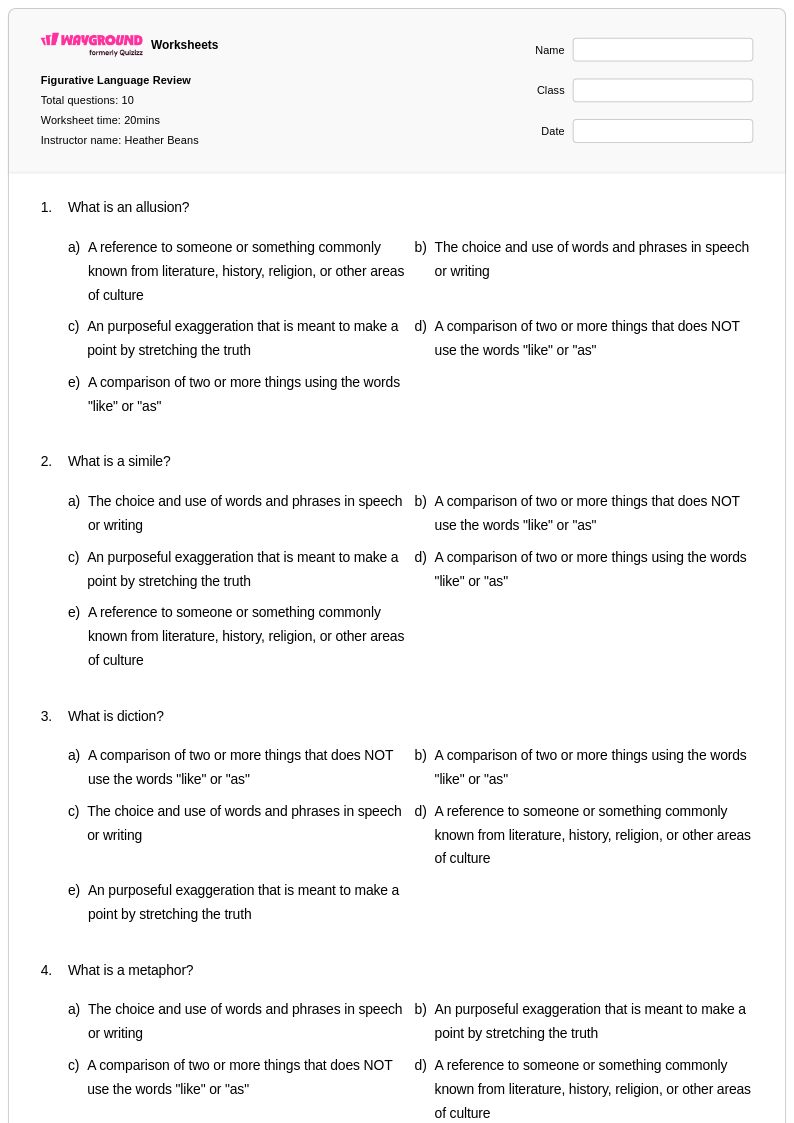
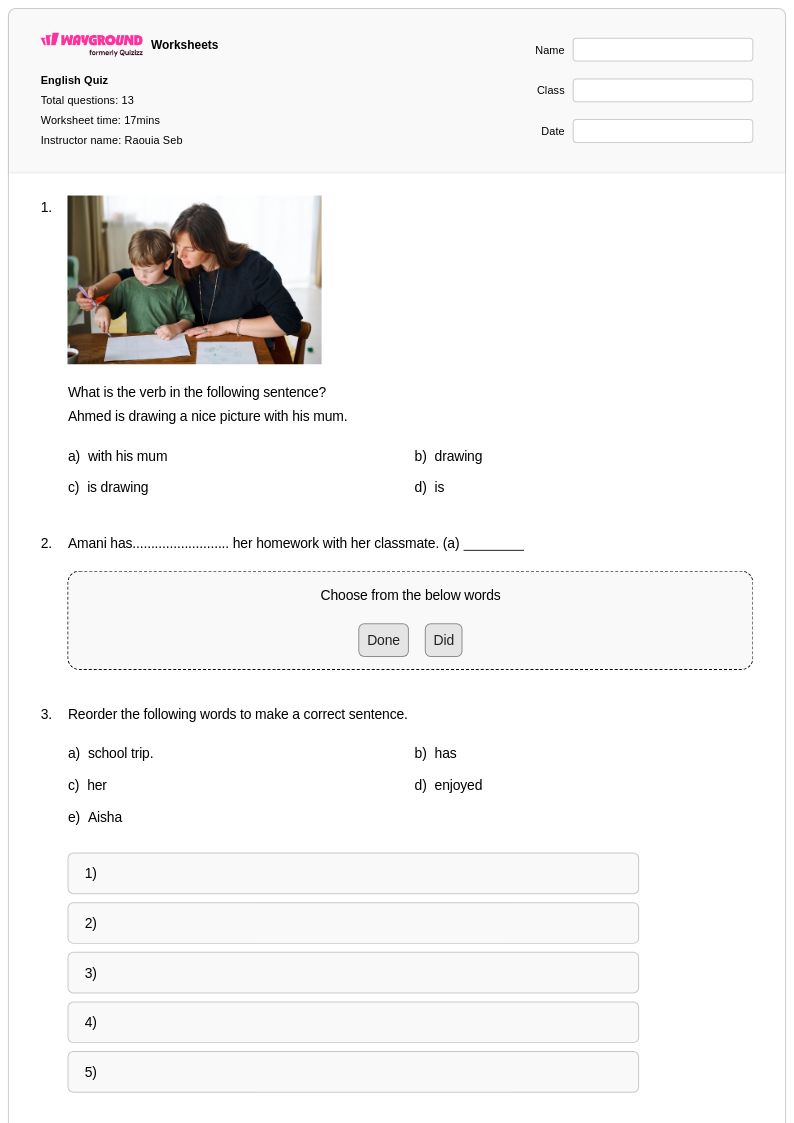
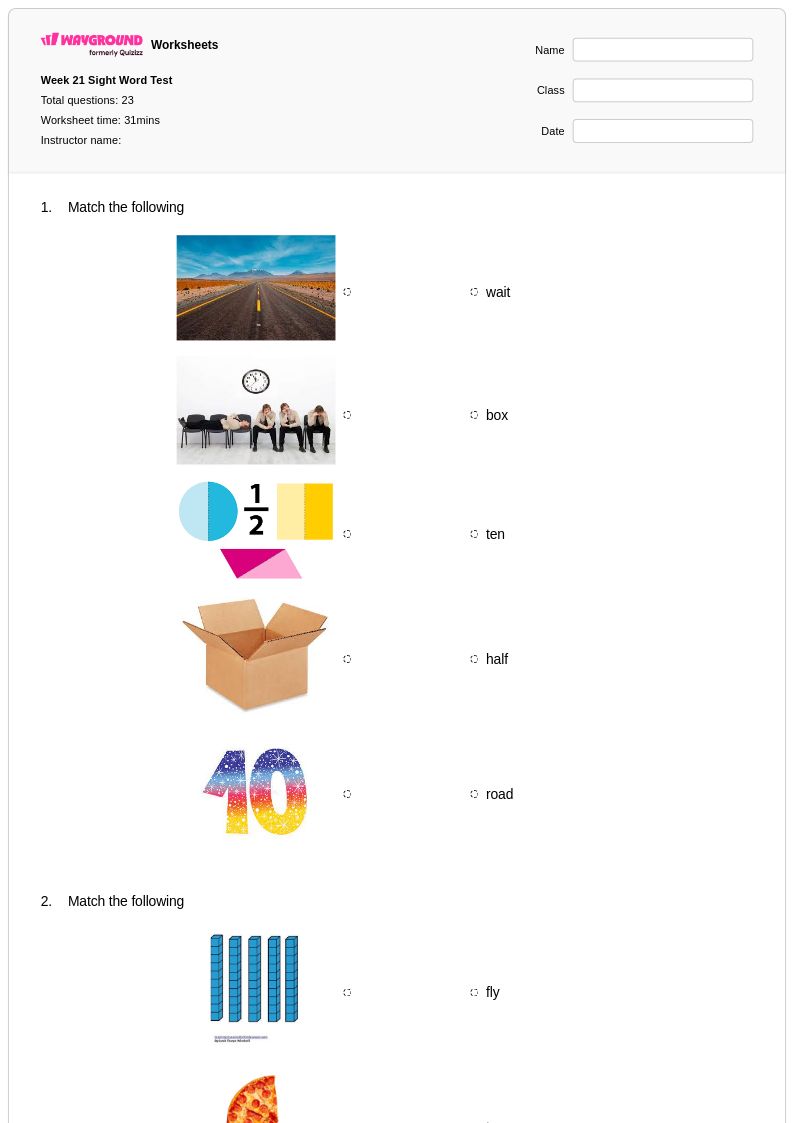
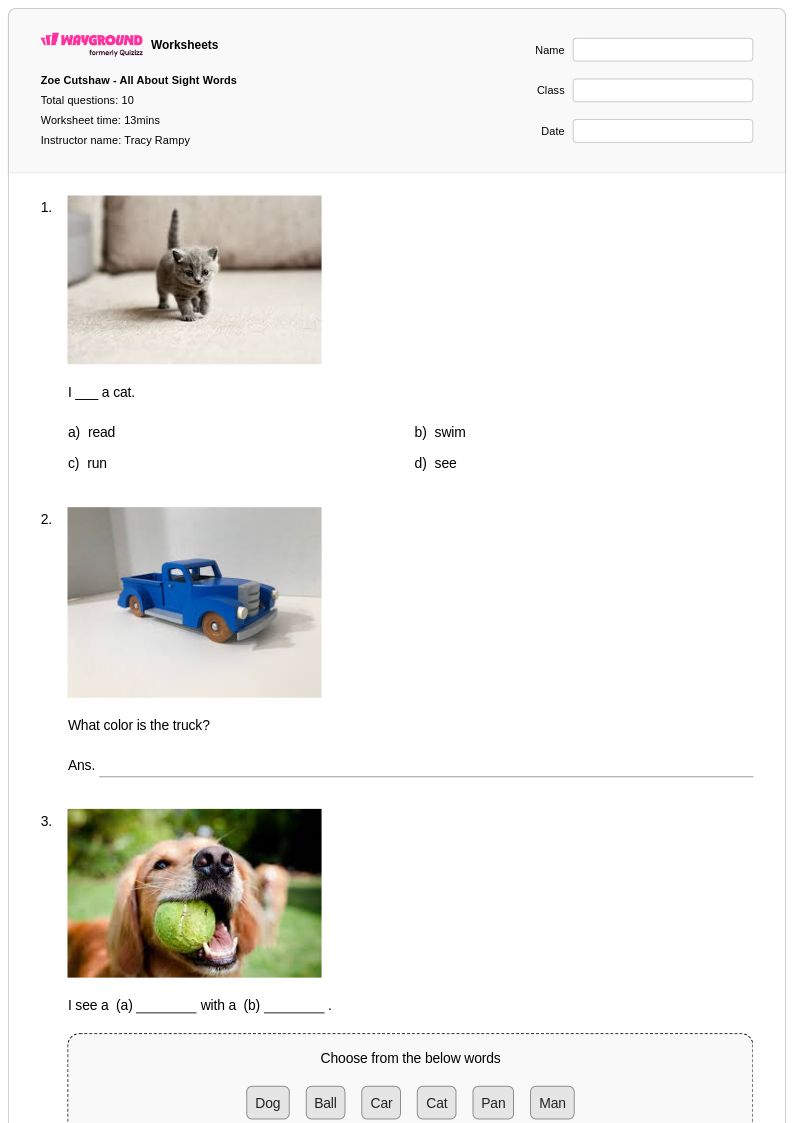
Explore Wayground's free stretching words worksheets and printables that help students practice breaking down phonetic sounds to improve reading fluency and phonemic awareness skills through engaging activities with answer keys.
Stretching words worksheets available through Wayground (formerly Quizizz) provide essential phonemic awareness practice that helps students develop critical pre-reading and early reading skills. These comprehensive printables focus on the fundamental technique of elongating individual sounds within words, allowing learners to identify and manipulate phonemes more effectively. Students work through carefully structured practice problems that guide them in segmenting words into their component sounds, strengthening their ability to hear, isolate, and blend phonemes. Each worksheet includes systematic exercises that progress from simple consonant-vowel-consonant patterns to more complex word structures, with answer keys provided to support both independent practice and guided instruction. These free resources emphasize the connection between phonemic awareness and successful decoding, making them invaluable tools for building the foundational skills necessary for reading fluency.
Wayground (formerly Quizizz) supports educators with an extensive collection of teacher-created stretching words worksheets, drawing from millions of resources developed by experienced practitioners in the field. The platform's robust search and filtering capabilities allow teachers to quickly locate materials that align with specific phonics standards and learning objectives, while differentiation tools enable customization for diverse learner needs. These worksheets are available in both printable pdf formats for traditional classroom use and digital versions for interactive learning environments, providing the flexibility teachers need for effective lesson planning. The comprehensive nature of these resources supports targeted remediation for struggling readers, enrichment opportunities for advanced students, and consistent skill practice across various instructional settings, making it easier for educators to address the full spectrum of phonemic awareness development in their classrooms.
FAQs
How do I teach stretching words to early readers?
Teaching stretching words involves modeling how to slowly elongate each sound in a word, separating it into its individual phonemes before blending them back together. Start with simple consonant-vowel-consonant words like 'cat' or 'dog,' demonstrating how to 'stretch' each sound orally before connecting it to print. Repetition and multisensory reinforcement, such as tapping fingers for each sound or using visual segmentation boxes, helps students internalize the technique and apply it independently during reading and writing tasks.
What exercises help students practice stretching words and phoneme segmentation?
Effective practice exercises include oral sound stretching with physical prompts, written segmentation using Elkonin (sound) boxes, and matching activities that pair pictures with their segmented phoneme sequences. Worksheets that progress from simple CVC words to more complex structures give students a scaffolded path toward fluency. Consistent, structured practice that moves from guided to independent work helps students internalize phoneme segmentation as an automatic reading strategy.
What common mistakes do students make when learning to stretch words?
A frequent error is blending two sounds together rather than isolating each phoneme individually, particularly with consonant blends like 'str' or 'bl.' Students also sometimes skip medial vowel sounds, which weakens their ability to decode unfamiliar words accurately. Another common issue is confusing letter names with letter sounds, so reinforcing the distinction between the two is essential during stretching words instruction.
Why is stretching words important for reading fluency?
Stretching words builds phonemic awareness, which is one of the strongest predictors of early reading success. When students can consciously segment and manipulate the sounds in words, they decode unfamiliar text more accurately and develop stronger spelling skills as a result. This foundational skill bridges oral language and written language, giving students the tools they need to approach new words with confidence rather than guessing from context alone.
How do I use Wayground's stretching words worksheets in my classroom?
Wayground's stretching words worksheets are available as printable PDFs for traditional classroom use and in digital formats for technology-integrated learning environments, and can also be hosted as a quiz directly on Wayground. Each worksheet includes an answer key, making them suitable for independent practice, small group instruction, or take-home assignments. Wayground also supports student-level accommodations such as read aloud, extended time, and reduced answer choices, so teachers can tailor the experience for students who need additional support without singling them out.
How can I differentiate stretching words practice for students at different skill levels?
For struggling readers, begin with two-phoneme words and use visual or tactile supports like segmentation boxes before moving to three-sound CVC words. More advanced students can be challenged with four- and five-phoneme words or words containing blends and digraphs. On Wayground, teachers can apply individual accommodations such as read aloud or reduced answer choices to specific students, ensuring that each learner engages with stretching words practice at the appropriate level of support.