
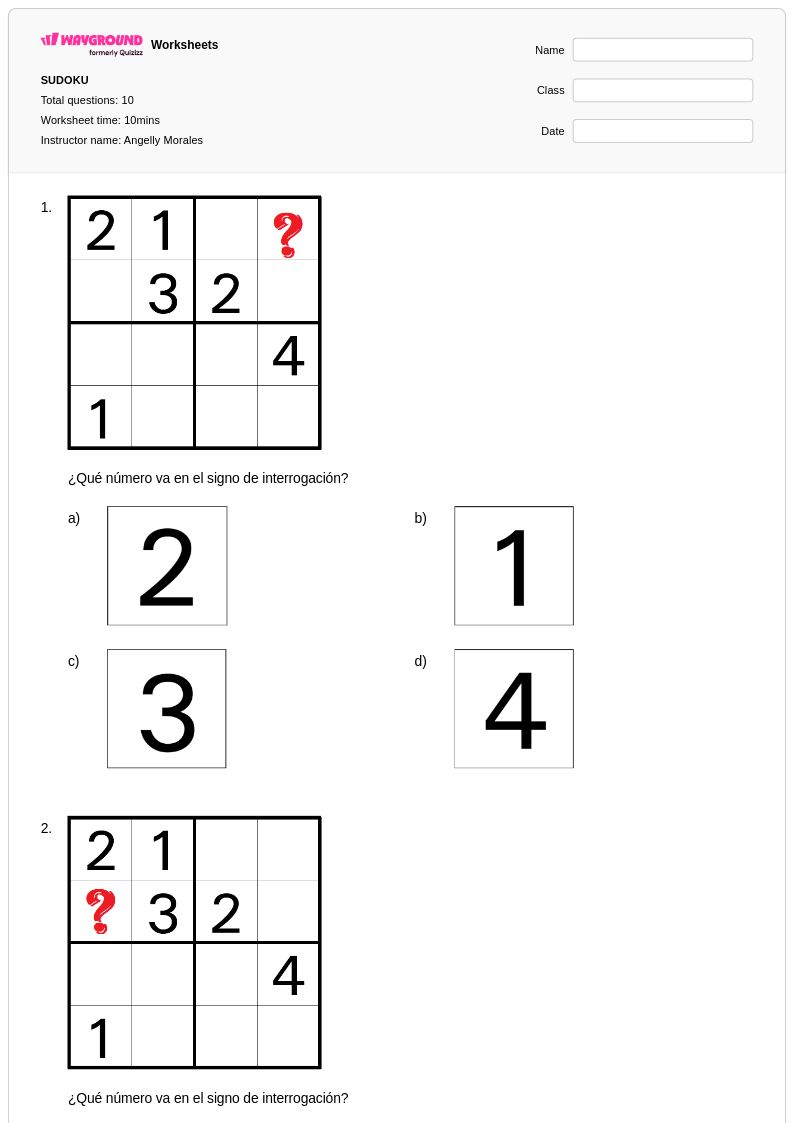
10 Q
1st - 5th
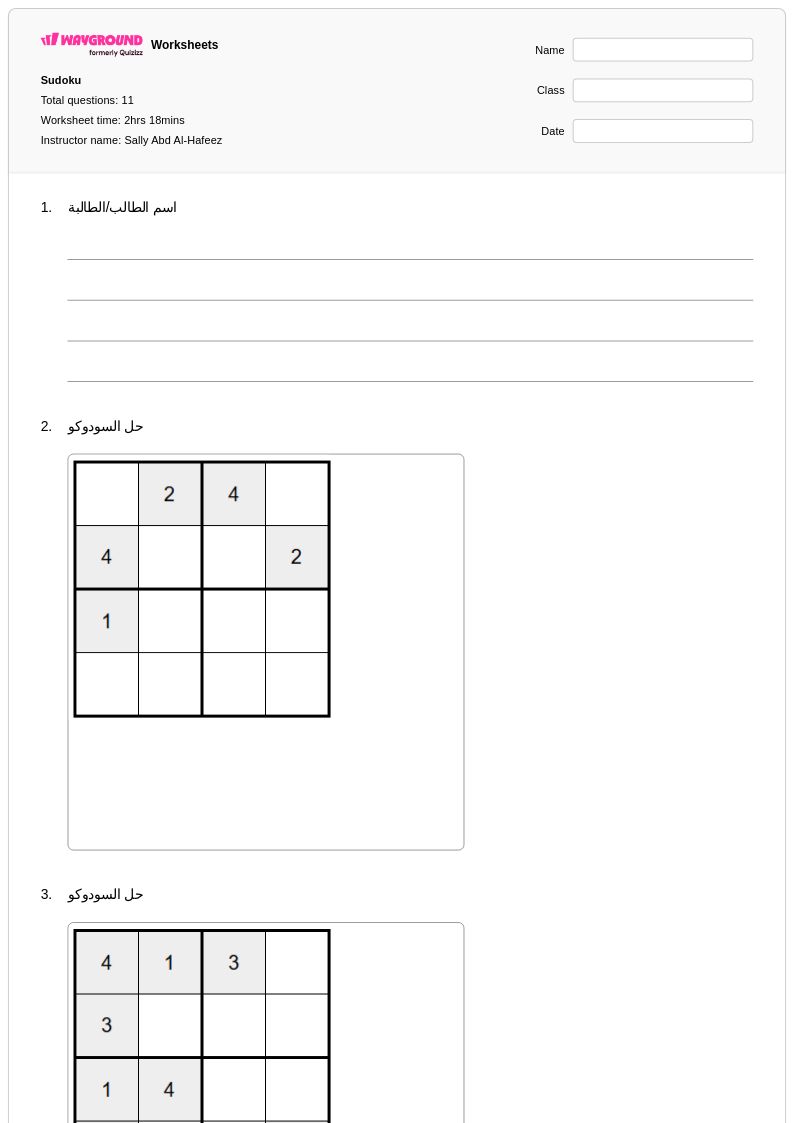
11 Q
5th
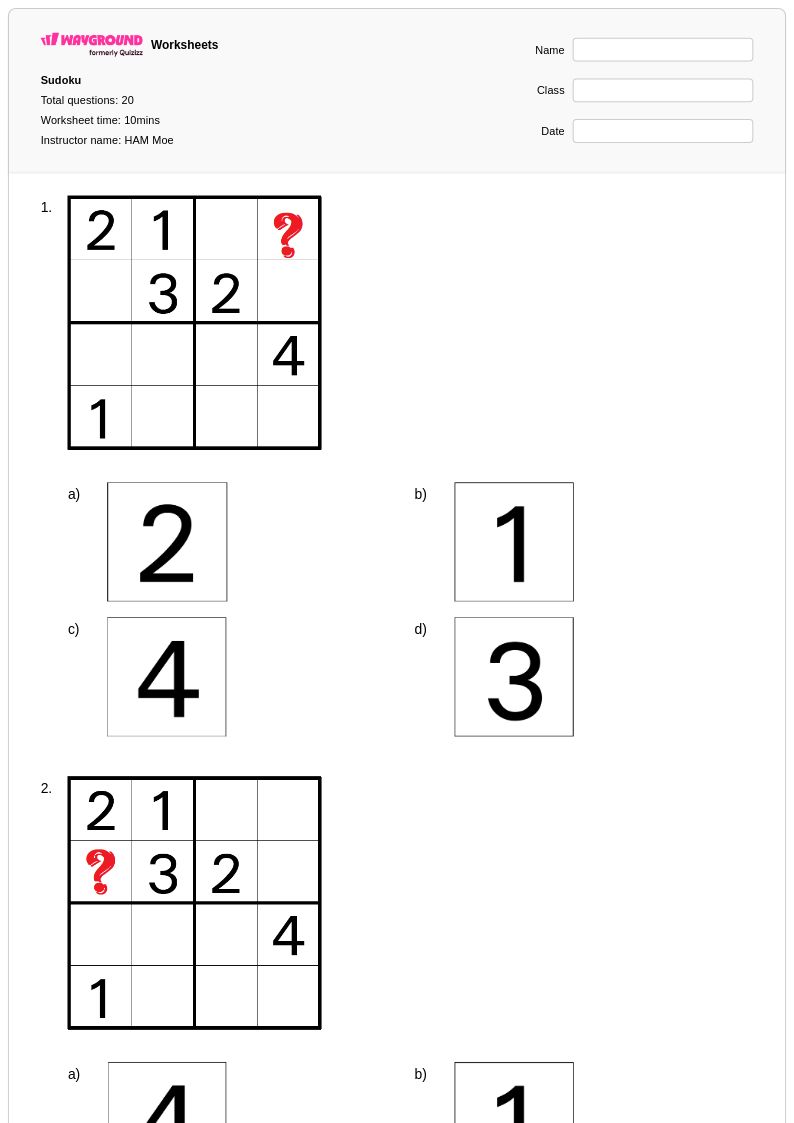
20 Q
1st - 6th
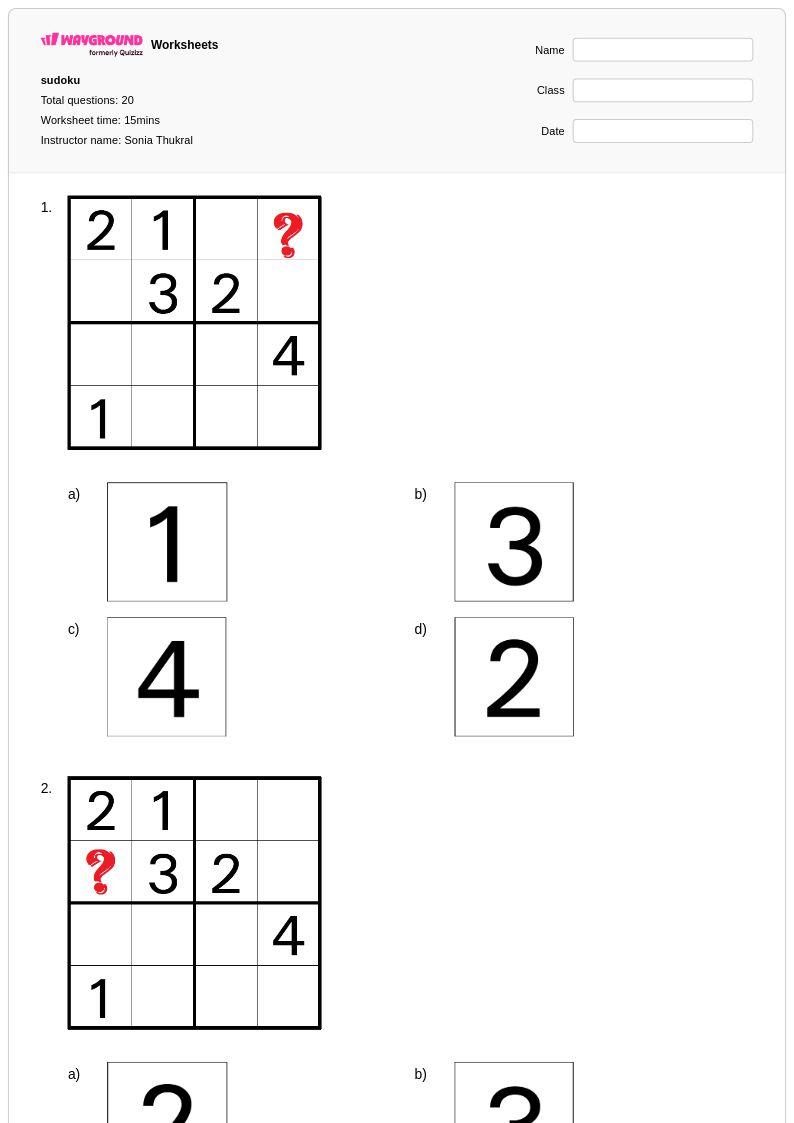
20 Q
4th - 5th
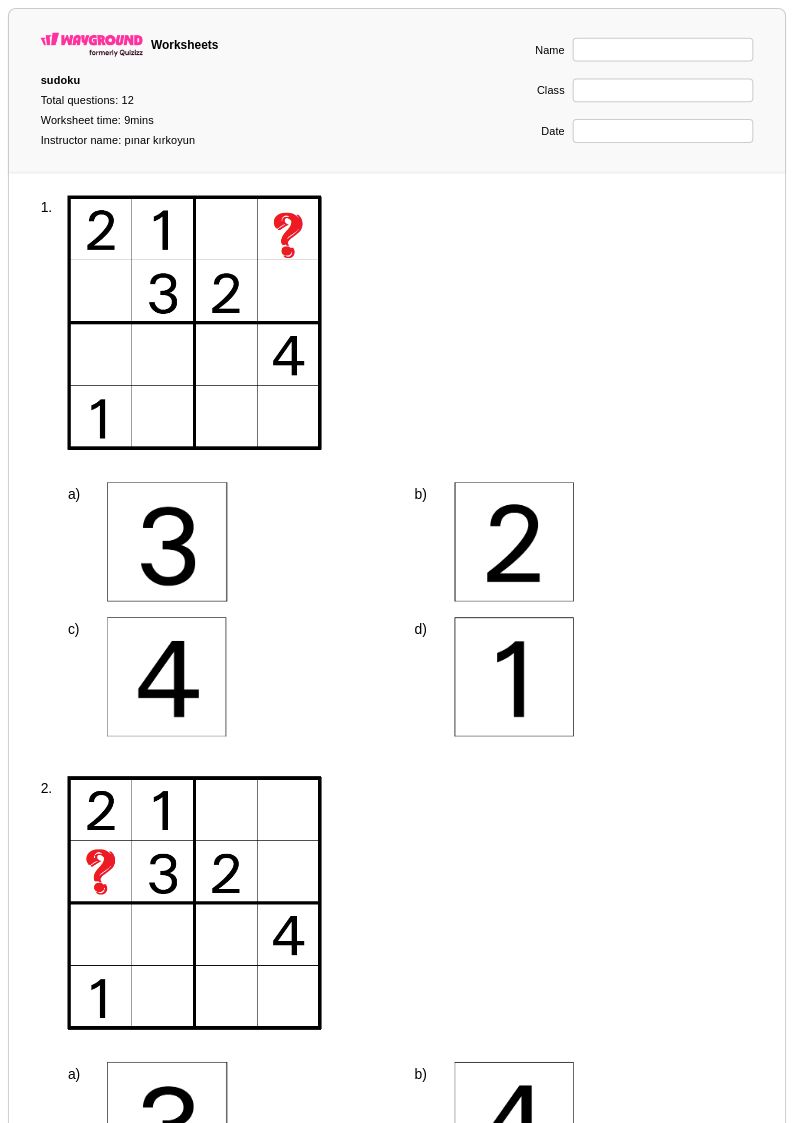
12 Q
1st - 5th
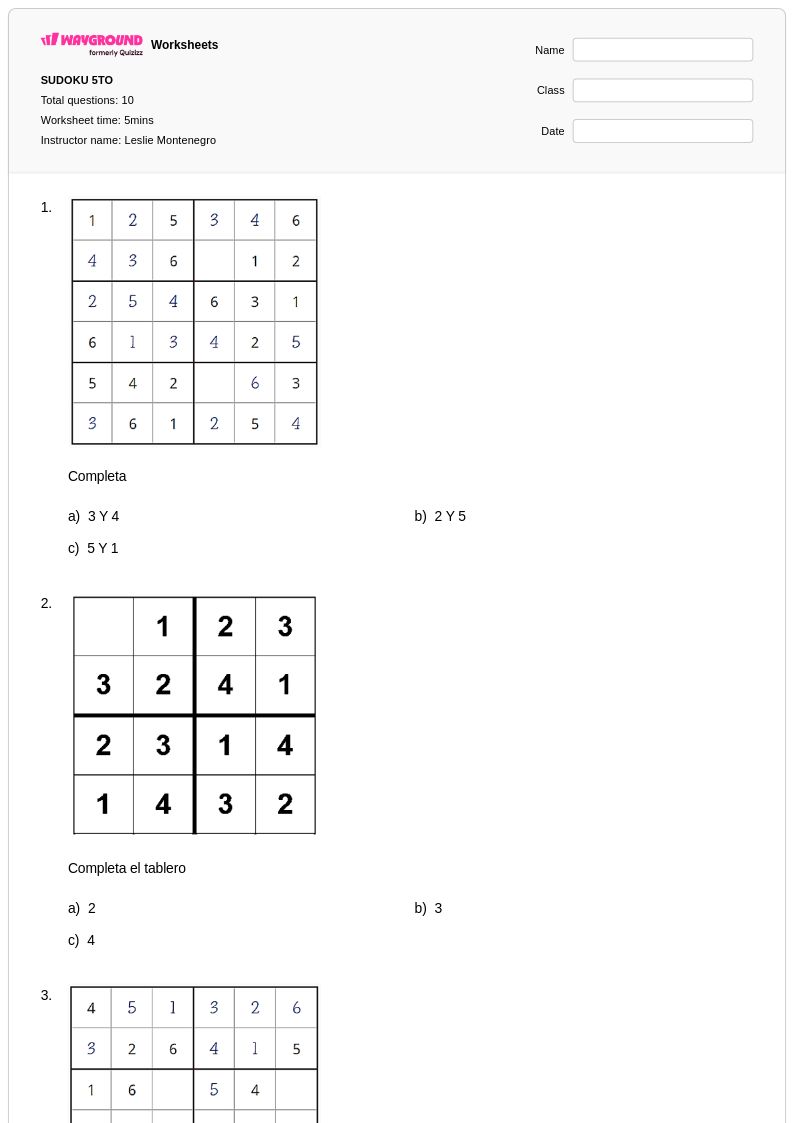
10 Q
5th
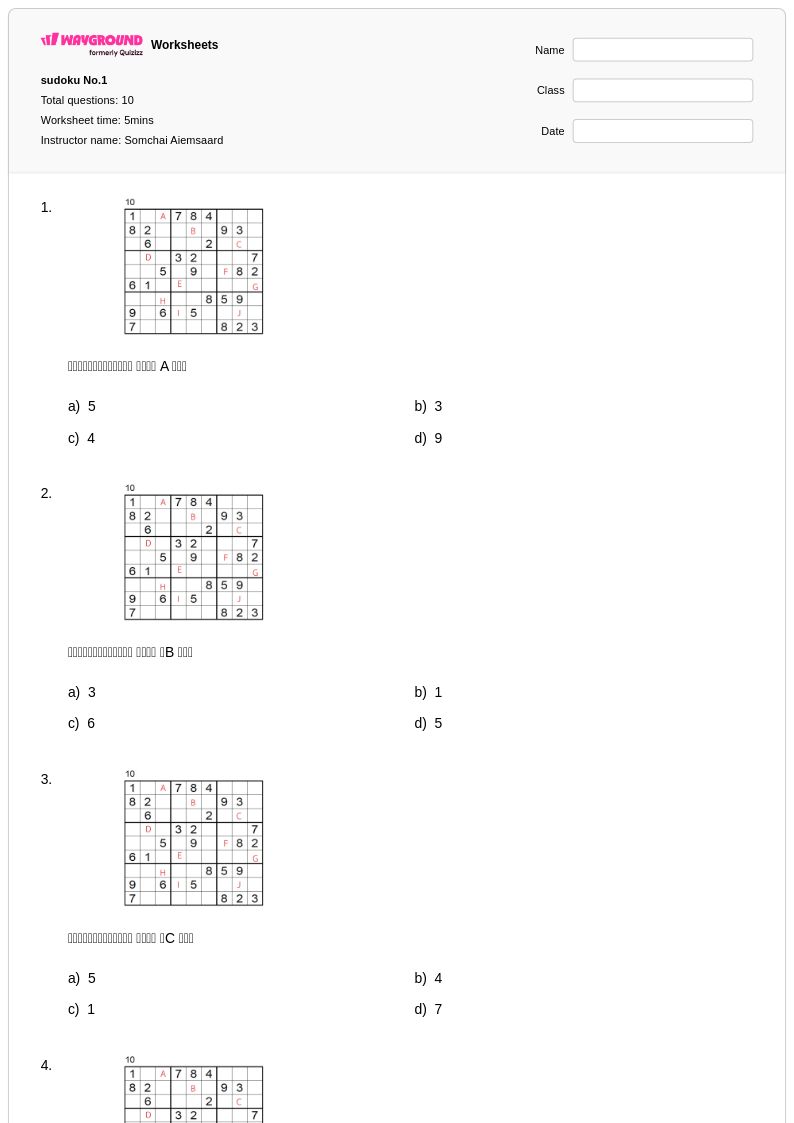
10 Q
5th
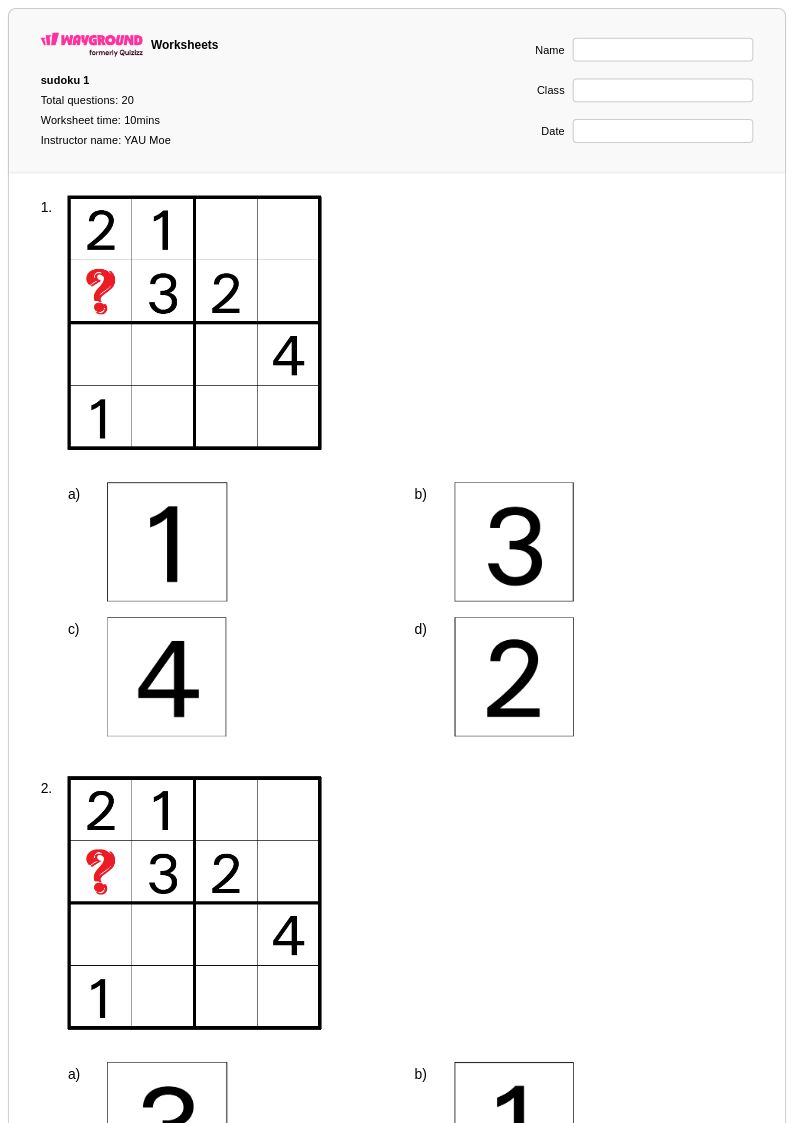
20 Q
1st - 5th
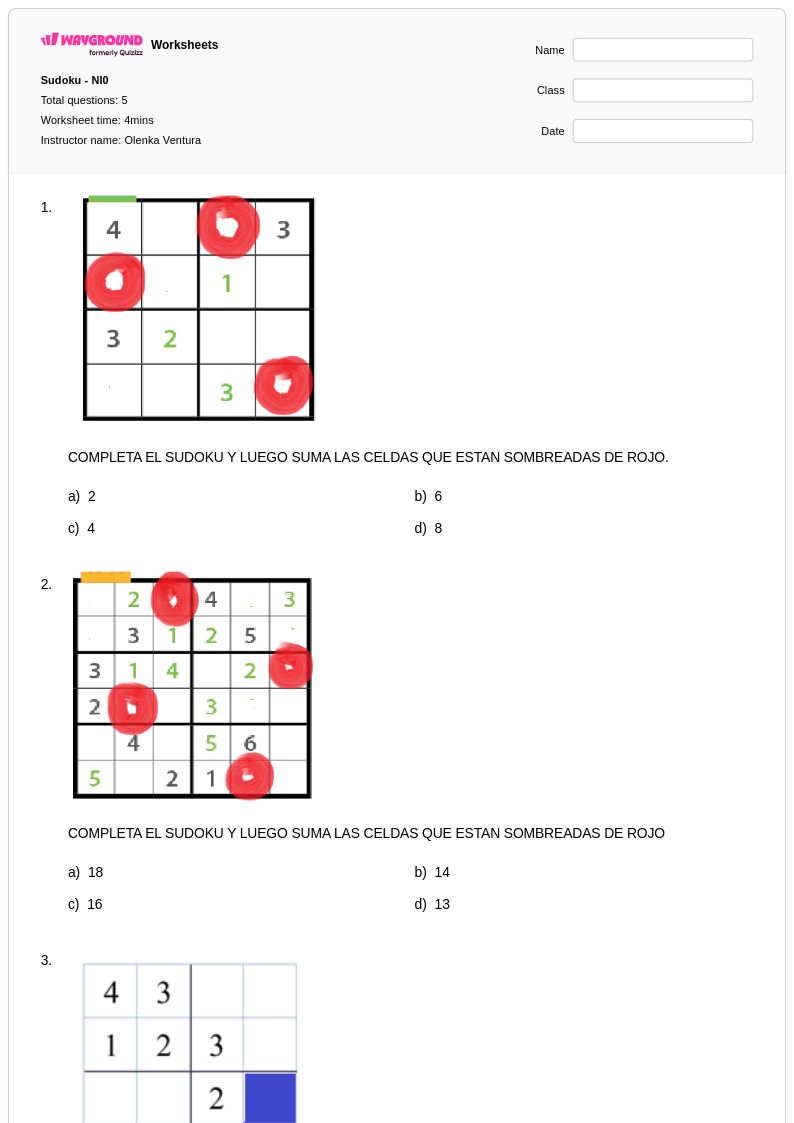
5 Q
5th
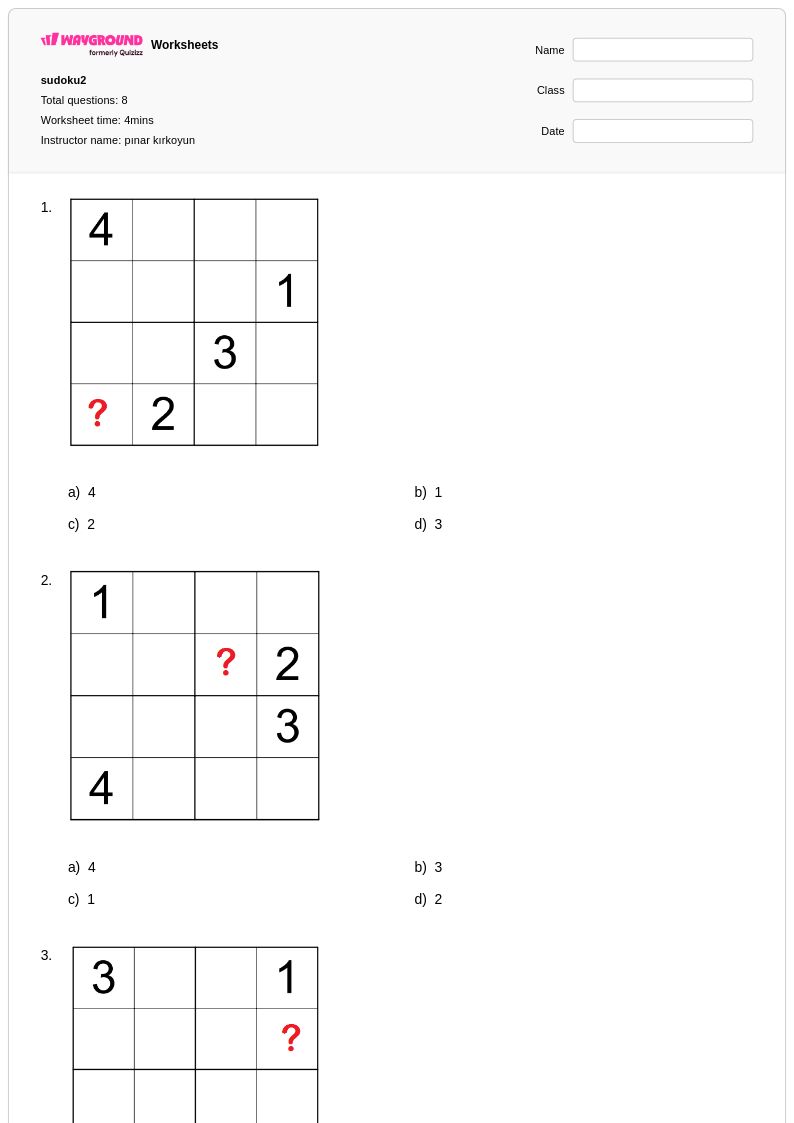
8 Q
1st - 8th
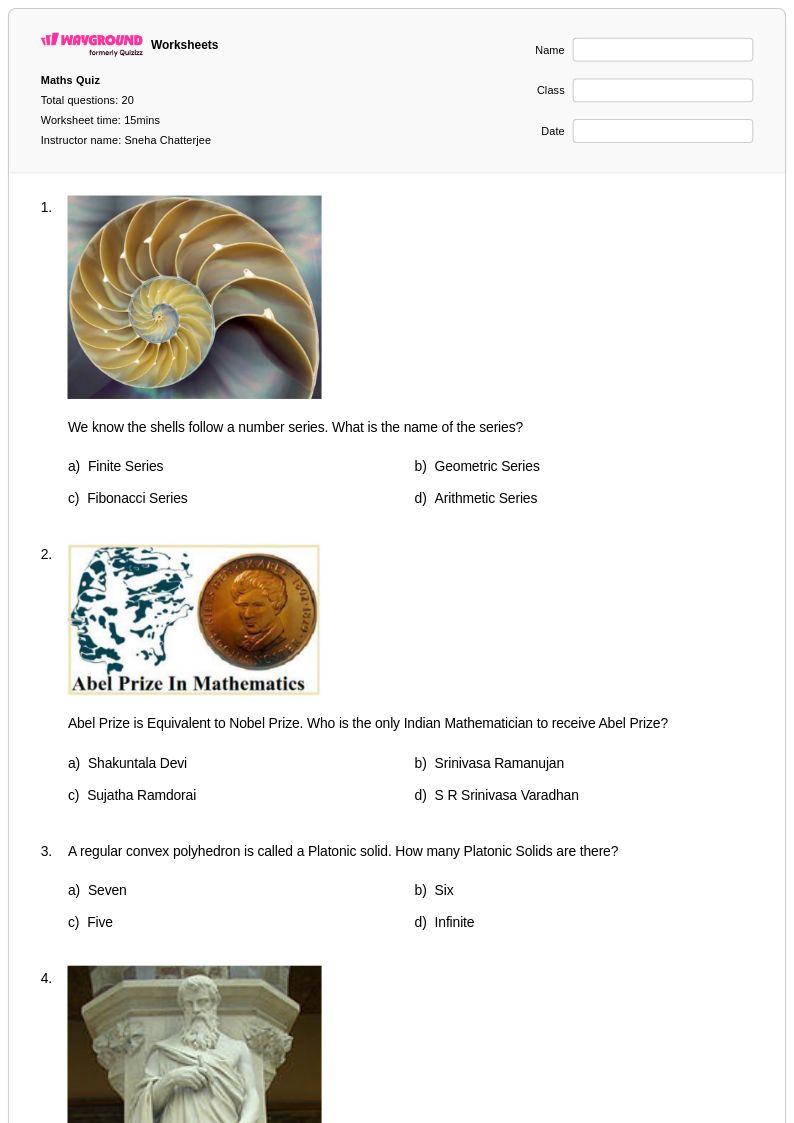
20 Q
1st - 10th
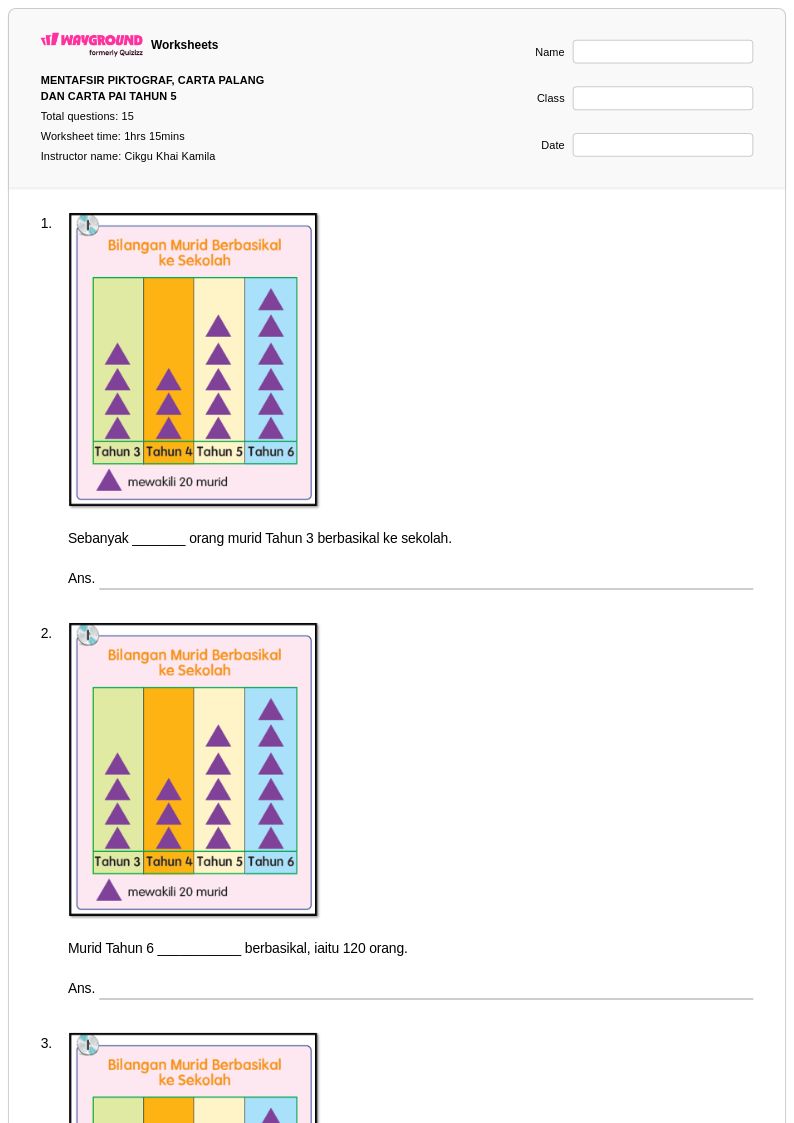
15 Q
5th
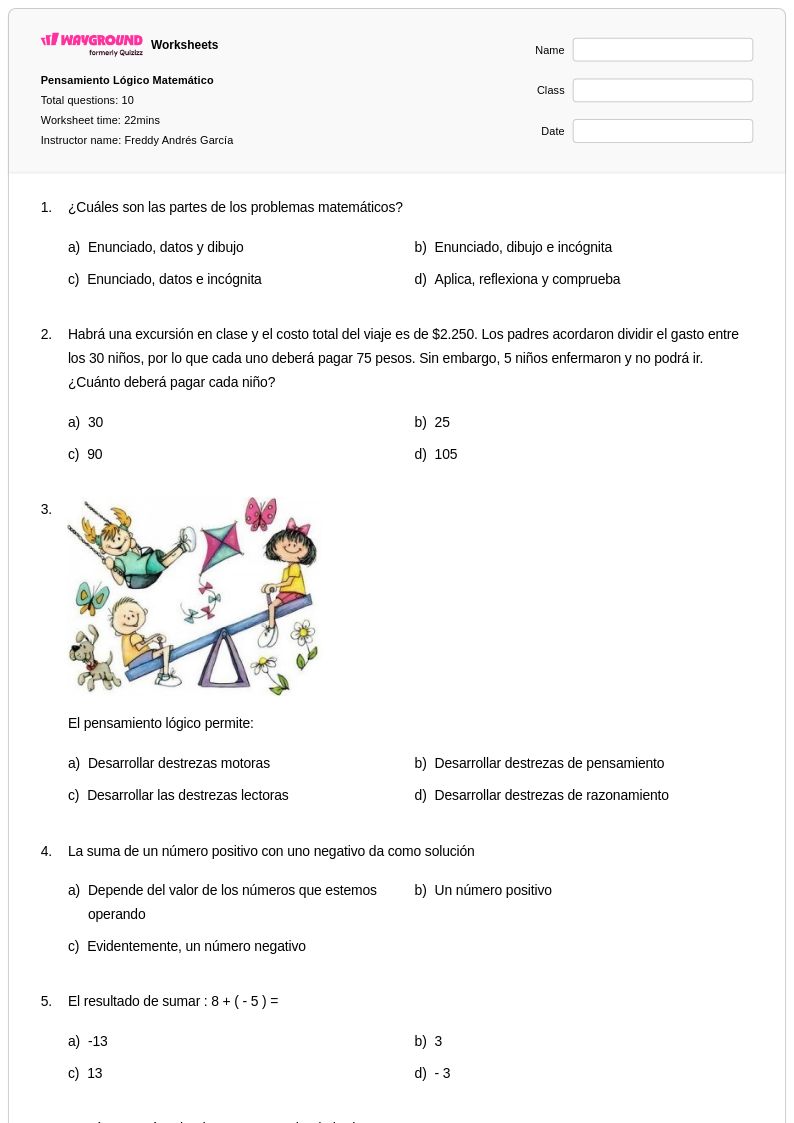
10 Q
1st - 5th
23 Q
5th - 7th
9 Q
5th
10 Q
1st - 10th
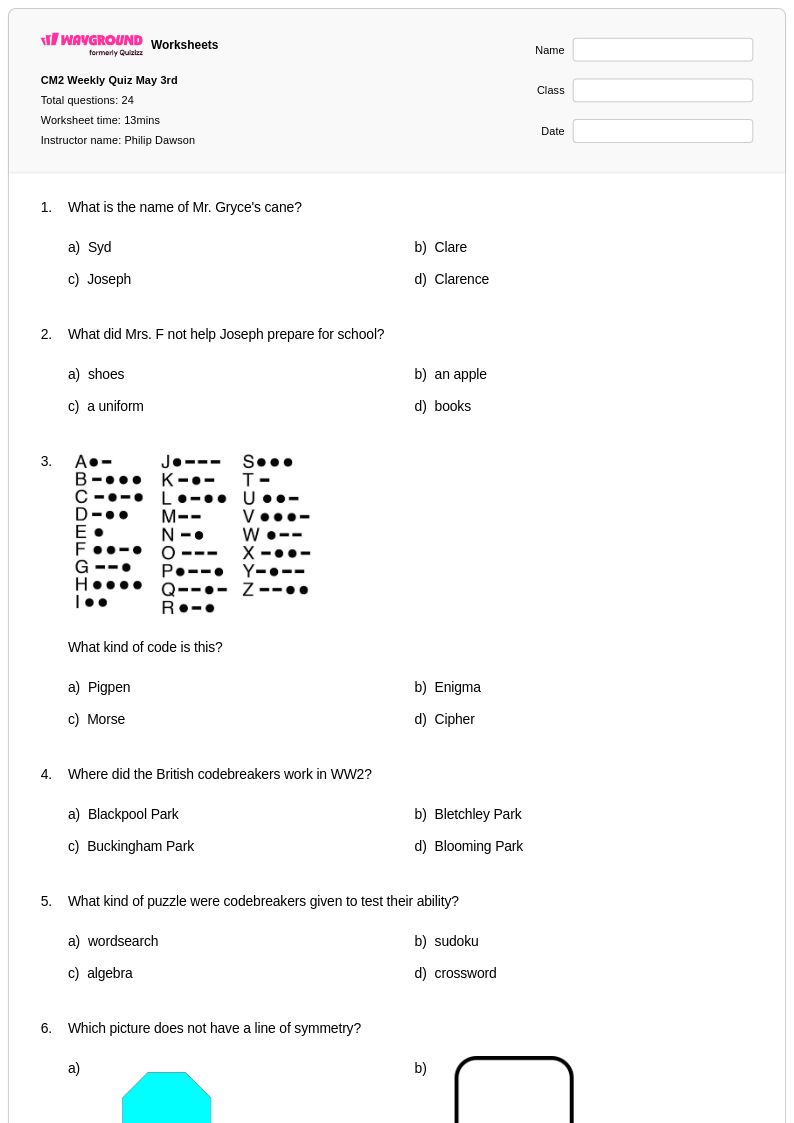
24 Q
5th
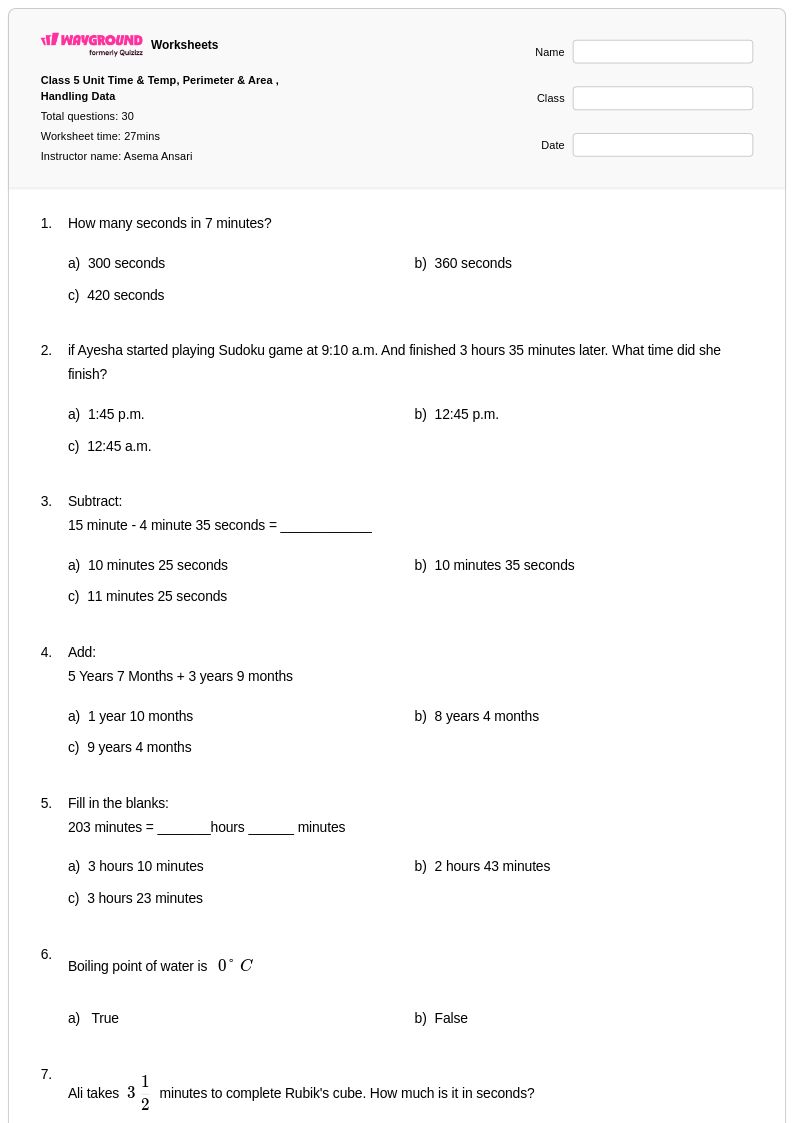
30 Q
5th
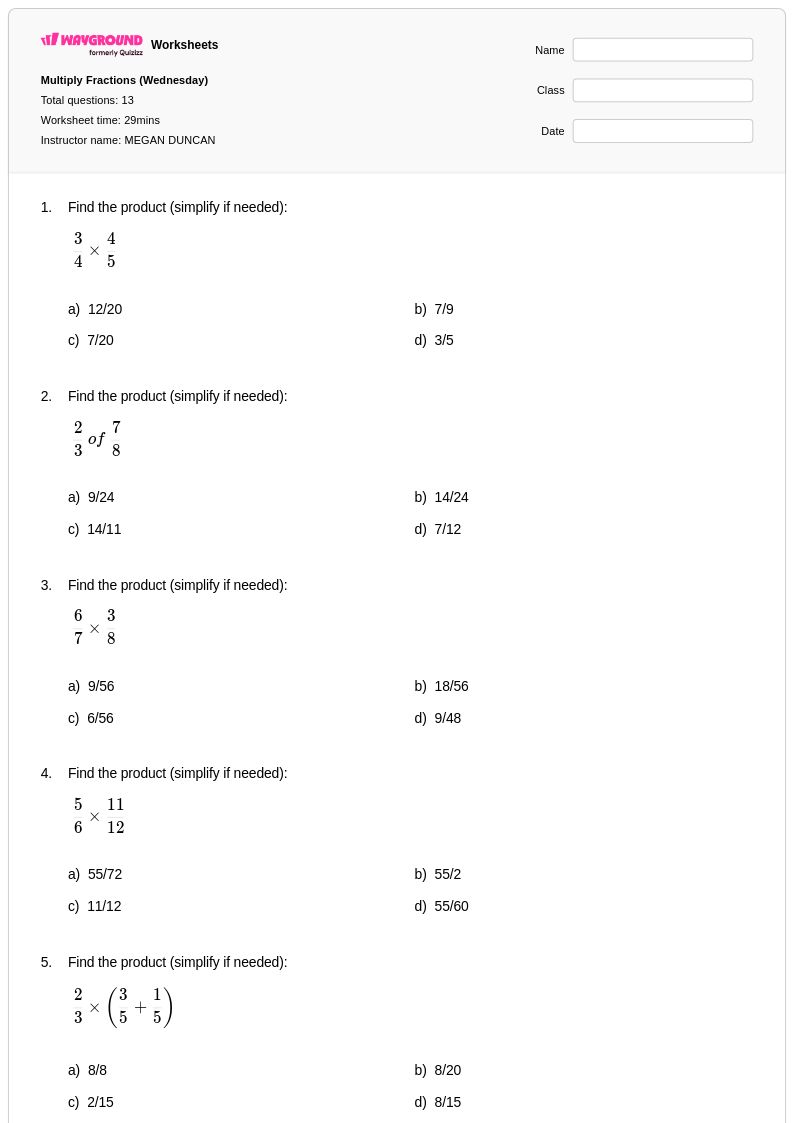
13 Q
5th
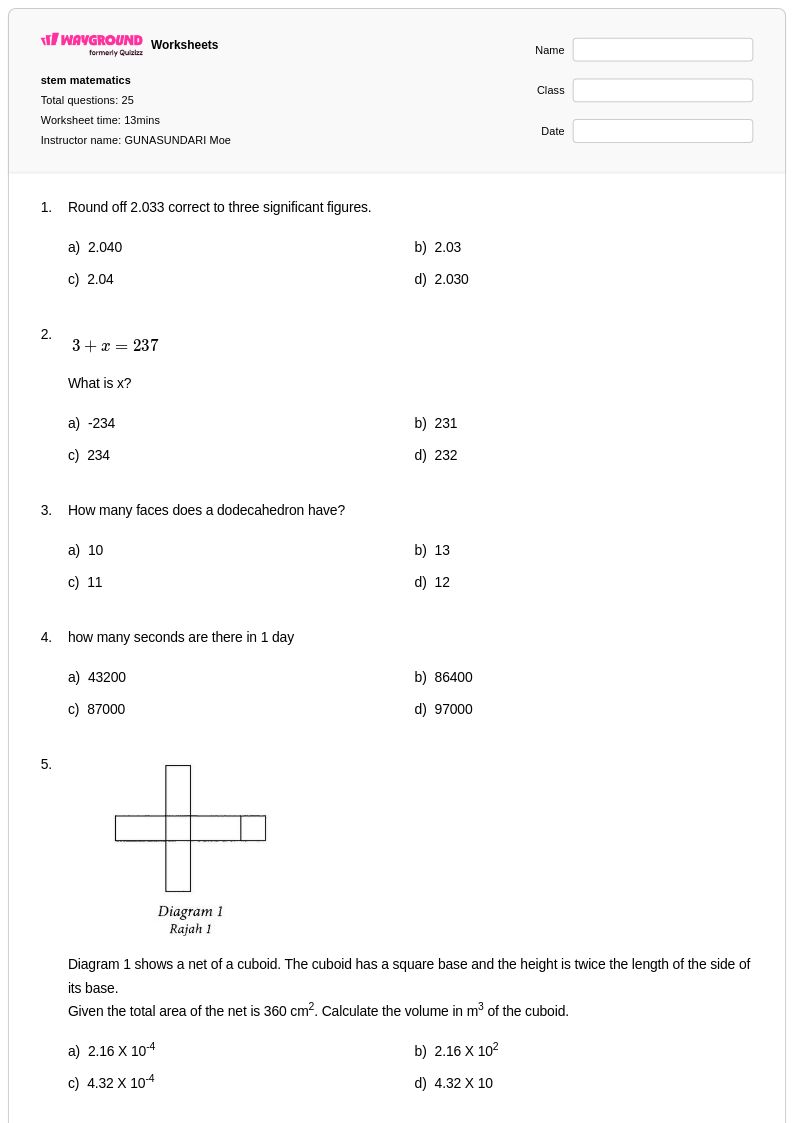
25 Q
KG - 5th
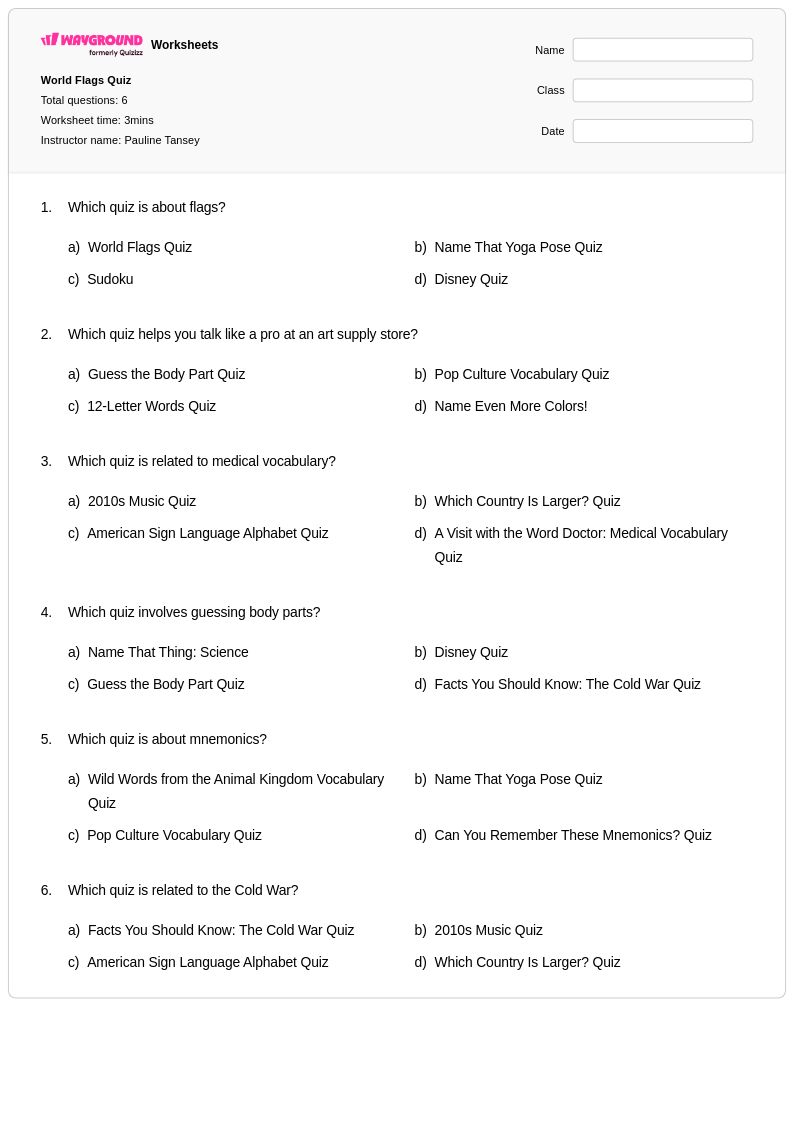
6 Q
5th
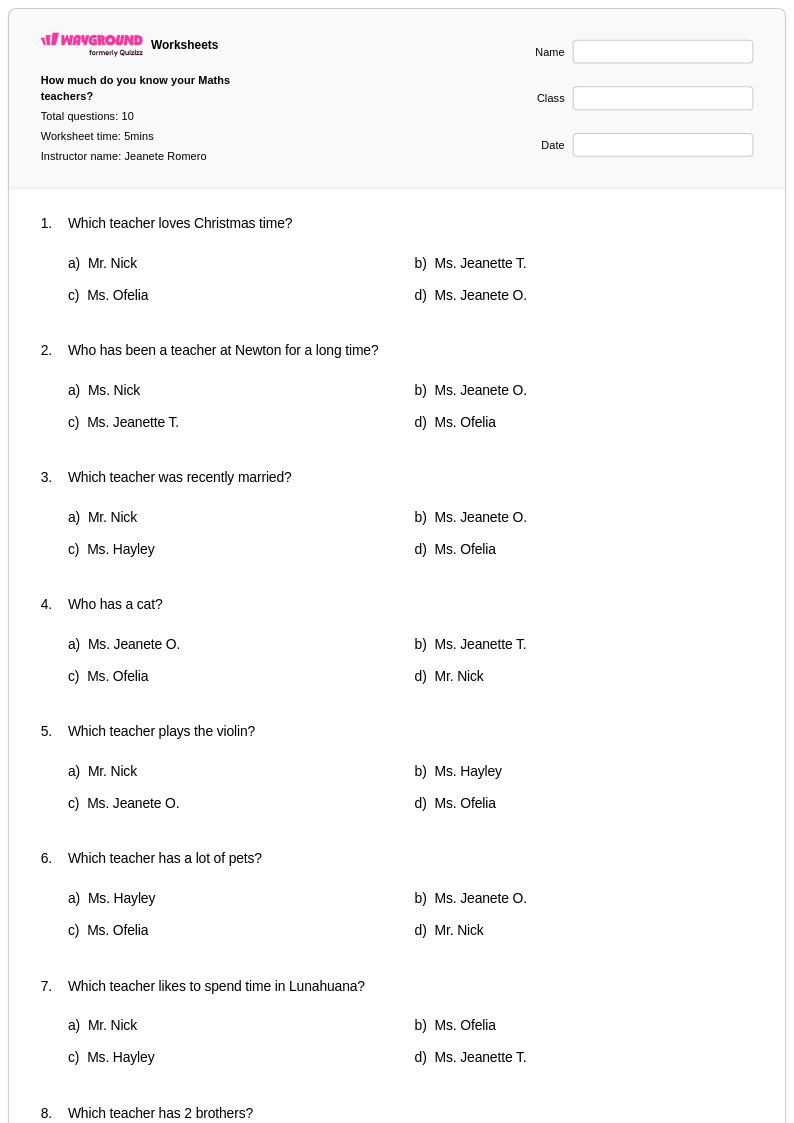
10 Q
5th
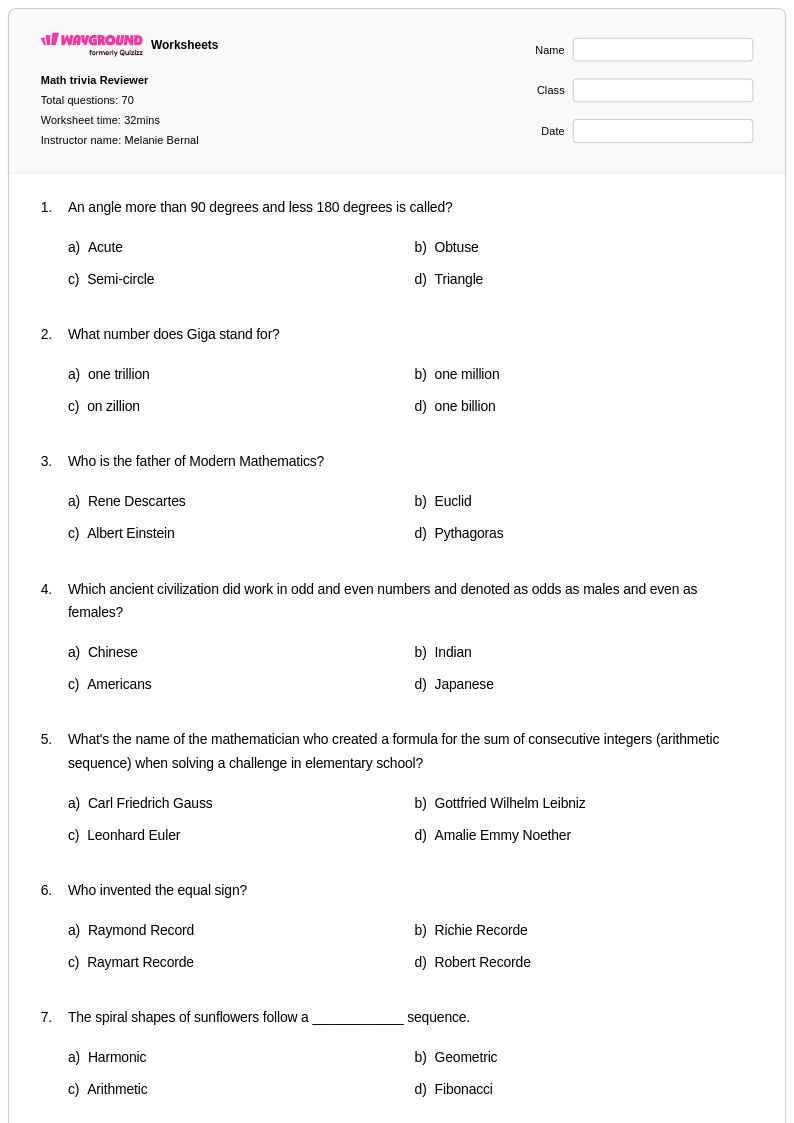
70 Q
5th
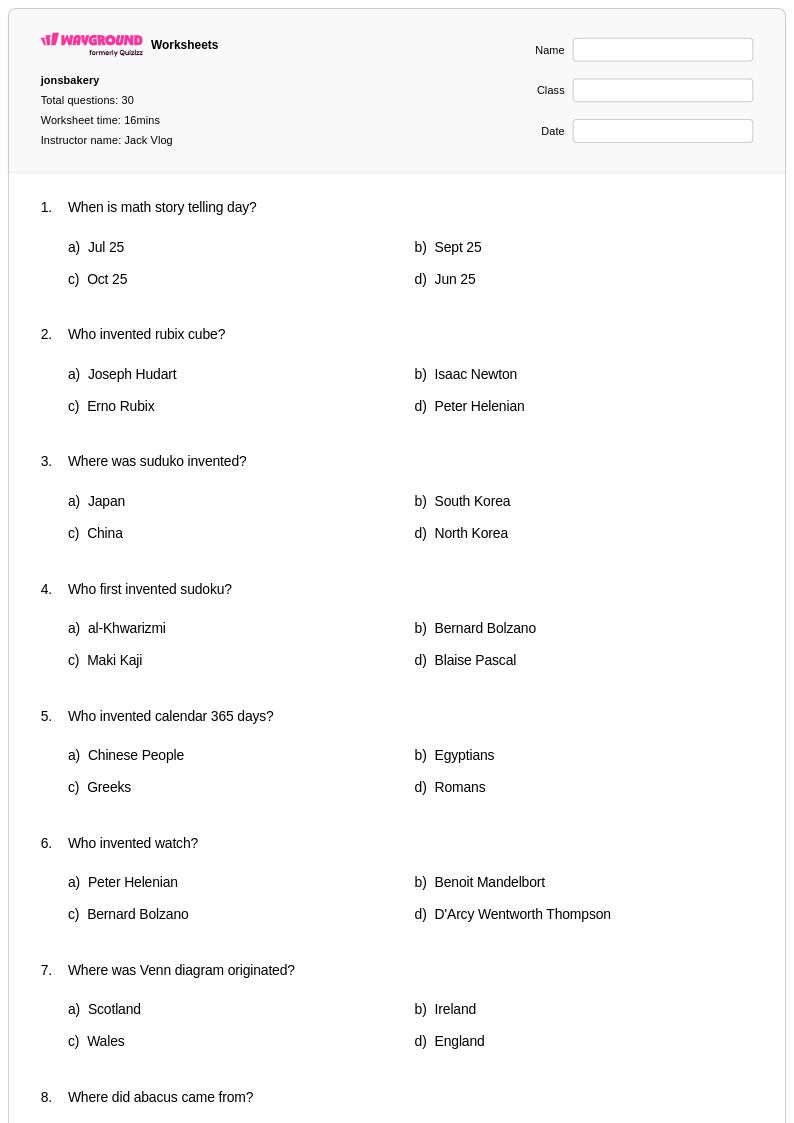
30 Q
1st - 5th
Explore Sudoku Worksheets by Grades
Explore Other Subject Worksheets for class 5
Explore printable Sudoku worksheets for Class 5
Sudoku worksheets for Class 5 students available through Wayground (formerly Quizizz) provide an engaging entry point into logical reasoning and critical thinking skills essential for mathematical development. These carefully designed printables introduce fifth-grade learners to the fundamental rules of Sudoku while building their problem-solving abilities, pattern recognition, and systematic thinking approaches. Each worksheet features age-appropriate 4x4 and 6x6 grids that challenge students without overwhelming them, allowing teachers to incorporate these free practice problems into math centers, homework assignments, or enrichment activities. The collection includes comprehensive answer keys that enable both independent student checking and efficient teacher assessment, with pdf formats ensuring consistent printing quality across different classroom environments.
Wayground (formerly Quizizz) empowers educators with millions of teacher-created Sudoku resources specifically curated for Class 5 mathematics instruction, featuring robust search and filtering capabilities that allow quick identification of worksheets matching specific skill levels and learning objectives. The platform's differentiation tools enable teachers to customize puzzle difficulty and grid sizes, supporting both remediation for struggling learners and enrichment opportunities for advanced students ready for more complex logical challenges. Available in both printable and digital formats including downloadable pdf versions, these resources seamlessly integrate into diverse teaching environments and instructional models. Teachers can efficiently plan engaging math puzzle sessions, provide targeted skill practice in logical reasoning, and offer students meaningful alternatives to traditional computation exercises while maintaining alignment with mathematical thinking standards.
FAQs
How should I introduce Sudoku in Grade 5?
How can fifth graders practice Sudoku effectively?
What mistakes do Grade 5 students make in Sudoku?
How can I use Wayground's Grade 5 Sudoku worksheets?
How can I differentiate Sudoku practice for fifth graders?
Is Sudoku suitable for Grade 5 math practice?