
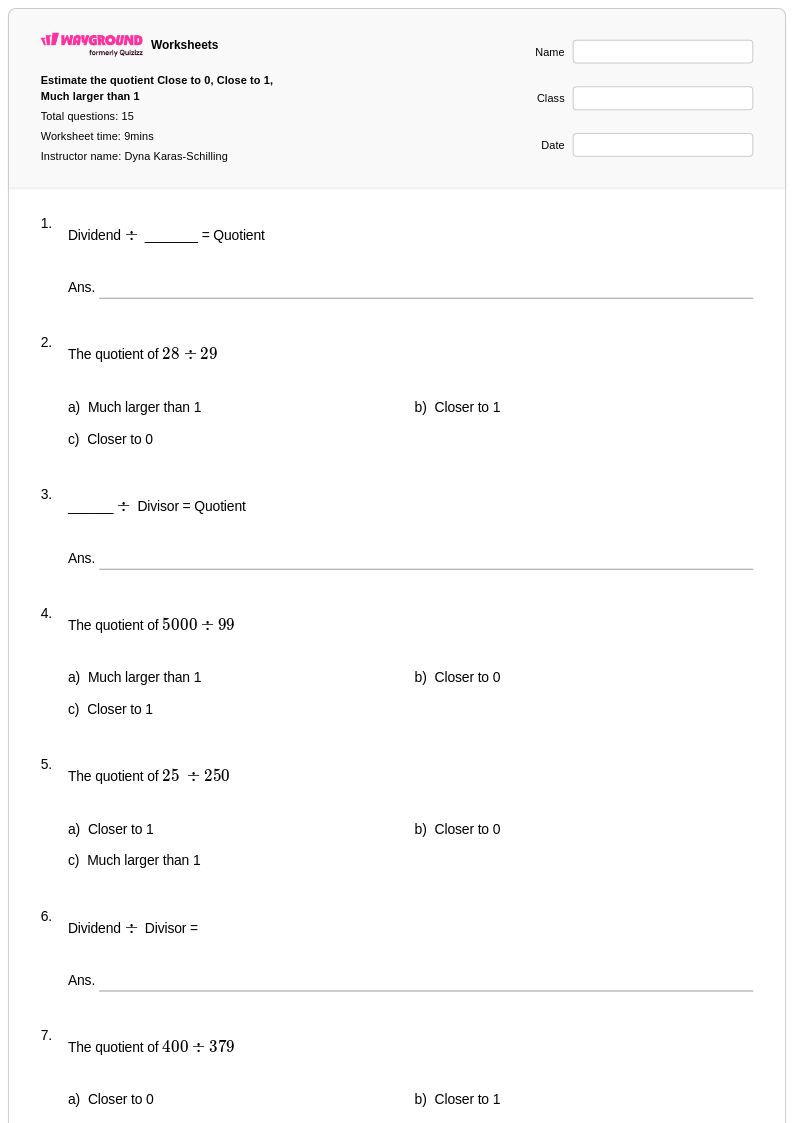
15 Q
6th
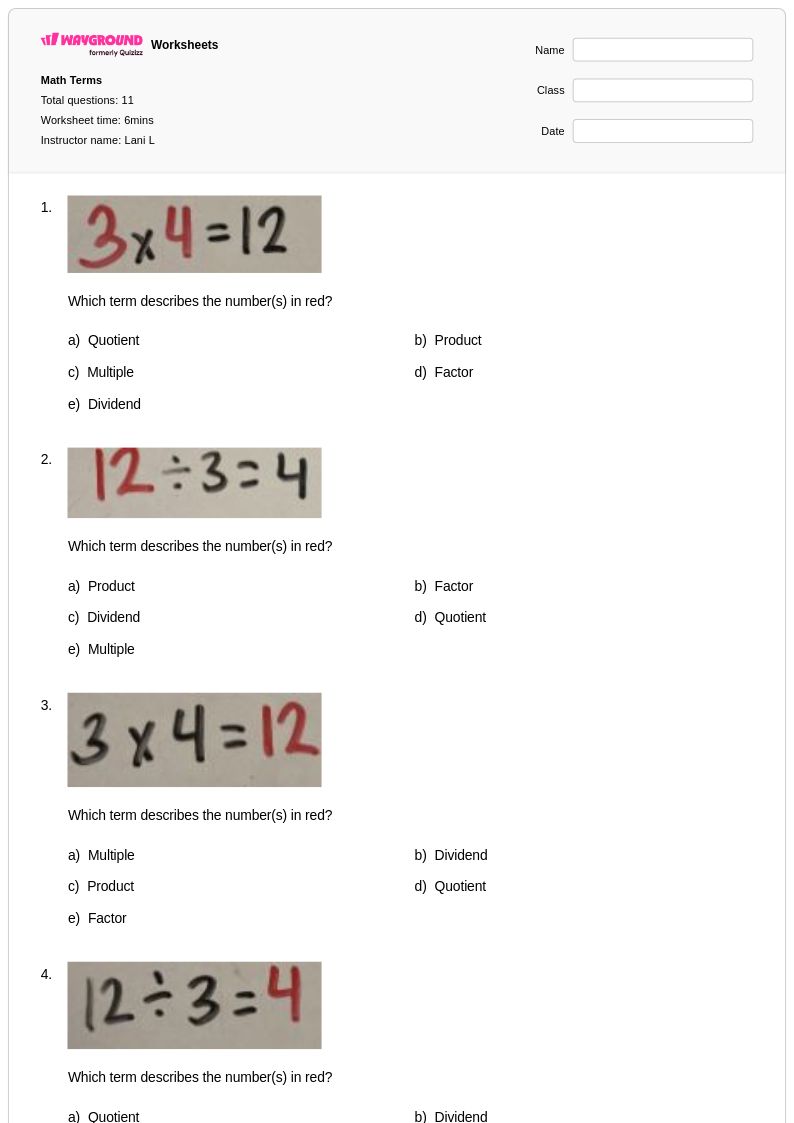
11 Q
4th
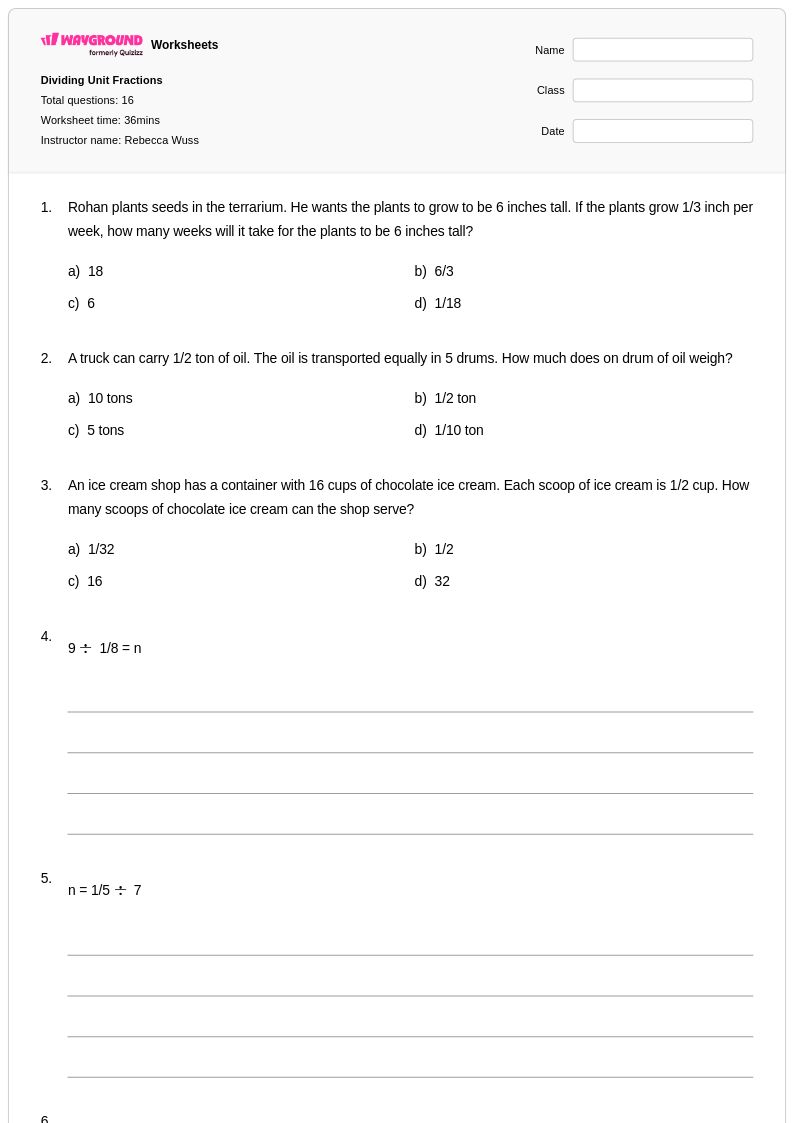
16 Q
5th
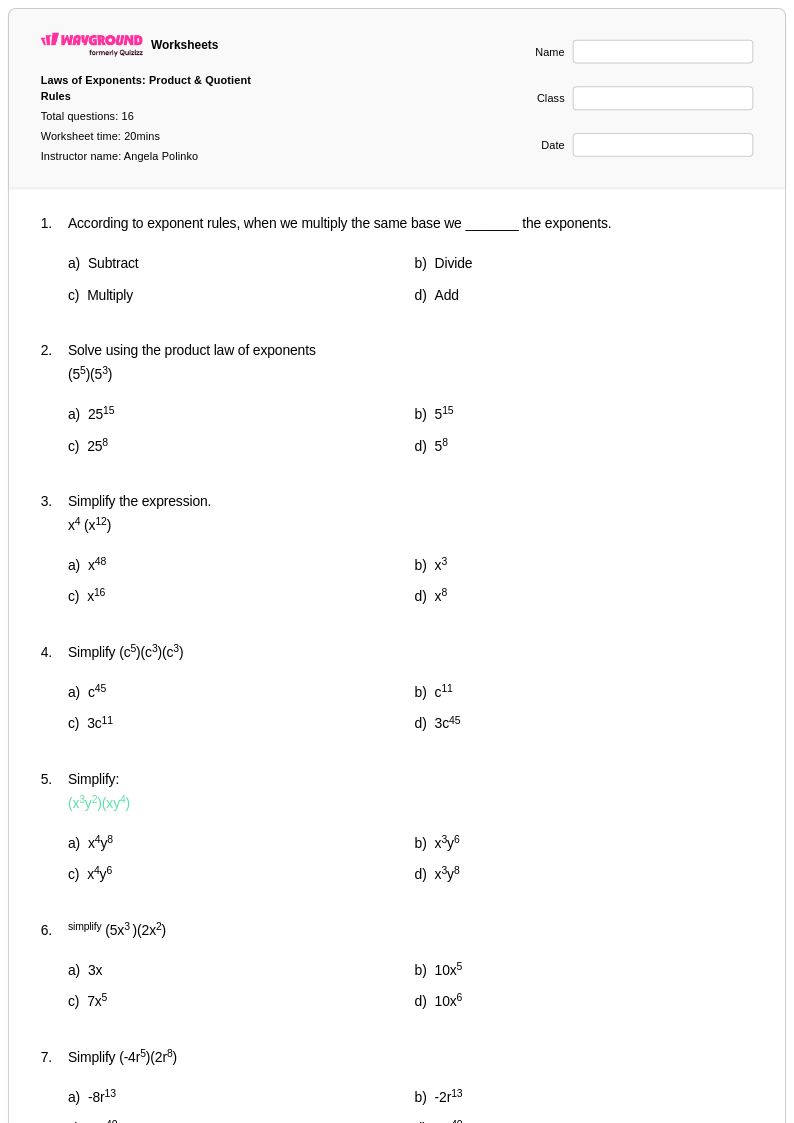
16 Q
9th
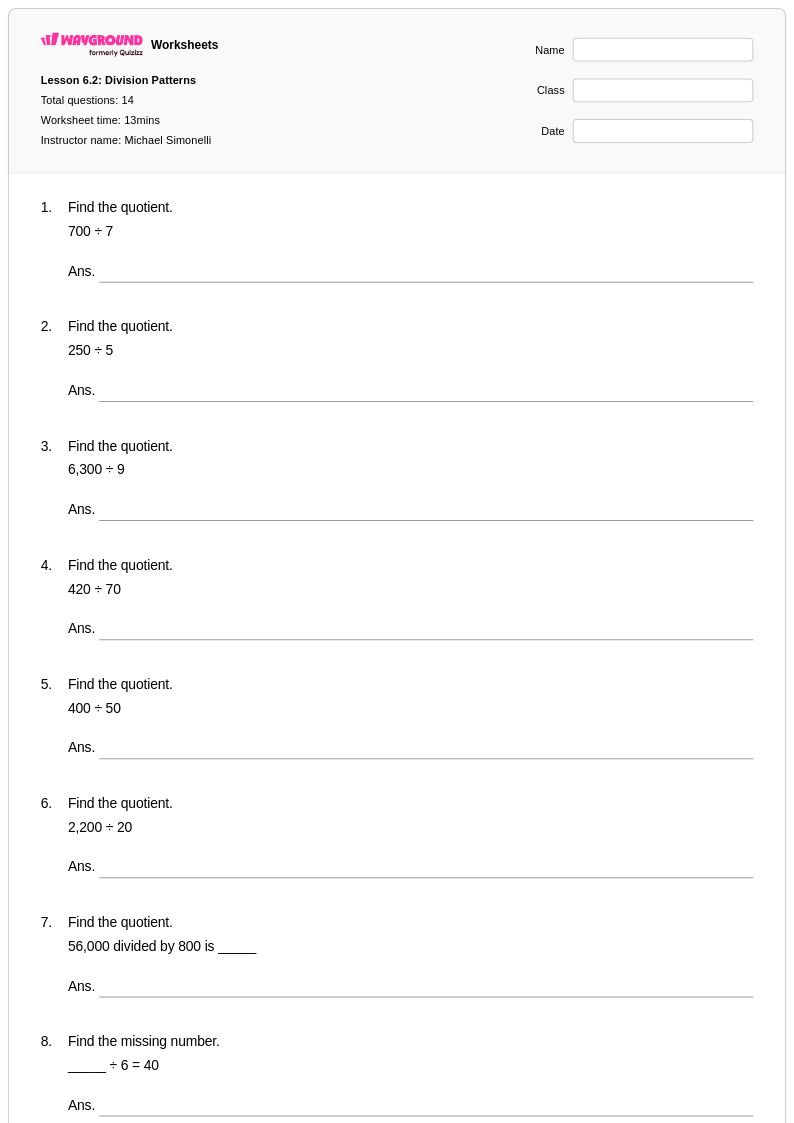
14 Q
5th
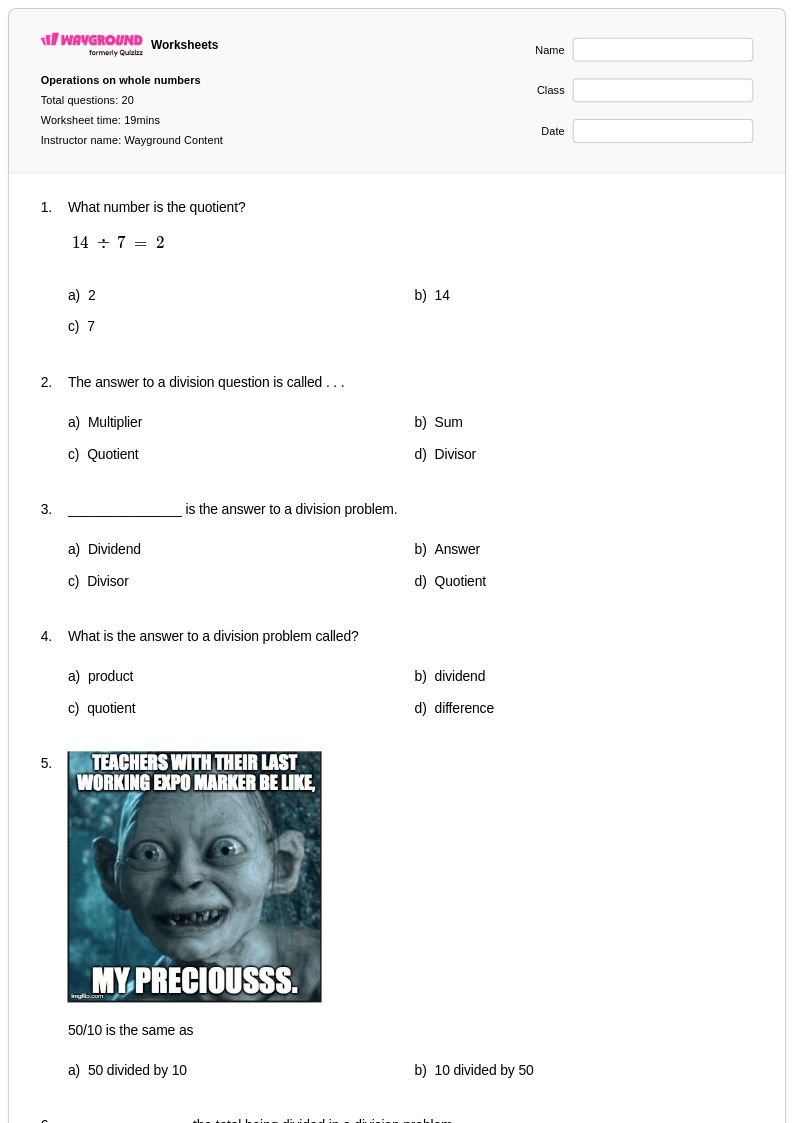
20 Q
3rd
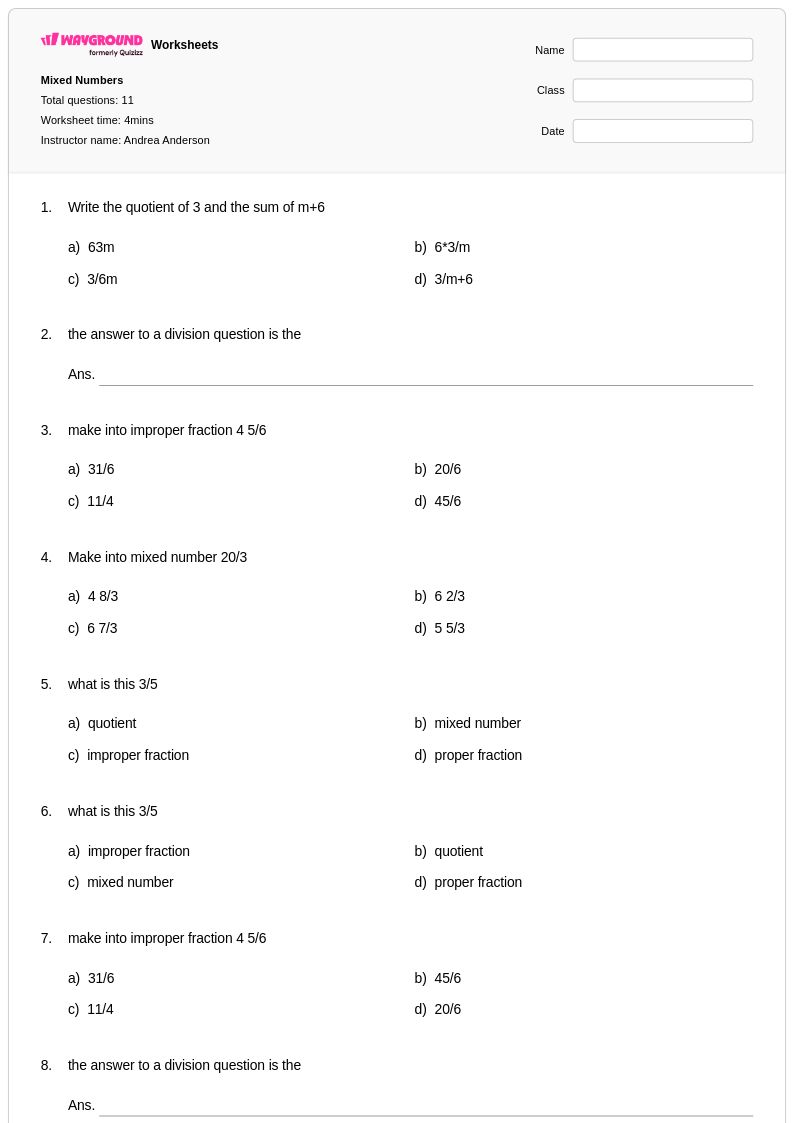
11 Q
7th
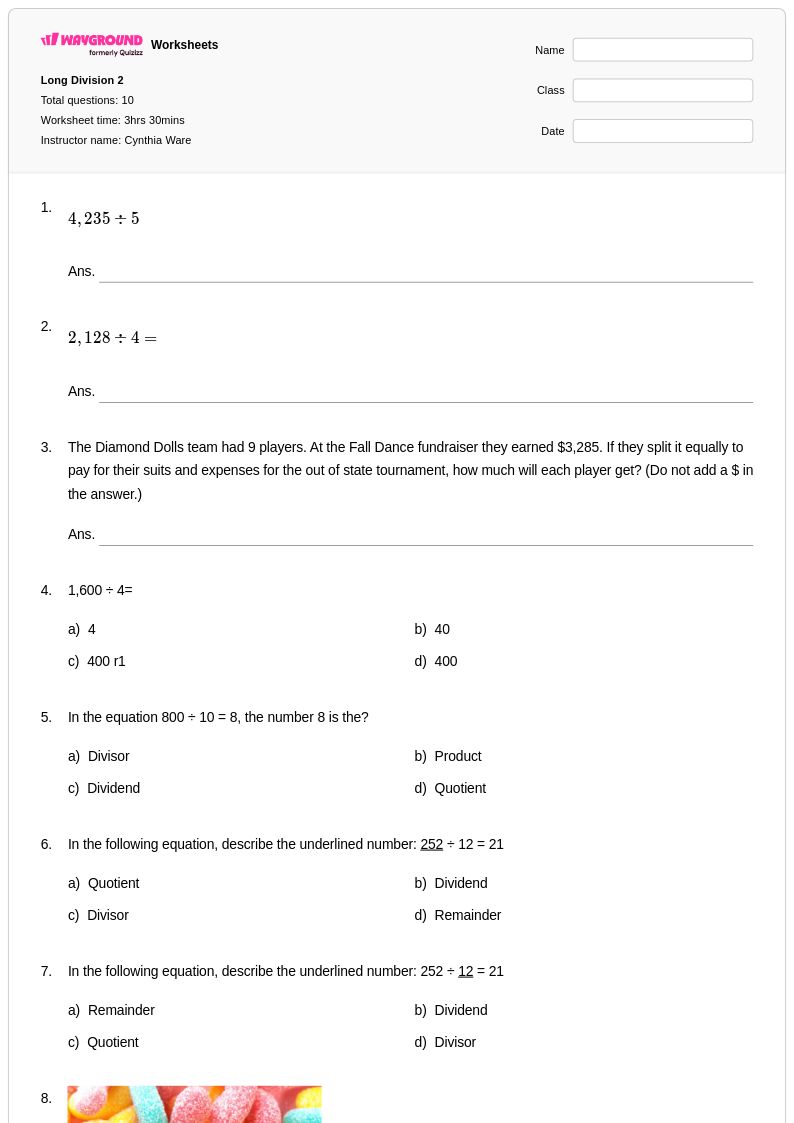
10 Q
5th
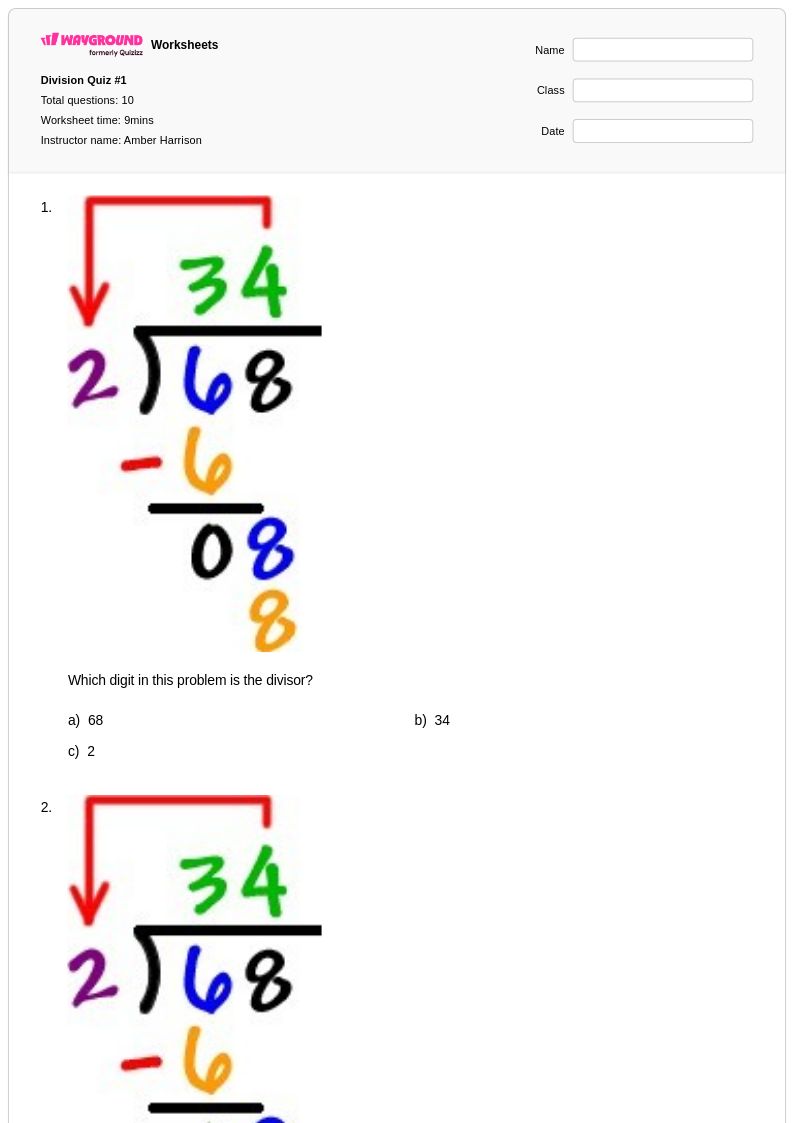
10 Q
4th
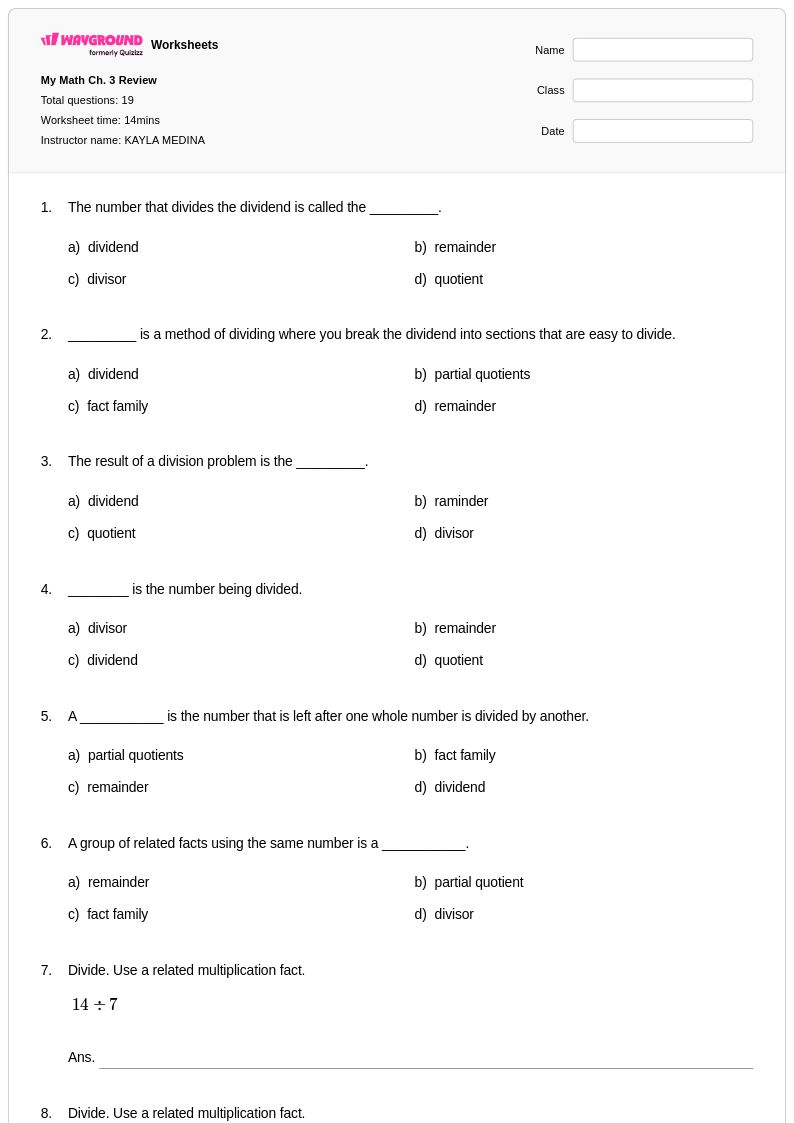
19 Q
5th
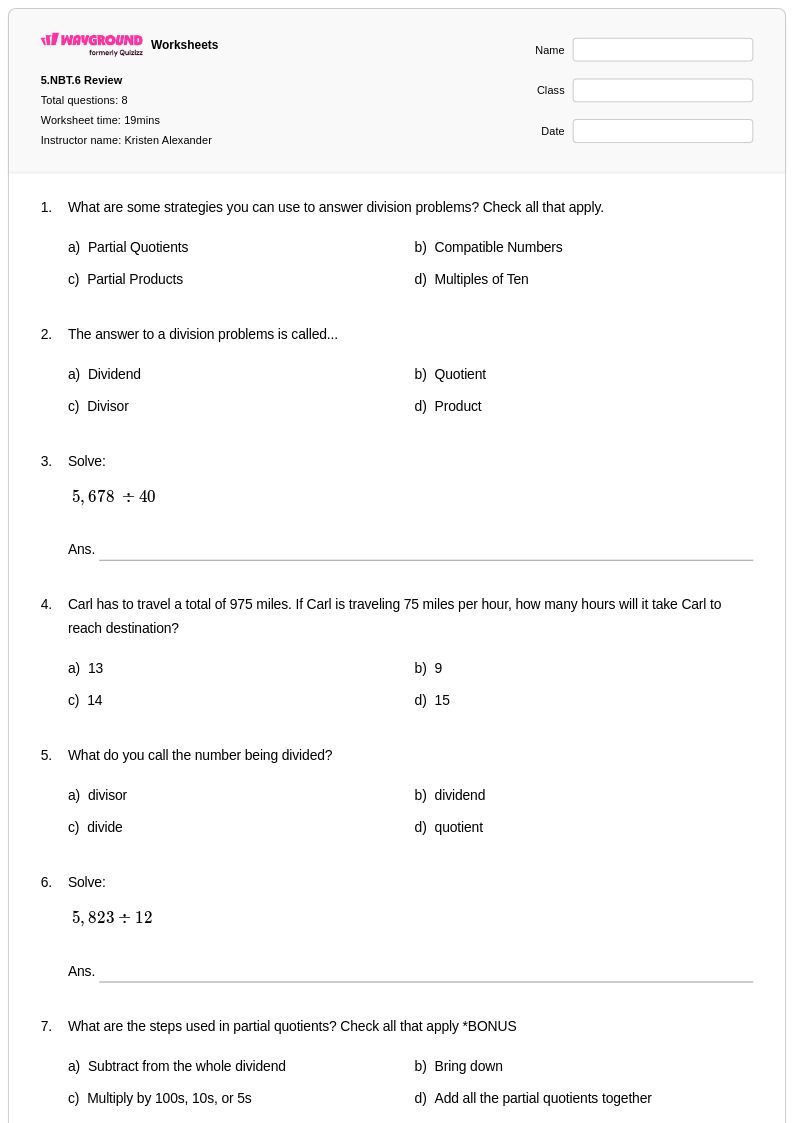
8 Q
5th
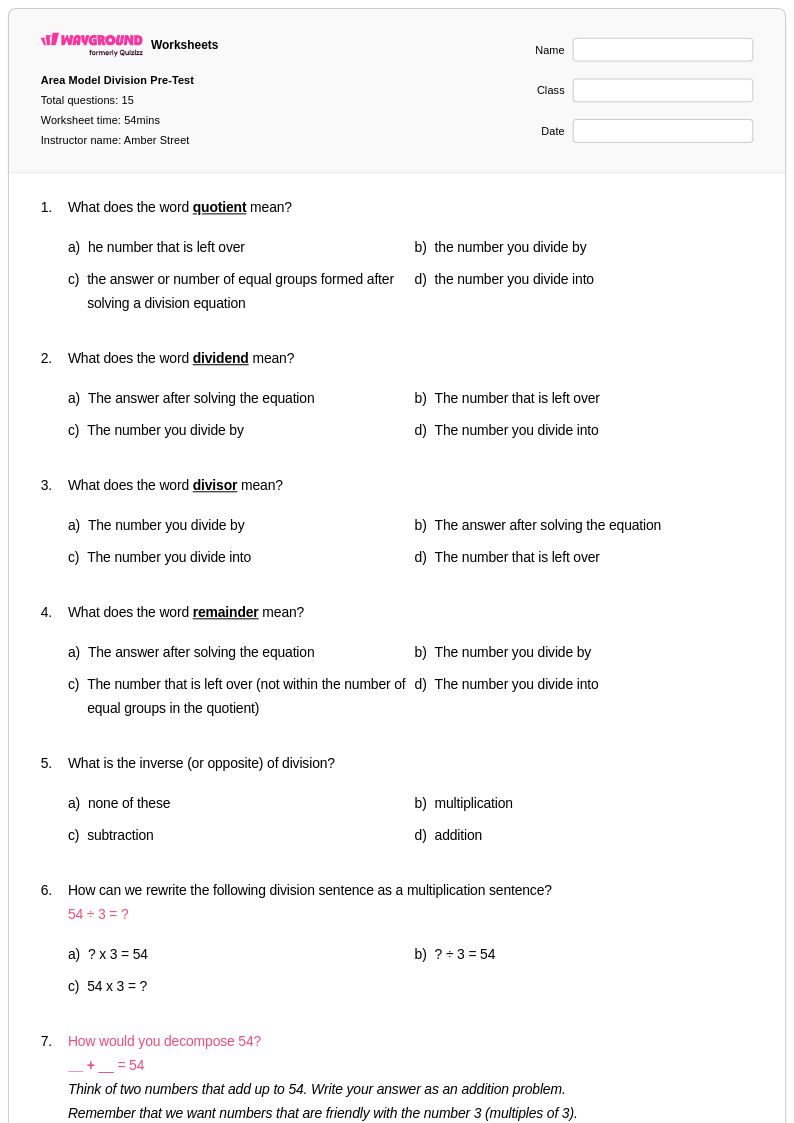
15 Q
4th
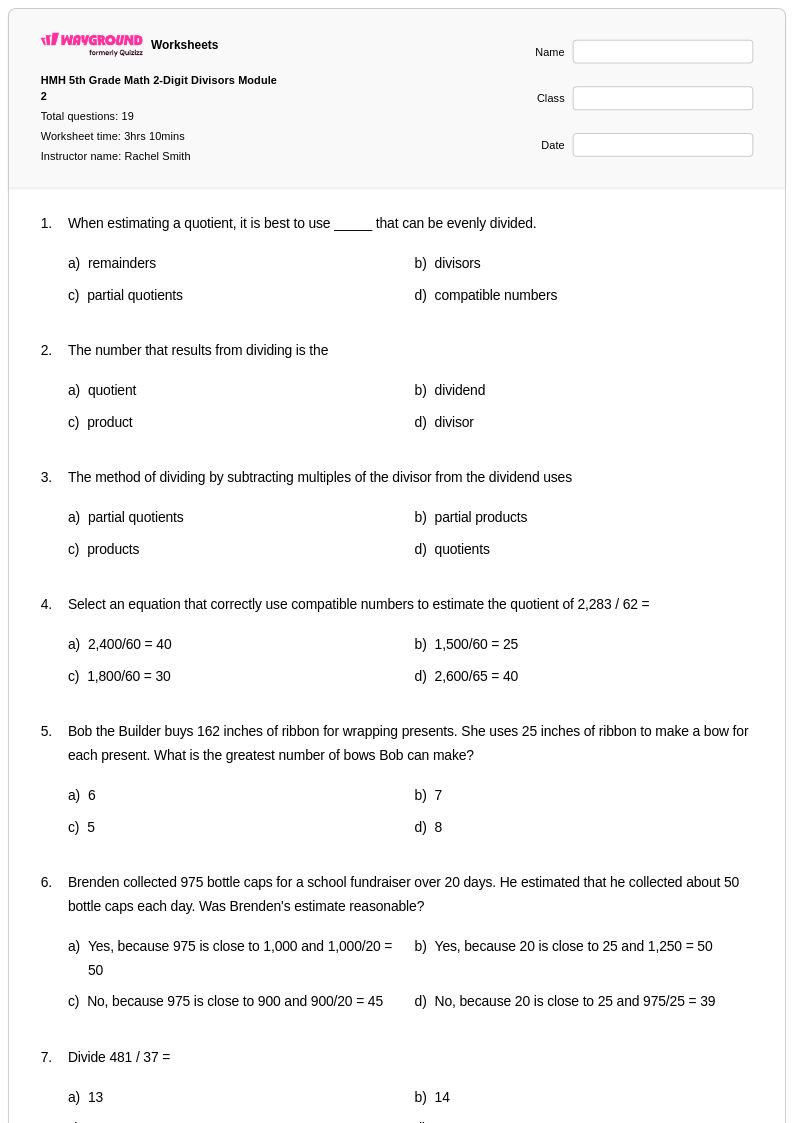
19 Q
5th
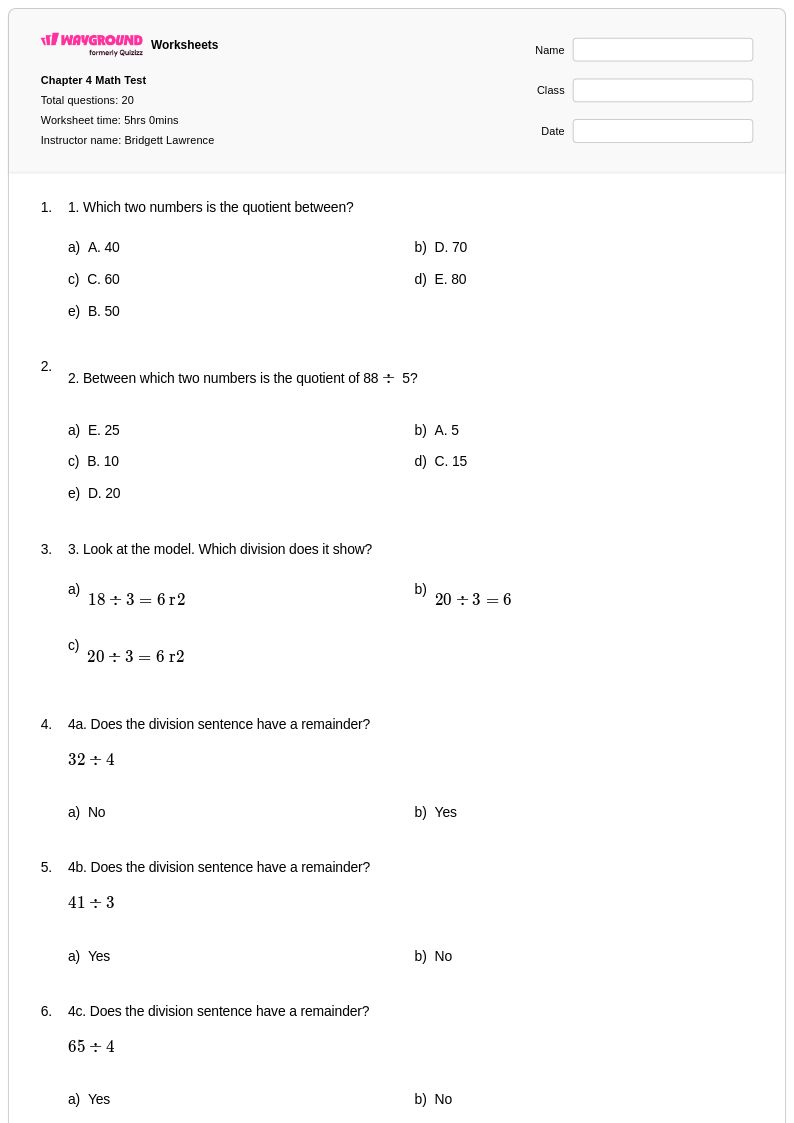
20 Q
4th
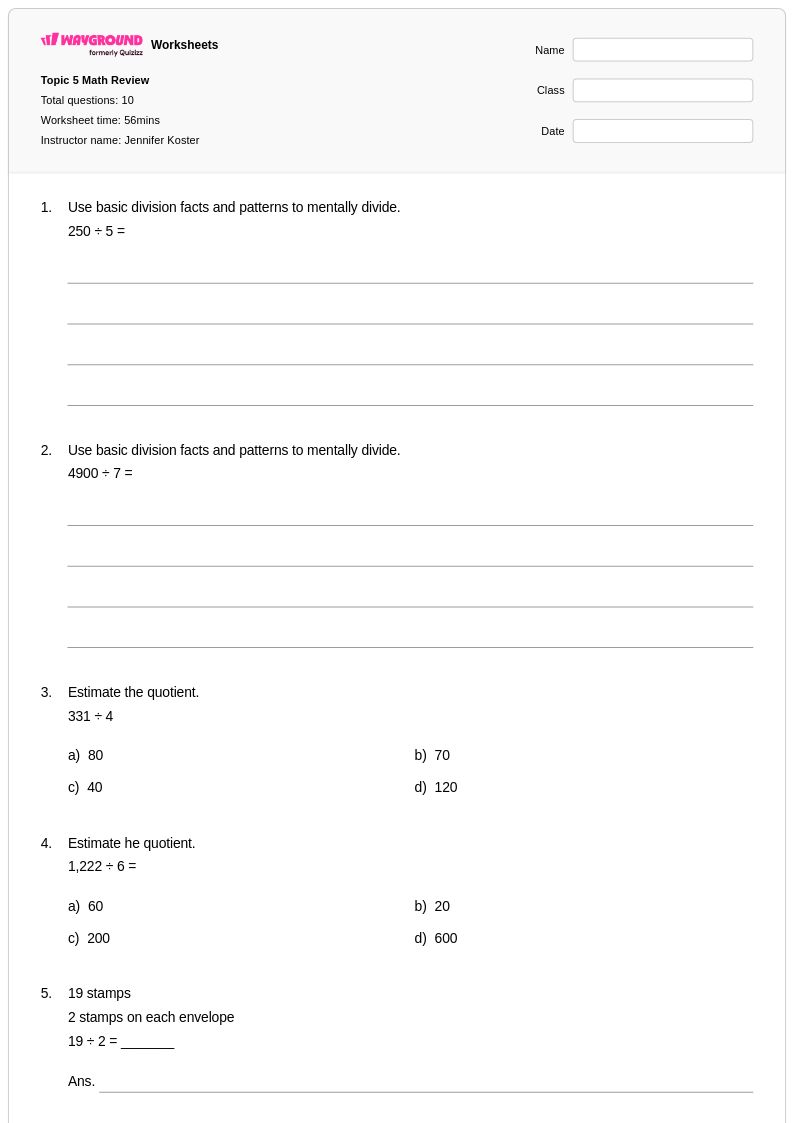
10 Q
4th
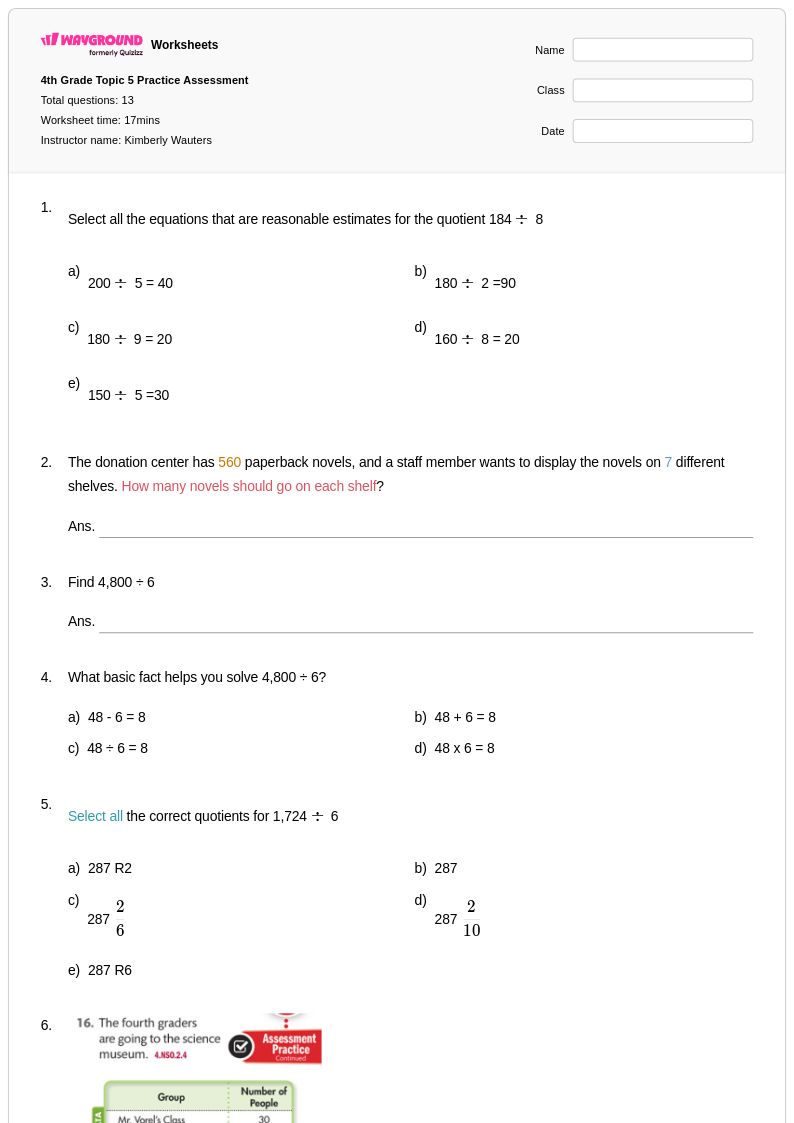
13 Q
4th
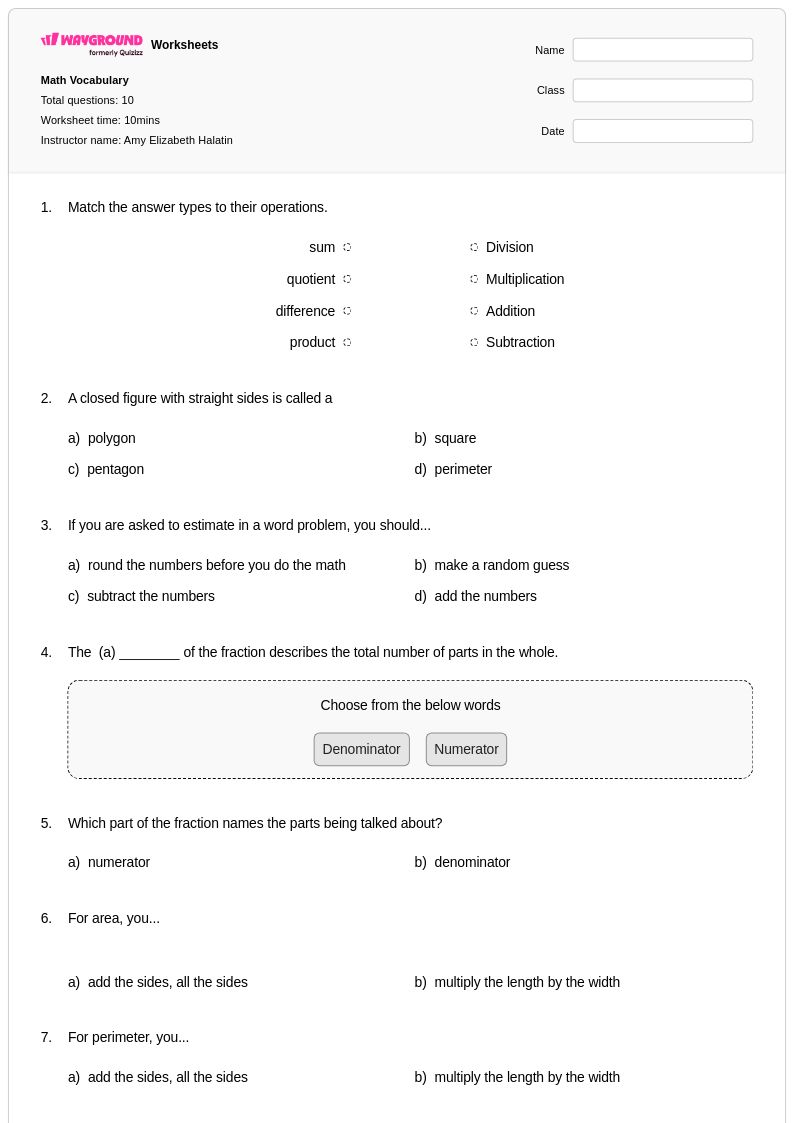
10 Q
3rd
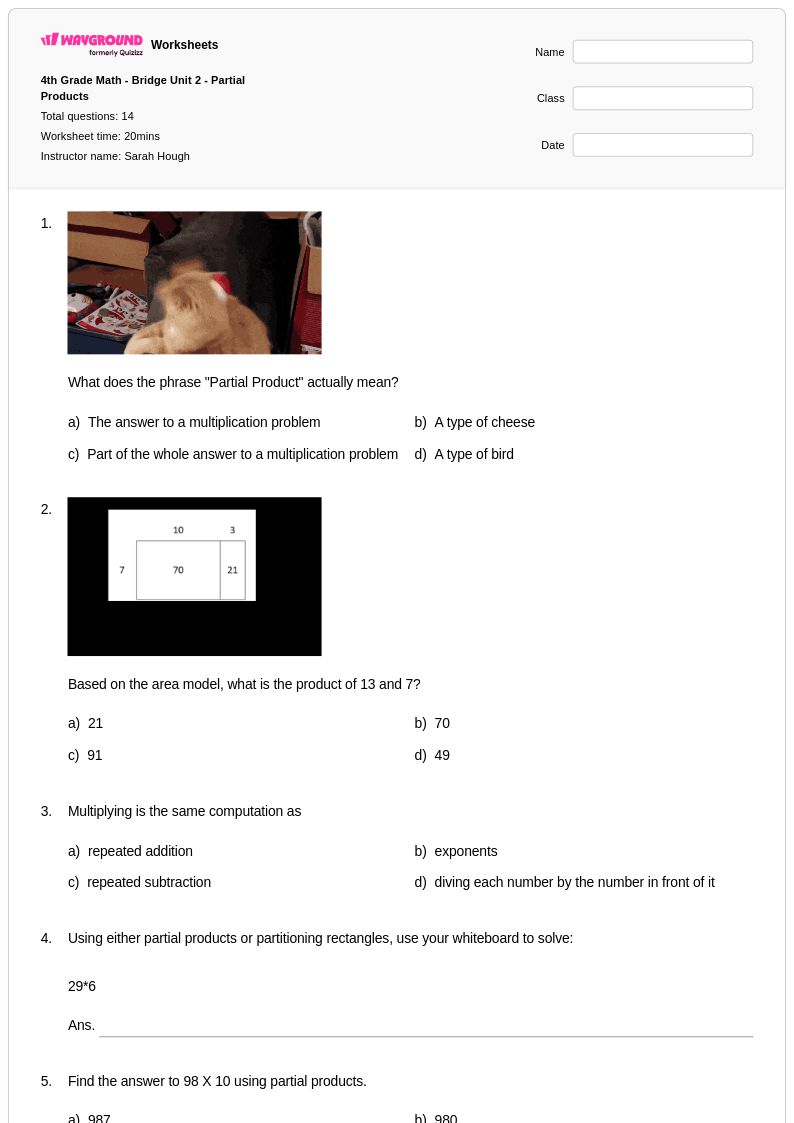
14 Q
4th
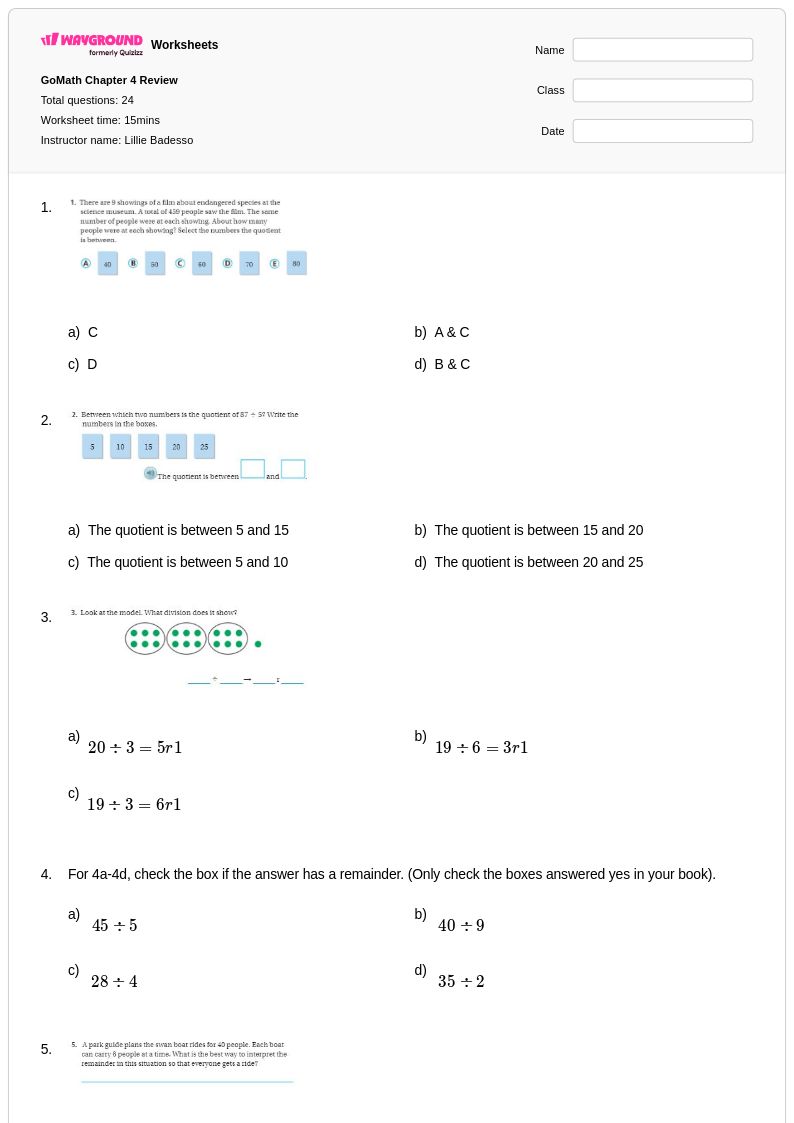
24 Q
4th
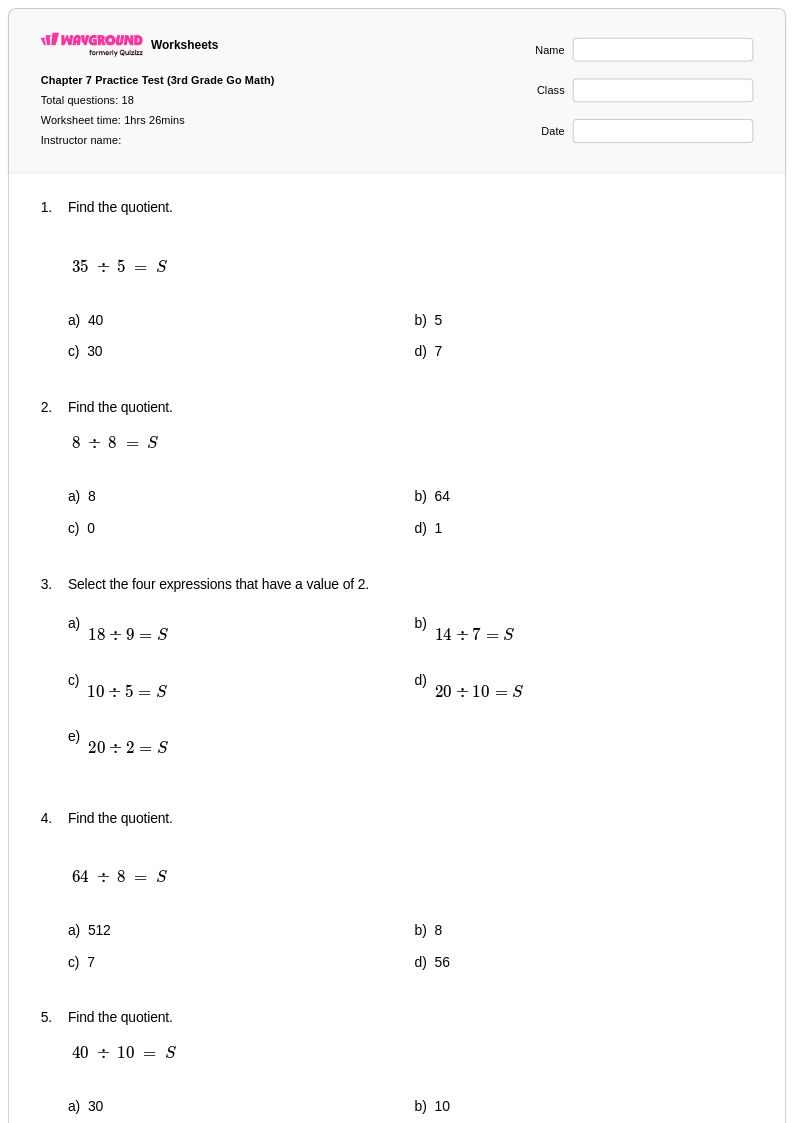
18 Q
3rd
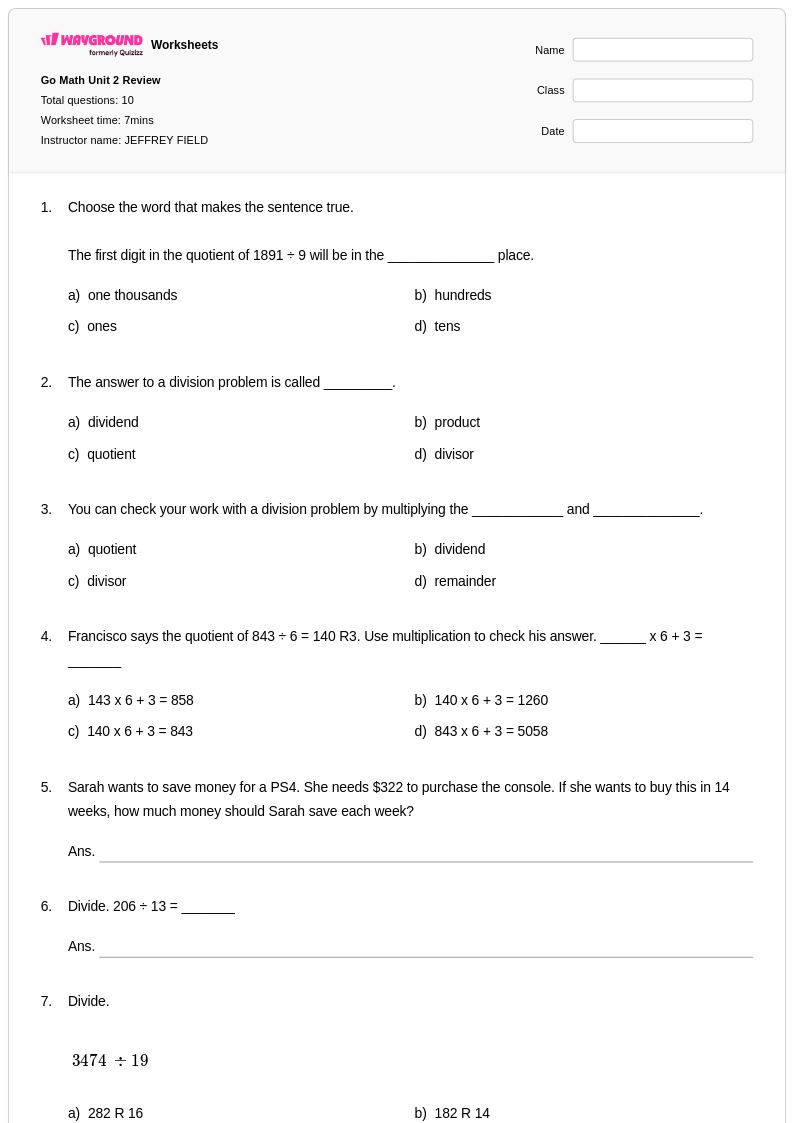
10 Q
5th
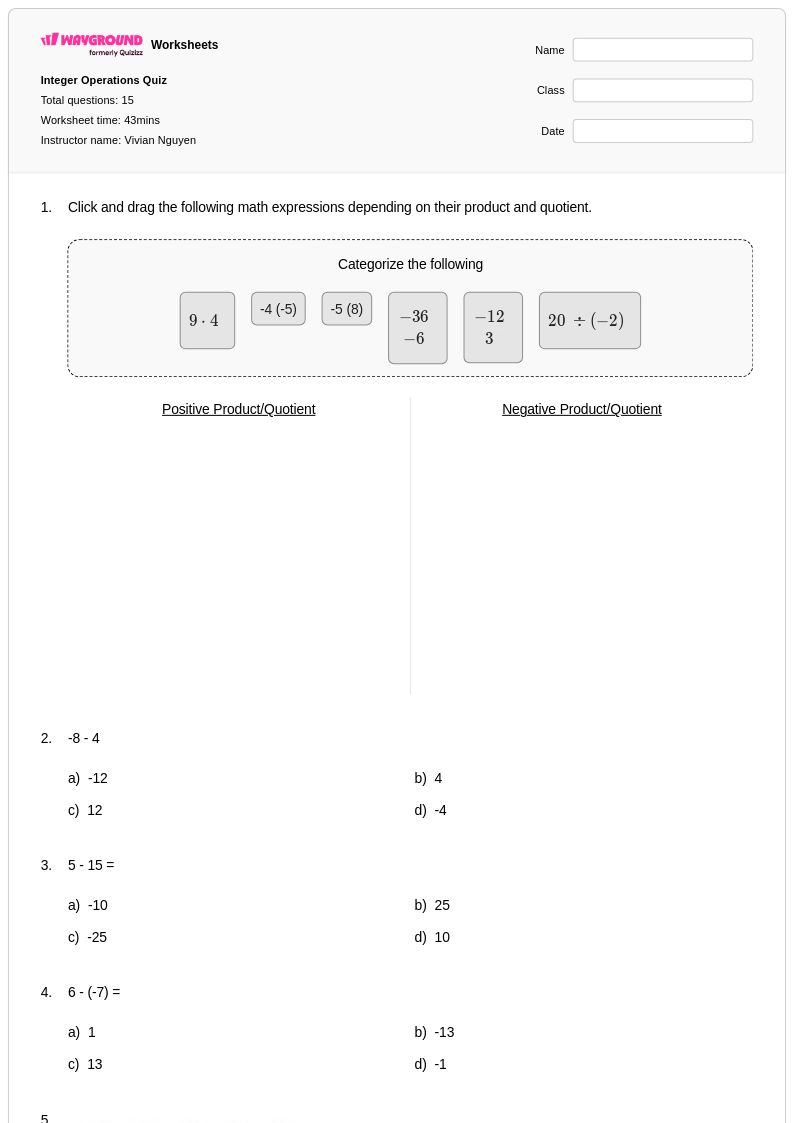
15 Q
8th
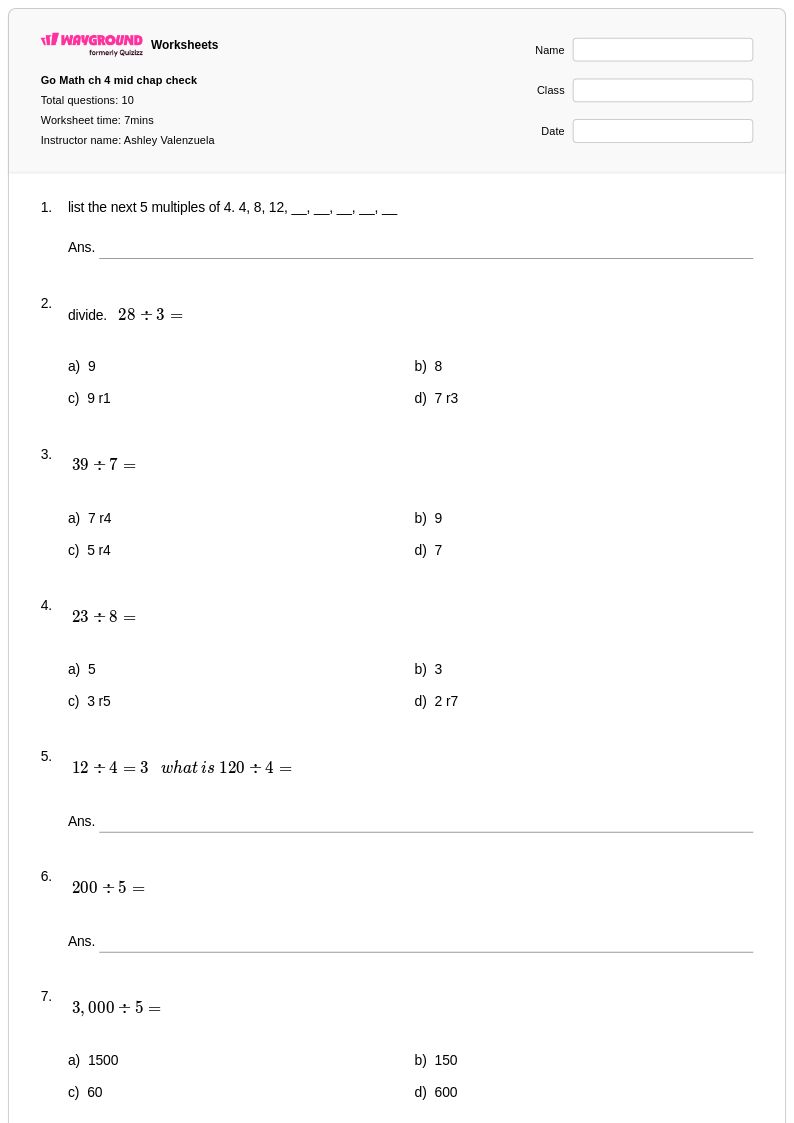
10 Q
4th
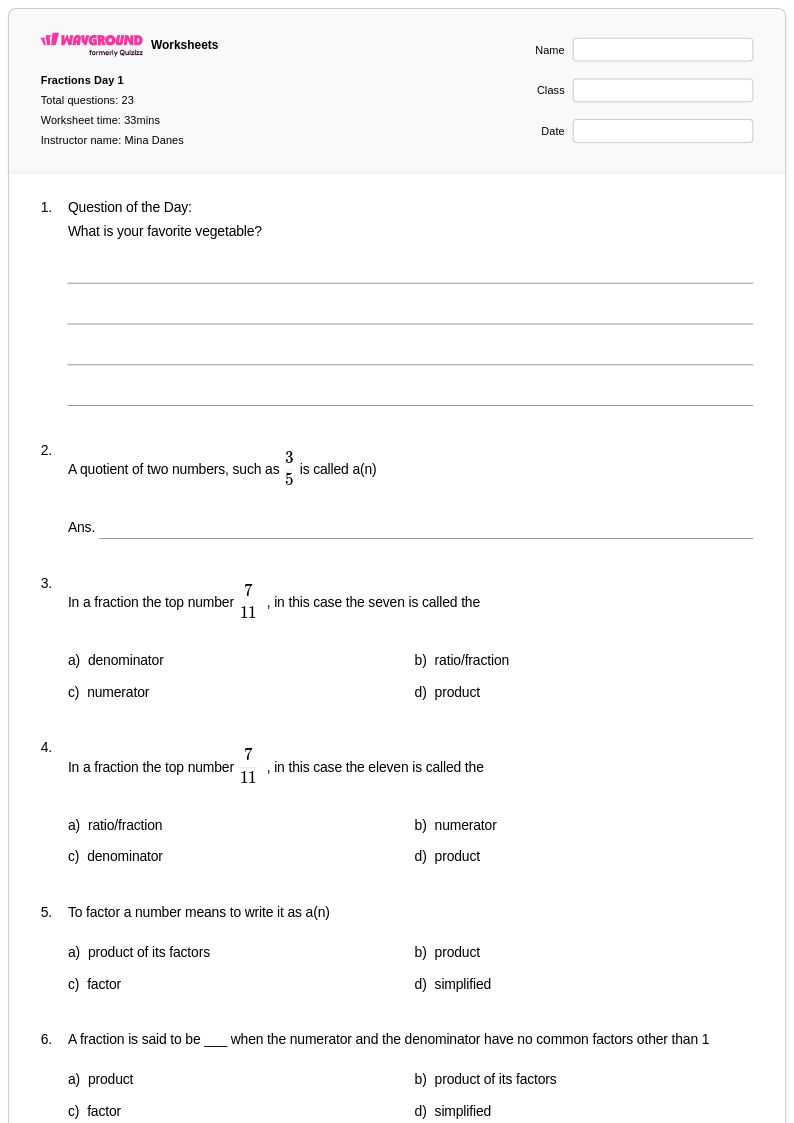
23 Q
9th - 12th
Explore Understanding Quotients Worksheets by Grades
Explore Other Subject Worksheets for kindergarten
Explore printable Understanding Quotients worksheets for Kindergarten
Understanding quotients for kindergarten students begins with building foundational concepts that make division meaningful and accessible to young learners. Wayground's collection of kindergarten-level worksheets focusing on understanding quotients introduces children to the fundamental idea of sharing and grouping objects equally. These carefully designed practice problems help students develop essential mathematical thinking skills through visual representations, manipulatives-based activities, and simple sharing scenarios that connect to their everyday experiences. Each worksheet includes comprehensive answer keys and is available as free printable PDFs, allowing educators to seamlessly incorporate quotient understanding activities into their mathematics instruction while building students' confidence with early division concepts.
Wayground's extensive library of teacher-created resources provides kindergarten educators with millions of specialized worksheets that support quotient understanding through developmentally appropriate activities and exercises. The platform's robust search and filtering capabilities enable teachers to quickly locate materials that align with specific learning standards and individual student needs, while built-in differentiation tools allow for customization based on varying ability levels within the classroom. These quotient-focused worksheets are available in both printable PDF formats and digital versions, giving educators the flexibility to adapt their instruction for whole-group lessons, small-group interventions, or independent practice sessions. This comprehensive resource collection streamlines lesson planning while providing targeted support for remediation, enrichment, and systematic skill development in early division concepts.