
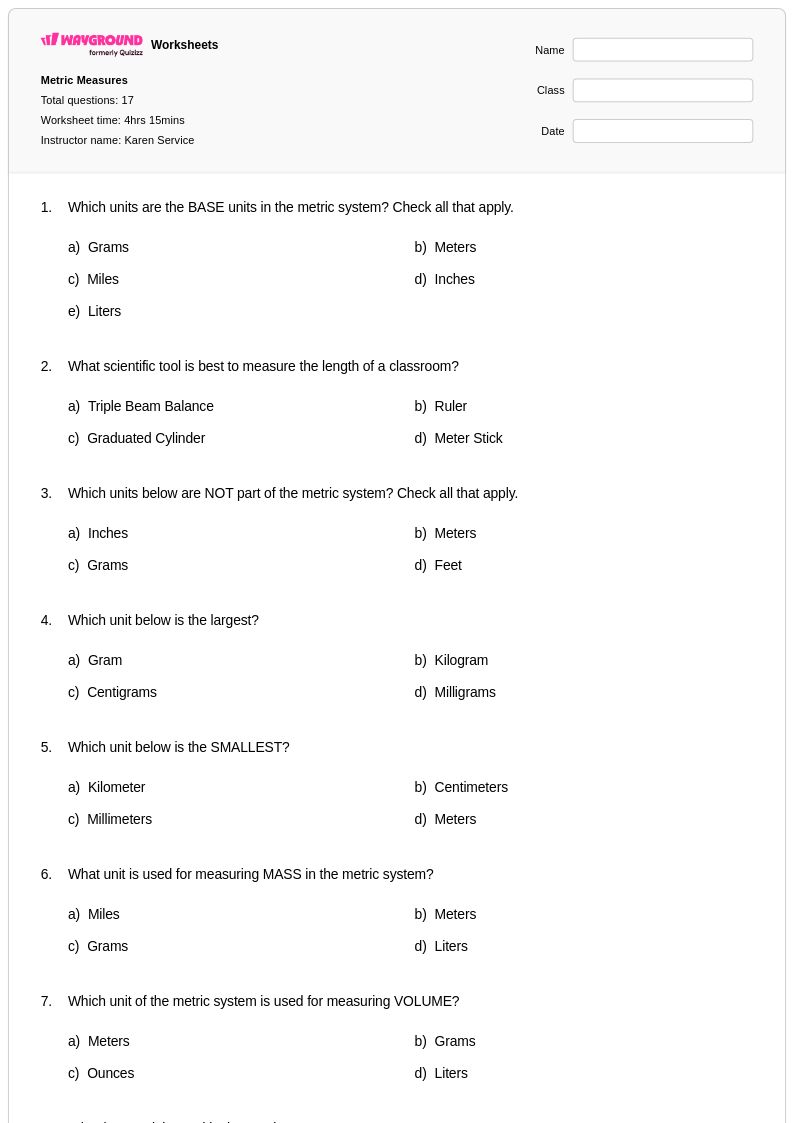
17 Q
9th - 12th
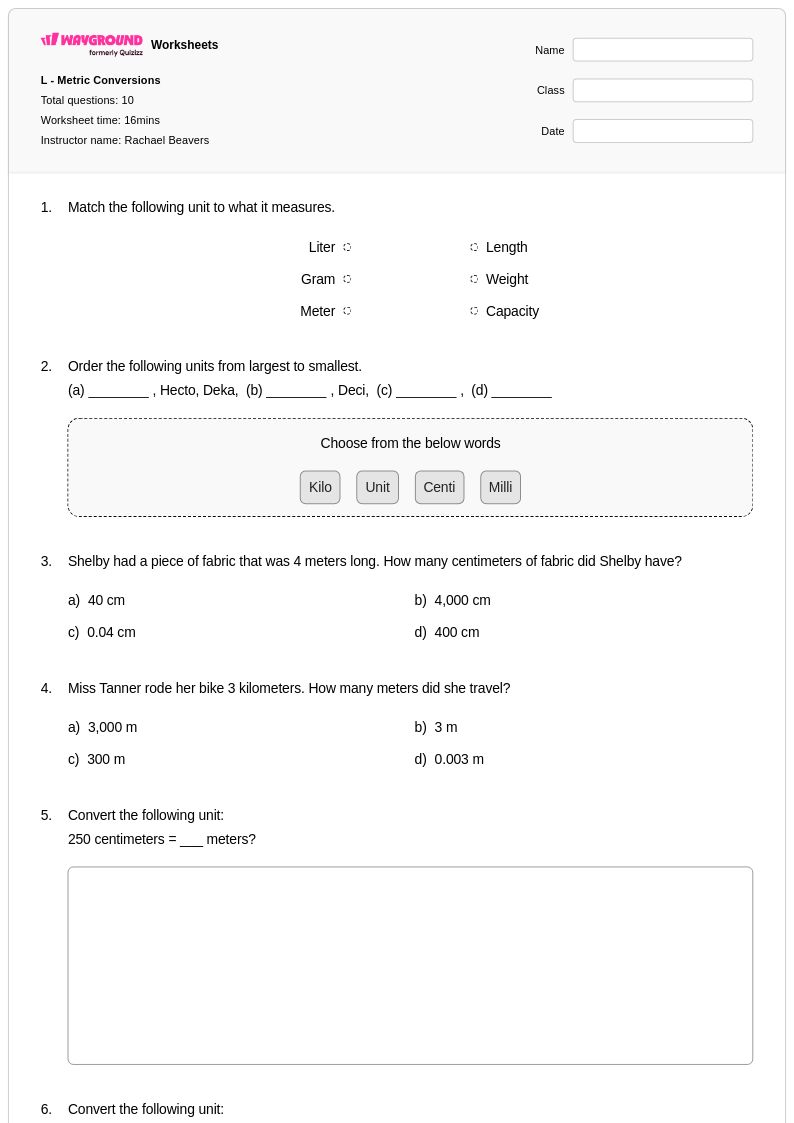
10 Q
5th
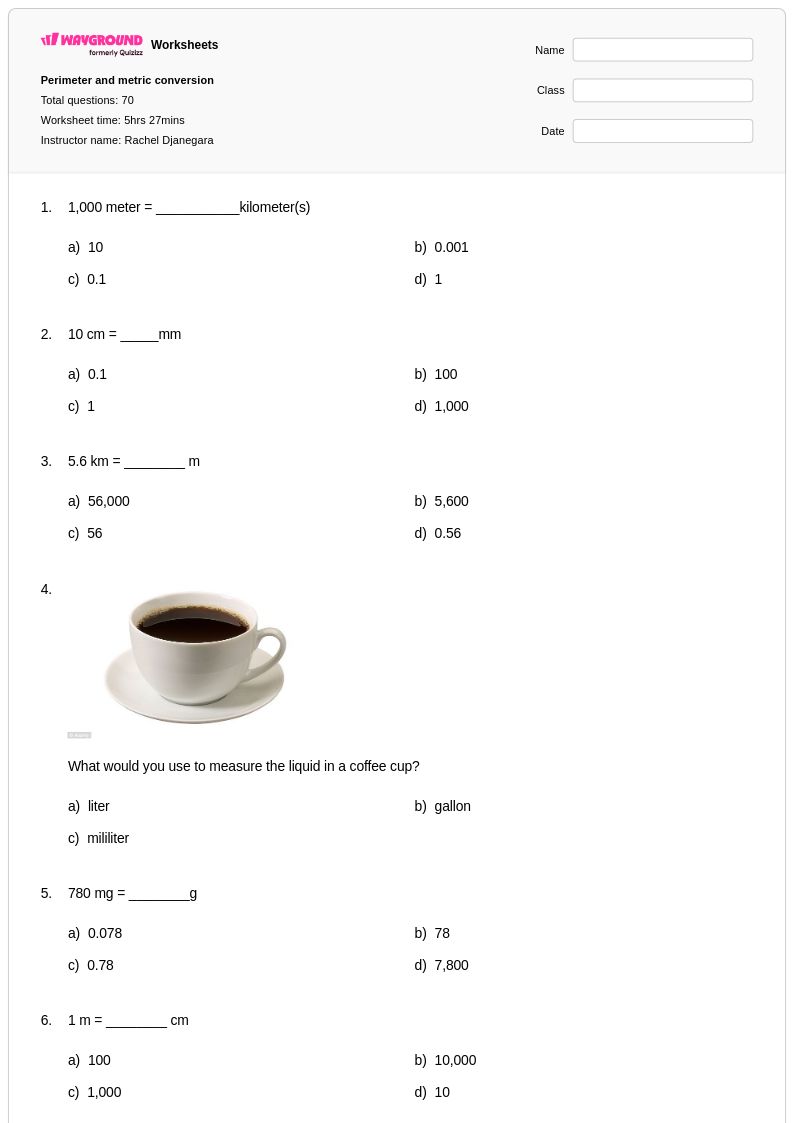
70 Q
11th
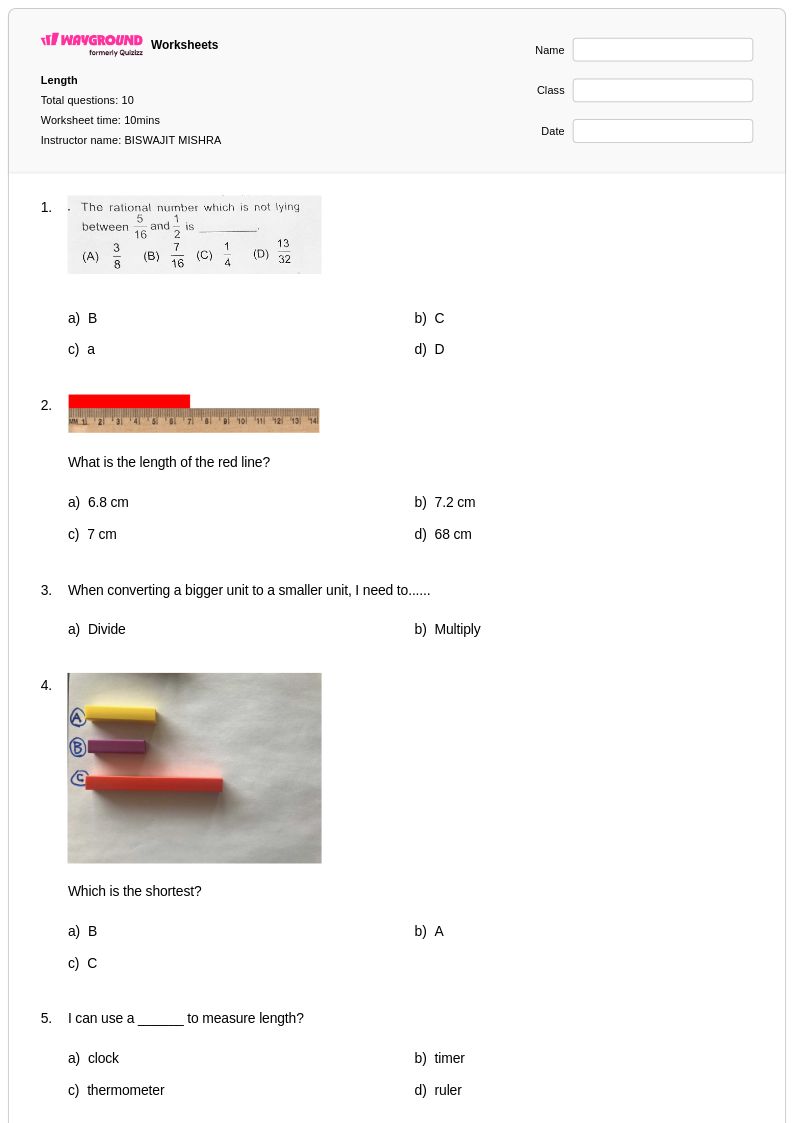
10 Q
3rd - 4th
55 Q
2nd
13 Q
2nd - Uni
13 Q
3rd
10 Q
1st - 6th
8 Q
4th
10 Q
4th
20 Q
12th
6 Q
4th
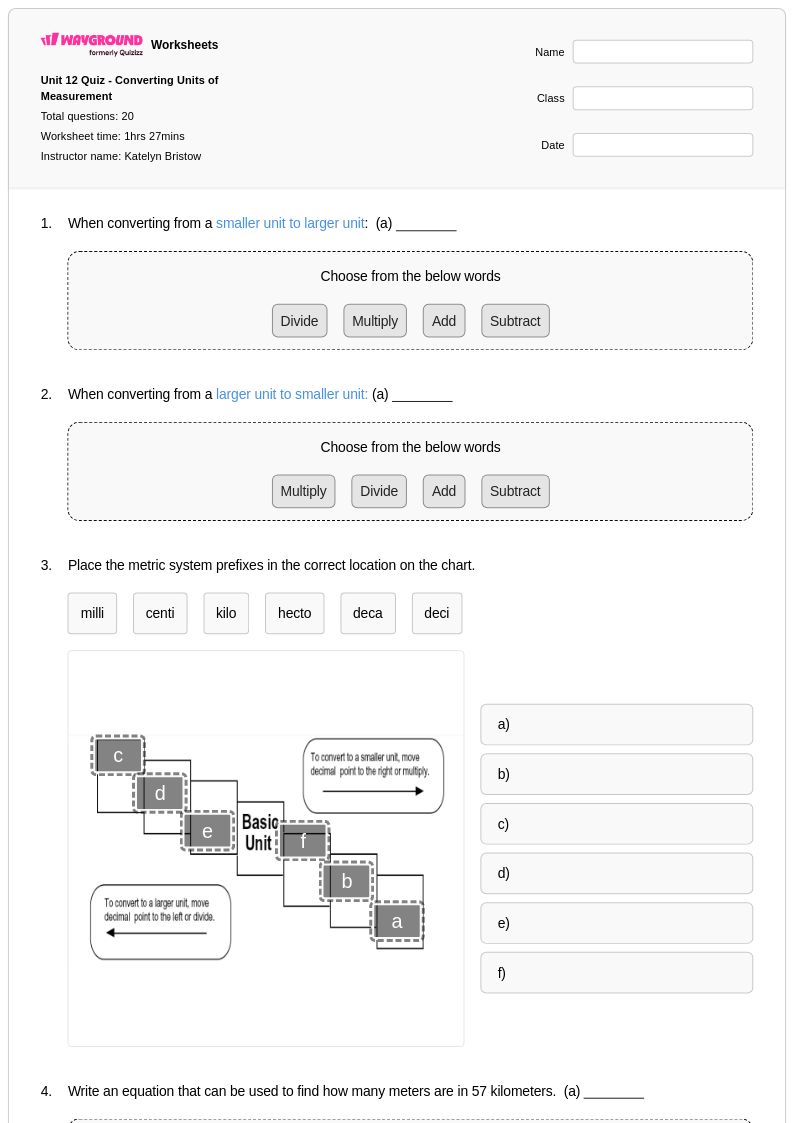
20 Q
5th
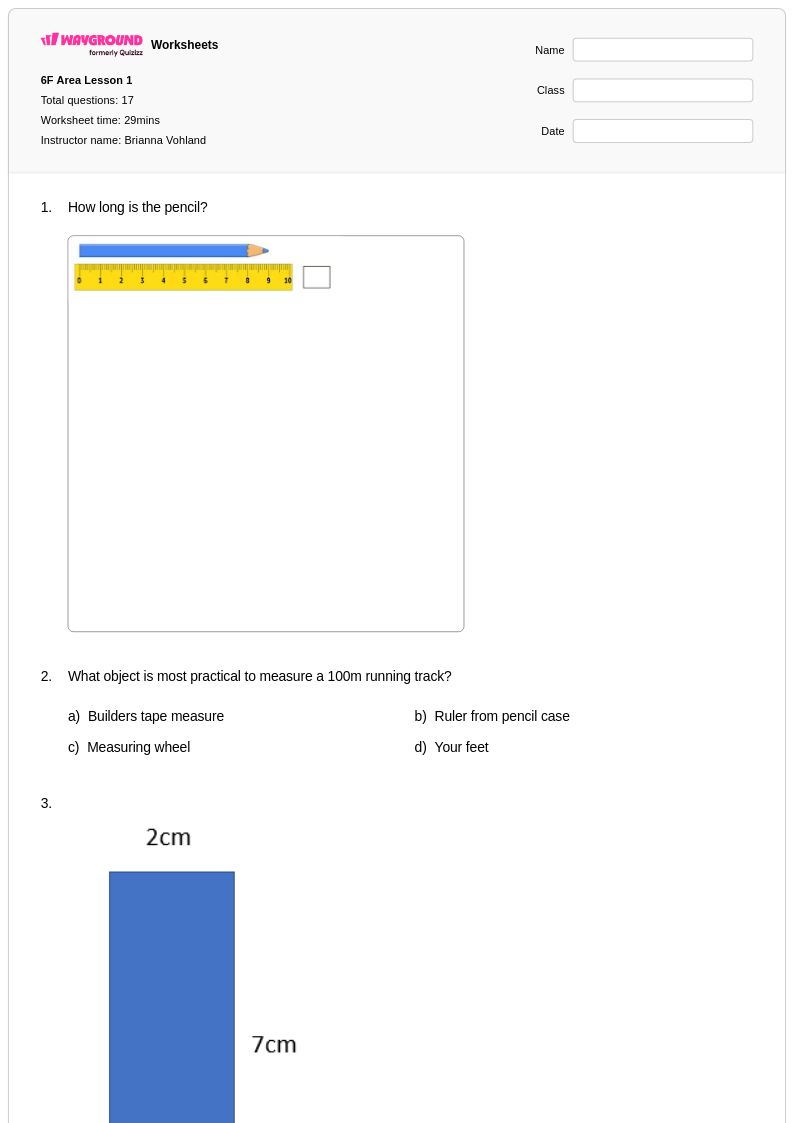
17 Q
6th - 8th
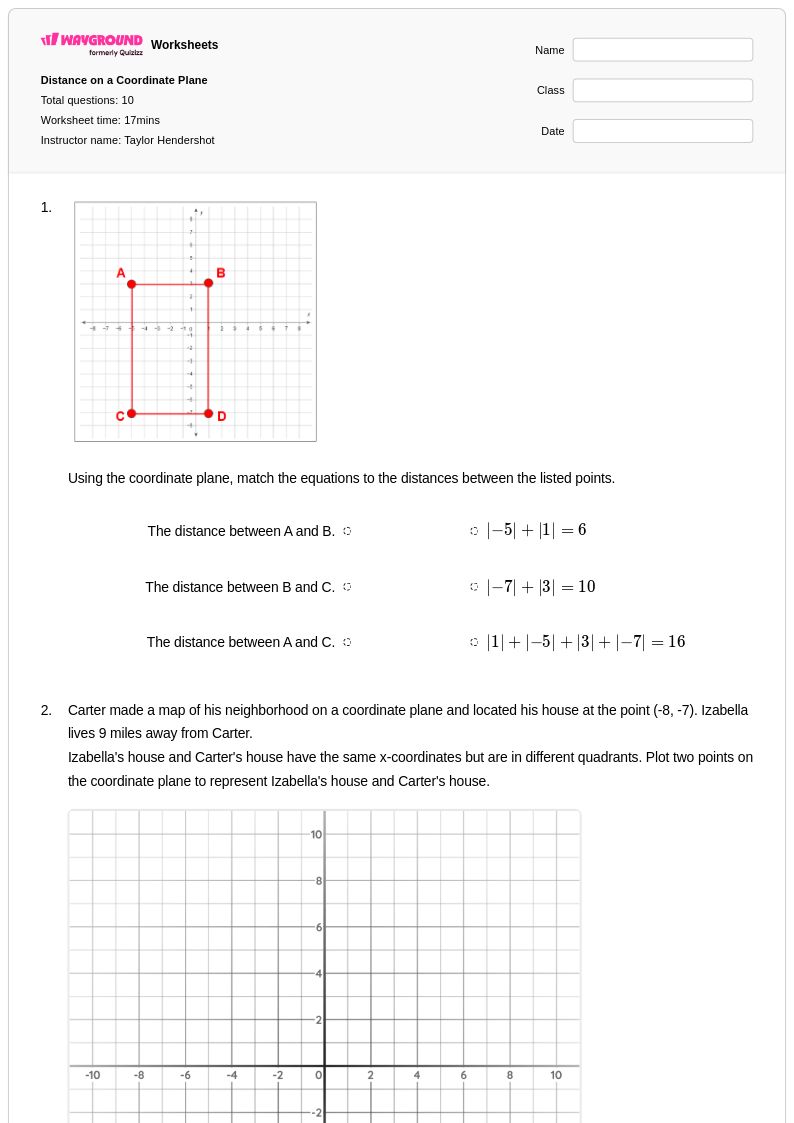
10 Q
6th
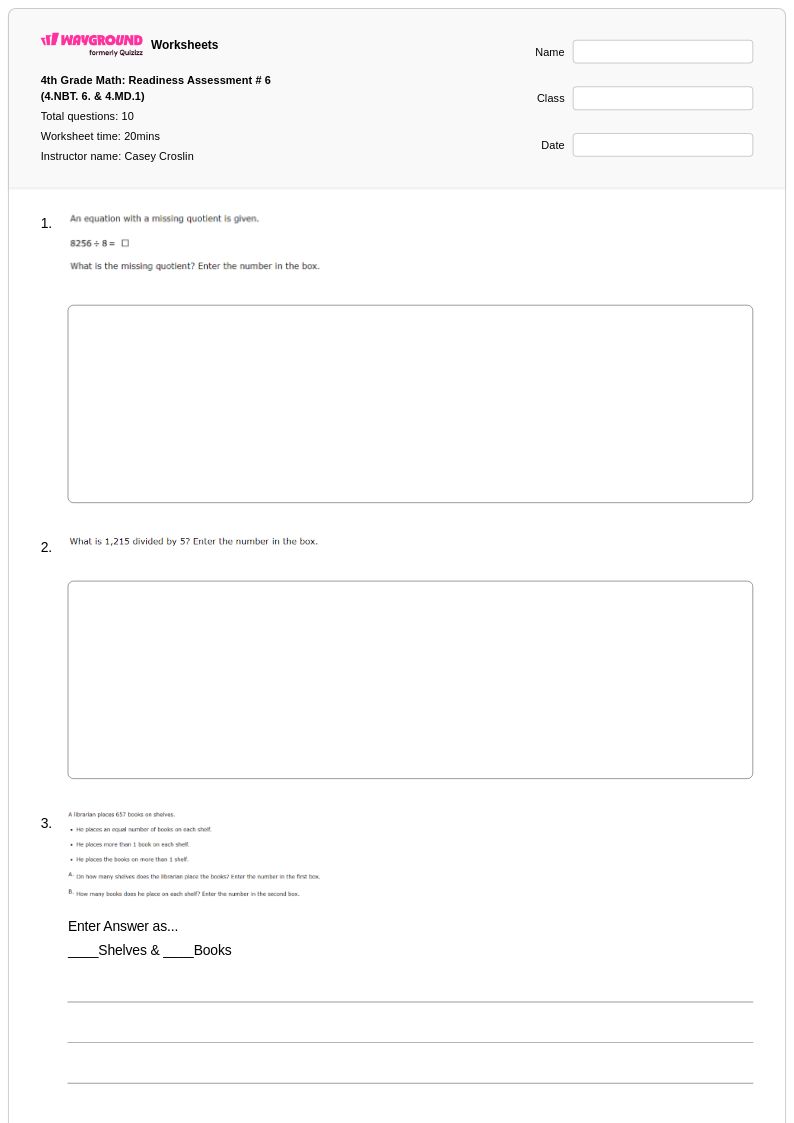
11 Q
4th
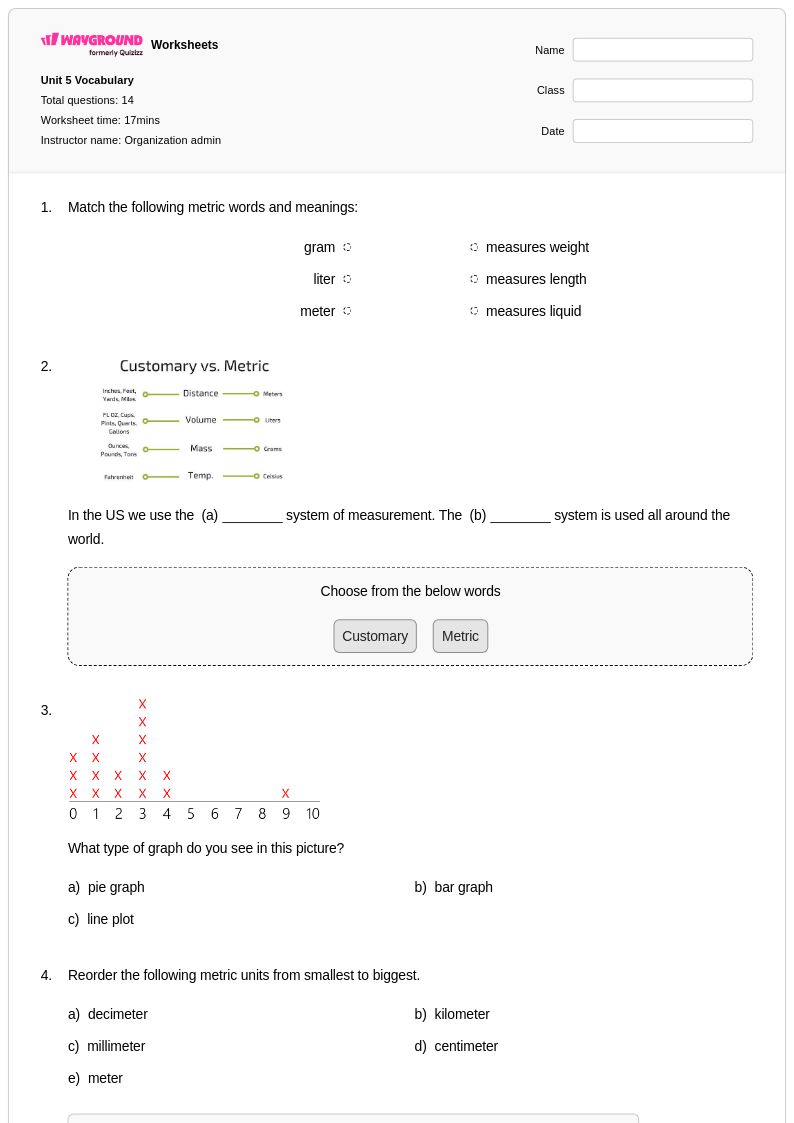
14 Q
4th
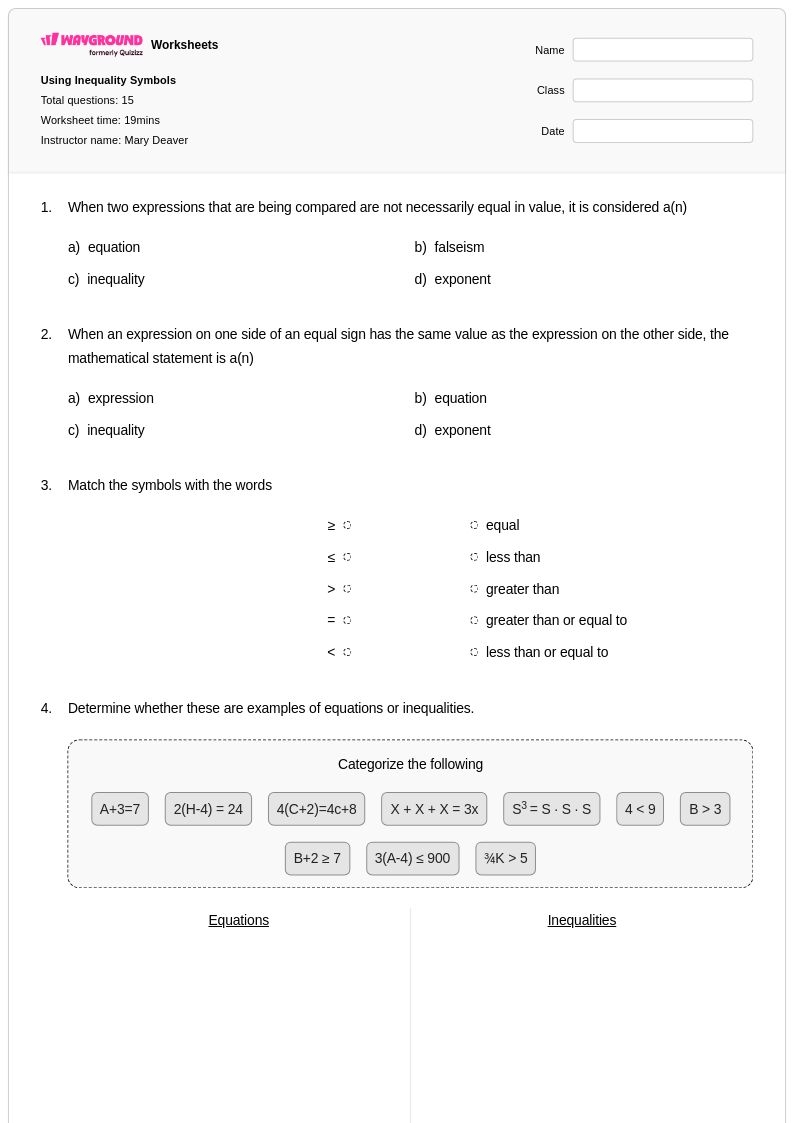
15 Q
6th
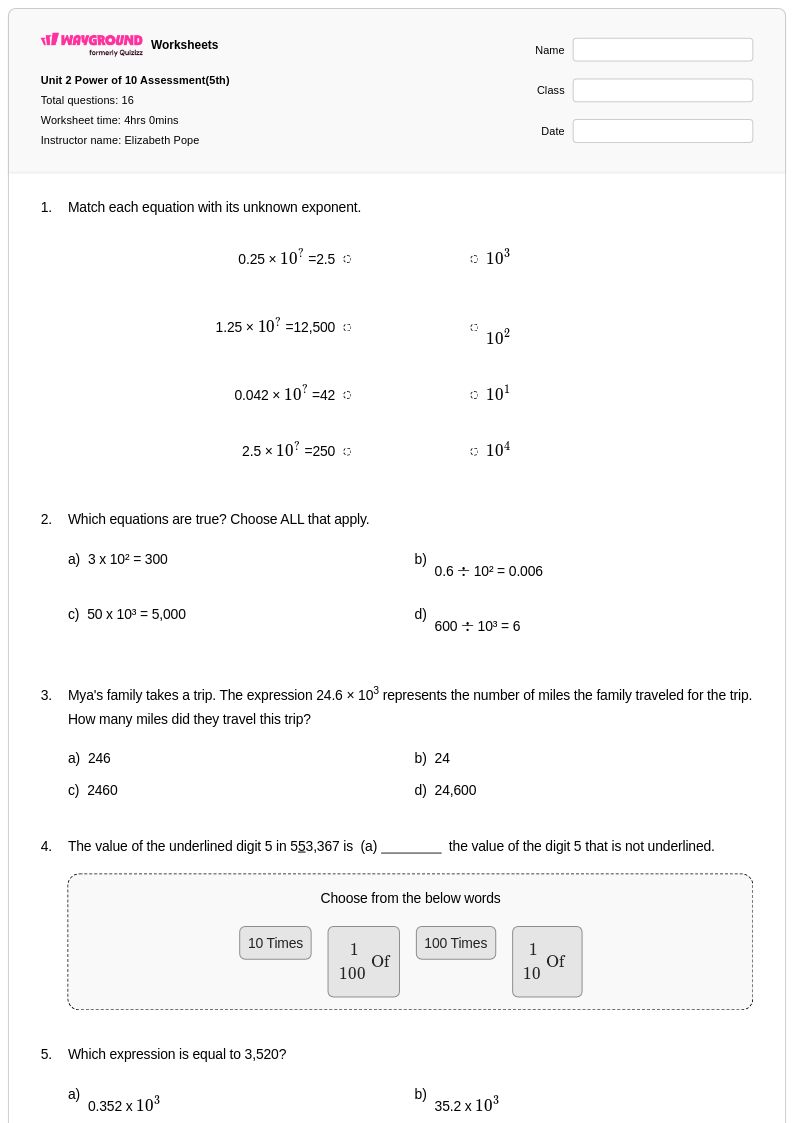
16 Q
5th
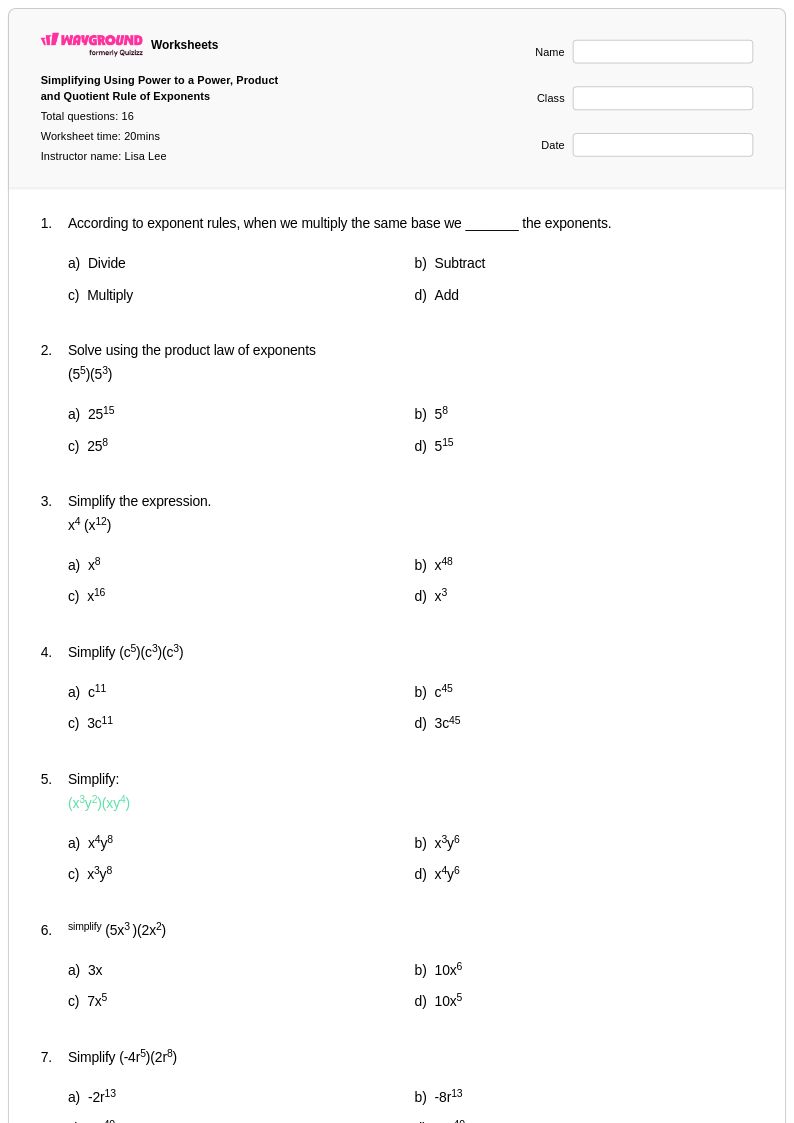
16 Q
9th
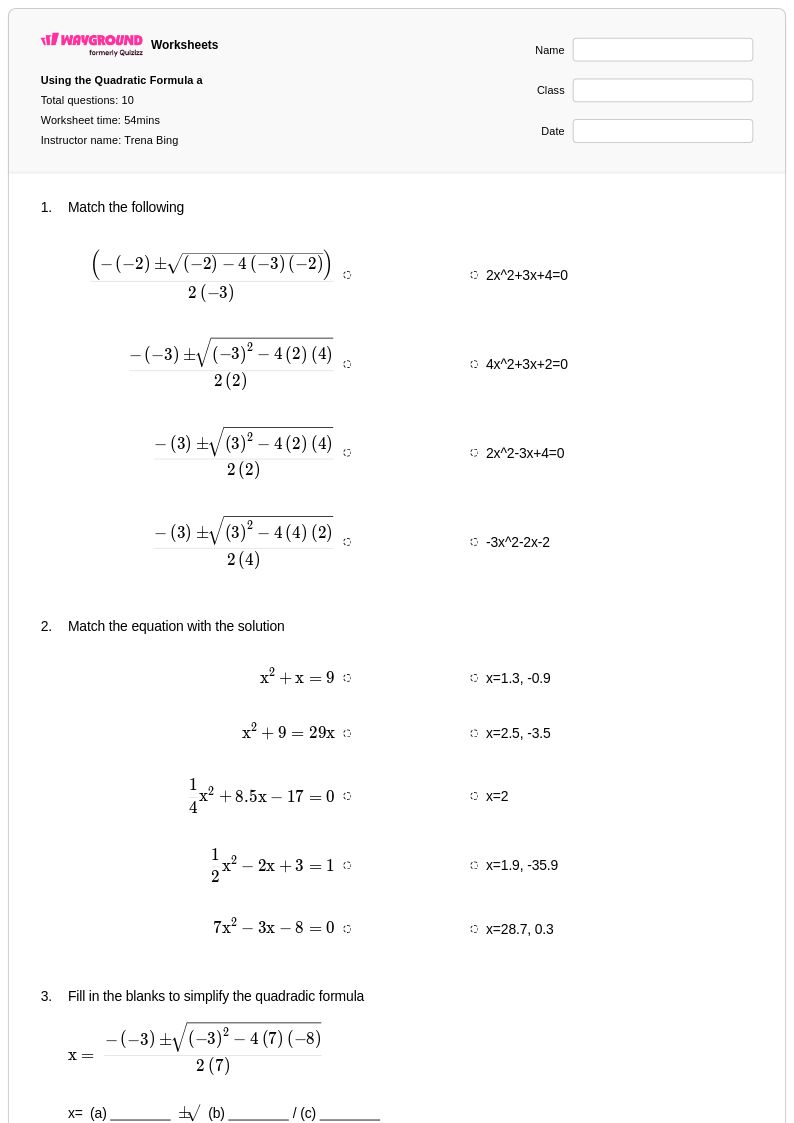
10 Q
9th
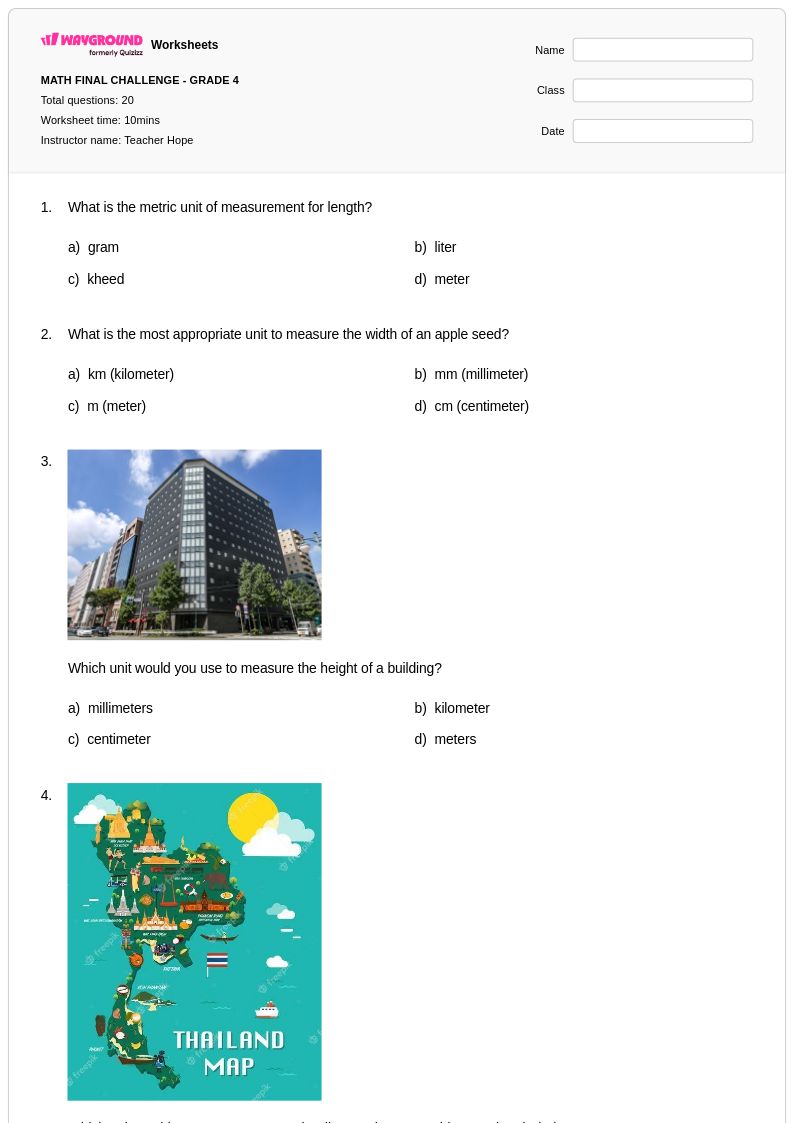
20 Q
4th
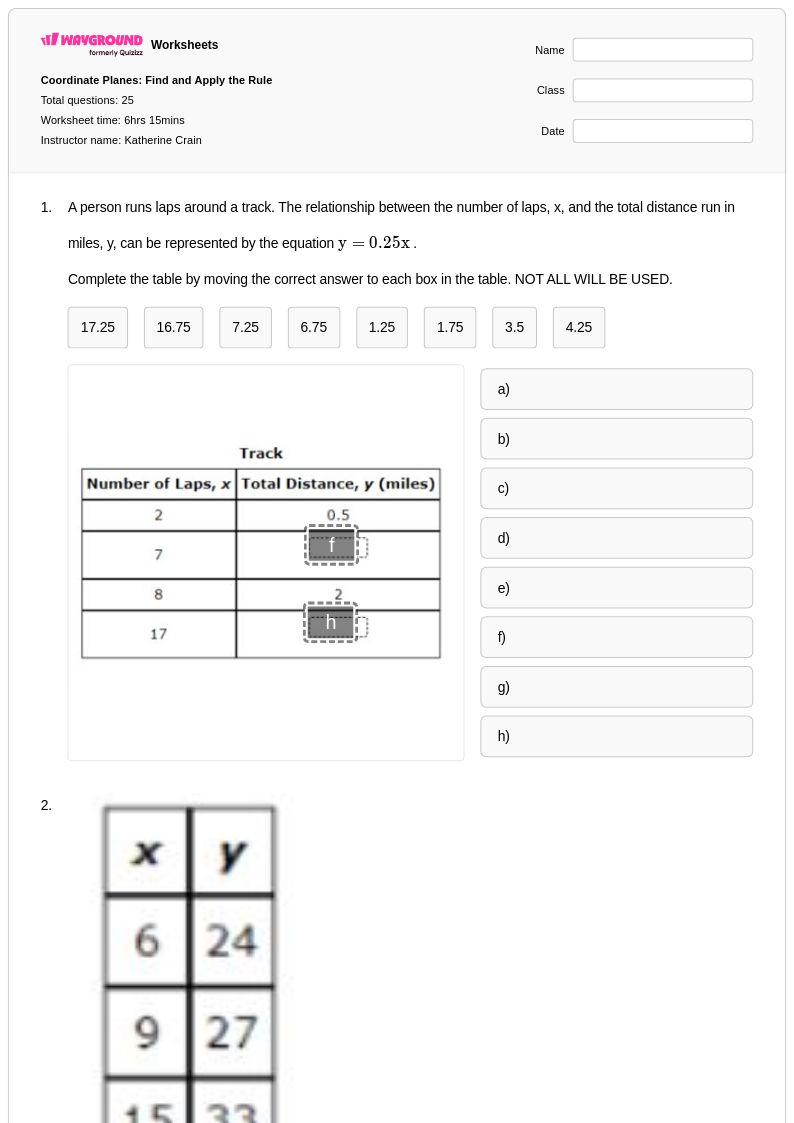
25 Q
5th
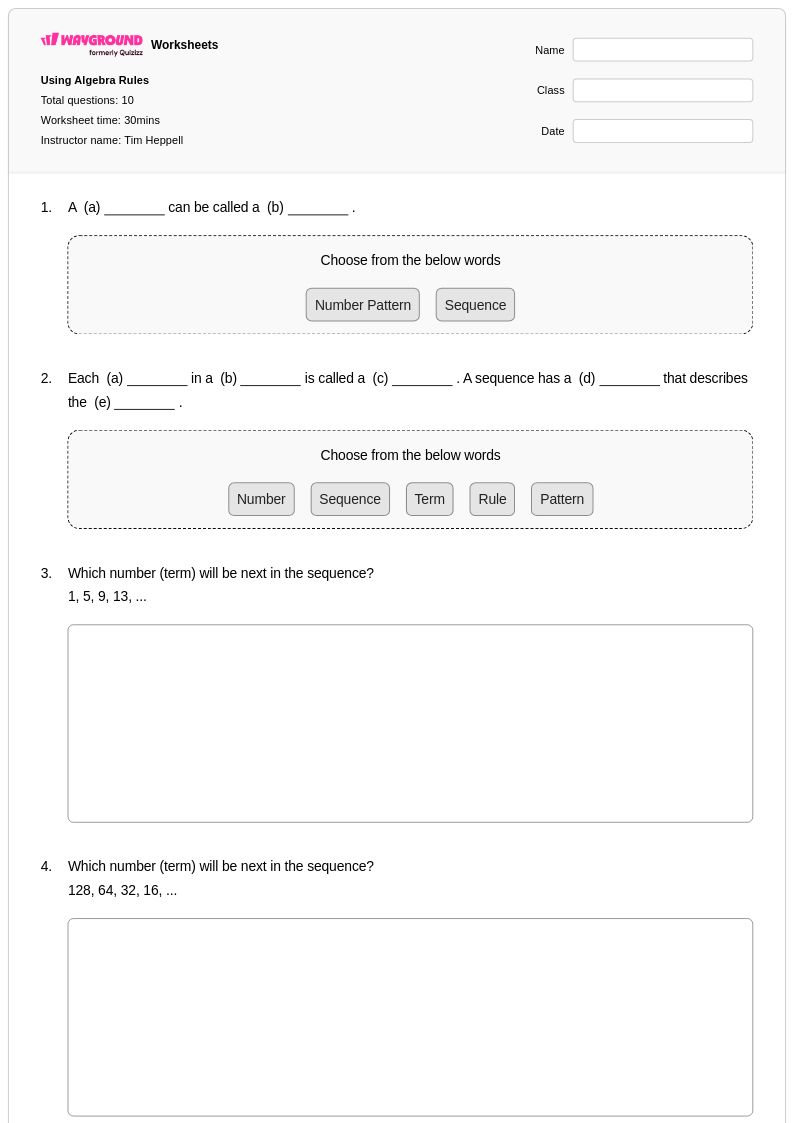
10 Q
7th
Explore Other Subject Worksheets for kindergarten
Explore printable Using a Metric Ruler worksheets for Kindergarten
Using a metric ruler worksheets for kindergarten students available through Wayground (formerly Quizizz) introduce young learners to fundamental measurement concepts through age-appropriate activities and visual exercises. These carefully designed worksheets help kindergarteners develop essential pre-measurement skills by familiarizing them with the basic structure and appearance of metric rulers, identifying centimeter markings, and understanding the concept of measuring length using standard units. The collection includes practice problems that guide students through hands-on measurement experiences with classroom objects, picture-based measurement activities, and simple comparison exercises that build foundational understanding of the metric system. Each worksheet comes with a comprehensive answer key and is available as free printable pdf resources, making them easily accessible for both classroom instruction and home practice.
Wayground (formerly Quizizz) empowers educators with an extensive library of millions of teacher-created resources specifically designed to support kindergarten measurement instruction, including comprehensive collections focused on metric ruler usage and early measurement strategies. The platform's robust search and filtering capabilities allow teachers to quickly locate worksheets that align with specific learning objectives and developmental stages, while built-in differentiation tools enable educators to customize content complexity to meet diverse student needs within the same classroom. These versatile resources are available in both printable and digital formats, including downloadable pdf versions that facilitate seamless integration into lesson planning, targeted remediation for students requiring additional support, and enrichment opportunities for advanced learners ready to explore more complex measurement concepts.