
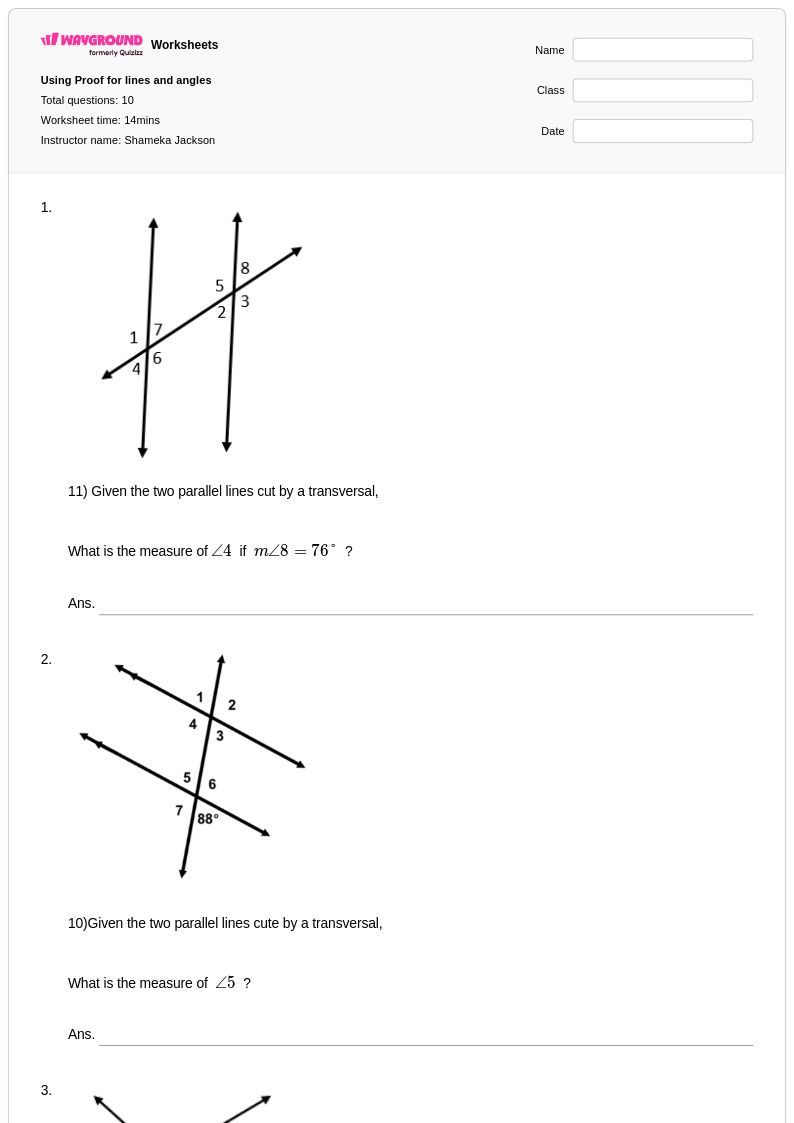
10Q
10th - 11th
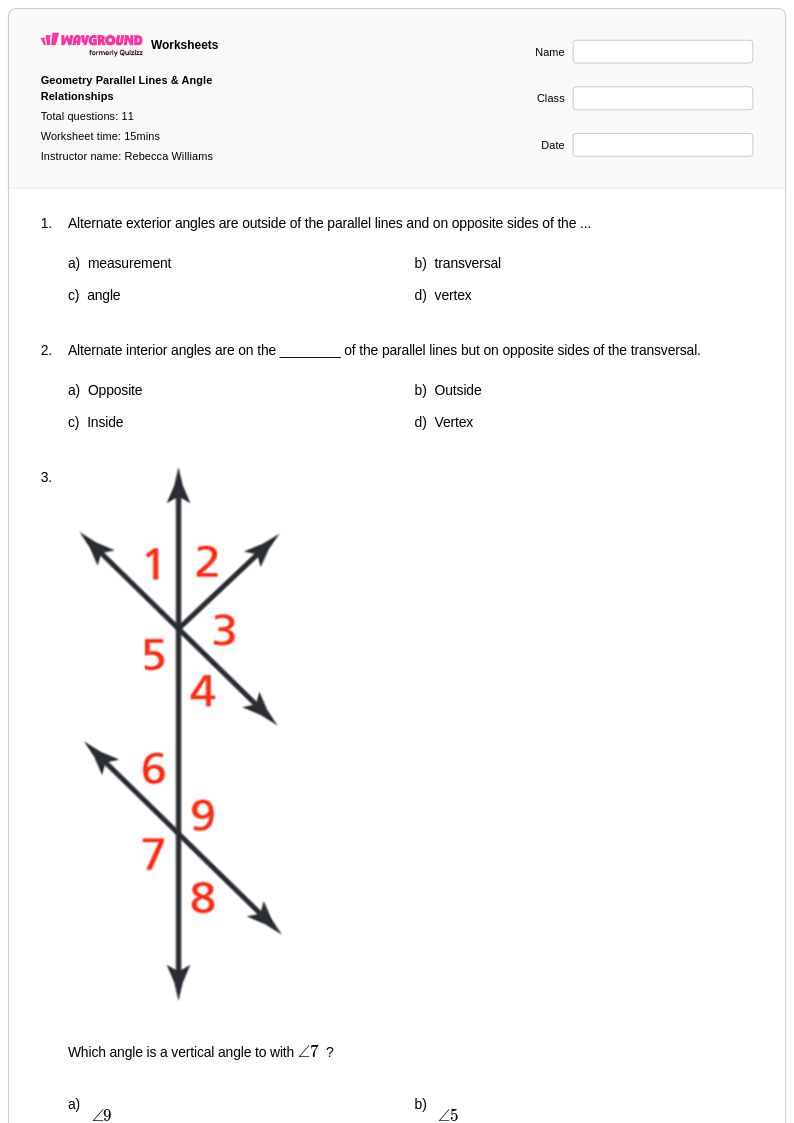
11Q
9th - 10th
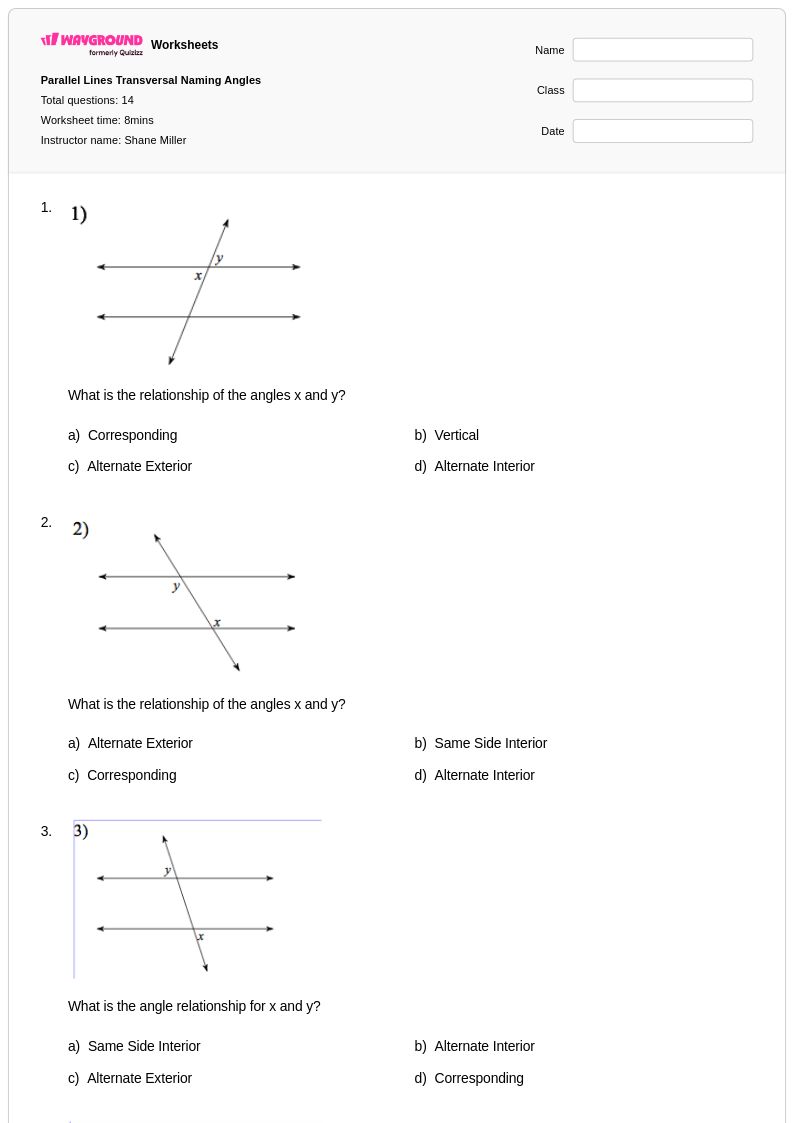
14Q
7th - 10th
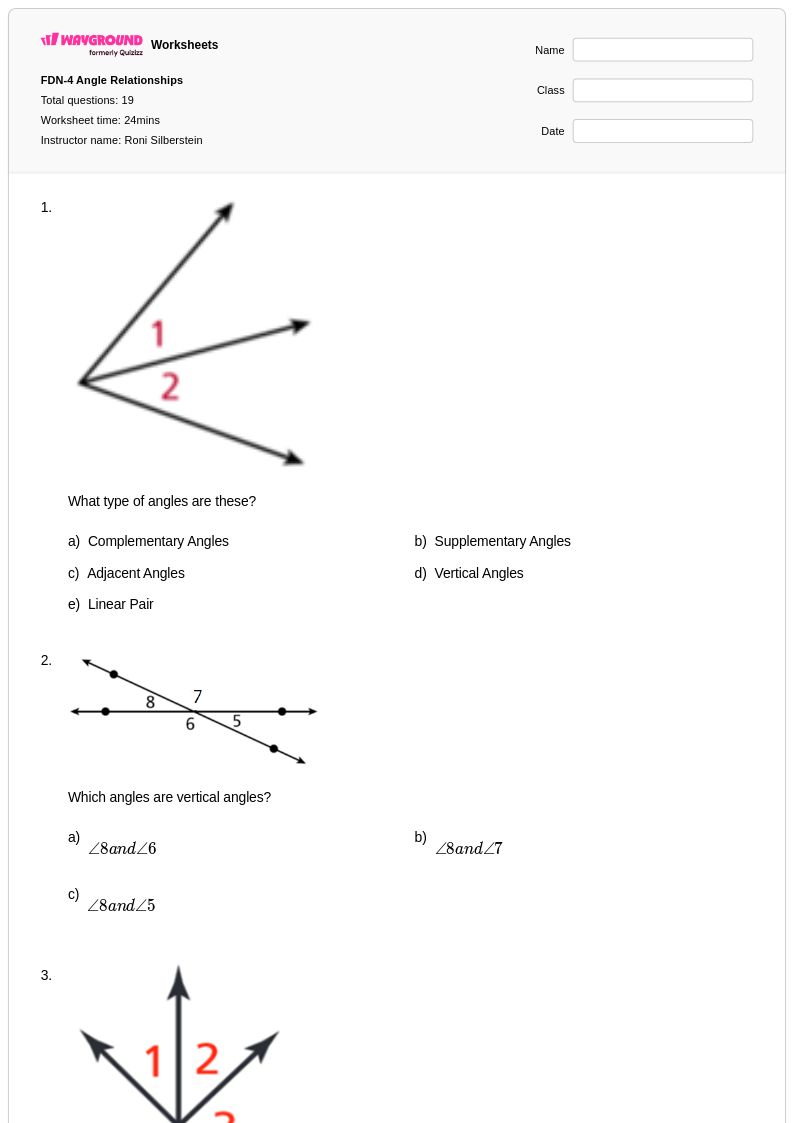
19Q
10th
21Q
9th - 12th
20Q
9th - 12th
38Q
10th
15Q
10th
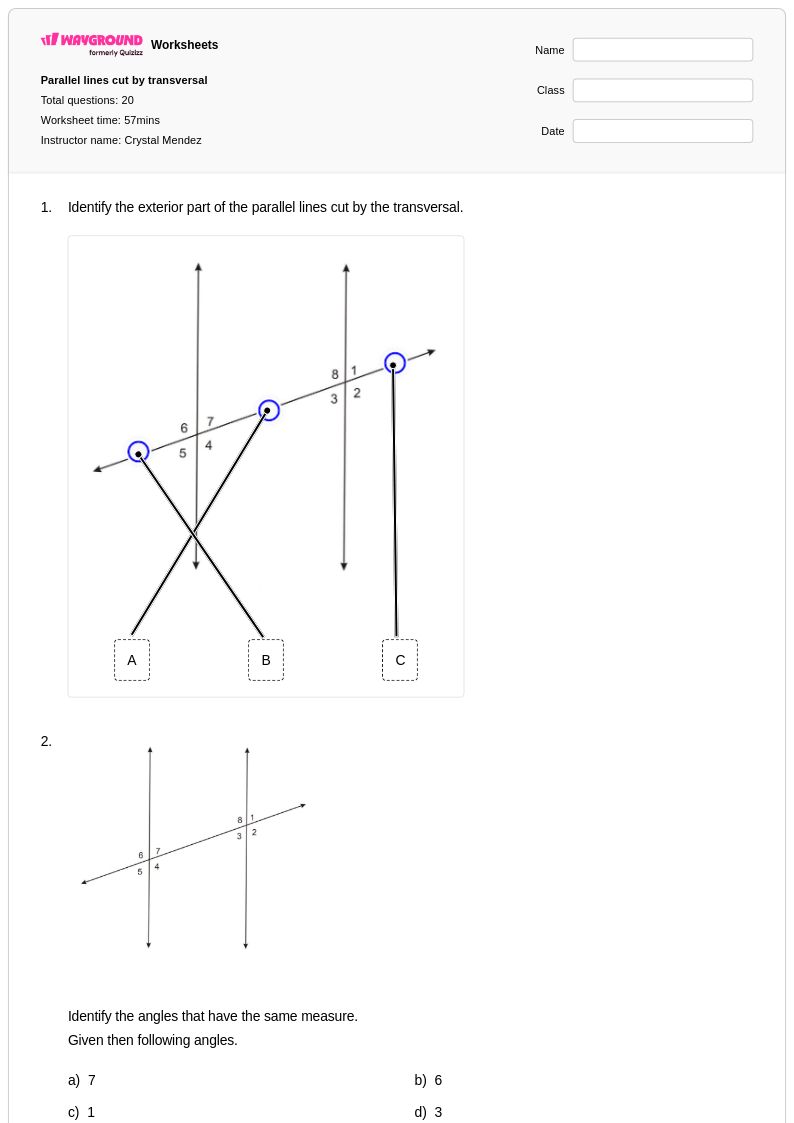
20Q
10th
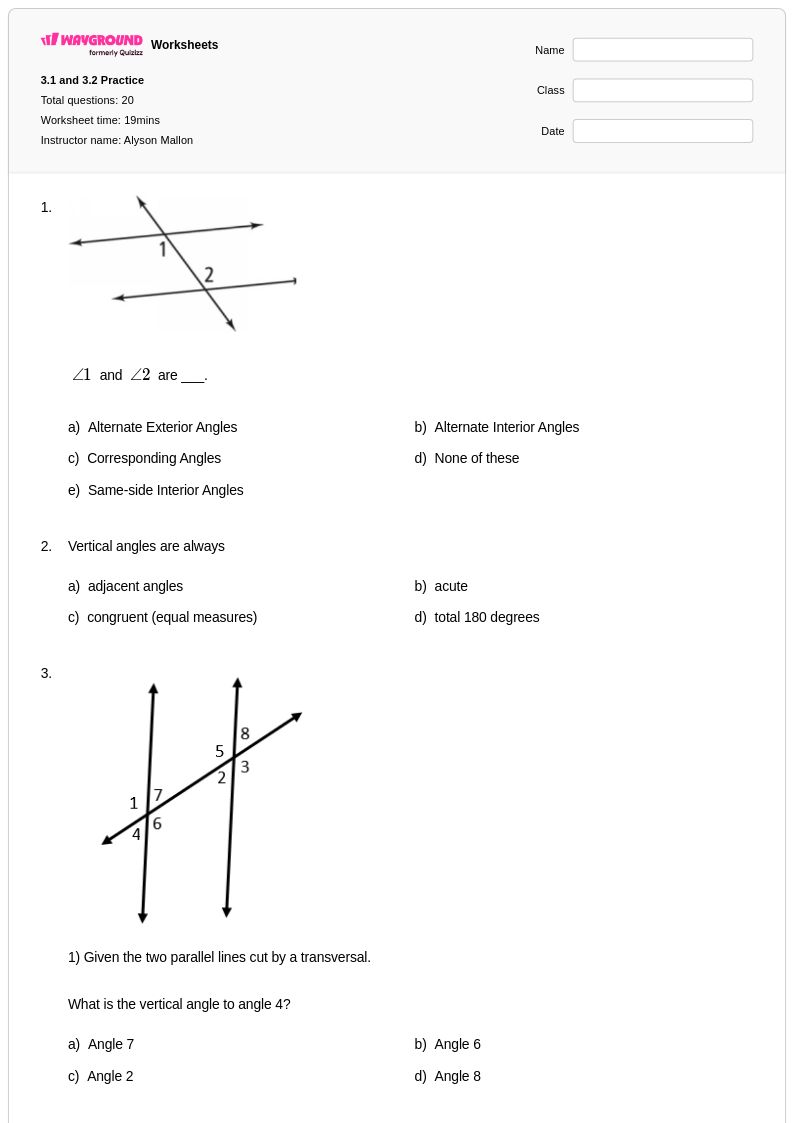
20Q
9th - 11th
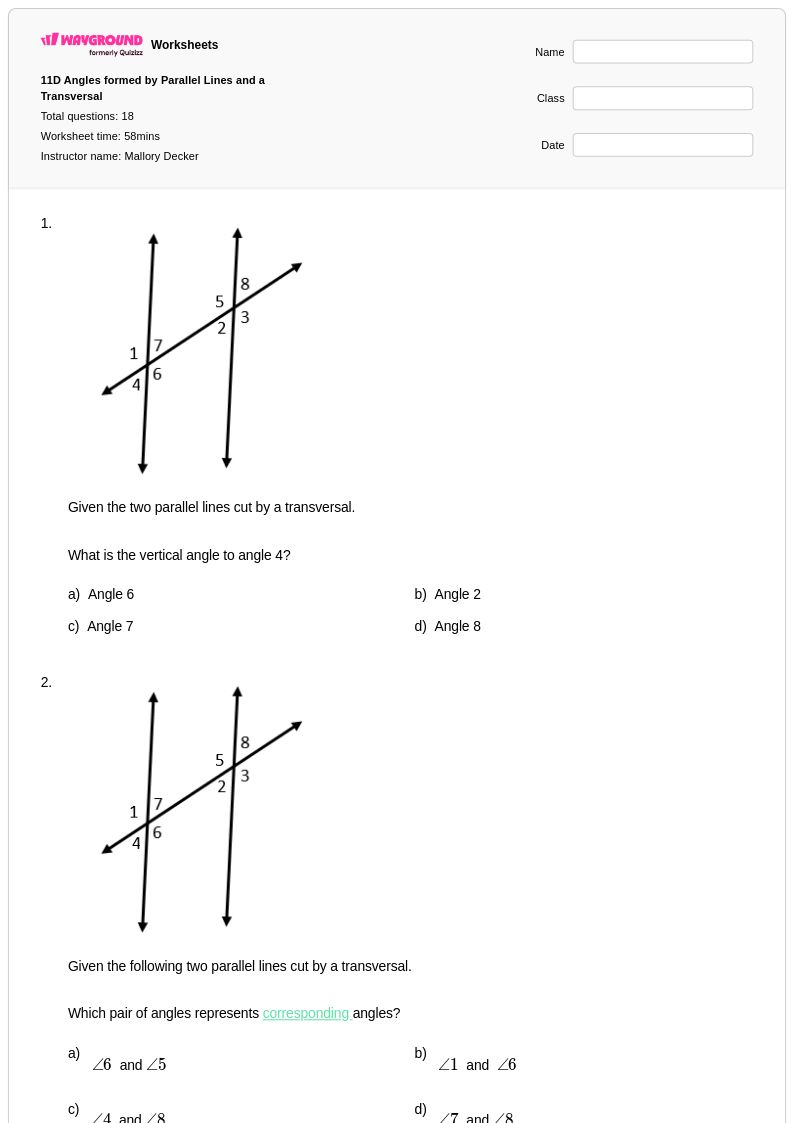
18Q
10th
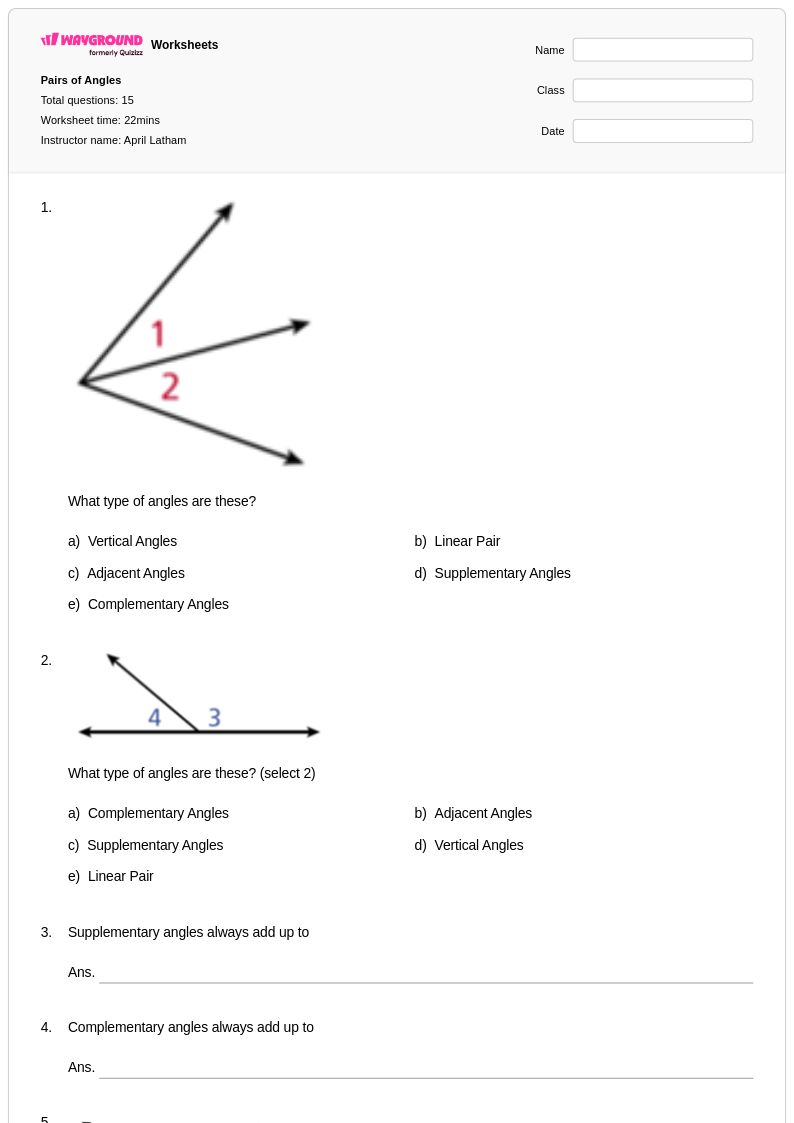
15Q
8th - 11th
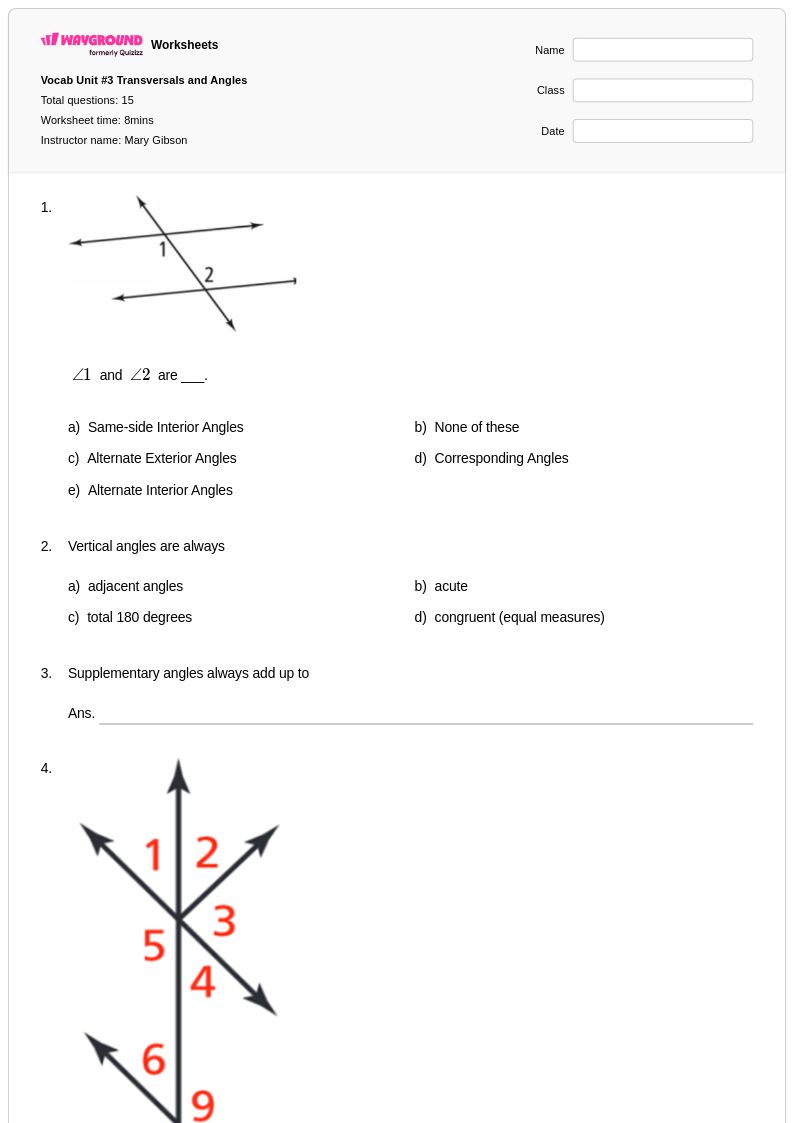
15Q
9th - 10th
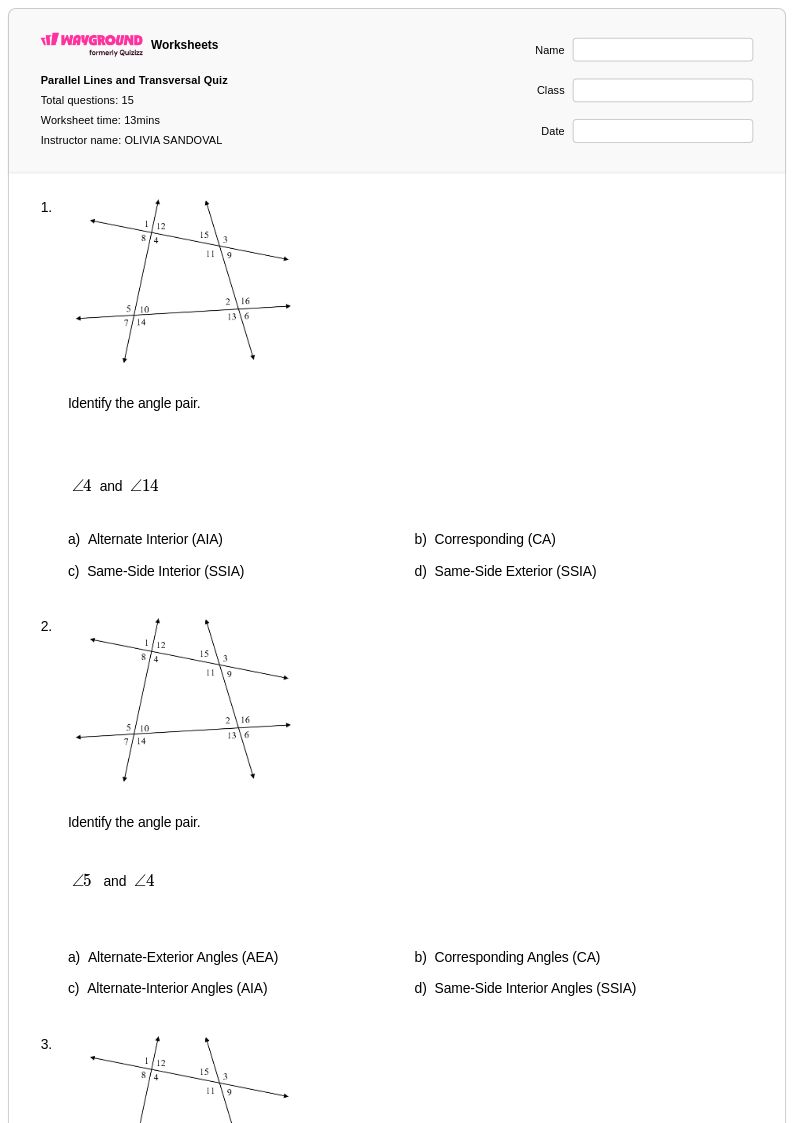
15Q
10th
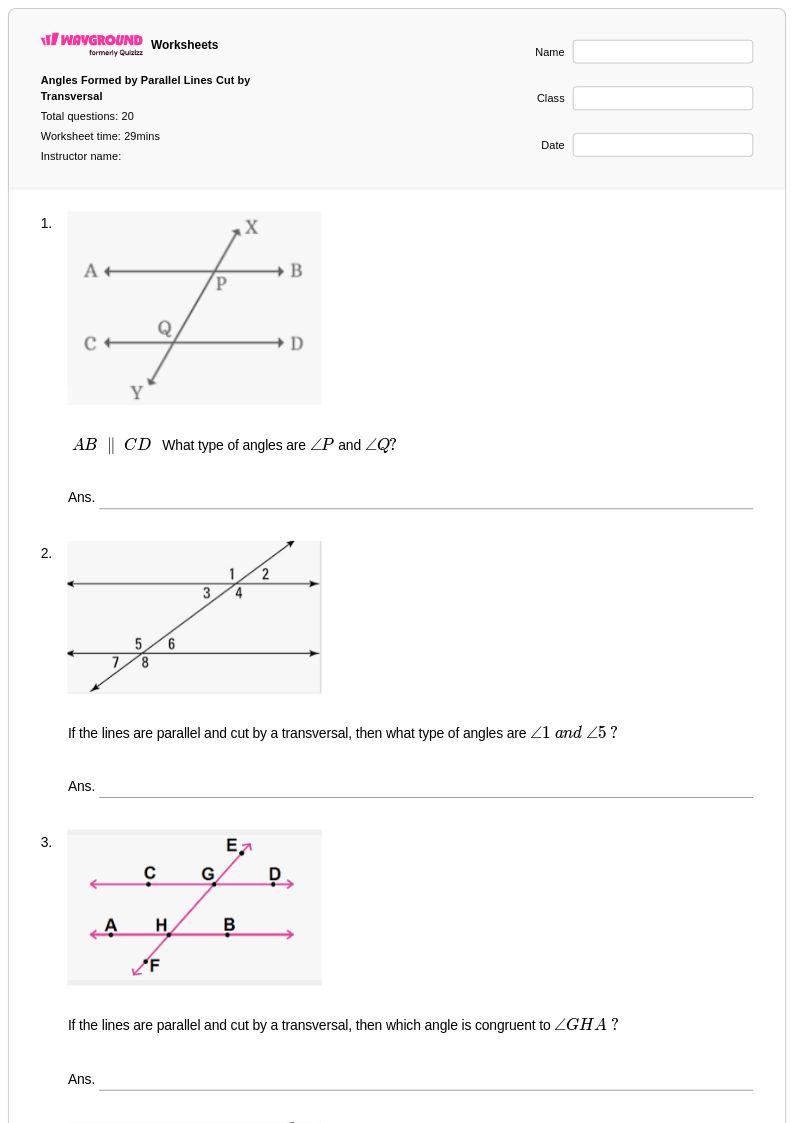
20Q
8th - 11th
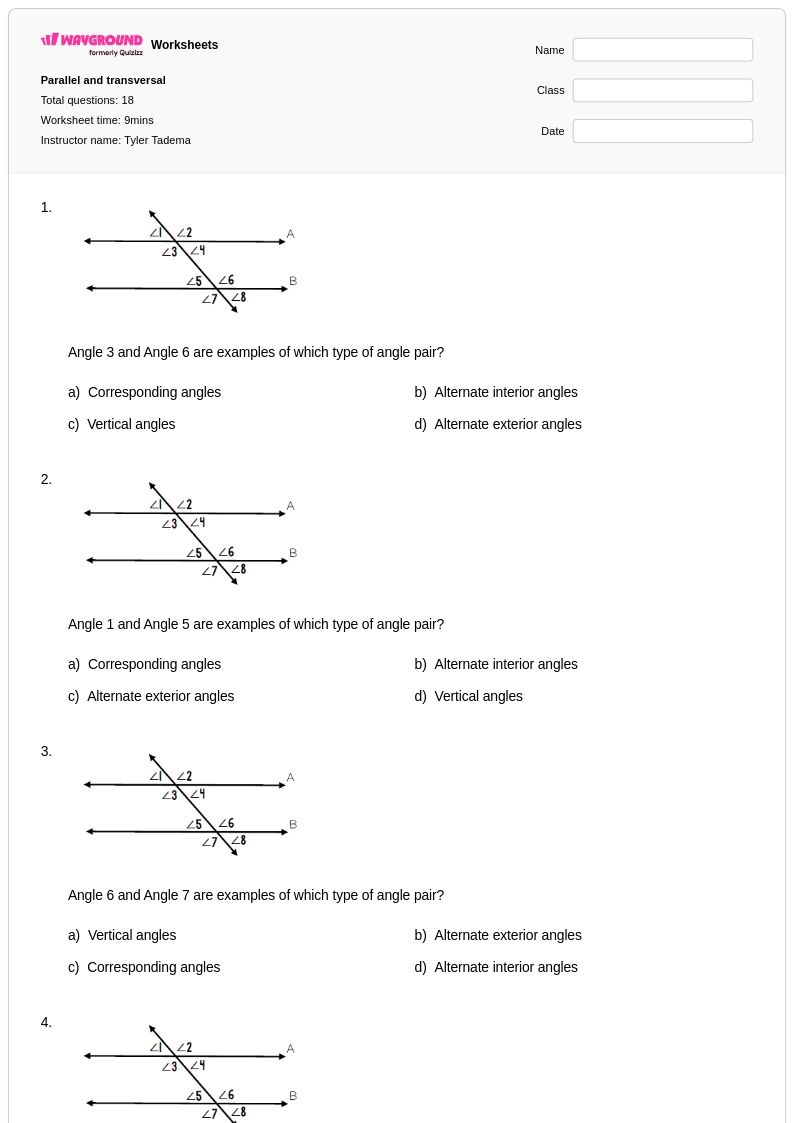
18Q
9th - 11th
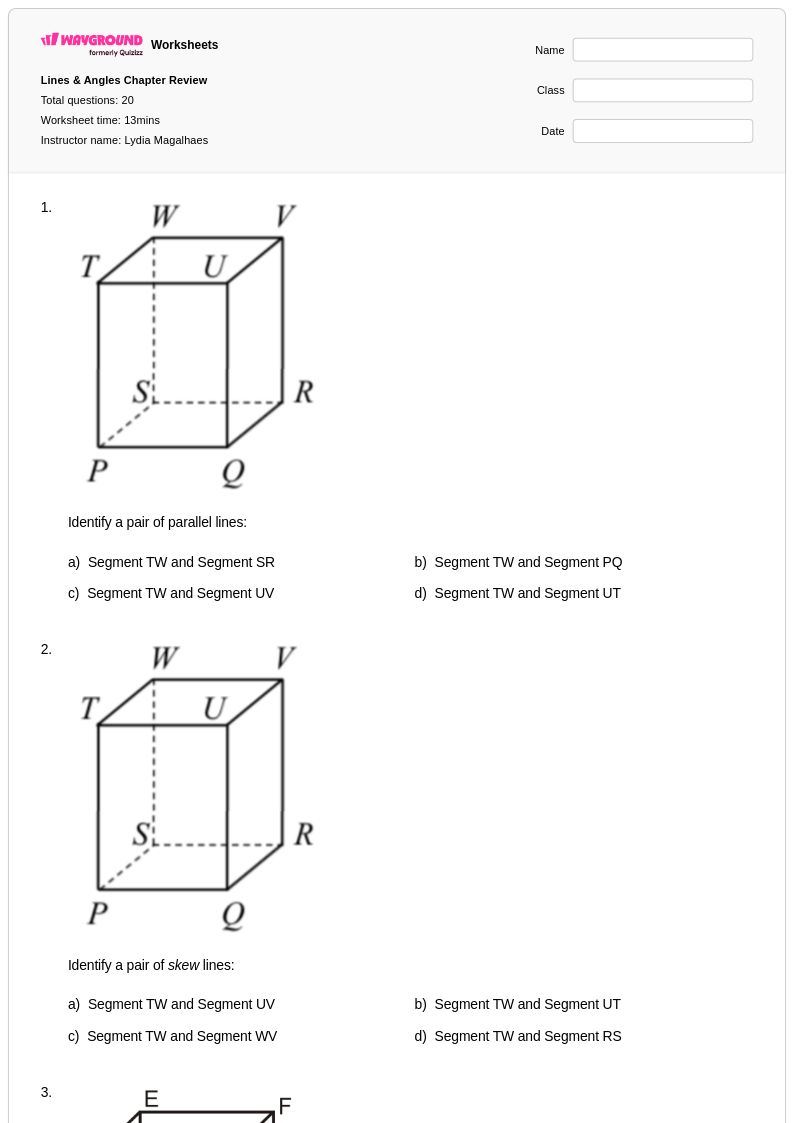
20Q
9th - 11th
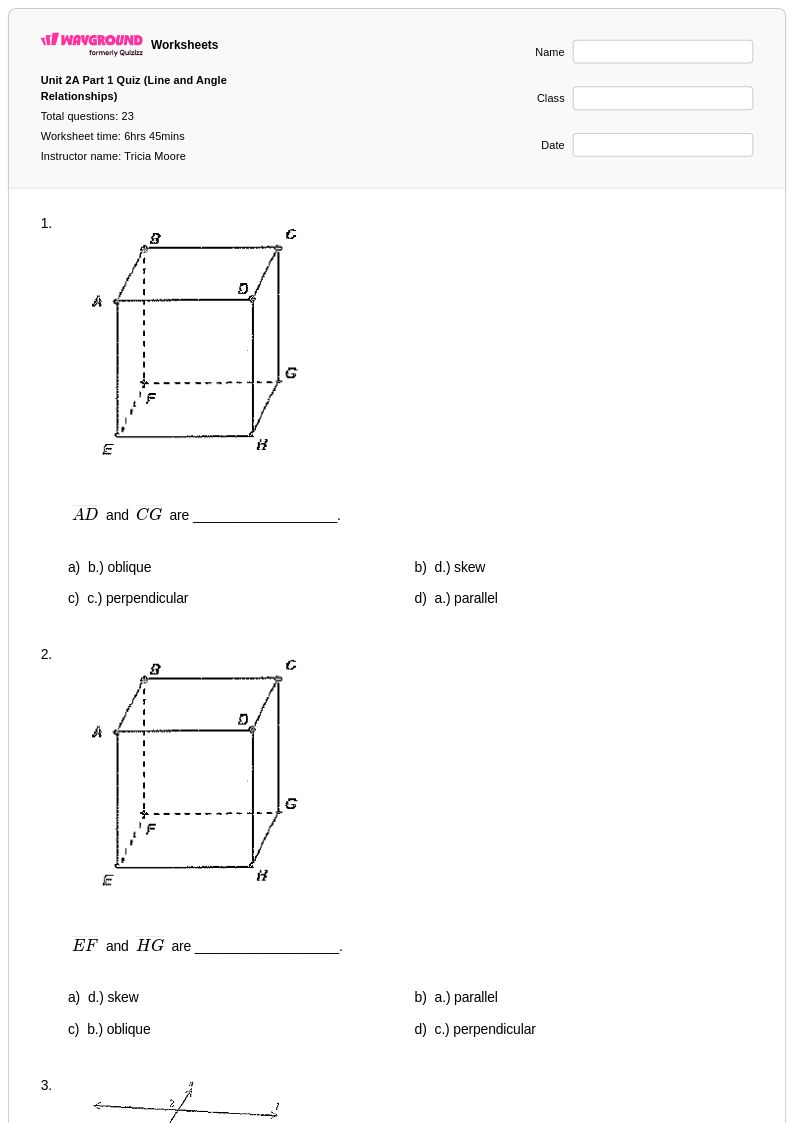
23Q
9th - 12th
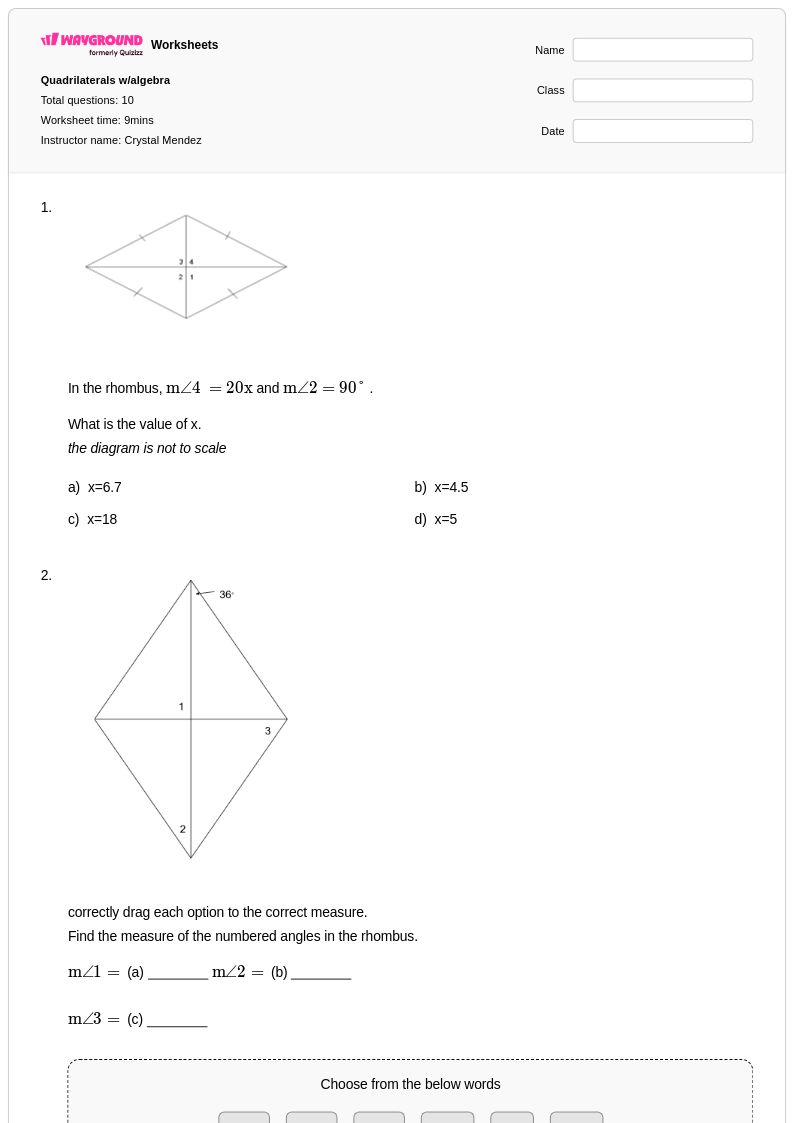
10Q
10th
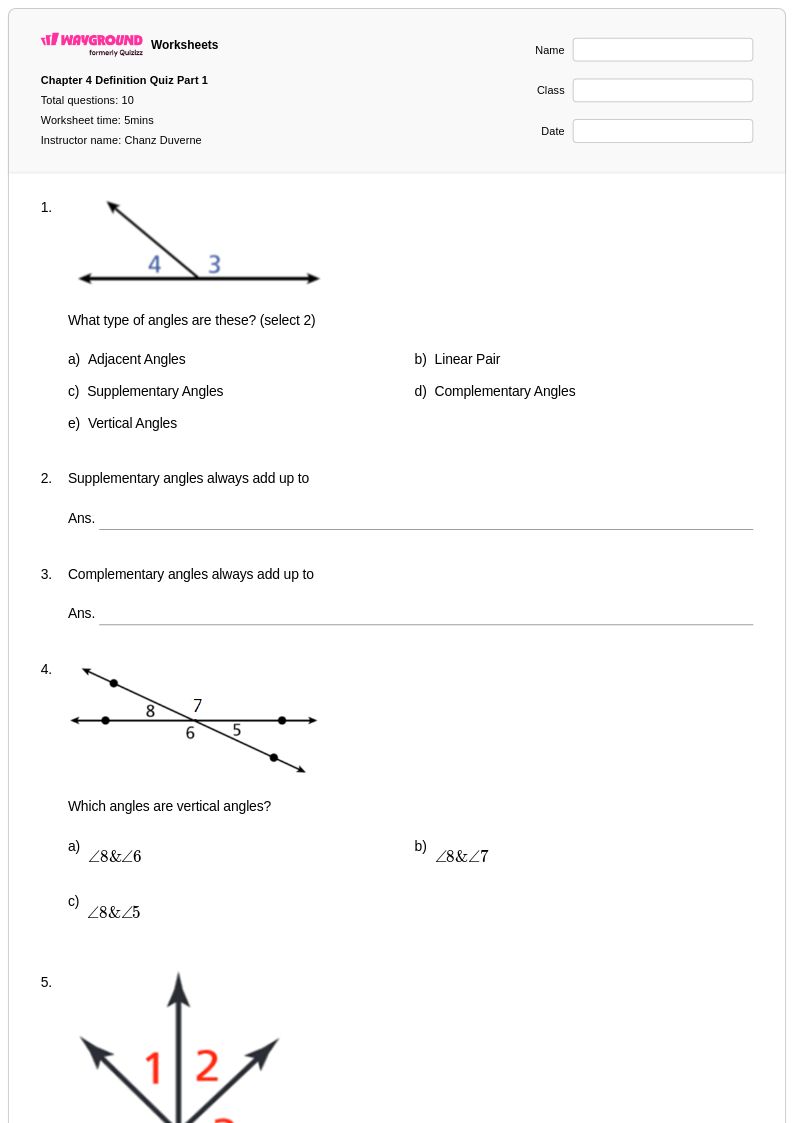
10Q
10th
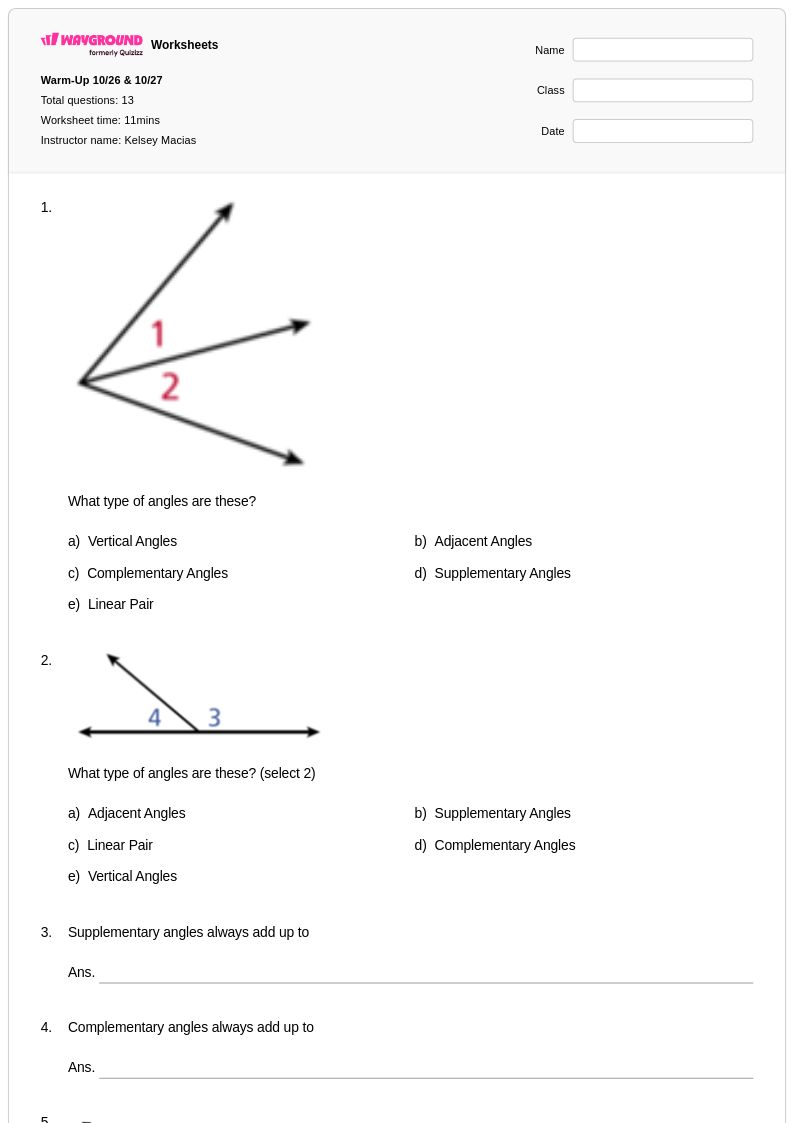
13Q
9th - 11th
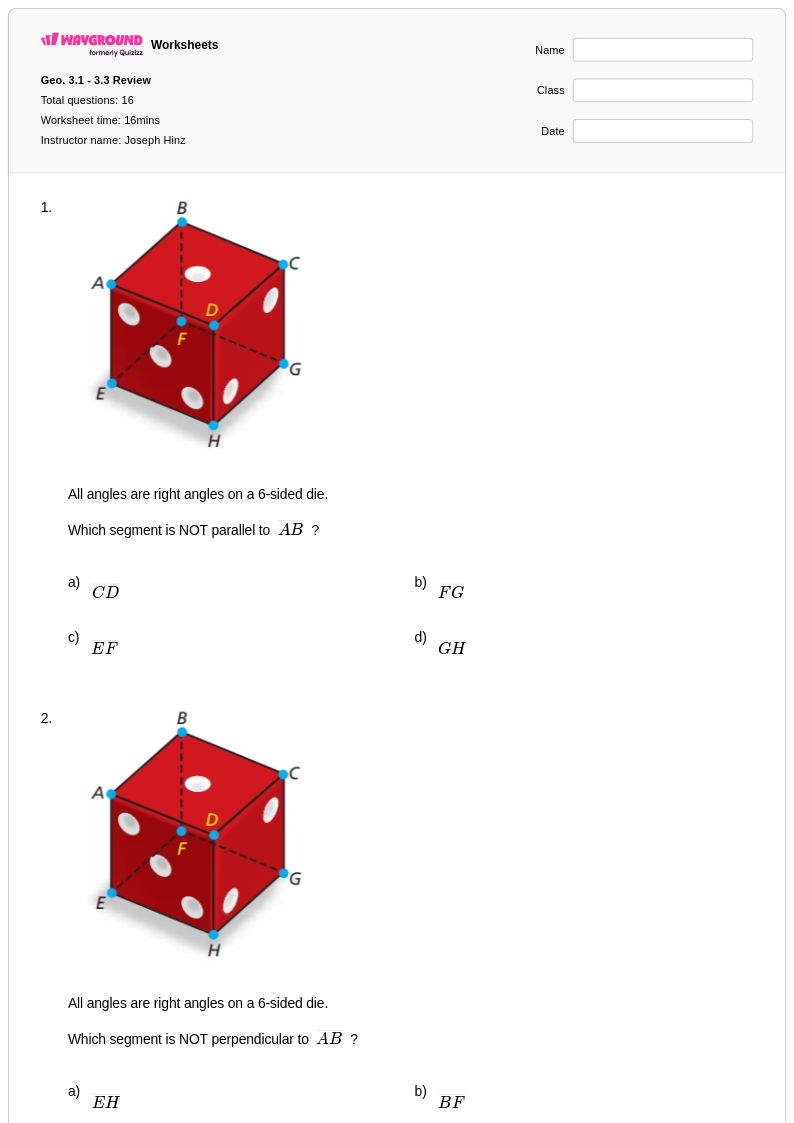
16Q
10th
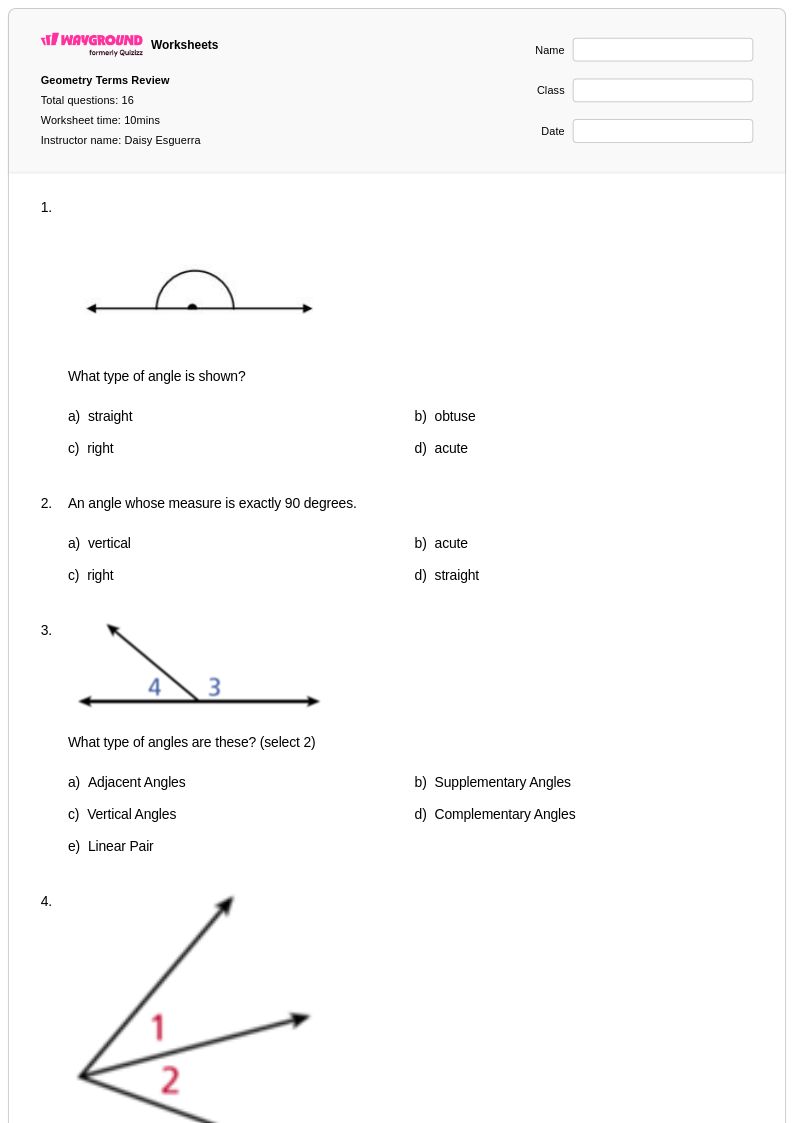
16Q
9th - 12th
Explorar Angle Sums hojas de trabajo por grados
Explore otras hojas de trabajo de materias para grade 10
Explore printable Angle Sums worksheets for Grade 10
Angle sums worksheets for Grade 10 students through Wayground (formerly Quizizz) provide comprehensive practice with fundamental geometric principles that form the foundation of advanced mathematical reasoning. These carefully designed resources strengthen students' understanding of interior and exterior angle relationships in polygons, triangle angle sum theorems, and angle calculations in complex geometric figures. The worksheets feature systematic practice problems that progress from basic triangle angle identification to sophisticated polygon angle sum applications, helping students master essential geometric concepts through structured repetition. Each worksheet collection includes detailed answer keys and is available as free printable pdf resources, making it easy for educators to implement immediate formative assessment and provide targeted feedback on student understanding of angle relationships.
Wayground's extensive collection of angle sums worksheets draws from millions of teacher-created resources, offering educators powerful search and filtering capabilities to locate materials perfectly aligned with curriculum standards and individual classroom needs. The platform's differentiation tools enable teachers to customize worksheet difficulty levels, problem types, and visual representations to accommodate diverse learning styles and mathematical readiness levels within Grade 10 geometry courses. These resources are available in both printable and digital formats, including downloadable pdf files, providing maximum flexibility for lesson planning, homework assignments, remediation sessions, and enrichment activities. Teachers can efficiently identify gaps in student understanding of angle relationships and deploy targeted practice materials to strengthen computational skills while building conceptual understanding of geometric principles essential for advanced mathematical study.
FAQs
How can I teach angle sums in Grade 10 geometry?
What angle-sum exercises are appropriate for tenth graders?
What mistakes do Grade 10 students make with angle sums?
How can these Grade 10 angle sums worksheets be assigned?
How do angle sums align with Common Core high school geometry?
How can I differentiate Grade 10 angle-sum problems?
Are angle sums still taught in Grade 10?