
20 Q
2nd - Uni
20 Q
1st - 3rd
14 Q
1st - 5th
20 Q
2nd - Uni
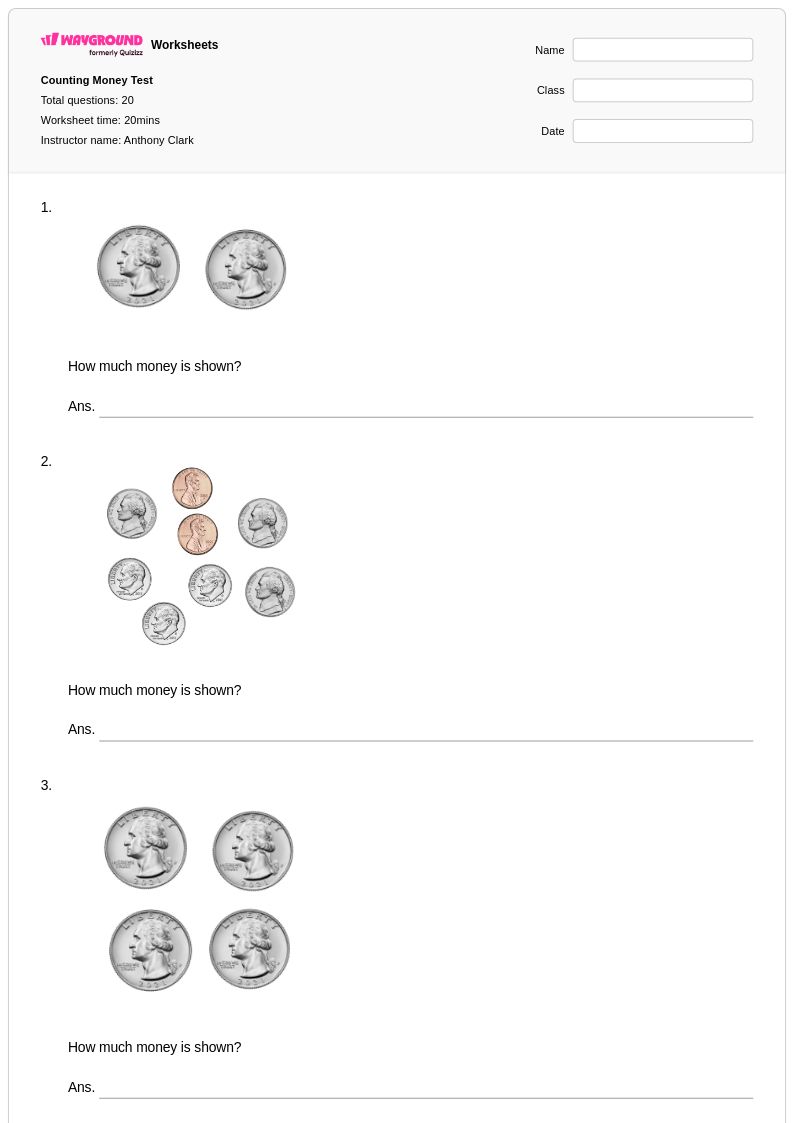
20 Q
2nd - Uni
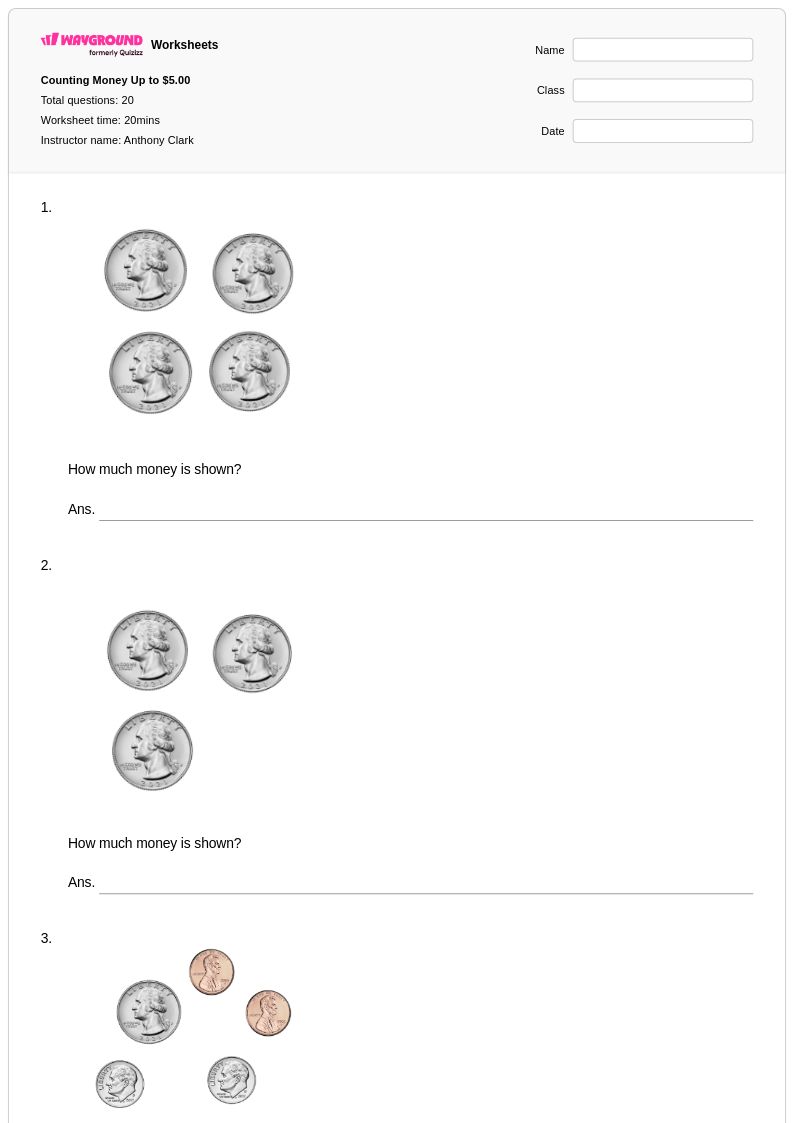
20 Q
2nd - Uni
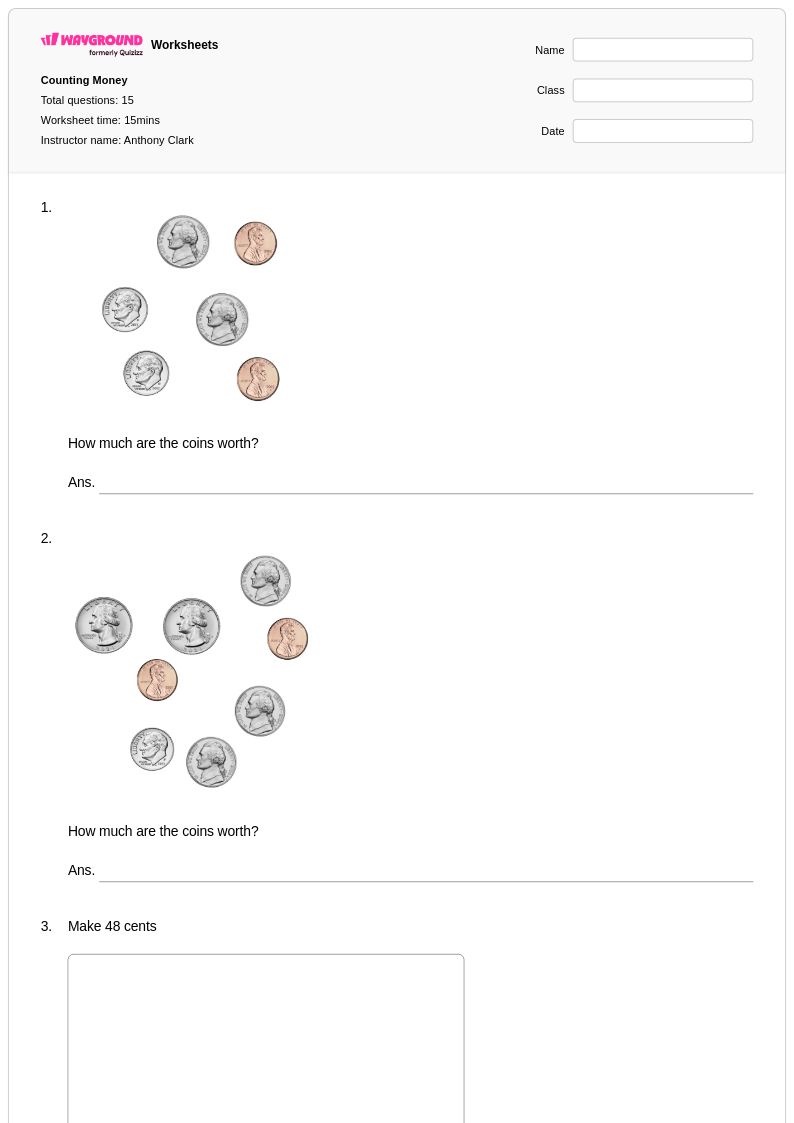
15 Q
2nd - Uni
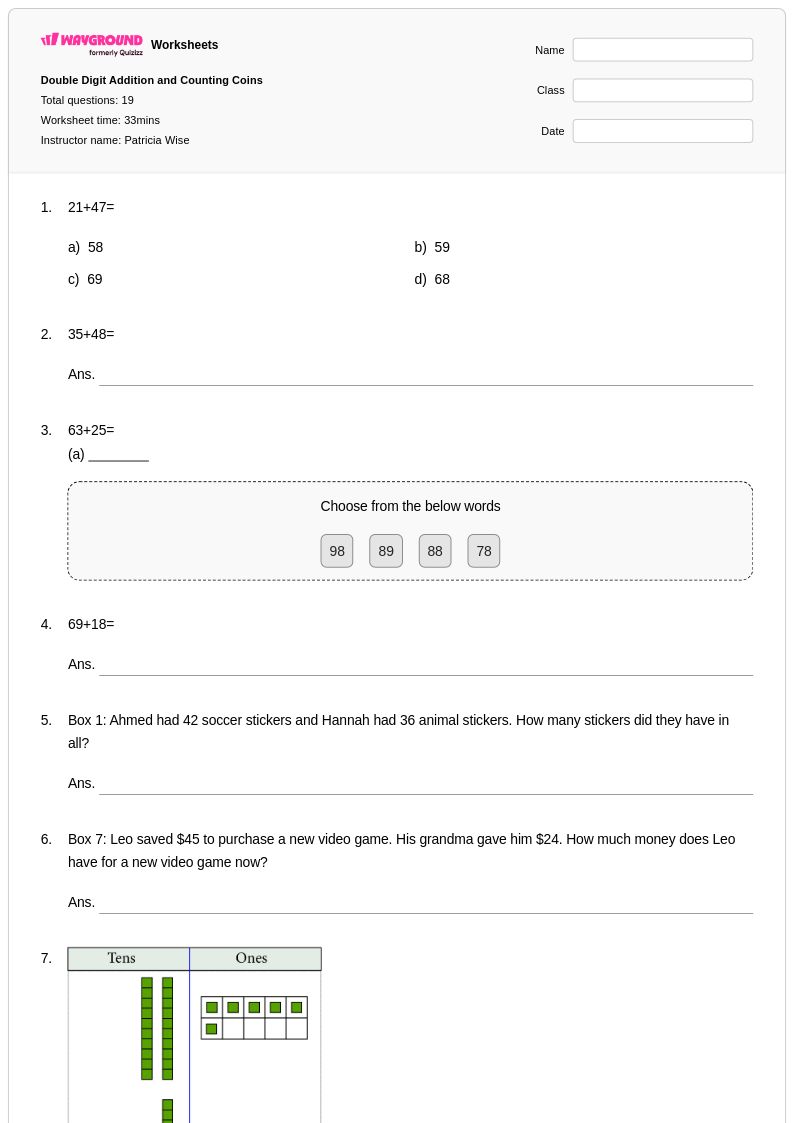
19 Q
2nd
10 Q
2nd
20 Q
2nd - Uni
20 Q
2nd - Uni
12 Q
1st - 2nd
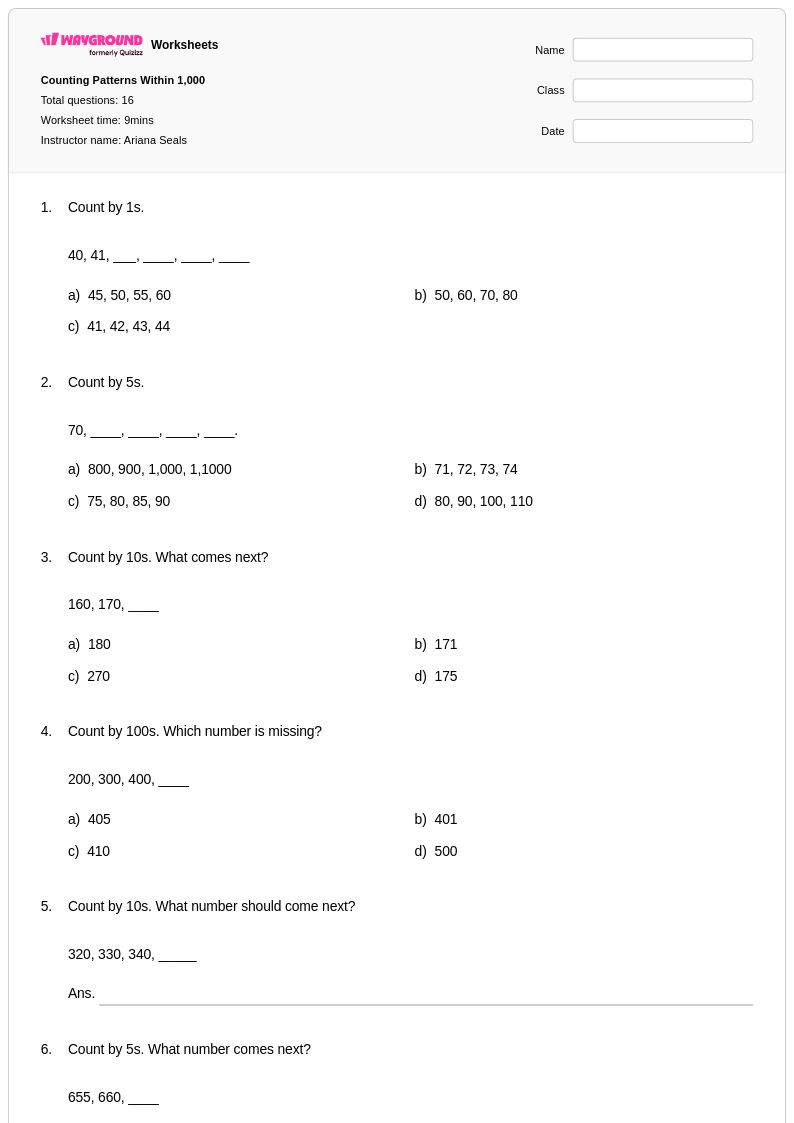
16 Q
2nd
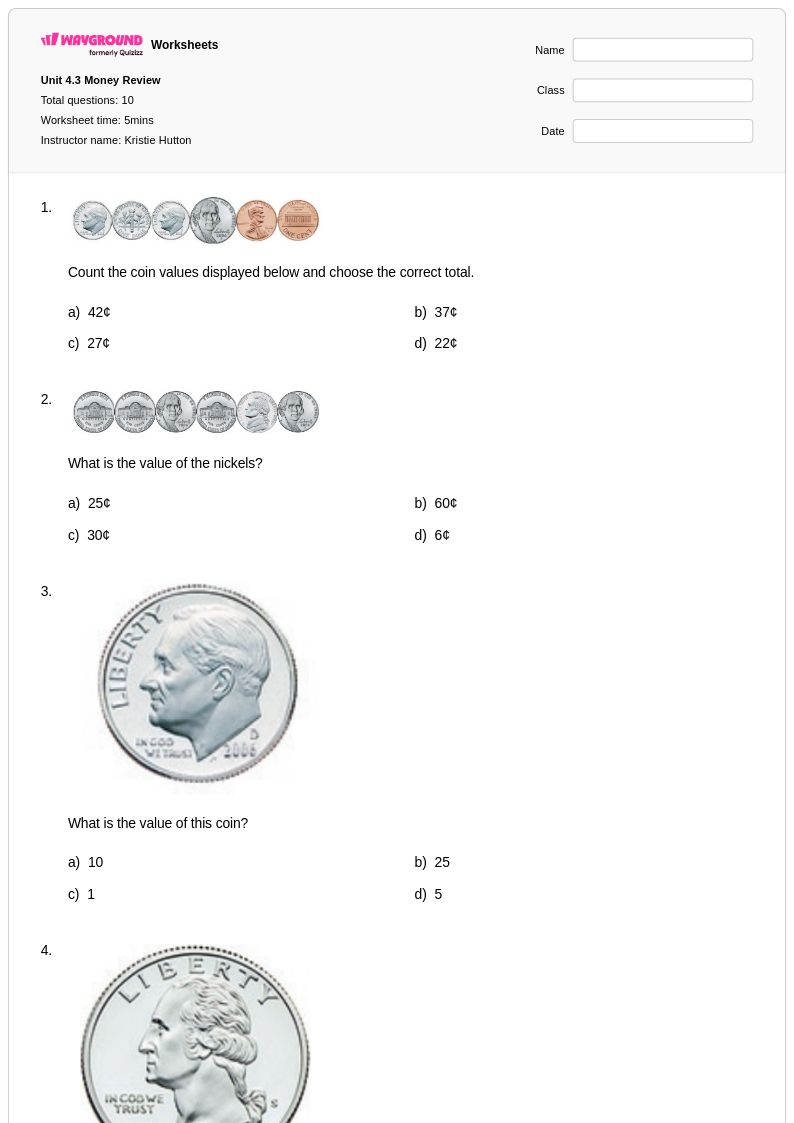
10 Q
2nd
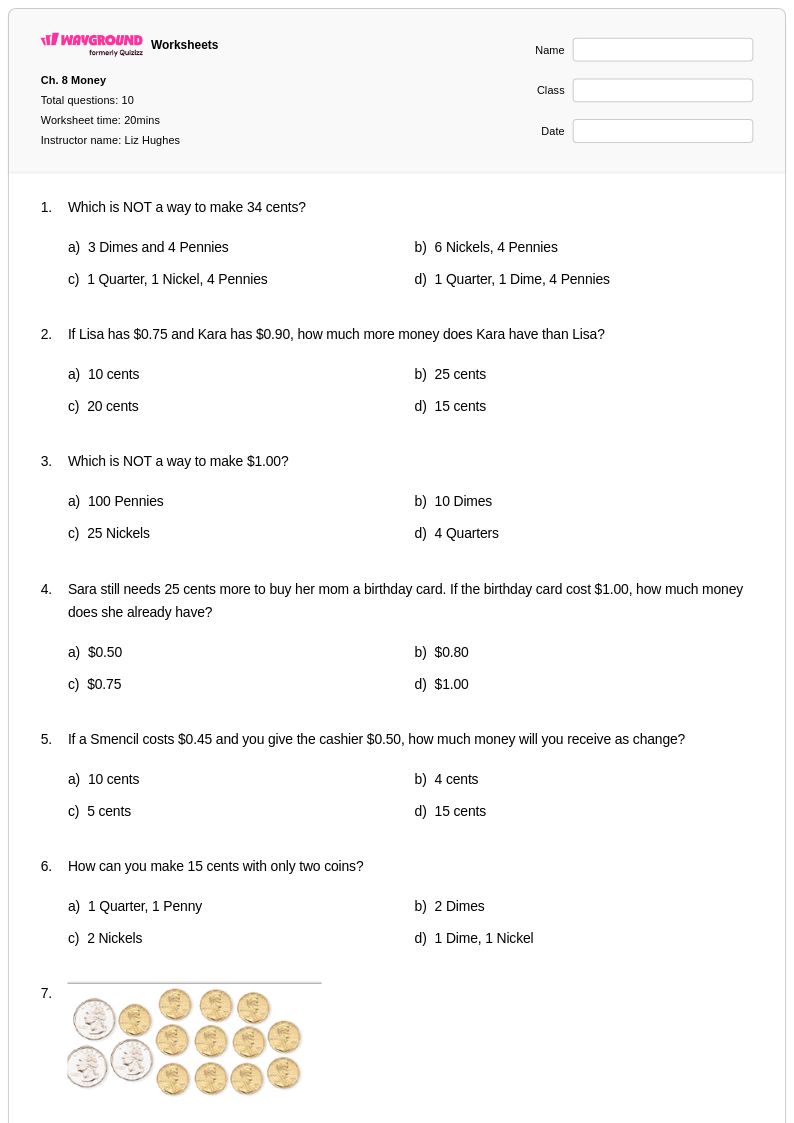
10 Q
1st - 3rd
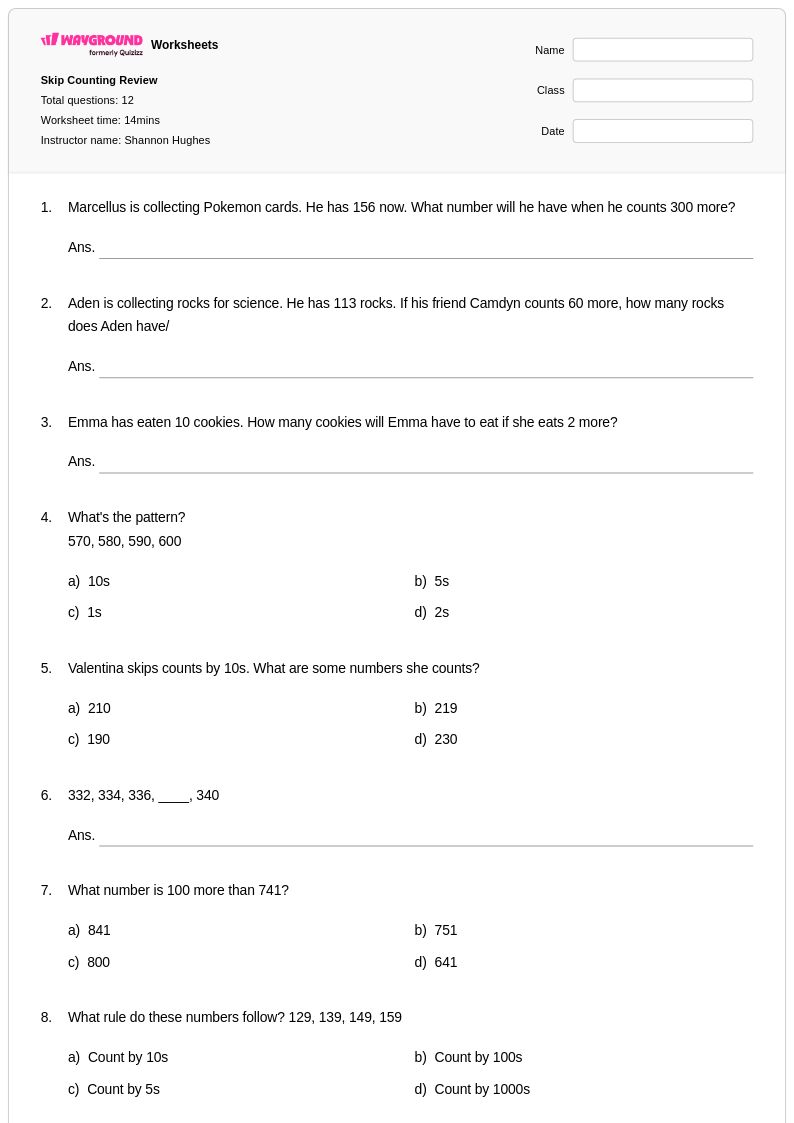
12 Q
2nd
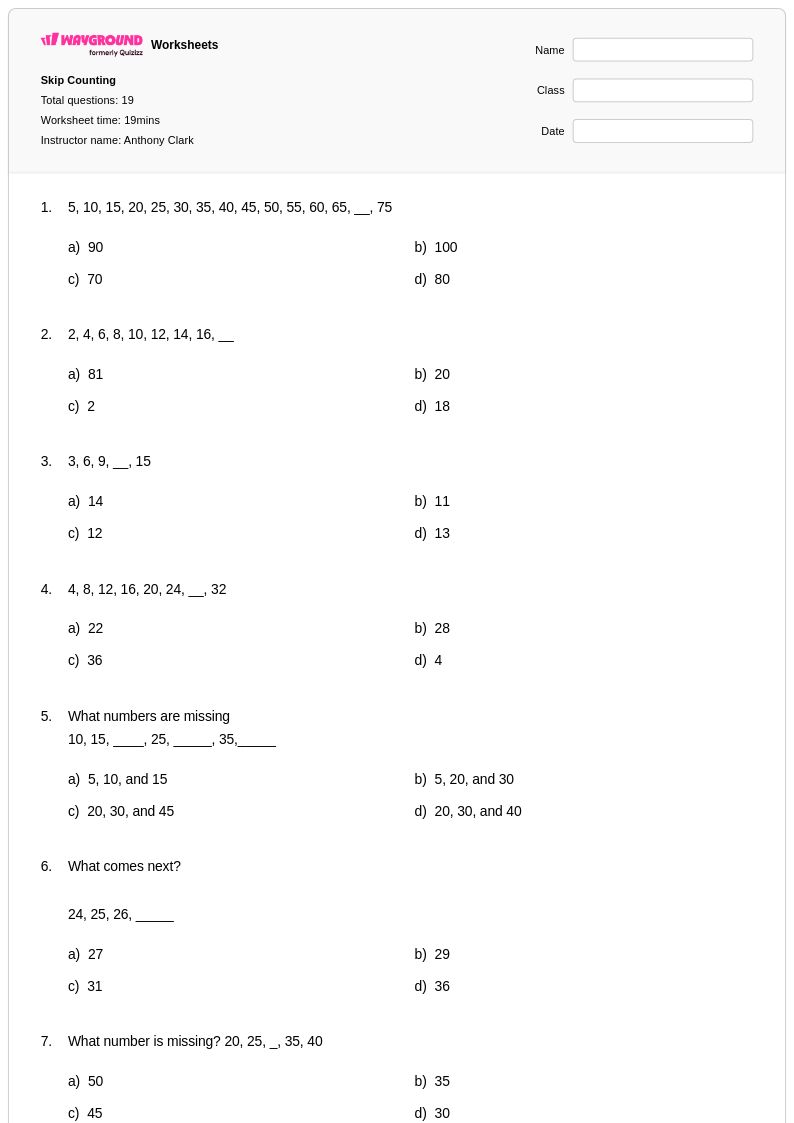
19 Q
2nd - Uni
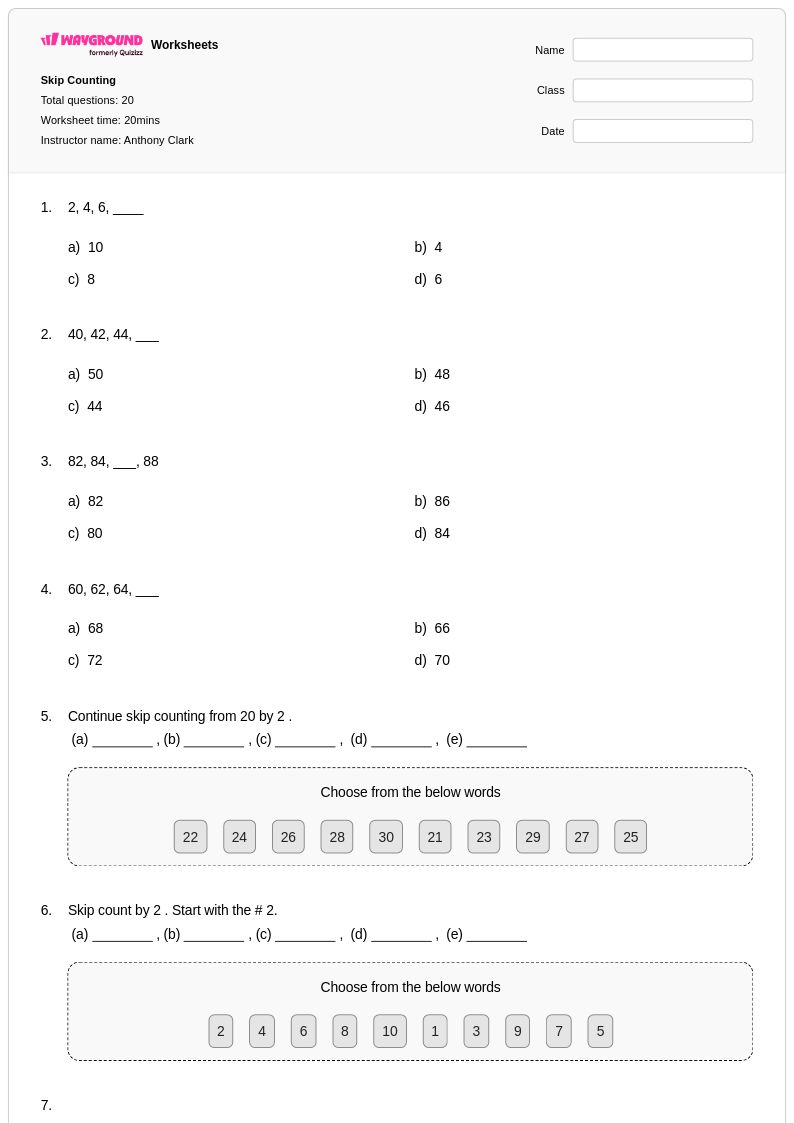
20 Q
2nd - Uni
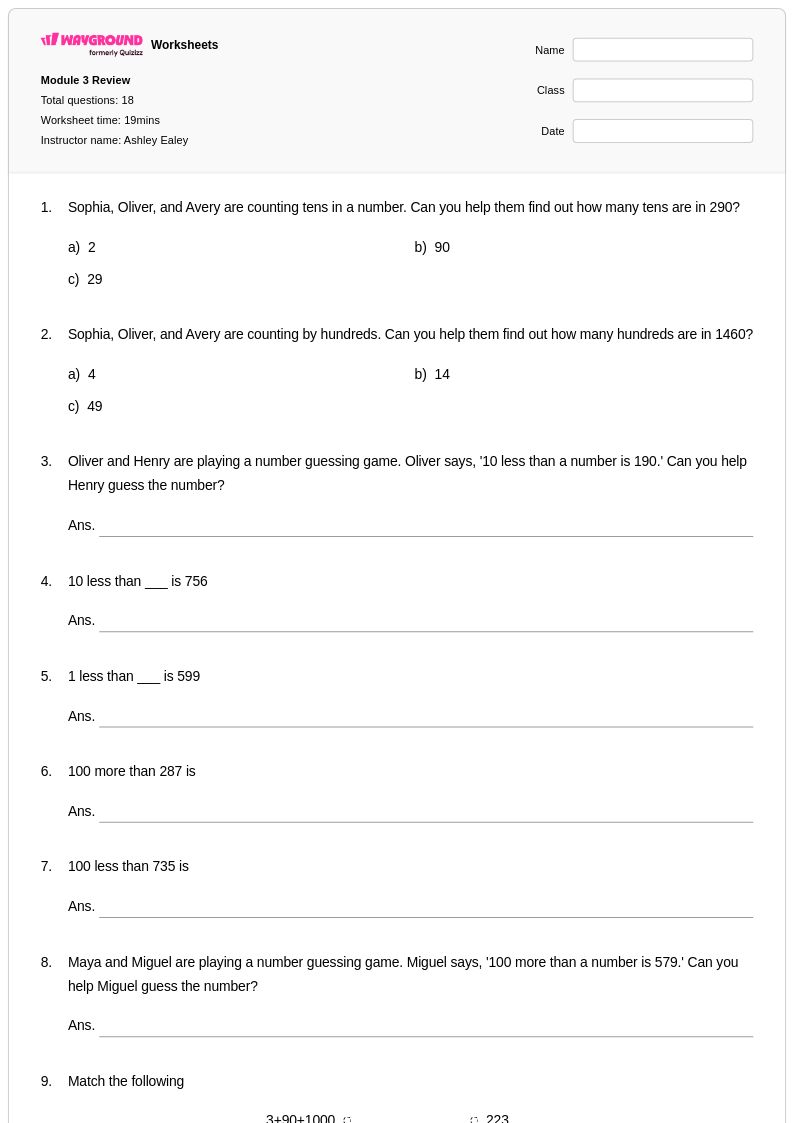
18 Q
2nd
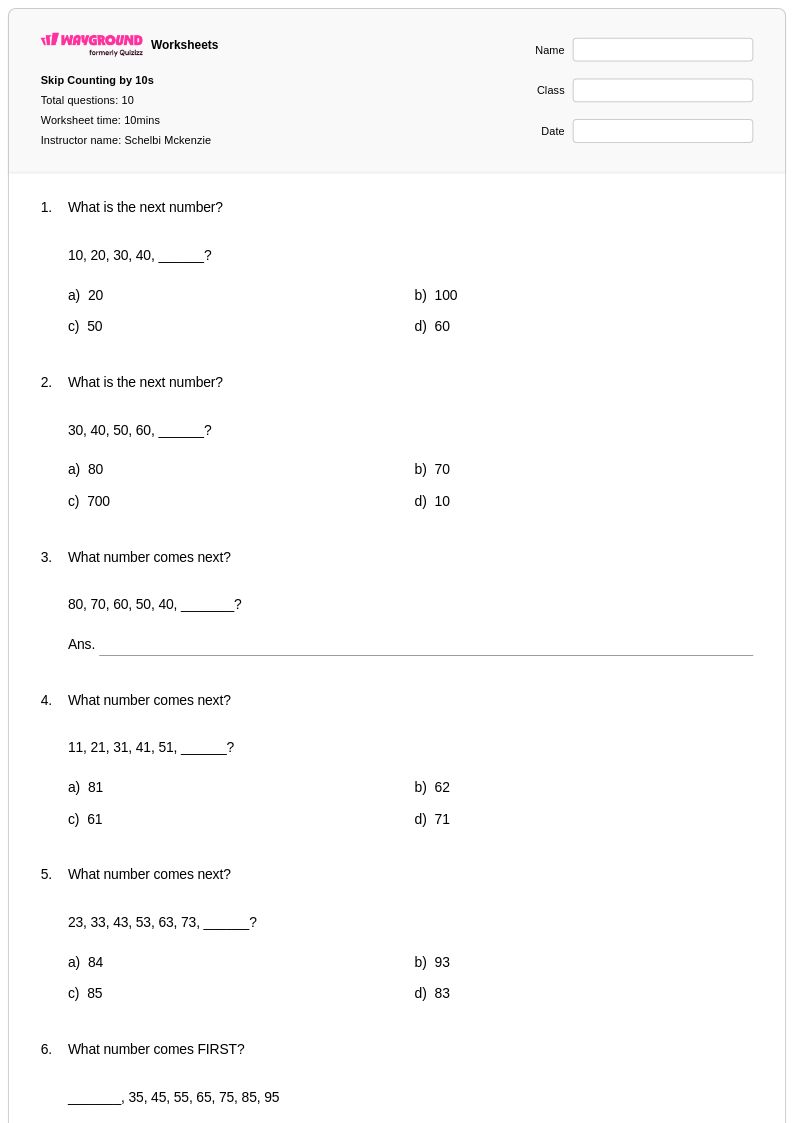
10 Q
2nd
11 Q
2nd
10 Q
2nd
13 Q
2nd
20 Q
2nd
Explore Counting Change Worksheets by Grades
Explore Other Subject Worksheets for grade 2
Explore printable Counting Change worksheets for Grade 2
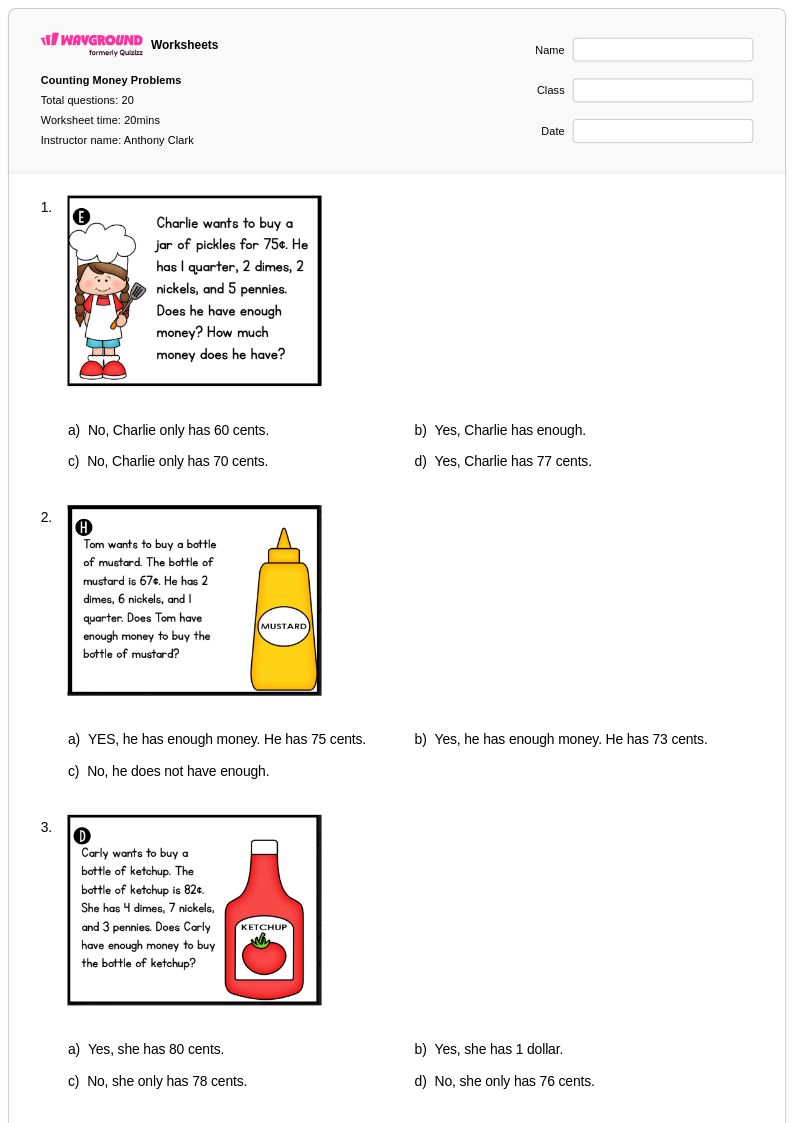
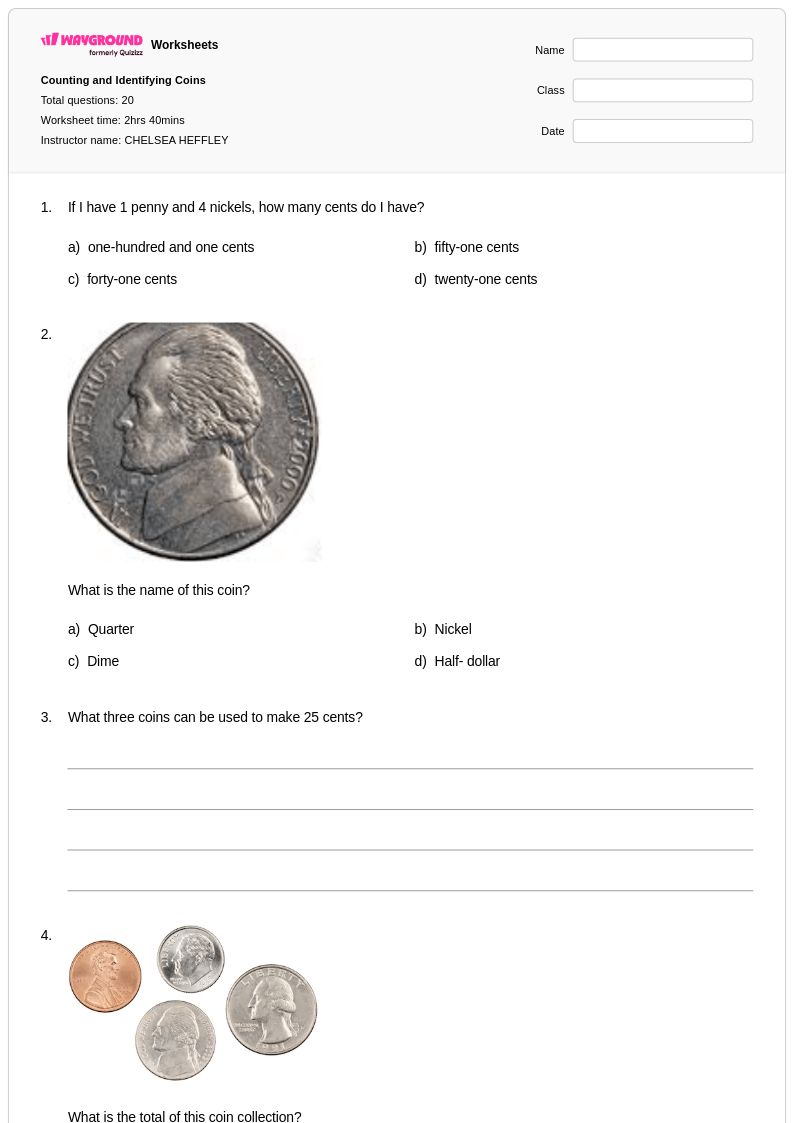
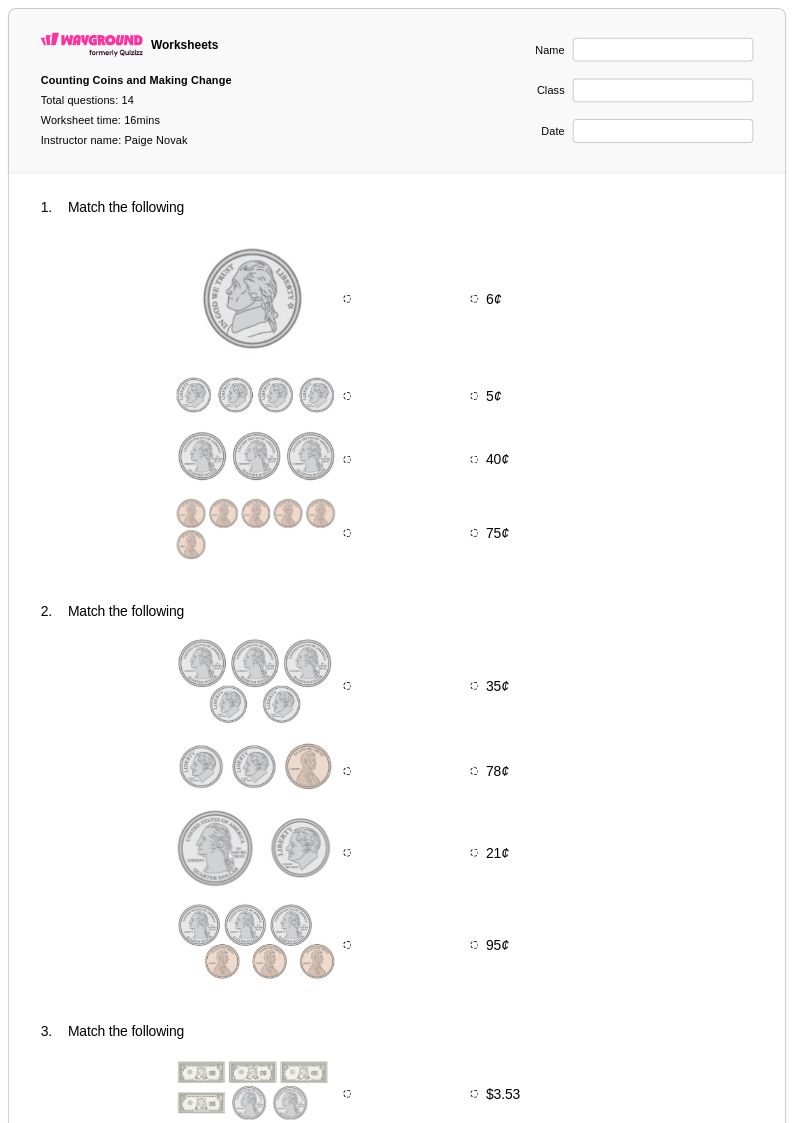
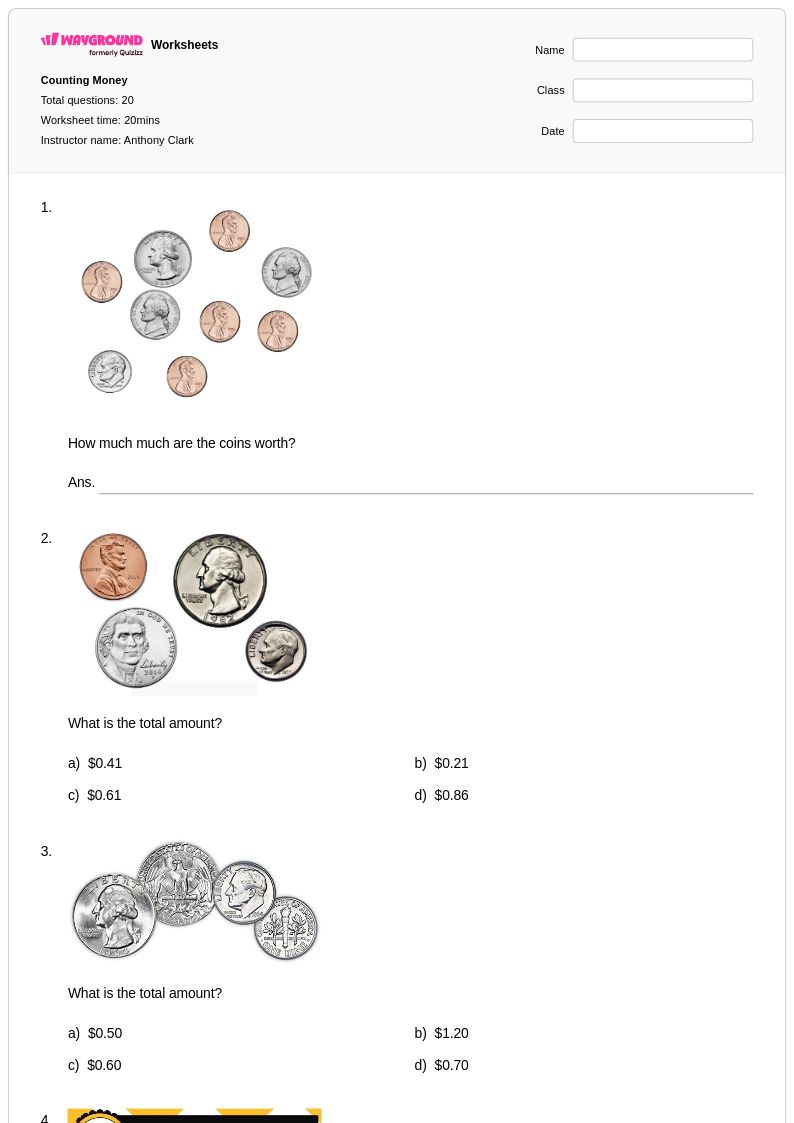
Counting change worksheets for Grade 2 students available through Wayground (formerly Quizizz) provide essential practice in developing monetary literacy and mathematical reasoning skills. These carefully designed resources help young learners master the fundamental concepts of identifying coin values, calculating totals, and determining appropriate change amounts through engaging practice problems that mirror real-world scenarios. Students work with combinations of pennies, nickels, dimes, and quarters to build confidence in money-handling situations, while teachers benefit from comprehensive answer keys that streamline assessment and provide immediate feedback opportunities. The free printables offer structured progression from basic coin recognition to more complex change-making scenarios, ensuring students develop both computational fluency and practical life skills essential for financial literacy development.
Wayground's extensive collection of counting change resources draws from millions of teacher-created materials, providing educators with robust search and filtering capabilities to locate worksheets perfectly aligned with Grade 2 mathematical standards and individual student needs. The platform's differentiation tools enable teachers to customize difficulty levels and problem types, supporting both remediation for struggling learners and enrichment opportunities for advanced students. Available in both printable PDF formats and interactive digital versions, these worksheets integrate seamlessly into diverse instructional approaches, from traditional paper-based practice to technology-enhanced learning environments. This flexibility empowers teachers to efficiently plan targeted skill practice sessions, conduct formative assessments, and provide individualized support that strengthens students' foundational understanding of money concepts and change calculation strategies.
FAQs
How do I teach counting change to second graders?
What exercises help Grade 2 students practice counting change?
What mistakes do second graders make when calculating change?
How can I use a Grade 2 counting change worksheet on Wayground?
How does counting change fit into the Grade 2 Common Core math progression?
How can I differentiate Grade 2 counting change practice?
What counting change skills should Grade 2 students learn?