
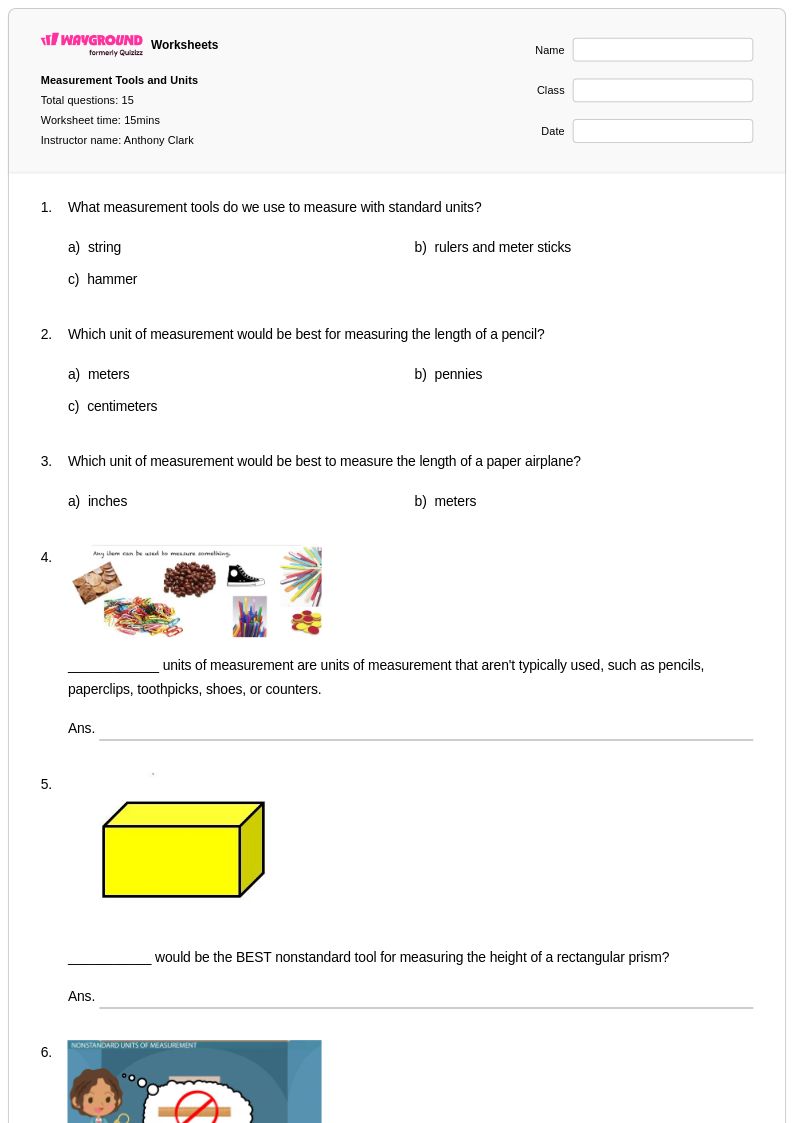
15 Q
2nd - Uni
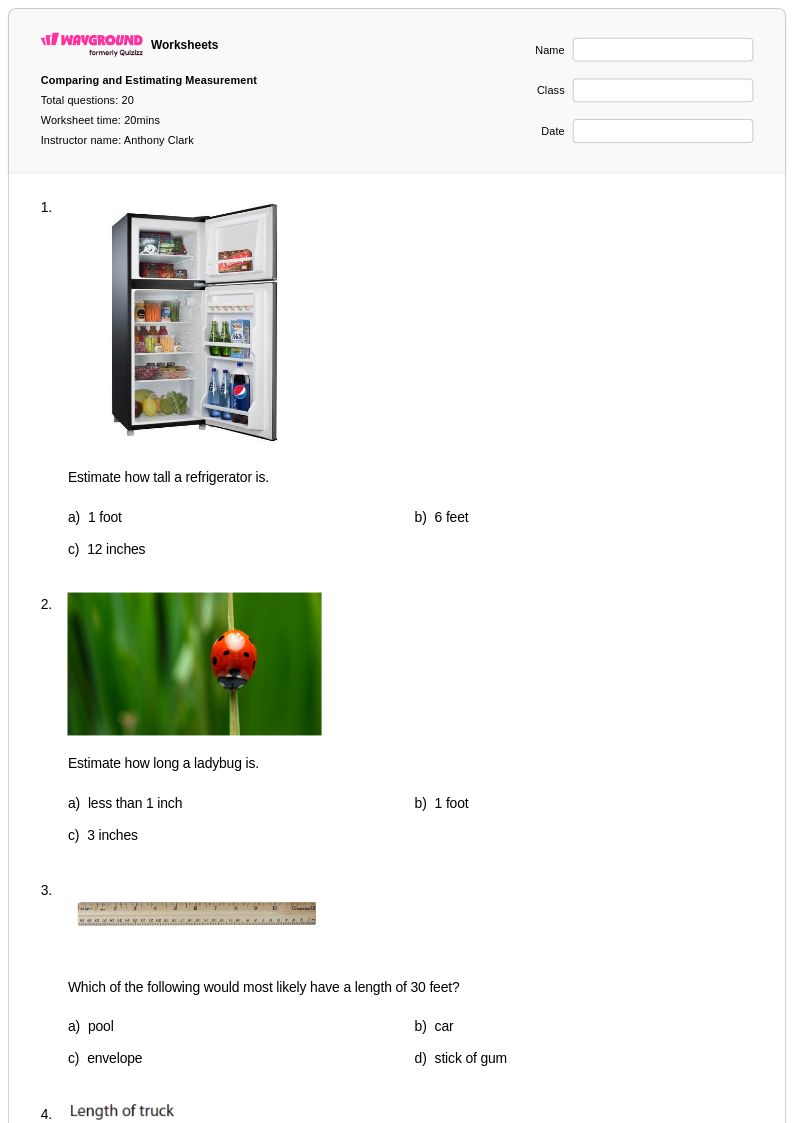
20 Q
2nd - Uni
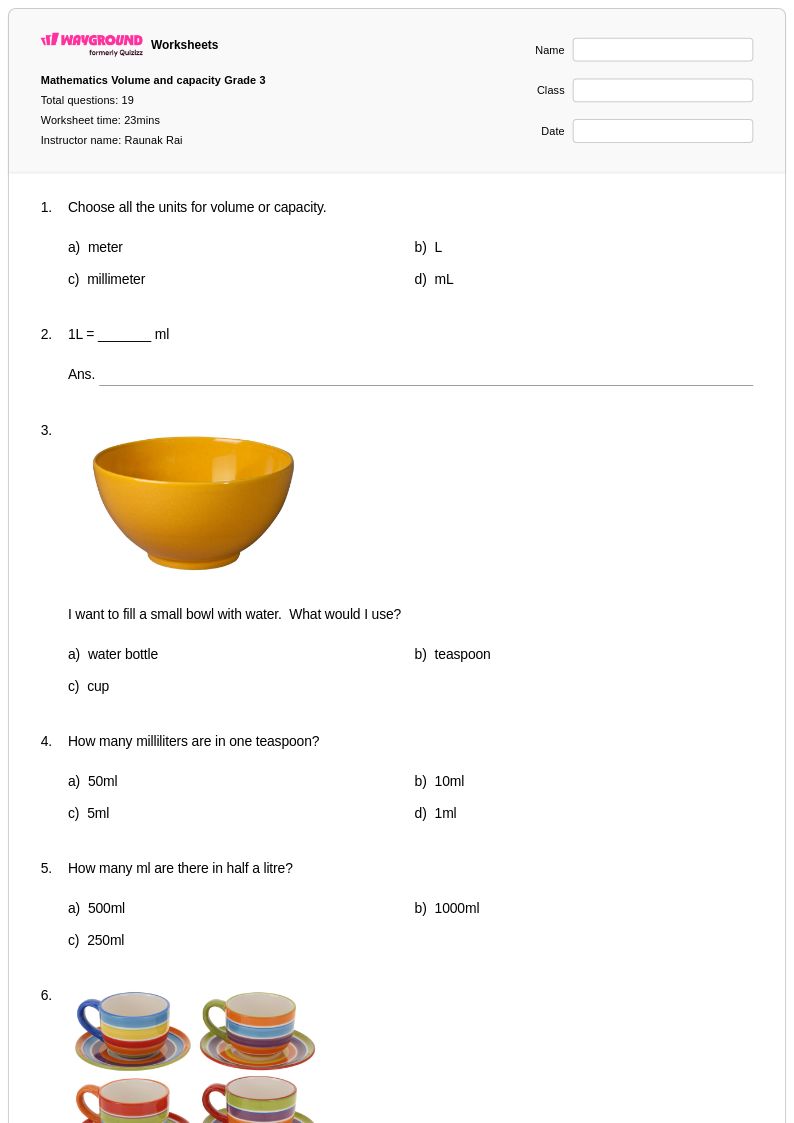
19 Q
1st - 3rd
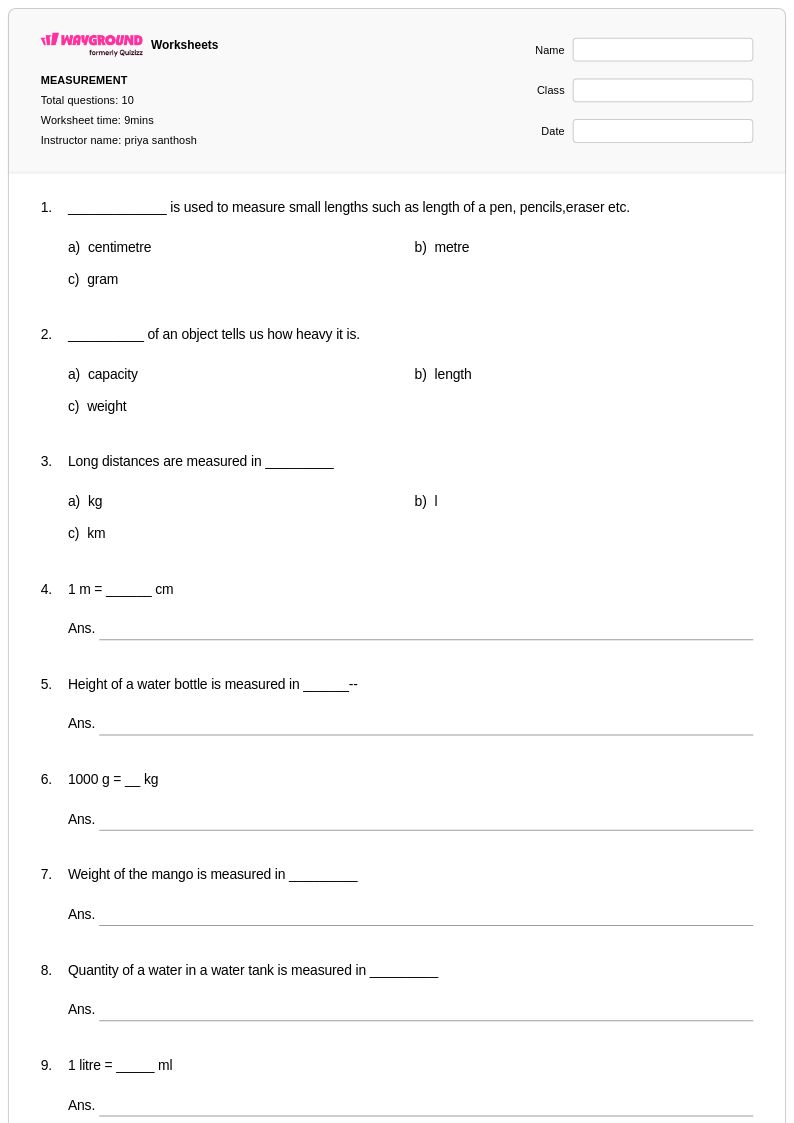
10 Q
2nd
16 Q
2nd - 3rd
16 Q
1st - 2nd
8 Q
2nd
20 Q
1st - Uni
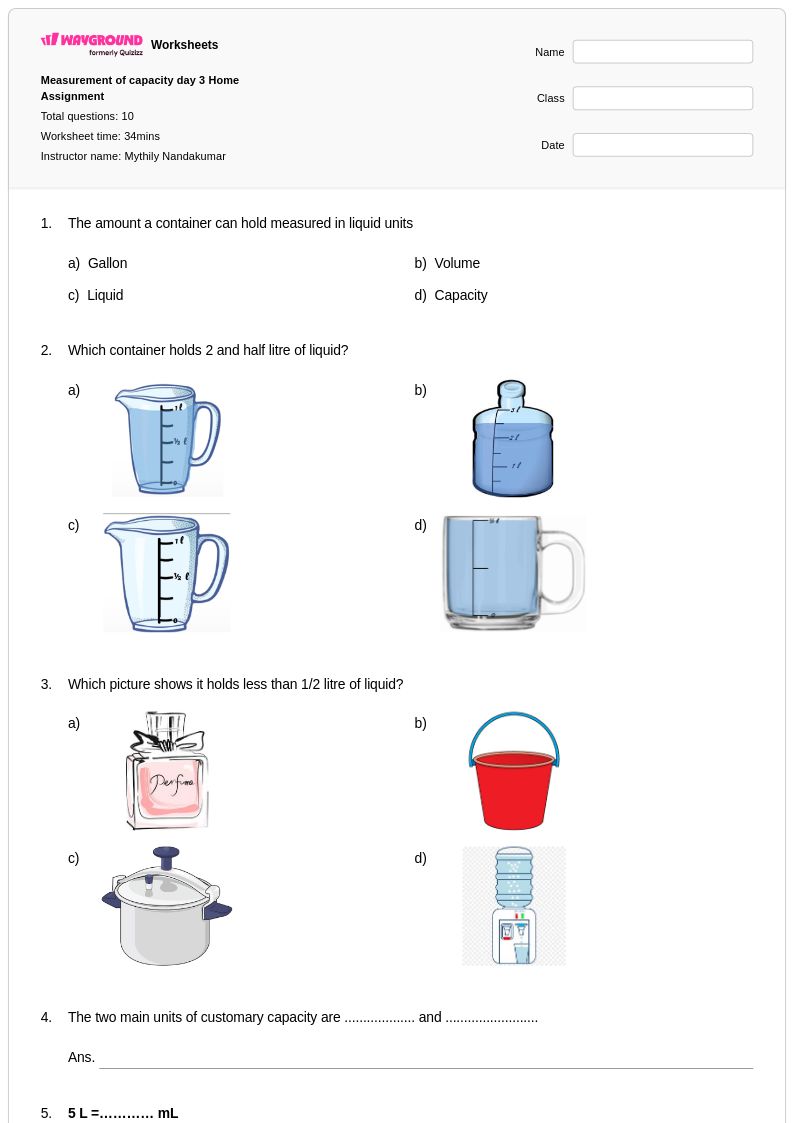
10 Q
2nd
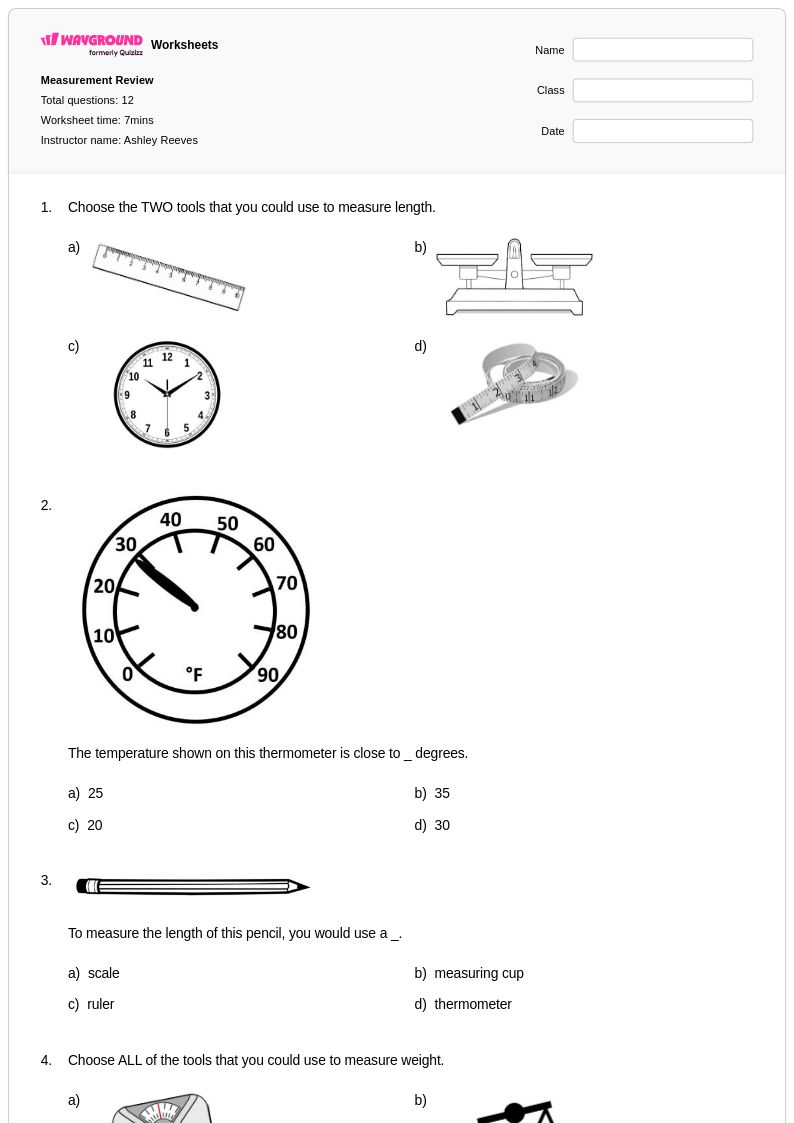
12 Q
2nd
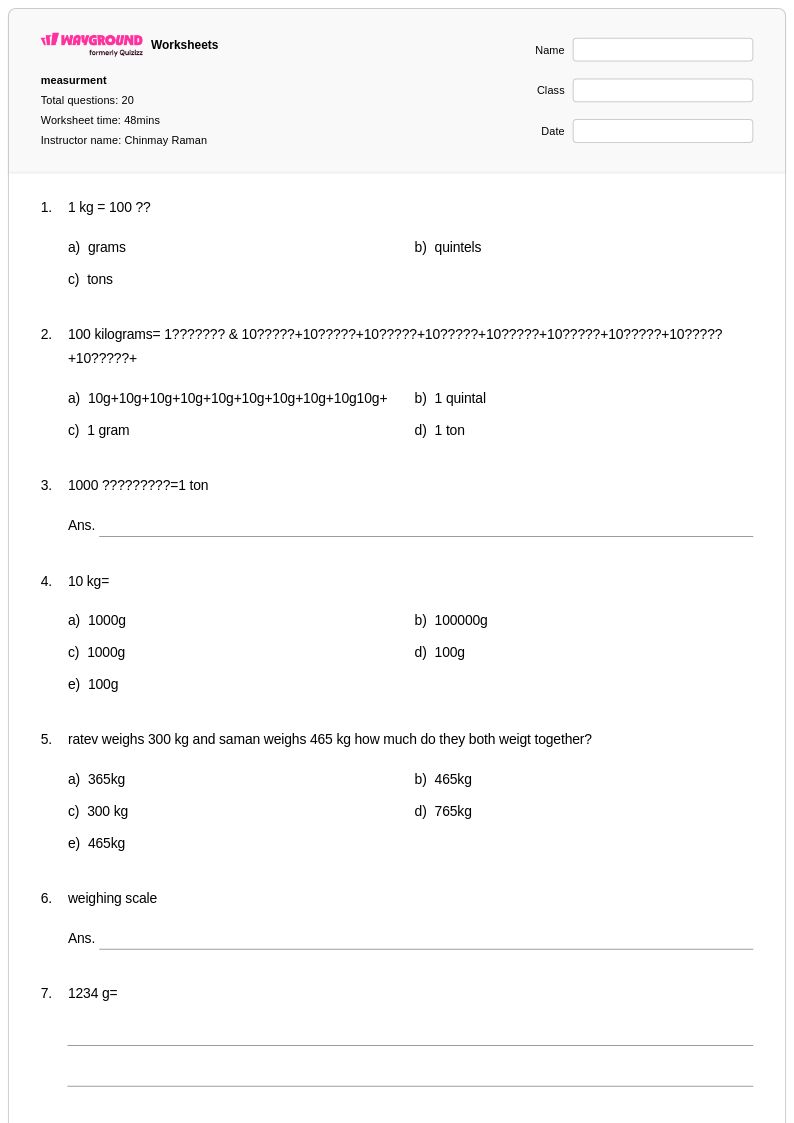
20 Q
1st - Uni
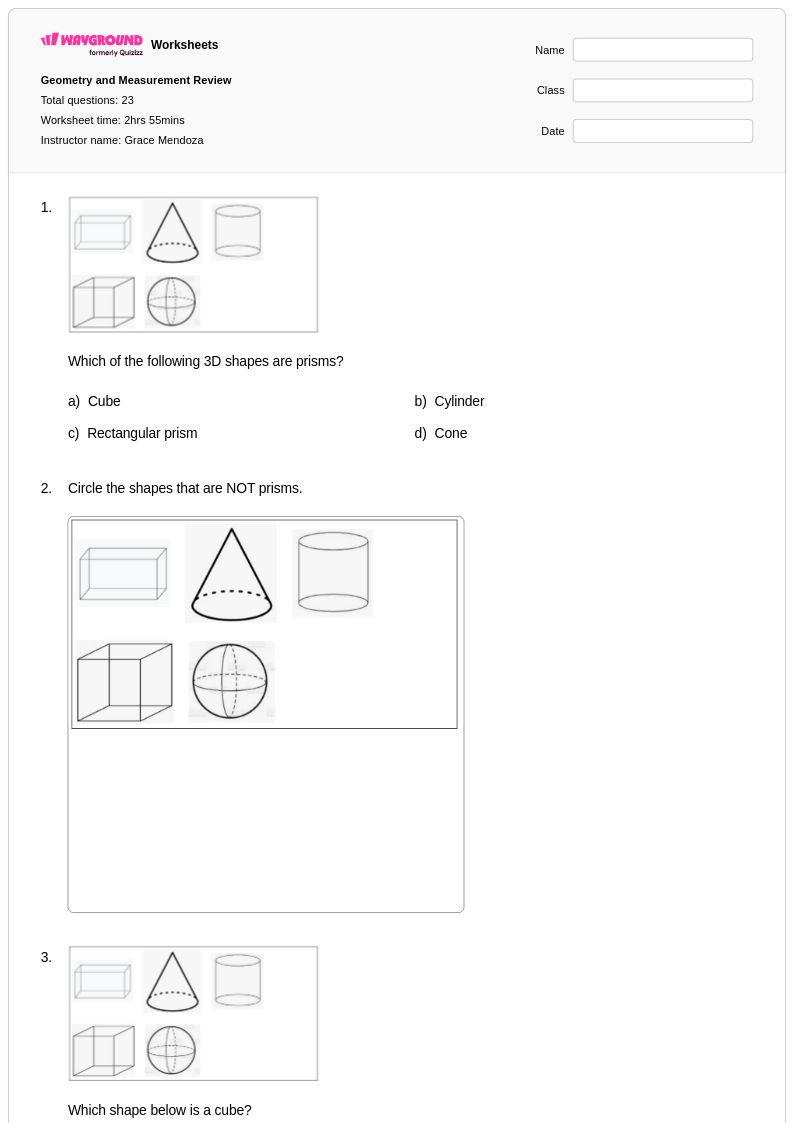
23 Q
2nd - Uni
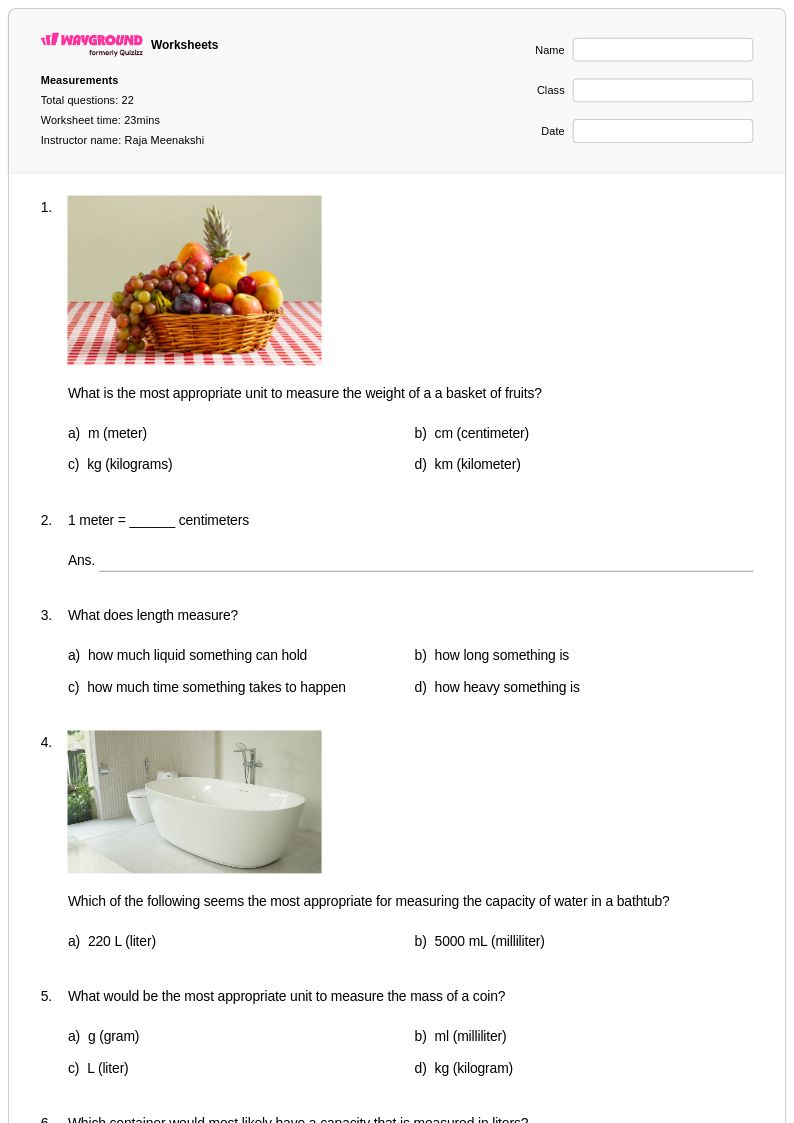
22 Q
2nd
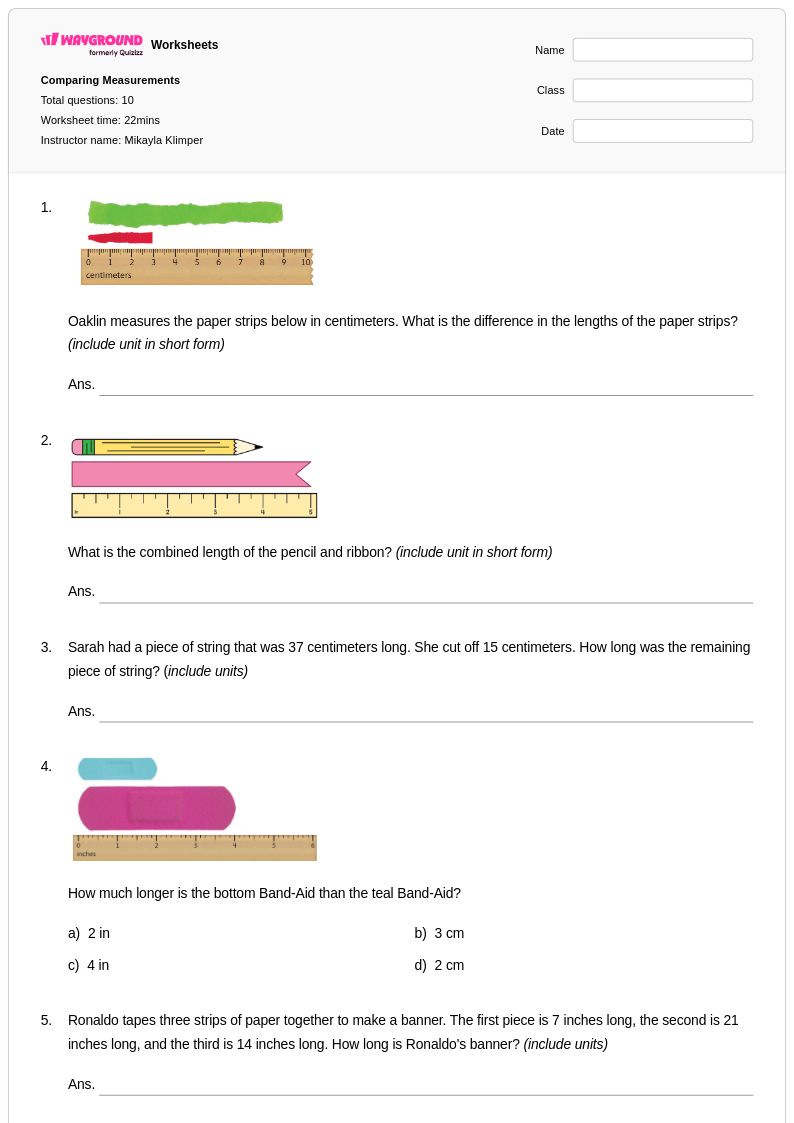
10 Q
2nd
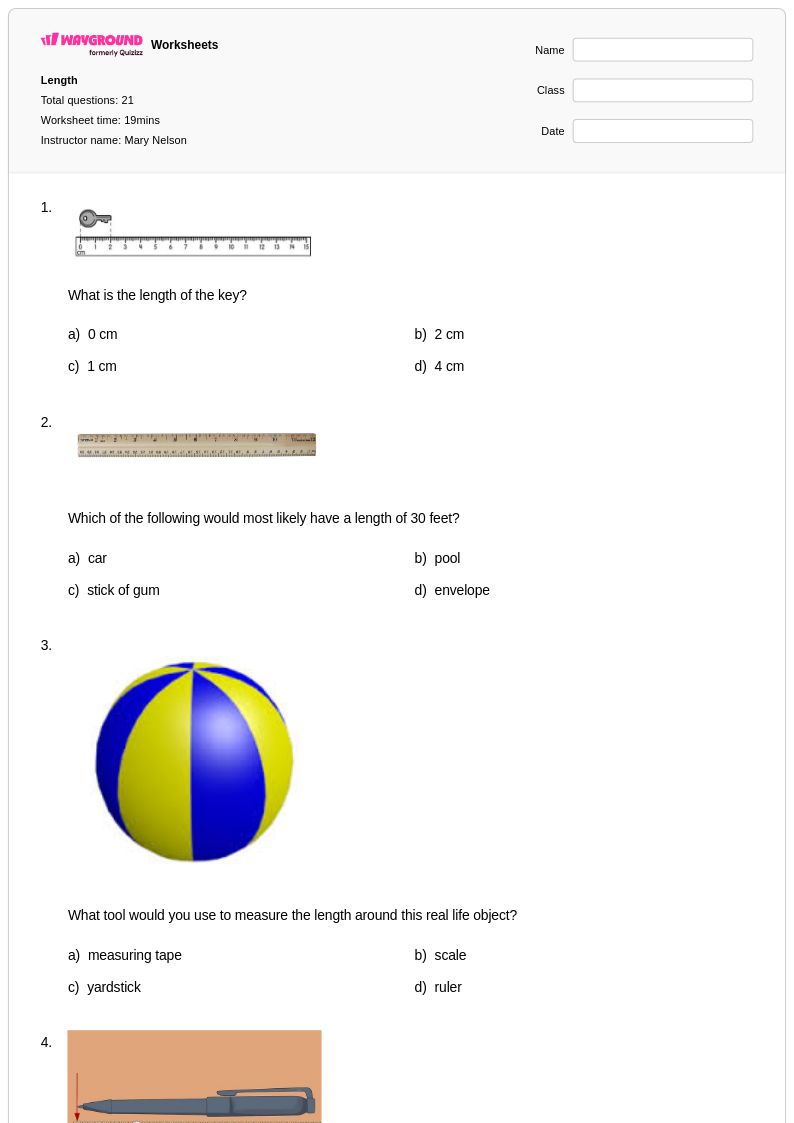
21 Q
2nd
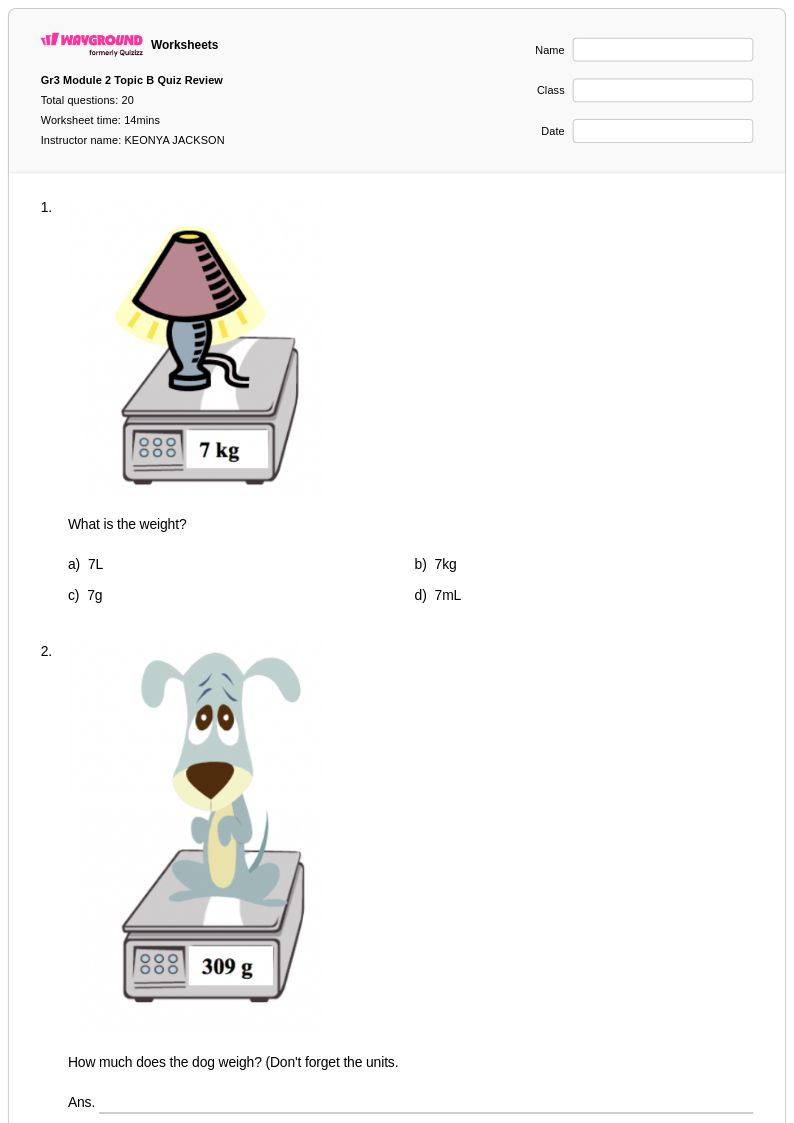
20 Q
2nd - 3rd
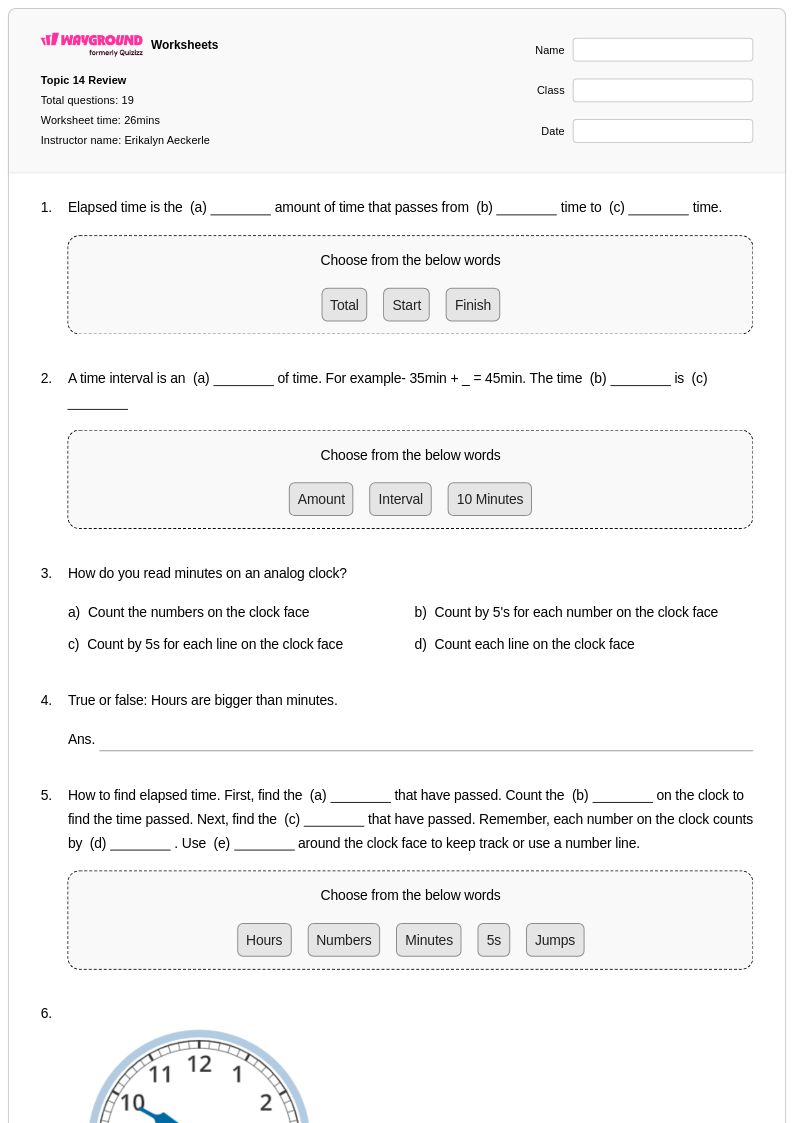
19 Q
1st - 5th
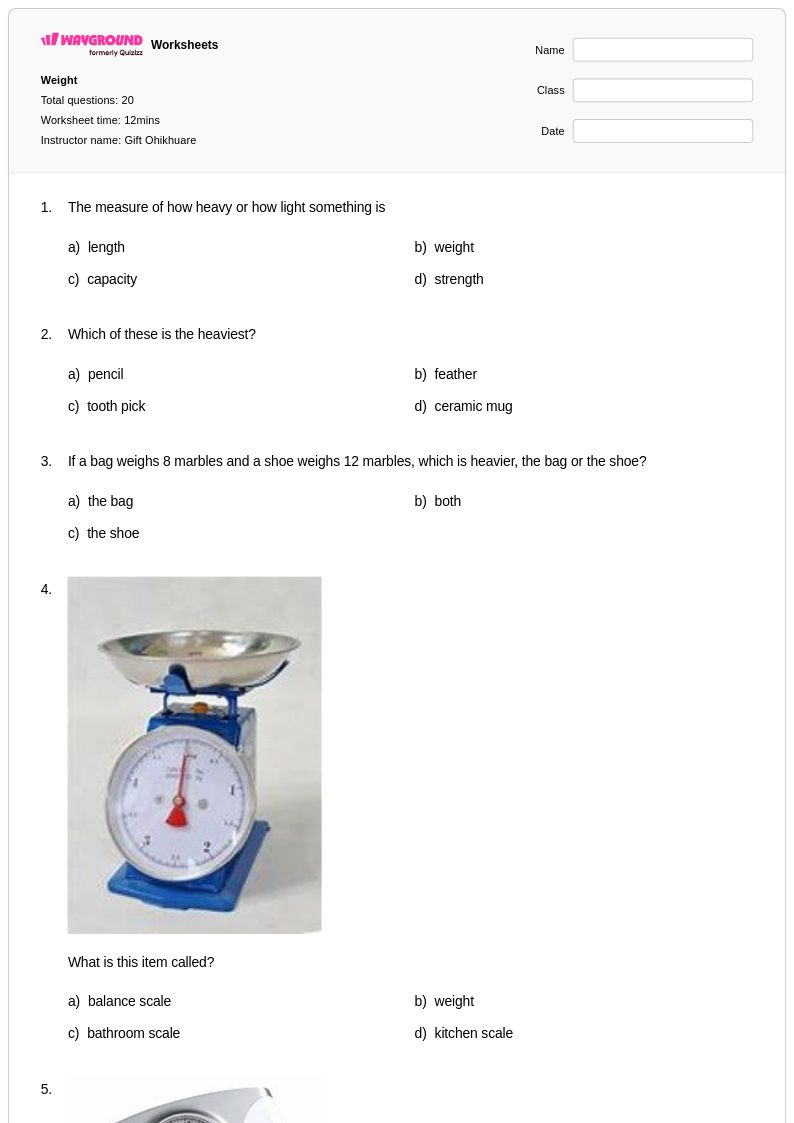
20 Q
2nd
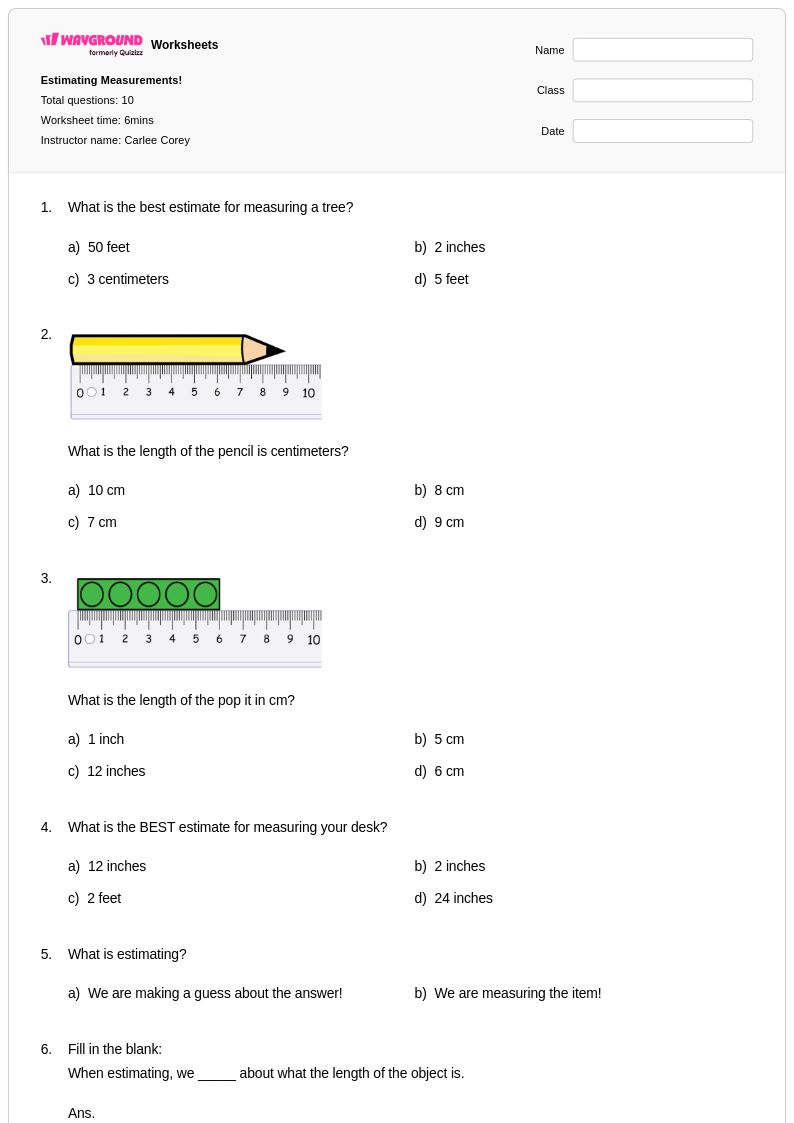
10 Q
2nd
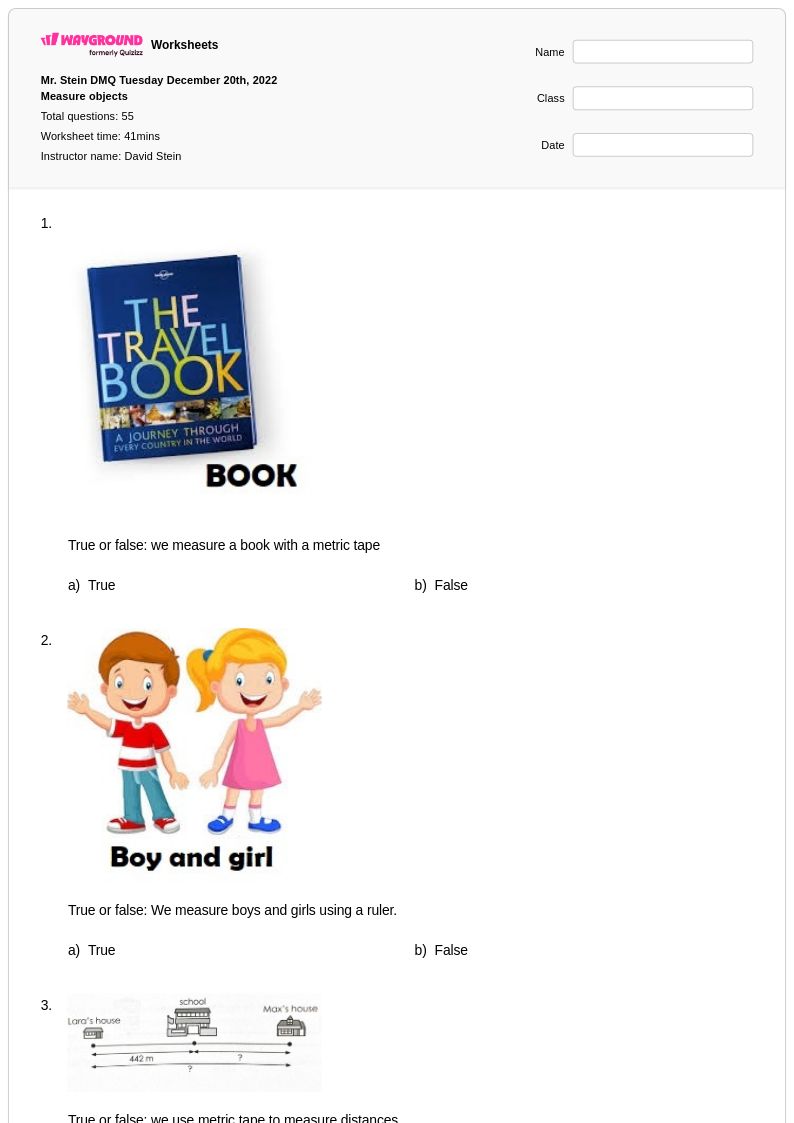
55 Q
2nd
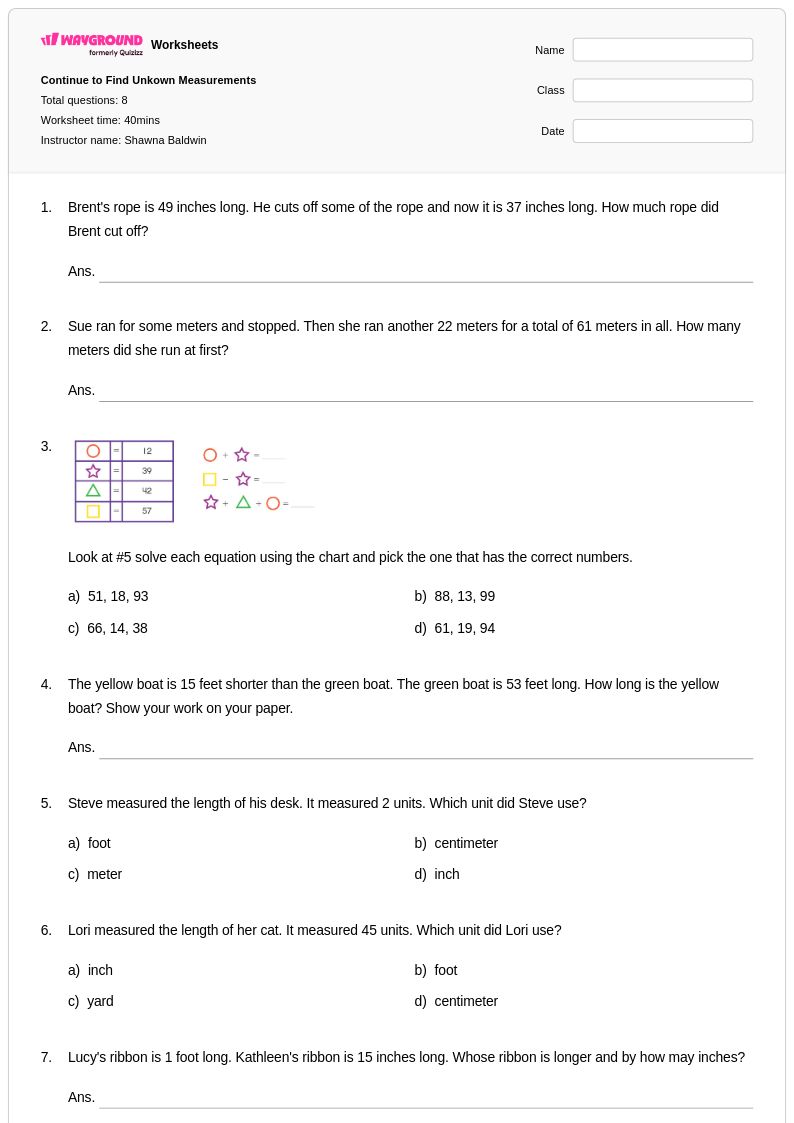
8 Q
2nd
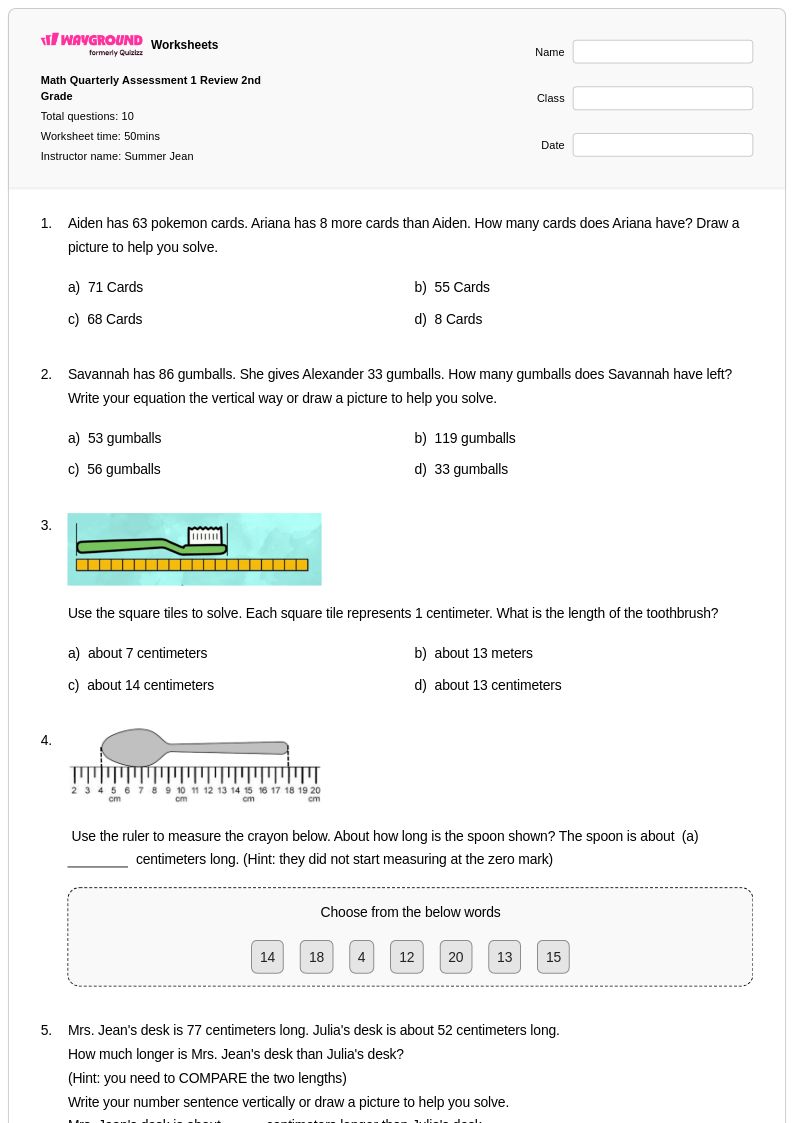
10 Q
2nd
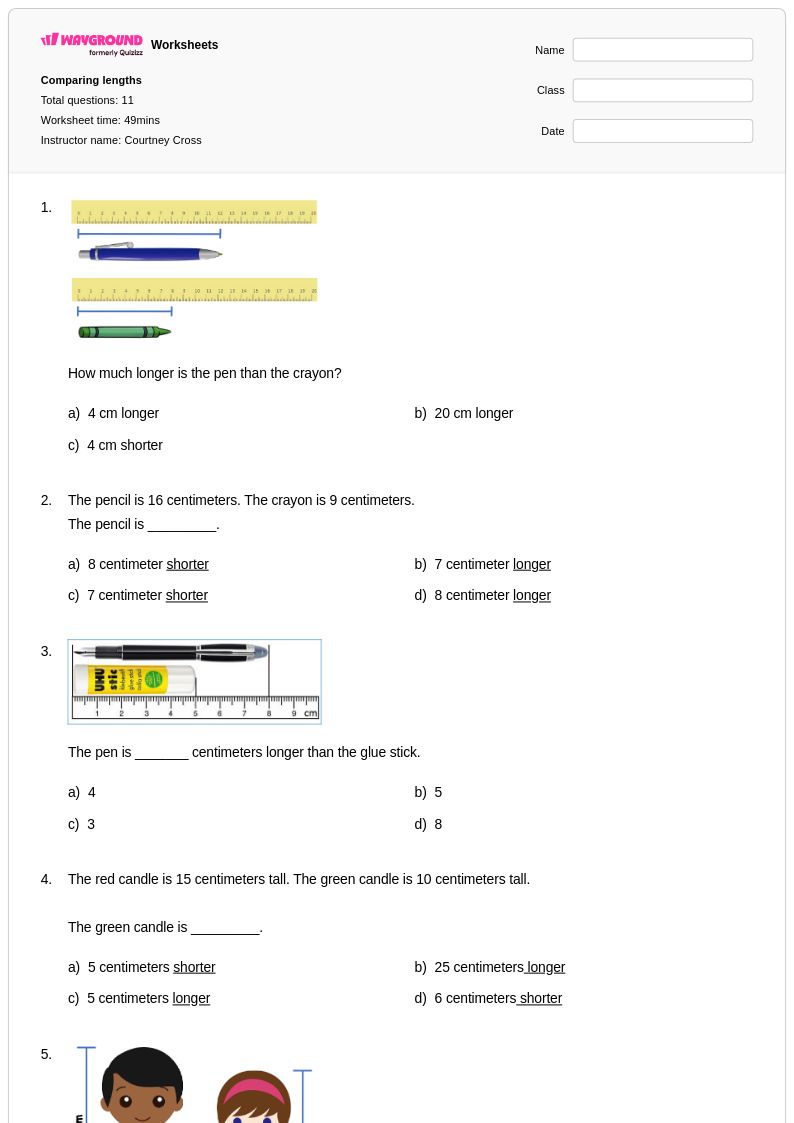
11 Q
2nd
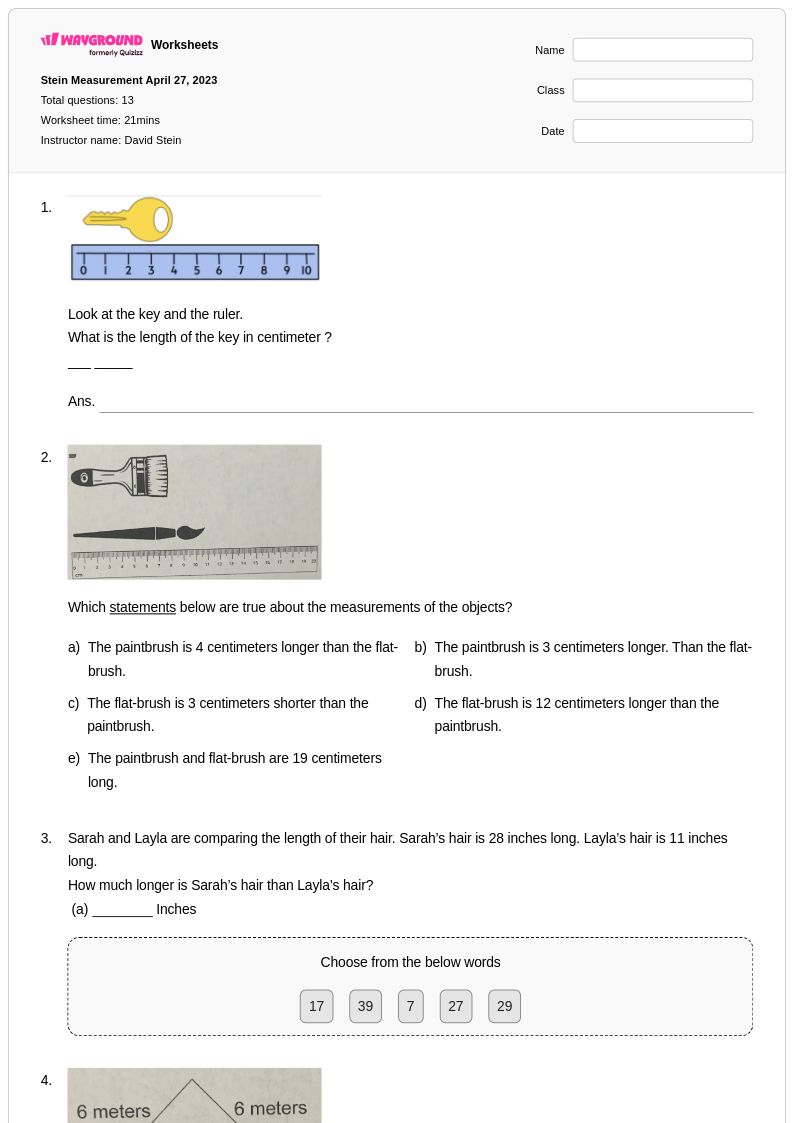
13 Q
2nd
Explore Measurement and Capacity Worksheets by Grades
Explore Other Subject Worksheets for grade 2
Explore printable Measurement and Capacity worksheets for Grade 2
Measurement and capacity worksheets for Grade 2 students available through Wayground (formerly Quizizz) provide foundational practice in understanding how to measure and compare the volume of different containers and objects. These carefully designed educational resources help young learners develop essential mathematical skills by exploring concepts such as which container holds more or less, estimating capacity using non-standard units like cups or blocks, and making direct comparisons between different sized vessels. The collection includes comprehensive practice problems that guide students through hands-on measurement activities, complete with detailed answer keys that support both independent learning and teacher assessment. These free printable resources strengthen critical thinking skills while building number sense and spatial reasoning abilities that form the cornerstone of mathematical understanding.
Wayground (formerly Quizizz) empowers educators with access to millions of teacher-created measurement and capacity worksheets specifically aligned with Grade 2 learning standards and developmental needs. The platform's robust search and filtering capabilities allow teachers to quickly locate resources that match their specific curriculum requirements, whether for whole-class instruction, small group remediation, or individual enrichment activities. These versatile worksheet collections offer flexible customization options and are available in both printable PDF format for traditional classroom use and digital formats for interactive learning experiences. Teachers can seamlessly integrate these differentiated materials into their lesson planning to provide targeted skill practice, assess student progress, and ensure that every learner develops confidence in measuring volume and understanding capacity concepts at their own pace.
FAQs
What do 2nd graders learn about measurement and capacity?
How can I transition students from non-standard to standard units?
What exercises help 2nd graders practice capacity?
What's a key challenge for 2nd graders with capacity?
How can I use these Grade 2 measurement worksheets?
How does this align with 2nd grade math standards?