
Recommended Topics for you
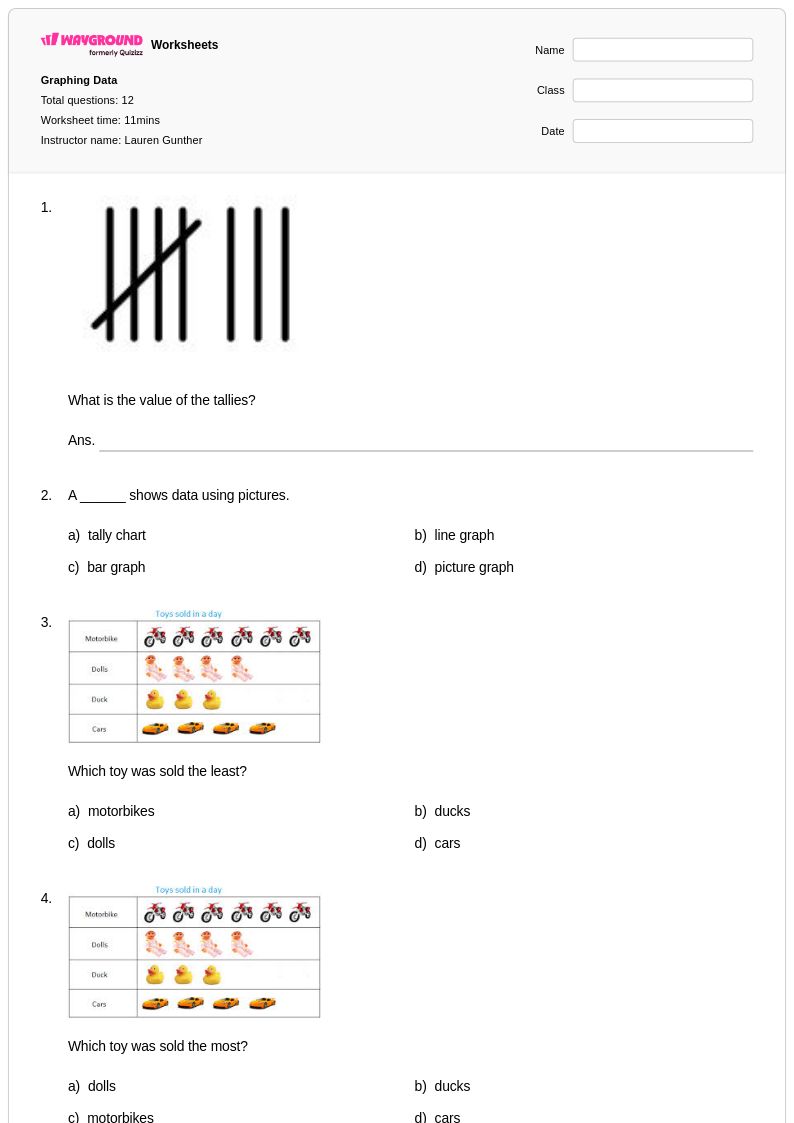
12 Q
KG - 2nd
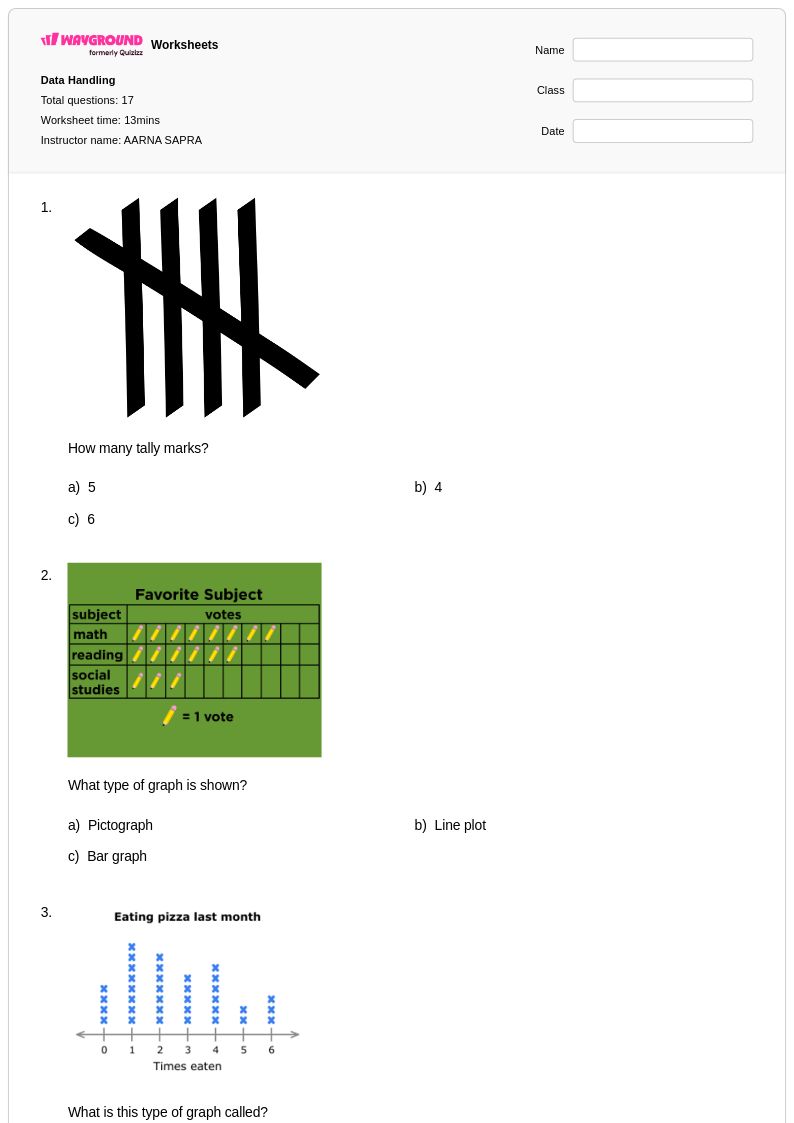
17 Q
1st - 5th
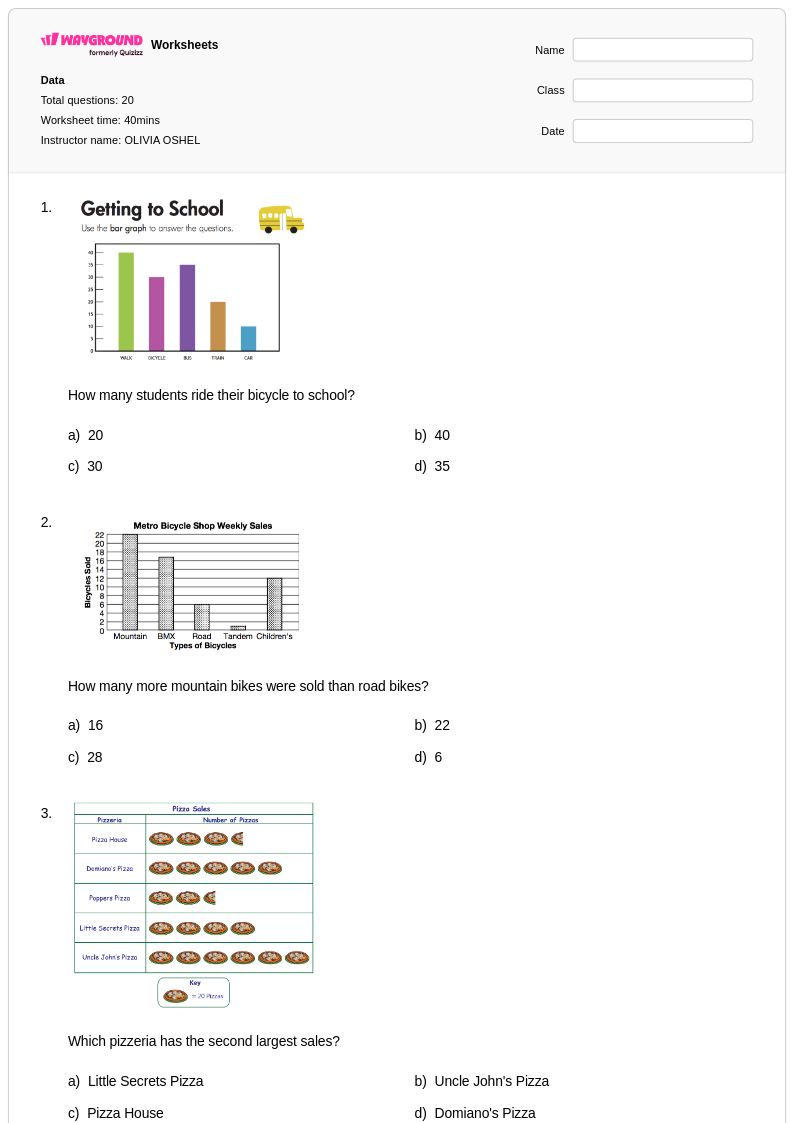
20 Q
2nd
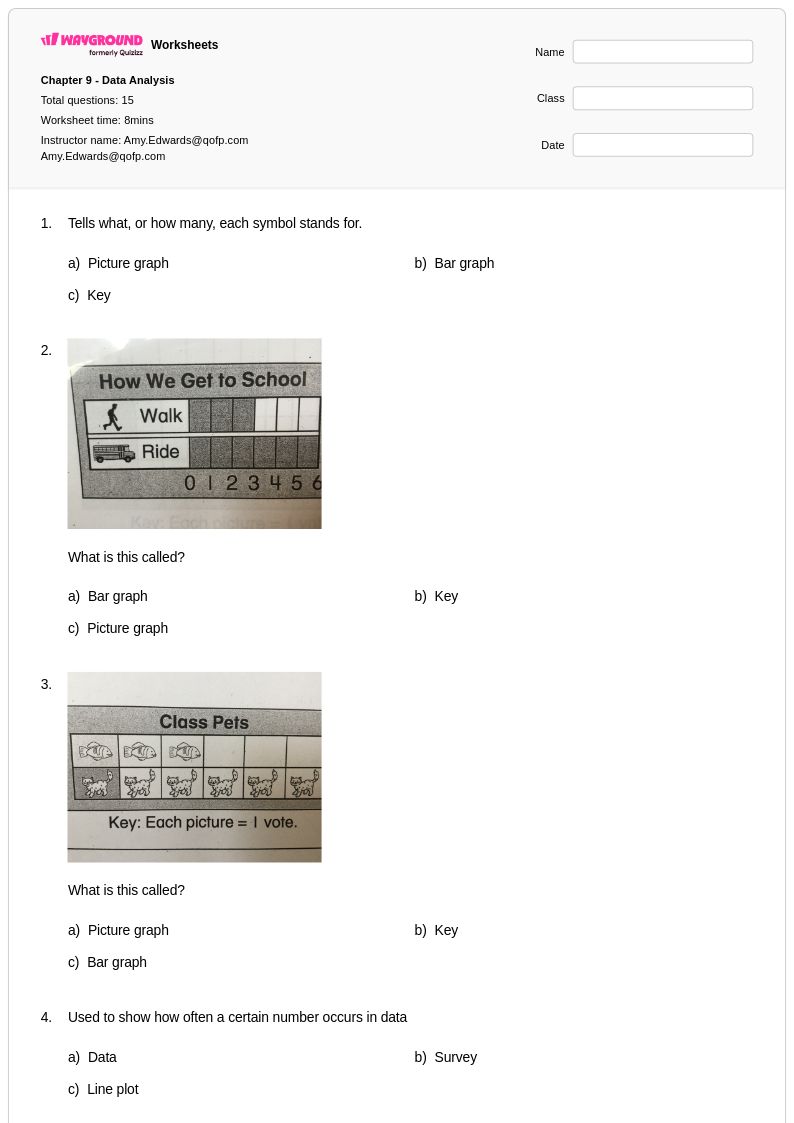
15 Q
2nd
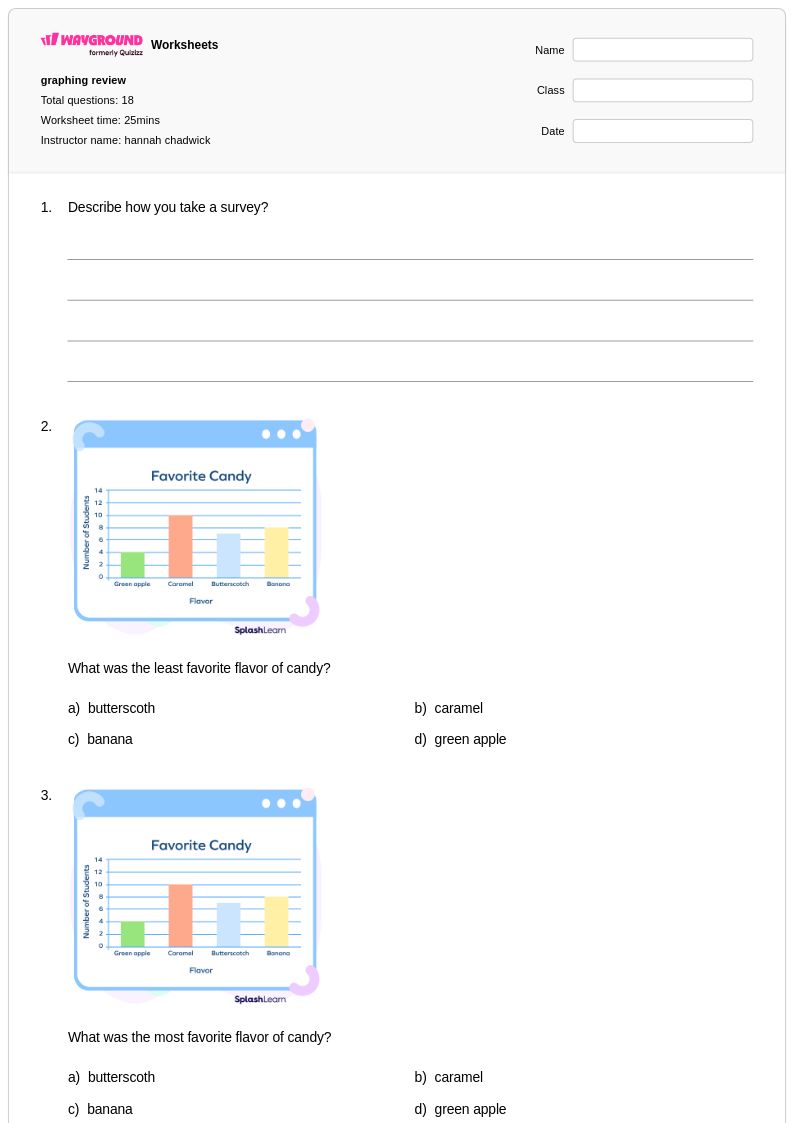
18 Q
2nd
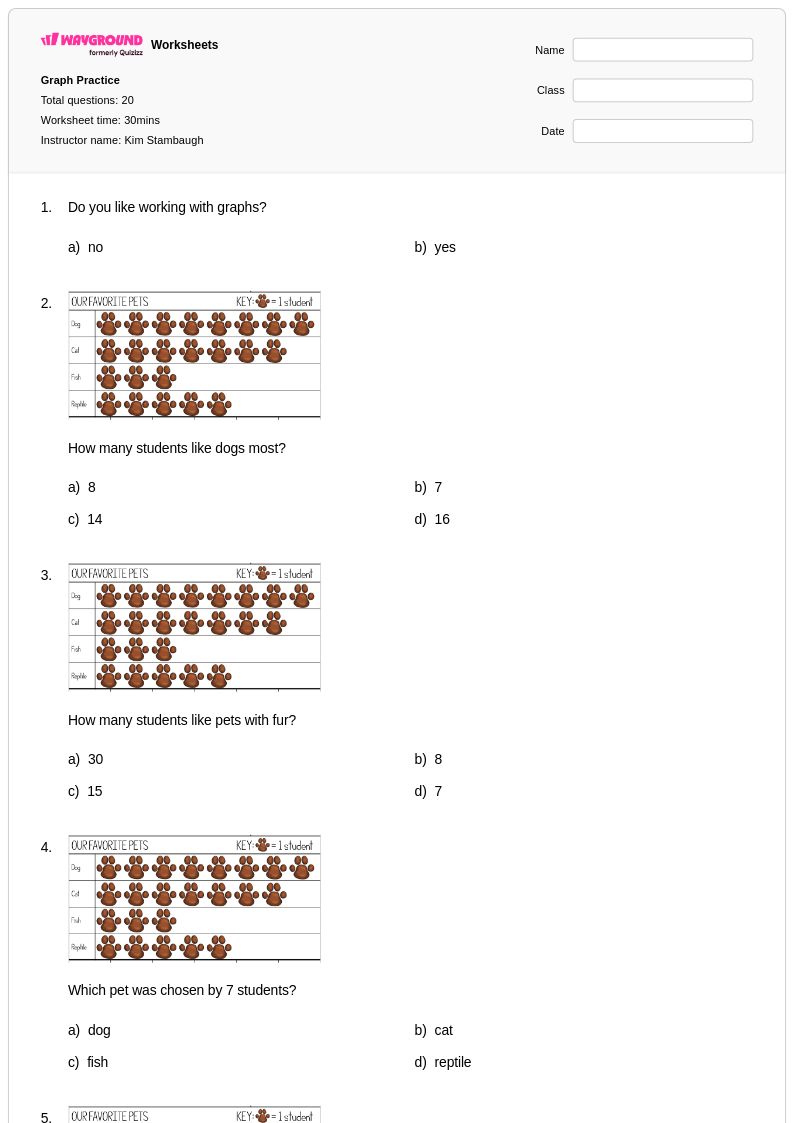
20 Q
2nd
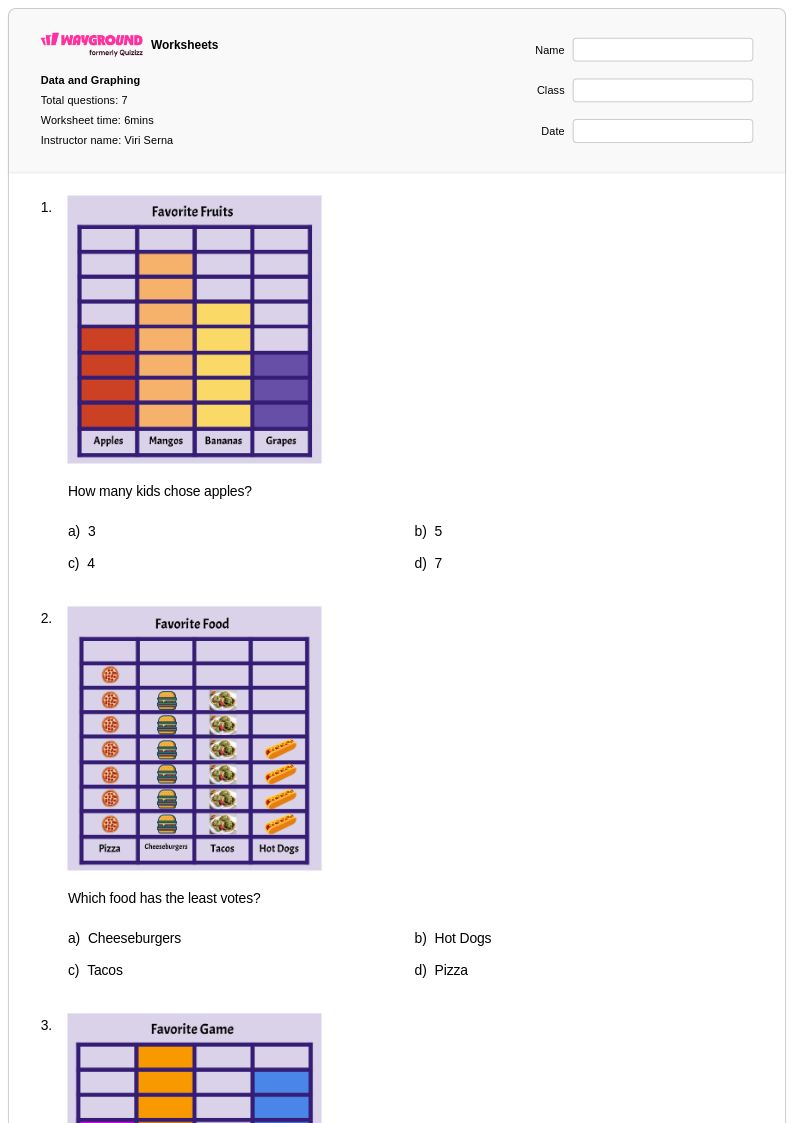
7 Q
2nd
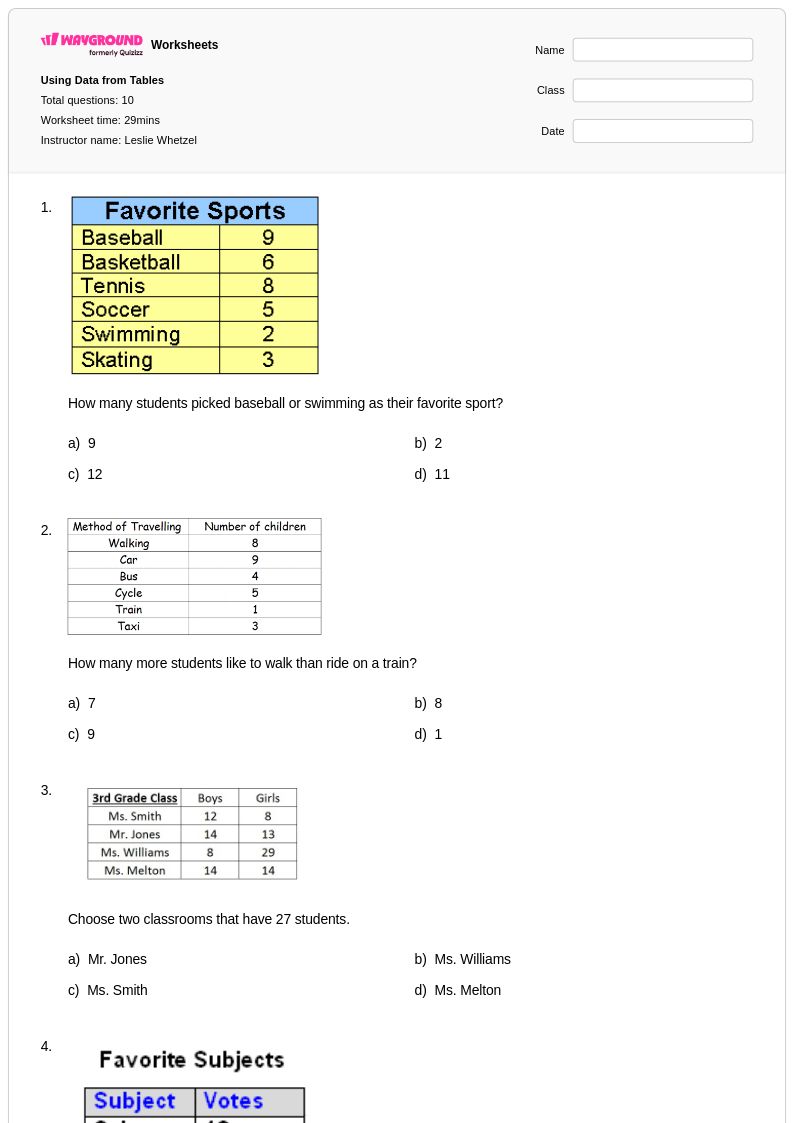
10 Q
2nd - 4th
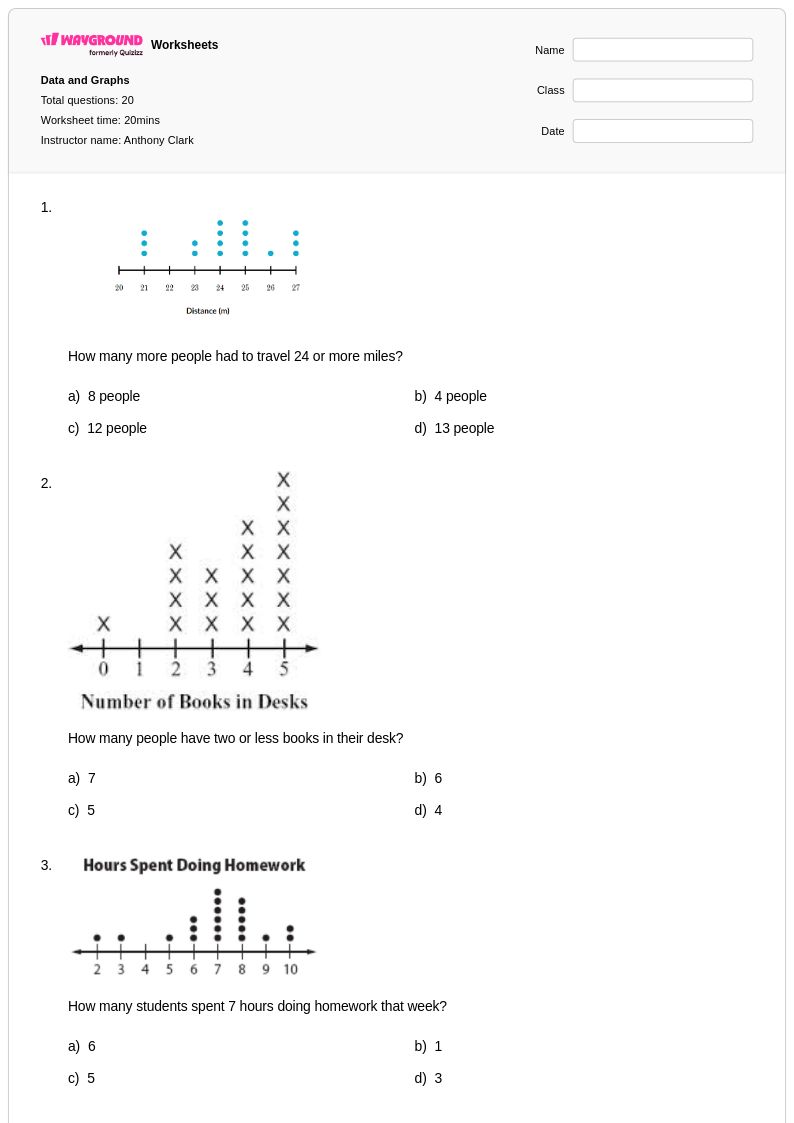
20 Q
2nd - Uni
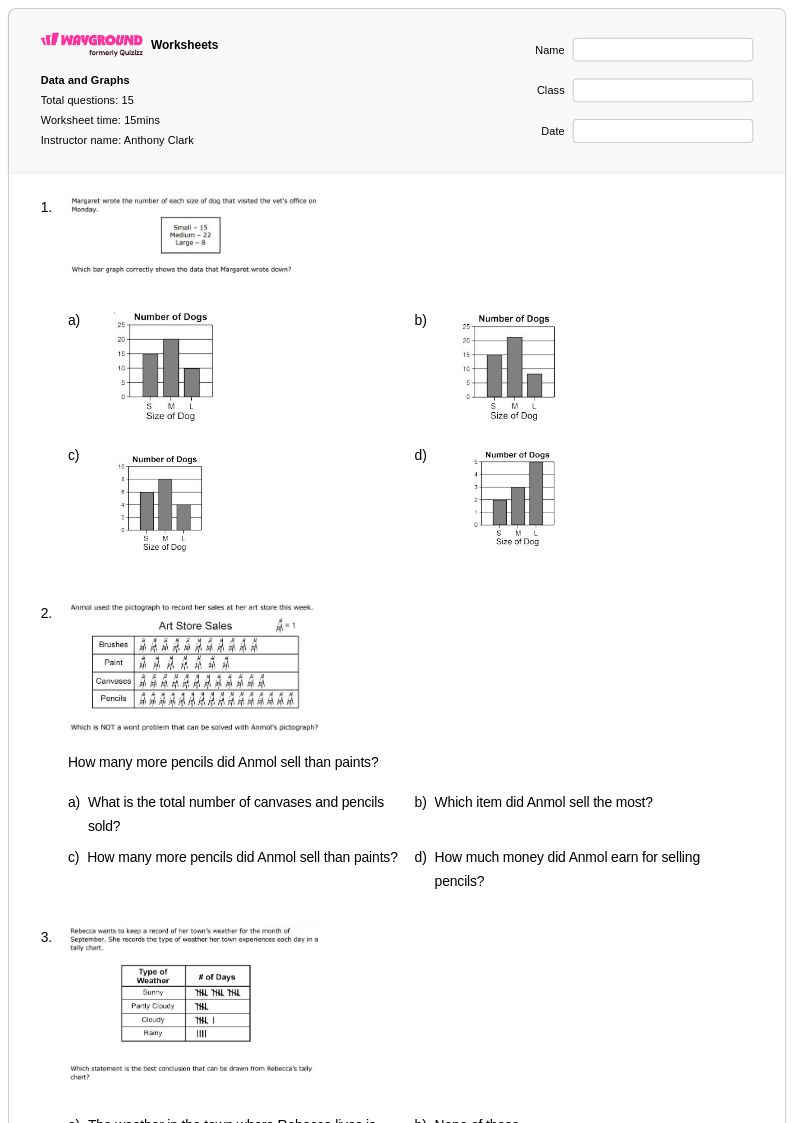
15 Q
2nd - Uni

14 Q
2nd

10 Q
2nd
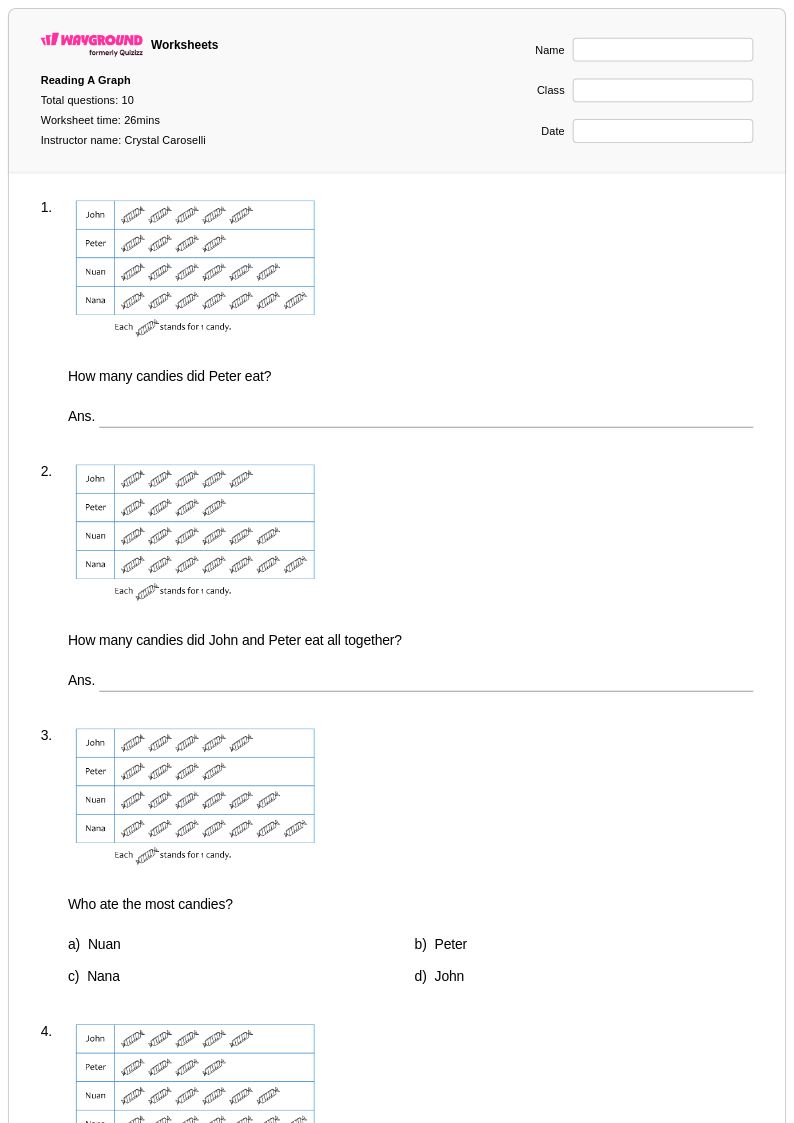
10 Q
2nd
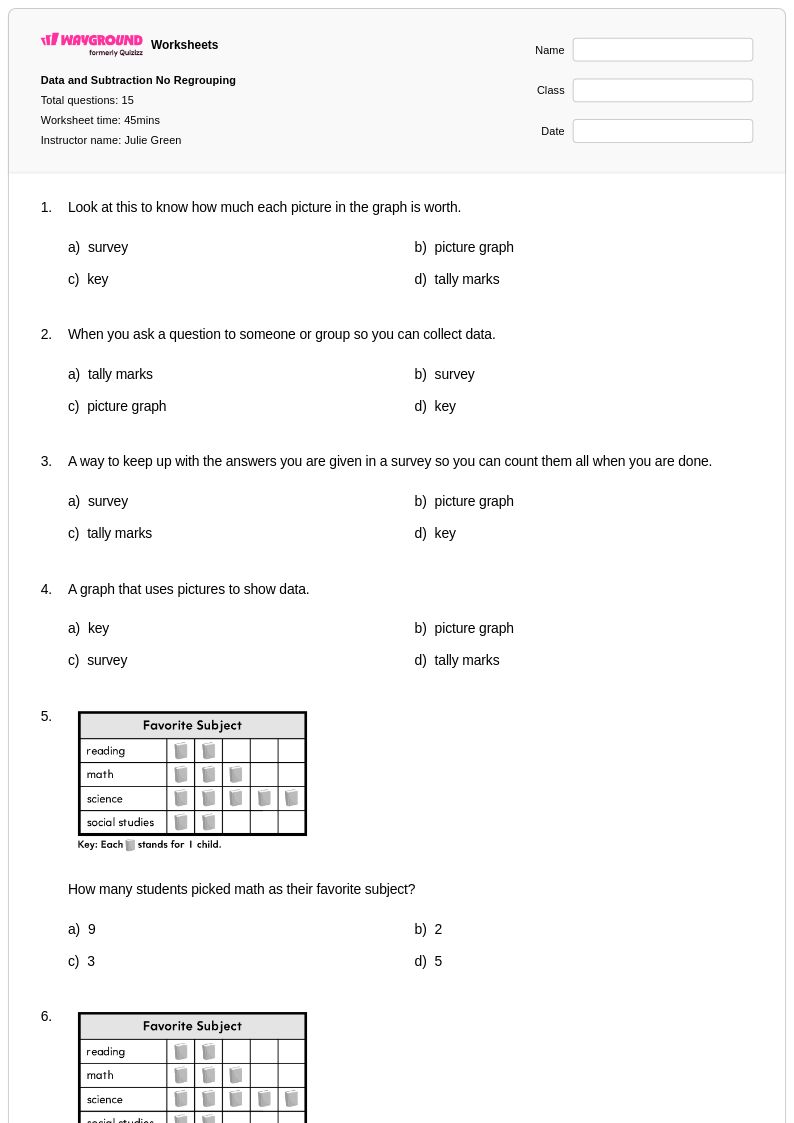
15 Q
2nd
40 Q
2nd
15 Q
2nd - Uni

10 Q
2nd
14 Q
KG - 2nd

20 Q
2nd
13 Q
2nd
14 Q
2nd
60 Q
2nd
14 Q
2nd
10 Q
2nd
Explore Organizing Data Worksheets for grade 2 by Topic
Explore Other Subject Worksheets for grade 2
Explore printable Organizing Data worksheets for Grade 2
Organizing data worksheets for Grade 2 students available through Wayground (formerly Quizizz) provide essential foundational practice in one of mathematics' most practical skill areas. These carefully designed printables help young learners develop critical thinking abilities as they sort, categorize, and arrange information in meaningful ways. Students work through engaging practice problems that teach them to collect data from their environment, group objects by shared characteristics, and create simple organizational systems like tally charts and basic tables. Each worksheet comes with a comprehensive answer key, making it easy for educators to assess student understanding and provide targeted feedback. The free pdf format ensures accessibility while maintaining professional quality, allowing teachers to distribute materials efficiently whether for homework, classroom activities, or assessment preparation.
Wayground's extensive collection draws from millions of teacher-created resources, offering educators robust search and filtering capabilities to locate precisely the right organizing data materials for their Grade 2 classrooms. The platform's standards alignment features ensure worksheets meet curriculum requirements while differentiation tools allow teachers to modify content complexity for diverse learning needs. Whether planning whole-class instruction, designing remediation activities for struggling students, or creating enrichment opportunities for advanced learners, educators can customize these printable and digital resources to match their specific teaching objectives. The flexible pdf format supports both traditional paper-based learning and modern digital classroom environments, while comprehensive skill practice options help teachers scaffold student progress from basic sorting activities to more sophisticated data organization techniques that prepare students for future mathematical concepts.
FAQs
How should I teach picture graphs and bar graphs in second grade?
What types of problems help second graders practice organizing data?
What are common student errors when working with bar graphs?
How can I use these Grade 2 data worksheets with my students?
What are the curriculum expectations for data in second grade?