
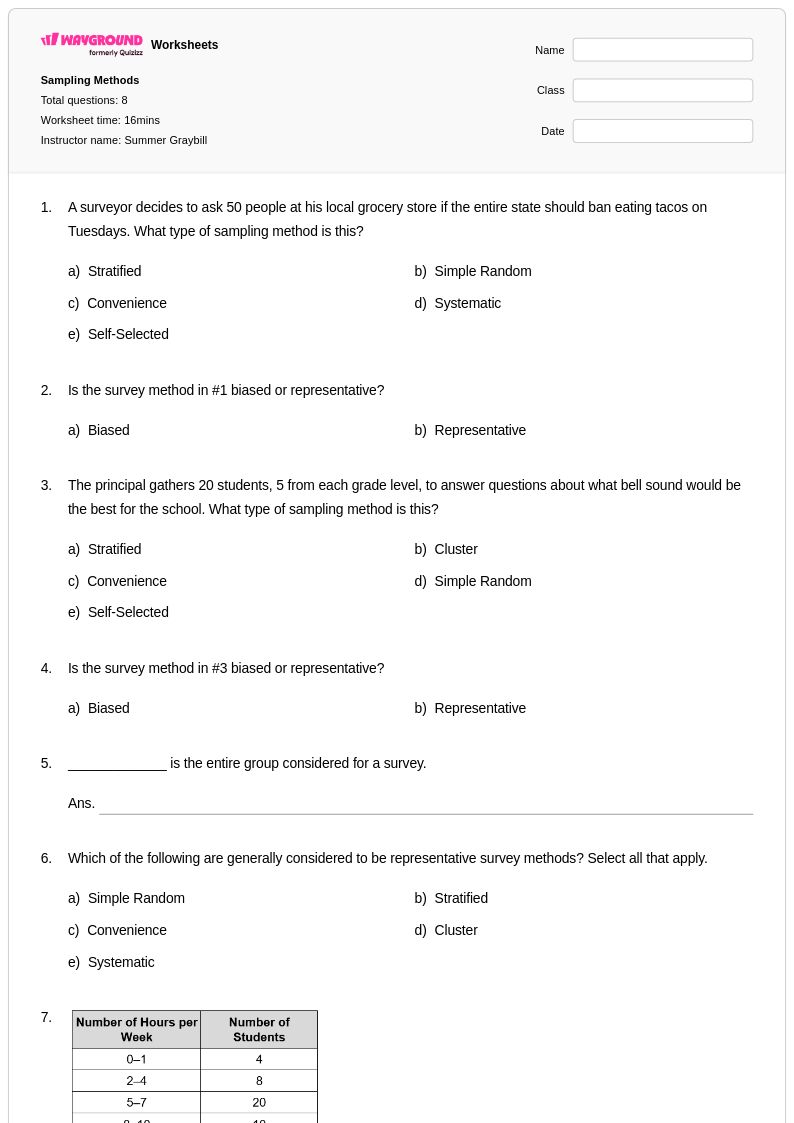
8 Q
9th - 12th
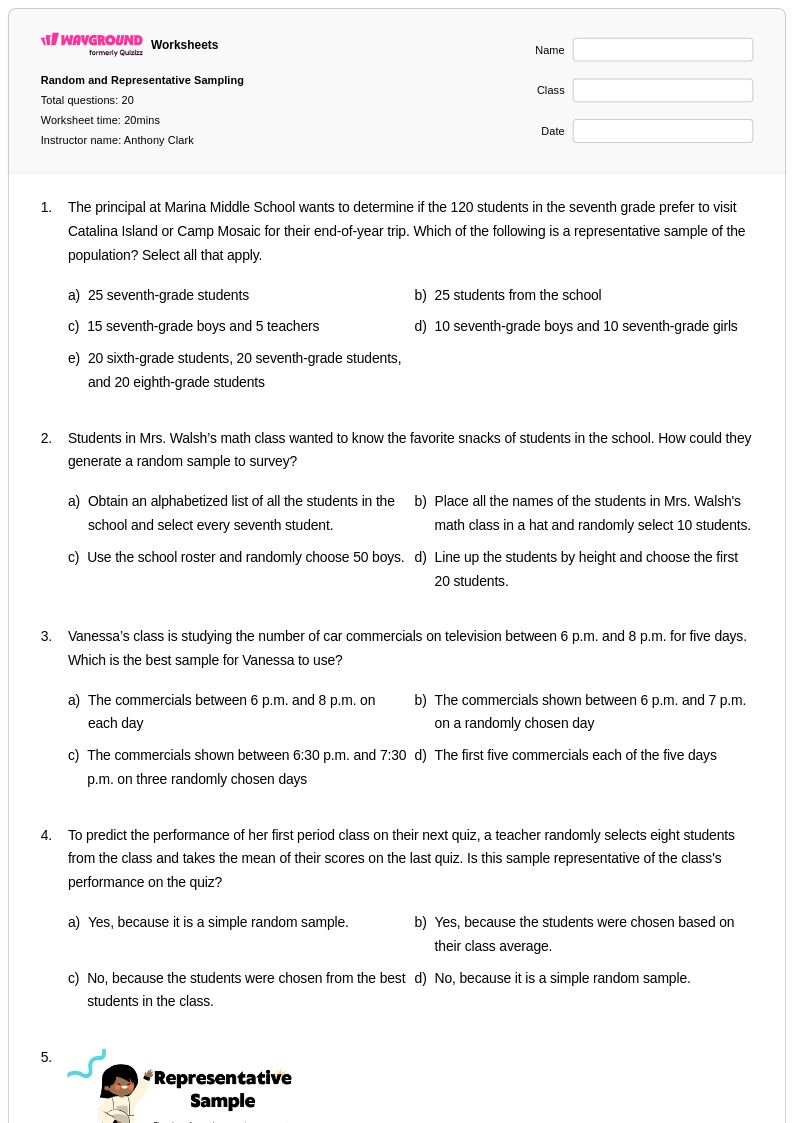
20 Q
7th - Uni
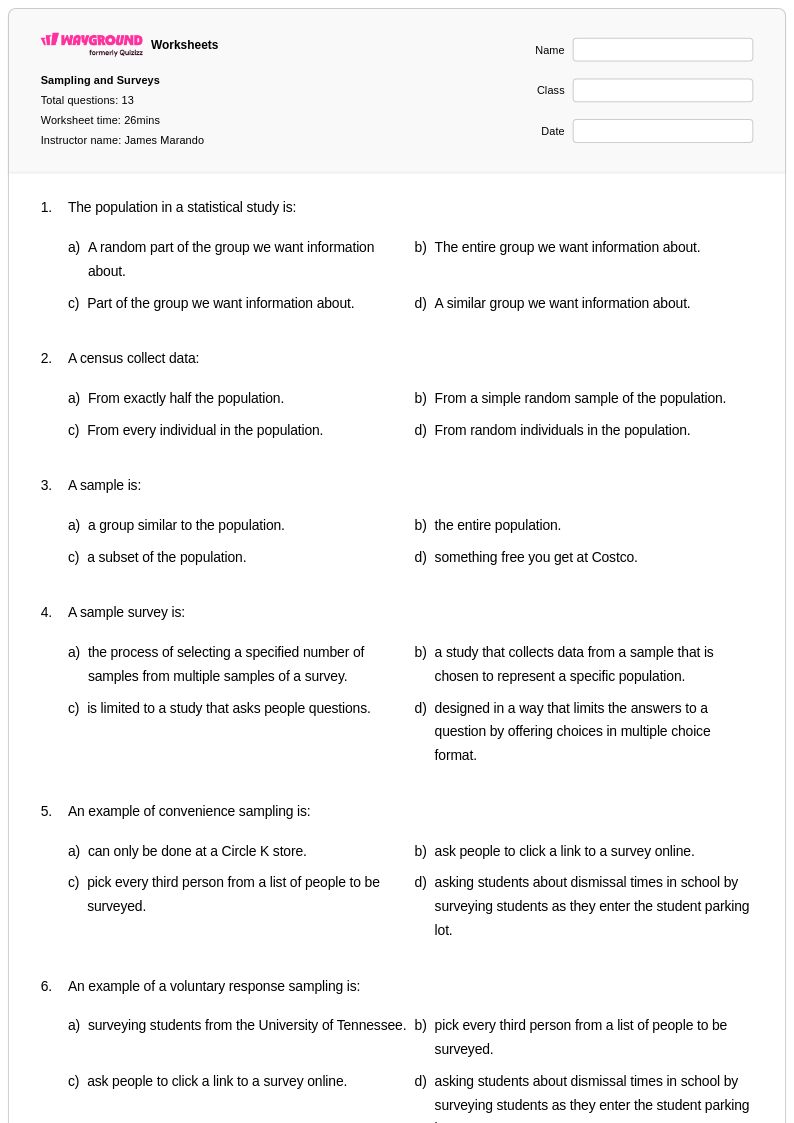
13 Q
9th
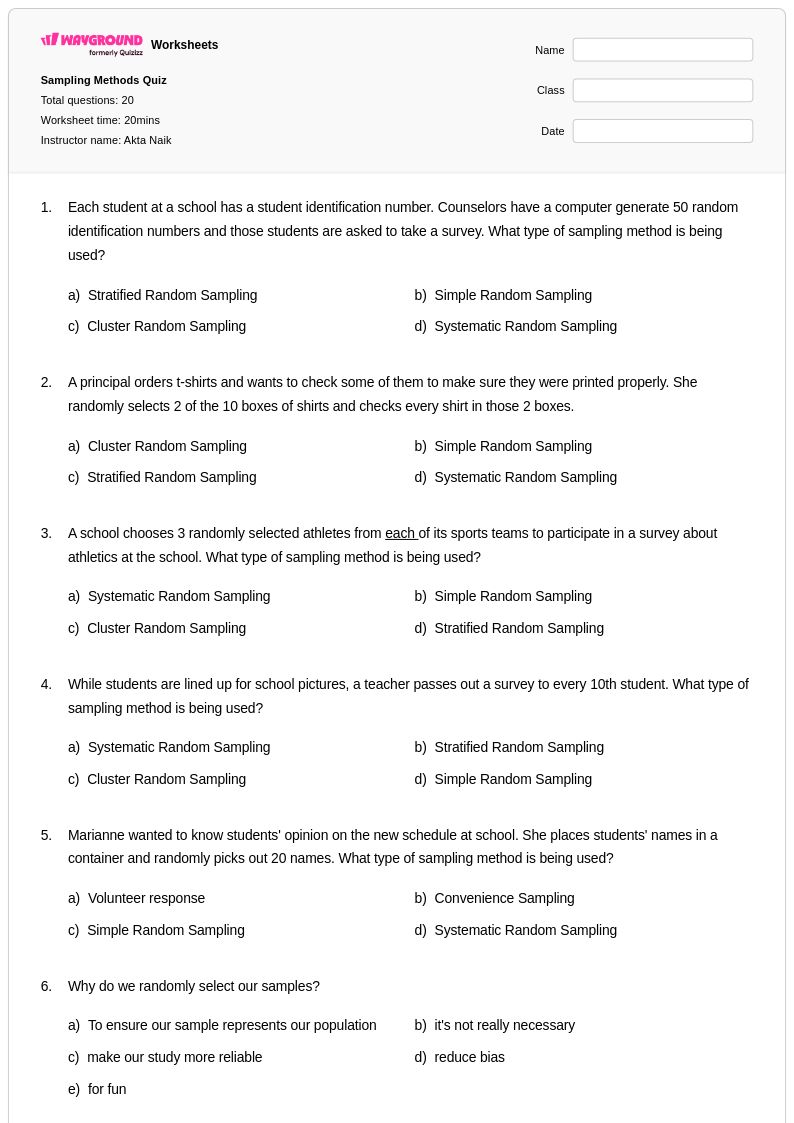
20 Q
9th - 12th
20 Q
7th - Uni
19 Q
7th - Uni
20 Q
8th - Uni
9 Q
7th - Uni
19 Q
7th - Uni
8 Q
7th - Uni
20 Q
7th - Uni
14 Q
7th - Uni
20 Q
7th - Uni
15 Q
7th - Uni
15 Q
9th - 12th
15 Q
8th - Uni
20 Q
7th - Uni
21 Q
5th - 12th
18 Q
9th - 12th
15 Q
7th - 10th
50 Q
9th - 12th
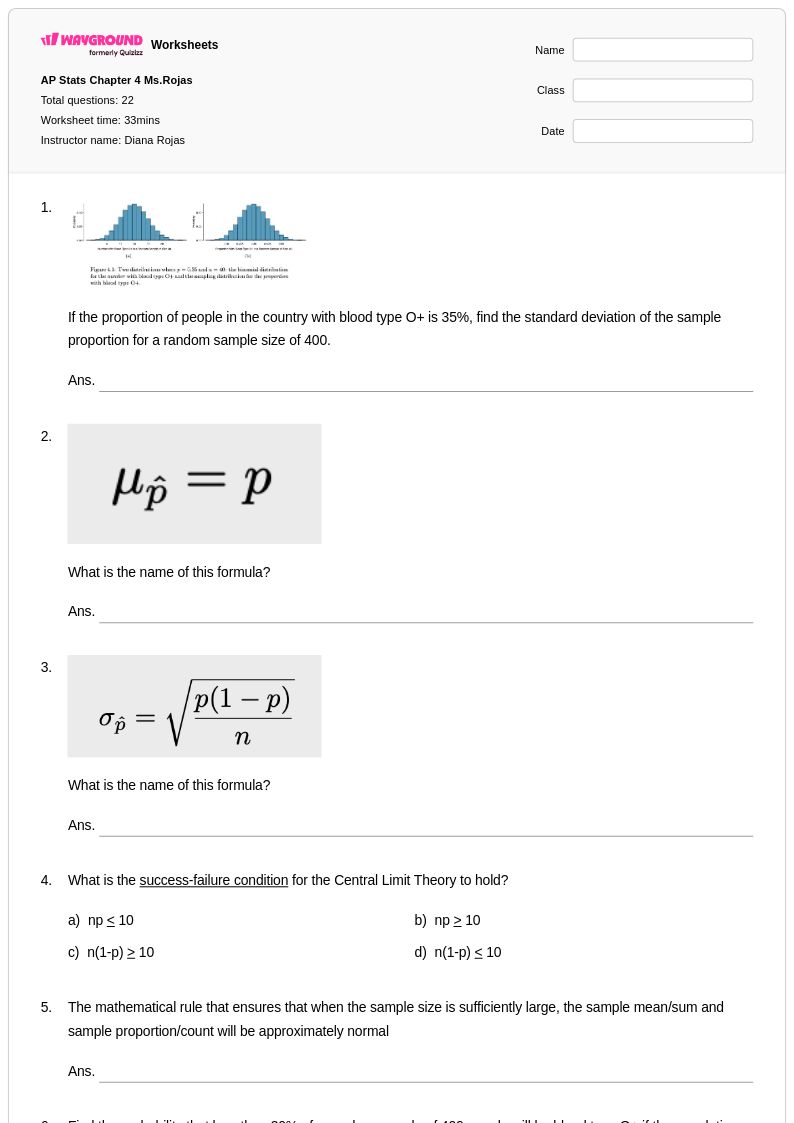
22 Q
9th - Uni
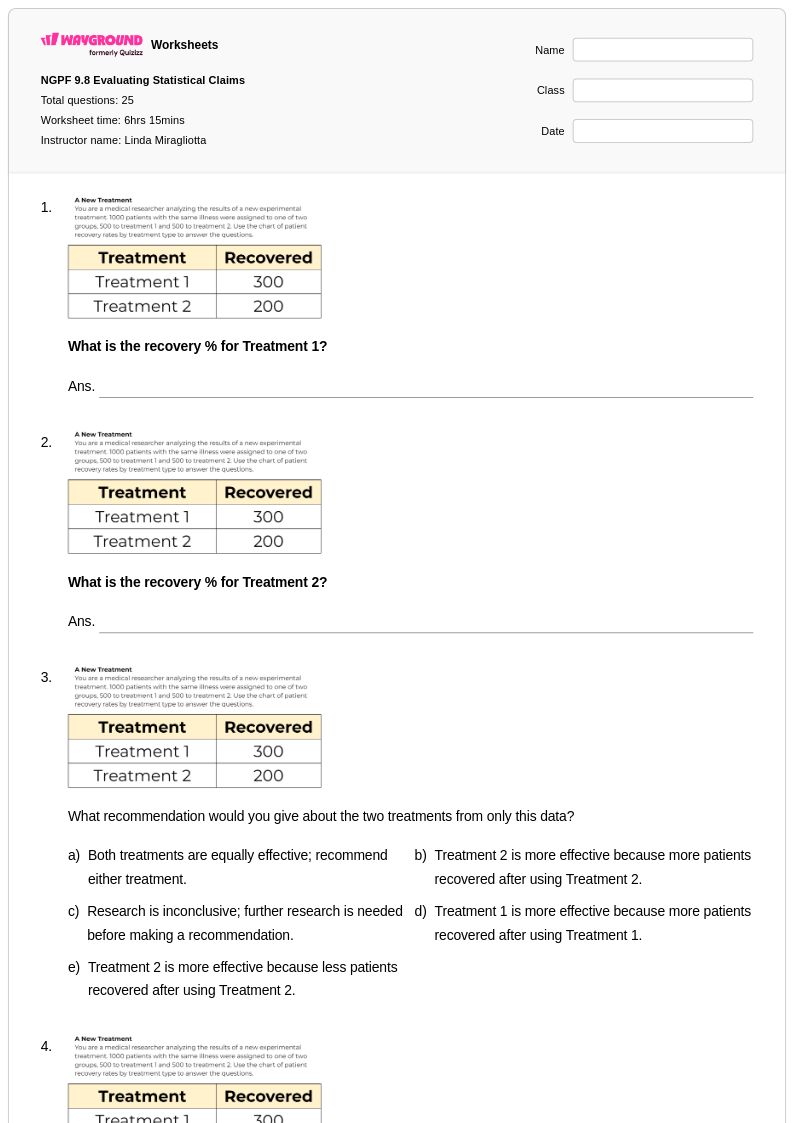
25 Q
9th - 12th
50 Q
9th - 12th
Explore Other Subject Worksheets for grade 9
Explore printable Random Sampling worksheets for Grade 9
Random sampling worksheets for Grade 9 students through Wayground (formerly Quizizz) provide comprehensive practice in understanding and applying fundamental sampling techniques that form the cornerstone of statistical analysis. These carefully designed worksheets guide students through essential concepts including simple random sampling, systematic sampling, stratified sampling, and cluster sampling methods, helping them develop critical thinking skills needed to evaluate data collection methods and identify potential sources of bias. Each worksheet collection includes detailed practice problems that challenge students to calculate sample sizes, interpret sampling distributions, and analyze the representativeness of different sampling approaches, with complete answer keys provided to support independent learning and self-assessment. The free printable resources systematically build understanding of how proper sampling techniques ensure valid statistical inferences and reliable data analysis.
Wayground (formerly Quizizz) empowers educators with access to millions of teacher-created random sampling worksheets specifically aligned with Grade 9 mathematics standards, offering robust search and filtering capabilities that allow teachers to quickly locate resources matching their specific curriculum requirements and student needs. The platform's comprehensive collection supports differentiated instruction through customizable worksheets that can be adapted for various skill levels, from foundational sampling concept introduction to advanced statistical reasoning applications. Teachers benefit from flexible formatting options including downloadable PDF versions for traditional classroom use and interactive digital formats for technology-enhanced learning environments. These versatile resources streamline lesson planning while providing targeted practice opportunities for remediation, skill reinforcement, and enrichment activities that help students master the complex relationship between sampling methodology and statistical validity.
FAQs
What's expected for a 9th grader learning about random sampling?
How can I teach the difference between stratified and cluster sampling?
What kind of practice helps 9th graders master sampling methods?
What is a common point of confusion for students at this level?
How can I use this 9th-grade worksheet with my students?
How does this topic align with high school math standards?