
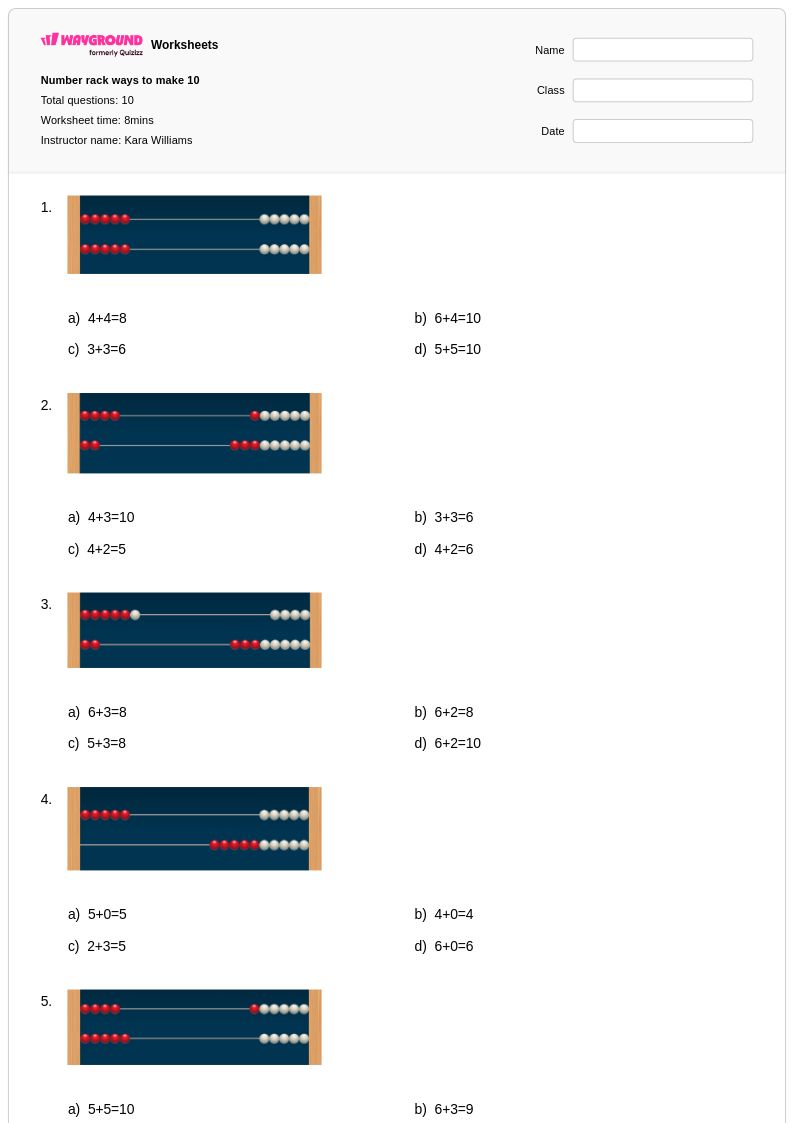
10 Q
1st - 3rd
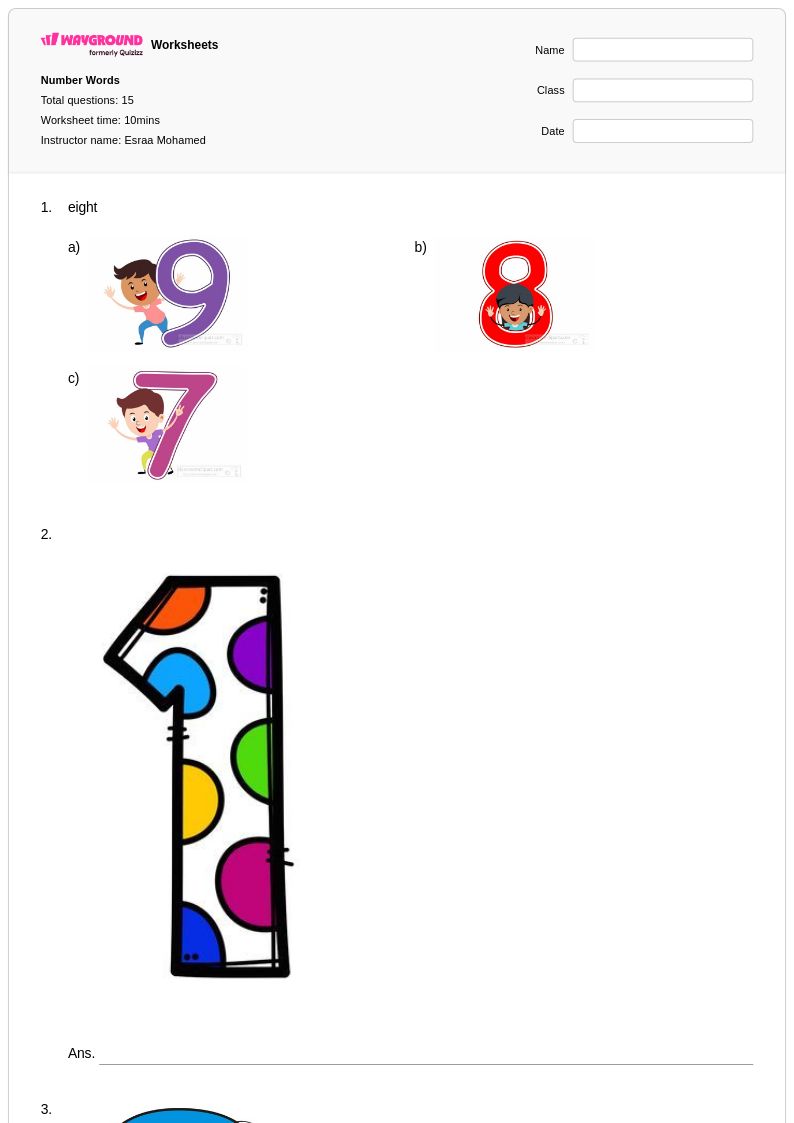
15 Q
KG - 1st
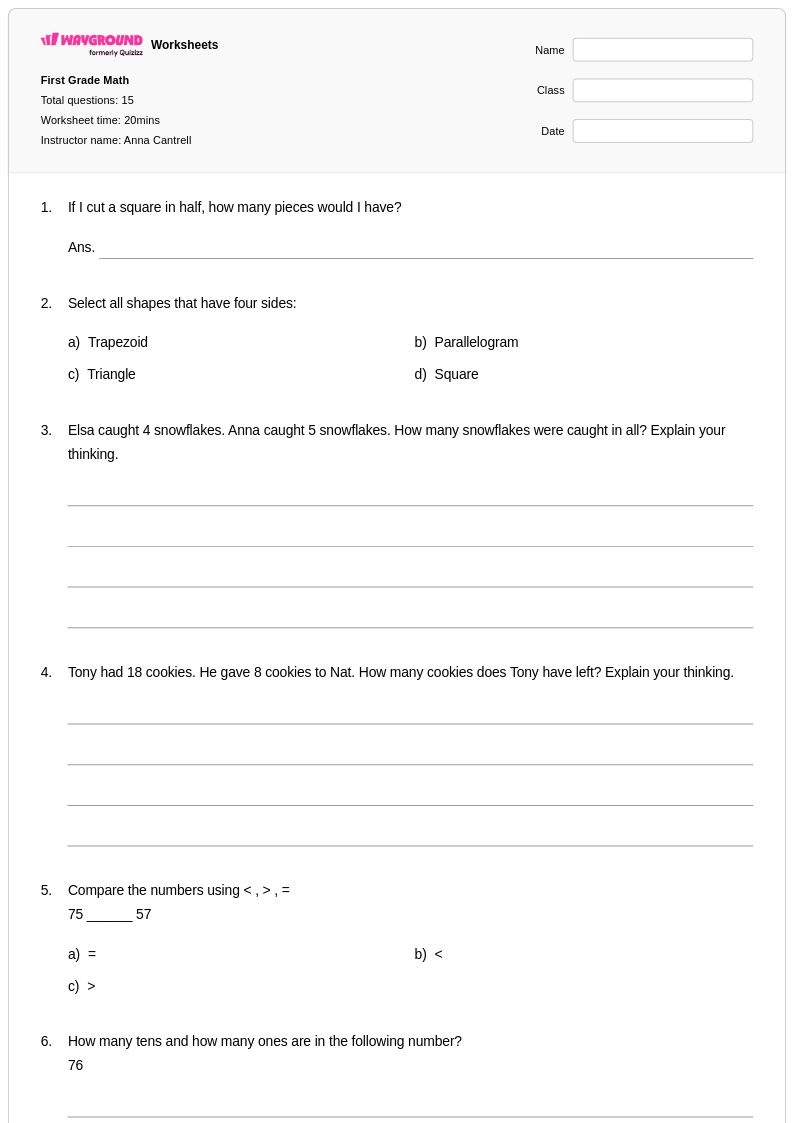
15 Q
1st
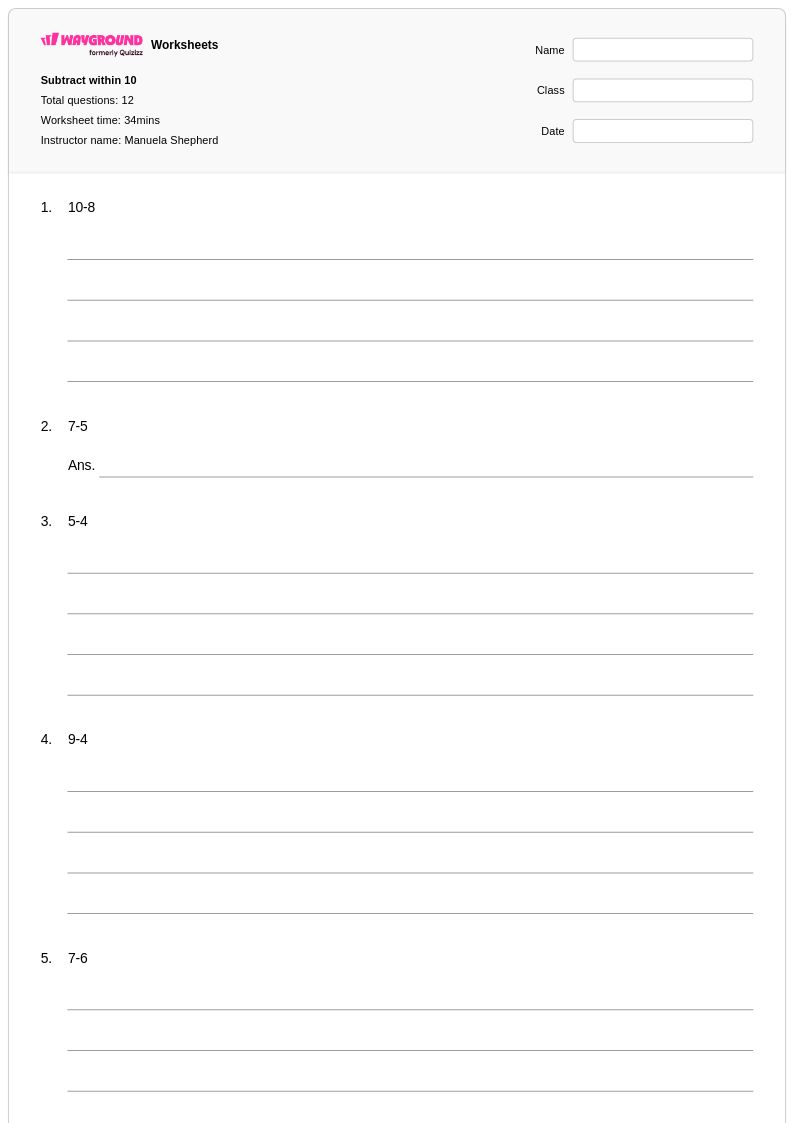
12 Q
1st - 2nd
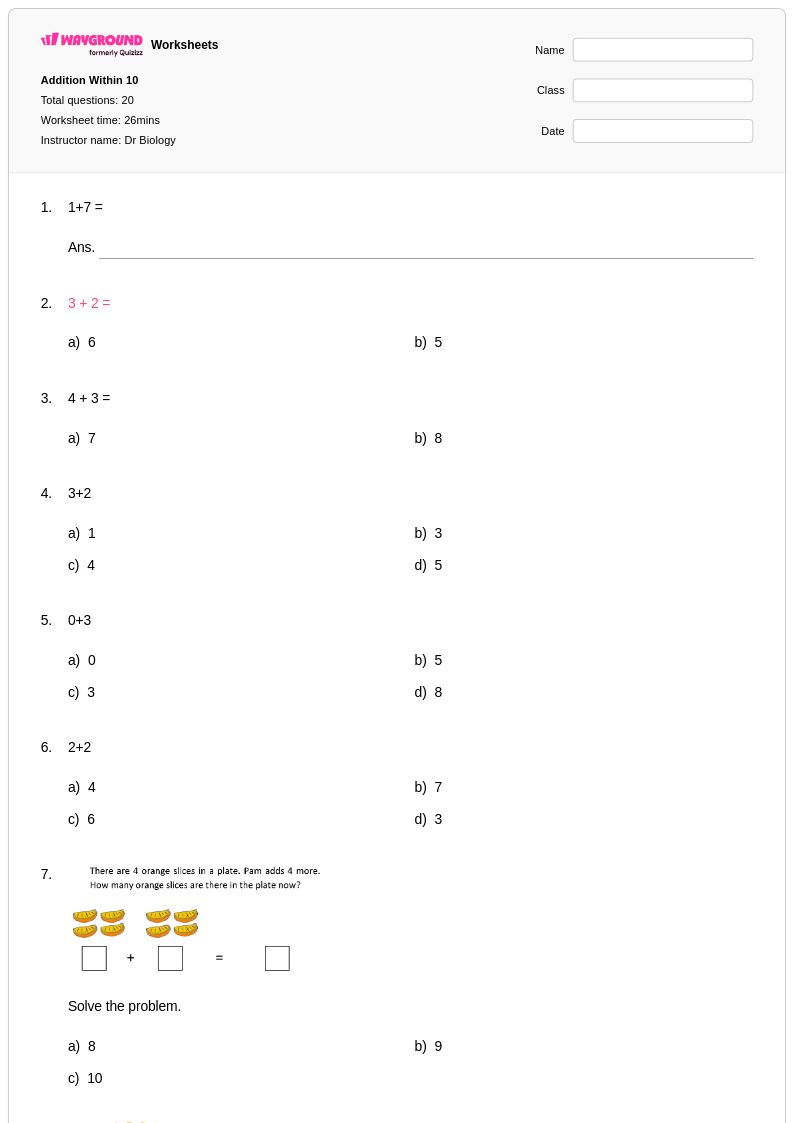
20 Q
1st
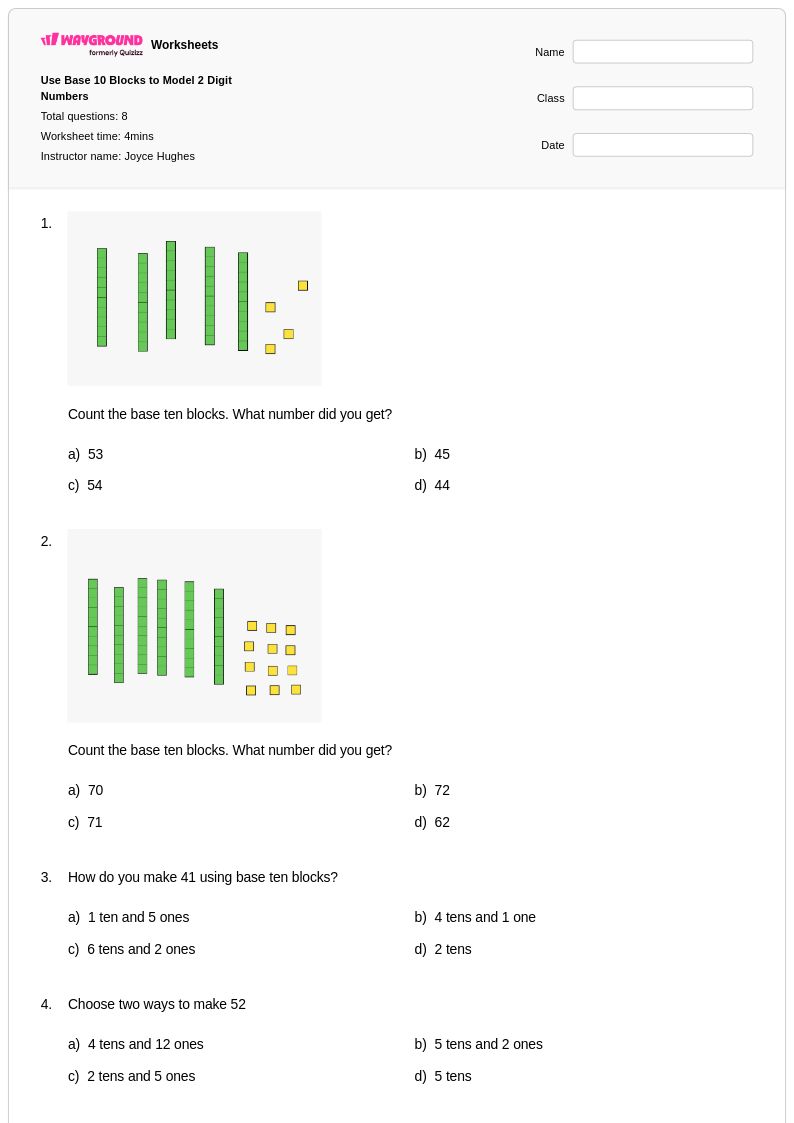
8 Q
1st - 2nd
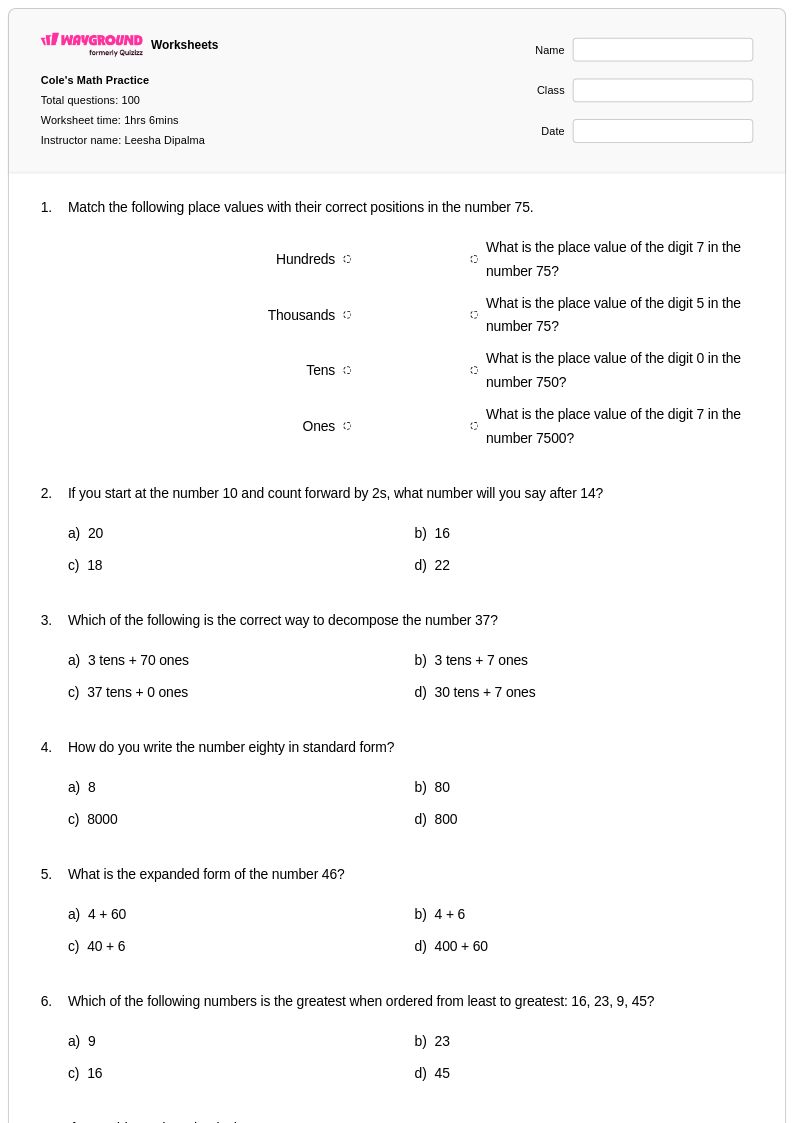
100 Q
1st
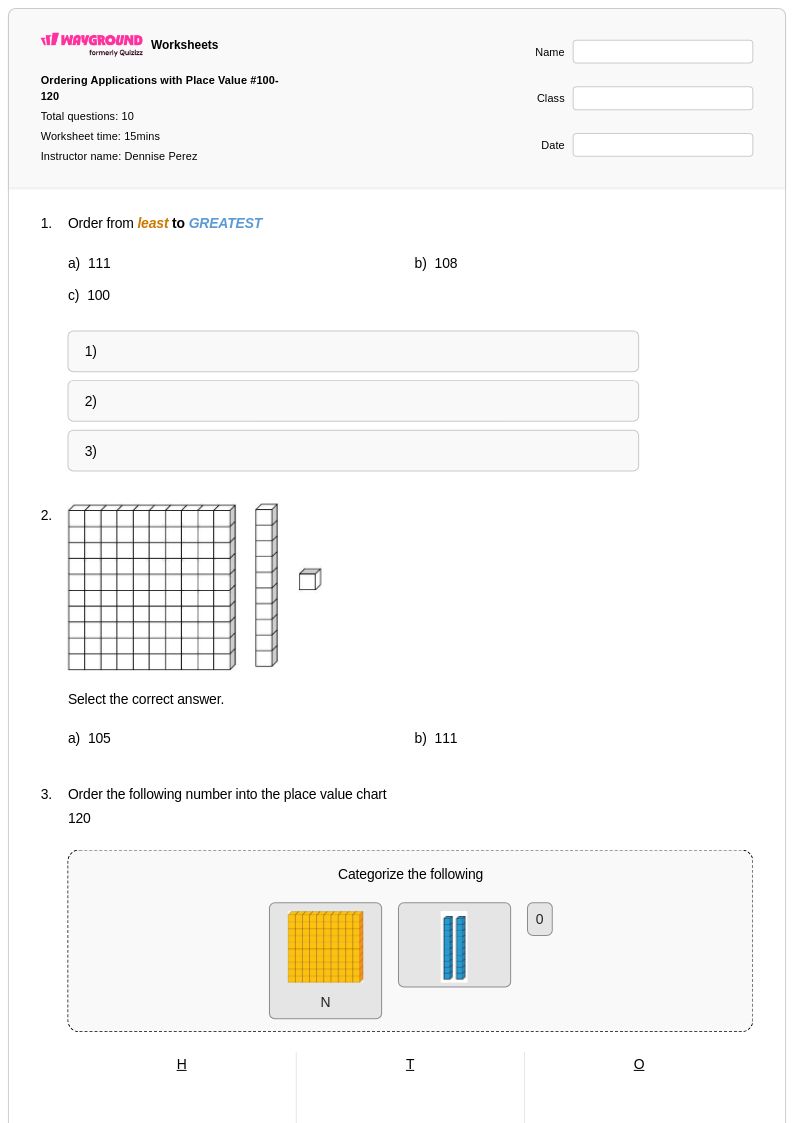
10 Q
1st
10 Q
1st - 5th
12 Q
KG - 2nd
16 Q
1st - 3rd
27 Q
1st
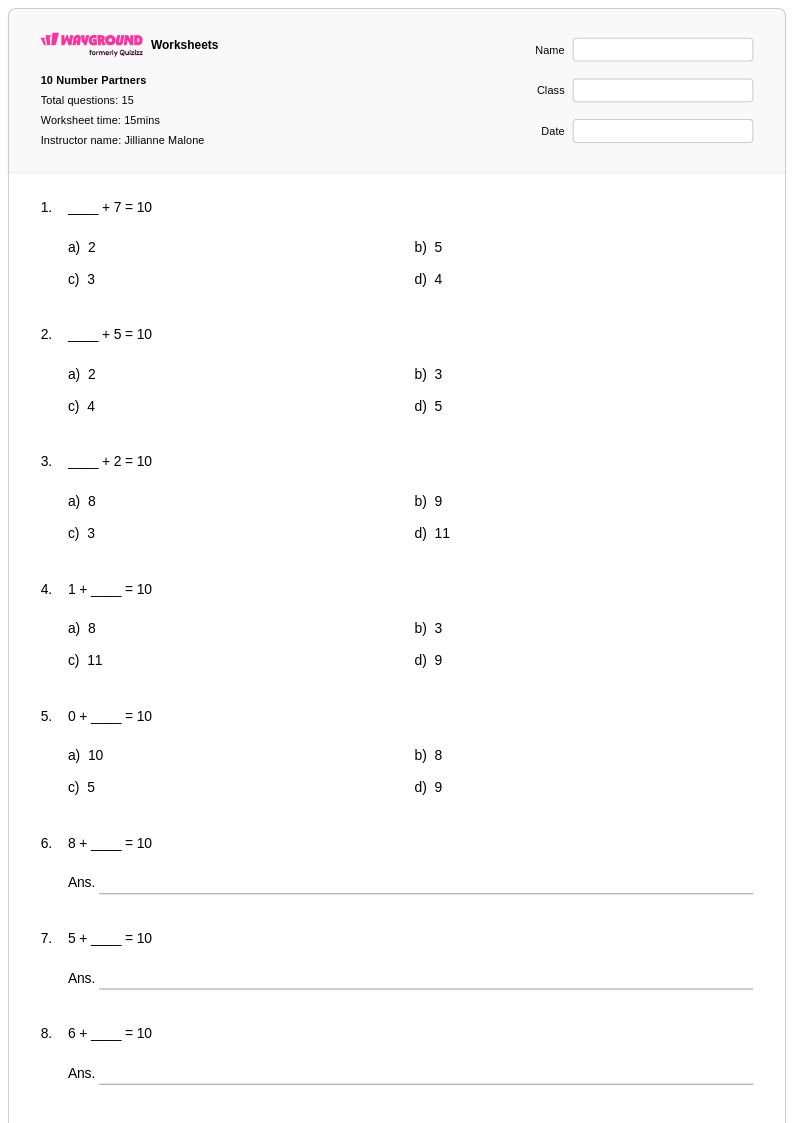
15 Q
1st
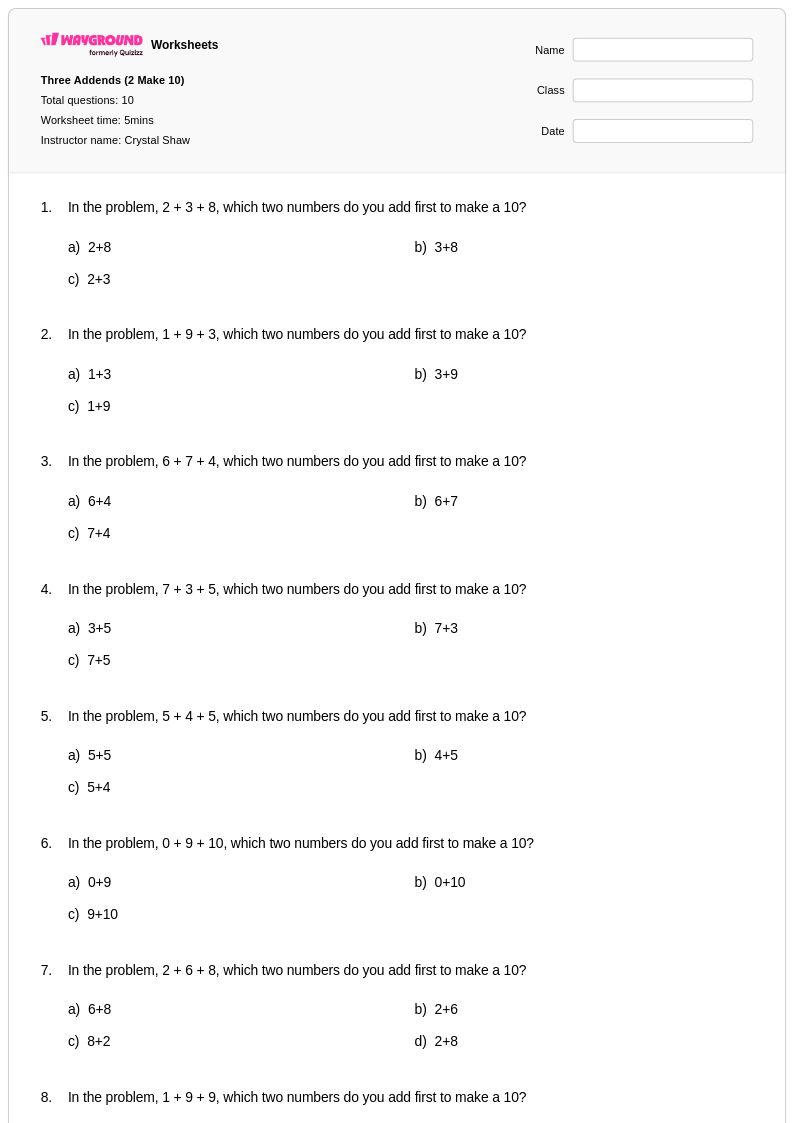
10 Q
1st
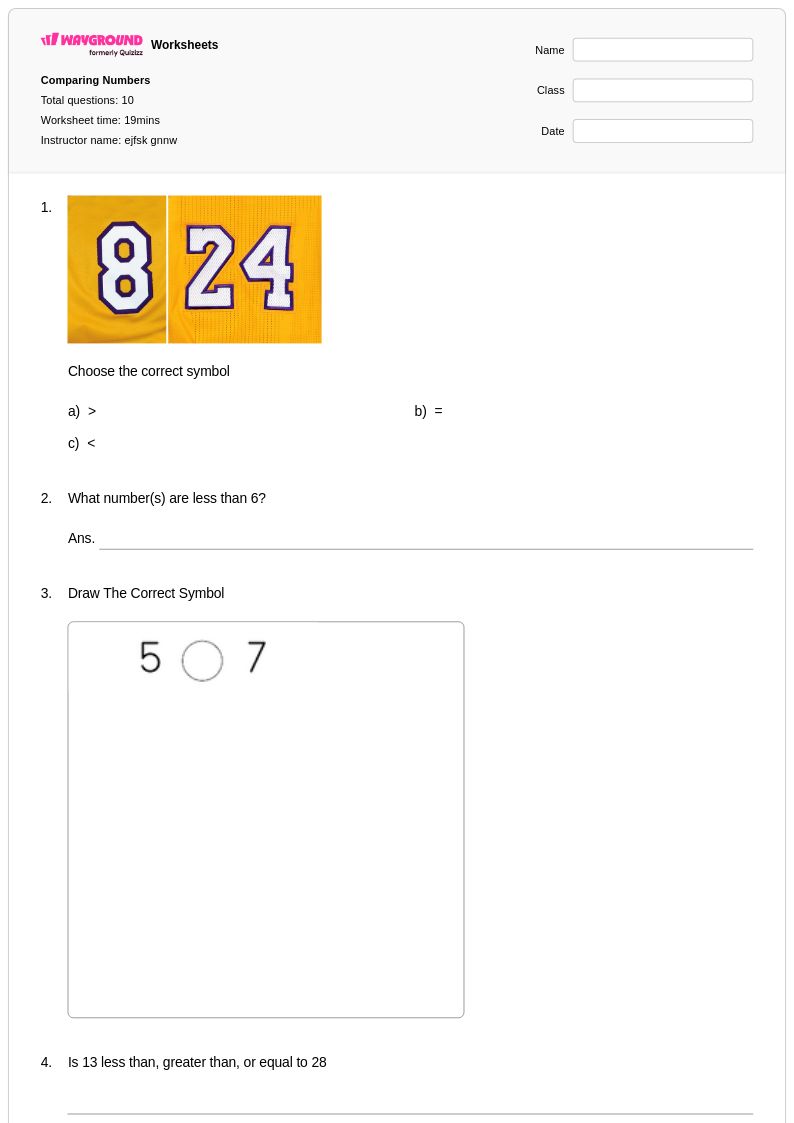
10 Q
1st - 2nd
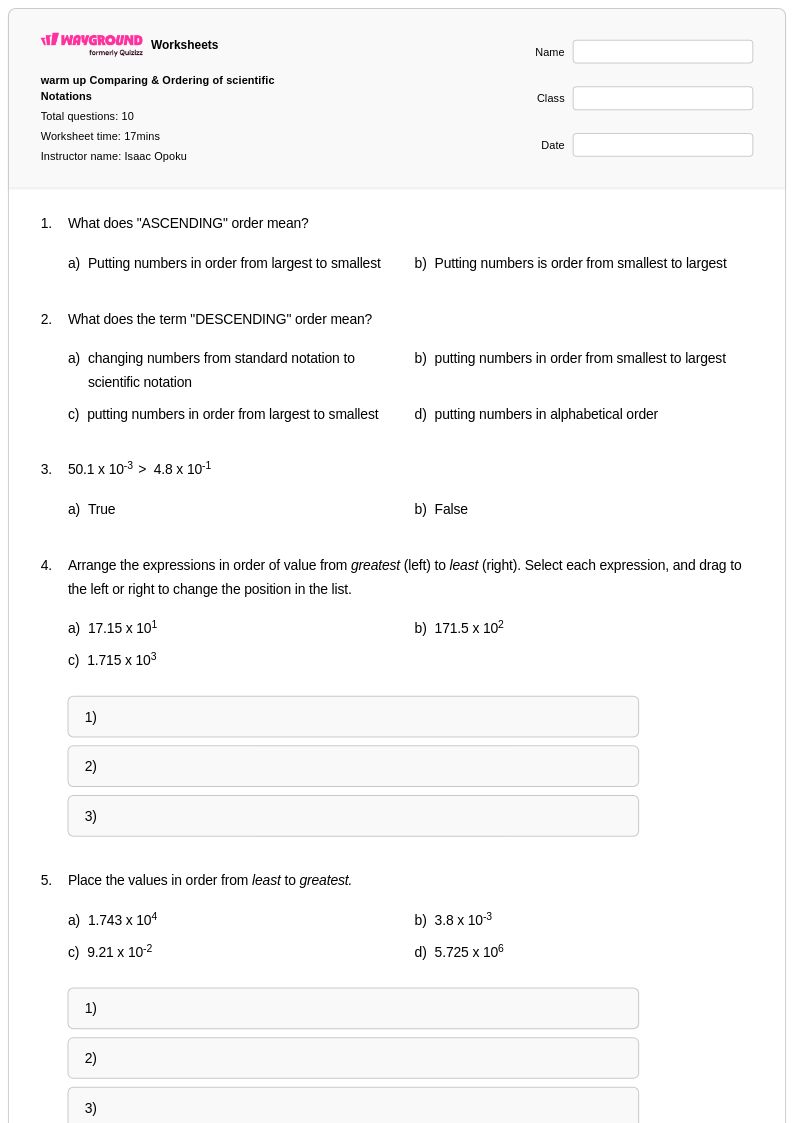
10 Q
1st - 5th
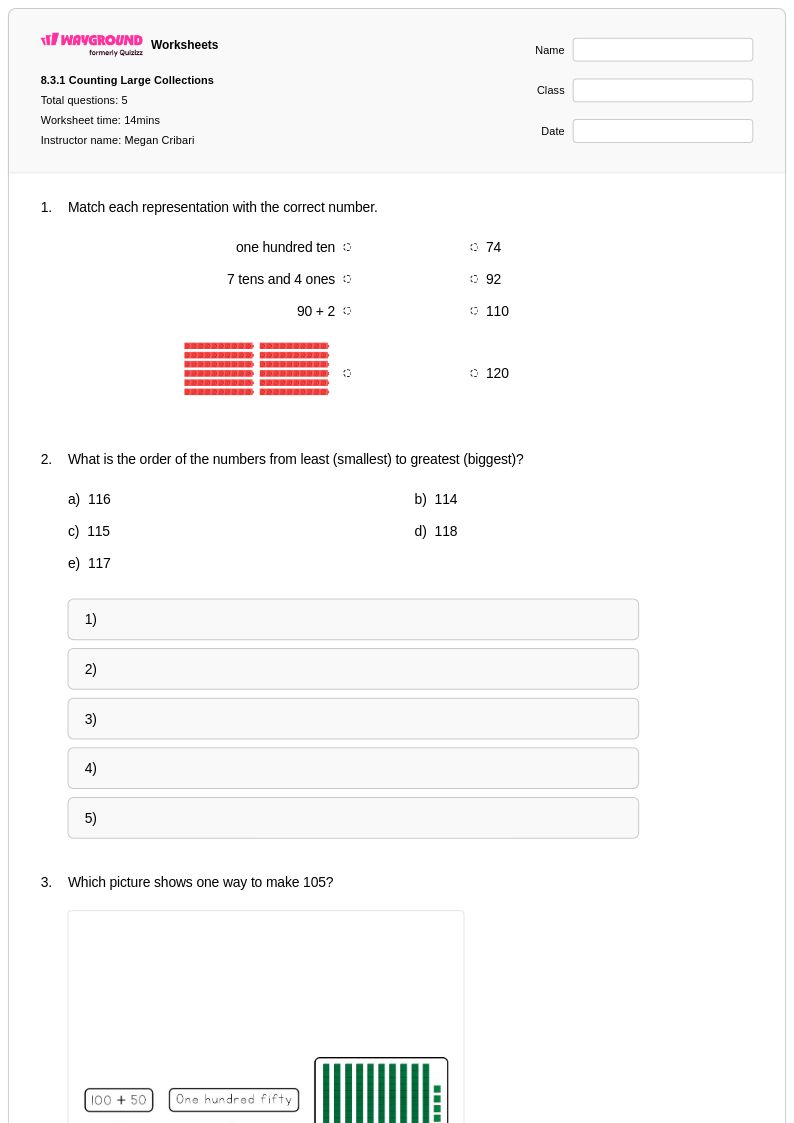
5 Q
1st
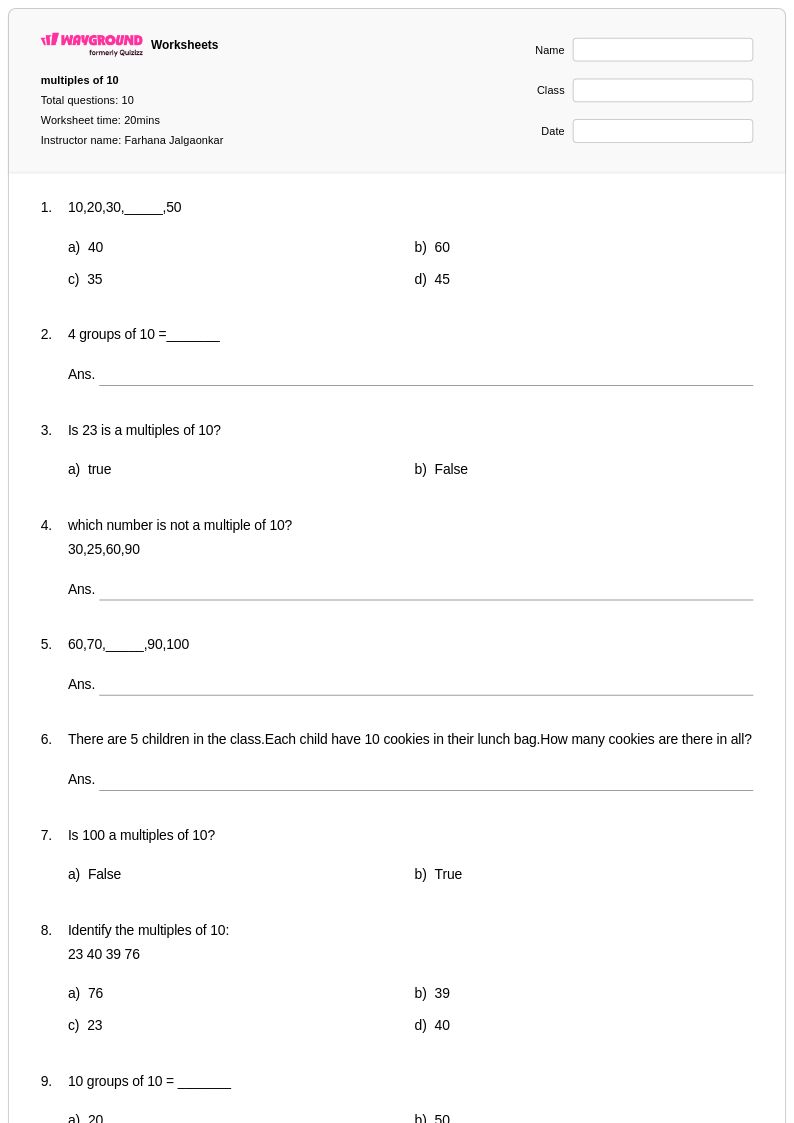
10 Q
1st
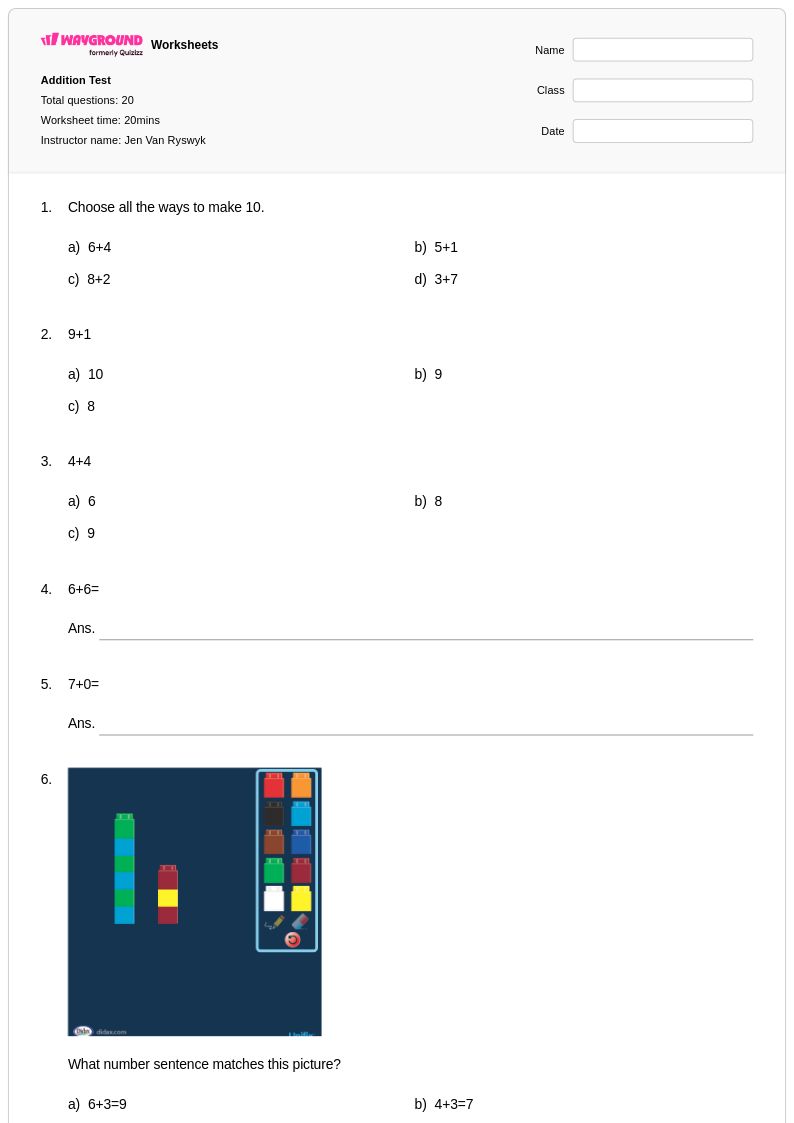
20 Q
1st
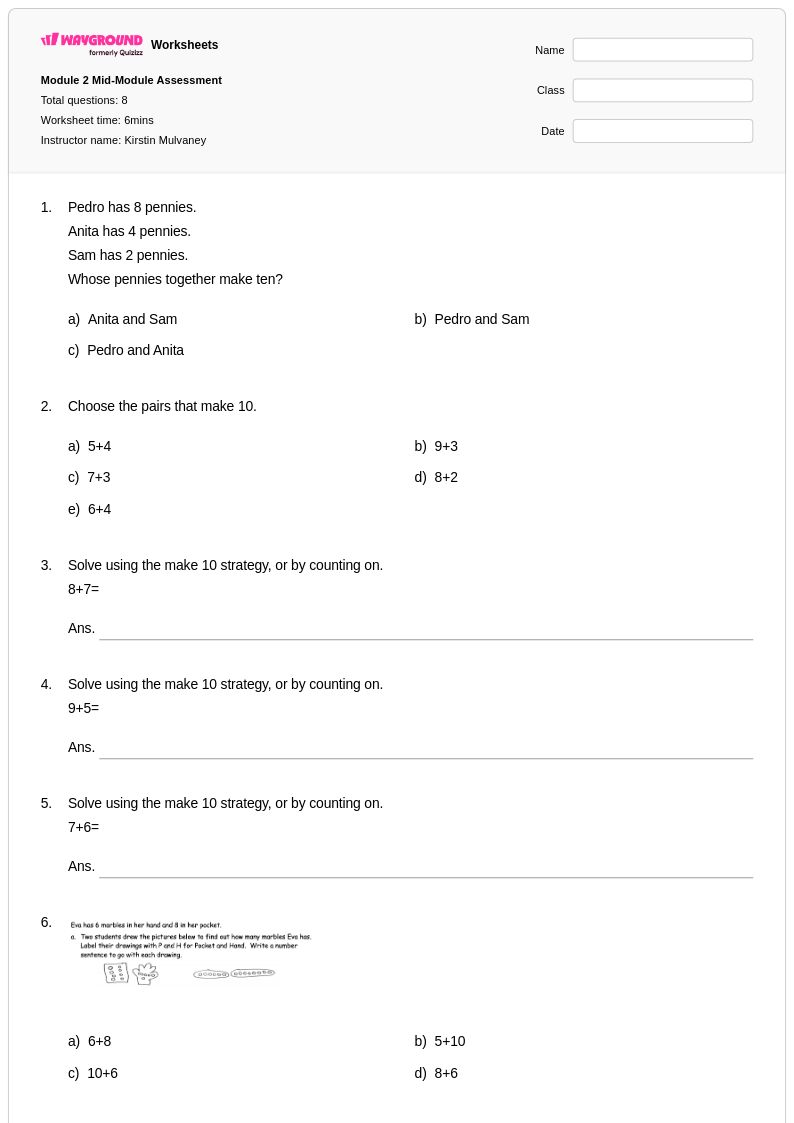
8 Q
1st
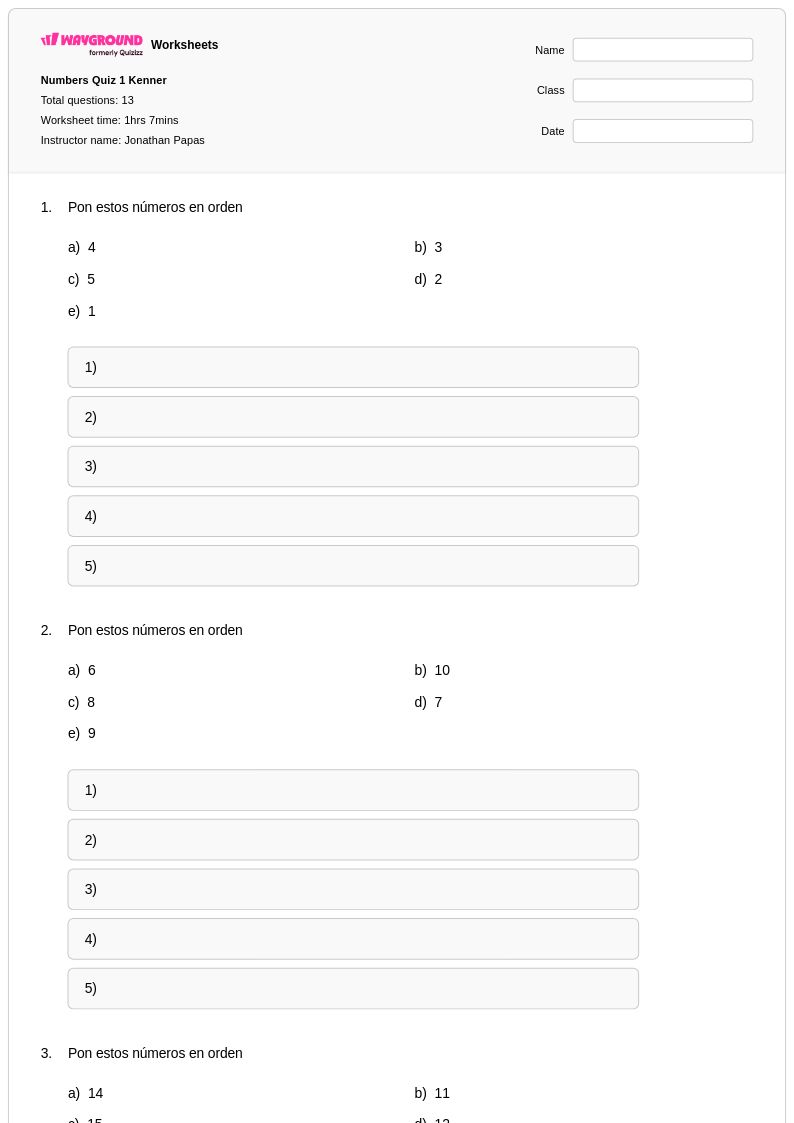
13 Q
1st
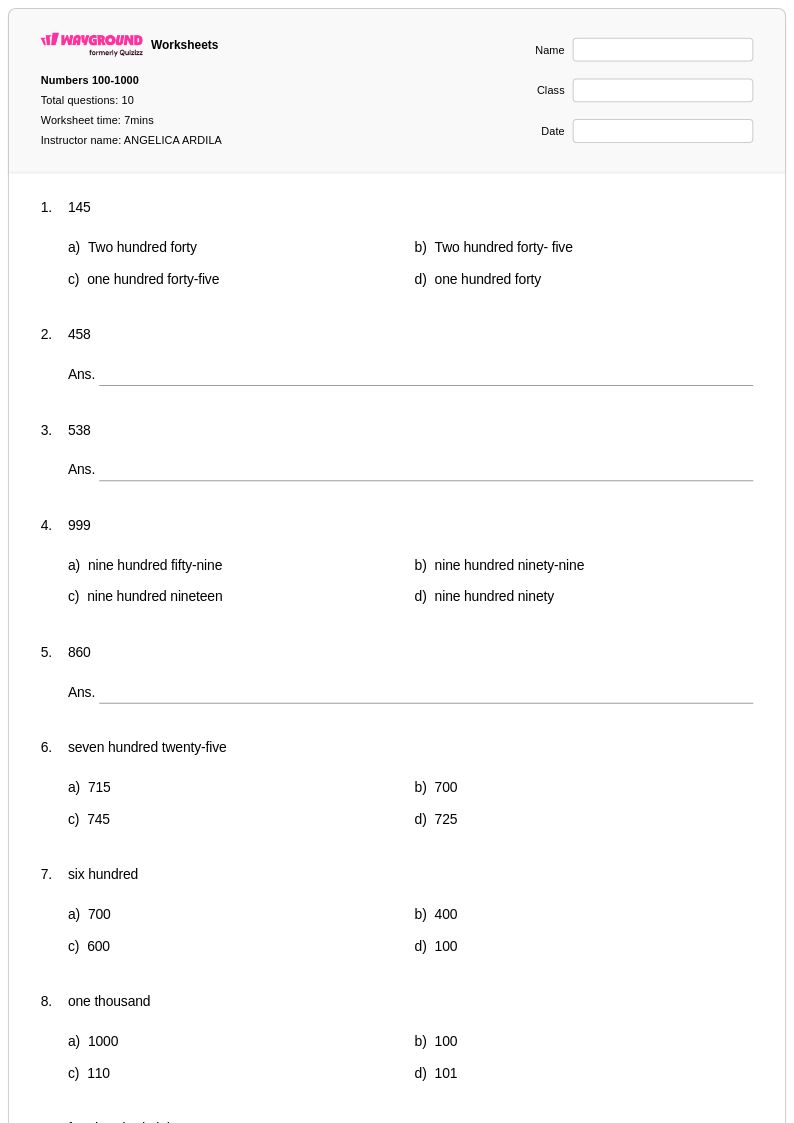
10 Q
1st
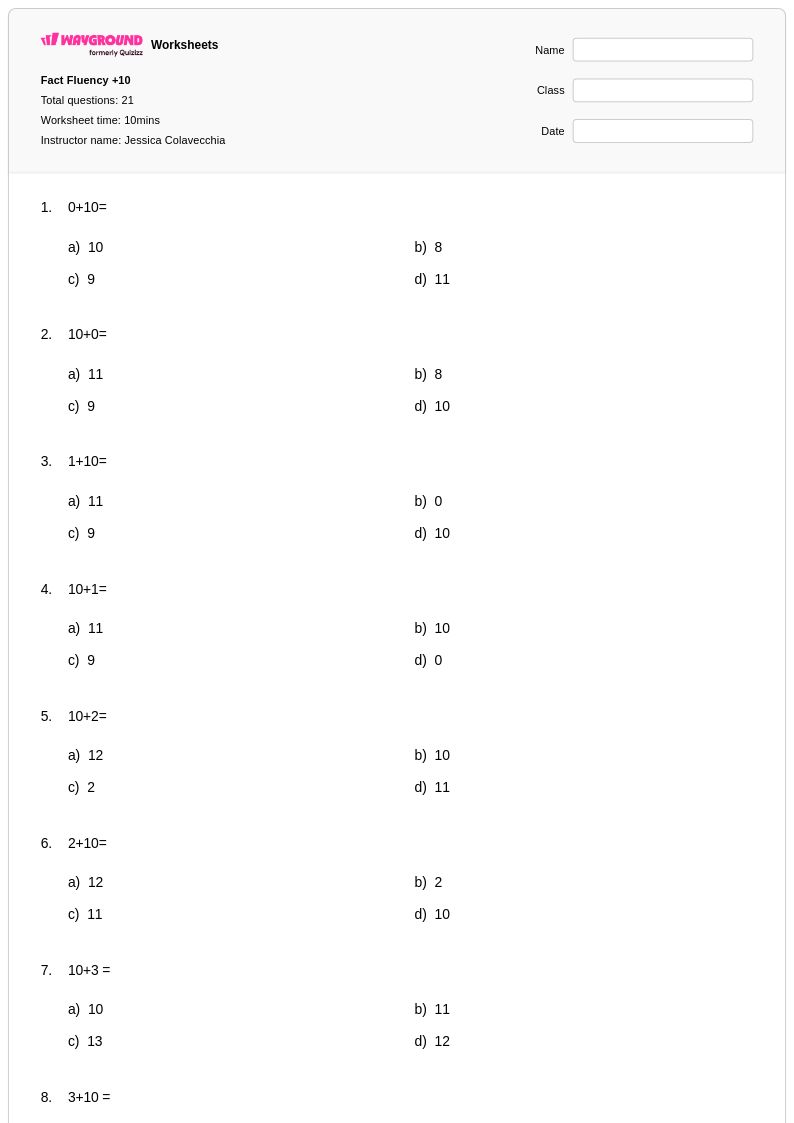
21 Q
1st
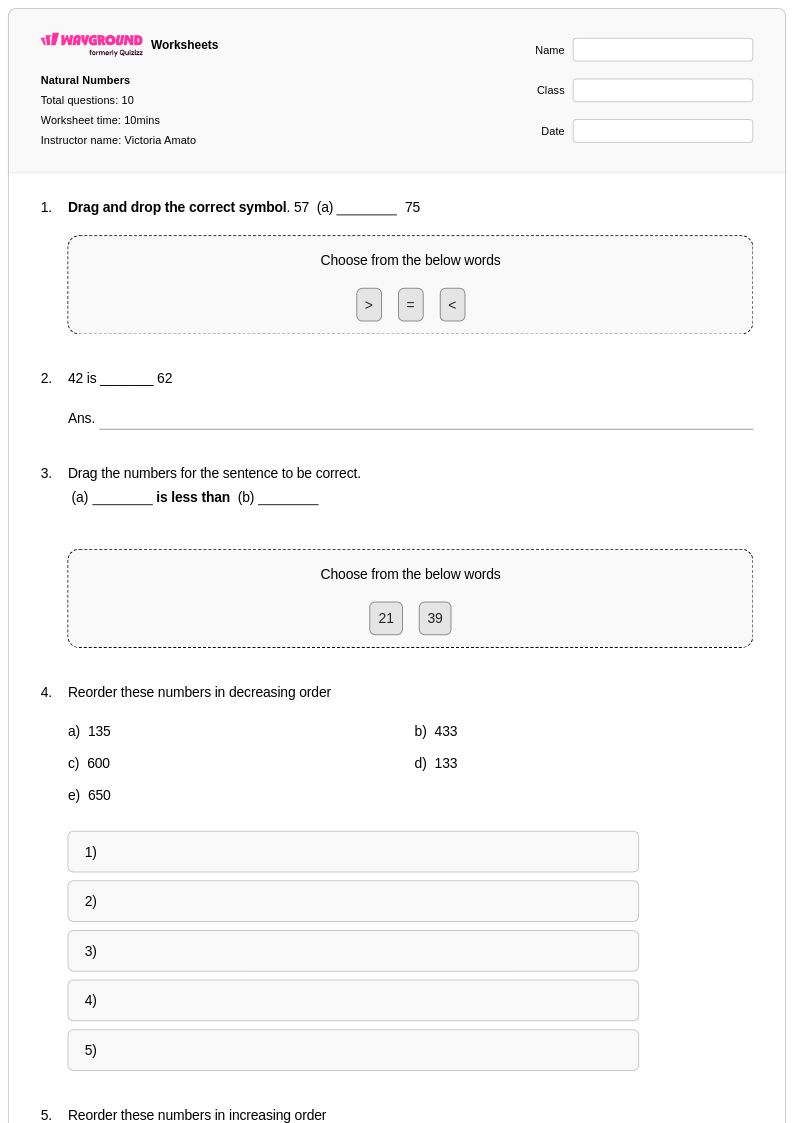
10 Q
1st
Explore Writing Numbers 0-10 Worksheets by Grades
Explore Other Subject Worksheets for grade 1
Explore printable Writing Numbers 0-10 worksheets for Grade 1
Writing numbers 0-10 worksheets for Grade 1 students through Wayground (formerly Quizizz) provide essential foundational practice for developing proper numeral formation and mathematical literacy skills. These comprehensive printables focus on helping young learners master the correct stroke sequences, spacing, and proportions required to write each digit clearly and legibly. The practice problems systematically guide students through tracing exercises, independent writing tasks, and number recognition activities that reinforce the connection between numeric symbols and their corresponding quantities. Each worksheet includes structured exercises that progress from guided practice to independent application, with answer keys available to support both classroom instruction and home practice. These free pdf resources emphasize proper pencil grip, left-to-right progression, and the motor skills necessary for accurate number formation.
Wayground (formerly Quizizz) supports Grade 1 teachers with millions of teacher-created resources specifically designed for writing numbers 0-10 instruction, featuring robust search and filtering capabilities that enable educators to locate materials perfectly aligned with their curriculum standards and student needs. The platform's differentiation tools allow teachers to customize worksheets for varying skill levels, from students requiring additional tracing support to those ready for more advanced numeral writing challenges. These resources are available in both printable and digital pdf formats, providing flexible options for classroom instruction, homework assignments, and independent practice sessions. Teachers can efficiently plan lessons, implement targeted remediation for students struggling with specific number formations, offer enrichment activities for advanced learners, and provide consistent skill practice that builds the fine motor control and number sense essential for mathematical success throughout elementary school.