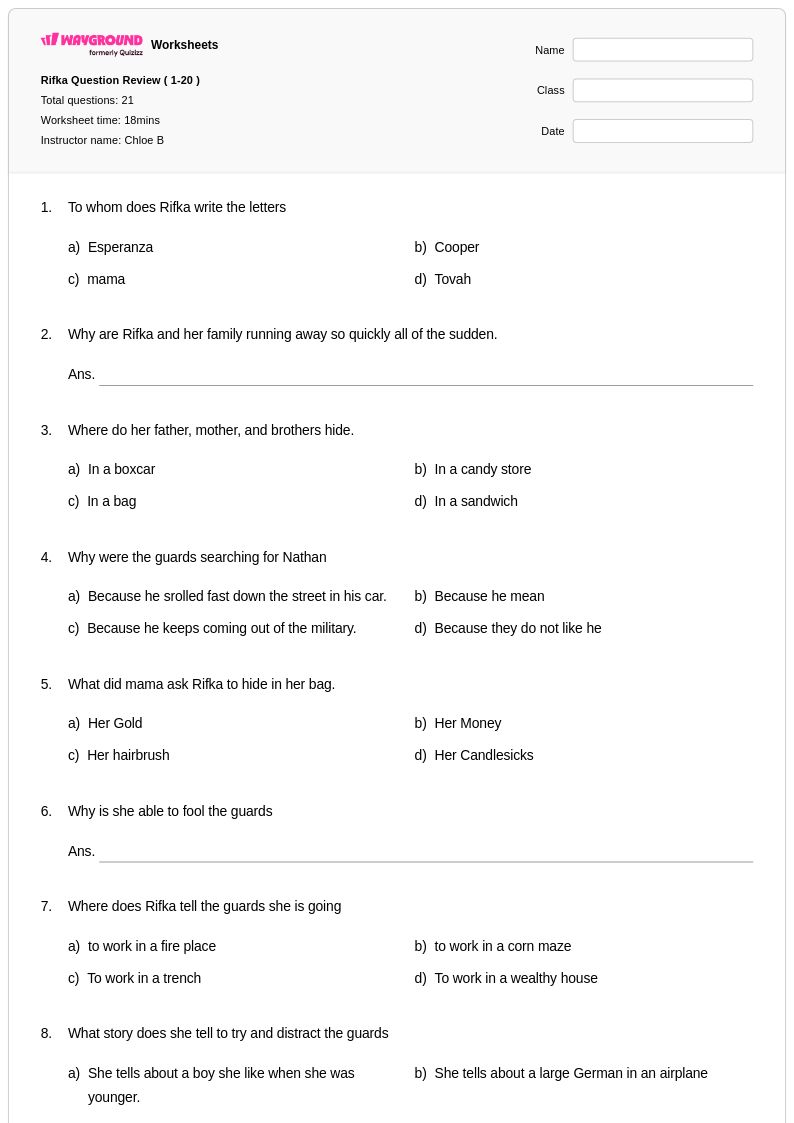
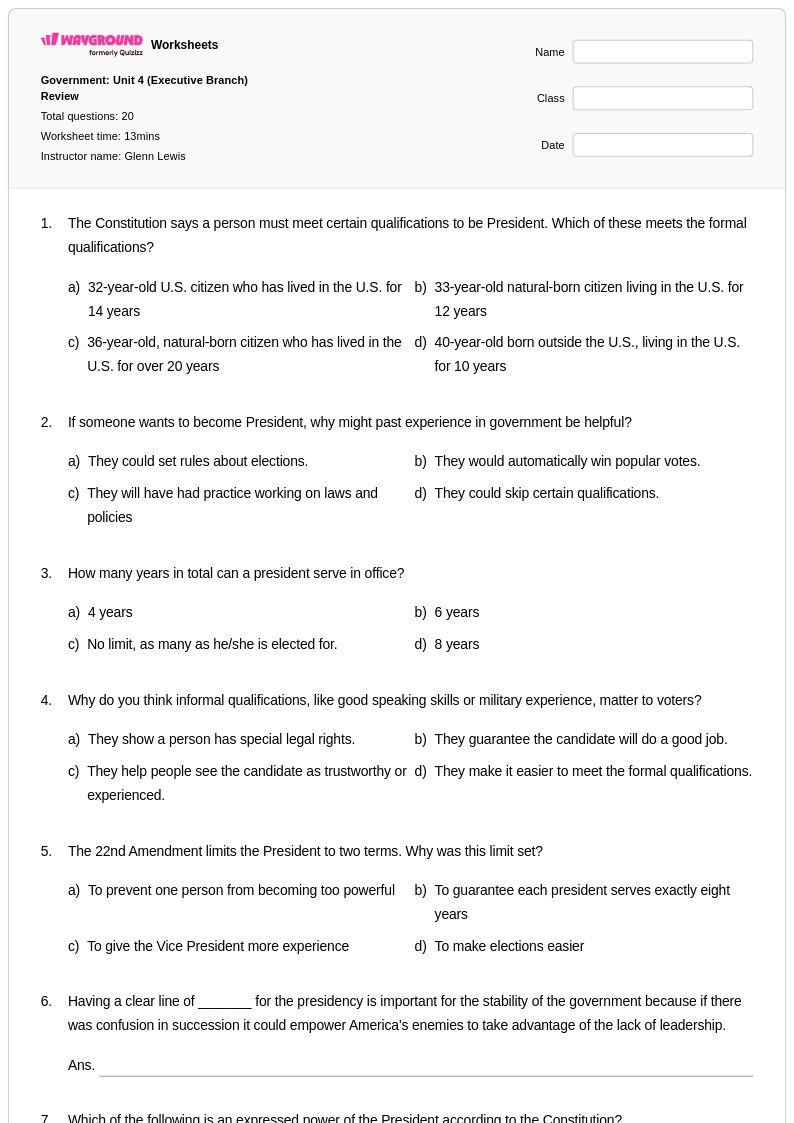
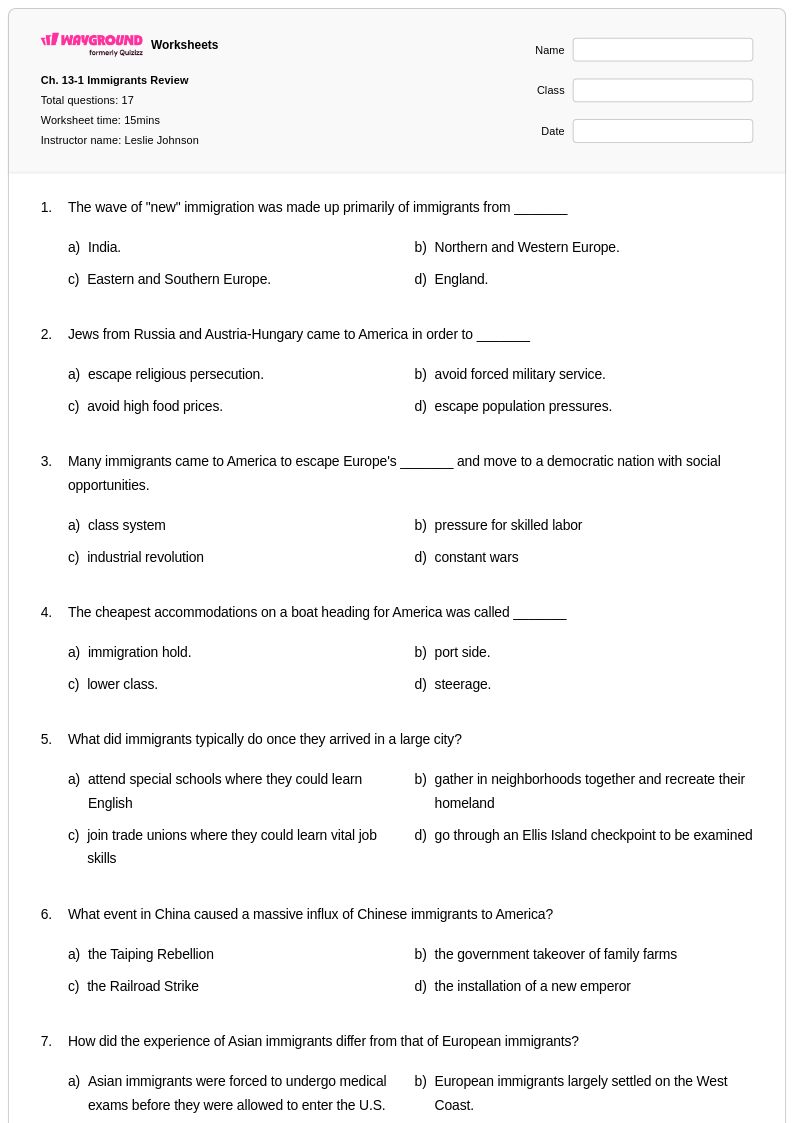
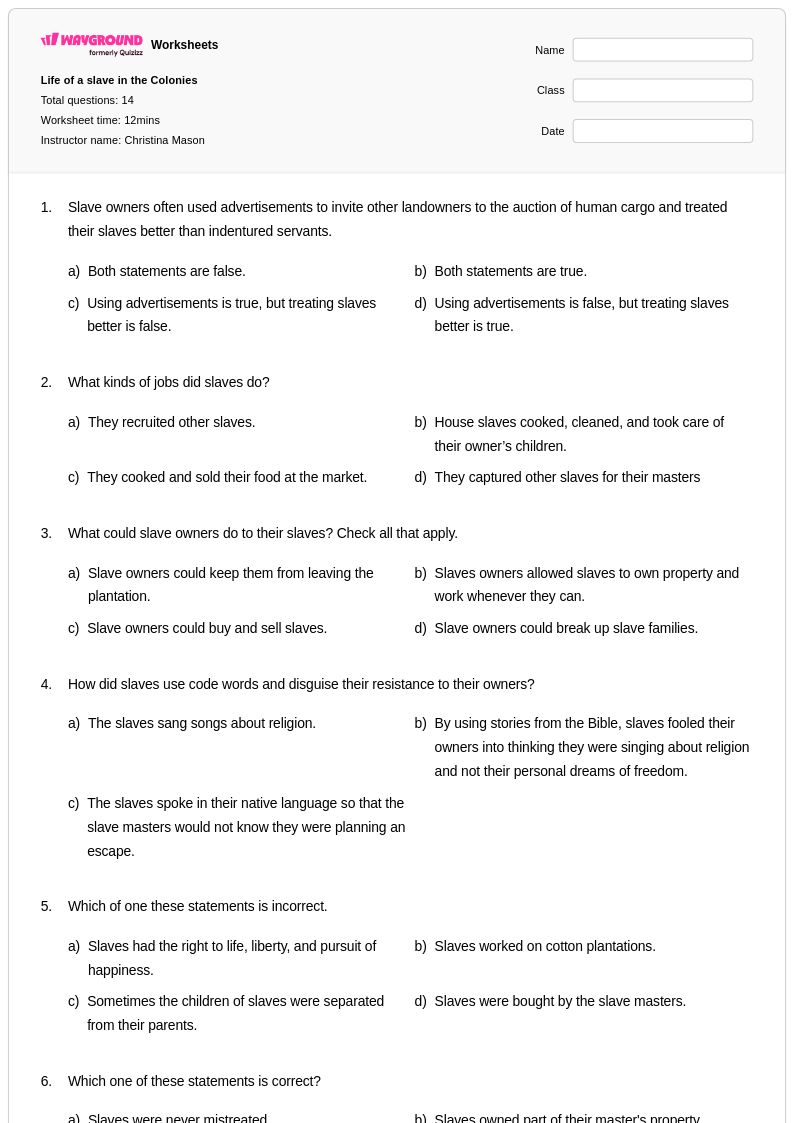
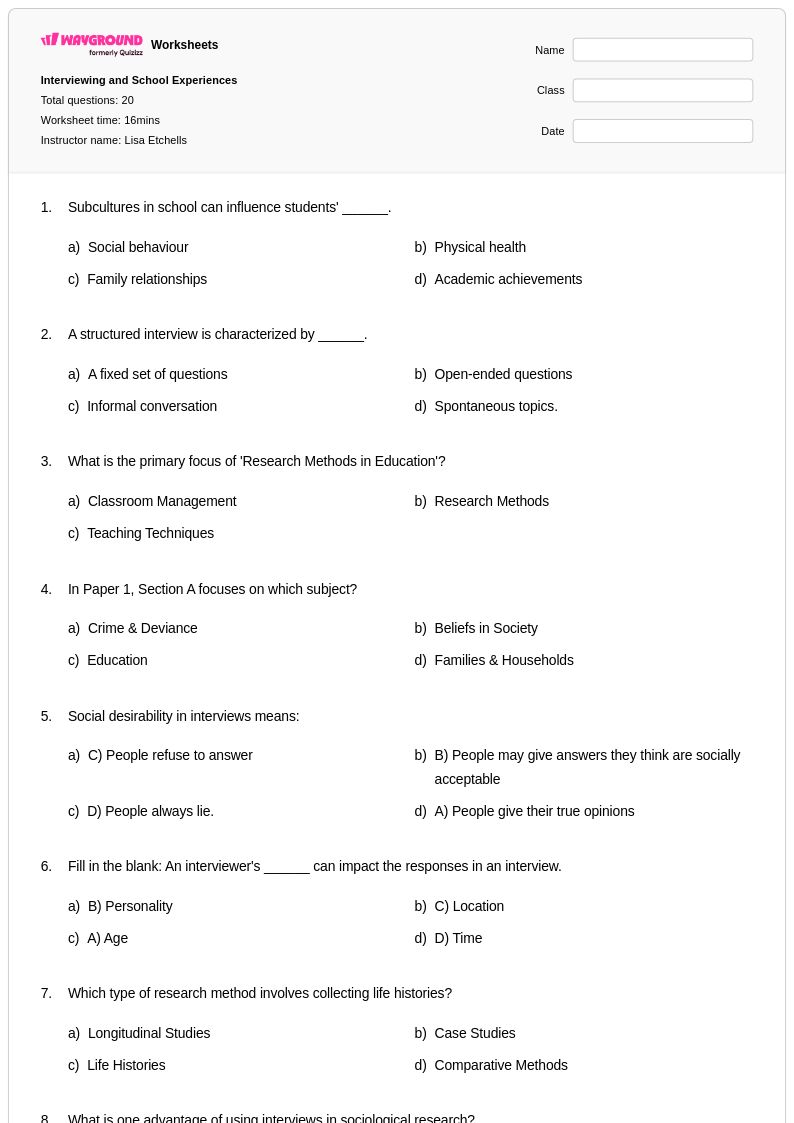
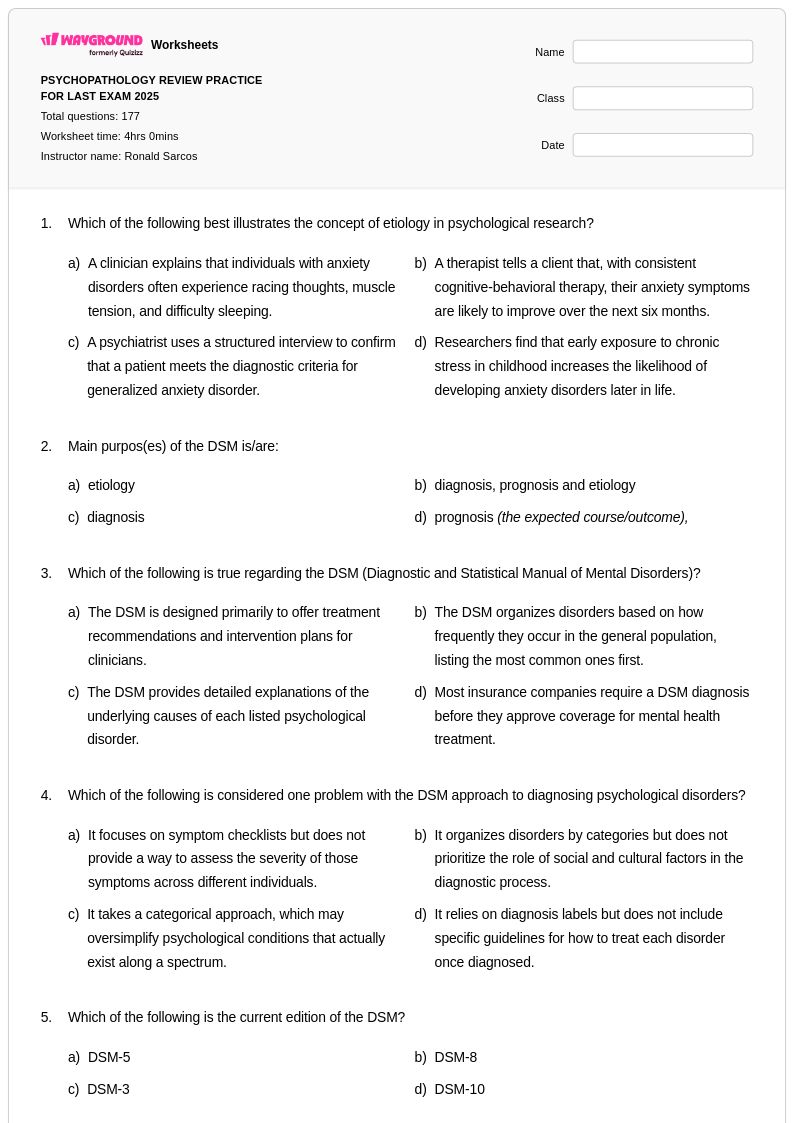
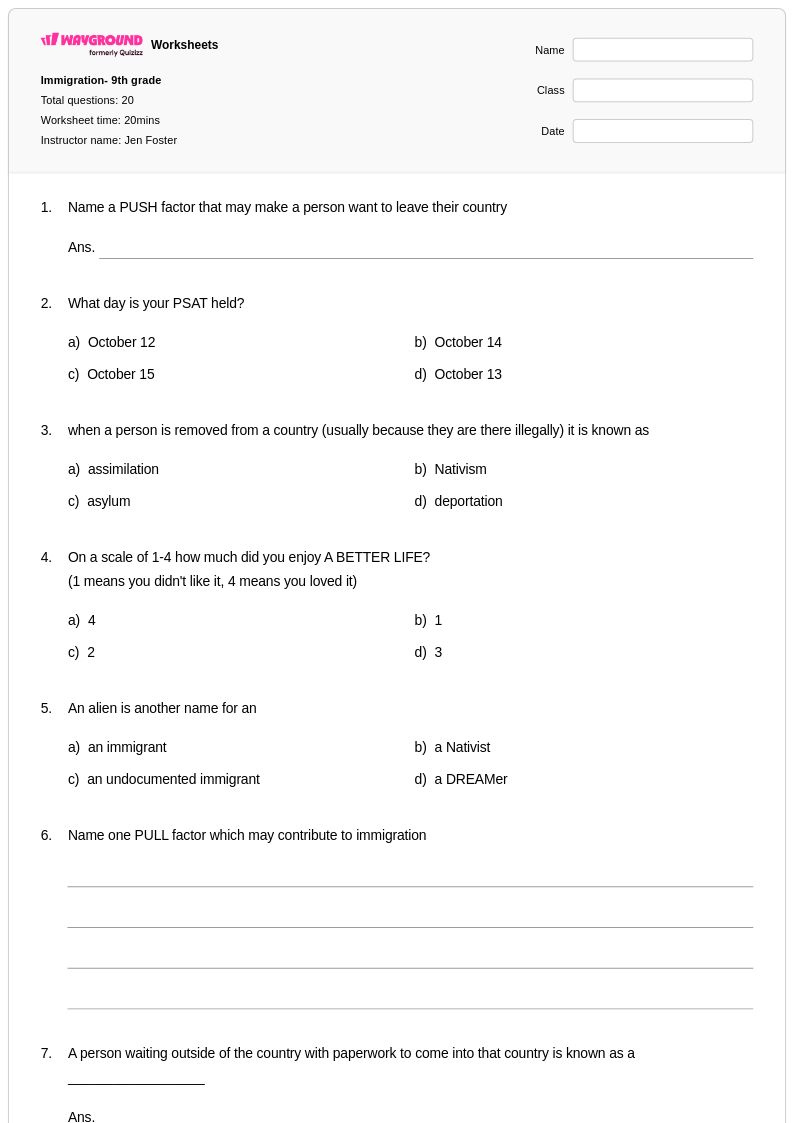
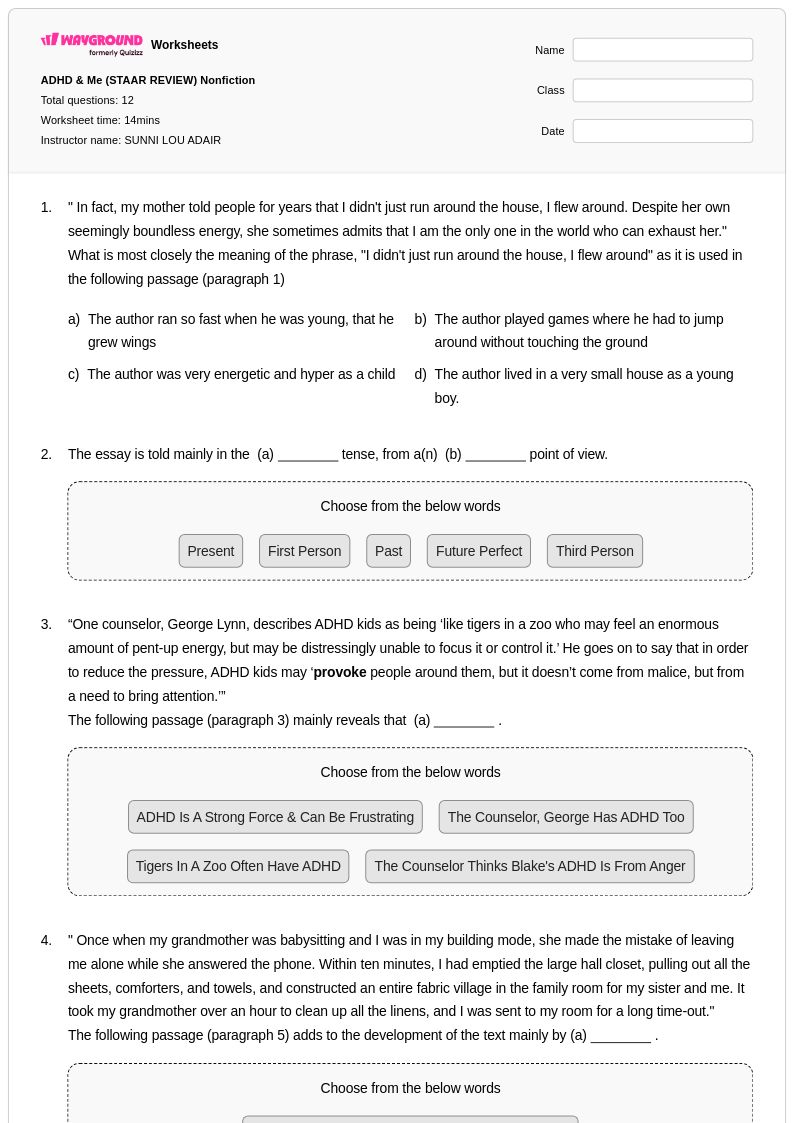
Free printable worksheets and practice problems help students understand Adverse Childhood Experiences through engaging Social Studies activities, complete with PDF resources and comprehensive answer keys from Wayground.
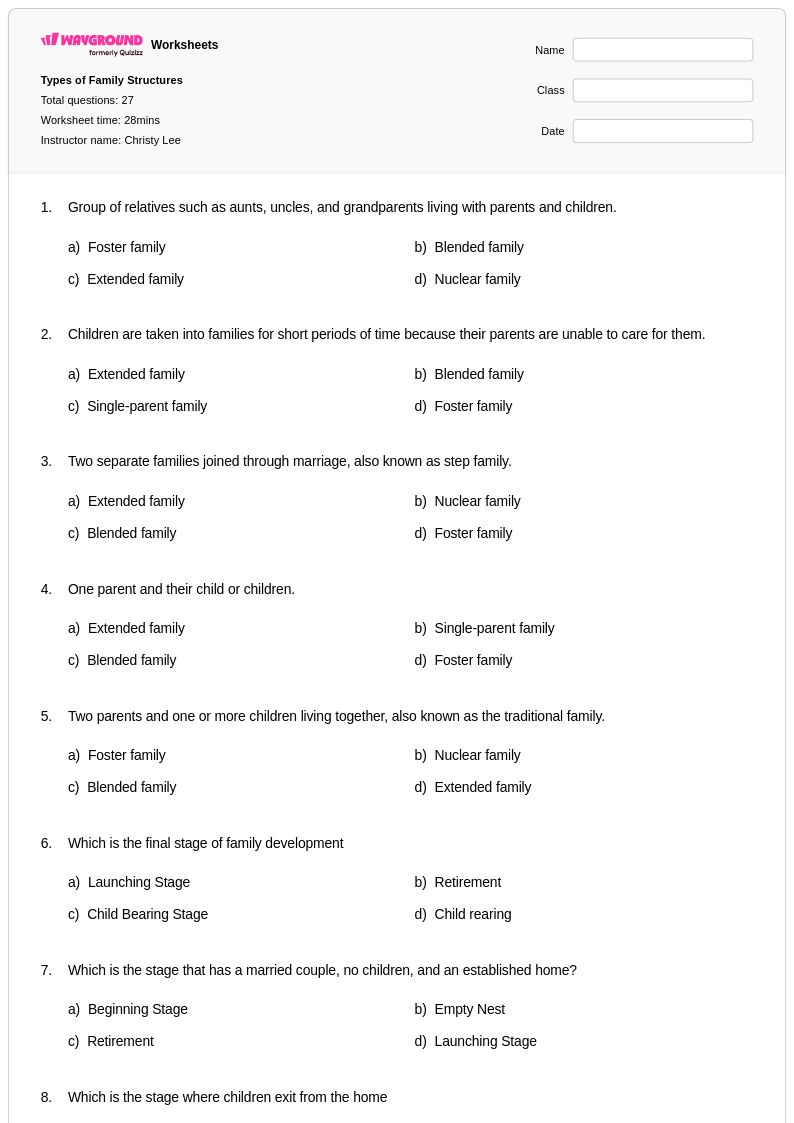
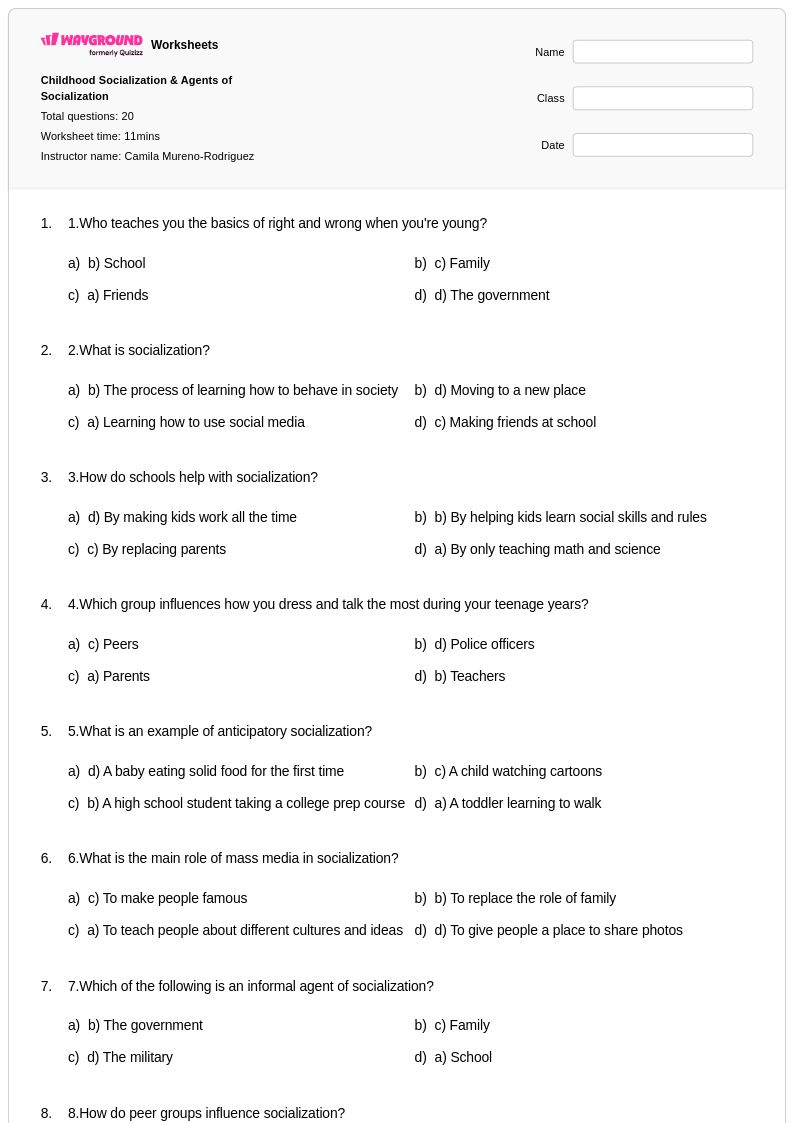
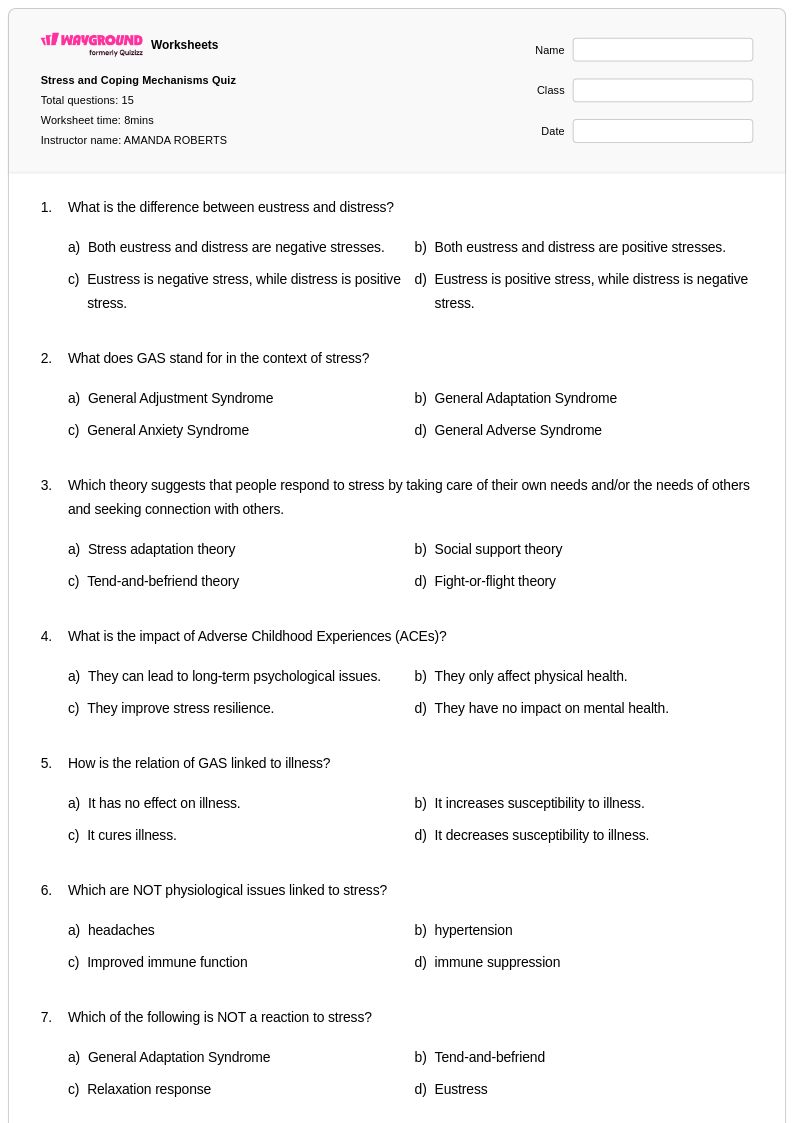
Adverse Childhood Experiences (ACEs) worksheets available through Wayground (formerly Quizizz) provide educators with essential resources for addressing trauma-informed education within social studies curricula. These comprehensive materials help students and educators understand the impact of childhood trauma on development, resilience building, and community support systems. The worksheets strengthen critical social skills including empathy development, emotional regulation, healthy relationship building, and trauma awareness through evidence-based approaches. Teachers can access complete answer keys alongside each worksheet, ensuring accurate implementation of sensitive content, while the free printable format allows for flexible classroom use. Practice problems and scenarios within these materials help students process complex social-emotional concepts in age-appropriate ways, fostering both academic understanding and personal growth.
Wayground (formerly Quizizz) supports educators with an extensive collection of teacher-created resources focused on Adverse Childhood Experiences, drawing from millions of high-quality materials developed by education professionals worldwide. The platform's robust search and filtering capabilities enable teachers to locate specific ACEs-related content that aligns with social-emotional learning standards and trauma-informed educational practices. Advanced differentiation tools allow instructors to customize worksheets for diverse learning needs, while the availability of both printable and digital PDF formats provides maximum flexibility for various classroom environments. These features streamline lesson planning by offering ready-to-use materials for skill practice, support targeted remediation for students who have experienced trauma, and provide enrichment opportunities that build resilience and social awareness across educational settings.
FAQs
How do I teach Adverse Childhood Experiences (ACEs) in a social studies classroom?
Teaching ACEs in social studies requires a trauma-informed framework that prioritizes psychological safety before introducing content. Start by establishing classroom norms around respect and confidentiality, then use structured discussion and scenario-based materials to help students understand how childhood trauma affects development, relationships, and community systems. Avoid personal disclosure prompts and focus instead on building collective understanding of resilience and support structures.
What activities help students build empathy and trauma awareness around ACEs?
Scenario-based worksheets and case study analysis are effective for developing empathy and trauma awareness without requiring students to share personal experiences. Activities that ask students to identify community support systems, examine the effects of stress on development, or reflect on resilience-building strategies help translate abstract ACEs concepts into actionable social-emotional understanding. These formats keep the focus on systemic and communal responses rather than individual trauma disclosure.
What common misconceptions do students have about Adverse Childhood Experiences?
Students often assume that ACEs automatically lead to negative long-term outcomes, which overlooks the critical role of protective factors and resilience. Another frequent misconception is that trauma is always visible or that students who have experienced ACEs will behave in predictable ways. Clarifying that resilience is buildable and that community support significantly mediates the impact of ACEs helps students develop a more accurate, strengths-based understanding of the topic.
How can I support students with different learning needs when teaching sensitive topics like ACEs?
When covering emotionally complex content like ACEs, differentiated supports are especially important. On Wayground, teachers can enable accommodations such as Read Aloud for students who need audio support, reduced answer choices to lower cognitive load during processing-heavy tasks, and extended time for students who need more space to engage thoughtfully. These settings can be applied to individual students without alerting peers, preserving dignity and normalizing support in a trauma-sensitive environment.
How do I use Adverse Childhood Experiences worksheets from Wayground in my classroom?
Wayground's ACEs worksheets are available as printable PDFs for traditional classroom use and in digital formats for technology-integrated learning environments, giving teachers flexibility in how they deploy sensitive content. Each worksheet includes a complete answer key to support accurate implementation of trauma-informed material. Teachers can also host worksheets as a quiz directly on Wayground, making it easy to track student engagement and comprehension in a structured, low-stakes format.
How do ACEs worksheets connect to social-emotional learning (SEL) standards?
ACEs worksheets naturally align with core SEL competencies including self-awareness, empathy, relationship skills, and responsible decision-making, because the content directly addresses how trauma shapes emotional development and social behavior. When designed with evidence-based approaches, these materials help students recognize emotional regulation strategies, understand the importance of healthy relationships, and develop awareness of community support systems, all of which are foundational SEL outcomes.