Free Printable Healthy Communication Skills worksheets
Free printable worksheets and practice problems help students develop healthy communication skills through engaging social studies activities, complete with answer keys and downloadable PDFs from Wayground.
Explore printable Healthy Communication Skills worksheets
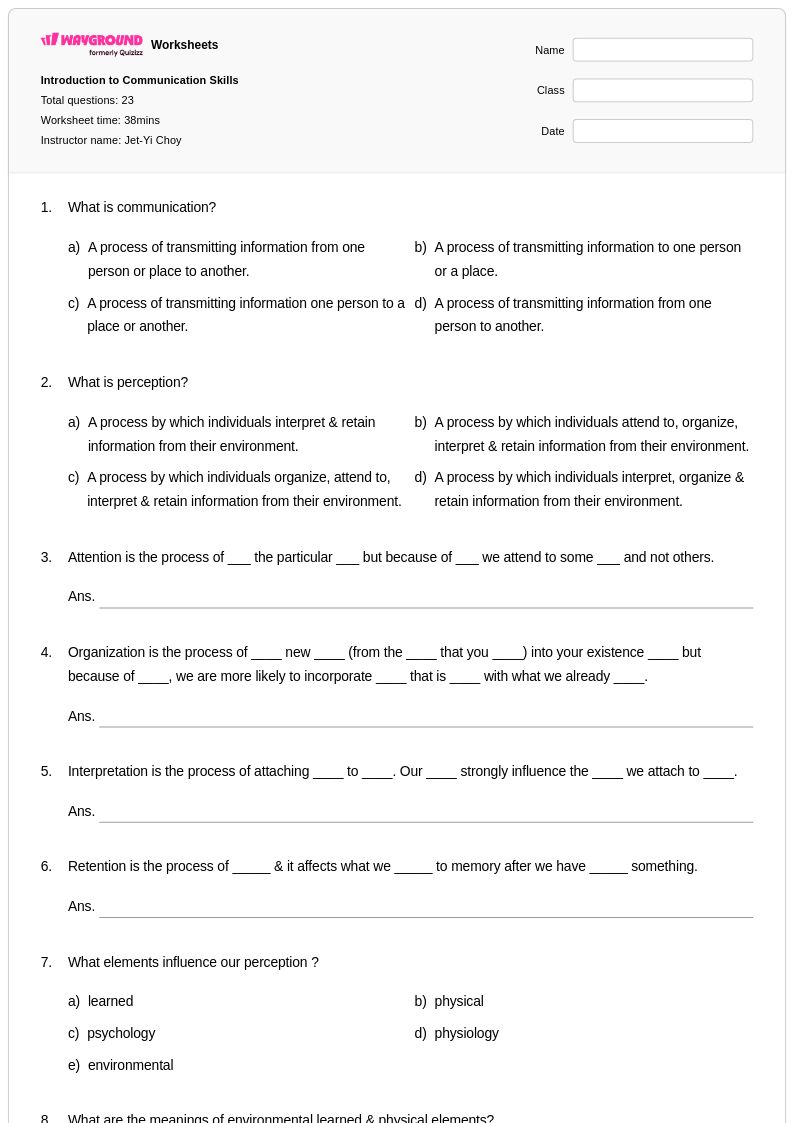
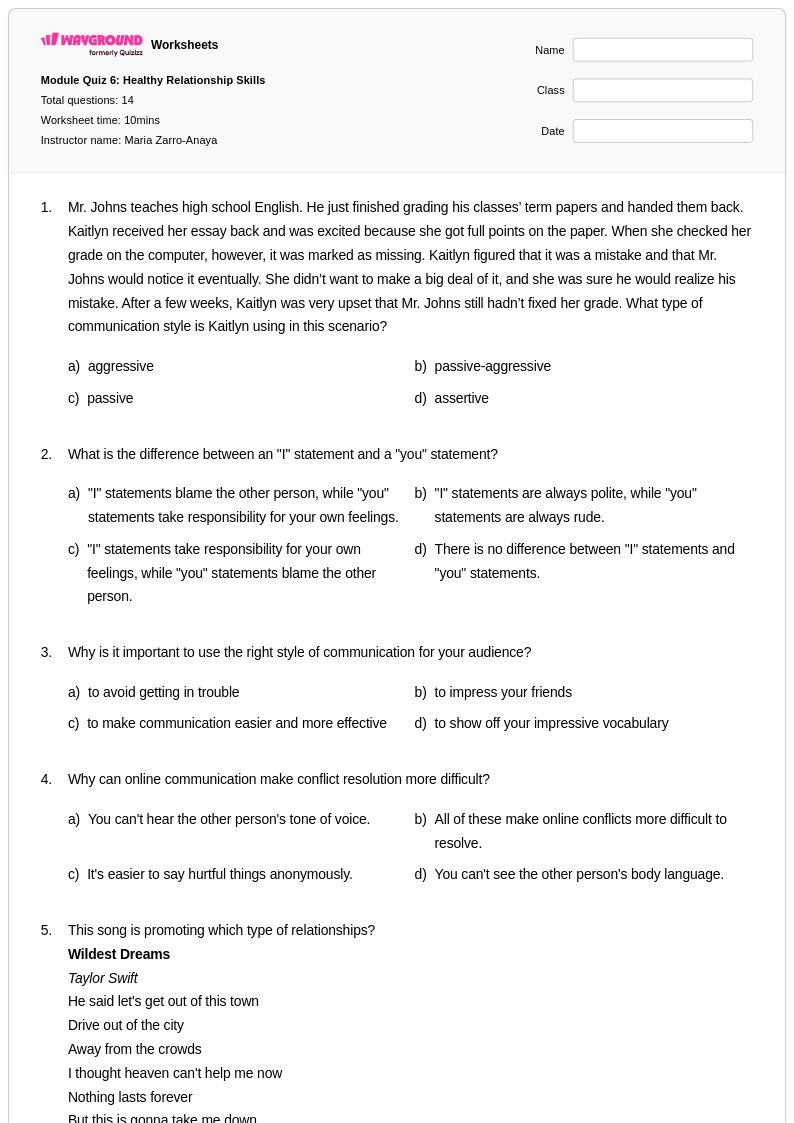
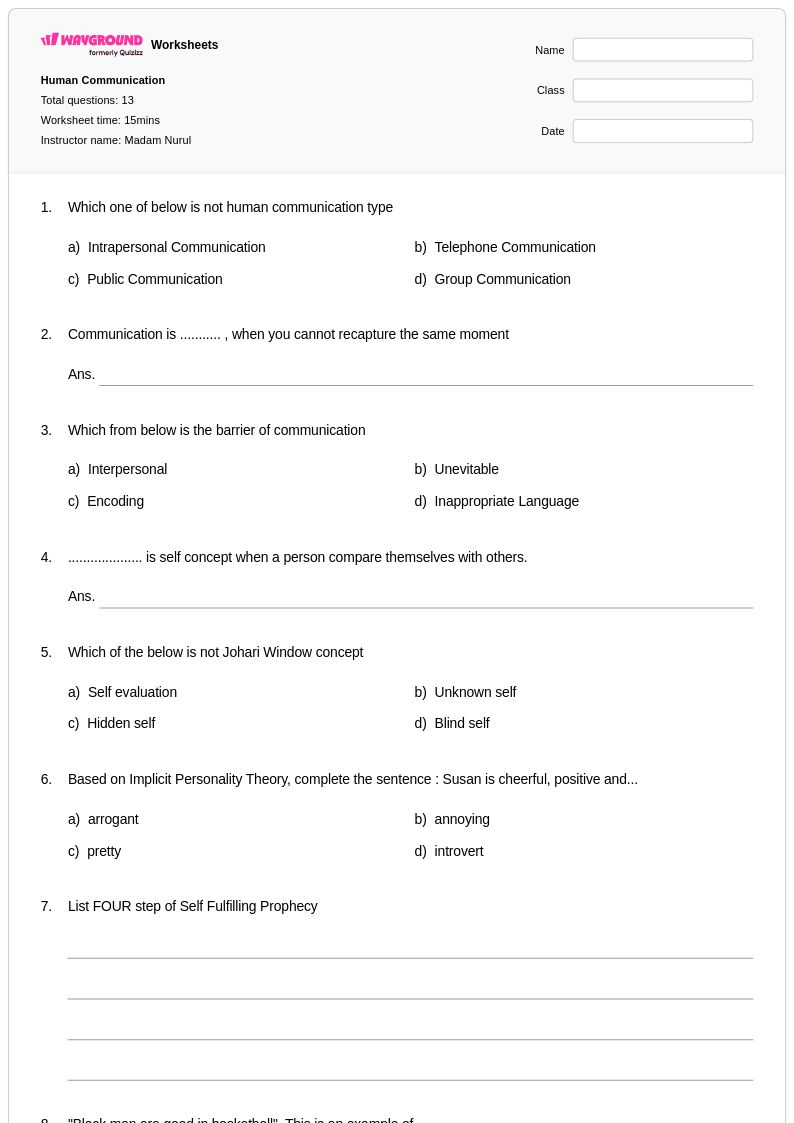
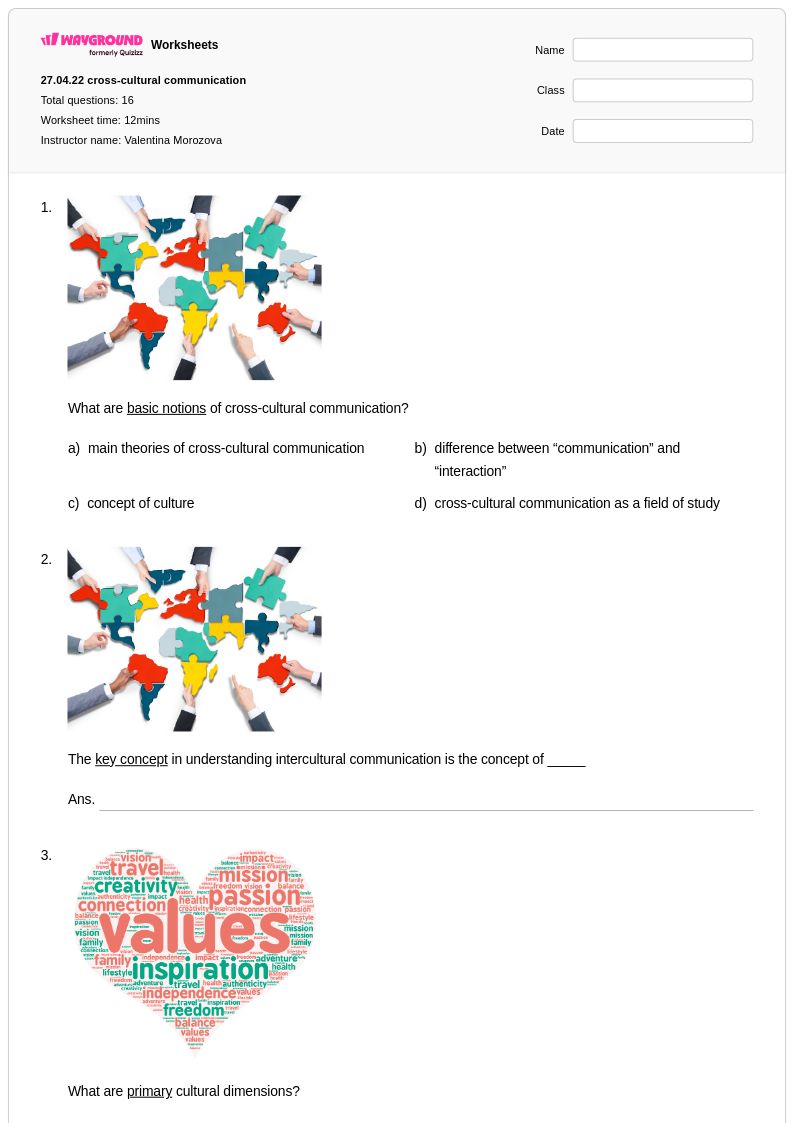
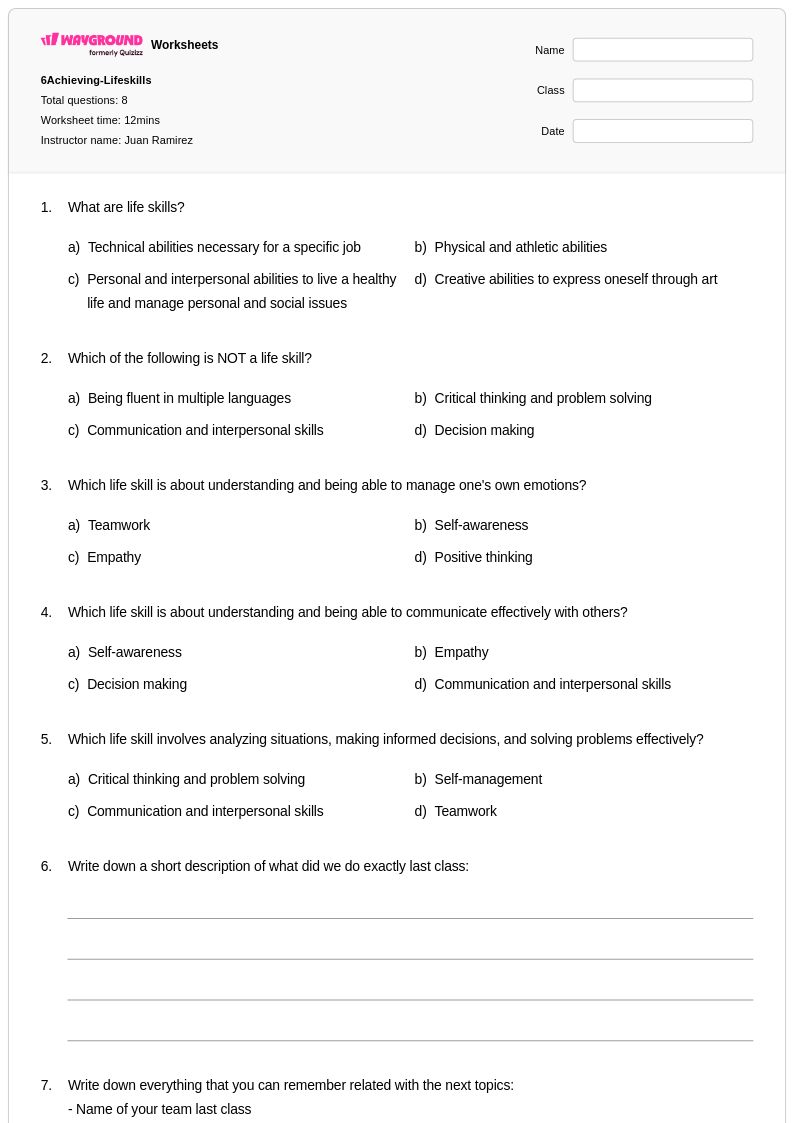
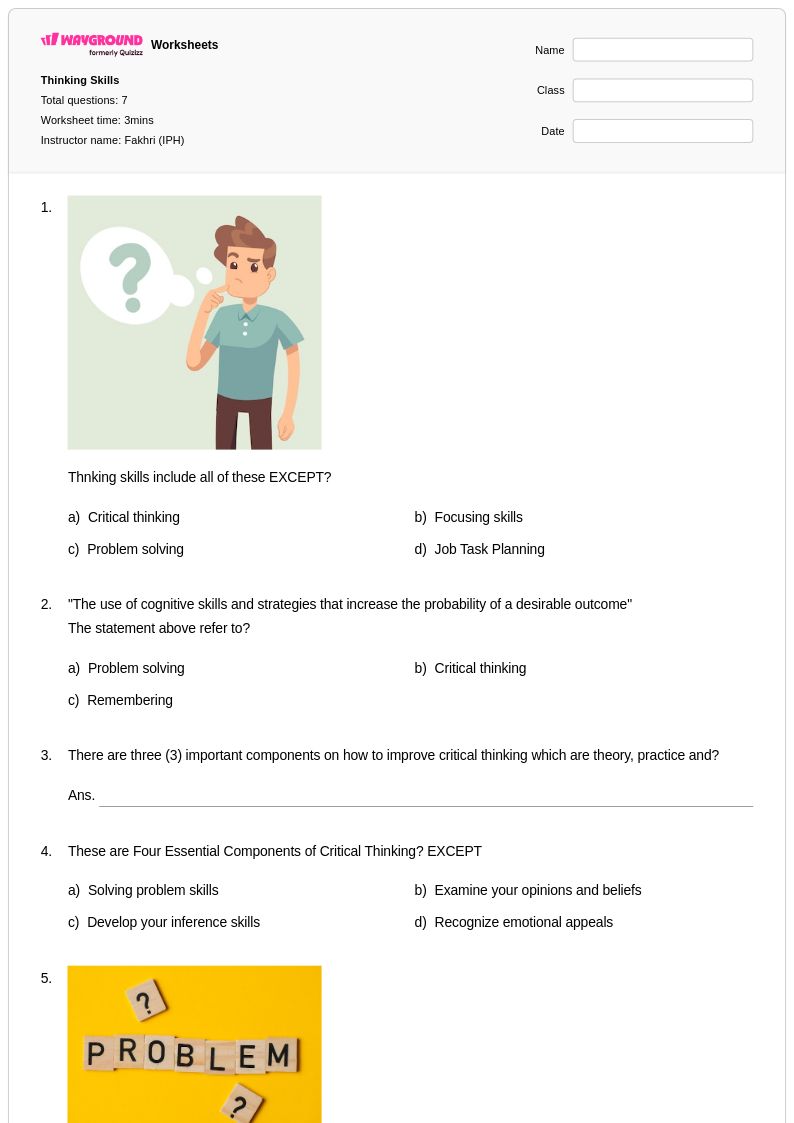
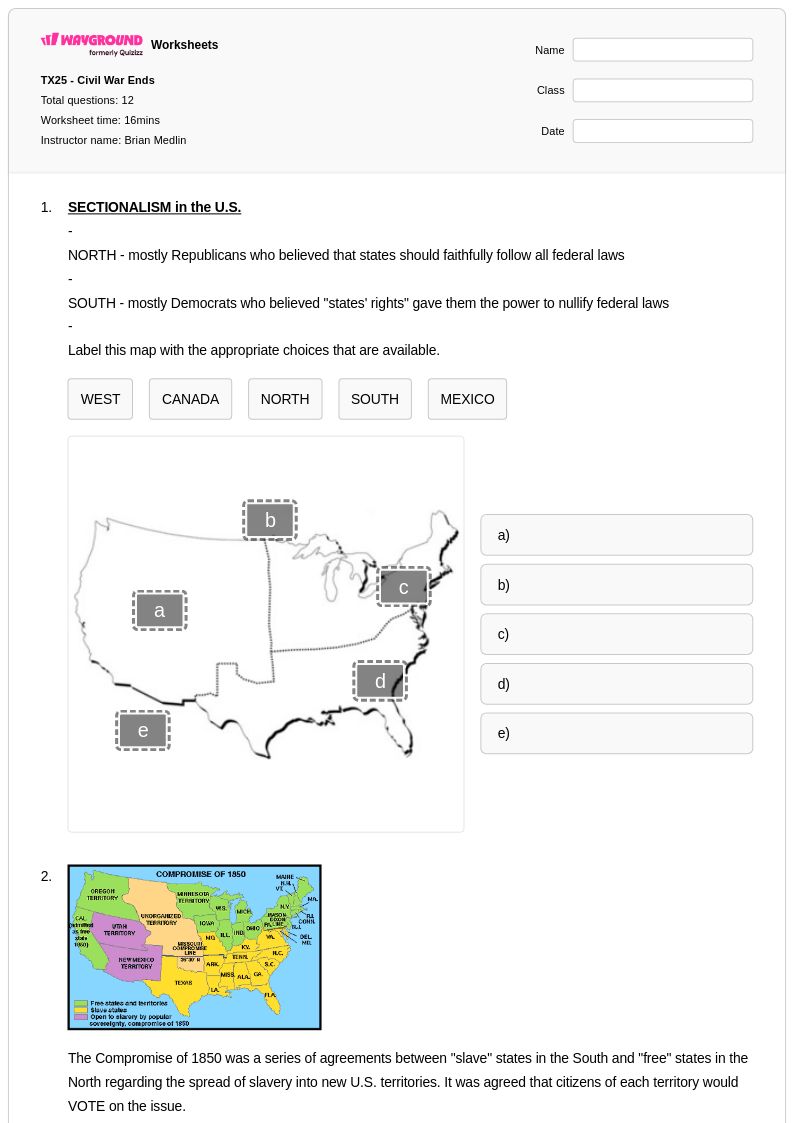
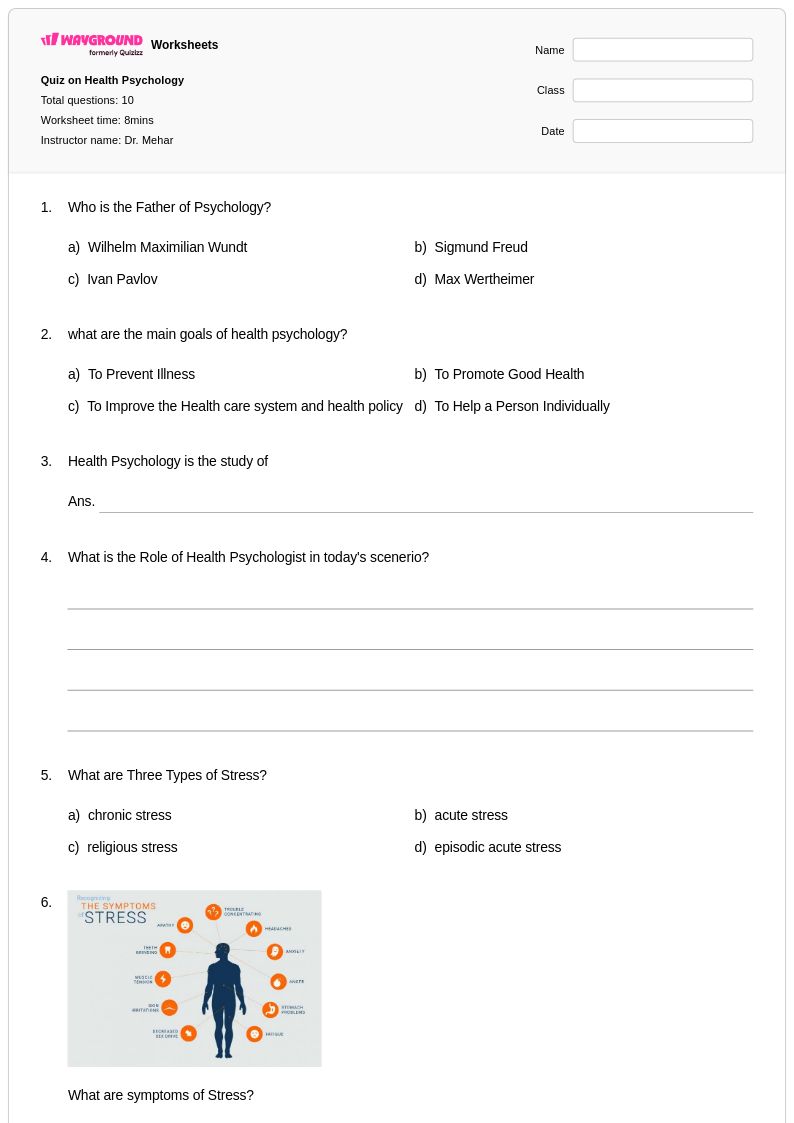
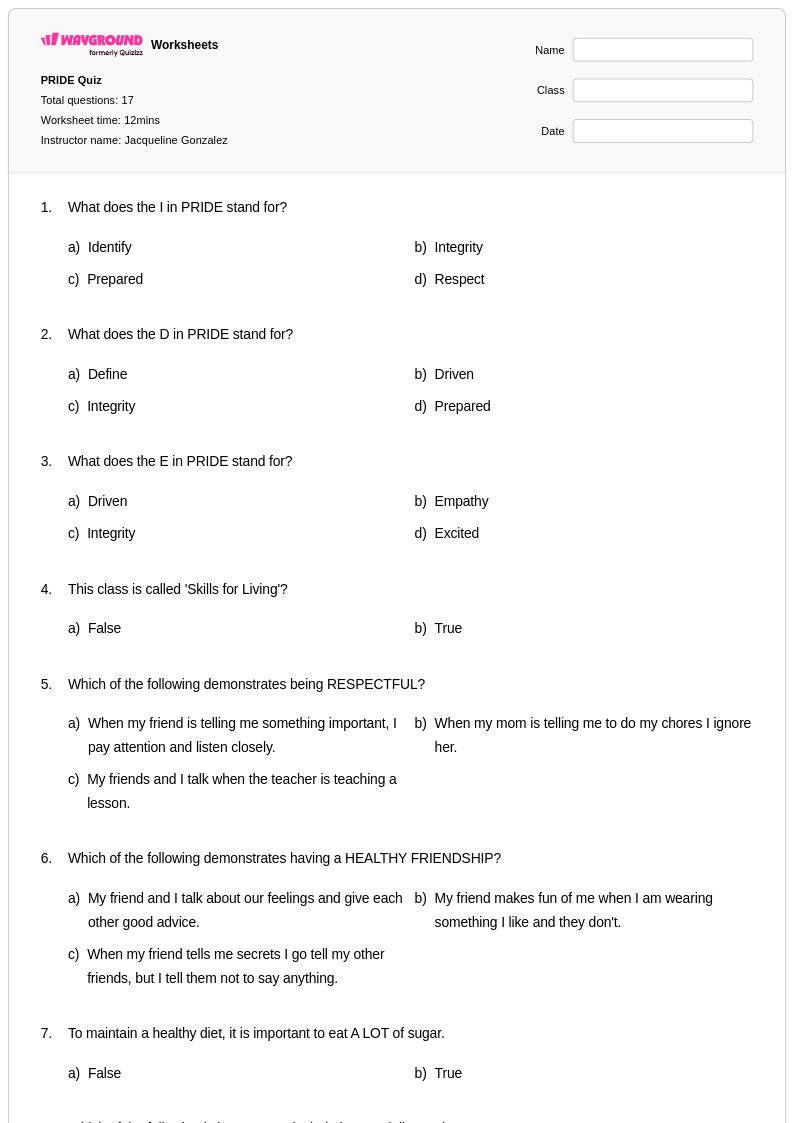
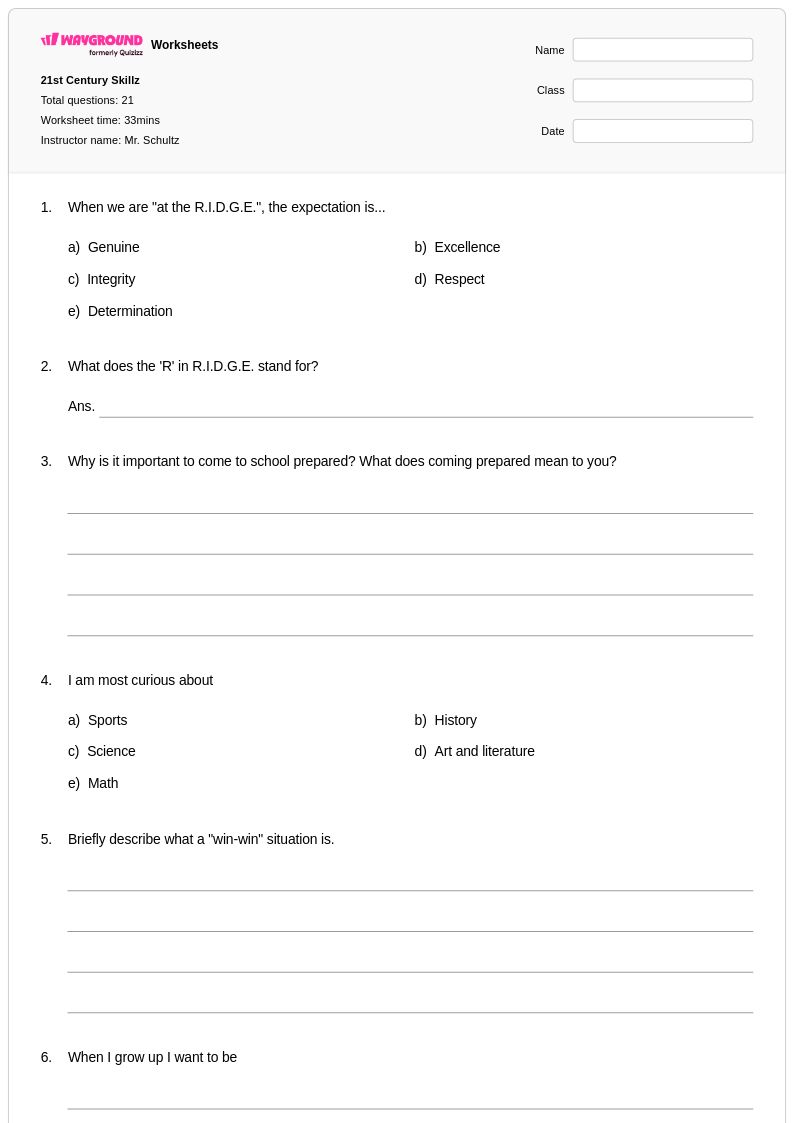
Healthy communication skills worksheets available through Wayground (formerly Quizizz) provide comprehensive resources for developing essential interpersonal competencies that form the foundation of effective social interaction. These educational materials focus on teaching students how to express themselves clearly, listen actively, resolve conflicts constructively, and build positive relationships with peers and adults. The worksheets strengthen critical abilities including empathetic listening, assertive communication, nonverbal awareness, and respectful dialogue through engaging practice problems and real-world scenarios. Students work through structured activities that reinforce proper communication etiquette, boundary setting, and collaborative problem-solving techniques. Each worksheet comes with a detailed answer key to support independent learning and self-assessment, while the free printable format ensures accessibility for diverse classroom environments and home study applications.
Wayground (formerly Quizizz) empowers educators with millions of teacher-created healthy communication skills resources that can be easily discovered through robust search and filtering capabilities. The platform's extensive worksheet collection supports differentiated instruction by offering materials at various complexity levels, allowing teachers to customize content for individual student needs and learning objectives. These versatile resources are available in both printable pdf format for traditional classroom use and digital formats for technology-integrated learning environments. Teachers can efficiently plan targeted lessons for skill development, provide remediation for students struggling with social communication concepts, and offer enrichment opportunities for advanced learners. The platform's alignment with social studies standards ensures that healthy communication skills instruction meets curriculum requirements while building students' capacity for meaningful civic engagement and collaborative citizenship.
FAQs
How do I teach healthy communication skills in the classroom?
Effective communication skills instruction combines direct teaching of specific behaviors with structured practice in authentic contexts. Teachers typically introduce one skill at a time, such as active listening or assertive expression, model it explicitly, then give students opportunities to practice through role-play, partner activities, and structured discussions. Embedding real-world scenarios into lessons helps students connect abstract concepts like empathy and boundary-setting to their actual peer and adult relationships.
What activities help students practice healthy communication skills?
Scenario-based practice is one of the most effective formats for building communication competencies because it requires students to apply skills like conflict resolution and respectful dialogue in realistic situations. Structured worksheets that walk students through multi-step communication exchanges, such as giving feedback, navigating disagreement, or setting a boundary, reinforce proper etiquette and collaborative problem-solving. Repeated exposure to these structured activities builds fluency so students can draw on these skills independently.
What mistakes do students commonly make when learning communication skills?
A frequent misconception is that assertive communication means being aggressive or domineering, which can lead students to either over-communicate in confrontational ways or under-communicate to avoid conflict entirely. Students also tend to confuse hearing with active listening, missing the empathetic and responsive components that make listening meaningful. Nonverbal awareness is another common gap: students often overlook how tone, posture, and facial expression shape the message a listener receives.
How can I differentiate healthy communication skills instruction for students with different needs?
Differentiation in communication skills instruction can be addressed by adjusting the complexity of scenarios students work through and by scaffolding language supports for students who need them. On Wayground, teachers can apply individual accommodations such as Read Aloud, which has questions and content read to students audibly, and Reduced Answer Choices, which lowers cognitive load for students who need additional support. These settings can be assigned to specific students without notifying the rest of the class, allowing seamless differentiation within a single shared assignment.
How do I use Wayground's healthy communication skills worksheets in my classroom?
Wayground's healthy communication skills worksheets are available as printable PDFs for traditional classroom use and in digital formats for technology-integrated learning environments, giving teachers flexibility across in-person, hybrid, and remote settings. Teachers can also host these materials as a live or self-paced quiz directly on Wayground, which allows for real-time monitoring of student progress. Each worksheet includes a complete answer key, supporting both teacher-led instruction and independent student self-assessment.
How do healthy communication skills connect to social studies standards?
Healthy communication skills are directly tied to social studies standards related to civic participation, collaborative citizenship, and interpersonal responsibility. Skills like constructive conflict resolution, empathetic listening, and respectful dialogue prepare students to engage productively in democratic and community-based contexts. Teaching these skills alongside social studies content reinforces the idea that effective communication is a civic competency, not just a personal one.