Free Printable Anatomy and Physiology Worksheets for Class 12
Class 12 anatomy and physiology worksheets from Wayground help students master human body systems through comprehensive printables, practice problems, and answer keys designed for advanced biology study.
Explore printable Anatomy and Physiology worksheets for Class 12
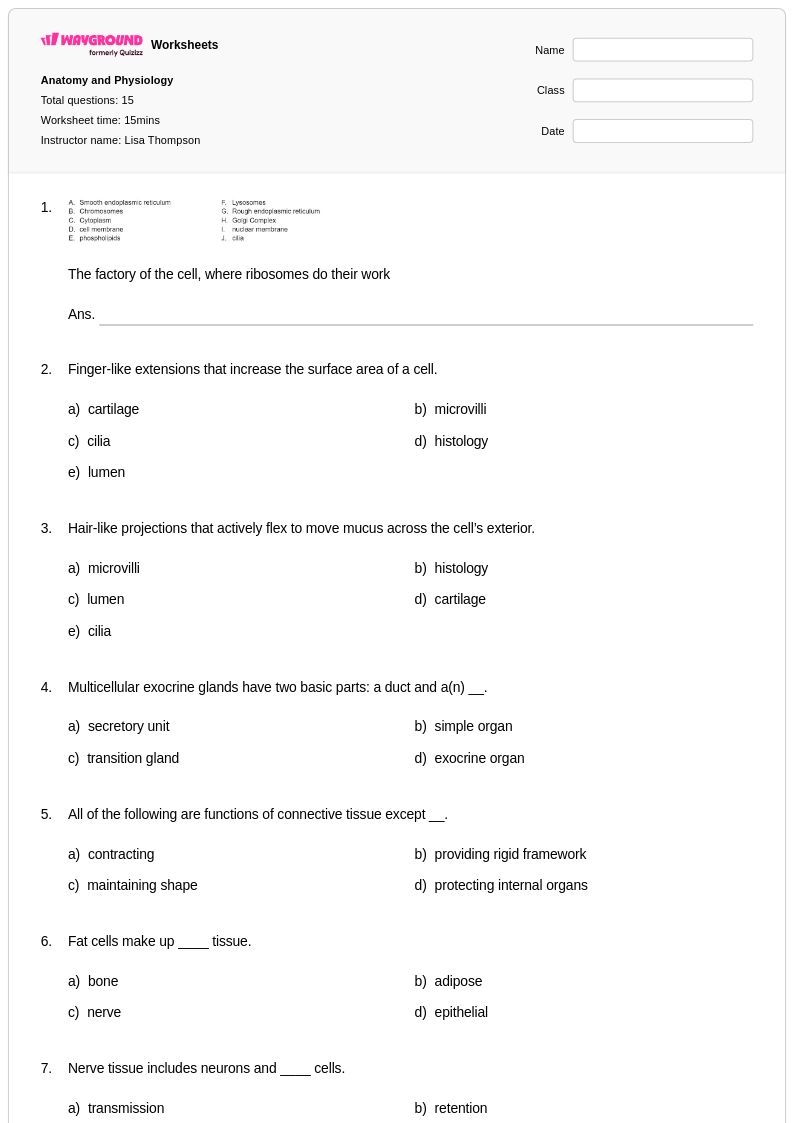
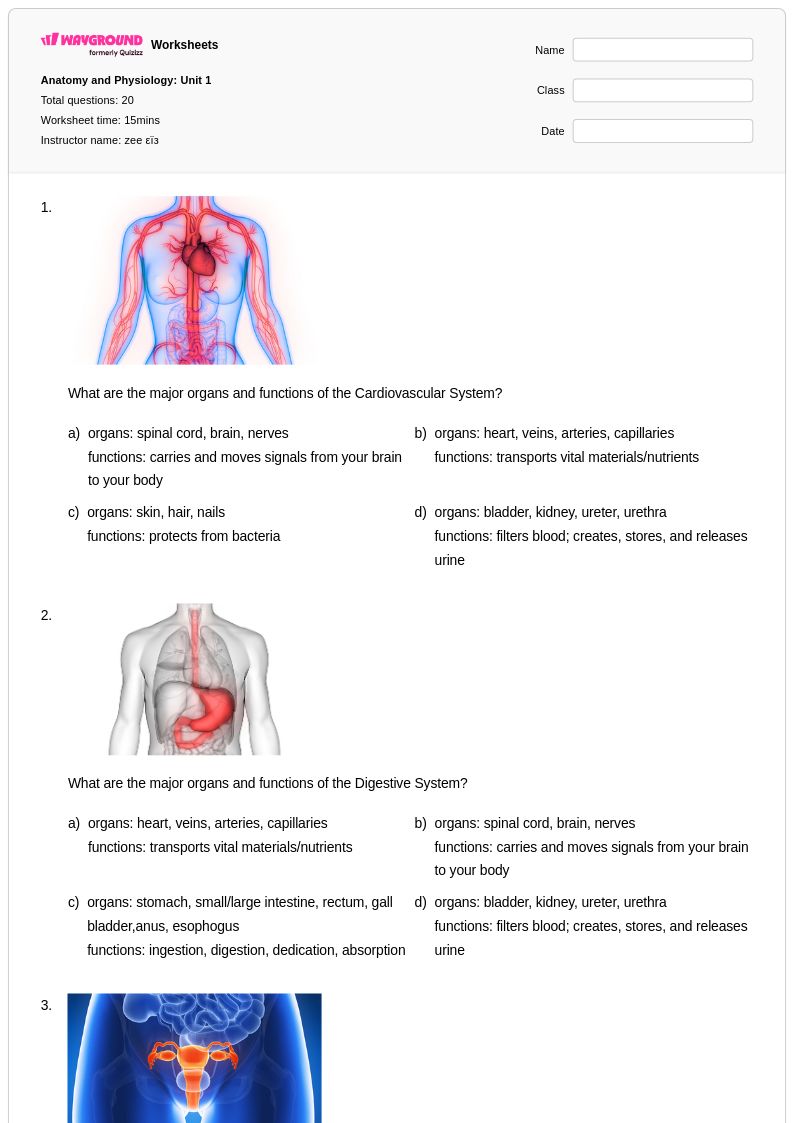
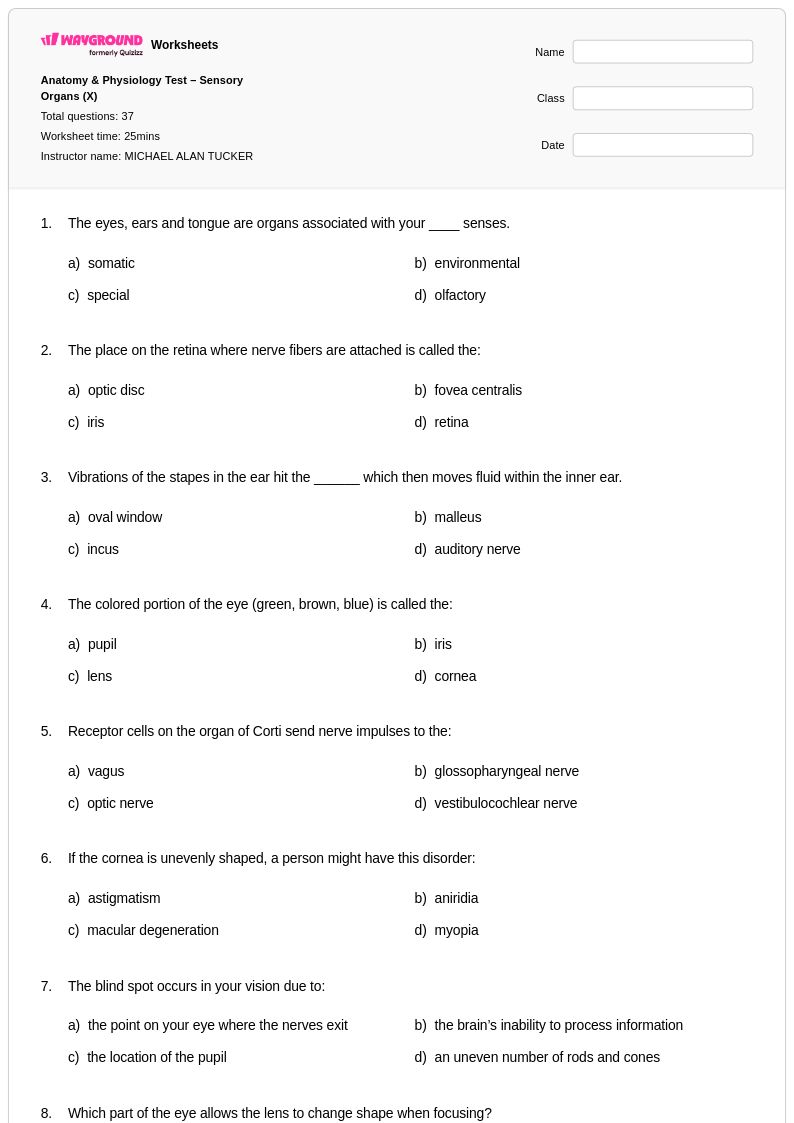
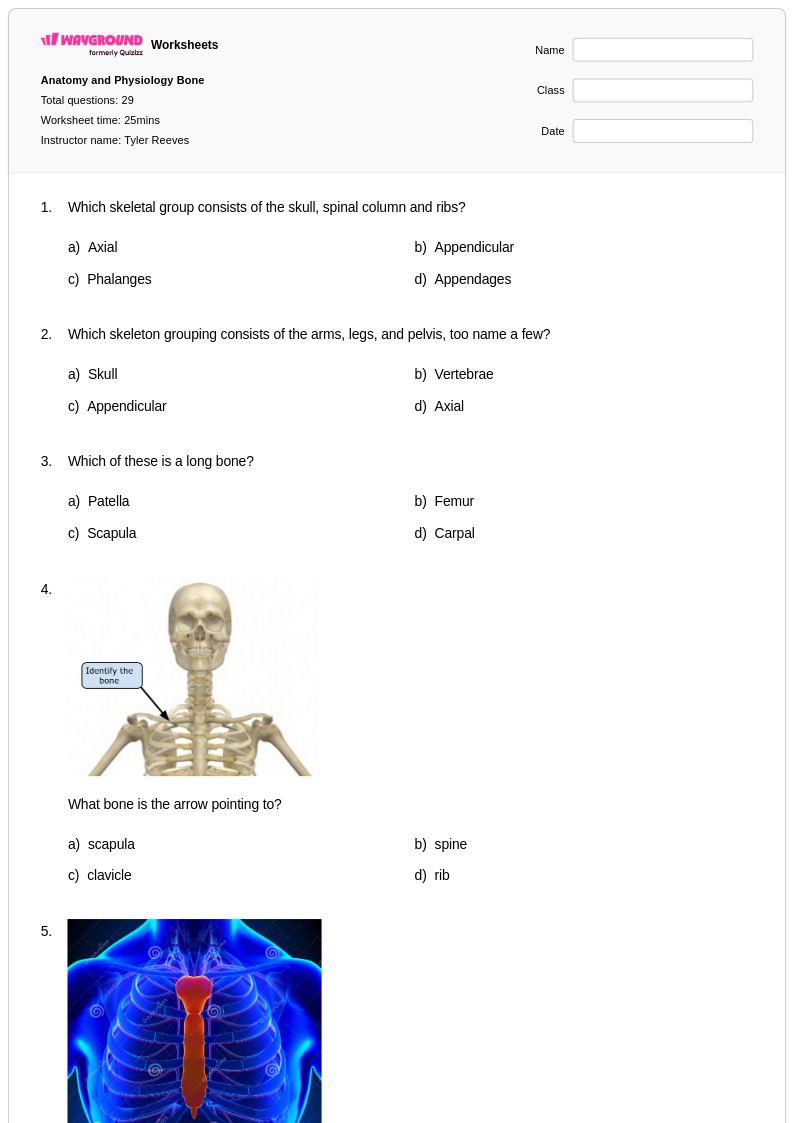
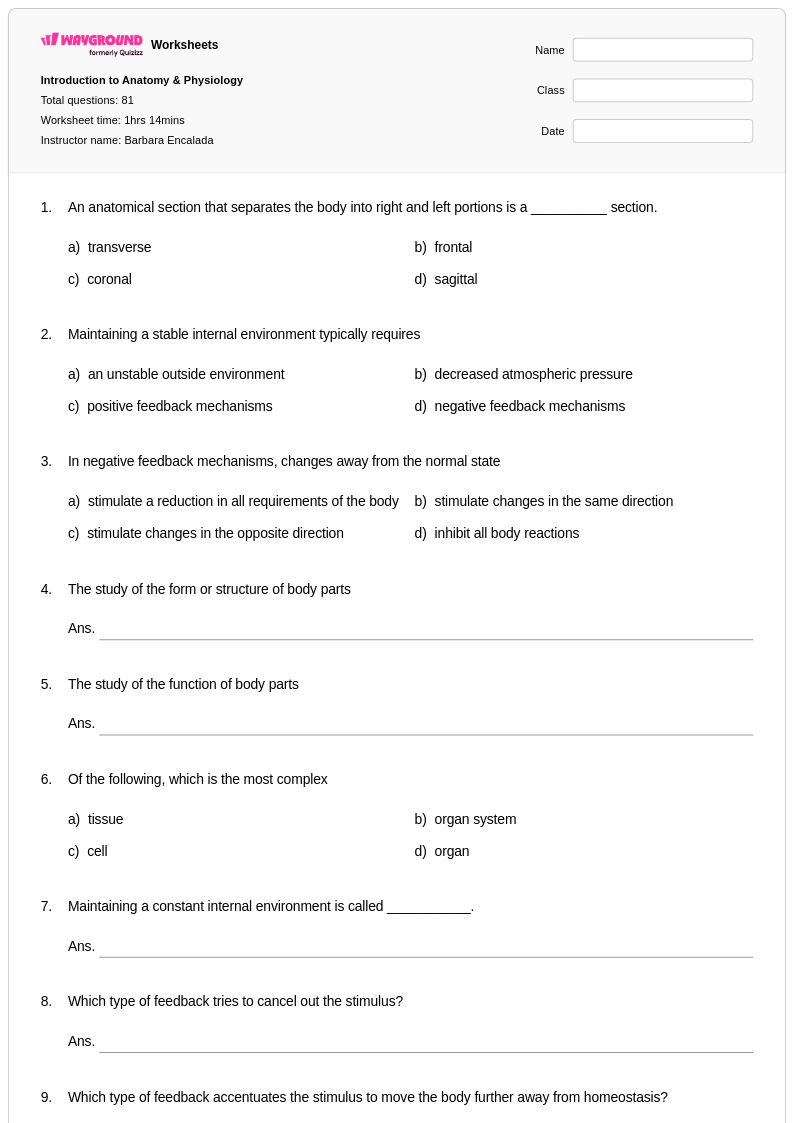
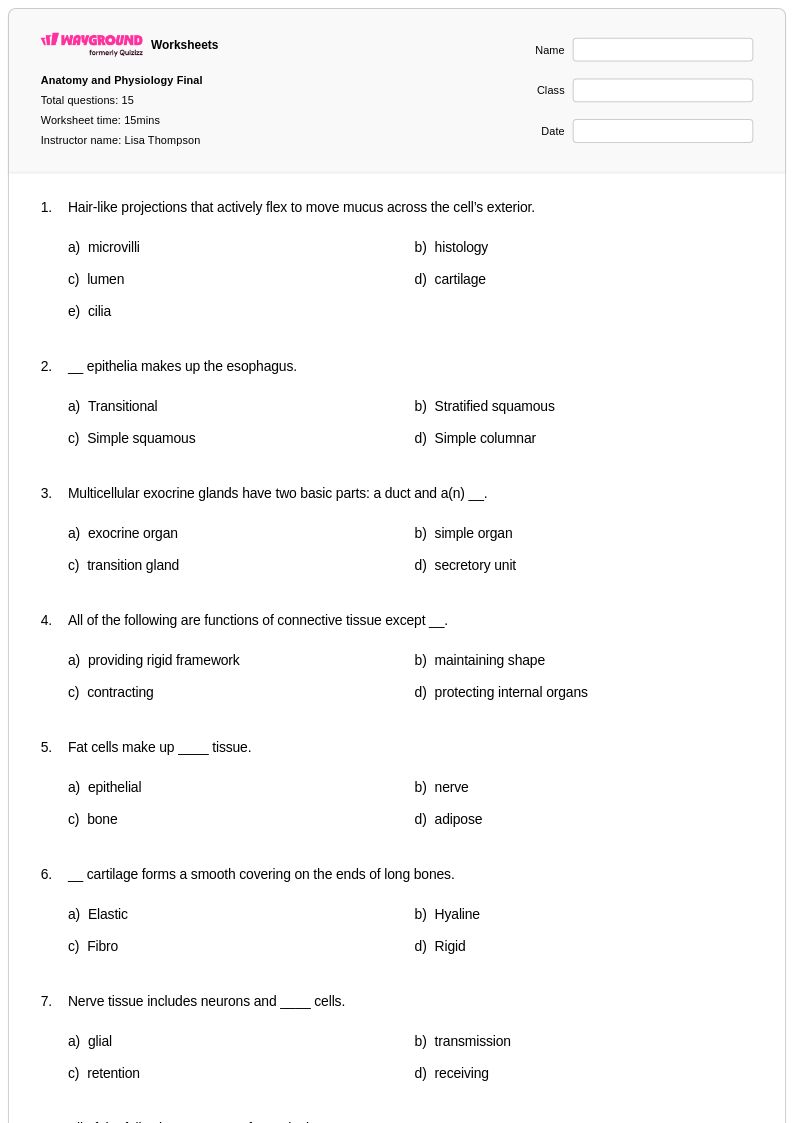
Class 12 anatomy and physiology worksheets available through Wayground (formerly Quizizz) provide comprehensive coverage of advanced human body systems and their intricate functions. These expertly designed resources strengthen critical thinking skills as students analyze complex physiological processes, from cardiovascular regulation and neural transmission to endocrine feedback mechanisms and respiratory gas exchange. The worksheets feature detailed practice problems that challenge students to apply their understanding of anatomical structures to real-world physiological scenarios, while comprehensive answer keys enable independent learning and self-assessment. Available as free printables in convenient pdf format, these materials support mastery of sophisticated concepts including homeostatic mechanisms, cellular metabolism, and organ system integration that form the foundation for advanced biological sciences and pre-medical studies.
Wayground (formerly Quizizz) empowers educators with an extensive collection of millions of teacher-created anatomy and physiology resources specifically curated for Class 12 instruction. The platform's robust search and filtering capabilities allow teachers to quickly locate materials aligned with specific learning standards and differentiate instruction based on individual student needs. These versatile worksheet collections support comprehensive lesson planning while providing targeted resources for both remediation of challenging concepts like neurophysiology and enrichment activities exploring advanced topics such as molecular genetics and biochemical pathways. Available in both printable pdf and interactive digital formats, teachers can seamlessly customize content to match their classroom requirements and provide students with flexible practice opportunities that reinforce essential anatomical knowledge and physiological reasoning skills.
FAQs
How do I teach anatomy and physiology effectively in a high school or college-level biology class?
Effective anatomy and physiology instruction builds from structure to function, introducing students to anatomical terminology and tissue organization before moving into organ system interactions. Connecting microscopic processes like cellular respiration and protein synthesis to macroscopic outcomes, such as muscle contraction or hormone regulation, helps students see the body as an integrated system rather than a list of parts. Visual labeling exercises, case studies, and homeostasis scenarios are particularly useful for grounding abstract physiology in observable outcomes.
What kinds of worksheets help students practice anatomy and physiology concepts?
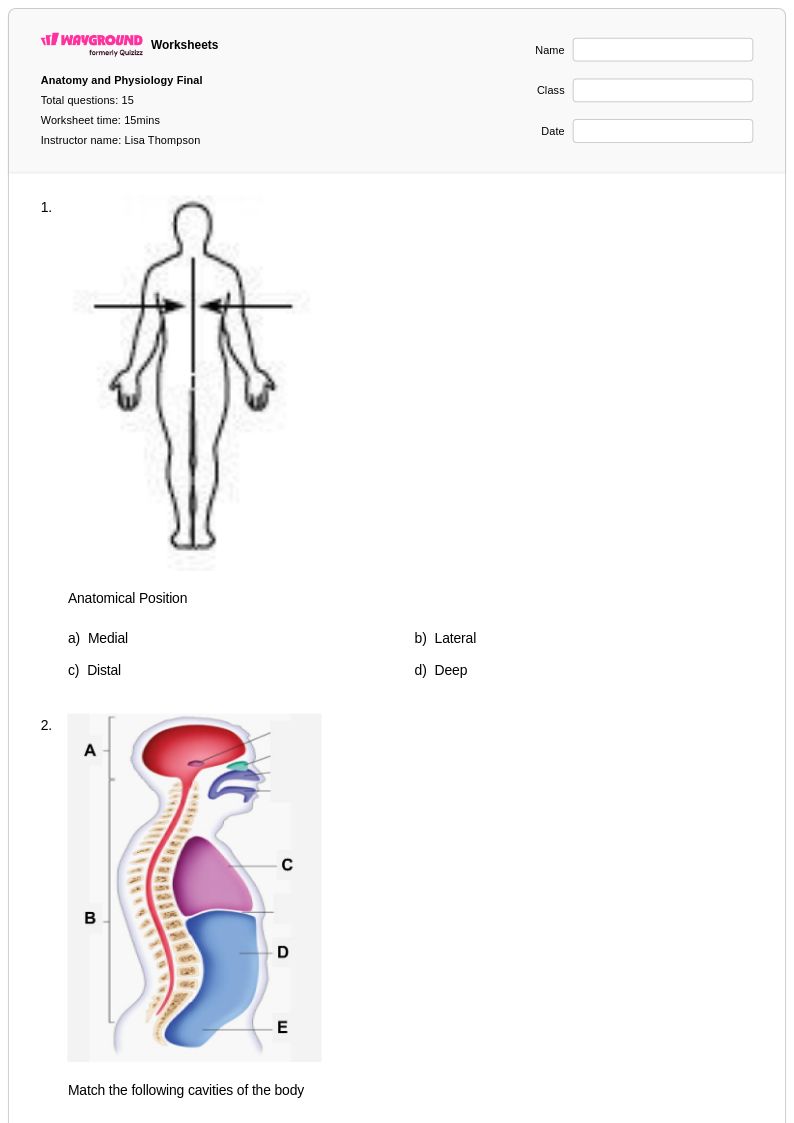
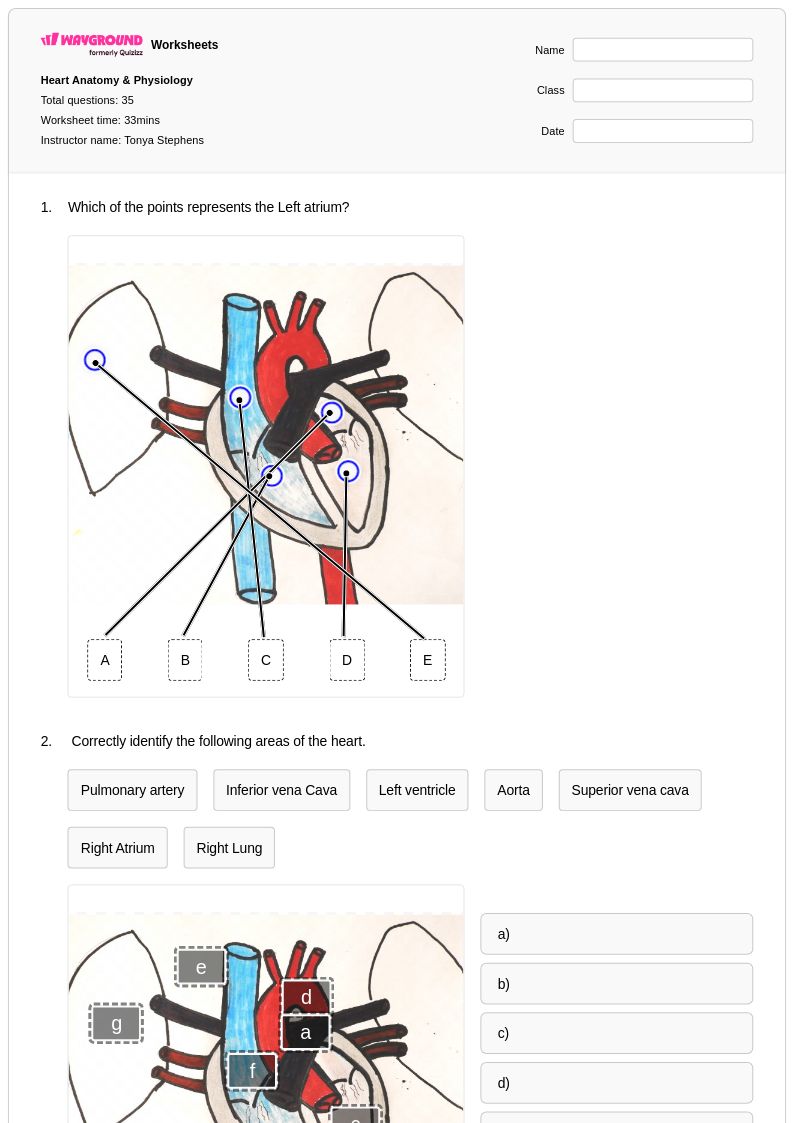
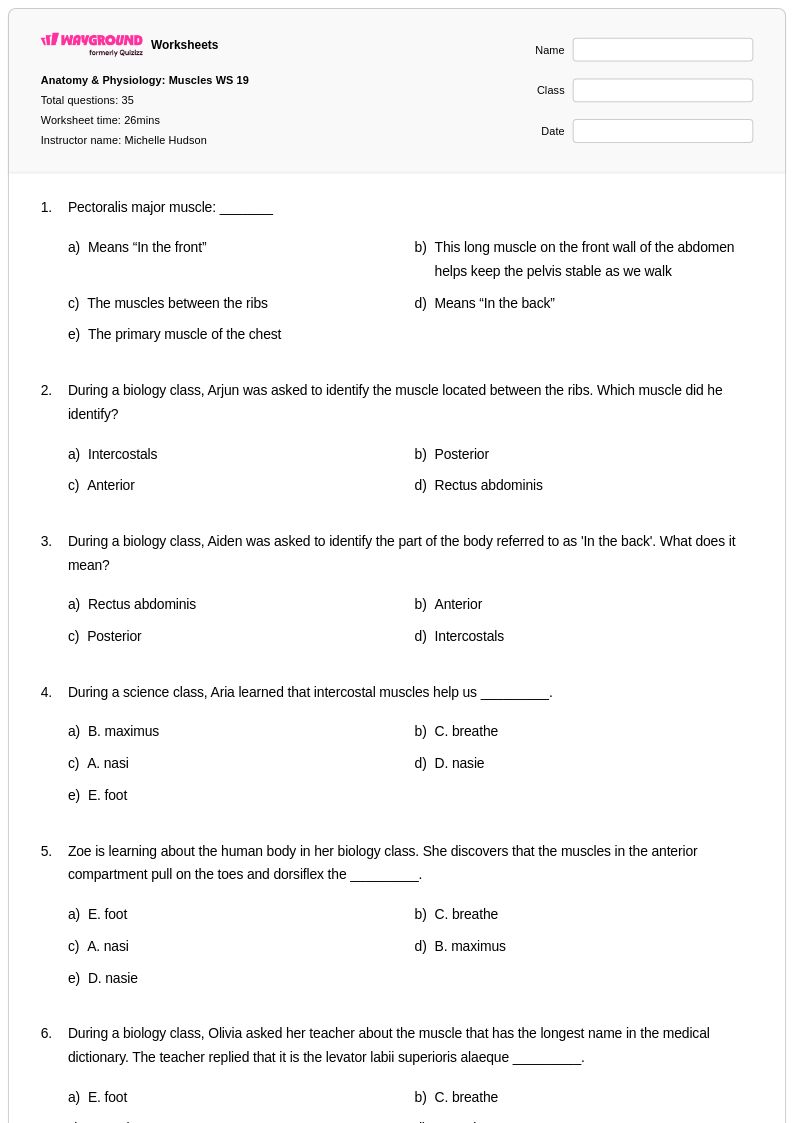
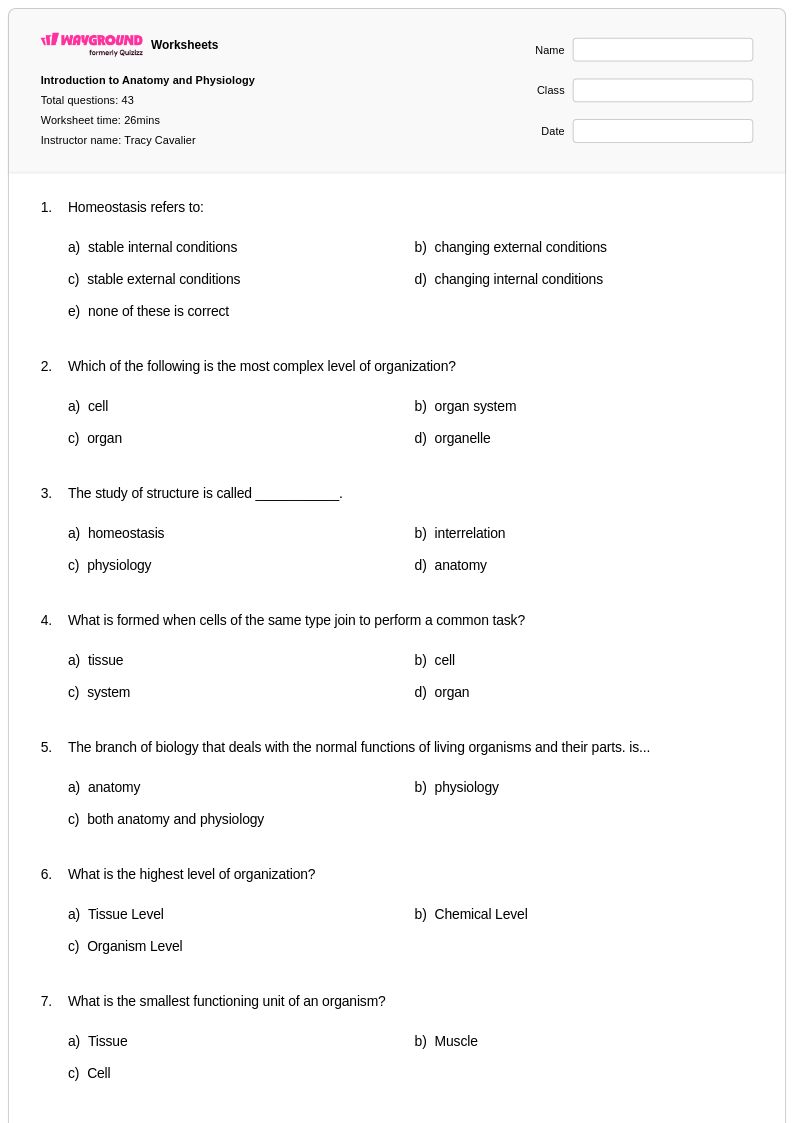
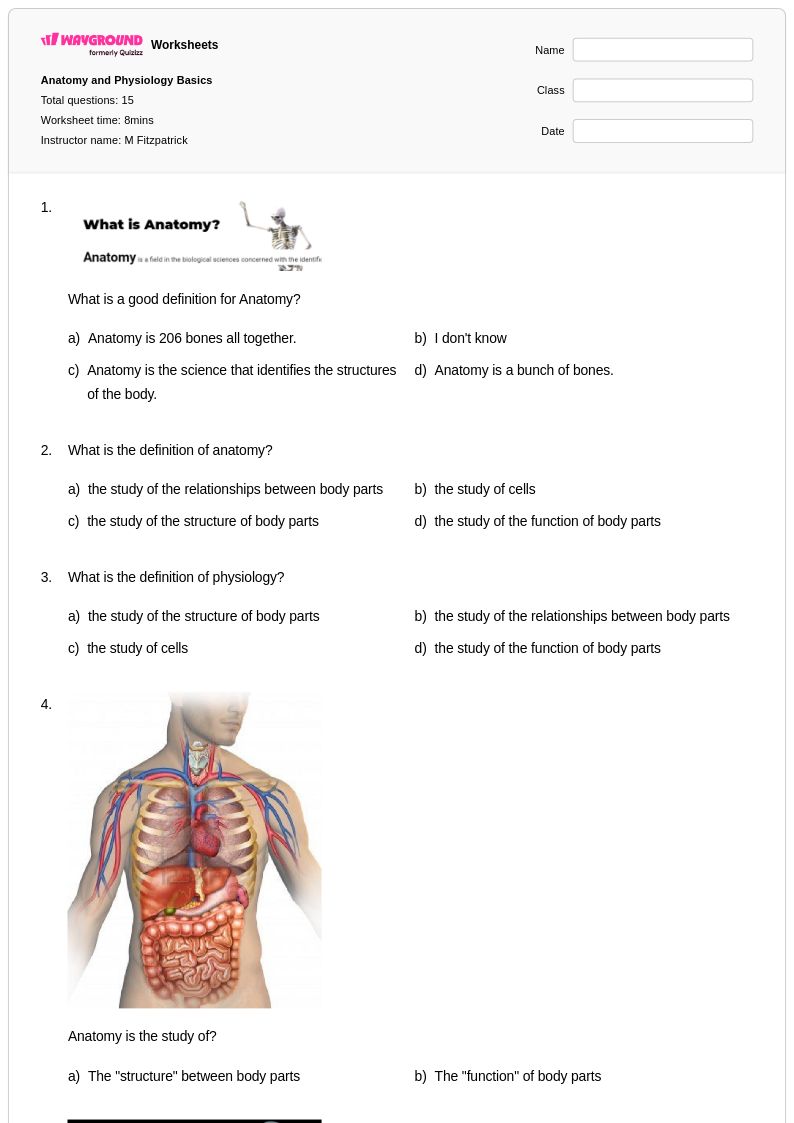
Practice worksheets that progress from anatomical identification to physiological analysis are most effective for building mastery. Students benefit from labeling diagrams of body systems, matching structures to functions, tracing neural or cardiovascular pathways, and answering application questions about homeostatic mechanisms. Worksheets that sequence from vocabulary reinforcement to critical thinking questions mirror how students actually consolidate complex biological knowledge.
What misconceptions do students commonly have in anatomy and physiology?
One of the most common misconceptions is treating body systems as independent rather than interdependent, leading students to memorize systems in isolation without understanding how cardiovascular, endocrine, and nervous system functions overlap. Students also frequently confuse anatomical terminology for direction and position, mixing up terms like proximal and distal or anterior and posterior under exam pressure. Another persistent error is misunderstanding homeostasis as a fixed state rather than a dynamic regulatory process involving feedback loops.
How do I differentiate anatomy and physiology instruction for students at different skill levels?
For students who need additional support, reducing the complexity of diagrams, pre-filling partial labels, or limiting answer choices on identification questions can lower cognitive load without removing rigor. Advanced students benefit from open-ended analysis questions that ask them to predict the physiological consequences of system failure or disease. On Wayground, teachers can apply accommodations such as reduced answer choices or read-aloud support to individual students, while the rest of the class works through standard materials, making differentiation manageable without creating entirely separate assignments.
How do I use Wayground's anatomy and physiology worksheets in my classroom?
Wayground's anatomy and physiology worksheets are available as printable PDFs for traditional classroom use and in digital formats for technology-integrated learning environments, including the option to host them as a quiz on Wayground. Teachers can search and filter resources by body system, concept, or skill level to quickly locate materials aligned with their curriculum. Existing worksheets can also be customized to match specific lesson objectives or assessment standards.
How do I help students master anatomical vocabulary without resorting to rote memorization?
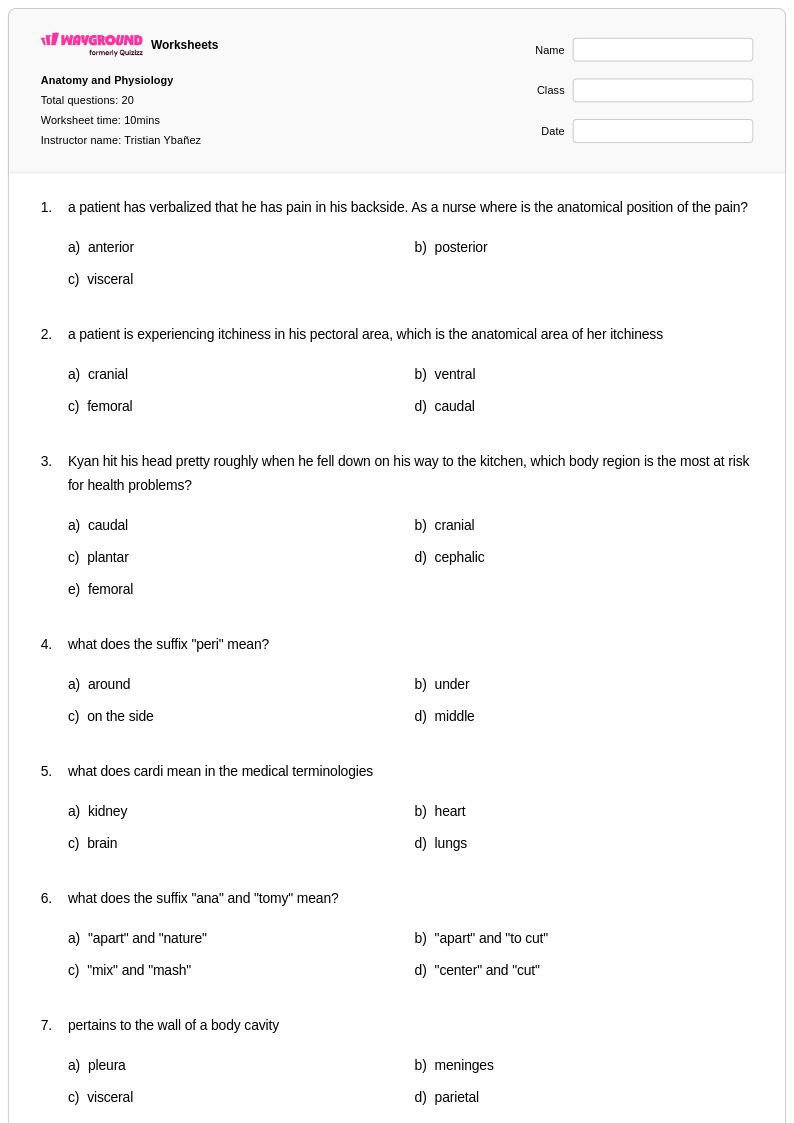
Teaching anatomical vocabulary through context rather than isolated flashcards is significantly more effective. When students encounter terms like "endocrine regulation" or "neural pathway" within a functional explanation, rather than a definition list, retention improves because the vocabulary is tied to a process they understand. Worksheets that embed terminology into labeling, sequencing, or short-answer questions force students to use the words accurately rather than simply recognize them.