Free Printable Digestive Homeostasis Worksheets for Class 12
Class 12 digestive homeostasis worksheets from Wayground help students master how the digestive system maintains balance through engaging printables, practice problems, and comprehensive answer keys in downloadable PDF format.
Explore printable Digestive Homeostasis worksheets for Class 12
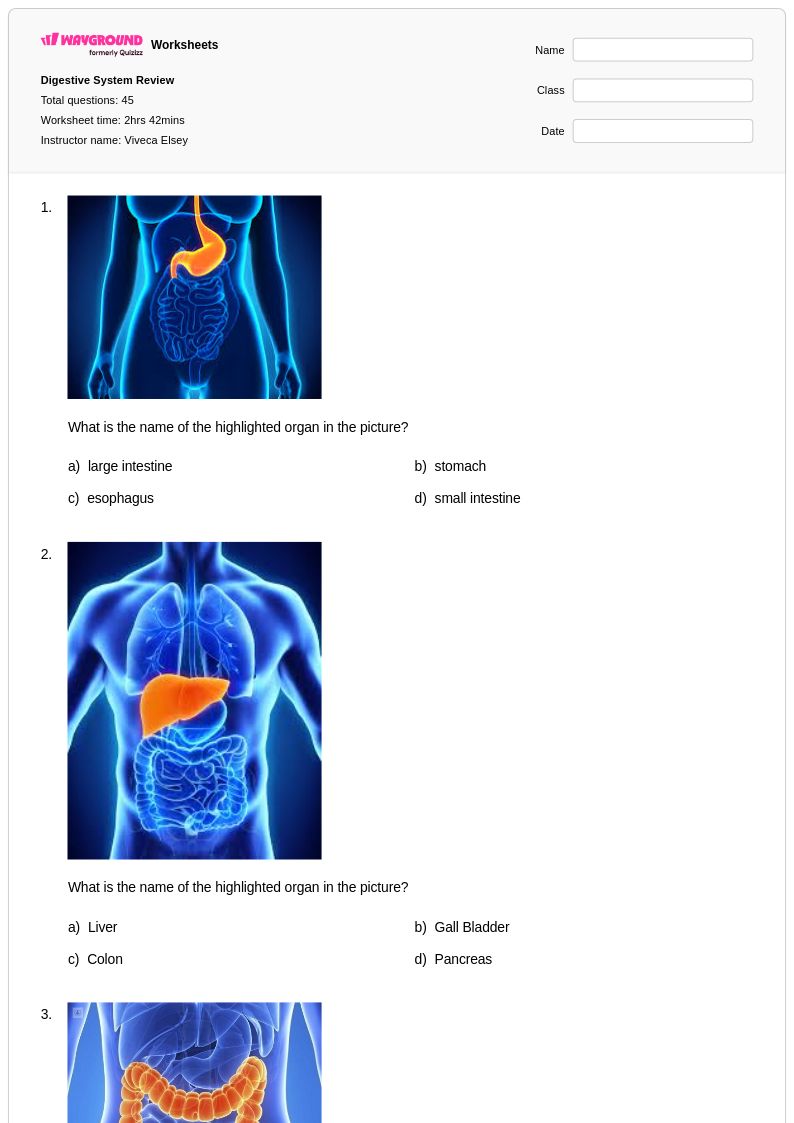
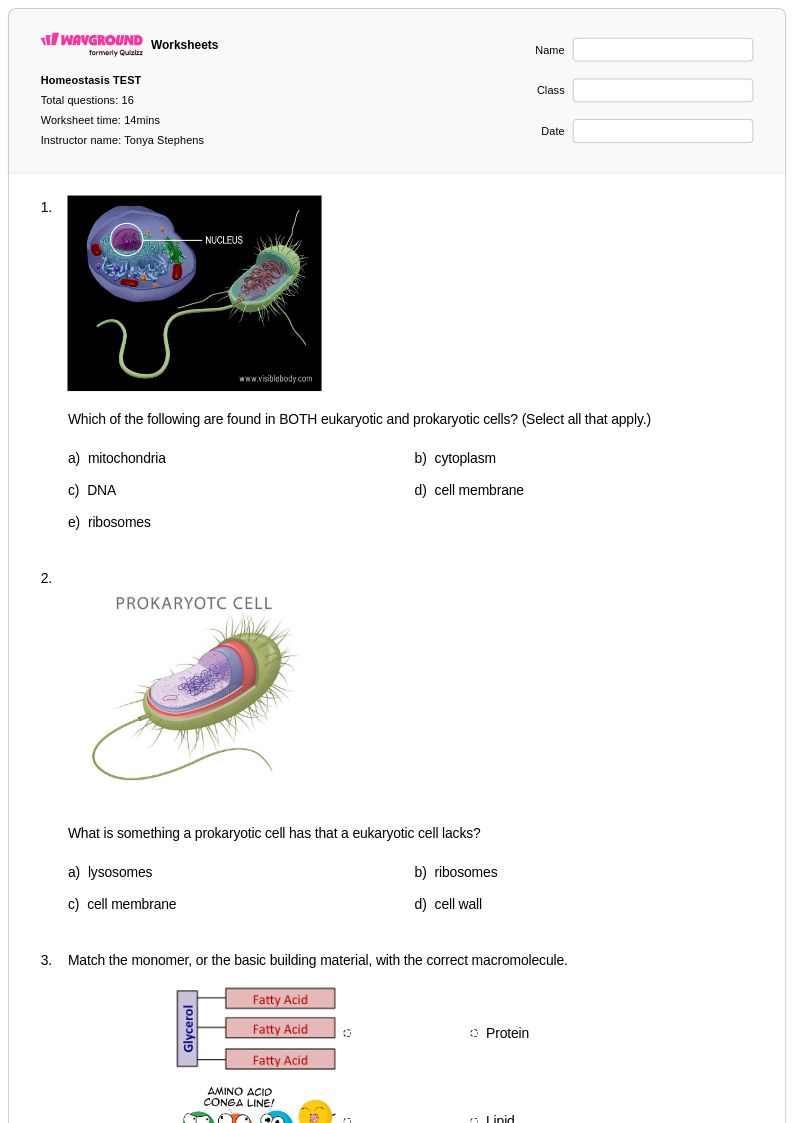
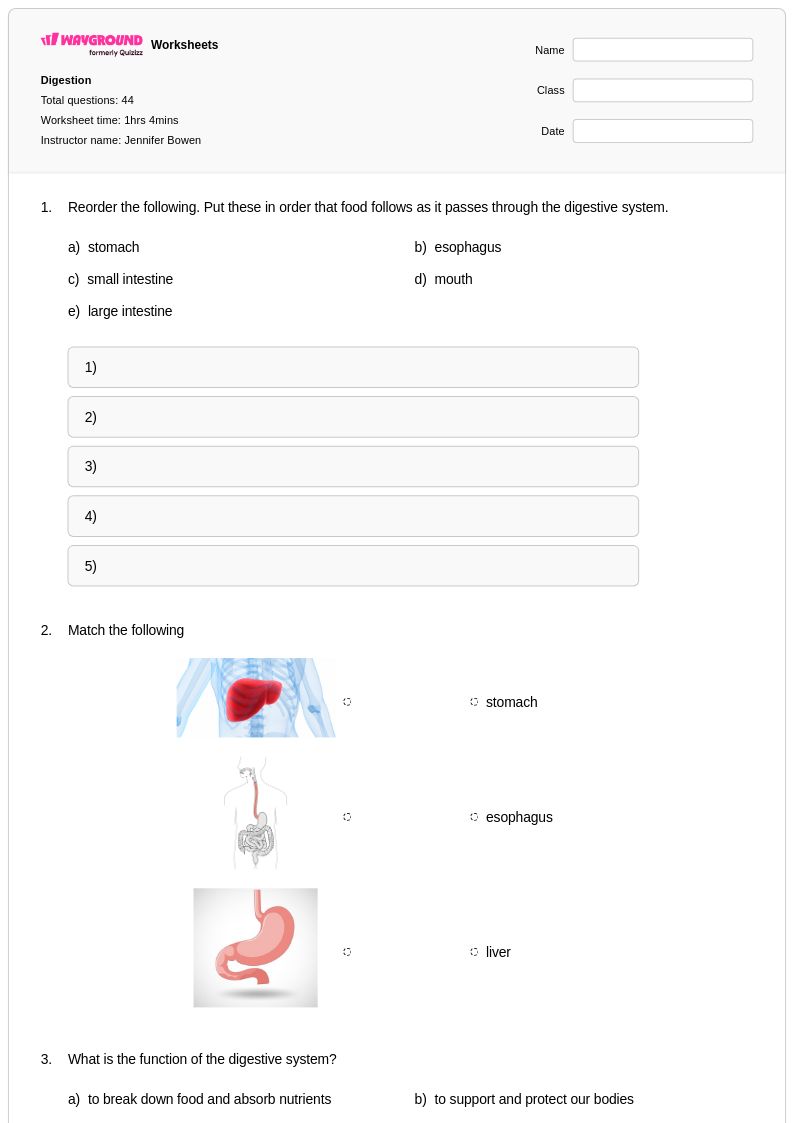
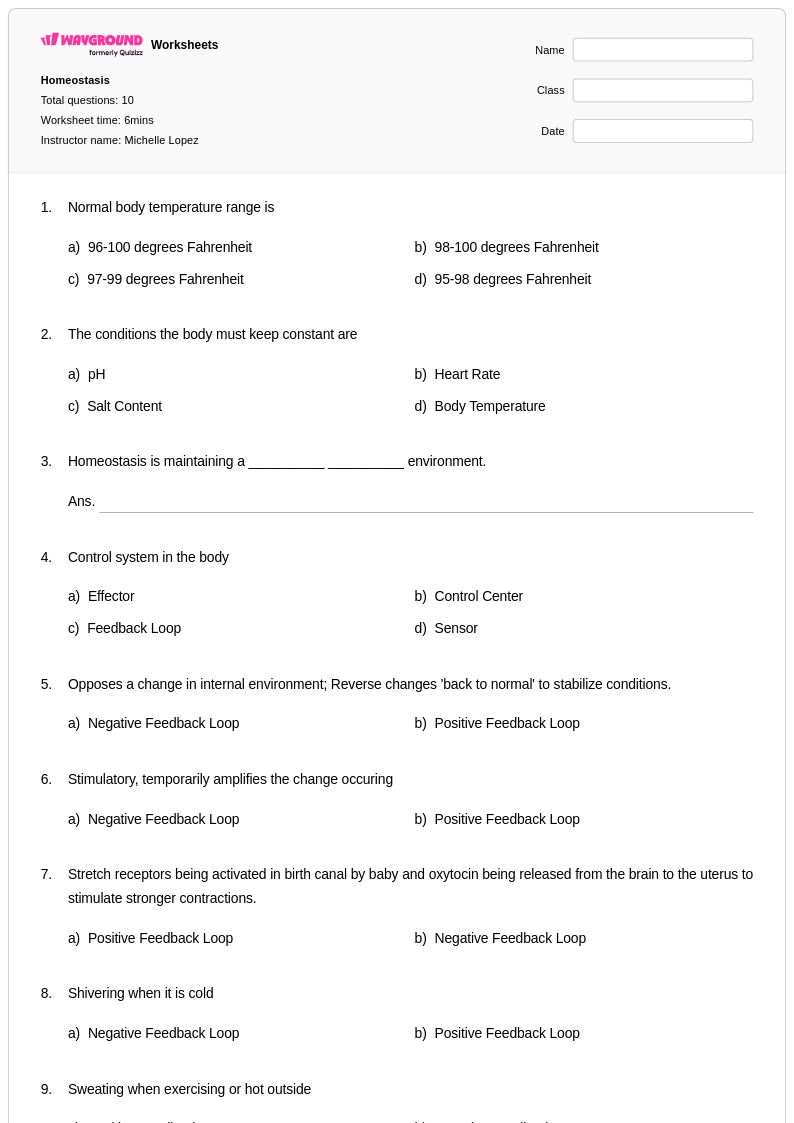
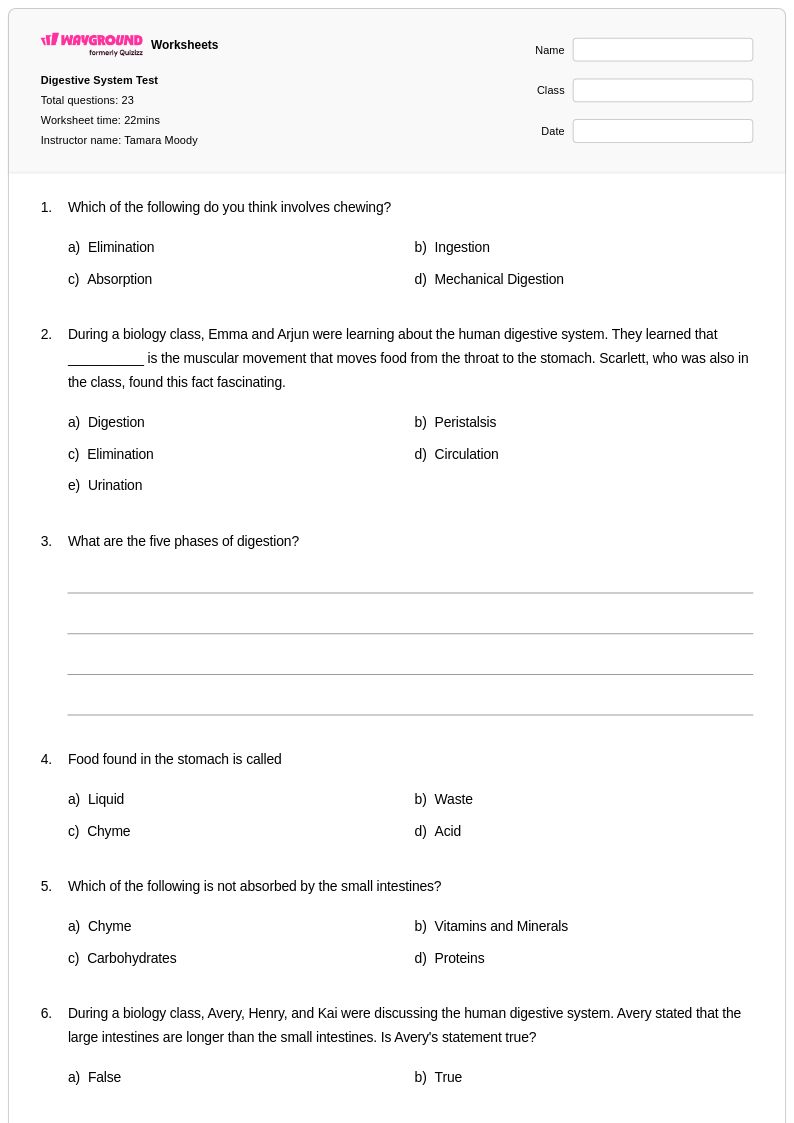
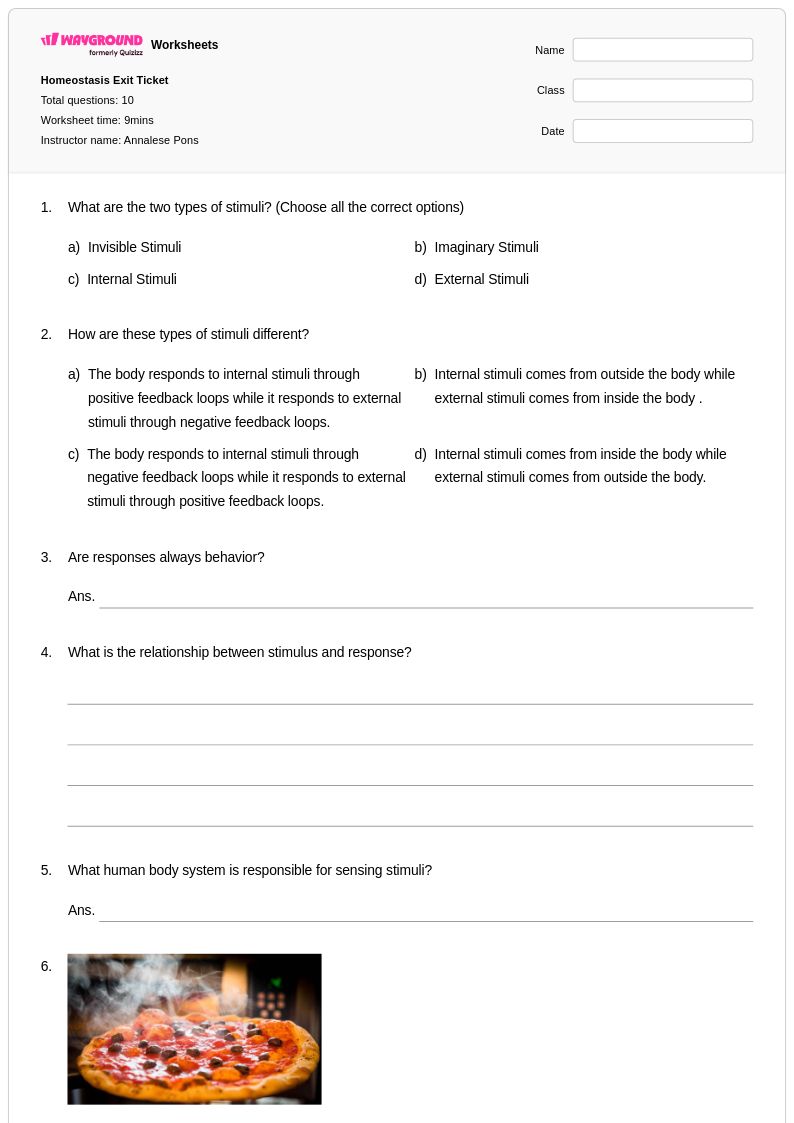
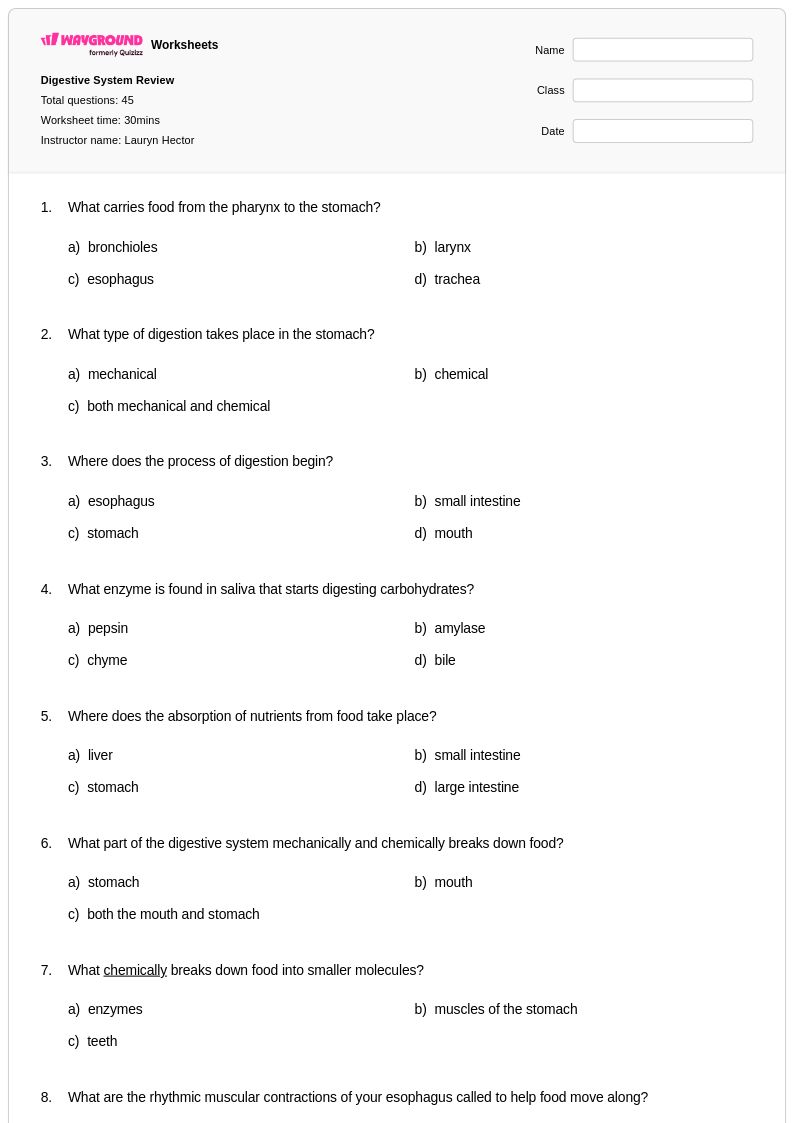
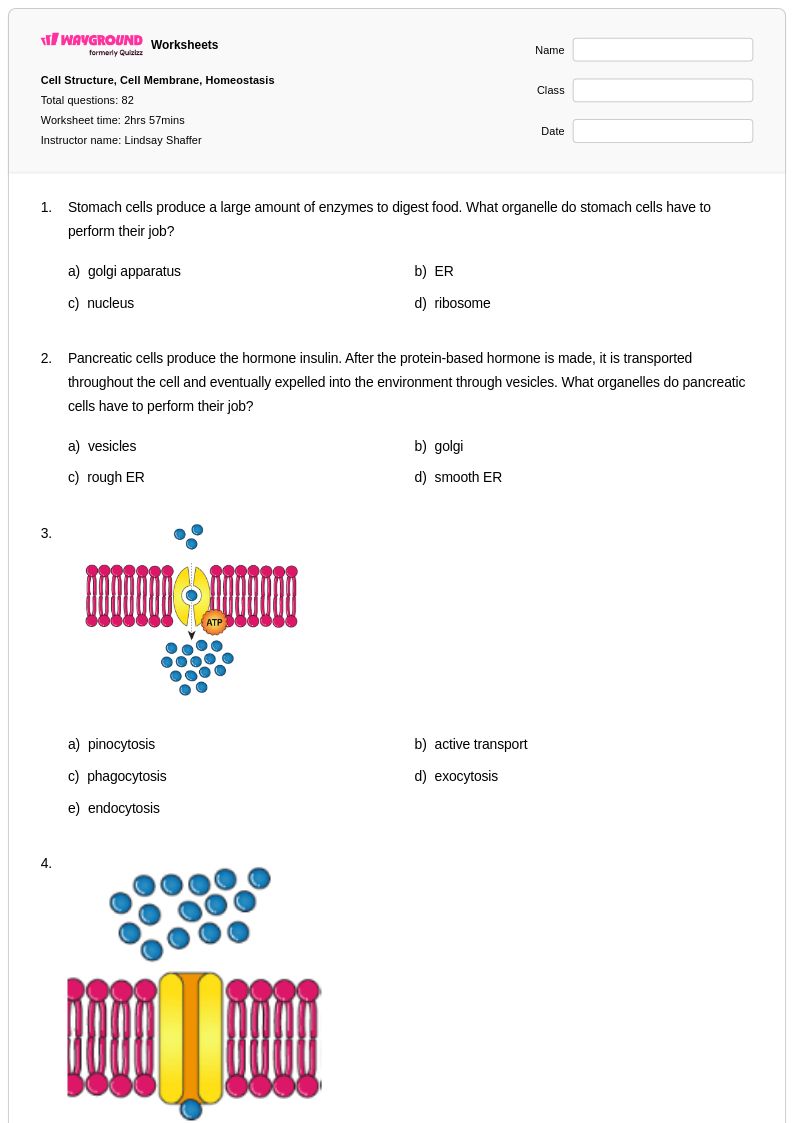
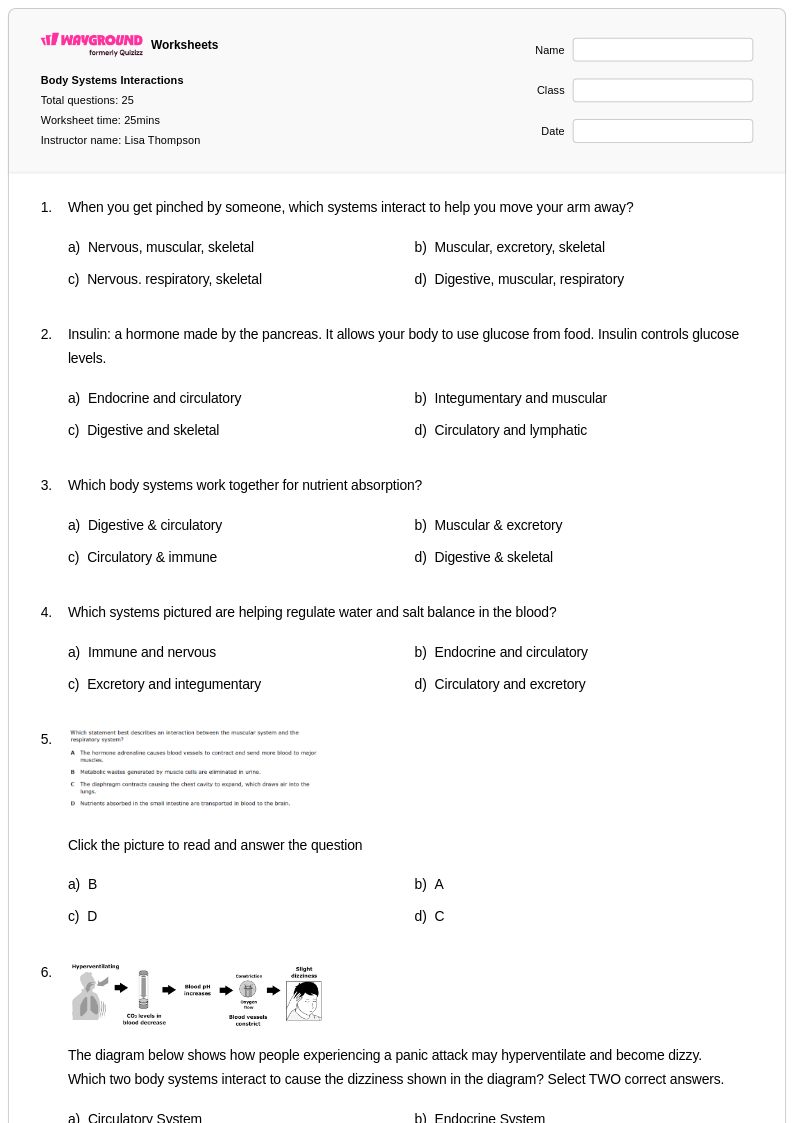
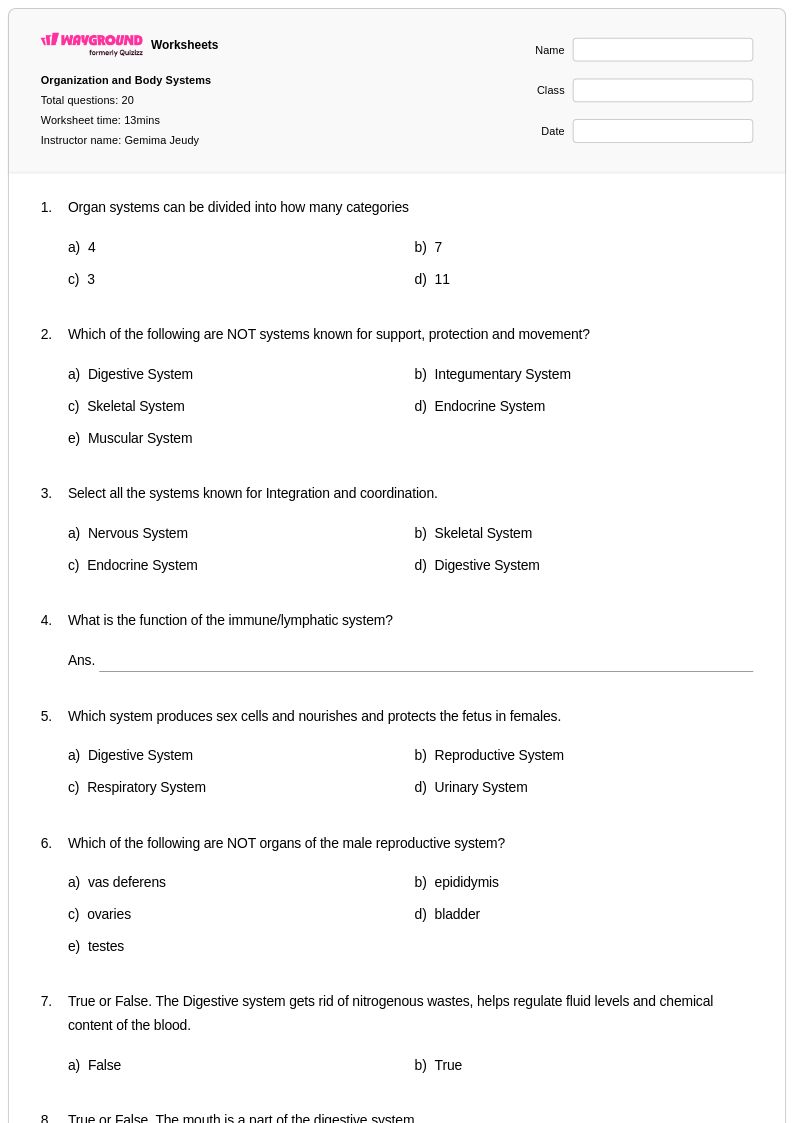
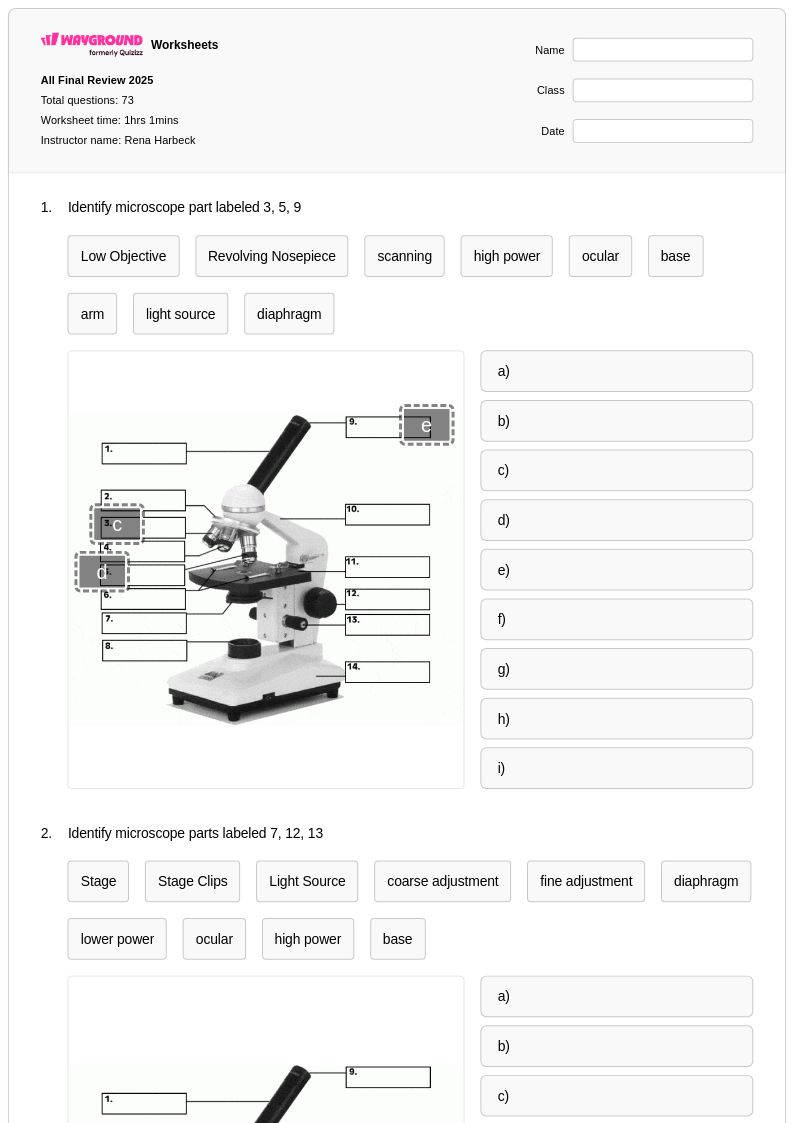
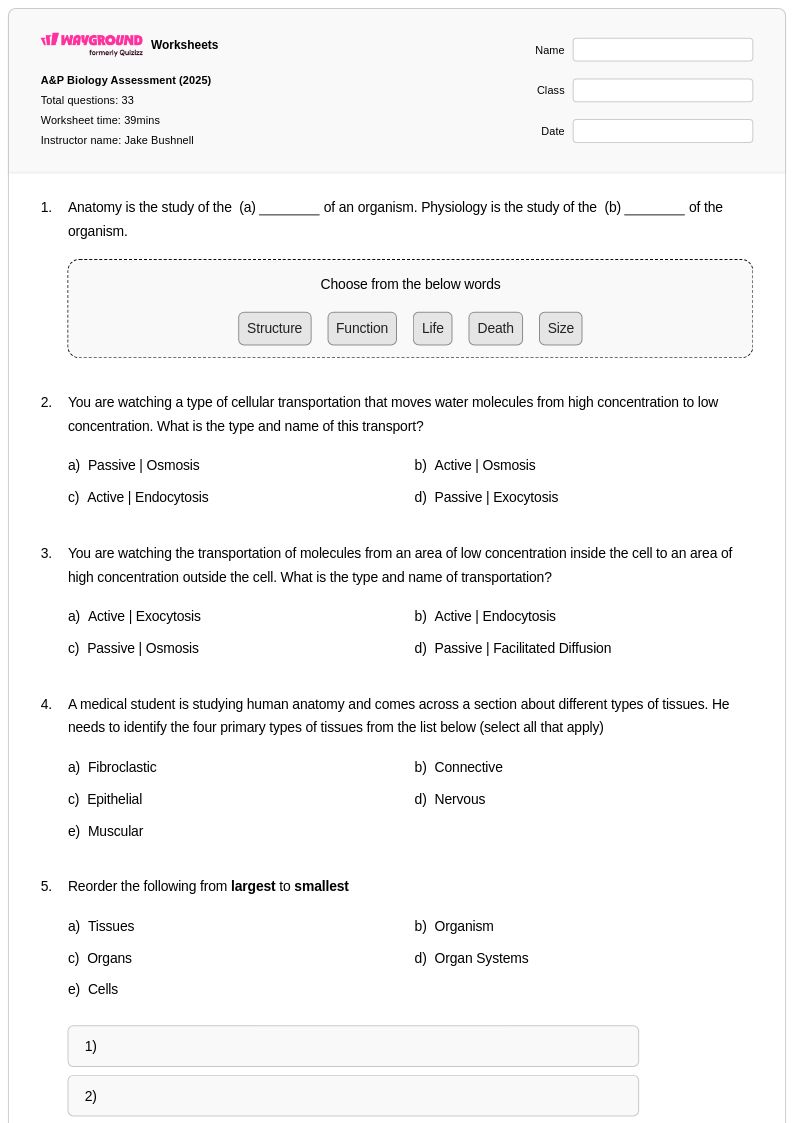
Class 12 digestive homeostasis worksheets available through Wayground (formerly Quizizz) provide comprehensive coverage of the complex regulatory mechanisms that maintain balance within the digestive system. These expertly designed resources focus on critical concepts including hormonal regulation of digestion, neural control pathways, feedback loops involving insulin and glucagon, and the intricate processes of nutrient absorption and metabolic balance. Students strengthen their analytical skills through practice problems that challenge them to interpret experimental data, diagram regulatory pathways, and explain how disruptions in homeostatic mechanisms lead to digestive disorders. Each worksheet collection includes detailed answer keys and is available as free printables in pdf format, allowing students to master the sophisticated biological processes that coordinate digestive function with overall metabolic homeostasis.
Wayground (formerly Quizizz) supports biology educators with millions of teacher-created digestive homeostasis resources that streamline lesson planning and enhance student understanding of these advanced physiological concepts. The platform's robust search and filtering capabilities enable teachers to quickly locate worksheets aligned with specific curriculum standards, while differentiation tools allow for seamless customization to meet diverse learning needs within Class 12 classrooms. These comprehensive worksheet collections are available in both printable and digital formats, including downloadable pdf versions, providing maximum flexibility for classroom instruction, homework assignments, and independent study. Teachers utilize these resources for targeted skill practice, remediation of challenging concepts like pancreatic hormone regulation, and enrichment activities that deepen students' comprehension of how digestive homeostasis integrates with broader physiological systems.
FAQs
How do I teach digestive homeostasis in a biology class?
Start by grounding students in the concept of homeostasis generally before narrowing to the digestive system specifically. From there, introduce the key regulatory mechanisms in sequence: gastric acid secretion control, pancreatic enzyme regulation, bile production and release, and hormonal feedback loops such as those involving secretin and cholecystokinin. Using labeled diagrams alongside case-based scenarios — for example, what happens when stomach pH drops too low — helps students connect regulatory steps to real physiological outcomes. Reinforcing the role of the enteric nervous system as a local control layer alongside hormonal signals is essential for deeper understanding.
What practice exercises help students understand how the digestive system maintains internal balance?
Effective practice for digestive homeostasis includes matching exercises that pair stimuli with specific regulatory responses, such as linking protein entry into the stomach to gastrin secretion. Fill-in-the-blank feedback loop diagrams are particularly useful because they require students to trace cause-and-effect chains rather than recall isolated facts. Practice problems that ask students to predict what happens when a specific regulatory mechanism fails — such as insufficient pancreatic enzyme output — build analytical thinking around the concept of balance and disruption.
What misconceptions do students commonly have about digestive homeostasis?
One of the most frequent misconceptions is that digestion is a one-way, passive process rather than a tightly regulated system with constant feedback. Students often struggle to distinguish between nervous and hormonal regulation of digestion, conflating the enteric nervous system with the central nervous system or assuming hormones and enzymes serve the same function. Another common error is misidentifying where specific regulatory events occur — for example, assuming bile is produced in the gallbladder rather than the liver, or that the pancreas responds to blood glucose alone rather than to a broader set of digestive signals.
How do I differentiate digestive homeostasis instruction for students at different skill levels?
For students who need additional support, simplify feedback loop diagrams to two or three steps and provide a word bank for labeling activities. More advanced students benefit from open-ended analysis tasks, such as evaluating how conditions like chronic stress or medication use disrupt digestive regulation. On Wayground, teachers can apply accommodations at the individual student level, including reduced answer choices to lower cognitive load for struggling learners and read-aloud support for students who need text-to-speech access — without other students being aware of those adjustments.
How can I use Wayground's digestive homeostasis worksheets in my classroom?
Wayground's digestive homeostasis worksheets are available as both printable PDFs, suitable for traditional paper-based instruction, and in digital formats for technology-integrated classrooms. Teachers can assign them as in-class practice, independent review, or homework, and can host the digital version as a quiz directly on Wayground for immediate scoring. Each worksheet includes a complete answer key, which reduces grading time and makes them practical for both whole-class instruction and self-paced learning.