Free Printable Indigenous Peoples Day Worksheets for Class 2
Free printable Indigenous Peoples Day worksheets for Class 2 students help children learn about Native American cultures, traditions, and contributions through engaging practice problems and activities with answer keys.
Explore printable Indigenous Peoples Day worksheets for Class 2
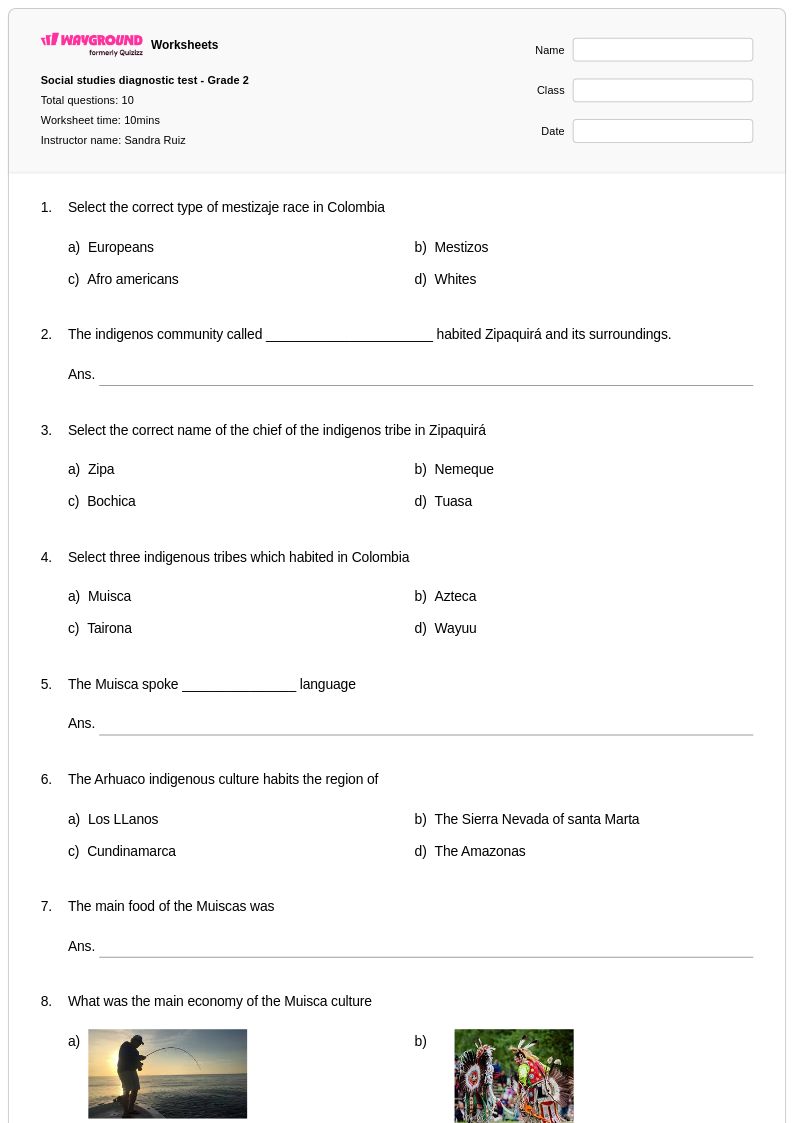
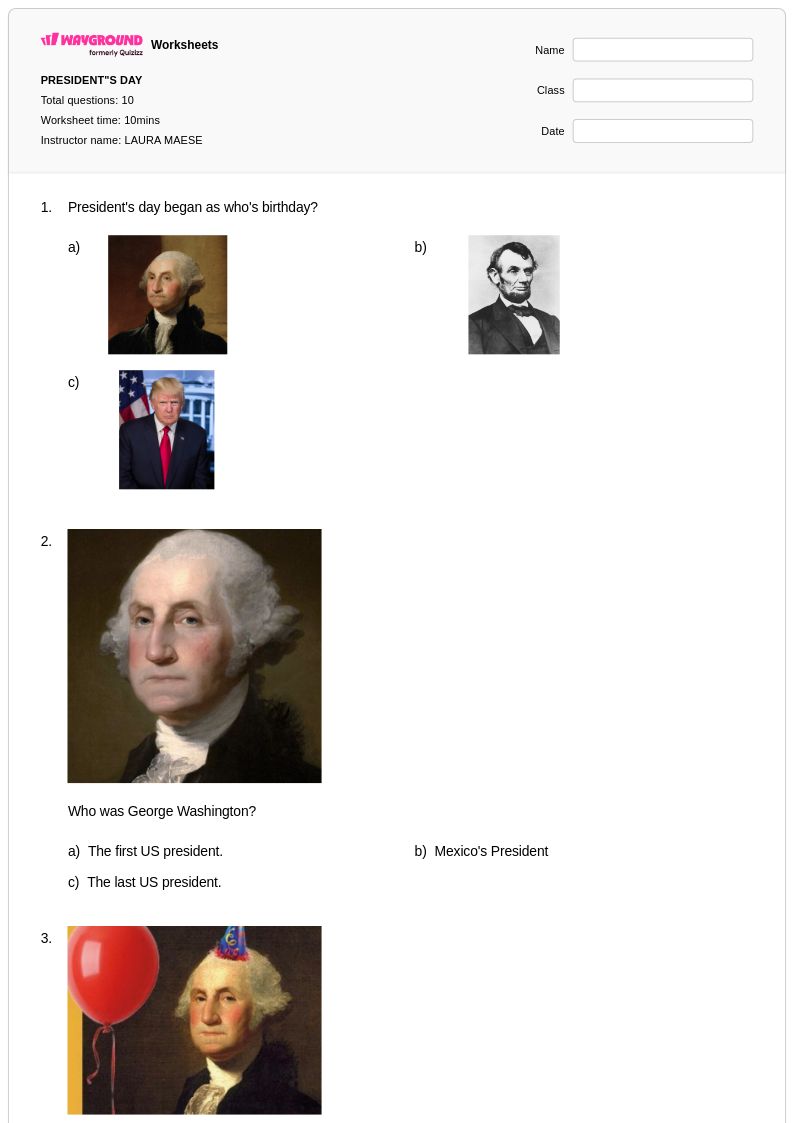
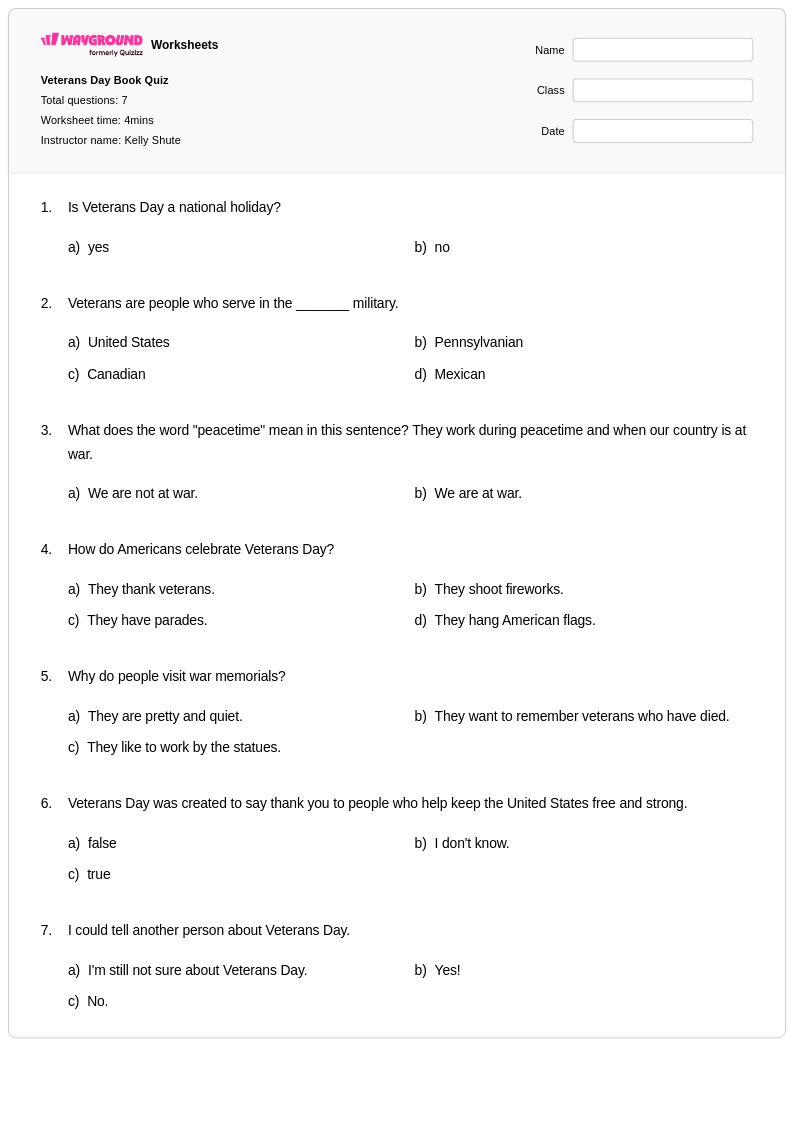
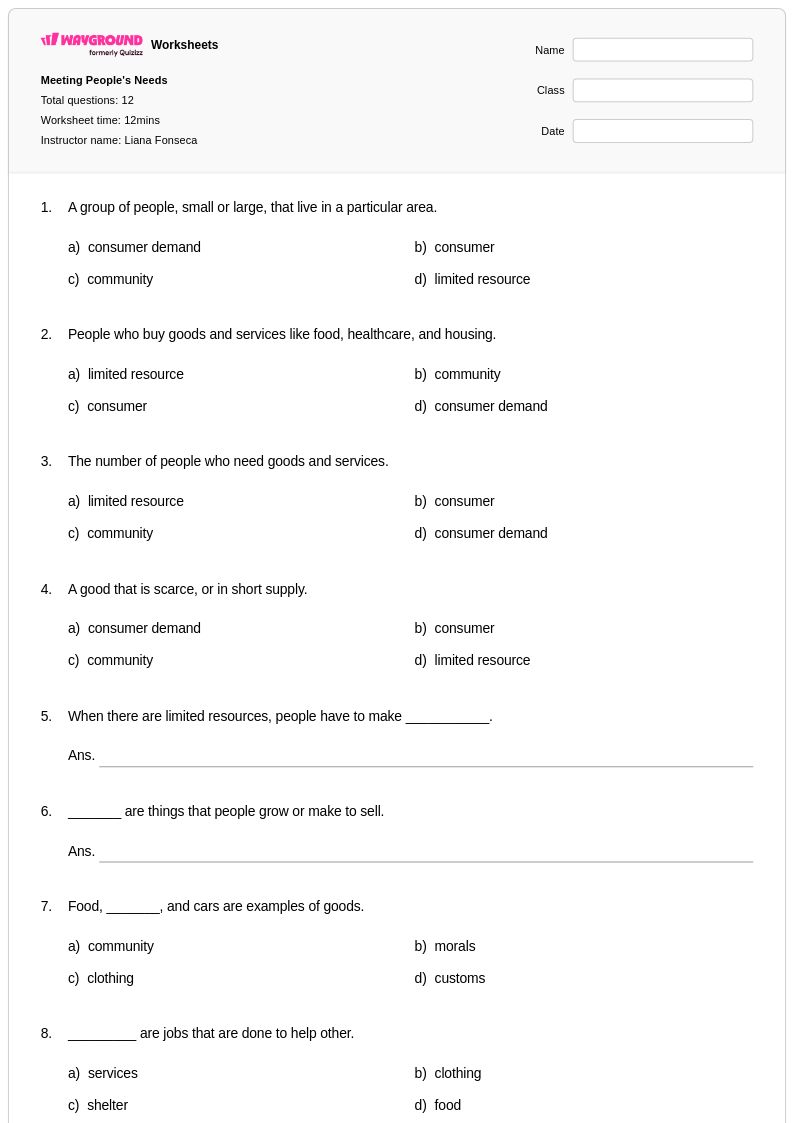
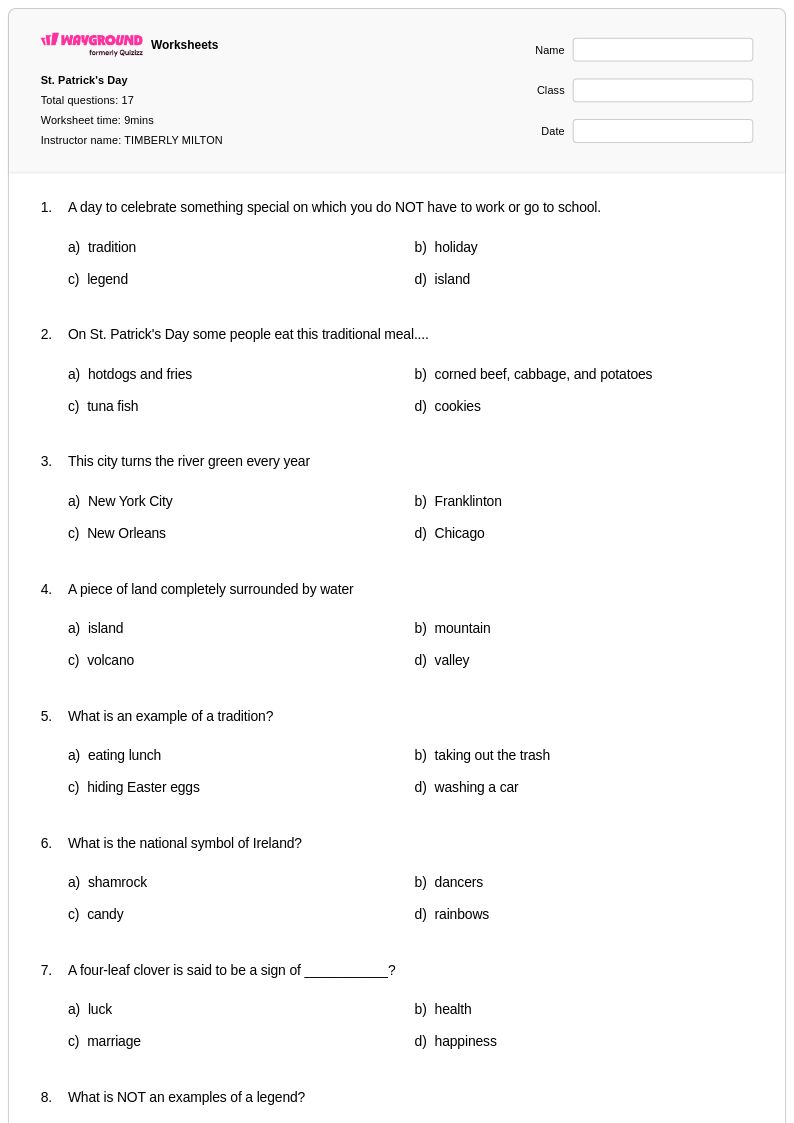
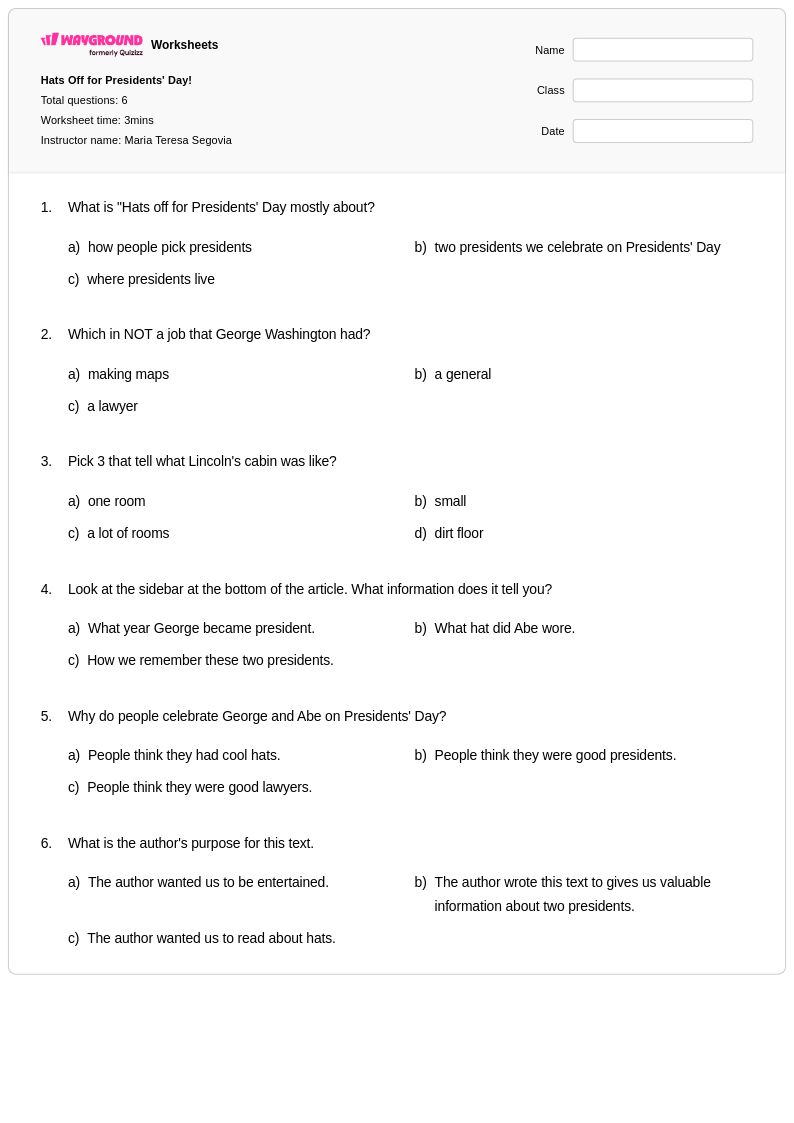
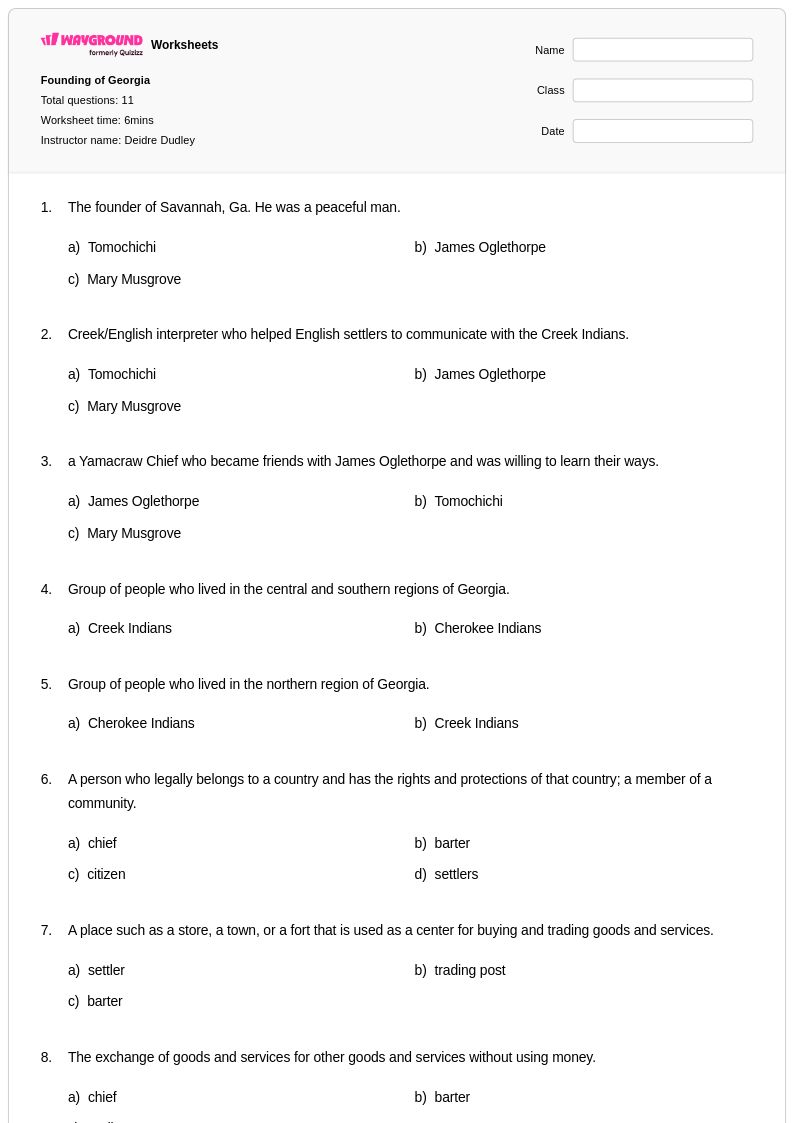
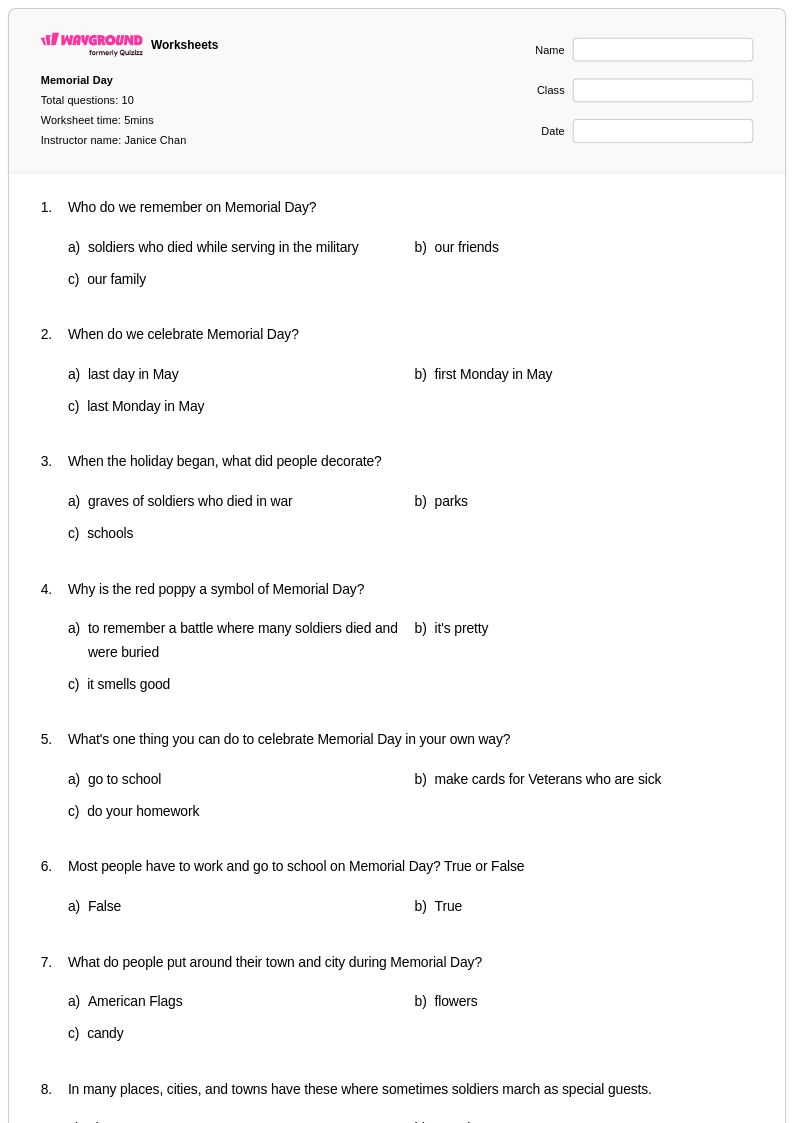
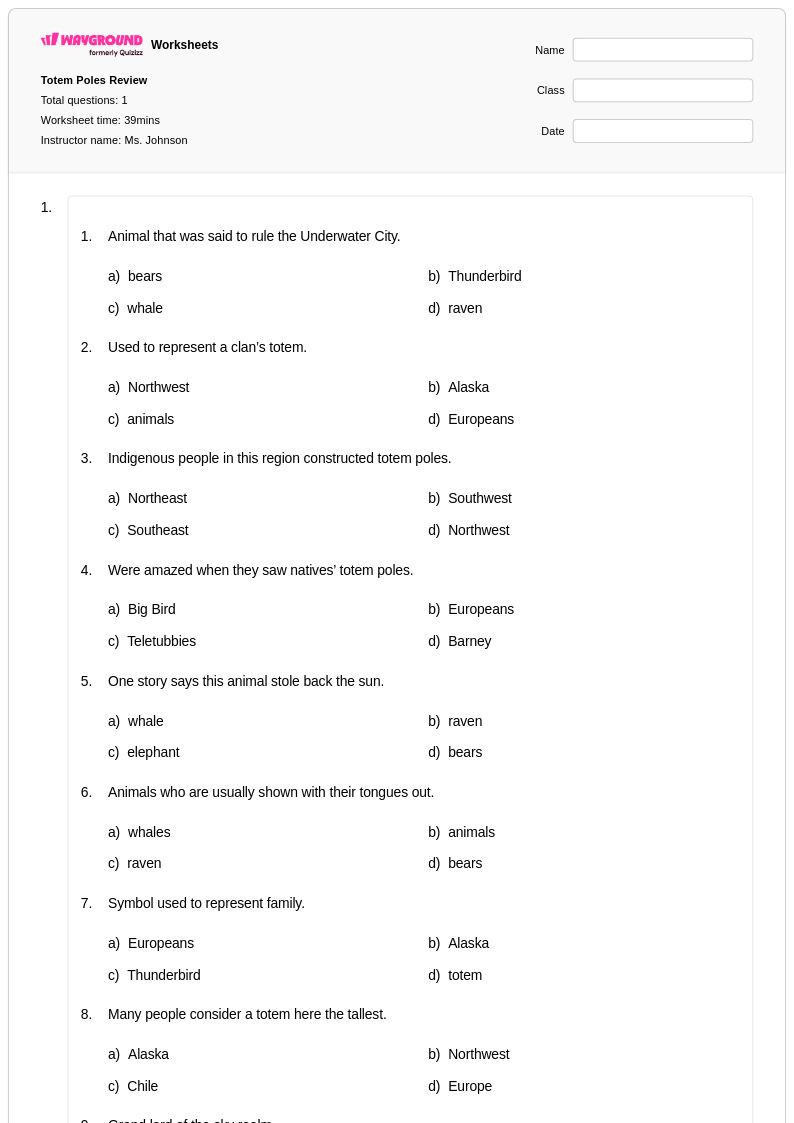
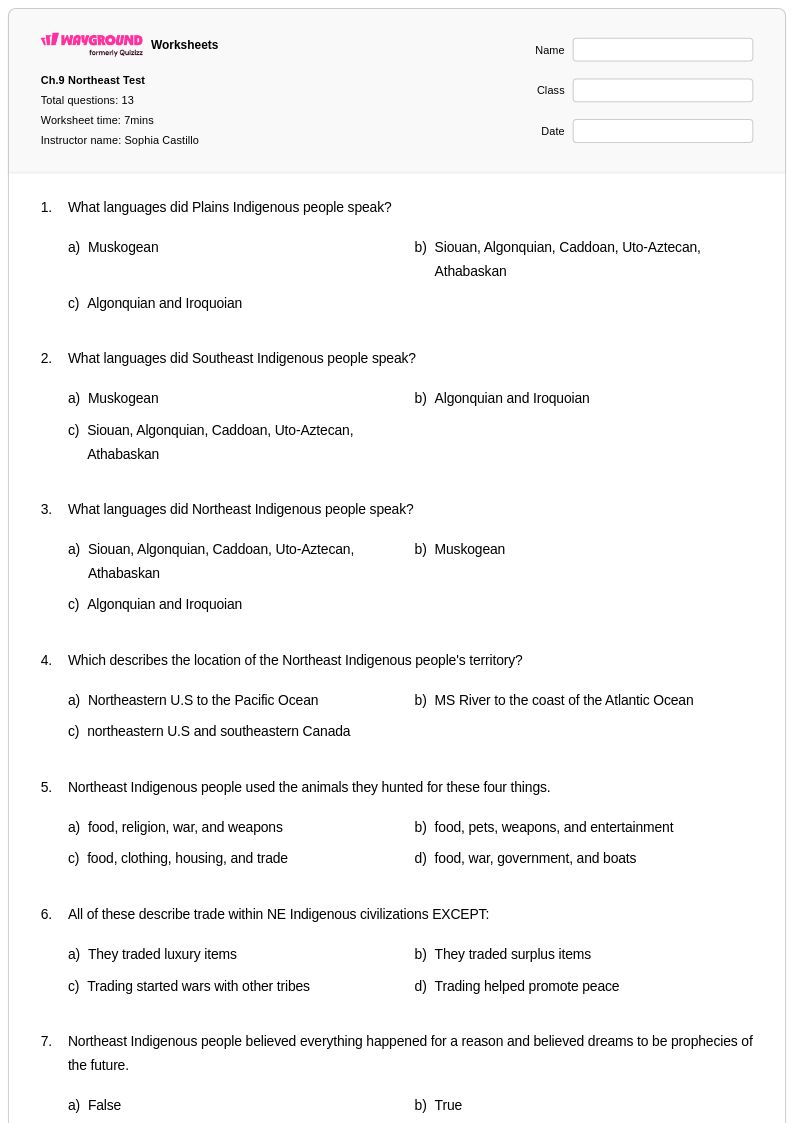
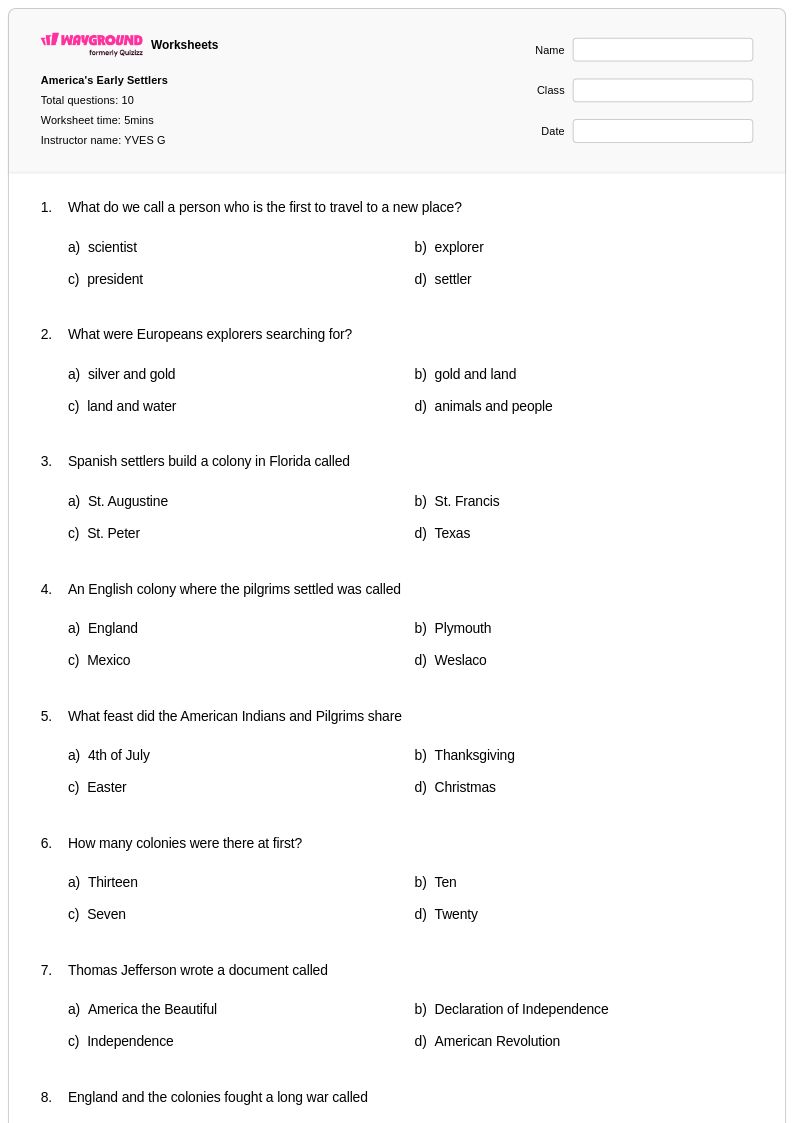
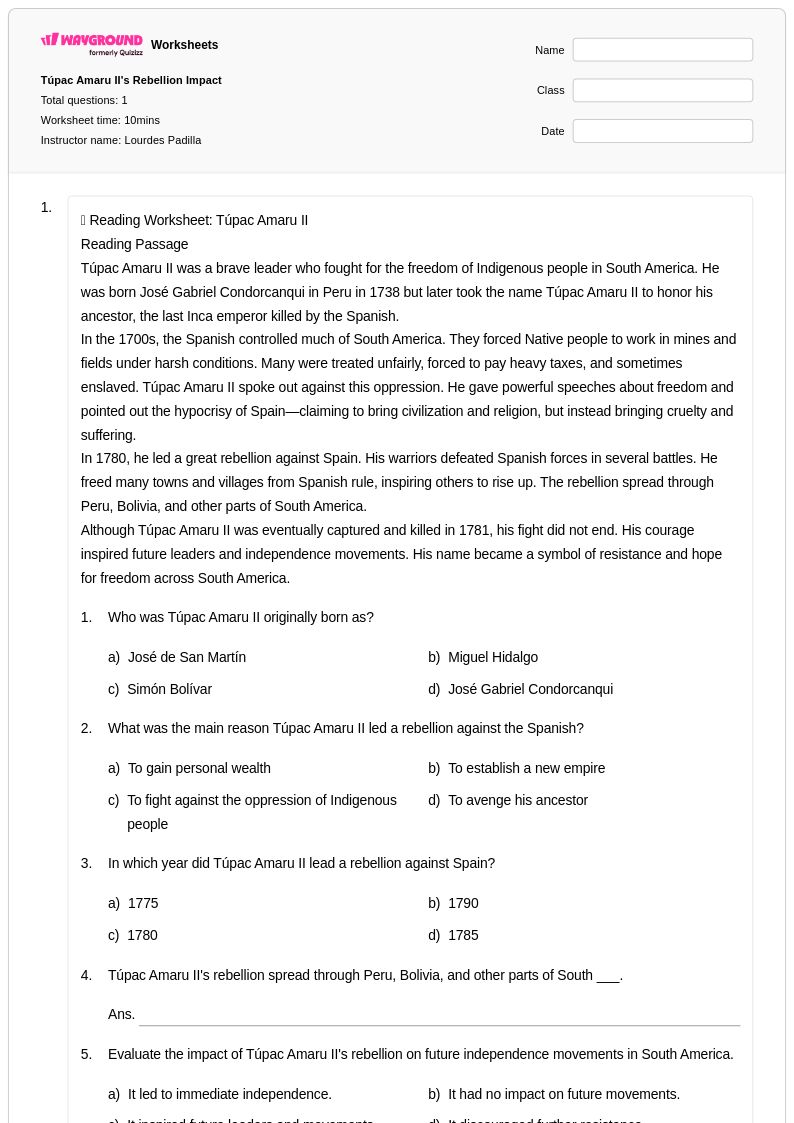
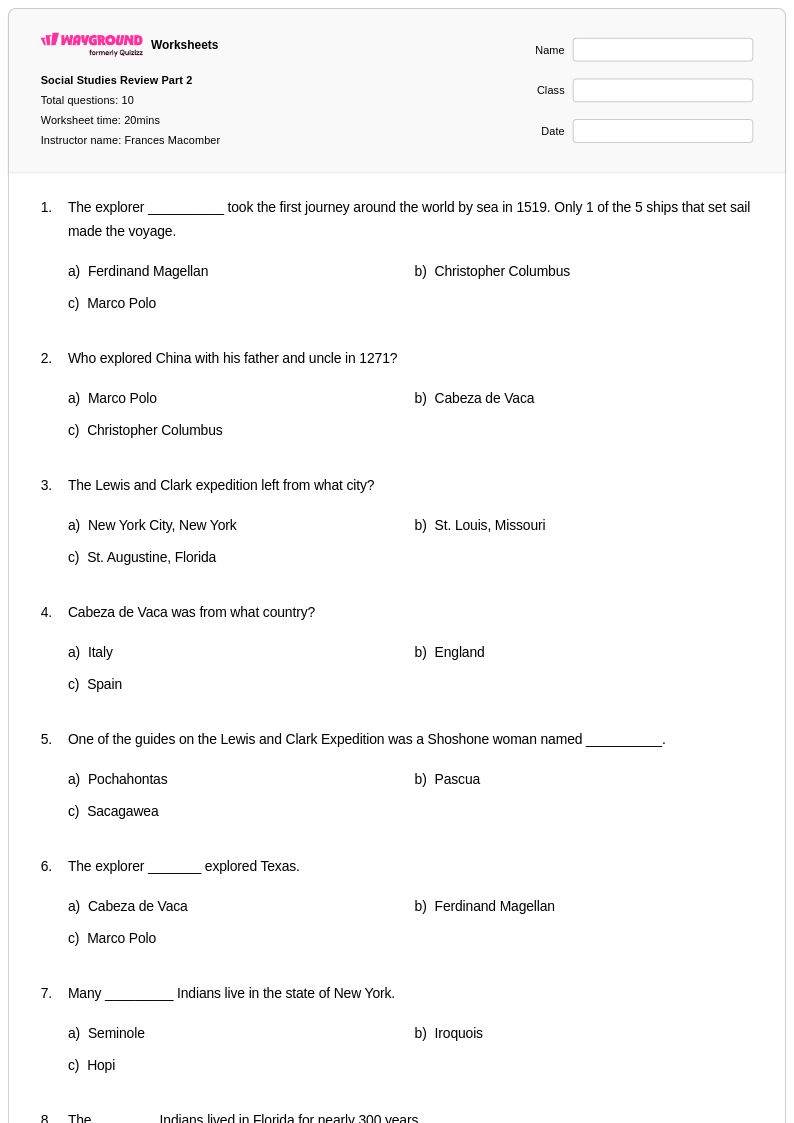
Indigenous Peoples Day worksheets for Class 2 students available through Wayground (formerly Quizizz) provide young learners with age-appropriate activities that introduce the rich histories, traditions, and contributions of Native American communities. These educational resources help second-grade students develop cultural awareness and respect for indigenous peoples while strengthening essential social studies skills including reading comprehension, critical thinking, and historical understanding. The printable worksheets feature engaging activities such as matching exercises connecting tribal nations with their traditional territories, simple timeline activities highlighting indigenous contributions to society, and creative tasks that encourage students to explore Native American art, food, and customs. Each worksheet includes a comprehensive answer key to support both independent practice and guided instruction, with free pdf downloads making these valuable resources easily accessible for classroom use and home practice problems.
Wayground (formerly Quizizz) empowers educators with an extensive collection of teacher-created Indigenous Peoples Day resources that can be seamlessly integrated into Class 2 social studies curricula. The platform's robust search and filtering capabilities allow teachers to quickly locate materials that align with state social studies standards while meeting diverse learning needs through built-in differentiation tools. Teachers can customize these worksheets to match their students' reading levels and cultural contexts, ensuring meaningful engagement with indigenous histories and contemporary Native American communities. Available in both digital and printable pdf formats, these resources support flexible lesson planning whether used for whole-class instruction, small group activities, or individual skill practice, while also serving as valuable tools for remediation and enrichment activities that deepen students' understanding of America's indigenous heritage.
FAQs
How do I teach Indigenous Peoples Day in a way that is respectful and culturally accurate?
Effective Indigenous Peoples Day instruction moves beyond surface-level symbols and focuses on specific tribal nations, their governance systems, cultural traditions, and ongoing contributions to American society. Teachers should ground lessons in historical context, distinguishing between Columbus Day and Indigenous Peoples Day, and help students understand why the recognition shift matters. Using primary sources, indigenous voices, and materials that address both historical and contemporary issues prevents stereotyping and builds genuine cultural understanding.
What topics should an Indigenous Peoples Day worksheet cover?
Strong Indigenous Peoples Day worksheets address traditional practices, tribal governance structures, environmental stewardship, and contemporary indigenous issues rather than limiting coverage to historical events alone. Connecting past contributions to present-day communities helps students develop a fuller, more accurate picture of Native American life. Including critical thinking prompts that ask students to analyze historical perspectives and evaluate how indigenous heritage is recognized today adds academic depth to the lesson.
What common misconceptions do students have about Indigenous Peoples Day and Native American history?
One of the most persistent misconceptions is that Native American cultures are historical rather than living, leading students to overlook the contemporary significance of indigenous communities. Students also frequently conflate diverse tribal nations into a single, monolithic culture, which erases the distinct traditions, languages, and governance systems of individual nations. Worksheets that require students to distinguish between specific tribes and examine both historical and modern contexts directly address these errors.
How can I use Indigenous Peoples Day worksheets to build critical thinking skills?
Indigenous Peoples Day worksheets that ask students to examine multiple historical perspectives, compare tribal governance systems to other political structures, or analyze how indigenous environmental practices relate to modern conservation efforts push beyond recall and into higher-order thinking. Practice problems that connect historical events to modern contexts are particularly effective for developing cultural awareness alongside analytical skills. These tasks also open classroom discussion about how societies choose what to commemorate and why.
How do I use Indigenous Peoples Day worksheets from Wayground in my classroom?
Wayground's Indigenous Peoples Day worksheets are available as printable PDFs for traditional classroom use and in digital formats for technology-integrated or remote learning environments, giving teachers flexibility across instructional settings. Each worksheet includes a detailed answer key, making them ready to use for in-class practice, homework, or formative assessment without additional prep. Teachers can also host worksheets as a quiz directly on Wayground, and platform accommodations such as read aloud and extended time can be applied to individual students as needed.
How do I differentiate Indigenous Peoples Day lessons for students at different skill levels?
Differentiation for this topic can include adjusting the complexity of reading passages, scaffolding discussion prompts, or providing graphic organizers for students who need additional support making connections between historical and contemporary content. On Wayground, teachers can apply individual accommodations such as reduced answer choices, read aloud, and extended time to specific students, while the rest of the class works with default settings. This allows meaningful differentiation without singling out students or creating separate lesson plans.