
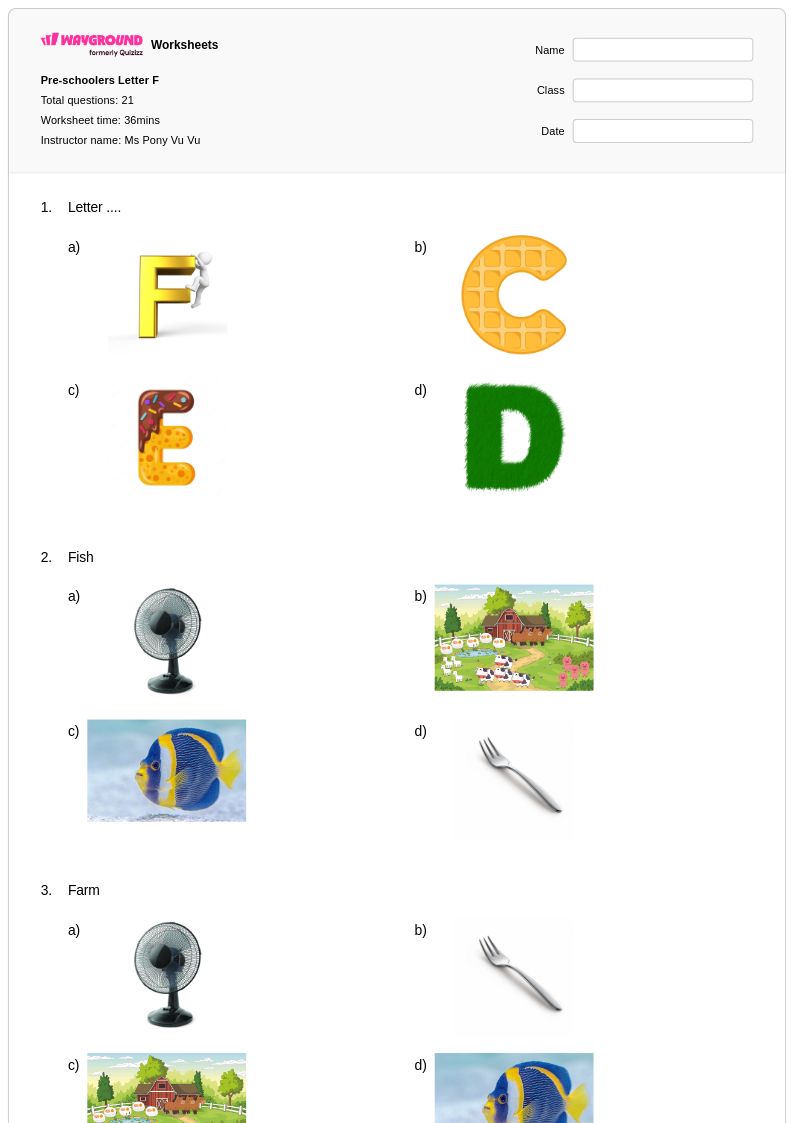
21Q
1st - 5th
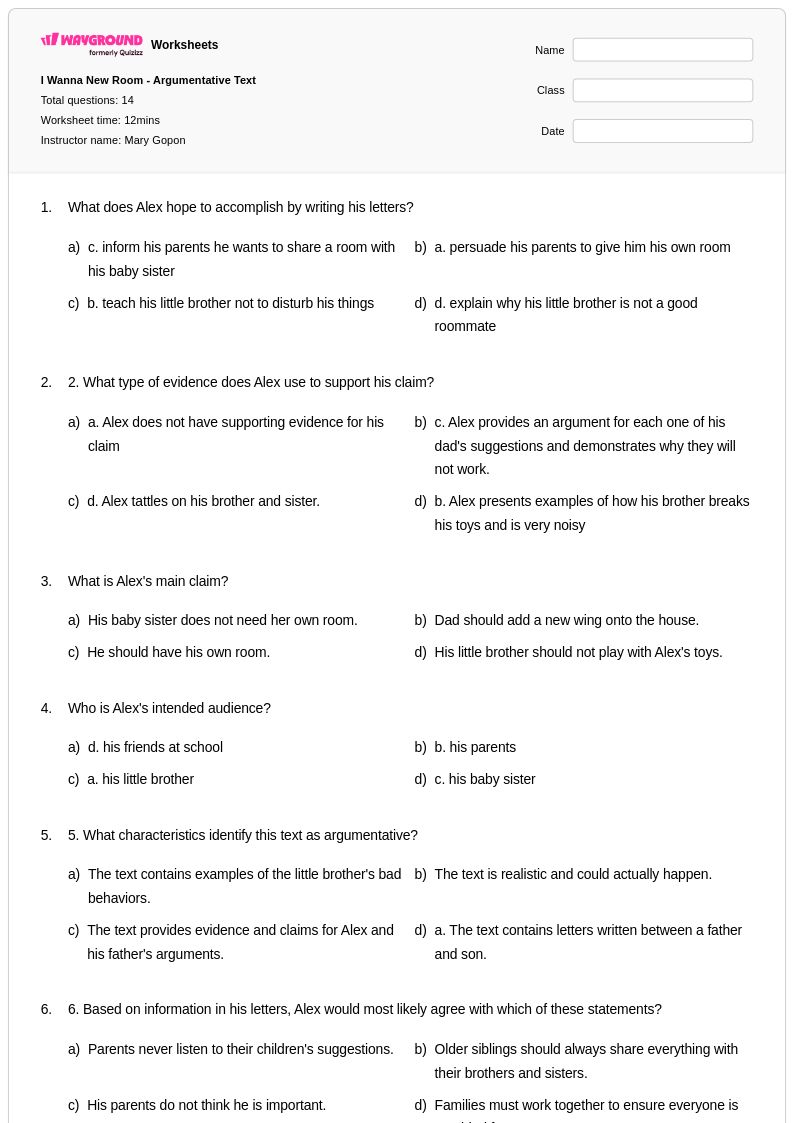
14Q
3rd
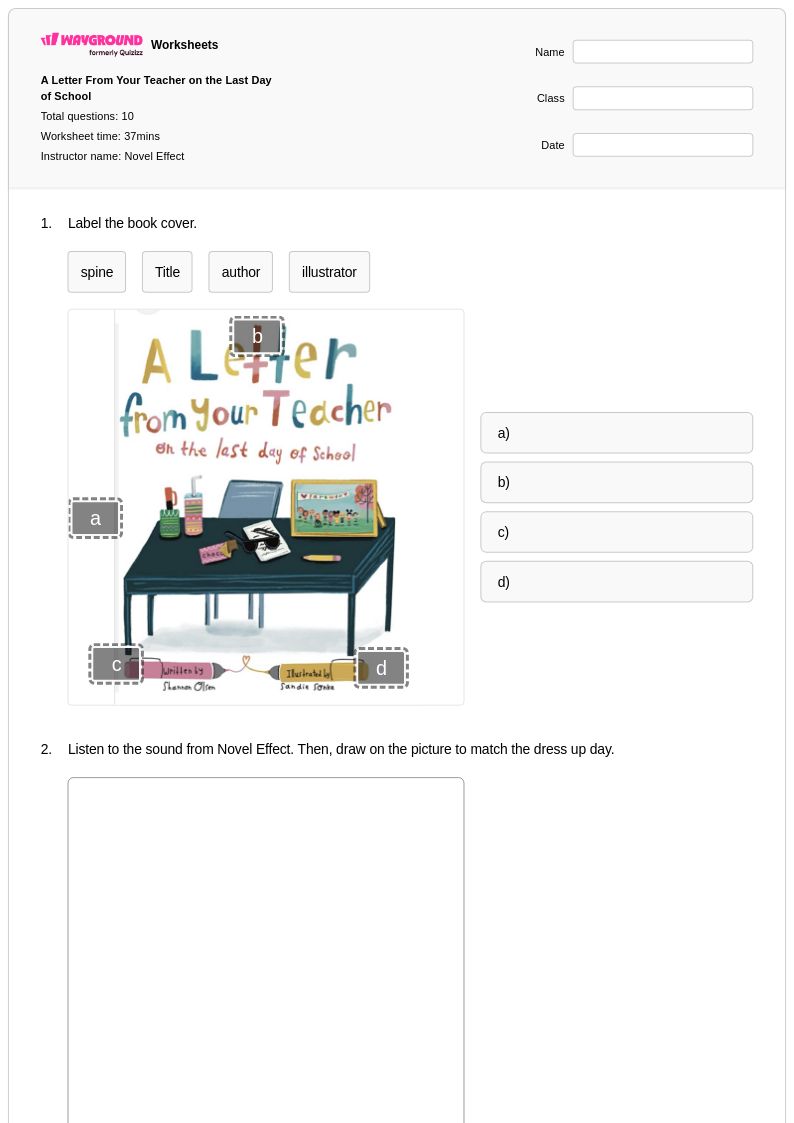
10Q
1st - 5th
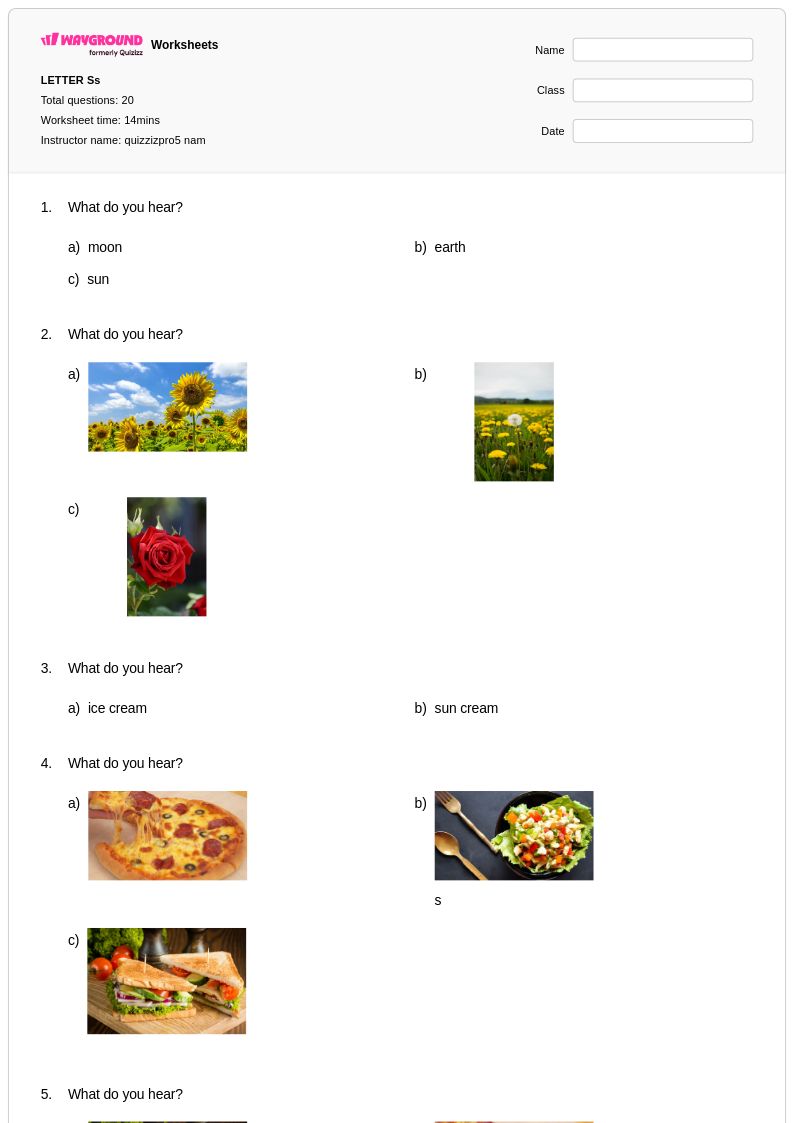
20Q
1st - 5th
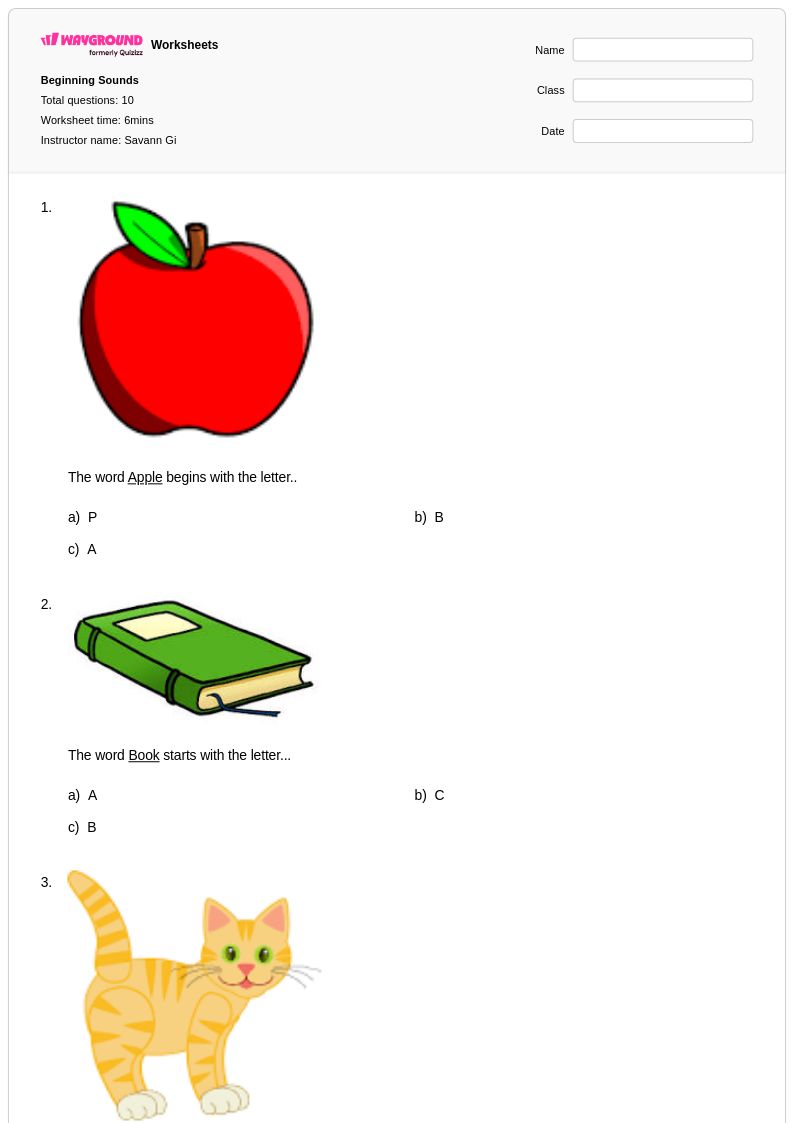
10Q
KG - 5th
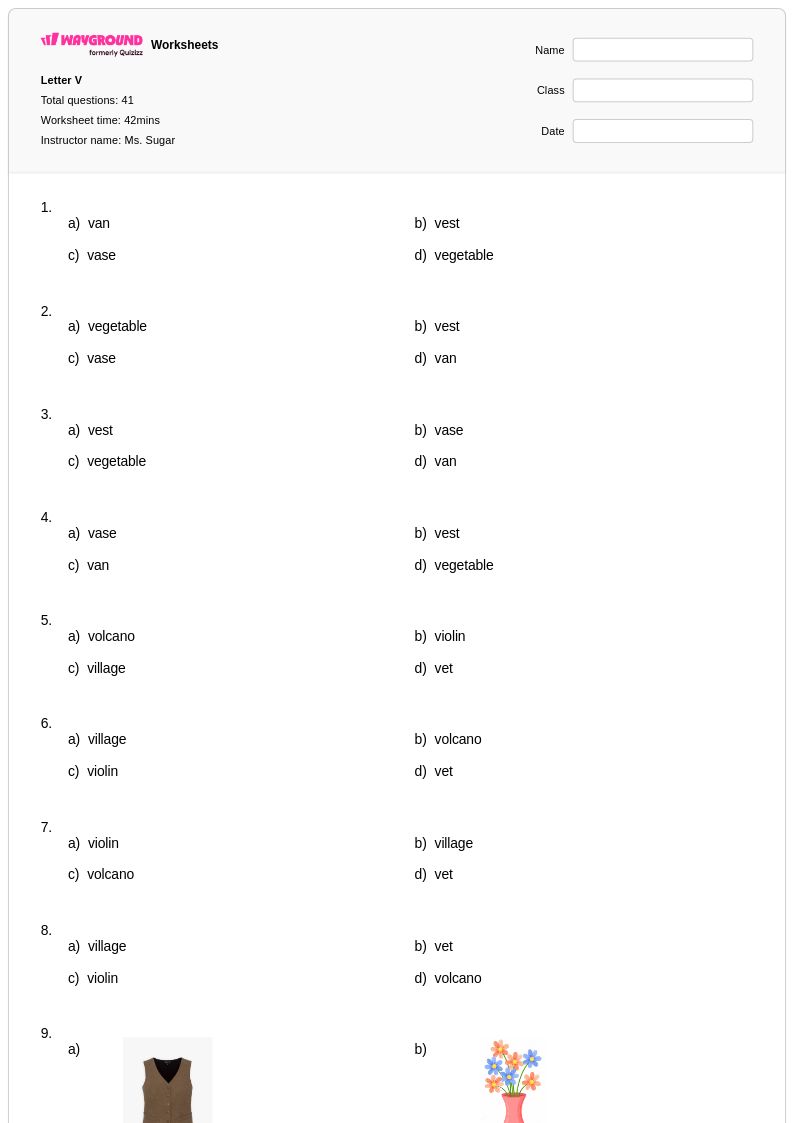
41Q
1st - 5th
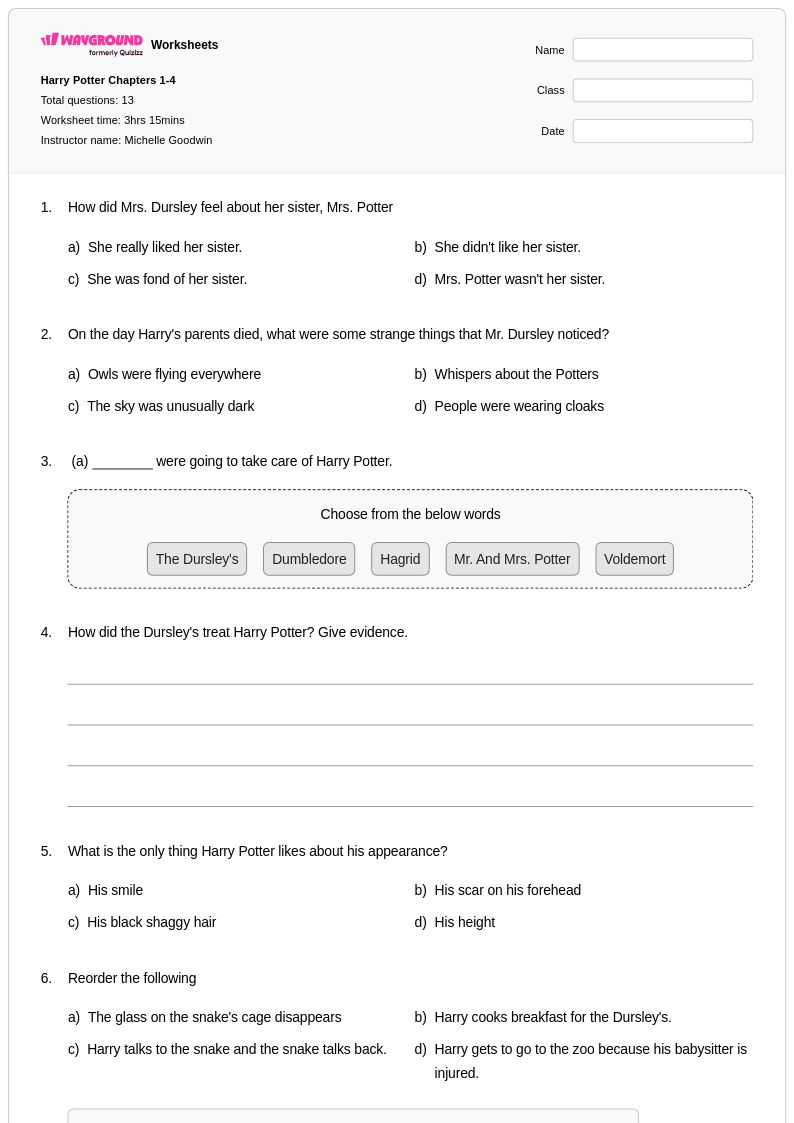
13Q
3rd
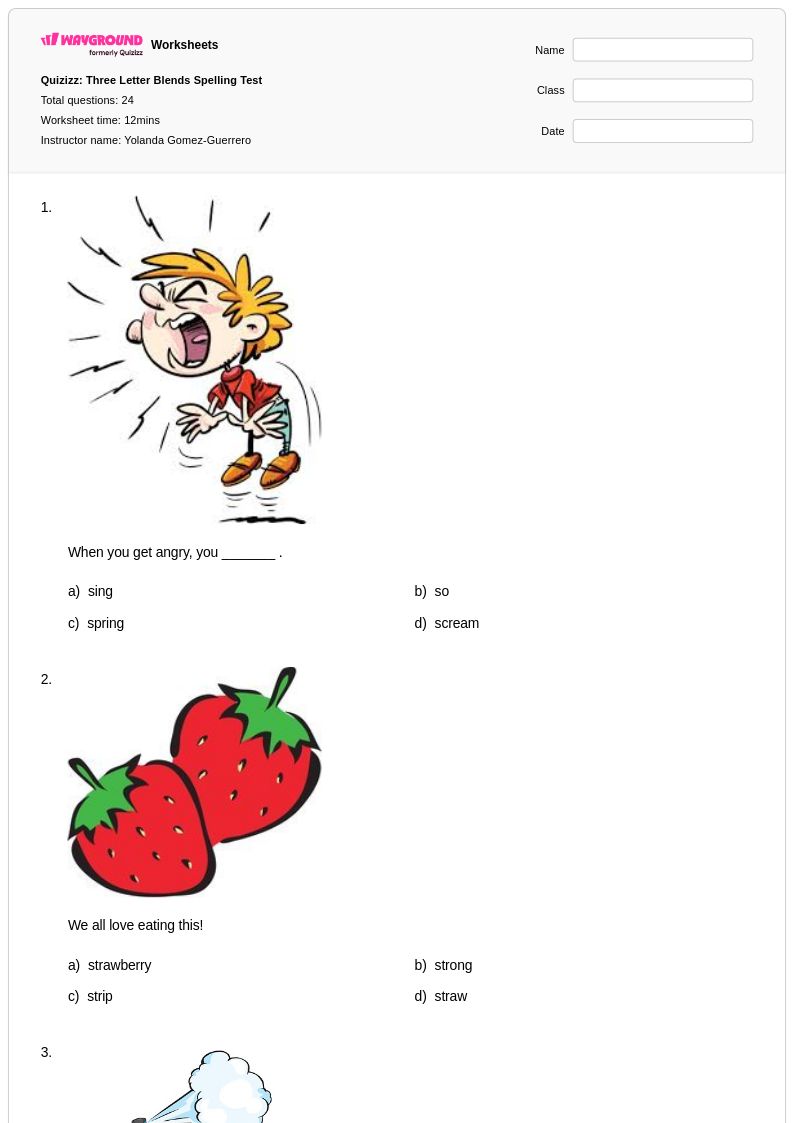
24Q
3rd - 4th
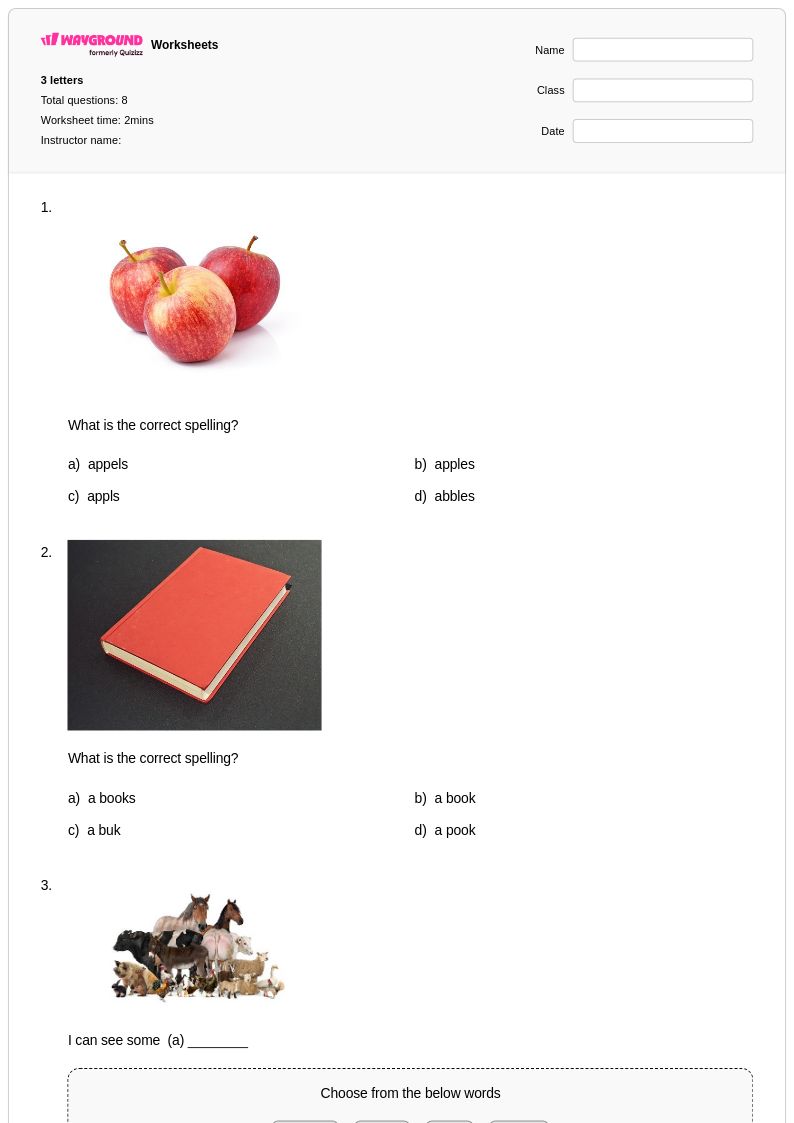
8Q
1st - 5th
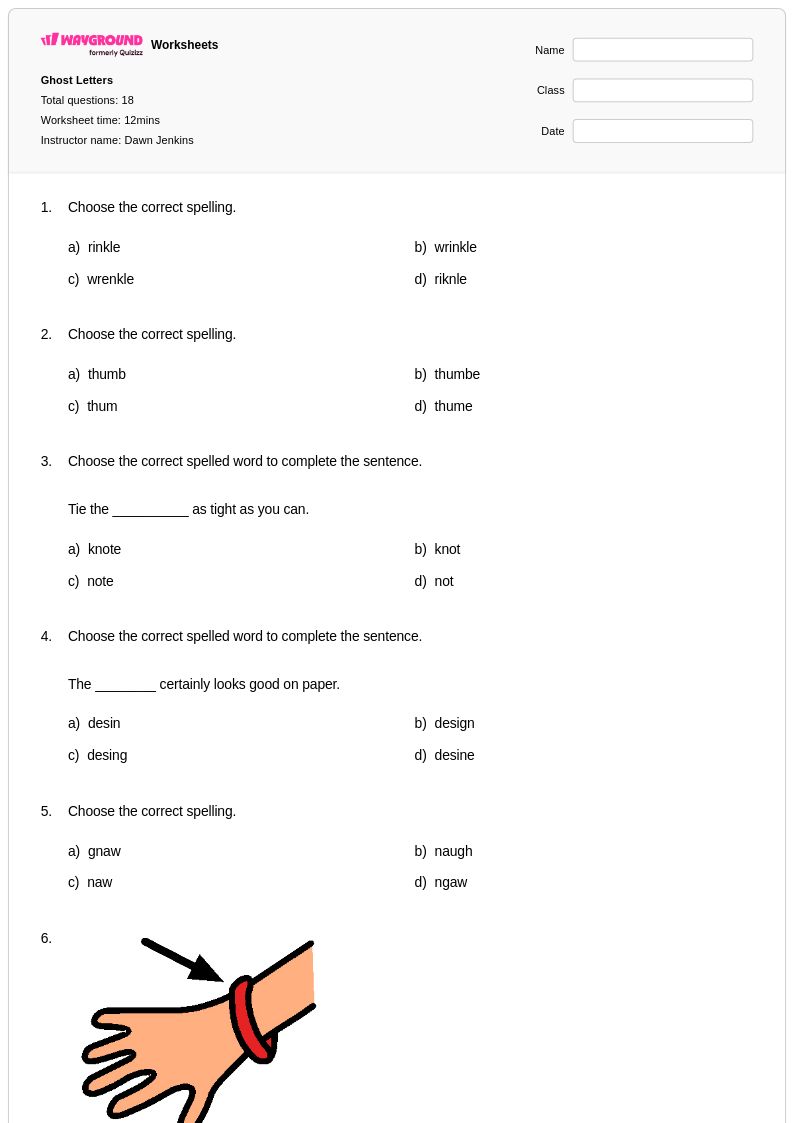
18Q
2nd - 3rd
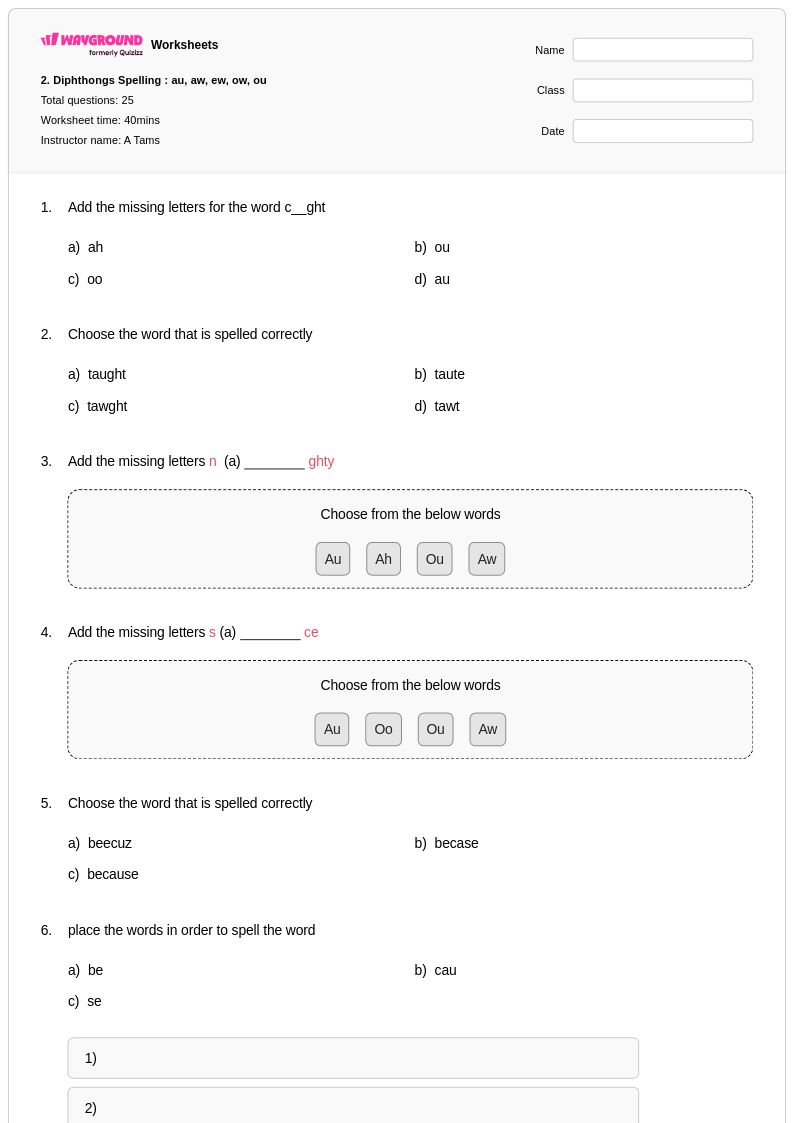
25Q
3rd
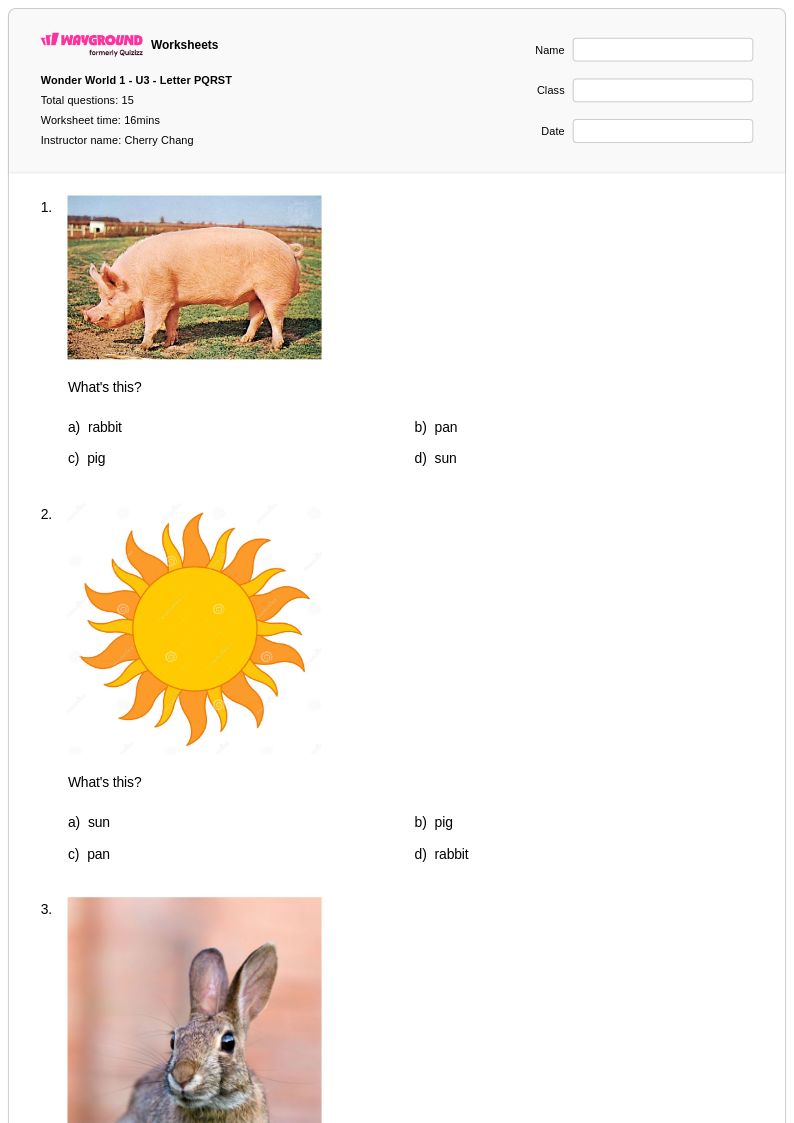
15Q
3rd
12Q
2nd - 4th
20Q
3rd
31Q
1st - 5th
20Q
3rd
12Q
3rd - 5th
10Q
1st - 5th
18Q
1st - 5th
10Q
3rd
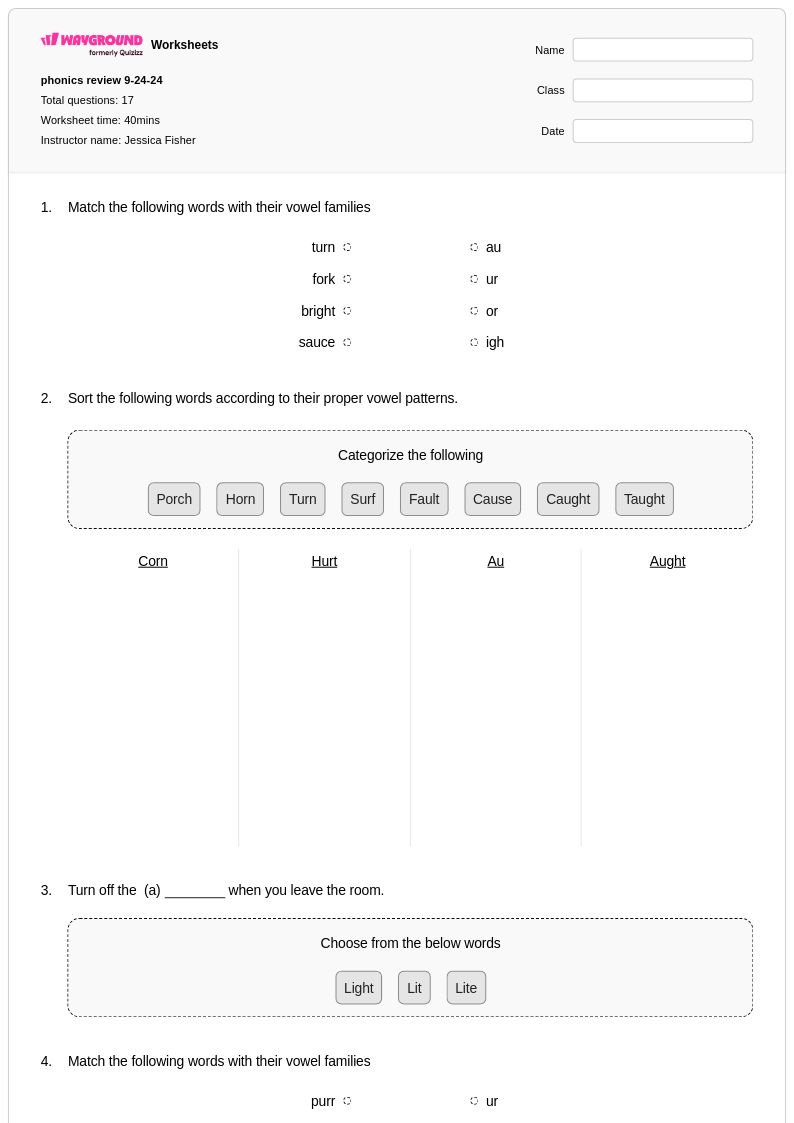
17Q
3rd
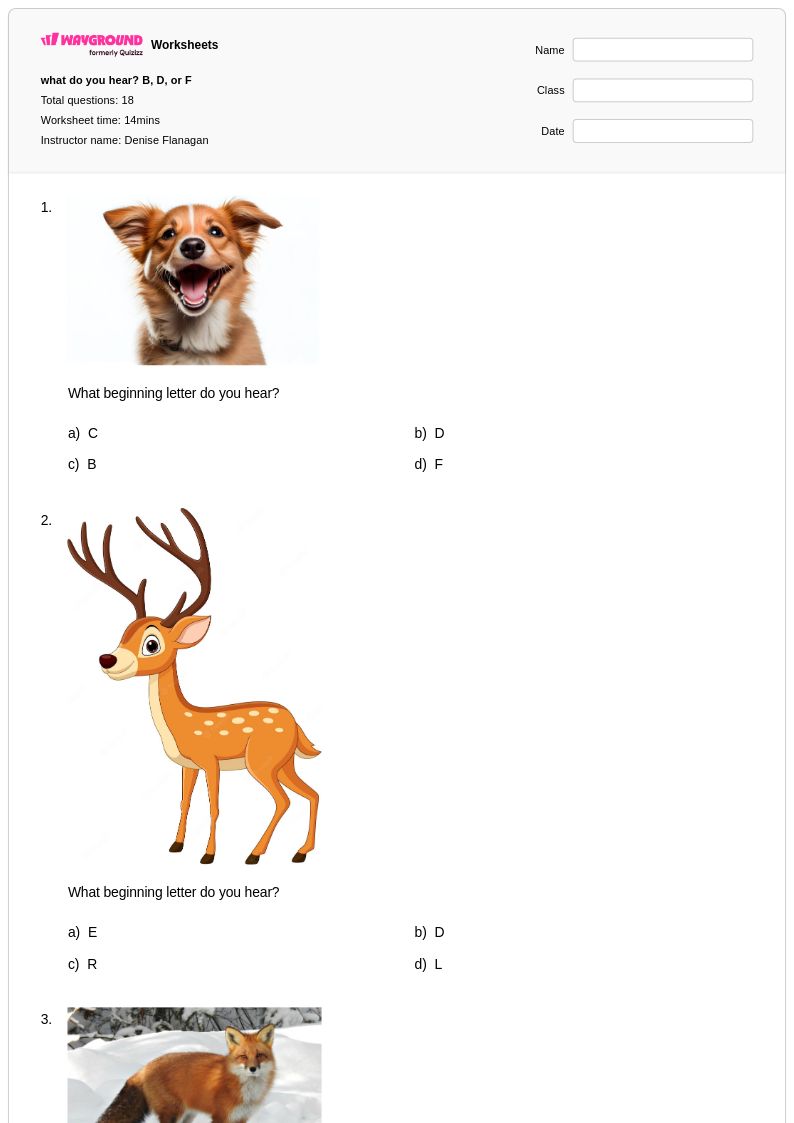
18Q
1st - 5th
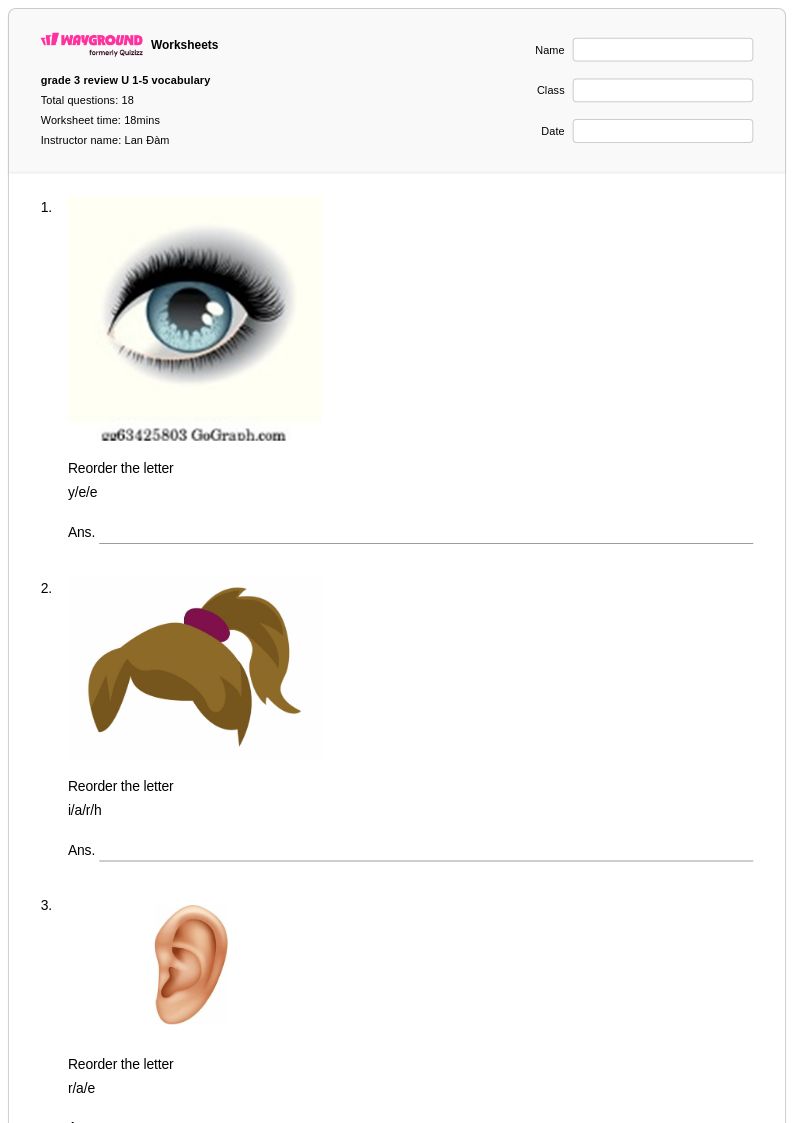
18Q
3rd
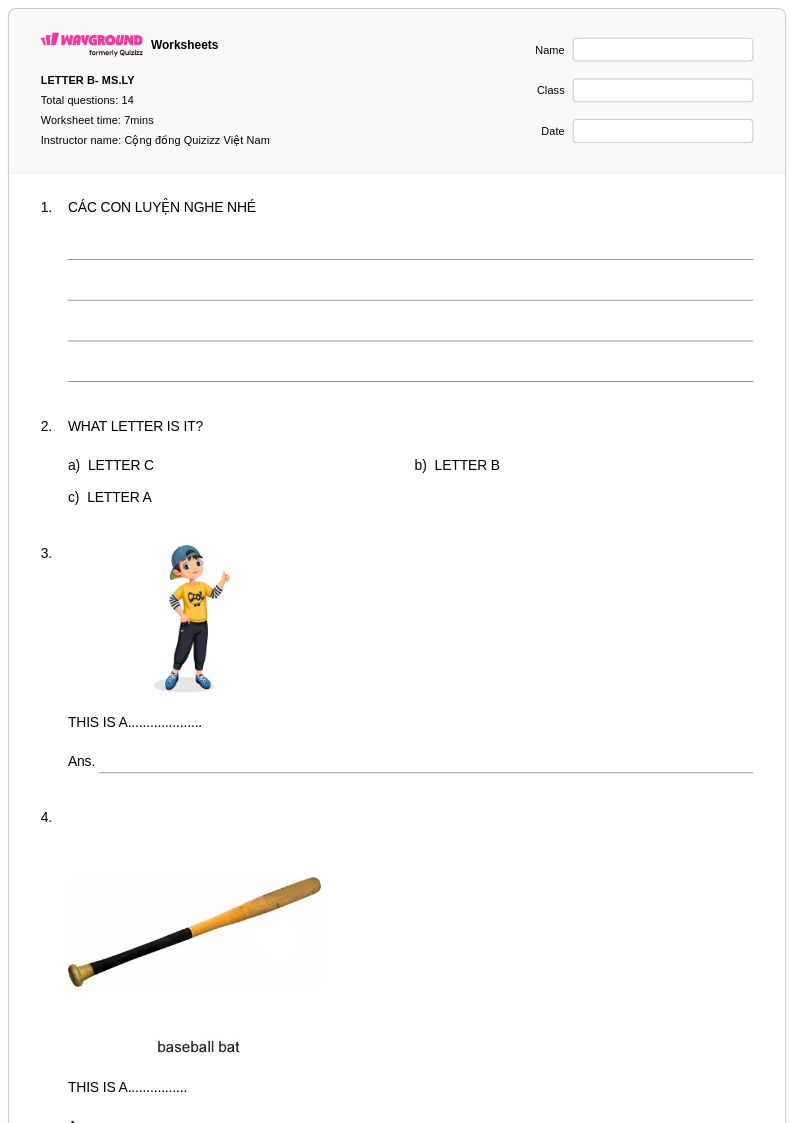
14Q
1st - 3rd
Explorar Letter Reversal hojas de trabajo por grados
Explore otras hojas de trabajo de materias para class 3
Explore printable Letter Reversal worksheets for Class 3
Letter reversal worksheets for Class 3 students available through Wayground (formerly Quizizz) provide targeted practice to help young learners overcome one of the most common challenges in early literacy development. These comprehensive printables focus on distinguishing between frequently confused letter pairs such as b and d, p and q, and m and w, while also addressing number reversals that often accompany this developmental phase. The worksheets strengthen visual processing skills, spatial awareness, and letter recognition through systematic practice problems that progress from simple identification tasks to more complex writing exercises. Each resource includes a detailed answer key, making it easy for teachers and parents to provide immediate feedback and track student progress. These free educational materials incorporate multisensory learning approaches, combining visual cues, directional arrows, and tactile elements to help students develop automatic letter formation and recognition skills essential for reading and writing success.
Wayground's extensive collection supports educators with millions of teacher-created letter reversal resources specifically designed for Class 3 learners and easily accessible through advanced search and filtering capabilities. Teachers can quickly locate materials aligned to literacy standards and customize worksheets to match individual student needs, whether for whole-class instruction, small group intervention, or independent practice. The platform's differentiation tools allow educators to modify difficulty levels and select from various worksheet formats, including both printable pdf versions for traditional classroom use and digital formats for technology-integrated learning environments. These flexible resources streamline lesson planning while providing targeted remediation for struggling students and enrichment opportunities for those ready to advance, ensuring that all learners receive appropriate support in overcoming letter reversal challenges that can impact reading fluency and writing confidence.
FAQs
How do I teach students to stop reversing letters like b and d?
At what age should I be concerned about letter reversals?
What exercises help students practice distinguishing between b, d, p, and q?
What mistakes do students commonly make with letter reversals?
How can I use letter reversal worksheets to support students with different needs in the same classroom?
How do I use Wayground's letter reversal worksheets in my classroom?