Free Printable Making Connections in Reading Worksheets for Class 3
Class 3 making connections in reading worksheets from Wayground help students develop critical comprehension skills through engaging printables that teach text-to-self, text-to-text, and text-to-world connections with answer keys included.
Explore printable Making Connections in Reading worksheets for Class 3
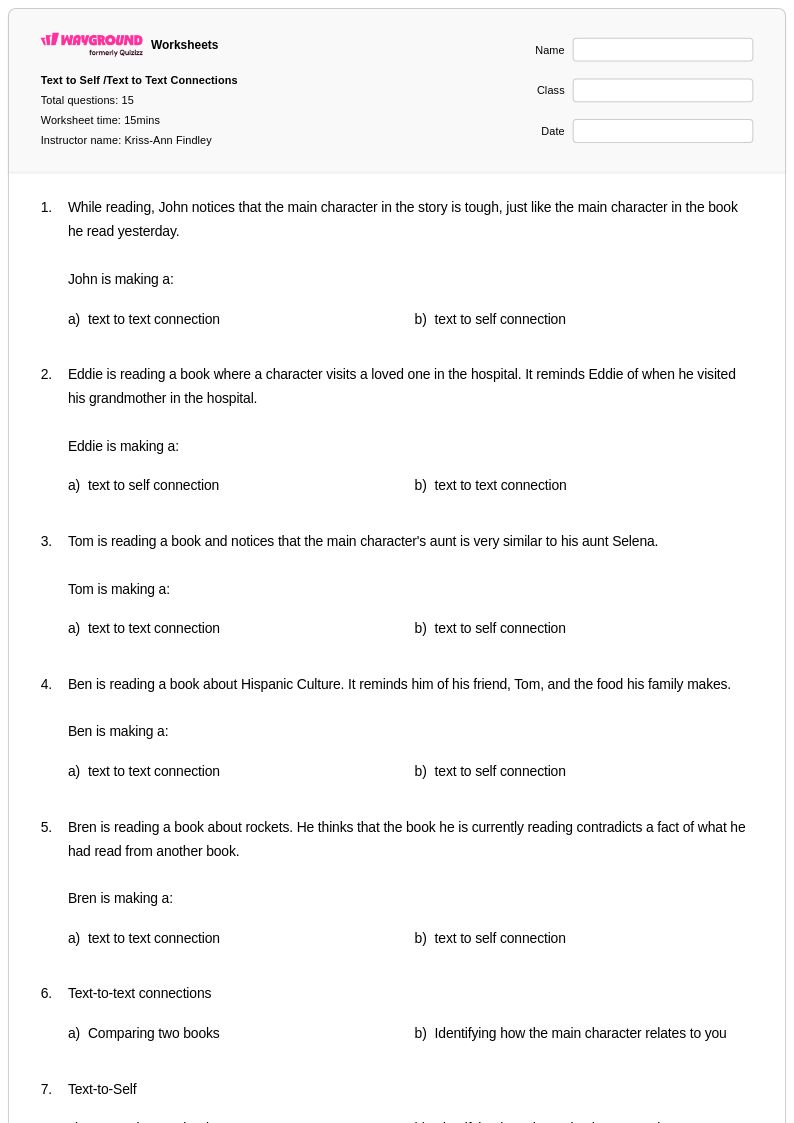
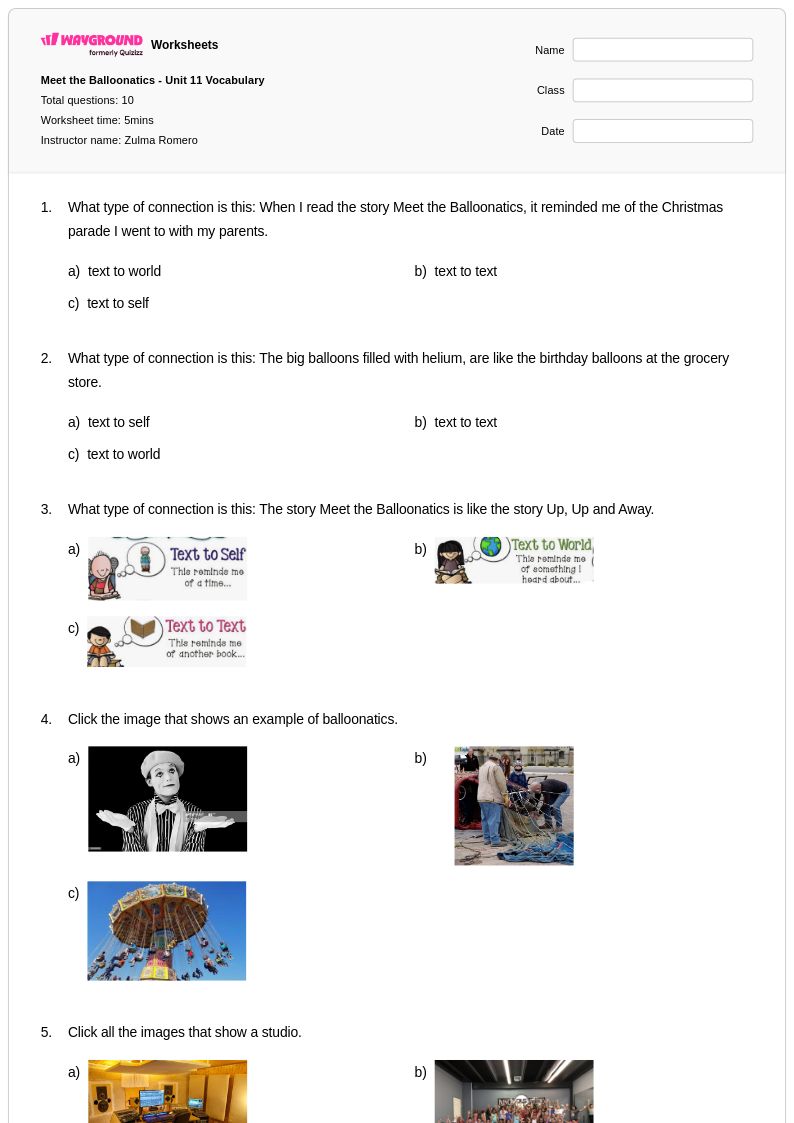
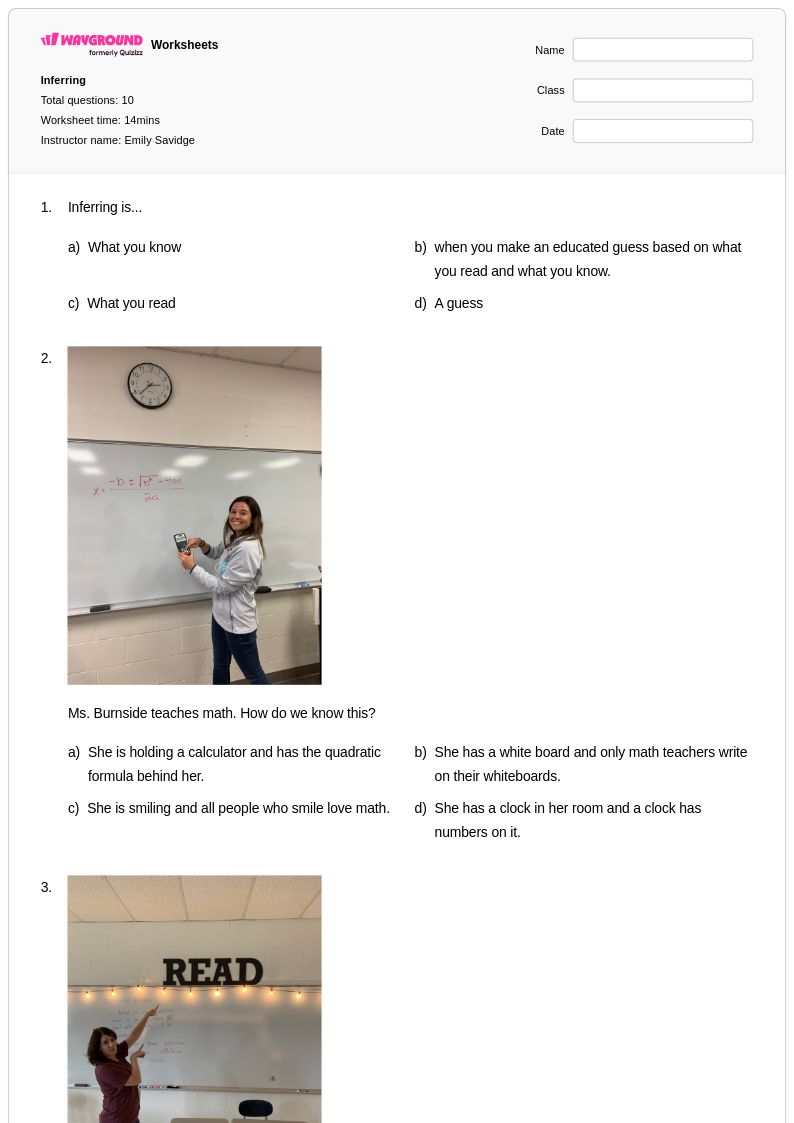
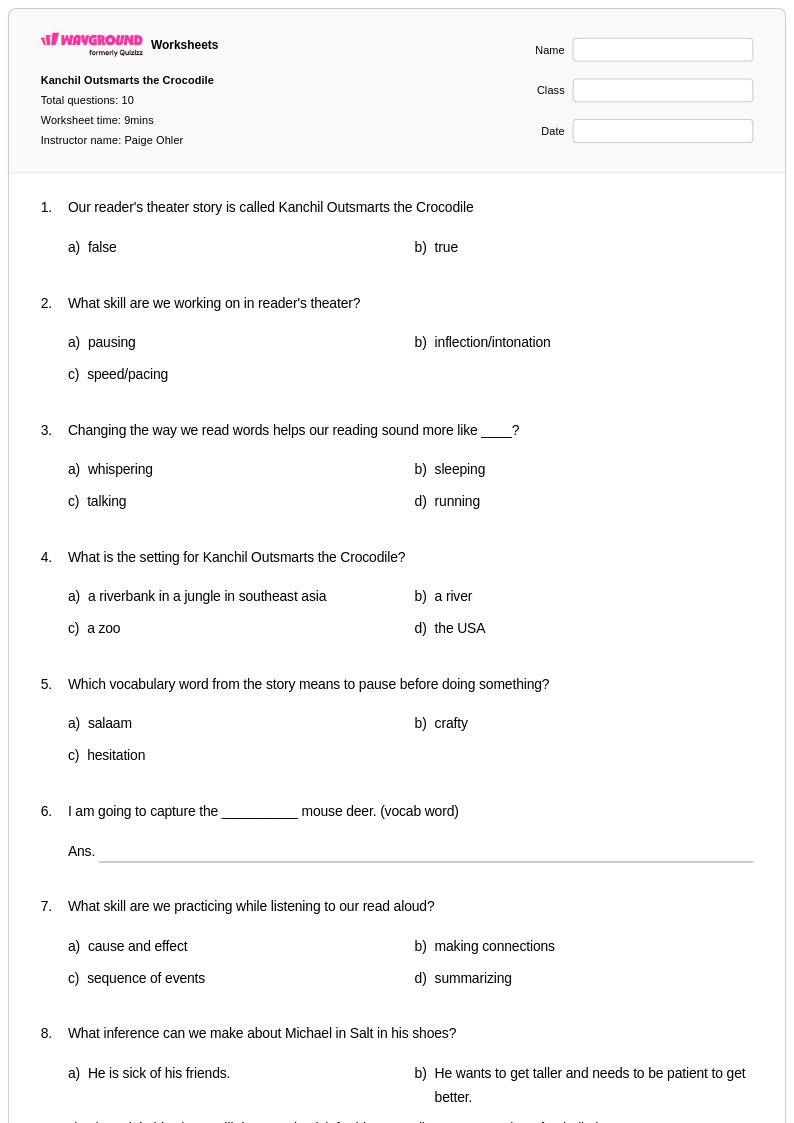
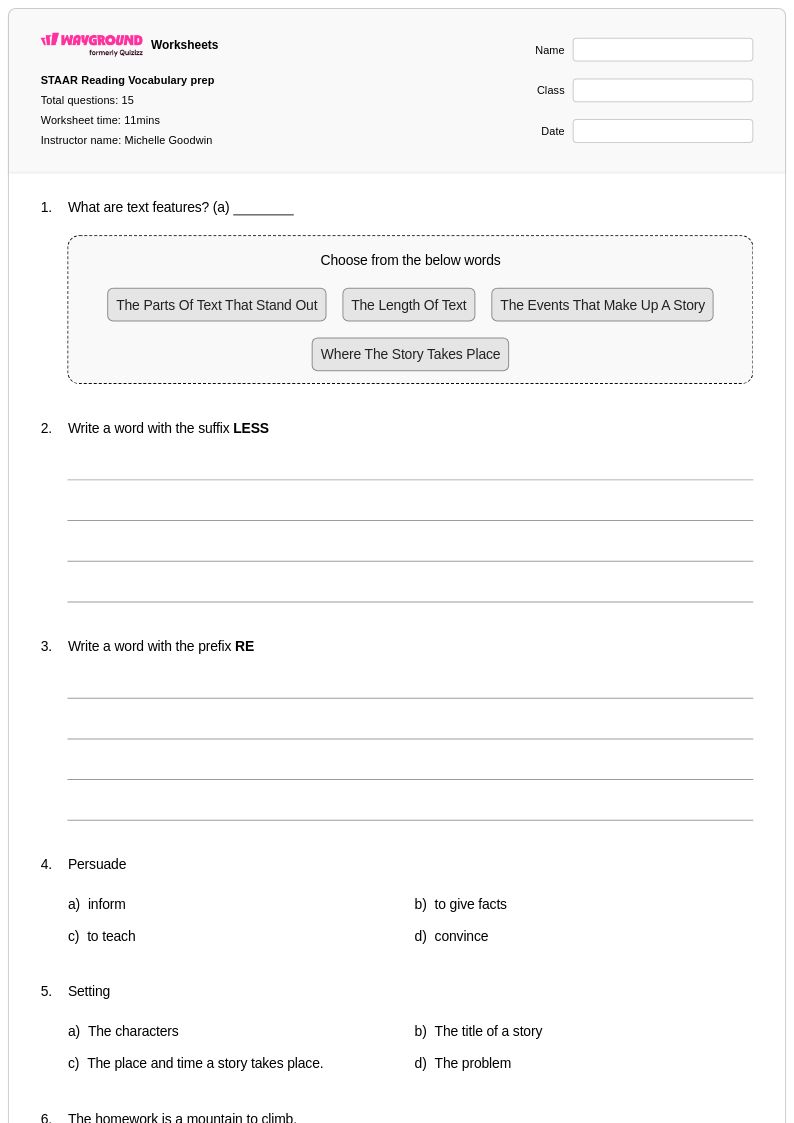
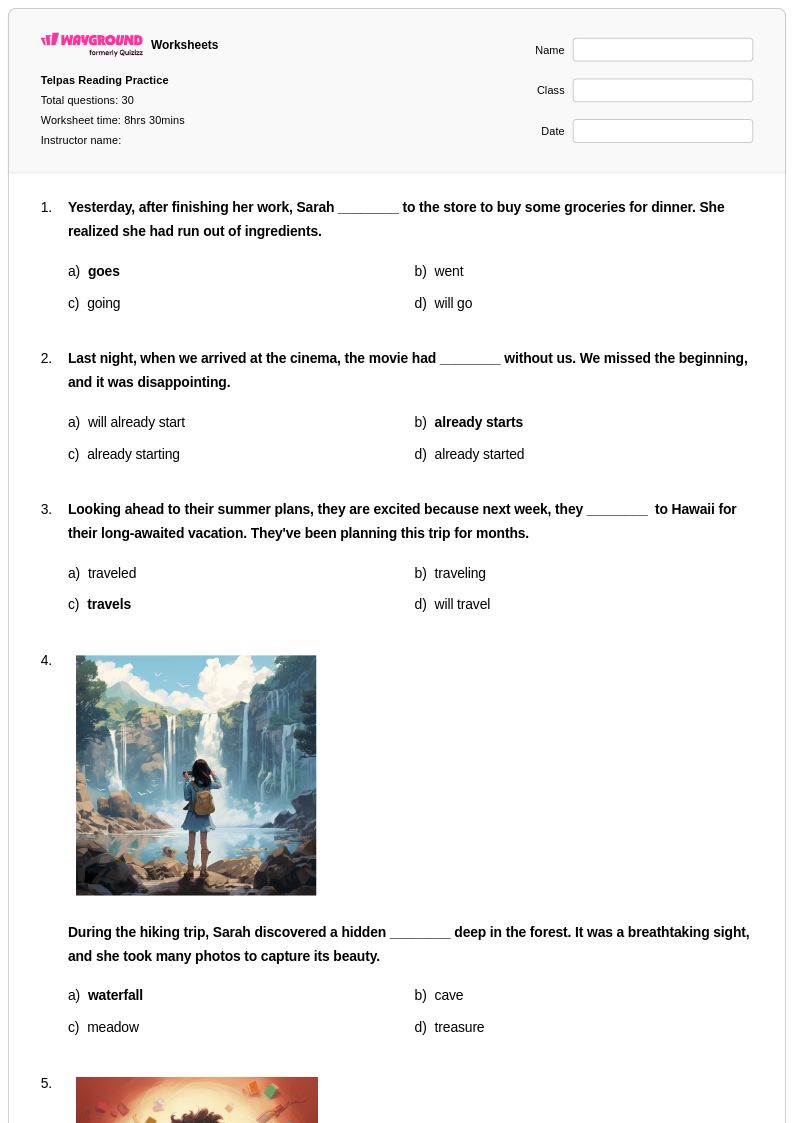
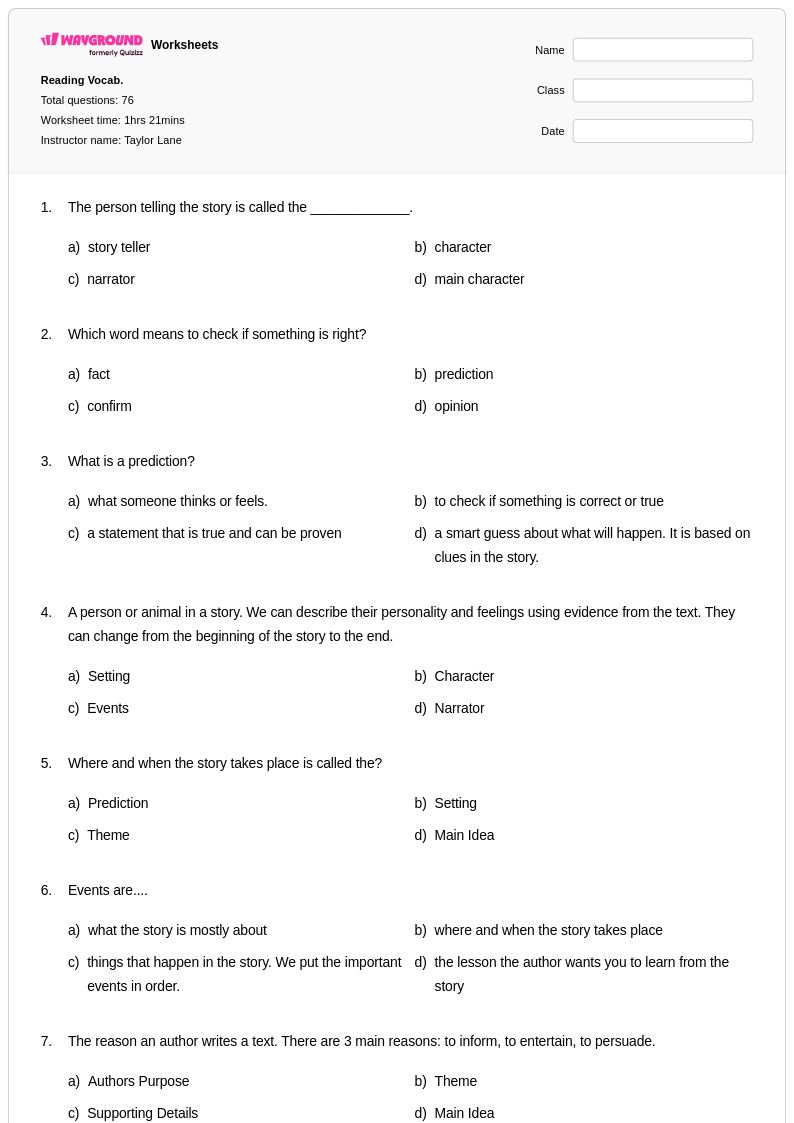
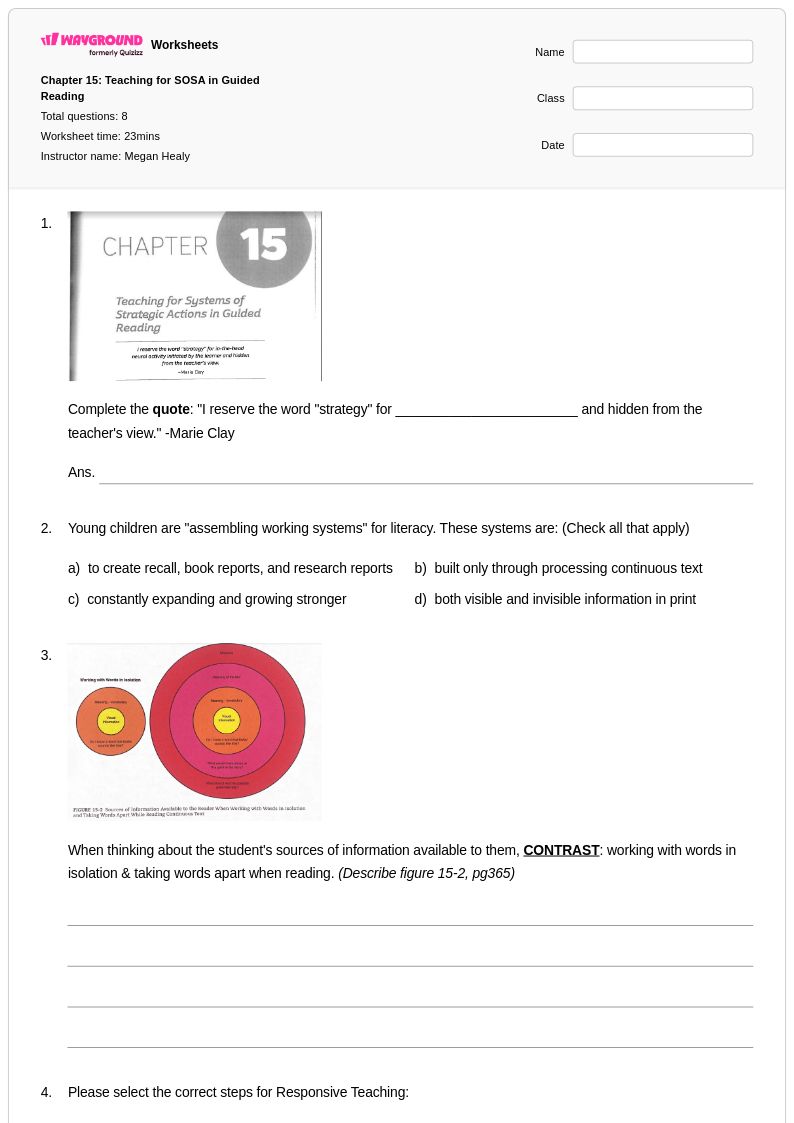
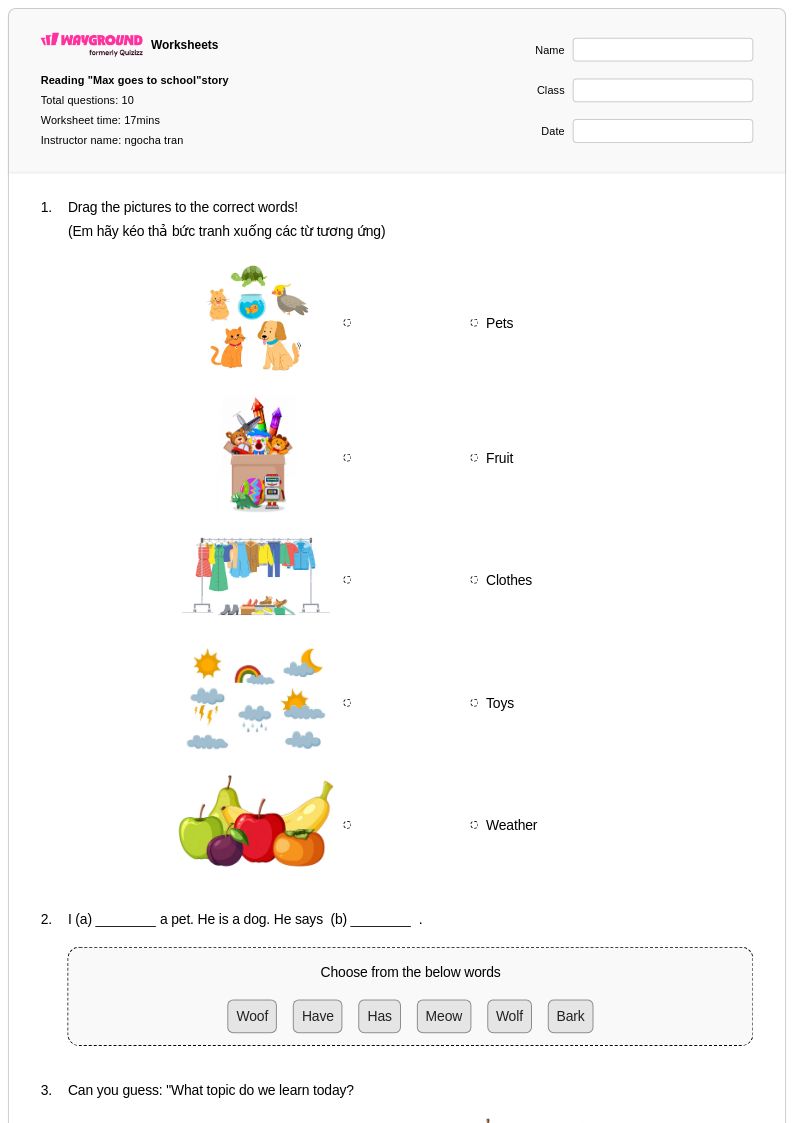
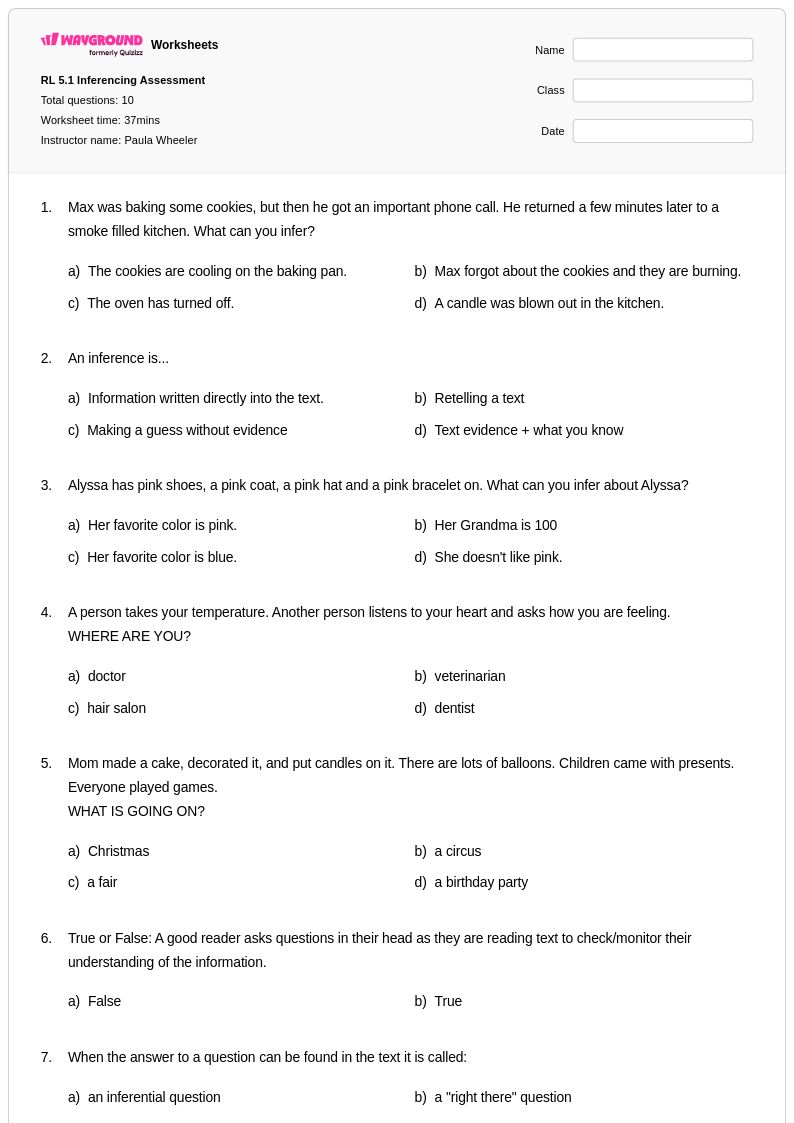
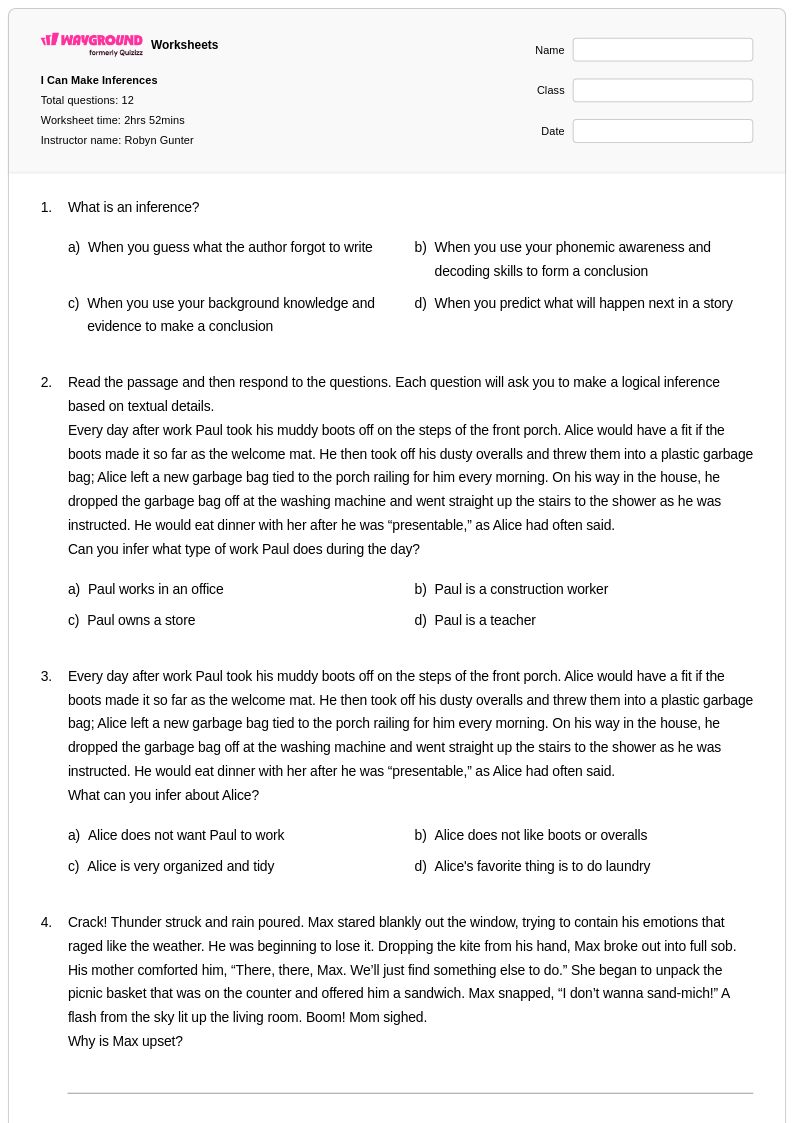
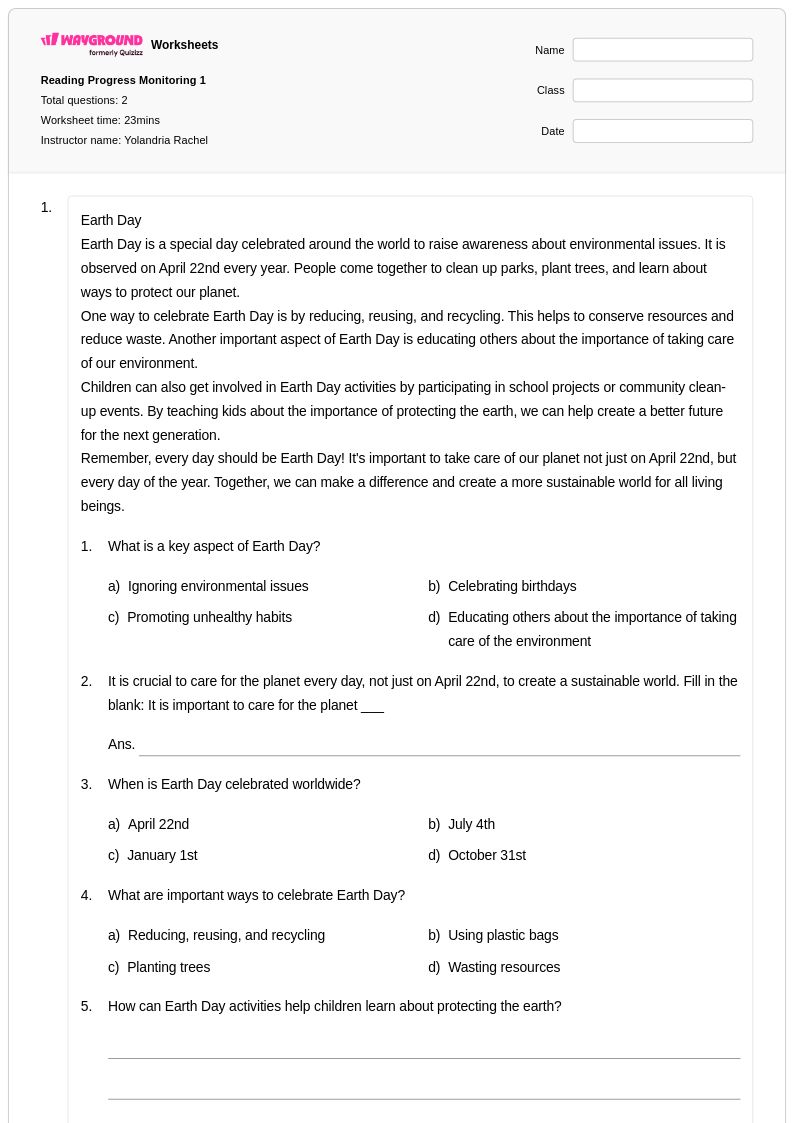
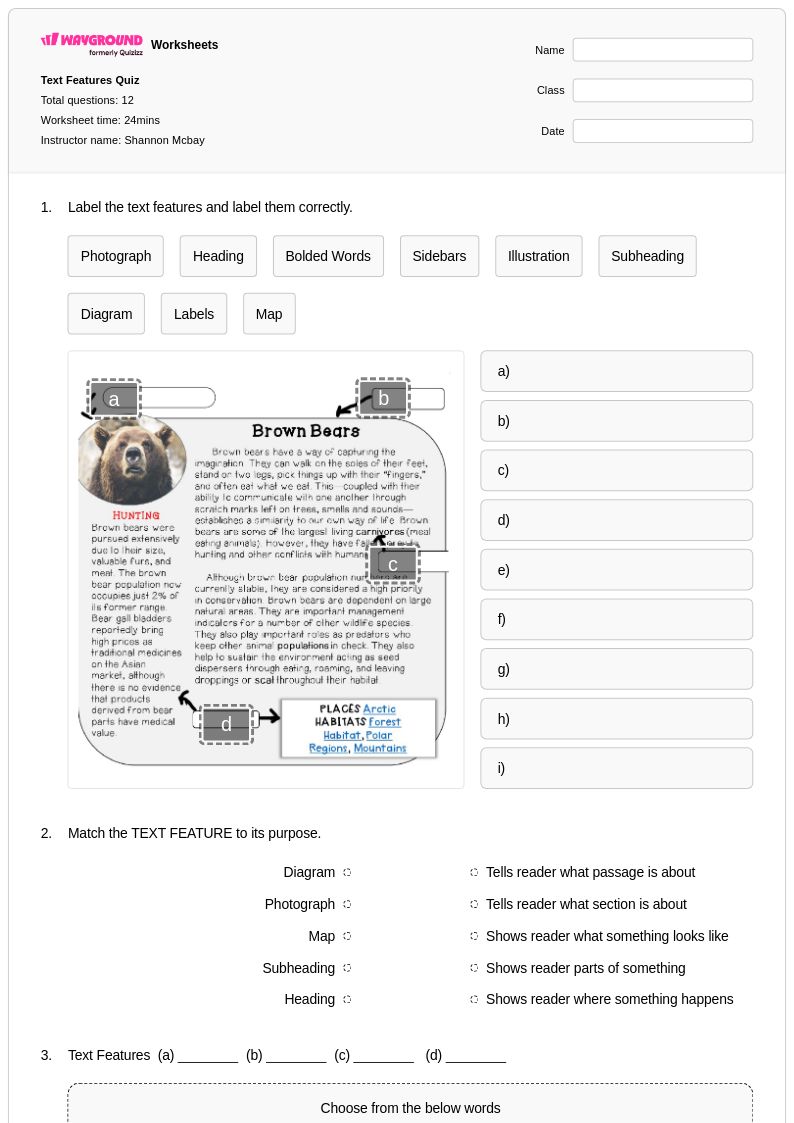
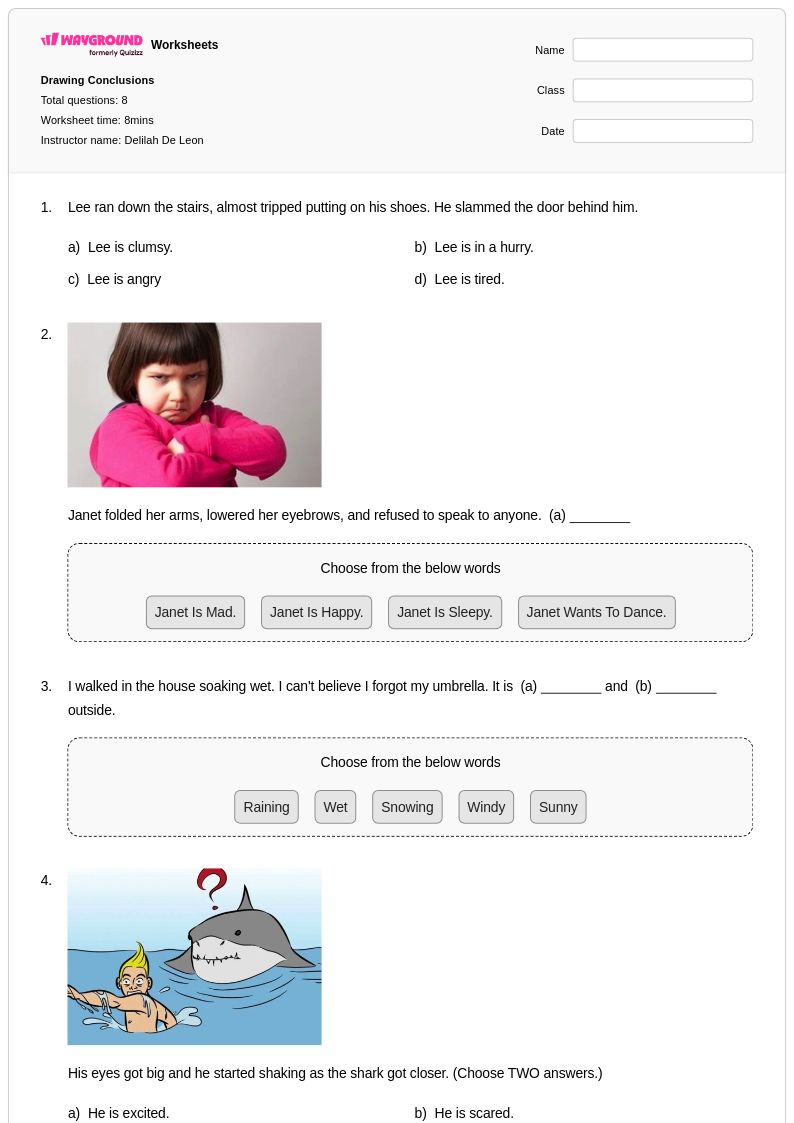
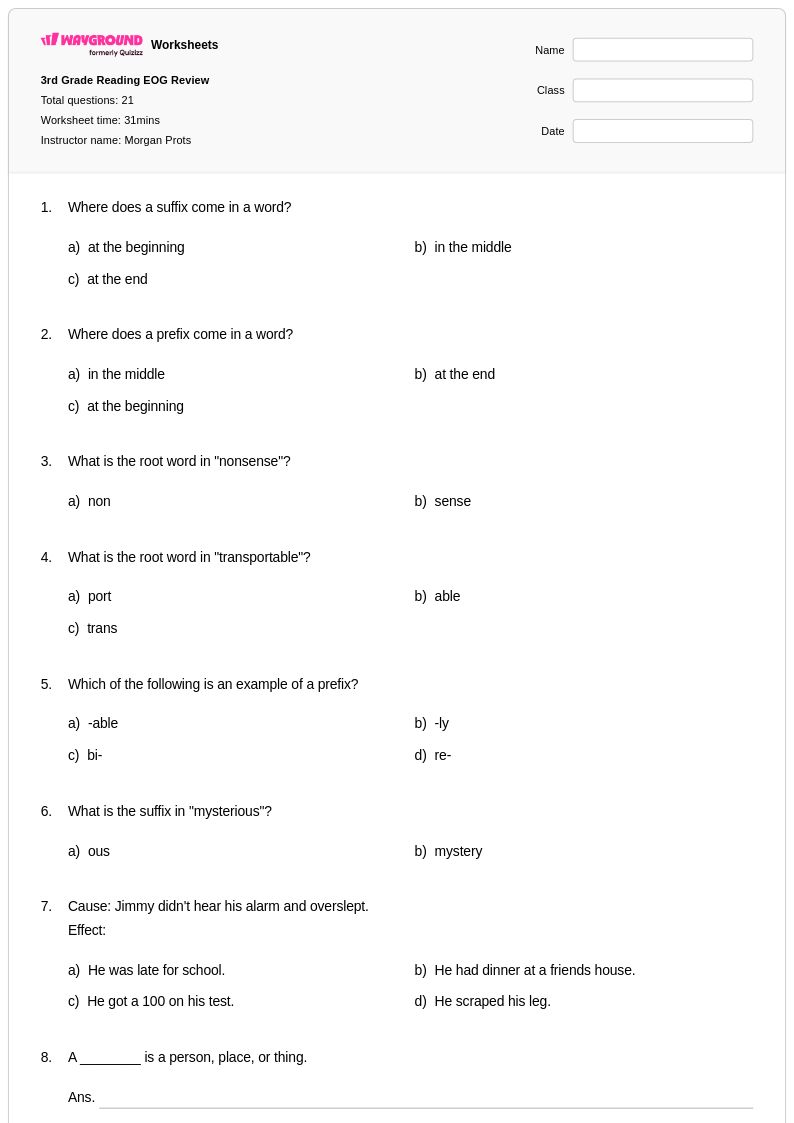
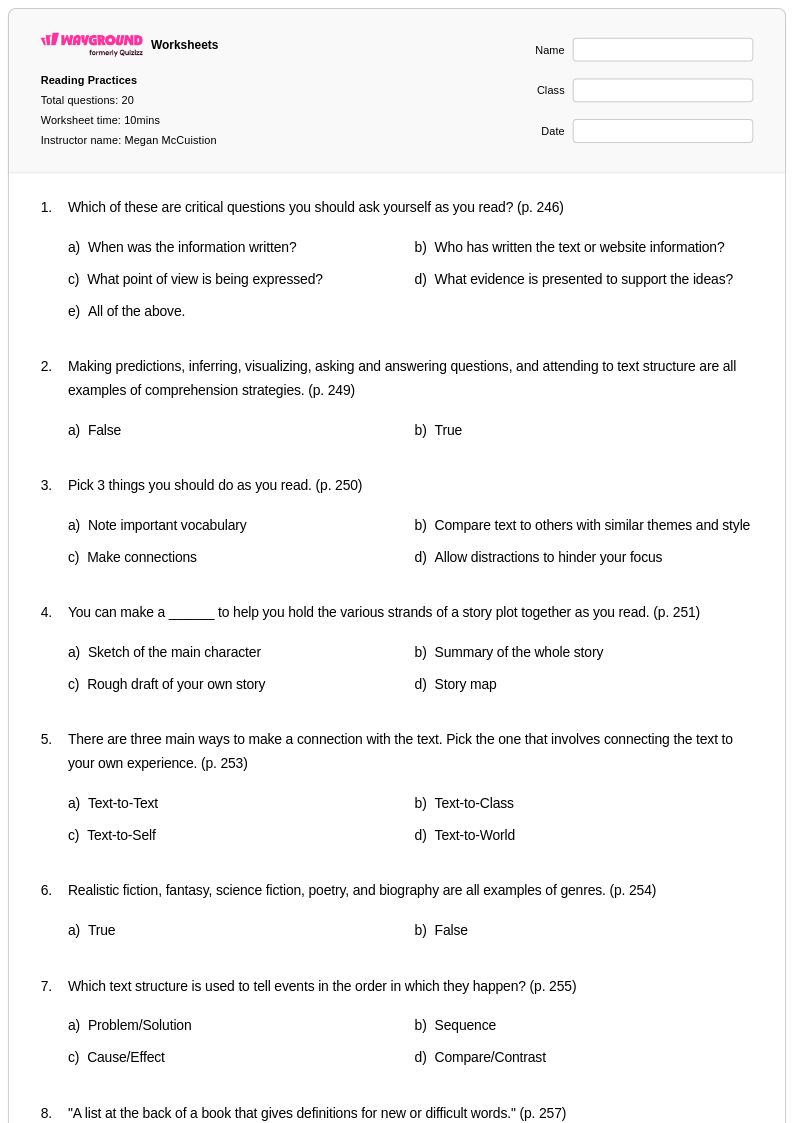
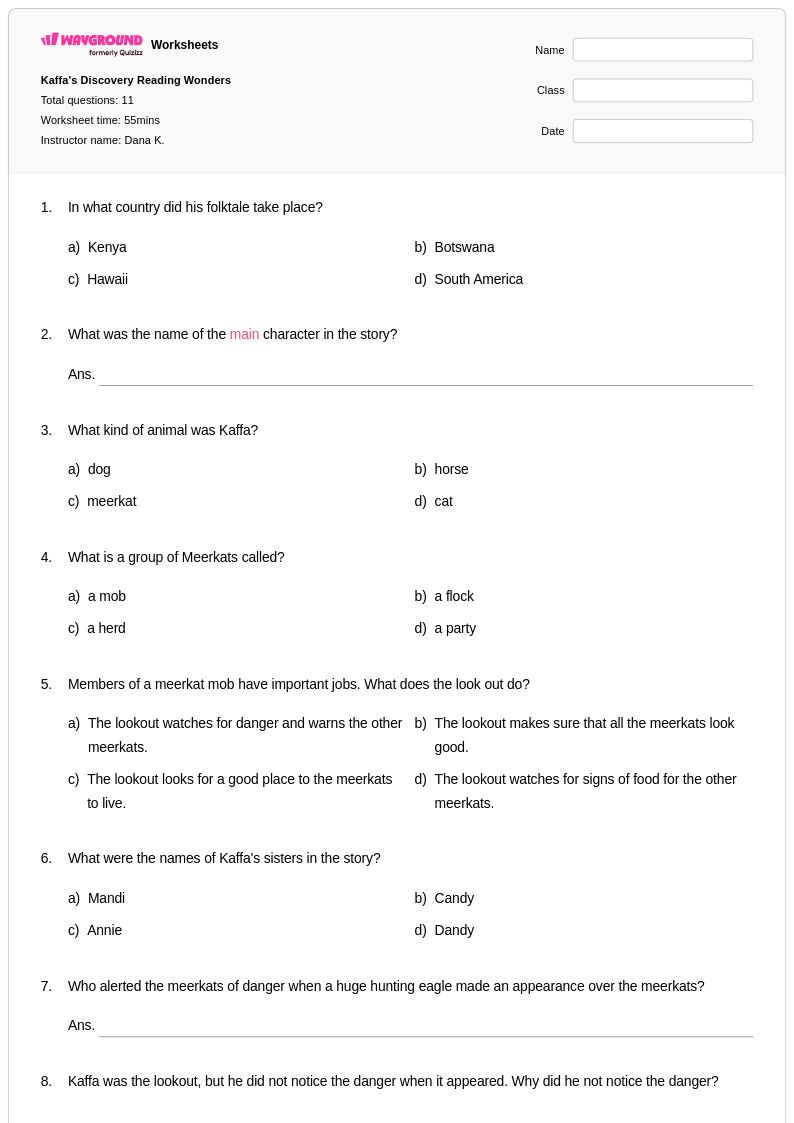
Making connections in reading forms a cornerstone of comprehension development for Class 3 students, and Wayground's extensive worksheet collection provides targeted practice in this essential skill. These carefully crafted worksheets guide young readers through the process of linking new information to their personal experiences, other texts they've encountered, and their understanding of the broader world. Students engage with age-appropriate passages while learning to identify text-to-self, text-to-text, and text-to-world connections that deepen their understanding and retention. Each worksheet includes structured activities that scaffold this complex thinking process, complete with answer keys that support both independent practice and guided instruction. Teachers can access these free printables in convenient PDF format, making it simple to incorporate meaningful practice problems into daily reading instruction.
Wayground's platform, formerly known as Quizizz, empowers educators with millions of teacher-created resources specifically designed to strengthen reading comprehension strategies through systematic skill development. The robust search and filtering capabilities allow teachers to quickly locate worksheets that align with specific standards and match their students' diverse learning needs. These differentiation tools enable seamless customization of materials, whether teachers need to provide additional support for struggling readers or create enrichment opportunities for advanced students. Available in both printable and digital formats including downloadable PDFs, these resources streamline lesson planning while supporting targeted remediation and skill practice. The flexibility of the platform ensures that teachers can easily adapt materials for whole-group instruction, small-group work, or individual practice sessions that reinforce students' ability to make meaningful connections while reading.
FAQs
How do I teach making connections in reading to my students?
Teaching making connections works best when students are introduced to the three connection types explicitly: text-to-self (personal experience), text-to-text (other books or media), and text-to-world (broader events or concepts). Start by modeling your own connections aloud during a shared reading, then gradually release responsibility to students through guided and independent practice. Using structured worksheets that prompt each connection type separately helps students internalize the strategy before applying it independently across fiction and nonfiction texts.
What is the difference between text-to-self, text-to-text, and text-to-world connections?
A text-to-self connection links what a student reads to their own personal experiences or emotions. A text-to-text connection draws parallels between the current text and another book, article, or story the student has encountered. A text-to-world connection relates the text to broader real-world events, cultural knowledge, or global issues. Teaching all three types ensures students develop a multidimensional approach to comprehension rather than relying solely on personal reaction.
What exercises help students practice making connections in reading?
Effective practice exercises include graphic organizers that prompt students to record each of the three connection types as they read, sentence starters like 'This reminds me of...' or 'This connects to the world because...', and side-by-side comparison activities for text-to-text work. Practicing across both fiction and nonfiction texts is important because the strategy applies differently depending on genre, and students benefit from seeing how connections shift based on text type.
What mistakes do students commonly make when making connections in reading?
The most common error is making surface-level or tangential connections that don't deepen comprehension, such as 'This reminds me of when I ate pizza' in response to a story set in Italy. Students also frequently conflate text-to-self with all three types, defaulting to personal reaction instead of exploring text-to-text or text-to-world links. Another common misconception is treating connections as a retelling exercise rather than a tool for inferring meaning, theme, or authorial intent.
How do I differentiate making connections instruction for students at different reading levels?
For struggling readers, provide sentence frames and limit the task to one connection type at a time, starting with text-to-self since it draws on personal knowledge. More advanced readers can be challenged to explain how their connection informs their interpretation of theme or character motivation. On Wayground, teachers can apply accommodations such as read aloud support, reduced answer choices, and adjustable reading modes to individual students, allowing the same worksheet activity to serve a range of learners simultaneously without drawing attention to individual differences.
How can I use Wayground's Making Connections in Reading worksheets in my classroom?
Wayground's making connections worksheets are available as printable PDFs for traditional classroom use and in digital formats for technology-integrated or hybrid learning environments, including the option to host them as a quiz directly on Wayground. Each worksheet includes an answer key, making them suitable for independent practice, guided reading sessions, or formative assessment. The digital format supports flexibility for homework assignments, station rotations, or remote learning, while the printable version works well for close reading annotations and small-group instruction.