
20 Q
6th - Uni
20 Q
6th - Uni
55 Q
7th
20 Q
6th - Uni
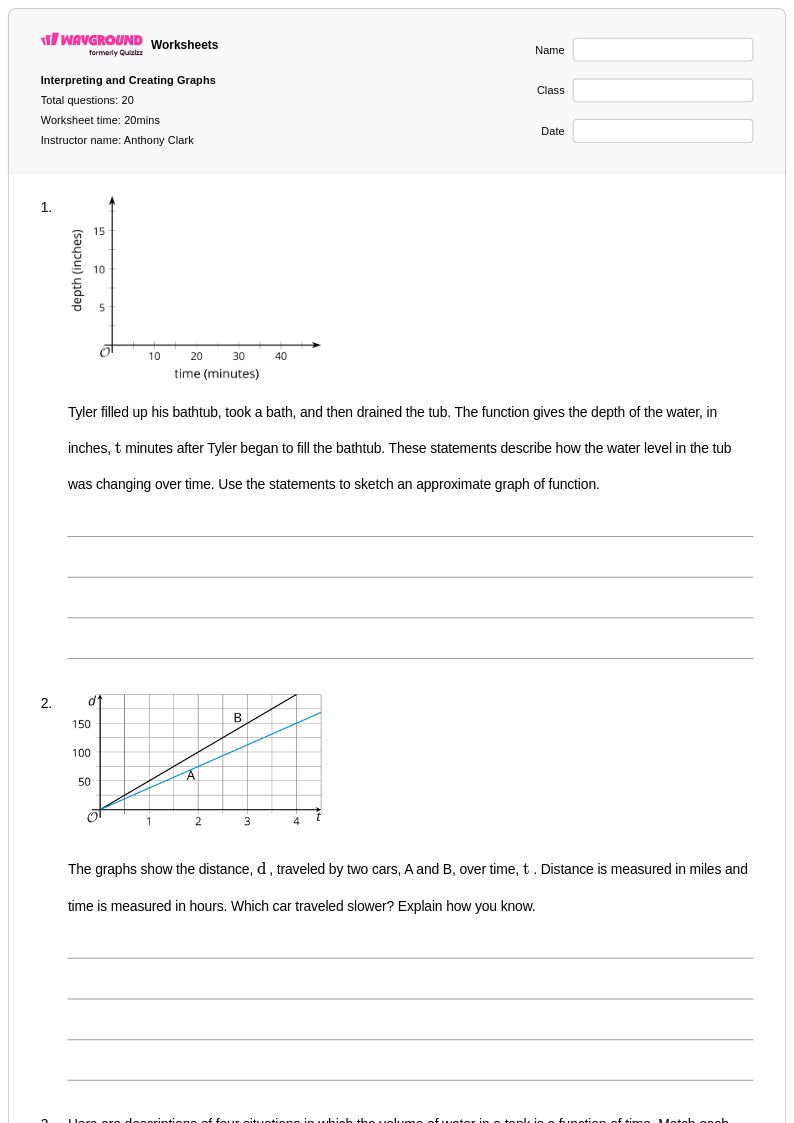
20 Q
6th - Uni
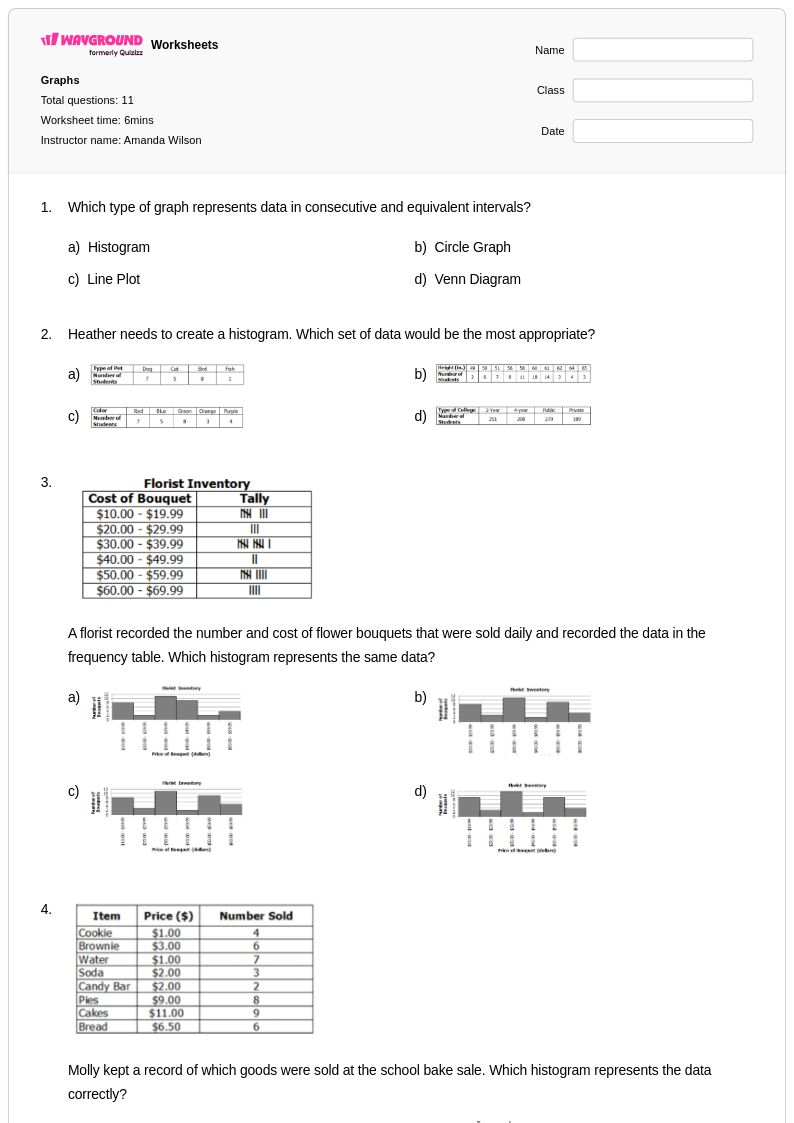
11 Q
7th
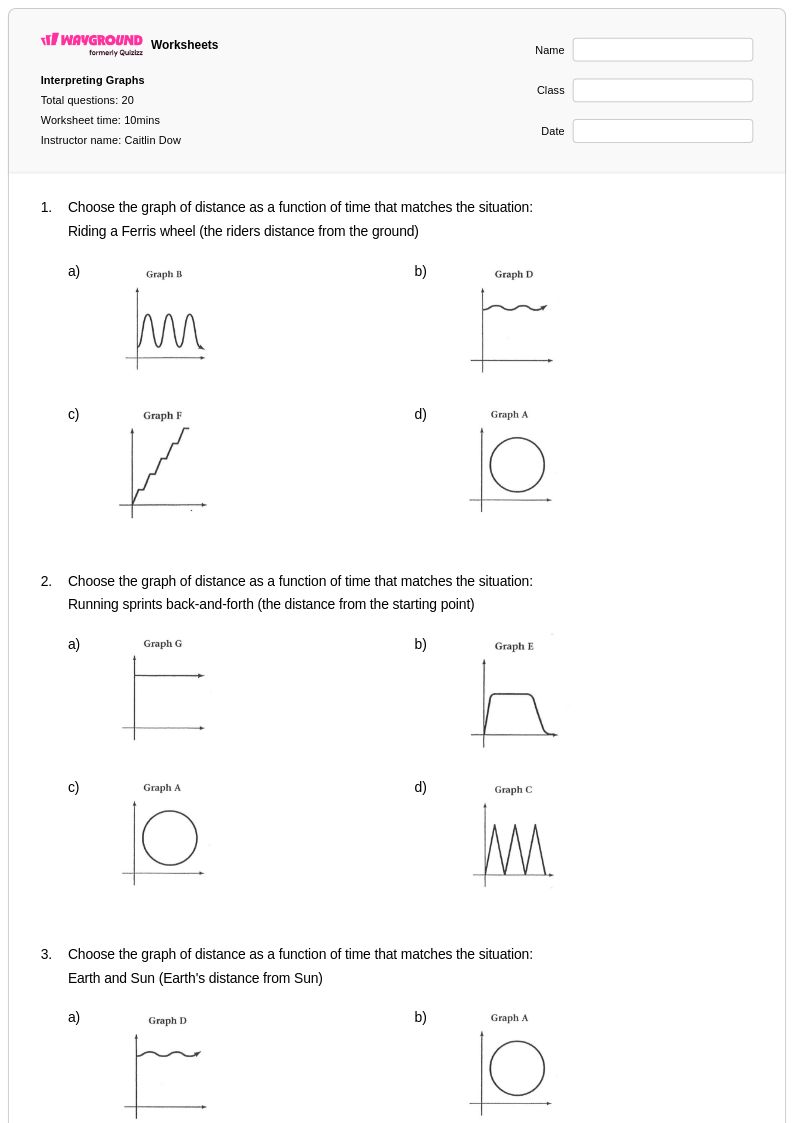
20 Q
6th - 8th
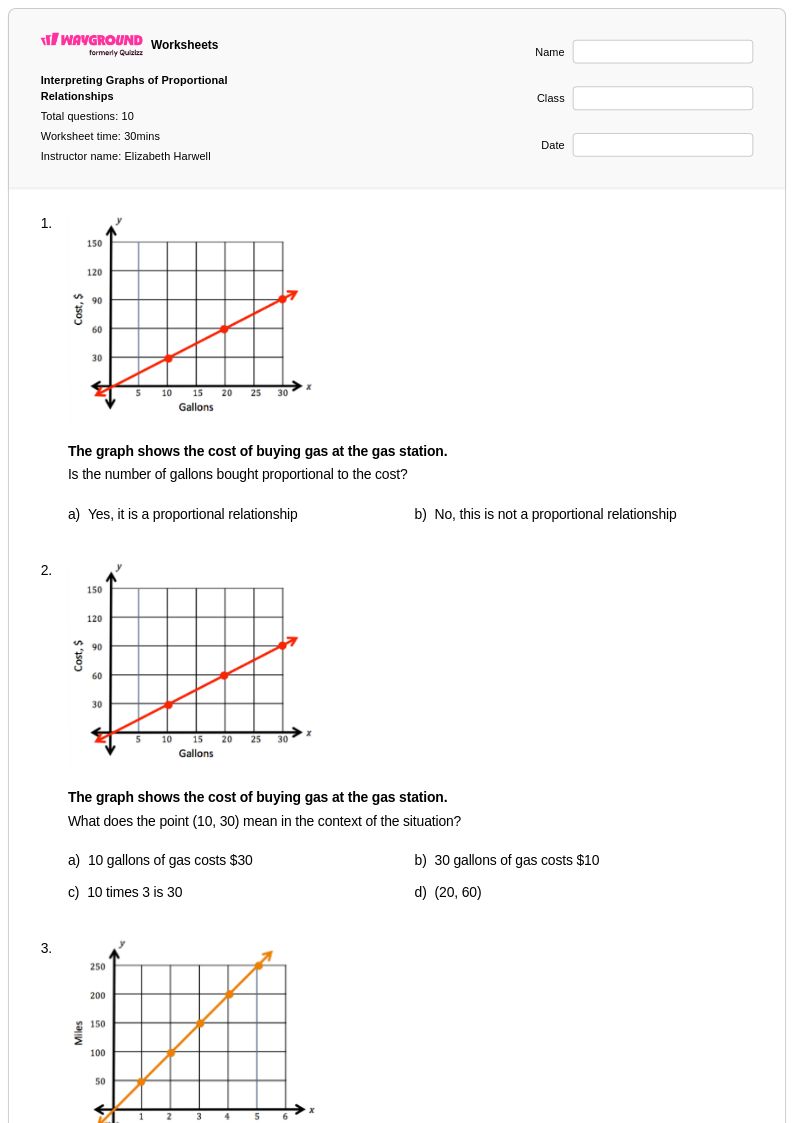
10 Q
7th
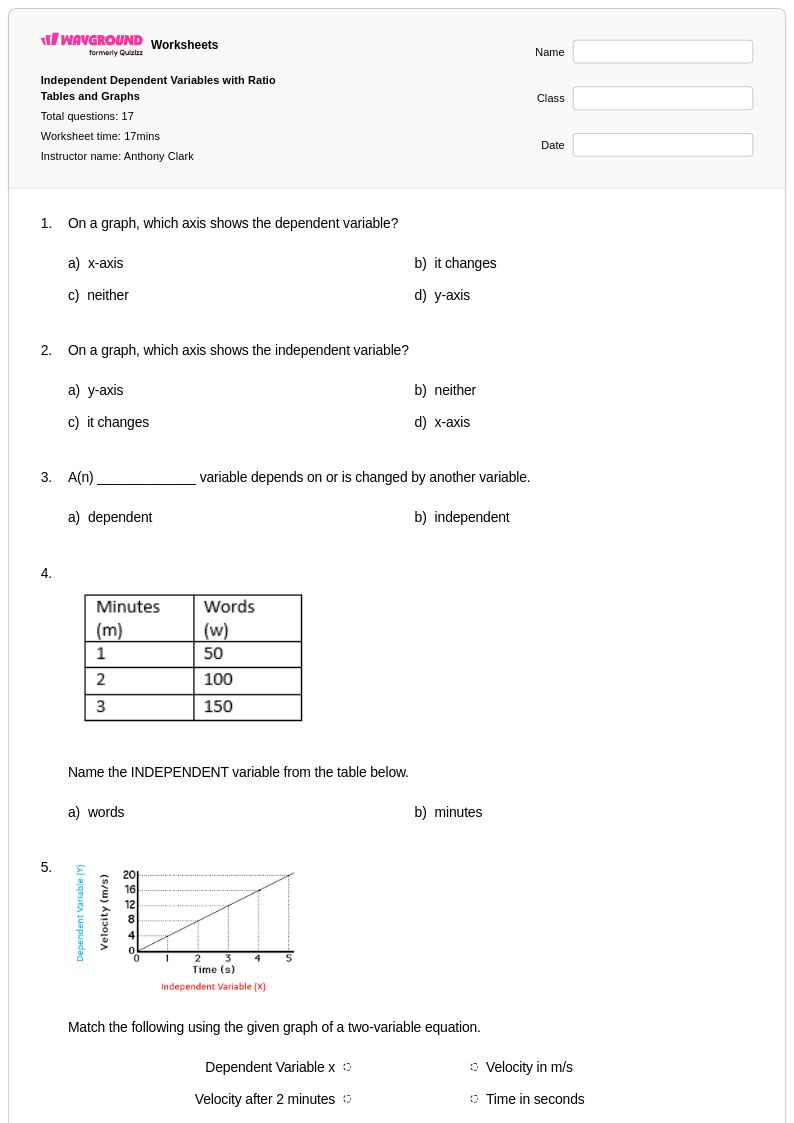
17 Q
6th - Uni
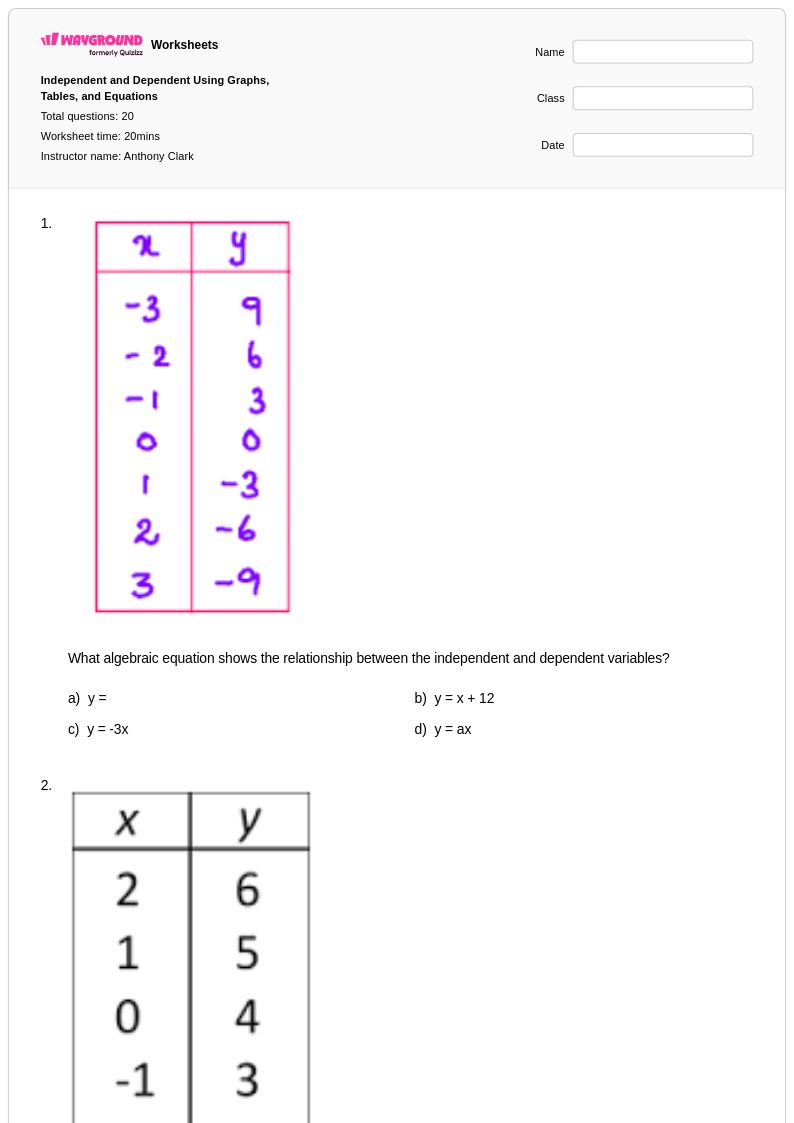
20 Q
6th - Uni
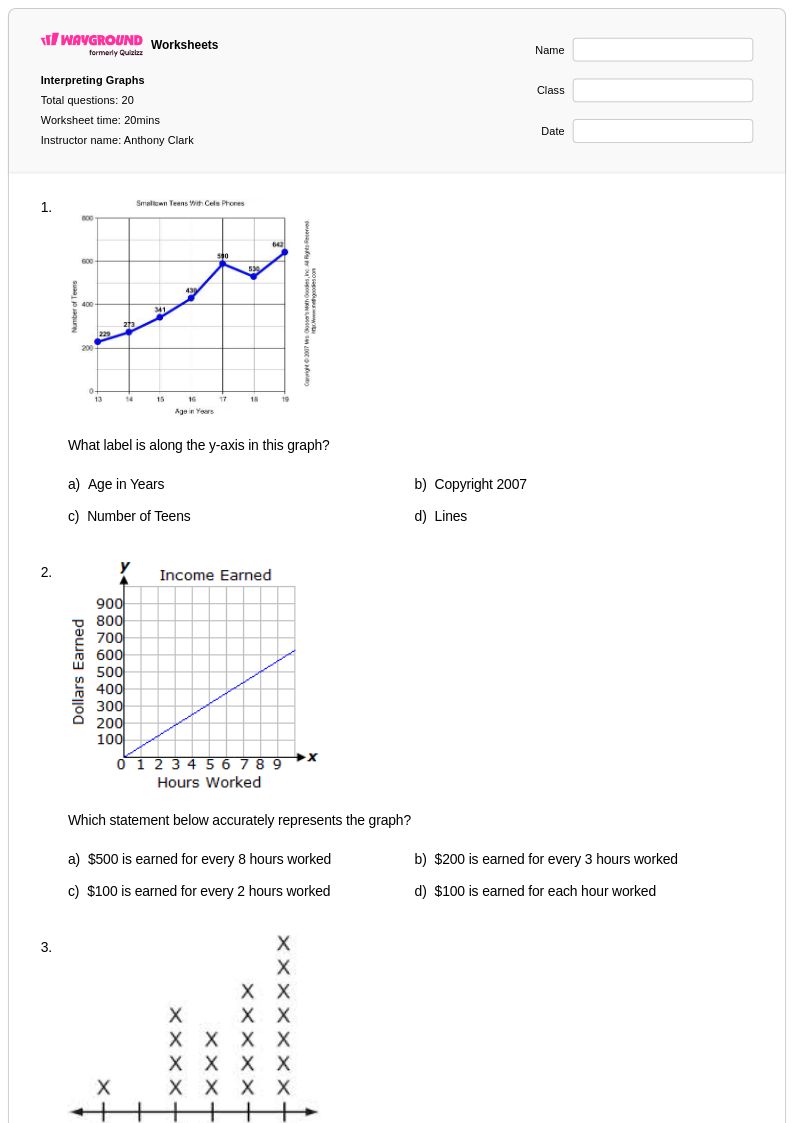
20 Q
6th - Uni
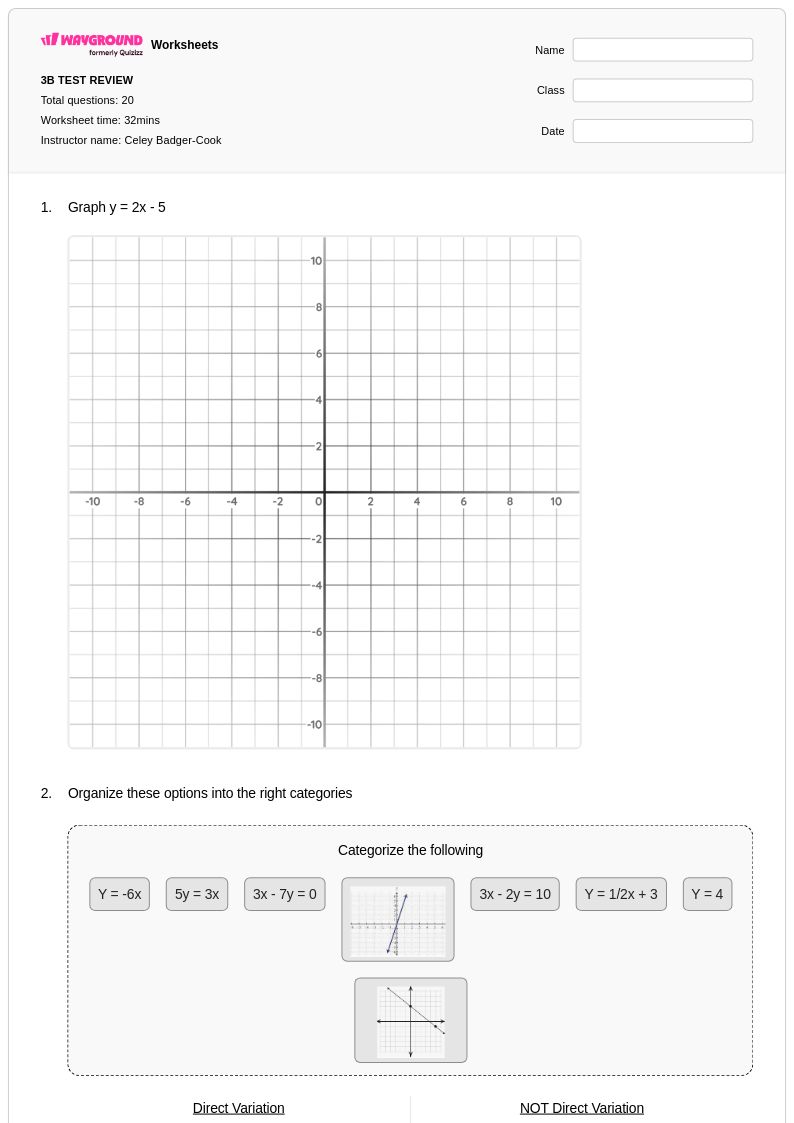
20 Q
6th - 8th
20 Q
7th - Uni
20 Q
7th - Uni
20 Q
7th - Uni
20 Q
7th - Uni
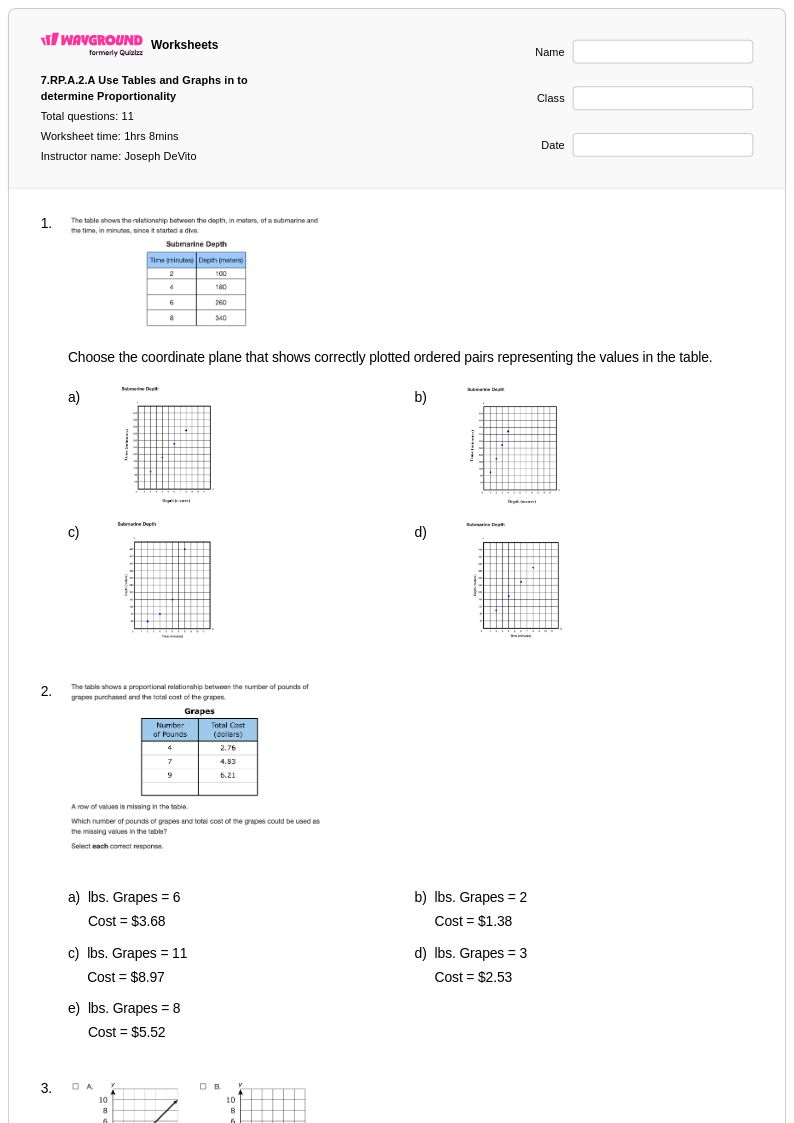
11 Q
7th
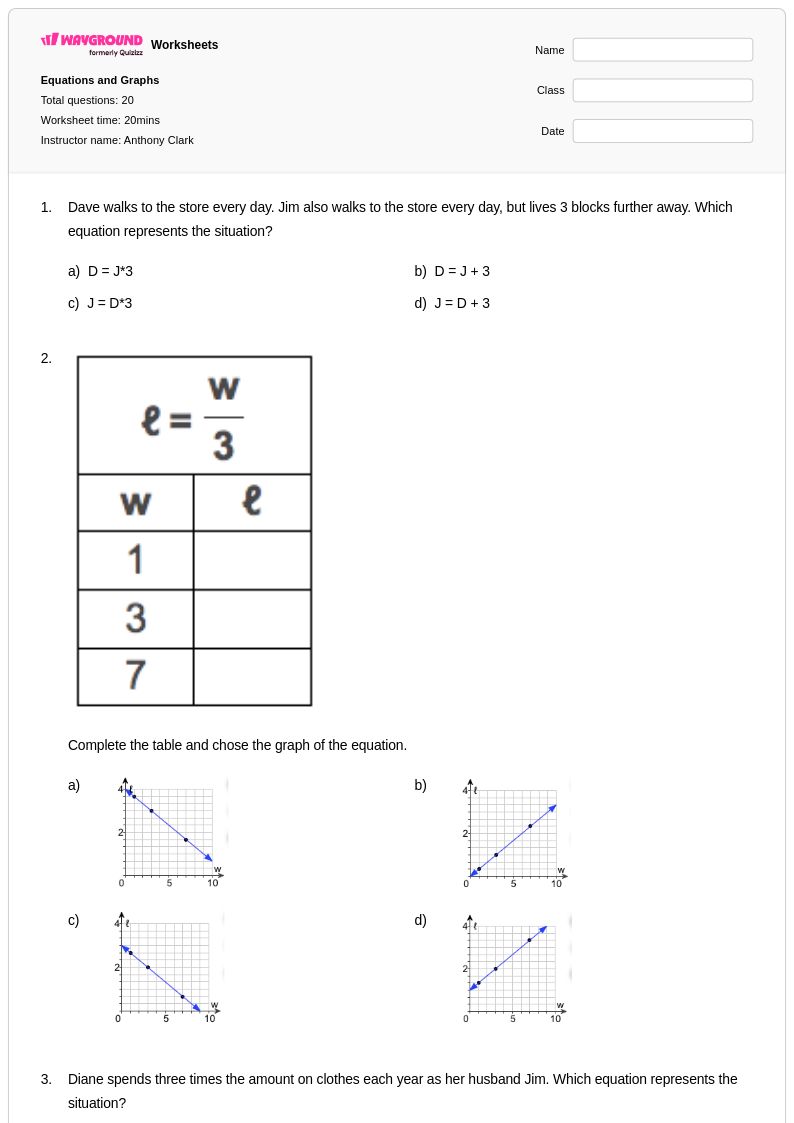
20 Q
6th - Uni
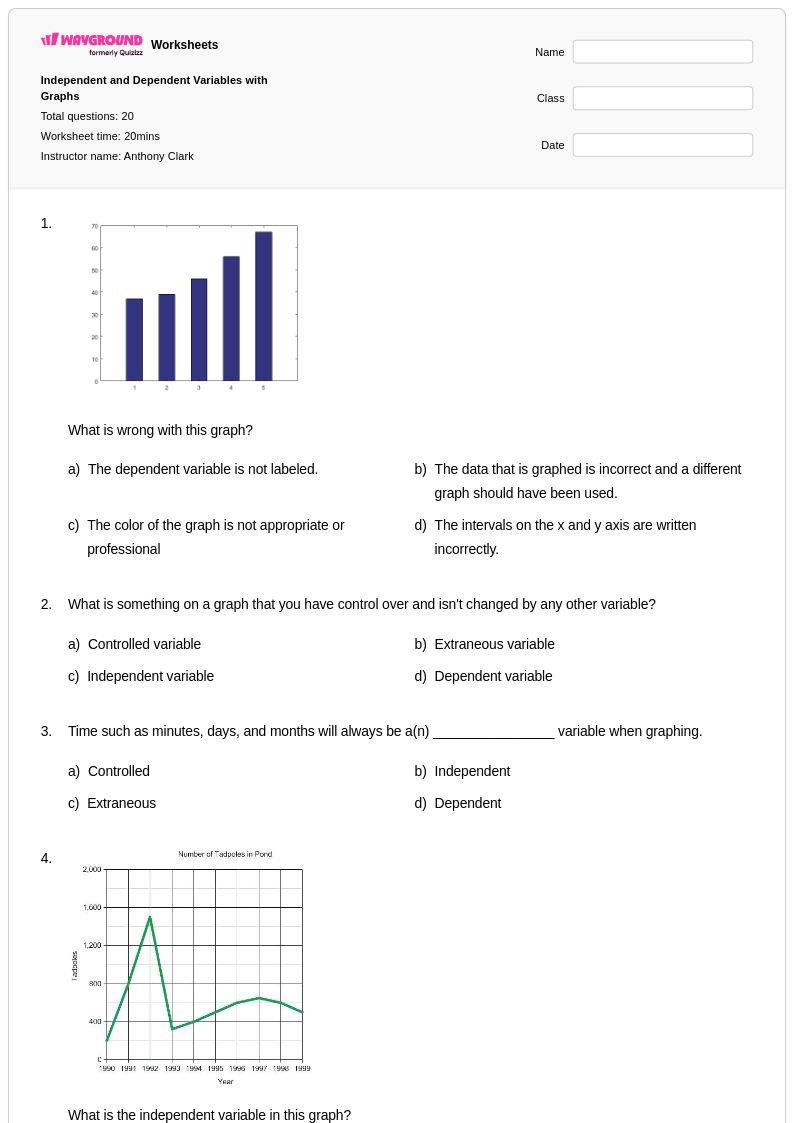
20 Q
6th - Uni
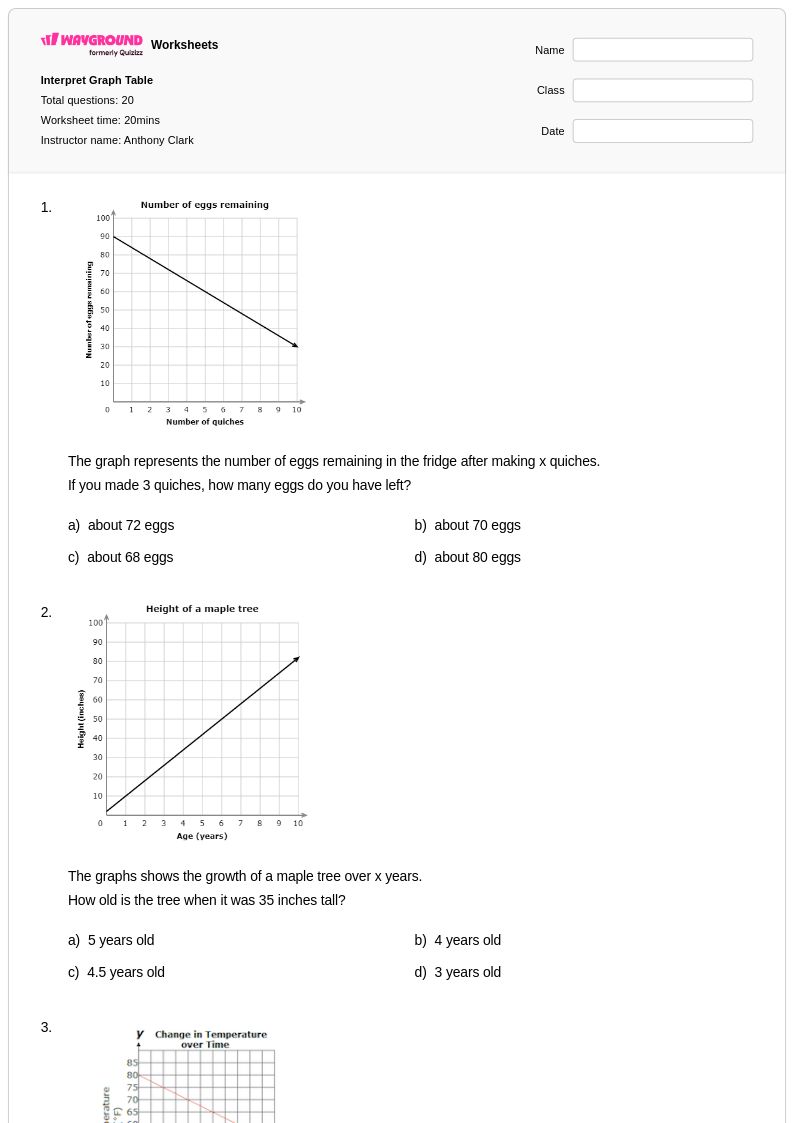
20 Q
7th - Uni
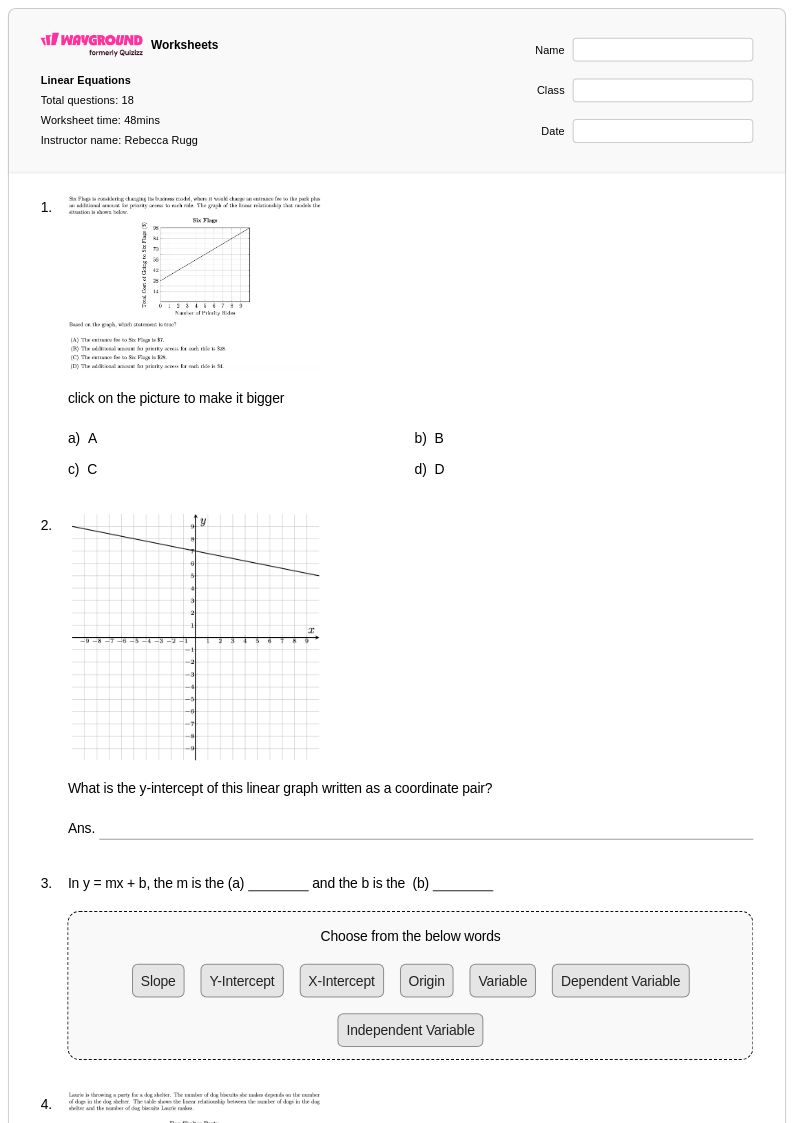
18 Q
6th - 8th
![Interpreting Visuals [7.SP.4] - Printable Velocity-time-graphs Worksheets Class 7 - Wayground](https://quizizz-static.s3.amazonaws.com/_media/worksheets-new/632321f8bc6a79001d175365-interpreting-visuals-7sp4)
15 Q
7th
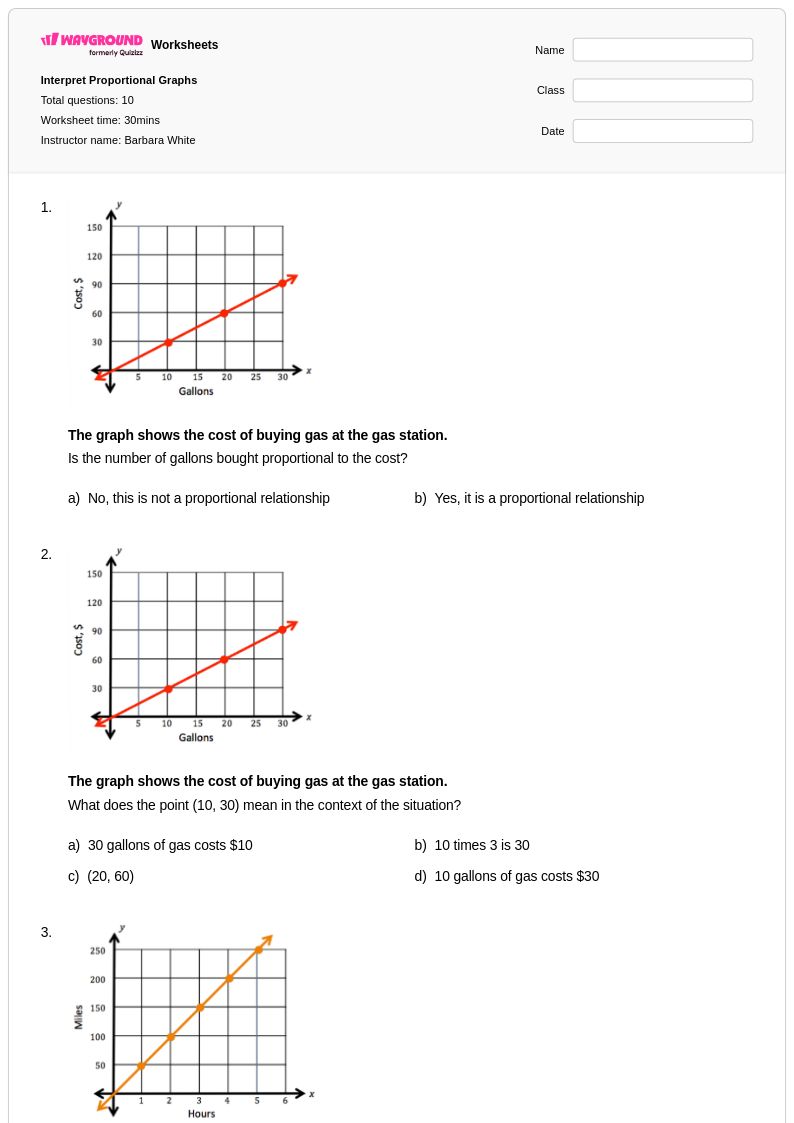
10 Q
7th
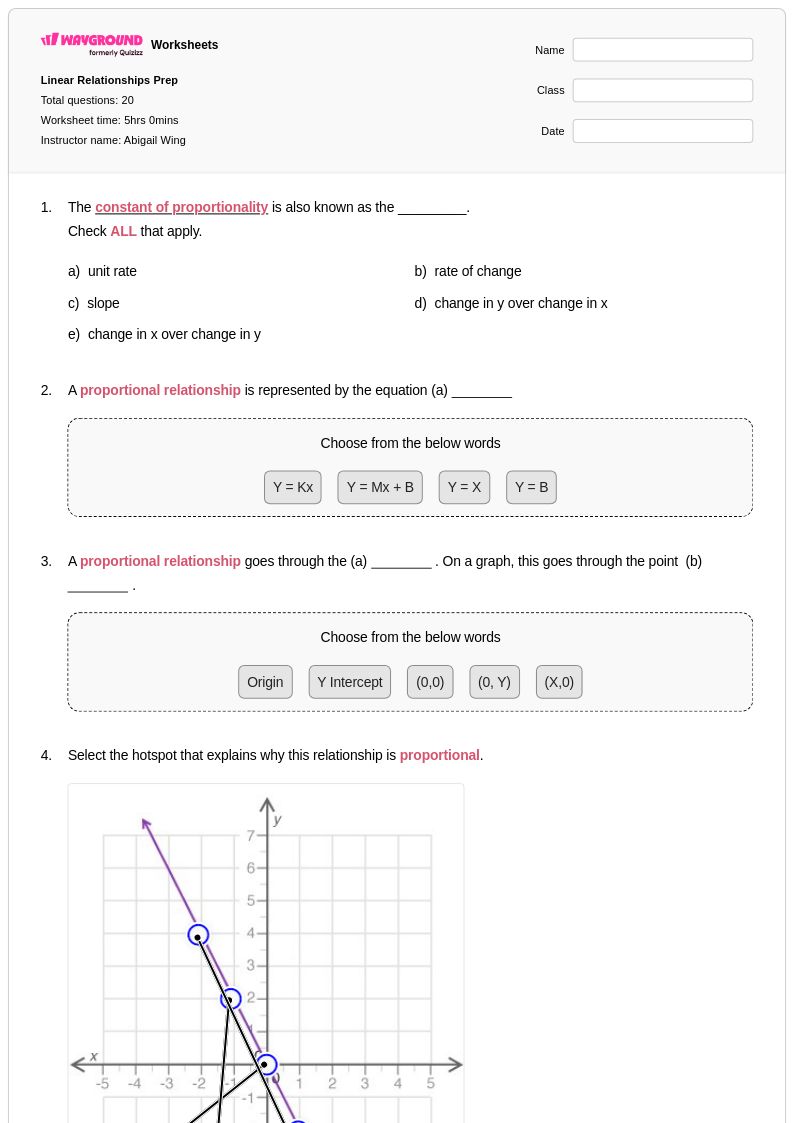
20 Q
7th
Explore Velocity-time Graphs Worksheets by Grades
Explore Other Subject Worksheets for class 7
Explore printable Velocity-time Graphs worksheets for Class 7
Velocity-time graphs represent a fundamental concept in Class 7 mathematics that bridges data interpretation skills with real-world physics applications. Wayground's comprehensive collection of velocity-time graph worksheets provides students with structured practice in reading, interpreting, and creating these specialized graphs that show how an object's speed changes over time. These educational resources strengthen critical analytical skills including identifying constant velocity periods, acceleration phases, and deceleration intervals while building proficiency in extracting meaningful information from graphical data representations. Each worksheet includes detailed answer keys and step-by-step solutions, with free printable pdf formats available to support both classroom instruction and independent study. The practice problems progress systematically from basic graph reading exercises to more complex scenarios involving variable motion patterns.
Wayground's extensive library contains millions of teacher-created velocity-time graph resources that support educators in delivering effective Class 7 mathematics instruction. The platform's advanced search and filtering capabilities enable teachers to quickly locate worksheets aligned with specific learning standards and customize materials to match diverse student ability levels. These differentiation tools prove invaluable for remediation sessions with struggling learners and enrichment activities for advanced students ready to explore more sophisticated motion scenarios. The flexible format options, including both digital interactive versions and traditional printable pdfs, accommodate various teaching preferences and classroom technology configurations. Teachers can seamlessly integrate these resources into lesson planning, homework assignments, assessment preparation, and targeted skill practice sessions to ensure students develop confidence in interpreting velocity-time graphs across multiple mathematical and scientific contexts.