
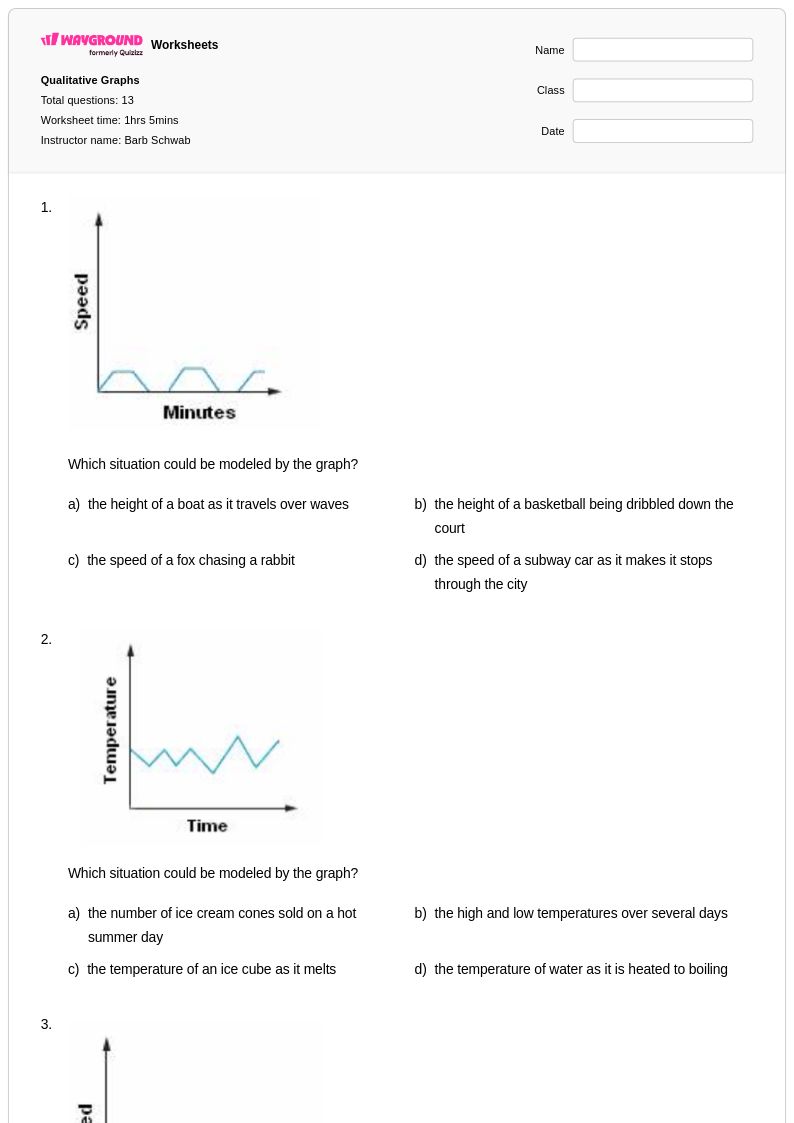
13 Q
7th - 9th
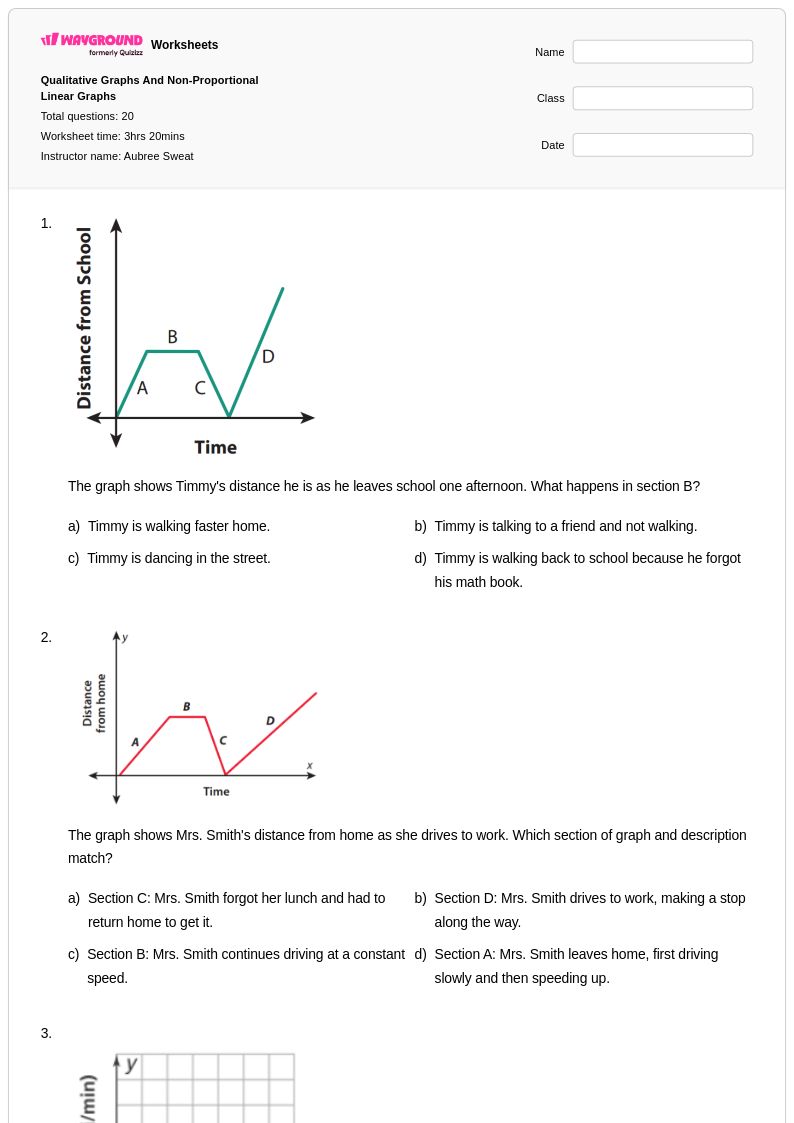
20 Q
7th
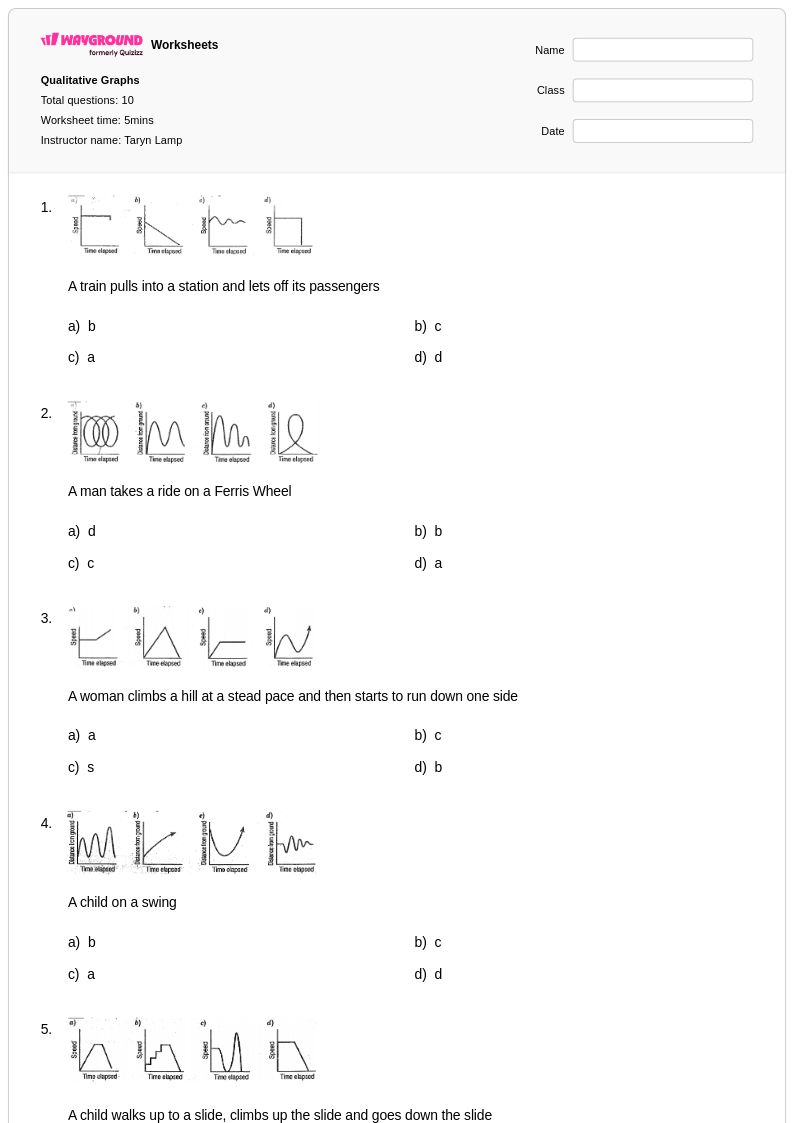
10 Q
7th - 9th
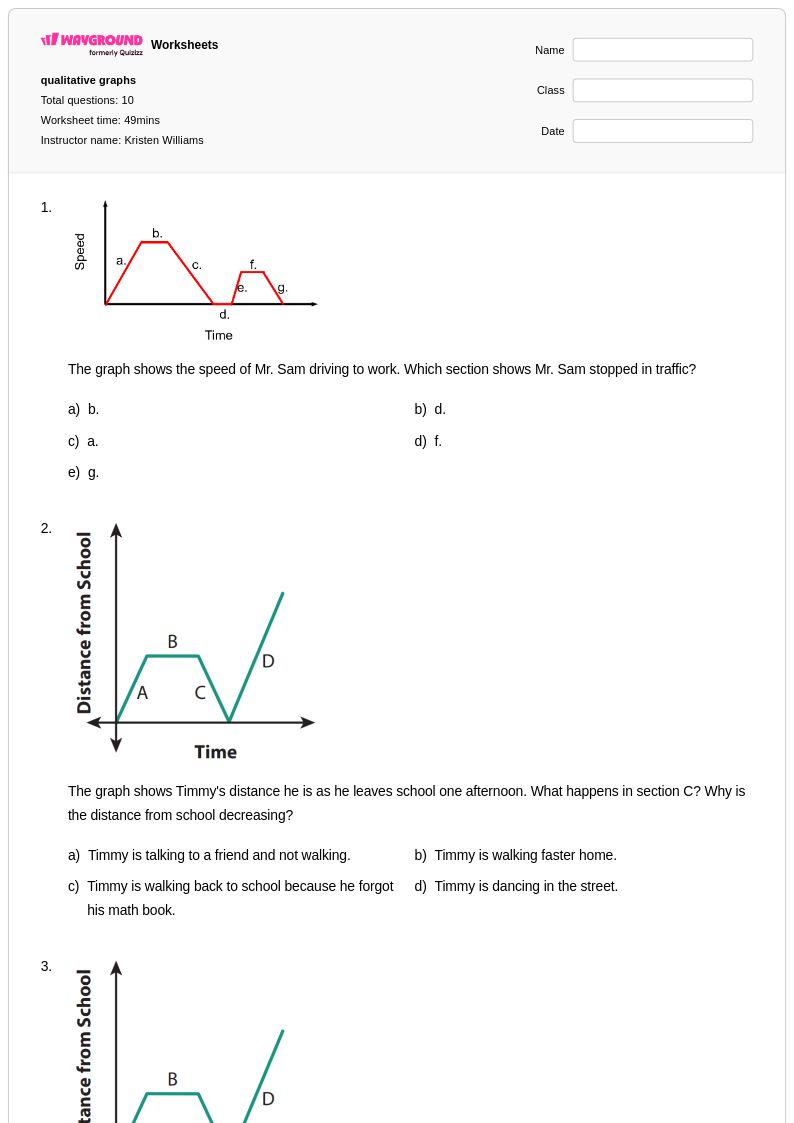
10 Q
7th - 8th
8 Q
7th - 8th
12 Q
7th
10 Q
7th
55 Q
7th
20 Q
6th - Uni
10 Q
7th
11 Q
7th
10 Q
7th
20 Q
7th - Uni
10 Q
7th
20 Q
6th - Uni
20 Q
6th - Uni
20 Q
6th - Uni
10 Q
7th
20 Q
7th - Uni
20 Q
7th - Uni
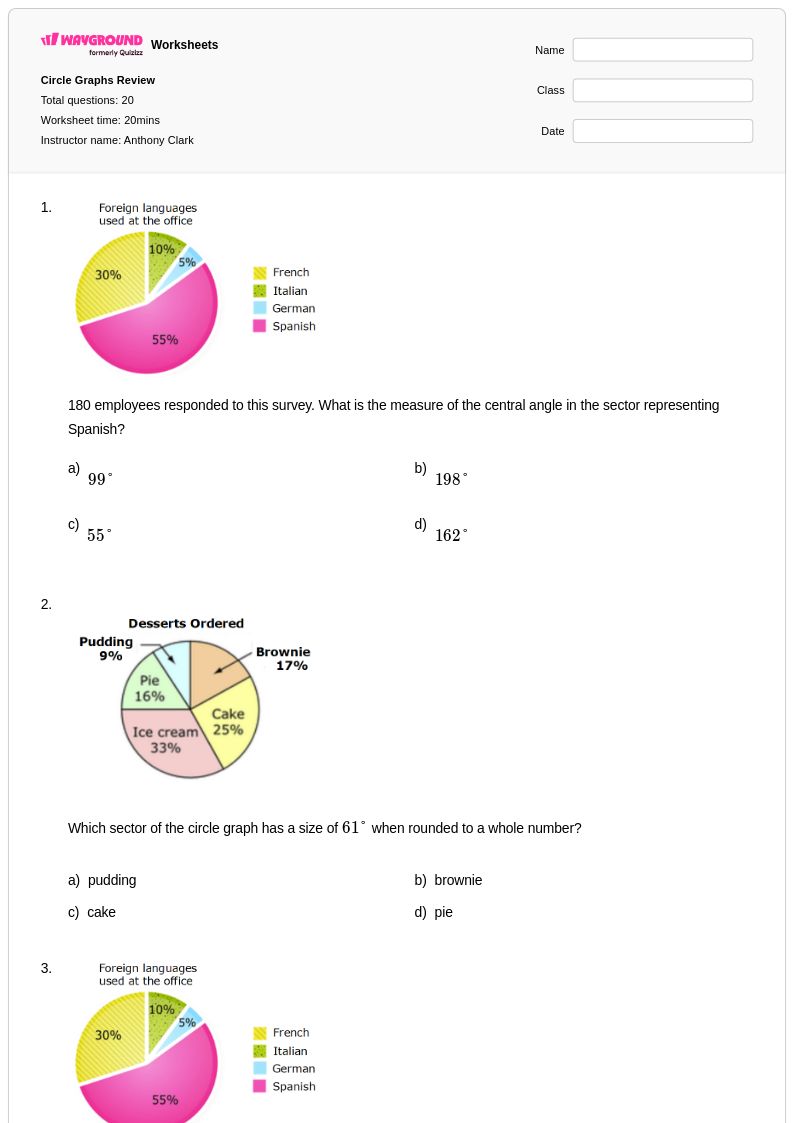
20 Q
6th - Uni
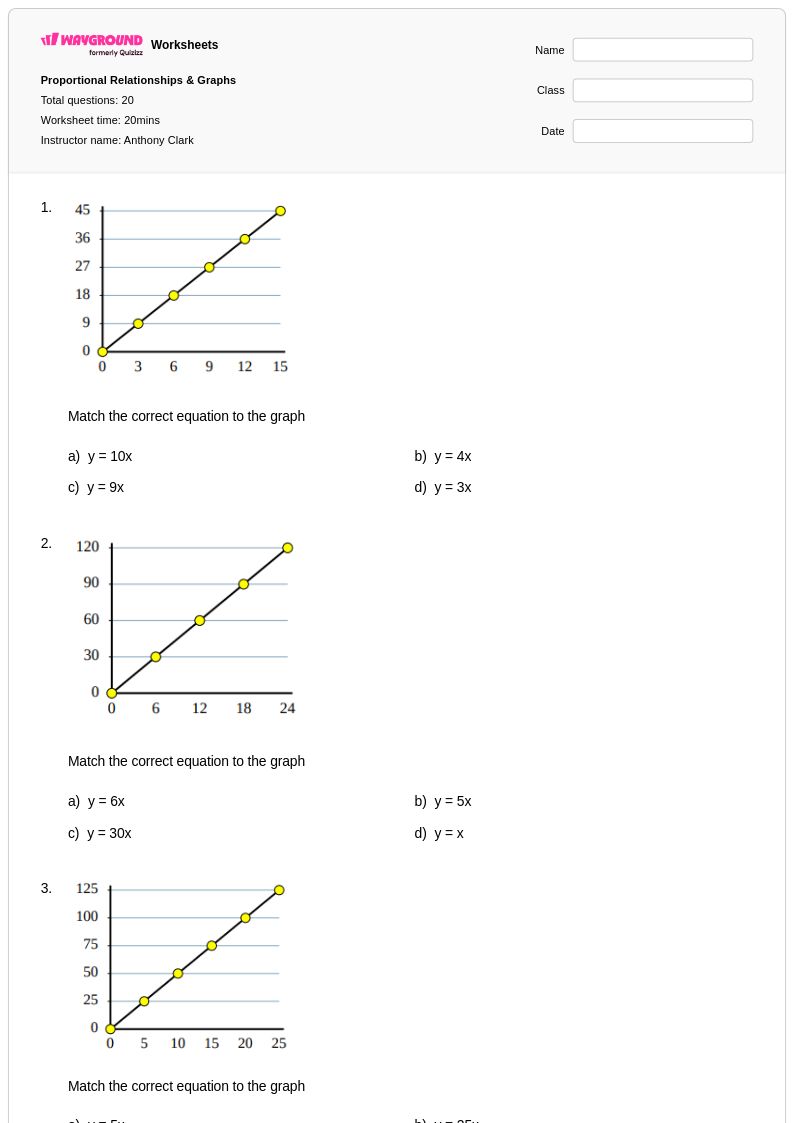
20 Q
7th - Uni
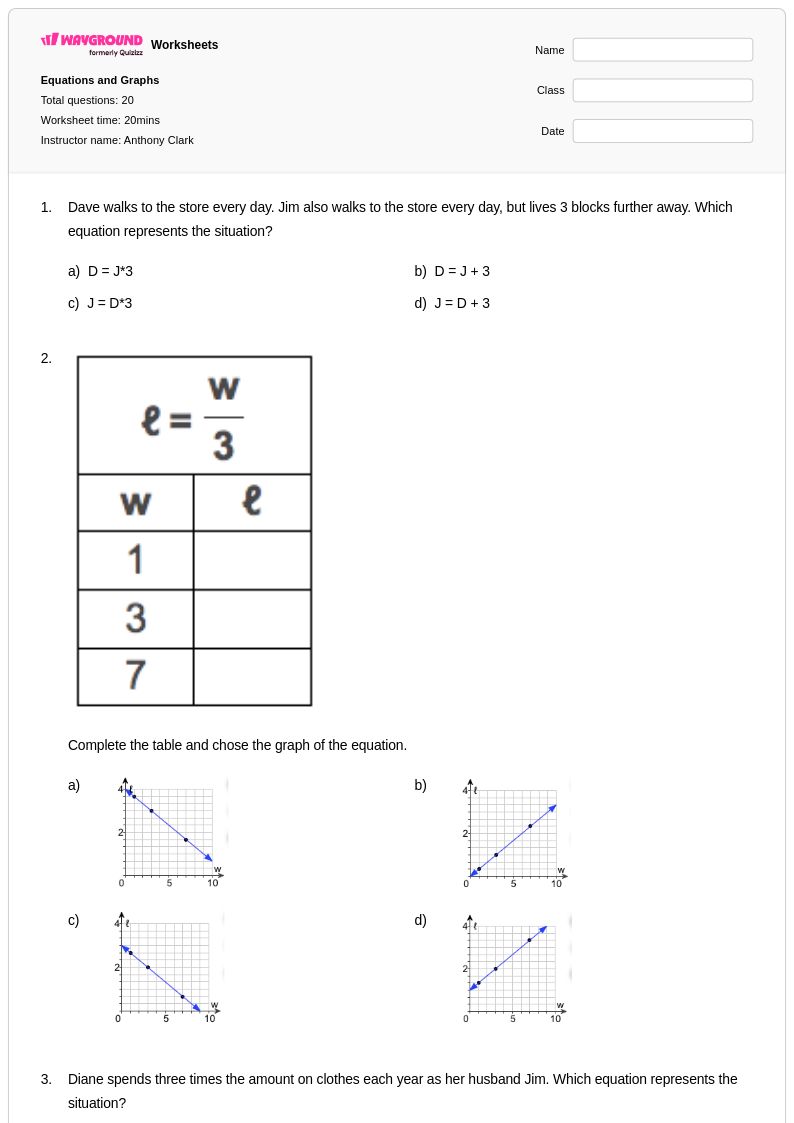
20 Q
6th - Uni
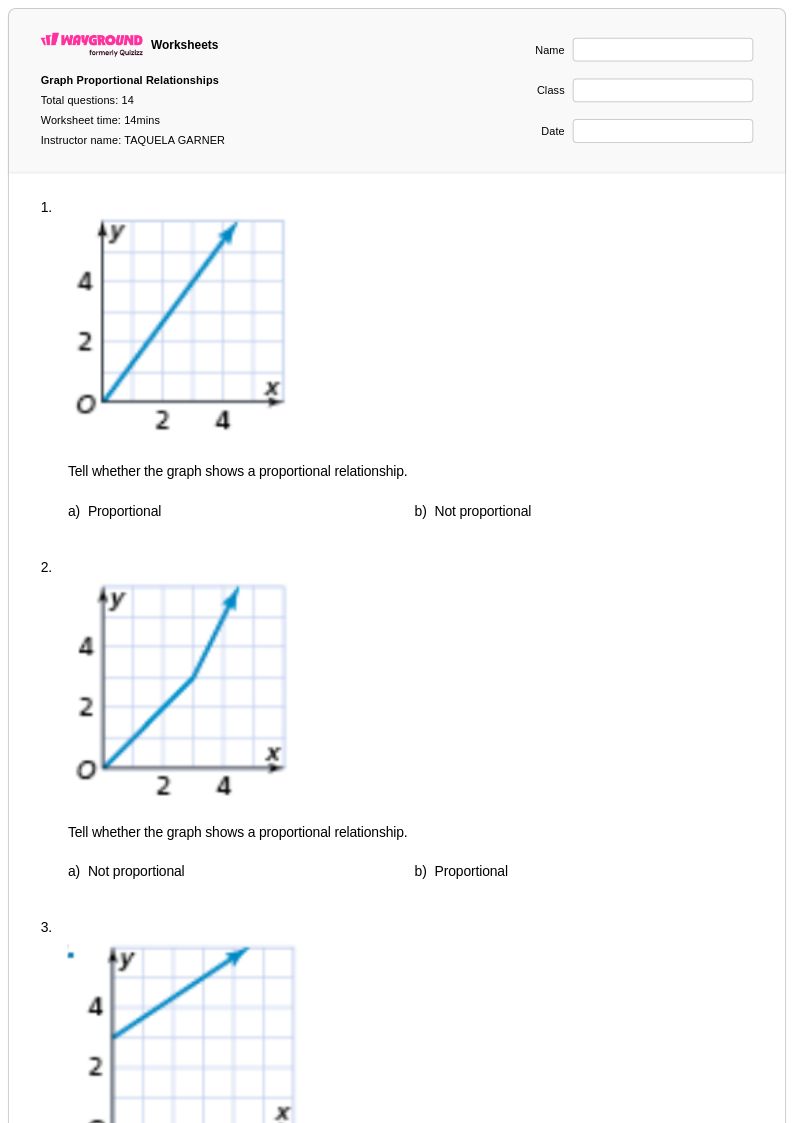
14 Q
7th
Explore Other Subject Worksheets for class 7
Explore printable Qualitative Graphs worksheets for Class 7
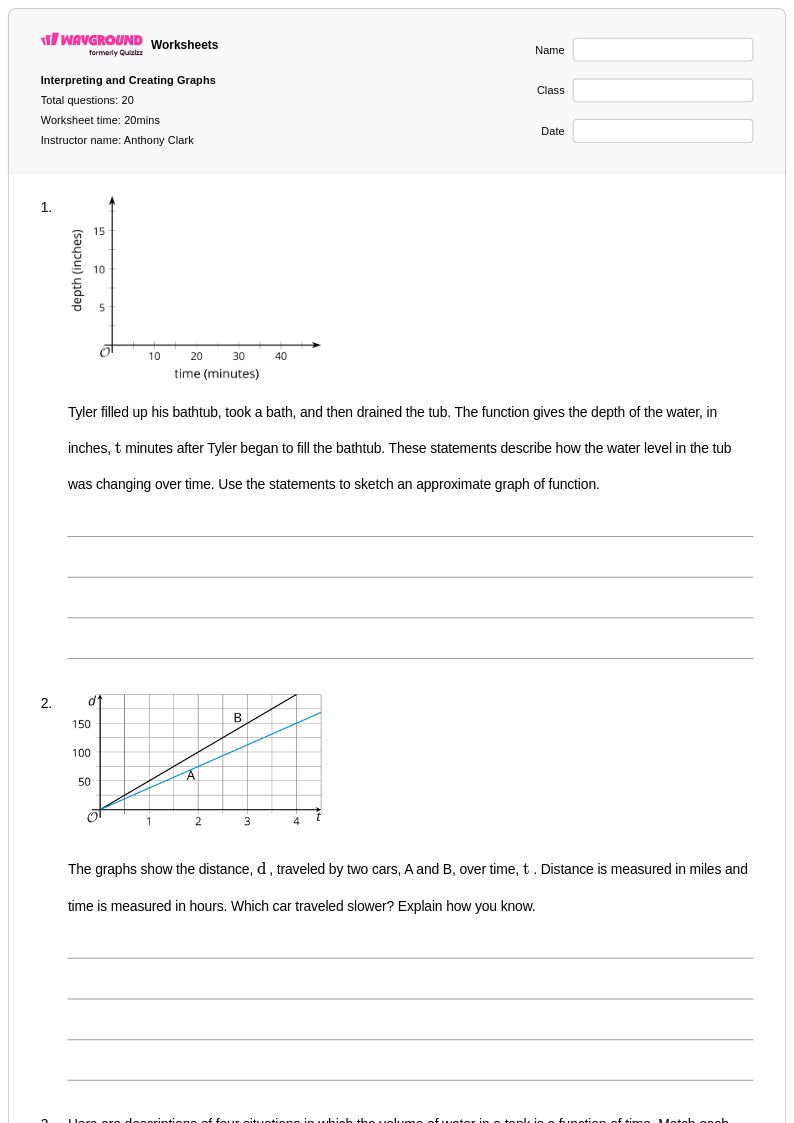
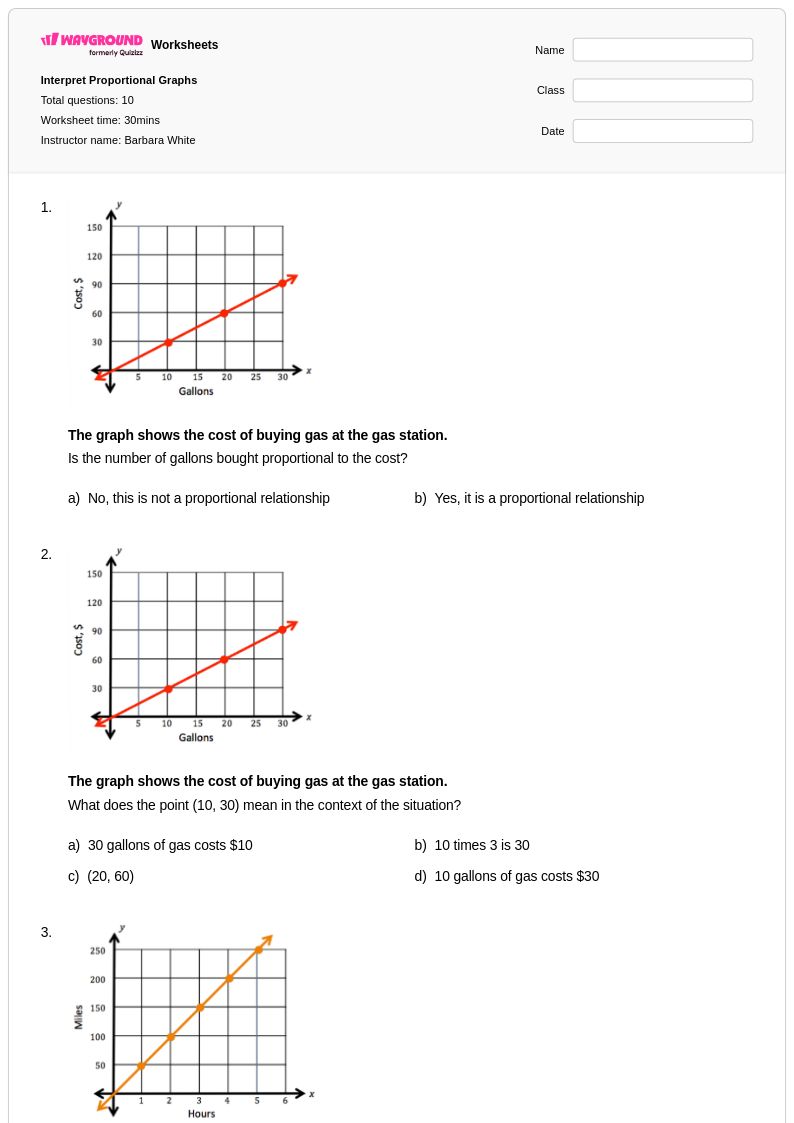
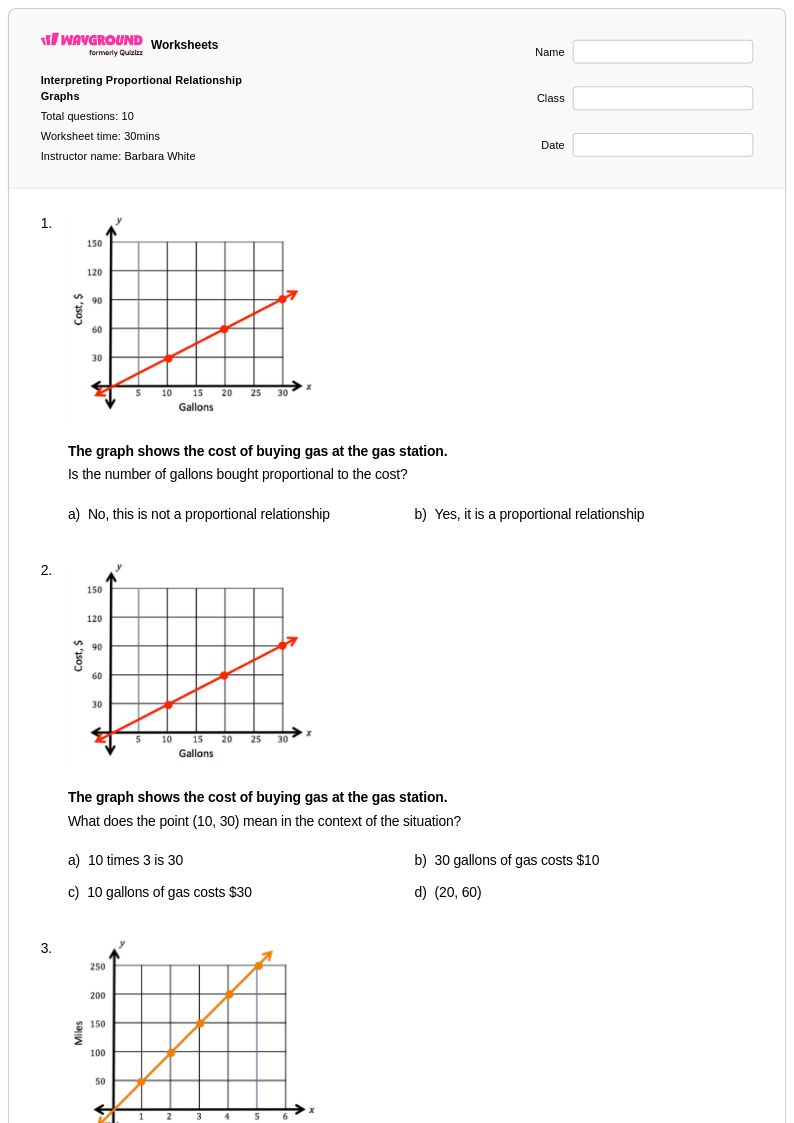
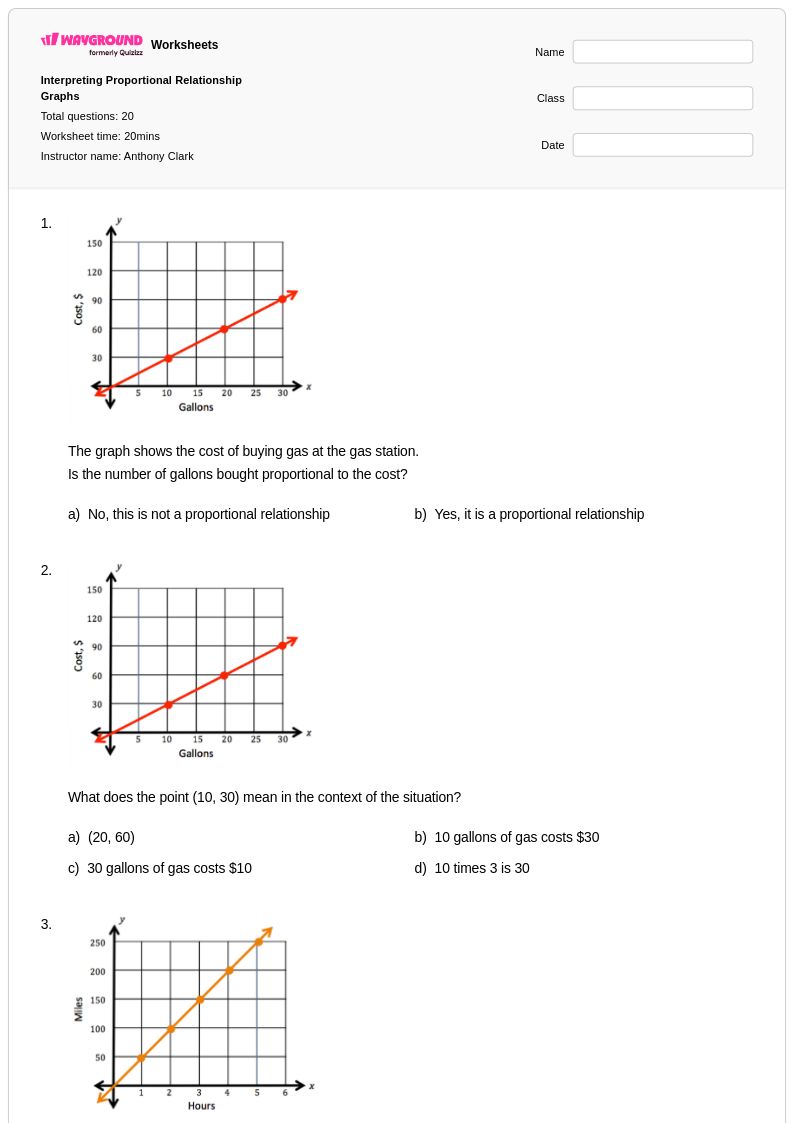
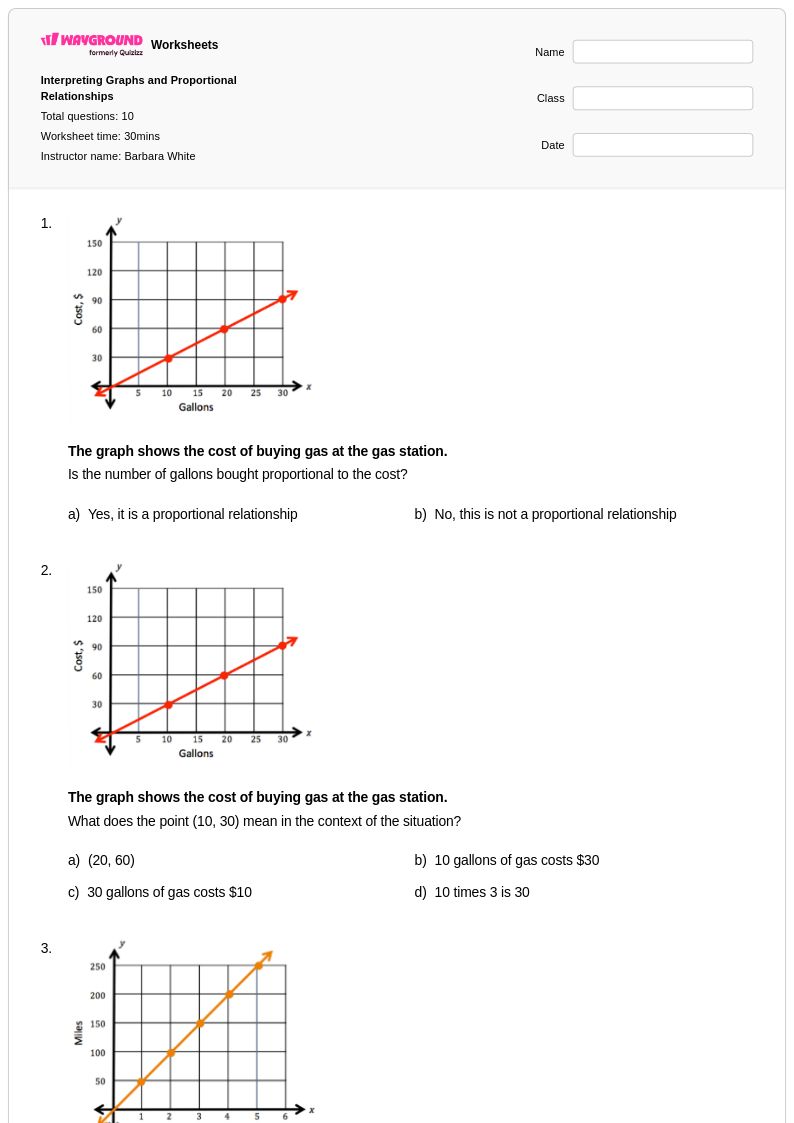
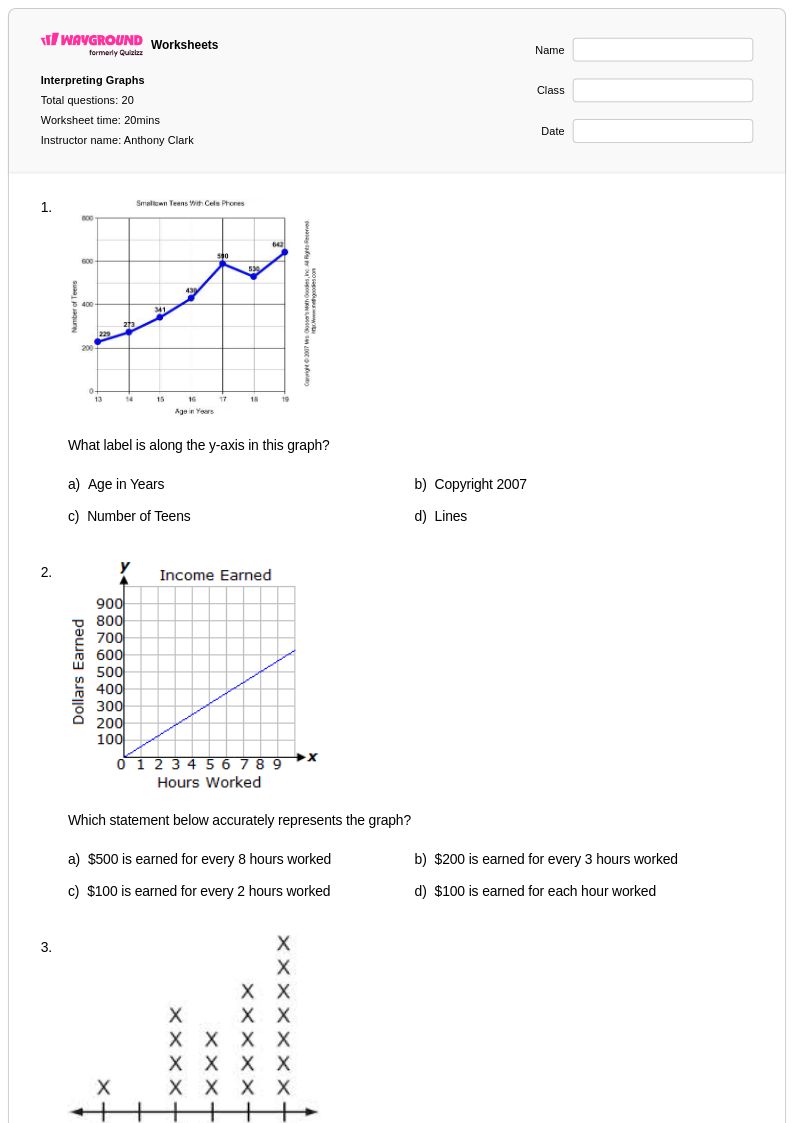
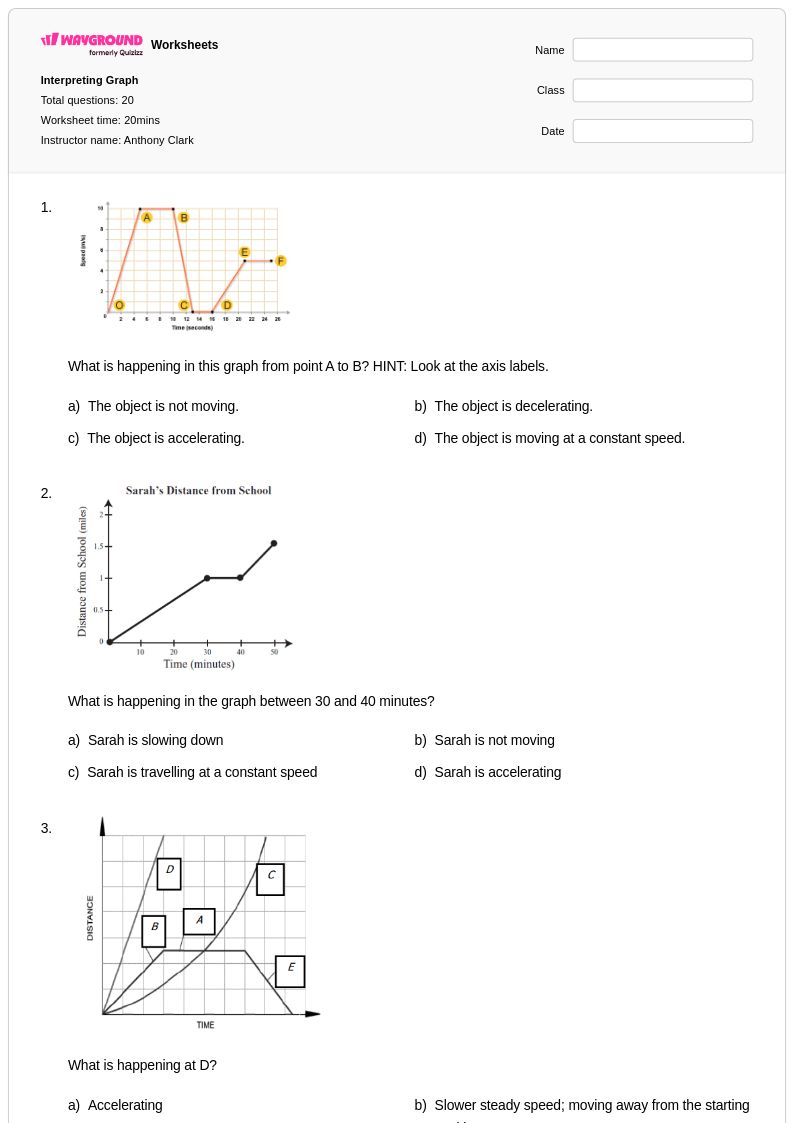
Qualitative graphs serve as a fundamental component of Class 7 mathematics, helping students develop critical thinking skills by interpreting and analyzing visual data representations without specific numerical values. Wayground's comprehensive collection of qualitative graphs worksheets provides seventh-grade students with extensive practice in reading, interpreting, and creating graphs that focus on trends, patterns, and relationships rather than precise measurements. These carefully designed practice problems strengthen students' ability to analyze real-world scenarios through graphical representations, including distance-time graphs, temperature changes, population growth curves, and other contextual situations. Each worksheet includes a detailed answer key and is available as a free printable pdf, ensuring teachers have reliable resources for both classroom instruction and independent student practice in this essential data interpretation skill.
Wayground, formerly Quizizz, empowers educators with millions of teacher-created qualitative graphs resources that streamline lesson planning and enhance mathematical instruction for Class 7 students. The platform's robust search and filtering capabilities allow teachers to quickly locate worksheets that align with specific curriculum standards and match their students' varying skill levels. Advanced differentiation tools enable educators to customize existing materials or create targeted practice sets for remediation and enrichment, while the flexible format options support both traditional printable worksheets and interactive digital assignments. Teachers can efficiently organize their qualitative graphs instruction through collections that progress from basic graph interpretation to complex scenario analysis, ensuring comprehensive coverage of this critical mathematical concept while providing multiple opportunities for skill reinforcement and assessment.