wayground logo

Free Printable Worksheets

Font size

S
M
L
XL
Worksheets

Biomes/Photosynthesis/Cells/Genetics

Total questions: 102

Worksheet time: 2hrs 38mins

Name
Class
Date
1.
Which of the following is not needed for photosynthesis to occur?
a)
sunlight
b)
carbon dioxide
c)
water
d)
oxygen
2.
Why do we eat food?
a)
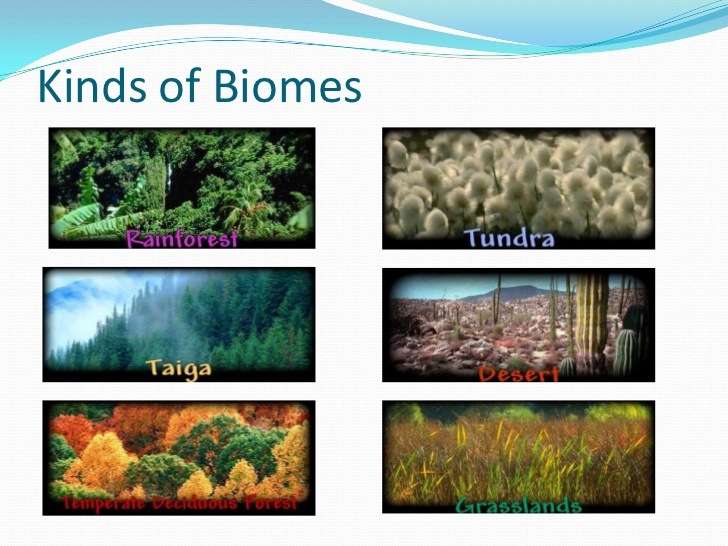
to provide energy/fuel
b)
to eliminate waste products
c)
to prevent diseases
d)
to kill pathogens
3.
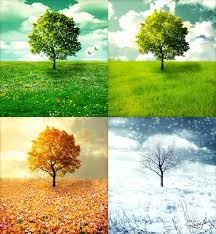
The main source of energy for all life comes from ____.
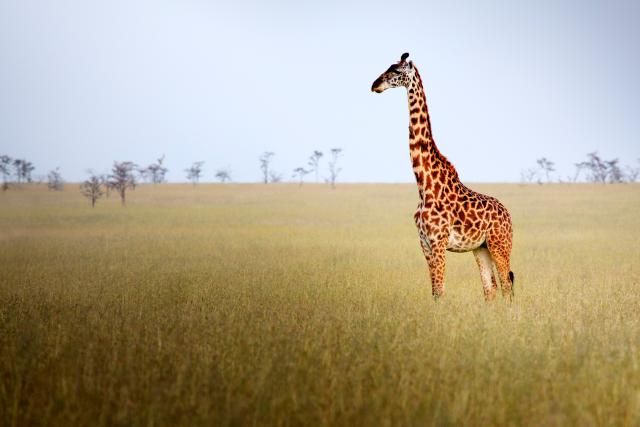
a)
the Earth
b)
the moon
c)
the sun
d)
the food we eat/make
4.

6CO2 + 6H20 + light energy -> C6H12O6 + 6O2

In this chemical equation, the highlight red is called the ______.

a)

products

b)

reactants

c)

yields

d)

production

5.

6CO2 + 6H20 + light energy -> C6H12O6 + 6O2

In this chemical equation, the highlight red is called the ______.

a)

products

b)

reactants

c)

yields

d)

production

6.

Where in the plant cell does photosynthesis take place?

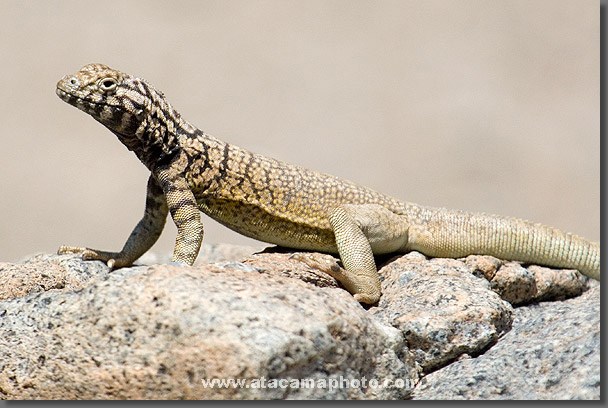
a)

In the stroma

b)

In the chloroplast

c)

In the mitochondria

d)

In the cell wall

7.
Which organelle from the plant cell is primarily responsible for converting sunlight to energy?
a)
Mitochonria
b)
Nucleus
c)
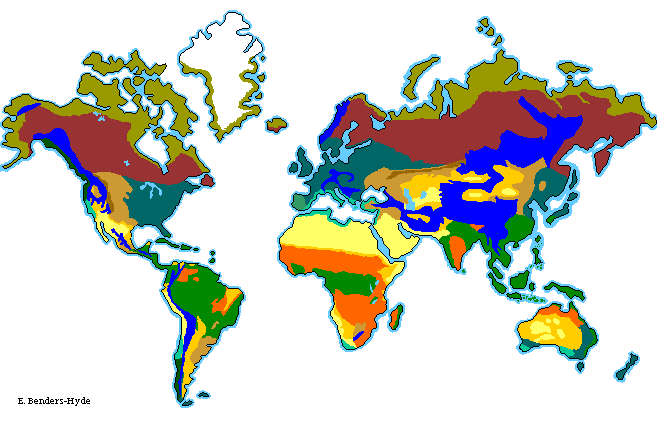
Vacuole
d)
Chloroplast
8.
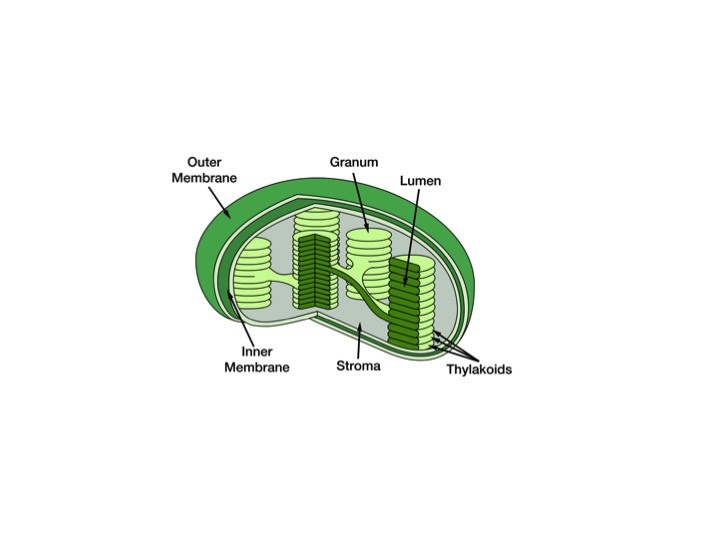
What process is the diagram representing?
a)
Photosynthesis
b)
Soil development
c)
Plant reproduction
d)
Nitrogen Cycle
Nitrogen cycle
9.
If all four plants were watered daily but placed in a closet, receiving no sunlight, what process would NOT occur?
a)
Ingestion of carbon dioxide
b)
Filtration of water through the soil
c)
Photosynthesis
d)
Water absorbtion
10.
Plants need ________ for photosynthesis
a)
oxygen
b)
soil
c)
carbon dioxide
d)
sugar
11.
What are the products of photosynthesis?
a)
water and carbon dioxide
b)
oxygen and glucose
c)
oxygen and carbon dioxide
d)
oxygen and water
12.

Which gas is removed from the atmosphere during photosynthesis?

a)

hydrogen

b)

oxygen

c)

nitrogen

d)

carbon dioxide

13.

Which of the following is an example of an AUTOTROPH?

a)

Apple tree

b)

Dog

c)

Mushroom

d)

Human

14.
Which of the following is an example of a HETEROTROPH?
a)
Grass
b)
Algae
c)
Lemon Tree
d)
Bear
15.
Which of the following is the correct equation for PHOTOSYNTHESIS?
a)
CO+ light + H2O --> O+ Sugar
b)
CO+ sugar + H2O --> O+ light
c)
O2 + light + H2O --> CO+ Sugar
d)
CO+ O2 + H2O --> Light+ Sugar
16.
What is the pigment in chloroplasts that performs photosynthesis?
a)
Chlorosynthesis
b)
Chlorophyll
c)
ADP
d)
Electron Transport
17.
Chloroplasts are...
a)
Structures of animal cells to produce ATP
b)
Organelles where lipids are elaborated
c)
Specialized structures of plants where food is made
d)
Waste organelle of plants
18.
Which statement about photosynthesis is correct?
a)
Plants get the energy they need for photosynthesis from water.
b)
Plants get the energy they need for photosynthesis from soil.
c)
Plants get the energy they need for photosynthesis from sunlight.
d)
Plants do not require energy to perform photosynthesis.
19.
Which of the following is considered a waste product of photosynthesis?
a)
glucose
b)
oxygen
c)
carbon dioxide
d)
sunlight
20.
Which of the following go through the process of photosynthesis?
a)
bees
b)
algae
c)
humans
d)
mushrooms
21.
What is the energy conversion during photosynthesis?
a)
chemical --> chemical
b)
thermal --> electrical
c)
chemical --> electrical 
d)
radiant --> chemical
22.

What are the ingredients needed for a plant to go through photosynthesis?

a)

Glucose, Oxygen, Sunlight, Energy

b)

CO2, Oxygen, Sunlight, Chloroplasts

c)

CO2, Water, Sunlight, Chlorophyll

d)

Oxygen, Water, Sunlight, Energy

23.
Which of these is NOT A TRUE statement about why photosynthesis is important:
a)
It captures and makes the sun's energy available to all species
b)
It turns deadly COinto Oxygen for us to breath
c)
It helps plants create energy to send to rest of food chain
d)
It makes the water for our planet
24.
Which of these is NOT AN IMPACT photosynthesis has on an ecosystem:
a)
Oxygen for animals and humans to breathe
b)
Food for us to eat
c)
Taking CO2 out of the air
d)
Taking oxygen out of the air
25.
Which choice correctly shows the gases that enter and exit plants during photosynthesis?
a)
Enter: Oxygen
Exit: Carbon dioxide
b)
Enter: Water vapor
Exit: Glucose
c)
Enter: Carbon dioxide
Exit: Oxygen
d)
Enter: Light
Exit: Water vapor
26.

What source of energy initiates (starts) photosynthesis?

a)

Radiant energy

b)

Chlorophyll

c)

Water

d)

Glucose

27.
A large ecosystem is called a ______
a)
Ecosystem
b)
Habitat
c)
Biome
d)
Niche
28.
What is the main factor that separates the biomes?
a)
Land
b)
Water
c)
Climate
d)
Longitude
29.
Which biome is the driest?
a)
Desert
b)
Tundra
c)
Taiga
d)
Rainforest
30.
Which Biome has permafrost?
a)
Temperate Forest
b)
Rainforest
c)
Taiga
d)
Tundra
31.
Which biome has deciduous trees (which lose their leaves)?
a)
Temperate Forest
b)
Rainforest
c)
Grasslands
d)
Taiga
32.
Which biome has coniferous trees (which don't lose their leaves)?
a)
Taiga
b)
Temperate Forest
c)
Tundra
d)
Grasslands
33.
Which biome has wide-open fields of grass?
a)
Taiga
b)
Grasslands
c)
Temperate Forest
d)
Rainforest
34.
Which biome has the most variety of plants and animals?
a)
Temperate Forest
b)
Rainforest
c)
Tundra
d)
Grasslands
35.
Which biome has 4 seasons?
a)
Taiga
b)
Tundra
c)
Grasslands
d)
Temperate Forest
36.
Which biome is home to lions, zebras, wildebeests, giraffes, and elephants?
a)
Grasslands
b)
Tundra
c)
Rainforest
d)
Temperate Forest
37.
Which biome is home to cacti, scorpions, coyotes, kangaroo rats, and lizards?
a)
Desert
b)
Grasslands
c)
Temperate Forest
d)
Taiga
38.
Which biome is home to jaguars, anacondas, leopards, gorillas, and poisonous tree frogs?
a)
Grasslands
b)
Temperate Forest
c)
Rainforest
d)
Tundra
39.
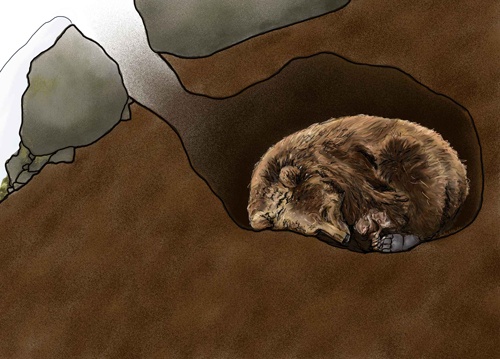
Which biome could an animal who hibernates in the winter to survive the cold live in?
a)
Grasslands
b)
Taiga
c)
Desert
d)
Rainforest
40.
In which biome does an organism have to be able to conserve water to survive?
a)
Rainforest
b)
Taiga
c)
Desert
d)
Temperate Forest
41.
Which biome is characterized by low temperatures and low amounts of rainfall?
a)
tundra
b)
desert
c)
temperate deciduous forest
d)
tropical rain forest
42.
One characteristic feature of tundra is that only the surface thaws in the summer and refreezes in the winter, leaving a layer of permanently frozen subsoil.  This characteristic is known as
a)
glaciation
b)
permafrost
c)
crystallization
d)
soilfrost
43.
Which type of trees is found in a temperate forest?
a)
deciduous
b)
evergreen
c)
ginko
d)
palm
44.
Which of the following is NOT an example of a biome?
a)
Desert
b)
Marine
c)
Freshwater
d)
Waterpark
45.
The kangaroo rat is able to get all of the water it needs through it's food and therefore, never needs to drink liquid. This animal has adapted to survive in which biome?
a)
Forest
b)
Tundra
c)
Desert
d)
Grassland
46.
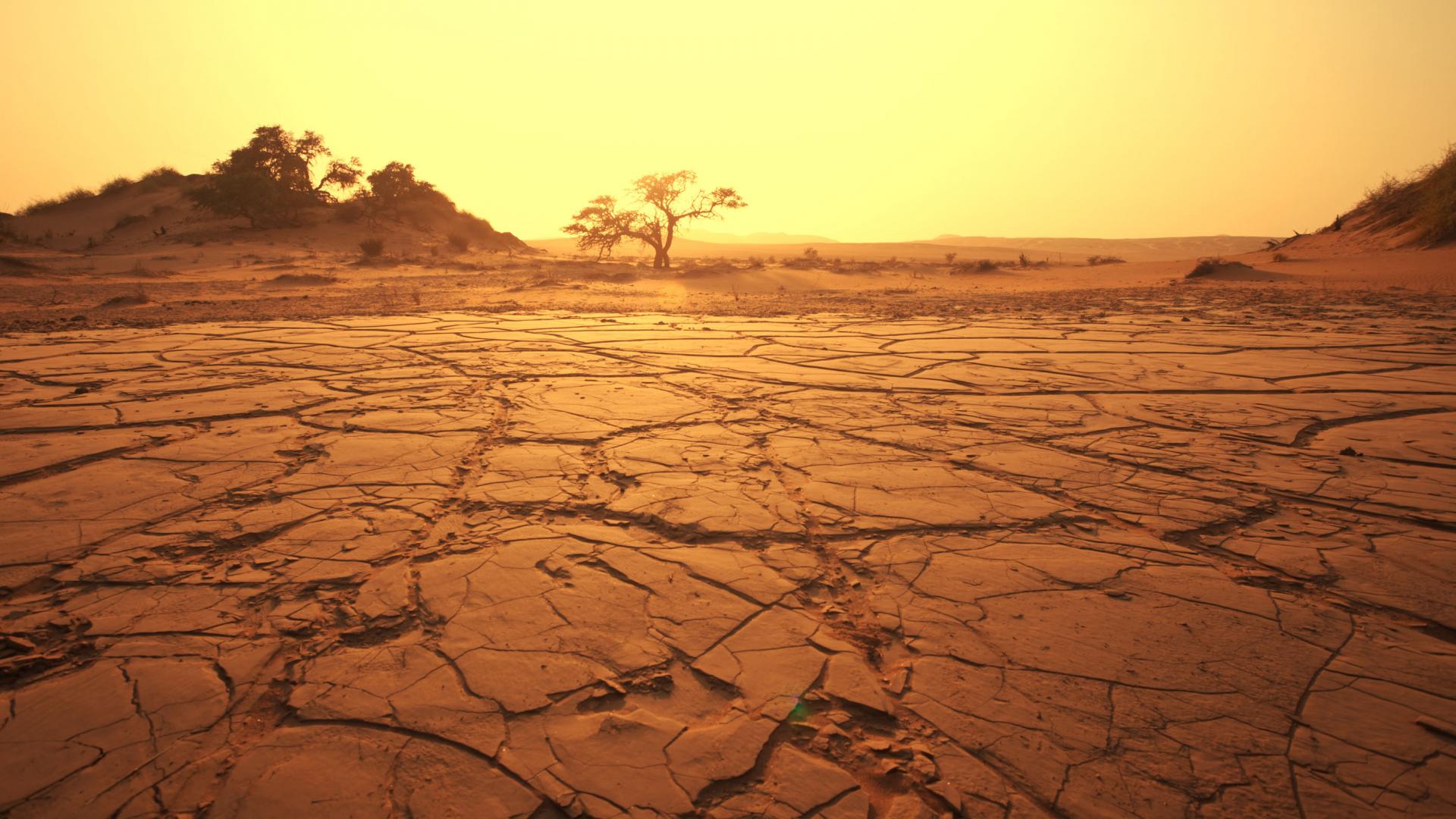
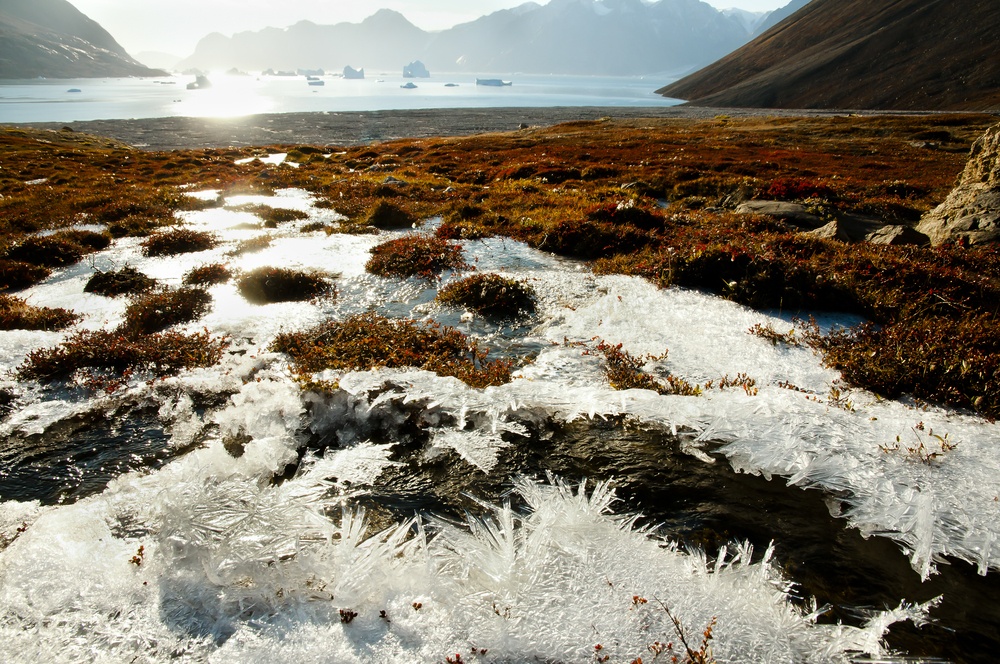
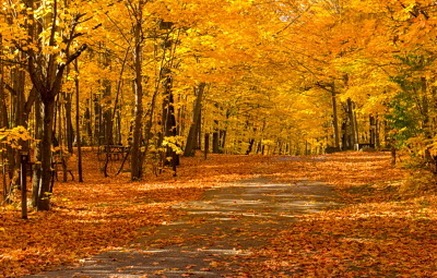
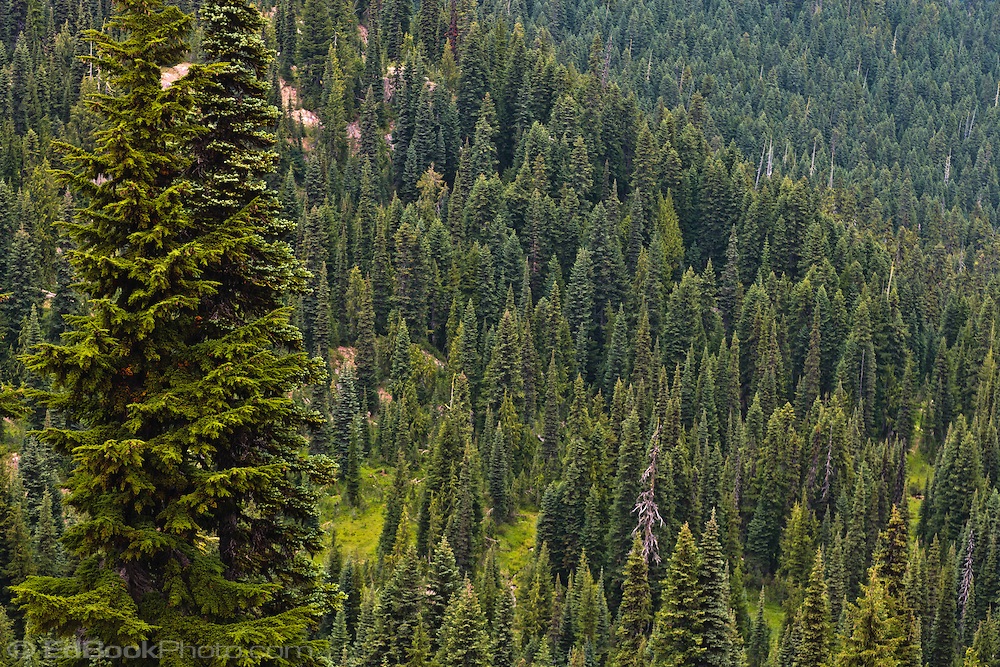
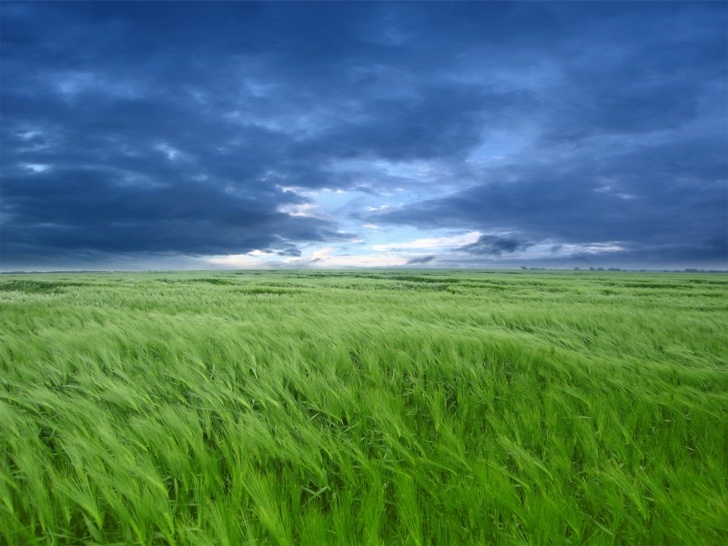
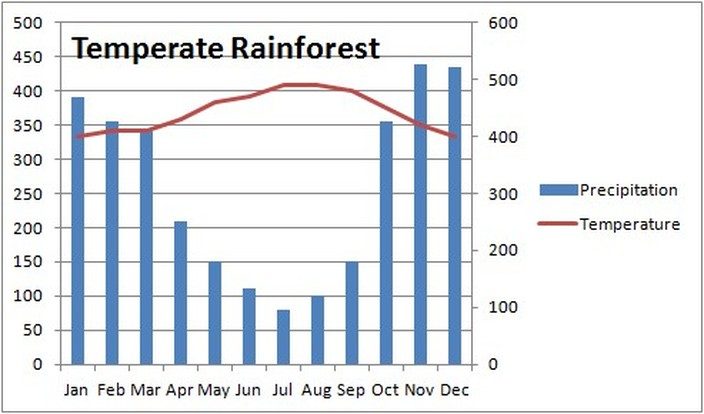
What biome? 
a)
Savannah
b)
Temperate Rainforest
c)
Taiga
d)
Desert
47.
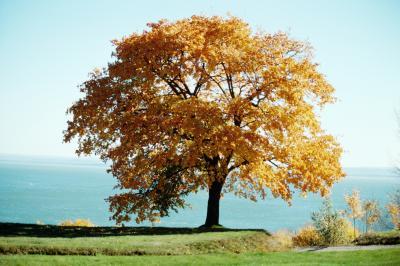
What biome?
a)
Mountains
b)
Tundra
c)
Tropical Rainforest
d)
Temperate Forest
48.
How much rain falls in the desert?
a)
10 inches
b)
more than 10 inches
c)
less than 10 inches
d)
none at all
49.
The taiga
a)
a cold, treeless, desert-like biome found near the North and South Poles
b)
found mostly in Africa
c)
a forest biome dominated by coniferous trees, such as pine, fir, and spruce
d)
a dry, rocky biome found in the central part of South America.
50.
We would NOT find this animal in the deciduous forest
a)
squirrel
b)
deer
c)
bear
d)
giraffe
51.
What is the average, year-to-year conditions of weather in an area?
a)
Biome
b)
Air Mass
c)
Climate
d)
Precipitation
52.
A living or once-living organisms in an ecosystem is a
a)
population
b)
biotic factor
c)
abiotic factor
d)
community
53.
The climate in a tropical rain forest can be described as
a)
cold and wet 
b)
warm and dry 
c)
cold and dry 
d)
warm and wet 
54.
The earth's coldest biome is the....
a)
Antartica
b)
Grasslands
c)
Tundra
d)
Freshwater
55.
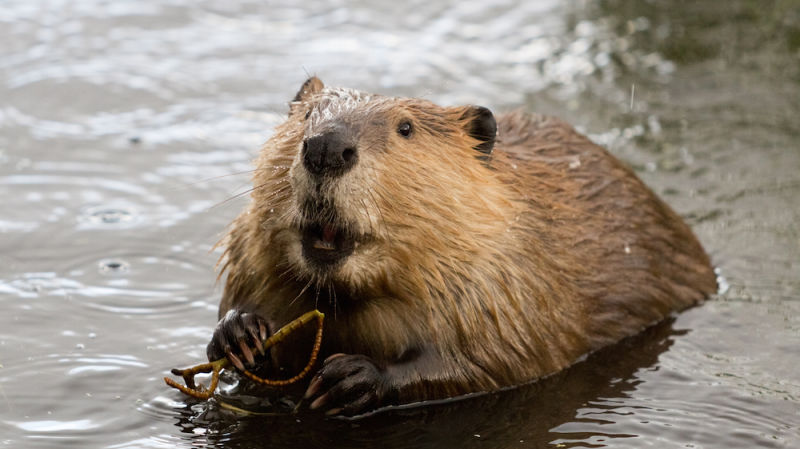
Birds, beavers, fish, and insects live in this biome.
a)
Marine
b)
Freshwater
c)
Tundra
d)
Taiga
56.
This biome includes three zones: intertidal, near-shore, and open ocean zone and includes living thins such as crabs, otters, and whales.
a)
Wetlands
b)
Marine
c)
Ocean
d)
Freshwater
57.
This is the earth's driest biome and can be hot or cold.
a)
Savannah
b)
Prairie
c)
Tundra
d)
Desert
58.
This is the most important thing that makes each biome different from each other.
a)
Animals
b)
Location
c)
Climate
d)
People
59.
Which biome is characterized by low temperatures and low amounts of rainfall?
a)
tundra
b)
desert
c)
temperate deciduous forest
d)
tropical rain forest
60.
Which of the following habitats probably has the greatest number of plant and animal species?
a)
the African savannah
b)
a rainforest in Brazil
c)
a temperate forest in China
d)
a temperate grassland in Kansas
61.
The most important abiotic factors when studying biomes are...
a)
Food and Water
b)
Water and Sunlight
c)
Temperature and Oxygen
d)
Water and Temperature 
62.
The biome known for trees with broad leaves that fall off the trees in the winter.
a)
Coniferous Forests
b)
Deciduous Forests
c)
Deserts
d)
Tropical Rain Forests
63.
What are the key features of the Tundra?
a)
cold winter, thin acidic soil, evergreen trees
b)
treeless, permafrost, cold dark winters
c)
ong cool summers, short dark winters, migrating animals
d)
many evergreen trees, short moist summers, long snowy winters
64.
The term "terrestrial" means
a)
land.
b)
water.
65.
The term "aquatic" means
a)
land.
b)
water.
66.
a)
tundra
b)
tropical rainforest
c)
desert
d)
grassland
67.
a)
savanna
b)
temperate deciduous forest
c)
taiga/coniferous forest
68.
In which biome would you MOST LIKELY find this organism?
a)
tundra
b)
desert
c)
tropical rainforest
d)
temperate deciduous forest
69.
In which biome would you MOST LIKELY find this organism?
a)
taiga/coniferous forest
b)
temperate deciduous forest
c)
tropical rainforest
d)
desert
70.
These are the general weather conditions of an area over a long period of time.
a)
thermometer
b)
climate
c)
precipitation
d)
barometer
71.
Regions of Earth that are defined by their climate and the unique plants & animals that live there
a)
biome
b)
ecosystem
c)
environment
d)
niche
72.
In the rain forest the tall trees form a leafy roof called the 
a)
Canopy
b)
Understory
c)
Forest Floor
73.
These trees produce their seeds in cones and have leaves shaped like needles.
a)
Coniferous Trees
b)
Deciduous Trees
74.
What is the reason some birds fly south in the fall or early winter...
a)
Breed
b)
Find Food
c)
Hibernate
d)
Develop Spring Colors
75.
An animal that has thick fur, webbed flippers, and blubber would probably live...
a)
Amazon Rain Forest
b)
Arctic Ocean
c)
Large freshwater lake in Georgia
d)
Mojave Desert in California
76.
What would an adaptation of reptile living in the desert have...?
a)
Slimy Skin
b)
Vertebrae
c)
Be able to maintain a constant temperature
d)
Thick Scaly Skin
77.
Biotic factors in a biome
a)
sand
b)
water
c)
kinds of birds
d)
air
78.
Abiotic factor in a marine biome
a)
seaweed
b)
water depth
c)
coral
d)
dolphin
79.

Where does PHYTOplankton get food?

a)

phototsynthesis

b)

fish

c)

seaweed

d)

algae

80.

Most of the nutrients in a tropical rain forest are found in plants so,

a)

the rain forest soil is very rich.

b)

there are few animals in the rain forest.

c)

the rainforest soil is poor in nutrients and very thin.

d)

there are few plants in the rainforest.

81.
Has clumps of trees and seasonal rains
a)
temperate deciduous forest
b)
coniferous forest
c)
savanna
d)
temperate grassland
82.
Is made of skeletons of small animals
a)
Sargasso sea
b)
marsh
c)
coral reef
d)
polar ice
83.

Which of the following is a most likely description of the climate at Location Z on the graph?

a)

cold and dry

b)

cold and wet

c)

warm and wet

d)

warm and dry

84.

The highlighted area on the map shows the location of one of Earth's biomes.

Which statement best explains how the location of this biome affects its climate?

a)

It has a cold, dry climate due to its location near the poles.

b)

It has a cold, wet climate due to its location near the poles.

c)

It has a hot, wet climate due to its location near the equator.

d)

It has a hot and cold climate due to its location near the equator.
85.
Behavioral changes of individuals of a species that allow for better survival. (Acquired traits)
a)
Variation
b)
Adaptation
c)
Behavior
d)
Environment
86.
When every organism of a species has died.
a)
Evolution
b)
Natural Selection
c)
Extinction
d)
Artificial Selection
87.
What is the advantage of having different shaped beaks?
a)
To look different from other species.
b)
To be able to eat the food readily available in the environment.
c)
To protect itself against predators.
d)
To protect itself against prey.
88.
Heredity is the passing of traits from _____________________ to _____________________
a)
predators to prey
b)
water to rain
c)
parents to offspring
d)
fungi to protists
89.
___________________________ is the study of how traits are passed on, or inherited.
a)
dominant traits
b)
ratio
c)
phenotype
d)
genetics
90.
Why did Mendel choose to study pea plants in order to learn how traits are passed from parent to offspring?
a)
Pea plants grow quickly
b)
Pea plants are ultraviolet
c)
Pea plants are rare and expensive
d)
Pea plants are take years to grow
91.
One trait that is ALWAYS present and causes the other traits to disappear is a ________________________
a)
recessive trait
b)
aggressive trait
c)
absent trait
d)
dominant trait
92.
Offspring receives two sets of _____________ (one from each parent)
a)
blue jeans
b)
genes
c)
machines
d)
pedigree
93.
_____________________ is the appearance of an organism, or how it looks
a)
phenotype
b)
ratio
c)
recessive trait
d)
heredity
94.
A ________________________ is used to predict the possible genotype from certain parents
a)
Mendel Grid
b)
Genetic Tic Tac Toe
c)
Punnett Square
d)
Pedigree Plot
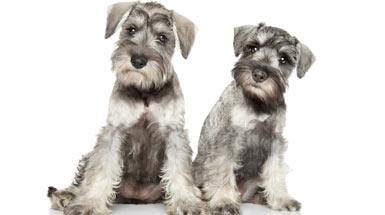
95.
When humans breed purebred dogs to look a certain way and have traits that they like, this is an example of ___________________________
a)
Probably Breeding
b)
Sectional Breeding
c)
Selective Breeding
d)
Suspended Breeding
96.
Chromosomes are found in the ____________ of the cell
a)
Chloroplast
b)
Nucleus
c)
Cytoplasm
d)
Mitochondria
97.
How many parents in sexual reproduction?
a)
1
b)
4
c)
2
d)
3
98.
In asexual reproduction there is____ parent(s).
a)
two
b)
one
99.
Homozygous is when...
a)
the alleles are the same
b)
the alleles are different
c)
the alleles are absent
d)
the alleles are present
100.
G = green, g = yellow
The genotype for a yellow plant is...
a)
GG
b)
Gg
c)
gg
d)
all of the choices result in yellow
101.
T = tall an t = short
TT and Tt would result in  the following phenotype
a)
short
b)
tall
c)
both tall and short
d)
neither tall or short
102.
Purebred is another word for __________, while hybrid is another word for __________.
a)
dominant; recessive
b)
recessive; dominant
c)
homozygous; heterozygous
d)
heterozygous; homozygous