
 Worksheets
Test 3 Review
Total questions: 108
Worksheet time: 2hrs 33mins
Name
Class
Date
1.

Who was the father of genetics?
a)
Darwin
b)
Mendel
c)
Flint
d)
Einstein
2.

The type of plant that Mendel studied was...
a)
pea plants
b)
apple trees
c)
brocolli
d)
buffalos
3.

A ________________________ is a tool used to predict the possible genotype from certain parents
a)
Mendel Grid
b)
Genetic Tic Tac Toe
c)
Punnett Square
d)
Pedigree Plot
4.

The dominant trait is
a)
yellow pea seeds
b)
green pea seeds
c)
there is no dominant seed
d)
Jolly green giant
5.

What are the possible genotypes for this cross?
a)
TT = 25% Tt= 50% tt=25%
b)
all tall
c)
TT= 75% tt = 25%
d)
Tt = 100%
6.
___________________________ is the study of how traits are passed on, or inherited.
a)
dominant traits
b)
ratio
c)
phenotype
d)
genetics
7.

Two brown eyed parents which are both heterozygous(Bb) have a baby. What is the possibility of the baby being blue eyed?
a)
0 %
b)
25%
c)
50%
d)
75%
8.
How many alleles (letters) does a child get from EACH parent for each trait?
a)
1
b)
2
c)
3
d)
4
9.

What term describes what you see, or the physical appearance.
a)
Genotype
b)
Phenotype
c)
Homozygous
d)
Heterozygous
10.
In a heterozygous genotype, the ___________ allele takes over in the phenotype.
a)
recessive
b)
dominant
c)
lower case letter
d)
both
11.
Complex molecule that carries genetic information that defines an organism's traits. It is stored in the nucleus.
a)
DNA
b)
protein
c)
RNA
d)
glucose nucleic acid (GNA)
12.
What is another way of saying "hybrid"?
a)
heterozygous
b)
homozygous dominant
c)
homozygous recessive
d)
none of these choices
13.

Two heterozygous parents produce offspring. What is the probability of the HETEROZYGOUS GENOTYPE appearing in the offspring generation?
a)
75%
b)
25%
c)
50%
d)
100%
14.

Two heterozygous parents produce offspring. What is the probability of the HOMOZYGOUS DOMINANT GENOTYPE appearing in the offspring generation?
a)
75%
b)
25%
c)
50%
d)
100%
15.

HH crossed with Hh. What is the probability of hh?
a)
0%
b)
25%
c)
50%
d)
100%
16.
What is another way of saying "purebred"?
a)
homozygous
b)
dominant
c)
recessive
d)
heterozygous
17.
Two brown eyed parents (Bb) have a baby. What is the chance the baby is blue eyed?
a)
0 %
b)
25%
c)
50%
d)
75%
18.
Heredity is the passing of traits from _____________________ to _____________________
a)
predators to prey
b)
water to rain
c)
parents to offspring
d)
fungi to protists
19.
True or False: Recessive traits are ALWAYS present
a)
True
b)
False
20.
_____________________ is the appearance of an organism, or how it looks
a)
phenotype
b)
ratio
c)
recessive trait
d)
heredity
21.
What is the process that produces cells with half the usual number of chromosomes
a)
mitosis
b)
meiosis
c)
trait
d)
reproduction
22.
A matching pair of alleles are called
a)
dominant
b)
recessive
c)
heterozygous
d)
homozygous
23.
A mismatched pair of alleles is called
a)
dominant
b)
recessive
c)
heterozygous
d)
homozygous
24.

What would the genotypes be?
a)
TT, TT, Tt, Tt
b)
TT, Tt, Tt, tt
c)
Tt, Tt, tt, tt
d)
None of the above
25.
Dominant alleles are represented by a:
a)
Male gene
b)
lowercase letter
c)
recessive trait
d)
capital letter
26.
Which of the following alleles is homozygous recessive?
a)
Tt
b)
tt
c)
TT
d)
T
27.

A heterozygous yellow pea plant's genotype would be:
a)
YY
b)
yy
c)
Yy
d)
Yg
28.

Which best describes the process shown?
a)
mutation in which the DNA content of the gene is ltered
b)
segregation of sister chromatids
c)
condensation and segregation of the alleles
d)
crossing-over which alleles are exchanged
29.

The sex of an offspring is determined by ______________________.
a)
the mother
b)
the father
c)
the mother and the father
d)
by the environment
30.

Term for homozygous organisms that display two dominant phenotypes at the same time
a)
codominance
b)
incomplete dominance
c)
multiple alleles
d)
linked genes
31.
The inherited combination of alleles is known as the offspring's
a)
heredity
b)
phenotype
c)
genotype
d)
redigree
32.
A human usually has _____ total chromosomes.
a)
6
b)
22
c)
4
d)
46
33.
one set of instructions for an inherited trait
a)
heredity
b)
allele
c)
trait
d)
gene
34.
B=brown eyes
b= blue eyes
What is true about two brothers that have brown eyes?
One has genotype BB the other Bb.
b= blue eyes
What is true about two brothers that have brown eyes?
One has genotype BB the other Bb.
a)
they have same phenotype and genotype
b)
they have different genotypes and phenotypes
c)
they have same phenotype but different genotypes
d)
they have same genotype but different phenotypes
35.
The passing of genetic traits from parent to offspring.
a)
heredity
b)
trait
c)
gene
d)
allele
36.
A chart or family tree that tracks which members of a family have a particular trait or disease.
a)
Carrier
b)
Karyotype
c)
Pedigree
d)
Genome
37.
A picture of all the chromosomes in a cell arranged in pairs
a)
Pedigree
b)
Karyotype
c)
Genome
d)
Carrier
38.
ALL the DNA in one cell of an organism
a)
Karyotype
b)
Mutation
c)
Pedigree
d)
Genome
39.
Where, in the eukaryotic cell, is DNA located?
a)
ribosomes
b)
nucleus
c)
E.R.
d)
cytoplasm
40.

What is the percentage of offspring that have green pods?
a)
100%
b)
75%
c)
50%
d)
25%
41.

What is the phenotype of the heterozygous parent in the punnett square?
a)
green
b)
yellow
c)
hybrid
d)
purebred
42.
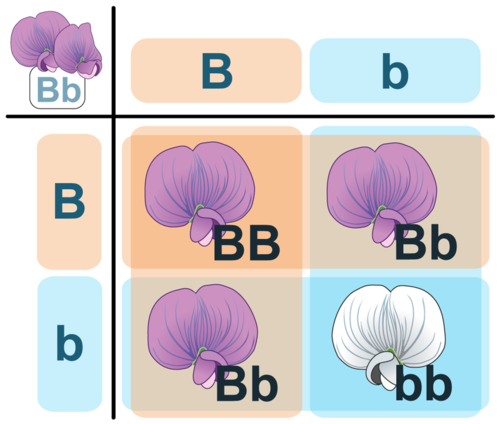
In this punnett square, which is the dominant trait?
The B stands for bud.
The B stands for bud.
a)
purple flower bud
b)
white flower bud
c)
dominant
d)
recessive
43.

T - tall and t = short
In the punnett square below, what belongs in the missing square
In the punnett square below, what belongs in the missing square
a)
tt
b)
Tt
c)
Bb
d)
TT
44.
One reason for Mendel's success with genetic studies of peas was that he
a)
used only hybrid pea plants
b)
used peas with large chromosomes
c)
studied large numbers of offspring
d)
discovered the sources of variation in peas
45.
If the four existing children in a family are all sons, what chance would there be that the next child would also be a son?
a)
75%
b)
50%
c)
25%
d)
20%
46.

If you cross a black chicken with a white chicken, only checkered chickens would be produced. What kind of inheritance pattern does this follow?
a)
Sex-linked Trait
b)
Incomplete Dominance
c)
Co-Dominance
47.

What is the genotype for a FEMALE?
a)
XX
b)
XY
48.

An allele is...
a)
the physical appearance
b)
the recessive genes
c)
the letter that represents each parent’s trait
49.
The longest phase of the cell cycle
a)
prophase
b)
interphase
c)
metaphase
d)
mitosis
50.

Identify the phase of mitosis
a)
prophase
b)
metaphase
c)
anaphase
d)
telophase
51.

Which phase comes NEXT?
a)
prophase
b)
metaphase
c)
anaphase
d)
telophase
52.
the phase of mitosis in which the sister chromatids separate (pull apart) from each other
a)
prophase
b)
metaphase
c)
anaphase
d)
telophase
53.
Contains the genetic material and serves as the control center of the cell
a)
nuclear membrane
b)
spindle fibers
c)
nucleus
d)
telophase
54.
Contains the genetic material and serves as the control center of the cell
a)
nuclear membrane
b)
spindle fibers
c)
nucleus
d)
telophase
55.
Put the stages of mitosis in the correct order.
a)
prophase - metaphase - anaphase - telophase
b)
metaphase - anaphase - prophase - telophase
c)
anaphase - prophase - telophase - metaphase
d)
telophase - metaphase - prophase - anaphase
56.
What is the result of mitosis?
a)
1 cell
b)
2 genetically identical cells
c)
2 genetically different cells
d)
4 genetically identical cells
57.
Put the following in order: G2, G1, S, mitosis, cytokinesis.
a)
G1, G2, S, Mitosis, cytokinesis
b)
G1, S, G2, Mitosis, cytokinesis
c)
G1, G2, S, cytokinesis, mitosis
d)
G1, S, G2, cytokinesis, mitosis
58.
A human usually has xx amount of chromosomes.
a)
6
b)
22
c)
4
d)
46
59.
What is it called when a sperm and egg meet?
a)
meiosis
b)
fertilization
c)
cell division
d)
mitosis
60.

Meiosis makes sperm and egg cells. In humans, sperm and egg cells each have _____ chromosomes. Therefore a fertilized human egg cell (sperm and egg cell combined) would create a cell with _____ chromosomes.
a)
23, 46
b)
46, 23
c)
2, 4
d)
50, 100
61.
What causes genetic variation in meiosis?
a)
chromosomes lining up
b)
crossing over of chromosomes
c)
separation of chromosomes
d)
chromosomes pulling apart
62.
Diploid Cells are represented by
a)
2n
b)
n
c)
4n
d)
1/2 n
63.
If the Diploid number of Carrots is 18, the haploid number is
a)
18
b)
9
c)
27
d)
36
64.
The chromosomes that pair up during meiosis, are called __________ chromosomes.
a)
homozygous
b)
asexual
c)
homologous
d)
genes
65.

Identify the phase.
a)
Metaphase I
b)
Metaphase II
c)
Prophase I
d)
Anaphase II
66.
A human zygote should have _____ chromosomes inside.
a)
46
b)
23
c)
92
d)
64
67.
Mendel hypothesized that reproductive cells have only one factor for each inherited trait. This hypothesis is supported by the observation that
a)
haploid cells are produced by mitosis
b)
diploid cells are produced by mitosis
c)
haploid cells are produced by meiosis
d)
diploid cells are produced by meiosis
68.
What is the genotype of a person with type A blood, who had a father with type O blood?
a)
AB
b)
AO
c)
AA
d)
OO
69.
What are the blood types of the possible children that a woman (type O) and man (type AB) can have?
a)
O and AB
b)
O and A
c)
O and B
d)
A and B
70.
which blood type is the universal donor (all people can receive it)?
a)
O
b)
AB
c)
A
d)
B
71.
Which blood type is he universal recipient (a person with this blood type can get blood from any other type)?
a)
O
b)
AB
c)
A
d)
B
72.

Jim has type AB blood. His dad could be type O.
a)
True
b)
False
73.
Which of the following is a phenotype?
a)
Aa
b)
red hair
c)
heterozygous genes
d)
mutated DNA
74.
B=brown eyes
b= blue eyes
What is true about these two brothers that have brown eyes:
One has genotype BB the other Bb.
b= blue eyes
What is true about these two brothers that have brown eyes:
One has genotype BB the other Bb.
a)
they have same phenotype and genotype
b)
they have different genotypes and phenotypes
c)
they have same phenotype but different genotypes
d)
they have same genotype but different phenotypes
75.
Aa, DD, bB, yy are all examples of
a)
genotypes
b)
phenotypes
76.
Two brown eyed parents (Bb) have a baby. What is the chance the baby is blue eyed?
a)
0 %
b)
25%
c)
50%
d)
75%
77.
different forms of the same gene are called
a)
alleles
b)
genetics
c)
p generation
d)
law of segregation
78.
A __________ allele always shows up in an organism when the it is present.
a)
dominant
b)
hybrid
79.

This image shows a...
a)
Punnett Square
b)
Phenotype
c)
Genotype
d)
Dominant allele
80.

What are the possible genotypes for this cross?
a)
TT = 25% Tt= 50% tt=25%
b)
all tall
c)
TT= 75% tt = 25%
d)
Tt = 100%
81.
Which of the following genotypes is homozygous dominant?
a)
A
b)
Aa
c)
AA
d)
aa
82.
Which of the following genotypes is heterozygous?
a)
Bb
b)
BB
c)
bb
d)
B
83.

How many boys did the mother and father from the first generation have?
a)
2
b)
4
c)
5
d)
6
84.

How many kids did the mother and father from the first generation have?
a)
2
b)
4
c)
5
d)
6
85.

Which individual in the first generation is a carrier?
a)
The male
b)
The female
c)
individual 1
d)
None of the above
86.

How many individuals are there in the 3rd generation?
a)
2
b)
3
c)
4
d)
6
87.
Meiosis and fertilization are not a part of asexual reproduction.
a)
True
b)
False
88.
Sexual reproduction produces offspring that have a new combination of DNA, which results in genetic variation among individuals.
a)
True
b)
False
89.
Where does an off spring get its traits in asexual reproduction?
a)
From both parents
b)
From only one parent
c)
From neither parent
d)
There are no traits handed down
90.
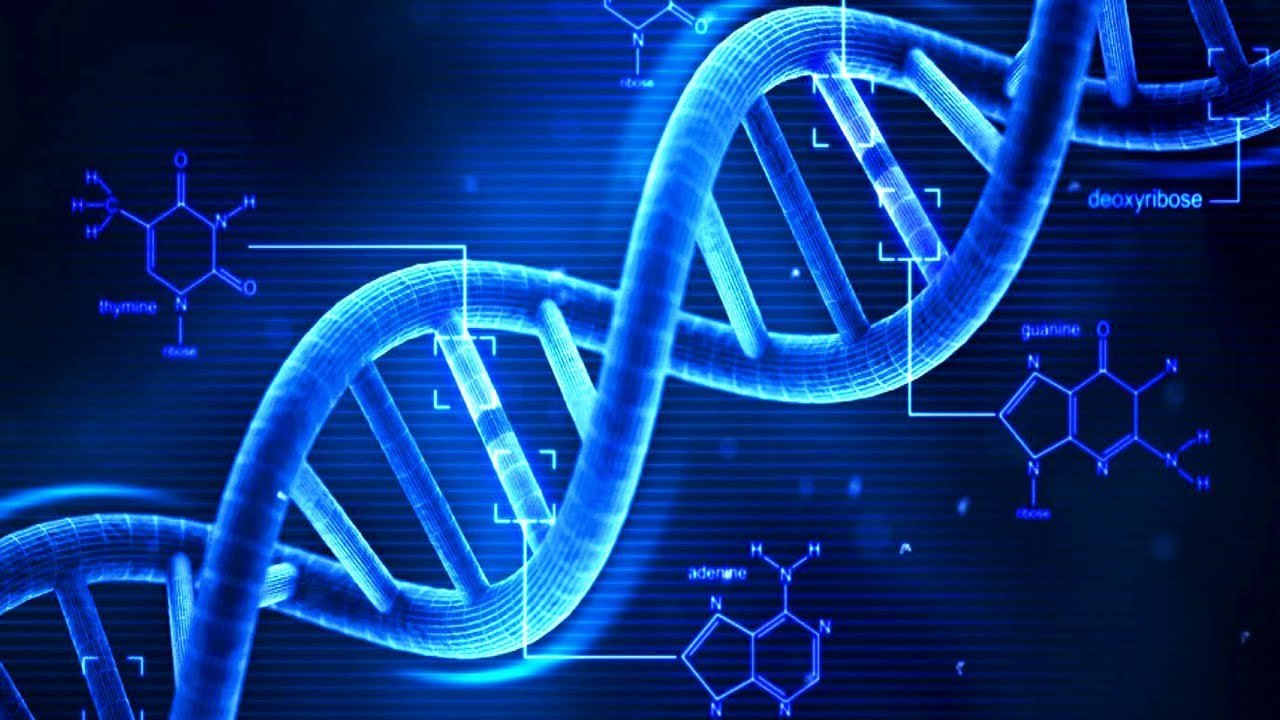
When comparing the offspring of sexually and asexually reproducing organisms, we would expect the genetic material (DNA) of the sexually reproducing organism to -
a)
contain fewer mutations
b)
be lesser in quantity
c)
be simpler overall
d)
show more variation
91.
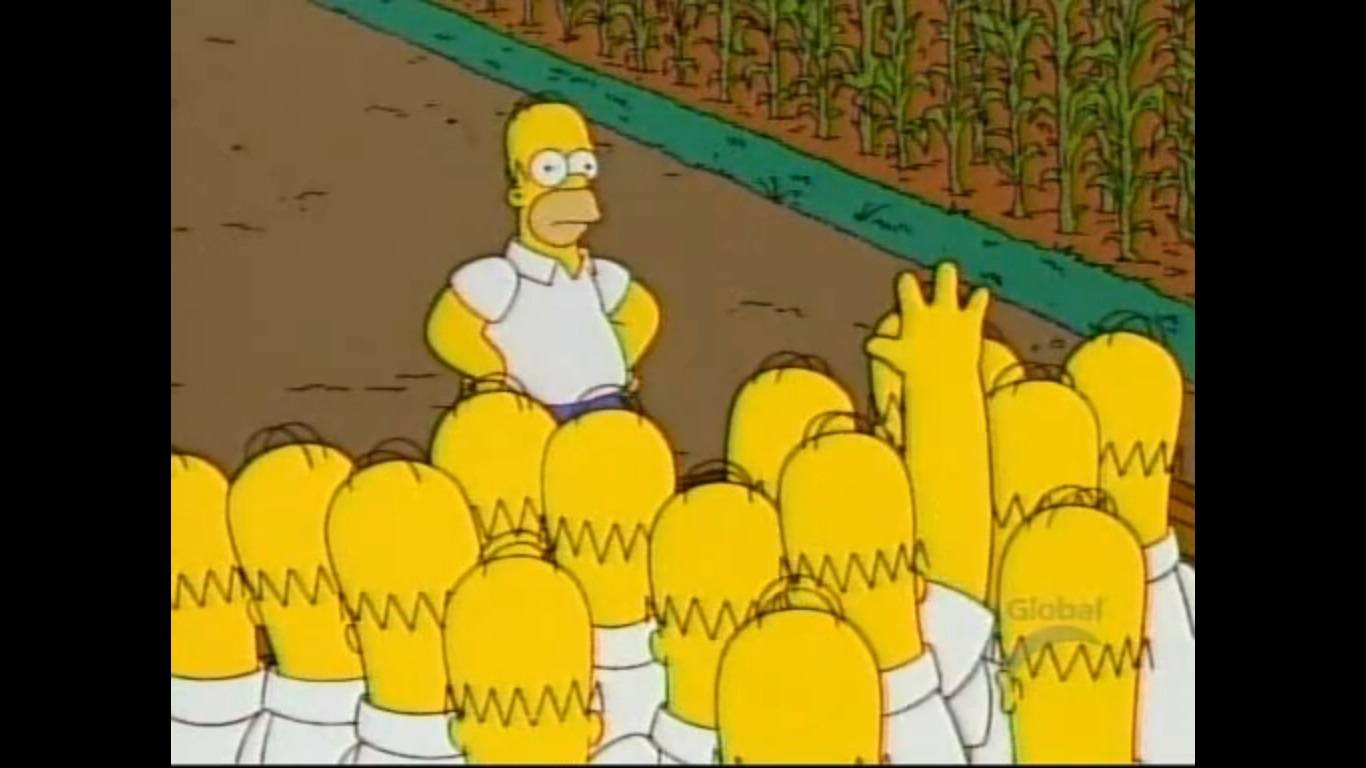
All of the offspring of an organism have the same genetic material, which is identical to the parent organism. From this, we can conclude that this organism -
a)
makes its own food
b)
is unicellular
c)
live in a marine habitat
d)
reproduces asexually
92.
If an environment suddenly changes, which type of reproduction would be most beneficial? Why?
a)
Asexual, because asexual organisms always have variation within species.
b)
Sexual, because sexual organisms have variation within species.
c)
Both Asexual and Sexual reproduction would be beneficial, because they both have variation within species.
d)
Asexual, because asexual organisms have no variation, so they can adapt to a changing environment.
93.
What are some of the facts about sexual reproduction?
a)
Takes two mates to reproduce and takes a longer time to reproduce
b)
Takes one mate to reproduce and takes a shorter amount of time to reproduce
c)
Takes two mates to reproduce and takes a shorter amount of time to reproduce
d)
Takes one mate to reproduce and takes a shorter amount of time to reproduce
94.

Prokaryotes (bacteria) reproduce asexually via -
a)
spore formation
b)
bud creation
c)
vegetative propagation
d)
binary fission
95.
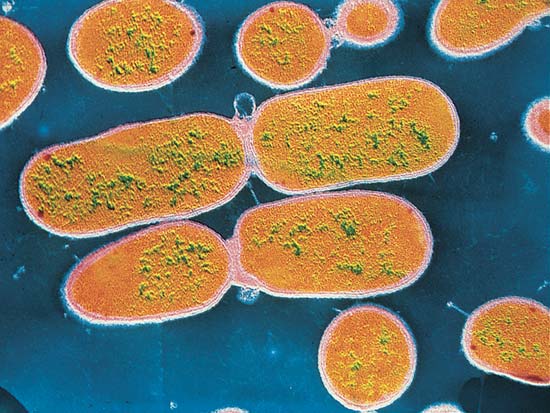
The offspring from asexually reproduced organisms are?
a)
Different than their parents
b)
Identical to parents
c)
Like a combination from both parents
d)
A different species
96.
This produces 2 identical cells.
a)
mitosis
b)
meiosis
97.
All Offspring of Asexual reproduction are identical
a)
True
b)
False
98.
A dog has 78 chromosomes in its body cells. What is the diploid number?
a)
78
b)
39
c)
1
d)
100
99.
A Goat has 60 chromosomes in its body cells. What is the haploid number?
a)
60
b)
30
c)
100
d)
120
100.
How many cells are produced in Mitosis?
a)
1
b)
2
c)
3
d)
4
101.
What occurs during interphase?
a)
Two cells are formed
b)
The nucleus disappears
c)
Chromosomes line up in the middle of the cell
d)
DNA synthesized and cell grows
102.
How many cells are produced in meiosis?
a)
1
b)
2
c)
3
d)
4
103.
A cell with 10 chromosomes go through meiosis. What is the end result of the process
a)
4 cells with 10 chromosomes each
b)
2 cells with 10 chromosomes each
c)
4 cells with 5 chromosomes each
d)
2 cells with 5 chromosomes each
104.
When a cell is not actively dividing, it is in what phase?
a)
interphase
b)
anaphase
c)
prophase
d)
telophase
105.
Diploid --> Diploid
a)
Mitosis
b)
Meiosis
c)
Both Mitosis and Meiosis
106.
Diploid --> Haploid
a)
Mitosis
b)
Meiosis
c)
Both Mitosis and Meiosis
107.

When two haploid sex fuse together during fertilization they become ______________
a)
haploid cells
b)
meiosis
c)
mitochondria
d)
diploid cells
108.

There are usually 46 chromosomes in a human
a)
sperm cell
b)
egg cell
c)
haploid cell
d)
Somatic cell
100 %

