
 Worksheets
Pedigree Practice
Total questions: 111
Worksheet time: 2hrs 6mins


What is the mode of inheritance shown here?
Autosomal Recessive because it "skips" a generation
Autosomal Dominant because it shows up in every generation
X linked because it affects females more than males
In a pedigree, which shape represents a male?
circle
square

In a pedigree, this symbol represents a ---
not affected female.
not affected male.
affected male.
affected female.

On a pedigree, this symbol represents a ----
not affected male.
not affected female.
affected male.
affected female.

The trait this pedigree traces is recessive because it skips a generation and individuals can be carriers. What is the most likely genotype for person III-3?
GG
Gg
gg

If this pedigree shows a recessive disorder, what MUST the genotype of individual 4 be?
HH
Hh
hh
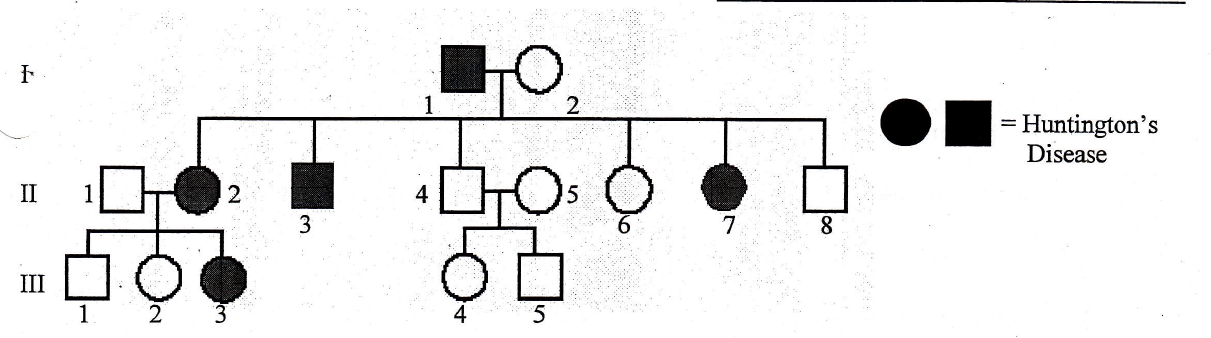
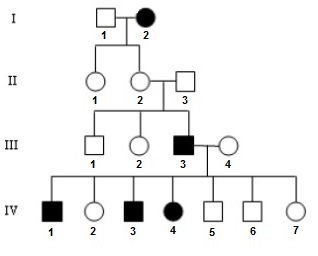

What must be the genotype of individual II-2?
Aa
AA
aa
If the affected female in the 2nd generation is homozygous dominant, what must be the genotype of individual III-5?
Aa
AA
aa

How would you describe the person II - 4
Unaffected female
Affected female
Unaffected male
Affected male
How would you describe the person III - 5?
Unaffected female
Affected female
Unaffected male
Affected male
How would you describe the person III - 3?
Unaffected female
Affected female
Unaffected male
Affected male
Which of the following has the genotype, XhXh?
II - 3
IV - 1
IV - 2
II - 6
None
Which of the following has the genotype, XHXh?
II - 3
IV - 1
IV - 2
II - 6
III - 4
Which of the following has the genotype, XHY?
II - 3
IV - 1
IV - 2
II - 6
III - 3
Which of the following has the genotype, XhY?
II - 3
IV - 1
IV - 2
II - 6
III - 5

What is the genotype of the second one in the third row?
XFXf
XFXF
XFY
XfY
XfXf
What is the genotype of the first one in the second row?
XFXf
XFXF
XFY
XfY
XfXf
What is the genotype of the first one in the fourth row?
XFXf
XFXF
XFY
XfY
XfXf
What is the genotype of the fourth one in the fourth row?
XFXf
XFXF
XFY
XfY
XfXf
What is the genotype of the last four in the third row?
XFXf
XFXF
XFY
XfY
XfXf
What is the genotype of the third one in the fourth row?
XFXf
XFXF
XFY
XfY
XfXf
Drawing your own Punnett Squares, which of the following is IMPOSSIBLE? (Worth 6 pts)
An affected mother and an affected father have an unaffected son
An unaffected mother and a affected father having a affected son
An unaffected mother and an unaffected father having an affected daughter
An unaffected mother and an affected father having an affected daughter
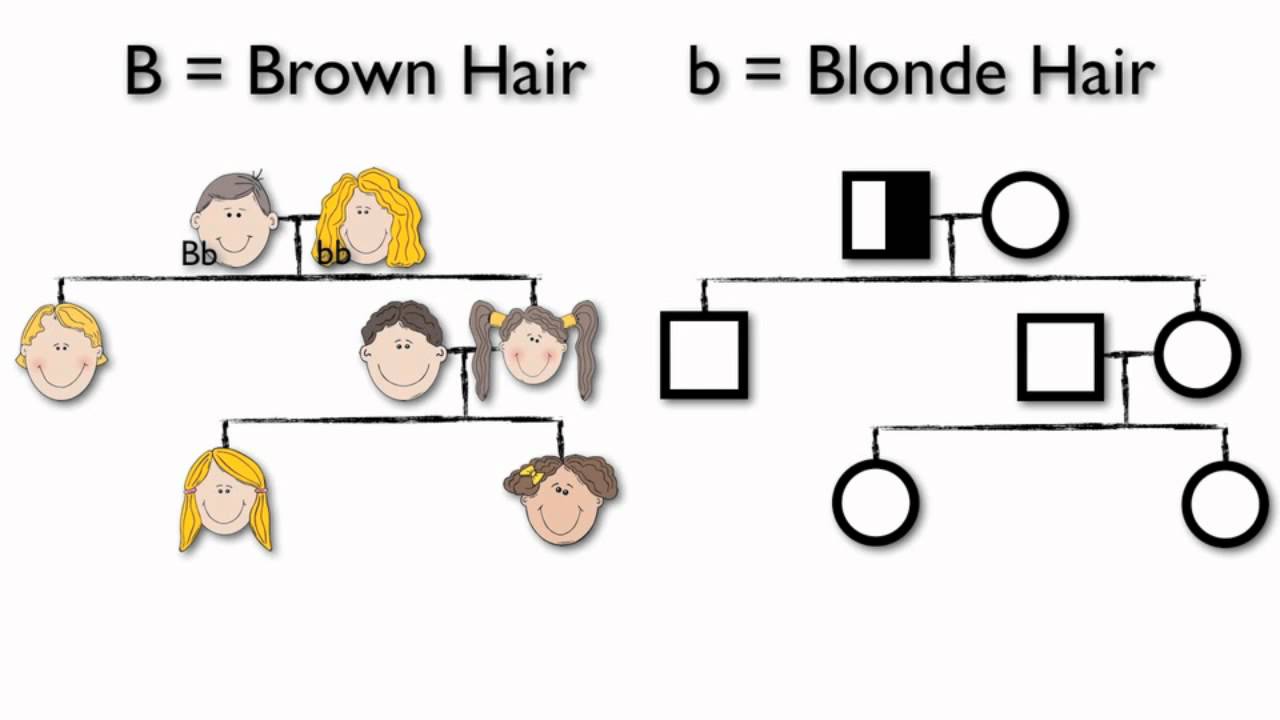
Which trait is dominant?
Brown hair
Blonde hair
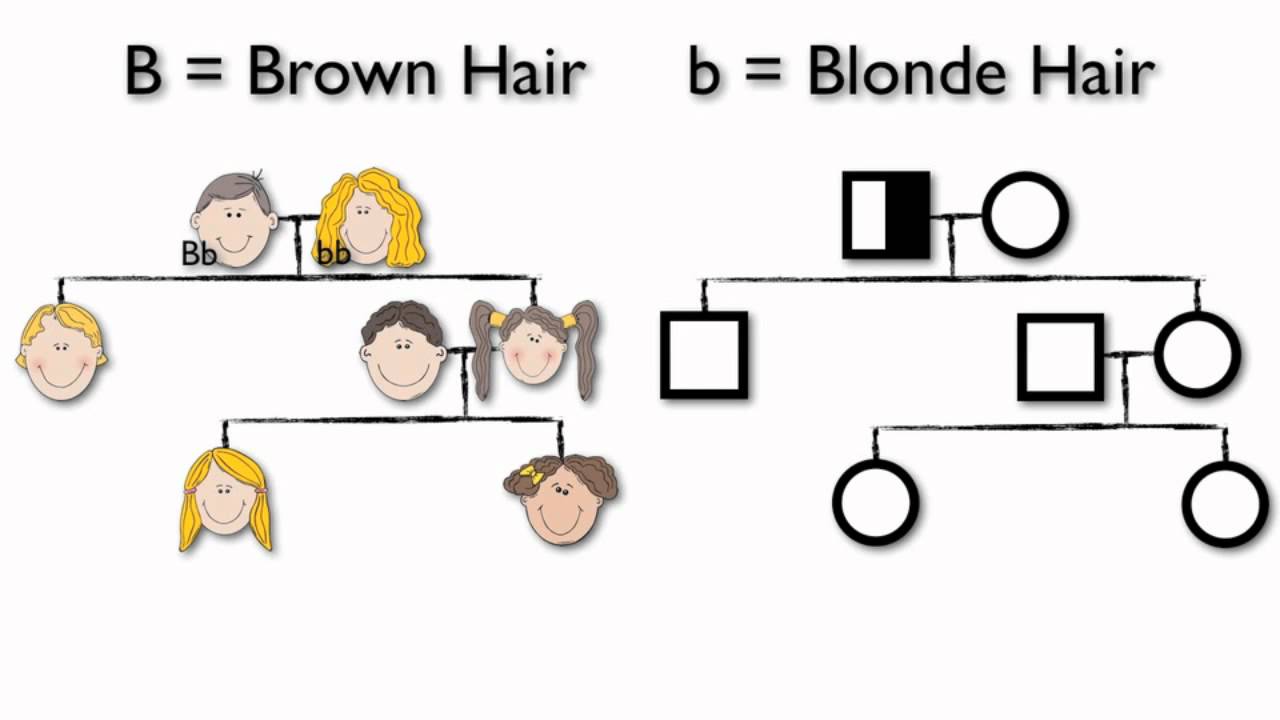
What genotype does the F1 daughter with brown hair have?
BB
Bb
bb
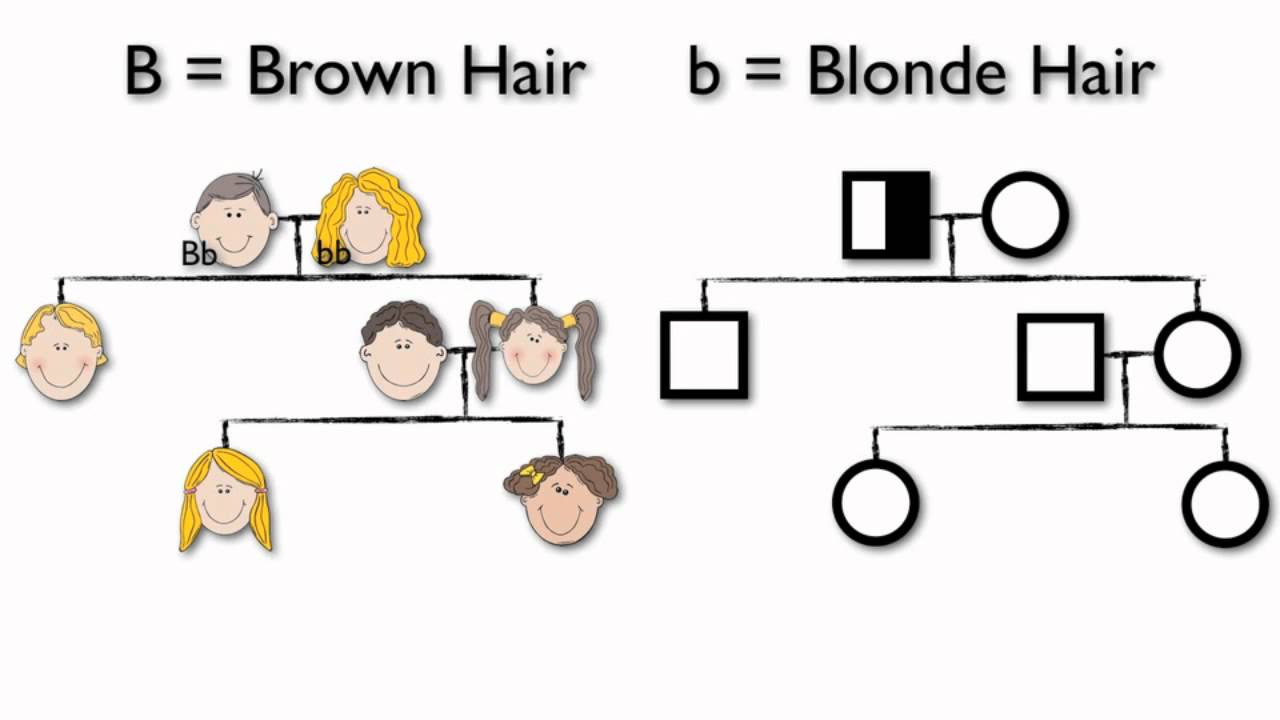
If the P generation had another child, what are the chances that it will have blonde hair?
0%
25%
50%
75%
100%
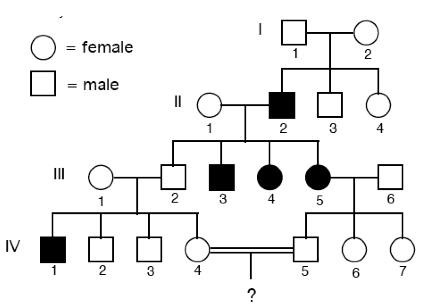
The shaded individuals have the recessive phenotype. Which cross represents individuals III 1 and III 2?
TT x TT
TT x Tt
Tt x Tt
Tt x tt
tt x tt
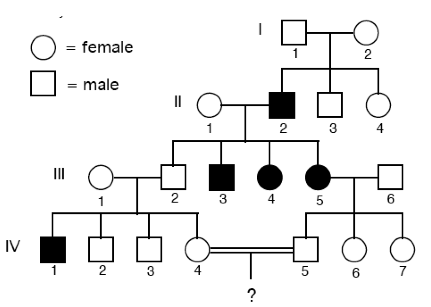
Individuals II 1 and II 2 have some children with dominant phenotypes and some with recessive phenotypes. Which cross represents the genotypes of individuals II 1 and II 2?
TT x TT
TT x Tt
Tt x Tt
Tt x tt
tt x tt
Click on the affected female in generation III.


Objective #13
This is a pedigree that follows blue eyes which is a recessive trait. What is the genotype of the father (square) in generation 1?
Aa
AA
aa
A?

In this pedigree, the shading represents people in the family with dark hair while the unshaded represents blondes. Is dark hair controlled by a dominant or recessive allele?
Dominant
Recessive

Individuals that are shaded in have premature hair whitening. Is this trait dominant or recessive? How do you know?
Dominant because it skips generations
Dominant because it is present in every generation
Recessive because it skips generations
Recessive because it is present in every generation.


Huntington's Disease is a dominant trait.
What is the correct genotype for individual I-2?
HH
Hh
hh
H?
Objective #13
This is a pedigree that follows blue eyes which is a recessive trait. What is the genotype of the father (square) in generation 1?
Aa
AA
aa
A?
Objective #13
This is a pedigree that follows blue eyes which is a recessive trait. What is the genotype of the mother (circle) in generation 1?
Aa
AA
aa
A?
Objective #13
This is a pedigree that follows blue eyes which is a recessive trait. What is the phenotype of the mother (circle) in generation 1?
Brown
Blue
1 blue, 1 brown
Objective #13
This is a pedigree that follows blue eyes which is a recessive trait. What is the phenotype of the father (square) in generation 1?
Brown
Blue
1 blue, 1 brown
Objective #13
This is a pedigree that follows blue eyes which is a recessive trait. What are the genotypes of the parents (1&2) in generation 2?
Aa, AA
aa, aa
AA, AA
Aa, Aa
Objective #13
This is a pedigree that follows blue eyes which is a recessive trait. What are the genotypes of the parents (4&5) in generation 2?
Aa, AA
aa, aa
AA, AA
Aa, Aa
Objective #13
This is a pedigree that follows blue eyes which is a recessive trait. What is the genotype of child 1 in generation 3?
AA
aa
Aa
A?
Objective #13
On a pedigree how do we know if they have the trait?
Not shaded
Shaded
Objectives - #4, #5, & #13
This is a pedigree that follows blue eyes which is a recessive trait. If parents in generation 1 had another child, what would the chance be that the child would have blue eyes?
50% (2/4)
75% (3/4)
25% (1/4)
100% (4/4)

A point mutation in which the amino acid does not change.
Missense
Nonsense
Deletion
Silent mutation

What type of gene mutation has occurred here?
T-G-A-C-C-A
T-G-A-C-C-A-A
Base Substitution
Base Deletion
Base Insertion
Frameshift
AGA-TTC-ATA-GCG
Mutant-
AGA-TTC-AAT-AGC-G
The mutated DNA segment is TTACGCAAC. This is an example of ___ mutation.


A base pair substitution can result in all of the following except __________.
Missense mutation
Frameshift Mutation
Silent Mutation
Nonsense mutation

Why are insertion and deletion (frameshift) mutations so harmful?
They change all of the codons from the mutation on down the line, which changes the amino acid sequence
They insert things that an organism doesn't need.
They often delete things that organisms need.
Insertion and deletions are not any more harmful than substitution mutations.

DNA molecule segment is : TTACGCAAG
The mutated DNA segment is TTCGCAAG. This is an example of ___ mutation.
Substitution
Deletion
Insertion
Inversion

Which of the following would result in a frameshift mutation?
Insertions only
Substitution only
Deletion only
Insertions and Deletions
CAC-GTG-ACA-GCG

This type of substitution codes for a stop codon
Missense
Nonsense
Silent
Deletion
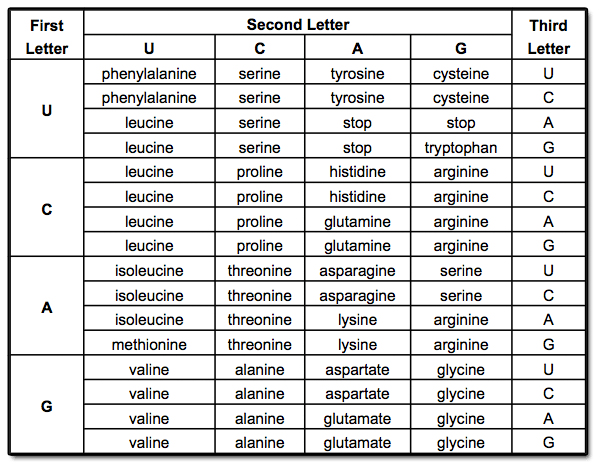

A type of substitution in which no amino acids change is called
Missense
Nonsense
Silent
Deletion

When an extra base has been added to the sequence of bases, this is what type of mutation?
Substitution
Deletion
Inversion
Insertion

What type of mutation involves substituting a DNA base with a different base?
point mutation
frameshift mutation
silent mutation
chromosomal mutation

What type of mutation involves substituting a DNA base with a different base but still forms the same protein?
point mutation
frameshift mutation
silent mutation
chromosomal mutation
What type of mutation involves adding or deleting bases from the DNA, which results in new codons (a shift in the reading of the codons)?
point mutation
frameshift mutation
silent mutation
chromosomal mutation
Original DNA = TAC GAC TTG AAT
Mutated DNA = TAC GAC TCG AAT
What type of mutation has occurred?
Chromosomal mutation
Point mutation
Frameshift mutation
No mutation occurred
Original DNA = TAC GAC TTG AAT
Mutated DNA = TAC GTA CTT GAA T
What type of mutation has occurred?
Chromosomal mutation
Point mutation
Frameshift mutation due to adding extra base
Frameshift mutation due to deletion of base
Original DNA = TAC GAC TTG AAT
Mutated DNA = TAC GAC TTG AAT
What type of mutation has occurred?
Chromosomal mutation
Point mutation
Frameshift mutation
No mutation occurred

What type of chromosomal mutation occurred?
chromosomal insertion/duplication
chromosomal deletion
chromosomal inversion
chromosomal translocation

What type of chromosomal mutation occurred?
chromosomal insertion/duplication
chromosomal deletion
chromosomal inversion
chromosomal translocation
Original DNA = TAC GAC TTG AAT
Mutated DNA = TAC ACT TGA AT
What type of mutation has occurred?
Chromosomal mutation
Point mutation
Frameshift mutation due to addition of base
Frameshift mutation due to deletion of base

What are considered "negative" mutations?
mutations in the DNA sequence that changes the resulting protein and harms the organism
mutations in the DNA sequence that changes the resulting protein and benefits the organism
mutations in the DNA sequence that produces the same protein
all mutations are considered bad and harm the organisms
What are considered "positive" mutations?
mutations in the DNA sequence that changes the resulting protein and harms the organism
mutations in the DNA sequence that changes the resulting protein and benefits the organism
mutations in the DNA sequence that produces the same protein
all mutations are considered bad and harm the organisms
Mutation
a change in the DNA sequence
Point mutation
a type of mutation where one to few bases are substituted with different bases
Frameshift mutation
a type of mutation caused by adding or deleting bases, affecting all the codons after the change
Silent mutation
a type of mutation that doesn't result in a change in the amino acid sequence (same protein)
Chromosomal mutation
a type of mutation where large sections of the chromosome are affected
Mutations create genetic diversity?
True
False
Mutations are SOMETIMES helpful to the organism.
True
False
Mutations are random.
True
False
What type of Mutation is this to the sentence "THE CAT WAS FUN":
THE BAT WAS FUN
Substitution Mutation
Deletion Mutation
Insertion Mutation
The survival of a species depends on its ability to adapt to changes in the environment. Which statement correctly describes a way that mutations increase the likelihood that a species will survive in a changing environment?
Mutations are a source of variation in the species
Mutations are the cause of disease in the species
Mutations are not harmful when they occur in somatic cells
Mutations are always passed on to subsequent generations
Which statement best defines a mutation?
a physical trait that negatively impacts the organism
an adaptive trait that allows the individual to be better fit for survival
a change in the order, number, or type of bases in the genetic code
an identical copy of the original DNA strand
Mutations are always bad/harmful.
True
False
Possible negative consequences of mutations could be genetic ____________________ and cancer.
diversity
disorders
dominance
duplication
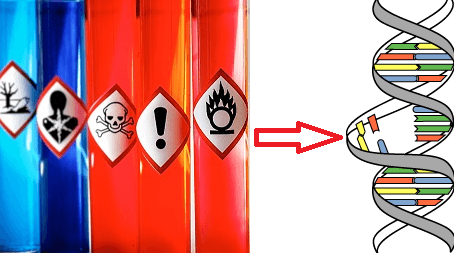
Chemical or physical agents in the environment that may cause mutations are called:
mutants
mutagens
chromosomal mutations
missense mutations
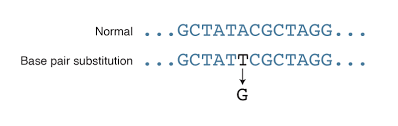
Mutations that change a single base pair, usually involving a substitution of one base for another:
chromosomal mutation
polyploidy
translocation
point mutation
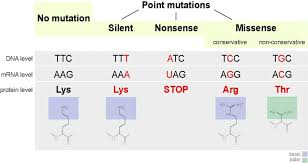
If a point mutation does not change the order of the amino acid sequence, this is called a:
nonsense mutation
silent mutation
missense mutation
frameshift mutation
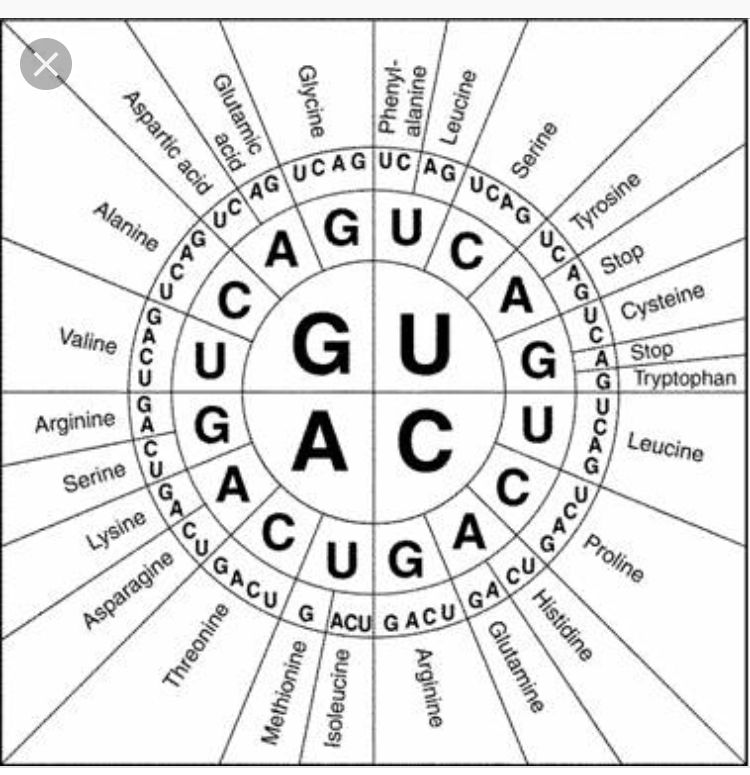
If a mutation codes for "stop" in the amino acid chain, this is called a:
nonsense mutation
missense mutation
silent mutation
frameshift mutation
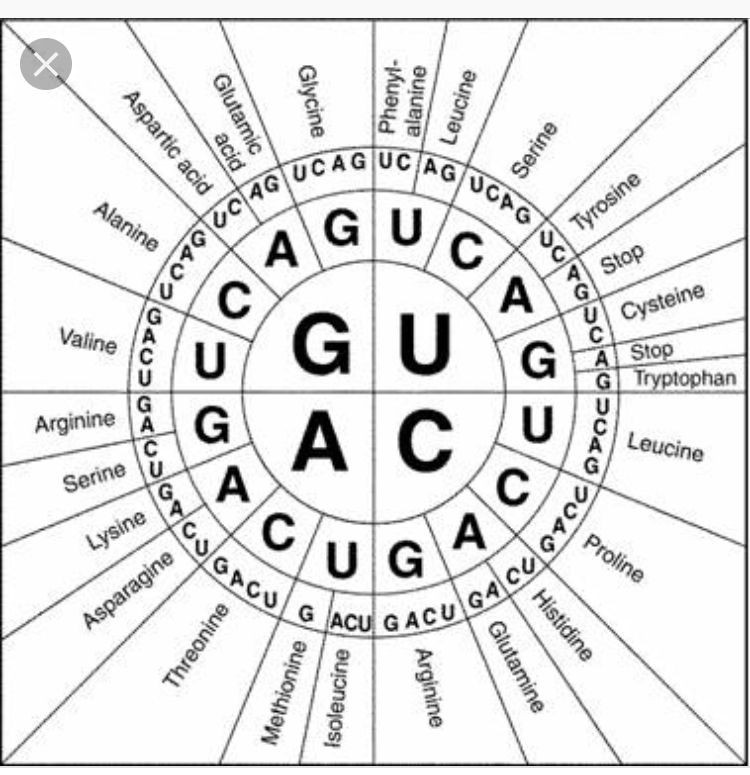
If UCU is changed to UCC, this is a _______________________________.
silent mutation
missense mutation
nonsense mutation
frameshift mutation
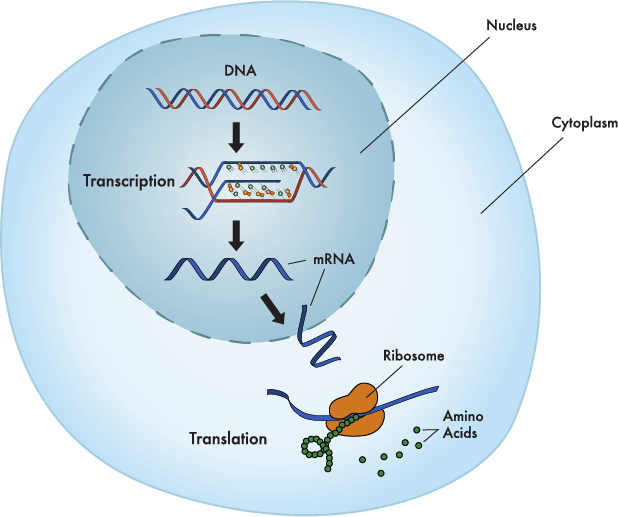
Which of the following mutations would be the most likely to affect the resulting protein?
substitution
silent mutation
frameshift mutation
all mutations affect the resulting protein
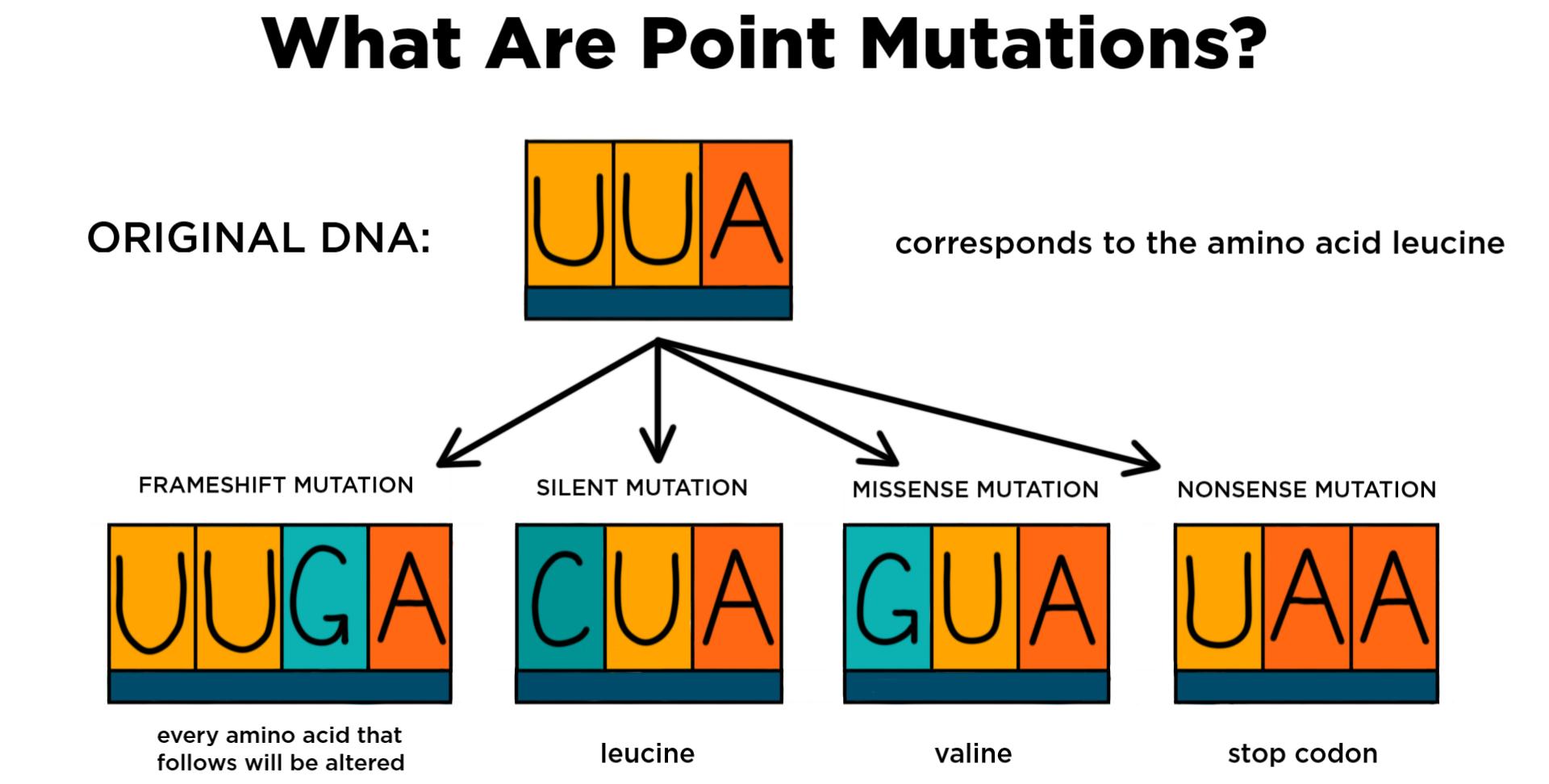
Mutations that change the amino acid specified by the codon, affecting the amino acid sequence, are called:
nonsense mutations
missense mutations
silent mutations
all of the above
Changes to the number or structure of chromosomes are called chromosomal mutations. Which of the following is NOT a type of chromosomal mutation?
deletion
duplication
inversion
translation
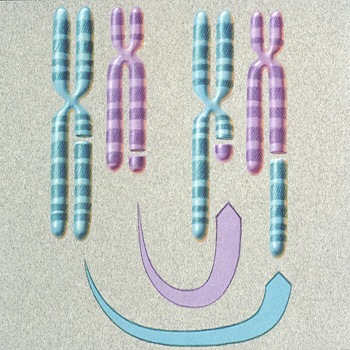
______________________________________ is a type of chromosomal mutation when part of the chromosome breaks off and attaches to another chromosome.
duplication
translocation
subtraction
deletion
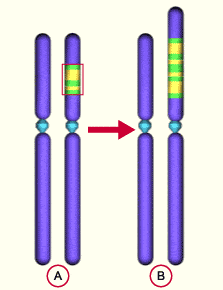
This type of chromosomal mutation produces an extra copy of all or part of the chromosome:
multiplication
replication
duplication
inversion
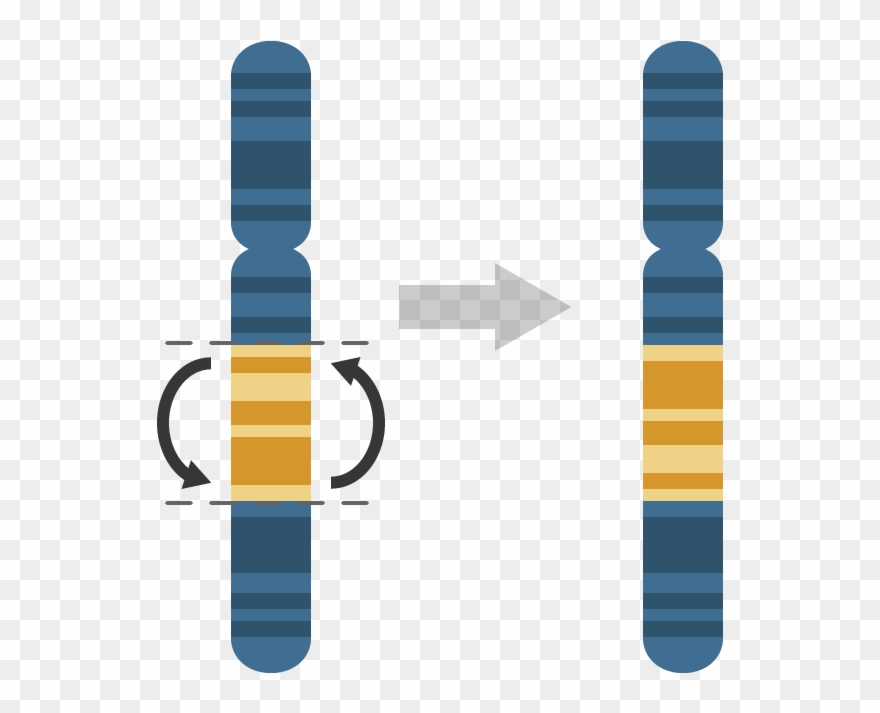
If part of the chromosome is turned around in the opposite direction this is called:
inversion
translocation
deletion
duplication
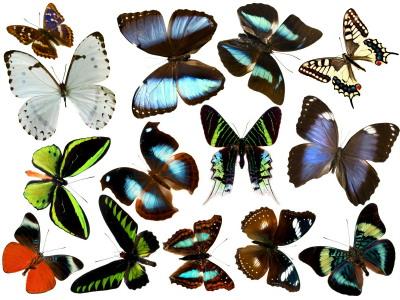
Mutations can be beneficial because they increase genetic _____________________ and can make the individual and species more likely to survive.
diseases
complications
disorders
diversity
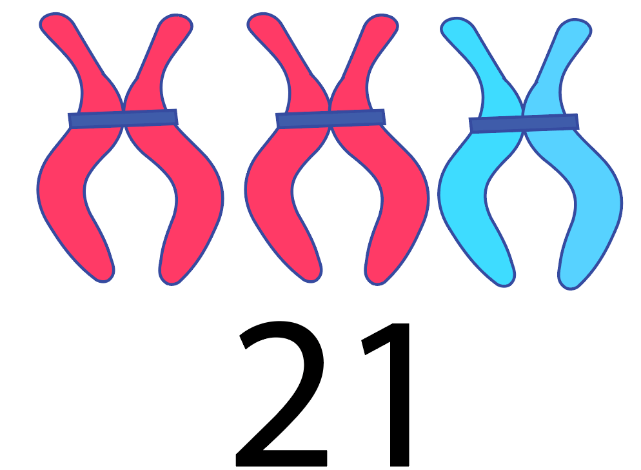
Condition caused by nondisjunction at pair 21 during meiosis.
Individuals have an extra chromosome
at pair 21, or a total of 47 chromosomes.
Also called Trisomy 21.
Cystic Fibrosis
Translocation
Hemophilia
Down Syndrome

Failure of homologous chromosomes
to separate during meiosis.
Results in gametes with either one extra or one missing chromosome.
Translocation
Nondisjunction
Replication
Transcription
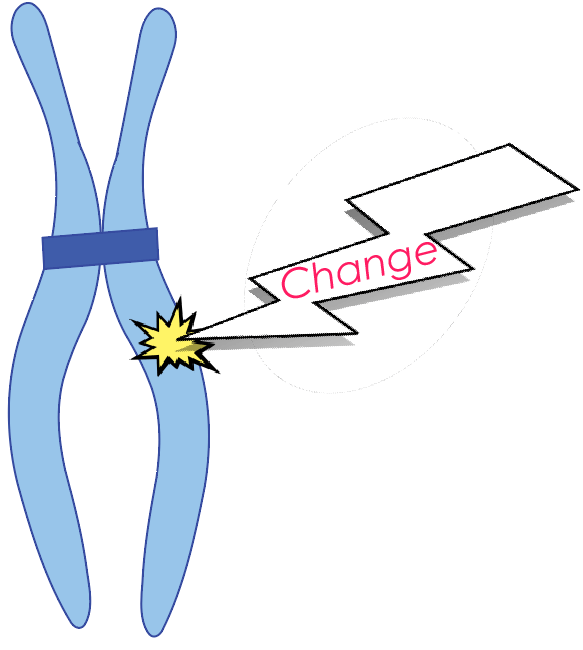
A change in a gene, group of genes or chromosome that results in a change in the proteins
Replication
Mutations
Translation
Transcription

One nucleotide base is changed so only one amino acid
is affected
Substitution Mutation
Point Mutation
Translocation
Inverse Mutation

A point mutation where one nucleotide base replaces an original nucleotide base
Inversion Mutation
Chromosomal Mutation
Translocation
Substitution Mutation

A substitution mutation that has no effect
on amino acids sequence
Insertion Mutation
Translocation
Silent Mutation
Deletion Mutation

A nucleotide base is inserted or deleted shifting the entire DNA sequence. Entire protein will be changed.
Substitution Mutation
Silent Mutation
Frameshift Mutation
Translocation

Part of a chromosome is reversed.
Inversion Mutation
Deletion Mutation
Translocation
Point Mutation

Part of a chromosome is repeated
Gene Mutation
Point Mutation
Deletion Mutation
Duplication Mutation

Part of a chromosome
is deleted
Deletion Mutation-Gene
Translocation
Deletion Mutation -Chromosomal
Crossing Over
Failure of homologous chromosomes
to separate during meiosis.
Results in gametes with either one extra or one missing chromosome.
Translocation
Nondisjunction
Replication
Transcription

Part of one chromosome is transported and attached
to a non-homologous chromosome
Inversion Mutation
Translocation Mutation
Duplication Mutation
Point Mutation

Analyzes the inheritability of Sickle Cell Anemia,
a recessive trait that must be passed on
from both parents.
Nondisjunction Punnett Square
Hemophilia Punnett Sqaure
Cyctic Fibrosis Punnett Square
Sickle Cell Anemia Punnett Square

