
 Worksheets
Immune system
Total questions: 81
Worksheet time: 54mins
Name
Class
Date
1.
Where do T cells mature?
a)
lymph node
b)
bone marrow
c)
thymus
d)
liver
2.
What do B cells produce?
a)
antigens
b)
macrophages
c)
T cells
d)
antibodies
3.
Which of the following describes when the body's immune system attacks its own tissues?
a)
allergies
b)
hiv
c)
autoimmune
d)
antigen
4.
Which of the following describes an over exaggerated immune response?
a)
allergies
b)
autoimmune
c)
hiv
d)
antigen
5.
What is the job of the immune system?
a)
To protect your body from drugs and medicine
b)
To protect your body from air and water
c)
To protect your body from pathogens
d)
To protect your body from itself
6.
Which is NOT considered FIRST line of defense?
a)
White Blood Cells
b)
Skin
c)
Hair
d)
Mucous Membranes
7.

Antibiotics work against most
a)
Bacteria
b)
Bacteria & Viruses
c)
Vaccines
d)
Viruses
8.

Which of the following illness is caused by pathogens?
a)
Bruise
b)
Blood Clot
c)
Diabetes
d)
Influenza
9.

Vaccinations are used for
a)
Curing the illness
b)
Preventing the Illness
c)
Getting the illness
10.

What type of microbe is used in a vaccine?
a)
it doesn't really matter
b)
a damaged one
c)
a weakened or inactivated one
d)
a normal one
11.

What do antibodies attach to on the pathogen?
a)
Anti inflammatory
b)
Antigens
c)
Antiseptic
d)
Antibodies
12.

Vaccines stimulate the body to produce...
a)
autoimmune diseases
b)
helper t-cells
c)
fever
d)
antibodies
13.

Which would most likely prevent a cold virus from spreading in a classroom?
a)
tissue at a teacher's desk
b)
students wash hands regularly with soap
c)
students shake hands regularly with each other
d)
students wipe desks with dry paper towels
14.

Which disease is caused by a bacteria?
a)
Malaria
b)
The flu
c)
Strep Throat
d)
Athlete's foot
15.

Which one is a way the body defends against a pathogen?
a)
Fever
b)
Stomach Acid digesting
c)
White Blood Cells fighing
d)
All of these are correct
16.

A disease that is harmful to the body and is contagious is called....
a)
Non-Infectious
b)
Infectious
17.
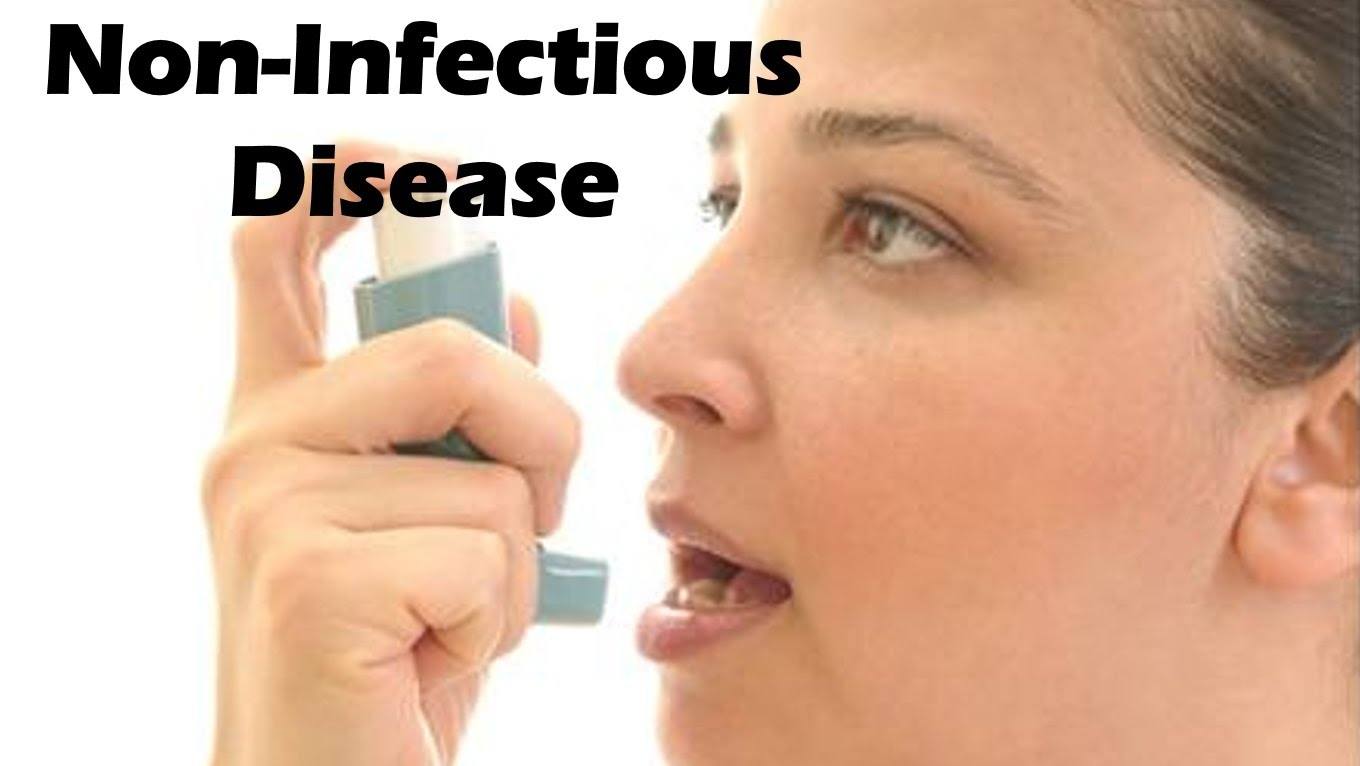
Which disease is a non-infectious disease?
a)
Diabetes
b)
Influenza
c)
AIDS
d)
Chickenpox
18.

Pathogens are recognized by their...
a)
antigens
b)
antibodies
c)
killer t-cells
d)
B-cells
19.
Proteins produced by B cells and designed to mark antigens to be destroyed, specific to the antigen.
a)
Antigens
b)
Active Immunity
c)
Antibodies
d)
Antibiotics
20.
White blood cells are the main cells of the immune system. Where are they produced?
a)
Bone marrow
b)
Veins & arteries
c)
Stomach
d)
None of the above
21.
First recognizes foreign body and eats it and displays it to the other cells
a)
Macraphage
b)
T Cells
c)
B Cells
22.
Produces antibodies to fight the antigen and marks the antigen
a)
Macraphage
b)
T Cells
c)
B Cells
23.
The purpose of the immune system is to:
a)
Help germs invade your body
b)
Fight off sickness
c)
Make your nose run
d)
Give you diarrhea
24.
Which is an example of a Bacteria?
a)
Flu
b)
Strep Throat
c)
Athlete's Foot
d)
Diarrhea
25.
What do memory cells do?
a)
Kills the virus
b)
Eats the virus
c)
Patrol the area and make the immune system work faster next time.
d)
Makes antibodies
26.
Disease-causing microorganism, such as a bacterium or virus.
a)
pathogen
b)
allergen
c)
toxin
d)
antigen
27.
What are the 2 basic types of leukocytes?
a)
phagocytes and lymphocytes
b)
white blood cells and red blood cells
c)
neutrophil and bacteria
d)
None of the above
28.
A condition in which the immune system attacks the body's own tissues.
a)
immunity
b)
immunization
c)
immune system
d)
autoimmune disorder
29.
Antigens prepared in such a way that when injected or taken orally they induce active immunity without causing disease.
a)
antigen
b)
spleen
c)
B cell
d)
vaccine
30.
What function does mucus play in the immune system?
a)
traps foreign particles from entering the body
b)
moistens food
c)
produces WBCs
d)
acts as a lubricant
31.

Which of the following agents cause strep throat?
a)
Virus
b)
Parisite
c)
Bacteria
d)
Protozoan
32.

What is one way a pathogen can enter the body?
a)
Nose
b)
Mouth
c)
Broken Skin
d)
All of the Aove
33.
What is the largest outer defense of the body?
a)
Stomach Acid
b)
Mucous Membranes
c)
Cilia
d)
Skin
34.

An infectious disease is a disease that
a)
cannot be cured.
b)
is caught because the weather turns cold.
c)
can be spread only by bacteria.
d)
is caused by pathogens.
35.

How do breathing passages help keep pathogens out of the body?
a)
Mucus and cilia trap pathogens.
b)
They produce antibodies that kill pathogens.
c)
Chemicals kill some pathogens.
d)
Phagocytes in the breathing passages destroy pathogens.
36.

A cut in the skin can lead to an infection because
a)
the cut destroys the cilia that remove bacteria.
b)
the cut kills phagocytes.
c)
it allows pathogens to get into the body.
d)
it interferes with the immune system’s ability to fight disease.
37.

Antibodies destroy pathogens by
a)
infecting T cells.
b)
breaking the cell membranes of pathogens.
c)
destroying phagocytes.
d)
binding to antigens on the pathogens.
38.
Made by white blood cells to destroy specific pathogens
a)
Pathogen
b)
Immune System
c)
Antibody
d)
White Blood Cell
39.
Example of White Blood Cell
a)
Lymphocyte
b)
Antibody
40.
Which of the following is not a typical way for a person to catch a disease?
a)
From pathogens in the air.
b)
From pathogens in boiled water.
c)
From pathogens in poorly cooked food.
d)
From physical contact with an infected person.
41.
Cause of common cold and flu.
a)
Viruses
b)
Bacteria
c)
Reaction by the body to substances
42.
Treatment for illness caused by bacteria.
a)
Rest, plenty of fluids
b)
Antibiotics prescribed by Doctor
43.
Where would a disease transmitted by person-to-person contact be most likely to spread quickly?
a)
In a remote region
, where contact between people is rare.
b)
In a rural farming community, where neighbors live miles apart.
c)
In a crowded city.
d)
In a medical lab
44.
Communicable diseases are caused by ___________.
a)
Pathogens
b)
aliens
c)
magic
d)
bad hygiene
45.
A _________________ is an illness that can spread from person to person.
a)
Communicable disease
b)
Virus
c)
Non-communicable disease
d)
Pathogen
46.
__________ are extremely small and cause diseases such as the flu and the common cold.
a)
Viruses
b)
bacteria
c)
protists
d)
parasites
47.
Viruses _________ reproduce on their own.
a)
Cannot
b)
Can
48.
Some _________ are helpful and some are harmful to the human body.
a)
bacteria
b)
protists
c)
viruses
d)
fungi
49.
How does HIV cause damage to the body?
a)
infects nasal tissue, making it more likely to catch a cold
b)
infects B cells, making it less likely to develop antibodies
c)
infects Helper T cells, making it difficult for the immune system to communicate
d)
infects the nervous tissue, making it hard to sense a stimulus
50.
Tears are an outer defense.
a)
True
b)
False
51.
Allergic disorders happen when the immune system overreacts when exposed to antigens in the environment.
a)
False
b)
True
52.
What is the main function of antibodies?
a)
remembering germs that have invaded your body in the past
b)
creating new WBCs
c)
binding themselves to invading antigens
d)
signaling your immune system that antigens have invaded your body
53.
What is one important effect of your body's ability to remember certain pathogens? It prevents ______.
a)
bacteria from killing you
b)
you from transmitting diseases to other people
c)
pathogens from making you sick more than once
d)
your immune system from attacking healthy tissue
54.
What is one major difference between viruses and bacteria?
a)
viruses can make you sick; bacteria can't
b)
bacteria can be treated with antibiotics; viruses can't
c)
viruses can be trapped by mucus; bacteria can't
d)
bacteria can cause infections; viruses can't
55.
White blood cells that eat pathogens.
a)
B cells
b)
T cells
c)
phagocytes
d)
amoeboids
56.
________ are single-celled organisms found everywhere.
a)
Viruses
b)
Parasites
c)
Helminths
d)
Bacteria
57.
Viruses are 10 times smaller than bacteria
a)
True
b)
False
58.
Single bacteria can only be seen under powerful microscopes
a)
True
b)
False
59.
Bacteria can divide every 20 minutes
a)
True
b)
False
60.
Viruses can only live and multiply in living tissue
a)
True
b)
False
61.
Viruses cause the common cold and flu
a)
True
b)
False
62.
Alexander Fleming found that the penicillin mold stopped the growth of bacteria.
a)
True
b)
False
63.
Penicillin was the first antibiotic
a)
True
b)
False
64.
Which disease was eradicated from Earth because of vaccines?
a)
Polio
b)
Smallpox
c)
AIDS
d)
Mumps
65.
What percentage of bacteria are harmful?
a)
99%
b)
About 50%
c)
about 10%
d)
less than 1%
66.
Viruses are...
a)
prokaryotic
b)
eukaryotic
c)
non-living
d)
endospores
67.
Viruses...
a)
use a host to reproduce
b)
breath oxygen
c)
grow
d)
eat food
68.
Which of the following is not a bacterial shape?
a)
bacilli
b)
spirilla
c)
spacecraft
d)
cocci
69.
Who is credited with finding penicillin?
a)
Jonas Salk
b)
Robert Koch
c)
Edward Jenner
d)
Alexander Flemming
70.
Who is credited with creating the vaccine for polio?
a)
Jonas Salk
b)
Robert Koch
c)
Edward Jenner
d)
Alexander Flemming
71.
Who is credited with creating the vaccine for smallpox?
a)
Jonas Salk
b)
Robert Koch
c)
Edward Jenner
d)
Alexander Flemming
72.
Why do you need to get a flu shot every year?
a)
the flu virus mutates from year to year
b)
your immune system doesn't keep immunity for more than a year
c)
viruses mutate faster every year
d)
vaccines get stronger each year
73.
Which of these statements is true?
a)
All bacteria are harmful.
b)
All bacteria help people.
c)
Some bacteria are helpful and some are harmful.
d)
Bacteria are not necessary for life on Earth.
74.
Which of these statements about viruses is not true?
a)
Viruses are made of a protein coat and genetic material.
b)
Viruses need food to keep them alive.
c)
Viruses attach to a living host cell to reproduce.
d)
The smallpox virus has been wiped off the face of the earth because of vaccines.
75.
Tiny particles that invade and replicate inside living cells are called ___________________.
a)
Bacteria
b)
Organelles.
c)
Plasmids.
d)
Viruses.
76.
Which of the following is the virus that destroys a person’s immune sytem?
a)
HIV
b)
Influenza
c)
Cold Virus
d)
Tuberculosis
77.
Viral diseases can be
a)
treated with antivirals and prevented with vaccines.
b)
treated with vaccines and prevented with antibiotics.
c)
prevented with antibiotics but not treated with vaccines.
d)
prevented with antibiotics but not treated with vaccines.
78.
Which of the following is caused by a bacterium that attacks the throat?
a)
Tuberculosis
b)
Smallpox
c)
Influenza
d)
Streptolococcus
79.
Which of the following describes how antibiotic resistance occurs?
a)
Weak viruses take over the machinery of bacteria cells.
b)
Strong bacteria resist reproducing.
c)
Strong viruses cause bacteria to become resistant to medicine.
d)
Weak bacteria are killed first, leaving behind stronger strains of bacteria that are capable of reproducing.
80.
If a person has memory B cells against a certain pathogen, the person is
a)
likely to develop that disease.
b)
much less likely to develop the disease a second time.
c)
able to spread the disease to others through physical contact.
d)
probably still sick with the disease.
81.

What is the structure labeled C in the diagram below?
a)
plasmid
b)
antigen
c)
antibody
d)
DNA
100 %

