
NEW
Font size
S
M
L
XL
 Worksheets
Body Systems II
Total questions: 77
Worksheet time: 51mins
Name
Class
Date
1.
There is high temperature outside. What type of response can a person's body have to regulate body temperature?
a)
Wearing a jacket
b)
Sweating
c)
Taking an ice bath
d)
Wearing a visor
2.
Stimulus...
a)
A change that prompts an action-the cause
b)
The ability to maintain a stable internal environment (type of equilibrium or balance)
c)
How an organism reacts to a change and results in a change in behavior- the effect
d)
Constant and balanced environment
3.
Response...
a)
A change that prompts an action-the cause
b)
The ability to maintain a stable internal environment (type of equilibrium or balance)
c)
How an organism reacts to a change and results in a change in behavior- the effect
d)
Constant and balanced environment
4.
Homeostasis...
a)
A stimulus from inside an organism
b)
How an organism reacts to a change
c)
The ability to maintain a stable internal environment (type of equilibrium or balance)
d)
A stimulus from outside an organism
5.
Internal Stimulus...
a)
How an organism reacts to a change and results in a change in behavior- the effect
b)
A change in an organisms internal environment
c)
The ability to maintain a stable internal environment (type of equilibrium or balance)
d)
A change to the environment outside an organism
6.
External Stimulus...
a)
How an organism reacts to a change and results in a change in behavior- the effect
b)
A change in an organisms internal environment
c)
The ability to maintain a stable internal environment (type of equilibrium or balance)
d)
A change to the environment outside an organism
7.
The largest part of the brain, the cerebrum has two hemispheres (or halves). The cerebrum controls voluntary movement, speech, intelligence, memory, emotion, and sensory processing.
a)
Cerebrum
b)
Medulla
c)
Spinal Cord
8.
This portion of the brain stem is located just above the spinal cord. It regulates vital functions, such as heartbeat and breathing
a)
brain stem
b)
pons
c)
medulla o
9.
The ______ helps coordinate and fine‑tune movement and balance.
a)
medulla
b)
cerebrum
c)
cerebellum
10.
Which part of the brain regulates muscular activity?
a)
Cerebrum
b)
Thalamus
c)
Pons
d)
Cerebellum
11.
Which structure directly controls heart rate, breathing rate, and blood pressure?
a)
cerebrum
b)
cerebral cortex
c)
medulla oblongata
d)
pons
12.
Which structure of the brain controls balance, coordination and posture?
a)
medulla oblongata
b)
hypothalamus
c)
cerebellum
d)
cerebrum
13.
This organ of the skeletal system attaches muscles to bones.
a)
Bone
b)
Ligament
c)
Tendon
d)
Cartilage
14.
This organ of the skeletal system attaches bones to bones.
a)
Bone
b)
Ligament/Joint
c)
Tendon
d)
Cartilage
15.
This ligament is injured when the athlete and falls and bears his/her full weight on a bent knee
a)
LCL
b)
PCL
c)
MCL
d)
ACL
16.
Which injury typically presents when the foot is planted and twisted. A "pop" is felt, and the knee swells a great amount over the following 24 hours?
a)
Grade 1 MCL sprain
b)
Patellar Tendonitis
c)
Chondromalacia
d)
ACL tear
17.
one parent needed.
a)
sexual
b)
asexual
18.
more genetic diversity among offspring.
a)
sexual
b)
asexual
19.
offspring are identical to the parent.
a)
sexual
b)
asexual
20.
occurs in more simple organisms.
a)
sexual
b)
asexual
21.
occurs in more complex organisms.
a)
sexual
b)
asexual
22.
A mode of reproduction by which an organism arises from a single organism and inherit the identical genes of that parent
a)
Asexual Reproduction
b)
Sexual Reproduction
c)
Genetic Variation
d)
Alleles
23.

When comparing the offspring of sexually and asexually reproducing organisms, we would expect the genetic material (DNA) of the sexually reproducing organism to -
a)
contain fewer mutations
b)
be lesser in quantity
c)
be simpler overall
d)
show more variation
24.
Which of the following is NOT an advantage of asexual reproduction?
a)
More efficient.
b)
All organisms can reproduce
c)
No wasted effort finding a mate.
d)
Population has variety to survive in a changing environment.
25.
Meiosis and fertilization are important processes because they may most immediately result in
a)
many body cells
b)
immune responses
c)
genetic variation
d)
natural selection
26.

The pattern of reproduction of a sea turtle is:
a)
internal fertilization and external development
b)
internal fertilization and internal development
c)
external fertilization and external development
d)
external fertilization and internal developement
27.
External fertilization in fish is also called:
a)
spinning
b)
budding
c)
swimming
d)
spawning
28.
Most fish reproduce by
a)
budding
b)
external fertilization
c)
internal fertilization
d)
regeneration
29.
Reptiles are
a)
Oviparous
b)
Viviparous
c)
Ovoviviparous
30.

Is this animal oviparous?
a)
Yes
b)
No
31.

Is this animal oviparous?
a)
Yes
b)
No
32.

Is this animal oviparous?
a)
Yes
b)
No
33.

In oviparous animals, the embryo develops ...
a)
Inside the mother’s body.
b)
Inside an egg, which the mother expels after it hatches.
c)
Inside an egg, which the mother expels before it hatches.
d)
Inside the water
34.
Which term is used If young hatch from eggs laid outside the mothers body.
a)
Oviparous
b)
Ovoviviparous
c)
Viviparous
d)
None of these
35.
Marine reptiles and birds are
a)
oviparous
b)
ovoviviparous
c)
viviparous
36.

Hormones are produced by...
a)
The endocrine system.
b)
The respiratory system.
c)
The nervous system.
d)
The heart
37.
The mouth, esophagus and large intestine belong to what system?
a)
Nervous System
b)
Digestive System
c)
Integumentary System
d)
Lymphatic System
38.
Your skin and hair are parts of your ___________
a)
endocrine system
b)
excretory system
c)
lymphatic system
d)
integumentary system
39.

What body system consists of the kidneys?
a)
Circulatory
b)
Excretory
c)
Digestive
d)
Muscular
40.

What is the main function of the respiratory system?
a)
to provide oxygen and remove carbon dioxide from the body
b)
to bring oxygen to the body
c)
to break down food and absorb nutrients
d)
to remove oxygen from the body and deliver carbon dioxide
41.

This system carries oxygen, nutrients and waste around the body.
a)
Lymphatic
b)
Urinary
c)
Respiratory
d)
Circulatory
42.

Which system detects changes in the environment and sends electrical signals in response to these changes?
a)
Nervous
b)
Endocrine
c)
Lymphatic
d)
Reproductive
43.
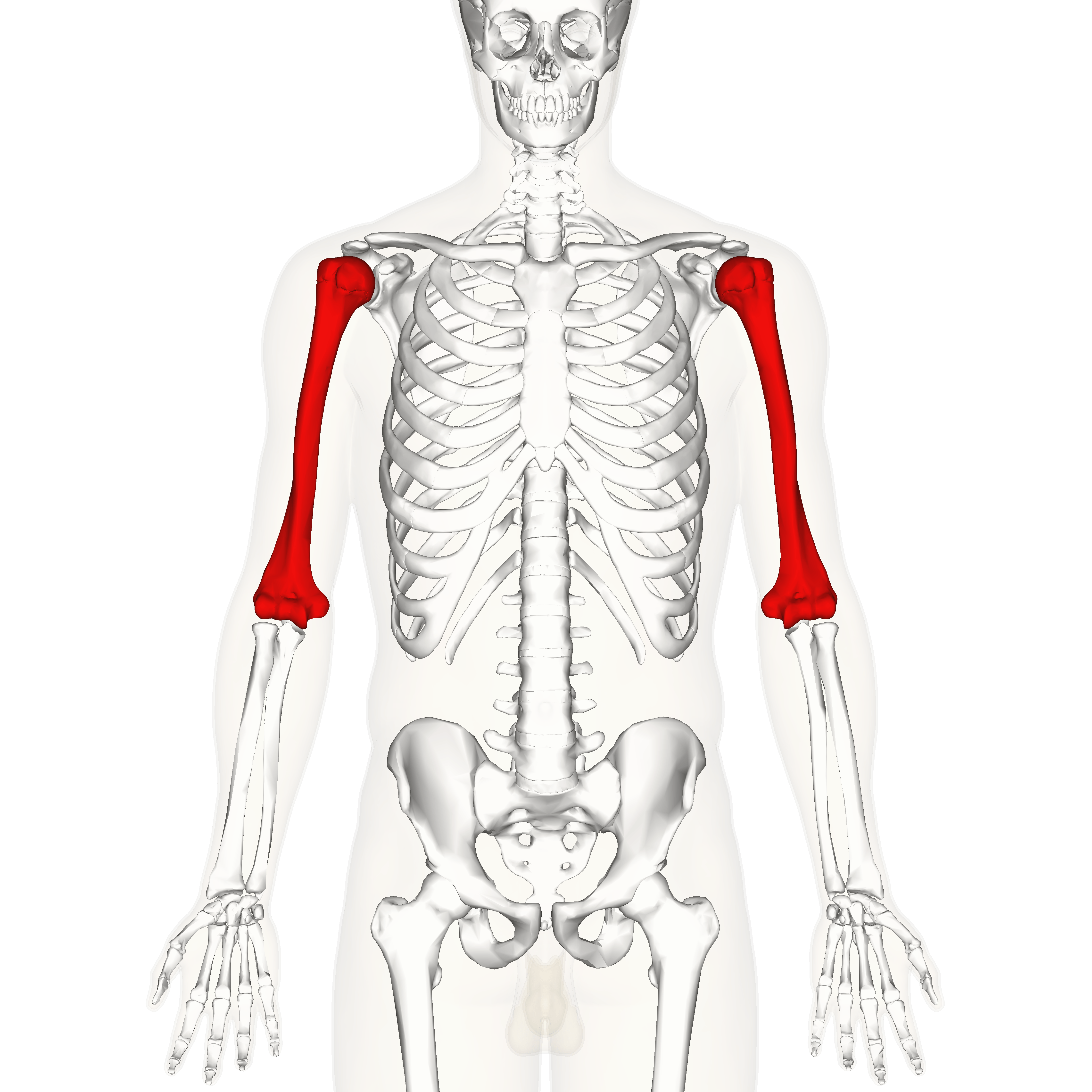
The humerus is part of this system?
a)
Muscular
b)
Reproductive
c)
Skeletal
d)
Nervous
44.

One role of the pancreas is to create enzymes to help breakdown food. This function makes it part of which system?
a)
Endocrine
b)
Digestive
c)
Immune
d)
Urinary
45.

The skin is the major organ in which system?
a)
Integumentary
b)
Muscular
c)
Endocrine
d)
Immune
46.

Gas exchange between the blood and the outside occurs in which system?
a)
Respiratory
b)
Circulatory
c)
Lymphatic
d)
Integumentary
47.

Which system uses hormones to regulate body activities?
a)
Integumentary
b)
Urinary
c)
Endocrine
d)
Immune
48.

Which system maintains posture, produces heat and moves the body?
a)
Skeletal
b)
Nervous
c)
Integumentary
d)
Muscular
49.
Which correctly describes the path food takes through the organs of the digestive system?
a)
Mouth, esophagus, stomach, small intestine, large intestine, anus
b)
Mouth, stomach, esophagus, large intestine, small intestine, anus
c)
Mouth, esophagus, stomach, large intestine, small intestine, anus
d)
Mouth, stomach, esophagus, small intestine, large intestine, anus
50.
Which of the following reactions help a human body maintain homeostasis when the weather turns very warm?
a)
Shivering and curling up into a ball.
b)
Sweating and increased blood supply to the skin.
c)
Sweating and increased blood supply to the voluntary liver.
d)
Shivering and increased blood supply to the voluntary muscles.
51.
Which 3 human body systems coordinate to cause an arm to move?
a)
Nervous, Muscular, Skeletal
b)
Respiratory, Muscular, Digestive
c)
Skeletal, Circulatory, Immune
d)
Digestive, Nervous, Circulatory
52.
A signal that the bladder is full is sent to the brain. Which 2 systems are directly involved?
a)
Nervous and Excretory
b)
Endocrine and Nervous
c)
Reproductive and Circulatory
d)
Muscular and Nervous
53.
There is a zombie chasing you down the street. You are sweating profusely and inhaling and exhaling at a high rate. What systems are working together during your escape?
a)
Immune, Respiratory, Circulatory
b)
Integumentary, Respiratory, Excretory, Muscular
c)
Lymphatic, Immune, Digestive, Reproductive, Muscular, Skeletal
d)
Nervous, Respiratory, Circulatory, Muscular, Skeletal
54.
The small intestine absorbs nutrients while they kidneys get rid of unwanted waste. What systems are at work?
a)
Endocrine and Digestive
b)
Excretory and Immune
c)
Respiratory and Immune
d)
Digestive and Excretory
55.
Jake notices he has much less body weight than other boys his age. He is constantly eating protein and other fatty foods but still can not gain weight. Jake's inability to gain weight may be a malfunction of which system?
a)
Respiratory
b)
Digestive
c)
Endocrine
d)
Circulatory
56.
Protects the body against infections and diseases.
a)
excretory system
b)
muscular system
c)
circulatory system
d)
immune system
57.
Produce offspring.
a)
integumentary system
b)
reproductive system
c)
skeletal system
d)
muscular system
58.
Exchanges gases between the body and the air.
a)
circulatory system
b)
muscular system
c)
respiratory system
d)
skeletal system
59.
Protects internal organs and provides support for the body.
a)
skeletal system
b)
muscular system
c)
circulatory system
d)
respiratory system
60.
Exchanges gases between the body and the air.
a)
circulatory system
b)
muscular system
c)
respiratory system
d)
skeletal system
61.
The pituitary and adrenal glands release hormones and are a part of the ___________ system.
a)
digestive
b)
lymphatic
c)
reproductive
d)
endocrine
62.
Allows for movement in the body.
a)
excretory system
b)
integumentary system
c)
muscular system
d)
immune system
63.
Moves nutrients and oxygen throughout the body.
a)
respiratory system
b)
circulatory system
c)
nervous system
d)
lymphatic system
64.
Consists of skin, nails and hair. Protects the body from infection and UV light.
a)
integumentary system
b)
immune system
c)
circulatory system
d)
excretory system
65.

What two human systems work together to provide the body cells with a constant supply of oxygen while removing carbon dioxide waste products?
a)
Nervous and Endocrine
b)
Muscular and Skeletal
c)
Respiratory and Circulatory
d)
Excretory and Integumentary
66.

Health-care workers are exposed to many different types of pathogenic and non-pathogenic microorganisms.
Which body systems work together to protect the body from pathogens?
Which body systems work together to protect the body from pathogens?
a)
Muscular and Vascular
b)
Digestive and Excretory
c)
Circulatory and Immune
d)
Endocrine and Reproductive
67.
Fights bacteria and pathogens
a)
Immune System
b)
Nervous System
c)
Endocrine System
d)
Cardiovascular System
68.
Controls the 5 senses (taste, touch, sight, smell, hearing)
a)
Muscular System
b)
Nervous System
c)
Endocrine System
d)
Cardiovascular System
69.
Cleans the blood and excretes urine, or pee
a)
Excretory System
b)
Digestive System
c)
Endocrine System
d)
Cardiovascular System
70.

a)
Excretory System
b)
Digestive System
c)
Endocrine System
d)
Cardiovascular System
71.
Makes and releases Hormones
a)
Excretory System
b)
Digestive System
c)
Endocrine System
d)
Nervous System
72.
Makes and releases Hormones
a)
Excretory System
b)
Digestive System
c)
Endocrine System
d)
Nervous System
73.
White blood cells
a)
Immune System
b)
Nervous System
c)
Digestive System
d)
Integumentary System
74.
Pick up oxygen, drop off CO2
a)
Reproductive System
b)
Respiratory System
c)
Endocrine System
d)
Muscular System
75.

a)
Reproductive System
b)
Respiratory System
c)
Endocrine System
d)
Circulatory System
76.

a)
Digestive System
b)
Cardiovascular System
c)
Excretory System
d)
Nervous System
77.

a)
Circulatory System
b)
Nervous System
c)
Endocrine System
d)
Musculartory System System
Reset

