
 Worksheets
CAT 4 BIOLOGY EOC
Total questions: 121
Worksheet time: 2hrs 47mins
Name
Class
Date
1.
This is referred to as the energy currency of the cell
a)
ADP
b)
ATP
c)
Mitochondria
d)
Nucleus
2.
This molecule contains two phosphate groups
a)
ADP
b)
ATP
c)
Mitochondria
d)
Nucleus
3.
This process releases chemical energy from sugars and other carbon-based molecules to make ATP when oxygen is present.
a)
photosynthesis
b)
light-independent reaction
c)
cellular respiration
d)
light-dependent reaction
4.
Cellular respiration takes place in the
a)
nucleus
b)
cytoplasm
c)
ribosomes
d)
mitochondria
5.
Glucose is broken down during which process
a)
Krebs cycle
b)
Calvin cycle
c)
Glycolysis
d)
Photosynthesis
6.
What is the net gain of ATP during glycolysis?
a)
1
b)
2
c)
3
d)
4
7.
Glycolysis takes place in the
a)
mitochondria
b)
cell membrane
c)
cytoplasm
d)
nucleus
8.
This is the first step of cellular respiration
a)
Glycolysis
b)
Lactic Acid Fermentation
c)
Alcoholic Fermentation
d)
Aerobic Respiration
9.
Up to how many ATP molecules are made from the breakdown of one glucose molecule?
a)
2
b)
24
c)
38
d)
45
10.
This means that oxygen is needed
a)
anaerobic
b)
aerobic
11.
This means that oxygen is needed
a)
anaerobic
b)
aerobic
12.
What is the correct equation for cellular respiration?
a)
6O2 + C6H12O6 -> 6CO2 + 6H2O + Energy
b)
6O2 + C6H12O6 + Energy -> 6CO2 + 6H2O
c)
6CO2 + 6H2O -> 6O2 + C6H12O6 + Energy
d)
6CO2 + 6H2O + Energy -> 6O2 + C6H12O6
13.

Which of the following structure is where cellular respiration occurs in the cell?
a)
nucleus
b)
cytoplasm
c)
mitochondria
d)
vacuoles
14.
What is cellular respiration?
a)
the breakdown of glucose to release ATP
b)
the breakdown of glucose to release NADH
c)
the breakdown of glucose to release FADH
d)
the breakdown of glucose to release carbon
15.
What are the byproducts of cellular respiration?
a)
NADH and ATP
b)
oxygen and heat
c)
FADH2 and NADH
d)
CO2 and H2O
16.
Which of the following isn't true about lactic acid fermentation?
a)
It occurs with oxygen
b)
It takes place in the cytoplasm of the cell
c)
It occurs in muscle cells.
d)
It makes lactic acid
17.
Which of the following comes out of the light dependent reaction of photosynthesis?
a)
NADPH
b)
ATP
c)
Oxygen
d)
All of these
18.
What is the main pigment in green plants?
a)
carotenoids
b)
anthocyanins
c)
betalains
d)
chlorophyll
19.
Which isn't true about photosynthesis
a)
Carbon dioxide and water go in
b)
Oxygen and sugar comes out
c)
It occurs in the mitochondria
d)
It captures energy
20.
What type of fermentation occurs in muscle cells due to the body's inability to keep provide enough oxygen.
a)
lactic acid
b)
alcoholic
21.
Which type of fermentation is used in baking?
a)
alcoholic
b)
lactic acid
22.
Leaves look green because green light waves are ___.
a)
reflected
b)
absorbed
23.
Which of the following isn't an heterotroph?
a)
a dog
b)
a bear
c)
a mouse
d)
a tree
24.

What is hidden by the lightning bolt?
a)
Water
b)
oxygen
c)
ATP
d)
Carbon dioxide
25.
Which of the following colors does chlorophyll absorb the best?
a)
green
b)
blue
c)
yellow
d)
orange
26.
6CO2 + 6H20 + light energy -> C6H12O6 + 6O2
In this chemcial equation, the highlight red is called the ______.
In this chemcial equation, the highlight red is called the ______.
a)
product
b)
reactant
c)
yields
d)
production
27.
How many molecules of ATP are made in aerobic respiration?
a)
36-38
b)
2-4
c)
32-34
d)
20-24
28.

In what organelle does photosynthesis take place in?
a)
mitochondria
b)
chloroplast
c)
smooth E.R.
d)
nucleus
29.
Which of the following is the correct equation for PHOTOSYNTHESIS?
a)
CO2 + H2O --light--> O2 + glucose
b)
CO2 + glucose + H2O --> O2 + ATP
c)
O2 + H2O --light--> CO2 + glucose
d)
CO2 + O2 + H2O --> Light+ glucose
30.
The main source of energy for all life comes from ____.
a)
the Earth
b)
the moon
c)
the sun
d)
the food we eat/make
31.
What is the correct equation for cellular respiration?
a)
6O2 + C6H12O6 -> 6CO2 + 6H2O + Energy
b)
6O2 + C6H12O6 + Energy -> 6CO2 + 6H2O
c)
6CO2 + 6H2O -> 6O2 + C6H12O6 + Energy
d)
6CO2 + 6H2O + Energy -> 6O2 + C6H12O6
32.
In which way are photosynthesis and cellular respiration different?
a)
Cellular respiration stores ATP, while photosynthesis releases ATP.
b)
Cellular respiration produces oxygen, while photosynthesis uses oxygen.
c)
Photosynthesis releases energy, while cellular respiration stores energy.
d)
Photosynthesis used carbon dioxide, while cellular respiration produces carbon dioxide.
33.

What is structure A?
a)
Substrate
b)
Active site
c)
Enzyme
d)
Products
34.

What is structure D?
a)
Substrate
b)
Active site
c)
Enzyme
d)
Products
35.

What is structure C?
a)
Substrate
b)
Active site
c)
Enzyme
d)
Products
36.

What is structure E, F, G?
a)
Substrate
b)
Active site
c)
Enzyme
d)
Products
37.
How do enzymes speed up chemical reaction?
a)
Increasing activation energy
b)
Decreasing activation energy
c)
Increasing deactivation energy
d)
Decreasing deactivation energy
38.
What is a substance called if it speeds up a chemical reaction?
a)
reusable
b)
catalyst
c)
specific
d)
fragile
39.
Each enzyme only has 1 substrate that will fit its active site. What is this called?
a)
reusable
b)
catalyst
c)
specific
d)
fragile
40.
Once a new product leaves an enzyme, the enzyme is unchanged and ready for the next substrate. What is this called?
a)
reusable
b)
catalyst
c)
specific
d)
fragile
41.
What 3 letters do enzymes typically end in?
a)
-ose
b)
-ase
c)
-ese
d)
-tic
42.

The graph shows how enzymes affect reactions in cells. Which statement best summarizes the information shown in the graph?
a)
Enzymes increase the energy of the reactants.
b)
Enzymes decrease the energy level of the products.
c)
Enzyme decrease the activation energy of the reaction.
d)
Enzymes reverse the direction of the reaction.
43.

Which of the following conclusions can be drawn from this graph?
a)
The optimum pH of the enzyme is 6.6.
b)
The optimum pH of the enzyme is 5.8
c)
The enzyme’s activity increases as pH increases 5.0 to 9.0
d)
The enzyme’s activity is greater around pH of 8.0 .
44.
Any substance that is acted upon by an enzyme is called a(n)?
a)
Coenzyme
b)
Substrate
c)
Vitamin
d)
Polypeptide
45.
After the enzyme and substrate bind together and perform the reaction, what does the substrate become?
a)
a substrate
b)
an enzyme
c)
a product
d)
an active site
46.
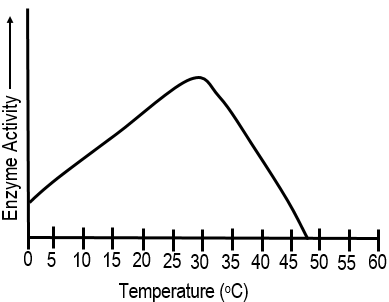
Based on the graph, what is the optimal temperature for this enzyme?
a)
15oC
b)
40oC
c)
30oC
d)
35oC
47.
Which of these is NOT true?
a)
Enzymes can denature (change shape) when the temperature gets too high.
b)
Enzymes can only be used once in a chemical reaction.
c)
Extreme pH can denature enzymes.
d)
Enzymes speed up chemical reactions.
48.
Which of these is most likely an enzyme?
a)
Sucrose
b)
Galactose
c)
Fructose
d)
Amylase
49.
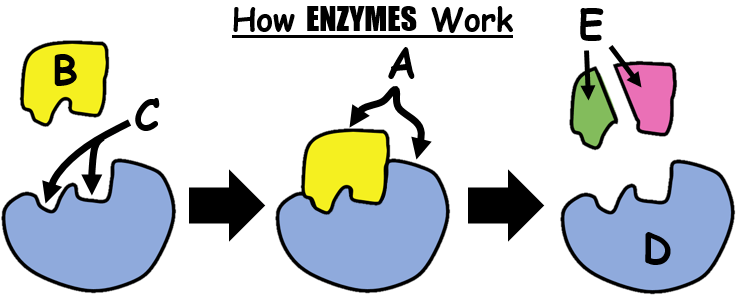
Letter D...
a)
active site
b)
enzyme
c)
substrate
d)
products
50.
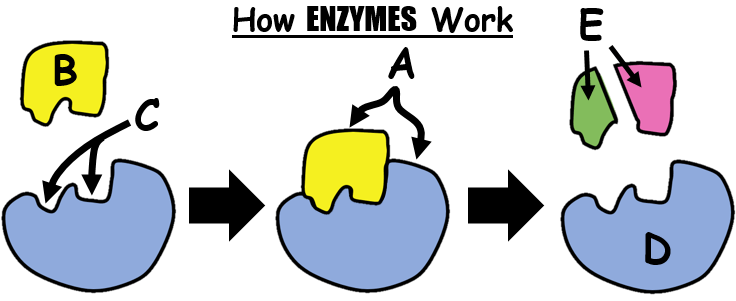
Letter C...
a)
active site
b)
enzymes
c)
substrate
d)
products
51.

One role of the pancreas is to create enzymes to help breakdown food. This function makes it part of which system?
a)
Endocrine
b)
Digestive
c)
Immune
d)
Urinary
52.
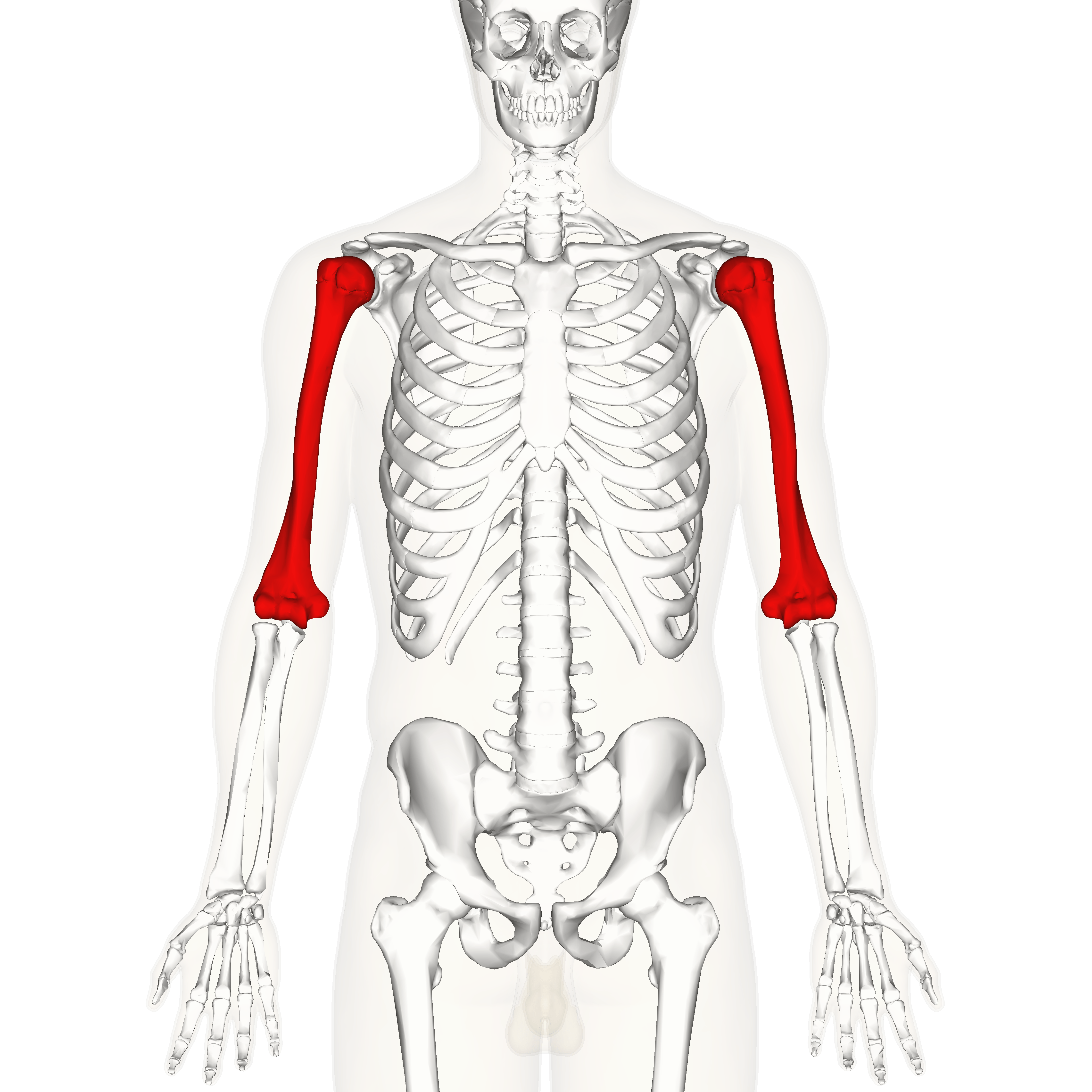
The humerus is part of this system?
a)
Muscular
b)
Reproductive
c)
Skeletal
d)
Nervous
53.

Which system detects changes in the environment and sends electrical signals in response to these changes?
a)
Nervous
b)
Endocrine
c)
Lymphatic
d)
Reproductive
54.

This system carries oxygen, nutrients and waste around the body.
a)
Lymphatic
b)
Urinary
c)
Respiratory
d)
Circulatory
55.

What is the main function of the respiratory system?
a)
to provide oxygen and remove carbon dioxide from the body
b)
to bring oxygen to the body
c)
to break down food and absorb nutrients
d)
to remove oxygen from the body and deliver carbon dioxide
56.

What body system consists of the kidneys?
a)
Circulatory
b)
Excretory
c)
Digestive
d)
Muscular
57.
Your skin and hair are parts of your ___________
a)
endocrine system
b)
excretory system
c)
lymphatic system
d)
integumentary system
58.

Gas exchange between the blood and the outside occurs in which system?
a)
Respiratory
b)
Circulatory
c)
Lymphatic
d)
Integumentary
59.

Which system uses hormones to regulate body activities?
a)
Integumentary
b)
Urinary
c)
Endocrine
d)
Immune
60.

Which system maintains posture, produces heat and moves the body?
a)
Skeletal
b)
Nervous
c)
Integumentary
d)
Muscular
61.
The _________ is/are responsible for urine storage.
a)
Bladder
b)
Kidneys
c)
Ureter
d)
Urethra
62.
Arteries carry oxygen rich blood away from the heart.
a)
True
b)
False
63.
Makes and releases Hormones
a)
Excretory System
b)
Digestive System
c)
Endocrine System
d)
Nervous System
64.

a)
Respriatory System
b)
Circulatory System
c)
Endocrine System
d)
Nervous System
65.
White blood cells
a)
Immune System
b)
Nervous System
c)
Digestive System
d)
Integumentary System
66.

a)
Reproductive System
b)
Respiratory System
c)
Endocrine System
d)
Circulatory System
67.

a)
Digestive System
b)
Cardiovascular System
c)
Excretory System
d)
Nervous System
68.

a)
Circulatory System
b)
Nervous System
c)
Endocrine System
d)
Musculartory System System
69.

a)
Reproductive System
b)
Respiratory System
c)
Excretory System
d)
Muscular System
70.

a)
Excretory System
b)
Digestive System
c)
Endocrine System
d)
Cardiovascular System
71.
Patients who experience kidney failure usually have to go for dialysis because the kidneys are no longer able to filter their blood. During dialysis the patients blood is pumped through the dialysis machine and artificially filtered. The circulation of blood is no longer natural.
WHICH BODY SYSTEMS?
WHICH BODY SYSTEMS?
a)
digestive and excretory
b)
circulatory and excretory
c)
excretory and nervous
d)
nervous and even more nervous
72.
During cold weather our skin usually responds to the cold by developing goose bumps, which are muscle contraction.
WHICH BODY SYSTEMS?
WHICH BODY SYSTEMS?
a)
muscular and integument
b)
circulatory and excretory
c)
digestive and nervous
d)
respiratory and endocrine
73.

Movement of the body need ...
a)
Nervous and endocrine
b)
Skeletal and muscular
c)
Circulatory and digestive
d)
Excretory and nervous
74.

2 body systems work together to supply the body's cells with oxygen?
a)
Respiratory and immune
b)
Nervous and reproductive
c)
Circulatory and respiratory
d)
Endocrine and muscular
75.

2 body systems work together to break down food into energy and eliminate waste
a)
Skeletal and endocrine
b)
Digestive and excretory
c)
Nervous and immune
d)
Muscular and skeletal
76.

2 body systems that work together to protect you from foreign pathogens are...
a)
Integumentary and immune
b)
Reproductive and muscular
c)
Endocrine and digestive
d)
Respiratory and circulatory
77.

What three systems work together to move the body?
a)
Skeletal, Muscular, Nervous
b)
Skeletal, Respiratory, Digestive
c)
Nervous, Circulatory, Skeletal
d)
Circulatory, Respiratory, Digestive
78.

How does the Circulatory System help the Muscular System?
a)
digest muscle
b)
supply oxygen to muscle
c)
Excrete waste
79.
A student was playing with his little brother who had stayed home from school sick because he got infected with the flu. The student had his flu vaccine so he did not get sick because his antibodies and white blood cells were circulated through the blood to fight an infection.
WHICH BODY SYSTEMS?
WHICH BODY SYSTEMS?
a)
circulatory and immune
b)
excretory and digestive
c)
digestive and nervous
d)
nervous and endocrine
80.

Our brain interacts with our muscle to coordinate movements throughout our bodies. WHICH BODY SYSTEMS?
a)
excretory and endocrine
b)
digestive and excretory
c)
eyes and lung
d)
nervous and muscular
81.
In order for humans to reproduce an egg must be fertilized by a sperm. For women ovulation is the time when an egg is released due to hormone stimulation. WHICH BODY SYSTEMS?
a)
excretory and endocrine
b)
endocrine and reproductive
c)
digestive and nervous
d)
circulatory and respiratory
82.
Your biology teacher was eating lunch, later he had a lot of energy since food was broken down in their stomach and glucose was carried to cells throughout the body.
a)
nervous and endocrine
b)
endocrine and exocretory
c)
excretory and digestive
d)
digestive and circulatory
83.

The human digestive system is approximately 900 cm long. Food is moved through the digestive tract primarily by –
a)
Bile produced by the pancreas
b)
The enzymes amylase and pepsin
c)
Hydrochloric acid in the stomach
d)
Smooth Muscular contractions
84.
The pituitary and adrenal glands release hormones and are a part of the ___________ system.
a)
digestive
b)
lymphatic
c)
reproductive
d)
endocrine
85.

Cold sores are caused by the herpes simplex virus type 1.
A company that wants to develop antiviral drugs would ask a research immunologist to study –
A company that wants to develop antiviral drugs would ask a research immunologist to study –
a)
The mechanism used by the virus to infect cells
b)
How closely related the virus is to cold viruses
c)
The metabolism of the virus
d)
Meiosis in the virus
86.

Coracias garrulus is a blue bird with an orange-brown back. The offspring of this bird have an effective defense mechanism. The young birds vomit and cover themselves in a foul-smelling orange liquid when they sense a threat by predators.
Which two systems alert the young bird to the danger and help produce the vomit it uses as a defense?
Which two systems alert the young bird to the danger and help produce the vomit it uses as a defense?
a)
Nervous
and digestive systems
b)
Integumentary
and muscular systems
c)
Immune
and respiratory systems
d)
Excretory
and reproductive systems
87.

Toxoplasmosis is an infection producing brain lesions caused by the parasitic protozoan Toxoplasma gondii. Mice with their gonads (reproductive organs) removed are more resistant to T. gondii and develop very few lesions on their brain tissue. The graph shows the results of a scientific study of normal adult mice infected with T. gondii.
Which systems most likely interact and cause the severity of infections to vary?
Which systems most likely interact and cause the severity of infections to vary?
a)
Muscular and Skeletal
b)
Immune and Endocrine
c)
Excretory and Respiratory
d)
Nervous and Integumentary
88.
____________ is the process that moves water up from roots into leaves. It occurs due to evaporation of water from leaves.
a)
Transpiration
b)
Respiration
c)
phloem system
d)
glucose pump
89.
Stomata
a)
tiny holes in the leaves of a plant that allow gases to enter or leave the plant
b)
living things
c)
a plant part that carries out photosynthesis to make food for the plant
d)
the process in which plants use energy from the sun to make their own food
90.
The waxy, waterproof layer that covers most leaves is called the what?
a)
spore
b)
cuticle
c)
seed coat
d)
xylem
91.
To which two external stimuli do the roots of a plant respond?
a)
light and water
b)
gravity and light
c)
water and gravity
d)
temperature and light
92.
Hollow, tube-like cells in plants, called xylem and phloem, work together with the leaves and roots to perform what function?
a)
support
b)
germination
c)
transport
d)
fertilization
93.
Poison Ivy growing on a tree by touch.
a)
Gravitropism
b)
Phototropism
c)
Thigmotropism
d)
Hydrotropism
94.
The shoot of a plant growing up.
a)
Positive Gravitropism
b)
Negative Gravitropism
c)
Thigmotropism
d)
Hydrotropism
95.
The root of a plant growing down. Remember that gravitropism is the same as geotropism.
a)
Positive Gravitropism
b)
Negative Gravitropism
c)
Thigmotropism
d)
Hydrotropism
96.
Changes in an organisms environment that cause a response
a)
Tropism
b)
Hormone
c)
Stimuli
d)
Response
97.
A plant growing in response to the sunlight.
a)
Gravitropism
b)
Phototropism
c)
Thigmotropism
d)
Hydrotropism
98.
Hormone related to the growth of the plant in response to tropisms
PICK AUXIN...NEVER COVERED THIS
PICK AUXIN...NEVER COVERED THIS
a)
Auxin
b)
Cytokinins
c)
Ethylene
d)
Absisic acid
99.

This picture would represent which type of tropism?
a)
Phototropism
b)
Geotropism
c)
Hydrotropism
d)
Thigmotropism
100.
As you get dehydrated, your blood becomes thicker and harder to pump. Your kidneys will respond by stopping urine production, sending the water from urine into your bloodstream to thin your blood back to normal level.
a)
Positive Feedback Response
b)
Negative Feedback Loop
101.
If the calcium in your blood decreases below homeostasis levels, a gland in the brain will sense the decrease and send a chemical message to your bones. Your bones will release calcium into the blood, bringing blood calcium levels back up.
a)
Positive Feedback Response
b)
Negative Feedback Loop
102.
Rapid growth during puberty causes your body to release more and more growth hormones. As you grow, more and more growth hormones are released until puberty is reached, and then the hormones stop.
a)
Positive Feedback Response
b)
Negative Feedback Loop
103.
When you get cut, your skin cells release hormones that signal platelets to come and stop the bleeding. Platelets then release more hormones that signal even more platelets to help stop bleeding. The hormone signals continue until the cut is closed.
a)
Positive Feedback Response
b)
Negative Feedback Loop
104.
When glucose levels in the blood rise, your brain sends a signal to your pancreas. The pancreas releases insulin, which opens channels in cell membranes to allow glucose to enter the cell, lowering blood sugar levels.
a)
Positive Feedback Response
b)
Negative Feedback Loop
105.
Negative Feedback Loops:
a)
amplify processes
b)
prevent small changes from getting larger
c)
are initiated during childbirth
d)
are found only in plants
106.
The process of childbirth is an example of:
a)
negative feedback loop
b)
positive feedback loop
107.
Failure to maintain homeostasis could result in:
a)
lack of internal balance
b)
eventual death
c)
difficulty carrying on metabolism
d)
all three
108.
The ___________ is the basic unit of life
a)
organ
b)
cell
c)
atom
d)
tissue
109.
Organs and tissues that perform related functions form a(n) _____________?
a)
cells
b)
tissues
c)
organ system
d)
organs
110.
A group of tissues that perform a similar function is called_____. (Examples include the heart, lungs or stomach)
a)
cells
b)
tissues
c)
organs
d)
organ system
111.
A group of cells that have similar functions? Examples are nervous, epithelial, muscle and connective
a)
cells
b)
tissues
c)
organs
d)
atoms
112.
When many organ systems work together, they can form a(n) ____
a)
organ
b)
cells
c)
organ system
d)
organism
113.
What is the correct order of organization
a)
tissues-cells-organs-organ systems-organism
b)
cell-tissue-organs-organ systems-organism
c)
organism-cells-tissues-organ systems-organism
d)
tissues-cells-organs-organ sytems-organism
114.
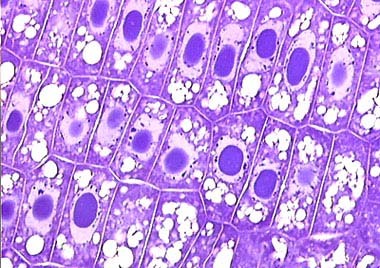
This is a example of ........
a)
cell
b)
tissue
c)
organ
d)
organ system
115.

This cell can swim to find the female egg cell
a)
sperm
b)
ciliated cell
c)
red blood cell
d)
nerve cell
116.

What is the name of this specialised cell?
a)
nerve cell
b)
red blood cell
c)
root hair cell
d)
sperm cell
117.
Stem cells are
a)
cells that grow uncontrollably
b)
undifferentiated and can be any type of cell
c)
never go through cell division
d)
only found in embryos
118.
This type of cell carries oxygen throughout the body.
a)
gamete
b)
platelet
c)
white blood cell
d)
red blood cell
119.
This type of cell fights infection.
a)
red blood cell
b)
platelet
c)
white blood cell
d)
antibacterial cell
120.

The diagram shows the process of cell specialization from a single stem cell. Which of the following statements is true about the process of specialization.
a)
Specialized cells (blood, skin, nervous etc) cannot be produced from a single stem cell
b)
Specialized cells are produced immediately following fertilization
c)
Even though all the cells in an organism come from one single cell, they can specialize into different cell types
d)
Since all the cells in an organism come from one single cell, they must all have the same structure and function
121.
What type of tissue covers, lines, protects, secretes, and absorbs?
a)
epithelium
b)
connective
c)
muscle
d)
nervous
100 %

