
 Worksheets
Ecology Spr 17 Final Exam
Total questions: 70
Worksheet time: 55mins
Name
Class
Date
1.
What is the area of land which includes parts of Delaware, Maryland, and Virginia, which separates the Atlantic Ocean from the Chesapeake Bay?
a)
Delmarva Peninsula
b)
Estuary
c)
Habitat
d)
Tributary
2.
What is it called when rocks and soils are worn away by rushing water, rain, wind, or ice?
a)
Erosion
b)
Leaching
c)
Runoff
d)
Storm Drain
3.
What is a partially enclosed body of water that has a mixture of salt water from the ocean and fresh water from rivers and streams?
a)
Estuary
b)
Watershed
c)
Tributary
d)
Bay
4.
What is a combination of all the food chains in an ecosystem?
a)
Food Web
b)
Life Cycle
c)
Living Resource
d)
Spawn
5.
What do you call the environment where a plant or animal lives?
a)
Habitat
b)
Life Cycle
c)
Food Web
d)
Bay
6.
What types of chemicals are used to kill unwanted insects?
a)
Pesticides
b)
Pollution
c)
Spawn
d)
Toxic Chemicals
7.
What is all the water that runs off the surface of the land and washes into rivers, streams, and other waterways called?
a)
Runoff
b)
Storm Drain
c)
Surface Water
d)
Tributary
8.
What is an area of land from which rain and snowmelt drains into a river, stream, or other body of water?
a)
Watershed
b)
Tributary
c)
Bay
d)
Runoff
9.
What is the soil, silt, and other material that is suspended in water and eventually settles out on the bottom of a river, lake, or other body of water?
a)
Sediment
b)
Fertilizer
c)
Pesticide
d)
Watershed
10.
This is a fish that swims upstream from salt to fresh water to lay its eggs.
a)
Anadromous
b)
Spawn
c)
Sediment
d)
Leaching
11.
Which of these actions is a negative impact on the Chesapeake Bay?
a)
plastic bottles are recycled
b)
planting trees in the watershed
c)
oil is dumped down a storm drain
d)
bay grasses are planted in wetlands
12.
Which of the following is an example of a natural resource?
a)
oyster
b)
newspaper
c)
computer game
d)
new picnic table
13.
An area of water mostly surrounded by land is called
a)
a bay
b)
a sea
c)
a pond
d)
an ocean
14.
A watershed is
a)
a place where water enters a storm drain
b)
waterproof material that covers a frame
c)
an area where fresh water and salt water mix
d)
an area where rain and snow comes together
15.
Why do so many people impact the Bay?
a)
The watershed is a very large area
b)
The watershed has trees and rivers
c)
People travel to Ocean City
d)
The Bay is used for shipping
16.
Over harvesting of fish means
a)
adding sediment to the water
b)
taking too many animals from one area
c)
allowing too many fish to produce in one area
d)
creating an algae bloom
17.
Which state is NOT included in the Chesapeake Bay watershed?
a)
Virginia
b)
West Virginia
c)
New Jersey
d)
New York
18.
The Chesapeake Bay is the largest _______ in the USA.
a)
Bay
b)
Ocean
c)
Estuary
d)
Swamp
19.
What vocabulary word means a semi-enclosed body of water, where fresh and salt water mix?
a)
Estuary
b)
Swamp
c)
Bay
d)
Sea
20.
What is another word to describe the water found in an estuary like the Chesapeake Bay?
a)
Organic
b)
Brackish
c)
Polluted
d)
Clear
21.
About how many people live in the Chesapeake Bay watershed?
a)
20 million
b)
5 million
c)
16.6 million
d)
4.5 million
22.
The shoreline of the Chesapeake Bay and its tributaries is over ________ miles long.
a)
11,600
b)
21
c)
174
d)
195
23.
Has the Chesapeake Bay developed problems because of pollution?
a)
Yes
b)
No
24.
What is the new health index of the Chesapeake Bay?
a)
D+
b)
D
c)
C-
d)
C
25.
Our watershed is part of a larger watershed called -
a)
Gulf of Mexico
b)
Mississippi Valley Watershed
c)
Chesapeake Bay Watershed
d)
Abemarle Sound
26.
Which states are part of the Chesapeake Bay Watershed?
a)
DE, MD, NY, PA, OH
b)
PA, OH, VA, WV, NC, SC
c)
DE, MD, NY, PA, VA, WV, DC
d)
NY, VA, NC, PA, OH, DE
27.
Where does the Chesapeake Bay empty in to?
a)
Gulf of Mexico
b)
Abemarle Sound
c)
Atlantic Ocean
d)
Pacific Ocean
28.
The Chesapeake Bay is important to the larger ocean ecosystem because...
a)
it is the largest habitat for blue crabs in the United States
b)
It provides spawning grounds, nursery beds, and feeding grounds for many species of ocean creatures
c)
it serves as the winter home for tundra swans, Canadian geese, and a variety of other ducks
d)
some species of freshwater fish come down from the rivers to spawn in the bay
29.

What is a river?
a)
A large body of freshwater
b)
A saltwater inlet of the ocean
c)
A natural large stream of flowing freshwater
d)
An underground waterway
30.

Describe the majority of land in Virginia
a)
Desert
b)
Swamp
c)
Forest
d)
Parking lot
31.

What is a body of water that is surrounded by land?
a)
lake
b)
river
c)
ocean
d)
sea
32.
What is a body of saline water that covers much of the earth?
a)
ocean
b)
lake
c)
sea
d)
river
33.

Our watershed is part of a larger watershed called -
a)
Gulf of Mexico
b)
Mississippi Valley Watershed
c)
Chesapeake Bay Watershed
d)
Abemarle Sound
34.

Which states other than Virginia make up the Chesapeake Bay Watershed?
a)
Tennessee, Mississippi and Alabama, Deleware
b)
New York, New Jersey, Pennsylvania, Delaware, Maryland
c)
North Carolina, Georgia, Florida
d)
Louisian, Texas, Ohio
35.
Made up of the biotic community and the abiotic factors that affect it.
a)
ecosystem
b)
water quality
c)
habitat
d)
watershed
36.
Nonliving factors in an ecosystem
a)
biotic
b)
abiotic
c)
estuary
d)
wetlands
37.
Living and once living factors in an ecosystem
a)
watershed
b)
ecosystem
c)
biotic
d)
abiotic
38.
temperature, water, rocks, soil, geology, weather are all ___ factors in an ecosystem.
a)
abiotic
b)
biotic
c)
estuary
d)
wetlands
39.
Wide, flat, border areas along rivers and streams where flood waters spill out at times of high flow.
a)
watershed
b)
estuary
c)
floodplains
d)
abiotic
40.
Zone between dry land and bodies of water.
a)
wetlands
b)
estuary
c)
watershed
d)
water quality
41.
Filter polluted water, control flooding, and prevents erosion are the 3 jobs of ___.
a)
estuary
b)
wetlands
c)
watershed
d)
floodplains
42.
pH, temperature, dissolved oxygen, turbidity are examples of ___.
a)
water quality
b)
estuary
c)
floodplains
d)
wetlands
43.
Which is a biotic factor?
a)
weather
b)
geology
c)
soil
d)
dead tree
44.
Which is the least important abiotic factor?
a)
sunlight
b)
water
c)
soil
45.
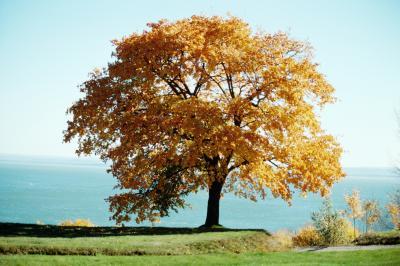
The biome known for trees with broad leaves that fall off the trees in the winter.
a)
Coniferous Forests
b)
Deciduous Forests
c)
Deserts
d)
Tropical Rain Forests
46.
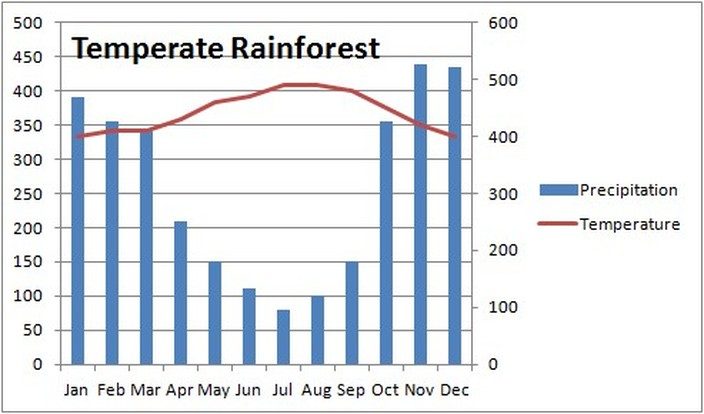
The most important abiotic factors when studying biomes are...
a)
Food and Water
b)
Water and Sunlight
c)
Temperature and Oxygen
d)
Water and Temperature
47.
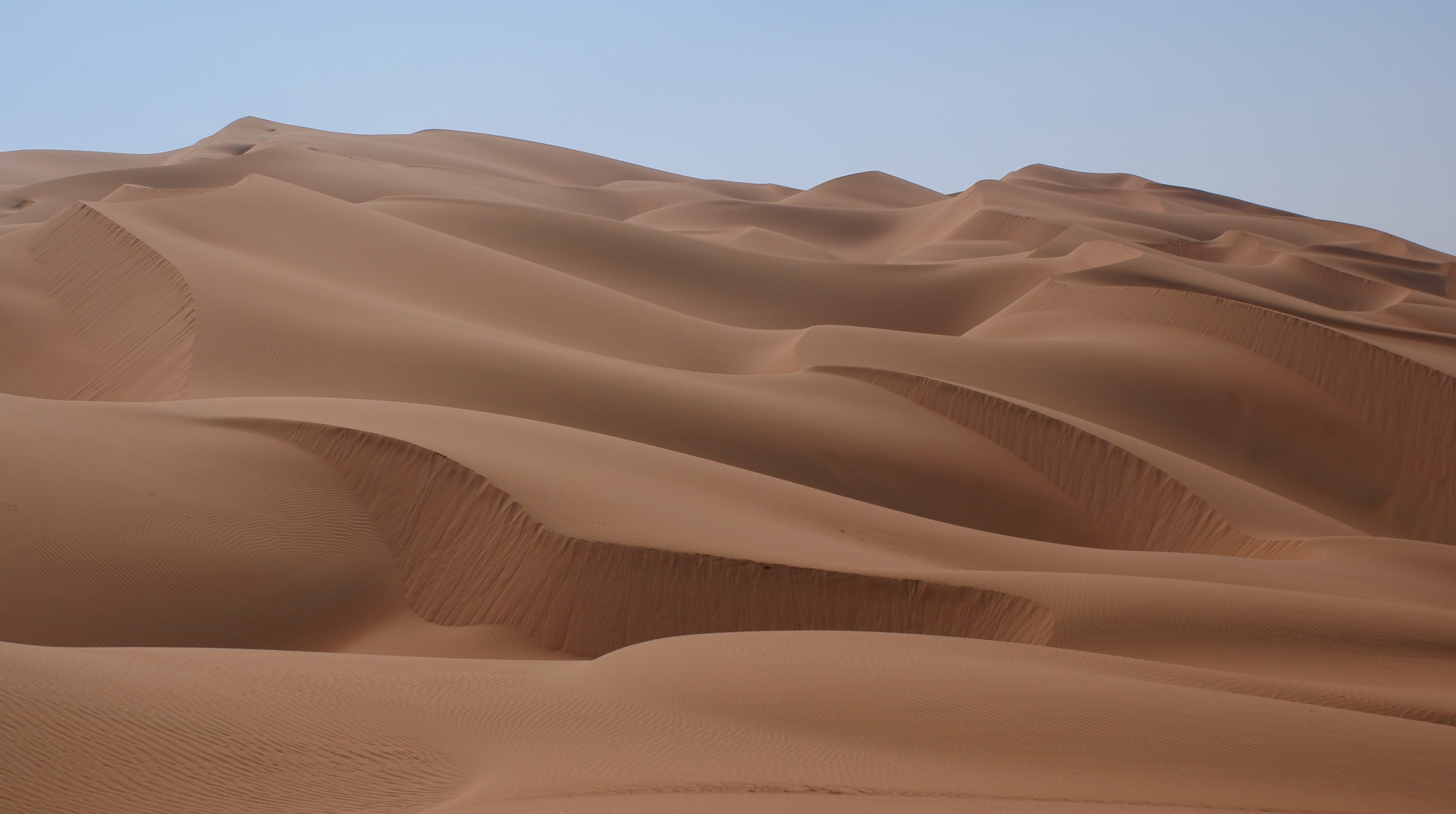
Which biome is MOST LIKE the "desert" in terms of precipitation?
a)
tropical rainforest
b)
temperate deciduous forest
c)
tundra
d)
coniferous forest
48.

Which biome is represented by the rainfall amounts in letter C?
a)
desert
b)
prairie
c)
deciduous forest
d)
tropical rain forest
49.
a treeless biome that has permafrost
a)
Tundra
b)
Desert
c)
Taiga
d)
Deciduous
50.
the trees in this biome are characterized by needle-like leaves that are called conifers
a)
Desert
b)
Taiga
c)
Tundra
d)
Grasslands
51.
Plants in this biome are adapted to poor soil, extreme temperatures and less than 25 centimeters of rainfall per year.
a)
Tundra
b)
Taiga
c)
Desert
d)
Grasslands
52.
this biome has rich, fertile soil and much of the crop production in the U.S. is from this biome
a)
Grasslands
b)
Tundra
c)
Desert
d)
Tropical Rainforest
53.
this biome has the largest diversity (largest number of different kinds) of plant and animal species
a)
Desert
b)
Tundra
c)
Deciduous Forest
d)
Tropical Rainforest
54.
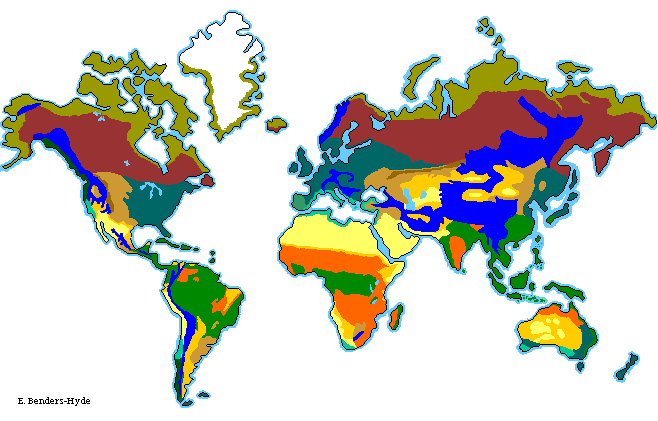
A large ecosystem is called a ______
a)
Ecosystem
b)
Habitat
c)
Biome
d)
Niche
55.
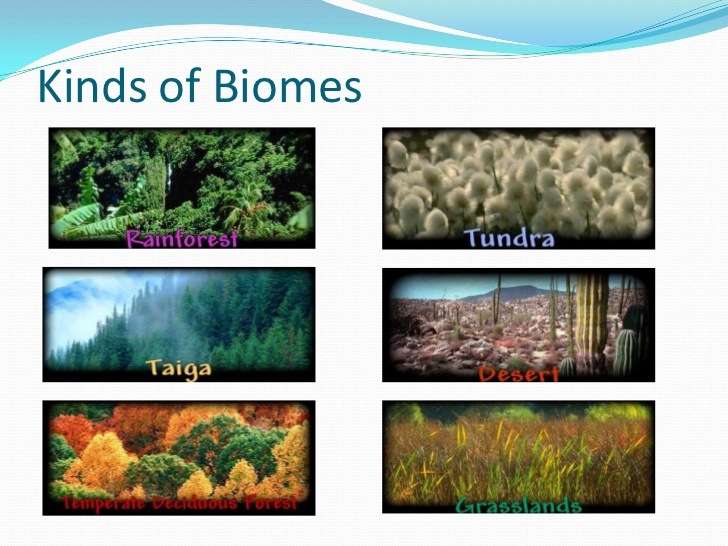
What is the main factor that separates the biomes?
a)
Land
b)
Water
c)
Climate
d)
Longitude
56.
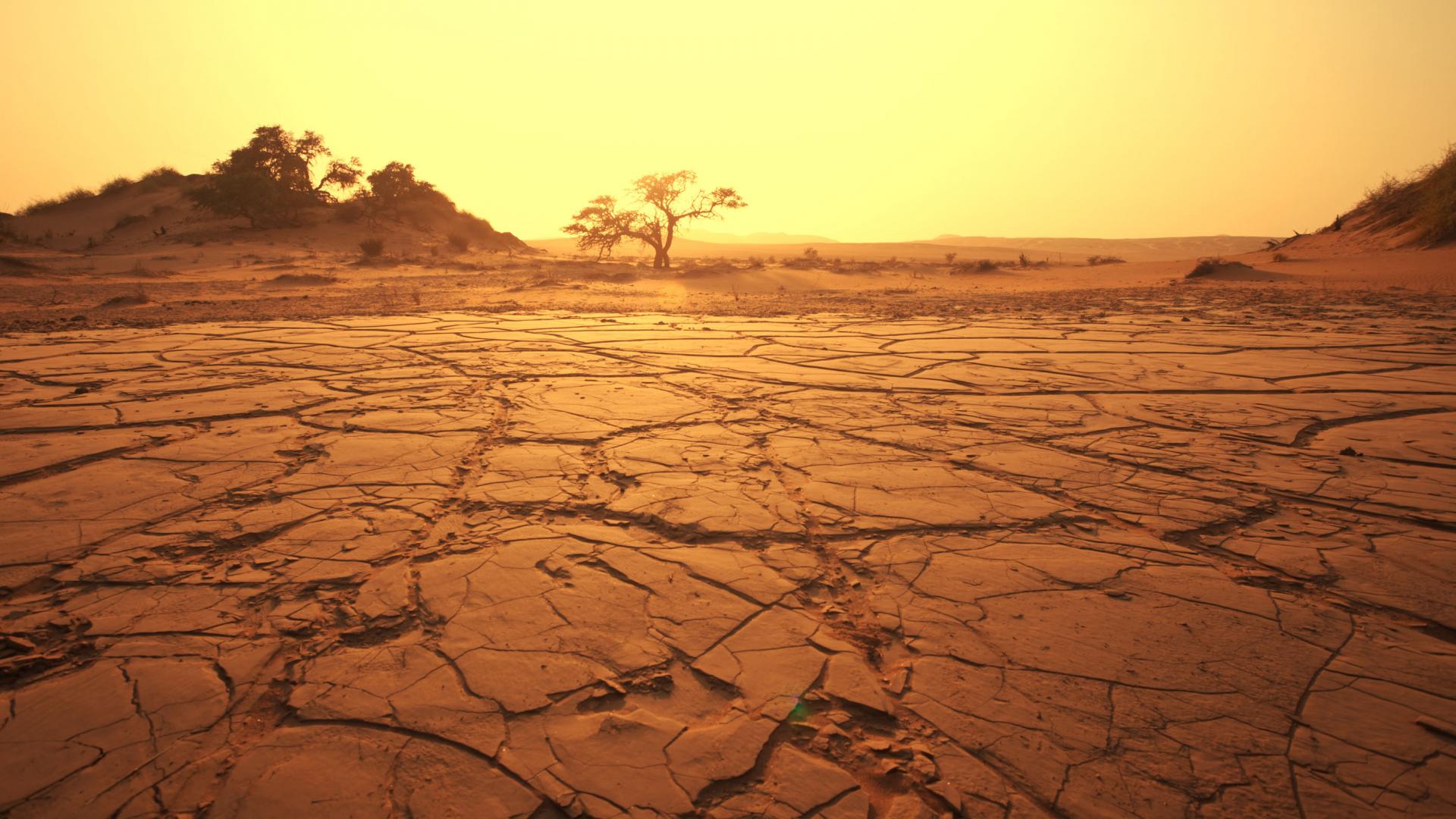
Which biome is the driest?
a)
Desert
b)
Tundra
c)
Taiga
d)
Rainforest
57.
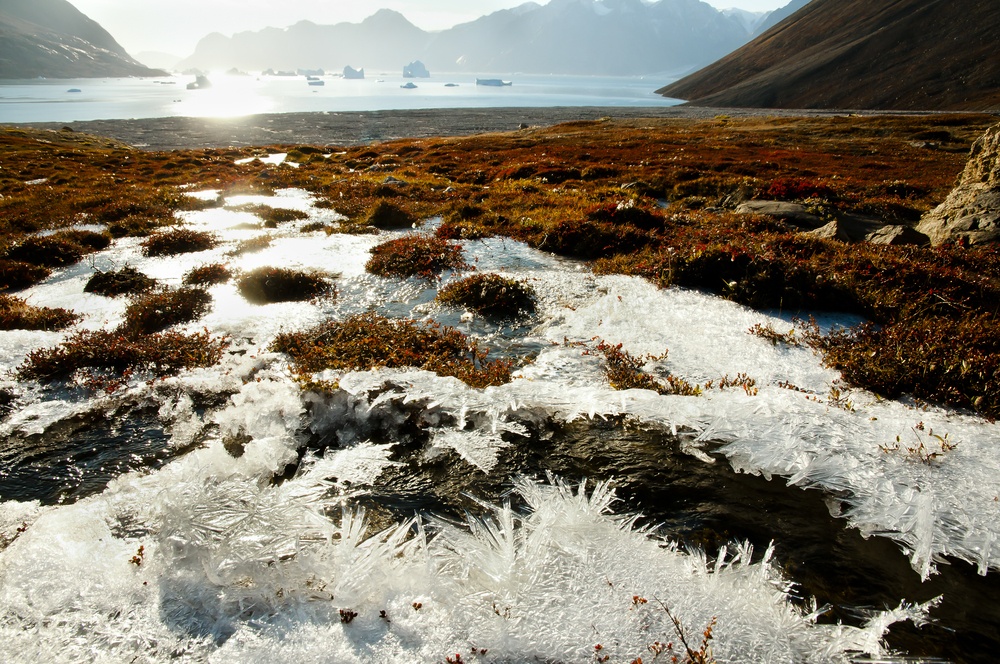
Which Biome has permafrost?
a)
Temperate Forest
b)
Rainforest
c)
Taiga
d)
Tundra
58.
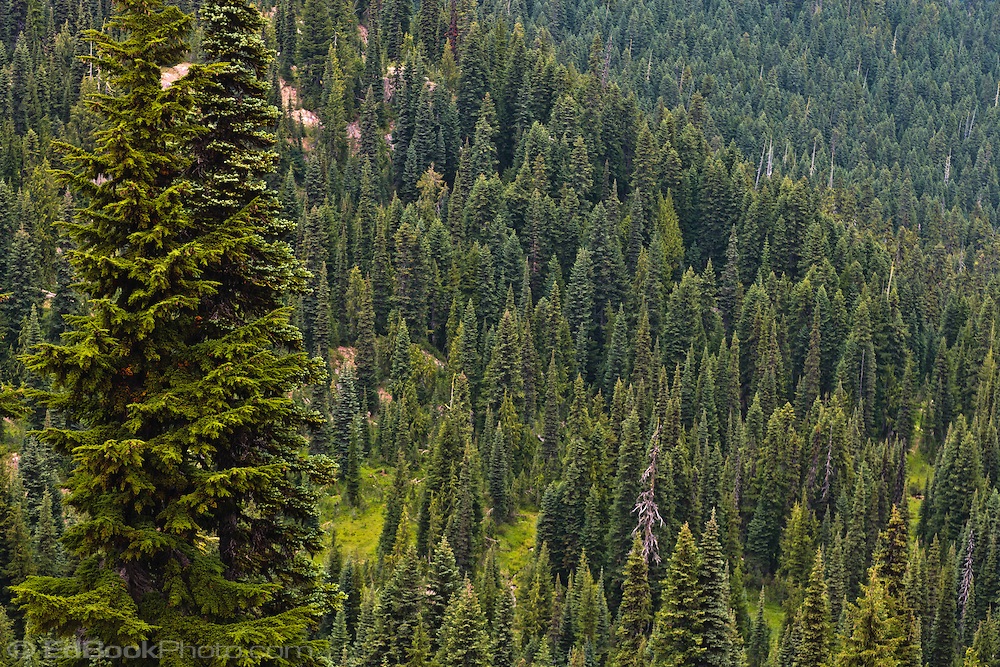
Which biome has coniferous trees (which don't lose their leaves)?
a)
Taiga
b)
Temperate Forest
c)
Tundra
d)
Grasslands
59.
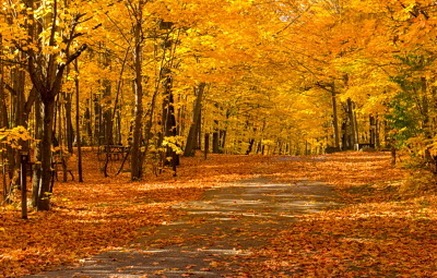
Which biome has deciduous trees (which lose their leaves)?
a)
Temperate Forest
b)
Rainforest
c)
Grasslands
d)
Taiga
60.
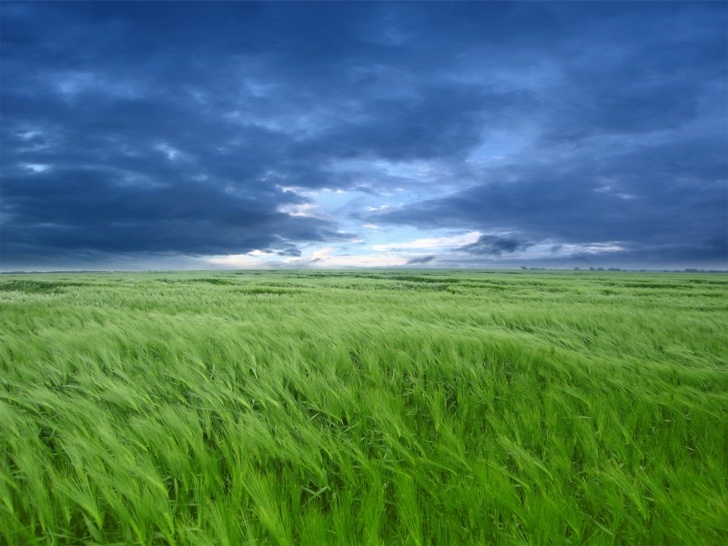
Which biome has wide-open fields of grass?
a)
Taiga
b)
Grasslands
c)
Temperate Forest
d)
Rainforest
61.
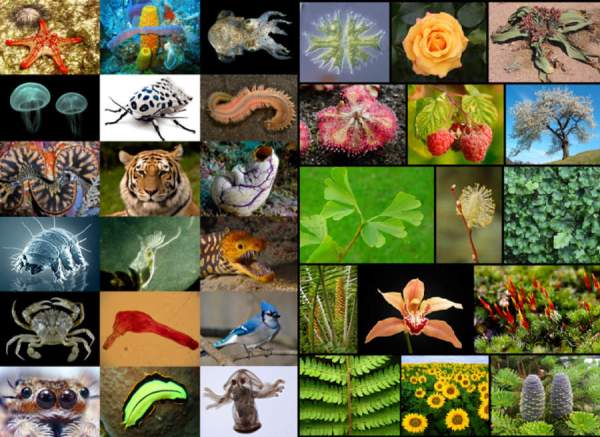
Which biome has the most variety of plants and animals?
a)
Temperate Forest
b)
Rainforest
c)
Tundra
d)
Grasslands
62.
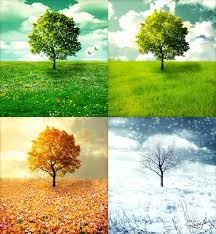
Which biome has 4 seasons?
a)
Taiga
b)
Tundra
c)
Grasslands
d)
Temperate Forest
63.

In which 2 biomes can only plants/animals with adaptations survive?
a)
Taiga/Temperate Forest
b)
Grasslands/Desert
c)
Tundra/Desert
d)
Rainforest/Tundra
64.
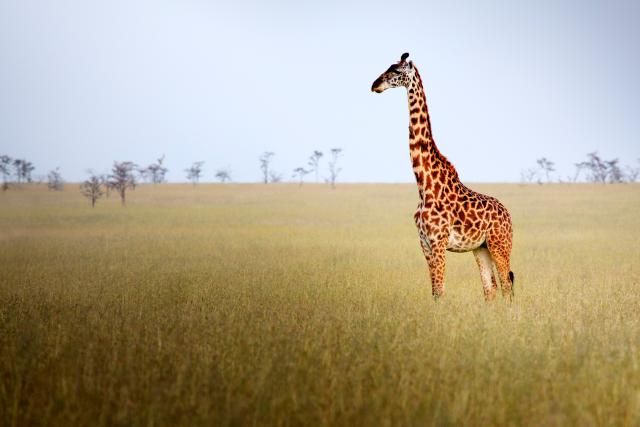
Which biome is home to lions, zebras, wildebeests, giraffes, and elephants?
a)
Grasslands
b)
Tundra
c)
Rainforest
d)
Temperate Forest
65.
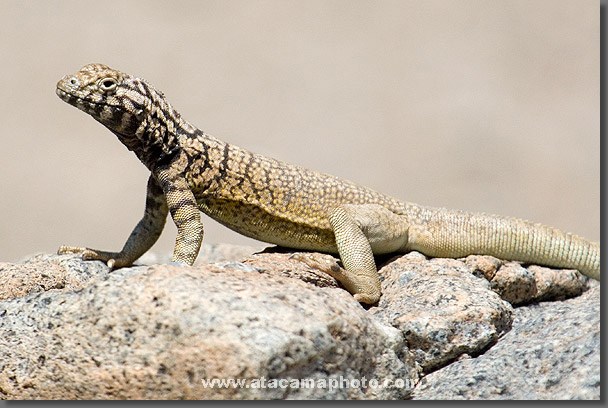
Which biome is home to cacti, scorpions, coyotes, kangaroo rats, and lizards?
a)
Desert
b)
Grasslands
c)
Temperate Forest
d)
Taiga
66.

Which biome do we live in?
a)
Grasslands
b)
Taiga
c)
Rainforest
d)
Temperate Forest
67.
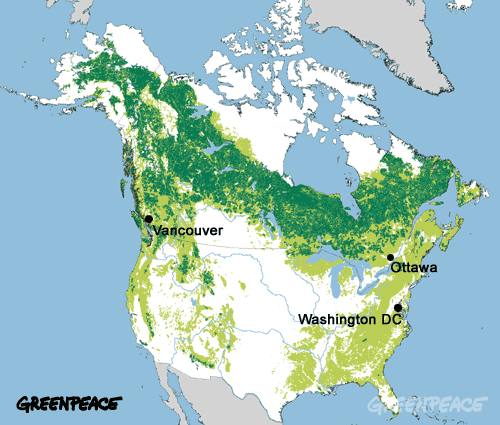
Which biome is Canada in?
a)
Tundra
b)
Taiga
c)
Temperate Forest
d)
Desert
68.

Which biome is home to jaguars, anacondas, leopards, gorillas, and poisonous tree frogs?
a)
Grasslands
b)
Temperate Forest
c)
Rainforest
d)
Tundra
69.
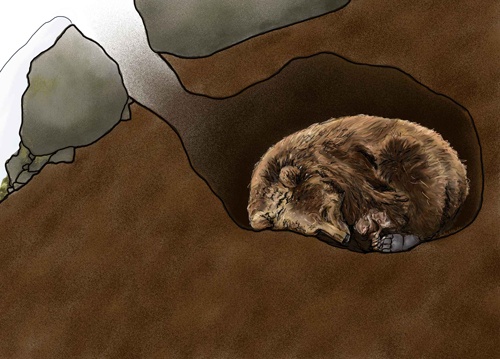
Which biome could an animal who hibernates in the winter to survive the cold live in?
a)
Grasslands
b)
Taiga
c)
Desert
d)
Rainforest
70.

In which biome does an organism have to be able to conserve water to survive?
a)
Rainforest
b)
Taiga
c)
Desert
d)
Temperate Forest
100 %

