
 Worksheets
Plant parts and their function
Total questions: 80
Worksheet time: 1hrs 2mins
Name
Class
Date
1.
All of the following are types of leaf arrangements except ________.
a)
alternate
b)
spaced
c)
whorled
d)
opposite
2.
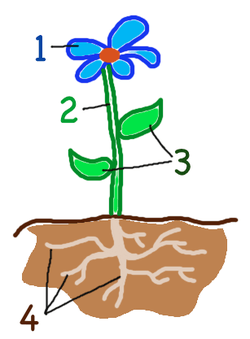
What part of the plant is #1?
a)
flower
b)
stem
c)
root
d)
leaf
3.
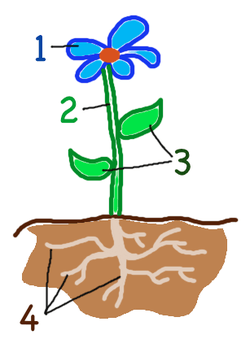
What part of the plant is #3?
a)
leaf
b)
root
c)
flower
d)
stem
4.
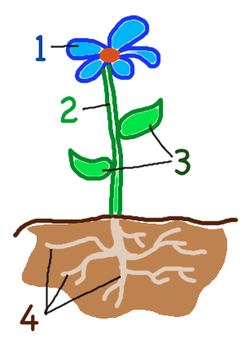
What part of the plant is #4?
a)
leaf
b)
flower
c)
stem
d)
root
5.
The part of the plant that holds the plant in place and absorbs water and minerals from the soil.
a)
stem
b)
roots
c)
leaves
d)
flowers
6.
This part of the plant acts like an "elevator" carrying nutrients to the plant.
a)
roots
b)
stem
c)
leaves
d)
flower
7.
Which part of the plant makes the food?
a)
roots
b)
stem
c)
leaf
d)
flower
8.
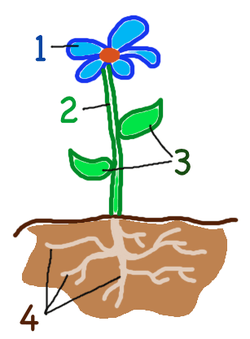
What part of the plant is #2?
a)
leaf
b)
flower
c)
stem
d)
root
9.
What part of the flower produces pollen?
a)
stamen
b)
pistil
c)
style
d)
stigma
10.
What part of a plant serves as the reproductive organs?
a)
flower
b)
stem
c)
leaf
d)
root
11.
What process takes place in the leaves of plants?
a)
photosynthesis
b)
silage
c)
erosion control
d)
storage
12.
The part of the flower that contains the filament and anther is ___.
a)
male
b)
either male or female
c)
the eggs
d)
female
13.
What structure carries manufactured sugars from the leaves down to the roots?
a)
xylem
b)
phloem
c)
nodes
d)
buds
14.
Plants are essential for ___.
a)
fiber
b)
food
c)
erosion control
d)
all of them
15.
What energy source does the plant utilize for photosynthesis?
a)
sun
b)
gravity
c)
water
d)
wind
16.
What structure carries water and nutrients absorbed by the roots to the leaves?
a)
flax
b)
nodes
c)
xylem
d)
phloem
17.
Pollen is usually taken from one plant to another by
a)
humans
b)
insects
c)
dogs
d)
birds
18.
Place on stem where last years bud was located.
a)
bud scale scars
b)
leaf scars
c)
stem scars
d)
flower scars
19.
place along stem where leaves are or were located
a)
bud scale scars
b)
leaf scars
c)
stem scars
d)
flower scars
20.
very large tough roots that reach deep into the ground
a)
adventitious
b)
tap roots
c)
fibrous roots
d)
cap roots
21.
The female part of a flower is called the stamen
a)
true
b)
false
22.
Brightly colored parts of flowers that attract insects.
a)
petals
b)
pistils
c)
stamen
d)
filaments
23.

The stalk connecting the ovaries and stigmas.
a)
filament
b)
pistil
c)
style
d)
anther
24.
They enclose the egg cells inside the ovaries.
a)
ovules
b)
anther
c)
seeds
d)
angiosperms
25.
The transfer of pollen, containing the sperm cells, to the female part of the flower.
a)
seed disperal
b)
pollination
c)
germination
d)
fertilization
26.
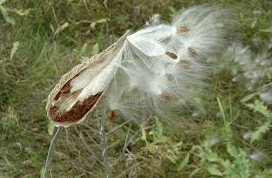
All of the following are examples of seed disbursement except:
a)
wind
b)
volcanic eruptions
c)
physical movement (rolling)
d)
animals feces
27.

A flowering plant with leaves that have parallel veins.
a)
gymnosperms
b)
angiosperms
c)
dicot
d)
monocot
28.
The stalks in a flower that produce the male reproductive cells
a)
pistil
b)
stamen
c)
filament
d)
stigma
29.

Small leaf-like structures forming an outer circle at the base of a flower.
a)
petals
b)
sepal
c)
anthers
d)
dicots
30.
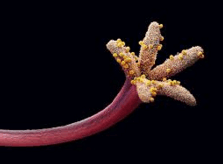
The part of the flower on which the pollen grains land.
a)
pistil
b)
stamen
c)
style
d)
stigma
31.
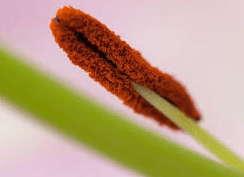
The part of a flower that produces the male reproductive cells.
a)
anther
b)
style
c)
stigma
d)
filament
32.
What are the products from photosynthesis?
a)
water and sugar
b)
water and sun
c)
carbon dioxide and sugar
d)
oxygen and sugar
33.
Cotyledon is ________.
a)
seed coat
b)
seed leaves
c)
zygote
d)
embryo
34.
Why are plants helpful to animals in the process of photosynthesis?
a)
They give off sugar that the plant uses.
b)
They give off oxygen that an animal uses.
c)
They give off carbon dioxide that the animal uses.
d)
They give off water that the animal uses.
35.
What helps the plant control the gases in the leaves?
a)
Stems
b)
Cuticle
c)
Stomata
d)
Embryo
36.
Which of the following is NOT a function of the stems in a plant?
a)
Carry substances between the roots and the leaves
b)
Provide support for the plant
c)
Holding up the leaves so they are exposed to the sun
d)
Absorb water and nutrients for the plant
37.
Which is an example of food that is stored in the roots?
a)
Carrots
b)
Corn
c)
Cabbage
d)
Peas
38.
Which of the following is NOT a function of the roots in a plant?
a)
to anchor the plant
b)
to absorb water and minerals from the soil
c)
to hold up the leaves
d)
to store food sometimes
39.
One of the materials needed for a plant to produce its own food is ______.
a)
carbon dioxide
b)
oxygen
c)
soil
d)
sugar
40.
Green pigment that helps to absorb sunlight
a)
Xanthophyll
b)
Carotene
c)
Chlorophyll
d)
Lycopene
41.
Part of the plant that protects baby flower/leaf from harm
a)
Flower
b)
Bud
c)
Fruit
d)
Stem
42.
Part of the plant that helps in seed dispersal
a)
Stem
b)
Leaf
c)
Flower
d)
Fruit
43.
Xylem and Phloem are both __.
a)
Transpiration
b)
Absorption
c)
Photosynthesis
d)
Vascular tissue
44.
What gas is released by plants during photosynthesis?
a)
sulfur
b)
carbon dioxide
c)
oxygen
d)
hydrogen
45.
What are the reactants (what's needed) for photosynthesis?
a)
glucose and oxygen
b)
light, water, and carbon dioxide
c)
sunlight and chlorophyll
d)
ATP and oxygen
46.
What is the purpose of photosynthesis?
a)
make glucose
b)
make ATP
c)
make light
d)
release carbon dioxide
47.
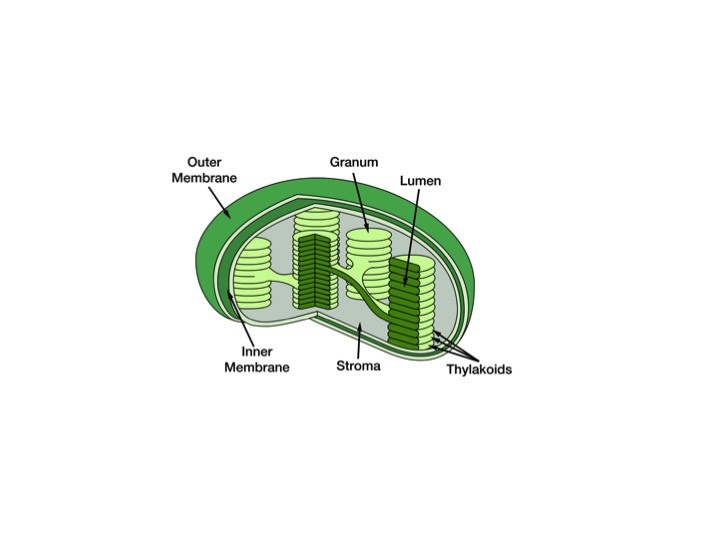
Chloroplasts are...
a)
Structures of animal cells to produce ATP
b)
Organelles where lipids are elaborated
c)
Organelles in plants where food is made
d)
Waste organelle of plants
48.
The female part of the flower is known as the ____.
a)
stamen
b)
anther
c)
filament
d)
pistil
49.
Which process uses oxygen to break apart sugar so that the plant can use it for energy?
a)
photosynthesis
b)
respiration
c)
transpiration
d)
generation
50.

Monocot or dicot?
a)
monocot
b)
dicot
51.

Monocot or dicot?
a)
monocot
b)
dicot
52.

Monocot or dicot?
a)
monocot
b)
dicot
53.

Which type of tropism?
a)
hydrotropism
b)
thigmotropism
c)
phototropism
d)
gravitropism
54.
What part of the plant is underneath the soil?
a)
Leaves
b)
Stem
c)
Branches
d)
Roots
55.
What is required for photosynthesis to occur?
a)
Sunlight and Sugar
b)
Sunlight, Carbon dioxide and water
c)
Soil, Water and Sunlight
d)
Water
56.
What type of root has one main root and smaller roots growing off of it?
a)
Stem root
b)
Fibrous root
c)
Tap root
d)
Potato root
57.
What part of the seed protects the embryo?
a)
Cotyledon
b)
Glucose
c)
Seed coat
d)
Roots
58.
Which is NOT a way that seeds are dispersed?
a)
Wind
b)
Animals
c)
Water
d)
Insects
59.

What type of leaves are these?
a)
Alternate leaves
b)
Opposite leaves
c)
Reverse leaves
d)
Sideway leaves
60.

What type of leaves are these?
a)
Sideway leaves
b)
Alternate leaves
c)
Opposite leaves
d)
Reverse leaves
61.

What is one possible reason for seeds to have hooks of barbs?
a)
to stay warm during the winter
b)
to protect themselves from sunlight
c)
to get attached to passing animals and get carried away
d)
to stick to animals and steal nutrients from them
62.
How can photosynthesis be related to cellular respiration?
a)
What's produced (made) by one is needed (the reactants) for the other
b)
They both produce the same products
c)
They both have the same reactants (need the same things)
d)
These 2 processes have nothing in common
63.
Which gas is removed from the air during photosynthesis?
a)
hydrogen
b)
oxygen
c)
nitrogen
d)
carbon dioxide
64.
Where does carbon dioxide enter plants?
a)
Cell Wall
b)
Stomata
c)
Roots
d)
Stem
65.
Tissue that transports material around the plant
a)
Root Tissue
b)
Vascular Tissue
c)
Epidermal Tissue
d)
Ground Tissue
66.

What is it called when plants give off water vapor as a waste product?
a)
condensation
b)
evaporation
c)
sublimation
d)
transpiration
67.
Which of the following is the correct equation for PHOTOSYNTHESIS?
a)
6CO2 + 6H2O --> 6O2 + C6H12O6
b)
6CO2 + C6H12O6 + 6H2O --> O2
c)
6O2 + 6H2O --> 6CO2 + C6H12O6
d)
C6H12O6 + 6O2 ---> 6H2O + 6CO2
68.
What does photo mean?
a)
Print
b)
Picture
c)
Make
d)
Light or Color
69.
What is another name for glucose?
a)
Chlorophyll
b)
Chloroplasts
c)
Stomata
d)
Sugar
70.

Plants perform respiration.
a)
True
b)
False
71.
What process uses oxygen to break down glucose?
a)
Photosynthesis
b)
Decomposition
c)
Metabolism
d)
Cellular Respiration
72.
What does the epidermis of a leaf do?
a)
produce food
b)
get rid of waste
c)
protect the leaf
d)
store food
73.
What are the cells on either side of the stomata called?
a)
guard cells
b)
epidermis cells
c)
skin cells
d)
stomata cells
74.
What structures are responsible for absorbing the water?
a)
root tip
b)
root cap
c)
root hairs
d)
root sponge
75.
which kind of tissue produces new cells
a)
xylem
b)
cambium
c)
phloem
d)
skin
76.
What kind of roots do Monocots have?
a)
tap roots
b)
internal roots
c)
external roots
d)
fibrous roots
77.
What kind of flowers have all 4 main parts?
a)
comlete
b)
incomplete
c)
perfect
d)
imperfect
78.
What kinds of flowers have both stamens and pistils?
a)
complete
b)
incomplete
c)
perfect
d)
imperfect
79.
What kinds of plants have stamens and pistils found in separate flowers but on the same plant?
a)
Monocot
b)
monoecious
c)
Dicot
d)
dioecious
80.
What kinds of plants have male flowers on one plant and female flowers on another plant?
a)
Monocot
b)
monoecious
c)
Dicot
d)
dioecious
100 %

