
NEW
Font size
S
M
L
XL
 Worksheets
Cells
Total questions: 73
Worksheet time: 43mins
Name
Class
Date
1.
This scientist discovered cells by looking at cork
a)
Robert Hooke
b)
Anton Van Leeuwenhoek
c)
Theodore Schwann
d)
Mathias Schleiden
2.
This scientist discovered cells in Animals
a)
Robert Hooke
b)
Anton Van Leeuwenhoek
c)
Theodore Schwann
d)
Mathias Schleiden
3.
This scientist discovered cells in Plants
a)
Robert Hooke
b)
Anton Van Leeuwenhoek
c)
Theodore Schwann
d)
Mathias Schleiden
4.
This scientist discovered cells in pond water
a)
Robert Hooke
b)
Anton Van Leeuwenhoek
c)
Theodore Schwann
d)
Mathias Schleiden
5.
Which of the following is NOT a cell theory.
a)
All non-living things are made of cells
b)
All cells come from pre-existing cells
c)
Cells are the basic unit life
d)
All living things are made of cells
6.
Bacteria cells are this type of cell.
a)
Eukaryote
b)
Prokaryote
c)
Protista
d)
Virus
7.
What is the main function of the cell membrane?
a)
Digestion
b)
Storage
c)
Protective Barrier
d)
INSANE IN THE MEMBRANE!
8.

Complex cell. Can be plant or animal. Contains membrane bound organelles.
a)
Eukaryotic Cell
b)
Prokaryotic Cell
c)
Bacteria
d)
Blood cell
9.
Organelles inside nucleus function is to make ribosomes
a)
Golgi Body
b)
Lysosome
c)
Rough E.R.
d)
Nucleolus
10.
This organelle's function is to make protein.
a)
Rough E.R.
b)
Smooth E.R.
c)
Ribosome
d)
Nucleus
11.
This organelle helps transport proteins.
a)
Ribosomes
b)
Rough E.R.
c)
Golgi Body
d)
Smooth E.R.
12.
This organelle makes/transports fats or lipids.
a)
Rough E.R.
b)
Smooth E.R.
c)
Golgi Bodies
d)
Lysosomes
13.
This function of this organelle is to break down glucose to make cell energy.
a)
Chloroplasts
b)
Mitochondria
c)
Nucleus
d)
ATP
14.
This molecule is made in the mitochondria and is energy for all cells.
a)
Chloroplasts
b)
Glucose
c)
ATP
d)
ADP
15.
This organelle traps sunlight and uses that energy to convert it to food.
a)
Mitochondria
b)
Chloroplasts
c)
Lysosomes
d)
Chlorophyll
16.
This is a green pigment found in plants and is responsible for capturing sunlight.
a)
Chloroplasts
b)
Chlorophyll
c)
Cytoplasm
d)
MItochondria
17.
The function of this organelle is to store water. Large ones are found in plants.
a)
Lysosome
b)
Golgi Body
c)
Cytoplasm
d)
Vacuole
18.
This organelle function is to package, modify and transport materials in/out of cell.
a)
Rough E.R.
b)
Smooth E.R.
c)
MItochondria
d)
Golgi Body
19.

This cell is simple. Only genetic material, cytoplasm and ribosomes inside.
a)
Eukaryotic
b)
Prokaryotic
c)
Plant
d)
Animal
20.
This organelle takes food and turns it into ENERGY for plant and animal cells.
a)
Chloroplast
b)
Mitochondria
c)
Lysosome
d)
Ribosome
21.
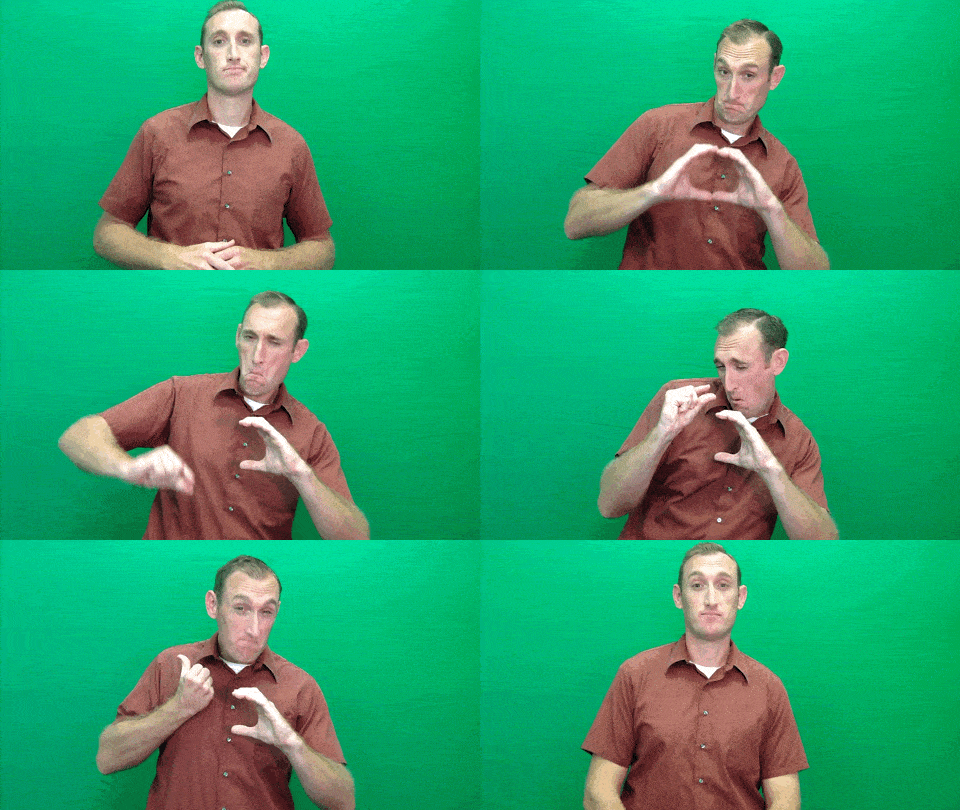
The ___________ is the basic unit of life
a)
organ
b)
cell
c)
atom
d)
tissue
22.
Which organelle is only found in a plant cell?
a)
nucleus
b)
chloroplast
c)
mitochondria
d)
cell membrane
23.

Directs all cell activities through the DNA located there.
a)
Lysosomes
b)
Nucleus
c)
ribosomes
d)
Mitochondria
24.
Which of the following is directly involved in the transportation of materials inside/within the cell?
a)
Endoplasmic Reticulum
b)
Vacuole
c)
Lysosome
d)
Mitochondria
25.
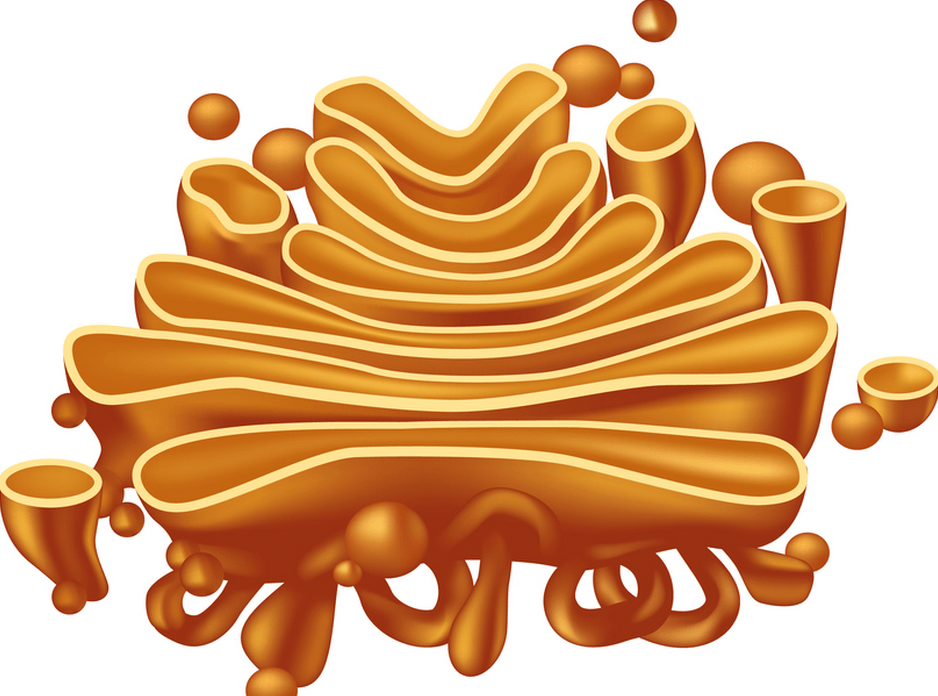
I am a protein packaging and shipping machine! Who am I?
a)
vacuole
b)
ribosome
c)
mitochondrion
d)
golgi apparatus
26.
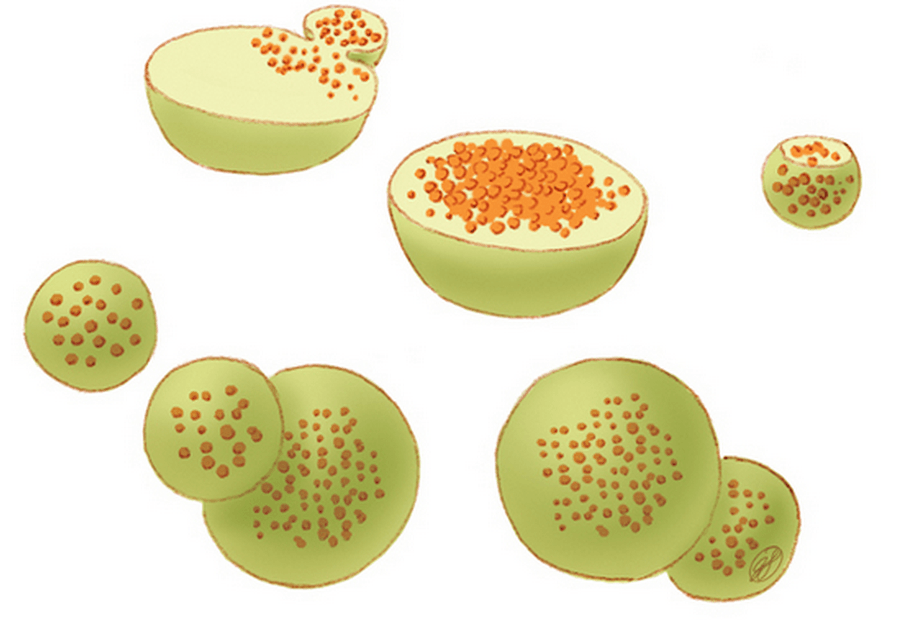
You might think of me as the trash collector, but recycler is another function because I break down food, worn out cell/cell organelles. What am I?
a)
mitochondria
b)
lysosome
c)
vacuole
d)
ribosome
27.
What is found in both plant and animal cells but is much larger in plant cells?
a)
Nucleus
b)
Mitochondria
c)
Chloroplast
d)
Vacuole
28.
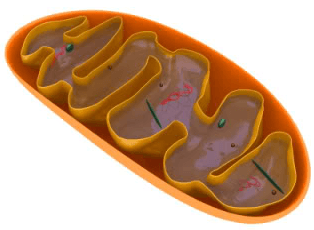
What are organelles that convert glucose into ATP?
a)
Ribosomes
b)
Vesicles
c)
Cytoskeleton
d)
Mitochondria
29.
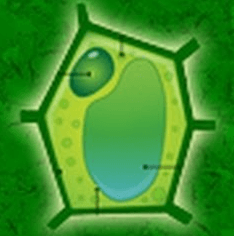
A rigid layer that lies outside the cell's membrane in some cells is...
a)
Cytoskeleton
b)
Cilia
c)
Cell Wall
d)
Flagella
30.
What is the gel-like substance inside of cells called?
a)
photoplasm
b)
photosynthesis
c)
cytoskeleton
d)
cytoplasm
31.
Makes of ATP in all eukaryotes
a)
chloroplast
b)
mitochondria
c)
lysosome
d)
smooth er
32.
Which of the following forms of passive transport still uses proteins?
a)
diffusion
b)
active transport
c)
osmosis
d)
facilitated diffusion
33.
Which type of transport goes from LOW concentration to HIGH concentration requiring energy?
a)
diffusion
b)
active transport
c)
osmosis
d)
facilitated diffusion
34.
Which statement describes the role of the cell membrane?
a)
It's the powerhouse of the cell!
b)
It's the UPS of the cell!
c)
It's the gatekeeper of the cell!
d)
It's the brain of the cell!
35.
Which organelle helps maintain homeostasis (balance of molecules)?
a)
Mitochondria
b)
Golgi Apparatus
c)
Cell Membrane
d)
Nucleus
36.

The head of a phospholipid is polar like ______________.
a)
water
b)
oxygen
c)
hydrogen
d)
peroxide
37.

The tail of a phospholipid is non-polar like ______________.
a)
water
b)
oil
c)
hydrogen
d)
peroxide
38.

This picture represents what type of cell transport?
a)
endocytosis
b)
exocytosis
c)
osmosis
d)
passive transport
39.
Osmosis is the movement of _____ across a membrane.
a)
food
b)
carbon dioxide
c)
oxygen
d)
water
40.

The picture below is an example of _________________.
a)
osmosis
b)
isotonic
c)
diffusion
d)
active transport
41.
A cell in a hypertonic solution will
a)
Swell
b)
Shrink
c)
Stay the same size
d)
Impossible to tell
42.
A cell in a hypotonic solution will
a)
swell
b)
shrink
c)
stay the same size
d)
impossible to tell
43.
A cell in an isotonic solution will
a)
swell
b)
shrink
c)
stay the same size
d)
impossible to tell
44.
A membrane that keeps out some molecules but allows others to pass
a)
semi-permeable
b)
permeable
c)
diffusion
d)
concentration gradient
45.

The cell below is in a ___________ solution.
a)
Hypotonic
b)
Hypertonic
c)
Isotonic
46.

A cell in the following solution will...
a)
shrink
b)
swell
c)
stay the same
47.

A cell in the following solution will...
a)
shrink
b)
swell
c)
stay the same
48.
The movement of substances in and out of the cell without using energy is
a)
active transport
b)
passive transport
c)
endocytosis
d)
exocytosis
49.

The dispersal of ink in a beaker of water is an example of
a)
osmosis
b)
diffusion
c)
active transport
50.
This protein is known for recognizing similar and dissimilar cells
a)
Marker protein
b)
Channel Protein
c)
Receptor Protein
d)
Carrier Protein
51.
This protein allows the passage of a specific molecule or ion to travel freely across the cell membrane
a)
Marker protein
b)
Channel Protein
c)
Receptor Protein
d)
Carrier Protein
52.
This protein has a specific shape that allows a particular molecule to bind to it and enter the cell
a)
Marker protein
b)
Channel Protein
c)
Receptor Protein
d)
Carrier Protein
53.
What is a solute?
a)
The substance that does the dissolving in a solution.
b)
The substance that is dissolved into the solution.
c)
The mixing of different substances.
d)
The process in which neutral molecules lose or gain electrons
54.
What is a solvent?
a)
The substance that does the dissolving in a solution.
b)
The substance that is being dissolved in a solution.
c)
The mixing of different substances.
d)
The process in which neutral molecules lose or gain electrons
55.
Which is an example of a solute?
a)
Egg whites
b)
Sugar
c)
Water
d)
Acetone
56.
Which is an example of a solvent?
a)
Salt
b)
Egg whites
c)
Water
d)
Sugar
57.
Photosynthesis allows
a)
a plant to produce food
b)
an animal cell to get energy from food
c)
a cell to produce energy without oxygen
d)
a plant leaf to turn green
58.
Fermentation in muscle cells produces
a)
lactic acid
b)
glucose
c)
bacteria
d)
oxygen
59.
Fermentation is the process by which
a)
cells break down food without using oxygen
b)
plant cells create glucose
c)
cells use oxygen to produce energy
d)
cells grow and reproduce
60.
Why would plants be better able to survive in a world without animals than animals in a world without plants?
a)
plants can produce their own carbon dioxide and water for cellular respiration
b)
animals do not produce anything plants need
c)
plants already produce glucose needed for photosynthesis
d)
animals only make oxygen for plants so animals are not needed
61.
The energy molecule in cellular respiration is called
a)
ATP
b)
ADP
c)
DNA
d)
glucose
62.

The picture best represents what important cell process?
a)
cellular respiration
b)
photosynthesis
c)
fermentation
d)
osmosis
63.
The raw materials (reactants) of cellular respiration are
a)
glucose (food) and oxygen
b)
oxygen and carbon dioxide
c)
carbon dioxide and water
d)
water and glucose
64.

The picture best represents what process?
a)
photosynthesis
b)
osmosis
c)
cellular respiration
d)
fermentation
65.
Fermentation is also known as
a)
anaerobic respiration
b)
aerobic respiration
c)
photosynthesis
d)
lactic acid
66.

Use the diagram to answer the question. Between which parts of the molecule must the bonds be broken to form an ADP molecule?
a)
A and B
b)
A and C
c)
B and C
d)
C and D
67.
Approximately how many ATP are produced in aerobic respiration?
a)
2
b)
33
c)
4
d)
36
68.
Which of the following is the correct equation for PHOTOSYNTHESIS?
a)
6CO2 + 6H2O --> 6O2 + C6H12O6
b)
6CO2 + C6H12O6 + 6H2O --> O2
c)
6O2 + 6H2O --> 6CO2 + C6H12O6
d)
C6H12O6 + 6O2 ---> 6H2O + 6CO2
69.
The overall equation for cellular respiration is:
a)
C6H12O6 + light energy -> 6CO2 + 6H2O + ATP
b)
CH2O + O2 -> CO2 + 6H2O + ATP
c)
C6H12O6 + 6O2 -> 6CO2 + 6H2O + ATP
d)
C6H12O6 + 6CO2 -> 6O2 + 6H2O + ATP
70.

Using this image, what organelle is C?
a)
Cell Wall
b)
Mitochondria
c)
Large Cell Vacuole
d)
Chloroplast
71.

Using this image, what organelle is A?
a)
Cell Wall
b)
Large Central Vacuole
c)
Mitochondria
d)
Chloroplast
72.

What is number 10 pointing to?
a)
nucleus
b)
ribosome
c)
cell wall
d)
cell membrane
73.

Using this image, what organelle is H?
a)
Cell Wall
b)
Large Central Vacuole
c)
Mitochondria
d)
Chloroplast
Reset

