
 Worksheets
Bio Midterm Review
Total questions: 187
Worksheet time: 2hrs 12mins
Name
Class
Date
1.

Living things require energy to survive.
a)
True
b)
False
2.
All living things are composed of cells...
a)
True
b)
False
3.
A change in an organism's surroundings that causes it to react is called
a)
a stimulus.
b)
a response.
c)
development.
d)
energy.
4.
All living organisms are made up of ____.
a)
Cells
b)
Bacteria
c)
Organs
d)
Tissue
5.
Responding to change helps an organism to survive, which is the best example of a response to change:
a)
A polar bear hides it's cubs from danger.
b)
You move your hand away from a hot surface when you touch it.
c)
A cell only grows in a certain enviroment.
d)
Geese migrate to the south for the winter.
6.
What is reproducing?
a)
To make offspring similar to the parents
b)
To eat
c)
To read
d)
To do homework
7.
This stores our genetic information:
a)
DNA
b)
lipids
c)
ATP
d)
flash drives
8.
All living things grow and develop.
a)
True
b)
False
9.
An example of a unicellular organism includes
a)
Humans
b)
Lobsters
c)
Eagles
d)
Bacteria
10.
In an organism, groups of cells working together is called...
a)
cell
b)
tissue
c)
organ
d)
organ system
11.
A collection of tissues carrying out a specialized function is...
a)
organ
b)
tissue
c)
organ system
d)
cell
12.
What is the most basic unit of life?
a)
cell
b)
tissue
c)
organ
d)
organ system
13.
A group of organs working together in an organism is...
a)
tissue
b)
organ group
c)
organ system
d)
organ team
14.

Kidneys
a)
Organism
b)
Organelle
c)
Organ
d)
Cell
15.

Circulatory System
a)
Molecule
b)
Organ System
c)
Cell
d)
Organ
16.
When many organ systems work together it can form...
a)
a cell
b)
an organ
c)
an organ system
d)
an organism
17.
What is the correct order of organization
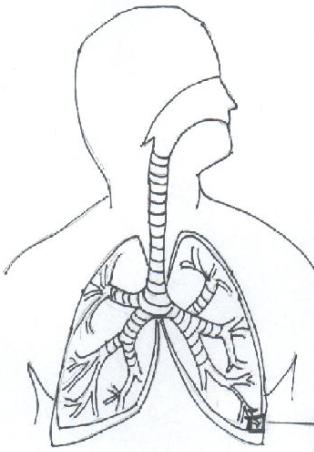
a)
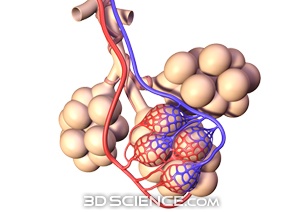
cells->tissue->organs->organ systems-> organism
b)
tissue->cells->organs->organ systems-> organism
c)
organs->organ systems-> organism->cells->tissue
d)
cells->tissue->organs->organism->organ system
18.
What is an organism whose entire body is only 1 cell known as?
a)
unicellular
b)
multicellular
c)
cell
d)
Homeostasis
19.
What is an organism whose body is made of more than 1 cell known as?
a)
unicellular
b)
multicellular
c)
cell
d)
Homeostasis
20.
Which is an example of an organism using homeostasis?
a)
A dog panting to lower body temperature
b)
Walking sticks blending in
c)
Growing from a tadpole into a frog
d)
Shivering to lower body temperature
21.
What do viruses need to reproduce?
a)
they need genetic material
b)
They need a host cell
c)
They need bacteria
d)
They need insulin
22.
Viruses
a)
have many cells
b)
are prokaryotic
c)
are a protein coat around genetic material
d)
are living
23.
Viruses can reproduce on their own
a)
False
b)
True
24.
Reasons that viruses are considered to be nonliving is because
a)
They are not cellular
b)
They cannot reproduce on their own
c)
They cannot produce their own energy
d)
all of the above
25.

What is this an image of?
a)
a human cell
b)
an alien
c)
a virus
d)
a space ship
26.
Which structures are found in every living cell?
a)
cell membrane and cytoplasm
b)
chloroplasts and mitochondria
c)
a cell wall and nucleus
d)
chloroplasts and cell wall
27.
What is the function of the cell nucleus found in both plant and animal cells?
a)
to produce energy
b)
to control cell activity
c)
to remove waste products
d)
to allow molecules to enter the cell
28.
Cell organelles that are responsible for digesting food, worn out organelles and other cellular wastes are called ___________________.
a)
Mitochondria
b)
Vacuoles
c)
Lysosomes
d)
Chlororplasts
29.
What is one basic function of the vacuoles?
a)
circulating oxygen
b)
producing food
c)
controlling cell processes
d)
storing water
30.
Chloroplasts in plant cells allow the plant to perform a function that animal cells cannot do. What is the main function of the chloroplasts found in plant cells?
a)
to absorb light energy and manufacture food
b)
to remove waste materials by active transport
c)
to manufacture chemical energy from food
d)
to control the shape of the cell
31.
All cells need energy to function. Which cell organelle is responsible for producing energy in the cell?
a)
chloroplasts
b)
mitochondria
c)
nucleus
d)
vacuoles
32.
What is the function of a cell wall?
a)
to protect and support the cell
b)
to perform different functions in each cell
c)
to prevent water from passing through it
d)
to prevent oxygen from entering the cell
33.
In what part of the plant cell does the process of photosynthesis take place?
a)
nucleus
b)
mitochondria
c)
chloroplasts
d)
vacuoles
34.
Cells with a nucleus and membrane-bound organelles are called ____________________.
a)
prokaryotes
b)
eukaryotes
c)
bacteria
d)
protists
35.
Which of the following is not part of the cell theory?
a)
cells must contain DNA
b)
all living things are made from cells
c)
cells can only come from other cells
d)
cells are the basic unit of life
36.
The brain is a part of which organ system?
a)
nervous
b)
skeletal
c)
muscular
d)
digestive
37.
Which of the following is directly involved in the transportation of materials inside/within the cell?
a)
Endoplasmic Reticulum
b)
Vacuole
c)
Lysosome
d)
Mitochondria
38.
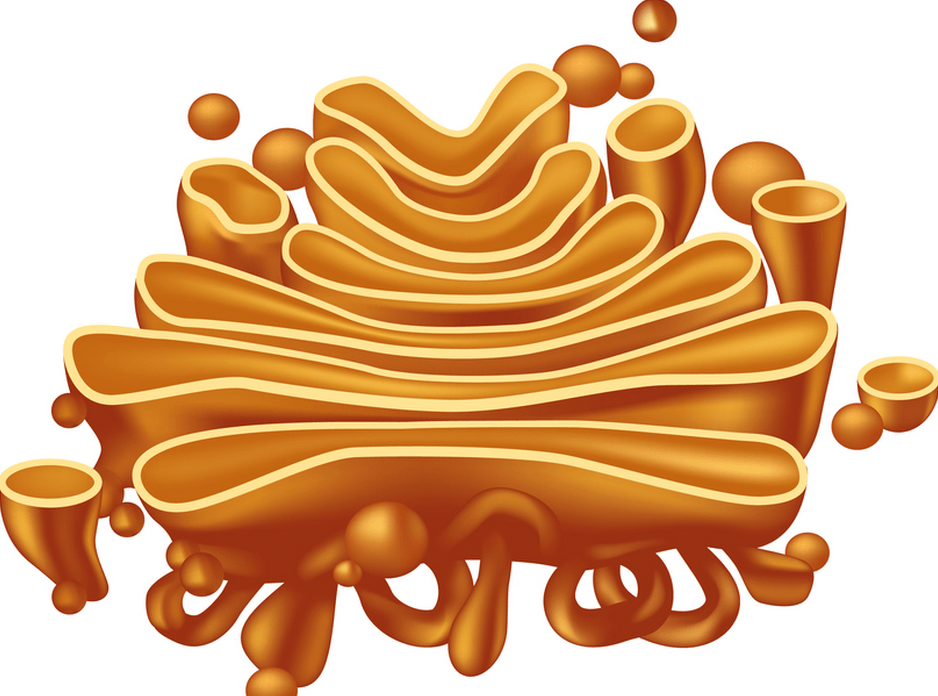
I am a protein packaging and shipping machine! Who am I?
a)
vacuole
b)
ribosome
c)
mitochondrion
d)
golgi apparatus
39.
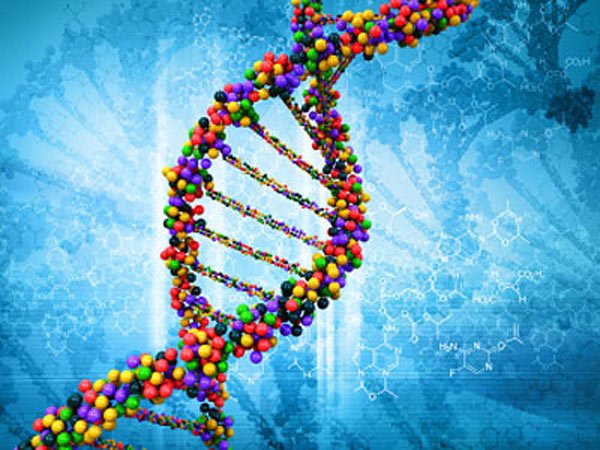
What is the name of the genetic material that is inside the nucleus?
a)
ER
b)
ATP
c)
YOLO
d)
DNA
40.
What is found in both plant and animal cells but is much larger in plant cells?
a)
Nucleus
b)
Mitochondria
c)
Chloroplast
d)
Vacuole
41.
Where are proteins made?
a)
Golgi body
b)
Mitoichondria
c)
Chromosomes
d)
Ribosomes
42.

I am the outer most layer of an animal cell. What am I?
a)
cell wall
b)
nucleus
c)
cell membrane
d)
cell skin
43.
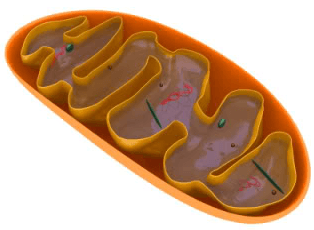
What are tiny organelles that convert glucose into ATP?
a)
Ribosomes
b)
Vesicles
c)
Cytoskeleton
d)
Mitochondria
44.
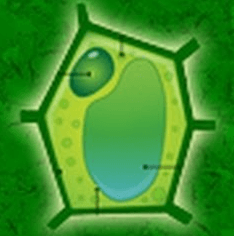
A rigid layer that lies outside the cell's membrane is...
a)
Cytoskeleton
b)
Cilia
c)
Cell Wall
d)
Flagella
45.
What is the gel-like substance inside of cells called?
a)
photoplasm
b)
photosynthesis
c)
cytoskeleton
d)
cytoplasm
46.
A tiny cell structure that carries out a specific function within a cell.
a)
organelle
b)
cell
c)
nucleus
d)
ribosomes
47.
Prokaryotic
a)
are single celled organisms that do not have a nucleus or membrane bound organelles
b)
a protective layer that covers the the cells surface and acts as a barrier
c)
is the smallest unit that can preform all he processes necessary for life
48.
Which organism listed below is a prokaryote?
a)
dog
b)
human
c)
sunflower
d)
bacterial cell
49.
Animal and plant cells are both this type of cell.
a)
Eukaryote
b)
Prokaryote
50.
The diffusion of WATER across a semi-permeable membrane is
a)
osmosis
b)
diffusion
c)
endocytosis
d)
exocytosis
51.
What is diffusion
a)
active transport
b)
passive transport
c)
cell division
d)
cell mutation
52.
The movement of molecules from higher concentration to lower concentration is
a)
diffusion
b)
cell division
active transport
active transport
c)
active transport
d)
tonicity
53.
Active transport requires
a)
energy
b)
the nucleus
c)
chloroplasts
d)
lysosomes
54.
What organelles is NOT found in a PROkaryote
a)
nucleus
b)
cell membrane
c)
Chromosomes (DNA)
DNA
DNA
d)
ribosomes
55.
The cell membrane
a)
regulates what enters/leaves cell
b)
helps maintain homeostasis
c)
keeps contents of cell in place
d)
all of the above
56.

This picture represents what type of cell transport?
a)
endocytosis
b)
exocytosis
c)
osmosis
d)
passive transport
57.
Osmosis is the movement of _____ across a membrane.
a)
food
b)
energy
c)
oxygen
d)
water
58.

This picture represents which type of cellular transport?
a)
passive transport
b)
endocytosis
c)
exocytosis
d)
osmosis
59.
Which is true about active transport?
a)
It requires energy
b)
it does not require energy
c)
It moves substances down the concentration gradient
d)
it moves material from high to low concentration
60.
Molecules diffusing with the concentration gradient through a protein channel is...
a)
Facilitated Diffusion
b)
Simple Diffusion
c)
Active Transport
d)
Osmosis
61.
Due to the higher concentration of oxygen in the air than your blood, oxygen goes from the lungs into the red blood cells by....
a)
Facilitated Diffusion
b)
Simple Diffusion
c)
Active Transport
d)
Osmosis
62.
In a nerve cell, ATP energy is used to pump sodium (Na) out of the cell and potassium (K) into the cell. This is an example of...
a)
Facilitated Diffusion
b)
Simple Diffusion
c)
Active Transport
d)
Osmosis
63.
This cell organelle helps organisms maintain homeostasis by controlling what substances may enter or leave cells.
a)
vacuole
b)
nucleus
c)
cell membrane
d)
cell wall
64.
Passive transport requires no
a)
concentration gradients
b)
osmosis
c)
motion
d)
energy
65.
When a cell is placed in a hypertonic (more concentrated) solution water
a)
moves from the inside of the cell to the solution
b)
moves from the solution to the inside of the cell
c)
moves equally in and out of the cell
d)
none of these
66.
When a cell is placed in a hypotonic solution (less concentrated), water
a)
moves from the inside of the cell to the solution
b)
moves from the solution to the inside of the cell
c)
moves equally in and out of the cell
d)
none of these
67.

What type of transport is this?
a)
facilitated diffusion
b)
active transport
c)
diffusion
d)
osmosis
68.
The process where carbon dioxide, water and sunlight energy create sugar and oxygen is known as _____
a)
Photosynthesis
b)
Cell Respiration
c)
Underarm Perspiration
d)
Expiration
69.
The process where sugar is broken down by oxygen to create energy, carbon dioxide and water is known as _____
a)
Photosynthesis
b)
Cell Respiration
c)
Restoration
d)
Pinocytosis
70.
Photosynthesis happens in organelles known as _____
a)
Chloroplasts
b)
Mitochondria
c)
Golgi Body
d)
Endoplasmic Reticulum
71.
Cell Respiration happens in organelles known as _____
a)
Chloroplasts
b)
Mitochondria
c)
Nucleus
d)
Vacuole
72.
In which creatures does photosynthesis happen?
a)
Animals ONLY
b)
Plants ONLY
c)
Plants AND Animals
73.
What are the reactants in cellular respiration?
a)
Sugar, Oxygen
b)
Sugar, Carbon Dioxide
c)
Carbon Dioxide, Oxygen
d)
Sugar, Energy
74.
What are the reactants in photosynthesis?
a)
Sugar, Oxygen, Sunlight Energy
b)
Water, Carbon Dioxide, Sunlight Energy
c)
Carbon Dioxide, Oxygen, Sunlight Energy
d)
Sugar, Sunlight Energy
75.
What are the products of photosynthesis?
a)
Sugar, Oxygen
b)
Oxygen, Carbon Dioxide
c)
Oxygen, Energy
d)
Sunlight Energy, Carbon Dioxide
76.
What are the products of cell respiration?
a)
Carbon Dioxide, Water, Energy
b)
Oxygen, Carbon Dioxide, Water
c)
Water, Oxygen
d)
Energy, Sugar, Oxygen
77.
What is the purpose of cell respiration?
a)
produce glucose
b)
make oxygen
c)
remove carbon dioxide
d)
produce usable energy - ATP
78.

Autotroph or heterotroph?
a)
Autotroph
b)
Heterotroph
79.

Autotroph or heterotroph?
a)
Autotroph
b)
Heterotroph
80.
What type of respiration requires oxygen?
a)
Aerobic
b)
Anaerobic
81.
What type of respiration does not require oxygen?
a)
Aerobic
b)
Anaerobic
82.
Which molecule supplies the energy for cellular functions?
a)
Water
b)
Oxygen
c)
DNA
d)
ATP
83.
Which of the following would increase the rate of photosynthesis?
a)
Increased Oxygen supply
b)
Decreased water supply
c)
Decrease oxygen supply
d)
Increased light energy
84.
Enzymes are substances that ____________ a chemical reaction
a)
speed up
b)
slow down
85.
Energy is released from ATP when
a)
a phosphate group is added
b)
adenine bonds to ribose
c)
ATP is exposed to sunlight
d)
a phosphate group is removed
86.

Which structures shown in the Figure make up the ADP molecule?
a)
A and B
b)
A, B and C
c)
A, B, C, and D
d)
C and D
87.
What does the "TP" in ATP stand for?
a)
2 phosphates
b)
tri (3) phosphates
c)
Two proteins
d)
tri (3) proteins
88.

Which bond of the ATP molecule is broken in order to release energy?
a)
A
b)
B
c)
C
d)
D
89.
Which form of cellular transport requires would not occur if there were no ATP present
a)
Active Transport
b)
Diffusion
c)
Osmosis
d)
Facilitated Diffusion
90.
Made of monomers of amino acids
a)
Carbohydrates
b)
Lipids
c)
Proteins
d)
Nucleic Acids
91.
Made of monomers of monosaccharides
a)
Carbohydrates
b)
Lipids
c)
Proteins
d)
Nucleic Acids
92.
Made of monomers of nucleotides
a)
Carbohydrates
b)
Lipids
c)
Proteins
d)
Nucleic Acids
93.
Made of glycerol and fatty acids
a)
Carbohydrates
b)
Lipids
c)
Proteins
d)
Nucleic Acids
94.
Include sugars (ex. glucose) and starches
a)
Carbohydrates
b)
Lipids
c)
Proteins
d)
Nucleic Acids
95.
Include waxes, oils, steroids (hormones)
a)
Carbohydrates
b)
Lipids
c)
Proteins
d)
Nucleic Acids
96.
Includes collagen, hemoglobin and insulin
a)
Carbohydrates
b)
Lipids
c)
Proteins
d)
Nucleic Acids
97.
Includes DNA and RNA
a)
Carbohydrates
b)
Lipids
c)
Proteins
d)
Nucleic Acids
98.
Provide quick energy and serve as structural components of plant cells
a)
Carbohydrates
b)
Lipids
c)
Proteins
d)
Nucleic Acids
99.
Waterproofs, insulates, and stores energy long-term
a)
Carbohydrates
b)
Lipids
c)
Proteins
d)
Nucleic Acids
100.
Speed up chemical reactions, protects against infections, and structural component of hair, skin, and muscles
a)
Carbohydrates
b)
Lipids
c)
Proteins
d)
Nucleic Acids
101.
Stores genetic information and carries out protein synthesis
a)
Carbohydrates
b)
Lipids
c)
Proteins
d)
Nucleic Acids
102.
What is the monomer of Carbohydrates?
a)
Monosaccharides
b)
Amino Acids
c)
Nucleiotides
d)
Triglyceride
103.
What is the function of Nucleic Acids?
a)
Short term energy & main components of cell membranes
b)
Long term storage of energy
c)
Transmits genetic information
d)
Helps fight diseases & a repairs muscles
104.
What is the function of Proteins?
a)
Short term energy & main components of cell membranes
b)
Long term storage of energy
c)
Transmits genetic information
d)
Helps fight diseases & a repairs muscles
105.
What is the function of Carbohydrates?
a)
Short term energy & main components of cell membranes
b)
Long term storage of energy
c)
Transmits genetic information
d)
Helps fight diseases & a repairs muscles
106.
What is the function of Lipids?
a)
Short term energy & main components of cell membranes
b)
Long term storage of energy
c)
Transmits genetic information
d)
Helps fight diseases & a repairs muscles
107.
What is the monomer of Proteins?
a)
Monosaccharides
b)
Amino Acids
c)
Nucleotide
d)
Triglyceride
108.
What is the monomer of Nucleic Acids?
a)
Monosaccharides
b)
Amino Acids
c)
Nucleotide
d)
Triglyceride
109.
Which of the following are examples of carbohydrates?
a)
Glucose & Fructose
b)
DNA & RNA
c)
Enzymes & Antibodies
d)
Fats & Oils
110.
Which of the following are examples of Lipids?
a)
Glucose & Fructose
b)
DNA & RNA
c)
Enzymes & Antibodies
d)
Fats & Oils
111.
Which of the following are examples of Proteins?
a)
Glucose & Fructose
b)
DNA & RNA
c)
Enzymes & Antibodies
d)
Fats & Oils
112.
Which of the following are examples of Nucleic Acids?
a)
Glucose & Fructose
b)
DNA & RNA
c)
Enzymes & Antibodies
d)
Fats & Oils
113.
Most carbohydrates end in
a)
-ose
b)
-ase
c)
-ons
d)
-ise
114.
Most enzymes end in
a)
-ose
b)
-ase
c)
-ons
d)
-ise
115.
How do enzymes speed up chemical reactions?
a)
Lowering activation energy
b)
Increasing activation energy
c)
Lowering and increasing activation energy
116.
What would occur to an enzyme when it is out of its optimal pH or temperature range?
a)
it will become denatured
b)
it will increase in size
c)
no changes will occur
117.
What is the name of the location when the substrate meets the enzyme?
a)
activation site
b)
substrate-complex
c)
competitive inhibitor
d)
noncompetitive inhibitor
118.
How do enzymes work?
a)
They increase the activation energy
b)
They decrease the amount of reactants needed
c)
They increase the amount of product made
d)
They decrease the activation energy
119.
Which of the following molecules speed up chemical reactions?
a)
Steroids
b)
Enzymes
c)
Sugars
d)
Waxes
120.
Which element must be present in organic molecules?
a)
oxygen
b)
nitrogen
c)
carbon
d)
hydrogen
121.
Enzymes are considered to be
a)
Lipids
b)
Carbohydrate
c)
Protein
d)
Nucleic Acid
122.
What is a substance called if it speeds up a chemical reaction?
a)
reusable
b)
catalyst
c)
specific
d)
fragile
123.

Which of the following conclusions can be drawn from this graph?
a)
The optimum pH of the enzyme is 6.6.
b)
The optimum pH of the enzyme is 5.8
c)
The enzyme’s activity increases as pH increases 5.0 to 9.0
d)
The enzyme’s activity is greater around pH of 8.0 .
124.
Any substance that is acted upon by an enzyme is called a(n)?
a)
Coenzyme
b)
Substrate
c)
Vitamin
d)
Polypeptide
125.
After the enzyme and substrate bind together and perform the reaction, what does the substrate become?
a)
a substrate
b)
an enzyme
c)
a product
d)
an active site
126.

These muscles work automatically without us doing any work.
a)
Skeletal
b)
Smooth and cardiac
c)
Just cardiac
d)
Rough
127.
Cardiac muscle is only found where?
a)
Lungs
b)
Heart
c)
Kidney's
d)
Liver
128.
What are the 3 types of muscles?
a)
Cardiac, smooth and skeletal
b)
Cardiac, skeletal, prime
c)
Flexion, extension, smooth
d)
Skeletal, smooth, stringy
129.
Tendons connect __________ to bone.
a)
Cartilage
b)
Bone
c)
Muscle
d)
Ligaments
130.
What is a voluntary muscle?
a)
You have control over the muscle
b)
You have no control over the muscle
c)
Muscle works automatically
d)
Muscles fuse together
131.
Skeletal muscles are attached to the _________.
a)
Stomach
b)
Lungs
c)
Bones
d)
Involuntary Muscles
132.
Which muscle type is found in your stomach, bladder, and intestines?
a)
Skeletal
b)
Smooth
c)
Cardiac
d)
Straight
133.

Which type of Muscles are under are conscious control? This means we instruct them to perform
a)
Skeletal/Voluntary Muscle
b)
Smooth/Involuntary
c)
Cardiac Muscle
d)
Rough Muscle
134.
The Skeletal System does what?
a)
Support your body
b)
Help your body move with muscles
c)
all of the above
d)
protect your organs
135.
Where do bones connect together to help us move?
a)
Ribs
b)
Joints
c)
Toes
d)
Nerves
136.

What is the name for the connector that attaches bone to bone?
a)
ligament
b)
tendon
c)
patella
d)
string
137.
The _________________ gives the body its shape and supports and protects the internal organs.
a)
urinary system
b)
skeletal system
c)
lympthatic/immune system
d)
endocrine system
138.
Tissue found in some bones that makes blood cells
a)
red marrow
b)
yellow marrow
c)
canaliculi
d)
lamellae
139.

What do the bones create?
a)
white blood cells
b)
neurons
c)
red blood cells
d)
flying turkeys
140.
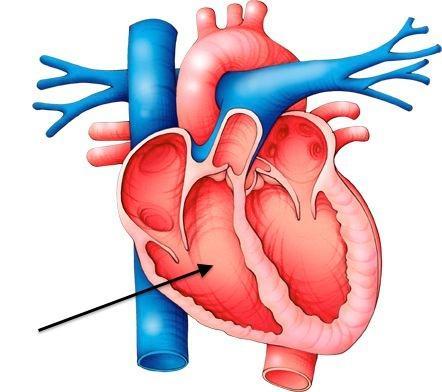
Identify
a)
Left atrium
b)
Right atrium
c)
Left ventricle
d)
Right ventricle
141.
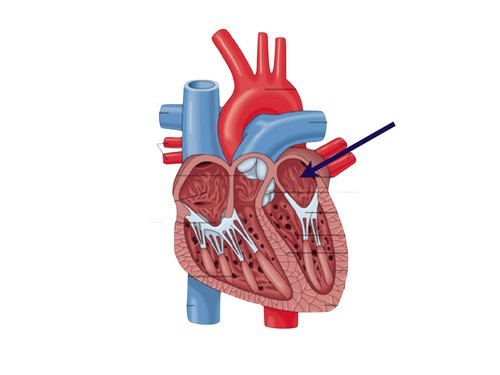
Identify
a)
Left atrium
b)
Right atrium
c)
Left ventricle
d)
Right ventricle
142.
The heart has ___ chambers.
a)
1
b)
2
c)
3
d)
4
143.
Thin-walled vessels that allow for the exchange of O2 , CO2, nutrients and wastes between blood cells or air sacs in the lungs
a)
Arteries
b)
Veins
c)
Capillaries
144.

A flap of tissue that prevents blood from flowing backward
a)
Aorta
b)
Atrium
c)
Septum
d)
Valve
145.
Carry blood away from heart; mostly oxygen-rich
a)
Arteries
b)
Veins
c)
Capillaries
146.
What function does the heart do?
a)
Protects organs and produces red blood cells.
b)
Generates heat.
c)
Breaks down food into nutrients.
d)
The heart is a pump, which moves the blood. The arteries and veins are the pipes where the blood flows.
147.
Which is NOT a function of the circulatory system?
a)
deliver O2 and nutrients to cells
b)
remove CO2 and wastes from cells
c)
break down carbohydrates into glucose
d)
transport other materials through body
148.
arteries, veins, and capillaries are three types of __________
a)
heart valves
b)
blood vessels
c)
cells
d)
veins
149.
What is an upper, thin-walled chamber through which blood is pumped to the ventricles?
a)
Valves
b)
Veins
c)
Ventricles
d)
Atrium
150.

What do Red-Blood cells do?
a)
Carry oxygen from the lungs to the body cells and transport carbon dioxide from the cells back to the lungs
b)
keeps blood flowing in one direction to the heart and prevent blood from flowing backwards
c)
Collects blood from the capillaries and drain it into the veins
d)
Bring nutriients to the cells and carries away waste materials.
151.

What does blood do?
a)
Carries Water to cells
b)
Carries Oxygen to cells
c)
Carries Food to cells
d)
All of the above
152.
The job of the heart is to . . .
a)
pump blood around the body.
b)
send food to the small intestines.
c)
break down food.
d)
give energy to the body.
153.
The circulatory system works with the ___________ system to provide our body with oxygen.
a)
respiratory
b)
digestive
c)
muscular
d)
skeletal
154.
The circulatory system works with the __________ system to obtain energy from nutrients that we eat.
a)
respiratory
b)
digestive
c)
skeletal
d)
nervous
155.
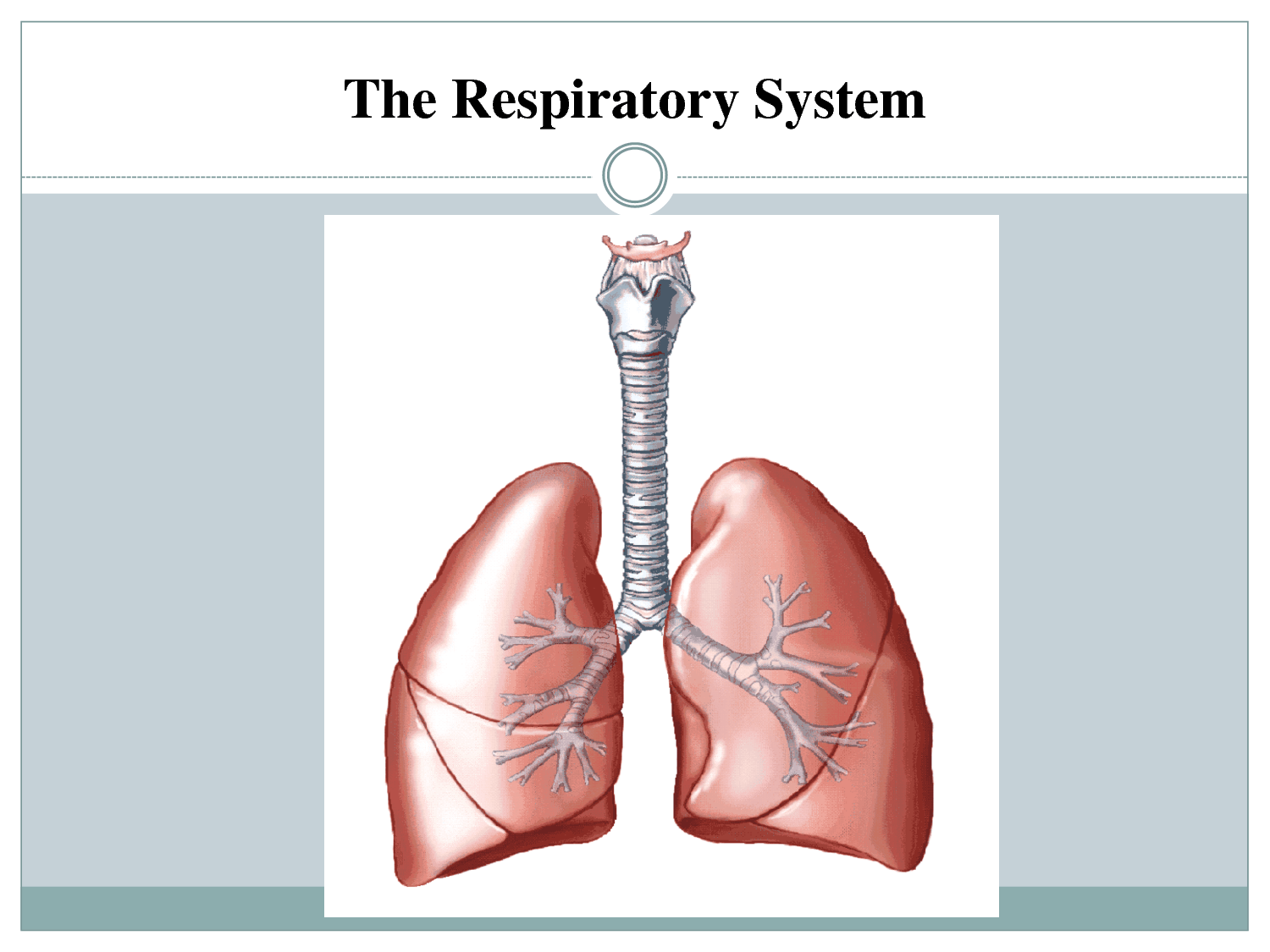
What is the main function of the respiratory system?
a)
to provide oxygen and remove carbon dioxide from the body
b)
to bring oxygen to the body
c)
to break down food and absorb nutrients
d)
to remove oxygen from the body and deliver carbon dioxide
156.
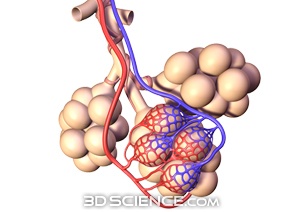
When you breathe, your lungs take in ___ and remove ___.
a)
air/oxygen
b)
oxygen/carbon dioxide
c)
carbon dioxide/waste
d)
waste/air
157.
What is the function of the bronchi?
a)
Transport air from nose to lungs
b)
Transport air from trachea to lungs
c)
Transport air from lungs to alveoli
d)
Transport air from alveoli to blood
158.
The air sacs that are covered with capillaries where gas exchange takes place
a)
bronchi
b)
lungs
c)
oxygen
d)
alveoli
159.
The passageway that is shared by both the digestive and respiratory system is the....
a)
larynx
b)
pharynx
c)
trachea
d)
nose
160.
What is the name of the muscle below the lungs that helps with breathing?
a)
trachea
b)
alveoli
c)
diaphragm
d)
bronchi
161.
One major function of the excretory system is to clean the what?
a)
urine
b)
blood
c)
kidneys
d)
bladder
162.

These organs are responsible for what?
a)
storing urine
b)
storing water
c)
filtering blood
d)
they don't have a particular job
163.
Endocrine glands produce __________ which maintain the body in homeostasis
a)
oils
b)
neurotransmitters
c)
tears
d)
hormones
164.
What two things are found in the central nervous system?
a)
brain/spinal cord
b)
spinal cord/motor neurons
c)
motor/sensory neurons
d)
only brain
165.
Which part of a neuron RECIEVES information?
a)
axon
b)
dendrite
c)
cell body
d)
axon terminal
166.
Which part of the neuron is a long fiber that send information to other cells?
a)
dendrite
b)
terminal
c)
cell body
d)
axon
167.
Which of the TWO nervous systems contains motor and sensory neurons?
a)
central nervous system
b)
peripheral
c)
motor
d)
sensory
168.
If I step on a nail...what type of neuron take that signal TO the CENTRAL NERVOUS SYSTEM?
a)
interneurons
b)
motor
c)
sensory
d)
receptors
169.
If I step on a nail...what type of neurons take the response to my muscles?
a)
motor
b)
interneurons
c)
sensory
d)
not neurons, muscle tissue sends the response
170.
True/False: Digestion begins in the mouth.
a)
True
b)
False
171.

Produces bile
a)
gallbladder
b)
stomach
c)
liver
d)
small intestine
172.

Tube that carries swallowed food to the stomach
a)
esophagus
b)
liver
c)
pancreas
d)
rectum
173.

Stores bile
a)
pancreas
b)
liver
c)
stomach
d)
gallbladder
174.
Which organ removes water?
a)
large intestine
b)
small intestine
c)
mouth
d)
stomach
175.
_______ allow nutrients to be absorbed by the blood and taken through the body from the small intestine.
a)
salivary glands
b)
villi
c)
small intestine
d)
pancreas
176.
Acids and enzymes are used in
a)
mechanical digestion
b)
chemical digestion
177.

The chewing and grinding of food into smaller pieces is an example of...
a)
Mechanical Digestion
b)
Chemical Digestion
178.

Which digestive organ makes digestive juices and enzymes to help the small intestine absorb nutrients?
a)
Liver
b)
Gallbladder
c)
Pancreas
d)
Esophagus
179.

Nutrients from digested food are absorbed in which digestive organ?
a)
Small Intestine
b)
Stomach
c)
Large Intestine
d)
Gallbladder
180.
Which of the following is NOT part of the digestive tract? (Hint: Identify the secondary organ.)
a)
Mouth
b)
Esophagus
c)
Small Intestine
d)
Liver
181.

Number 5 is pointing to the...
a)
Liver
b)
Gallbladder
c)
Pancreas
d)
Stomach
182.

Number 3 is pointing to the...
a)
Small intestine
b)
Rectum
c)
Large intestine
d)
Stomach
183.

Number 2 is pointing to the...
a)
Esophagus
b)
Stomach
c)
Small intestine
d)
Anus
184.
Which body system gets ride of solid waste?
a)
Excretory (Urinary)
b)
Digestive
c)
Circulatory
d)
Respiratory
185.
Which is NOT a function of the Digestive System?
a)
To rid the body of solid waste
b)
Absorb nutrients for energy & growth
c)
Break down nutrients from food
d)
Pump blood around the body
186.
Most chemical digestion takes place in which organ?
a)
Stomach
b)
Small intestine
c)
Rectum
d)
Esophagus
187.
Which is the correct order that food passes through the main organs in the digestive system
a)
small intestine, large intestine, mouth, stomach, esophagus, pharynx
b)
Mouth, pharynx, esophagus, stomach, small intestine, large intestine
c)
mouth, esophagus, pharynx, stomach, small intestine, large intestine
d)
mouth, pharynx, esophagus, stomach, large intestine, small intestine
100 %

