wayground logo

Free Printable Worksheets

Font size

S
M
L
XL
Worksheets

Investigating Organisms and Their Environment

Total questions: 95

Worksheet time: 2hrs 55mins

Name
Class
Date
1.
Water temperature would be an example of ...
a)
a biotic factor.
b)
an abiotic factor.
2.
A collection of organisms that belong to different populations but all live in the same area and interact with one another.
a)
Population
b)
Ecosystem
c)
Community
d)
Ecosphere
3.
A place where an organism lives.
a)
Terrain
b)
Habitat
c)
Community
d)
Population
4.
A collection of organisms that make up a community as well as all of the nonliving aspects of the environment.
a)
Population
b)
Community
c)
Habitat
d)
Ecosystem
5.
The role or function or job of a species in a community.
a)
habitat
b)
diet
c)
niche
d)
ecosystem
6.
Two organisms that are so similar they can interbreed in nature and produce fertile offspring
a)
biotic factor
b)
herbivore
c)
ecosystem
d)
species
7.
Nonliving factor that affects an ecosystem...
a)
biotic factor
b)
abiotic factor
c)
food chain 
d)
biome
8.
Living factors or organisms that affect an ecosystem
a)
abiotic factors
b)
species
c)
trophic level
d)
biotic factors
9.
An ecosystem contains living and nonliving things.
a)
True
b)
False
10.
Which of the following is a population?
a)
hawks, barred owls, and eagles on NC coast
b)
mountain stream
c)
all the frogs in a pond
d)
blue-tailed skinks (lizards) around a barn
11.
Which of the following best describes a community?
a)
sharks, groupers, anemones and shrimp on a coral reef
b)
decorator crabs on the seafloor
c)
loggerhead sea turtles in Atlantic
d)
prairie grassland in Wyoming
12.
Abiotic means
a)
without life
b)
with life
13.
Biotic means
a)
without life
b)
with life
14.
Which of these is NOT a biotic factor
a)
temperature
b)
fungi
c)
plants
d)
animals
15.
What term best describes this group of bison?
a)
Species
b)
Community
c)
Ecosystem
d)
Population
16.
What term best describes all the plants and animals in this image?
a)
Species
b)
Population
c)
Ecosystem
d)
Community
17.
The ___________ is all the area on and around earth where living things exist.
a)
Biome
b)
Biosphere
c)
Ecosystem
d)
Ecosphere
18.
Which term best describes this baobab tree?
a)
Autotroph
b)
Heterotroph
c)
Herbivore
d)
Omnivore
19.
Which term best describes these golden tamarin monkeys?
a)
Abiotic
b)
Producer
c)
Biotic
d)
Community
20.
This pangolin is 1) adorable and 2) hungry for insects.  Which term best describes the pangolin?
a)
Omnivore
b)
Carnivore
c)
Herbivore
d)
Autotroph
21.
Which of the following is NOT a heterotroph?
a)
Producer
b)
Omnivore
c)
Carnivore
d)
Omnivore
22.
What term describes the ocean water in this image?
a)
Biotic
b)
Abiotic
c)
Ecosystem
23.
Which of the following is an abiotic factor in an ecosystem?
a)
Plants
b)
Bacteria
c)
Soil
d)
Insects
24.
A collection of organisms that belong to different populations but all live in the same area and interact with one another.
a)
Population
b)
Ecosystem
c)
Community
d)
Ecosphere
25.
Which of the following best describes a community?
a)
sharks, groupers, anemones and shrimp on a coral reef
b)
decorator crabs on the seafloor
c)
loggerhead sea turtles in Atlantic
d)
prairie grassland in Wyoming
26.
Which level of ecological organization is composed of many similar ecosystems with the same climate and geographic locations? 
a)
A community
b)
A population
c)
A biome
d)
A biosphere
27.
All organisms of the same species living in the same area.
a)
Population
b)
Community
c)
Ecosystem
d)
Organism
28.
All of the different biotic organisms found in the same area.
a)
Organism
b)
Population
c)
Community
d)
Ecosystem
29.
Identify the examples as: a organism, population, community, or ecosystem.
All speckled sting-ray that live in the Pacific Ocean
a)
Organism
b)
Population
c)
Community
d)
Ecosystem
30.
Identify the examples as: a organism, population, community, or ecosystem.
A beautiful butterfly.
a)
Organism
b)
Population
c)
Community
d)
Ecosystem
31.
Identify the examples as: a organism, population, community, or ecosystem.
Water, Fish, Turtles, Oxygen, Rocks and Moss interacting in a river system.
a)
Organism
b)
Population
c)
Community
d)
Ecosystem
32.
The smallest level of ecological organization is called...........
a)
Organism
b)
Tissue
c)
Ecosystem
d)
Organ System
33.
Identify the examples as: a organism, population, community, or ecosystem.
Chicken, Cow, Grass, Buffalo, and Mouse living on farmland.
a)
Organism
b)
Community
c)
Population
d)
Ecosystem
34.
What are the ecological levels of organization from smallest to the largest?
a)
organism, population, community, ecosystem, biome, biosphere
b)
organism, community, population, ecosystem, biome, biosphere
c)
organism, population, community, biome, ecosystem, ecosphere.
d)
organism, community, population, biome, ecosystem, ecosphere
35.
Which of the following is the most simple level of ecological organization?
a)
A community
b)
An individual or species
c)
A population
d)
An ecosystem
36.
TRUE or FALSE: A community includes all abiotic and biotic factors.
a)
TRUE
b)
FASLE
37.
TRUE or FALSE: An ecosystem contains only biotic factors.
a)
TRUE
b)
FALSE
38.
Which is an example of a biotic factor?
a)
The sun
b)
Water
c)
Grass
d)
Rocks
39.
Which is an example of an abiotic factor?
a)
Grass
b)
Trees
c)
Rain
d)
Birds
40.

The total number of different species on earth is known as...

a)

biome

b)

ecology

c)

biodiversity

d)

abiotic factors

41.

a species that may become extinct in the near future is called ...

a)

keystone species

b)

endangered species

c)

threatened species

d)

mutant

42.

The disappearance of all members of a species from the Earth is called...

a)

endangered

b)

dinosaurs

c)

extinction

d)

Hide-and-seek

43.
What does biodiversity mean?
a)
Only one species in an area.
b)
The different amount of species in an area
c)
All abiotic life
d)
Nitrogen fixation
44.
What is the difference between biotic and abiotic?
a)
Biotic are non-living things
b)
Abiotic are living organisms
c)
Biotic is life,
Abiotic is non-living
d)
Biotic is non-living, Abiotic is living
45.
Which biome is more biodiverse?
a)
Desert
b)
Sand
c)
Tundra
d)
Rainforest
46.
What do biologist call an ecosystem that has reached its maximum potential?
a)
Rainforest 
b)
Environment
c)
Climax Community
d)
Biome
47.
Which option is abiotic?
a)
Plants
b)
Bacteria
c)
Water
d)
Fungi
48.
Which option is abiotic?
a)
Plants
b)
Rocks
c)
Animals
d)
Fungi
49.
Which option is biotic?
a)
Plants
b)
Air
c)
Water
d)
Energy
50.
Which option is biotic?
a)
Light
b)
Water
c)
Salt in the water
d)
Angel fish
51.
 Which biome is more likely to survive a change in the environment?
a)
High (rich) biodiversity
b)
Low (poor) biodiversity
52.
Under a rock is a good place to view a micro habitat.
a)
True
b)
False
53.
Food provides animals with the materials and energy they need for growth, warmth, and motion. Plants get material for growth mostly from air and water, and obtain energy from sunlight.

Producers provide food to consumers because ―
a)
many animals prefer eating plants to eating meat
b)
plants can easily make food from soil and water
c)
animals cannot produce their own food
d)
plants are more abundant in ecosystems
54.
A drought has hit this grassland biome. How will this effect the rabbit population?
a)
The rabbits will increase in number.
b)
The rabbit population will stay the same.
c)
The rabbit population will decrease.
d)
The rabbit population will become extinct immediately.
55.
In this tundra food web, if grasses were removed what would happen to the sustainability of the ecosystem?
a)
There would be an overpopulation of arctic hares and lemmings.
b)
Polar bears would move to a new ecosystem
c)
The ecosystem would collapse because it lost its main producer
d)
Wildflowers would die out from the ecosystem
56.
What are the biotic factors in this image?
a)
sunlight, elephants, and grasses
b)
sunlight, water,  and air
c)
elephants, plants, trees 
57.
What are the abiotic factors in this image? 
a)
water, sunlight, dirt, air
b)
birds and plants
c)
water, plants, and birds 
58.
What level of organization can be seen here?
a)
Species
b)
Population
c)
Community
d)
Ecosystem
59.
What level of organization can be observed in the image?
a)
Species
b)
Population
c)
Community
d)
Ecosystem
60.
The study of organisms and how they interact with one another and their environment is best described as
a)
Biology
b)
Ecology
c)
Zoology
d)
Botany
61.
All of the student, faculty and staff at Hazelwood West high school are considered what level of organization?
a)
A population
b)
A community
c)
A biome
d)
An ecosystem
62.
Antonio and Javier are astronauts in space looking back at Earth and discussing how all the life on Earth interacts with each other as well as the nonliving things. What level of organization are they discussing?
a)
A community
b)
A biome
c)
An ecosystem
d)
A biosphere
63.
What is a group of ecosystems that share similar climates and types of organisms called?
a)
A community
b)
A biome
c)
An ecosystem
d)
A biosphere
64.
Abby is walking to school with her best friend Jaylyn. They begin talking about everything they see including the ash trees, grass, weeds, ants, and people. They also notice how cold it is, how there are several large puffy clouds out, and how the sun is just starting to come up.  What level of organization are they discussing?
a)
community
b)
ecosystem
c)
biome
d)
biosphere
65.
Jacob is going out to his grandparents fram.  On the farm is a stream that he likes to fish at. When he is fishing he sees many differernt speacies of fish as well as maple and oak trees and dragonflies.  What Jacob is seeing is an example of what level of organization?
a)
organism
b)
population
c)
community
d)
ecosystem
66.
Andrea is on the grils cross country tream. She is heading out for a run when she comes across 20 Canadian geese.  What level of organization is this group of Canadian geese?
a)
organism
b)
population
c)
community
d)
biome
67.
A duck, a dragonfly, a morel mushroom and a bobcat are all examples of...
a)
organisms.
b)
populations.
c)
communties.
d)
ecosystems.
68.
The temperate decisuous forest, the tropical rain forest, the desert, and the tundra are all examples of...
a)
the biopshere.
b)
biomes.
c)
ecosystems.
d)
communities.
69.
When all the ecosystems on Earth are combined it is called...
a)
a community.
b)
a biome.
c)
a biosphere.
d)
an Earthsphere.
70.
What is it called when you have groups of different populations along with their abiotic factors?
a)
An organism
b)
A population
c)
A community
d)
An ecosystem
71.
What are groups of different populations living togther in the same place at the same time called?
a)
An organism
b)
A population
c)
A community
d)
A biosphere
72.
What is it called when a group of the same organisms living together in the same place at the same time?
a)
An organism
b)
A population
c)
A community
d)
A biome
73.
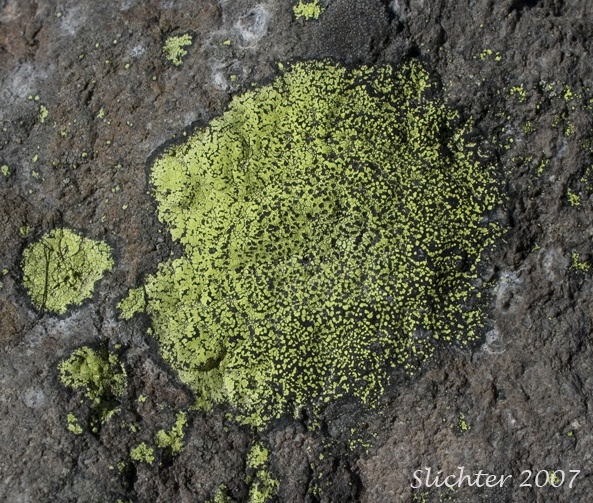
Starts with BARE ROCK followed by lichen
a)
primary succession 
b)
secondary succession
c)
both types of succession
74.
The picture shows what type of succession?
a)
primary
b)
secondary
c)
tertiary
d)
quadanary
75.
Natural disasters such as flooding and tornadoes are linked to ________________.
a)
primary
b)
secondary
c)
old field
d)
ecosystem
76.
The final stable community of plants and animals is called:
a)
pioneer community
b)
farmland
c)
climax community
d)
old field
77.
What type of succession is shown going from figure A to figure B?
a)
primary succession
b)
eutrophication
c)
secondary succession
d)
intermediate
78.
Biodiversity is the variety of ________ in a community.
a)
genes
b)
population
c)
species
d)
community
79.
The picture shows what type of succession?
a)
primary
b)
secondary
c)
tertiary
d)
quadanary
80.
Reaches a climax community quicker because soil is already present
a)
primary succession 
b)
secondary succession
c)
both types of succession
81.
Succession that occurs in an area with NO SOIL
a)
ecological succession 
b)
primary succession 
c)
secondary succession
d)
pioneer speciles
82.
starts with bare rock followed by lichen
a)
primary succession 
b)
secondary succession
c)
both types of succession
83.
ends in a climax community
a)
primary succession 
b)
secondary succession
c)
both types of succession
84.
reaches a climax community quicker because soil is already present
a)
primary succession 
b)
secondary succession
c)
both types of succession
85.
What is Ecological Succession?
a)
Competition between plants in a society
b)
A natural disaster such as a flood or fire
c)
The cycle of a tomato plant
d)
The change an ecosystem experiences over time
86.
After a volcanic eruption, lava covers the land. What is the order that plants grow to repopulate the area?
a)
Lichens → Shrubs → Grasses → Trees
b)
Shrubs → Trees → Grasses → Lichens
c)
Grasses → Lichens → Shrubs → Trees
d)
Lichens → Grasses → Shrubs → Trees
87.
What is the difference between a primary vs. secondary succession?
a)
secondary occurs where there was no previous community
b)
they are the same
c)
secondary occurs in an area that was only partially destroyed
d)
primary ocurs in an area that was only partially destroyed
88.
The first organisms that appear in an ecological community
a)
ecological succession 
b)
primary succession 
c)
secondary succession
d)
pioneer species
89.

What is the role of the pioneer species in Primary Succession?

a)

To kill any remaining organisms from before the disturbance

b)

To break down rock and rebuild soil

c)

To provide food for large animals

d)

To put fresh oxygen into the air

90.
What is the name given to lichen or algae after a primary succession?
a)
pioneer species
b)
volunteer species
c)
founder species
d)
conqueror species
91.

The forest in panel #8 is a...

a)

pioneer species

b)

climax community

c)

tertiary community

d)

intermediate species

92.

Succession type?

a)

primary succession

b)

secondary succession

c)

tertiary succession

d)

variable succession

93.
_________________ is the term to describe all the members of one species living in a particular area.
a)
Community
b)
Pod
c)
Population
d)
Gaggle
94.
__________________ are all the different populations that live together in an area.
a)
Herd
b)
School
c)
Population
d)
Community
95.
What is an succession?
a)
Series of gradual changes that occur after a disturbance
b)
Changes that only happen when species die
c)
a series of changes that cause a population to increase or decrease
d)
an INSTANT change caused by a disturbance