wayground logo

Free Printable Worksheets

Font size

S
M
L
XL
Worksheets

MILESTONE REVIEW #1

Total questions: 154

Worksheet time: 2hrs 2mins

Name
Class
Date
1.
Energy stored in the bonds of atoms and molecules. 
a)
Chemical Energy
b)
Radiant Energy
c)
Stored Mechanical Energy
d)
Gravitational Energy
2.
Stored energy 
a)
Thermal Energy
b)
Stored Mechanical Energy
c)
Kinetic Energy
d)
Potential Energy
3.
Energy stored in the nucleus of an atom-the energy that holds the nucleus together. The energy in the nucleus of a uranium atom is an example.
a)
Electrical Energy
b)
Nuclear Energy
c)
Radiant Energy
d)
Potential Energy
4.
Energy of place or position. 
a)
Gravitational Energy
b)
Mechanical Energy
c)
Thermal Energy
d)
Chemical Energy
5.
Motion Energy
a)
Stored Mechanical Energy
b)
Potential Energy
c)
Electrical Energy
d)
Kinetic Energy
6.
 Solar energy is an example.
a)
Sound Energy
b)
Thermal Energy
c)
Radiant Energy
d)
Gravitational Energy
7.
Electromagnetic energy that travels in transverse waves. 
a)
Sound Energy
b)
Thermal Energy
c)
Radiant Energy
d)
Gravitational Energy
8.
Movement of electrons. 
a)
Nuclear Energy
b)
Radiant Energy
c)
Mechanical Energy
d)
Electrical Energy
9.
All energy transformations end in 
a)
electricity.
b)
thermal.
c)
mechanical.
d)
chemical. 
10.
Which object is the best conductor of electricity?
a)
A ceramic mug
b)
A plastic fork
c)
A penny
d)
A wooden craft stick
11.
What form of energy is being used when a person pushes heavy boxes across the floor? 
a)
Electrical energy
b)
Mechanical energy
c)
Heat energy
d)
Sound energy
12.
You are taking a cold soda on a field trip.  You must choose from four containers in which to carry the soda.  The four containers are made of different materials.  Which container will most likely insulate the soda the best?
a)
Metal
b)
Styrofoam
c)
Glass
d)
Plastic
13.
Which statement is true about the picture?
a)
The metal pan causes the water to boil. 
b)
The metal pan is a poor conductor of heat.
c)
The wooden handle is a good heat insulator. 
d)
The wooden handle is a good heat conductor.
14.
Which form of energy is produced when a guitar string vibrates?
a)
Sound energy
b)
Electrical energy
c)
Chemical energy
d)
Light energy
15.
An electromagnetic field is a field that has magnetic and electrical properties and surrounds objects with an electrical charge.  Changes in an electric field can generate magnetic activity, while changes in a magnetic field can generate electrical activity. 
The magnetic field in an electromagnet can be increased in all of the following ways EXCEPT —
a)
increasing the current in the wire
b)
increasing the space between the loops
c)
putting more loops on the coil
d)
placing an iron core inside the coil
16.
____________ energy is from the sun or also called solar energy.
a)
heat
b)
chemical
c)
radiant
d)
mechanical
17.
__________ energy is released from a substance when transformed into a new substance.
a)
chemical
b)
radiant
c)
mechanical 
d)
heat
18.
Which type of energy does the battery produce?
a)
sound
b)
light
c)
mechanical
d)
electrical
19.
A student connected some wire to a battery and a small bulb to make a simple circuit. Energy from the battery is changed into electricity. What type of energy is stored in the battery?
a)
chemical
b)
nuclear
c)
heat
d)
light
20.
What type of energy is in this picture?
a)
Kinetic
b)
Elastic Potential
c)
Chemical
d)
Gravitational Potential 
21.
Energy of motion is which type of energy?
a)
Potential
b)
Kinetic
c)
Sound
d)
Gravitational
22.
What kind of energy is represented in the picture?
a)
Thermal
b)
Chemical
c)
Sound
d)
Nuclear
23.
What kind of energy is represented in this picture?
a)
Thermal
b)
Potential
c)
Nuclear
d)
Mechanical
24.
A battery converts what type of energy to another?
a)
sound to kinetic
b)
light to heat
c)
mechanical to electrical
d)
chemical to electrical
25.
Which object changes chemical energy into heat, light and sound energy
a)
blender
b)
firecracker
c)
lightbulb
d)
apple
26.
What is the energy transformation for this battery powered car?
a)
Chemical-sound-thermal-light
b)
Chemical-electrical-mechanical-sound
c)
mechanical-electrical-sound 
d)
light-sound-mechanical
27.
Name the Energy conversion from the Sun to a growing apple tree.
a)
Nuclear → Electrical
b)
Gravitational → Thermal
c)
Chemical → Motion
d)
Radiant → Chemical
28.
Which type of energy is represented by a rubber band. 
a)
Thermal
b)
Elastic 
c)
Gravitational 
d)
Sound 
29.
Which energy transformation is shown?
a)
electrical > radiant
b)
chemical > electrical > radiant
c)
mechanical > radiant
d)
electrical > thermal
30.
Which energy transformation is shown?
a)
mechanical > chemical
b)
radiant > chemical
c)
chemical > thermal
d)
chemical > mechanical
31.

The picture showing the energy conversion

Chemical → heat

is:

a)
b)
c)
d)
32.

The picture showing the energy conversion

Chemical → kinetic

is:

a)
b)
c)
d)
33.

The picture showing the energy conversion

Kinetic → mechanical

is:

a)
b)
c)
d)
34.

The picture showing the energy conversion

Light → chemical

is:

a)
b)
c)
d)
35.

The picture showing the energy conversion

electrical → heat and light

is:

a)
b)
c)
d)
36.
At which point is Potential Energy at its max?
a)
W
b)
X
c)
Y
d)
Z
37.
When a pendulum swings, at which point is the Kinetic Energy at its Max?
a)
1
b)
2
c)
3
d)
4
38.
What form of energy is represented by a rock sitting at the top of a cliff?
a)
Electrical 
b)
Chemical 
c)
Elastic 
d)
Gravitational 
39.
What are the two factors that affect (Gravitational) Potential Energy?
a)
Gravity and Time
b)
Distance and Force
c)
Mass and Height
d)
Power and Gravity
40.
A device that converts Electrical Energy to Radiant energy.
a)
A Blender
b)
A Light Bulb
c)
A Bicycle
d)
A Balloon
41.
Name the Energy Conversion of putting fuel into a jet plane for it to fly at a constant height on a trip to Hawaii. 
a)
Chemical → Thermal, Radiant, Motion and Sound 
b)
Gravitational → Nuclear, Radiant, Motion and Sound 
c)
Sound → Thermal, Radiant, Motion and Chemical
d)
Chemical → Elastic, Radiant, Motion and Gravitational 
42.
Name the Energy Conversion of a cracked Glow Stick. 
a)
Radiant → Elastic 
b)
Chemical → Radiant
c)
Nuclear → Motion
d)
Radiant → Thermal
43.
What do we call a change from one form of energy to another?
a)
Energy form
b)
Energy transformation
c)
Kinetic energy
d)
Potential energy
44.
The diagram shows a complete circuit with a battery and a buzzer making noise. This circuit works by transforming -
a)
chemical energy to electrical to sound.
b)
electrical energy to thermal to light.
c)
sound energy to electrical to chemical.
d)
mechanical energy to electrical to sound.
45.

What happens when you put water in a container?

a)

The volume of the water gets bigger.

b)

The water takes the shape of the container.

c)

The water changes the shape of the container.

46.
A continuous body of matter takes up the the entire container it is in when it is at 50 degrees Celsius (°C). This matter is clear and has no definite volume or shape. How would this matter be classified?
a)
Liquid
b)
Solid
c)
Gas
d)
Plasma
47.
Which of the following is an example of a physical change?
a)
Tearing paper
b)
Burning paper
c)
Setting off fireworks
48.

If Ron'Asia is placing 5 pebbles into a graduated cylinder that is filled with water, then records the new water height, she is trying to find the pebbles'

a)

Volume

b)

Mass

c)

Temperature

d)

Shape

49.
Iron + oxygen = rust is an example of a ___________.
a)
physical property/change
b)
chemical property/change
c)
mass
d)
volume
50.
Physical or Chemical?  Water is nonflammable
a)
Physical
b)
Chemical
c)
Neither
51.
One hot summer, you remember you left a cup of water outside. A few weeks later, you saw that the cup was empty and you remember the cup having water. What happened to the water?
a)
It evaporated
b)
It underwent deposition
c)
It melted
52.
Which liquid has the greatest density?
a)
lamp oil
b)
karo syrup
c)
water
d)
honey
53.
Something that takes up space and has mass.
a)
volume
b)
matter
c)
mass
d)
density
54.
This type of mixture contains two or more substances that are visibly distinguishable. 
a)
homogeneous
b)
heterogeneous
c)
solution
d)
colloid
55.
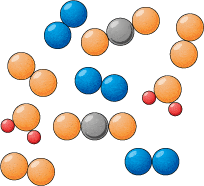
The image shown is an example of a ___________.
a)
solution
b)
mixture
c)
gas
d)
plasma
56.
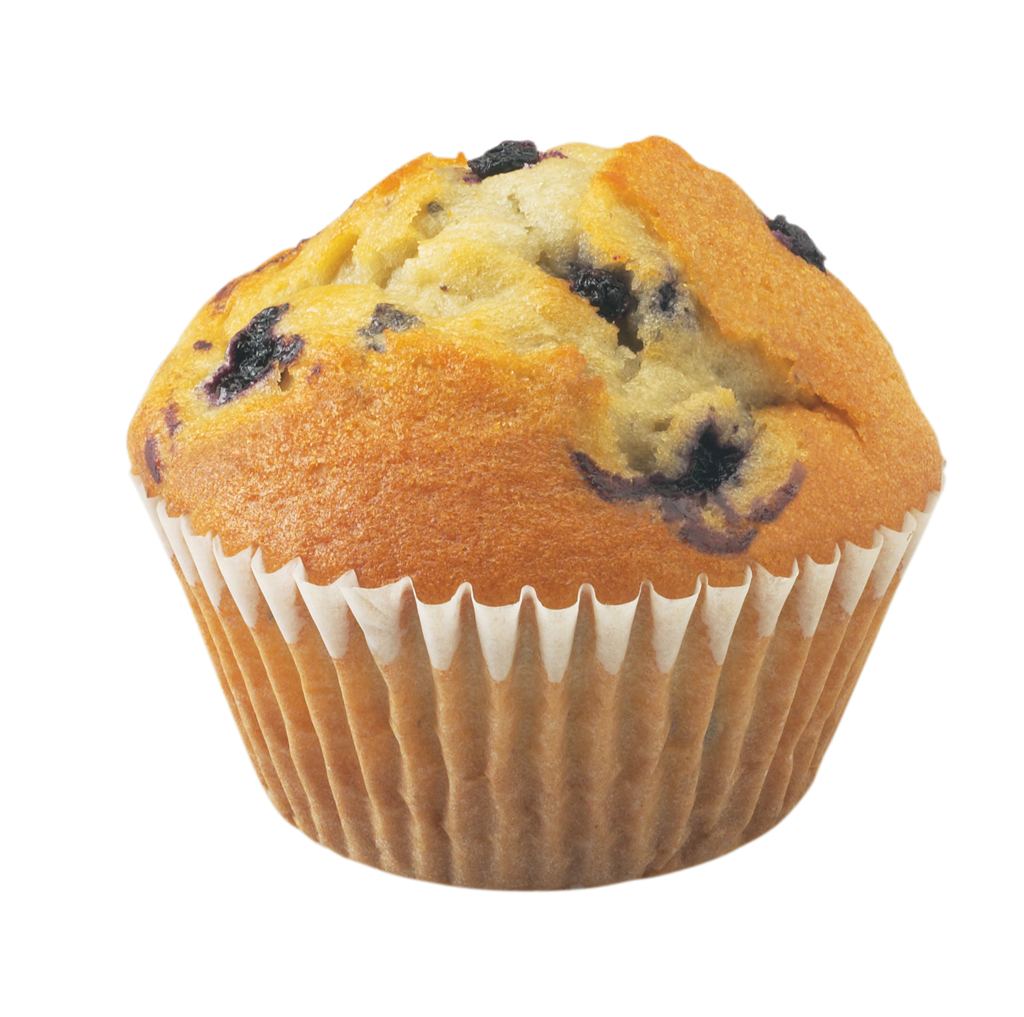
 blue berry muffin
a)
heterogeneous mixture
b)
homogeneous mixture
57.
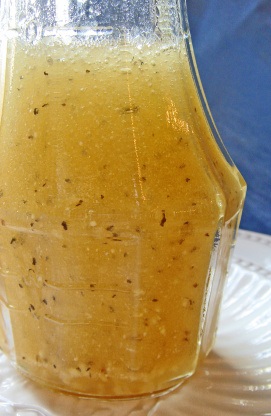
Italian Salad Dressing
a)
heterogeneous mixture
b)
homogeneous mixture
58.
Milk
a)
Heterogeneous mixture
b)
Homogeneous mixture
59.
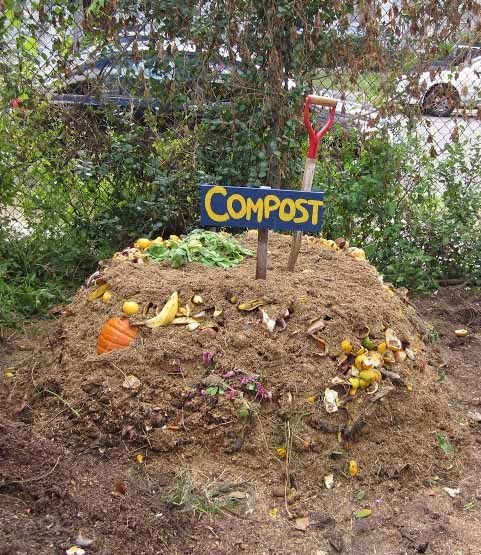
A compost pile in the backyard for the garden
a)
Heterogeneous
b)
Homogeneous
60.
A pure substance containing only one kind of atom.
a)
element
b)
mixture
c)
compound
61.
Air
a)
Heterogeneous
b)
Homogeneous
62.
Pizza
a)
Heterogeneous
b)
Homogeneous
63.
A solid block of gold (Au) is an example of this.
a)
Element
b)
Compound
c)
Heterogenous mixture
d)
Homogenous mixture
64.
Trail mix is an example of this.
a)
Element
b)
Compound
c)
Heterogeneous mixture
d)
Homogeneous mixture
65.
Oxygen (O) is an example of this.
a)
Element
b)
Compound
c)
Heterogeneous mixture
d)
Homogeneous mixture
66.
These are substances that are a combination of two or more different elements.
a)
Element
b)
Compound
c)
Heterogeneous mixture
d)
Homogeneous mixture
67.
Classify CO2 as an element, mixture or compound
a)
element
b)
mixture
c)
compound
68.
Substance that consists of one type of atom.  It is a pure substance. Found on the Periodic Table. 
a)
Element
b)
Compound
c)
Heterogeneous mixture
d)
mixture
69.
What type of matter is water?
a)
Element
b)
Compound
c)
Heterogeneous Mixture
d)
Homogeneous Mixture
70.
What type of matter is sand and water?
a)
Element
b)
Compound
c)
Heterogeneous Mixture
d)
Homogeneous Mixture
71.
Water is an element
a)
true
b)
false
72.
 A homogeneous mixture has the same composition of particles throughout.
a)
True
b)
False
73.
Nancy got a graduated cylinder.She added 50 mL of water to the cylinder and recorded that amount.She added a rock to the cylinder. The water level rose to 70 mL. Nancy recorded the amount. She subtracted 50 mL from 70 mL and recorded 20 mL. What was Nancy trying to determine?
a)
density of the rock
b)
mass of the rock
c)
weight of the rock
d)
volume of the rock
74.
When matter changes from a gas into a liquid.
a)
condensation
b)
evaporation
c)
freezes
d)
melt
75.
The change from liquid water to water vapor
a)
evaporation
b)
condensation
c)
boils
d)
freeze
76.

When a liquid changes to a gas, it is called the

a)

melting point

b)

freezing point

c)

boiling point

77.

When a solid changes to a liquid, it is called the

a)

melting point

b)

freezing point

c)

boiling point

78.

A clay snake is made from a ball of clay. What type of change is it?

a)

physical

b)

chemical

79.

A wood log burning in the fire is what type of change?

a)

physical

b)

chemical

80.

Melting butter for popcorn is what type of change?

a)

physical

b)

chemical

81.

Acid rain eating away a stone is what type of change?

a)

physical

b)

chemical

82.

A chemical change is easier to reverse than a physical change?

a)

True

b)

False

83.
Relationship between mass and volume
a)
Volume
b)
Density
c)
Displacement
d)
Matter
84.
Characteristic that can be observed such as color, state, or hardness
a)
physical property
b)
chemical property
c)
density
d)
mass
85.
Example of a chemical change
a)
baking cookies
b)
grinding flour
c)
melting popsical
d)
cutting a piece of paper
86.
When you mix koolaid powder into a cup of water, the koolaid powder is the
a)
solute
b)
solvent
c)
solution
d)
mixture
87.
How many atoms are in CaCl2?
a)
2
b)
4
c)
1
d)
3
88.
How many atoms are in Al(NO3)3?
a)
9
b)
13
c)
15
d)
6
89.

The smallest unit of an element is __________

a)

matter

b)

a cell

c)

a proton

d)

an atom

90.

What is the center of an atom called?

a)

neutron

b)

nucleus

c)

proton

d)

electron

91.

What part of an atom has a positive charge?

a)

protons

b)

electrons

c)

neutrons

d)

atoms

92.

What two things are found in the nucleus of an atom?

a)

protons and neutrons

b)

protons and electrons

c)

electrons and neutrons

d)

protons only

93.

What have a negative charge?

a)

neutrons

b)

protons

c)

electrons

d)

atoms

94.

What have a neutral charge (or no charge)?

a)

protons

b)

electrons

c)

neutrons

d)

atoms

95.

An atom is made up of mostly ___________________________

a)

electrons

b)

protons

c)

neutrons

d)

empty space

96.

A substance that cannot be broken down into anything simpler is _____________________.

a)

an element

b)

a compound

c)

atoms

d)

matter

97.

A substance made up of two or more different elements is _______________________.

a)

a compound

b)

an element

c)

matter

d)

atoms

98.

An example of a compound is _________________.

a)

water

b)

hydrogen

c)

oxygen

d)

aluminum

99.
Which of the following is a negatively charged subatomic particle?
a)
Electron
b)
Proton
c)
Neutron
d)
Quark
100.
All matter is made of what?
a)
energy 
b)
atoms 
c)
electrons 
d)
compounds 
101.
The particles that are found in the nucleus of an atom are
a)
neutrons and electrons
b)
electrons only
c)
protons and neutrons
d)
protons and electrons
102.
The atomic number of an elements is the total number of which particles in the nucleus?
a)
neutrons
b)
protons
c)
electrons
d)
protons and electrons
103.
What are the horizontal rows on the periodic table called?
a)
Groups
b)
Periods
c)
Rows
d)
Classifications
104.
An atoms overall charge is 
a)
positive 
b)
depends on its mood 
c)
neutral 
d)
negative 
105.
Which of the following is a positively charged subatomic particle found in the nucleus of an atom?
a)
Electron
b)
Proton
c)
Neutron
d)
Quark
106.
Which of the following is a subatomic particle with no charge that is found in the nucleus of an atom?
a)
Electron
b)
Proton
c)
Neutron
d)
Quark
107.
Where are electrons of an atom found?
a)
Nucleus
b)
Electron Cloud
c)
Some are in the nucleus and some in the electron cloud.
d)
They are moving everywhere.
108.
What are the vertical columns on the periodic table called?
a)
Groups
b)
Periods
c)
Rows
d)
Classifications
109.
What is the atomic number for an element with three protons?
a)
2
b)
1
c)
3
d)
6
110.
True or False? Isotopes are atoms of the same element that differ in mass number and number of neutrons
a)
True
b)
False
111.
A particle that moves around the nucleus is a(n)...
a)
Proton
b)
Neutron
c)
Electron
d)
Quark
112.
The charge of an electron is
a)
-2.
b)
-1.
c)
0.
d)
+1.
113.
Oxygen's atomic number is 8. this means that an oxygen atom has
a)
eight neutrons in its nucleus.
b)
a total of eight protons and neutrons.
c)
eight protons in its nucleus.
d)
a total of eight neutrons and electrons.
114.
Which side of a chemical equation is the reactant side?
a)
Left (before the yields sign)
b)
Right (after the yields sign)
115.
Which side of a chemical equation os the product side?
a)
Left (before the yields sign)
b)
Right (after the yields sign)
116.
__ Al  +  __ FeO  →  Al2O2  +  __ Fe
a)
1, 1, 2
b)
2,1,2
c)
2, 2, 2
d)
2,4,2
117.
What is precipitate?
a)
Anything that falls from the sky
b)
something that starts and speeds up a reaction
c)
energy changes 
d)
2 liquids mix and form a solid that falls to the bottom
118.
Which of the following is missing from this statement:
The Law of __________________ of Matter states that Matter can __________ be _______________ or destoryed.
a)
Conservation 
not 
created
b)
Conservation
always
added
c)
Energy 
explode
cause it is positive
d)
Conservation 
almost 
changed
119.

What is the only thing you can change when balancing equations?

a)

Subscripts

b)

order

c)

Coefficients

d)

Commercials

120.
Two or more different elements, chemically combined.
a)
atom
b)
molecule
c)
compound
d)
coefficient
121.
How many elements are in C6H12O6?
a)
1
b)
2
c)
3
d)
4
122.
The blue atoms are called 
a)
metals
b)
nonmetals
c)
metalloids
d)
noble gases
123.
The atoms along the staircase are called 
a)
metals
b)
nonmetals
c)
metalloids
d)
noble gases
124.
What is the charge of an atom that has lost one electron?
a)
-1
b)
-2
c)
+1
d)
+2
125.
A negatively-charged ion.
a)
atom
b)
cation
c)
anion
d)
electron
126.
What are the electrons in the highest energy level of an atom called?
a)
orbital electrons
b)
valence electrons
c)
anions
d)
cations
127.
Which is most likely to form a negative ion?
a)
an element from group 17
b)
a metal
c)
an element from group 1
d)
an element with atoms that have eight valence electrons
128.
what is burning?
a)
physical change
b)
physical property
c)
chemical change
d)
chemical property
129.
which one is a chemical property?
a)
odor
b)
combustibility
c)
solubility
d)
all of the above
130.
which one is a physical change?
a)
evaporation
b)
energy
c)
sublimation
d)
evaporation and sublimation
131.
which one is a chemical change?
a)
density
b)
color
c)
respiration
132.
what is condensing?
a)
physical property
b)
chemical property
c)
chemical change
d)
physical change
133.
what is digestion?
a)
body function
b)
chemical change
c)
physical change
134.
what happens when water freezes?
a)
ice is formed; chemical property
b)
cold water is formed; physical change
c)
ice is formed; physical change
d)
cold water is formed; chemical change
135.
How many atoms of Oxygen are there in the molecule H2PO?
a)
4
b)
2
c)
1
d)
7
136.
A metal and a non-metal form a bond where atoms are given and taken. This type of bond is known as a _____
a)
Ionic Bond
b)
Covalent Bond
c)
Metallic Bond
d)
James Bond
137.
Metal atoms form bonds where electrons are shared in an "electron sea." This type of bond is known as a _____
a)
Ionic Bond
b)
Covalent Bond
c)
Metallic Bond
d)
100 pound Bond
138.
Non-metal atoms form bonds where electrons are shared. This type of bond is known as a _____ 
a)
Ionic Bond
b)
Covalent Bond
c)
Metallic Bond
d)
Bondy Mc. Bonderson
139.
The diagram shows a Bohr model of Silicon. How many valence electrons does Silicon have?
a)
4
b)
8
c)
6
d)
2
140.
Atoms with _____ are "happy" and do not react much with other atoms.
a)
A full outer shell of electrons
b)
An even number of protons
c)
An odd number of electrons
d)
An even number of neutrons
141.
Inside of a "cool pack," chemicals combine in a chemical reaction that absorbs heat from the environment. This makes the ice pack feel "cold." What type of reaction is this?
a)
Endothermic Reaction
b)
Exothermic Reaction
c)
Isothermic Reaction
d)
Indigothermic
142.
How many oxygen atoms are present in the following? 
4Ca(OH)2
a)
4
b)
6
c)
8
d)
1
143.
This appears on the left side of a chemical formula, and represents how many molecules there are.... What is highlighted in yellow?
a)
Atom
b)
Subscript
c)
Molecule
d)
Coefficient
144.
How many ATOMS of Carbon are in 3C2H4O
a)
2
b)
3
c)
4
d)
6
145.
How many ATOMS of Oxygen are in 3Fe2O3
a)
2
b)
3
c)
6
d)
9
146.
Is the following equation balanced or unbalanced ? 
Al + O2 --> Al2O3
a)
Balanced
b)
Unbalanced
147.
Is the following equation balanced or unbalanced ? 
N2 +3 H2 --> 2NH3
a)
Balanced
b)
Unbalanced
148.
How many hydrogen atoms are in this chemical formula: 
a)
4 hydrogen atoms
b)
1 hydrogen atom
c)
2 hydrogen atoms
d)
3 hydrogen atoms
149.
How many hydrogen atoms are in this chemical formula: 
a)
4 hydrogen atoms
b)
1 hydrogen atom
c)
2 hydrogen atoms
d)
3 hydrogen atoms
150.
Is the following equation balanced or unbalanced ? 
2HgO --> Hg + O2
a)
Balanced
b)
Unbalanced
151.
How many oxygen atoms are in this chemical formula?
a)
6 oxygen atoms
b)
2 oxygen atoms
c)
3 oxygen atoms
d)
4 oxygen atoms
152.
This is used to represent the number of each atom being represented. 
a)
A Exponent
b)
The Coefficient
c)
A Molecule
d)
The Subscript
153.
Which of the following is a compound?
a)
Co
b)
O2
c)
C
d)
CO2
154.
How many atoms are there TOTAL in:
H2SO4
a)
6
b)
5
c)
7
d)
3