wayground logo

Free Printable Worksheets

Font size

S
M
L
XL
Worksheets

STATE TEST SCIENCE REVIEW # 2

Total questions: 82

Worksheet time: 1hrs 3mins

Name
Class
Date
1.
Which organelle is only found in a plant cell? 
a)
nucleus
b)
chloroplast
c)
mitochondria
d)
cell membrane
2.
Directs all cell activities through the DNA located there.
a)
Lysosomes
b)
Nucleus
c)
ribosomes
d)
Mitochondria
3.
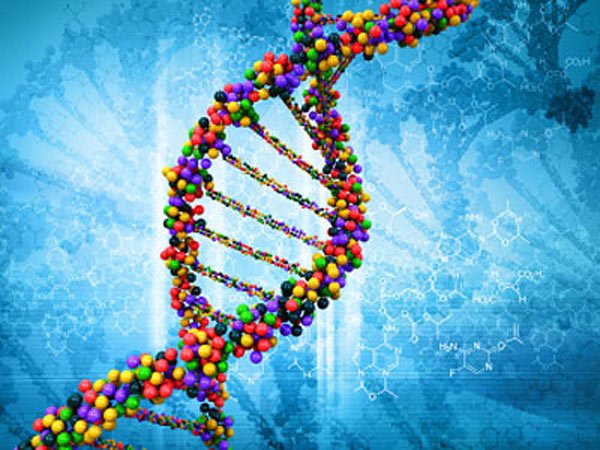
What is the name of the genetic material that is inside the nucleus?
a)
ER
b)
ATP
c)
YOLO
d)
DNA
4.
Which part of the cell is often called "the brain of the cell"?
a)
nuclear membrane
b)
endoplasmic reticulum
c)
nucleus
d)
mitochondria
5.
What is found in both plant and animal cells but is much larger in plant cells?
a)
Nucleus
b)
Mitochondria
c)
Chloroplast
d)
Vacuole
6.
This organelle takes food and turns it into ENERGY for plant and animal cells.
a)
Chloroplast
b)
Mitochondria
c)
Lysosome
d)
Ribosome
7.
The site of photosynthesis
a)
ribosome
b)
mitochondria
c)
chloroplast
d)
nucleus
8.
I am the outer most layer of an animal cell. What am I?
a)
cell wall
b)
nucleus
c)
cell membrane 
d)
cell skin
9.
What organelle is called the "powerhouse" of a cell?

a)
Endoplasmic Reticulum
b)
Nucleus
c)
Mitochondria
d)
Nucleolus
10.
What is the gel-like substance inside of cells called?

a)
photoplasm
b)
photosynthesis
c)
cytoskeleton
d)
cytoplasm
11.
The ___________ is the basic unit of life
a)
organ
b)
cell
c)
atom
d)
tissue
12.
A group of tissues that work together to perform a similar function is called_____. (Examples include the heart, lungs or stomach)
a)
cells
b)
tissues
c)
organs
d)
organ system
13.
 A group of cells that have similar functions? Examples are nervous, epithelial, muscle and connective
a)
cells
b)
tissues
c)
organs
d)
atoms
14.
Organs that work together to perform a related function is called _____________?
a)
cells
b)
tissues 
c)
organ system
d)
organs
15.
This is a example of........ 
a)
organ system
b)
cells
c)
organ
d)
tissue
16.
This is a example of ........
a)
cell
b)
organ system
c)
organ
d)
tissue
17.
The brain is a part of which organ system?
a)
nervous
b)
skeletal
c)
muscular
d)
digestive 
18.
The lungs and the kidneys are examples of
a)
cells
b)
organs
c)
tissues
d)
organ systmes
19.
Which of the following is the smallest unit of life that can carry out all life functions?
a)
the mitochondria
b)
the vacuoles
c)
the nucleus
d)
the cell
20.
Which structures are found in every living cell?
a)
cell membrane and cytoplasm
b)
chloroplasts and mitochondria
c)
a cell wall and nucleus
d)
chloroplasts and cell wall
21.
Which cell structure is found in plant and animals cells and controls what can come into or leave a cell?
a)
cell membrane
b)
cytoplasm
c)
nucleus
d)
vacuole
22.
What is the function of the cell nucleus found in both plant and animal cells?
a)
to produce energy
b)
to control cell activity
c)
to remove waste products
d)
to allow molecules to enter the cell
23.
What is one basic function of the vacuoles?
a)
circulating oxygen
b)
producing food
c)
controlling cell processes
d)
storing water
24.
A __________ includes all living and non-living things in an environment. 
a)
population
b)
niche
c)
abitotic
d)
ecosystem
25.
_______ are consumers that eat only meat.
a)
Herbivore
b)
Omnivore
c)
Carnivore
26.
________ are consumers that eat plants and meat.
a)
Herbivore
b)
Omnivore
c)
Carnivore
27.
Which organism make their own food through the process of photosynthesis? 
a)
decomposer
b)
consumer
c)
herbivore
d)
producer 
28.
Which describes a decomposer?
a)
an organism that eats only plants
b)
an organism that makes its own food
c)
an organism that breaks down dead matter
d)
an organism that recieves energy from the sun
29.
What are interconnected food chains called?
a)
consumers
b)
predators
c)
food web
30.
If the population of prey increases, the population of predators will ________because of the availability of food.
a)
decrease
b)
stay the same
c)
increase
31.
What would most likely happen if an ecosystem no longer received sunlight?
a)
The number of herbivores would increase
b)
The number of plants would increase
c)
all organisms would adapt
d)
All living organisms would eventually die
32.
Examples of how humans negatively affect local ecosystems are
a)
Building dams, deforestation (cutting down trees), adding point sources to nearby streams to allow for run-off, building roads and structures, and salting roads.
b)
Creating laws to prohibit fishing from local streams.
c)
Planting trees and other plants to attract native species.
d)
Removing non-native species from the environment.
33.
All food chains_____________________
a)
have more consumers than producers
b)
produce and use same amount of energy
c)
begin with a producer
d)
are unhealthy 
34.
How does energy enter an ecosystem? 
a)
sunlight
b)
soil 
c)
animals 
d)
invasive species 
35.
All the members of one species that live within an area of an ecosystem is a?
a)
population
b)
community
c)
niche
36.
Which organism do the owl and the weasel compete for in the food web?
a)
Hawk
b)
Spider
c)
Grasshopper
d)
Shrew
37.
A relationship between two organisms in which one organism benefits and the other is unharmed...
a)
Mutualism 
b)
Competition
c)
Parasitsm 
d)
Commensalism 
38.
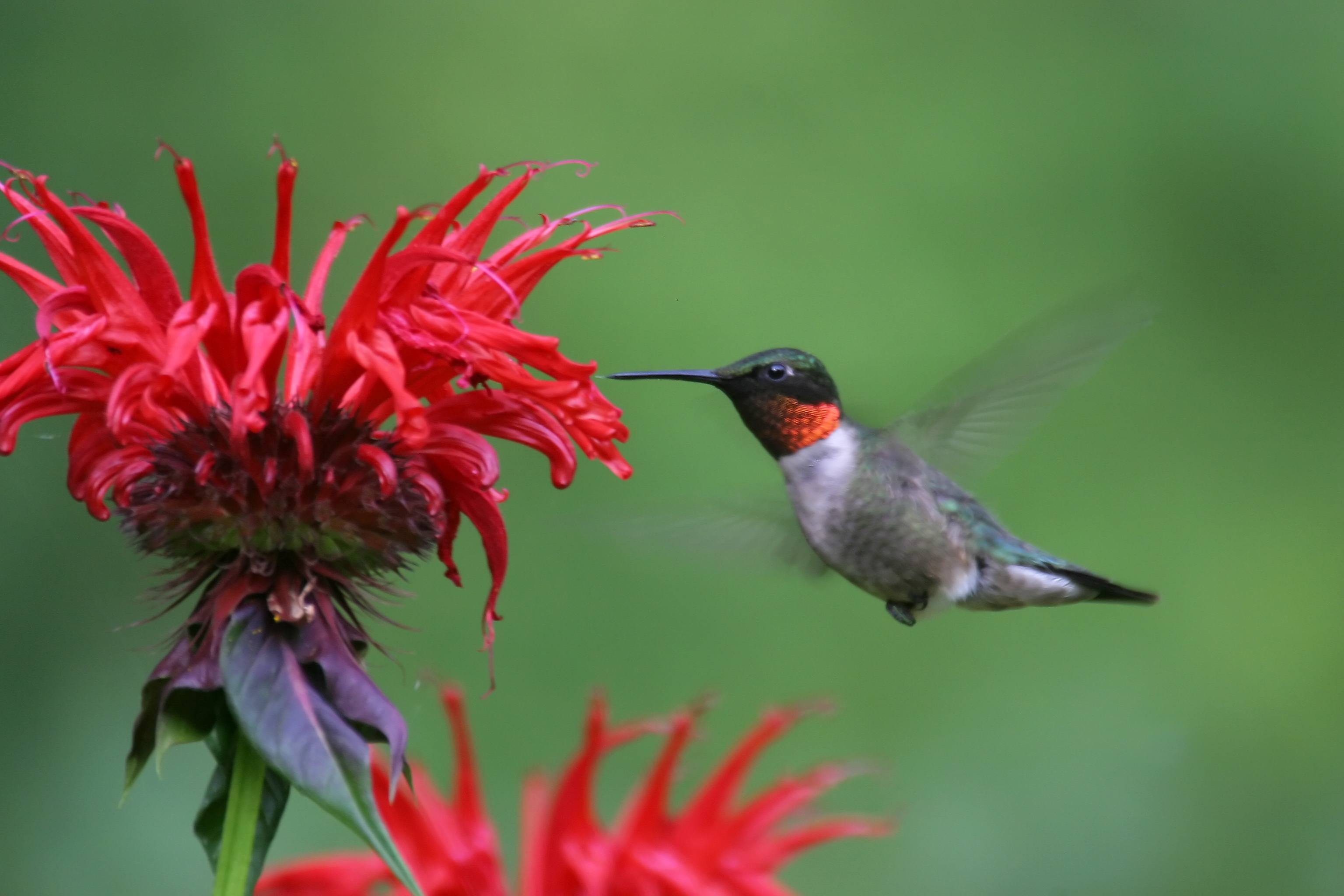
What type of symbiosis?  Hummingbirds feed on nectar from flowers.  The flowers are pollinated by hummingbirds as they move from flower to flower.
a)
commensalism
b)
mutualism
c)
parasitism
d)
predation
39.
Mistletoe extracts water and nutrients from a spruce tree. The spruce tree is harmed. 
a)
parasitism
b)
commensalism
c)
mutualism
40.
Oxpeckers feed on the ticks found on a rhinoceros. The oxpeckers get a meal and the rhinoceros is helped by the removal of the ticks.
a)
parasitism
b)
commensalism
c)
mutualism
41.
Which are abiotic factors?
a)
fish
b)
humans
c)
rocks
d)
cats
42.
Which organisms are in competition for the same food?
a)
fox and owl 
b)
spider and fly 
c)
rabbit and mouse
d)
deer and owl 
43.
What is an adaptation?
a)
A feature or behavior that helps an animal survie.
b)
The food that an animal eats.
c)
How energy moves in a food web.
44.
The main source of energy in the food chain is _________________
a)
the sun
b)
the plants
c)
the consumers
d)
the decomposeres
45.
The part of Earth where organisms can live.
a)
biotic factors
b)
biosphere
c)
ecology
d)
biology
46.

All of the populations that live in one area together

a)

limiting factors

b)

populations

c)

community

d)

speed limit

47.
A species that is in danger of becoming extinct.
a)
Threatened species
b)
out of luck
c)
do do birds
d)
endangered species
48.
Which statement is correct?
a)
A population is the same as a community
b)
A community is a group of populations
c)
A community is a part of a population
d)
A population is a group of communities
49.
Decomposers get their food by __________.
a)
making it themselves
b)
eating live organisms
c)
using dead organisms
d)
eating themselves
50.
The place where an organism lives is its _________.
a)
habitat
b)
abiotic
c)
ecosystem
d)
community
51.
Global warming has been linked to a decrease in 
a)
the size of the polar ice caps 
b)
the temperature of Earth 
c)
the rate of species extinction 
d)
the rate of carbon dioxide production
52.
Deforestation by burning has been described as a "double whammy" to the environment, meaning it has 2 negative impacts. Why is this description accurate? 
a)
Forest burning releases CO2 while decreasing oxygen, which disrupts cycles
b)
Deforestation reduces the amount of oxygen in the atmosphere, which depletes the ozone layer
c)
Forest clearing is often followed by land development, which often leads to increased noise pollution
d)
Deforestation increases the number of plant and animal species by destroying habitat
53.
What are renewable resources?
a)
Resources that are used faster than they form
b)
a.  Resources that can replenish themselves over time
c)
a.  Resources that exist only in urban areas
d)
Resources that exist only in rural areas
54.
What would Earth be like without the greenhouse effect?
a)
Too cold to be habitable
b)
A little cooler than it is now
c)
The same temperature as it is now
d)
A little warmer than it is now
55.
Which of the following is a renewable resource?
a)
coal
b)
solar energy
c)
natural gas
d)
oil
56.

Increasing the CO2 in the atmosphere contributes to

a)

Water Pollution

b)

The hole in the ozone layer

c)

Global Warming

d)

Biodiversity

57.

What is the pH of acid rain?

a)

7

b)

greater than 7

c)

less than 7

58.

The hole in the ozone layer increases the risk of...

a)

deforestation

b)

acid rain

c)

skin cancer

d)

lung cancer

59.

What is it called when plants or animals live in an area that they are not naturally found?

a)

outside species

b)

secondary species

c)

invasive species

d)

tertiary species

60.

Which describes an ecosystem with high biodiversity?

a)

A small park with a few different plants and animals

b)

A rain forest with thousands of different plants and animals

c)

A forest that has only one type of tree

d)

An area with no living things

61.

The best title for this diagram is:

a)

Ozone Depletion

b)

Greenhouse effect

c)

Water Pollution

d)

Renewable Energy

62.
Which organism in this diagram is an herbivore?
a)
Fish
b)
Frog
c)
Grasshopper
d)
Heron
63.
Which part of the cell is labeled A in both diagrams?
a)
Cell Wall
b)
Nucleus
c)
Cytoplasm
d)
Chloroplast
64.
Which gas produced by the tree does the giraffe need to survive?
a)
Carbon Dioxide (CO2)
b)
Hydrogen (H)
c)
ATP
d)
Oxygen (O2)
65.
What gas does the Giraffe produce that helps the tree survive?
a)
Carbon Dioxide (CO2)
b)
Hydrogen (H)
c)
ATP
d)
Oxygen (O2)
66.

A substance that can decay or breakdown on its own in nature

a)

biodegradable

b)

malleable

c)

nondescript

67.

Something that is poisonous to an organism is

a)

benign.

b)

toxic.

c)

biodegradable.

d)

helpful.

68.

Which of the following is NOT an example of humans impacting our air quality in a negative way?

a)

burning chemicals in a factory

b)

everyone driving their own car

c)

driving electric cars

d)

using more aerosol cans

69.

Carlos is investigating what might affect how often people use recycling bins. He is thinking about changing can change the color, the size, or the location of the bins. During this investigation, he keeps the size and location of the bins the same and only changes the color.


What is the independent variable in the experiment?

a)

location

b)

color

c)

size

d)

recycling

70.

A shopping mall was recently built near Mary's neighborhood. Soon Mary began to notice fewer birds at her bird feeder. What can Mary infer?

a)

Birds prefer to eat different birdfeed.

b)

Only cardinals are visting her feeder.

c)

Birds habitats were destroyed by the new shopping mall.

d)

Marry will see birds later in the afternoon.

71.

Oceanographers have discovered a sunken ship off the coast of Charleston, South Carolina. They also have observed large amounts of dead fish in the area. To discover the cause of the problem they should _____________.

a)

remove the dead fish from the environment.

b)

post a no-fishing zone sign in the area.

c)

examine the environment for toxic chemicals.

d)

add new populations of fish to the environment.

72.
Energy made from moving water or falling water is
a)
geothermal energy
b)
solar energy
c)
electrical energy
d)
hydroelectric power
73.
Corn, wheat, and soybeans can be made into a substance called ethanol. In some places, ethanol is part of a mixture used to power cars and trucks. What type of alternative energy resource is ethanol?
a)
Hydroelectric
b)
Geothermal
c)
Biofuels
d)
Solar
74.
The movement of weathered material (sediment) is called?
a)
weathering
b)
erosion
c)
deposition
75.
What problems are caused by using fossil fuels?
a)
Air pollution, Climate change, oil spills, acid rain
b)
Air pollution only
c)
Oil spills only
d)
Climate change only
76.
A problem with wind energy is that 
a)
Birds and bats may be threatened
b)
Too much wind is produced
c)
it is nonrenewable
d)
not predictable
77.
A problem with solar energy is that it is
a)
nonrenewable
b)
costly to build 
c)
too hot
d)
used too much
78.
One con (disadvantage) of water energy is that dams are 
a)
easy to build
b)
costly to build
c)
too big
d)
not working
79.
What is a major advantage that alternate energy has over fossil fuels?
a)
alternate energy does not produce radioactive waste
b)
alternate energy is more efficient than fossil fuels
c)
alternate energy increases the amount of sulfur dioxide ejected into the atmosphere
d)
alternate energy reduces the amount of carbon dioxided ejected into the atmosphere
80.
What is biomass? 
a)
energy from the sun
b)
energy from water
c)
energy from wind
d)
energy from plant and animal waste
81.
Why are fossil fuels more widely used than solar energy?
a)
Solar energy is harder to find
b)
Fossil fuels are much cheaper
c)
Fossil fuels are more abundant
d)
The sun's energy can never be harnessed
82.
Which of the methods of generating electricity does NOT use alternative energy resources? 
a)
Burning coal in a power plant
b)
Turbines spinning in dam
c)
Solar panels taking in light energy 
d)
Drilling wells to reach hot rocks deep inside the earth