wayground logo

Free Printable Worksheets

Font size

S
M
L
XL
Worksheets

Final Exam Semester 2 2018 Pre-AP Biology Practice Test

Total questions: 185

Worksheet time: 3hrs 54mins

Name
Class
Date
1.
This produces 2 identical cells.
a)
mitosis
b)
meiosis
2.
Meiosis makes sperm and egg cells. In humans, sperm and egg cells each have _____ chromosomes. Therefore a fertilized human egg cell (sperm and egg cell combined) would create a cell with _____ chromosomes.
a)
23, 46
b)
46, 23
c)
2, 4
d)
50, 100
3.
What causes genetic variation in meiosis?
a)
chromosomes lining up
b)
crossing over of chromosomes
c)
separation of chromosomes
d)
chromosomes pulling apart
4.
Unlike mitosis, meiosis in male mammals results in the formation of
a)
one haploid gamete
b)
three diploid gametes
c)
four diploid gametes
d)
four haploid gametes
5.
When an area of a chromatid is exchanged with the matching area on a chromatid of its homologous chromosome, _________________ occurs
a)
crossing over
b)
mutagenesis
c)
hybridization
d)
fertilization
6.
What kind of cells are made in MEIOSIS?
a)
Haploid Gametes
b)
Diploid Somatic Cells
c)
Skin Cells
d)
Liver Cells
7.
Diploid Cells are represented by
a)
2n
b)
n
c)
4n
d)
1/2 n
8.
If the Diploid number of Carrots is 18, the haploid number is
a)
18
b)
9
c)
27
d)
36
9.
Goes through P.M.A.T two rounds 
a)
Mitosis
b)
Meiosis
c)
Osmosis
d)
Transcription
10.
Which process and type of resulting cells are represented?
a)
mitosis, gametes
b)
mitosis, body cells
c)
meiosis, gametes
d)
meiosis, body cells
11.
If a somatic cell in a butterfly contains 24 chromosomes, a butterfly egg would contain
a)
3
b)
6
c)
12
d)
24
12.
Which of these cells would be produced through meiosis?
a)
skin cells
b)
liver cells
c)
brain cells
d)
sperm cells
13.
The chromosomes that pair up during meiosis, are called __________ chromosomes.  
a)
homozygous 
b)
asexual
c)
homologous
d)
genes
14.
Crossing over helps promote 
a)
male genotype
b)
genetic variation
c)
DNA replication
d)
mitosis
15.

What kind of cells are made in MEIOSIS?

a)

Haploid Gametes

b)

Diploid Somatic Cells

c)

Skin Cells

d)

Liver Cells

16.
The result of meiosis is:
a)
two diploid cells
b)
two haploid cells
c)
four diploid cells
d)
four haploid cells
17.
What causes genetic variation in meiosis?
a)
chromosomes lining up
b)
crossing over of chromosomes
c)
separation of chromosomes
d)
chromosomes pulling apart
18.
What process, and which type of resulting cells are represented?
a)
mitosis, gametes
b)
mitosis, body cells
c)
meiosis, gametes
d)
meiosis, body cells
19.
Which of the following produces identical nuclei in cells?
a)
pollination
b)
mitosis
c)
osmosis
d)
fertilization
20.
Which cellular process is shown?
a)
meiosis
b)
endocytosis
c)
mitosis
d)
phagocytosis
21.
Fruit fly body cells have 8 chromosomes. After mitosis, you would expect a resulting fruit fly daughter cell to have ...
a)
16 chromosomes.
b)
46 chromosomes.
c)
8 chromosomes.
d)
4 chromosomes.
22.
What process does a multi-cellular organism use to replace its damaged body cells?
a)
mitosis
b)
meiosis
c)
replication
d)
transcription
23.
Which of these lists presents the stages of the cell cycle in the correct order?
a)
interphase, mitosis, cytokinesis
b)
cytokinesis, mitosis, interphase
c)
mitosis, interphase, cytokinesis
d)
interphase, cytokinesis, mitosis
24.
What is the first phase of Mitosis?
a)
Prophase
b)
Metaphase
c)
Anaphase
d)
Telophase
25.
What is the correct order of stages in mitosis?
a)
prophase, metphase, anaphase, telophase
b)
anaphase, metaphase, prophase, telophase
c)
telophase, anaphase, metaphase, prophase
d)
telophase, metaphase, anaphase, prophase
26.
How many cells are created at the end of Mitosis?
a)
1 diploid cell
b)
2 diploid cells
c)
3 diploid cells
d)
4 diploid cells
27.
The cell membrane pinches in, dividing the cytoplasm into 2 cells
a)
Metaphase
b)
Anaphase
c)
Telephase
d)
Cytokinesis
28.
Before cells can divide, what must be copied?
a)
mitochondria
b)
cytoplasm
c)
DNA
d)
Cell Wall
29.
In the S stage of interphase_______________
a)
the cell grows
b)
the nucleus divides
c)
the cell membrane divides
d)
the DNA is replicated
30.
Which of the following shows the correct sequence of the cell cycle?
a)
Mitosis-> G1->S->G2->cytokinesis
b)
S->G1-> G2-> mitosis-> cytokinesis
c)
cytokinesis->mitosis->G1->S->G2
d)
 G1->S->G2->mitosis->cytokinesis
31.
A dog has 78 chromosomes in its body cells.  What is the diploid number?
a)
78
b)
39
c)
1
d)
100
32.
A Goat has 60 chromosomes in its body cells.  What is the haploid number?
a)
60
b)
30
c)
100
d)
120
33.
A human has 46 chromosomes in their body cells.  What is the haploid number?
a)
46
b)
92
c)
23
d)
12
34.
Mitosis produces cells with haploid or diploid number of chromosomes?
a)
Haploid
b)
Diploid
35.
How many cells are produced in Mitosis?
a)
1
b)
2
c)
3
d)
4
36.
Gametes have haploid or diploid number of chromosomes?
a)
Haploid
b)
Diploid
37.
What type of cells are produced in meiosis?
a)
Body Cells
b)
Gametes
c)
Hair cells
d)
Liver cells
38.
Are the cells produced in meiosis identical or unique?
a)
Identical
b)
Unique
c)
It's random
39.
Which of the following statements best explains the overall purpose of MEIOSIS?
a)
Asexual reproduction of body cells
b)
To produce gametes (sex cells)
40.
Process that begins with diploid parent cell.
a)
Mitosis
b)
Meiosis
c)
Both Mitosis and Meiosis
41.
Process used to produced new cells
a)
Mitosis
b)
Meiosis
c)
Both Mitosis and Meiosis
42.
Creates VARIETY in living things
a)
Mitosis
b)
Meiosis
43.
Daughter cells are genetically identical to the parent and each other. 
a)
mitosis
b)
meiosis
c)
both
44.
What type of heredity is shown in the pedigree?
a)
Autosomal
b)
Sex-Linked 
45.
Is this trait (the shaded individuals) dominant or recessive?
a)
dominant
b)
recessive
46.
What is the mode of inheritance shown here?
a)
 Recessive
b)
Sex Linked
c)
 Dominant
47.
In the second generation-how many people are carriers of the trait?
a)
2
b)
3
c)
5
d)
6
48.
How many people in this whole pedigree have the trait/disease?
a)
2
b)
3
c)
4
d)
6
49.
What is the mode of inheritance shown here?
a)
Autosomal Dominant
b)
Autosomal Recessive
c)
Sex Linked Recessive
50.
What is the mode of inheritance shown here?
a)
Sex Linked
b)
Autosomal Dominant
c)
Autosomal Recessive
51.
What is the mode of inheritance shown here?
a)
Autosomal Recessive
b)
Autosomal Dominant
c)
Sex Linked
52.
What is the mode of inheritance shown here?
a)
Autosomal Dominant
b)
Autosomal Recessive
c)
Sex Linked
53.
What is the mode of inheritance shown here?
a)
Autosomal Recessive
b)
Autosomal Dominant
c)
Sex Linked
54.
The genotype of the affected son and daughter at the bottom of this pedigree...
a)
homozygous dominant
b)
homozygous recessive
c)
heterozygous
d)
Can't tell
55.
A red flowered plant (RR) is crossed with a white flowered plant (WW). The gene for petal color in these plants expresses incomplete dominance.  What percentage of the offspring will have pink (RW) flowers?
a)
0%
b)
25%
c)
50%
d)
100%
56.
What type of inheritance do two alleles have if their traits blend together? 
a)
Incomplete Dominance
b)
Co-Dominance
57.
A tall plant (TT) is crossed with a short plant (SS) and a medium plant (TS) results. This is what type of inheritance pattern?
a)
Incomplete Dominance
b)
Codominance
58.

What type of inheritance do two alleles have if their traits blend together?

a)

Incomplete Dominance

b)

Co-Dominance

c)

Mendelian Inheritance (Complete Dominance)

d)

Homozygous Inheritance

59.
The different forms of a gene are called
a)
traits
b)
pollinators
c)
alleles
d)
hybrids
60.
A calico cat shows both the traits for orange fur and black fur. What kind of allele expression is this?
a)
Incomplete Dominance
b)
Co dominance
61.
This is an example of ___________.
a)
Incomplete Dominance
b)
Codominance
62.
This type of inheritance pattern is a MIXTURE of both traits.
a)
incomplete dominance
b)
co-dominance
c)
complete dominance
63.
If you cross a black chicken with a white chicken, only checkered chickens would be produced.  What kind of inheritance pattern does this follow?
a)
incomplete Dominance
b)
Co-Dominance
64.
What type of inheritance do two alleles have if their traits blend together? 
a)
Incomplete Dominance
b)
Co-Dominance
c)
Mendelian Inheritance
d)
Homozygous Inheritance
65.
1. In a certain species of animal, black fur (B) is dominant over tan fur (b).  
Which type of dominance does this cross show?
a)
Complete Dominance
b)
Incomplete Dominance
c)
Codominance
d)
Polygenic Inheritance
66.
the blending of two traits 
a)
blending
b)
recessive trait
c)
incomplete dominance
d)
homozygous
67.
This type of inheritance pattern shows BOTH traits in possible offspring
a)
complete dominance
b)
incomplete dominance
c)
co-dominance
d)
dominant pattern
68.
The idea of acquired characteristics says that _________
a)
organisms can grow a super long leg in their life time and pass it down to their off spring 
b)
organisms can evolve 
c)
Organisms die over 5 years 
d)
Organisms can acquire a characteristics and pass it down to offspring 
69.
Two similar structures in closely related organisms that have a different function:
a)
Vestigial
b)
Analogous
c)
Evolution
d)
Homologous
70.
A penguin and a fish both have fins.  This is an example of:
a)
Homologous structures
b)
Vestigial structures
c)
Analogous structures
d)
DNA replication
71.
Which DNA sequence is least closely related to:  ATGCCGTA
a)
AGTCCGTT
b)
ATCGTGTG
c)
ATTCGCTG
d)
ATGGCGTT
72.
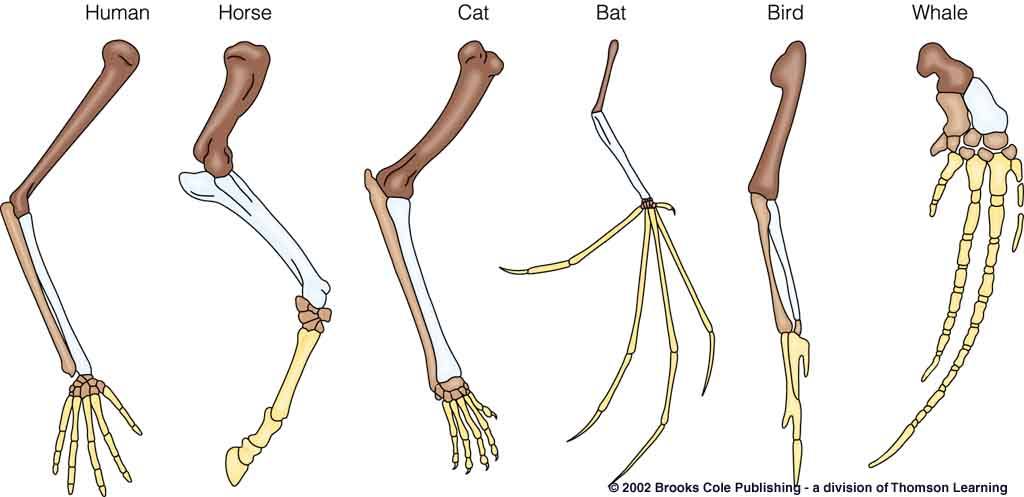
The human arm and the whale fin are examples of what type of structure?
a)
Analogous
b)
Vestigial
c)
DNA
d)
Homologous
73.
A flash flood carried a raft of Amazon ants away from their original population. There is enough distance between the two groups, that they will never meet in nature again. What type of reproductive barrier is this?
a)
behavioral isolation
b)
temporal isolation 
c)
gametic isolation
d)
geographic isolation 
74.
Some female peacocks prefer males with large, colorful tales while other female peacocks prefer males with no tail at all. Females are beginning to only mate with the type of males with the tail they prefer. What type of reproductive barrier is this?
a)
behavioral isolation
b)
hybrid sterility 
c)
temporal isolation
d)
mechanical isolation 
75.
The term for the formation of new and distinct species over the course of evolution is...
a)
speciation
b)
biological species concept
c)
reproductive barrier
d)
natural selection
76.
What is a species? 
a)
A group of organisms that can mate with each other and produce fertile offspring. 
b)
A group of organisms that can mate and produce offspring even if those offspring are infertile.
c)
A group of organisms that genetically are very different from each other. 
d)
Indivual organisms that live in the same environment. 
77.
If finches with large beaks and finches with small beaks increase in a population while finches with average sized beaks decreases, which pattern of natural selection has occurred?
a)
Directional selection
b)
Disruptive selection 
c)
Stabilizing selection
78.
a)
The image shows analogous structures.
b)
The image shows convergent evolution.
c)
The image shows adaptive radiation. 
d)
The image shows organisms that are not closely related.
79.
Flying fish, flying birds, and bats are examples of which of the following?
a)
convergent evolution & homologous structures
b)
convergent evolution & analogous structures
c)
divergent evolution & homologous structures
d)
divergent evolution & analogous structures
80.

What does being in Hardy-Weinberg equilibrium mean for a population?

a)

The population is evolving

b)

The population is not evolving

c)

Equilibrium would gradually end

d)

Gene flow would occur but slowly

81.
Gradualism or Punctuated Equilibrium?
Species of bacteria showing resistance to antibiotics
a)
Gradualism
b)
Punctuated Equilibrium
82.
The graph displays periods of abrupt changes after long periods of little change which is:
a)
Adaptive radiation
b)
Gradualism
c)
Punctuated equilibrium
d)
Extinction
83.
What does the variable q represent?
a)
Frequency of the heterozygote genotype
b)
Frequency of the homozygous recessive genotype
c)
The frequency of the recessive allele
d)
The frequency of the dominant allele 
84.
In a population of bears, the frequency of q is 0.44. What is the frequency of p?
a)
0.1936
b)
0.44
c)
0.56
d)
0.22
85.
When a population is in Hardy-Weinberg Equilibrium.  What is not happening to the species?
a)
Survival
b)
Reproduction
c)
Death
d)
Evolution
86.
Which of the following can result in a population looking more similar over time and can be described as selection against both extremes of a trait?
a)
directional selection
b)
stabilizing selection
c)
disruptive selection
d)
species selection
87.
Carlos is collecting data about the length of earthworms in his backyard. The shortest worm he found is 4 inches long; the longest worm is 8 inches long. If most of the worms are either short or long, which type of distribution is displayed in the population?
a)
directional
b)
disruptive
c)
stabilizing
88.
Which of the following must occur for speciation to happen?
a)
geographic isolation
b)
reproductive isolation
c)
temporal isolation
d)
behavioral isolation
89.
What is speciation?
a)
The change from one species into two or more distinct species. 
b)
The movement of a group of organisms into a new area. 
c)
The ability to mate and reproduce.
d)
The death of an entire species. 
90.
What is a species?
a)
A group of organisms that can mate with each other and produce fertile offspring. 
b)
A group of organisms that genetically are very different from each other. 
c)
A group of organisms that can mate and produce offspring even if those offspring are infertile.
d)
Indivual organisms that live in the same environment. 
91.

Which type of speciation occurred when finches living in different habitats on the same island in the Galapagos stopped mating with each other because they were unable to understand each other's songs?

a)

geographical isolation

b)

behavioral isolation

c)

temporal isolation

92.

Which type of isolation occurred when a few finches were blown from the coast of South America to the Galapagos Islands and then evolved into 14 different finch species?

a)

geographical isolation

b)

behavioral isolation

c)

temporal isolation

93.
When has speciation occurred?
a)
When populations no longer look the same
b)
When populations no longer have the same frequency of alleles
c)
When populations are living in different environments
d)
When populations can no longer interbreed
94.

A small group of finches was blown by a storm from Ecuador to the Galapagos Islands. This is an example of which cause of evolution?

a)

small population

b)

mutations

c)

natural selection

d)

movement (gene flow)

e)

nonrandom mating (sexual selection)

95.

Finches with larger beaks were able to eat larger seeds then their small beaked relatives when a drought deceased the number of plants that produce small seeds. The large beaked birds survived and reproduced. This is an example of which cause of evolution?

a)

small population

b)

mutations

c)

natural selection

d)

movement (gene flow)

e)

nonrandom mating (sexual selection)

96.

A genetic mistake was made during meiosis, resulting in offspring with a few different genes than their parents. Of which cause of evolution is this an example?

a)

small population

b)

mutations

c)

natural selection

d)

movement (gene flow)

e)

nonrandom mating (sexual selection)

97.

What type of selection is shown?

a)

directional

b)

disruptive

c)

stabilizing

98.

What type of selection is shown?

a)

directional

b)

disruptive

c)

stabilizing

99.

What type of selection is shown?

a)

directional

b)

disruptive

c)

stabilizing

100.
Structures that are inherited from a common ancestor are homologous.
a)
True
b)
False
101.
Humans, birds, whales, and lizards all have similar arm bones. What is the reason for this?
a)
The function of these bones is the same in all animals
b)
They live in similar environments
c)
They have a common ancestor
d)
All organisms resemble humans
102.
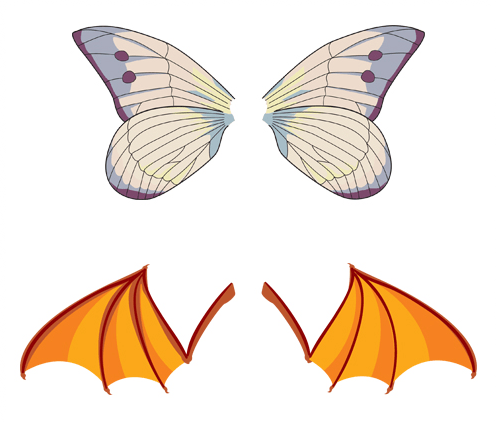
Bird wings and butterfly wings are an example of
a)
Homologous structure
b)
Analogous structure
c)
Mimicry
d)
Camoflague
103.
When would convergent evolution occur?
a)
When organisms share a common ancestor
b)
When organisms live in similar environments
c)
When organisms become increasingly different
d)
When organisms experience a change in their environment
104.
How would you describe this evolution?
a)
Homologous structure
b)
Analogous structure
c)
Structural adaption
d)
Functional adaption
105.
The structures shown are_________
a)
homologous
b)
heterologous
c)
analogous
d)
vestigial
106.
The structures shown are_________
a)
homologous
b)
heterologous
c)
analogous
d)
vestigial
107.
a)
Homologous
b)
Vestigial
c)
Analogous
108.
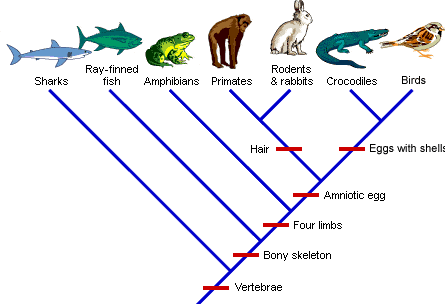
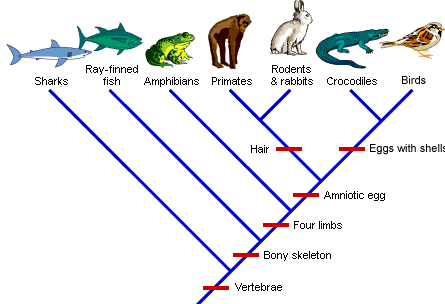
According to this cladogram, sharks are MOST closely related to which organism? 
a)
Amphibians
b)
Ray finned fish
c)
Crocodiles
d)
Birds
109.
According to this cladogram, birds are LEAST related to: 
a)
Amphibians
b)
Sharks
c)
Ray Finned Fish
d)
Crocodiles
110.
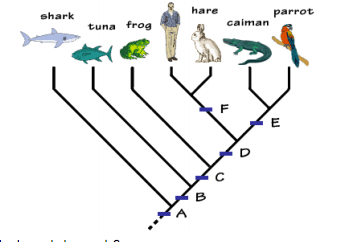
On the cladogram, which organism is the closest relative of the human?
a)
Frog
b)
Hare
c)
Caiman
d)
Parrot
111.

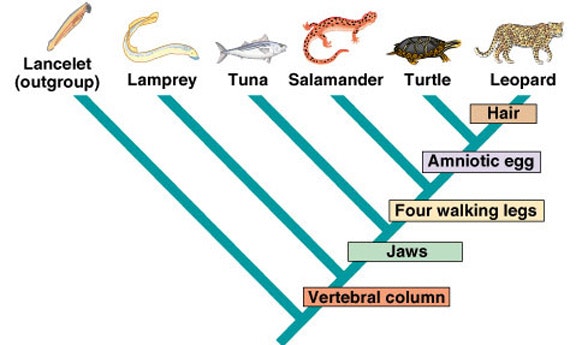
What trait separates lampreys from tuna on this cladogram?

a)

Hair

b)

Vertebral column

c)

amniotic egg

d)

jaws

112.

Which organism is most related to the leopard?

a)

turtle

b)

salamander

c)

tuna

d)

lancelet

113.

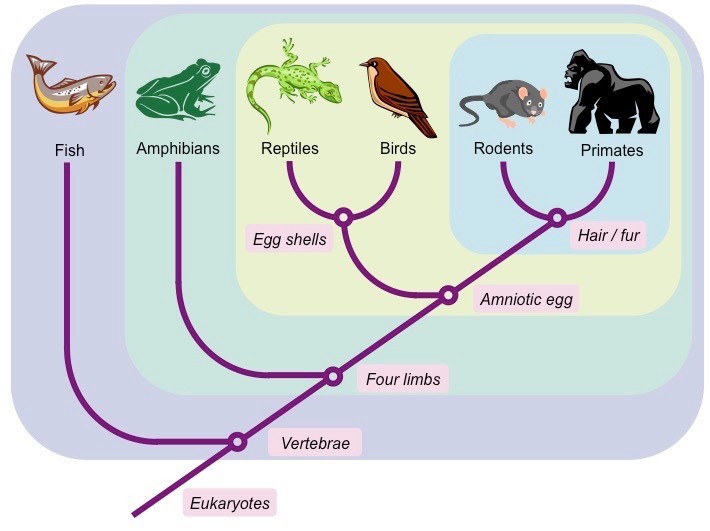
What separates rabbits and primates from crocodiles on this cladogram?

a)

eggs with shells

b)

amniotic egg

c)

four limbs

d)

vertebrae

114.

Which traits do the birds and crocodiles NOT show?

a)

four limbs

b)

eggs with shells

c)

hair

d)

vertebrae

115.

Which organism is most related to the crocodiles on this cladogram?

a)

birds

b)

rodents & rabbits

c)

primates

d)

amphibians

116.

What characteristic distinguishes amphibians from birds and reptiles?

a)

Amniotic egg

b)

Egg shells

c)

Vertebrae

d)

Hair/fur

117.

What characteristic do all the organisms on this cladogram share?

a)

Being bi-pedal & having language

b)

Complex brains

c)

Fully binocular vision

d)

Partial binocular vision & opposable thumbs
118.
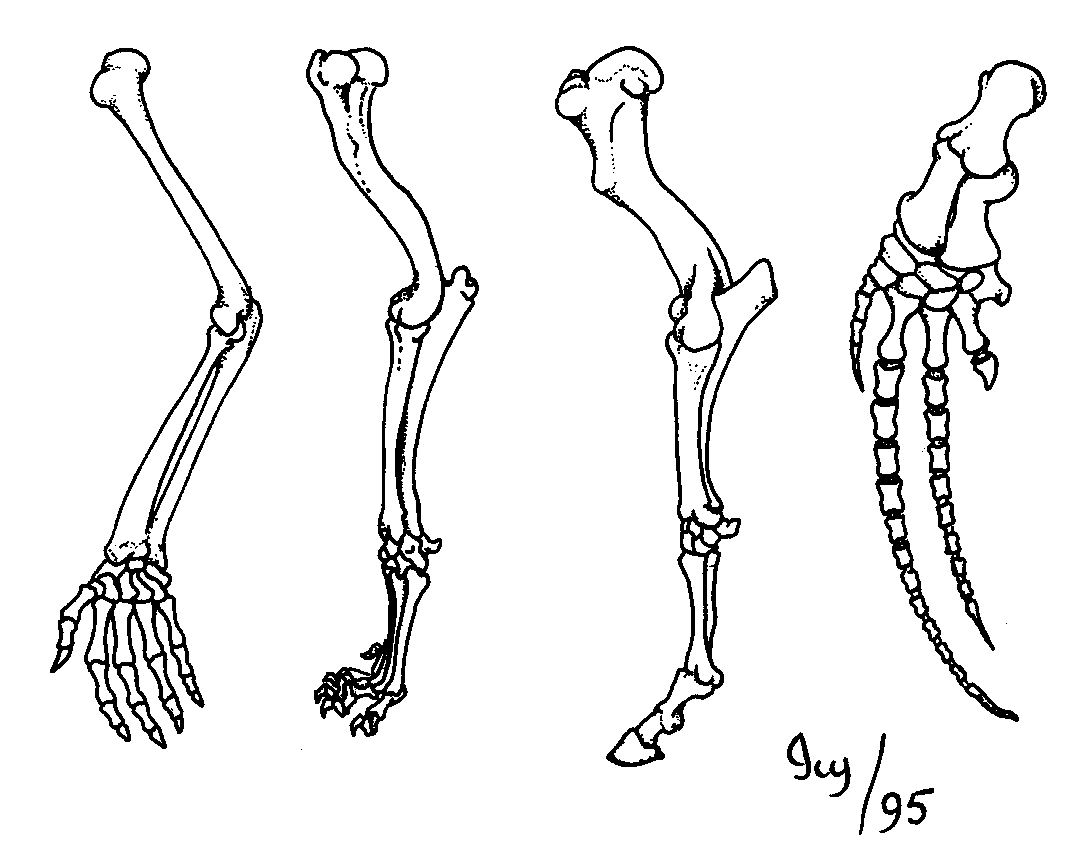
Structures with the same parts have different functions; suggests that organisms share a common ancestry
a)
vestigial structures
b)
homologous structures
c)
adaptive radiation
d)
fossil
119.
Structures with the same parts have different functions; suggests that organisms share a common ancestry
a)
vestigial structures
b)
homologous structures
c)
adaptive radiation
d)
fossil
120.
Two organisms that are closely related would have
a)
very similar DNA sequence
b)
exactly the same DNA sequences
c)
no proteins in common
d)
completely different DNA sequence
121.
The diagram illustrates an embryonic stage of two organisms.

Which of the following can be determined by observing the embryos shown in the diagram
a)
The organisms share a common ancestry.
b)
The organisms belong to the same genus.
c)
The organisms are native to the same geographic areas.
d)
The organisms will grow into anatomically similar adults.
122.
Cattle egrets forage (feed) in fields among cattle. The egret gets easy access to flying insects stirred up by the cattle, and the cattle don't care if they are there or not.
a)
mutualism
b)
commensalism
c)
competition
d)
parasitism
123.
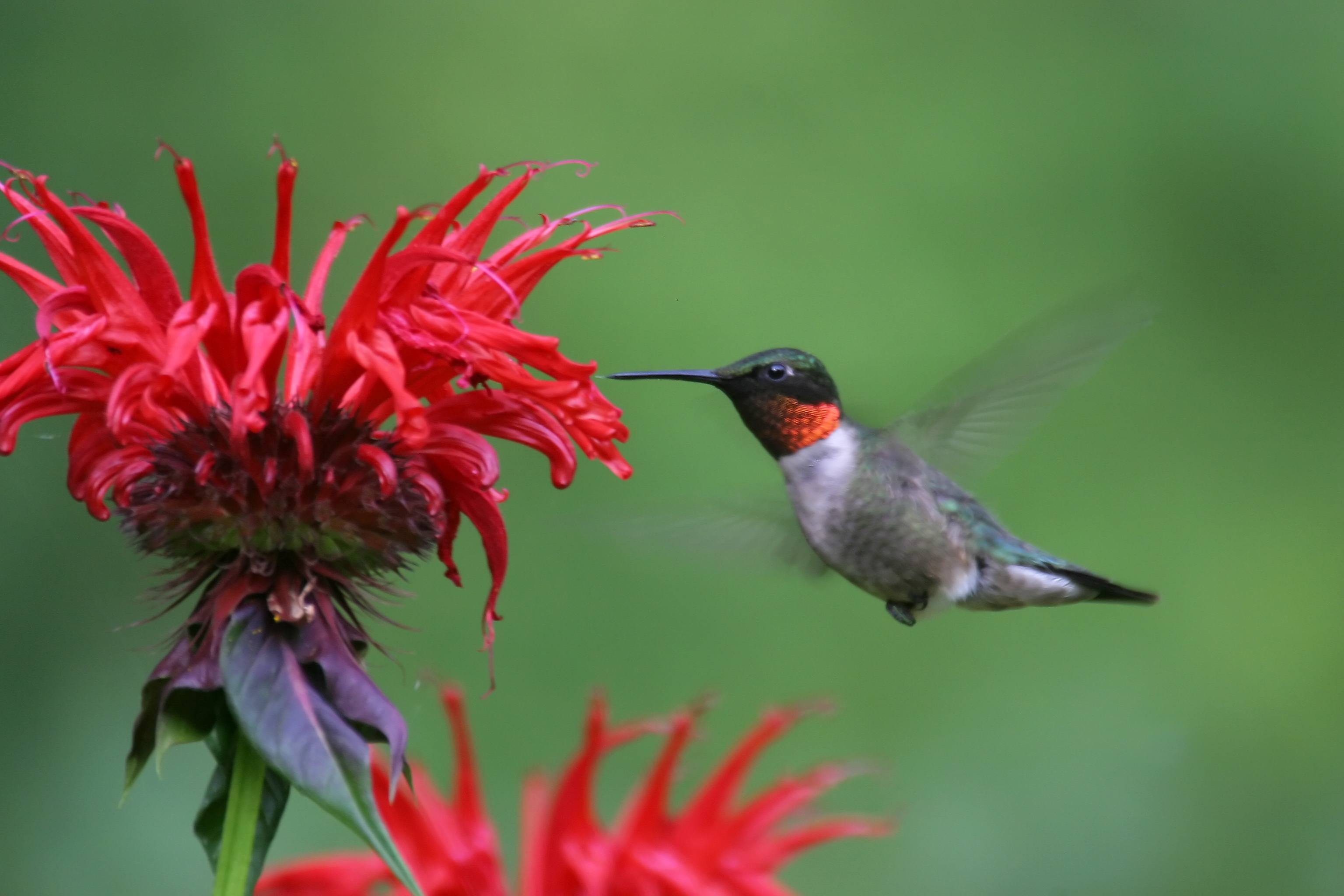
What type of symbiosis?  Hummingbirds feed on nectar from flowers.  The flowers are pollinated by hummingbirds as they move from flower to flower.
a)
commensalism
b)
mutualism
c)
parasitism
d)
predation
124.
What type of symbiosis?
*
The tick lives on dog and feeds on its blood and tissue.
*
  The dog gets skin irritation and can pick up diseases carried by tick.
a)
commensalism
b)
mutualism
c)
parasitism
d)
predfation
125.
What type of symbiosis?
*
 Mycorrhizal fungi invade and live in or among roots cells of many plants. The plant provides nutrients to the fungi.
*
  The Mycorrhizal fungi help the host plant absorb inorganic nitrogen and phosphorus from the soil. Some mycorrhizal  fungi also secrete antibiotics which may help protect their host from invasion by parasitic fungi and bacteria.
a)
commensalism
b)
mutualism
c)
parasitism
d)
predation
126.
If there is 1000 Kcal available in the producers in trophic level 1, how much energy is available in the herbivores in trophic level 2?
a)
10 Kcal
b)
1 Kcal
c)
100 Kcal
d)
1000 Kcal
127.
In the energy pyramid here, how much of the energy in the producers gets passed to the herbivores?
a)
10%
b)
20%
c)
80%
d)
90%
128.
If these organisms were arranged in a food pyramid, which organism would have the least amount of total energy available?
a)
coyote
b)
insect
c)
lizard
d)
shrub
129.
The largest group of organisms found in a food web would be:
a)
Primary Consumers
b)
Producers
c)
Decomposers
d)
Tertiary Consumers
130.
What is a trophic level?
a)
Each energy/food level within a food chain or web.
b)
Levels of ecosystems that the world is divided into.
c)
Different levels of nutrients present within an organism.
d)
The levels of sunlight an autotroph needs to survive. 
131.
Why might an organism have more than one arrow coming from them in a food web?
a)
More than one organism may eat them. 
b)
They may eat more than one other organism. 
c)
This organism gets its energy from multiple sources. 
d)
They have no resources available to them.
132.
Which best describes what a food chain shows you?
a)
Energy flow through an ecosystem
b)
Food flowing through an ecosystem
c)
Consumers going into other consumers
d)
Who eats who
133.
What do the arrows show in a food chain picture?
a)
They always point to the smallest animals.
b)
They point to the animal that tastes the best.
c)
They always point to the producers.
d)
They point in the direction that energy is flowing.
134.
A connection of food chains with many food energy paths in an ecosystem is a ____________.
a)
ecosystem
b)
food web
c)
environment
d)
population
135.
What is the difference between a primary vs. secondary succession?
a)
secondary occurs where there was no previous community
b)
they are the same
c)
secondary occurs in an area that was only partially destroyed
d)
primary ocurs in an area that was only partially destroyed
136.
Succession that occurs in an area with NO SOIL
a)
ecological succession 
b)
primary succession 
c)
secondary succession
d)
pioneer speciles
137.
What is the carrying capacity of the following graph?
a)
1000
b)
8000
c)
800
d)
600
138.
What is the carrying capacity of the graph?
a)
around 500
b)
more than 500
c)
less than 500
d)
around 600
139.
What is the carrying capacity of the following graph?
a)
1000
b)
8000
c)
800
d)
600
140.
When a population grows past the ecosystem's carrying capacity, what happens to the population?
a)
Continues to grow
b)
The population starts to die off to return to carrying capcity
c)
The population will go extinct due to lack of resources
d)
The population grows then finds a new carrying capacity
141.
Which definition best matches the term population density?
a)
human beings in general
b)
number of people in a particular area
c)
A measurement of people for a specific area
d)
All the inhabitants of a particular area
142.
If a father is AA and a mother is AB, what is the probability for a child with AB blood? 
a)
0%
b)
25%
c)
50%
d)
75%
143.
If two parents are heterozygous for type A blood, what is the probability that their offspring would have type O blood?
a)
100 %
b)
75%
c)
50%
d)
25%
144.
If two parents have type AB blood, what is the probability that their child will have type O blood?
a)
0%
b)
25%
c)
50%
d)
100%
145.
If two parents have type AB blood, what is the probability that their child will have type O blood?
a)
0%
b)
25%
c)
50%
d)
100%
146.
What are the blood types of the possible children that a woman (type O) and man (type AB) can have?
a)
O and AB
b)
O and A
c)
O and B
d)
A and B
147.
What is the genotype of a person with type A blood, who had a father with type O blood?
a)
AB
b)
AO
c)
AA
d)
OO
148.

a photograph or picture of chromosomes grouped in ordered pairs is a ______________

a)

pedigree

b)

Punnett Square

c)

Venn Diagram

d)

Karyotype

149.
What is the gender of the individual whose karyotype is seen in the image?
a)
Male
b)
Female
150.

Based on the karyotype, what is the sex of this baby?

a)

Male

b)

Female

151.
Chromosome pairs 1-22 are referred to as
a)
sex chromosomes
b)
sister chromatids
c)
a karyotype
d)
autsomes
152.
What behavior allows newborns to recognize and follow the first moving object they see?
a)
imprinting
b)
conditioning
c)
trial and error
d)
reflex
153.
A trainer using fish to reward a dolphin that jumps through a hoop is an example of
a)
imprinting
b)
conditioning
c)
trial and error
d)
insight
154.
A chick following a lawnmower because it was the first moving object it ever saw is an example of
a)
imprinting
b)
conditioning
c)
trial and error
d)
insight
155.
Michael went to the circus and saw a seal balance a beach ball on its nose.  This is an example of a...
a)
instinct
b)
mimicry
c)
camouflage
d)
learned behavior
156.
Behaviors that are passed on from parents to offspring without teaching or training are called what? 
a)
inherited or innate behaviors
b)
learned behaviors
c)
instincts
d)
imprinted behaviors
157.
Why is a spider spinning a web an innate behavior?
a)
It learns how to spin the web from its mother.
b)
It learns how to spin a web through insight learning.  
c)
It is born knowing how to spin a web.
d)
It learns how to spin a web through observational learning.
158.
A mother is born knowing how to nurse her puppies. This is an example of which type of behavior?
a)
learned
b)
trial and error
c)
operant conditioning
d)
Innate
159.
Getting use to something after being exposed to it for a long period of time is an example of which type of learned behavior?
a)
insight learning
b)
playing
c)
habituation
d)
observational learning
160.
A way of learning that involves a reward or punishment is called?
a)
observational learning
b)
operant conditioning
c)
habituation
d)
playing
161.

Which of the following is the best description of conditioning?

a)

A behavior in which newborn animals recognize and follow the first moving object they see

b)

A behavior in which an animal learns that a particular stimulus and its response to that stimulus will lead to a good result only.

c)

A behavior in which an animal learns that a particular stimulus and its response to that stimulus will lead to a bad result only.

d)

A behavior in which an animal learns that a particular stimulus and its response to that stimulus will lead to a good or bad result.

162.

Which of the following statements distinguishes an inherited behavior from a learned behavior

a)

A learned behavior passes from the parent to offspring and is with the animal from birth while an inherited behavior is the result of direction observations or experiences.

b)

An inherited behavior passes from the parent to offspring and is with the animal from birth while a learned behavior is the result of direct observation or experience.

c)

Both learned and inherited behaviors pass from the parent to the offspring.

d)

Both learned and inherited behaviors are the result of direct observation or experience.

163.

In the Hardy-Weinberg Equation, what does q2 represent?

a)

The percentage of the recessive allele

b)

The percentage of the dominant allele

c)

The percentage of the population that is homozygous recessive

d)

The percentage of the population that is homozygous dominant

164.

If 98 out of 200 individuals in a population are homozygous recessive, what percent of the population would you predict would be heterozygous?

a)

70%

b)

30%

c)

42%

d)

49%

165.

What does the variable q represent?

a)

Percentage of homozygous dominant individuals in a population.

b)

Percentage of the homozygous recessive individuals in a population.

c)

The percentage of the recessive allele in the population.

d)

The percentage of the dominant allele in the population.

166.

Which Hardy-Weinberg factor represents the frequency of heterozygous individuals in a population?

a)

p2

b)

2pq

c)

q2

d)

p2 + 2pq

167.
A population of frogs has 37 individuals who are brown in color and 194 individuals who express the dominant green color. What is the dominant allele frequency for this population?
a)
0.2
b)
0.4
c)
0.6
d)
0.8
168.
If a population has the following genotype frequencies: AA = 0.42, Aa = 0.46, and aa = 0.12, what are the allele frequencies?
a)
A = 0.42, a = 0.12
b)
A = 0.6, a = 0.4
c)
A = 0.65, a = 0.35
d)
A = 0.84, a = 0.24
169.
In a population of bears, the frequency of q is 0.44. What is the frequency of p?
a)
0.1936
b)
0.44
c)
0.56
d)
0.22
170.
A population of frogs has 37 individuals who are brown in color and 194 individuals who express the dominant green color. What is the dominant allele frequency for this population?
a)
0.19
b)
0.44
c)
0.56
d)
0.75
171.
If a population has the following genotype frequencies: AA = 0.42, Aa = 0.46, and aa = 0.12, what are the allele frequencies?
a)
A = 0.42, a = 0.12
b)
A = 0.6, a = 0.4
c)
A = 0.65, a = 0.35
d)
A = 0.84, a = 0.24
172.
Cystic fibrosis is a recessive condition that affects about 1 in 2,500 babies in the Caucasian population of the US. Calculate the frequency of carriers in the U.S. population. 
a)
.98
b)
.06
c)
.02
d)
.04
173.
Which of the following is NOT a condition for Hardy-Weinberg Equilibrium?
a)
No mutations
b)
Random Mating
c)
No natural selection
d)
Gene flow 
174.
Which of the following is NOT a condition for Hardy-Weinberg Equilibrium?
a)
No mutations
b)
Random Mating
c)
No natural selection
d)
Gene flow 
175.
What does the Hardy-Weinberg equilibrium measure?
a)
changes in allele frequencies
b)
numbers of mutations
c)
fitness of organisms 
d)
genetic diversity
176.
If a population is not evolving, it is in genetic equilibrium. 
a)
True
b)
False
177.
Which is a mechanism for change in allele frequency?
a)
gene flow
b)
genetic drift
c)
natural selection
d)
all answers are correct
178.
The Hardy-Weinberg Model is?
a)
Available at local hobby stores and retailers throughout the Greater Cleveland area.
b)
A mathematical tool that biologists can use to predict allele frequencies and determine whether or not evolution is occurring within a population.
c)
Always occurring within populations of organisms in nature.
d)
Only useful in the lab and cannot be practically applied to real-world populations of organisms.  
179.
In the Hardy-Weinberg Equation, q2 is the frequency of what?
a)
The recessive allele 
b)
the dominant allele
c)
the recessive genotype
d)
the dominant genotype
180.
What does the variable q represent?
a)
Frequency of the heterozygote genotype
b)
Frequency of the homozygous recessive genotype
c)
The frequency of the recessive allele
d)
The frequency of the dominant allele 
181.
Which Hardy-Weinberg equation represents the genotype frequencies in a population?
a)
p + q = 1
b)
p2 + 2pq + q2 = 1
c)
p2 + pq2 + q2 = 1
d)
p + 2pq + q3 = 1
182.
A population of frogs has 37 individuals who are brown in color and 194 individuals who express the dominant green color. What is the dominant allele frequency for this population?
a)
0.2
b)
0.4
c)
0.6
d)
0.8
183.
Which significance level  
(column) do you look at when finding the critical value?

a)
.50
b)
.10
c)
.05
d)
.01
184.
How do you find degrees of freedom?
a)
one less than the possible genotypes
b)
one less than the possible phenotypes
c)
total number divided 2
d)
total number times 2
185.
How do you find critical value?
a)
where degrees of freedom lines up with significance level
b)
where significance level lines up with chi-square
c)
the difference between total and chi-square 
d)
degrees of freedom minus significance level