wayground logo

Free Printable Worksheets

Font size

S
M
L
XL
Worksheets

All Systems

Total questions: 158

Worksheet time: 2hrs 17mins

Name
Class
Date
1.
Name the bone located at number 16.
a)
Clavicle
b)
Humerus
c)
Radius
d)
Ulna
2.
Name the bone located at number 12.
a)
Patella
b)
Clavicle
c)
Sternum
d)
Scapula
3.
Name the bone located at number  8.
a)
Humerus
b)
Radius
c)
Fibula
d)
Tibia
4.
This bone
a)
Pelvis
b)
Humerous
c)
Scapula
d)
Ischium 
5.
What is #12?
a)
Spenoid
b)
Sternum
c)
lumbar
d)
Cochlea 
6.
What is #33?
a)
Ribs
b)
Fibula
c)
Phalanges
d)
Tarsals
7.
ID #12
a)
Tibia
b)
Fibula
c)
Femur
8.
Which muscle is #3?
a)
Pectoralis
b)
Quadriceps
c)
biceps
d)
triceps
9.
Which muscle is #6?
a)
Rectus abdominus
b)
gastrocnemius
c)
deltoids
d)
Brachioradialis
10.
What is your cardiac muscle?
a)
heart
b)
brain
c)
lungs
d)
gluteus maximus
11.
What kind of muscle do you move on purpose?
a)
voluntary
b)
involuntary
c)
cardiac
d)
heart
12.
Name one muscle in the leg.
a)
Biceps
b)
Triceps
c)
Quadriceps
d)
Abs
13.
This man is flexing his......
a)
Triceps
b)
Biceps
c)
Fliceps
d)
Glutes
14.
a is pointing to
a)
deltoid
b)
trapezius
c)
biceps brachii
d)
triceps brachii
15.

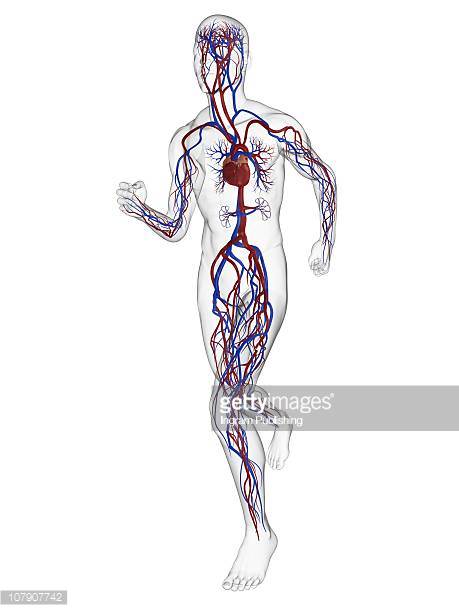
What is the main organ of the circulatory system?

a)

small intestine

b)

bone

c)

lungs

d)

heart

16.
How many types of blood vessels are in our body?
a)
1
b)
2
c)
3
d)
4
17.

Arteries carry oxygen rich blood away from the heart.

a)

True

b)

False

18.

Veins carry oxygen poor blood back to the heart.

a)

False

b)

True

19.

The job of the heart is to . . .

a)

pump blood around the body.

b)

send food to the small intestines.

c)

break down food.

d)

give energy to the body.

20.
______________ are the smallest blood vessels.
a)
Arteries
b)
Veins
c)
Capillaries
21.
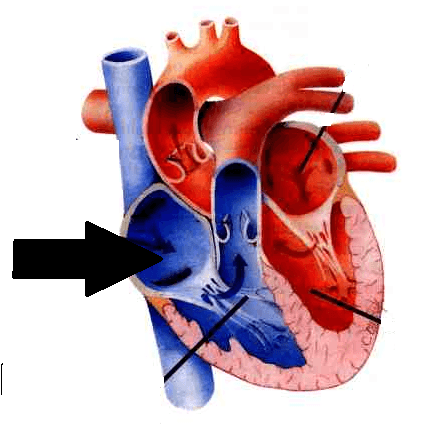
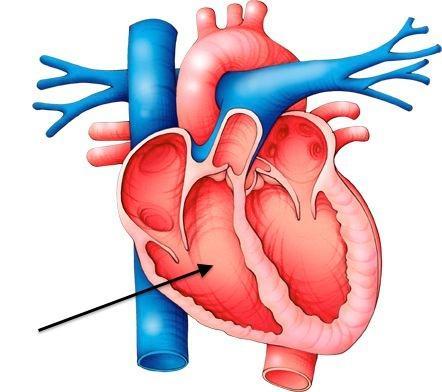
Identify
a)
Left atrium
b)
Right atrium
c)
Left ventricle
d)
Right ventricle
22.
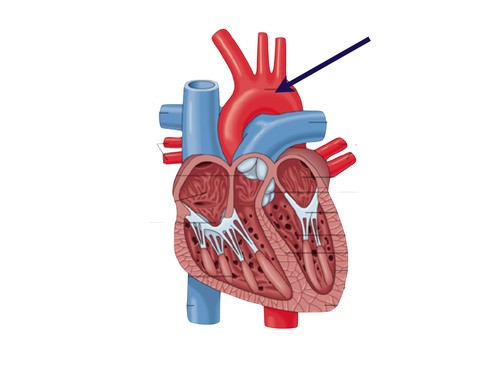
Identify
a)
Pulmonary veins
b)
Pulmonary artery
c)
Aorta
d)
Vena cava
23.
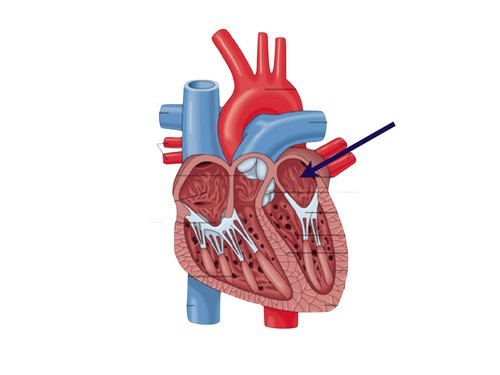
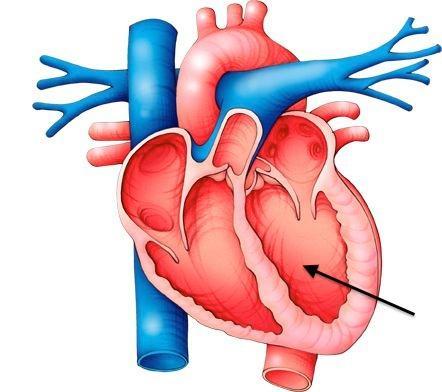
Identify
a)
Left atrium
b)
Right atrium
c)
Left ventricle
d)
Right ventricle
24.
Identify
a)
Left atrium
b)
Right atrium
c)
Left ventricle
d)
Right ventricle
25.
Identify
a)
Left atrium
b)
Right atrium
c)
Left ventricle
d)
Right ventricle
26.
The heart has ___ chambers.
a)
1
b)
2
c)
3
d)
4
27.
What does Deoxygenated mean?
a)
Oxygen-rich
b)
Blood flow
c)
Oxygen-poor
d)
Water Flow
28.
What is the functon of an Pulmonary Circulation?
a)
Sends blood from the heart to the lungs to be purified.
b)
Carries the blood from the heart throughout the body 
c)
Temporarily close a passage or permits blood flow in only one direction.
d)
Makes you bleed
29.
What do Red-Blood cells do?
a)
Carry oxygen from the lungs to the body cells and  transport carbon dioxide from the cells back to the lungs
b)
keeps blood flowing in one direction to the heart and prevent blood from flowing backwards
c)
Collects  blood from the capillaries and drain it into the veins
d)
Bring nutriients to the cells and carries away waste materials.
30.

What transports lymph fluid back to the circulatory system?

a)

Lymph

b)

Lymph Vessels

c)

Lymph Nodes

d)

Lymph Glands

31.

What are the oval-shaped structures that store lymphocytes and filter out pathogens?

a)

Lymph

b)

Lymph Vessels

c)

Lymph Nodes

d)

Lymph Glands

32.
I am the 'liquid' portion of blood.
a)
Erythrocytes
b)
Thrombocytes
c)
Leukocytes
d)
Plasma
33.

White Blood Cells Fight Infections

a)

True

b)

False

34.
Toward what area of the body does lymph flow?
a)
brain
b)
feet
c)
stomach
d)
heart
35.
Number 4 is pointing to the....
a)
Anus
b)
Rectum
c)
Large Intestine
d)
Small intestine
36.
Number 5 is pointing to the...
a)
Liver
b)
Gallbladder
c)
Pancreas
d)
Stomach
37.
Number 3 is pointing to the...
a)
Small intestine
b)
Rectum
c)
Large intestine
d)
Stomach
38.
Number 2 is pointing to the...
a)
Esophagus
b)
Stomach
c)
Small intestine
d)
Anus
39.
Which organ pushes food down to the stomach?
a)
Mouth
b)
Esophagus
c)
Rectum
d)
Large intestine
40.
Bile is stored in which secondary digestive organ?
a)
Stomach
b)
Liver
c)
Gallbladder
d)
Pancreas
41.
Which organ system removes cellular wastes as the result of cellular respiration?
a)
nervous
b)
digestive
c)
excretory
d)
circulatory
42.
These organs are responsible for what?
a)
storing urine
b)
storing water
c)
filtering blood
d)
they don't have a particular job 
43.
How many kidneys do you have?
a)
1
b)
3
c)
5
d)
2
44.
What is organ 1.
a)
Kidney
b)
Ureter
c)
Bladder
d)
Urethra
45.
What is #2?
a)
Kidney
b)
Ureters
c)
Bladder
d)
Urethra
46.
What is #3?
a)
Kidney
b)
Ureters
c)
Bladder
d)
Urethra
47.
What is #4?
a)
Kidney
b)
Ureter
c)
Bladder
d)
Urethra
48.
fingerlike folds in the intestine to increase the surface area
a)
villi
b)
vector
c)
vanilla
d)
vortex
49.
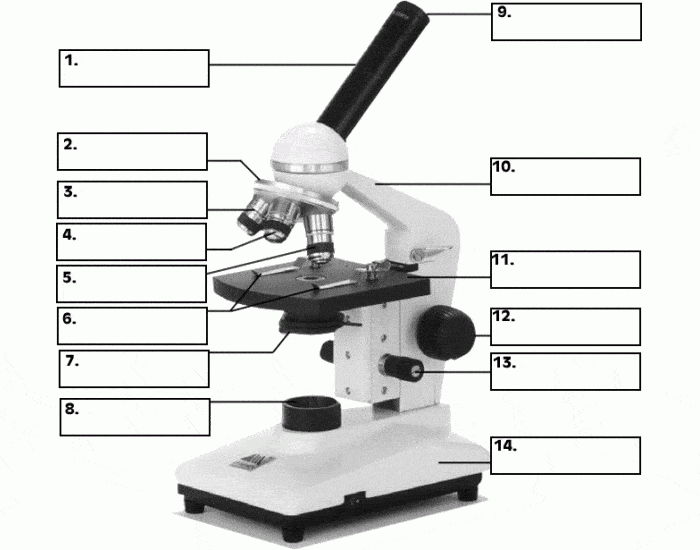
Part 9
a)
Body tube
b)
Eyepiece
c)
Objective
d)
Light Source
50.
Part 11
a)
Stage Clips
b)
Stage
c)
Diaphragm
d)
Illuminator
51.
Part 12
a)
Fine Adjustment Knob
b)
Coarse Adjustment Knob
c)
Diaphragm
d)
Objective
52.
Part 13
a)
Fine Adjustment Knob
b)
Course Adjustment Knob
c)
Stage
d)
Diaphragm
53.

If the eyepiece is 5X and the Low power objective is 10X what is the total magnification.

a)

50X

b)

500X

c)

100X

d)

huh?

54.
The nervous system is composed of the ___, ___, and ___.
a)
heart, brain, kidneys
b)
lungs, liver, stomach
c)
brain, spinal cord, nerves
d)
eyes, pancreas, veins
55.
What is the part highlighted in red?
a)
Cerebrum
b)
Cerebellum
c)
Brain Stem
d)
Diencephalon
56.
Identify the lobe of the brain that is highlighted.  
a)
frontal
b)
temporal
c)
occipital
d)
parietal
57.
What is the largest area of the brain that controls everything conscious?
a)
Cerebellum
b)
Cerebrum
c)
Diencephalon
d)
Brain Stem
58.
Which part of the brain controls reflexes?
a)
Cerebrum
b)
Cerebellum
c)
Brain stem
d)
Spinal cord
59.
The part of the neuron that conducts action potentials is the:
a)
Axon
b)
Dendrite
c)
Axon Terminal
d)
Cell Body
60.
The part of the neuron that receives signals is the:
a)
Axon
b)
Dendrite
c)
Axon Terminal
d)
Cell Body
61.
The part of the neuron that transmits signals to muscles is the:
a)
Axon
b)
Dendrite
c)
Axon Terminal
d)
Cell Body
62.
Two major branches of the nervous system
a)
central and peripheral
b)
peripheral and motor
c)
motor and sensory
d)
central and motor
63.
The spinal cord is part of the ____ nervous system.
a)
Central
b)
Peripheral
64.
An example of involuntary movement would be:
a)
heart beating
b)
walking
c)
talking
d)
wiggling toes
65.
In this picture, the red line represents a(n)
a)
motor neuron
b)
sensory neuron
c)
receptor
d)
interneuron
66.
In this picture, the blue line represents a(n)
a)
interneuron
b)
motor neuron
c)
sensory neuron
d)
effector
67.
What is known as a quick, automatic response to a stimulus?
a)
Reaction
b)
Reflex
c)
Procedural Memory
d)
After-image
68.
The part of the nerve Labeled 3
a)
nucleus
b)
cell body
c)
dendrite
d)
axon
69.
The coating Labeled 4
a)
axon
b)
axon terminal
c)
myelin sheath
d)
tail
70.
Which serves as a temporary storage of sperm cells before they are released   in the urethra?
a)
Testes
b)
Epididymis
c)
Prostate gland
d)
Cowper's gland
71.
Which produces egg cells and female hormones?
a)
cervix
b)
fallopian tube
c)
vagina
d)
ovaries
72.
What do you call the process in which the ovary releases a mature egg cell?
a)
penile erection
b)
ejaculation
c)
ovulation
d)
nocturnal emission
73.
What do you call the union of egg and sperm cell?
a)
penile erection
b)
ejaculation
c)
fertilization
d)
ovulation
74.
Where does fertilization usually take place?
a)
ovary
b)
fallopian tube
c)
cervix
d)
vagina
75.
a)
Vagina
b)
Uterus
c)
Cervix
d)
Ovaries
76.
a)
Testes
b)
Prostate gland
c)
Bladder
d)
Seminal gland
77.
a)
Produces sperm
b)
Carries the sperm to the urethra
c)
Produces semen (seminal fluid)
d)
Carries the sperm out of the body
78.
a)
Ovary
b)
Fallopian tube
c)
Uterus
d)
Uterus lining
79.

The urethra belongs to which reproductive system?

a)

Male

b)

Female

c)

Both

80.
The male sex cells
a)
glans
b)
sperm
c)
penis
d)
urethra
81.
Which organ produces sperm cells?
a)
testes
b)
epididymis
c)
ovary
d)
prostate gland
82.
Once a sperm matures, it travels through this tube
a)
Vas deferens
b)
Fallopian tube
c)
Ovaries
d)
Epididymis
83.
The male gland that adds fluid to the sperm to nourish and protect it.
a)
Prostate gland
b)
Male gland
c)
Female gland
d)
Adrenal gland
84.
What is the main function of the respiratory system?
a)
to provide oxygen and remove carbon dioxide from the body
b)
to bring oxygen to the body
c)
to break down food and absorb nutrients
d)
to remove oxygen from the body and deliver carbon dioxide
85.
What are the main organs of gas exchange in the respiratory system?
a)
diapragm
b)
lungs
c)
trachea
d)
bronchi
86.
When you breathe, your lungs take in ___ and remove ___. 
a)
air/oxygen
b)
oxygen/carbon dioxide 
c)
carbon dioxide/waste 
d)
waste/air 
87.
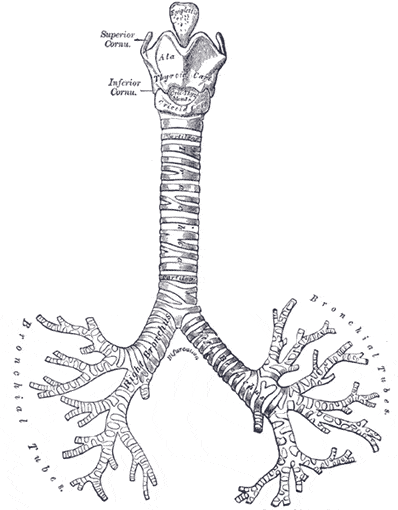
The two main branches from the trachea (one to each lung)
a)
bronchi
b)
alveoli
c)
capillaries
d)
bronchioles
88.
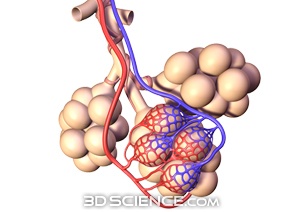
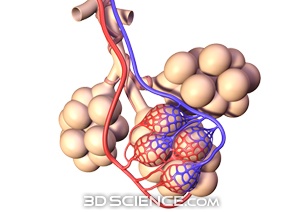
The air sacs that are covered with capillaries where gas exchange takes place
a)
bronchi
b)
lungs
c)
oxygen
d)
alveoli
89.
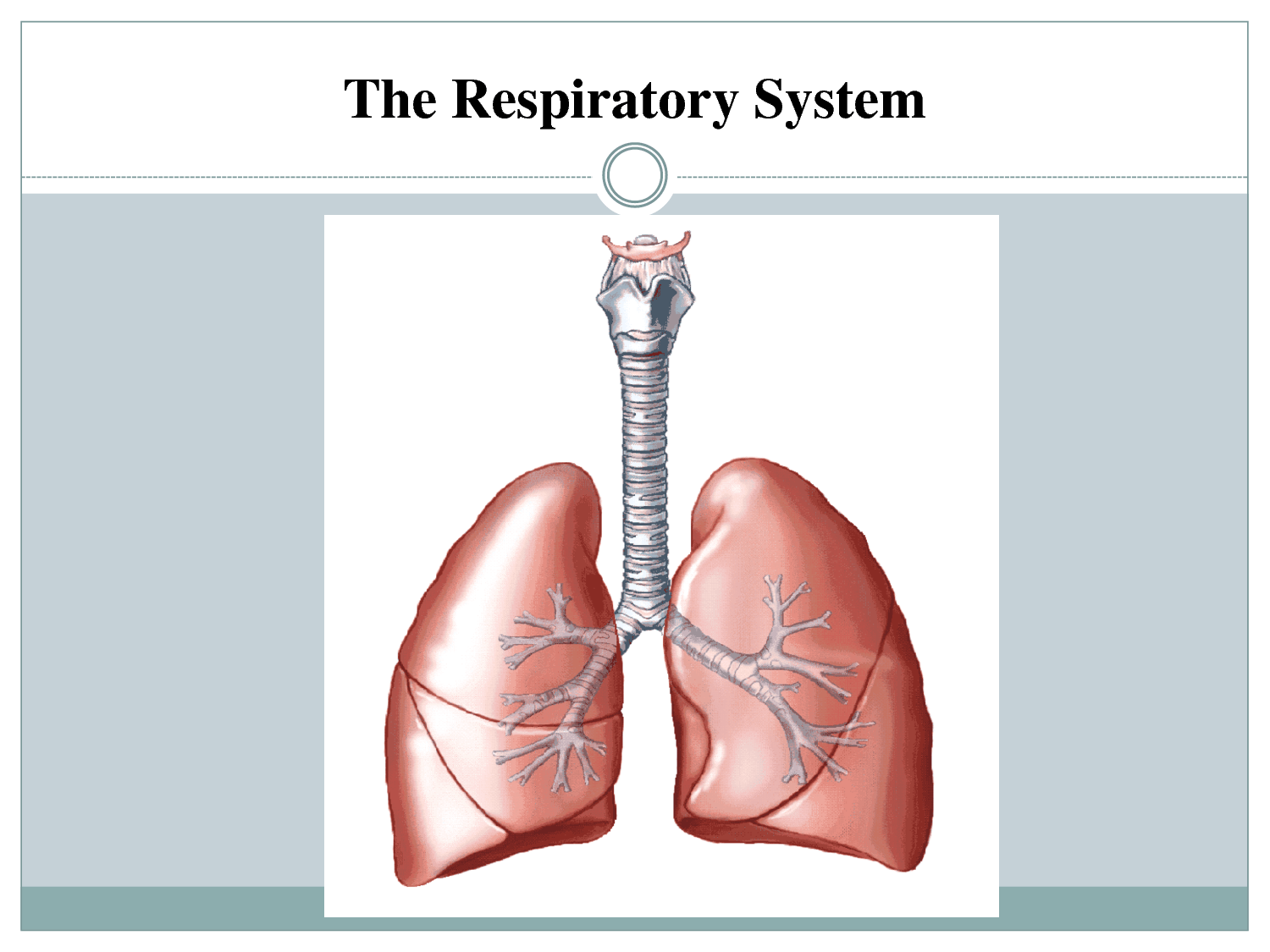
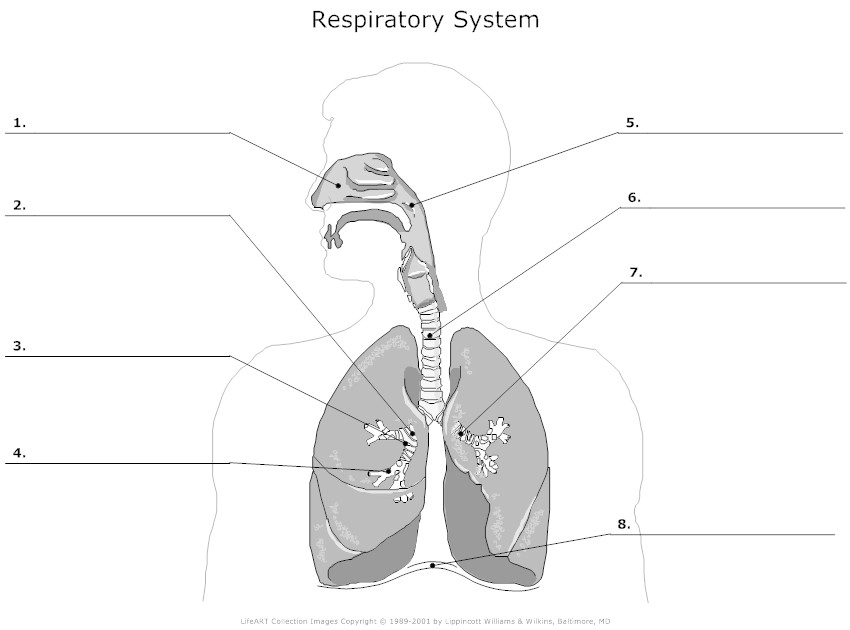
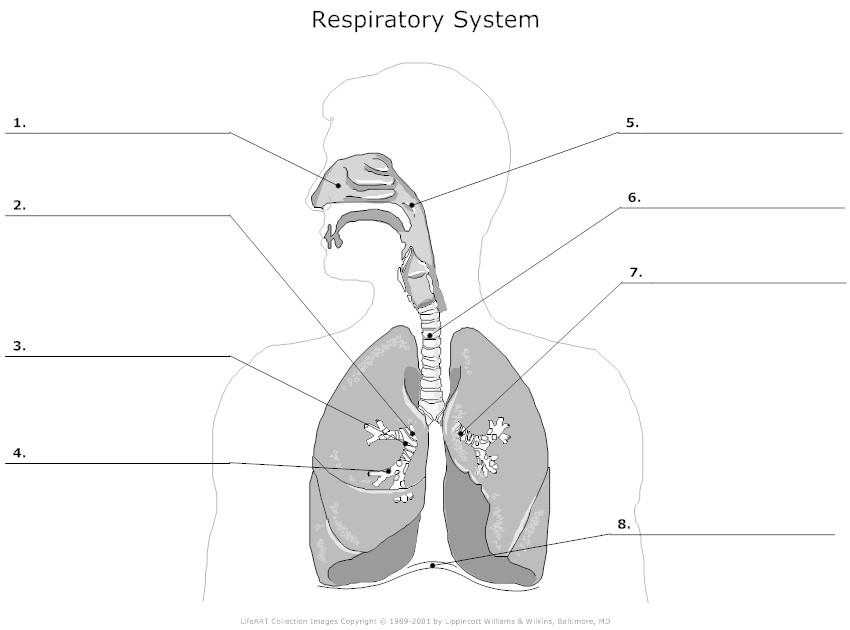
Name the organ label # 6. 
a)
alveoli 
b)
bronchi 
c)
trachea 
d)
lungs 
90.
Name the structure labeled 8 
a)
lungs 
b)
trachea 
c)
diaphragm 
d)
alveoli 
91.

To receive an A on a lab

a)

Turn it in on time

b)

Write or print neatly

c)

Use a ruler to draw lines

d)

all of these

92.

A lab is finished when

a)

the paper work is done - you have written it up neatly

b)

the bell rings

c)

you turn your lab book in

93.
What is another name for the hypodermis?
a)
epidermis
b)
subcutaneous layer
c)
stratum corneum
d)
cutaneous layer
94.
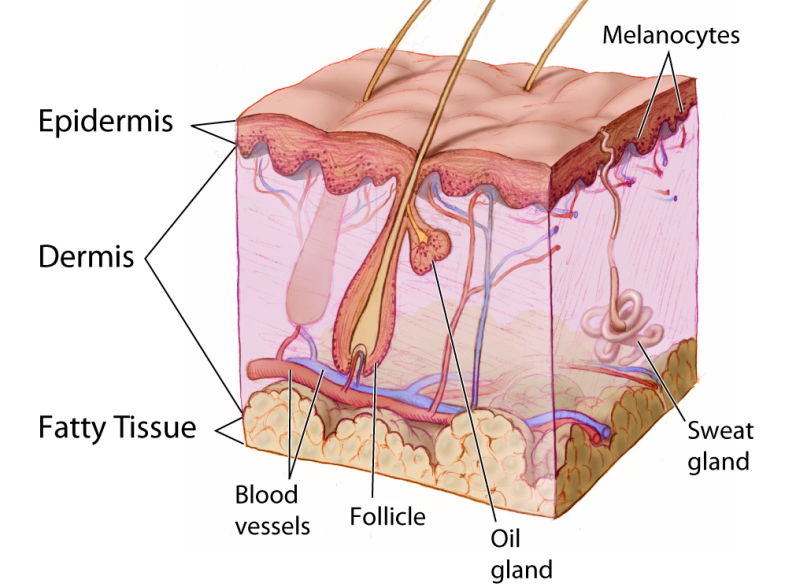
To what layer of skin is letter "B" pointing?
a)
Epidermis
b)
Dermis
c)
Hypodermis
d)
Stratum Corneum
95.
To what structure is #3 pointing?
a)
Sweat gland and duct
b)
Hair follicle
c)
Arrector pili muscle
d)
Sebaceous gland
96.
Vaccinations are used for
a)
Curing the illness
b)
Preventing the Illness
c)
Getting the illness
97.
What is the main purpose of the immune system?
a)
support the body through bones and muscles
b)
get rid of waste from the body
c)
protect the body from pathogens
d)
move blood through the body
98.
A disease that is harmful to the body and is contagious is called....
a)
Non-Infectious
b)
Infectious
99.
T cells mature in the
a)
bone marrow
b)
spleen
c)
thymus
d)
kidney
100.
Benedict's solution is an indicator that tests for the presence of
a)
Glucose
b)
Starch
c)
Disaccharides
d)
Protein
101.
Iodine is an indicator that tests for the presence of
a)
Glucose
b)
Starch
c)
Disaccharides
d)
Protein
102.
A simple sugar that is the basic subunit, or monomer, of a carbohydrate
a)
disaccharide
b)
amino acid
c)
monosacharide
d)
nucleic acid
103.
In asexual reproduction, all of the offspring are:
a)
Physically Identical
b)
Genetically Identical
c)
Physically and Genetically Identical
d)
Not Identical
104.
a)
budding
b)
binary fission
c)
sporulation
d)
regeneration
105.
How many parent(s)are needed for asexual?
a)
4
b)
1
c)
9
d)
100
106.

A type of cell division that results in four daughter cells each with half the number of chromosomes.

a)

Mitosis

b)

Meiosis

c)

Pollination

d)

Budding

107.

Reproduction that combines genetic material of two organisms

a)

Sexual Reproduction

b)

Asexual Reproduction

c)

Fertilization

d)

Budding

108.

A mature haploid male or female cell that is able to unite and form a zygote.

a)

Gamete

b)

chromosome

c)

budding

d)

mitosis

109.
Which process creates genetically DIFFERENT offspring?
a)
sexual 
b)
asexual
110.
Which reproduction requires a mate?
a)
asexual
b)
sexual
c)
neither
111.
The kidneys and urethra are part of which organ system?
a)
endocrine
b)
muscular
c)
skeletal
d)
urinary 
112.
The gland labeled 4 in the diagram is?
a)
the thymus gland
b)
the thyroid gland
c)
the parathyroid glands
d)
the adrenal glands
113.
Endocrine glands produce __________ which maintain the body in homeostasis
a)
oils
b)
neurotransmitters 
c)
tears
d)
hormones
114.
these hormones promote secondary sex characteristics in females
a)
testosterone and GH
b)
epinephrine and nor-epinephrine
c)
estrogen and progesterone
d)
prolactin and oxytocin
115.

This master gland produces ACTH, GH, prolactin, TSH, FSH, LH, MSH

a)

pituitary gland

b)

pineal gland

c)

hypothalmus

116.
When the blastocyst attaches to the lining of the uterus, this is known as
a)
fertilization
b)
ovulation
c)
implantation
d)
mitosis
117.
What structure protects and cushions the fetus throughout its prenatal development?
a)
amniotic sac and fluid
b)
placenta
c)
umbilical cord
d)
vagina
118.
What is the "lifeline" between the fetus and the placenta?
a)
amniotic sac
b)
umbilical cord
c)
placenta
d)
vagina
119.
In the embryo, heartbeat can first be heard at around 
a)
8 days
b)
3 weeks
c)
6 weeks
d)
12 weeks
120.
The site of fertilization is
a)
1
b)
2
c)
3
d)
5
121.
The length of the menstrual cycle varies, but is usually about 
a)
21 days long
b)
28 days long
c)
36 days long
d)
45 days long
122.
When an egg is not fertilized it
a)
returns to the ovary
b)
passes out of the woman's body unnoticed
c)
is absorbed in the abdomen
d)
leaves the woman's body in search of sperm
123.
What are the main Male sex hormones called?
a)
a) TESTOSTERONE
b)
b) ESTROGEN
c)
c) DOPAMINE
d)
d) STEROID
124.
What are the main Female sex hormones called?
a)
a) TESTOSTERONE
b)
b) ESTROGEN
c)
c) DOPAMINE
d)
d) STEROID
125.
What is the technical term for 'A period' in a woman?
a)
a) PREGNANCY
b)
b) RELEASE
c)
c) FERTILE
d)
d) MENSTRUATION
126.

What hormone(s) is responsible for thickening the lining of the uterus (endometrium)?

a)

estrogen

b)

progesterone

c)

FSH & LH

d)

LH only

127.
Supplies nutrients to the fetus
a)
Amniocentesis
b)
Ovum
c)
Placenta
128.
The hormone that plays an essential role in the maturation process of the ovarian follicles and in stimulating the development of the corpus luteum
a)
ACTH
b)
TSH
c)
FSH
d)
LH
129.
The top layer of the skin is called the _________________.
a)
dermis
b)
oil gland
c)
nerve
d)
epidermis
130.
What is the outermost layer of the skin?
a)
Epidermis
b)
Dermis
c)
Subcutaneous
d)
fatty layer
131.
In the embryo, heartbeat can first be heard at around 
a)
8 days
b)
3 weeks
c)
6 weeks
d)
12 weeks
132.

What hormone(s) is responsible for thickening the lining of the uterus (endometrium)?

a)

estrogen

b)

progesterone

c)

FSH & LH

d)

LH only

133.
Inhale!!!!
Your lungs are ___________  air
a)
taking in
b)
letting out
134.
EXHALE!!!
My lungs are __________________ air. 
a)
taking in
b)
letting out
135.
What is the main function of the respiratory system?
a)
to provide oxygen and remove carbon dioxide from the body
b)
to bring oxygen to the body
c)
to break down food and absorb nutrients
d)
to remove oxygen from the body and deliver carbon dioxide
136.
What are the main organs of gas exchange in the respiratory system?
a)
diapragm
b)
lungs
c)
trachea
d)
bronchi
137.
The air sacs that are covered with capillaries where gas exchange takes place
a)
bronchi
b)
lungs
c)
oxygen
d)
alveoli
138.
What is one secondary (helper) organ of the digestive system?
a)
Small Intestine
b)
Esophagus
c)
Gallbladder
d)
Stomach
139.
Bile is made by which digestive organ?
a)
Gallbladder
b)
Stomach
c)
Rectum
d)
Liver
140.
Which digestive organ makes digestive juices to help the small intestine absorb nutrients?
a)
Liver
b)
Gallbladder
c)
Pancreas
d)
Esophagus
141.
Nutrients from digested food are absorbed in which digestive organ?
a)
Small Intestine
b)
Stomach
c)
Large Intestine
d)
Gallbladder
142.
Number 4 is pointing to the....
a)
Anus
b)
Rectum
c)
Large Intestine
d)
Small intestine
143.
Number 5 is pointing to the...
a)
Liver
b)
Gallbladder
c)
Pancreas
d)
Stomach
144.
Number 3 is pointing to the...
a)
Small intestine
b)
Rectum
c)
Large intestine
d)
Stomach
145.
Number 2 is pointing to the...
a)
Esophagus
b)
Stomach
c)
Small intestine
d)
Anus
146.
Number 7 is pointing to...
a)
Mouth
b)
Esophagus
c)
Small intestine
d)
rectum
147.
These organs are responsible for what?
a)
storing urine
b)
storing water
c)
filtering blood
d)
they don't have a particular job 
148.
What is organ 1.
a)
Kidney
b)
Ureter
c)
Bladder
d)
Urethra
149.
What is #3?
a)
Kidney
b)
Ureters
c)
Bladder
d)
Urethra
150.

What muscle is highlighted in the picture?

a)

Triceps

b)

Biceps

c)

Quads

d)

Deltoids

151.

What muscle is highlighted?

a)

Lats

b)

Trapezius

c)

Hamstrings

d)

Calves

152.

What muscle is highlighted?

a)

Hamstrings

b)

Quads

c)

Calves

d)

Gluteus

153.

What muscle is highlighted?

a)

Hamstrings

b)

Quads

c)

Calves

d)

Gluteus

154.
Which muscle type is found in your stomach, bladder, and intestines?
a)
Skeletal
b)
Smooth
c)
Cardiac
d)
Straight
155.
Which type of muscle is found in your heart?
a)
Skeletal
b)
Smooth
c)
Cardiac
d)
Straight
156.
Which types of muscle tissue are voluntary?
a)
Cardiac
b)
Skeletal
c)
Smooth
d)
Cardiac and Smooth
157.

What muscle is highlighted?

a)

Lats

b)

Abdominals

c)

Pectoralis

d)

Quads

158.

What muscle is highlighted?

a)

Trapezius

b)

Lats

c)

Pectoralis

d)

Deltoids