
 Worksheets
2nd Six Weeks Review
Total questions: 98
Worksheet time: 2hrs 36mins
Name
Class
Date
1.

During which interval is the object not moving?
a)
B to C
b)
C to D
c)
D to E
d)
only at point A
2.

During which interval is the object speeding up?
a)
A to B
b)
B to C
c)
D to E
d)
E to F
3.

During which interval is the object slowing down?
a)
A to B
b)
D to E
c)
E to F
d)
G to H
4.

During which interval are the forces on the object BALANCED (Net Force= 0 N)?
a)
A to B
b)
B to C
c)
D to E
d)
F to G
5.

During which interval are the forces on the object UNBALANCED?
a)
B to C
b)
C to D
c)
D to E
d)
none of these
6.

Which runner stopped for a rest?
a)
Albert
b)
Bob
c)
Charlie
7.

Which runner won the race?
a)
Albert
b)
Bob
c)
Charlie
8.

How long did one of the runner's rest?
a)
8 seconds
b)
13 seconds
c)
5 seconds
d)
50 seconds
9.
When you stretch a rubber band, you are storing __________ energy.
a)
kinetic
b)
potential
c)
none of the above
d)
all of the above
10.

which point has the most potential energy
a)
G
b)
f
c)
b
d)
a
11.
Energy due to motion is ____________ energy.
a)
Potential
b)
Energy
c)
Kinetic
d)
Friction
12.
The faster an object moves, the ________ kinetic energy it has.
a)
more
b)
less
c)
none of the above
d)
all of the above
13.
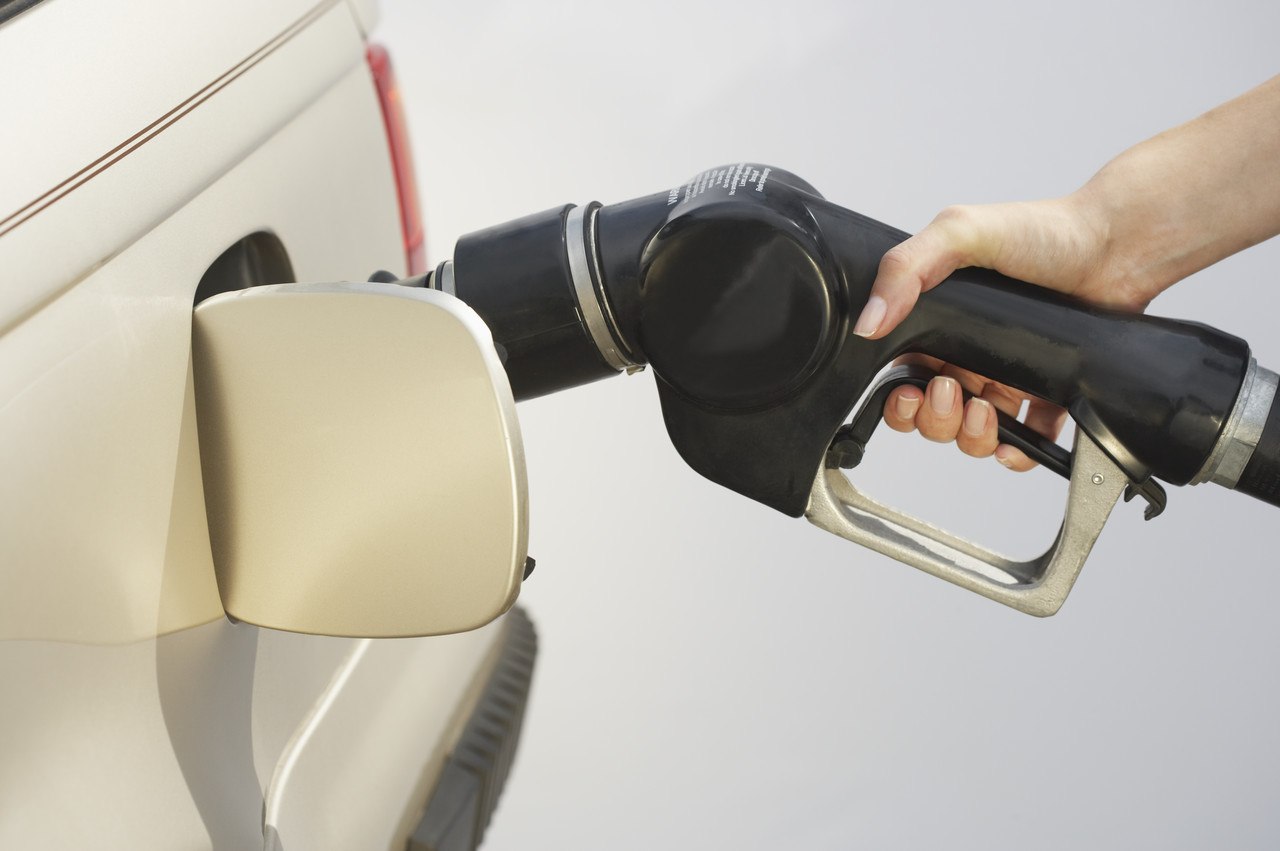
Which energy conversion is taking place when you put gasoline in a car?
a)
thermal -> electrical
b)
mechanical -> electrical
c)
chemical -> mechanical
d)
mechanical -> electromagnetic
14.

what type of energy is stored in a battery?
a)
electrical
b)
chemical
c)
thermal
d)
mechanical
15.
Which energy transformation occurs in a toaster?
a)
chemical to electric
b)
electric to thermal
c)
kinetic to chemical
d)
thermal to potential
16.
Energy transformations occur when...
a)
energy is created through conduction
b)
energy changes from one form to another
c)
two forces slide together that are touching
d)
a chemical reaction takes place
17.

The roller coaster cart has the most gravitational potential energy at position-
a)
W
b)
X
c)
Y
d)
Z
18.

A student listens to music with a digital music player, similar to the one shown below. Which best describes the energy transformations that take place in the music player?
a)
Mechanical to chemical to electrical
b)
Chemical to sound to electrical
c)
Chemical to electrical to sound
d)
Electrical to heat to sound
19.

An example of electrical energy to heat energy.
a)
using a match to warm liquid
b)
using a hotplate to boil water
c)
growing plants in the window
d)
mixing chemicals to produce heat
20.

How long did it take this object to travel 10 m?
a)
0 s
b)
10 s
c)
15 s
d)
20 s
21.

How long did it take this object to travel back to its reference/starting point?
a)
20 s
b)
30 s
c)
60 s
d)
100 s
22.

At 60 seconds, how far had this object traveled?
a)
0 m
b)
10 m
c)
20 m
d)
40 m
23.

What is this graph showing?
a)
Constant Speed
b)
Acceleration (speeding up)
c)
Deceleration (slowing down)
d)
No motion
24.

What is the formula to calculate speed?
a)
S = t/d
b)
S = d/t
c)
S = d x t
d)
S = t x d
25.

What is speed?
a)
how far you go
b)
how much distance is covered over a period of time
c)
how fast you accelerate
d)
the change in the location of a object
26.

What is velocity?
a)
the quickness of an object
b)
the location of an object
c)
acceleration
d)
speed in a specific direction
27.

A runner races in the 100 meter dash. It takes her 10 seconds to finish. What is her average speed?
a)
10 m/s
b)
1000 m/s
c)
100 seconds
d)
10 seconds
28.

Shona cycles at an average speed of 8km/h. How far has she travelled if she cycles for 4 hours?
a)
55km
b)
32km
c)
43km
d)
32miles
29.
is the measure of the total distance an object travels per unit of time.
a)
poition
b)
speed
c)
average speed
d)
velocity
30.
is a measure of the change in velocity during a period of time
a)
velocity
b)
speed
c)
average speed
d)
acceleration
31.

Between which hours is the object stopped?
a)
10 hr - 12 hr
b)
9 hr - 12 hr
c)
9.5 hr to 13 hr
d)
the car does not stop
32.

Describe the object's motion.
a)
speeding up
b)
slowing down
c)
changing direction
d)
constant speed
33.
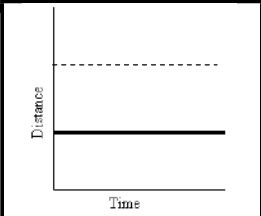
What does this graph represent?
a)
Constant speed
b)
Acceleration
c)
Not moving
34.
True or false
You do work only when you exert a force on an object and move it
You do work only when you exert a force on an object and move it
a)
true
b)
false
35.
work is a measurement of how much force is applied over a certain
a)
distance
b)
velocity
c)
shape
d)
size
36.
if you push a cart with a force of 60 N for 2 m... how much work have you done
a)
120 J
b)
30 J
c)
120 N
d)
30 N
37.

"For every action, there is an equal and opposite reaction."
a)
Newton's 1st Law
b)
Newton's 2nd Law
c)
Newton's 3rd Law
d)
Newton's 4th Law
38.

Force = Mass x Acceleration
a)
Newton's 1st Law
b)
Newton's 2nd Law
c)
Newton's 3rd Law
d)
Newton's 4th Law
39.

"An object in motion (or at rest) will to stay in motion (or at rest) until an outside force acts upon it."
a)
Newton's 1st Law
b)
Newton's 2nd Law
c)
Newton's 3rd Law
d)
Newton's 4th Law
40.

The tendency of an object to resist changes in its motion is...
a)
inertia
b)
force
c)
acceleration
d)
velocity
41.

Any push or pull on an object.
a)
force
b)
velocity
c)
inertia
d)
momentum
42.
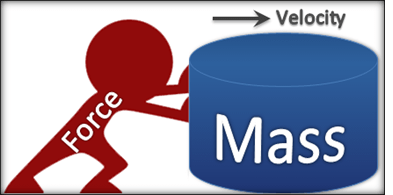
What does the picture represent of newton's laws ?
a)
1st
b)
2nd
c)
3rd
43.

What does the picture represent of newton's laws ?
a)
1st
b)
2nd
c)
3rd
44.

What does the picture represent of newton's laws ?
a)
1st
b)
2nd
c)
3rd
45.

What does the picture represent of newton's laws ?
a)
1st
b)
2nd
c)
3rd
46.

What does the picture represent of newton's laws ?
a)
1st
b)
2nd
c)
3rd
47.
Object at rest stays at rest.
a)
1st
b)
2nd
c)
3rd
48.
True or False: The larger the arrow the more the net force.
a)
True
b)
False
49.

What is the net force?
a)
65 N left
b)
65 N right
c)
35 N left
d)
35 N right
50.

What is the net force?
a)
4.2 N left
b)
4.2 N right
c)
2.2 N left
d)
2.2 N right
51.

What is the net force?
a)
3 N left
b)
3 N right
c)
7 N left
d)
7 N right
52.

What is the net force?
a)
1.3 N left
b)
1.3 N right
c)
3.7 N left
d)
3.7 N right
53.

The diagram below shows a toy car moving along a smooth, frictionless track. In which sections of the track will this toy car experience unbalanced forces?
a)
Sections 1 and 3
b)
Sections 1 and 2
c)
Sections 2 and 4
d)
Sections 3 and 4
54.

The diagram below shows a skateboarder pushing himself forward with a force of 25 N while the wind pushes back with a force of 5 N. How will the skateboarder be affected if the force of the wind increases to 8 N?
a)
The speed of the skateboarder will increase.
b)
The speed of the skateboarder will remain constant.
c)
The speed of the skateboarder will decrease.
d)
The skateboarder will come to a stop.
55.

What is the name of this element?
a)
Helium
b)
Hydrogen
c)
Argon
d)
Silver
56.

What is the name of this element?
a)
Lithium
b)
Boron
c)
Carbon
d)
Neon
57.
Particles in an atom that are neutral and have no charge are
a)
negatrons
b)
electrons
c)
neutrons
d)
protons
58.
If an atom has 3 electrons, how many protons does it have?
a)
1
b)
2
c)
4
d)
3
59.
If the number of protons equal the number of _____, the atom will have no charge
a)
protons
b)
neutrons
c)
electrons
d)
nucleus
60.
The subatomic particle with a negative charge is the
a)
electron
b)
proton
c)
neutron
d)
nucleus
61.
What is the atomic number?
a)
the number of protons
b)
the number of protons and neutrons
c)
the number of neutrons
d)
the number of protons and electrons
62.
What is the mass number?
a)
the number of protons
b)
the number of protons and neutrons
c)
the number of neutrons
d)
the number of protons and electrons
63.

Which is an electron?
a)
A
b)
B
c)
C
64.

What is found in the nucleus of atoms?
a)
Protons and electrons.
b)
Protons, neutrons, and electrons.
c)
Protons and neutrons.
d)
Neutrons and electrons.
65.

How many neutrons does oxygen have?
a)
16
b)
15.99
c)
8
d)
Doesn't contain any neutrons
66.
How many elements are in C6H12O6?
a)
1
b)
2
c)
3
d)
4
67.
How many atoms of carbon (C) are in C6H12O6?
a)
3
b)
6
c)
12
d)
24
68.
Element or compound?
H2O
H2O
a)
element
b)
compound
69.
Which is the correct formula for:
three hydrogen (H)
one sulfur (S)
four oxygen (O)
three hydrogen (H)
one sulfur (S)
four oxygen (O)
a)
H3SO4
b)
HSO4
c)
H4S3O
d)
H2O
70.
Which is the correct formula for:
one carbon (C)
two oxygen (O)
one carbon (C)
two oxygen (O)
a)
CO2
b)
CO
c)
C2O
d)
2CO
71.
How many atoms are there TOTAL in:
H2SO4
H2SO4
a)
6
b)
5
c)
7
d)
3
72.

The blue numbers in the image below represent ________
a)
I don't know, and don't want to try
b)
coefficients
c)
subscripts
d)
none of the answers are correct
73.

The red numbers in the image below represent ________
a)
subscripts
b)
coefficients
c)
I don't know, and don't want to try
d)
None of the answers are correct
74.
How many O's are in Al₂(SO₄)₃
a)
4
b)
12
c)
7
d)
24
75.
How many elements are present in this compound?
Mg2As3COHNi2
Mg2As3COHNi2
a)
2
b)
4
c)
6
d)
10
76.
How many molecules are in 10MgCl2?
a)
10
b)
2
c)
30
d)
13
77.

A vertical column is called...
a)
group
b)
tower
c)
period
d)
crew
78.

Which of the following is the most metallic element in period 3?
a)
Boron (B)
b)
Sodium (Na)
c)
Argon (Ar)
d)
Silicon (Si)
79.
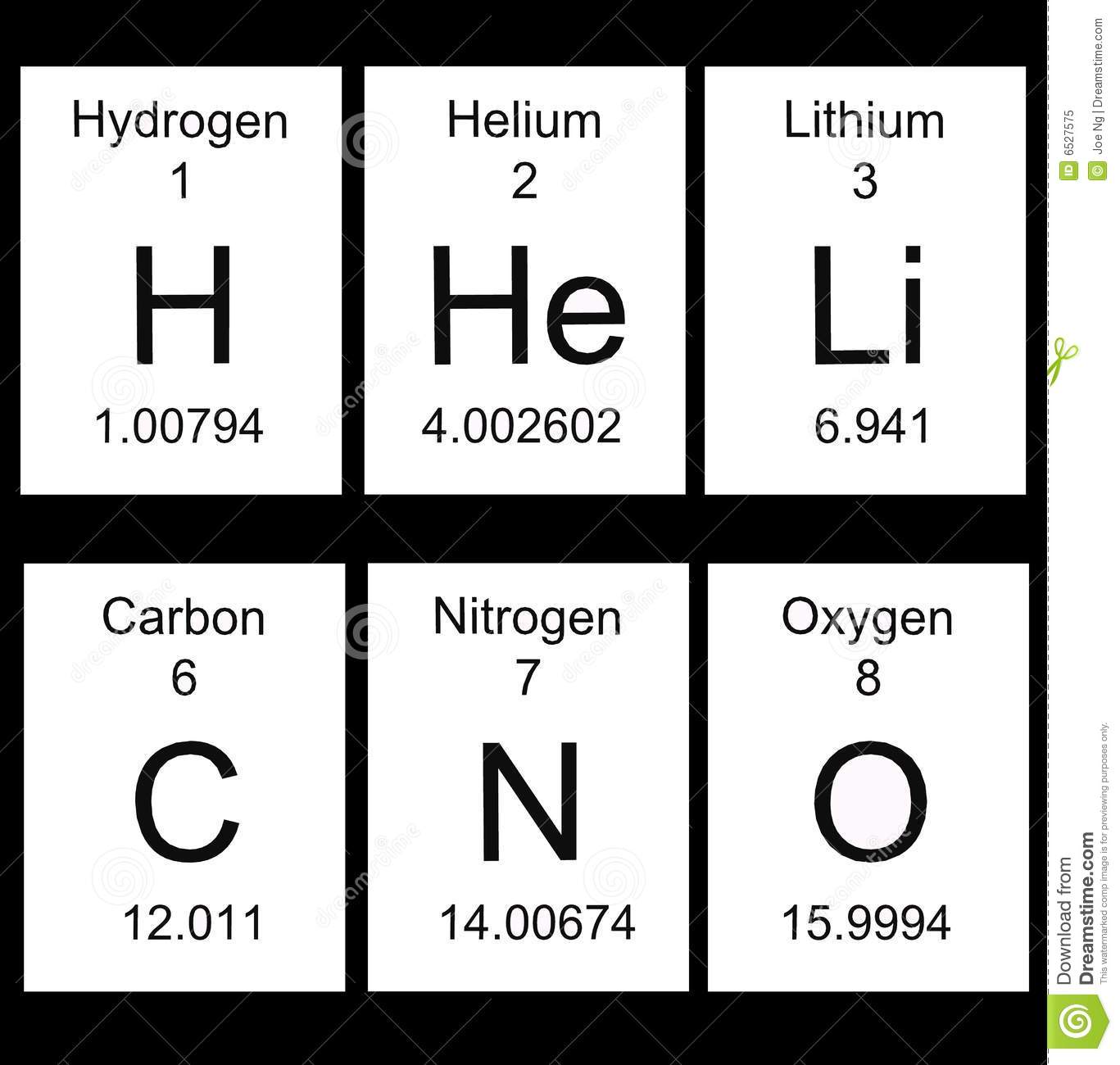
The number at the bottom of each square on the periodic table is the ...
a)
atomic number
b)
atomic mass
c)
chemical symbol
d)
element name
80.
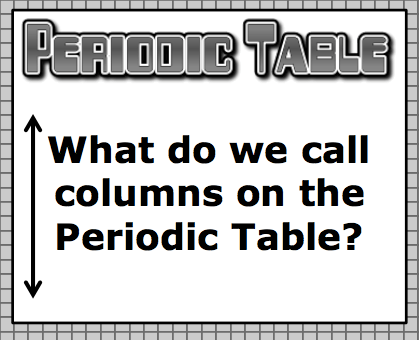
a)
Periods
b)
Groups
81.
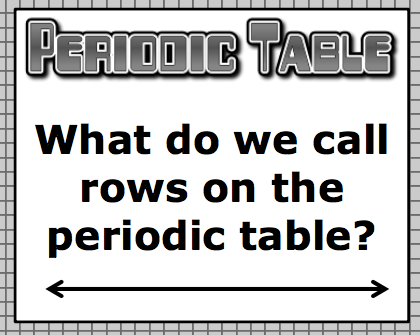
a)
Periods
b)
Groups
82.

a)
energy levels
b)
valence electrons
c)
protons
d)
neutrons
83.
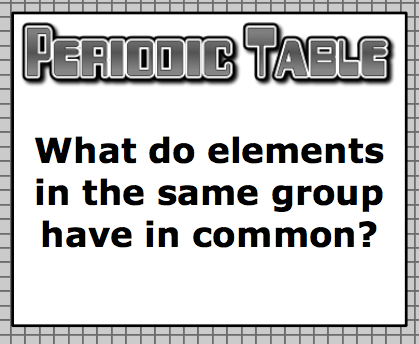
a)
energy levels
b)
valence electrons
c)
protons
d)
neutrons
84.
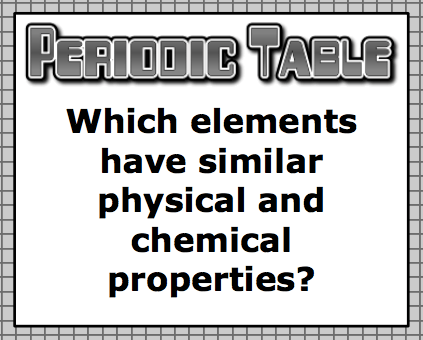
a)
Same group
b)
Same period
85.
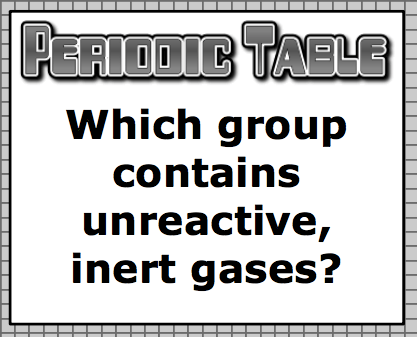
a)
Group 1
b)
Group 17
c)
Group 2
d)
Group 18
86.
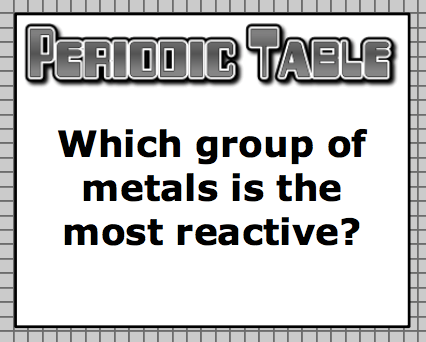
a)
Group 1
b)
Group 17
c)
Group 18
d)
Group 2
87.
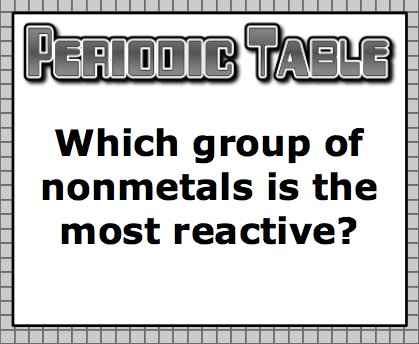
a)
Group 1
b)
Group 17
c)
Group 18
d)
Group 2
88.
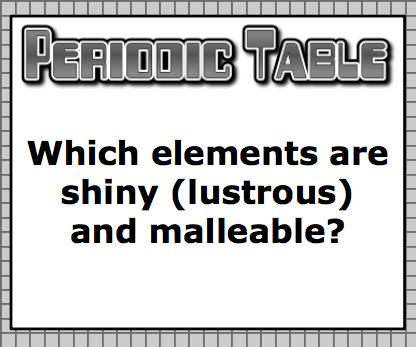
a)
Metals
b)
Nonmetals
c)
Metalloids
89.
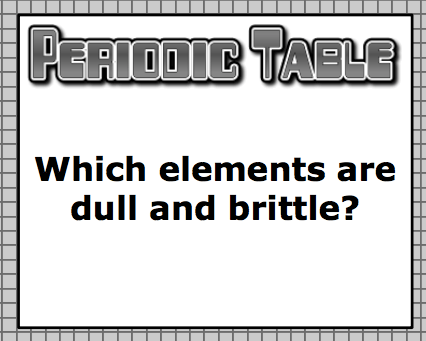
a)
Metals
b)
Nonmetals
c)
Metalloids
90.
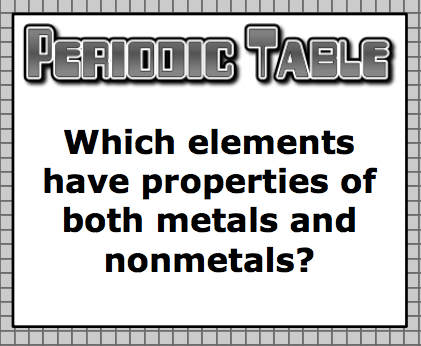
a)
Metals
b)
Nonmetals
c)
Metalloids
91.
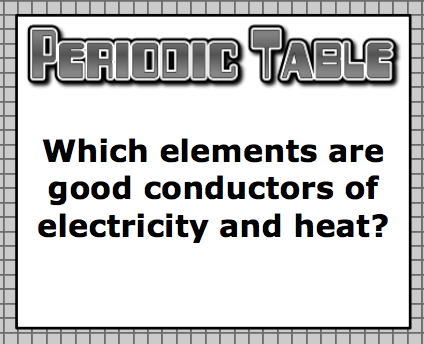
a)
Metals
b)
Nonmetals
c)
Metalloids
92.
Which of the following is a sign that a chemical reaction has occurred?
a)
change in shape
b)
melting
c)
formation of a gas
d)
dissolving
93.
Is hammering wood together to build a house a chemical or physical change?
a)
chemical
b)
physical
94.
Is bleaching your hair a physical or chemical change?
a)
physical
b)
chemical
95.
Is melting butter for popcorn a chemical or physical change?
a)
chemical
b)
physical
96.
Which of the following is NOT an example of a physical change?
a)
crumpled paper
b)
pencil sharpening
c)
shrunken clothing
d)
sour milk
97.
Adding baking soda and vinegar together and it fizzes and creates carbon dioxide.
a)
Chemical
b)
Physical
98.
Which is a Chemical property?
a)
Thermal Conductivity
b)
Density
c)
Malleability
d)
Flammability
100 %

