wayground logo

Free Printable Worksheets

NEW

Font size

S
M
L
XL
Worksheets

Intro - Strand 3 - Transportation Systems

Total questions: 50

Worksheet time: 34mins
Name
Class
Date
1.

What is the main organ of the circulatory system?

a)

small intestine

b)

bone

c)

lungs

d)

heart

2.
What is the main function of the heart ? 
a)
The heart circulates blood, oxygen, and nutrients throughout the body.
b)
The heart is the control centers for all body activities.
c)
The heart gets rid of the wastes in your body produced by homeostasis. 
d)
The heart transports , protection and regulation. Blood transports the following substances: 
3.
A blood vessel that carries blood TO the heart is called ...
a)
vein
b)
capillary
c)
blood vessel
d)
artery
4.
What do the arteries do?
a)
pumps blood to the heart
b)
pumps blood to and from the heart
c)
carry's blood away from the heart 
d)
a muscle 
5.
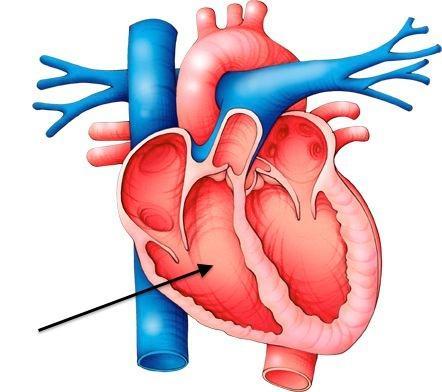
Identify
a)
Left atrium
b)
Right atrium
c)
Left ventricle
d)
Right ventricle
6.
The heart has ___ chambers.
a)
1
b)
2
c)
3
d)
4
7.
This chamber of the heart RECEIVES blood returning from the body
a)
Right Atrium
b)
Right Ventricle
c)
Left Atrium
d)
Left Ventricle
8.

What system works closely with the Circulatory System to maintain O2 levels?

a)

Nervous System

b)

Skeletal System

c)

Digestive System

d)

Respiratory System

9.
The liquid portion of the blood.
a)
red blood cells
b)
white blood cells
c)
plasma
d)
platelets
10.
Name the largest artery in the body.  It carries blood from the heart to all of the body’s cells.  
a)
vena cava
b)
aorta
c)
pulmonary artery
d)
pulmonary vein
11.
What gas is a waste product carried by the blood?
a)
Oxygen (O2)
b)
nutrients
c)
Water (H2O)
d)
Carbon Dioxide (CO2)
12.
What blood vessel brings oxygenated blood from the lungs into the left atrium of the heart?
a)
Aorta
b)
Pulmonary Artery
c)
Pulmonary Vein
d)
Left Ventricle
13.
A heart attack can occur if an artery in the _________ is clogged.
a)
brain
b)
heart
c)
liver
d)
lungs
14.

_______ clot blood.

a)

lymph nodes

b)

platelets

c)

red blood cells

d)

white blood cells

15.
Anemia is a disorder where there are too few _____ in the blood.
a)
lymphocytes
b)
platelets
c)
red blood cells
d)
white blood cells
16.
The ______ fight bacteria and viruses.
a)
hemoglobin
b)
platelets
c)
red blood cells
d)
white blood cells
17.
What connects veins and arteries?
a)
platelets
b)
lymph nodes
c)
lymph vessels
d)
capillaries
18.
This helps protect from harmful microorganisms that enter the mouth?
a)
spleen
b)
tonsils
c)
veins
d)
arteries
19.

During a routine physical, the doctor discovers that Shirley's systolic blood pressure is 180 and her diastolic

blood pressure is 100. Shirley expects she will be treated for:

a)

hypertension.

b)

myocardial infarction

c)

transient ischemic attack

d)

varicose veins

20.

A heart attack is

a)

A blockage of blood flow to the brain

b)

A blockage of blood flow to the heart

c)

A blockage of blood flow in the lungs

d)

Any of the above

21.

Condition of plaque buildup in the arteries.

a)

atherosclerosis

b)

heart attack

c)

hypertension

d)

vericose veins

22.
What is the main function of the respiratory system?
a)
to provide oxygen and remove carbon dioxide from the body
b)
to bring oxygen to the body
c)
to break down food and absorb nutrients
d)
to remove oxygen from the body and deliver carbon dioxide
23.
When you breathe, your lungs take in ___ and remove ___. 
a)
air/oxygen
b)
oxygen/carbon dioxide 
c)
carbon dioxide/waste 
d)
waste/air 
24.
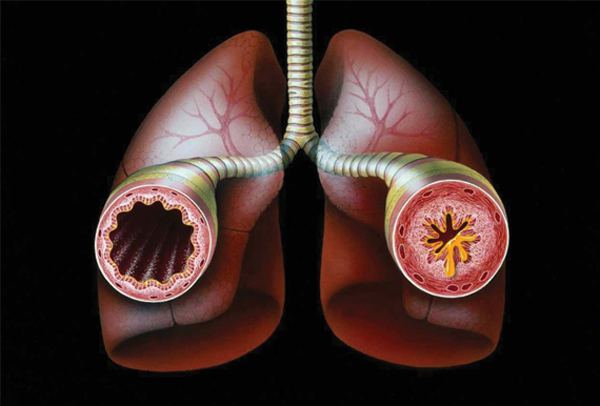
A disorder of the lungs called ____ causes the bronchi to become restricted (get smaller) so air can't get to the lungs.
a)
asthma 
b)
cold
c)
influenza 
d)
bronchitis 
25.
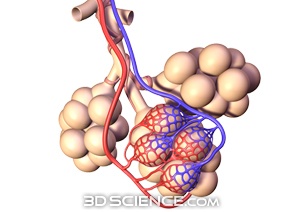
The air sacs that are covered with capillaries where gas exchange takes place
a)
bronchi
b)
lungs
c)
oxygen
d)
alveoli
26.
What is tube that is also known as your wind pipe?
a)
esophogus
b)
bronchi
c)
trachea
d)
alveoli
27.
The passageway that is shared by both the digestive and respiratory system is the....
a)
larynx
b)
pharynx
c)
trachea
d)
nose
28.
Given the following structures:
1. larynx
2. nasal cavity
3. pharynx
4. trachea
Which of the following is the correct order that air would flow during inhalation. 
a)
1,2,3,4
b)
2,3,1,4
c)
2,1,3,4
d)
4,2,3,1 
29.
Emphysema
a)
specific area that is drained by a stream
b)
negatively charged electrons 
c)
Lung disease in which the avioli enlarge 
d)
chemical reaction in which heat energy is absorbed 
30.

Refers to a common infection of the bronchi.

a)

bronchiolitis

b)

bronchitis

c)

lower respiratory infection

d)

pneumonia

31.

Identify two diseases of the respiratory system.

a)

Gallstones and hemorrhoids

b)

Asthma and lung cancer

c)

Leukemia and osteoporosis

32.
cleans, moistens, and warms the air
a)
trachea
b)
larynx
c)
nasal passage
d)
windpipe
33.
healthy _____ are usually pink in color. You have two of these.
a)
alveoli
b)
epiglottis
c)
lungs
d)
trachea
34.
a flap of tissue that closes when we eat so food doesn't not go down the trachea
a)
larynx
b)
pharynx
c)
trachea
d)
epiglottis
35.
Which is a common treatment for an Asthma attack?
a)
CPR
b)
Inhaler
c)
Defibrillator
d)
MRI
36.
Vaccinations are used for
a)
Curing the illness
b)
Preventing the Illness
c)
Getting the illness
37.
What is the main purpose of the immune system?
a)
support the body through bones and muscles
b)
get rid of waste from the body
c)
protect the body from pathogens
d)
move blood through the body
38.
The tiny oval shaped lymph structure located throughout the body are known as?
a)
Lymph nodes
b)
Spleen
c)
Lymph fluid
39.

Lupus is caused by__________

a)

Viral transmission from another individual.

b)

Bacterial transmission from another individual.

c)

Being really old.

d)

The body's autoimmune response, and a combination of external factors.

40.
HIV stands for
a)
Human Immunodeficiency Virus
b)
Human deficiency virus
c)
Human virus
41.

What does AIDS stand for?

a)

Acquired Ignored Disease Sometimes

b)

Anti Immune Disease Sickness

c)

Acquired Immune Deficiency Syndrome

d)

Another Immune Deficiency Sickness

42.

The HIV virus can destroy the

a)

immune system.

b)

cells.

c)

fluids.

d)

blood.

43.

Caused by Epstein-Barr virus, symptoms include enlarged lymph nodes, fever, mental and physical FATIGUE.

a)

Hodgkins

b)

Mononucleosis

c)

Lymphadenitis

d)

Lymphedema

44.
Largest artery in the body taking oxygenated blood to the body from the lower left chamber
a)
Pulmonary arteries
b)
Radial artery
c)
Aorta
d)
Femoral artery
45.
Which chamber receives blood from the two largest veins in the body?
a)
Right atrium
b)
Right ventricle
c)
Left atrium
d)
Left ventricle
46.
What is the general path blood takes through the body?
a)
Body, lungs, body, heart
b)
Heart, body, heart, lungs
c)
Lungs, body, heart, lungs
d)
Heart, lungs, heart, body
47.
 Like all other body systems, the immune system helps the body maintain homeostasis.  Which statement best describes how the immune system does this?  
a)
it protects other organs and tissues from infection and disease
b)
it breaks down food to provide cells with nutrients
c)
it gathers information through the senses and controls all other body systems
d)
 it transports oxygen and carbon dioxide
48.
Erick wants to avoid exposure to infectious disease as much as possible.  Which strategy can best help him do this?  
a)
eat a balanced diet
b)
wash his hands regularly
c)
wear sunscreen outside
d)
exercise several days a week
49.
What is a cold is caused by?
a)
a symptom
b)
a virus
c)
the weather
50.
A cold and flu are different but they have things in common.
a)
TRUE
b)
FALSE